Innere Stadt
The Innere Stadt is the beating heart of the Austrian capital, where centuries of imperial grandeur meet modern urban vibrancy. Walking through its narrow, cobblestone streets, you are surrounded by architectural marvels that once stood as the very definition of Vienna itself. From the towering spires of St. Stephen's Cathedral to the opulent halls of the Hofburg Palace, every corner tells a tale of emperors, musicians, and history-making moments. It is an area that demands a leisurely pace, inviting you to wander through hidden courtyards, enjoy a traditional coffee in a grand cafe, or simply marvel at the mix of baroque and neoclassical facades. Whether you are a history enthusiast or someone looking to soak up an unmatched atmosphere, this district offers an experience that defines the quintessential Viennese lifestyle.
Videos
History of Innere Stadt
Deep beneath the modern streets lies the legacy of Vindobona, a Roman legionary camp that grew into the centre of power for the Habsburg Empire. For centuries, this area was the entirety of Vienna, encircled by formidable defensive walls that shielded its residents from outside forces, including the infamous Ottoman sieges. It was the place where imperial destiny was forged, serving as the setting for political intrigue and grand coronation ceremonies that resonated across Europe. The transformation of the area began in earnest with the demolition of these ancient walls in the 19th century. In their place arose the magnificent Ringstraße, a sweeping boulevard that became a showcase of monumental architecture and civic pride. This shift turned the district from a cramped, fortified stronghold into an open, elegant capital that set the stage for the artistic and intellectual flowering of the fin-de-siècle period, where luminaries like Freud and Klimt walked these very paths. Today, the district acts as a living museum, balancing its role as a vibrant centre of government with its status as a premier tourist destination. While political leaders debate in the halls of the nearby government buildings, visitors from across the globe find themselves lost in the sheer beauty of the preservation. It remains a testament to the resilience and enduring allure of Vienna, preserving its regal past while seamlessly integrating into the rhythms of 21st-century life.
Events spanning 1901 years
Fun Facts
- • Despite being the political and economic centre of Austria, the district has the lowest population density in Vienna, giving it a surprisingly quiet atmosphere compared to the bustling outer districts.
- • St. Stephen's Cathedral, the spiritual heart of the district, has stood as a resilient landmark since the 12th century, surviving numerous wars and conflicts.
- • The area is home to more than just government buildings, as it houses world-class museums like the Albertina and the Kunsthistorisches Museum, which hold treasures collected over centuries.
- • The demographic profile of the Innere Stadt is unique, with a higher percentage of elderly residents compared to the city average, contributing to its dignified and tranquil vibe.
- • The district is a hub for high-end commerce, with the Kärntner Straße and Graben serving as some of the most prestigious shopping streets in Europe.
- • The district name translates to Inner City, a reference to its location inside the defensive walls that once protected the capital.
- • The district's official coat of arms, featuring a white cross on a red background, dates back to the 13th century and remains the emblem for both the city and the state of Vienna.
- • The iconic Ringstraße boulevard was created on the site of the former fortifications, which allowed the city to transition from a walled stronghold to an open, modern metropolis.
- • Until the city expanded in 1850, the Innere Stadt was considered the entirety of Vienna, serving as the sole administrative and residential core.
Innere Stadt FAQ
While we strive to keep this information accurate and up to date, we recommend verifying any details independently before making decisions based on them.
Innere Stadt Map & Neighborhood Explorer
This interactive map is centered on Innere Stadt. Zoom in and move the map around to automatically discover Wikipedia photos and summaries of other nearby sights, monuments, and historical points of interest and stories in real-time!
Places near Innere Stadt
Make the most of your trip. Check out these top-rated spots located nearby.
 132m
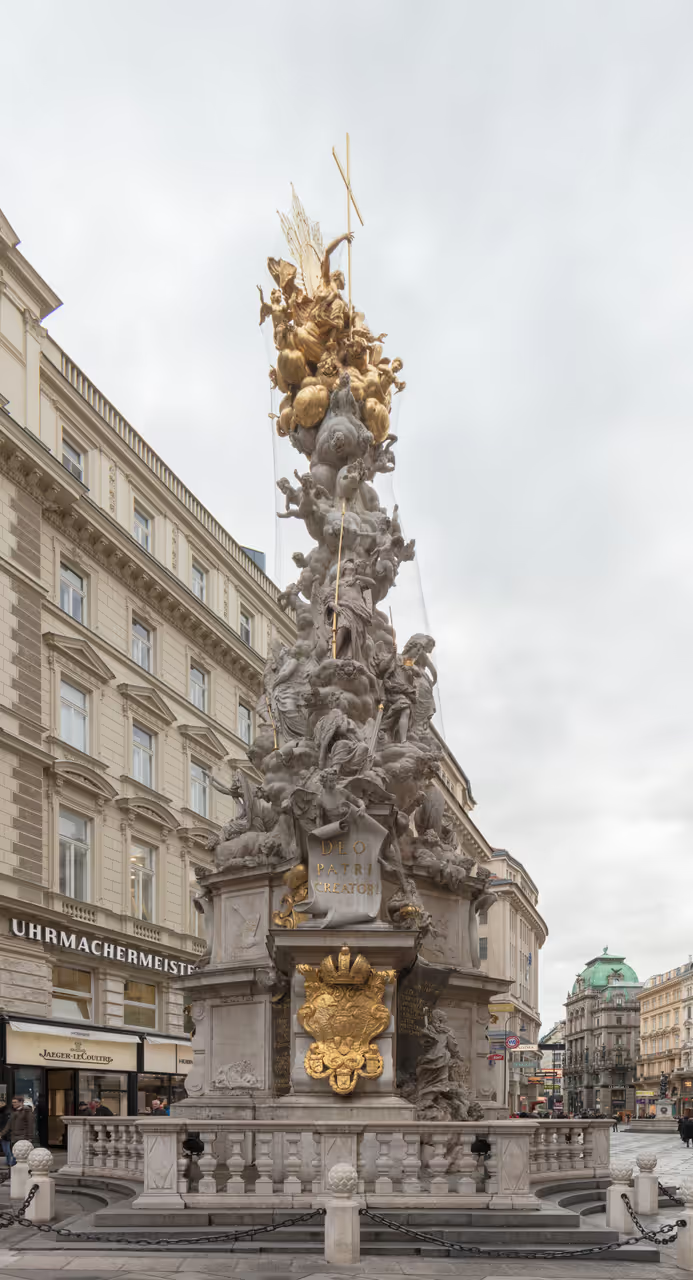
132mGraben and Plague Column
This wide, luxurious pedestrian street is lined with grand historical facades, but the true focal point is the incredibly ornate, golden Plague Column. The highly complex baroque sculpture captures the dramatic swirl of clouds and saints, creating fantastic shadow and light interplay. Capturing the monument against the backdrop of the elegant surrounding boutiques offers a quintessential shot of imperial luxury.
photo spot view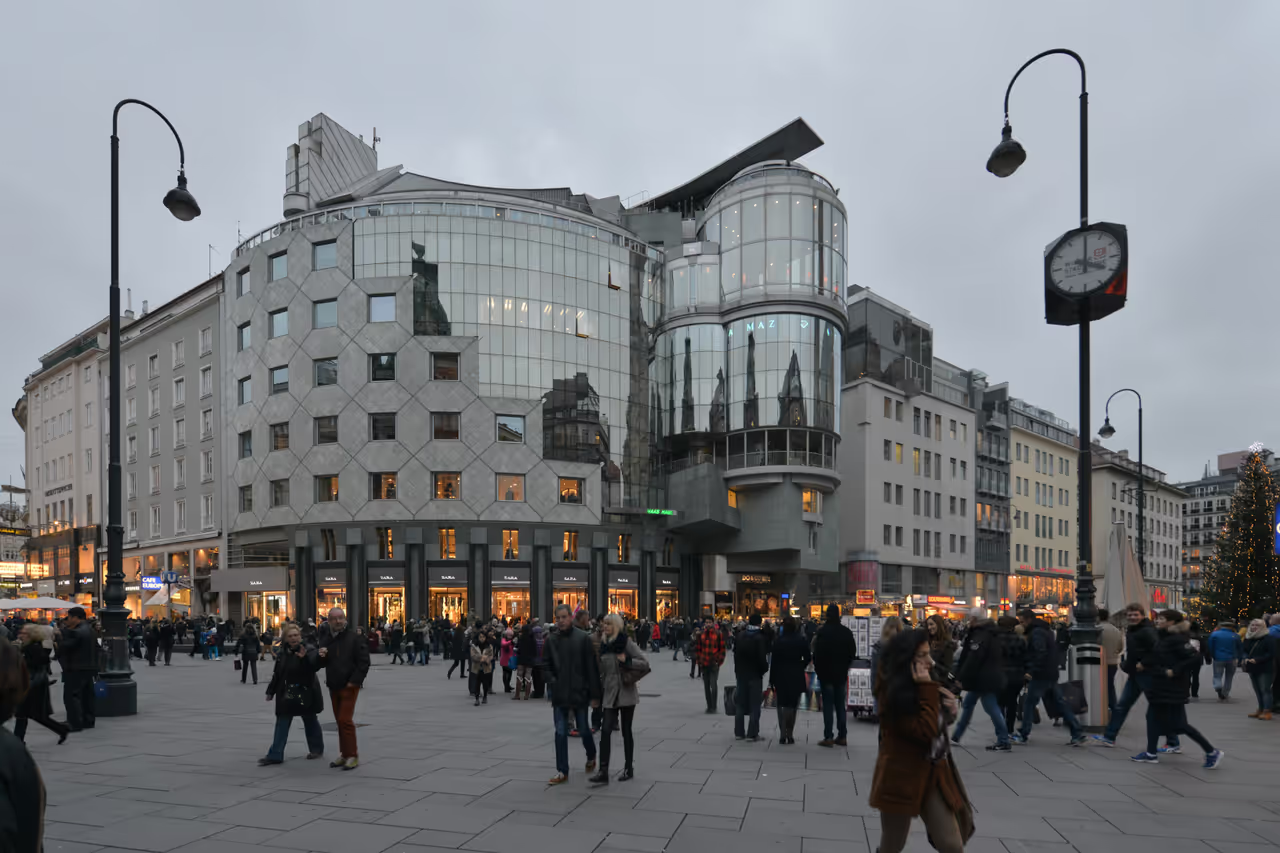 236m
236mHaas House
This bold post-modern building sits directly across from the ancient St. Stephen's Cathedral, creating one of the most jarring architectural contrasts in the city. Designed by Hans Hollein in 1990, its curving, mirrored glass facade reflects the gothic towers of the cathedral in spectacular fashion. The integration of stone and glass sparked fierce debates about placing modern commercial structures in historic squares. It now hosts high end boutiques, a hotel, and a rooftop bar offering phenomenal views.
architecture view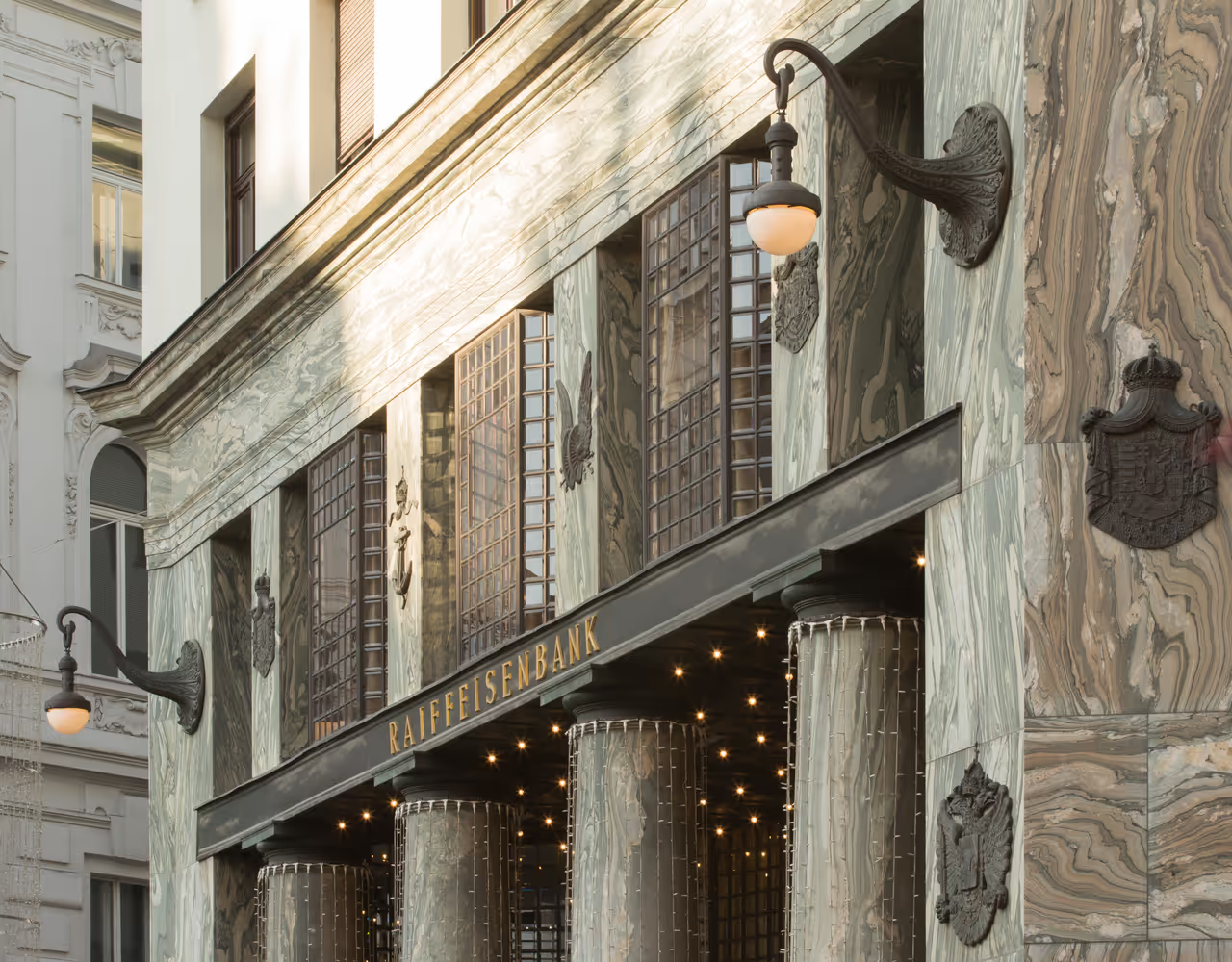 292m
292mLooshaus
This highly controversial commercial and residential building, sitting directly opposite the imperial palace, caused a massive scandal when it was unveiled in 1911. Architect Adolf Loos stripped the upper facade of all ornamentation, reflecting his belief that architectural decoration was a crime. Emperor Franz Joseph reportedly despised the clean, unadorned windows so much that he refused to use the palace exit facing the building. Today, it is celebrated as a vital stepping stone in the development of modern architecture.
architecture view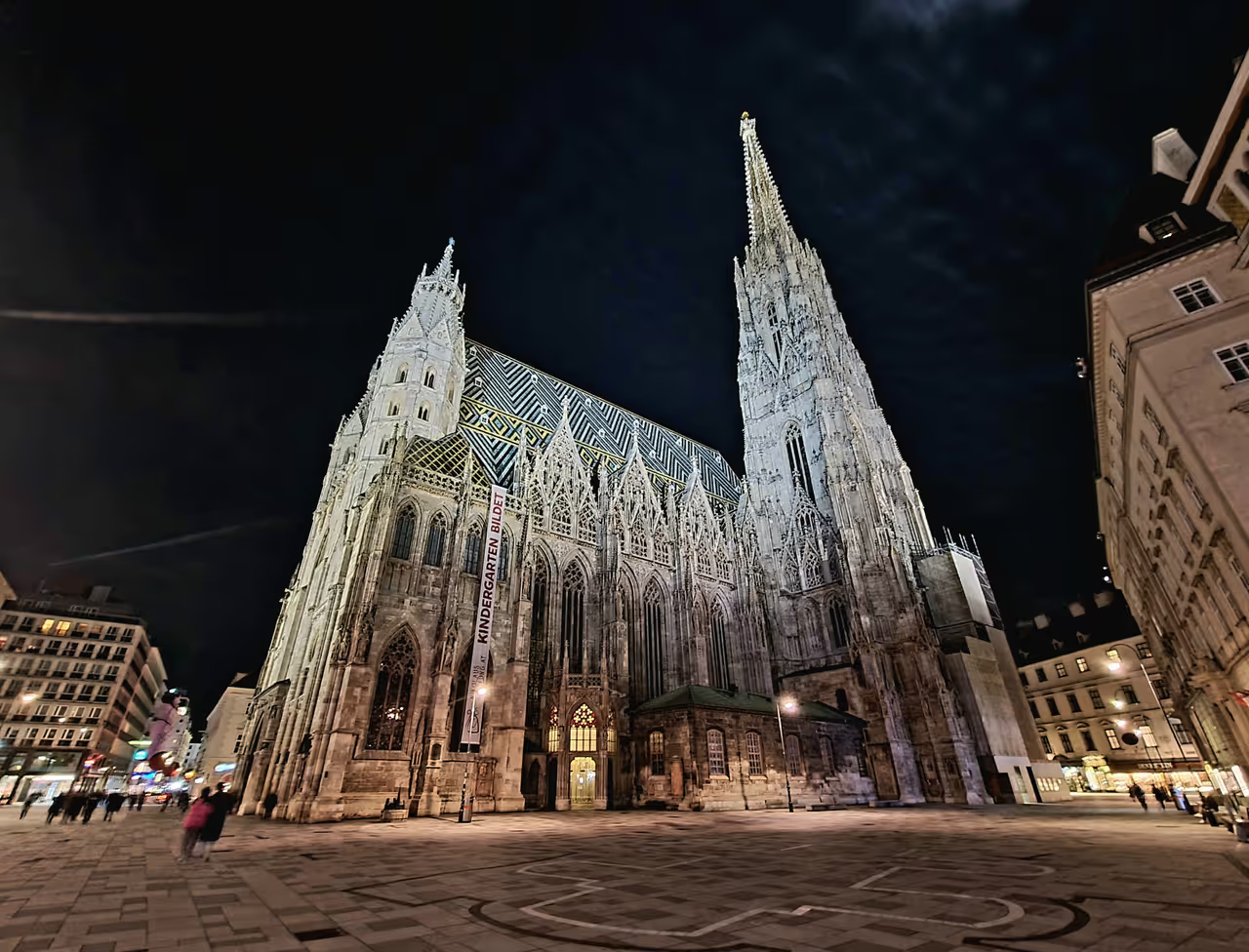 304m
304mSt. Stephen's Cathedral
Dominating the heart of Vienna with its striking multi-coloured tile roof and soaring Gothic spires, St. Stephen’s Cathedral serves as the city’s spiritual and historic soul. Known affectionately by locals as Steffl, this architectural masterpiece invites visitors to admire intricate stone carvings and explore the hauntingly beautiful catacombs. Its unique blend of Romanesque and Gothic styles makes it an unforgettable visual experience. Whether you view it from the cobblestone square or venture inside to hear the deep resonance of the Pummerin bell, the cathedral offers a profound connection to Austria's rich imperial past. It remains a powerful symbol of the city's resilience and artistic heritage.
attraction view
See all unesco sites in Vienna
Schönbrunn Palace...