St. Stephen's Cathedral
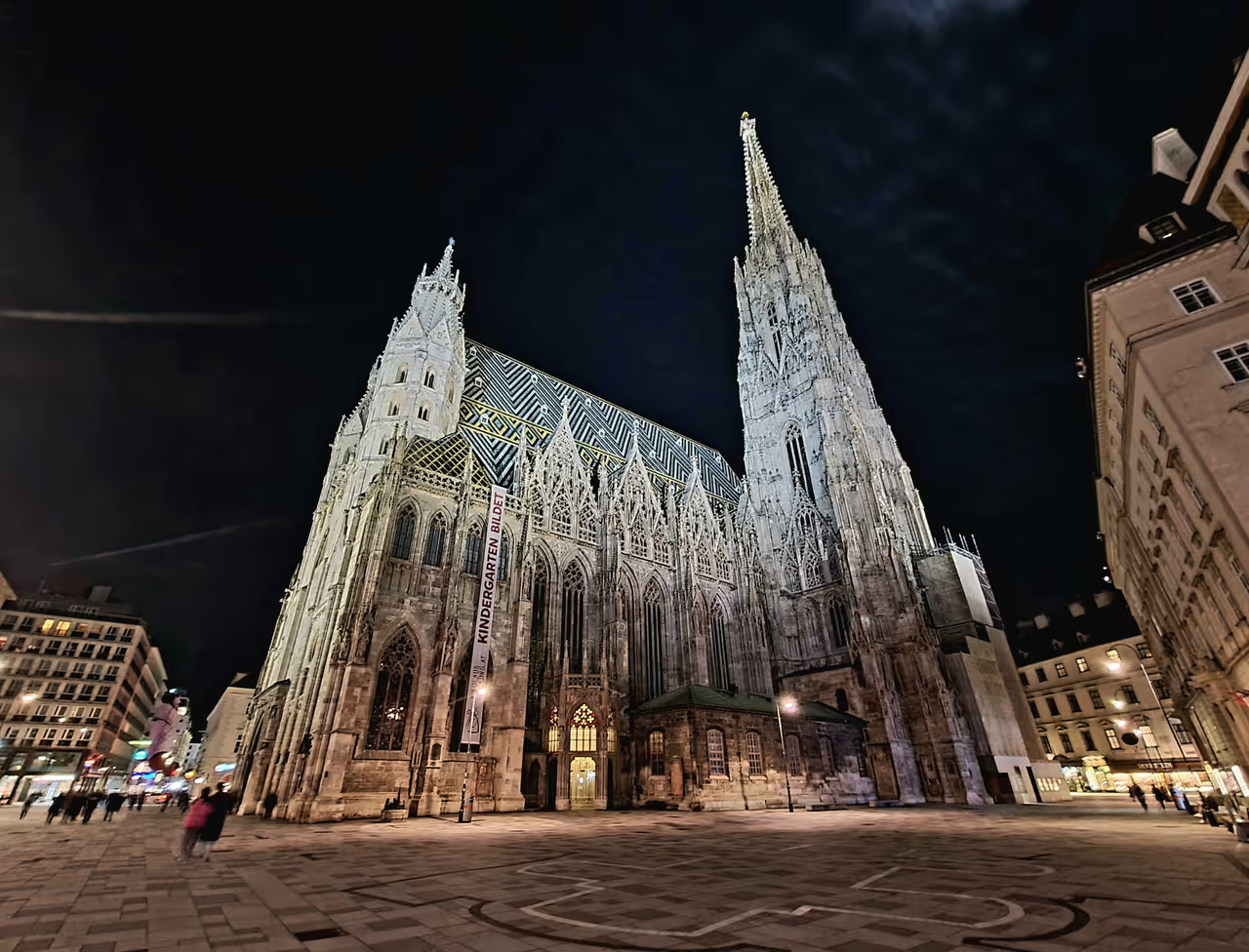
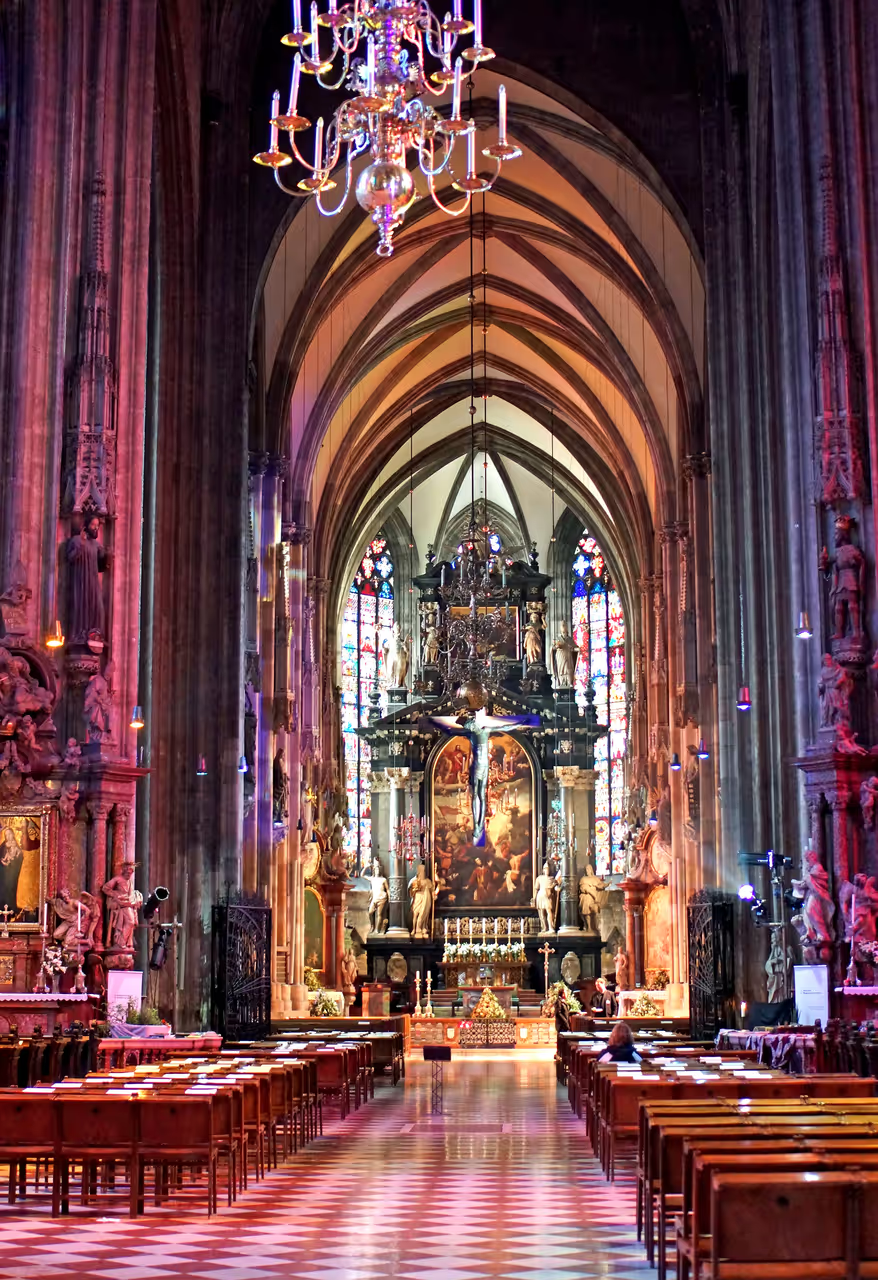
Dominating the heart of Vienna with its striking multi-coloured tile roof and soaring Gothic spires, St. Stephen’s Cathedral serves as the city’s spiritual and historic soul. Known affectionately by locals as Steffl, this architectural masterpiece invites visitors to admire intricate stone carvings and explore the hauntingly beautiful catacombs. Its unique blend of Romanesque and Gothic styles makes it an unforgettable visual experience. Whether you view it from the cobblestone square or venture inside to hear the deep resonance of the Pummerin bell, the cathedral offers a profound connection to Austria's rich imperial past. It remains a powerful symbol of the city's resilience and artistic heritage.
Videos
History of St. Stephen's Cathedral
The story of St. Stephen’s Cathedral is a testament to the endurance and ambition of Vienna itself. Founded in 1137, the site began as a humble parish church built upon an ancient cemetery. Over the following centuries, it underwent a dramatic evolution, transitioning from a Romanesque structure into the soaring Gothic masterpiece that defines the city skyline today. Duke Rudolf IV was a pivotal figure in this transformation, aiming to elevate Vienna's status to a major religious centre, which led to the creation of the cathedral as a symbol of imperial pride. This ambition turned the building into a vessel for the city's political and spiritual identity. The cathedral's history is marked by moments of profound danger and resilience. During the closing days of World War II, the structure faced near total annihilation when retreating forces were ordered to destroy it. A local officer defied these commands, choosing to spare the landmark. Even when fire swept through the roof shortly after, causing the massive wooden framework to collapse, the people of Vienna committed themselves to its restoration. This collective effort transformed the damaged site back into the beating heart of the nation, proving that the cathedral was more than stone and mortar. Today, the legacy of St. Stephen's thrives as a living part of the city. From the rhythmic tolling of the Pummerin bell, which famously rose from the ashes of 17th-century cannons, to the intricate tile patterns kept clean by the rain, every detail speaks to a history of survival. The cathedral remains a space where emperors were buried and musical geniuses like Mozart were married, serving as a bridge between the medieval world and modern Vienna. It invites every visitor to engage with the layers of time preserved within its walls, offering a rare glimpse into the spirit that has defined this city for nearly a millennium.
Events spanning 808 years
Fun Facts
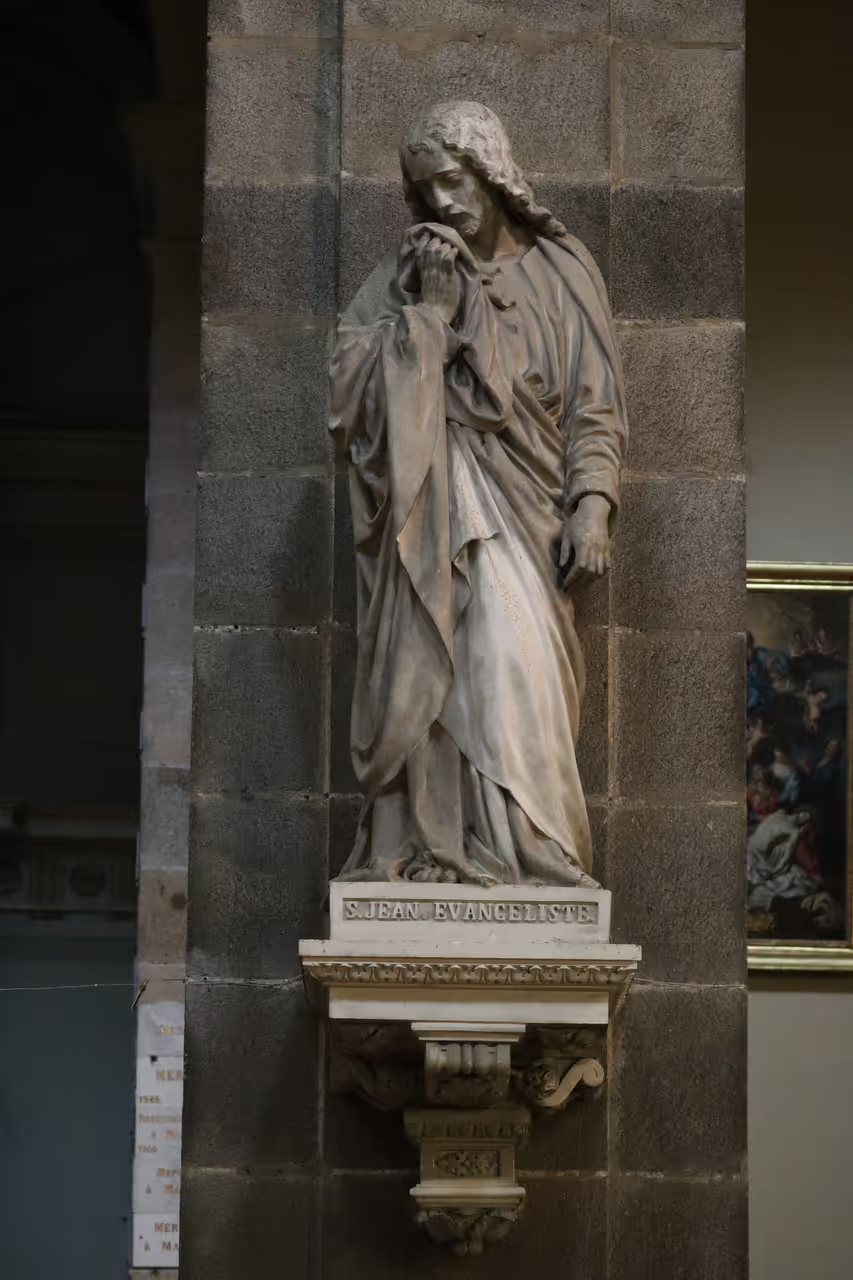
- • A peculiar statue of Christ on the southwest corner is known locally as Christ with a toothache because of the pained expression on his face.
- • Construction of the north tower was abandoned in 1511, leaving it with a distinctive Renaissance cap that earned it the nickname of the water tower top.
- • During World War II, a German officer famously defied direct orders to destroy the cathedral, saving it from being reduced to rubble by artillery fire.
- • Embedded into the outer wall are two historical iron bars that served as the official Viennese measurements for linen and drapery merchants during the Middle Ages.
- • Hidden underneath the cathedral are catacombs that contain the remains of over 11,000 people, a testament to the site's long history as a burial ground.
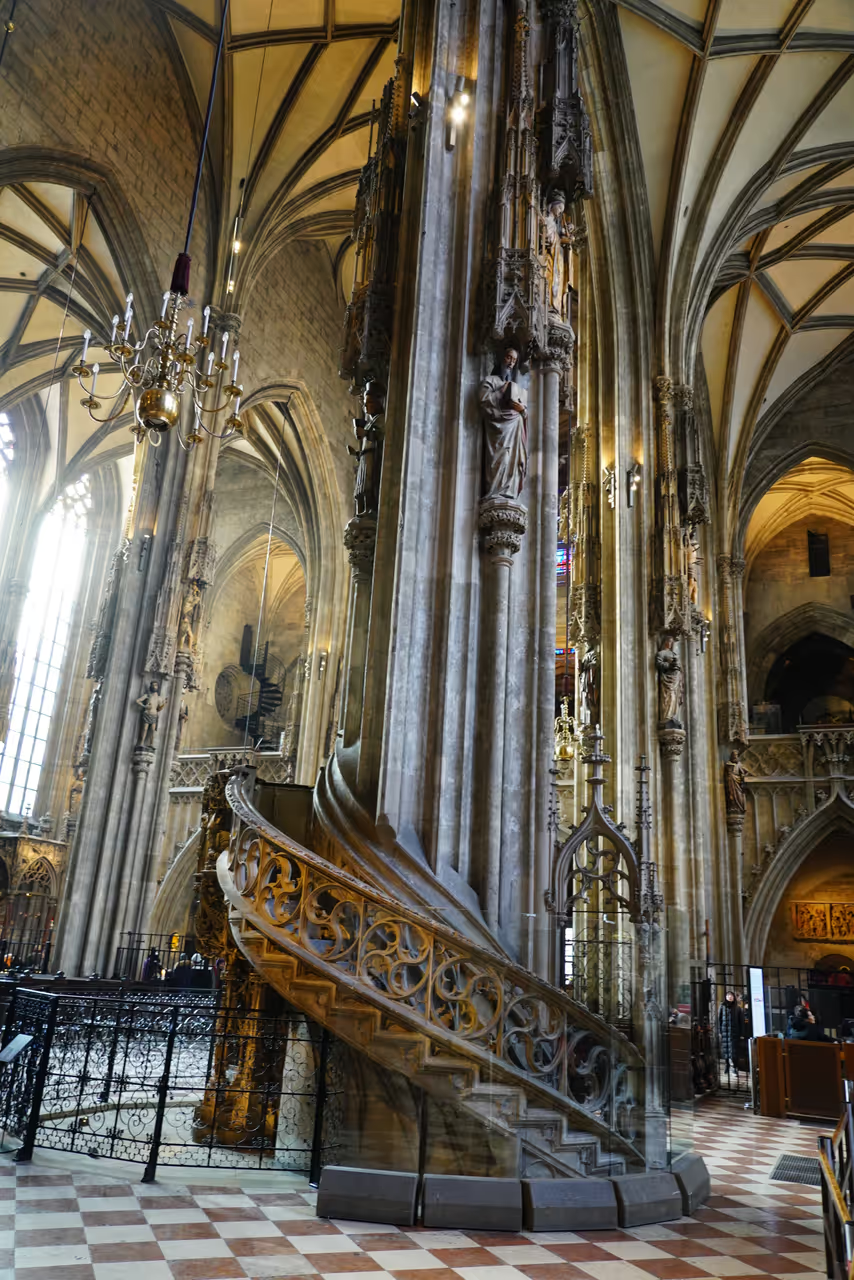
- • The Fenstergucker, a small stone face peering out of a window beneath the pulpit, is widely believed to be a self-portrait of the anonymous master stonemason.
- • The Pummerin bell, one of the largest in Europe, was cast from the metal of 300 cannons captured from Ottoman forces following the Battle of Vienna.
- • The cathedral is often called Steffl, a Viennese diminutive of Stephen, referring affectionately to its massive south tower.
- • The roof features 230,000 glazed tiles that form a stunning pattern, including the double-headed eagle of the Habsburg Empire, and the tiles are steep enough to be washed clean by rain.
- • Wolfgang Amadeus Mozart had a deep connection to the cathedral, as he was married here, two of his children were baptised at the font, and his funeral took place in the Chapel of the Cross.
RESOURCES
Official WebsiteSt. Stephen's Cathedral FAQ
While we strive to keep this information accurate and up to date, we recommend verifying any details independently before making decisions based on them.
St. Stephen's Cathedral Map & Neighborhood Explorer
This interactive map is centered on St. Stephen's Cathedral. Zoom in and move the map around to automatically discover Wikipedia photos and summaries of other nearby sights, monuments, and historical points of interest and stories in real-time!
Places near St. Stephen's Cathedral
Make the most of your trip. Check out these top-rated spots located nearby.
 110m
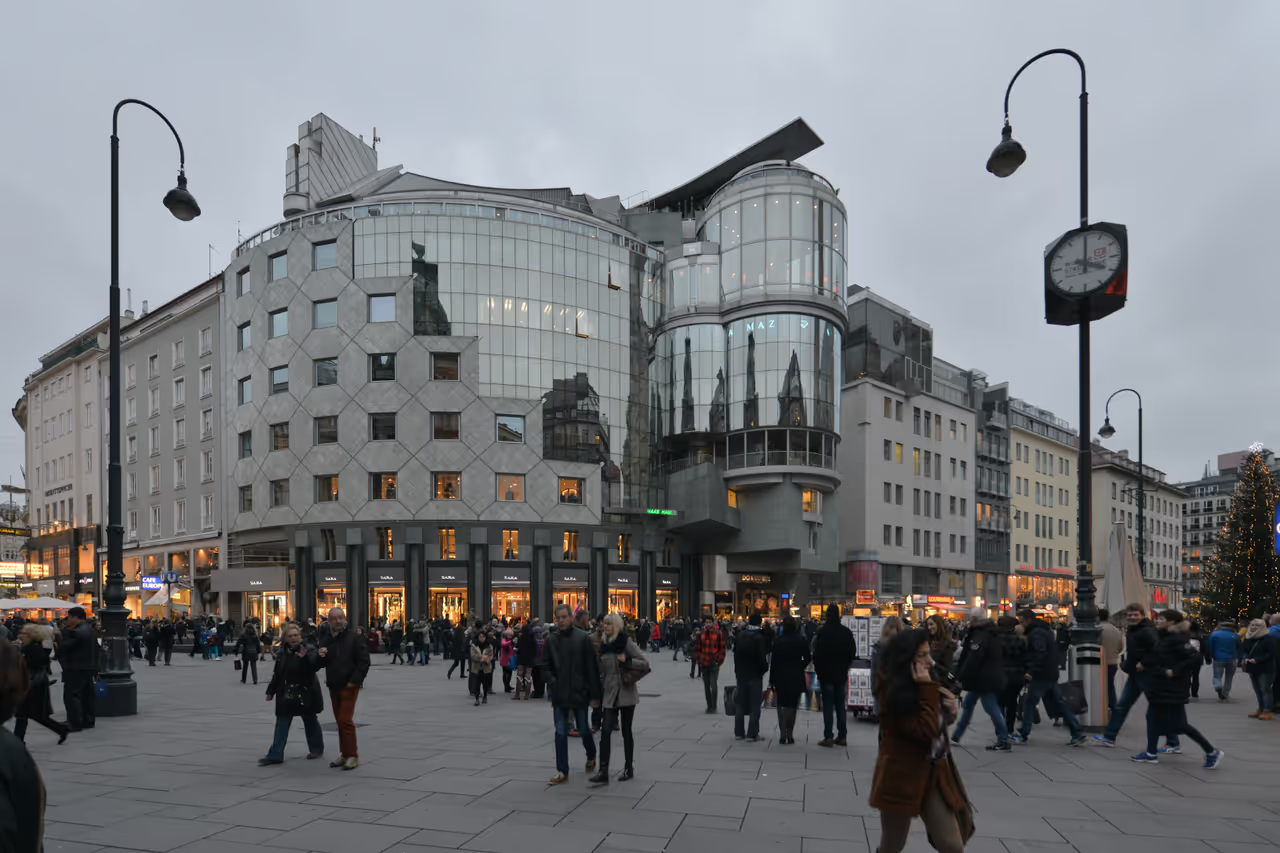
110mHaas House
This bold post-modern building sits directly across from the ancient St. Stephen's Cathedral, creating one of the most jarring architectural contrasts in the city. Designed by Hans Hollein in 1990, its curving, mirrored glass facade reflects the gothic towers of the cathedral in spectacular fashion. The integration of stone and glass sparked fierce debates about placing modern commercial structures in historic squares. It now hosts high end boutiques, a hotel, and a rooftop bar offering phenomenal views.
architecture view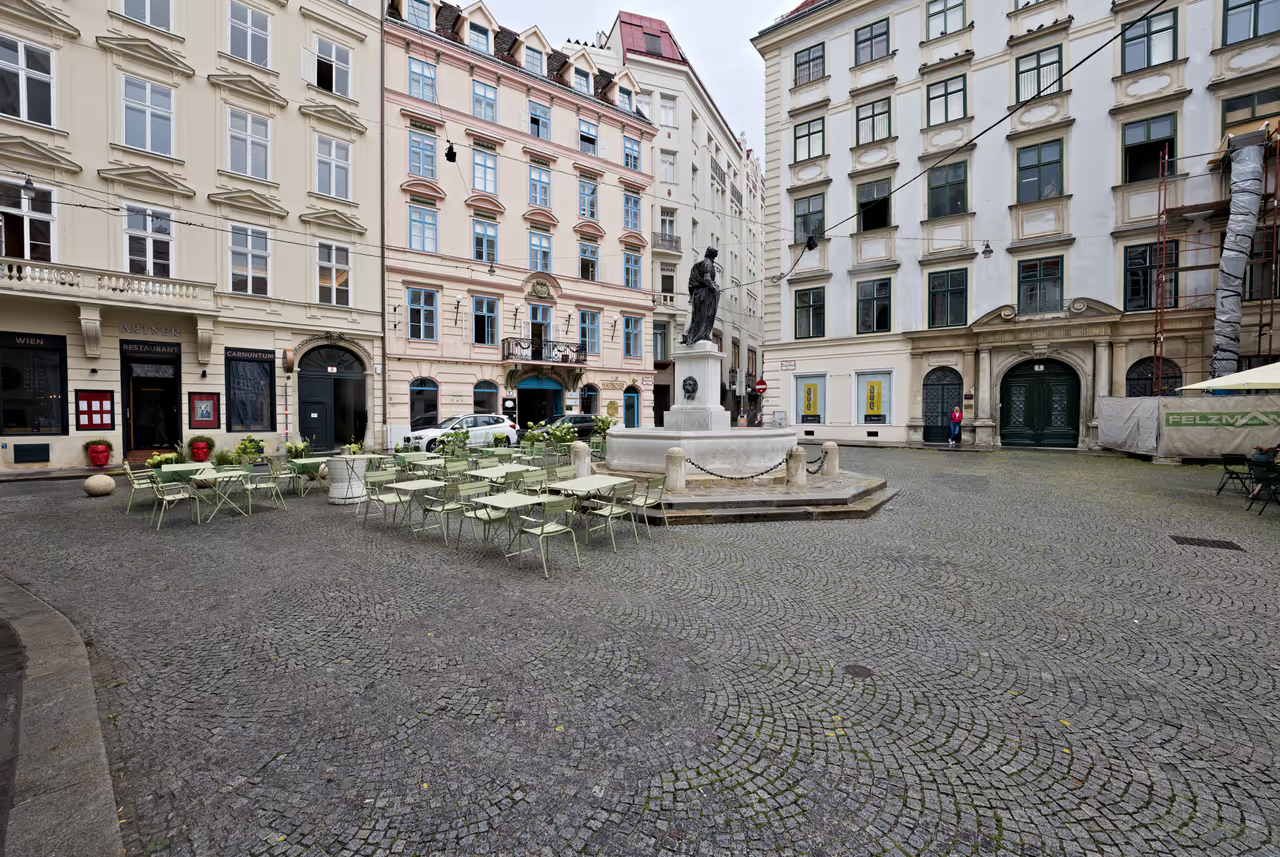 234m
234mFranciscan Square
This tiny, cobblestoned square hidden in the backstreets of the first district looks like a perfectly preserved movie set. It features a quaint fountain, an old Franciscan church, and one of the city's most charming traditional coffee houses, the Kleines Café. The tight, colourful facades and intimate scale make it an incredibly atmospheric spot for capturing the romantic, old world charm of the city.
photo spot view 244m
244mGraben and Plague Column
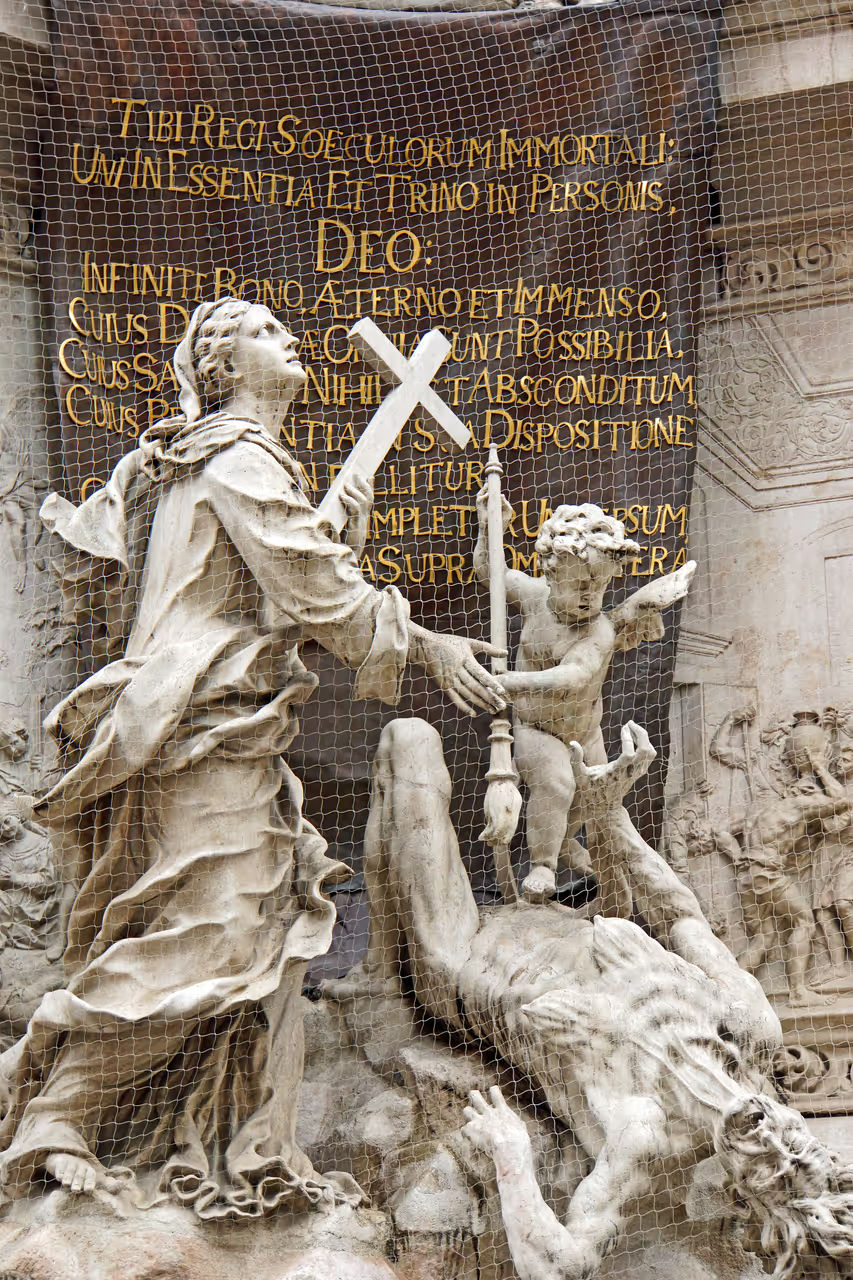
This wide, luxurious pedestrian street is lined with grand historical facades, but the true focal point is the incredibly ornate, golden Plague Column. The highly complex baroque sculpture captures the dramatic swirl of clouds and saints, creating fantastic shadow and light interplay. Capturing the monument against the backdrop of the elegant surrounding boutiques offers a quintessential shot of imperial luxury.
photo spot view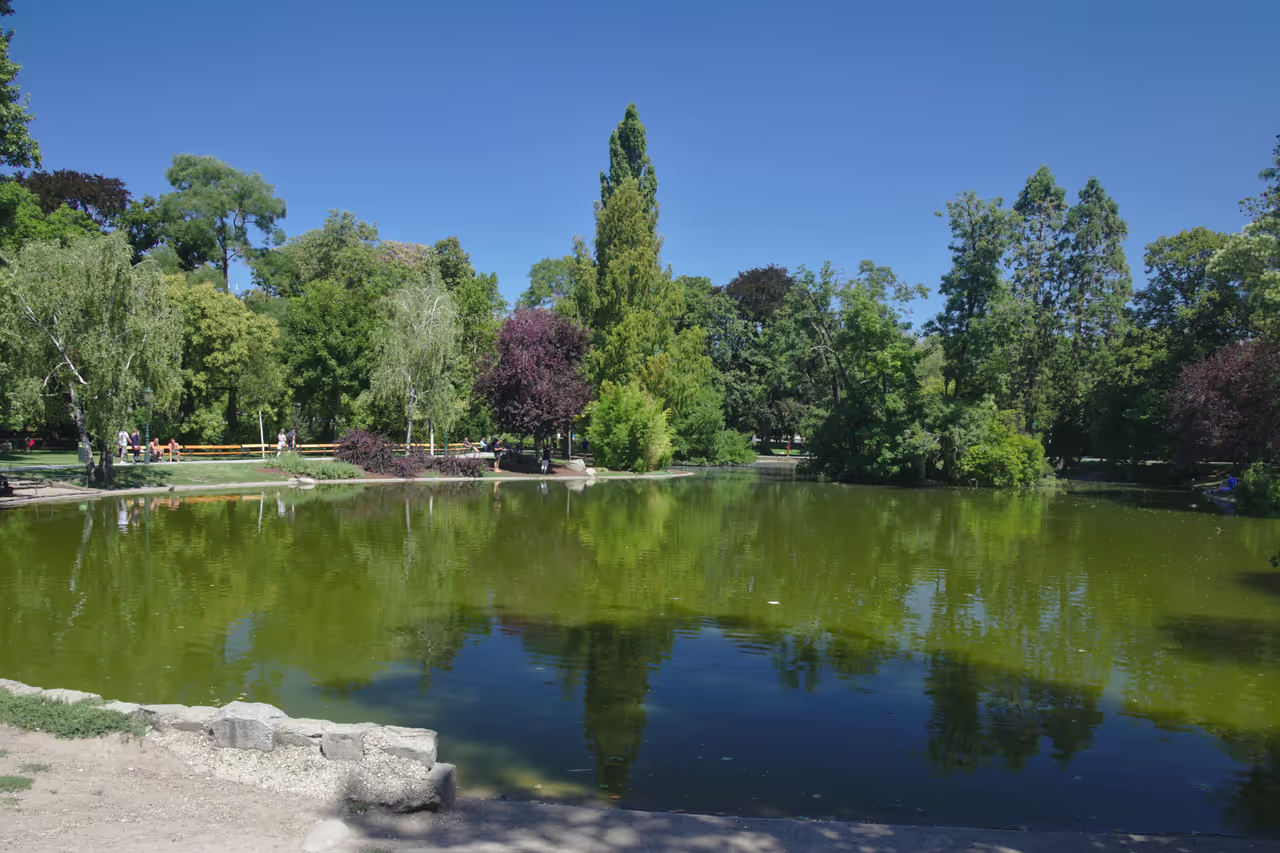 304m
304mInnere Stadt
The Innere Stadt is the beating heart of the Austrian capital, where centuries of imperial grandeur meet modern urban vibrancy. Walking through its narrow, cobblestone streets, you are surrounded by architectural marvels that once stood as the very definition of Vienna itself. From the towering spires of St. Stephen's Cathedral to the opulent halls of the Hofburg Palace, every corner tells a tale of emperors, musicians, and history-making moments. It is an area that demands a leisurely pace, inviting you to wander through hidden courtyards, enjoy a traditional coffee in a grand cafe, or simply marvel at the mix of baroque and neoclassical facades. Whether you are a history enthusiast or someone looking to soak up an unmatched atmosphere, this district offers an experience that defines the quintessential Viennese lifestyle.
unesco heritage site view
Explore Similar Places in These Collections
Featured on These Itineraries and Routes
1 Day in Vienna Itinerary
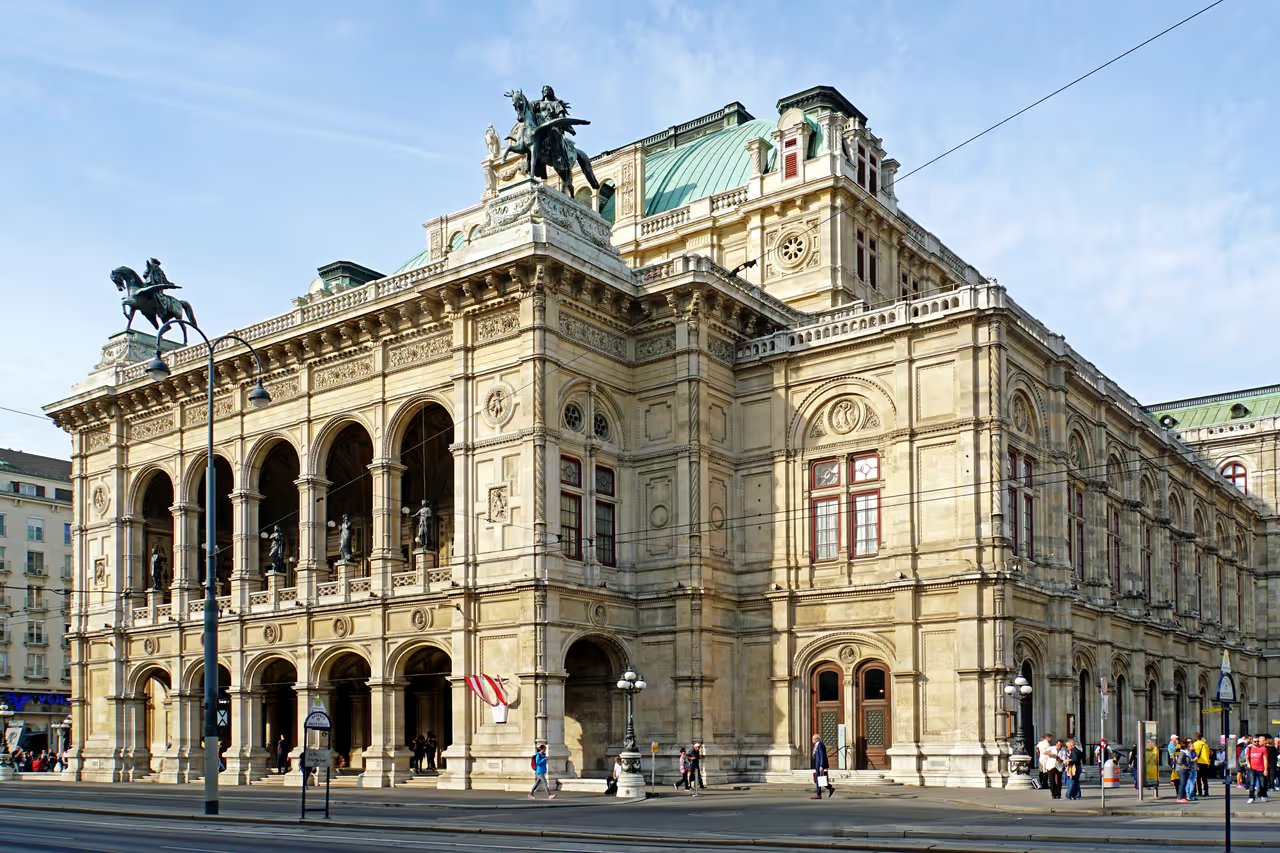
If you only have one day, this highly concentrated plan focuses entirely on the historic core and the grandest symbols of the former empire. You will witness the immense scale of the Habsburg legacy and experience the classic coffee house culture. It is a fast paced but visually rewarding introduction to the capital.
view itinerary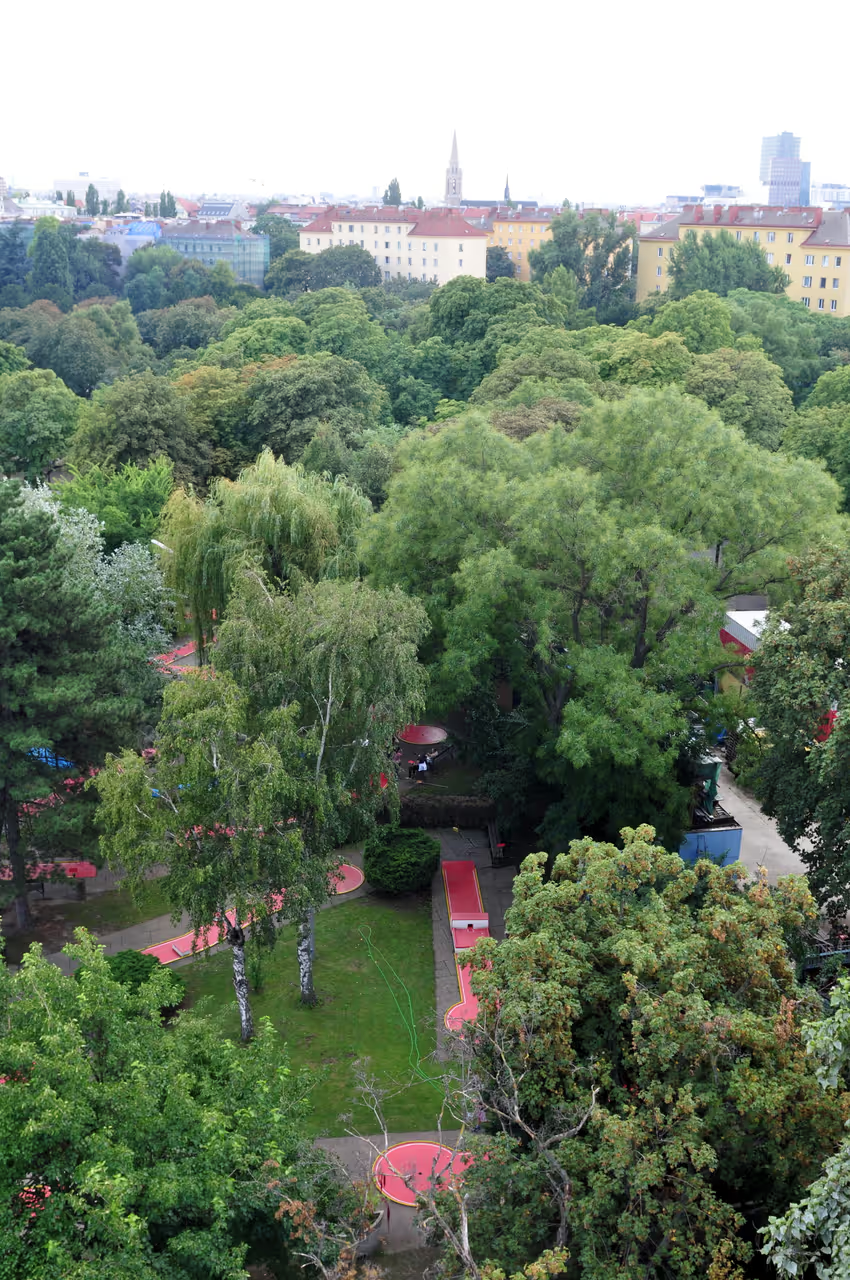
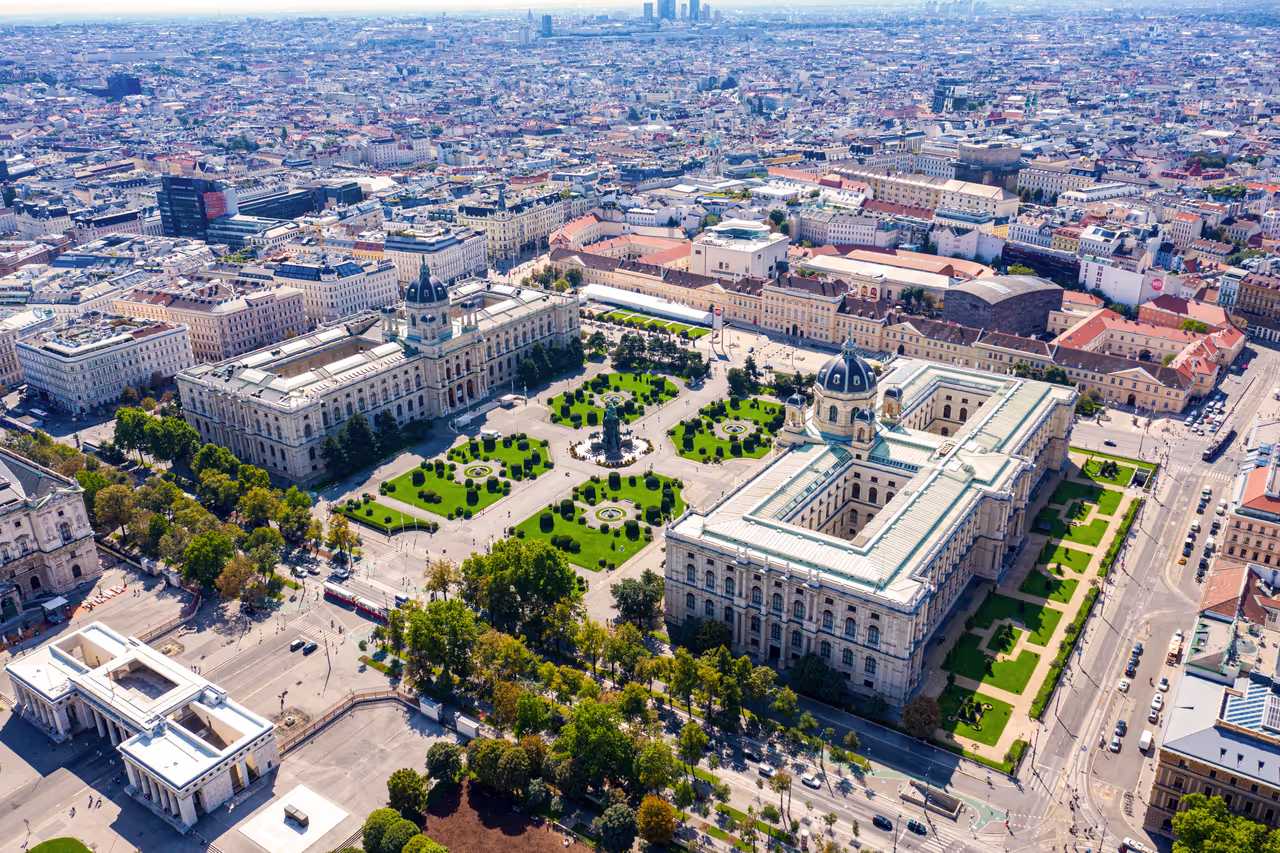
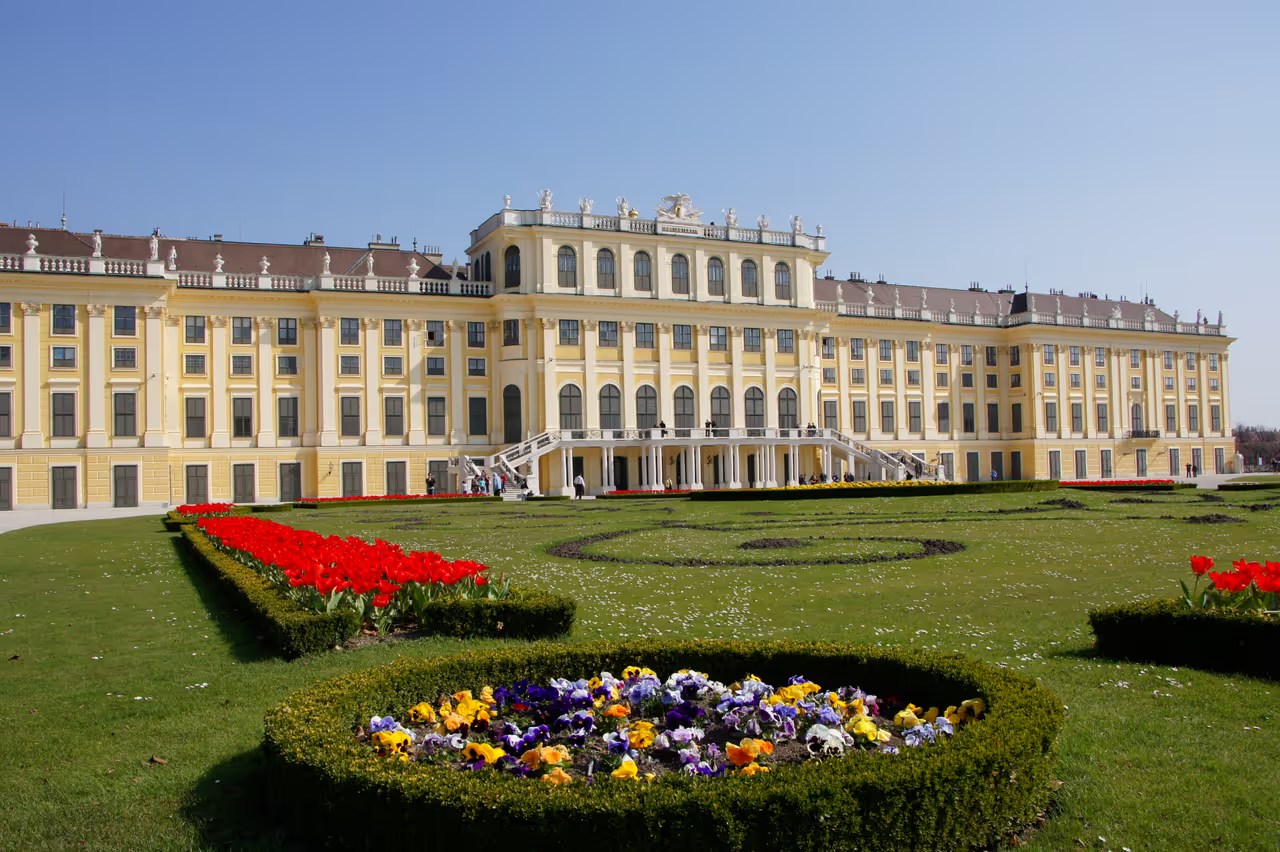
3 Days in Vienna: Culture and History Itinerary
This balanced itinerary allows you to explore the dense inner city, the sprawling summer palaces, and the renowned art collections. You will experience the city's unique culinary scene and view its iconic skyline from multiple perspectives. It offers a well rounded view of the classical and the quirky sides of the capital.
view itinerary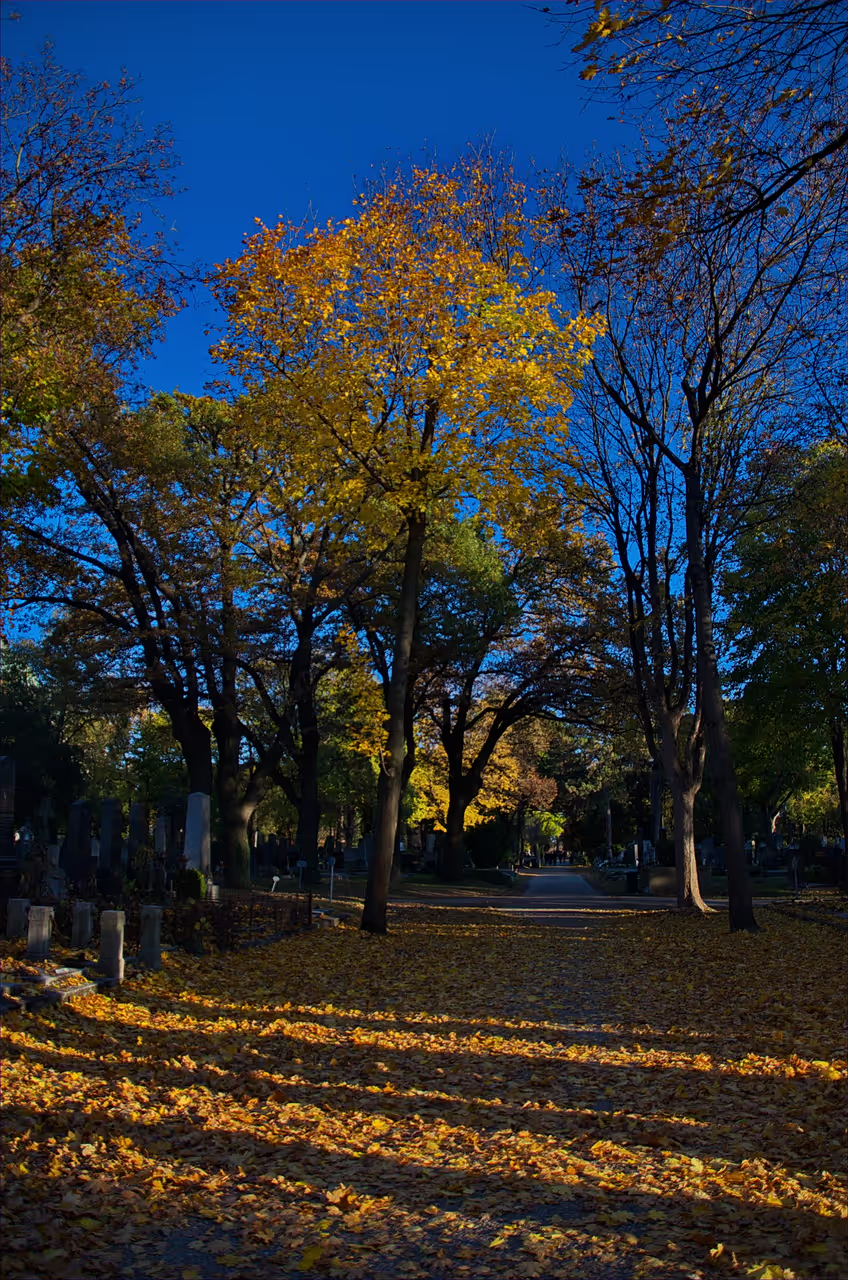
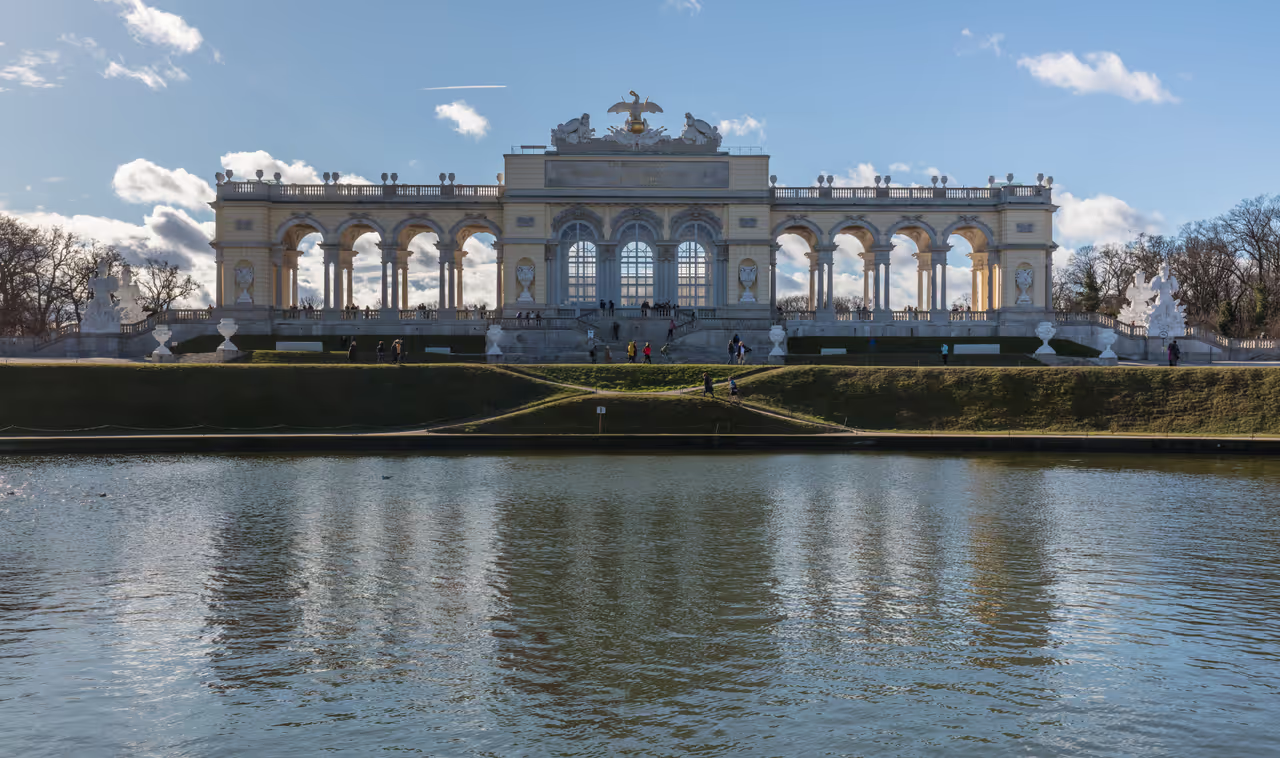
5 Days in Vienna: In-Depth Experience Itinerary
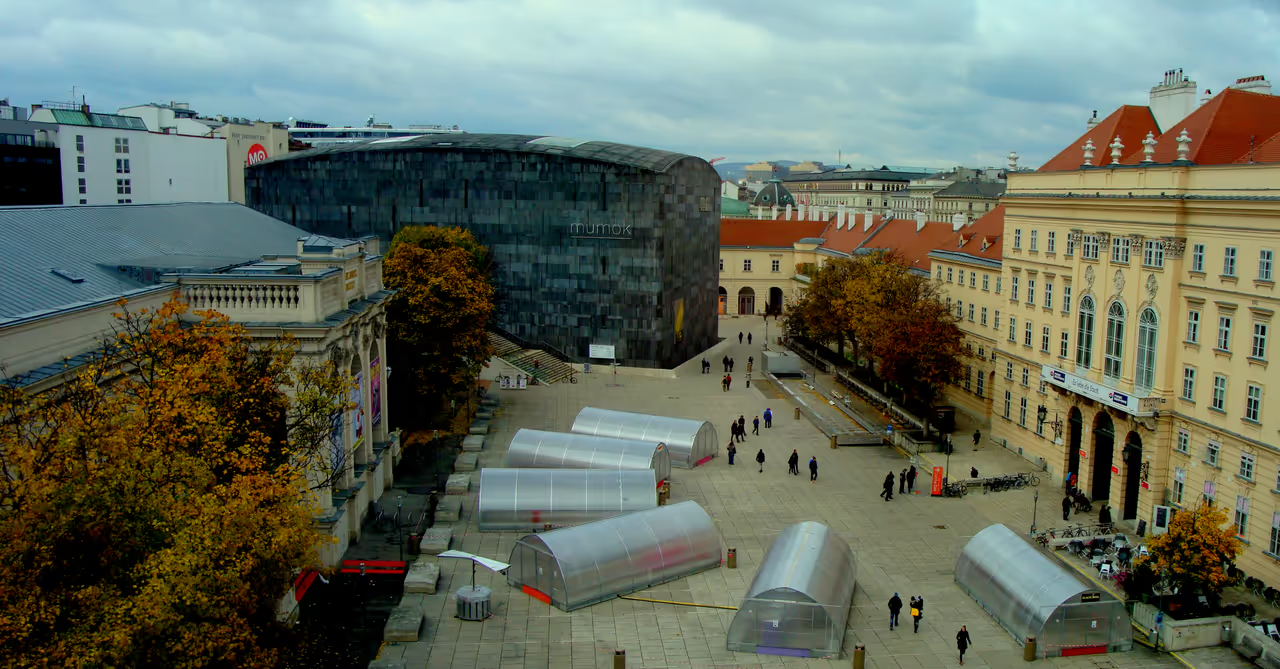
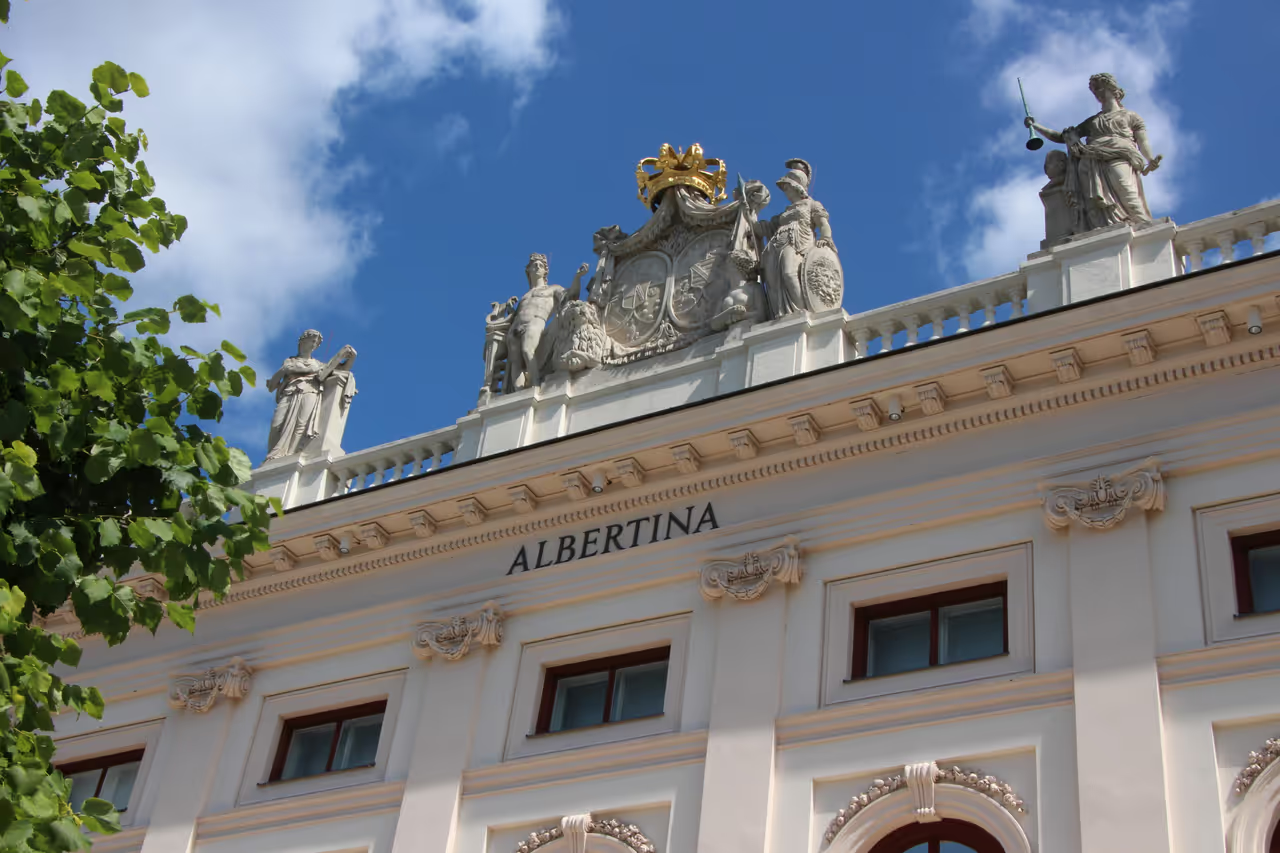
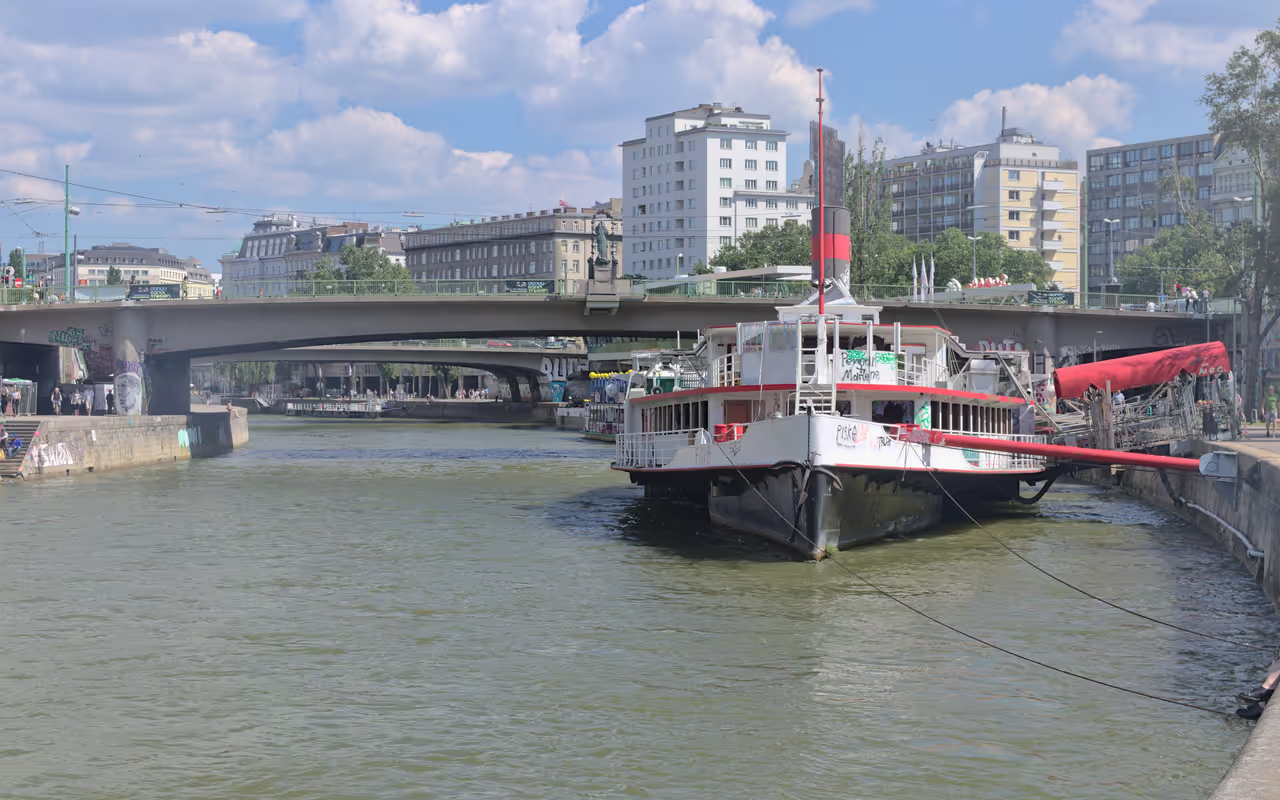
A comprehensive journey that moves beyond the typical tourist sights to include modernist architecture, natural escapes, and contemporary culture. This plan gives you time to appreciate the city's green spaces, relax in its historic cemeteries, and explore the riverfront. It is the ultimate way to understand how the capital functions today.
view itinerary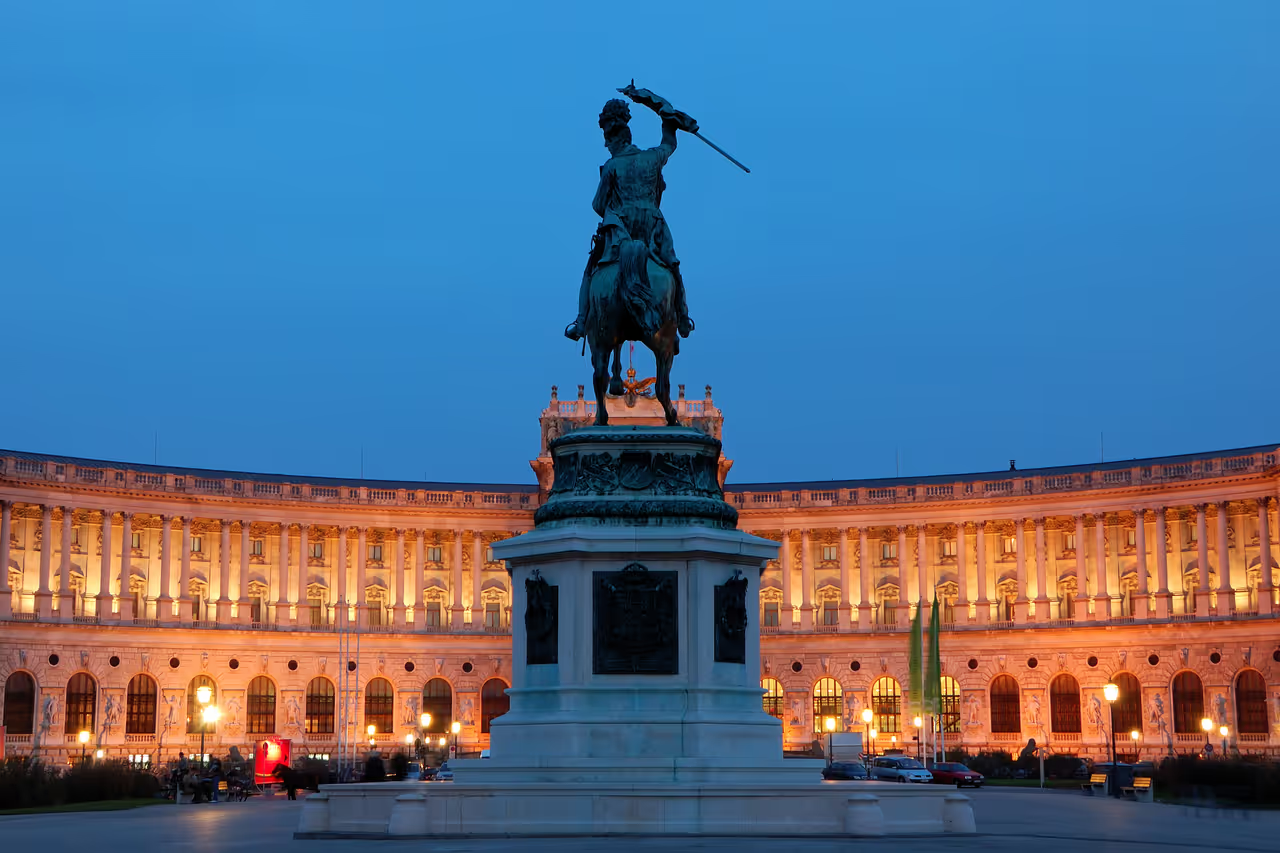
Historic Inner City
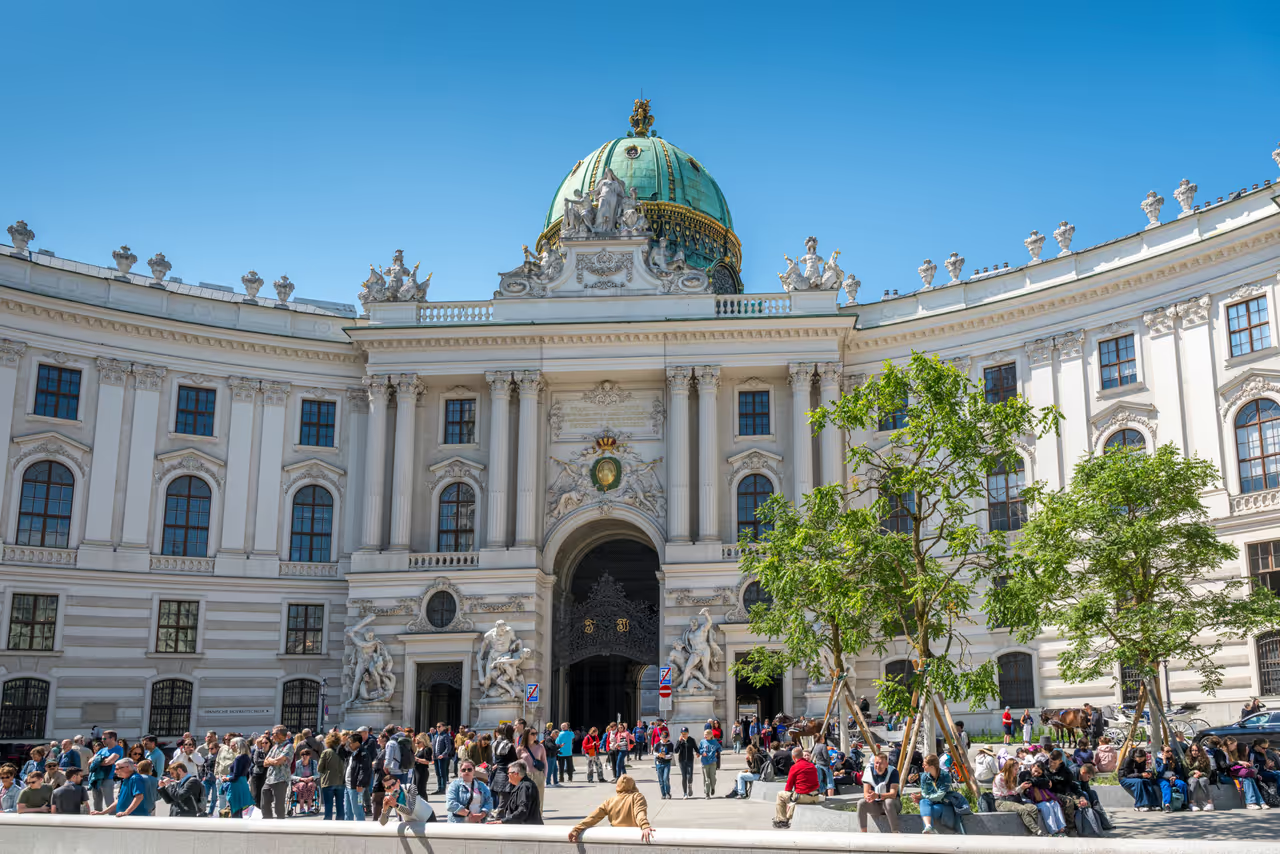
A captivating walk through the pedestrianised core of the ancient city. You will wander past luxury boutiques, monumental churches, and sprawling palace complexes. It is a journey through cobblestone streets that reveal the immense wealth and power of the former empire.
view walking route
See all attractions in Vienna
Albertina, Belvedere, Hofburg, Kunsthistorisches Museum, Prater...