Kunsthistorisches Museum
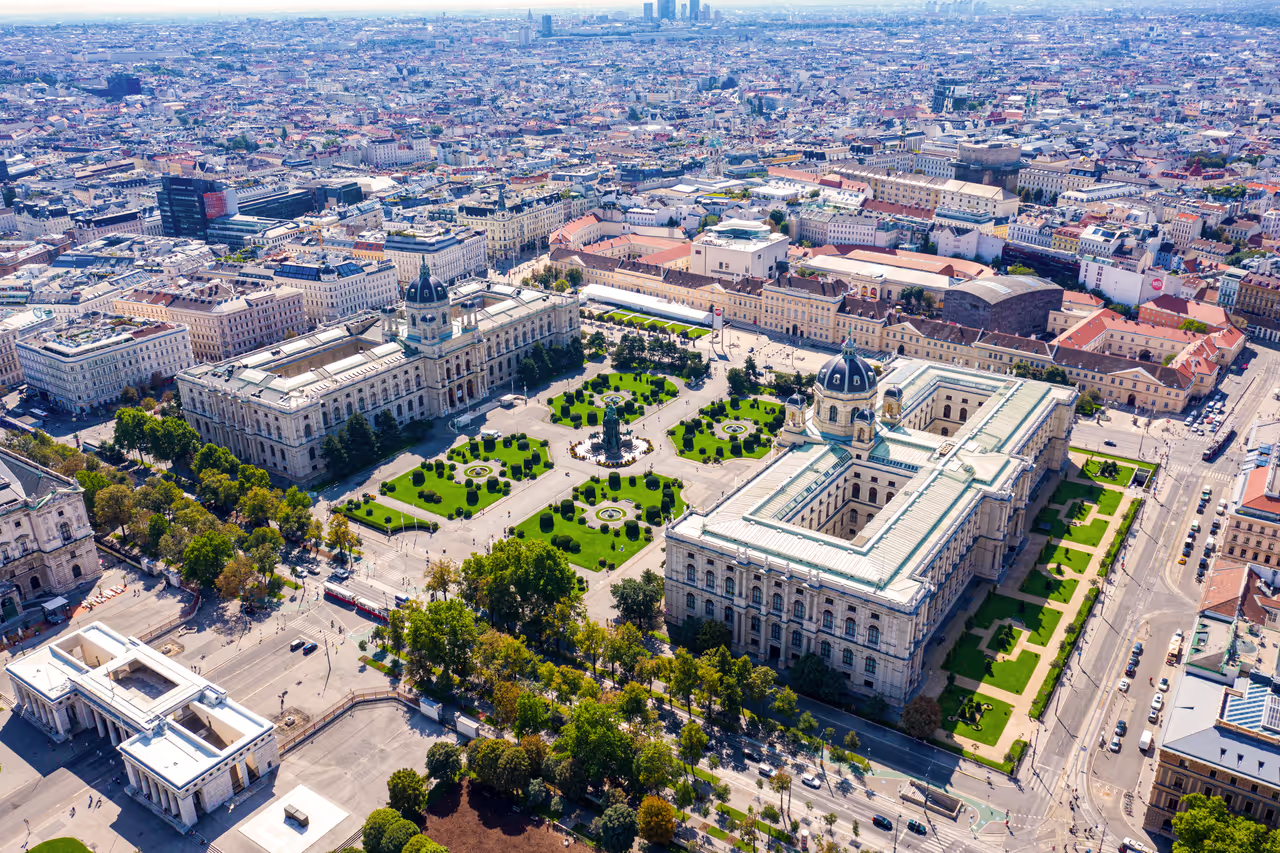
Step into a world of imperial grandeur at one of the world's most spectacular art museums. Crowned with an iconic octagonal dome, the building is a masterpiece of architecture that sets the stage for the treasures within. Wander through halls filled with the personal collections of the Habsburg dynasty, featuring works from legends like Raphael, Rembrandt, and Bruegel. The interior, adorned with gold, marble, and stucco, offers an atmosphere of timeless sophistication. Beyond the canvas, the museum also holds incredible collections of antiquities and curiosities that tell the story of human history. It is truly an unmissable experience for anyone seeking to connect with the artistic heart of Vienna.
Videos
History of Kunsthistorisches Museum
The Habsburgs were obsessed with collecting art, and for centuries they hoarded masterpieces from across Europe and the globe. By the late 19th century, Emperor Franz Joseph I decided these treasures belonged in a space worthy of their prestige, commissioning the majestic structure on the Ringstraße to be built. Architects Gottfried Semper and Baron Karl von Hasenauer rose to the challenge, crafting a Renaissance Revival palace that would serve as a grand repository for centuries of imperial ambition. When the museum opened in 1891, it became a sanctuary where the public could finally witness the scale of imperial taste. The galleries inside are more than just rooms for hanging paintings; they are expansive chambers decorated with murals and gold leaf, designed to overwhelm the senses. This museum bridges the gap between the private obsessions of emperors and the public curiosity of modern visitors, preserving a legacy that spans from ancient Egyptian artefacts to the golden age of European painting. Today, the museum stands as a beacon of European cultural history, having survived turbulent times, including the theft and recovery of the priceless Cellini Salt Cellar. It remains a living institution that constantly engages with its past while opening its doors to new generations. Whether exploring the ancient Egyptian collection or standing before a Bruegel masterpiece, visitors find themselves walking through the corridors of power and creativity that once defined the Austro Hungarian Empire.
Events spanning 147 years
Fun Facts
- • It holds the largest collection of paintings by the Dutch master Pieter Bruegel the Elder.
- • It includes a fascinating cabinet of curiosities known as the Kunstkammer, which displays strange and rare objects collected by the emperors.
- • Its collections were acquired over centuries through marriage, inheritance, and strategic political alliances.
- • The building was constructed specifically to house the massive Habsburg art collection and was designed by the acclaimed architects Gottfried Semper and Baron Karl von Hasenauer.
- • The grand staircase features stunning murals painted by Gustav Klimt and his brother Ernst.
- • The museum houses Johannes Vermeer's famous masterpiece titled The Art of Painting.
- • The museum shares the Maria Theresien Platz with its twin building, the Natural History Museum, which features an almost identical facade.
- • The museum suffered a major blow in 2003 when the priceless Cellini Salt Cellar was stolen in what became the greatest art theft in Austrian history.
- • The museum was the primary subject of the 2014 documentary film The Great Museum.
- • The stolen Cellini sculpture was recovered in 2006 after a ransom note led authorities to a forest location.
Kunsthistorisches Museum FAQ
While we strive to keep this information accurate and up to date, we recommend verifying any details independently before making decisions based on them.
Kunsthistorisches Museum Map & Neighborhood Explorer
This interactive map is centered on Kunsthistorisches Museum. Zoom in and move the map around to automatically discover Wikipedia photos and summaries of other nearby sights, monuments, and historical points of interest and stories in real-time!
Places near Kunsthistorisches Museum
Make the most of your trip. Check out these top-rated spots located nearby.
 199m
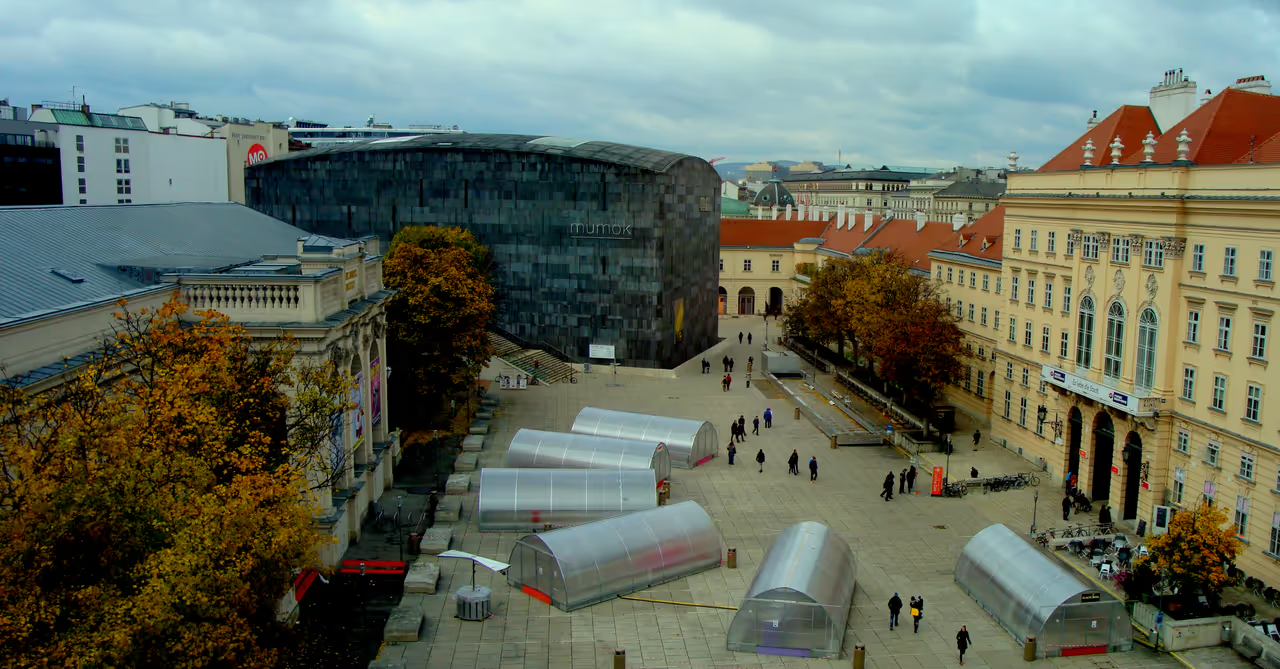
199mMuseumsQuartier
Housed in the former imperial stables, this massive complex is now one of the largest districts for contemporary art and culture in the world. It seamlessly blends historic baroque facades with striking, boxy modern museum buildings. The sprawling central courtyard is filled with uniquely designed lounge furniture, creating a lively urban living room where locals hang out. It features world class institutions focusing on modern art, architecture, and children's exhibitions.
highlight view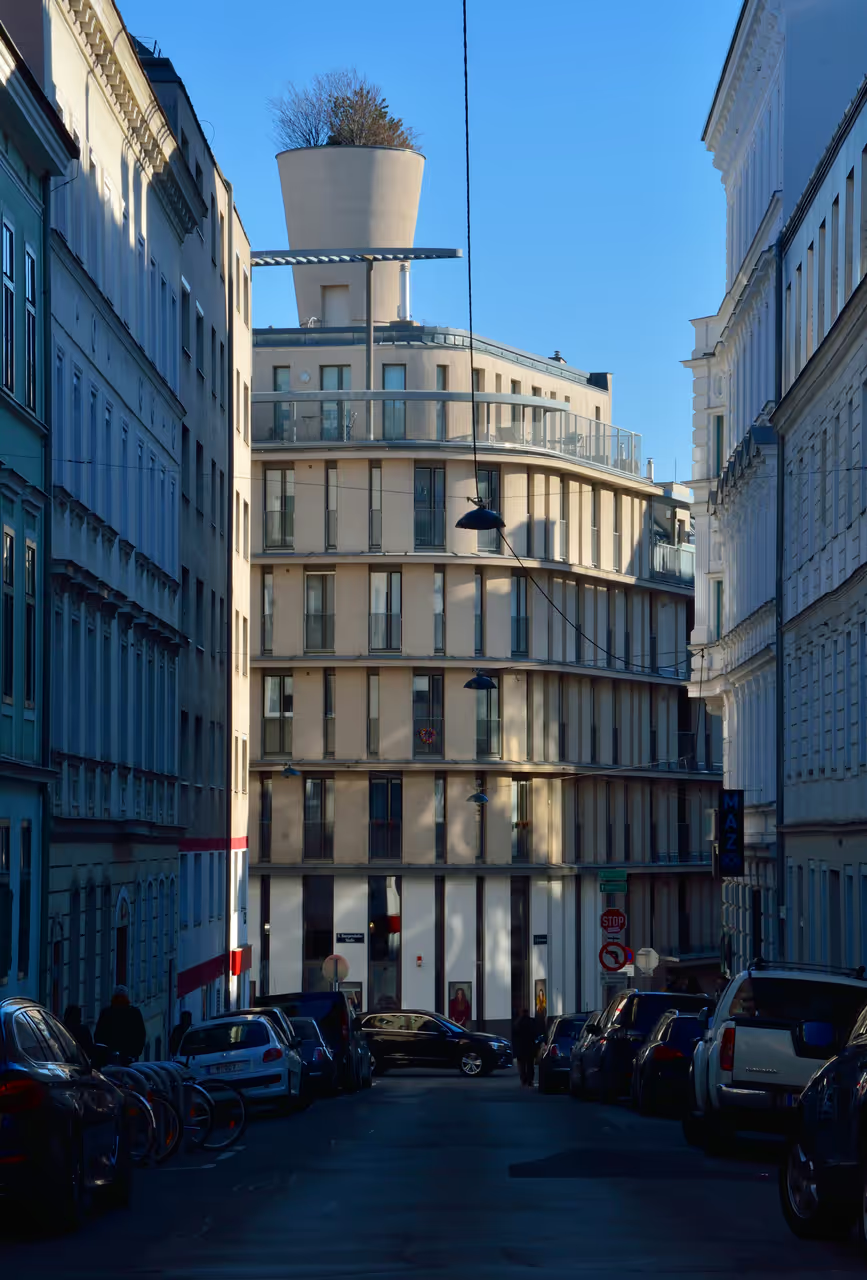 250m
250mGumpendorfer Street area
Running parallel to the main shopping district, this long street and its surrounding alleys are packed with character. It has evolved into a sophisticated but relaxed district known for highly creative cocktail bars and stylish lounges. It also serves as a central hub for the city's LGBTQ+ nightlife scene. The venues here tend to be intimate, well designed, and focus on quality drinks over loud clubbing.
nightlife view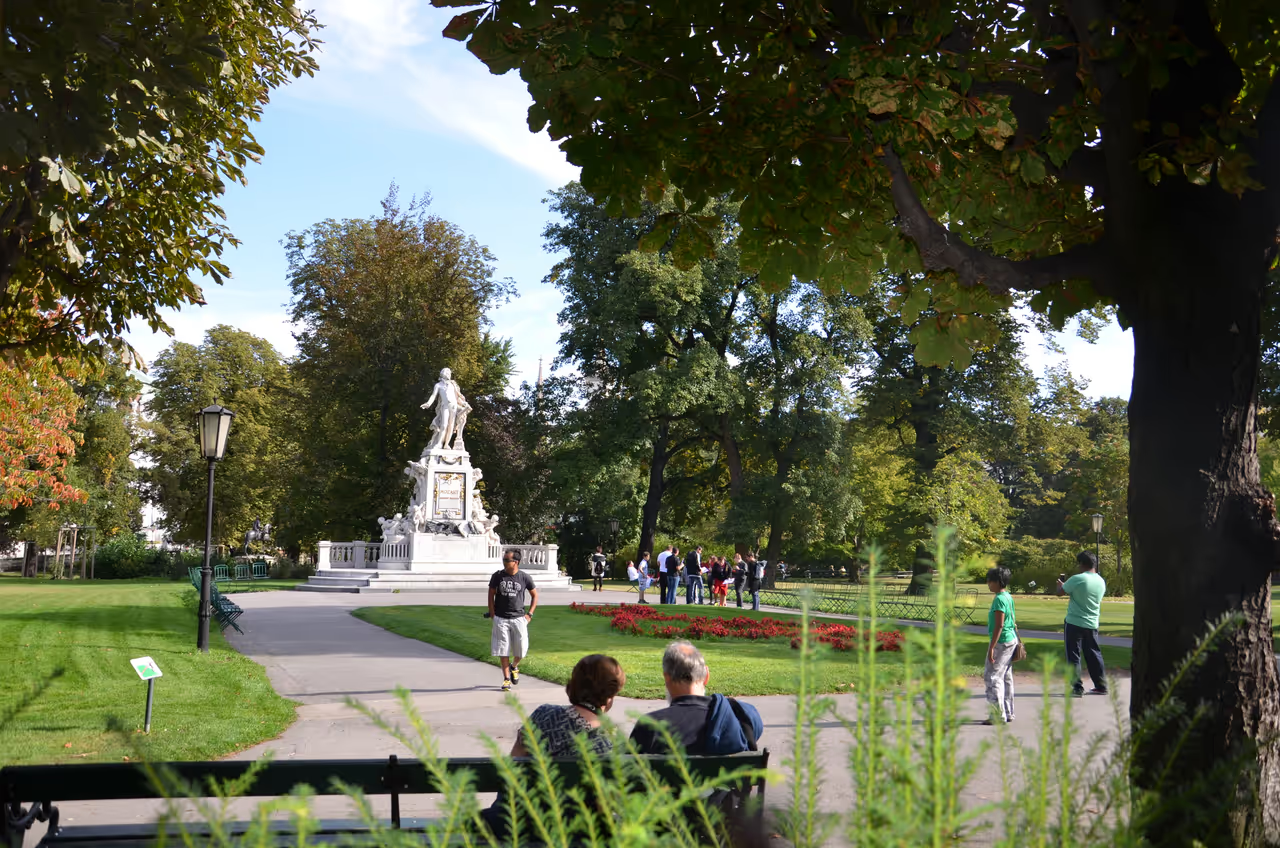 315m
315mBurggarten
The Burggarten stands as a serene imperial retreat located right in the heart of the city, offering a lush escape from the paved streets of Vienna. Originally crafted as a private garden for the Habsburg family, the space now welcomes everyone to walk among its pristine lawns, grand statues, and tranquil ponds. You can admire the stunning architecture of the Palmenhaus, an Art Nouveau glasshouse that houses an elegant café and a sanctuary for tropical butterflies. Music lovers often make a pilgrimage to the iconic Mozart monument, while others simply enjoy the sight of the legendary Lipizzaner horses grazing in their paddocks nearby. This garden remains a perfect example of how imperial grandeur has gracefully transitioned into a cherished public space for locals and visitors alike.
park & nature view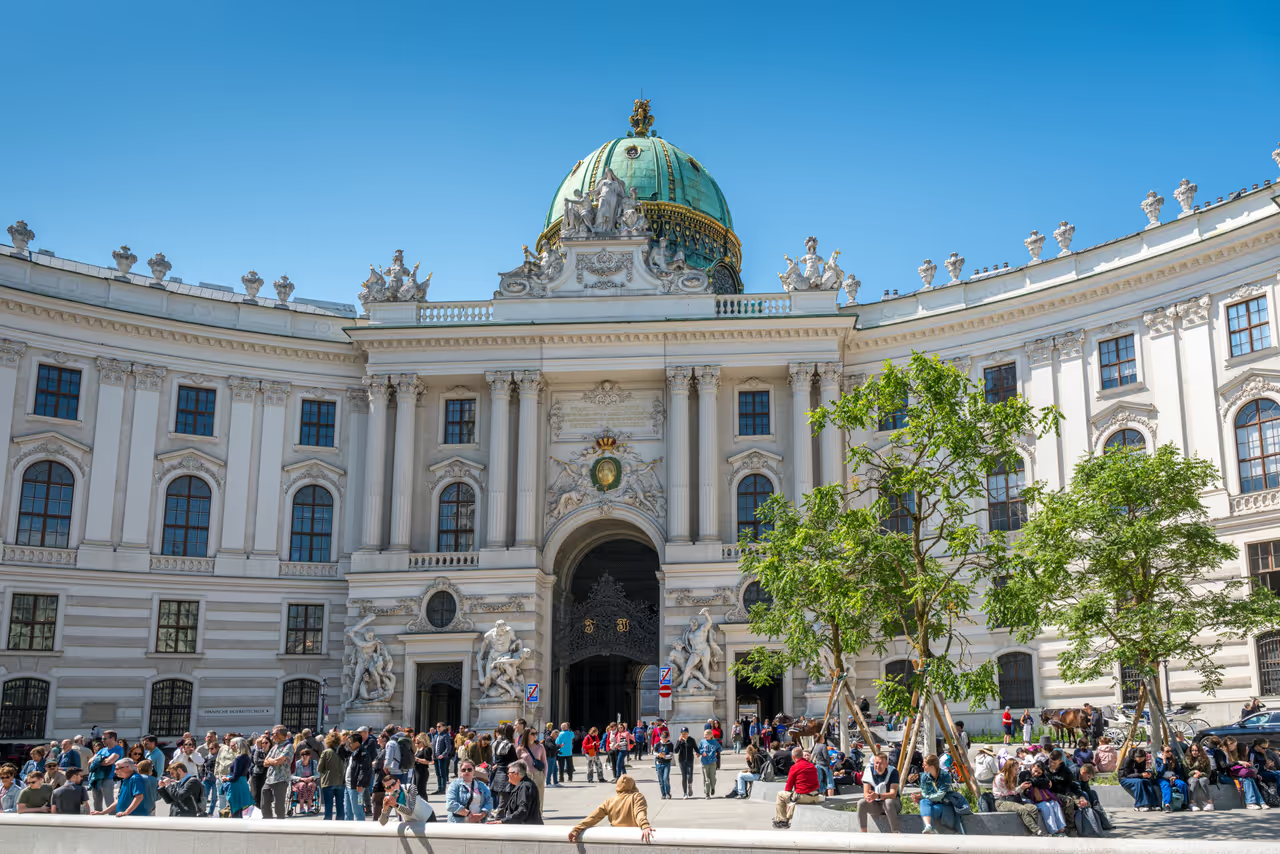 390m
390mHofburg
Stepping into the Hofburg is like walking through the very heart of the Habsburg Empire. This sprawling complex is a centuries old tapestry of power, art, and daily imperial life that defines the historic centre of Vienna. From the medieval courtyards to the dramatic grandeur of the Neue Burg, every corner holds a story of emperors, empresses, and political intrigue. Today, it remains the official office of the Austrian President, blending deep history with modern governance. Visiting allows you to wander through opulent state rooms, discover priceless treasures in the imperial treasury, and soak in the atmosphere of a place that shaped European history for hundreds of years. It is an absolute must see that anchors the spirit of Vienna.
attraction view
Explore Similar Places in This Collection
Featured on These Itineraries
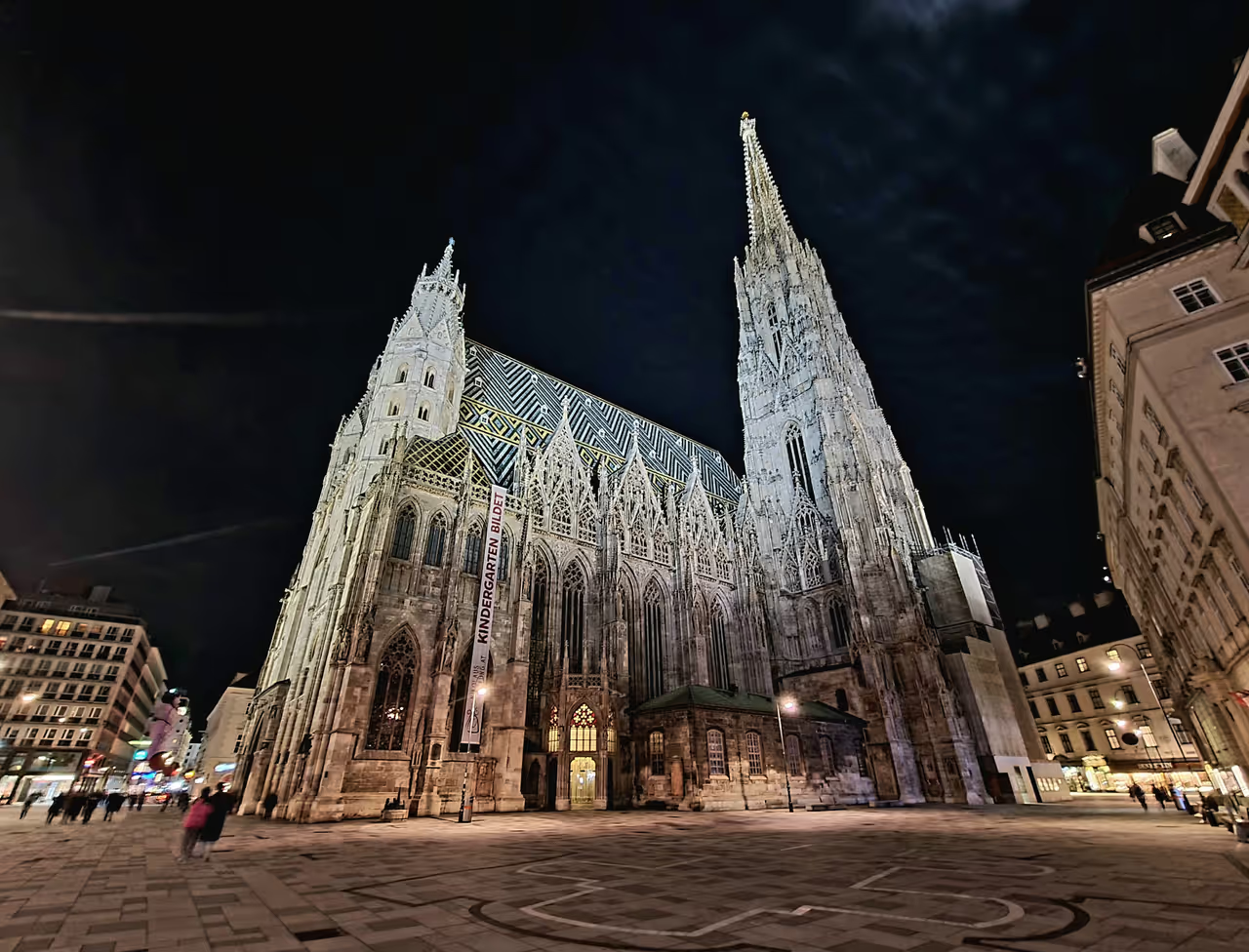
3 Days in Vienna: Culture and History Itinerary
This balanced itinerary allows you to explore the dense inner city, the sprawling summer palaces, and the renowned art collections. You will experience the city's unique culinary scene and view its iconic skyline from multiple perspectives. It offers a well rounded view of the classical and the quirky sides of the capital.
view itinerary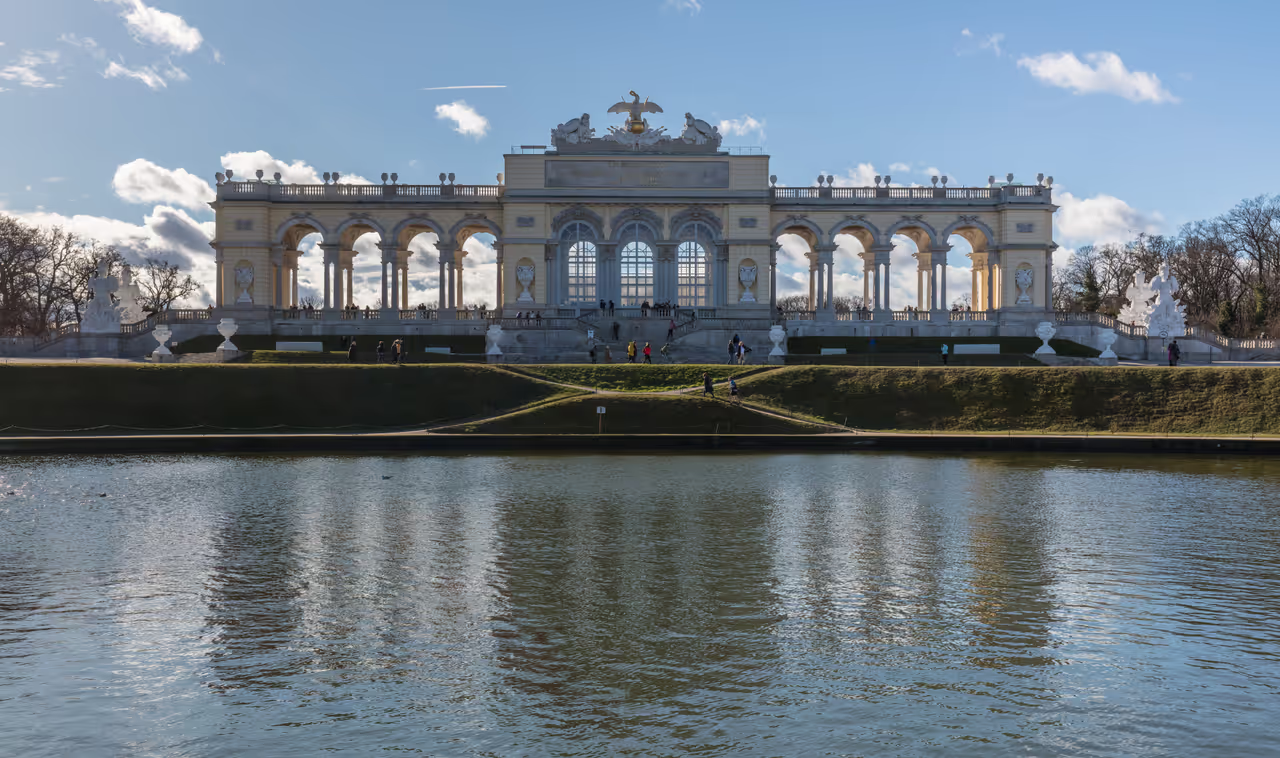
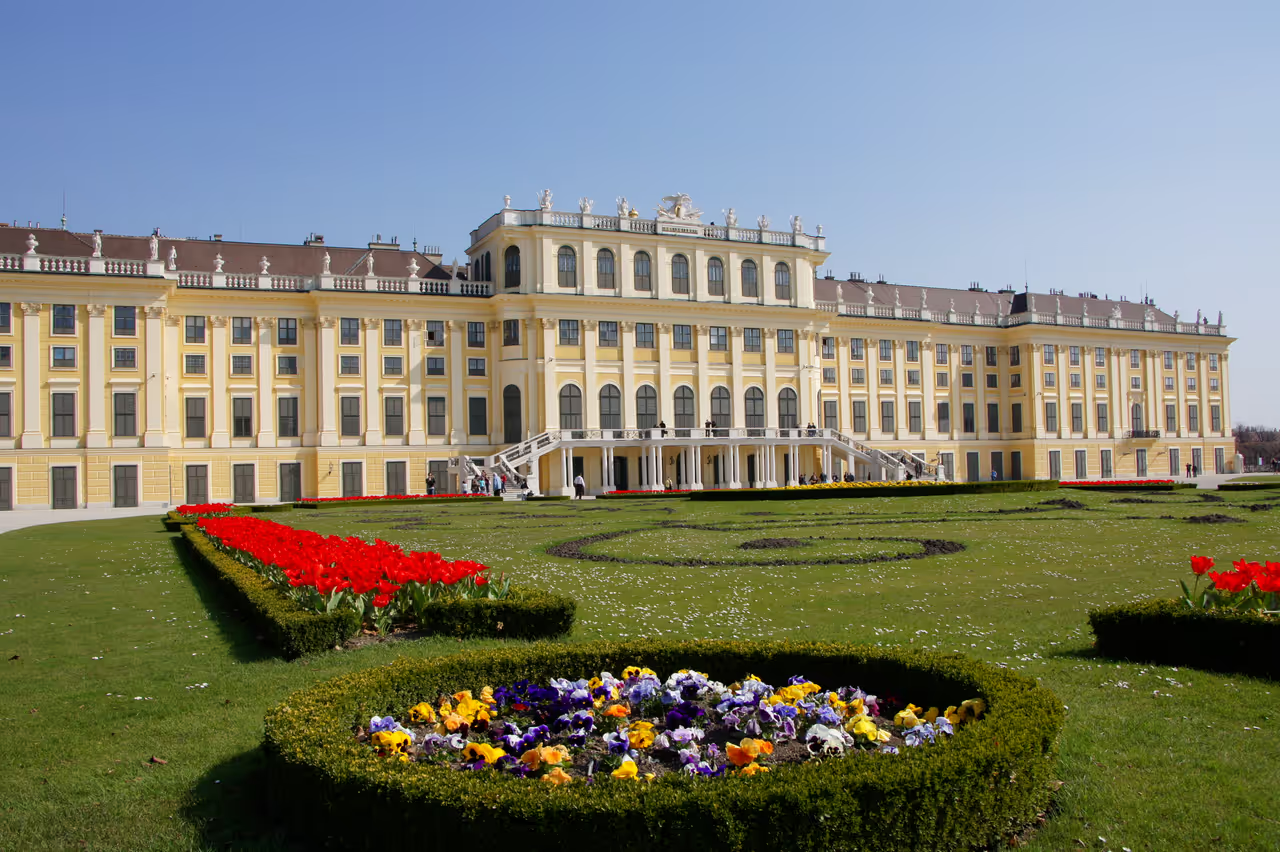
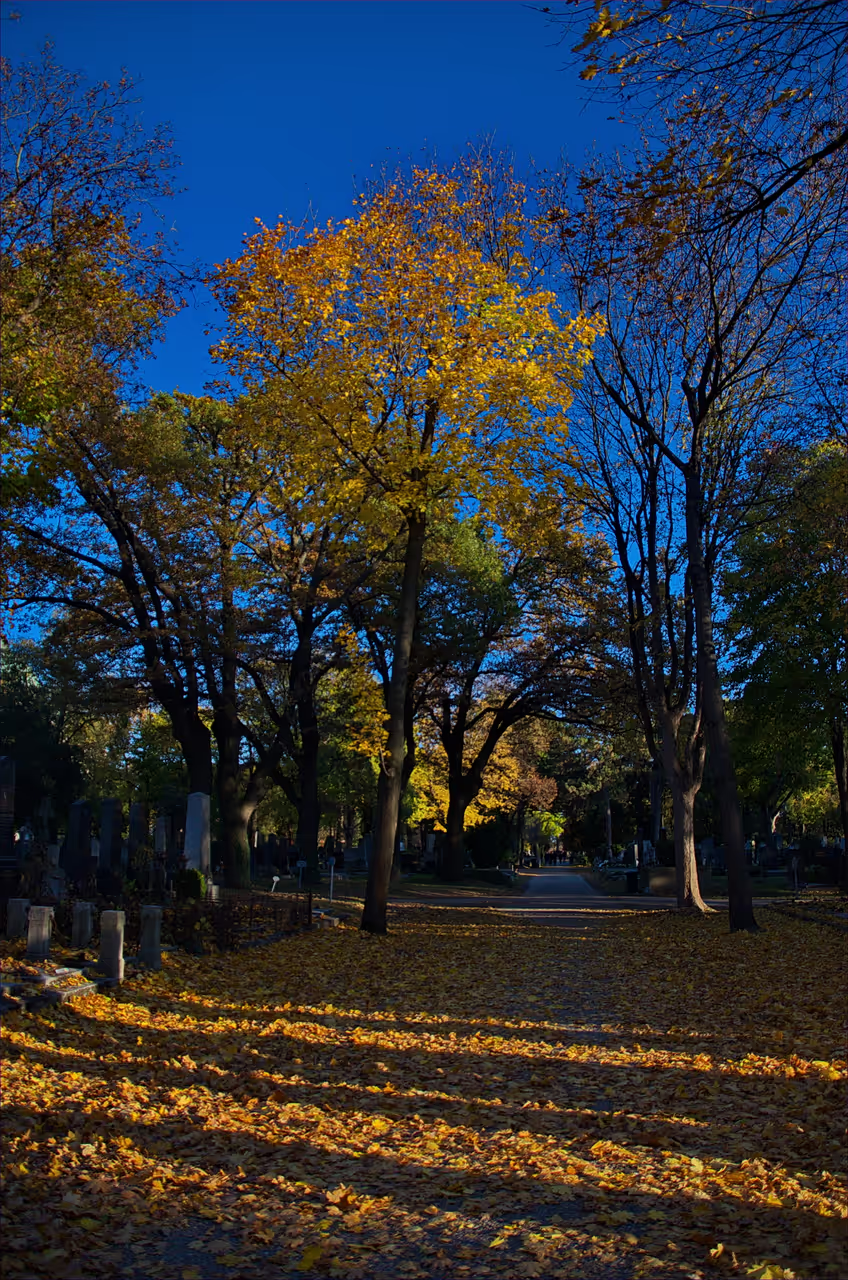
5 Days in Vienna: In-Depth Experience Itinerary
A comprehensive journey that moves beyond the typical tourist sights to include modernist architecture, natural escapes, and contemporary culture. This plan gives you time to appreciate the city's green spaces, relax in its historic cemeteries, and explore the riverfront. It is the ultimate way to understand how the capital functions today.
view itinerary
See all attractions in Vienna
Albertina, Belvedere, Hofburg, Prater, St. Stephen's Cathedral...