Schönbrunn Palace
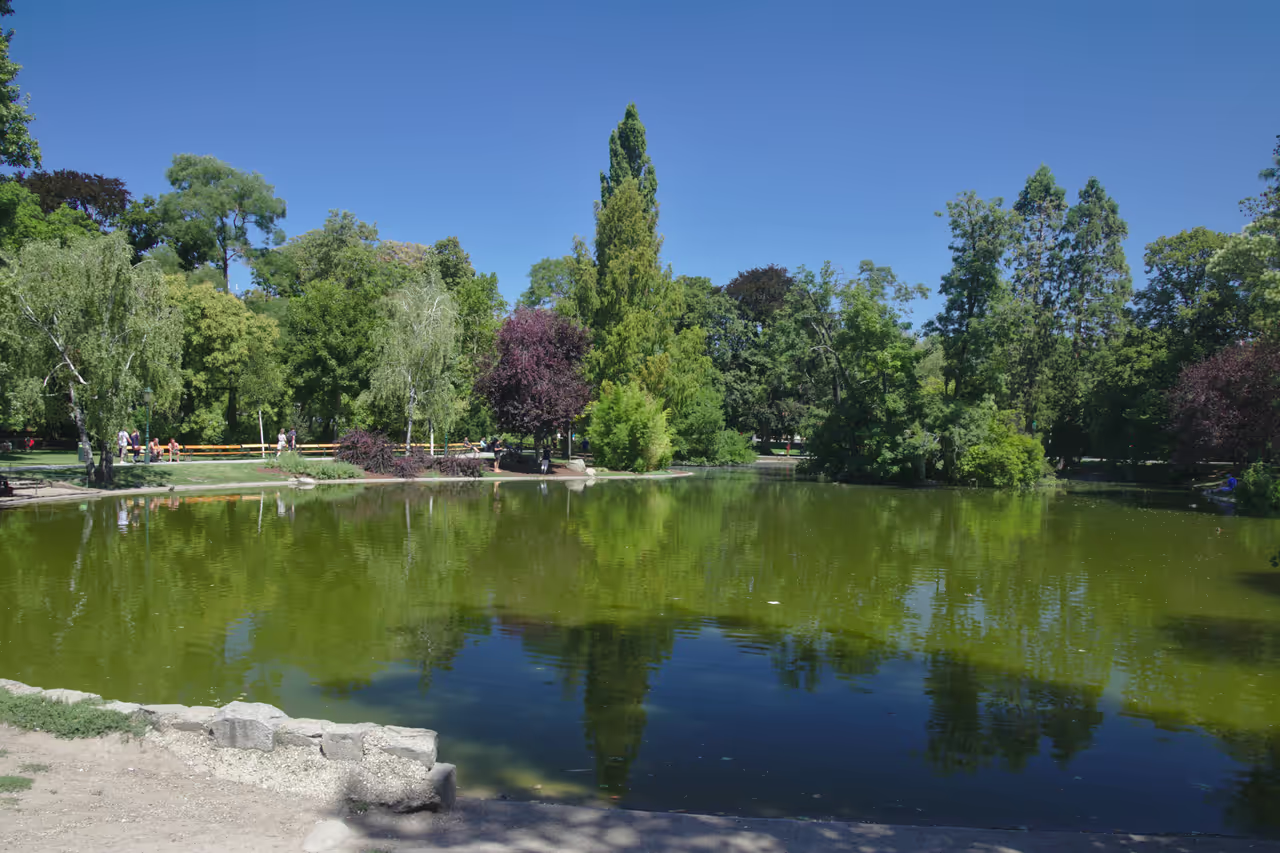
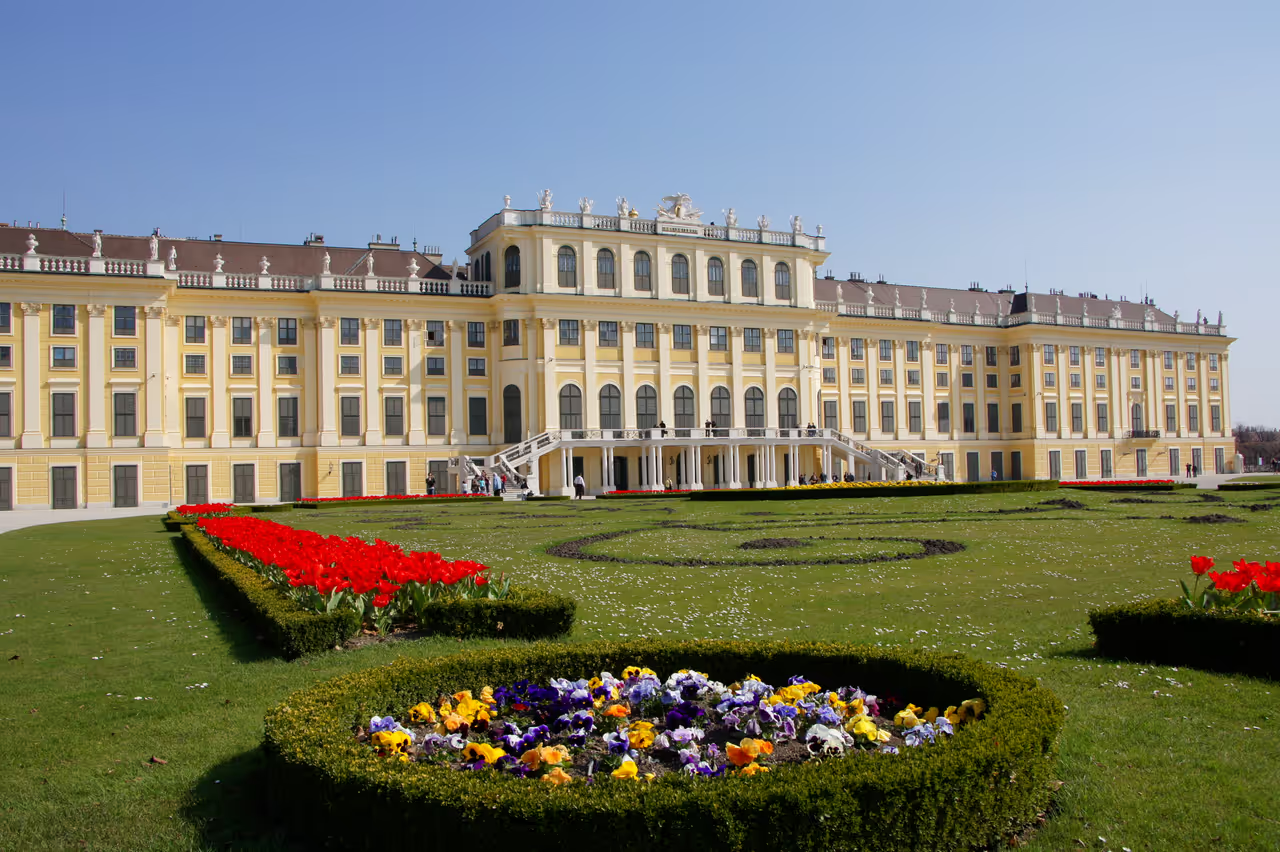
Schönbrunn Palace is the crown jewel of Vienna, offering a breathtaking glimpse into the opulent world of the Habsburg monarchs. This massive Baroque residence boasts 1,441 rooms, each telling a story of imperial power, changing tastes, and legendary history. Beyond the palace walls, the vast, sculpted gardens transport you to another century with their grand avenues, the iconic Gloriette, and the world's oldest operating zoo. It is a place where you can wander through the same corridors once graced by emperors and witness history that shaped modern Europe. From quiet morning strolls in the Privy Garden to catching a summer evening concert, a visit here is an immersive journey through time. It is easily one of the most significant and rewarding sites to explore in Austria.
Videos
History of Schönbrunn Palace
The story of Schönbrunn begins long before it became a palace, starting as a humble hunting ground known as Katterburg. In 1569, Emperor Maximilian II acquired the land to keep exotic animals and preserve it as a place of royal recreation. Over the following decades, the estate evolved slowly, with Eleonora Gonzaga playing a pivotal role by commissioning a palace on the site and first cementing the name Schönbrunn, inspired by a beautiful spring found on the grounds. The true metamorphosis occurred under Empress Maria Theresa during the 1740s. Gifted the estate as a wedding present, she envisioned a grand summer residence that would rival the greatest European courts. Her vision transformed the structure into the masterpiece of Baroque architecture we see today. It became the heart of Habsburg life, where grand galas, diplomatic schemes, and family dramas unfolded against a backdrop of unparalleled luxury. The palace remained a sanctuary for the dynasty until the very end, serving as both birthplace and deathbed to the long reigning Emperor Franz Joseph I. When the monarchy collapsed in 1918, the estate transitioned from an imperial playground to a treasure of the Austrian Republic. Today, it stands as a testament to that bygone era, inviting millions to witness the legacy of the Habsburgs while serving as a vibrant public space that bridges the past and the present.
8 Events spanning 427 years
Fun Facts
- • During the British occupation of Vienna after the Second World War, the palace served as the headquarters for the British military delegation.
- • Maria Theresa, one of the most influential figures in European history, was responsible for the palace's major expansion in the 1740s.
- • The Great Parterre was laid out by a student of André Le Nôtre, the famous landscape architect who created the gardens at Versailles.
- • The Roman Ruin, a set of architectural follies built in 1778, was designed to satisfy the era's romantic fascination with the decline of ancient empires.
- • The Tiergarten Schönbrunn, located within the palace gardens, is the oldest continually operating zoo in the world, having opened in 1752.
- • The estate began as a simple hunting lodge known as Katterburg before it was elevated to an imperial summer residence.
- • The name Schönbrunn translates to beautiful spring, referring to the natural water source that court members once relied upon.
- • The palace contains 1,441 rooms, though only a small fraction are open for public viewing, each dripping in imperial splendour.
- • The palace grounds have served as a backdrop for numerous films, ranging from the classic Sissi trilogy to modern action blockbusters.
Schönbrunn Palace FAQ
While we strive to keep this information accurate and up to date, we recommend verifying any details independently before making decisions based on them.
Schönbrunn Palace Map & Neighborhood Explorer
This interactive map is centered on Schönbrunn Palace. Zoom in and move the map around to automatically discover Wikipedia photos and summaries of other nearby sights, monuments, and historical points of interest and stories in real-time!
Places near Schönbrunn Palace
Make the most of your trip. Check out these top-rated spots located nearby.
 692m
692mPalm House at Schönbrunn
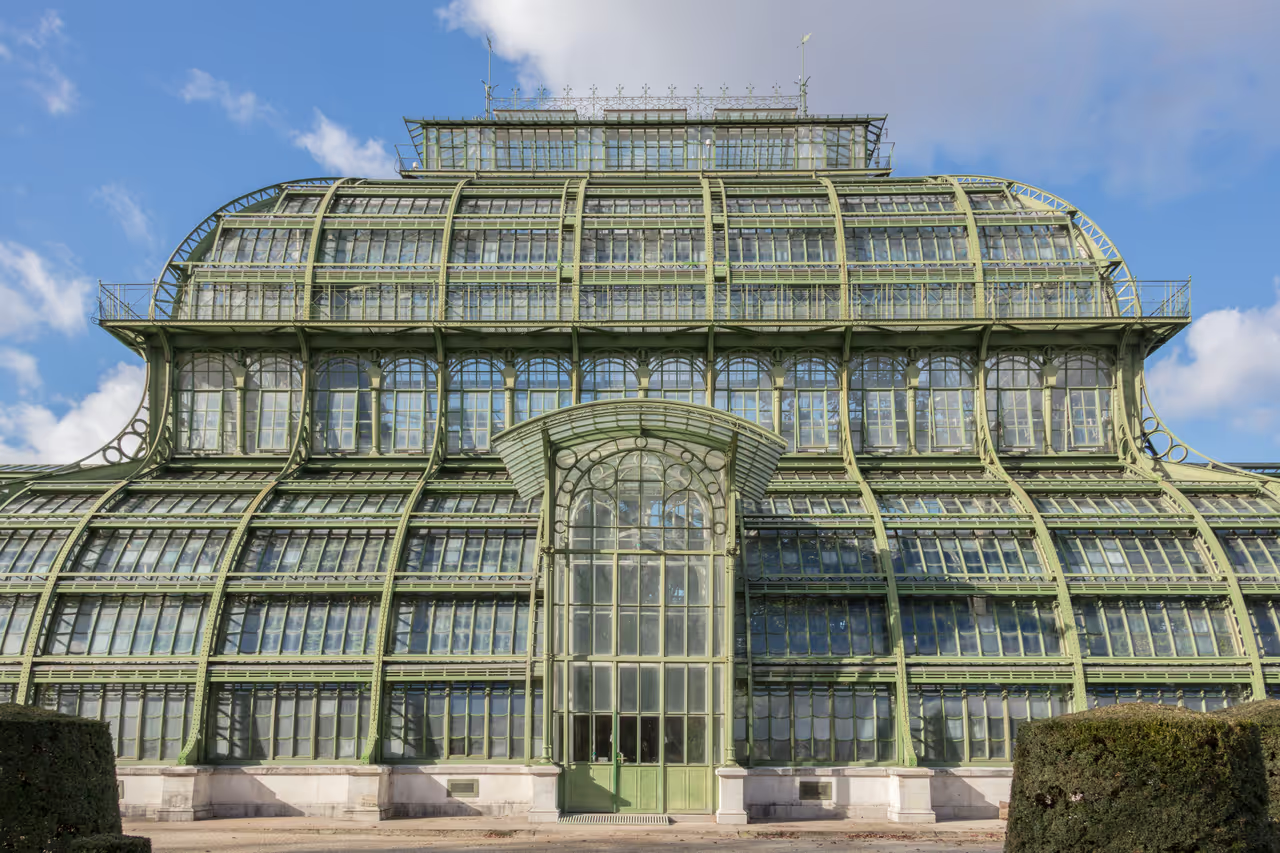
This monumental nineteenth century steel and glass greenhouse is an absolute marvel of industrial era elegance. Shooting from the outside allows you to capture the curved glass reflecting the sky and the surrounding formal gardens. Inside, the massive ferns and towering palms create a lush, tropical contrast against the delicate green steelwork, offering phenomenal framing opportunities.
photo spot view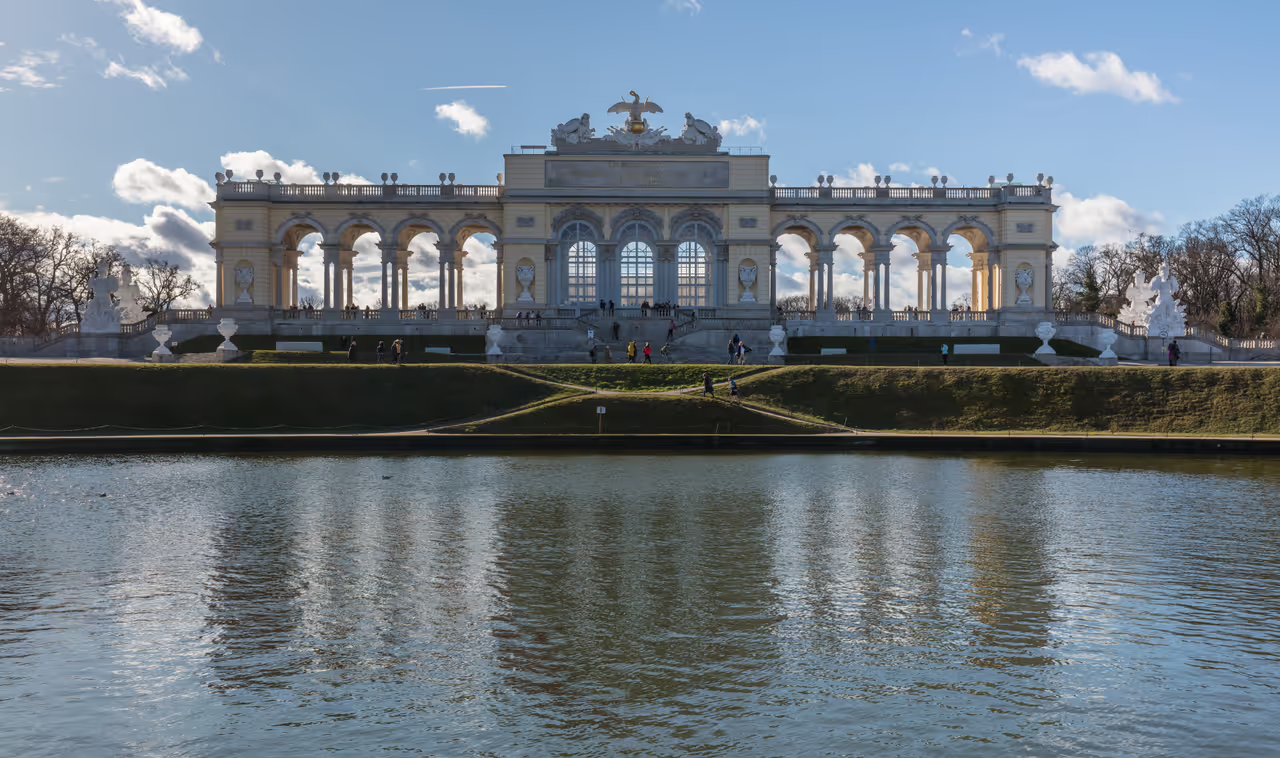 772m
772mGloriette at Schönbrunn
Perched on a steep crest overlooking the Schönbrunn Palace, this magnificent baroque colonnade was built to serve as a focal point for the imperial gardens. The terrace on top of the structure offers a flawless, symmetrical view of the vast palace grounds with the city centre skyline rising behind it. It is widely considered the most regal viewpoint in the capital. The interior now houses a grand café, perfect for recovering after the uphill walk.
viewpoint view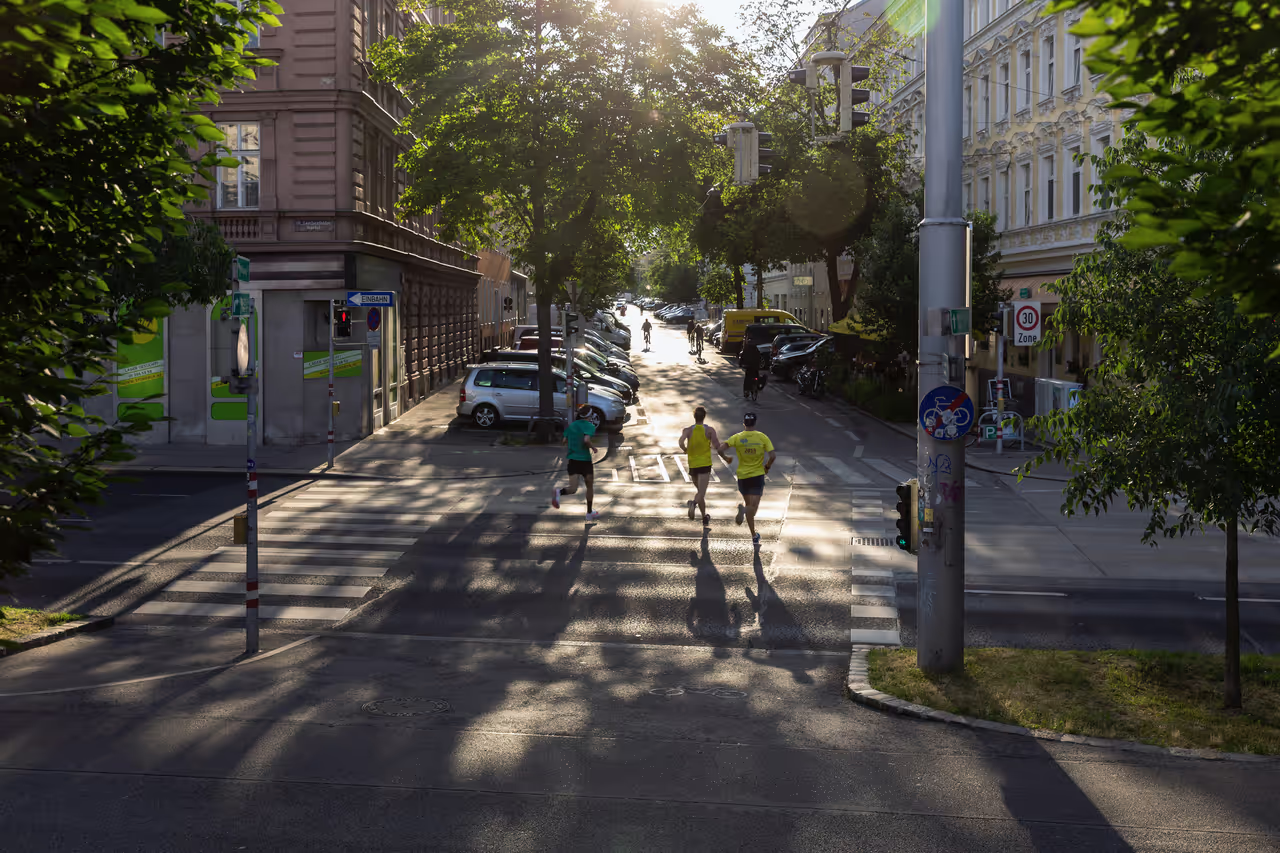 2805m
2805mGürtel Arches
Located beneath the elevated tracks of the U6 subway line, this strip of historic brick arches has been transformed into a thriving nightlife corridor. The venues range from gritty live music dive bars to sleek electronic music clubs. It draws a young, energetic crowd looking for affordable drinks and a rowdy party atmosphere. You can easily bar hop from one arch to the next well into the early morning.
nightlife view- 3335m
House of the Sea Rooftop
This viewpoint is situated atop a massive, indestructible World War Two anti aircraft flak tower that now houses a public aquarium. The open air terrace on the eleventh floor offers a fantastic view over the varied rooflines of the bustling Mariahilf district. You can see the grand domes of the inner city perfectly aligned against the horizon. Access to the rooftop requires an aquarium ticket, making it a great combination of marine life and cityscapes.
viewpoint view
Explore Similar Places in These Collections
Featured on These Itineraries and Routes
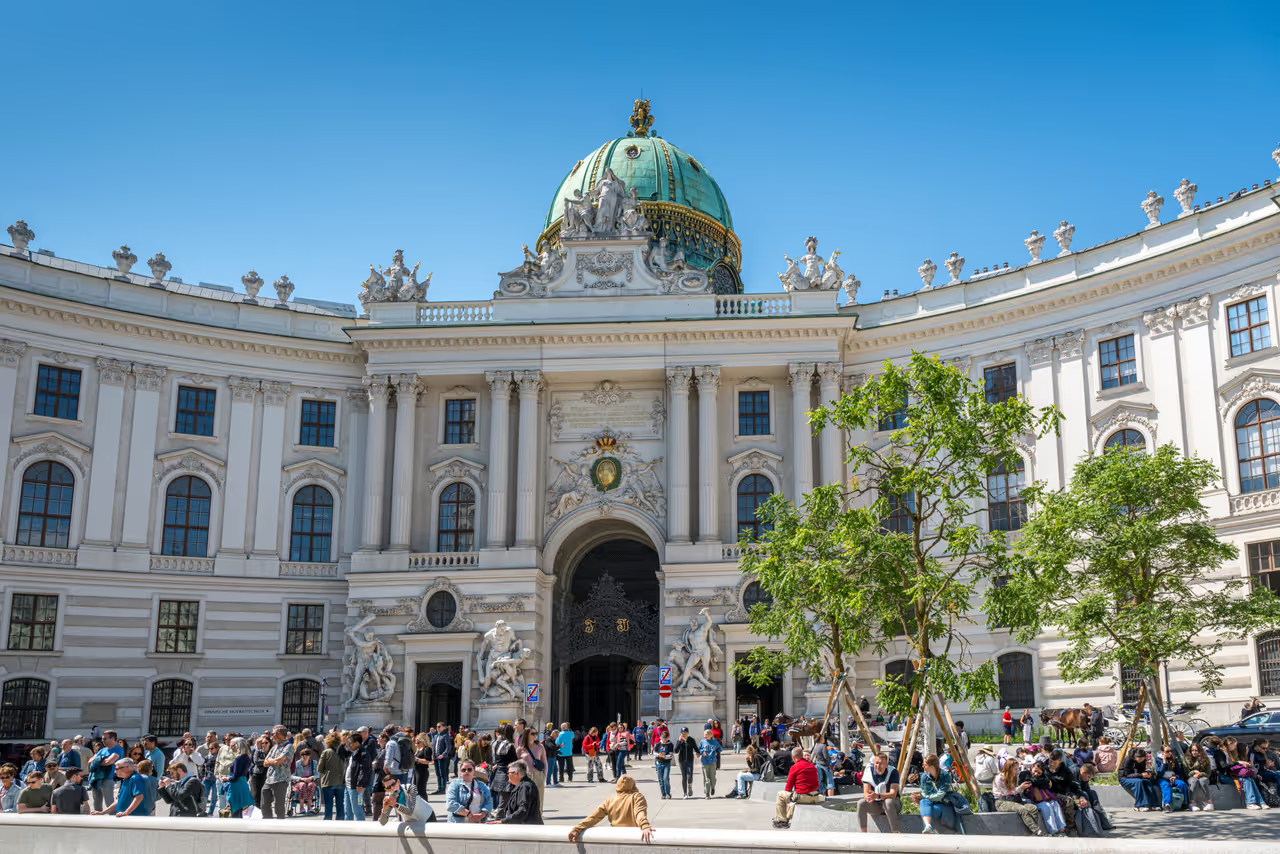
3 Days in Vienna: Culture and History Itinerary
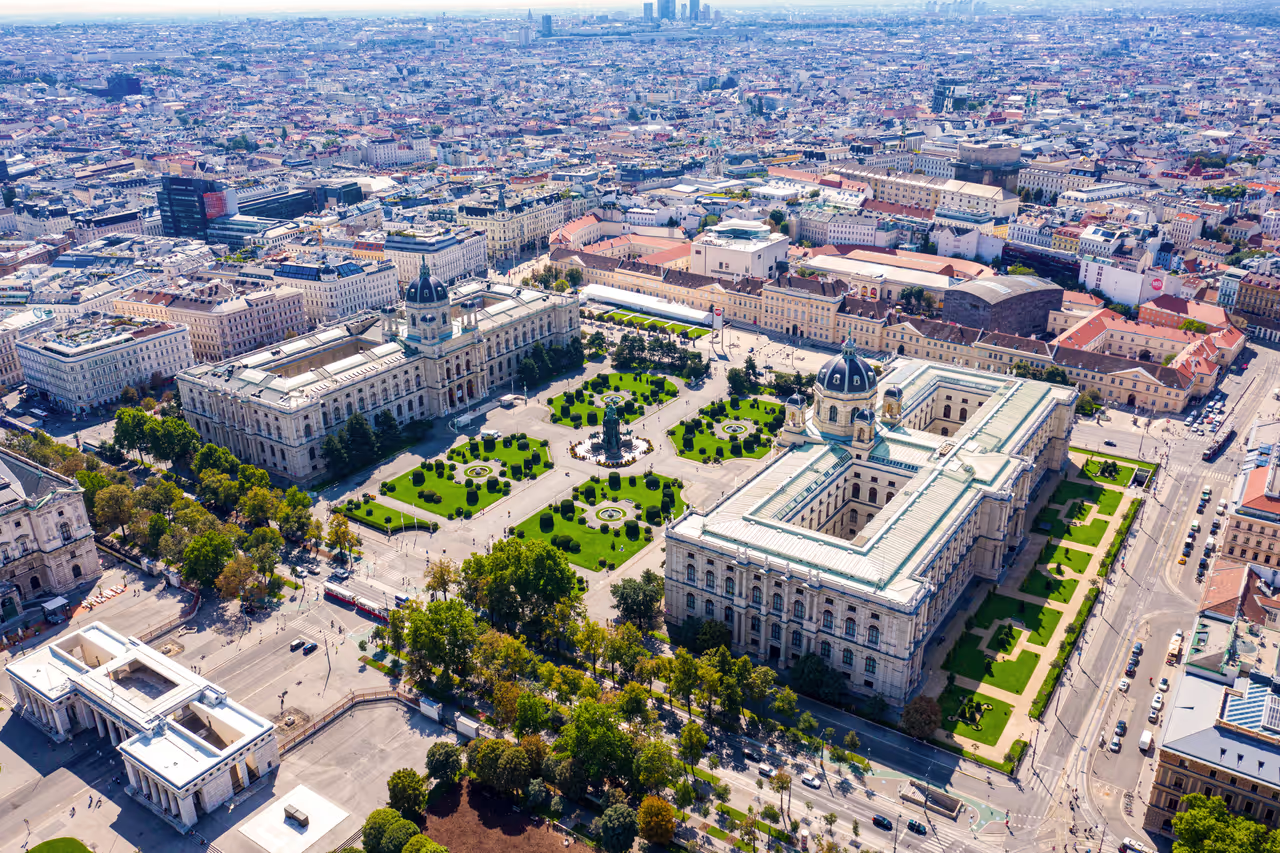
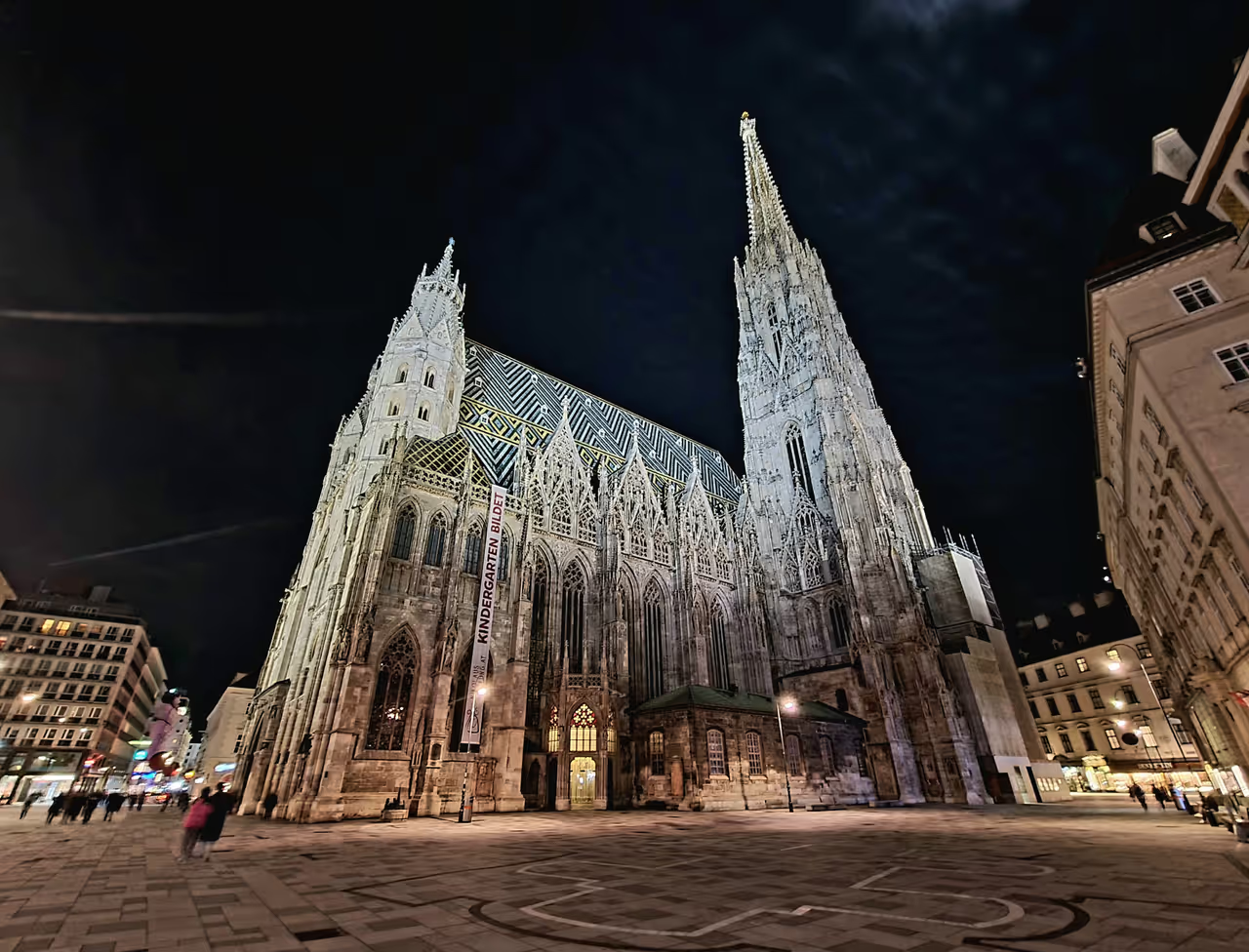
This balanced itinerary allows you to explore the dense inner city, the sprawling summer palaces, and the renowned art collections. You will experience the city's unique culinary scene and view its iconic skyline from multiple perspectives. It offers a well rounded view of the classical and the quirky sides of the capital.
view itinerary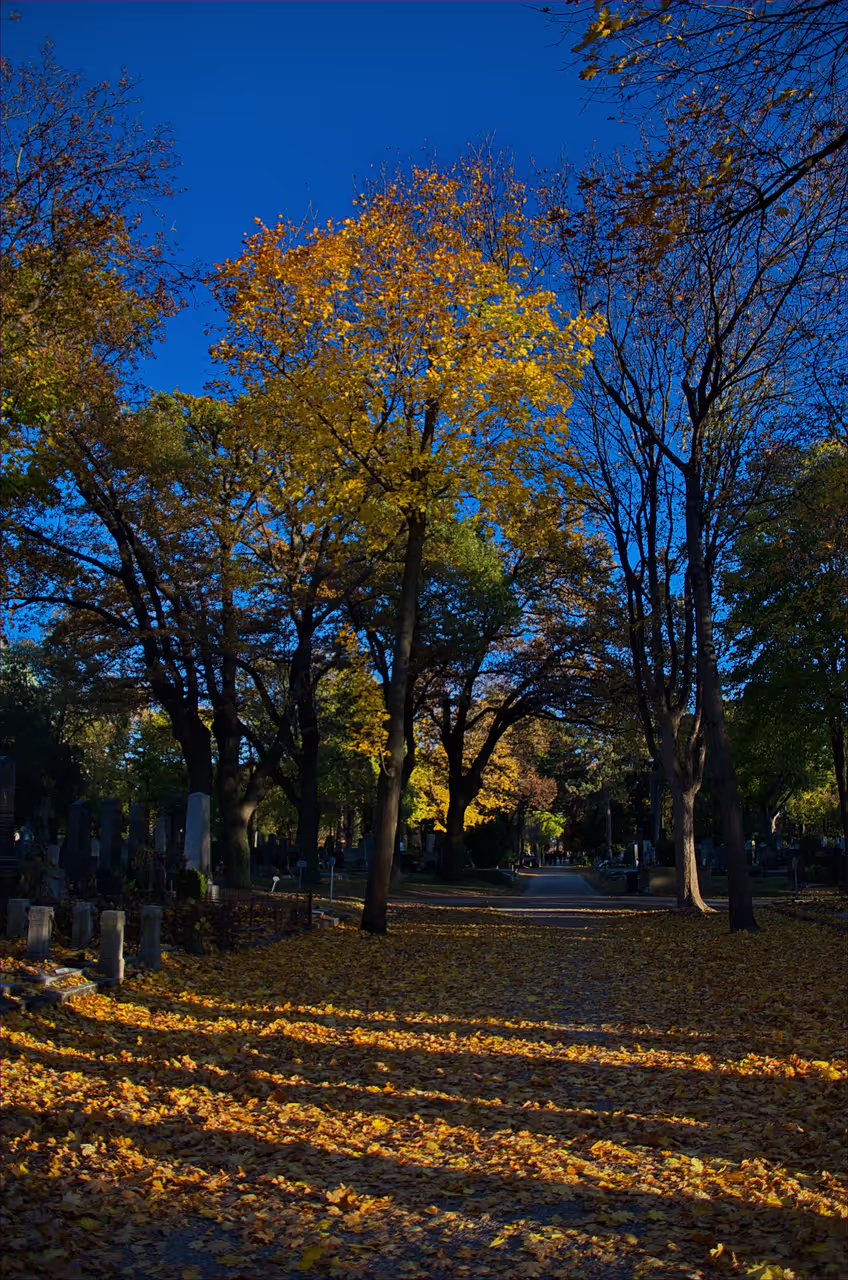
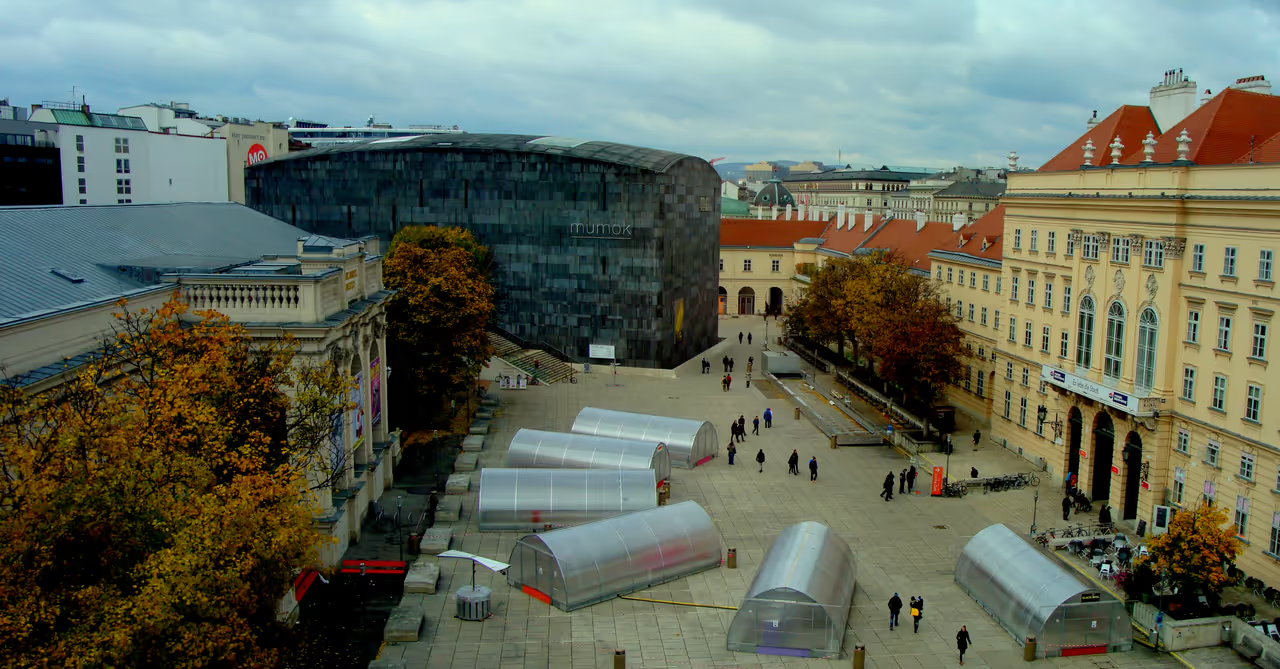
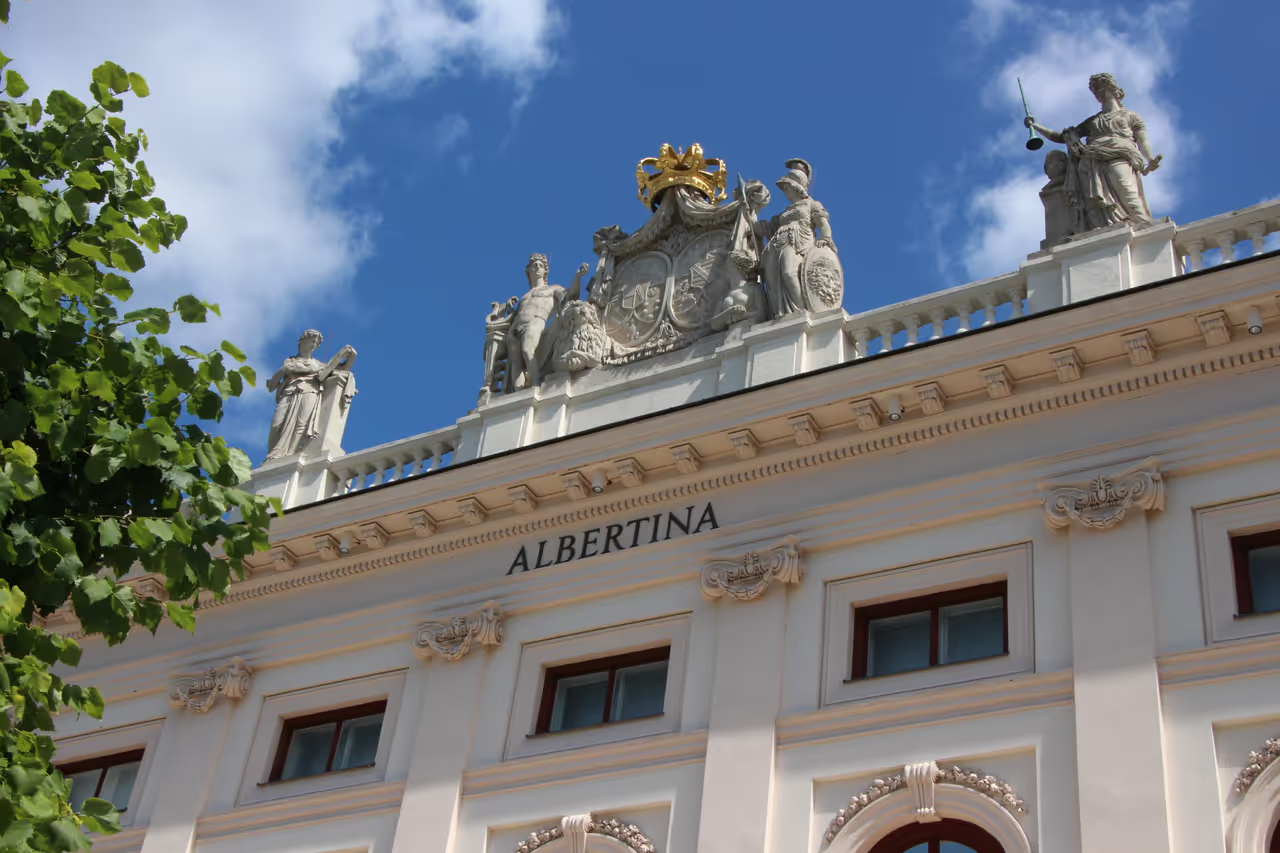
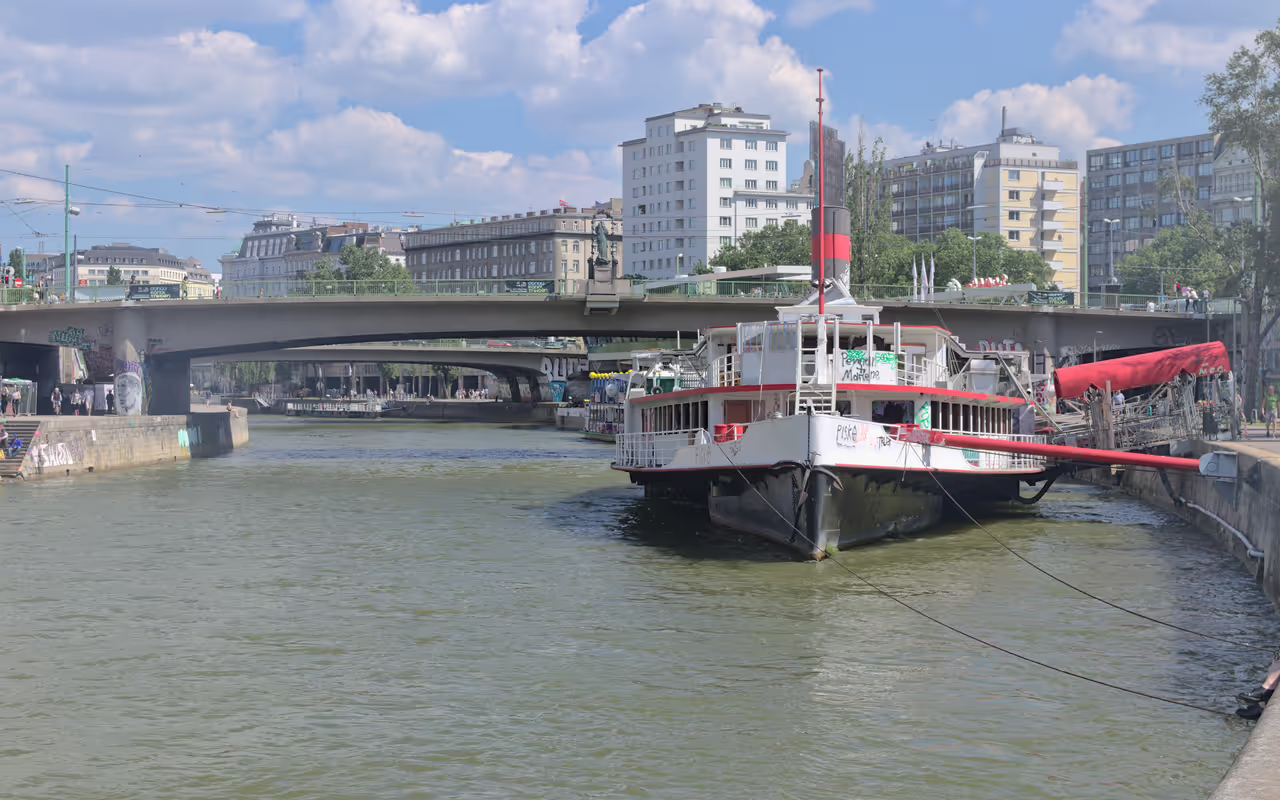
5 Days in Vienna: In-Depth Experience Itinerary
A comprehensive journey that moves beyond the typical tourist sights to include modernist architecture, natural escapes, and contemporary culture. This plan gives you time to appreciate the city's green spaces, relax in its historic cemeteries, and explore the riverfront. It is the ultimate way to understand how the capital functions today.
view itinerary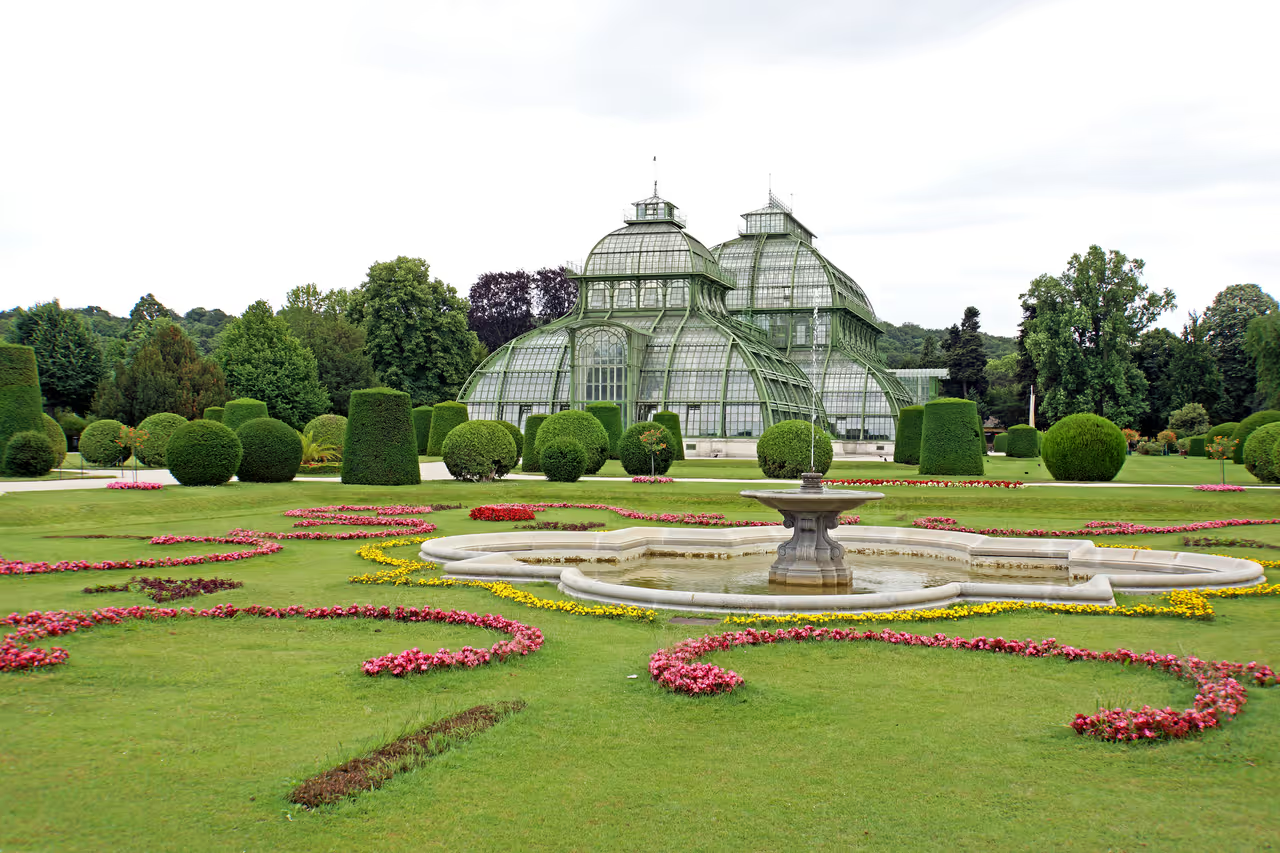
Schönbrunn Gardens Walk
Immerse yourself in the manicured perfection of these imperial summer gardens. The vast parkland features sculpted hedges, mythological fountains, and expansive gravel paths. It is a stunning display of baroque landscaping designed to showcase the dominance of nature by royalty.
view walking route
See all unesco sites in Vienna
Innere Stadt...