Hobart
Full City Guide, Map & 103 Things To Do
197,451 people live here.
That's 0.75% of the entire population of Australia.
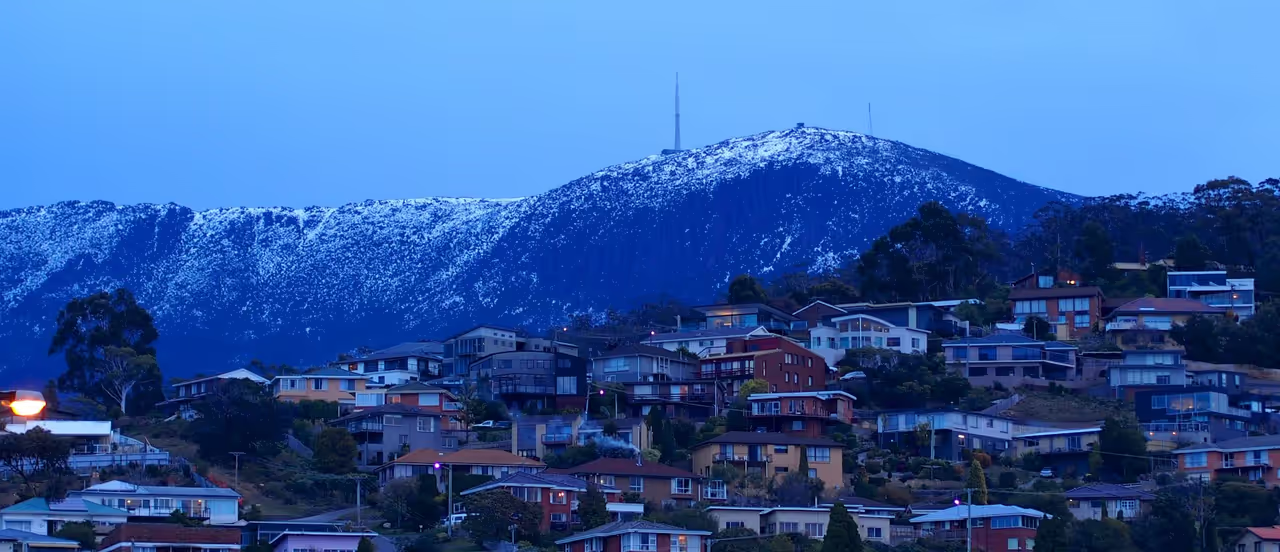
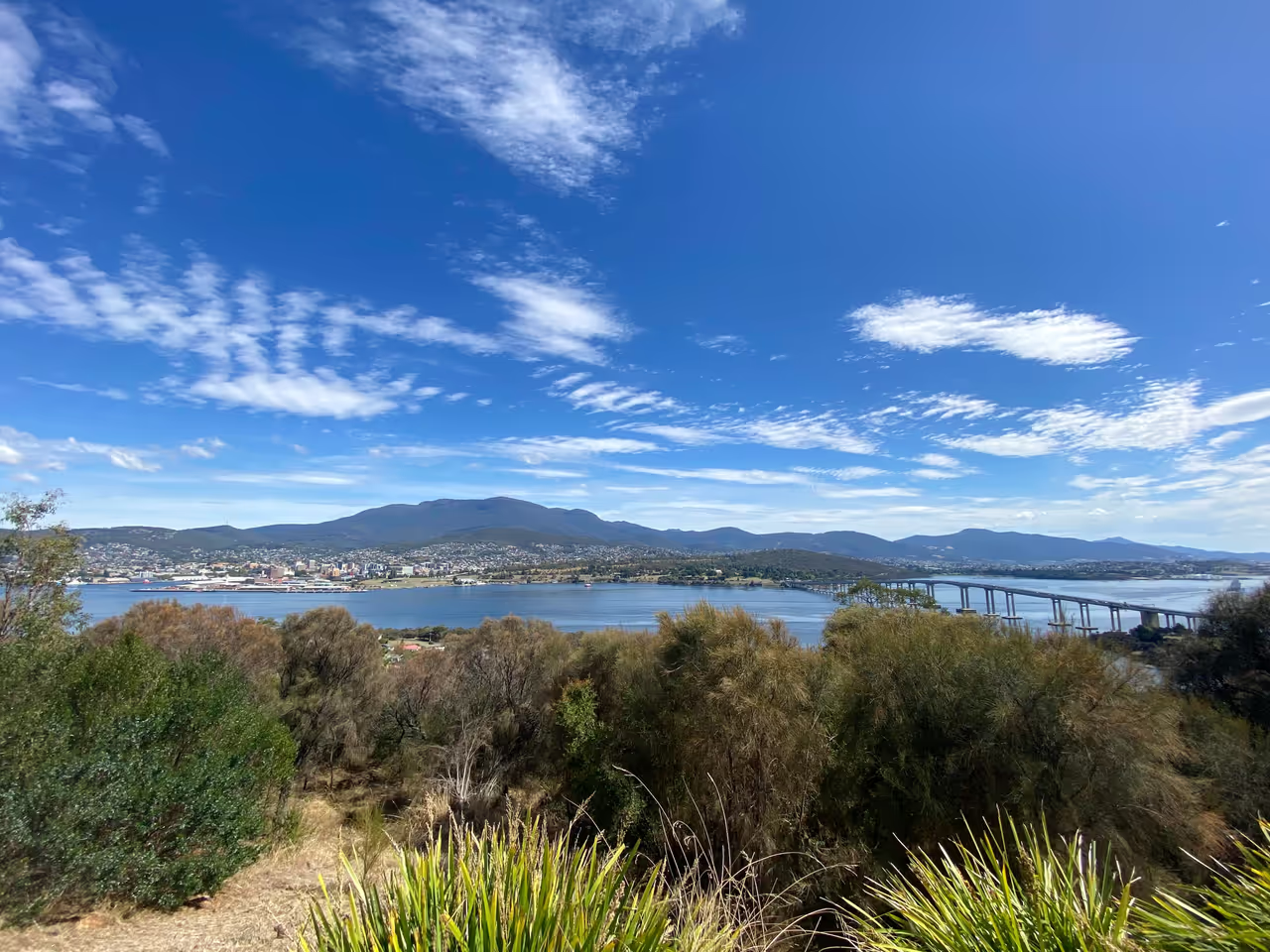
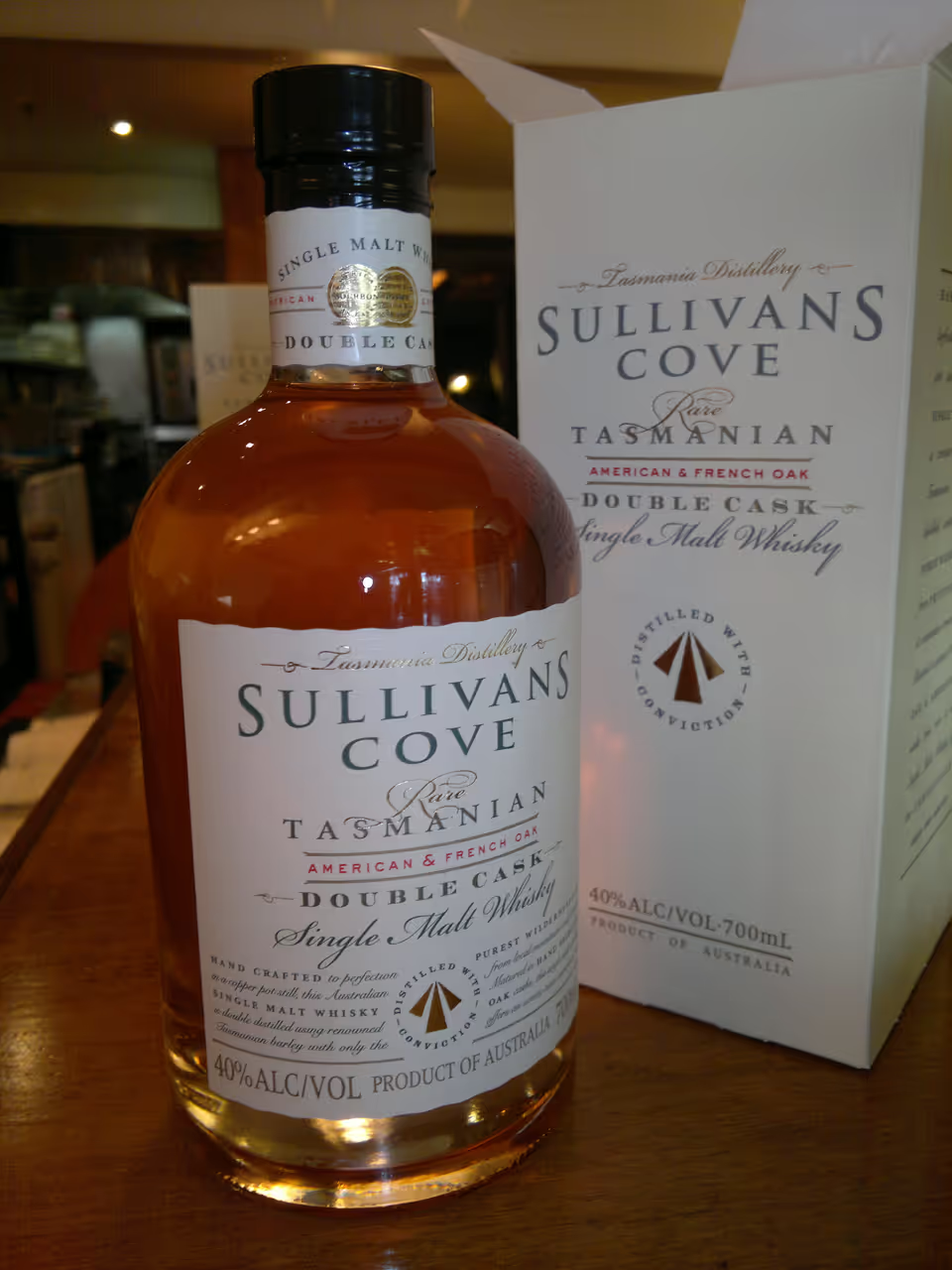
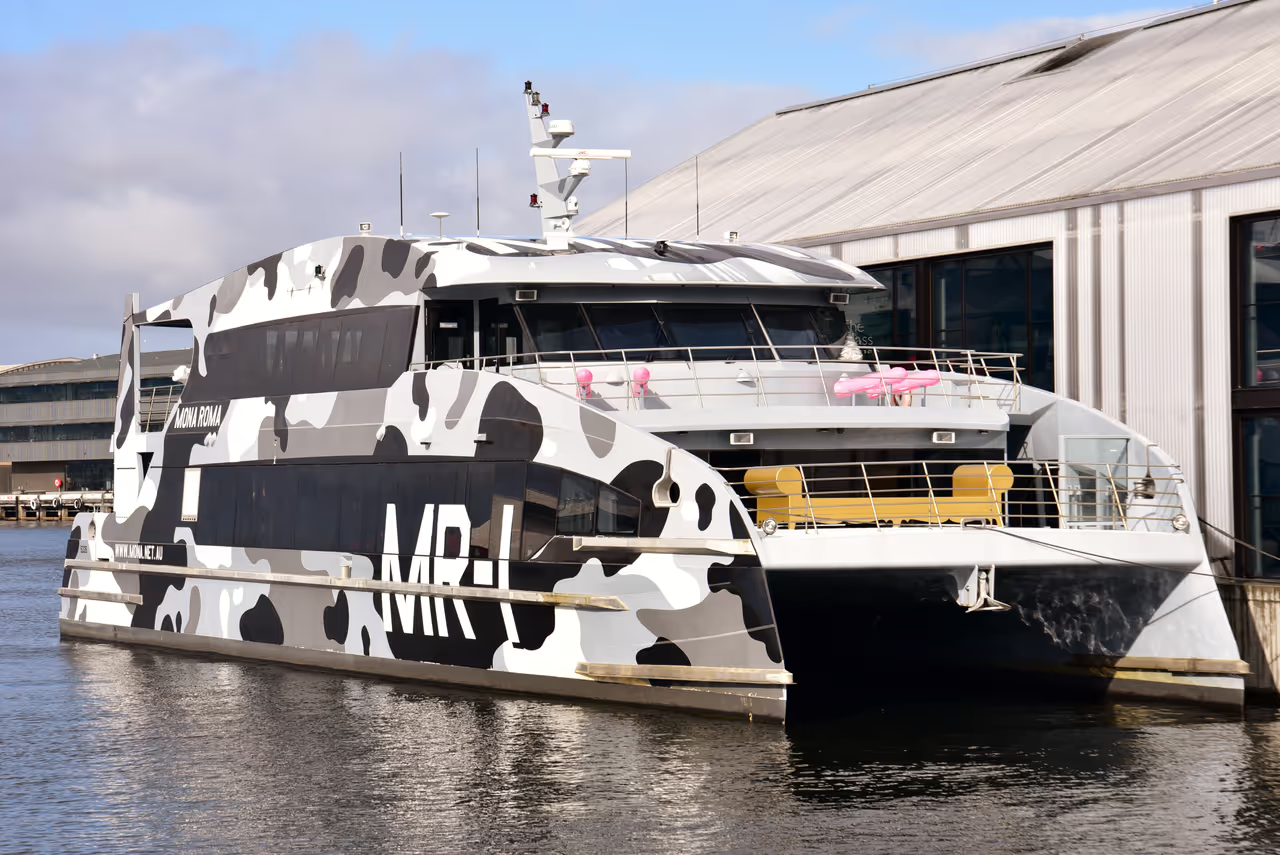
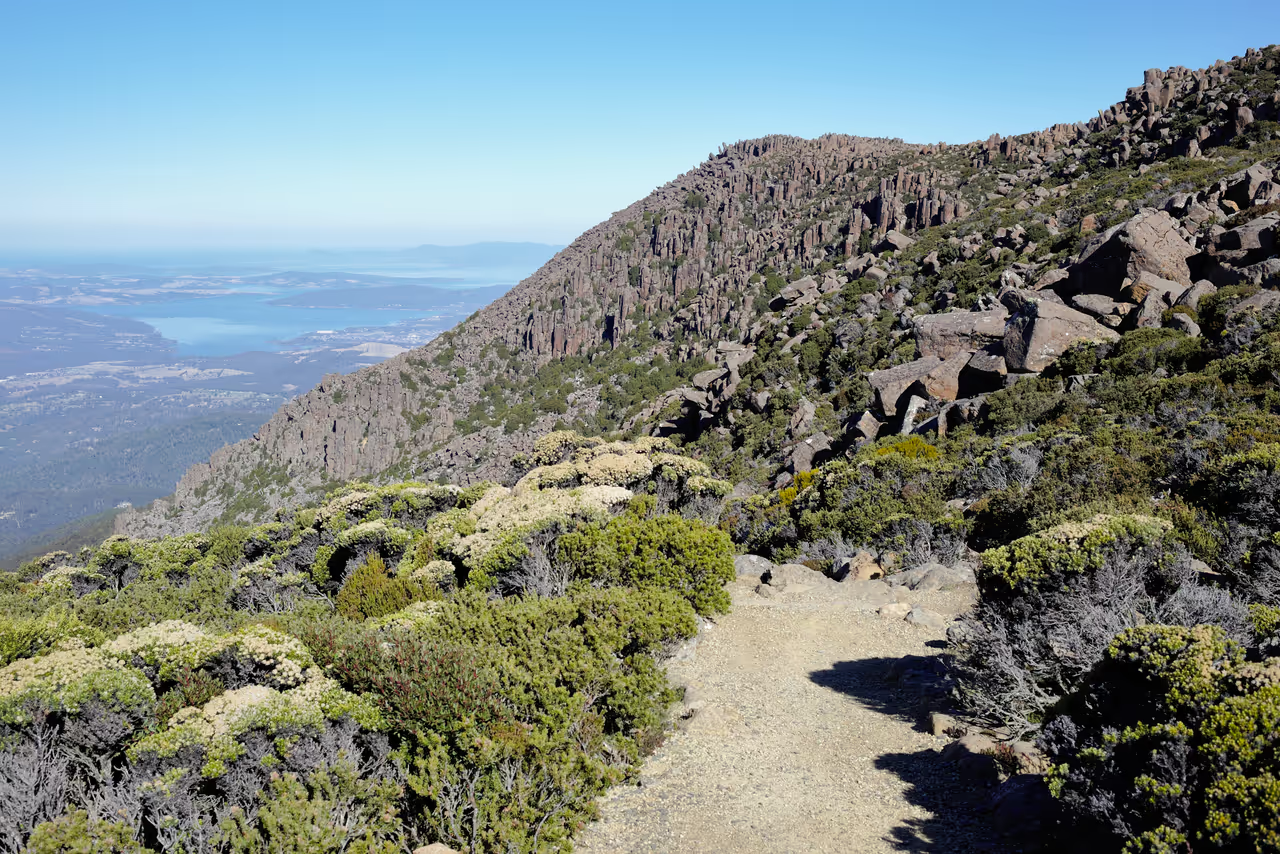
Hobart sits below kunanyi, the mountain Europeans named Wellington, in a bowl formed by dolerite peaks and the tidal reach of the Derwent, and the two are close enough that snow on the summit is visible from the docks in winter. Sandstone warehouses line Salamanca Place, built in the 1830s to store whale oil and grain, and the same stone survives in the narrow cottages of Battery Point, once home to the mariners and boat-builders who worked the port. Hobart was founded in 1804 as a penal settlement, second only to Sydney among Australia's capitals, and that history sits close to the surface. Across the river at Berriedale, MONA is built into a sandstone cliff, reached most often by a ferry shaped like a camouflage-painted gunboat, and inside it deliberately unsettles visitors with work most museums wouldn't show. Sullivans Cove, a local distillery, has been named producer of the world's best single malt, and its bar sits a short walk from the fish punts moored at Constitution Dock. Wilderness starts almost at the tram lines: a forty-minute drive puts you at the base of kunanyi's exposed summit track, where the wind can shift a clear day into fog within the hour.
Hobart DNA
History of Hobart
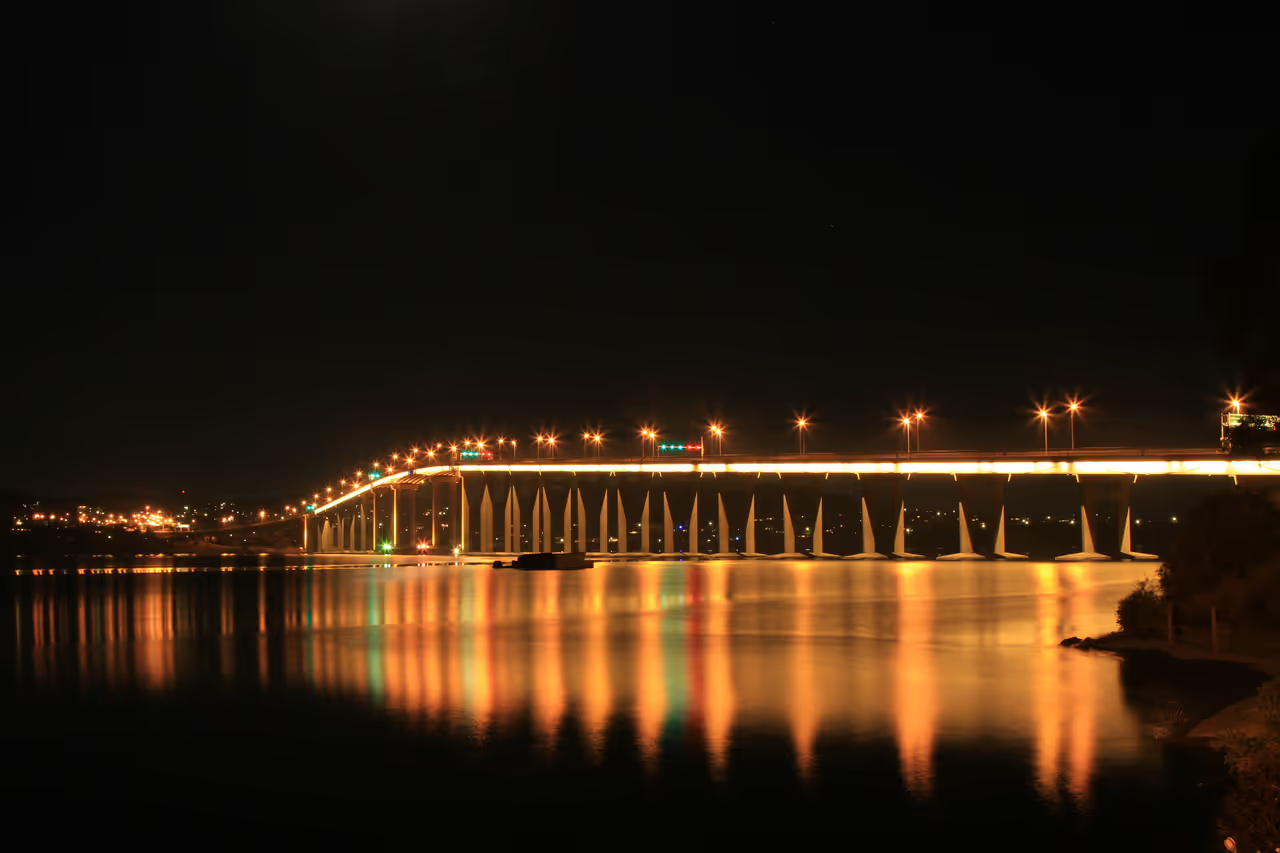
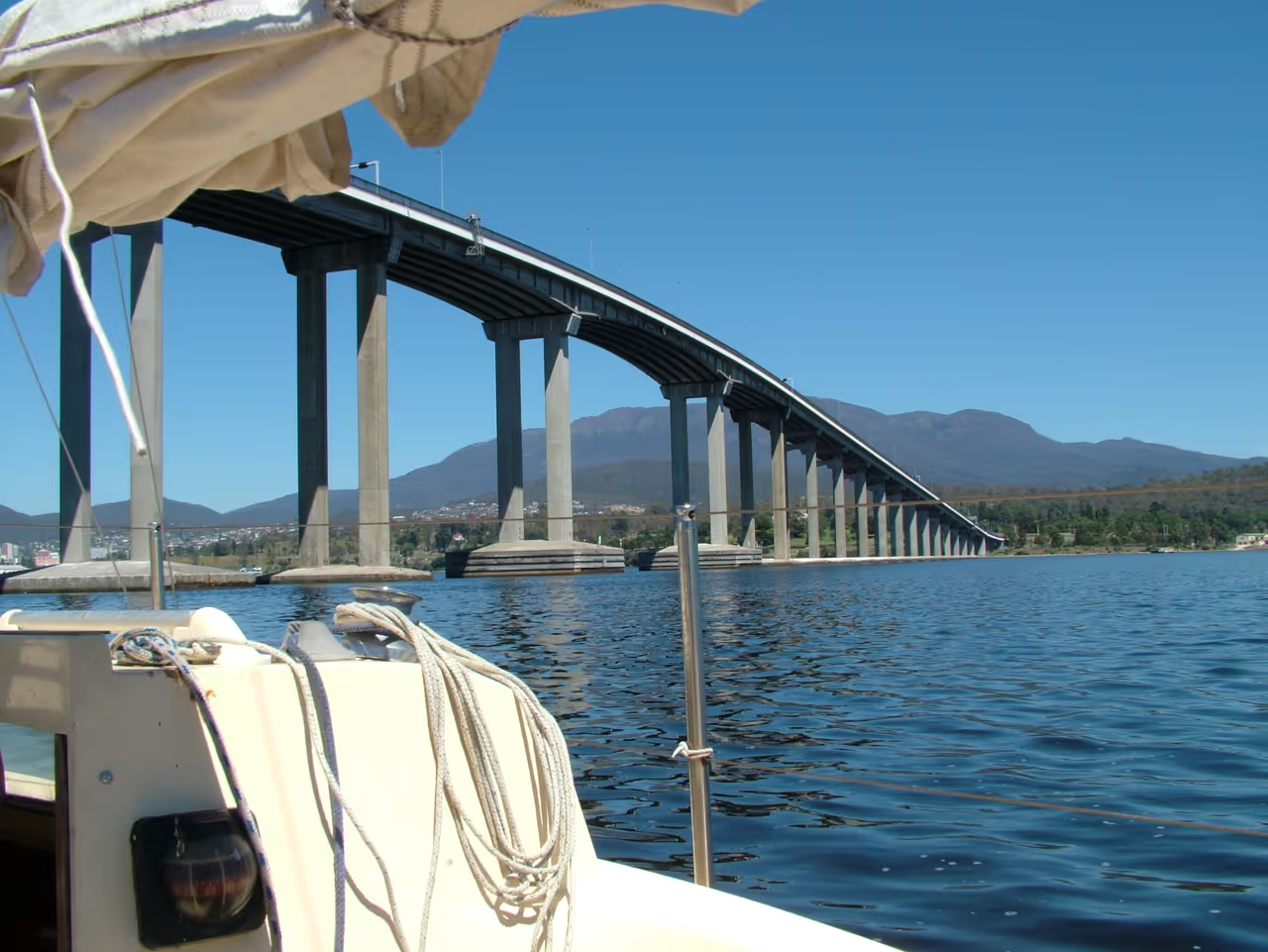
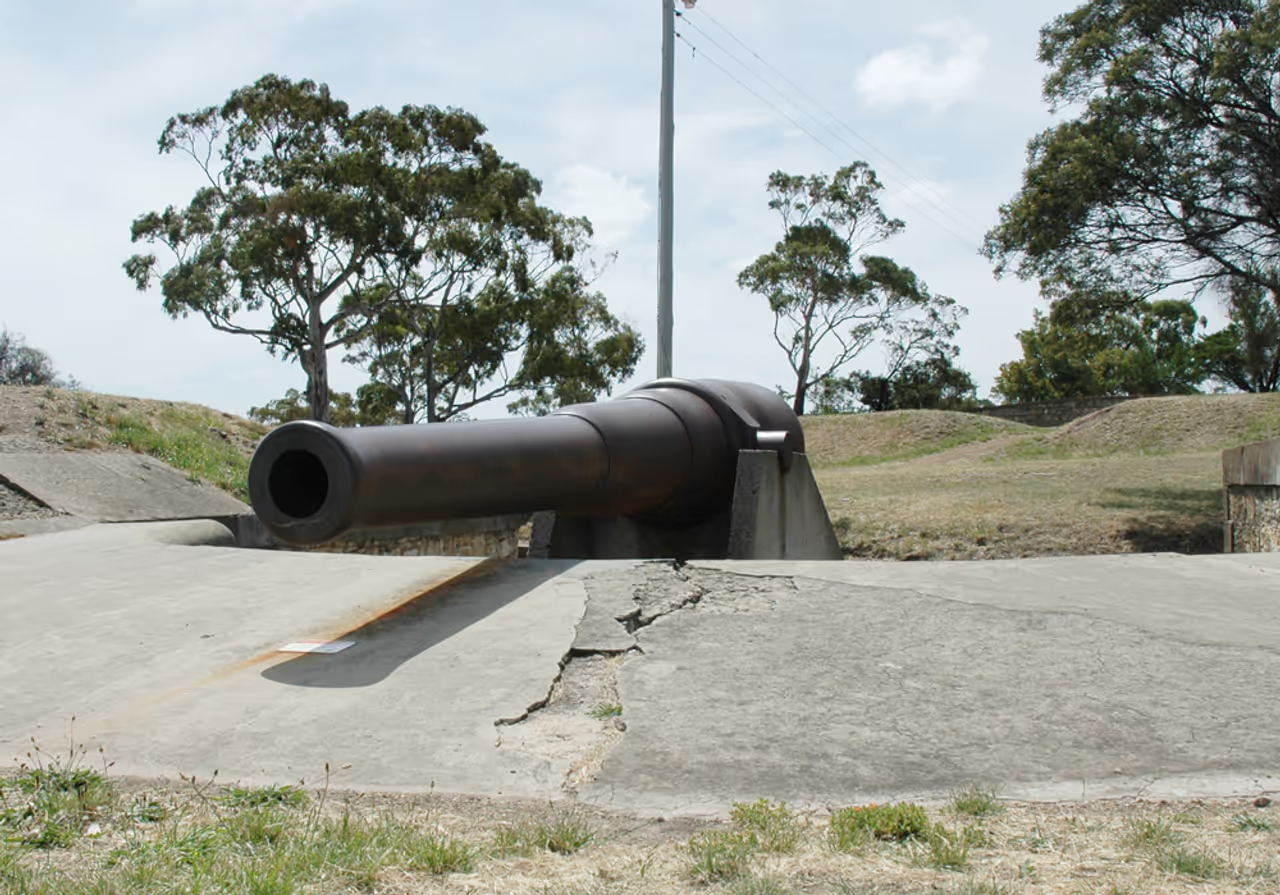
For tens of thousands of years, the Muwinina people maintained camps at places like Little Sandy Bay, calling the area kriwa and hunting along the estuary they knew as timtumili minanya. The mountain kunanyi loomed over a landscape managed through careful fire practices and deep seasonal knowledge. European arrival abruptly severed this continuity. In 1803, British forces, paranoid about French explorers charting the southern waters, set up a military camp at Risdon Cove before shifting across the river to Sullivans Cove. The resulting colonial expansion led to brutal frontier violence. By 1832, Indigenous leaders like Tongerlongeter and Montpelliatta negotiated a truce in the streets of the new settlement, only to be forcibly exiled days later to Flinders Island. The deepwater port of the River Derwent quickly turned a miserable penal outpost into a highly profitable maritime hub. Whaling ships choked the harbour, and the shores echoed with the hammers of shipbuilders crafting vessels from local timber. Convict labour quite literally built the foundations of the settlement. Inmates constructed the imposing sandstone walls of the Cascades Female Factory and hauled the very blocks used to raise the Cascade Brewery in 1824. When the British government officially ended penal transportation in 1853, the local economy stuttered. The settlement dropped the 'Town' from its name to become simply Hobart in 1881, transitioning from a rough sailor sanctuary into an agricultural export centre. Ships now left the docks loaded with fruit from the Huon Valley, stacking wooden crates bound for London markets. Periodic scares of a Russian naval invasion in the late nineteenth century prompted the hasty construction of coastal batteries, like the Alexandra Battery in Sandy Bay, where gunners scanned the horizon for phantom fleets. The twentieth century brought different challenges. On a cold September night in 1936, the last known thylacine died of exposure at the Beaumaris Zoo on the Queens Domain. Decades later, the physical shape of the city was violently altered. In 1975, a massive bulk ore carrier lost control in the estuary and ploughed directly into the Tasman Bridge. The collapse severed the eastern suburbs from the city centre, forcing frustrated commuters to queue in the cold for small wooden ferries like the MV Cartela just to reach their offices. Economic stagnation characterised much of the late twentieth century, with the city leaning heavily on its heritage architecture and local mainstays like the Risdon Zinc Works to keep things moving. Everything shifted in 2011 when local art collector David Walsh carved a massive subterranean museum into the sandstone peninsula of the Moorilla Estate. The Museum of Old and New Art flipped the cultural trajectory of the state. Industrial waterfront warehouses on Hunter Street were rapidly converted into dark, moody bars and galleries. The city embraced an unconventional winter arts festival known as Dark Mofo, which draws crowds out into the freezing June nights for massive feasts around open fires. Today, urban platypuses hunt for insect larvae in the currents of the Hobart Rivulet right beneath the pavement of the central business district.
14 Events spanning 207 years
Map of Hobart
Interactive Destination & Itinerary Map
This map blends our curated city guides—featuring best photo spots, scenic walks, viewpoints, hidden gems and much more—with a live Wikipedia explorer. Click on our numbered pins to plan your routes, or zoom in on the surrounding neighborhoods to discover verified local landmarks, museums, and stories with dynamic Wikipedia summaries and photos!
Fun Facts
- • Famed Norwegian explorer Roald Amundsen marched up the steps of the Hobart General Post Office in 1912 to send a telegram announcing he had successfully reached the South Pole.
- • Despite its reputation for being a cold and rainy southern outpost, it is actually the second driest capital city in Australia.
- • Hollywood legend Errol Flynn was born here in 1909 and his wild early years in the city are still the subject of local lore.
- • A local community group vigorously protects the urban platypus population that lives right inside the Hobart Rivulet just minutes from the central business district.
- • The city is home to the oldest continuously operating brewery in Australia, which was originally built using convict labour in the 1820s.
- • A massive concrete span bridge connects the two sides of the city, which was tragically struck by a ship in the 1970s, leaving cars dangling over the edge.
Did You Know?
- • Hobart sits on the second deepest natural port in the entire world, making it a highly strategic maritime location since the nineteenth century.
- • The city serves as the official home port for both the Australian and French Antarctic programs, housing an enormous concentration of polar scientists.
- • It is officially Australia's second oldest capital city, predated only by Sydney in New South Wales.
- • The Royal Society of Tasmania, established here in the 1840s, holds the prestigious title of being the oldest Royal Society outside of England.
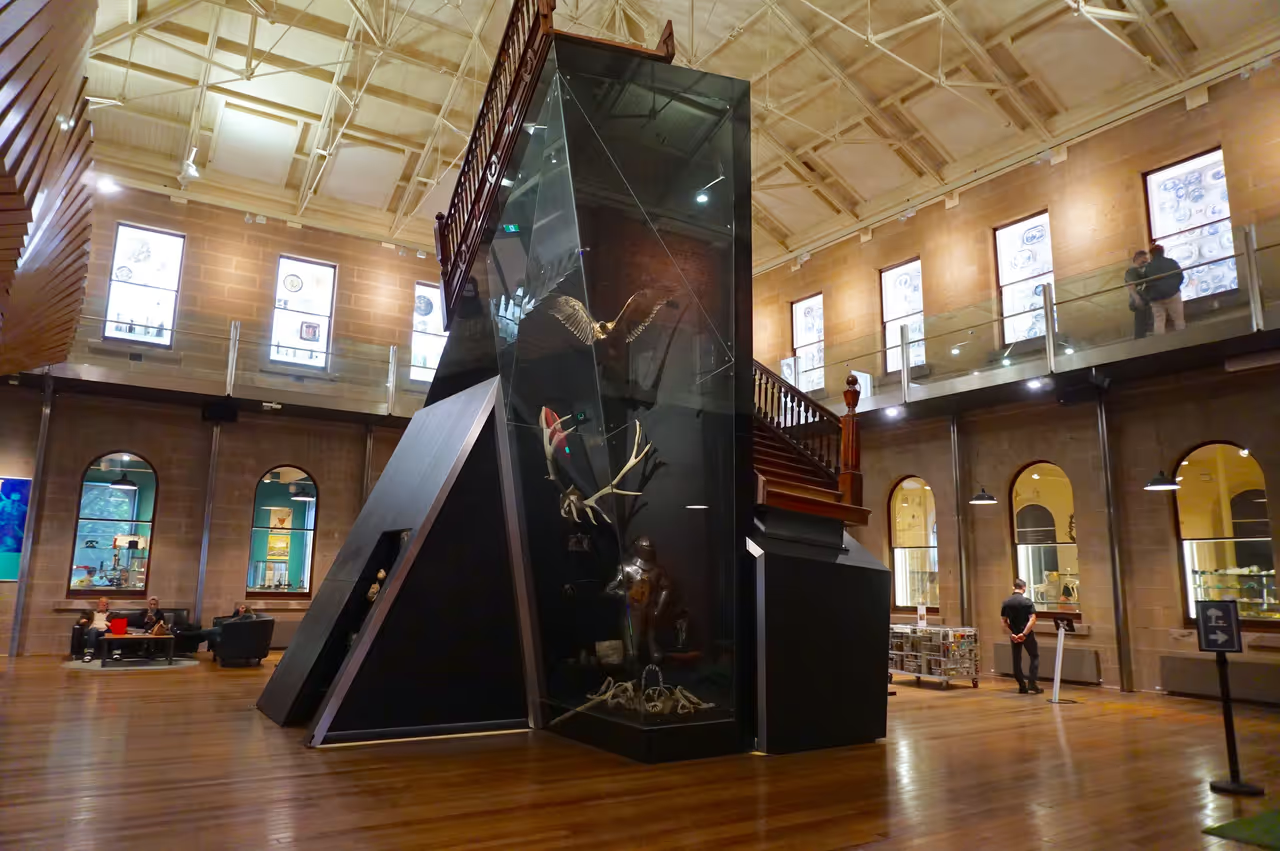
- • The Museum of Old and New Art is the largest privately owned museum in the Southern Hemisphere, single handedly changing the economic trajectory of the state.
- • The local Cascades Female Factory is one of eleven penal sites that together make up the Australian Convict Sites UNESCO World Heritage property.
Videos of Hobart
Seasons
Spring
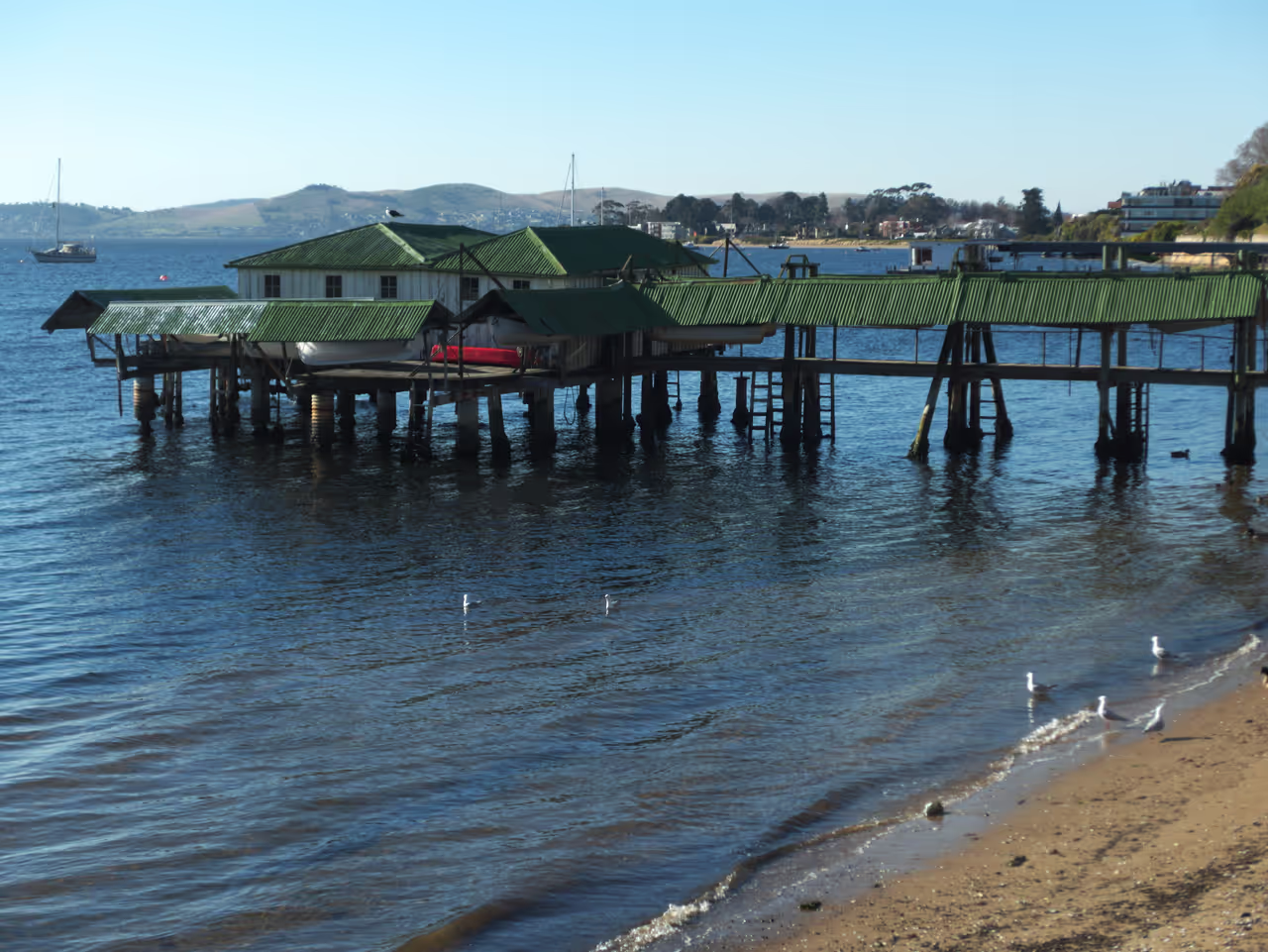
The city awakens with an explosion of vibrant colour as the historic botanical gardens burst into bloom. The mountain snow...
Summer
This is the absolute peak of the tourist calendar, driven by incredibly long days where the sun barely sets before nine in the...
Autumn
The surrounding valleys and historic parks transform into a stunning canvas of rich gold, fiery red, and deep orange foliage...
Winter
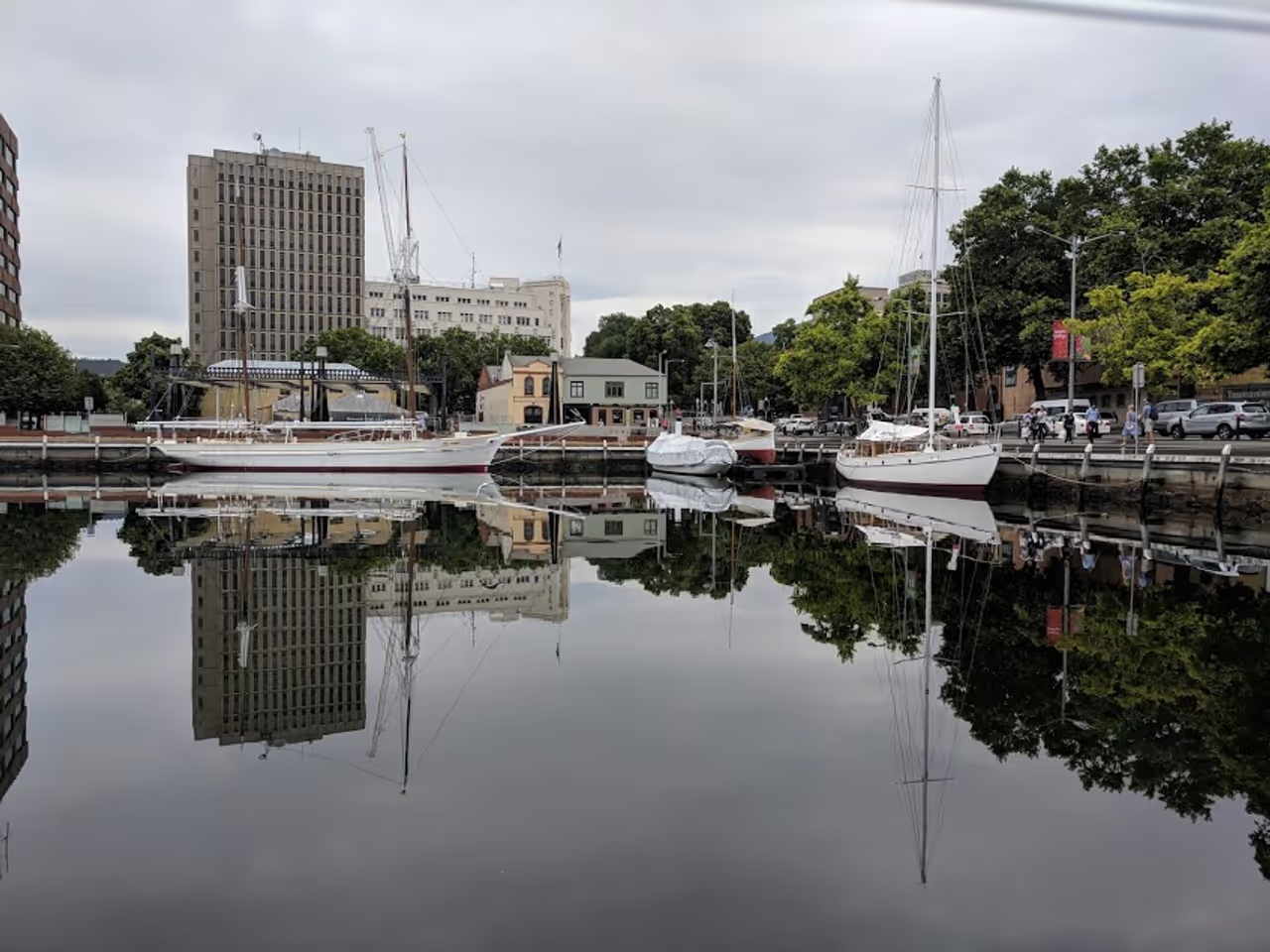
The city fully embraces the freezing cold, transforming into a dark, moody, and highly atmospheric cultural hub. The mountain is...
Top Attractions in Hobart
Cascade Brewery
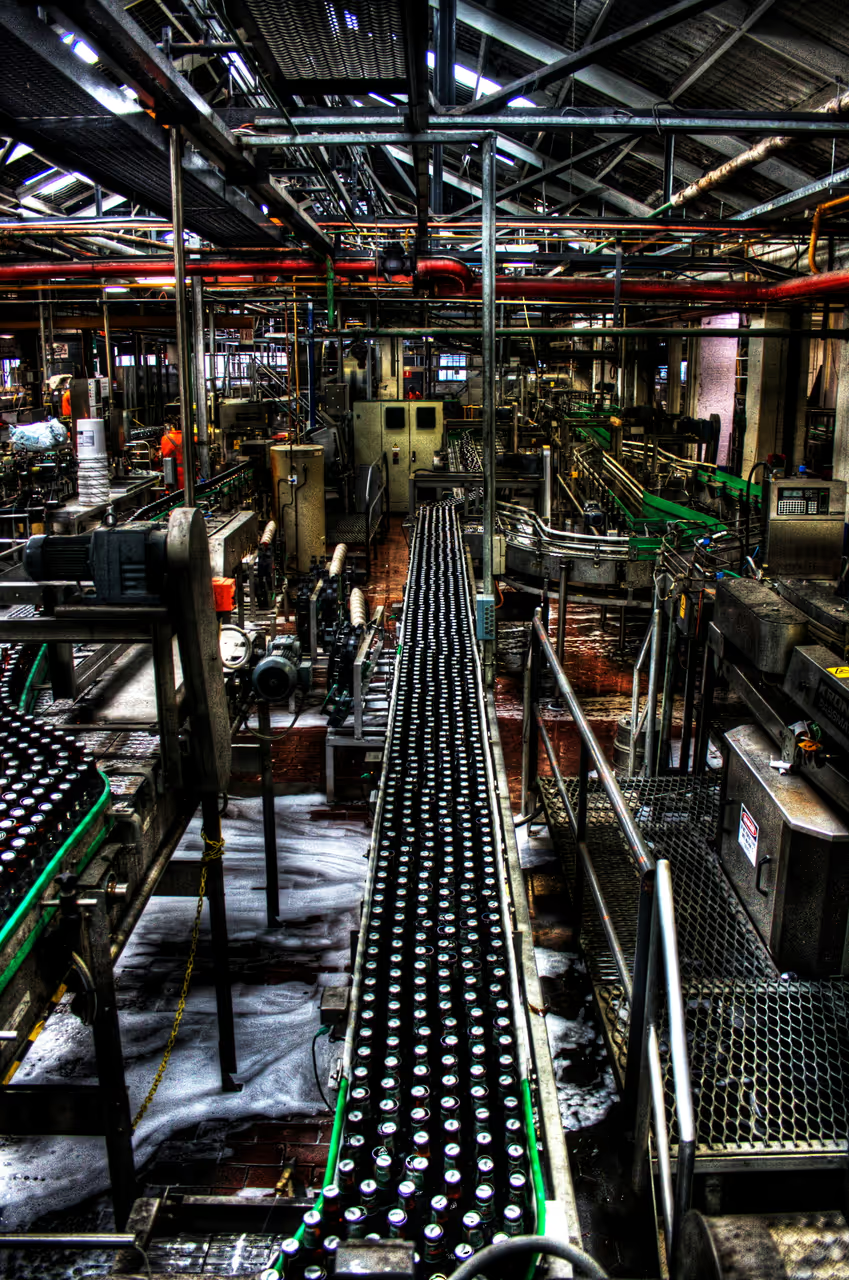
Nestled against the dramatic backdrop of Mount Wellington, Cascade Brewery stands as a cornerstone of Tasmanian history and a...
view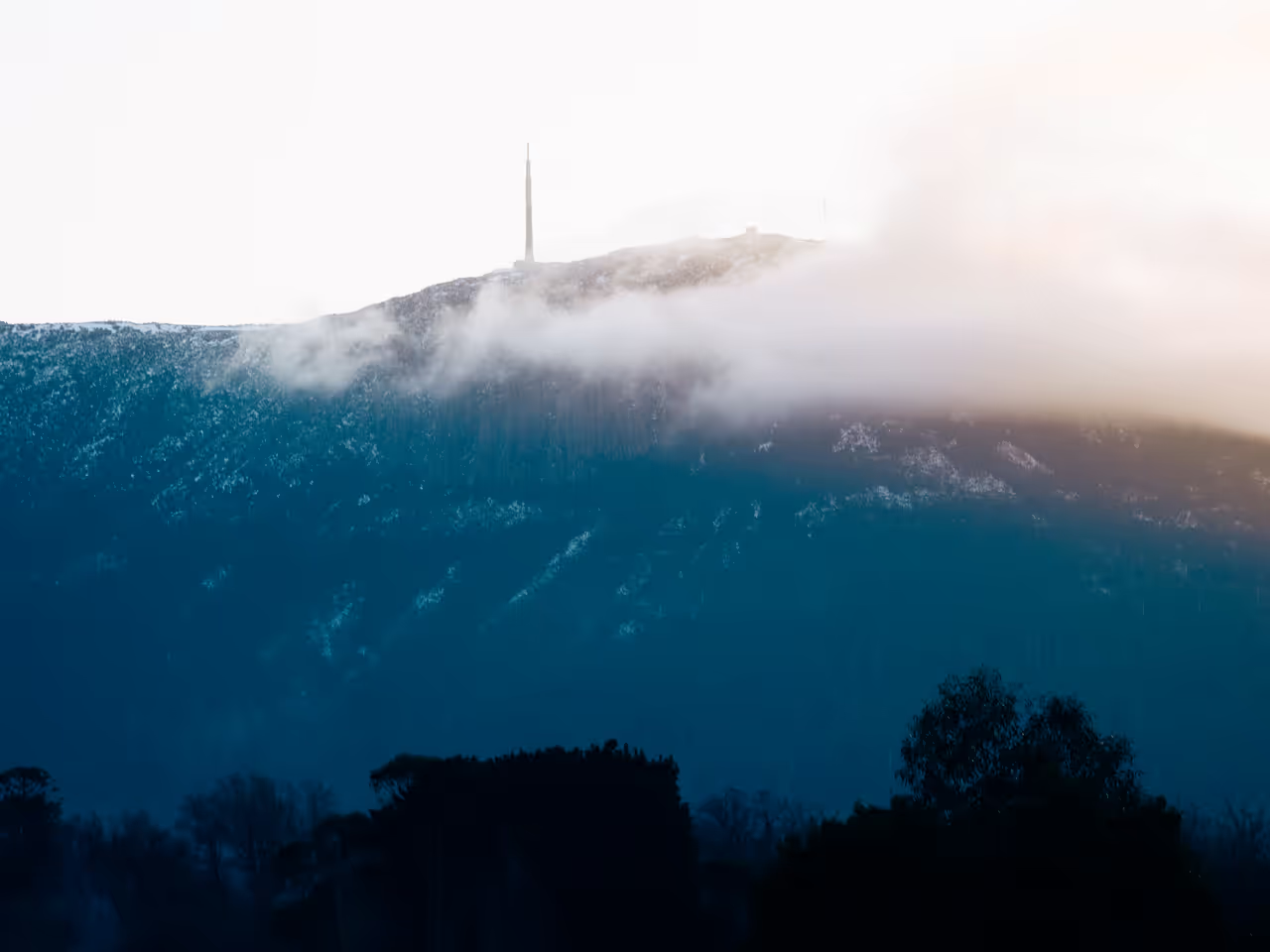
Kunanyi / Mount Wellington
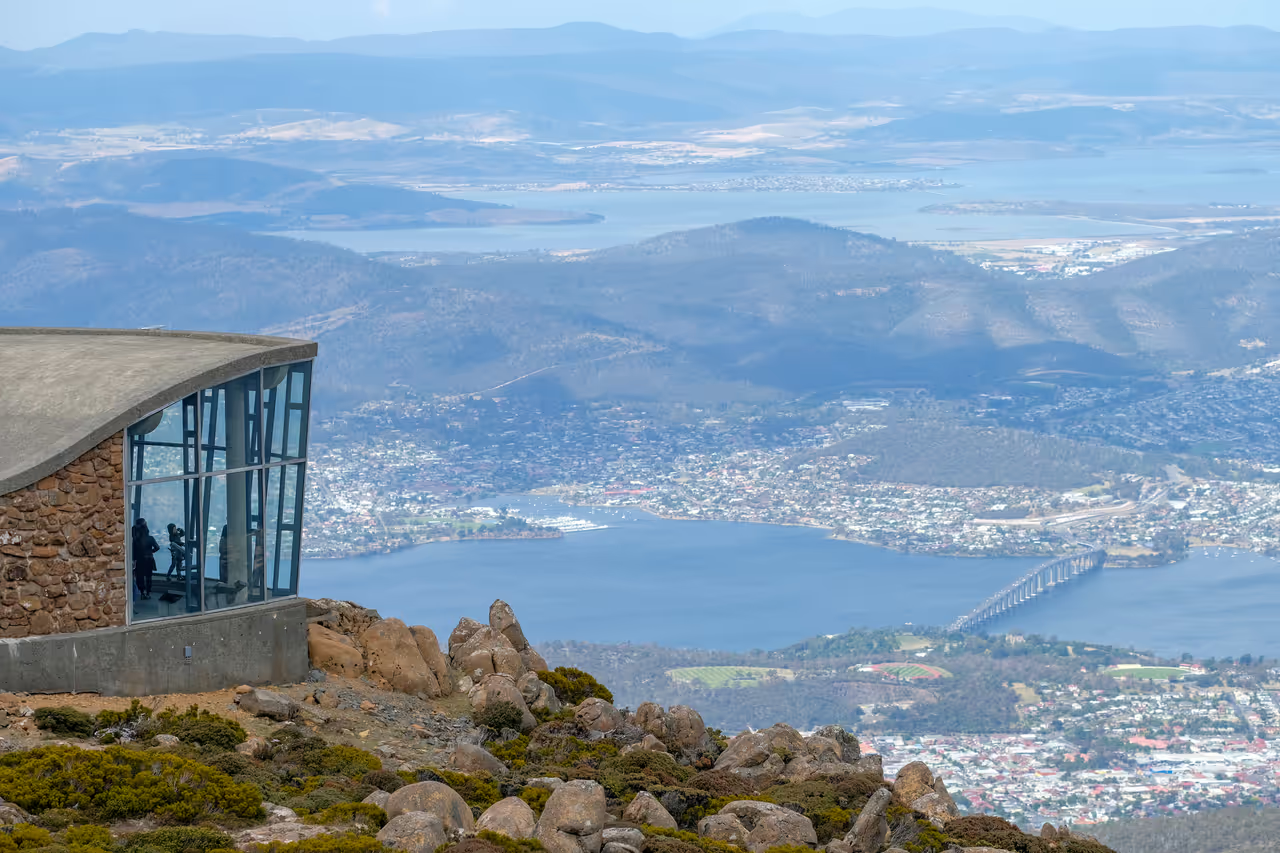
Mount Wellington, known to the local palawa people as kunanyi, stands as the dramatic guardian of Hobart, its summit offering an...
view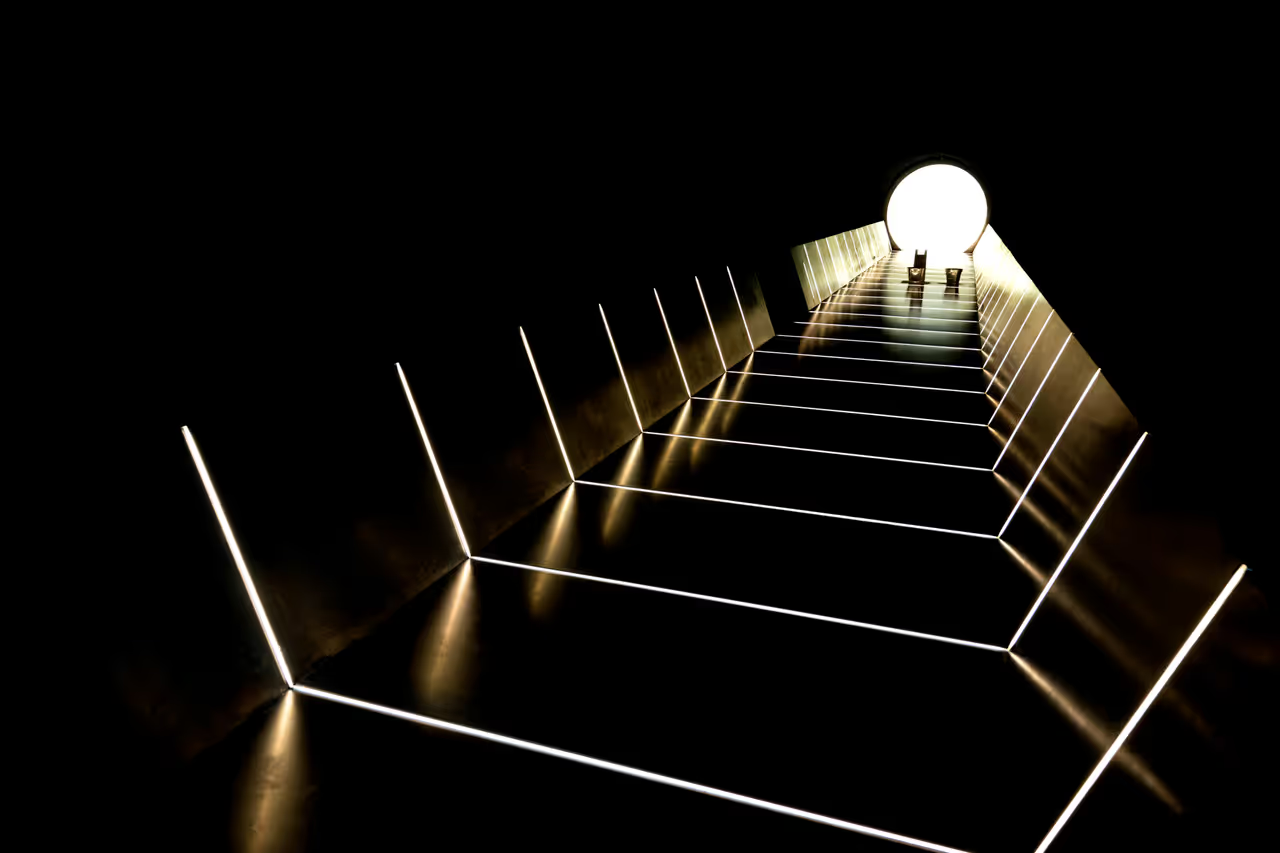
Museum of Old and New Art (MONA)
Step into a world of artistic wonder at the Museum of Old and New Art, a subterranean sanctuary carved into the cliffs of the...
view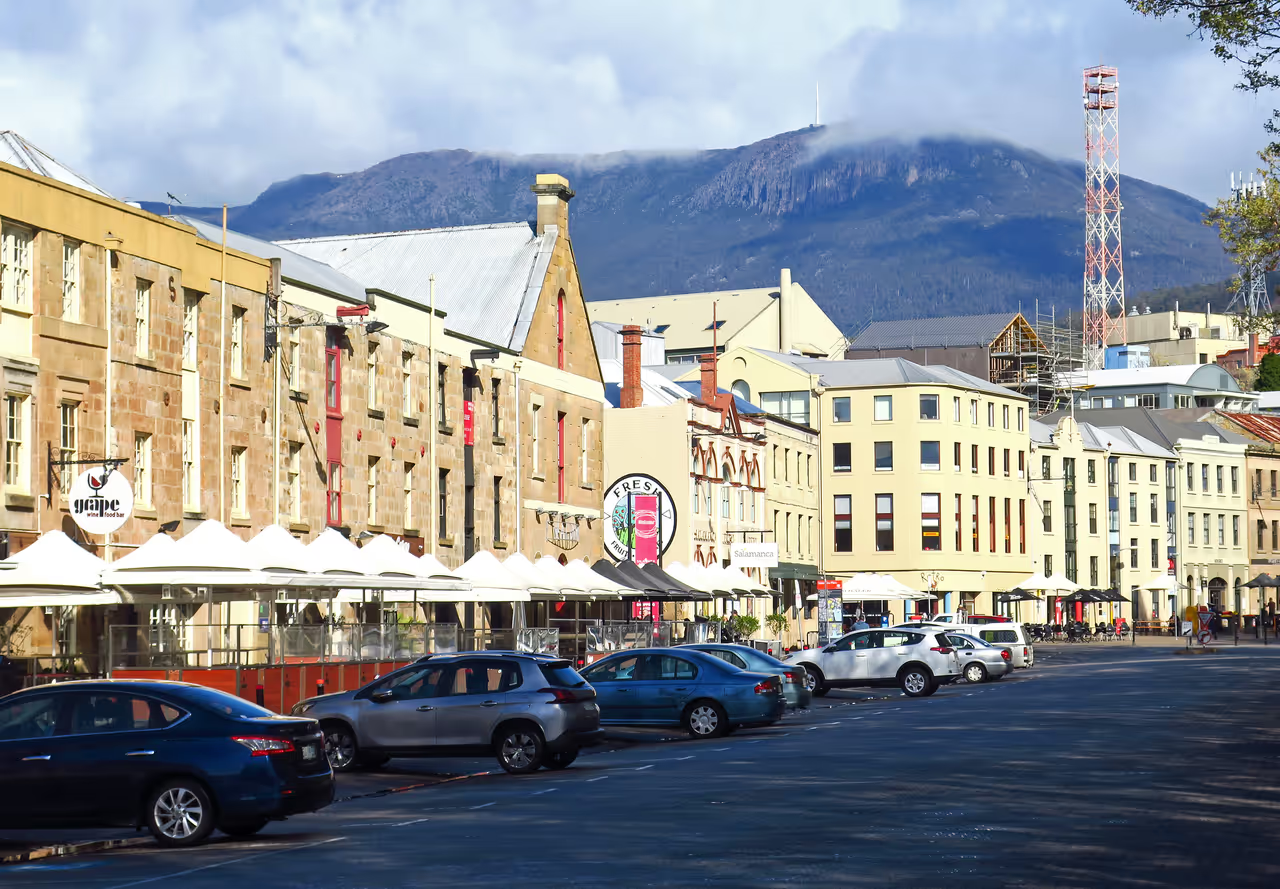
Salamanca Place
Stepping into Salamanca Place feels like walking through a living postcard of Hobart's maritime past. This historic precinct is...
view
Best Views
Hobart Itineraries
TRIP PLANNER
4 Days Recommended
Four days provides the perfect balance to explore the city without feeling rushed. You can dedicate a full day to getting lost in MONA, spend another summiting the mountain and wandering the historic waterfront, and use a Saturday morning for the famous markets. The final day allows time for a deeper dive into the convict history or a scenic drive to a nearby wine region.
1 Day Hobart Itinerary
This fast paced itinerary is designed to capture the absolute essence of the city in a single day. You will experience the most iconic historic streetscapes, delve into cutting edge contemporary art, and enjoy the famous local culinary scene. It requires a bit of energy but ensures you do not miss the major cultural touchstones. You will seamlessly transition from the colonial past into the highly provocative modern era. It perfectly showcases the incredible contrast that makes the city so famous.
view itinerary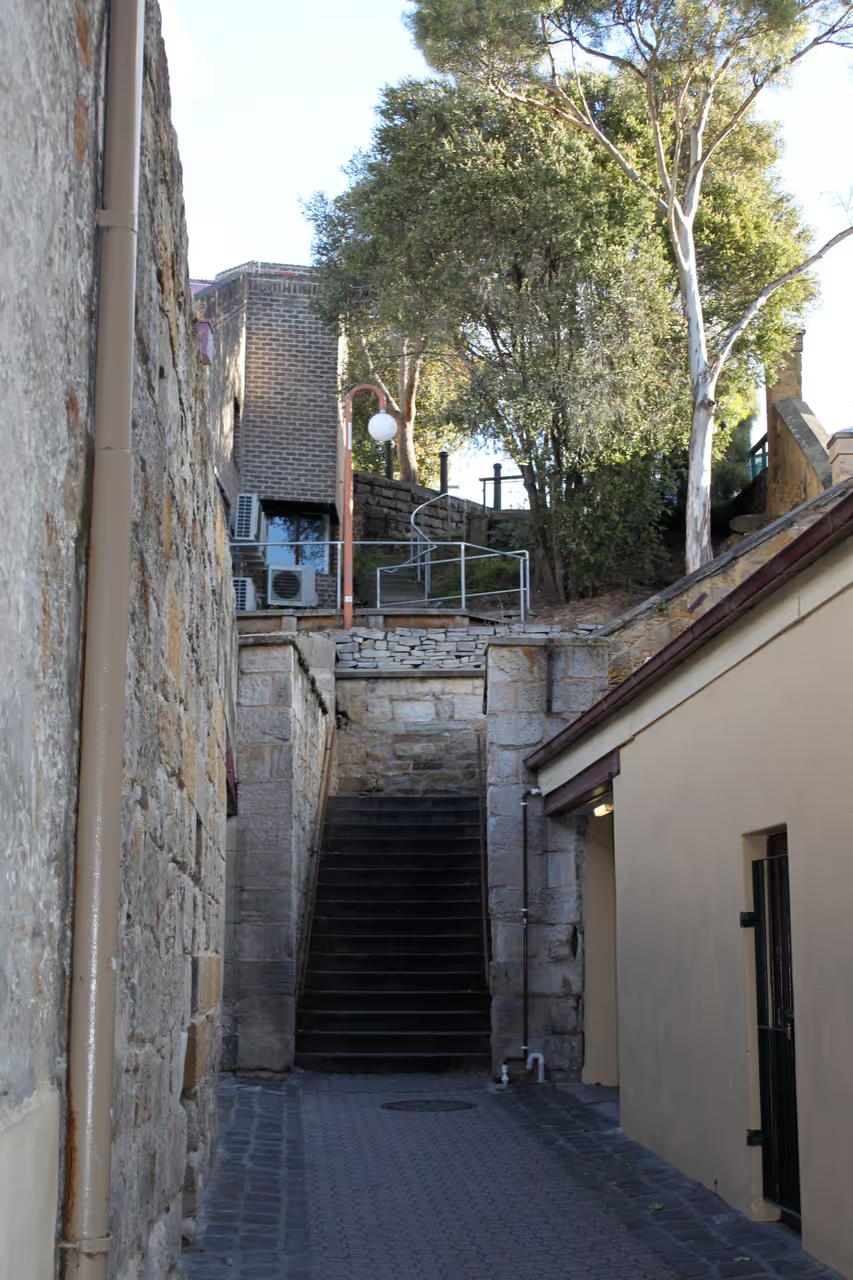
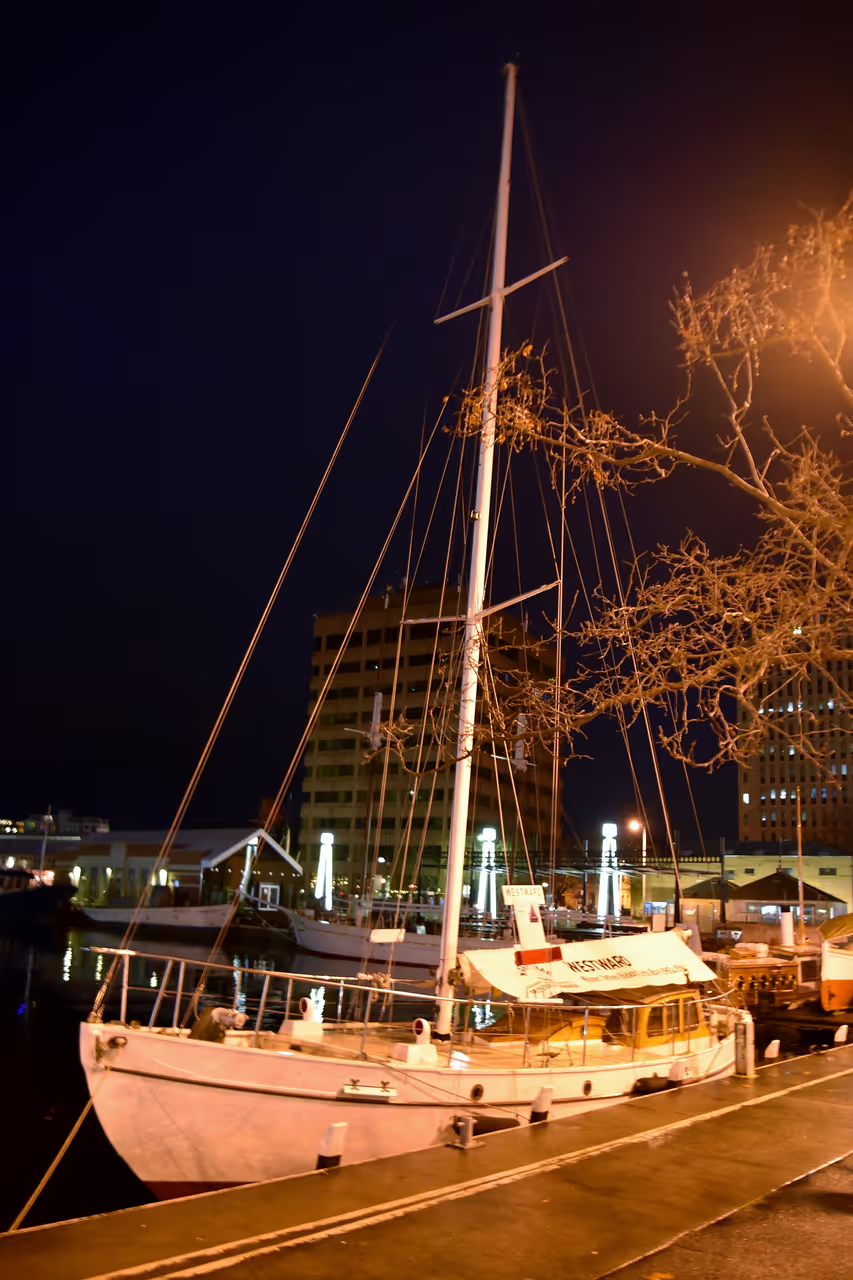
3 Days in Hobart: Culture and Nature Itinerary
This balanced schedule allows you to deeply explore the contrasting elements of raw wilderness and refined culture. You will spend time uncovering the dark convict history, summiting the towering local peak, and indulging in world class food and wine. It provides enough breathing room to actually relax and absorb the incredibly laid back local atmosphere. The itinerary spreads the major attractions out to prevent museum fatigue. It is the ideal timeframe for a comprehensive weekend getaway.
view itinerary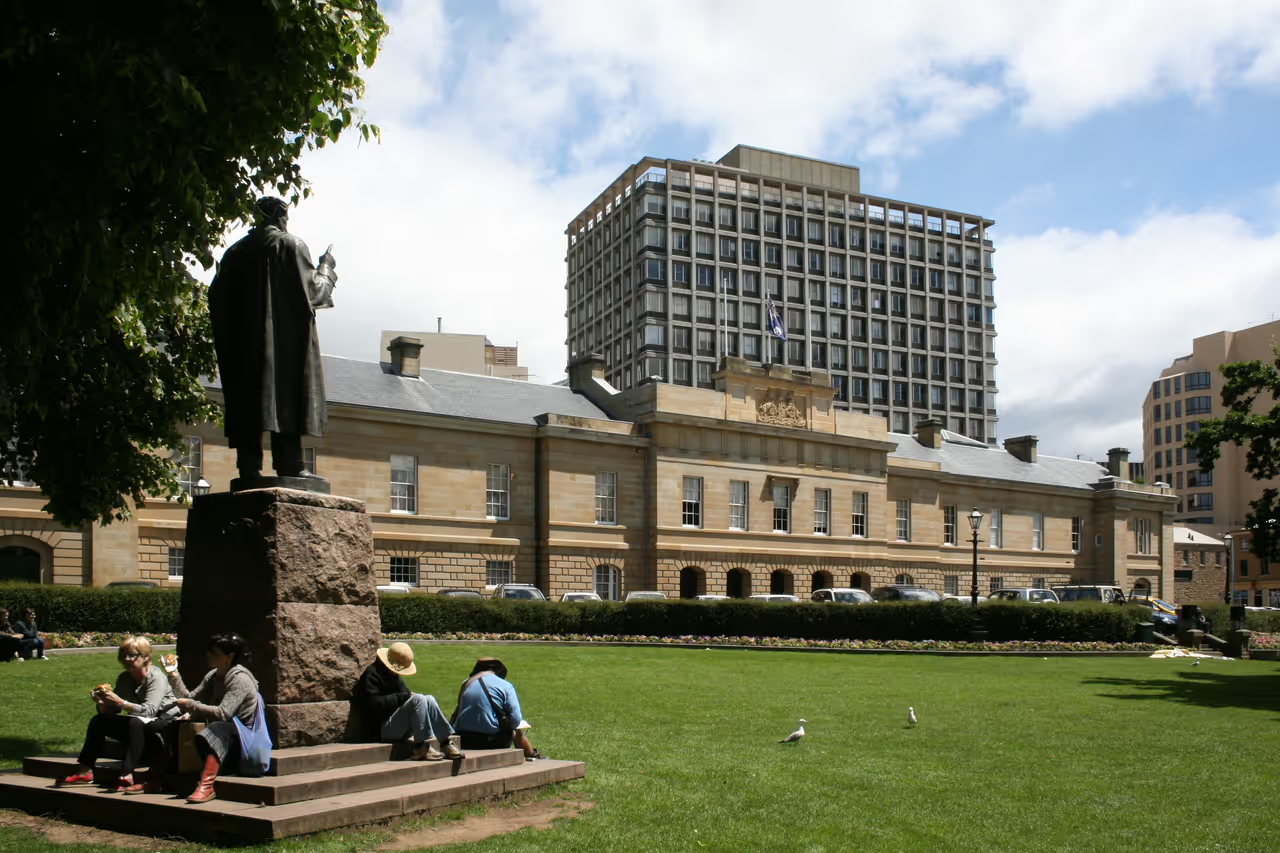
5 Days in Hobart: Deep Dive Itinerary
An extensive, highly rewarding itinerary that uncovers the hidden secrets and deeper historic layers of the city. You will have time to step away from the major tourist paths and explore quiet coastal lookouts, obscure galleries, and local farmer markets. It allows for a genuinely immersive experience where you can start to feel like a temporary local. You will appreciate the slower, more deliberate pace of life down here. It is perfect for travellers who want to leave absolutely no stone unturned.
view itinerary
Food in Hobart

UNESCO World Heritage Sites
Free Things to do in Hobart
Parks & Nature
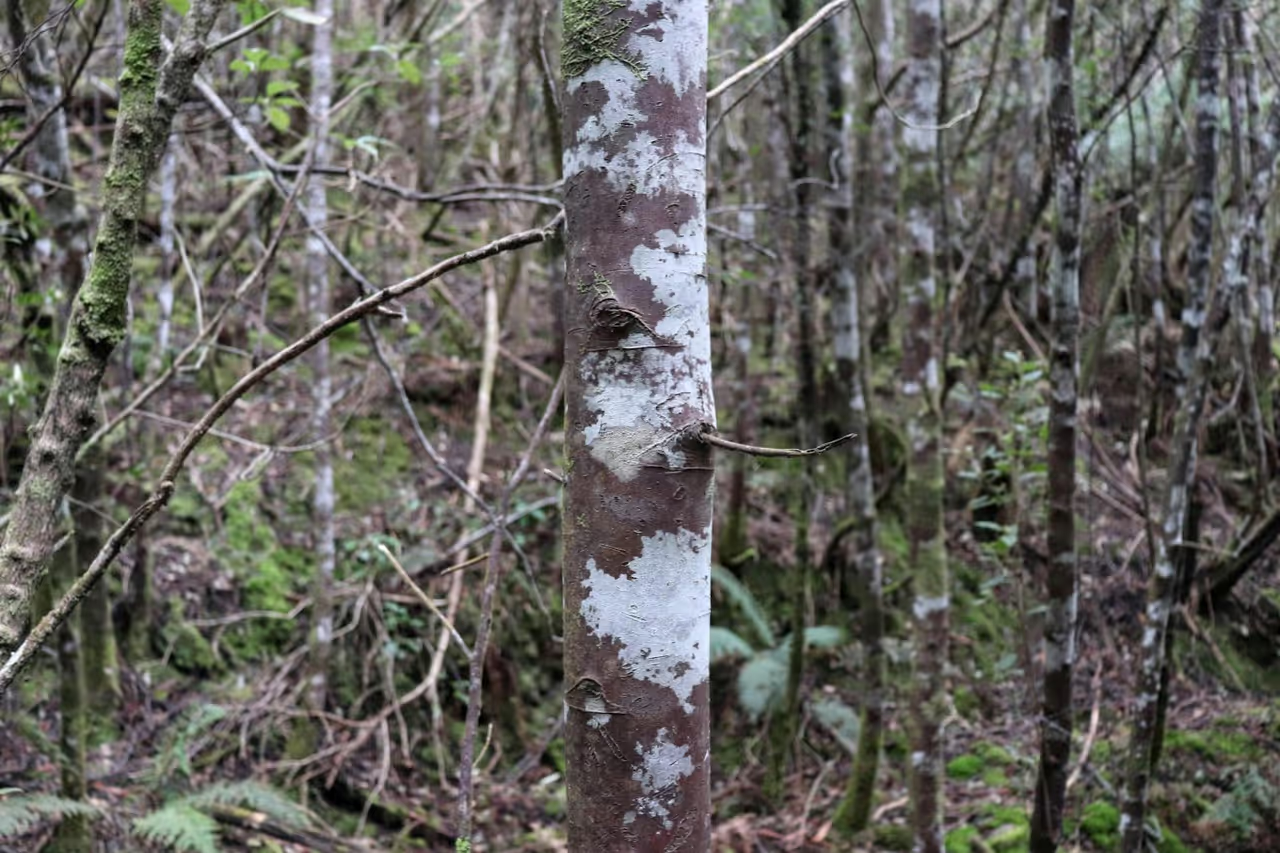
Wellington Park
Wellington Park acts as the magnificent, rugged crown jewel towering over Hobart, offering a pristine wilderness experience...
view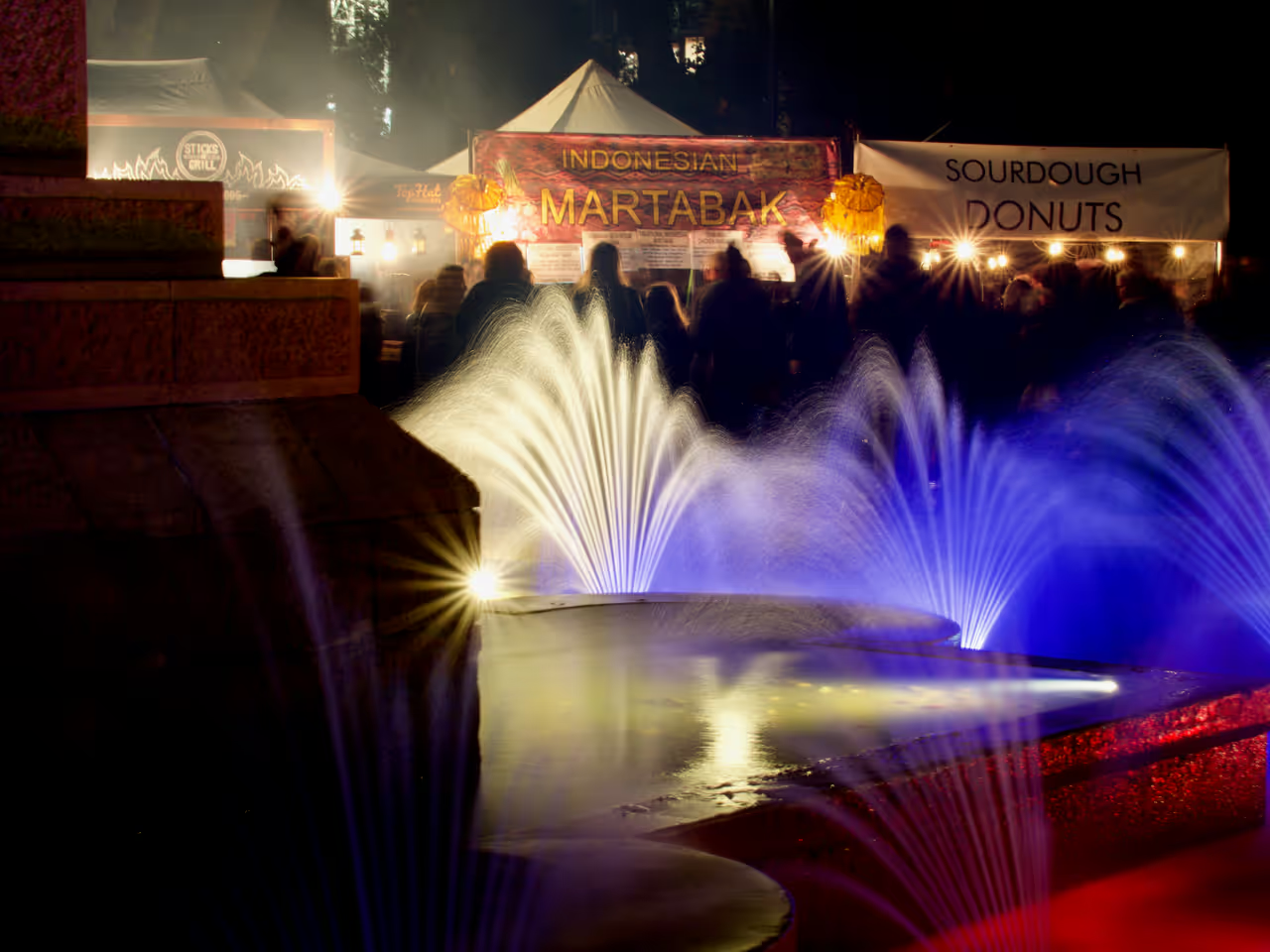
Franklin Square
A lush, oak lined sanctuary in the heart of Hobart, Franklin Square serves as the city’s vibrant living room. This historic...
view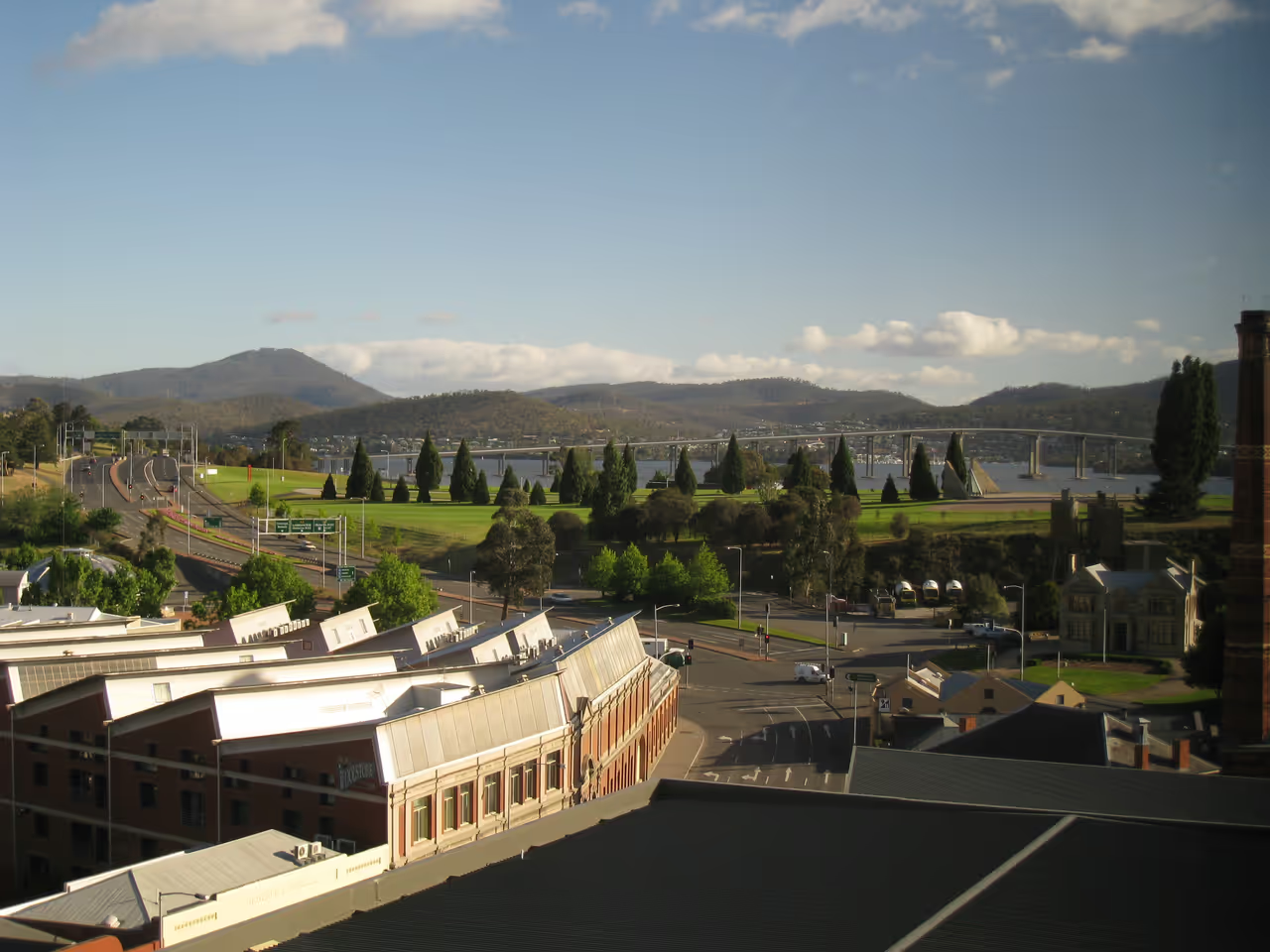
Queens Domain
A sprawling 230 hectare sanctuary located just a short walk from Hobart's city centre, the Queens Domain is a vibrant fusion of...
view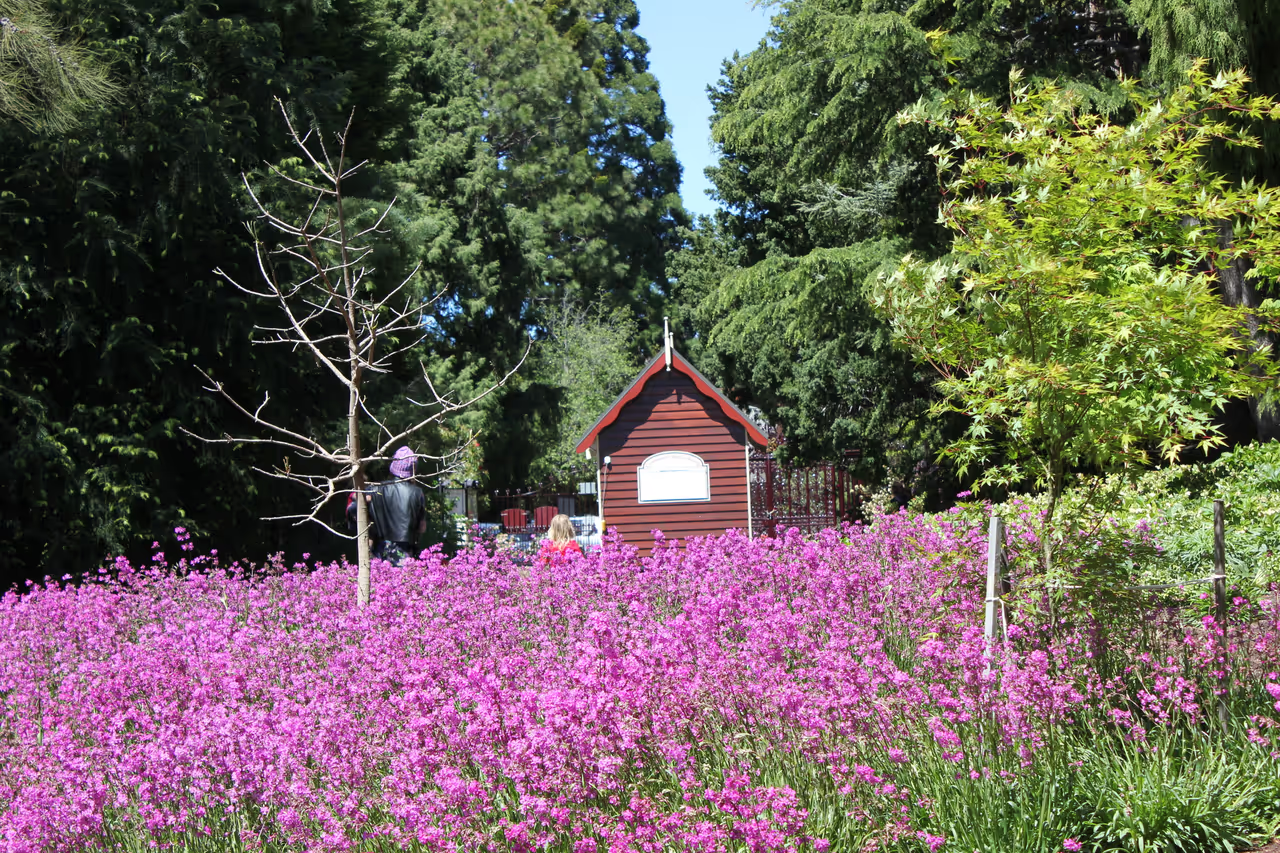
Royal Tasmanian Botanical Gardens
Set against the scenic backdrop of the Queens Domain, the Royal Tasmanian Botanical Gardens offers a serene escape where...
view
Highlights & Must-Sees
Ride the Camouflage Ferry
Getting to the famous art museum is an attraction in its own right. The dedicated fast ferries are painted in striking...
viewSip Cool-Climate Wines
The surrounding valleys produce some of the finest Pinot Noir and sparkling wines in the country, owing to the long, cool...
viewSpot an Urban Platypus
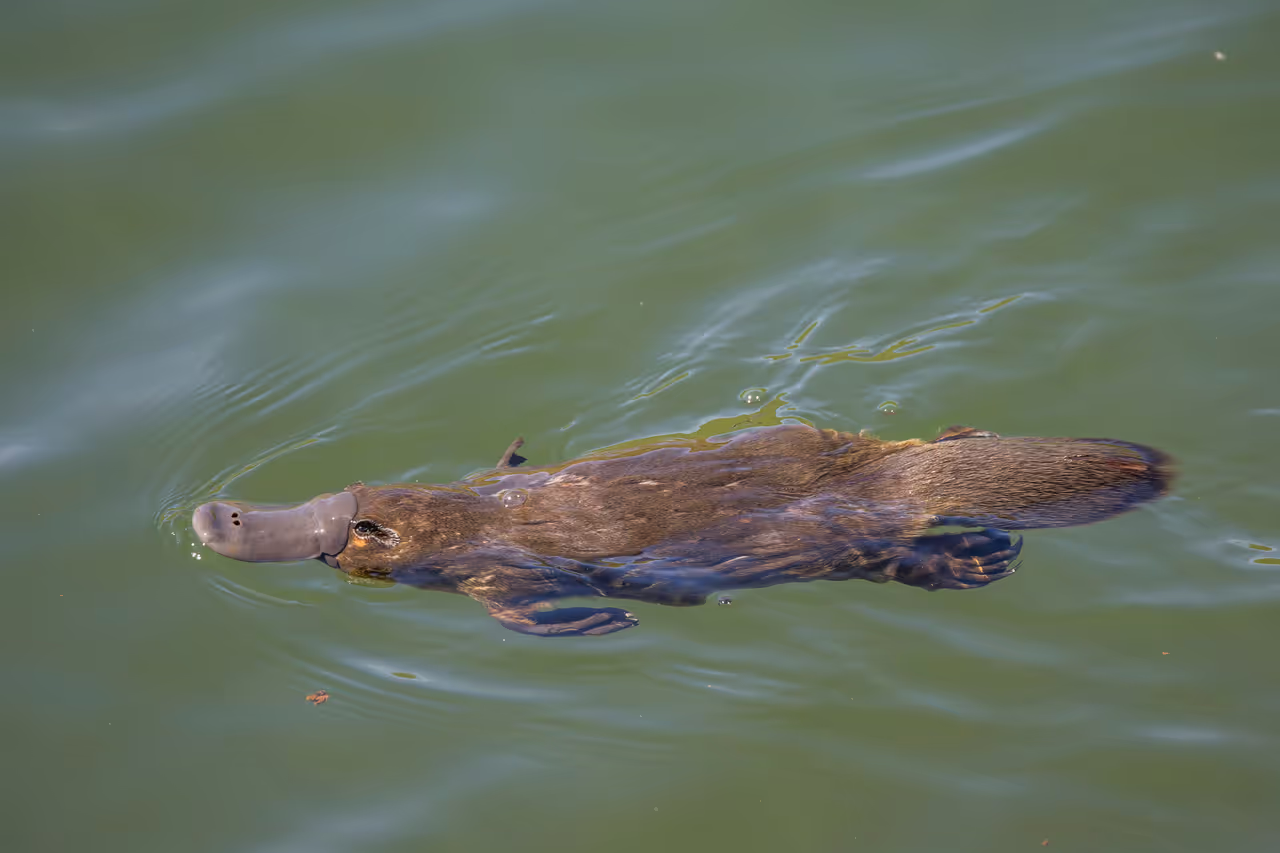
It is incredibly rare to find wild platypuses living so close to a capital city centre, making this a highly unique wildlife...
view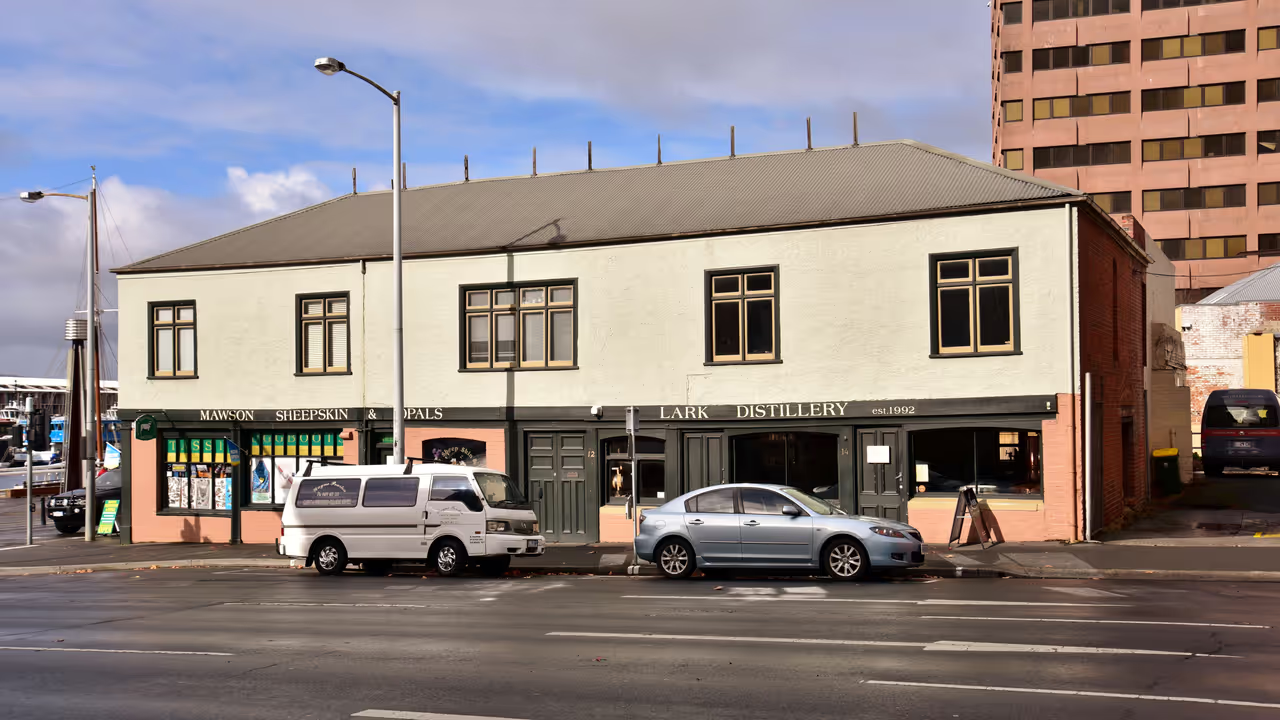
Taste Award-Winning Single Malt Whisky
Tasmania has quietly become one of the most respected whisky producing regions in the world, and this venue is where the modern...
view
Best Walks in Hobart
 HIGHLY RECOMMENDED
Battery Point Historic Walk
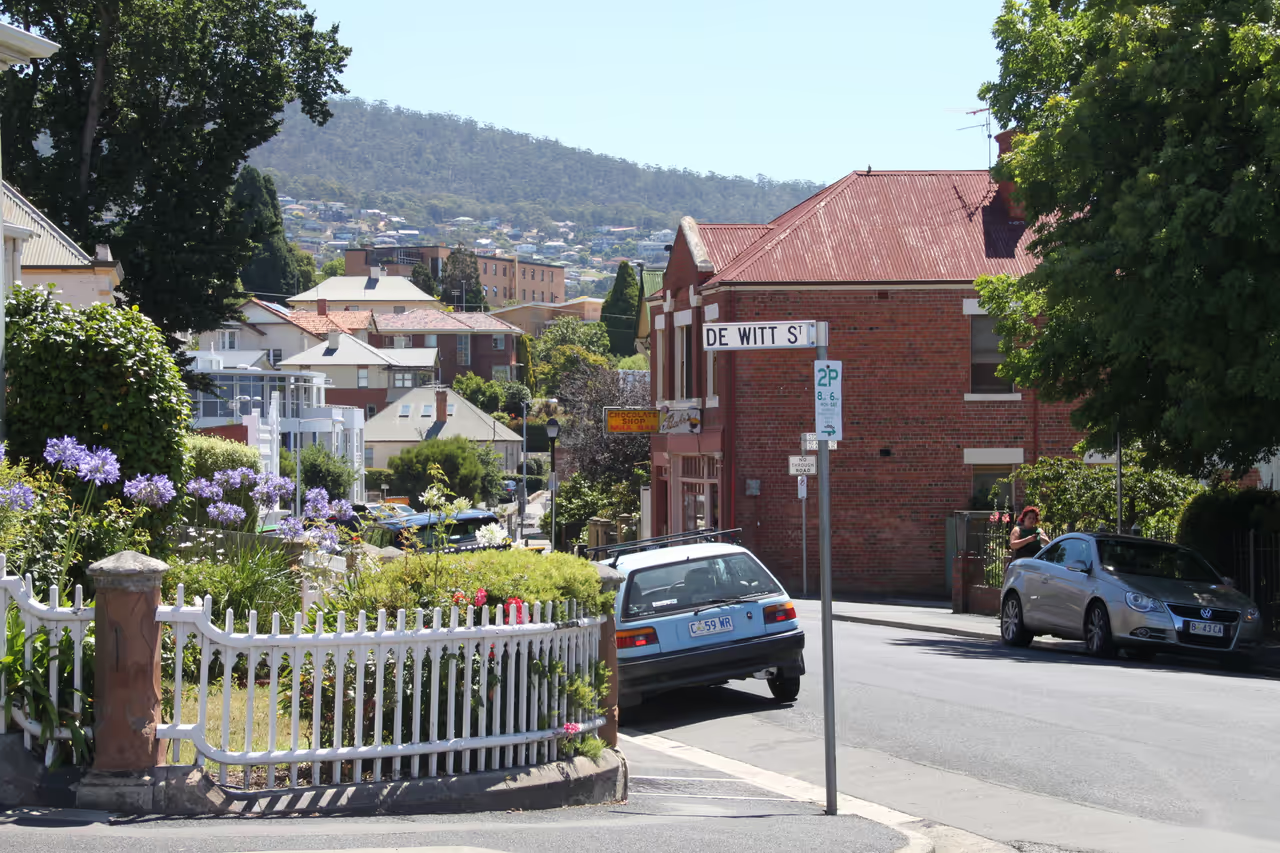
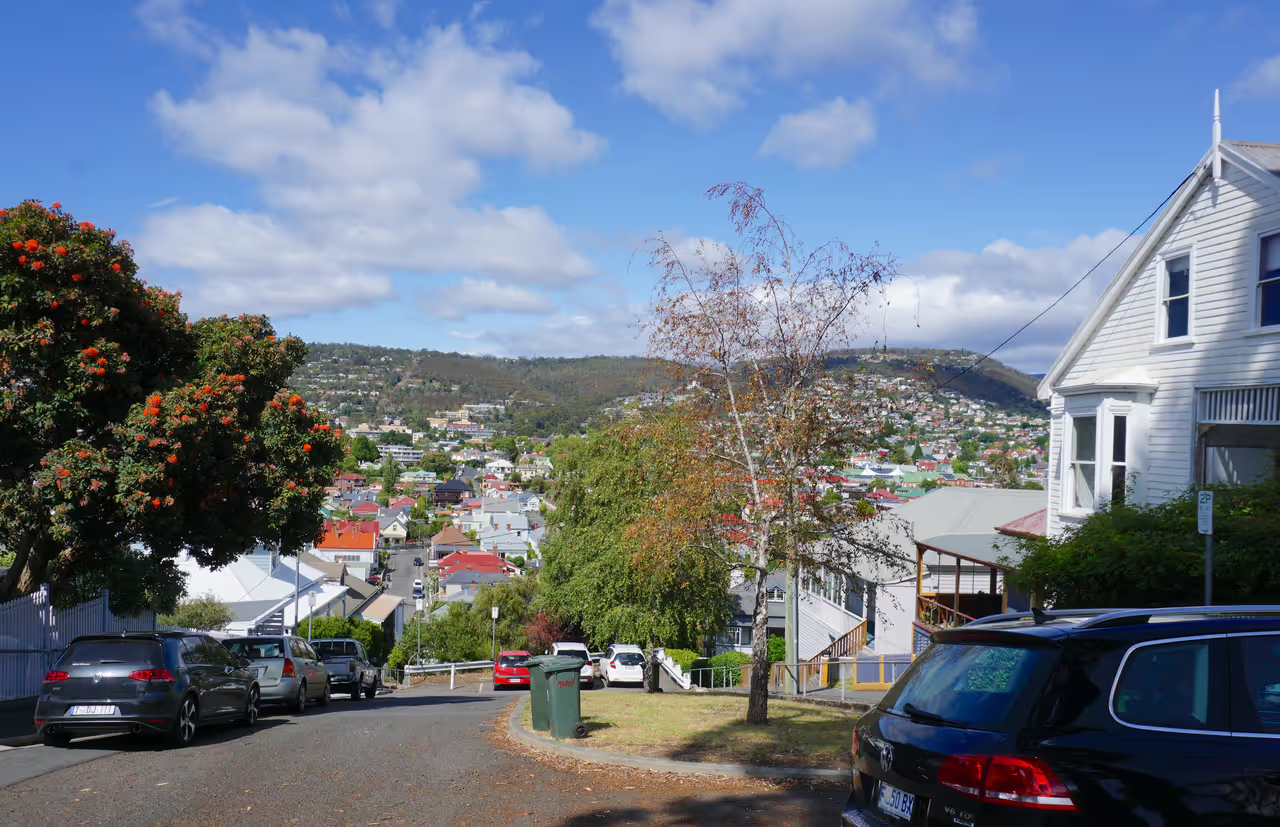
This incredibly charming stroll takes you through one of the oldest and most perfectly preserved colonial suburbs in the country. The narrow, winding streets are lined with quaint Georgian cottages, grand sea captain mansions, and blooming rose gardens. There is a profound sense of history in every stone wall and timber picket fence. You will frequently stumble upon hidden laneways and small artisan bakeries tucked away in residential streets. It genuinely feels like stepping onto a nineteenth century film set.
Hobart Rivulet Track
This highly tranquil path follows the gentle flow of the city's original fresh water source up into the foothills. Leaving the concrete city behind, the landscape quickly transforms into a lush, green corridor filled with weeping willows and native flora. It is famously one of the best places in the entire country to spot wild platypuses right inside an urban environment. The track is shaded, cool, and incredibly peaceful, making you forget you are in a capital city. It feels like a secret garden path leading toward the mountain.
- HIGHLY RECOMMENDED
Hobart Waterfront Stroll
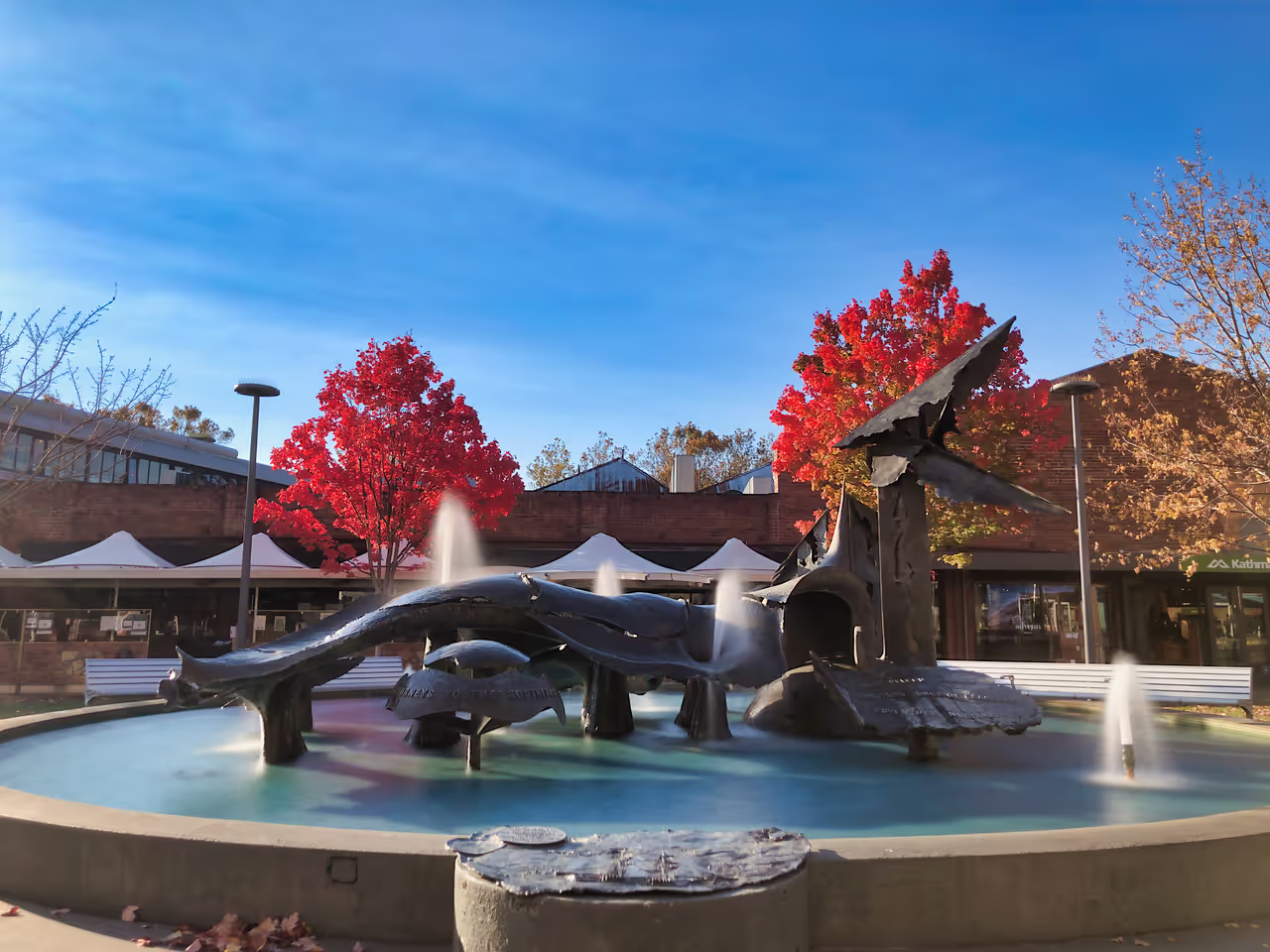
A wonderfully vibrant walk that hugs the edge of the working harbour, where the city meets the sea. You will pass fleets of fishing boats, massive icebreakers, and elegant wooden yachts bobbing in the tide. The smell of salt water mixes with the aromas of fresh seafood coming from the floating punts. There are fantastic bronze sculptures and heritage plaques scattered along the route detailing the maritime history. It is the absolute heartbeat of the city, constantly full of life and activity.
Architecture & Landmarks
Kelly's Steps
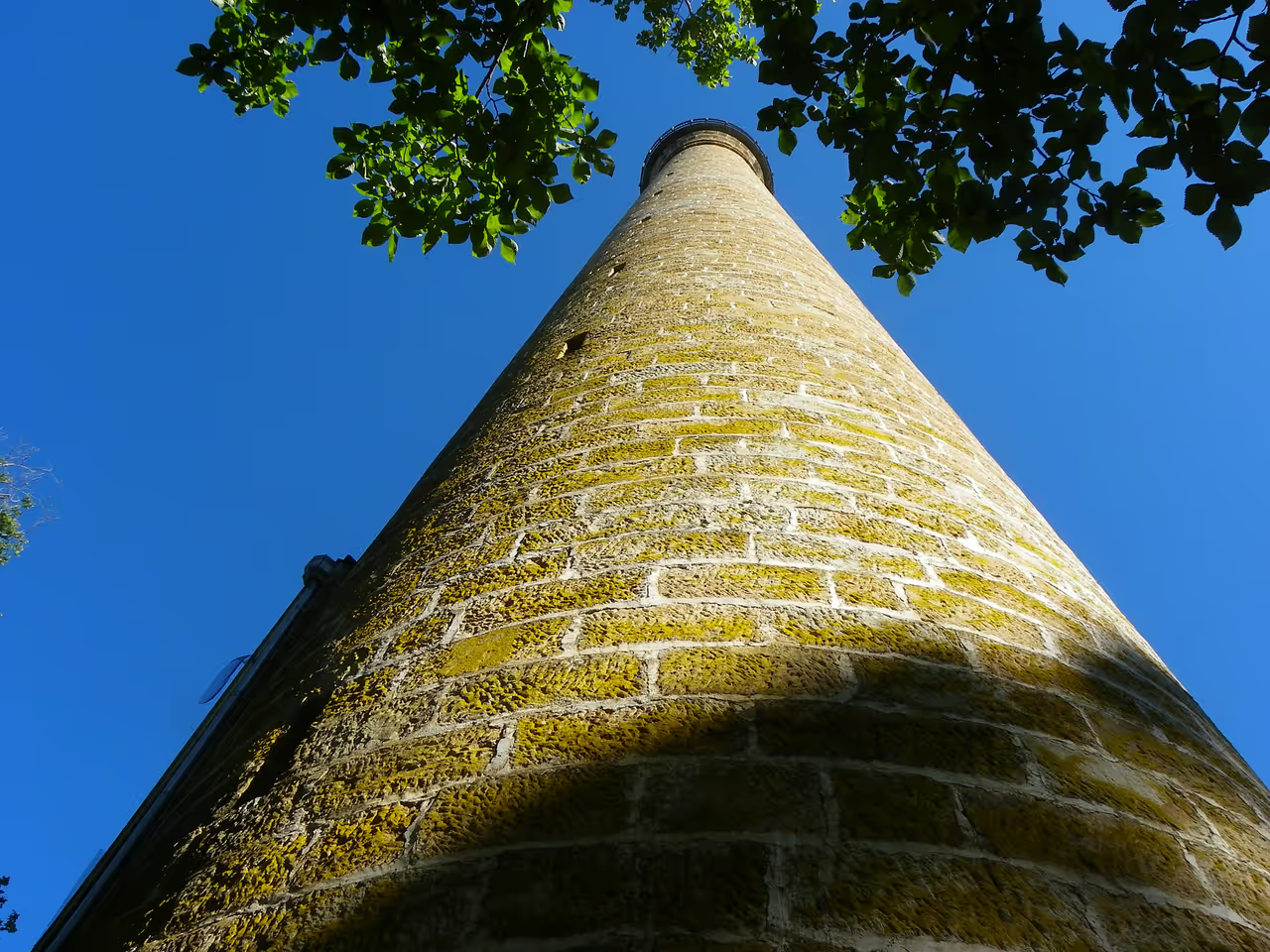
While not a traditional building, this remarkable piece of urban infrastructure was hand carved from solid rock in 1839...
view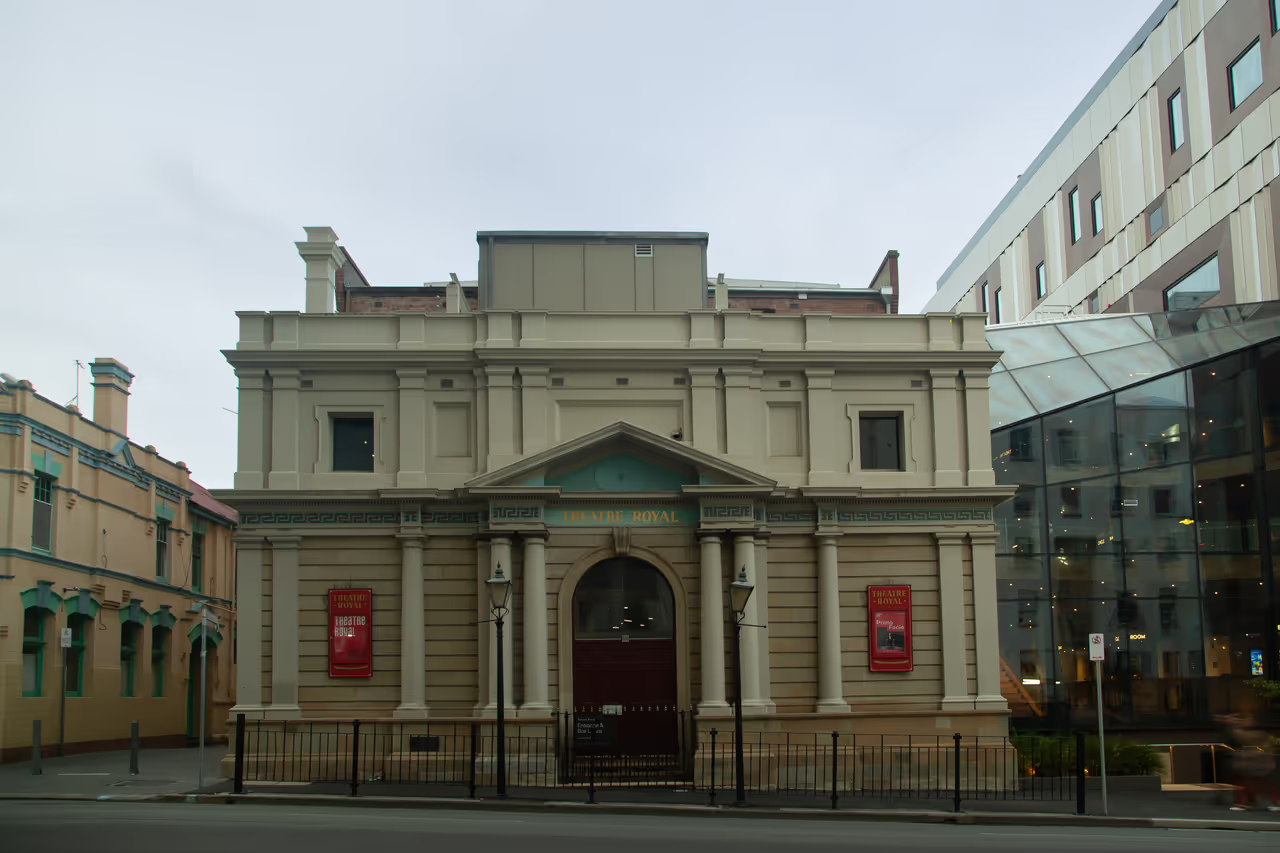
Theatre Royal
This magnificent structure is officially the oldest continuously operating theatre in the country, having opened its doors to...
view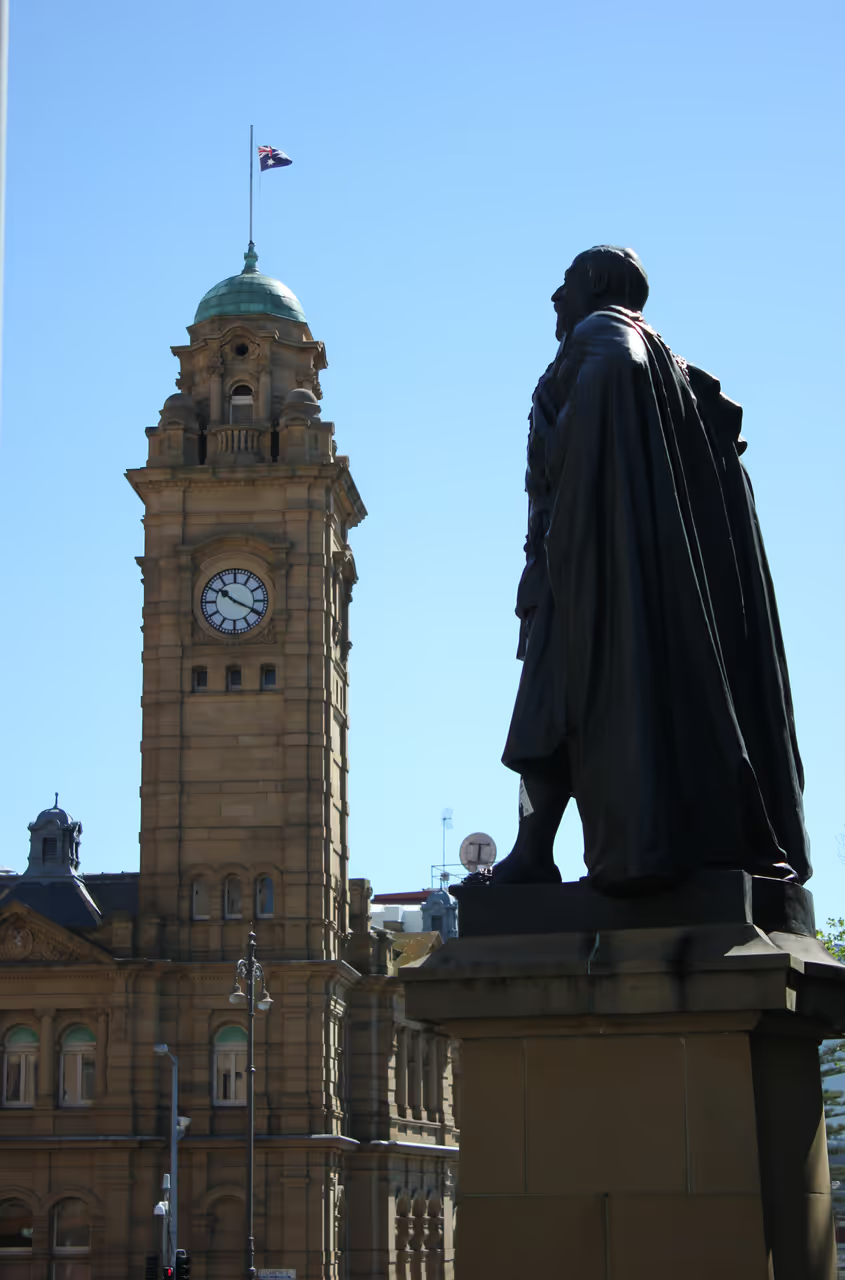
General Post Office
Dominating a central city corner, this grand public building was completed in the early twentieth century. Its imposing clock...
view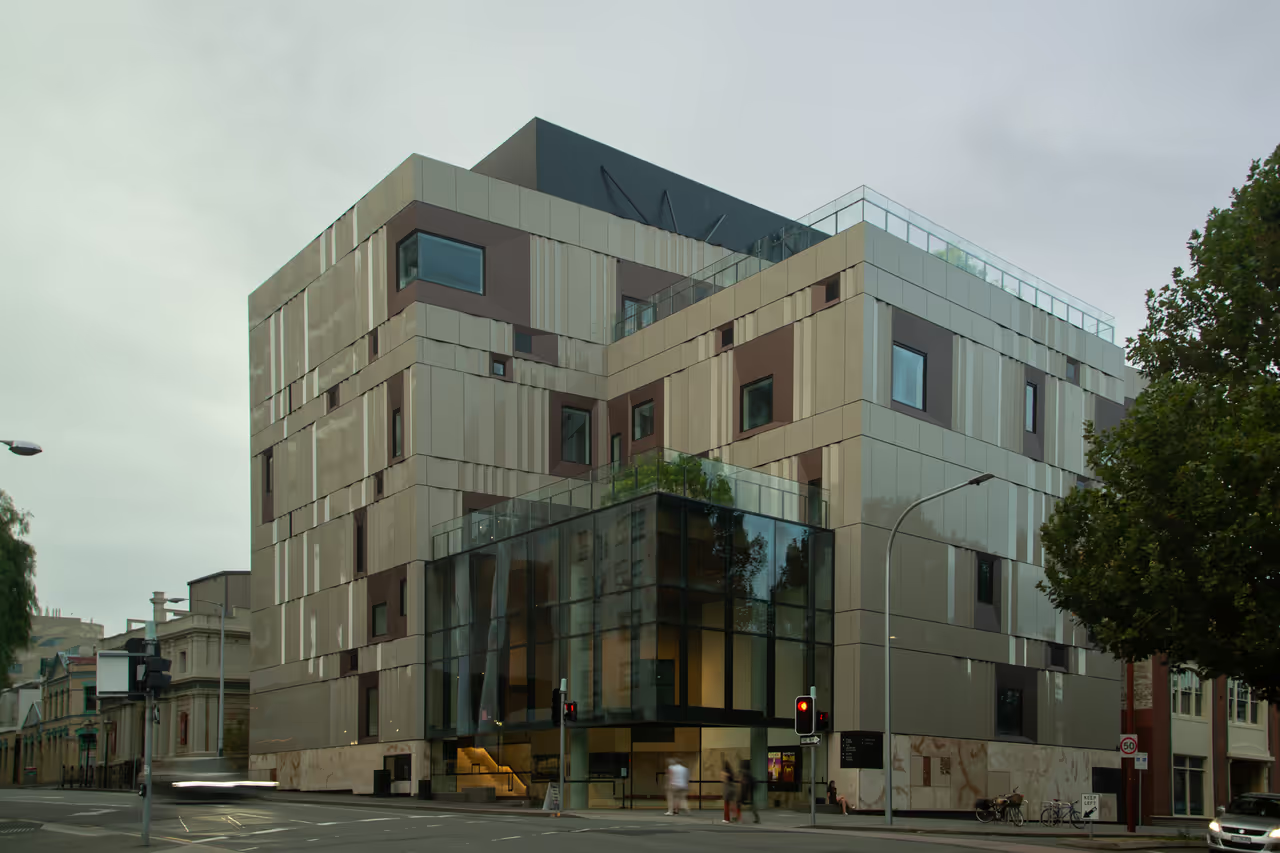
Hedberg
A breathtaking example of modern architectural innovation that physically wraps around the historic Theatre Royal. It...
view
Markets & Shopping
Hobart Nightlife
Photo Spots

Activities & Experiences
Cycling Routes
Intercity Cycleway
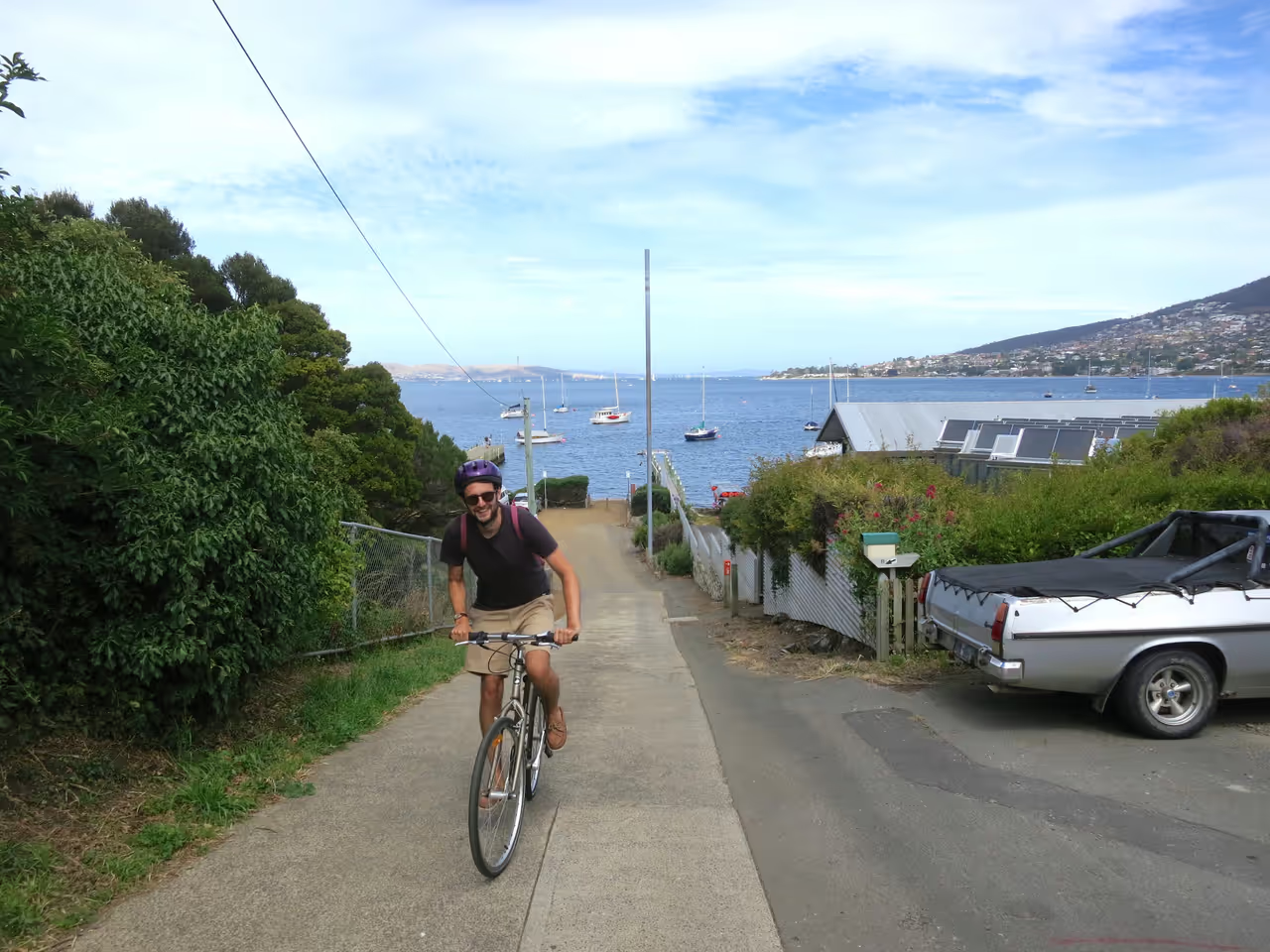
This magnificent dedicated bike path follows a historic railway corridor, stretching from the bustling waterfront all the way into the northern suburbs. It provides a completely car free environment, making it incredibly relaxing for riders of all skill levels. The route runs parallel to the beautiful river, offering glimpses of the water and towering mountain range. Along the way, you pass through vibrant public parks and significant cultural institutions. It is the absolute best way to travel out to the famous northern art museums under your own steam.
Eastern Shore Trail
Riding along the opposite side of the estuary provides the absolute best panoramic views of the city skyline and the mountain. The path hugs the shoreline, passing through quiet coastal villages and sweeping beaches. It is incredibly flat and captures the brilliant sunshine for most of the day. You will pass historic military batteries and modern yacht clubs while watching the ferries zip back and forth. It is a wonderfully relaxing way to experience the broader geographical layout of the region.
Pipeline Track Ride
This incredibly atmospheric trail delves deep into the heavily forested foothills of the mountain. It follows the historic water supply infrastructure built in the nineteenth century to service the growing colony. The path is deeply shaded by massive eucalyptus trees and giant tree ferns, keeping it remarkably cool. The gentle gradient makes it highly accessible despite being situated on the side of a massive peak. It feels like a genuine wilderness adventure located just minutes from the urban centre.
Self-Guided Tours
Antarctic Gateway Tour
This fascinating journey traces the city's profound and ongoing connection to the frozen continent of Antarctica. You will explore the exact locations where legendary explorers provisioned their ships and made their final farewells before braving the Southern Ocean. The route highlights specific monuments, specialised museums, and the modern infrastructure that still supports polar science today. It highlights how this small southern port played an outsized role in global geographical discovery. The stories of endurance and survival tied to these streets are genuinely awe inspiring.
Colonial Architecture Trail
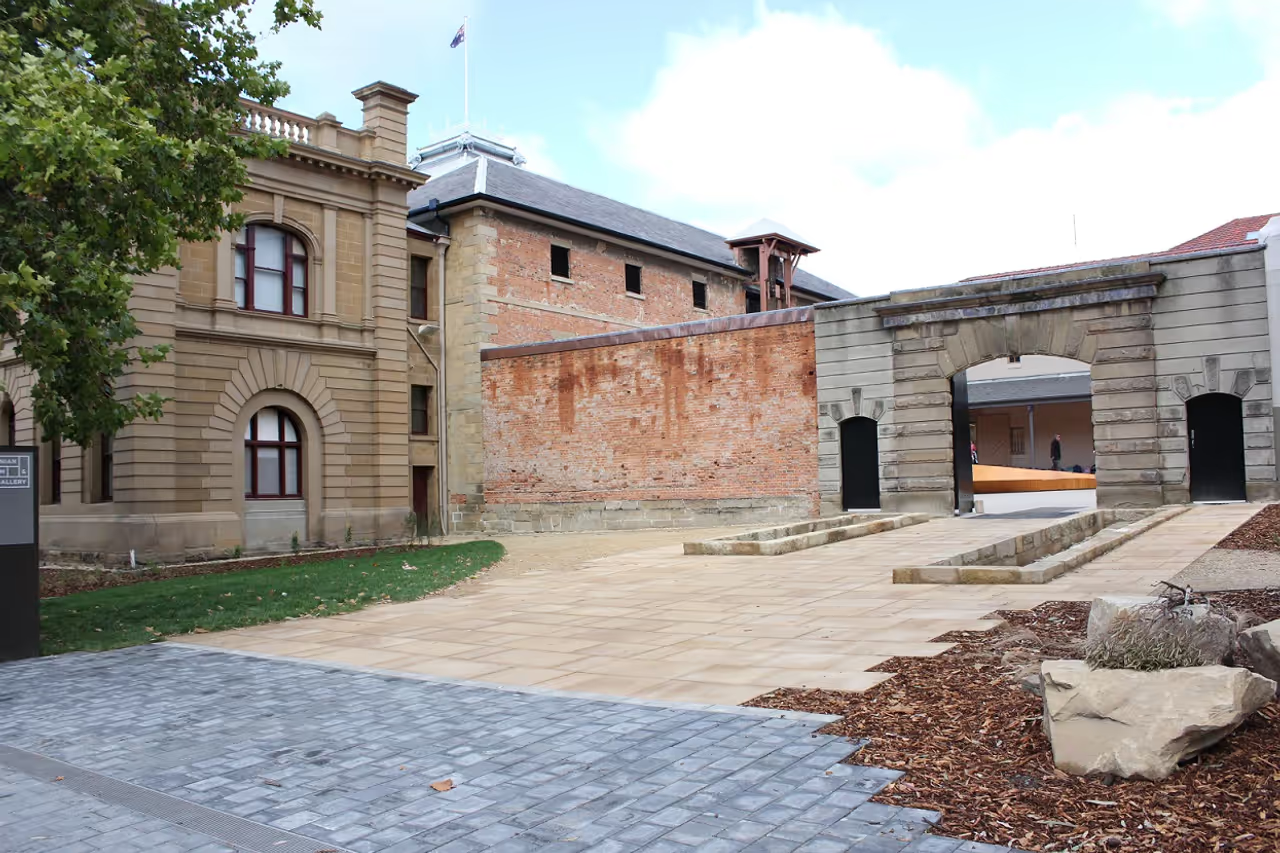
This walk serves as a visual timeline of the architectural development from a rough prison camp to a wealthy merchant city. You will admire imposing government buildings constructed with convict quarried sandstone alongside intricately decorated Victorian theatres. The route winds through the central business district, revealing the sheer scale of effort required to build these structures by hand. It highlights the ambition of early governors who wanted to replicate the grandeur of London in the remote wilderness. The preservation of these buildings provides a highly tangible link to the nineteenth century.
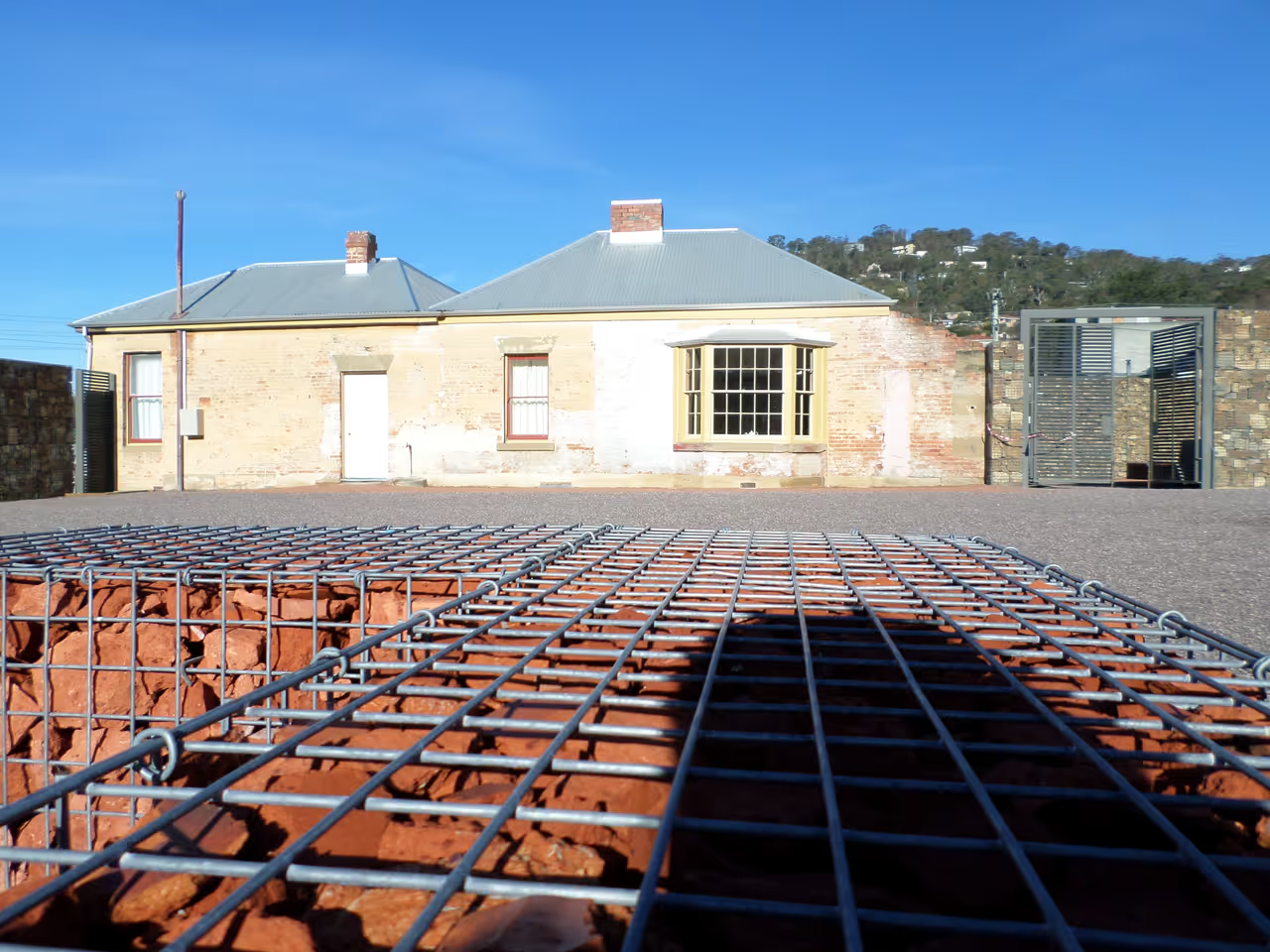
Dark Convict History
This intense and sombre route delves into the brutal reality of the city's origins as a remote island prison. You will visit sites of solitary confinement, forced labour, and military control that defined the early colony. The path uncovers the psychological and physical hardships endured by both male and female prisoners transported across the globe. It is a sobering reflection on the extreme measures used by the British Empire to forge a settlement. The haunting atmosphere of these locations lingers long after you leave.
Annual Festivals & Events
 HIGHLY RECOMMENDED
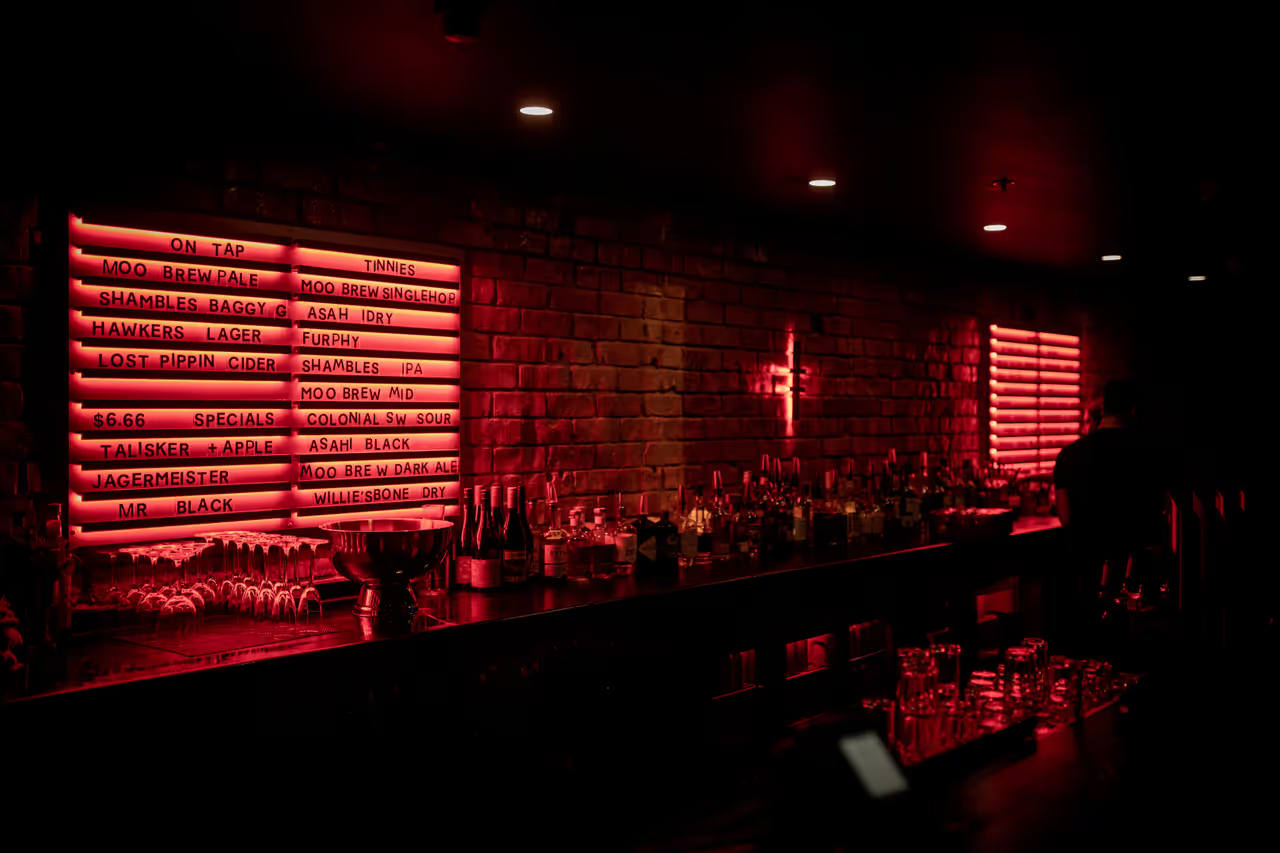
Dark Mofo
This midwinter festival celebrates the winter solstice with a mixture of ancient pagan rituals and contemporary art. The city is bathed in red light while large scale public art works and musical performances take over the streets. Highlights include the massive Winter Feast and the infamous nude solstice swim in the freezing river. It has grown into a highly anticipated cultural phenomenon that completely transforms the local atmosphere. Visitors from across the globe arrive to experience the confronting and spectacular installations.
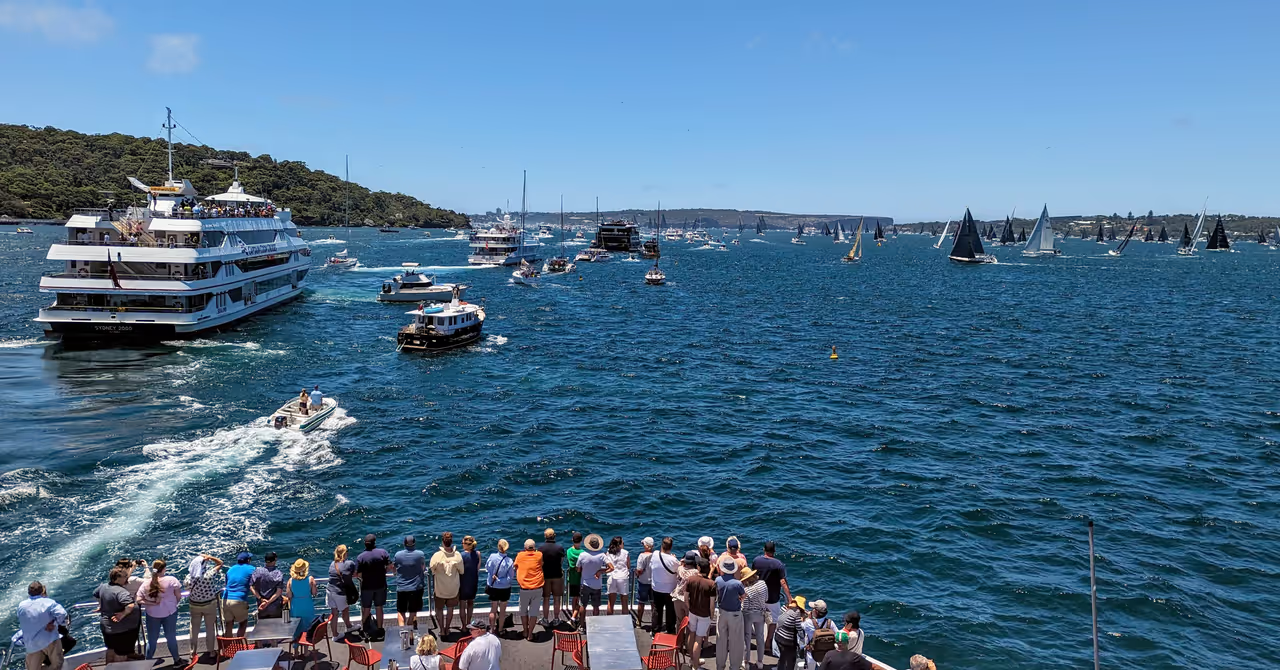
Sydney to Hobart Yacht Race Finish
The city erupts into a massive celebration as exhausted crews arrive at Constitution Dock after completing one of the most gruelling ocean races on earth. The waterfront is packed with spectators cheering on the sleek racing yachts as they cross the finish line. The historic pubs surrounding the docks overflow with sailors sharing stories of massive swells and broken sails. The energy is electric, marking the absolute peak of the summer holiday period. It is a brilliant time to soak up the authentic maritime culture of the town.
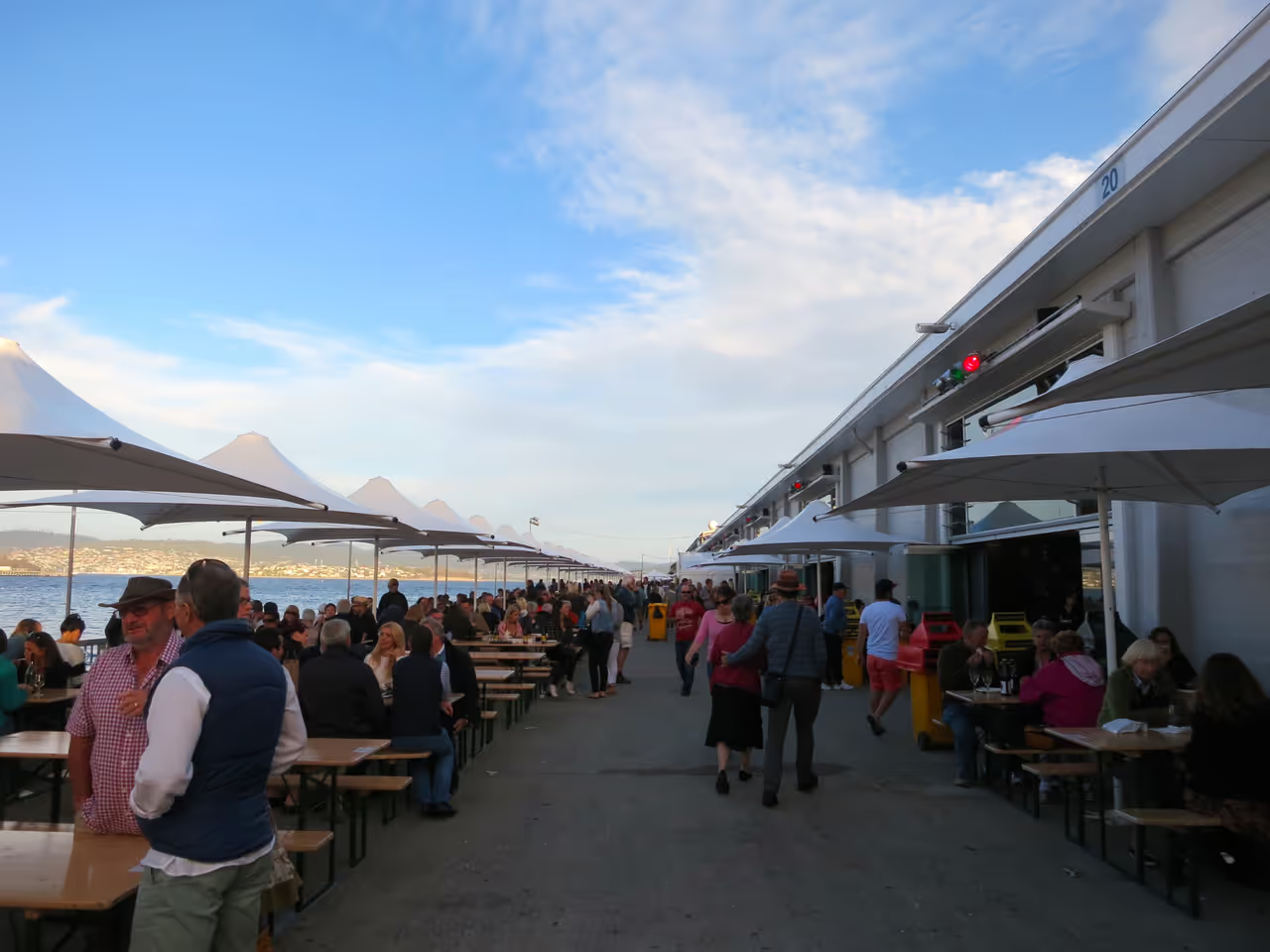
Taste of Summer
Held right on the picturesque waterfront, this massive culinary festival showcases the absolute best of local produce, boutique beers, and cool climate wines. Hundreds of stalls are set up offering freshly shucked oysters, gourmet cheeses, and local delicacies. The event features live entertainment and provides a fantastic, family friendly environment to relax by the water. It perfectly coincides with the warm weather and holiday season. Securing a table near the water edge is highly competitive but incredibly rewarding.
Insider Tips
Purchase a Metro Greencard if you plan to use public transport heavily, as it offers a twenty percent discount over single cash fares.
While card payments are accepted almost everywhere, bringing a small amount of cash is useful for purchasing artisan goods at the smaller weekend market stalls.
The weather can change remarkably fast when the wind shifts off the mountain, so always carry a light jumper or jacket even on perfectly sunny summer days.
The ozone layer is particularly thin over this part of the world, meaning you can get severely sunburned even on cool or cloudy days, so sunscreen is essential.
Popular waterfront and North Hobart restaurants book out well in advance on weekends, so secure your dining reservations a few weeks before your arrival.
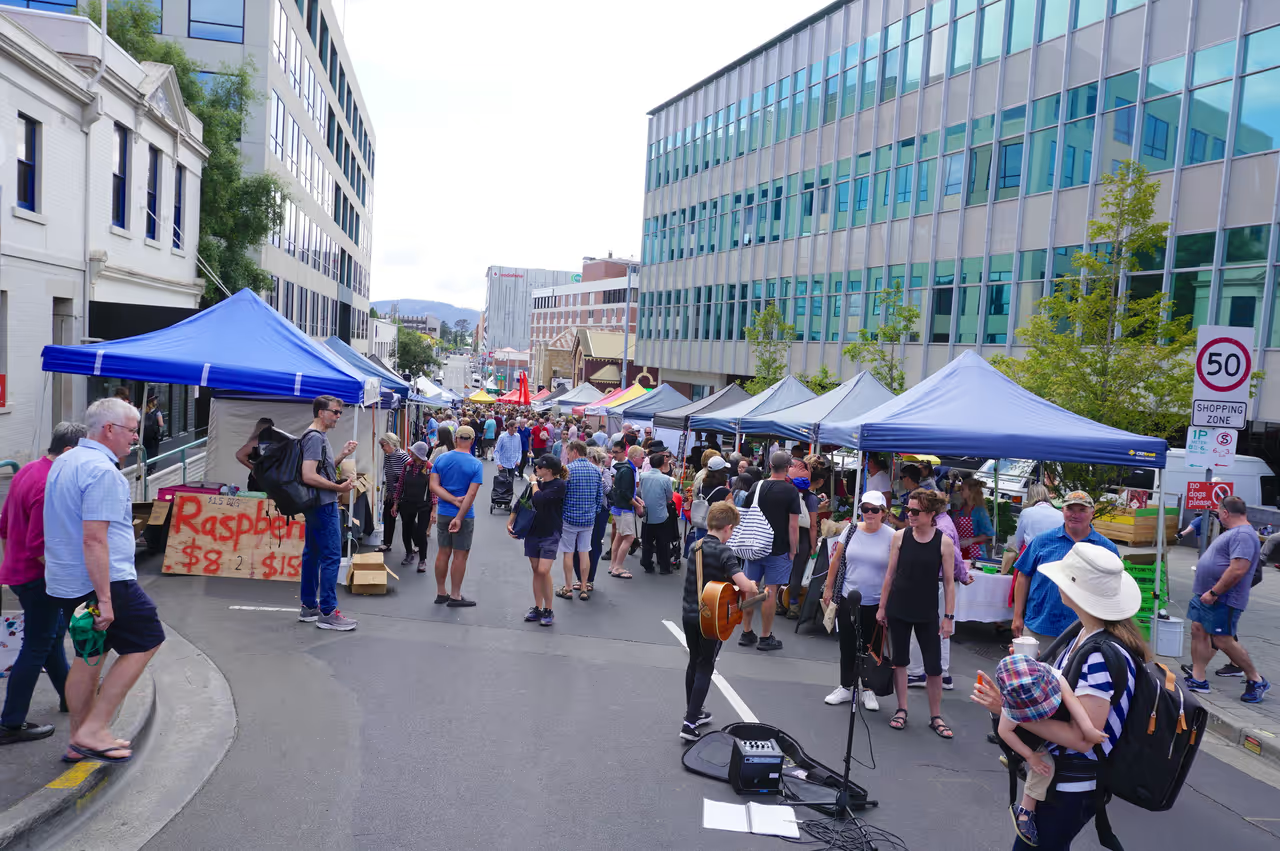
Do not attempt to drive through the Salamanca area on a Saturday morning, as road closures and heavy pedestrian traffic make it incredibly frustrating.
PERFECT FOR
This destination is perfect for cultural explorers, history enthusiasts, and nature lovers seeking a refined yet adventurous getaway. It appeals strongly to travellers who appreciate a slower pace combined with world class art, cool climate wines, and incredibly fresh seafood. Visitors who enjoy blending morning mountain hikes with evening gallery events will feel completely at home here.
VIBE
There is a uniquely relaxed yet fiercely creative energy pulsing through the streets, grounded by a constant connection to the wilderness and the sea. You will find rugged outdoor adventurers, eccentric artists, and passionate food lovers happily mingling in centuries old colonial pubs. The atmosphere feels intimate and approachable, yet constantly full of surprising cultural discoveries.
Frequently Asked Questions about Hobart
While we strive to keep this information accurate and up to date, we recommend verifying any details independently before making decisions based on them.
Similar Destination in Australia
Continue your journey. Explore this highly recommended city and uncover more of what Australia has to offer.