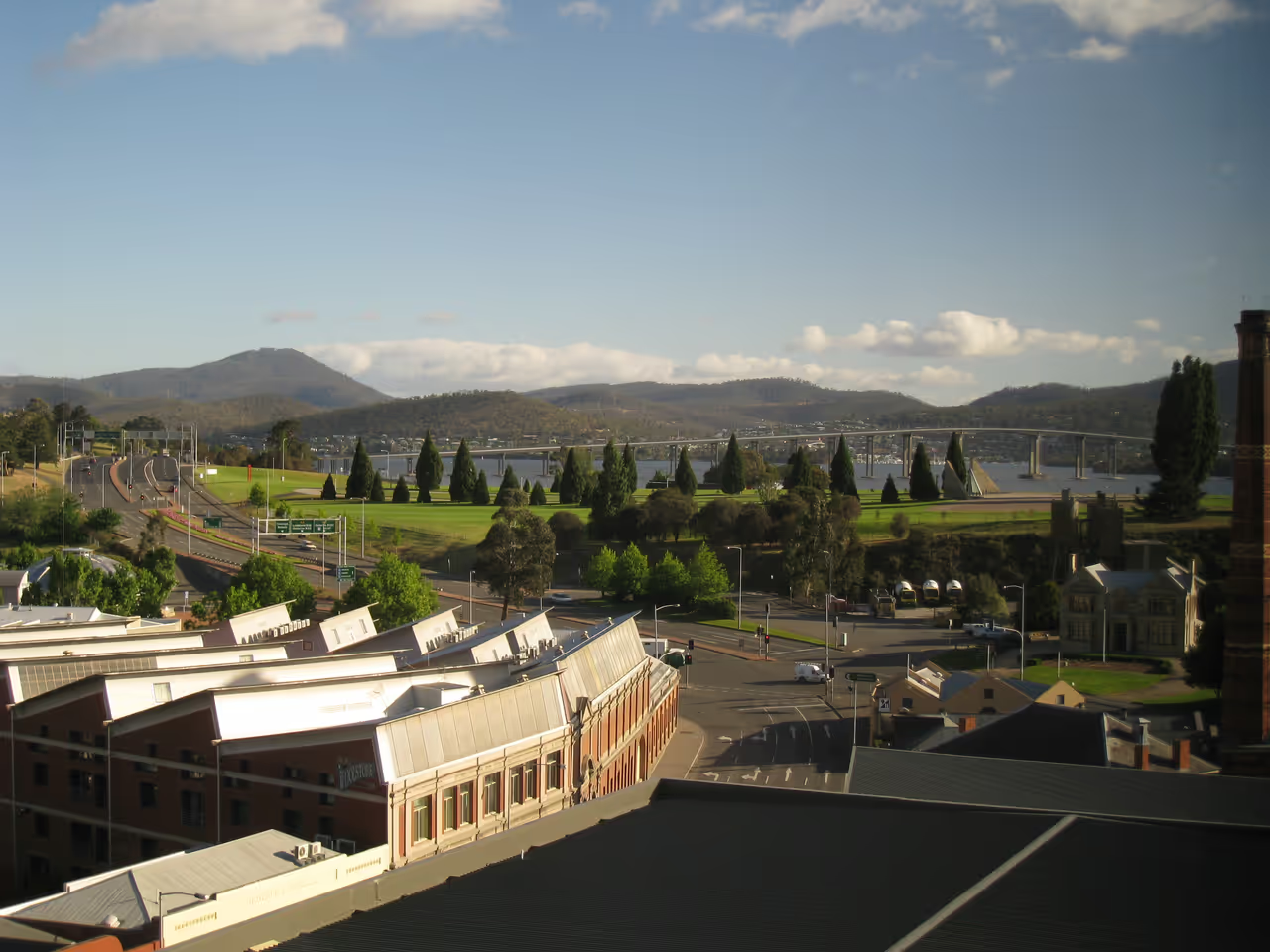
Queens Domain
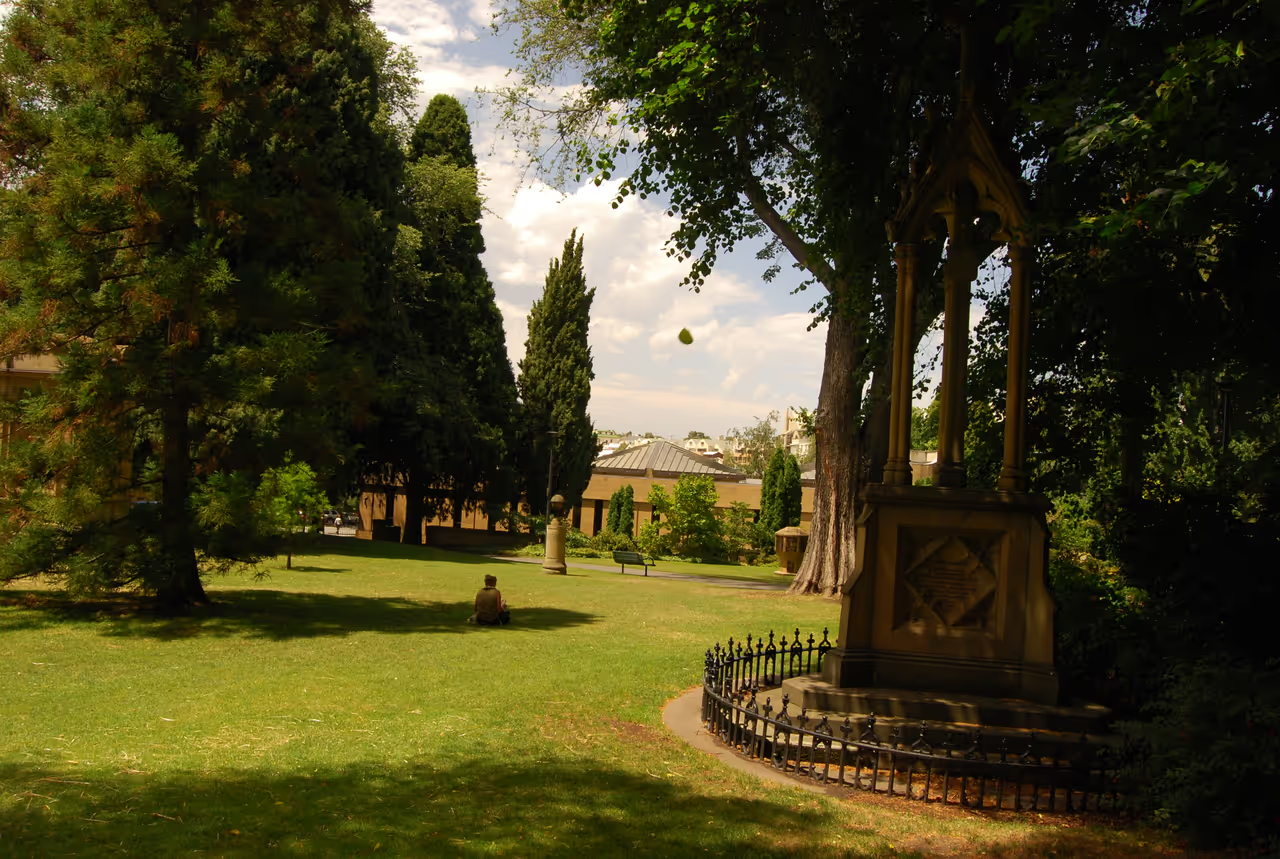
A sprawling 230 hectare sanctuary located just a short walk from Hobart's city centre, the Queens Domain is a vibrant fusion of native bushland, historic gardens, and cultural landmarks. It offers a rare opportunity to explore critically endangered grasslands while enjoying panoramic views of the Derwent River. Whether you are strolling through the heritage listed Royal Tasmanian Botanical Gardens, paying respects at the poignant Cenotaph, or enjoying a picnic with family, the area provides a peaceful escape from the urban pace. Its unique history, ranging from its past as a royal reserve to the site of the last captive thylacine, adds a layer of intrigue to every visit. It remains a cherished backyard for locals, where sports, leisure, and history converge in a beautifully preserved landscape.
Videos
History of Queens Domain
The Queens Domain occupies a unique place in the history of Tasmania. Its story began long before the arrival of Europeans, with the land holding deep significance for the local Aboriginal community. Sites scattered along the foreshore speak to a long, enduring connection to the river and the bushland that remains highly protected and respected to this day. Following the colonial settlement of Hobart, the land was initially claimed as a private resource hub for the Governor. Throughout the 19th century, this area was a hive of intense activity. It served as a site for abattoirs, quarries, boat building, and the storage of munitions. It was a space defined by utility, where the needs of a fledgling colony were met through the extraction and development of this prominent hillside. As the city expanded in the 20th century, the relationship between the Domain and its surroundings changed. Large infrastructure projects, including the 1875 railway and later the construction of the Tasman and Brooker Highways, carved deep lines into the landscape. These developments physically isolated the park from the city centre and the riverfront. Despite these challenges, the Domain has evolved into a beloved green heart for the city. It now balances its role as a premier recreational space with a duty to conserve rare ecosystems, ensuring that the legacy of both its Victorian history and its vital native heritage endures.
Events spanning 157 years
Fun Facts
- • Despite the development of major highways that have carved through the park, it remains a surprisingly rich biodiversity hotspot supporting over 130 native plant species.
- • Over 50 trees in the Domain are listed on the City of Hobart's Significant Tree Register, with some specimens dating back to the Victorian era.
- • Parts of the landscape are home to critically endangered Lowland Themeda grasslands, which are protected under federal conservation law.
- • The Domain has hosted a fascinating array of uses over two centuries, ranging from an abattoir and quarry site to an official residence for the Governor of Tasmania.
- • The Hobart Cenotaph serves as a memorial for those who served in global conflicts and offers some of the most commanding views of the Derwent River estuary.
- • The Queen Victoria Gunpowder Magazine remains a quiet witness to the days when the colony required fortified storage for its ammunition.
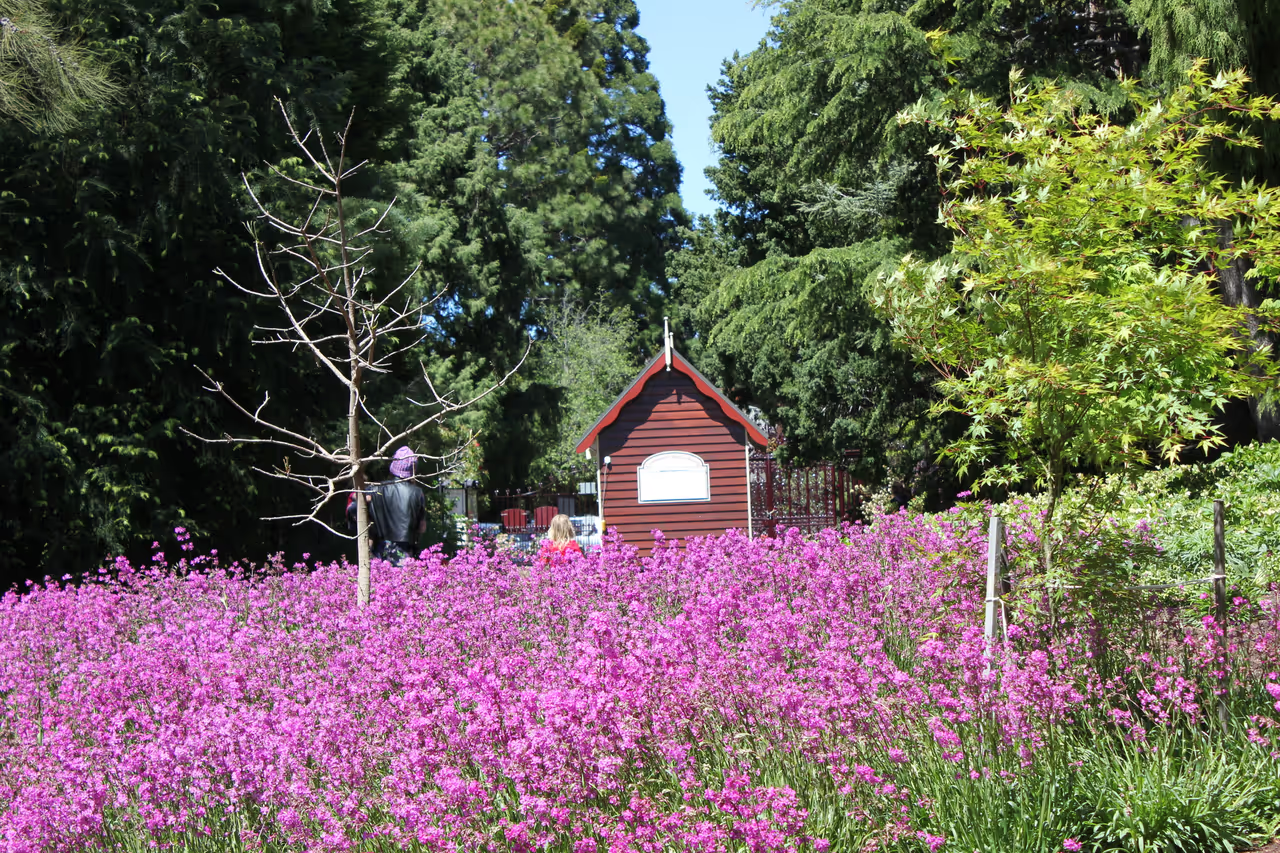
- • The Royal Tasmanian Botanical Gardens found here is the second oldest of its kind in Australia and contains a world class collection of conifers.
- • The area is the historic site of the former Hobart Zoo, where the last known thylacine lived before its death in 1936, a moment that signifies the extinction of the species.
- • There are twenty one registered Aboriginal sites within the Domain, highlighting the deep and enduring connection to the land that existed long before European arrival.
Queens Domain FAQ
While we strive to keep this information accurate and up to date, we recommend verifying any details independently before making decisions based on them.
Queens Domain Map & Neighborhood Explorer
This interactive map is centered on Queens Domain. Zoom in and move the map around to automatically discover Wikipedia photos and summaries of other nearby sights, monuments, and historical points of interest and stories in real-time!
Places near Queens Domain
Make the most of your trip. Check out these top-rated spots located nearby.
 166m
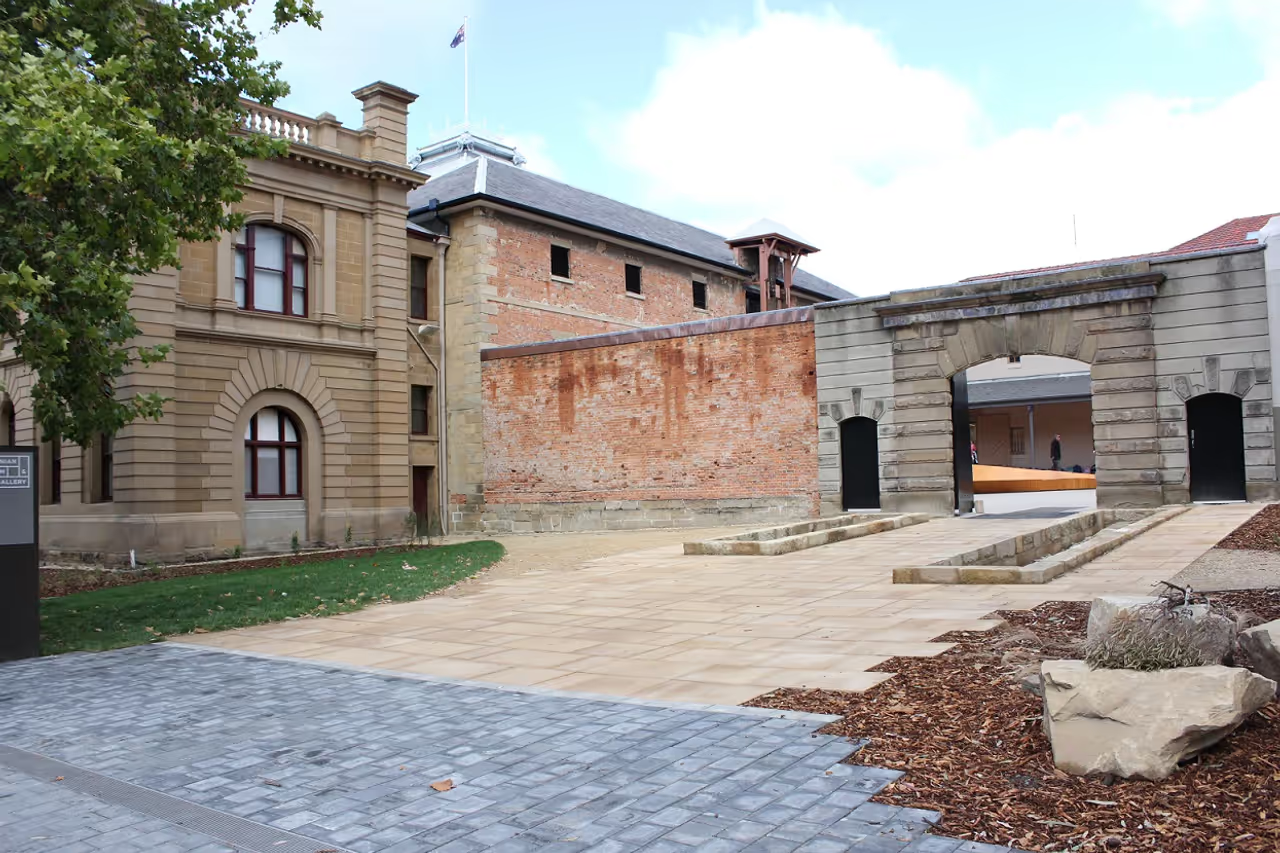
166mAllport Library and Museum of Fine Arts
Tucked away inside the modern State Library building is an extraordinary, intimate collection of colonial art and antique furniture. The museum accurately recreates the opulent living quarters of a wealthy nineteenth century local family. It features stunning silver, delicate ceramics, and incredibly rare early colonial paintings. It offers a sharp contrast to the harsh convict stories usually associated with the city's past. The space is remarkably quiet, providing a highly refined and peaceful escape from the busy city streets.
hidden gem view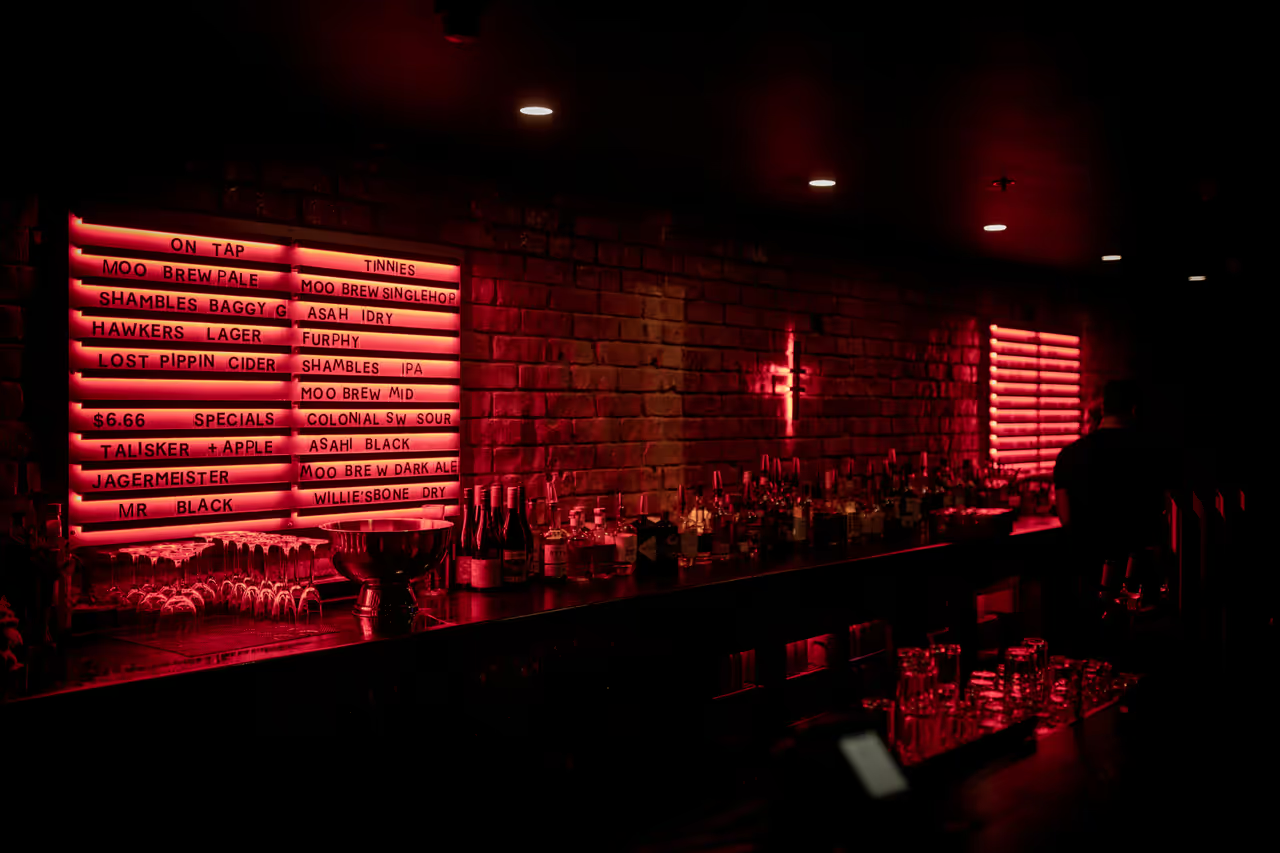 383m
383mDark Mofo
This midwinter festival celebrates the winter solstice with a mixture of ancient pagan rituals and contemporary art. The city is bathed in red light while large scale public art works and musical performances take over the streets. Highlights include the massive Winter Feast and the infamous nude solstice swim in the freezing river. It has grown into a highly anticipated cultural phenomenon that completely transforms the local atmosphere. Visitors from across the globe arrive to experience the confronting and spectacular installations.
festival view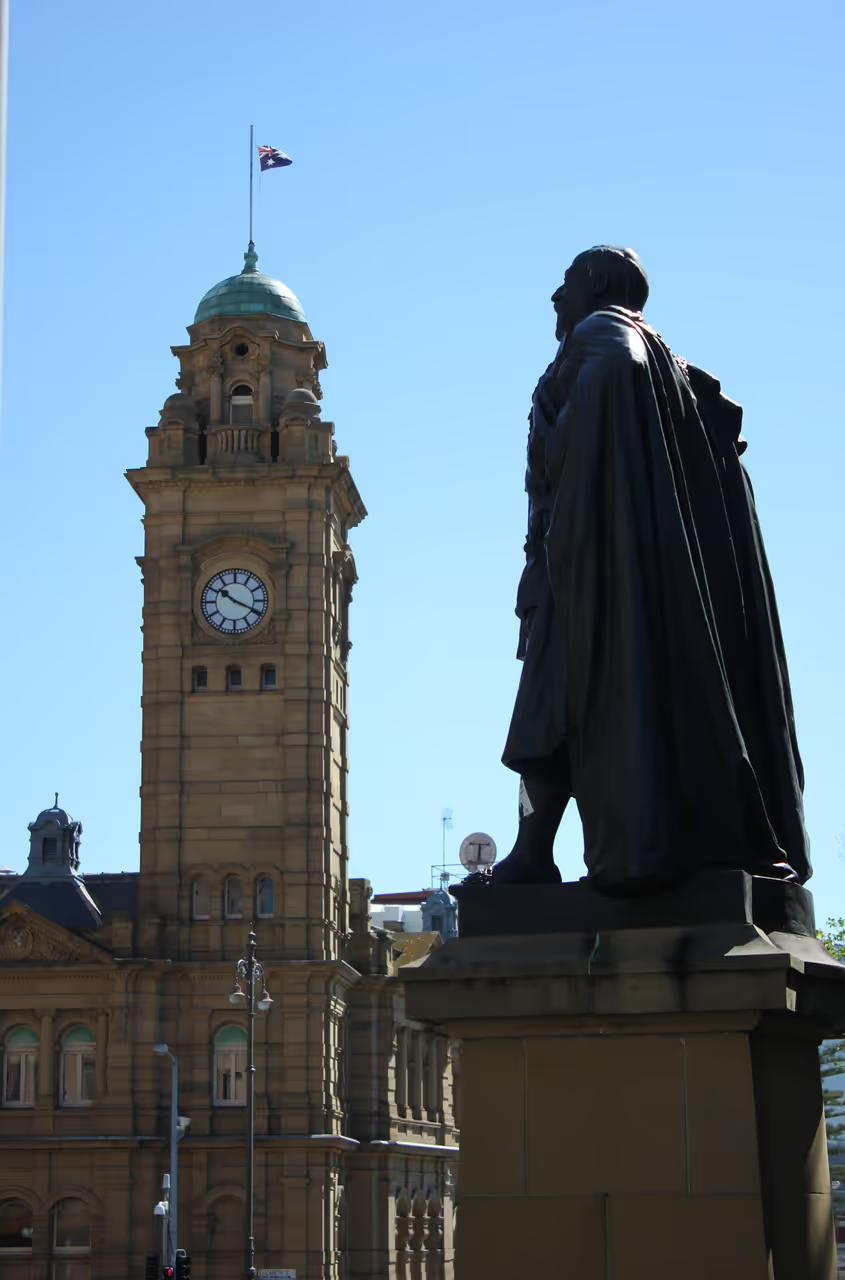 457m
457mGeneral Post Office
Dominating a central city corner, this grand public building was completed in the early twentieth century. Its imposing clock tower and elaborate stone carvings reflect a period of great civic pride and wealth. It is famously known worldwide as the location where Roald Amundsen publicly announced his successful expedition to the South Pole. The building continues to function, allowing you to admire the beautiful interior detailing while mailing a postcard. It is a stunning, highly photogenic landmark in the central business district.
architecture view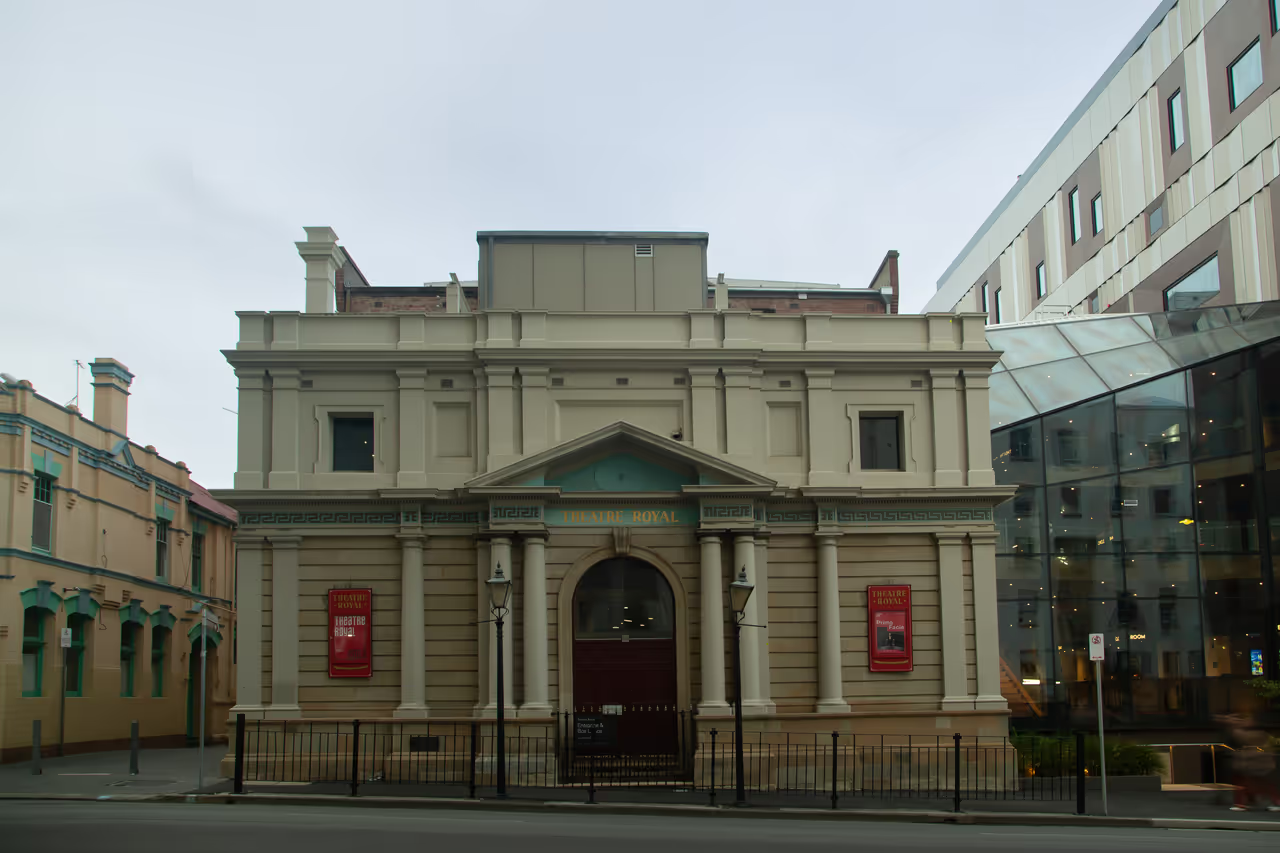 503m
503mTheatre Royal
This magnificent structure is officially the oldest continuously operating theatre in the country, having opened its doors to rough pioneer audiences in 1837. The interior is astonishingly opulent, featuring plush red velvet seating, a tiered gallery, and intricate golden plasterwork. It has survived numerous threats of demolition and devastating fires, fiercely protected by passionate locals. Sitting in the historic stalls to watch a performance feels like a genuine step back into the Victorian era. The juxtaposition of its grand interior against the rugged early settlement is fascinating.
architecture view
Featured on This Route
See all nature & parks in Hobart
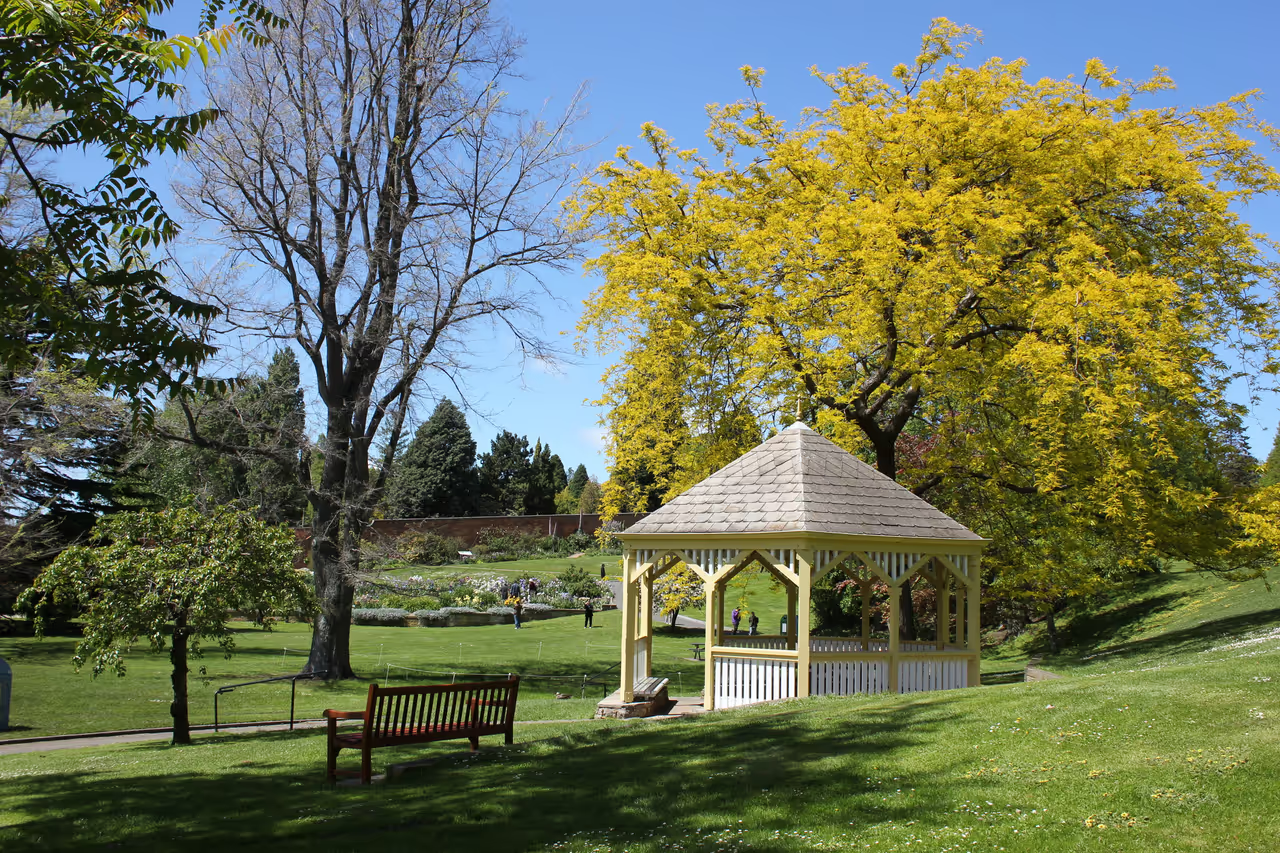
Wellington Park, Franklin Square, Royal Tasmanian Botanical Gardens, St David's Park...