Kunanyi / Mount Wellington
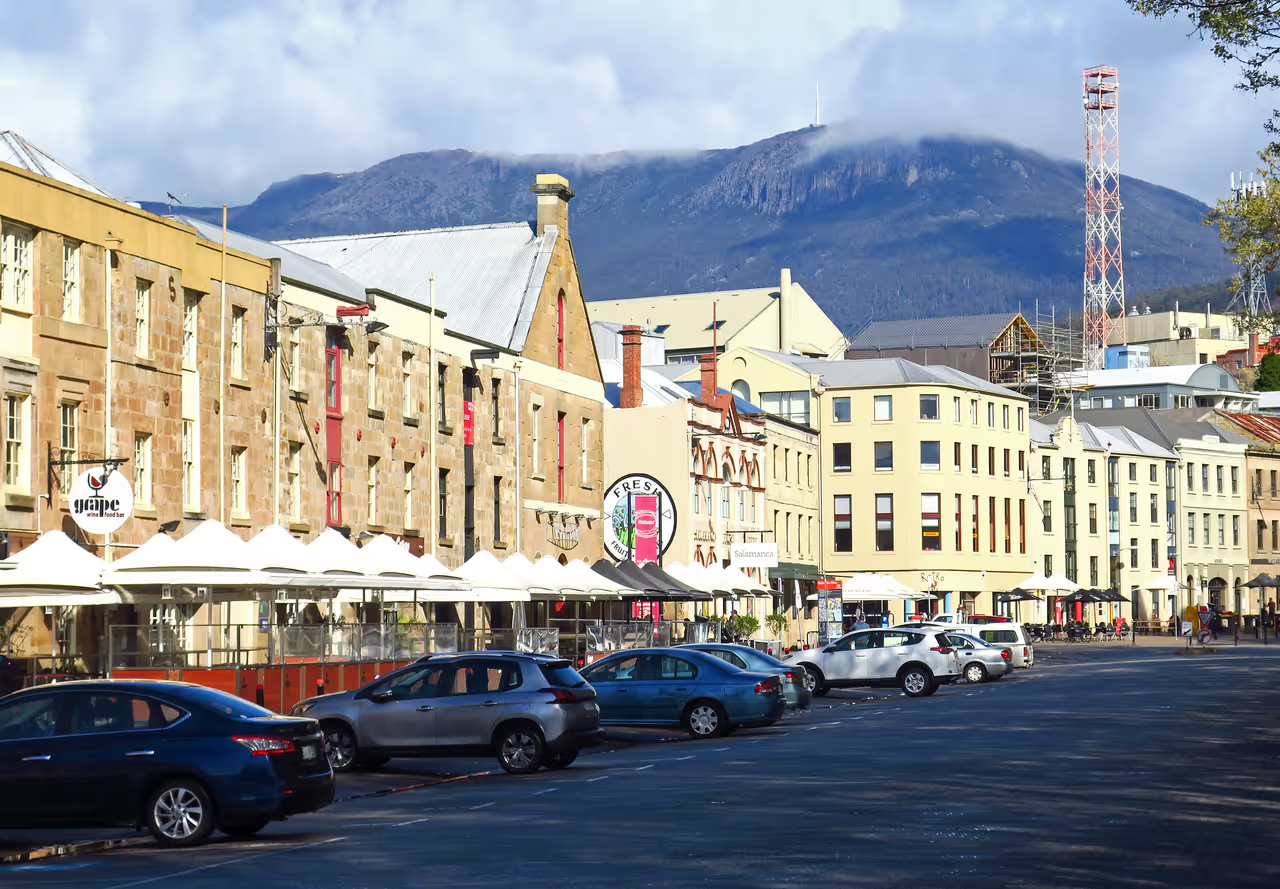
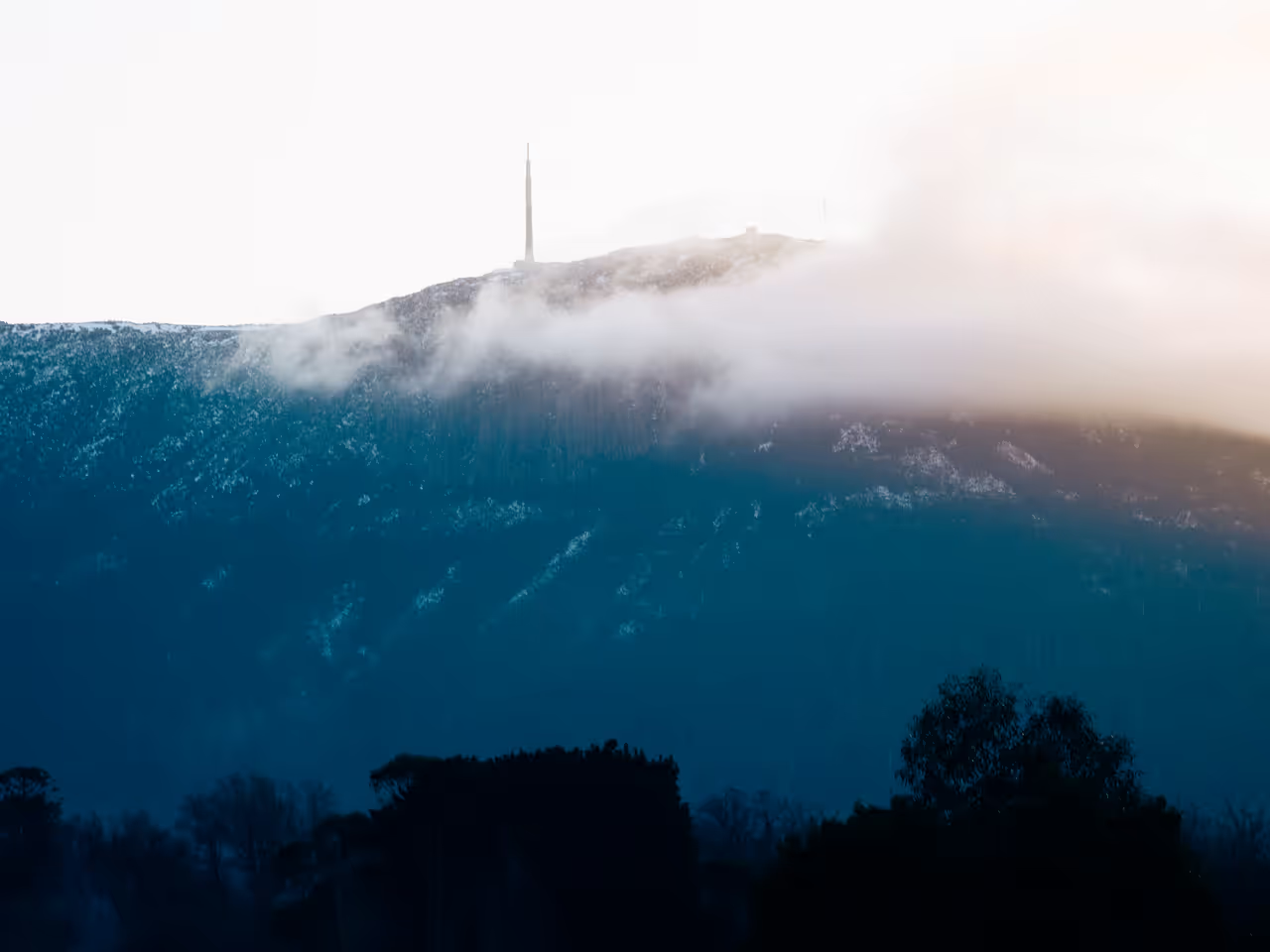
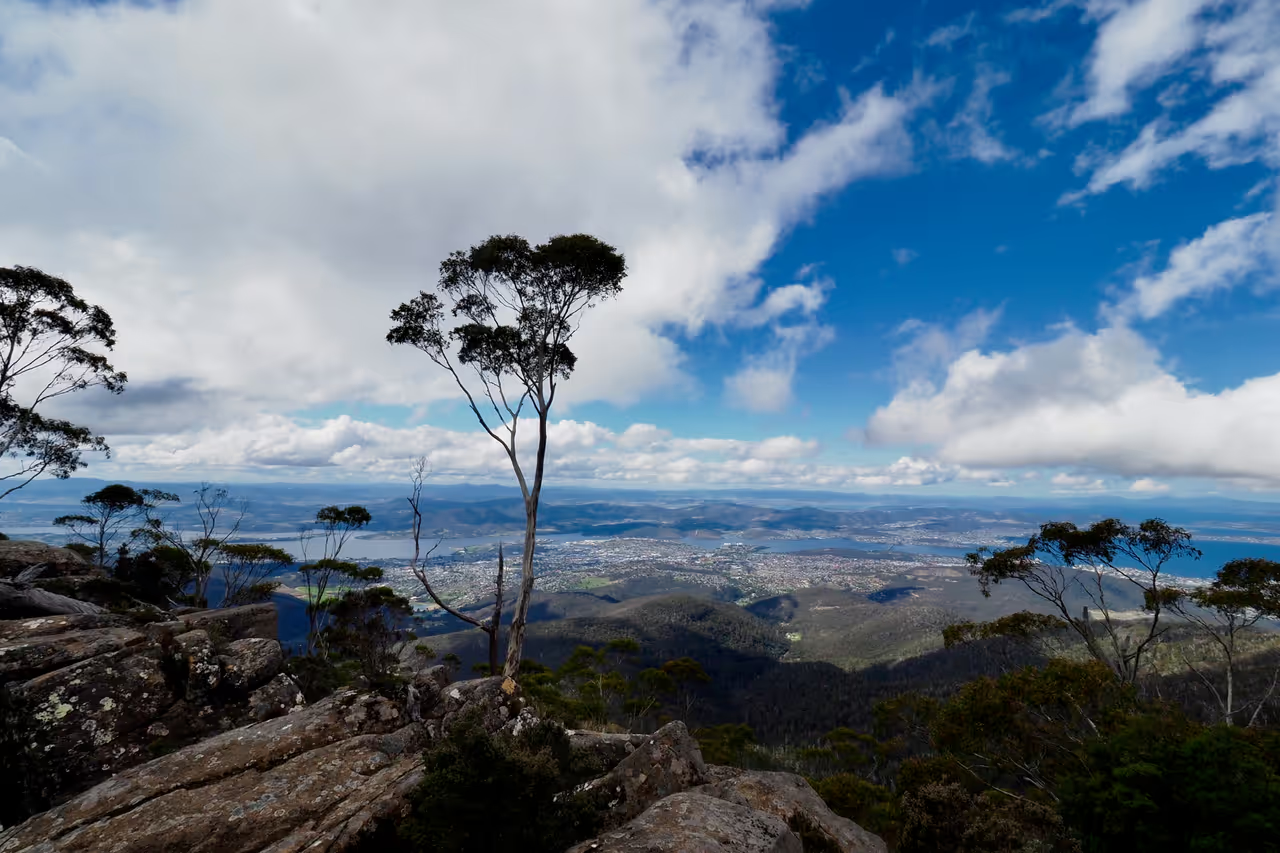
Mount Wellington, known to the local palawa people as kunanyi, stands as the dramatic guardian of Hobart, its summit offering an incredible view that stretches across the city and the sparkling Derwent estuary. Reaching 1,271 metres into the sky, this majestic peak is a world unto itself where you can experience everything from warm sun to alpine snow in the span of a single afternoon. Walking trails wind through lush forests up to the famous Organ Pipes, where towering dolerite columns create a spectacle that has captivated explorers for centuries. Whether you drive to the top for the panoramic vistas or lace up your boots to explore the rugged slopes, the mountain offers an essential connection to the wild heart of Tasmania. It is a place where history, nature, and the spirit of the land converge, making it the defining landmark of the Tasmanian capital. This is an experience that stays with you long after you descend back into the city streets.
Videos
History of Kunanyi / Mount Wellington
Long before European ships ever graced the Derwent, kunanyi served as a significant focal point for the palawa people, deeply woven into their connection to the land and the sky. This ancient presence predates colonial records by millennia, anchoring the landscape in layers of cultural meaning that continue to command respect today. The mountain’s physical structure tells an even older story, forged deep within the earth over 40 million years ago when volcanic forces pushed molten rock between layers of older stone. This geological upheaval gave rise to the dolerite columns that define the peaks today, creating a dramatic, jagged skyline that separates the city of Hobart from the vast wilderness stretching west. When British settlers arrived in the early 19th century, they saw the mountain through a lens of familiarity, attempting to name it after foreign peaks like Skiddaw or Table Mountain. It eventually took the name of the Duke of Wellington, who had recently triumphed at Waterloo, but this colonial title never fully obscured the mountain's enduring identity. Explorers like Charles Darwin traversed its slopes, marveling at the thick fern forests and the sweeping views of the intricate bays below, documenting a rugged beauty that remains strikingly similar to the landscapes seen today. The mountain became more than a geographical feature; it became a destination for resort huts, health spas, and later, the engineering marvel of a road carved into its side during the Great Depression. Today, the mountain stands as the silent observer of Hobart’s evolution, acting as both a protective barrier and a source of wonder for those who live beneath its peak. The struggle to preserve its wild character has been marked by debates over cable cars and commercial development, reflecting a community deeply invested in protecting the mountain's integrity. Visitors are welcomed by a landscape that demands respect for its weather and its history, offering a rare glimpse into a natural environment that refuses to be tamed by urban sprawl. To stand at the summit is to witness the intersection of a city’s past and its future, where the wild, cold wind serves as a reminder of the raw power that shaped this corner of the world.
Events spanning 215 years
Fun Facts
- • Charles Darwin’s climb in 1836 resulted in detailed descriptions of the giant tree ferns and lush forests, which he noted were vastly different from anything he had seen elsewhere.
- • During the 1930s, the road to the summit was built as part of an unemployment relief scheme during the Great Depression, a massive engineering feat that transformed access to the peak.
- • Plans for a cable car have been repeatedly proposed and rejected over the decades, with the local community showing strong opposition to ensure the mountain remains protected from mass commercialisation.
- • The mountain is a broadcast hub for Hobart, with a 131 metre concrete and steel tower designed specifically to withstand the extreme, hostile weather conditions found at the pinnacle.
- • The mountain is home to the Organ Pipes, a spectacular cliff face made of vertical dolerite columns that formed during the cooling of molten rock millions of years ago.
- • The mountain is officially part of Wellington Park, a massive reserve that encompasses more than 18,000 hectares of protected land.
- • The notorious bushranger John Rocky Whelan lived in a cave on the mountain in the 19th century, which can still be visited today as a reminder of the area's darker, lawless past.
- • The palawa people have long held a deep, spiritual connection to the mountain, with kunanyi being one of the names traditionally used to describe it for thousands of years.
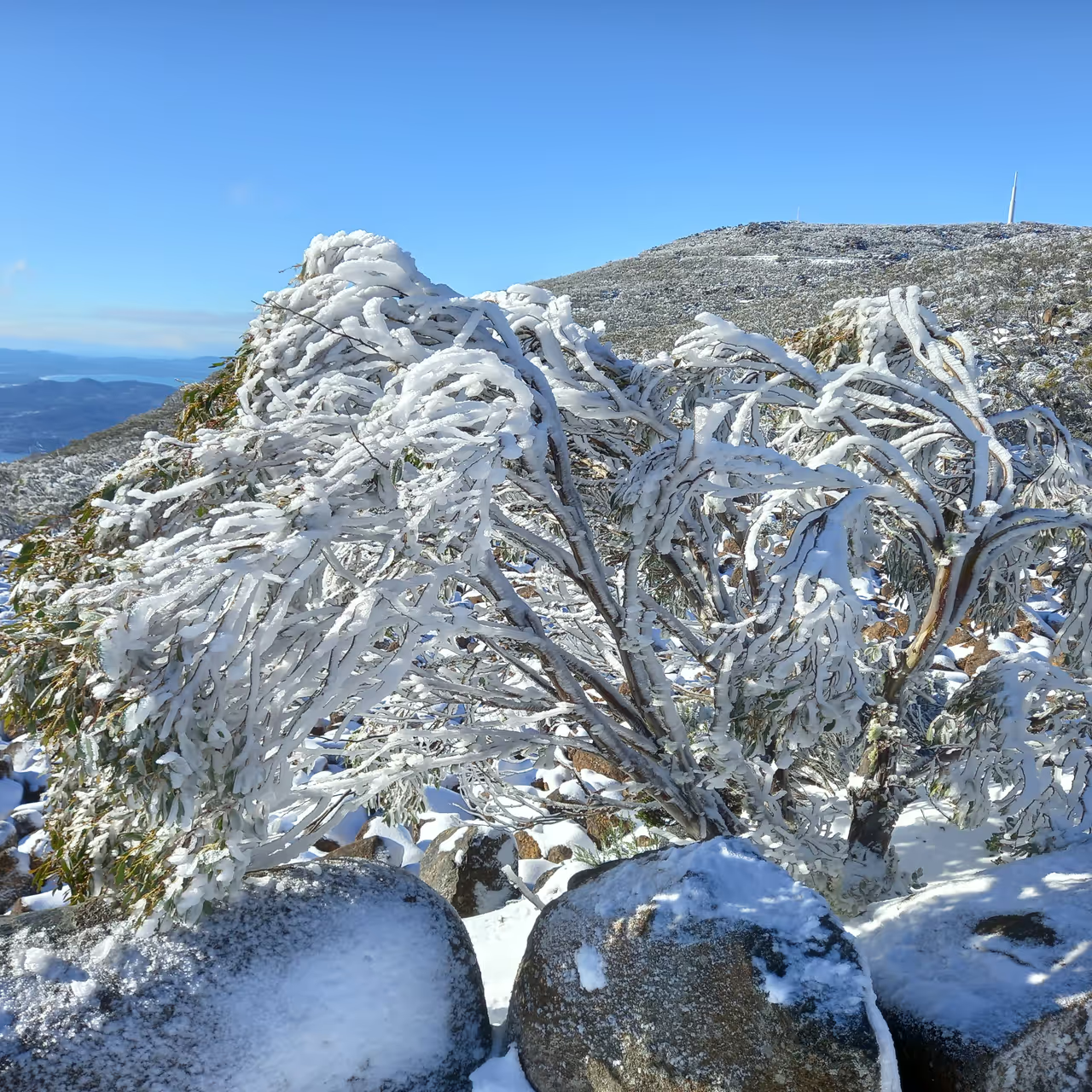
- • The summit experiences a harsh, alpine like climate, and it is common for the peak to be covered in snow even during the height of a Tasmanian summer.
- • There are rare instances of ice days on the summit, where the temperature remains below freezing for the entire 24 hour period, a testament to the mountain’s wild environment.
- • While temperatures in Hobart can be warm and pleasant, the summit of kunanyi is frequently subjected to freezing winds, sometimes dropping well below zero even when the city below is mild.
Kunanyi / Mount Wellington FAQ
While we strive to keep this information accurate and up to date, we recommend verifying any details independently before making decisions based on them.
Kunanyi / Mount Wellington Map & Neighborhood Explorer
This interactive map is centered on Kunanyi / Mount Wellington. Zoom in and move the map around to automatically discover Wikipedia photos and summaries of other nearby sights, monuments, and historical points of interest and stories in real-time!
Places near Kunanyi / Mount Wellington
Make the most of your trip. Check out these top-rated spots located nearby.
 852m
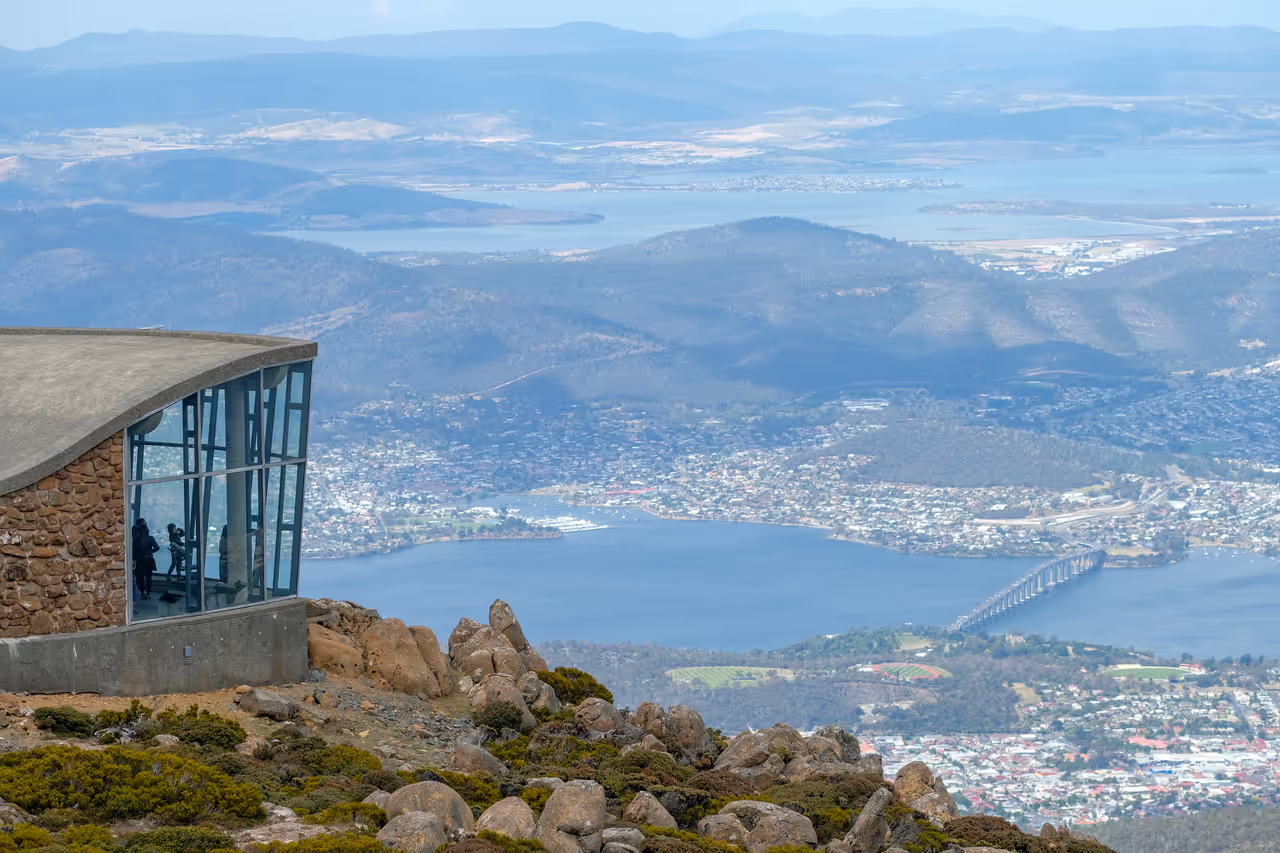
852mPinnacle Observation Shelter
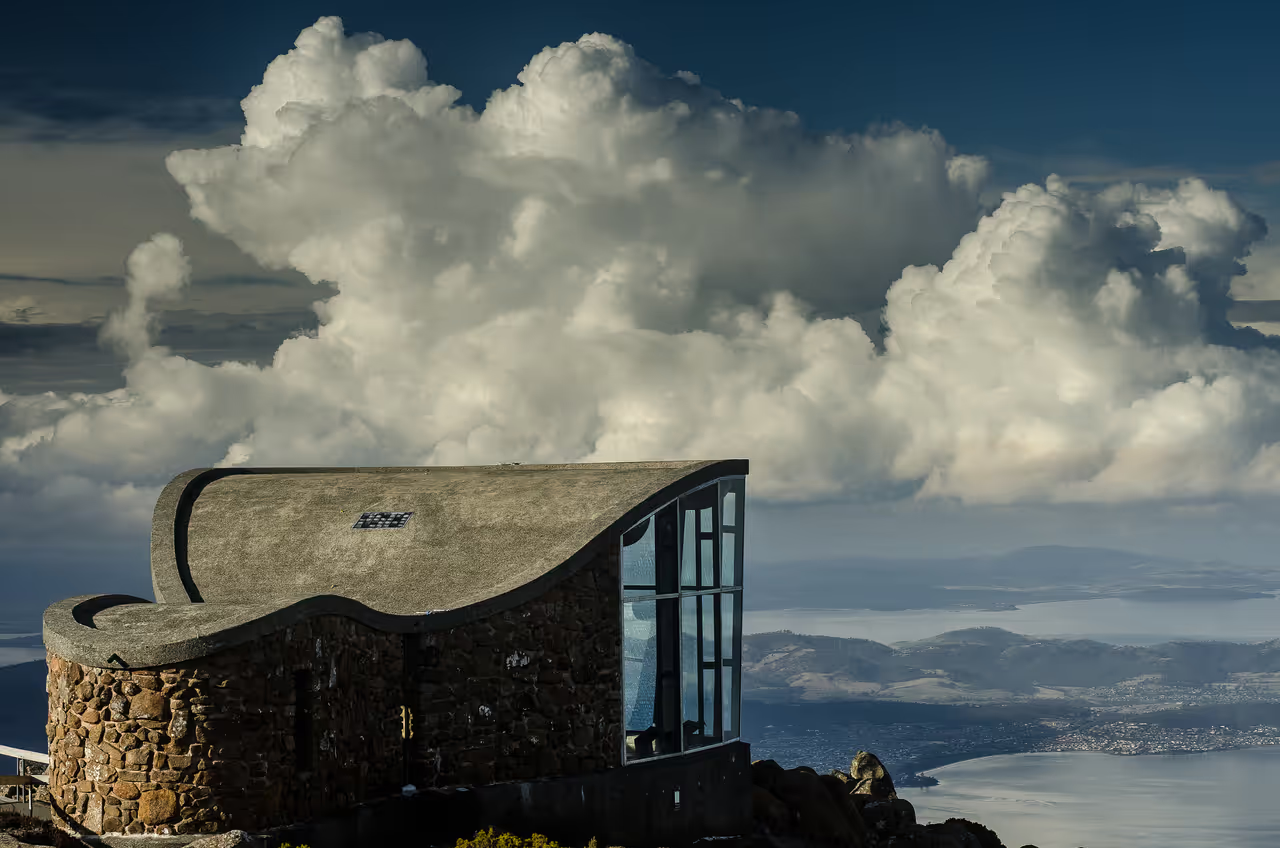
Located at the absolute summit of the massive mountain overlooking the city, this enclosed glass structure is a godsend in freezing weather. It offers mind bending, bird's eye views of the entire southern half of the state. On a clear day, you can see all the way out to the remote wilderness of the southwest. The sheer drop off below the viewing deck emphasizes the dramatic elevation perfectly. Experiencing the savage alpine weather from behind the safety of thick glass is an exhilarating contrast.
viewpoint view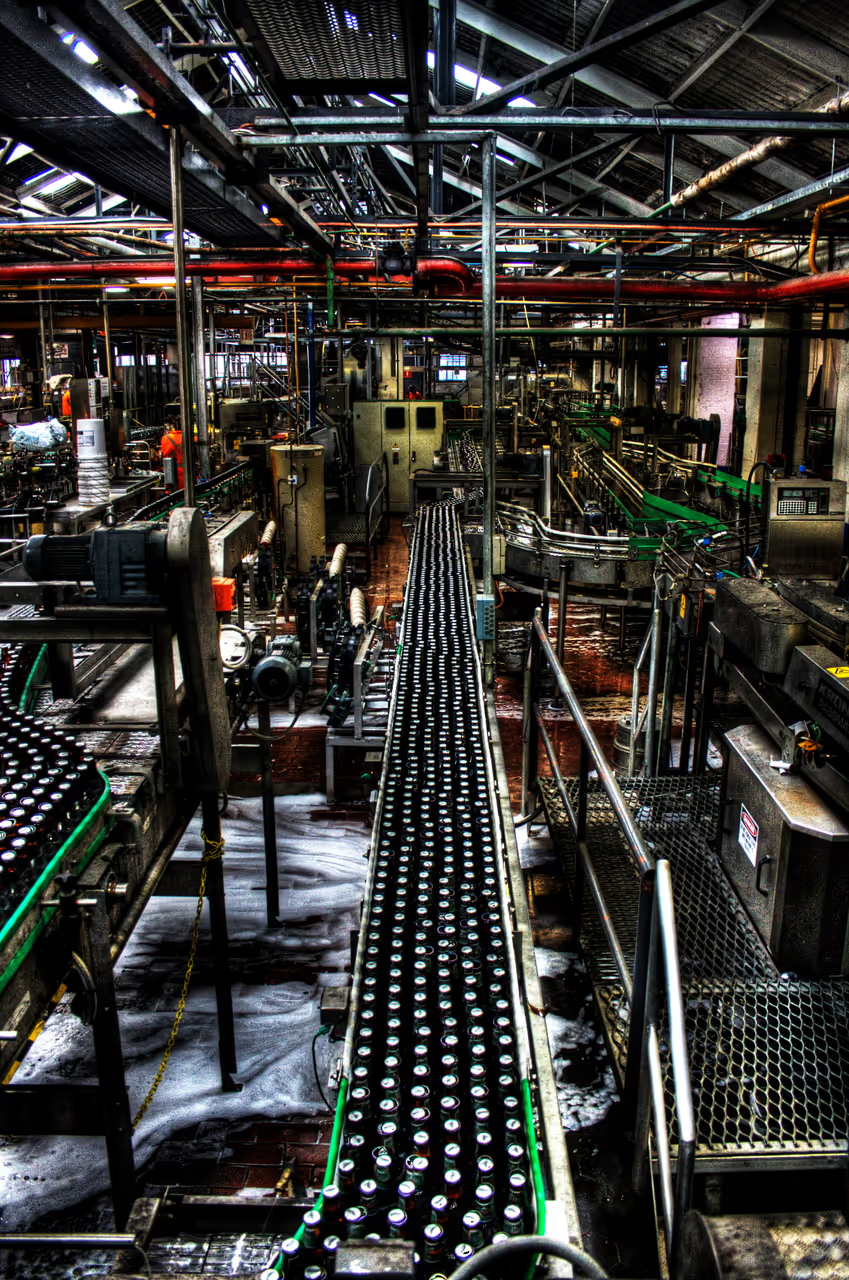 5102m
5102mCascade Brewery
Nestled against the dramatic backdrop of Mount Wellington, Cascade Brewery stands as a cornerstone of Tasmanian history and a must visit destination for any traveller. Established in 1824, this site holds the title of the oldest continuously operating brewery in Australia, offering a unique blend of heritage architecture and modern hospitality. Guests can wander through the lush, scenic grounds along the Hobart Rivulet, enjoying a drink in the historic garden or joining a guided tour to uncover the secrets behind the brewing process. It is a place where industrial history meets local craftsmanship, creating an atmosphere that feels both grand and intimate. Whether you are a beer enthusiast or simply appreciate a beautiful setting with a rich story, the brewery provides a relaxing space to connect with the local culture. It remains a beloved landmark that continues to shape the identity of Hobart.
attraction view- 5135m
Waterworks Reserve
Hidden just a short drive from the city centre, this tranquil valley feels completely removed from the urban environment. It features beautiful historic sandstone reservoirs that perfectly mirror the surrounding forested hills. Locals absolutely love coming here for weekend barbecues on the sprawling, immaculately kept lawns. You can easily spend an afternoon walking the gentle trails that trace the water edge while spotting native birdlife. Keep a close eye out for pademelons foraging near the tree line as the afternoon shadows lengthen. It is a wonderfully peaceful retreat that showcases the natural beauty and clever pioneer engineering of the region.
hidden gem view 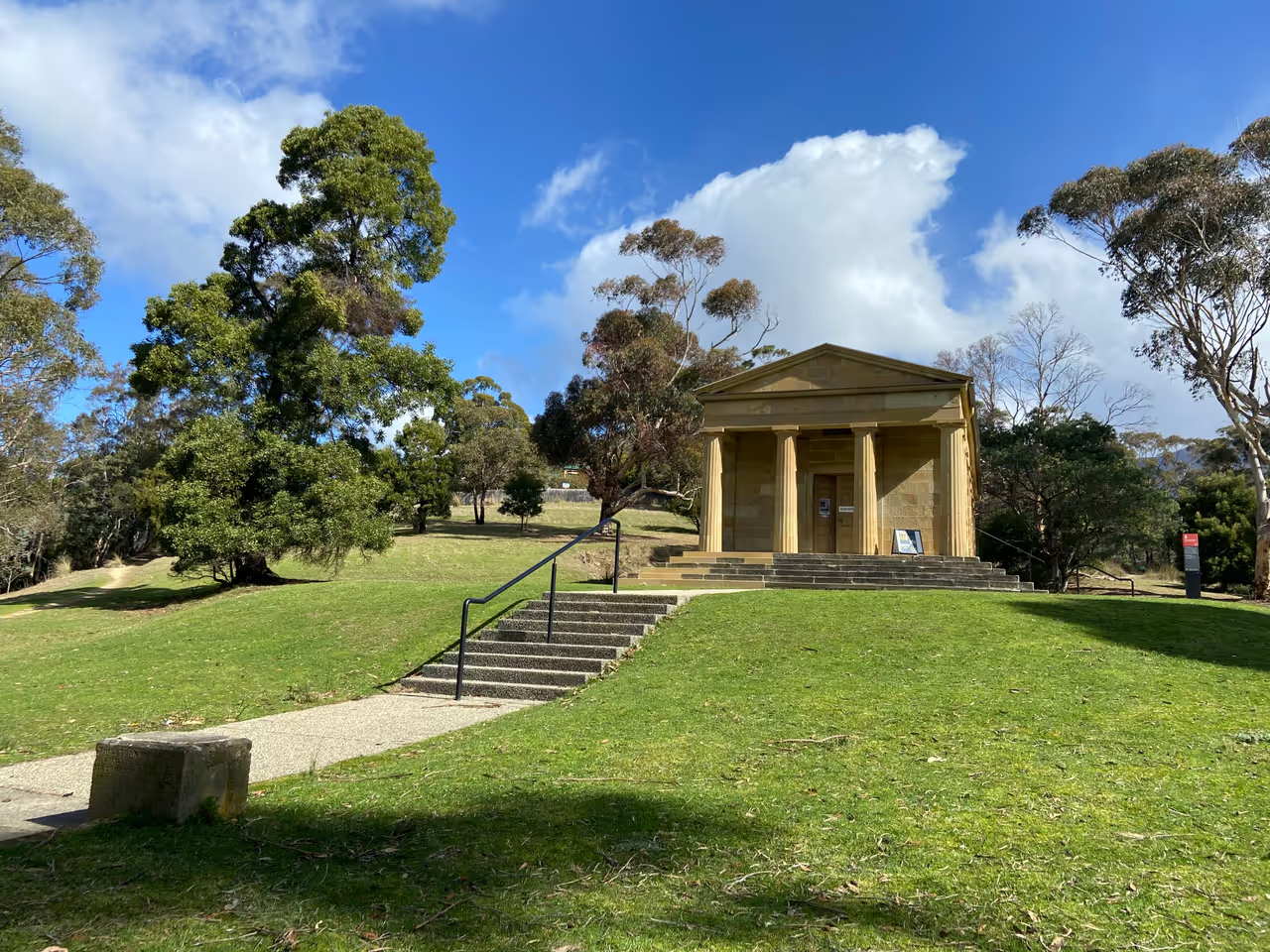 5419m
5419mLady Franklin Gallery
An incredibly unexpected piece of classic Greek revival architecture sitting quietly in a suburban park. It was originally built as a private museum by the highly intellectual wife of a controversial colonial governor. Today, it operates as a charming community gallery hosting exhibitions by local artists. The surrounding gardens feature lovely old trees and provide a wonderful spot for a quiet picnic. The stark, temple like facade is completely unique to the local architectural landscape.
hidden gem view
Explore Similar Places in This Collection
Featured on These Itineraries and Routes
3 Days in Hobart: Culture and Nature Itinerary
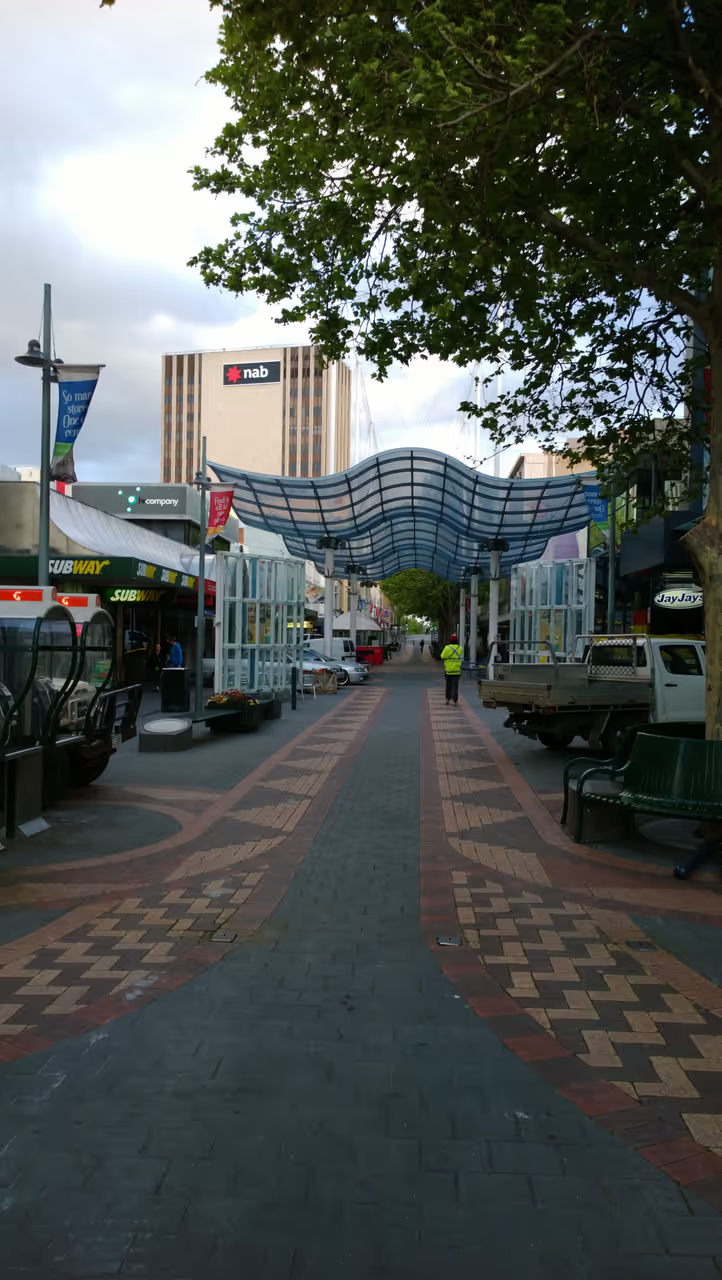
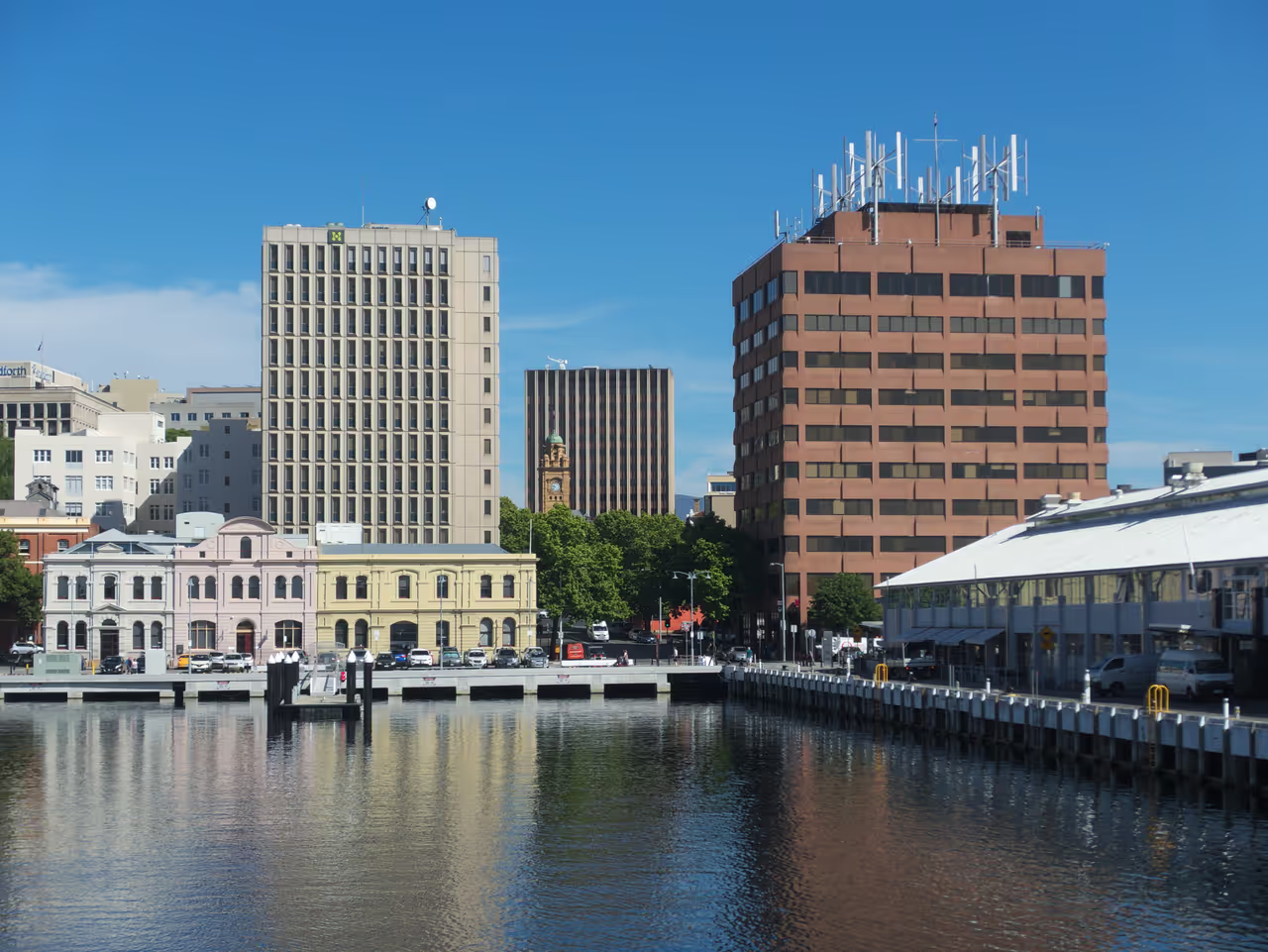
This balanced schedule allows you to deeply explore the contrasting elements of raw wilderness and refined culture. You will spend time uncovering the dark convict history, summiting the towering local peak, and indulging in world class food and wine. It provides enough breathing room to actually relax and absorb the incredibly laid back local atmosphere. The itinerary spreads the major attractions out to prevent museum fatigue. It is the ideal timeframe for a comprehensive weekend getaway.
view itinerary
5 Days in Hobart: Deep Dive Itinerary
An extensive, highly rewarding itinerary that uncovers the hidden secrets and deeper historic layers of the city. You will have time to step away from the major tourist paths and explore quiet coastal lookouts, obscure galleries, and local farmer markets. It allows for a genuinely immersive experience where you can start to feel like a temporary local. You will appreciate the slower, more deliberate pace of life down here. It is perfect for travellers who want to leave absolutely no stone unturned.
view itinerary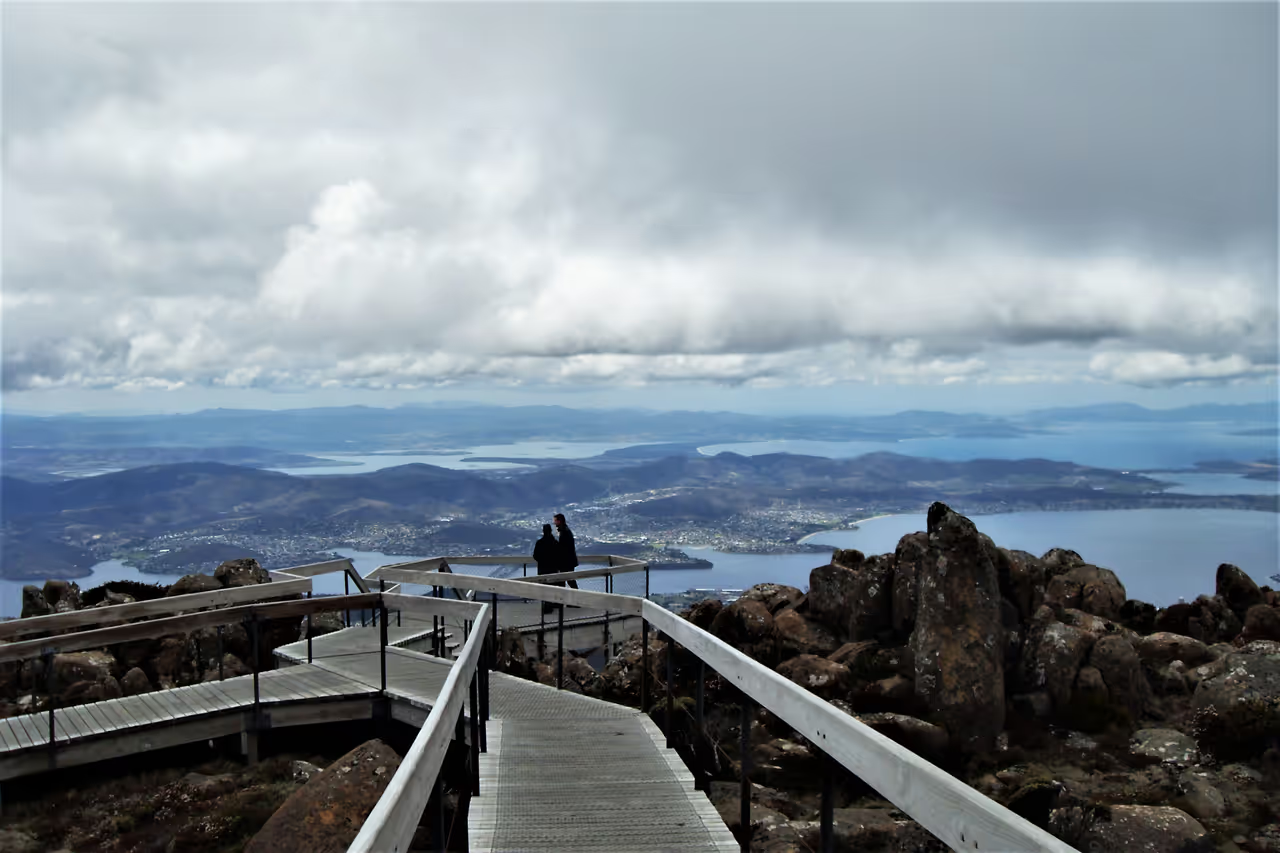
Pipeline Track Ride
This incredibly atmospheric trail delves deep into the heavily forested foothills of the mountain. It follows the historic water supply infrastructure built in the nineteenth century to service the growing colony. The path is deeply shaded by massive eucalyptus trees and giant tree ferns, keeping it remarkably cool. The gentle gradient makes it highly accessible despite being situated on the side of a massive peak. It feels like a genuine wilderness adventure located just minutes from the urban centre.
view cycling route
See all attractions in Hobart
Cascade Brewery, Museum of Old and New Art (MONA), Salamanca Place, Tasmanian Museum and Art Gallery...