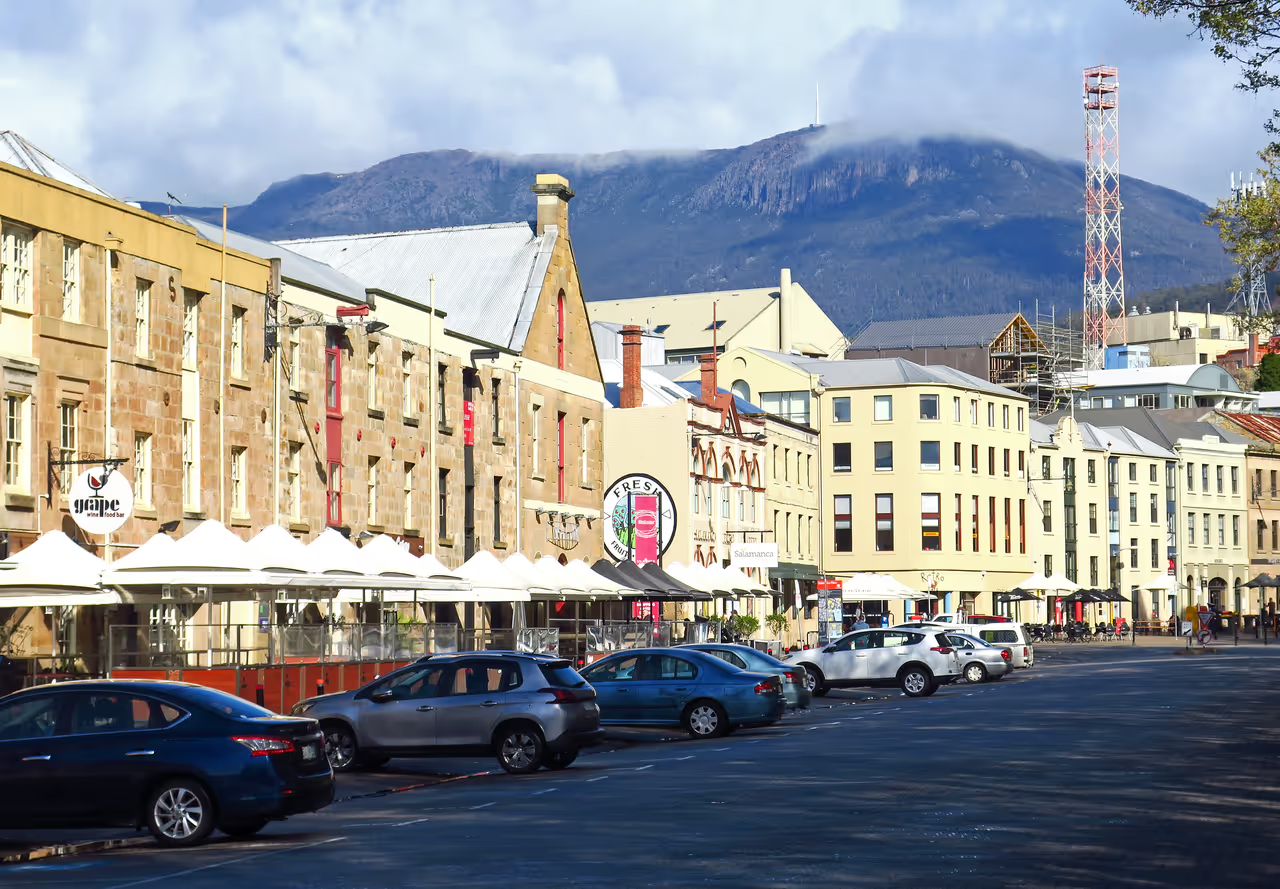
Salamanca Place
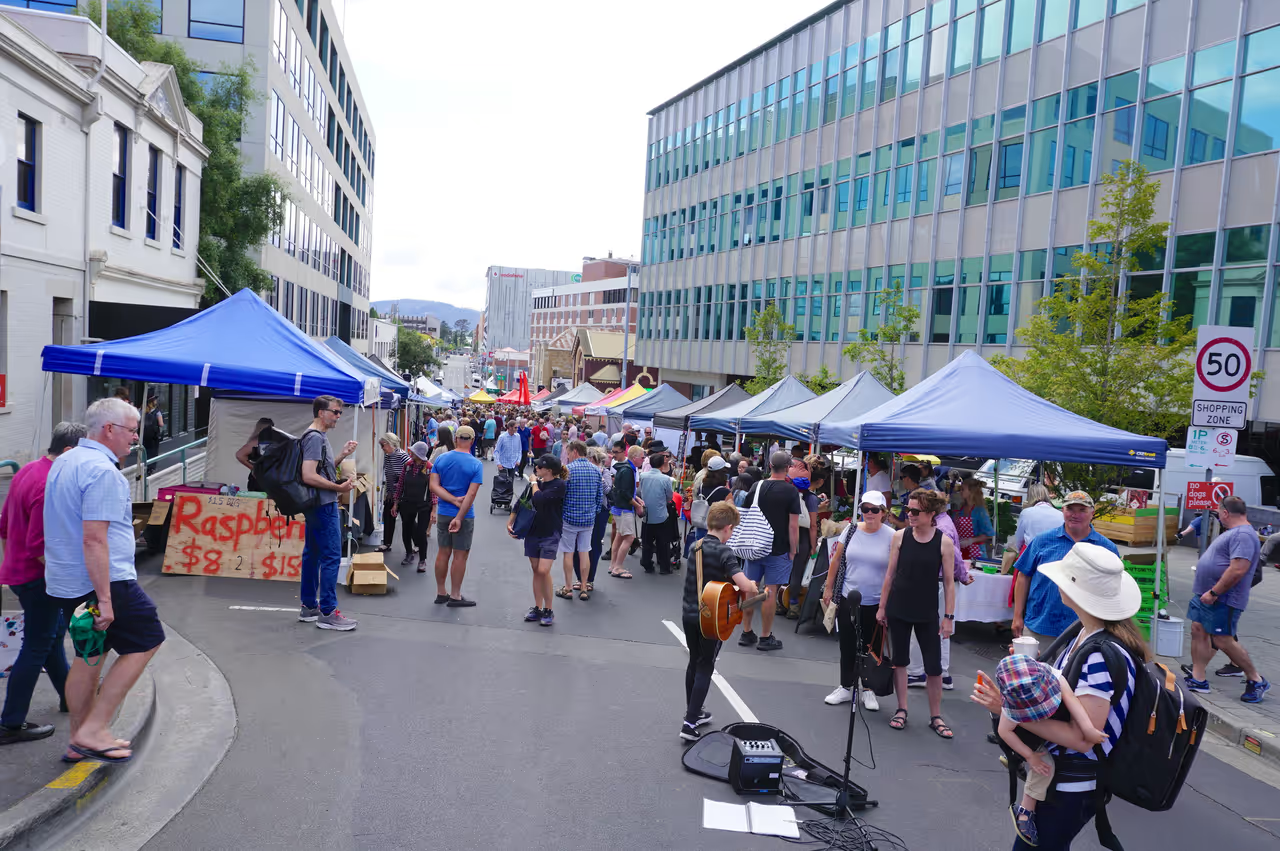
Stepping into Salamanca Place feels like walking through a living postcard of Hobart's maritime past. This historic precinct is defined by its iconic row of golden sandstone warehouses, which once stored goods from around the world but now house a vibrant mix of boutique galleries, artisan shops, and some of the city's finest dining spots. It serves as the cultural heartbeat of the waterfront, where the legacy of nineteenth century whaling meets modern creativity. Whether you are hunting for local crafts at the world famous weekend market or enjoying a quiet evening drink beneath the shade of leafy trees, the area offers a warm and inviting atmosphere. It is a place that celebrates local talent and history, making every visit feel like a discovery of Tasmania's unique soul.
Videos
History of Salamanca Place
Salamanca Place began its life as the backbone of Hobart's maritime prosperity. During the early nineteenth century, these massive sandstone blocks were constructed as storehouses for the harbour, facilitating the movement of whale oil, grain, and wool across the globe. As the whaling industry eventually waned and the port's needs evolved, these structures sat quiet, their rough textures witnessing the changing tides of colonial history. They remained silent giants, waiting for a new purpose in a city that was rapidly modernising. The transformation into a cultural hub started in the late twentieth century. Visionaries saw potential in the sturdy Georgian architecture, stripping back layers of neglect to reveal the beauty of the stone. This period sparked a renaissance, turning abandoned warehouses into spaces for artists, craftspeople, and culinary artisans. It was a reclaiming of space, where the ghosts of sailors were replaced by the sounds of painters and chefs. The energy shifted from industrial labour to creative production, and the area quickly became the artistic soul of the city. Today, the precinct stands as a testament to adaptive reuse and community spirit. It has evolved into far more than a tourist destination; it is a vital part of Hobart's daily life. From the weekly market that draws crowds from across the state to the quiet corners of Salamanca Square, the area perfectly captures the spirit of Hobart. It remains a place where heritage is lived, breathed, and celebrated by everyone who walks its cobbled paths.
Events spanning 183 years
Fun Facts
- • Before the sandstone warehouses emerged, the area was known as The Cottage Green, a quiet location quite different from the iconic landmark seen today.
- • Hobart's version of the board game Monopoly features Salamanca Place as one of its prominent property locations, cementing its status as a local icon.
- • Kelly's Steps were carved directly into the cliff face in 1839 to provide a shortcut from the harbour to the hilltop homes of the wealthy whaling merchants.
- • Salamanca Place derives its name from the 1812 victory of the Duke of Wellington in the Battle of Salamanca, a major conflict in the Peninsular War.
- • Salamanca Square was a deliberate urban design project in the 1990s, aimed at providing a sheltered, family friendly public space tucked behind the main row of warehouses.
- • The distinctive red fairy lights seen in the trees during the annual Dark Mofo festival have become a signature visual element of the Tasmanian winter.
- • The distinctive sandstone blocks were built during the 1830s and 1840s to store whale oil, which was the primary source of wealth for early Hobart.
- • The precinct nearly faced demolition in the 1970s, but a dedicated group of artists and community members campaigned successfully to save the historic buildings for future generations.
- • The sandstone used in the construction of the warehouses was quarried locally, giving the entire street a unified, warm colour palette that glows during sunset.
- • When the market first opened in 1972, it consisted of only twelve stalls, a modest beginning for what is now one of Australia's largest outdoor markets.
Salamanca Place FAQ
While we strive to keep this information accurate and up to date, we recommend verifying any details independently before making decisions based on them.
Salamanca Place Map & Neighborhood Explorer
This interactive map is centered on Salamanca Place. Zoom in and move the map around to automatically discover Wikipedia photos and summaries of other nearby sights, monuments, and historical points of interest and stories in real-time!
Places near Salamanca Place
Make the most of your trip. Check out these top-rated spots located nearby.
 80m
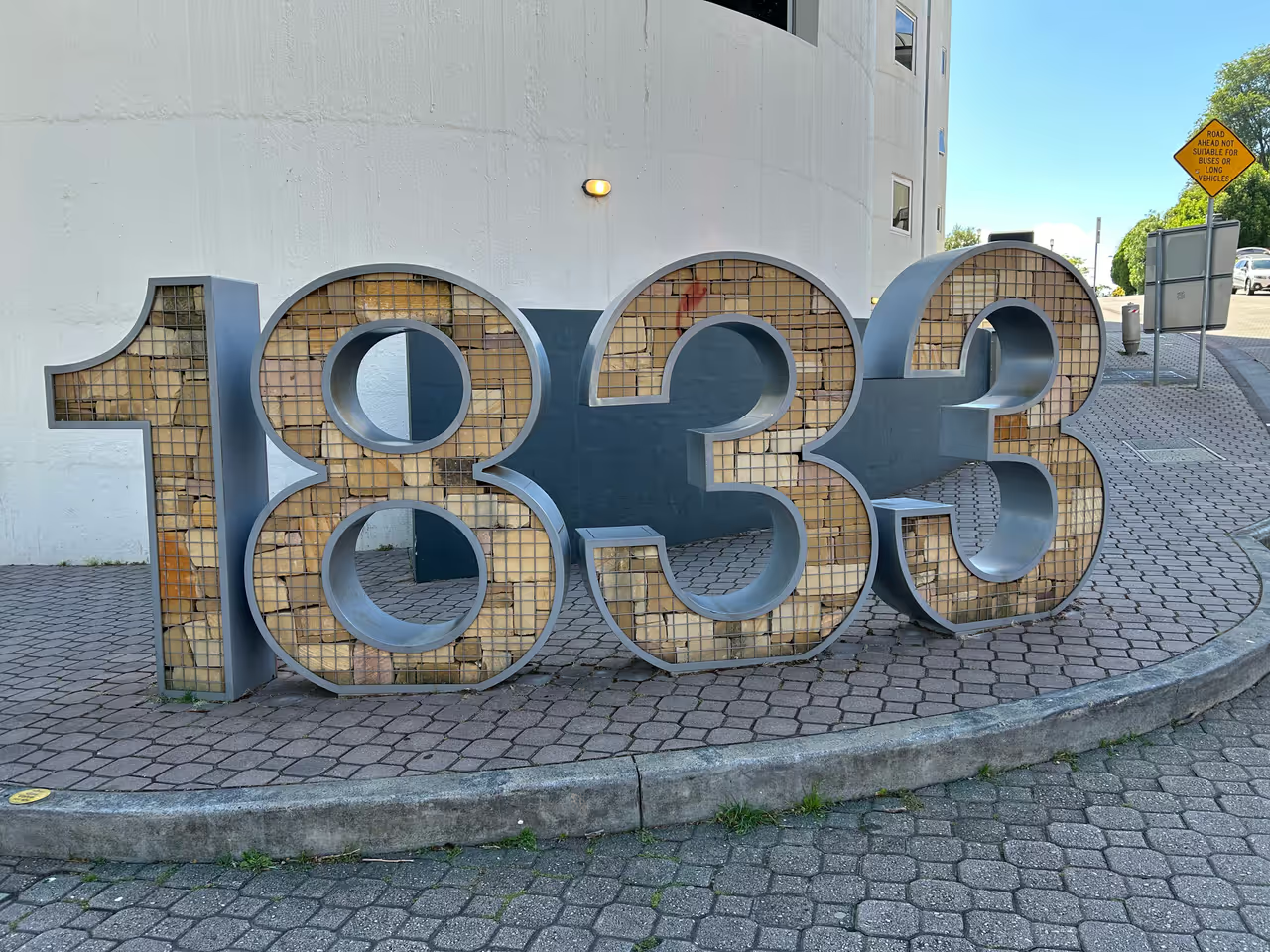
80mBattery Point Sculpture Trail
A beautifully curated art walk that places large, striking numerical sculptures directly into the coastal environment. Photographing these crisp, modern, white artworks against the chaotic native scrub and blue water is visually striking. Each number holds a specific historic significance, adding depth to the images you capture. The trail winds along the shoreline, offering numerous creative angles and framing opportunities. It perfectly blends contemporary outdoor art with stunning natural scenery.
photo spot view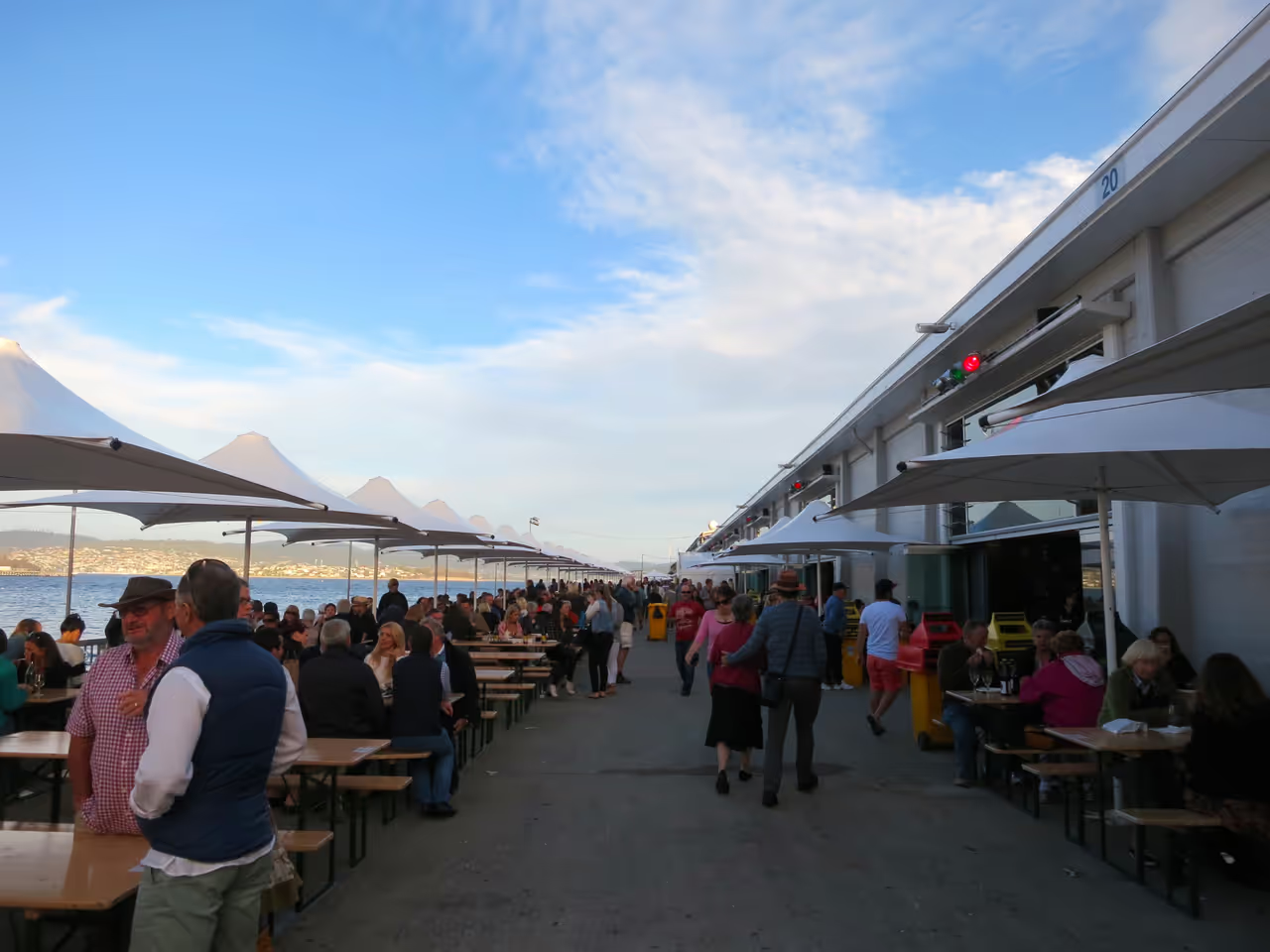 168m
168mTaste of Summer
Held right on the picturesque waterfront, this massive culinary festival showcases the absolute best of local produce, boutique beers, and cool climate wines. Hundreds of stalls are set up offering freshly shucked oysters, gourmet cheeses, and local delicacies. The event features live entertainment and provides a fantastic, family friendly environment to relax by the water. It perfectly coincides with the warm weather and holiday season. Securing a table near the water edge is highly competitive but incredibly rewarding.
festival view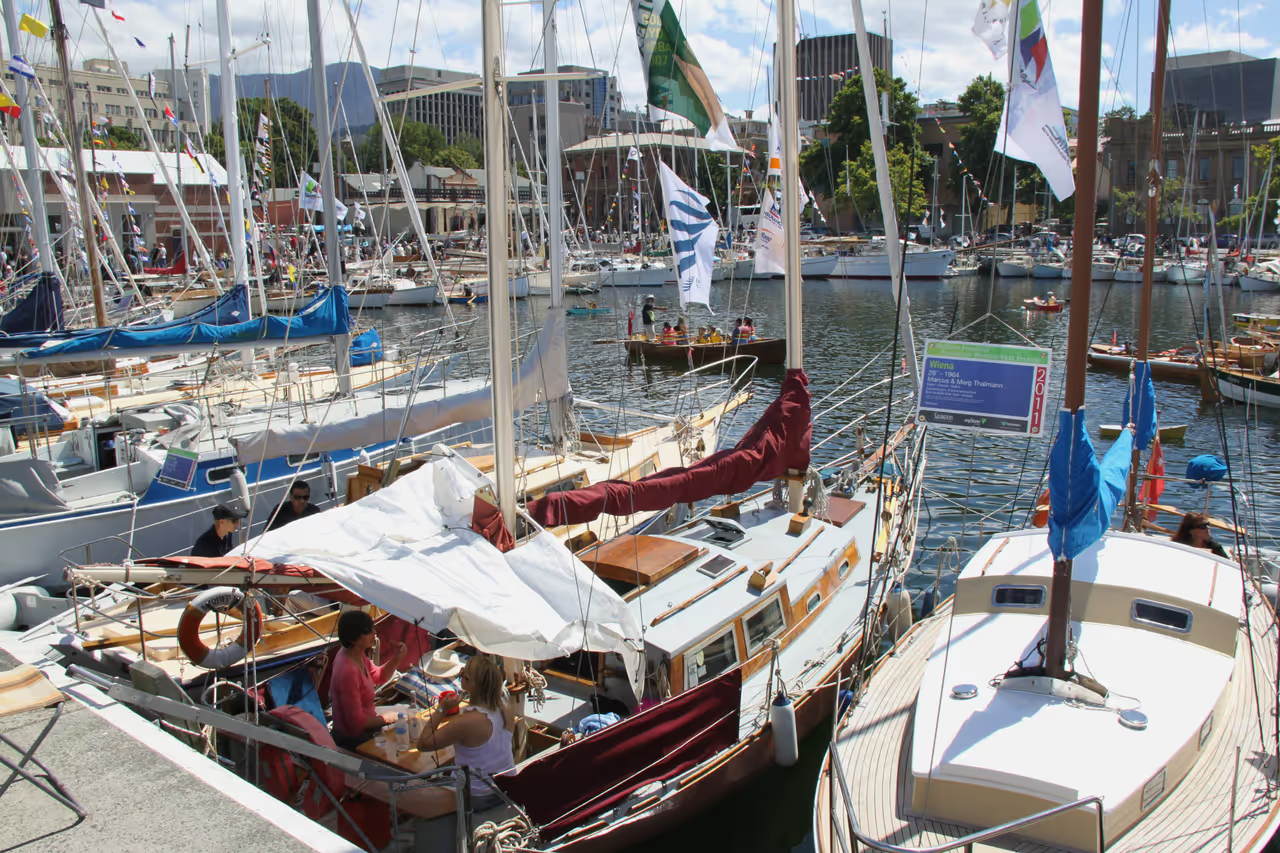 182m
182mAustralian Wooden Boat Festival
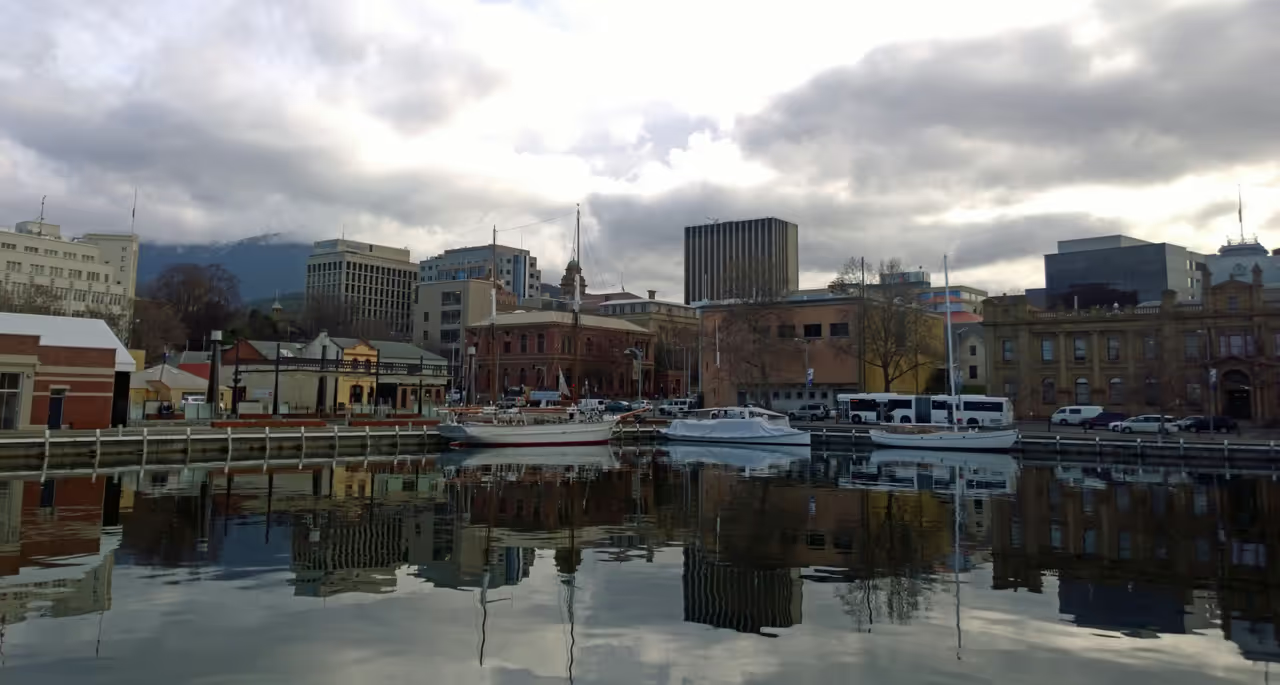
Occurring biennially, this spectacular maritime event fills the historic docks with hundreds of beautifully crafted wooden boats. The festival celebrates the deep maritime heritage of the region with boat building demonstrations, sea shanties, and local food stalls. Walking along the wharves feels like stepping back in time to the golden age of sail. It is considered one of the most prestigious wooden boat festivals in the entire world. The atmosphere is joyous, attracting sailing enthusiasts and curious onlookers alike.
festival view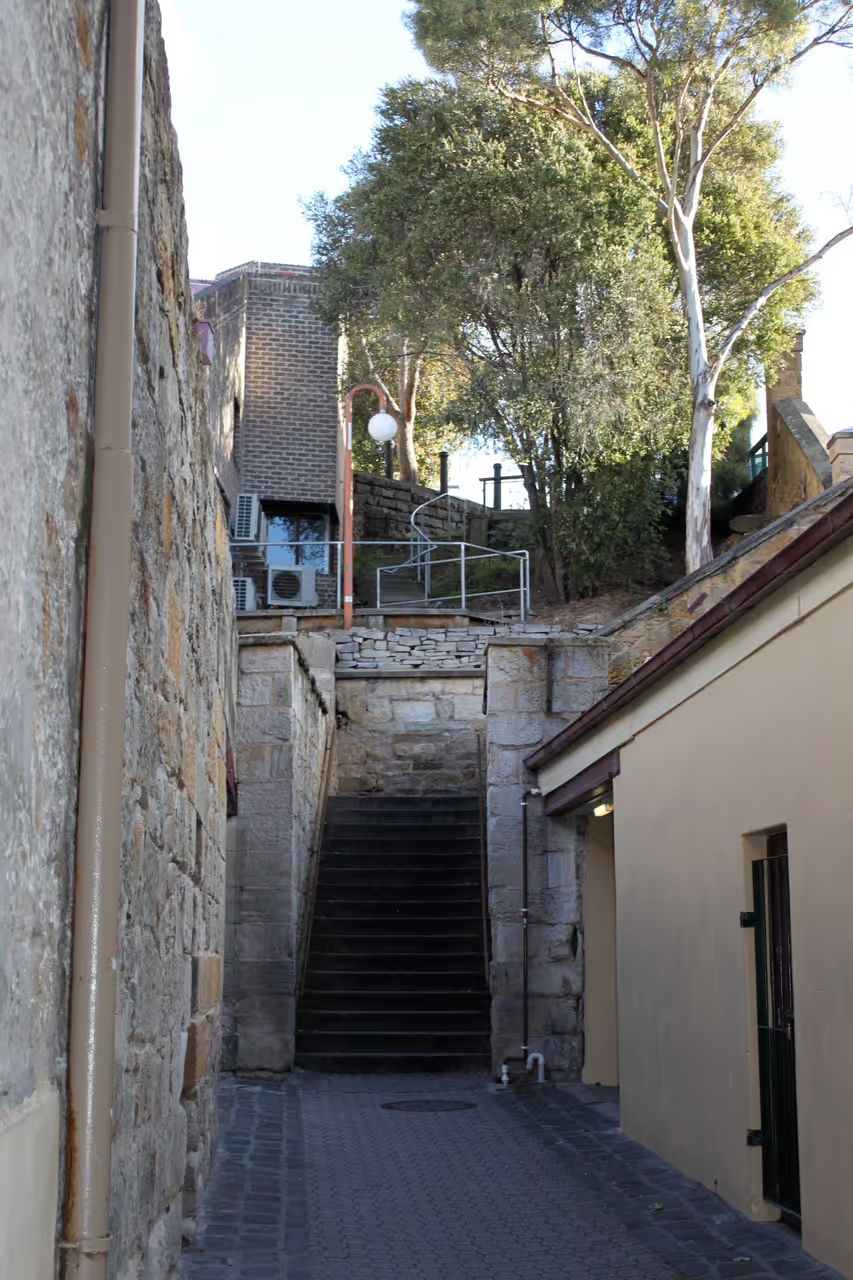 194m
194mKelly's Steps
While not a traditional building, this remarkable piece of urban infrastructure was hand carved from solid rock in 1839. Commissioned by the adventurous mariner James Kelly, the steep sandstone staircase connected the grimy, bustling warehouses with the affluent residential streets above. The raw, chisel marked walls are a testament to the sheer physical labour required to shape the city. Walking up the narrow passageway provides a highly atmospheric transition between two distinct historic neighbourhoods. They remain a vital and beloved pedestrian shortcut today.
architecture view
Featured on These Itineraries
1 Day Hobart Itinerary
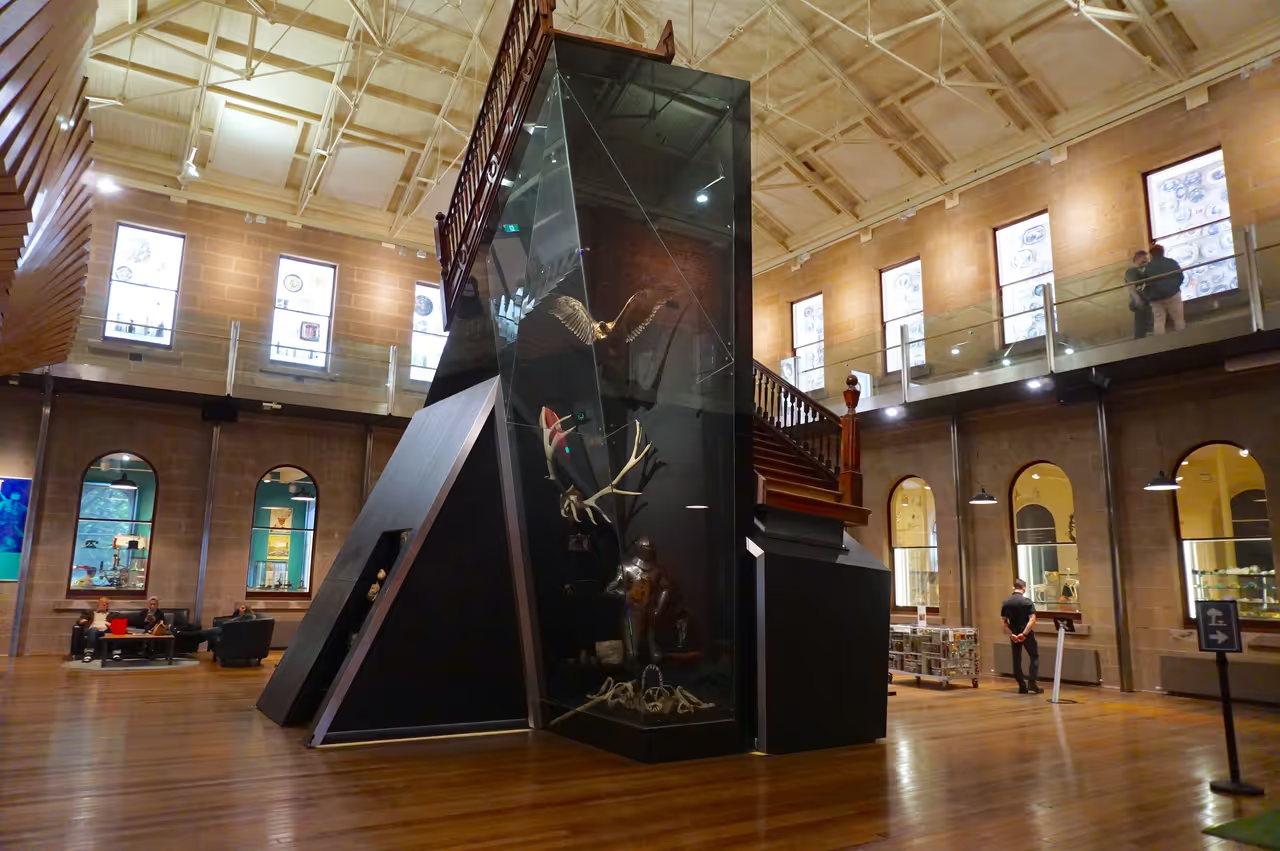
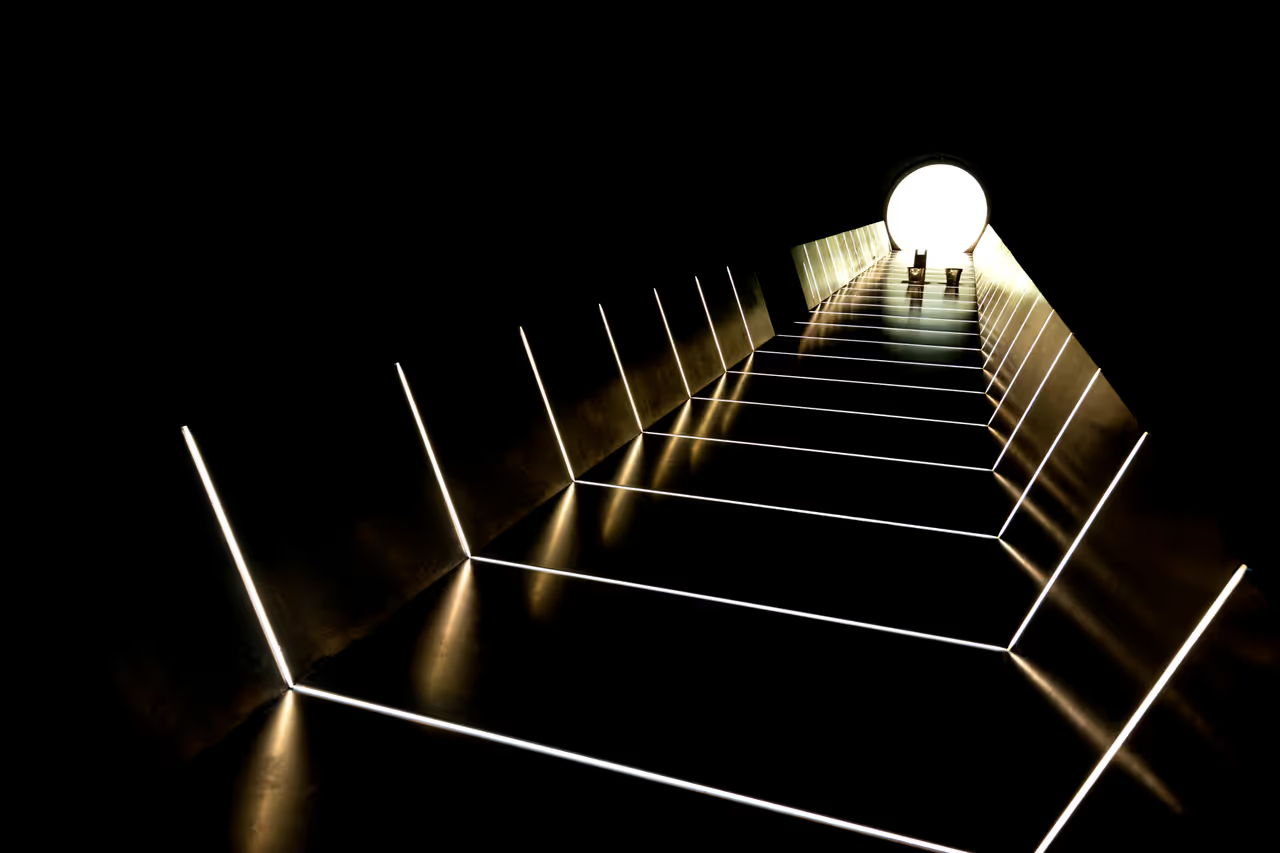
This fast paced itinerary is designed to capture the absolute essence of the city in a single day. You will experience the most iconic historic streetscapes, delve into cutting edge contemporary art, and enjoy the famous local culinary scene. It requires a bit of energy but ensures you do not miss the major cultural touchstones. You will seamlessly transition from the colonial past into the highly provocative modern era. It perfectly showcases the incredible contrast that makes the city so famous.
view itinerary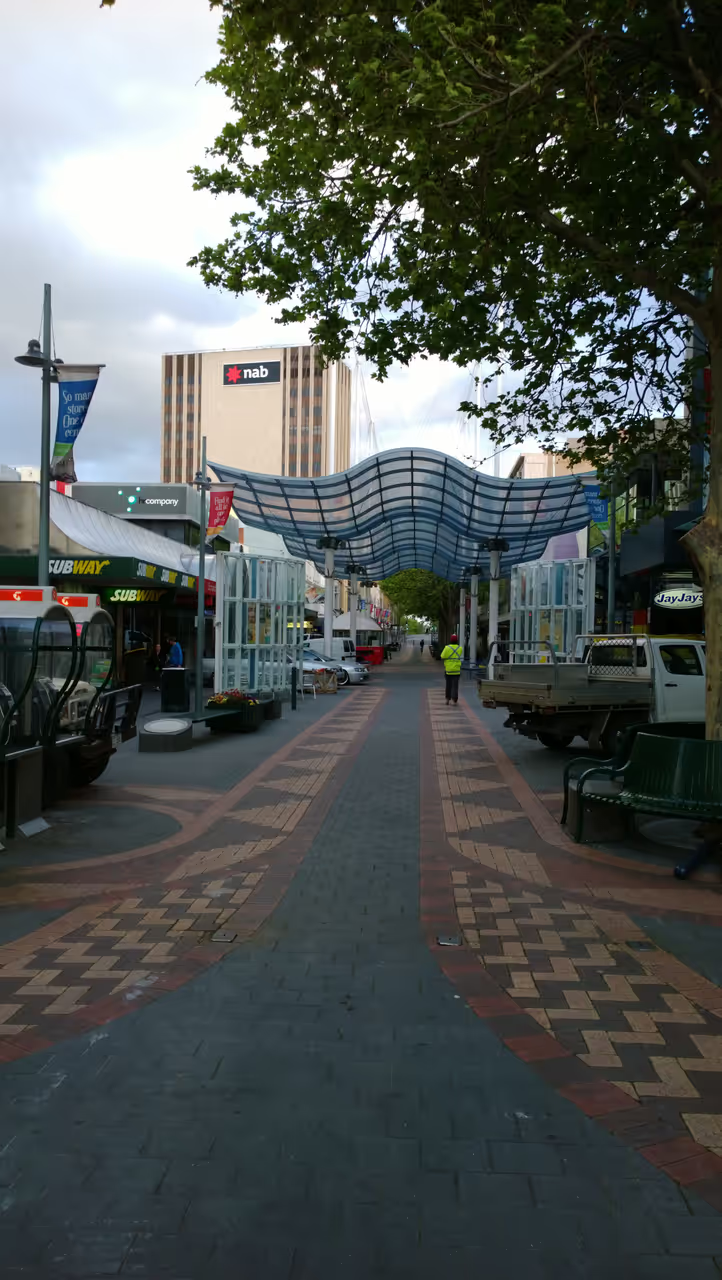
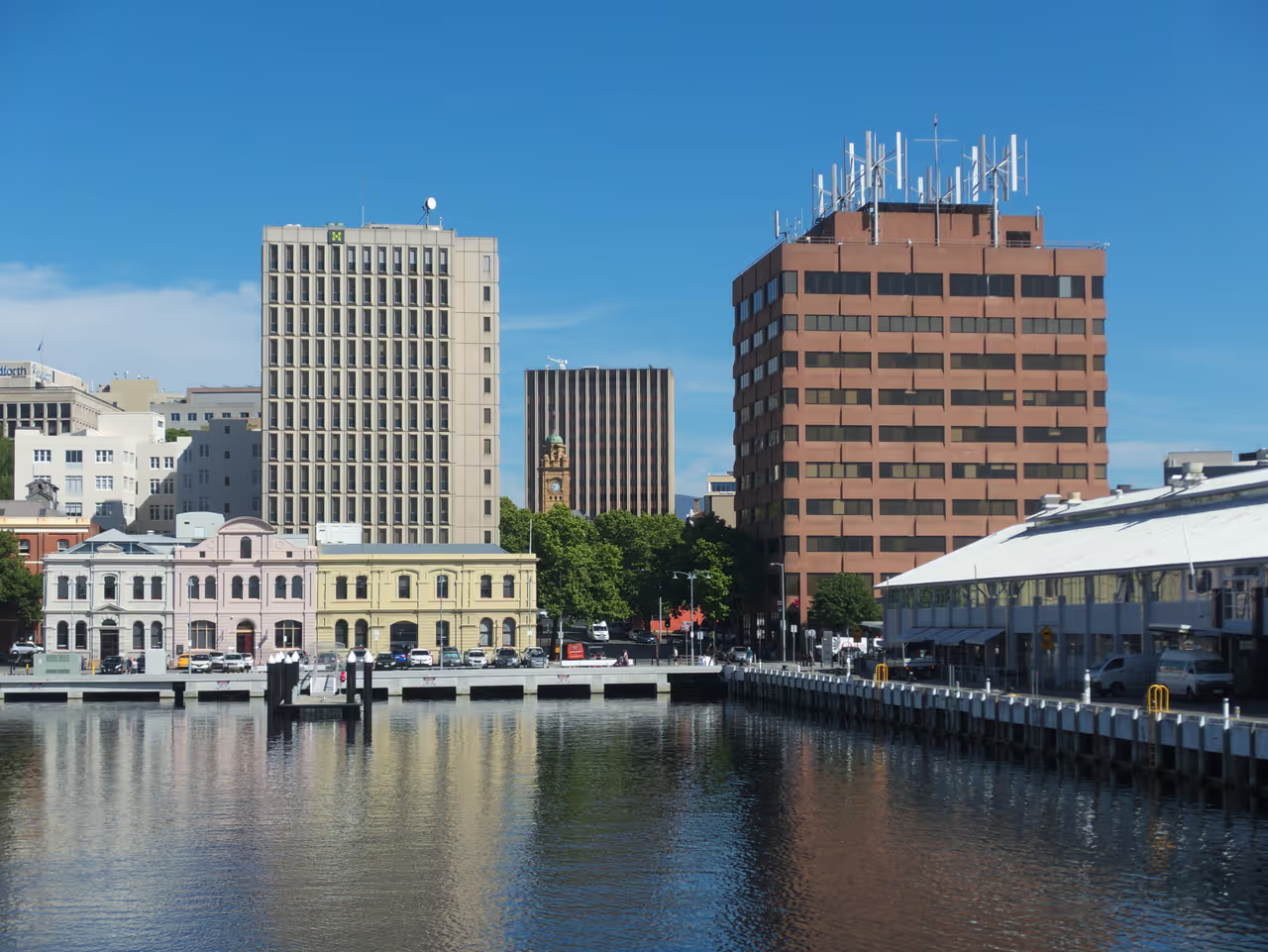
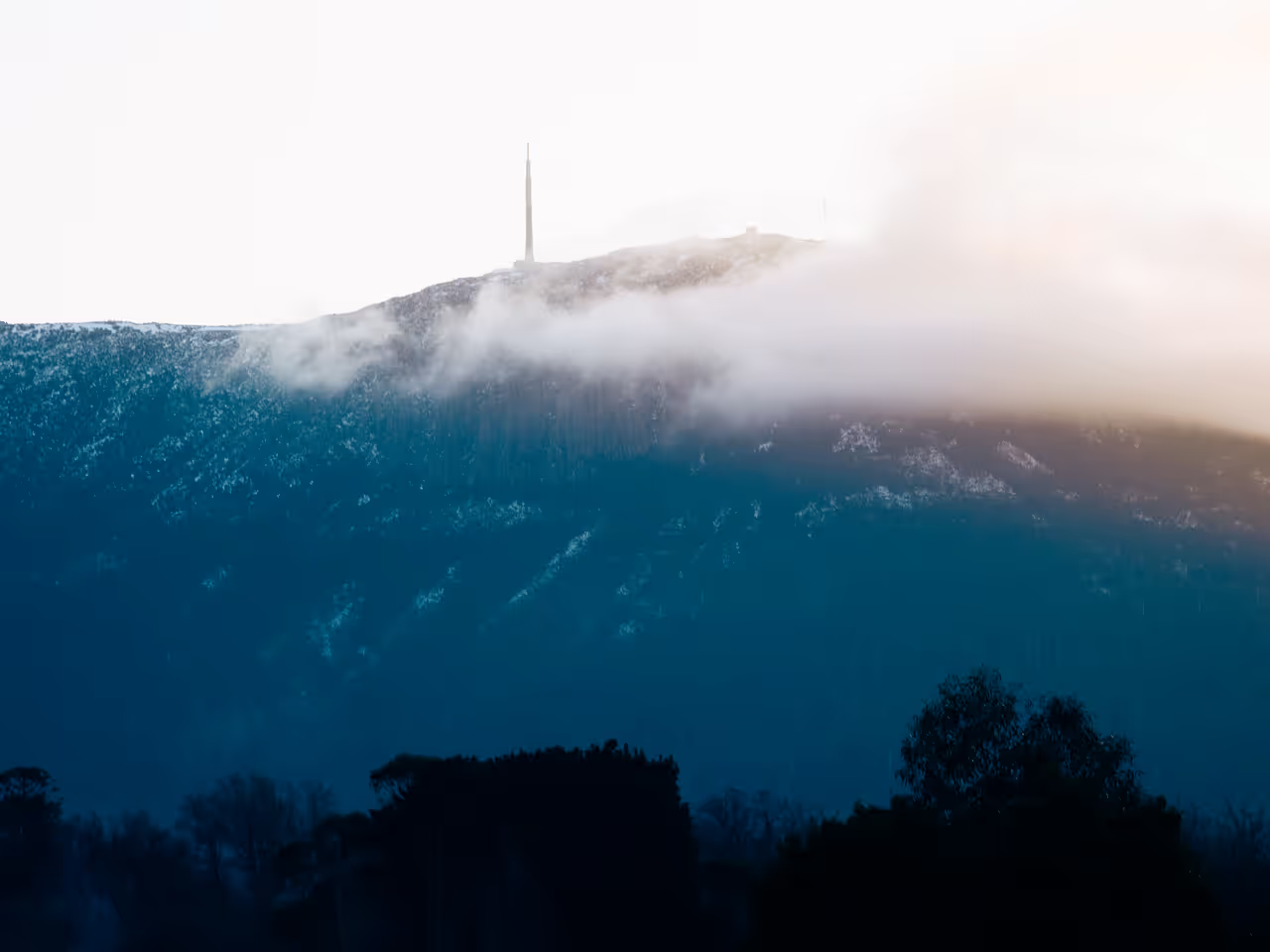
3 Days in Hobart: Culture and Nature Itinerary
This balanced schedule allows you to deeply explore the contrasting elements of raw wilderness and refined culture. You will spend time uncovering the dark convict history, summiting the towering local peak, and indulging in world class food and wine. It provides enough breathing room to actually relax and absorb the incredibly laid back local atmosphere. The itinerary spreads the major attractions out to prevent museum fatigue. It is the ideal timeframe for a comprehensive weekend getaway.
view itinerary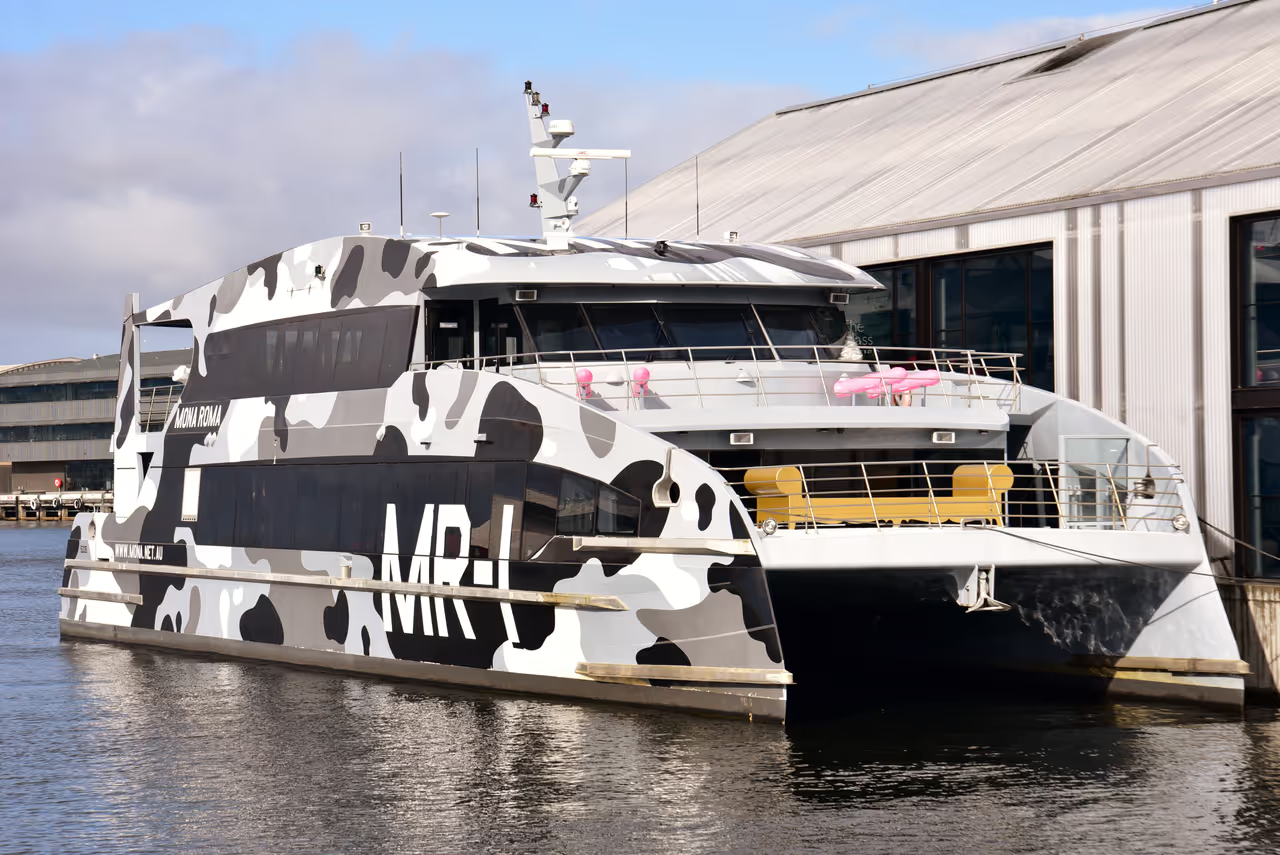


5 Days in Hobart: Deep Dive Itinerary
An extensive, highly rewarding itinerary that uncovers the hidden secrets and deeper historic layers of the city. You will have time to step away from the major tourist paths and explore quiet coastal lookouts, obscure galleries, and local farmer markets. It allows for a genuinely immersive experience where you can start to feel like a temporary local. You will appreciate the slower, more deliberate pace of life down here. It is perfect for travellers who want to leave absolutely no stone unturned.
view itinerary
See all attractions in Hobart
Cascade Brewery, Kunanyi / Mount Wellington, Museum of Old and New Art (MONA), Tasmanian Museum and Art Gallery...