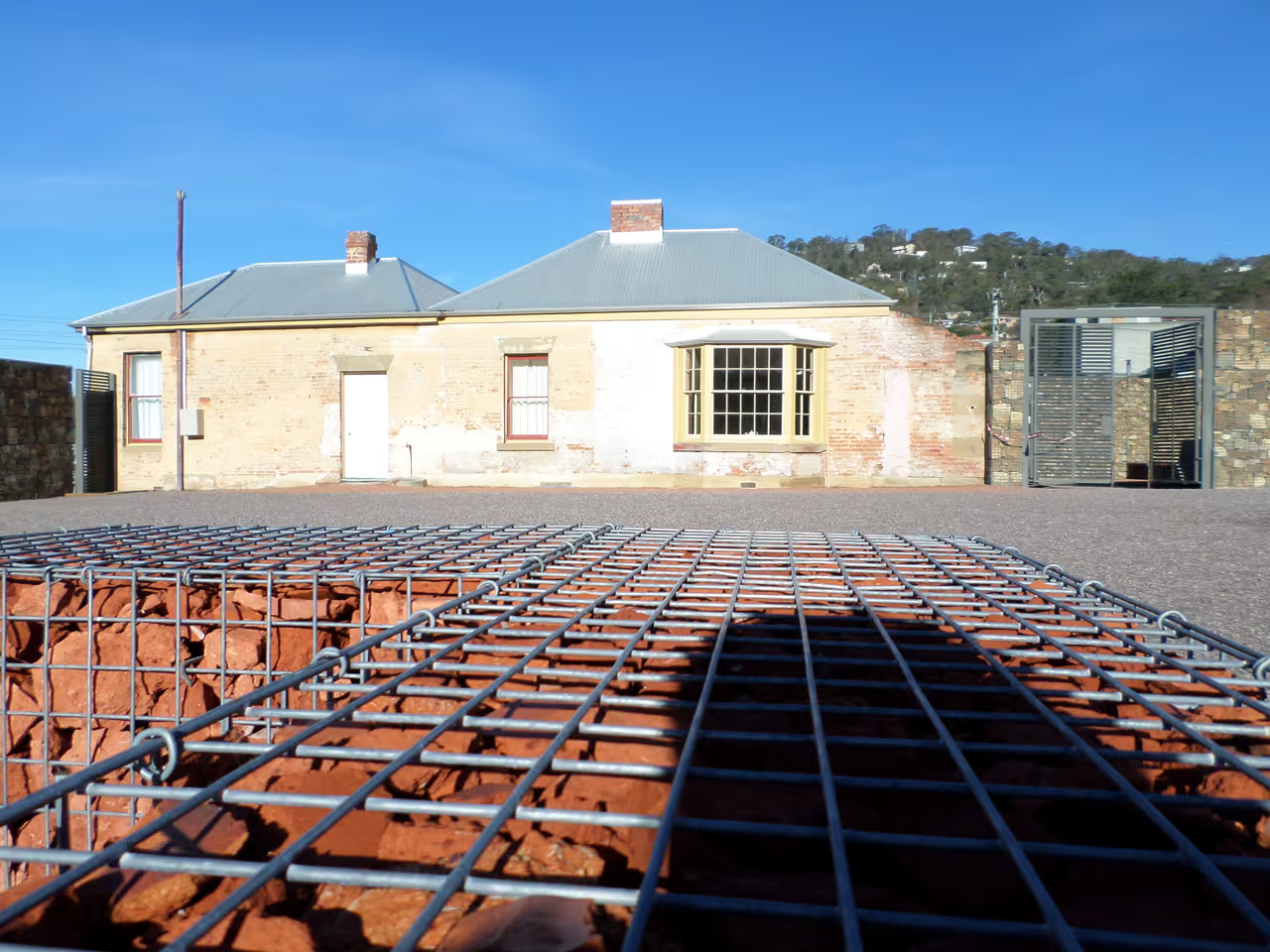
Cascades Female Factory
Step into a poignant chapter of Australian history at the Cascades Female Factory, a site where the stories of female convicts are brought to life through preserved ruins and evocative exhibits. This UNESCO World Heritage site offers a rare and powerful glimpse into the colonial penal system and the lives of the women who were once incarcerated within these high stone walls. You can explore the remaining yards and the modern interpretation centre, which beautifully bridge the gap between the past and the present. The site is a deeply emotional experience that highlights the resilience of those who navigated a harsh, unforgiving regime. It is an essential stop for anyone wanting to understand the complex heritage of Hobart and the wider Tasmanian convict story.
Videos
History of Cascades Female Factory
In the early nineteenth century, Van Diemen's Land stood as a remote and often brutal outpost of the British Empire. The Cascades Female Factory was established to house female convicts deemed a threat to the moral order of colonial Hobart. Placed purposefully in a swampy depression at the foot of Mount Wellington, the site was intended to isolate these women from the distractions of the city. Conditions were grim from the start, marked by overcrowding, meagre rations, and a lack of proper sanitation that led to frequent outbreaks of disease, reflecting the harsh attitudes of the era toward those who had fallen foul of the law. Life within the high stone walls was defined by the relentless cycle of labour and discipline. These women were individuals forced into a system of intense reform where the factory operated as a machine of social control. The daily routine was punishing, yet the resilience of these women often shone through in the historical record. From the crafting of intricate textiles like the famous Rajah Quilt to quiet acts of solidarity, their stories offer a glimpse into the female experience of convict transportation that is often overshadowed by the narratives of their male counterparts. Today, the site stands as a solemn testament to this difficult chapter of Australian history. Recognised as a UNESCO World Heritage site, it serves as the only remaining female factory with structures that offer a tangible sense of the past. The recent opening of the History and Interpretation Centre has transformed how we engage with this heritage, using modern design to bridge the gap between the ruins and the personal lives they once contained. A visit here encourages deep reflection on themes of justice, gender, and the enduring human spirit that persisted despite the machinery of the colony.
Events spanning 194 years
Fun Facts
- • Archaeological investigations at the site continue to unearth personal items that provide fleeting, intimate glimpses into the daily lives and struggles of the women who lived and died within these walls.
- • It remains the only female factory in Australia with significant architectural remains, offering the most tangible link to the experience of female convicts in the 19th century.
- • The Rajah Quilt is one of the few surviving items made by convict women during their transportation and serves as a vital artifact of colonial textile history.
- • The facility was designed to segregate women based on their conduct and the severity of their original crimes, using a system of yards to enforce varying levels of discipline.
- • The factory was deliberately constructed on swampy, low lying ground at the foot of Mount Wellington, an environmental decision that contributed to frequent illness among the inmates.
- • The modern visitor centre features a collaboration between Liminal Studio and the international architectural practice Snøhetta, designed to sensitively manage the transition between contemporary public space and historic ruin.
- • The sculpture titled From the Shadows stands at the entrance as a poignant memorial, giving presence to the thousands of women whose personal stories were often overlooked by traditional historical records.
- • The site manages a delicate balance between its role as a sombre place of reflection and an educational resource for scholars and visitors to better understand the gendered experience of convictism.
- • The site was once described as a machine for moral reform, illustrating how colonial authorities attempted to reshape the behaviour of women they deemed deviant.
- • Unlike the male penal colonies that focused on heavy construction or agricultural work, the female factory was primarily an industrial site where women performed laundry, needlework, and spinning to generate revenue for the colonial government.
Cascades Female Factory FAQ
While we strive to keep this information accurate and up to date, we recommend verifying any details independently before making decisions based on them.
Cascades Female Factory Map & Neighborhood Explorer
This interactive map is centered on Cascades Female Factory. Zoom in and move the map around to automatically discover Wikipedia photos and summaries of other nearby sights, monuments, and historical points of interest and stories in real-time!
Places near Cascades Female Factory
Make the most of your trip. Check out these top-rated spots located nearby.
 605m
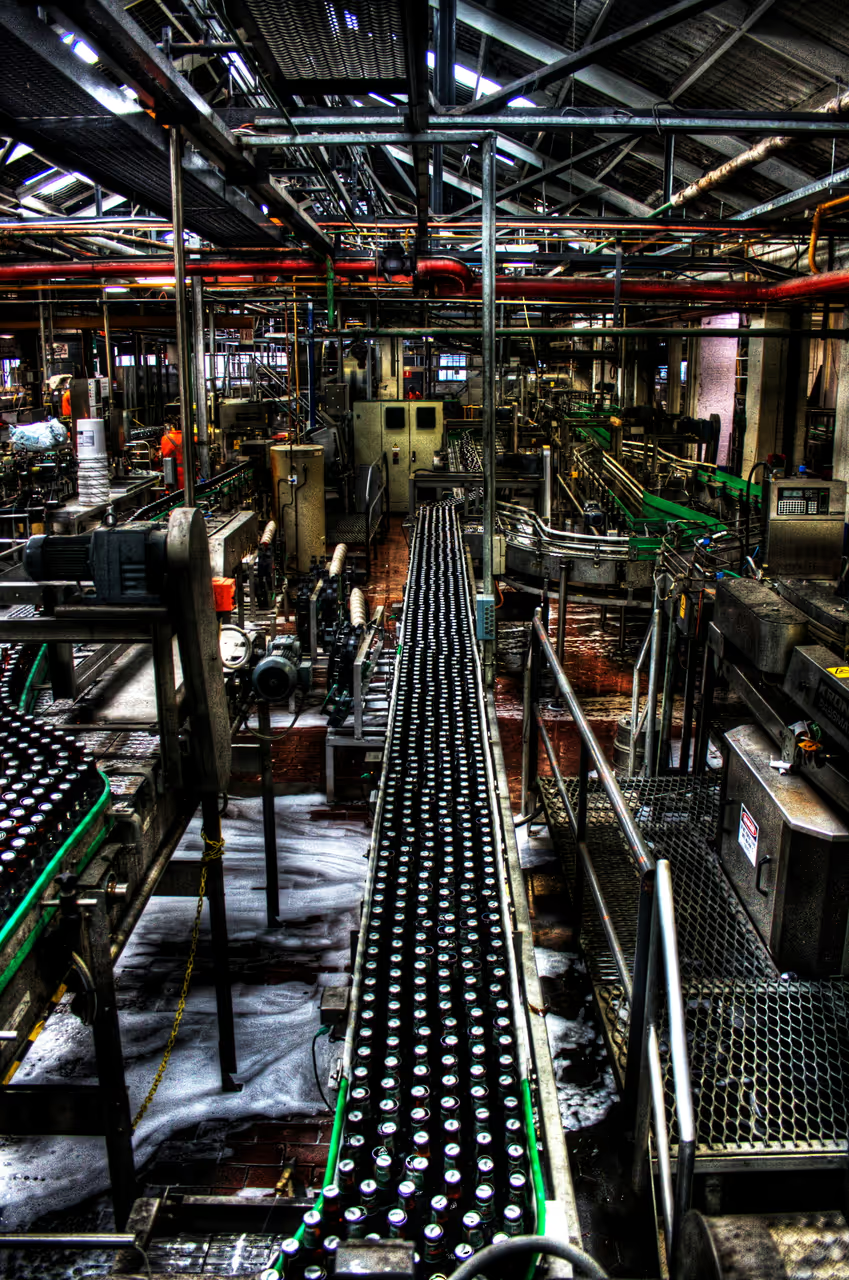
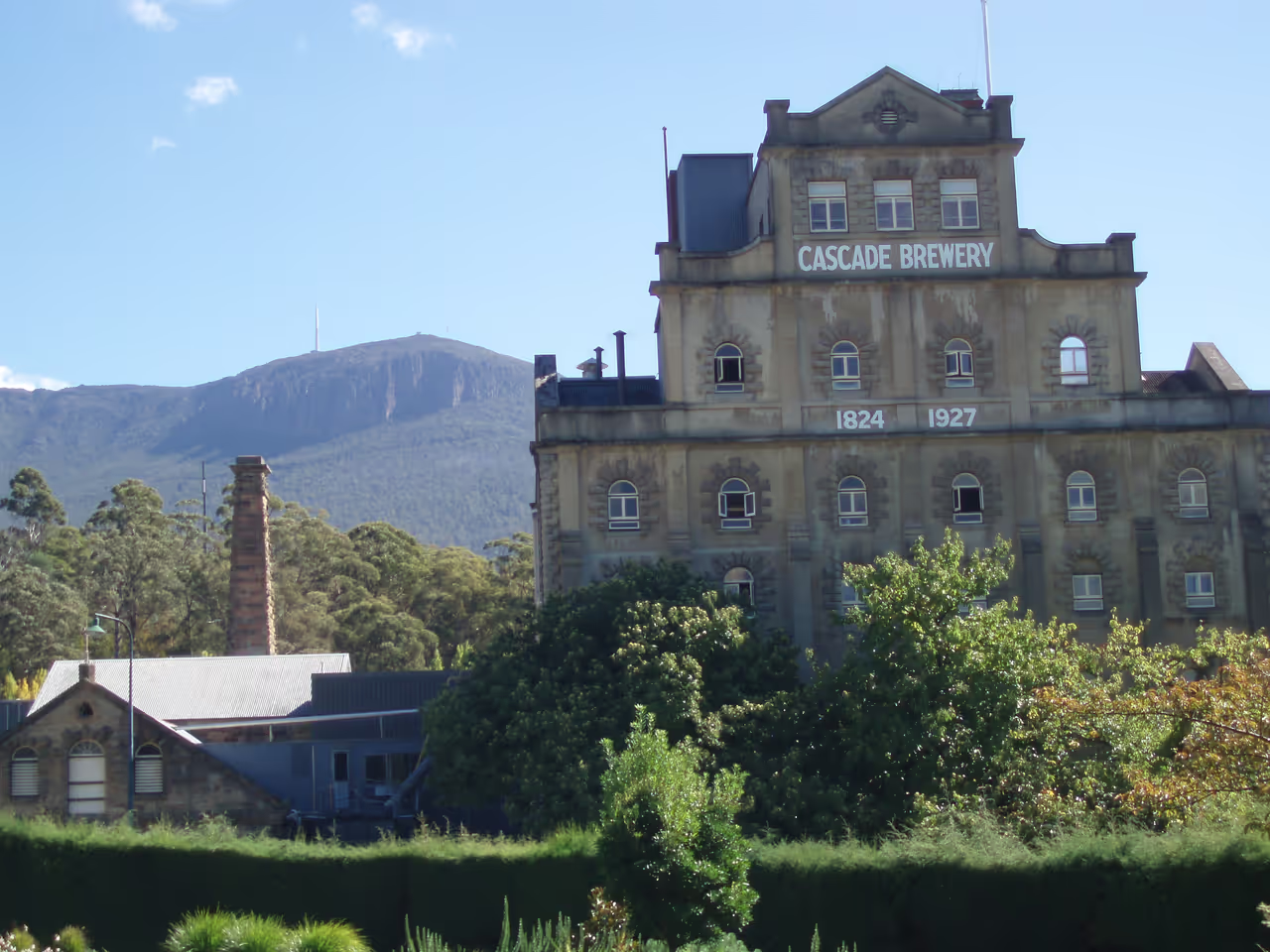
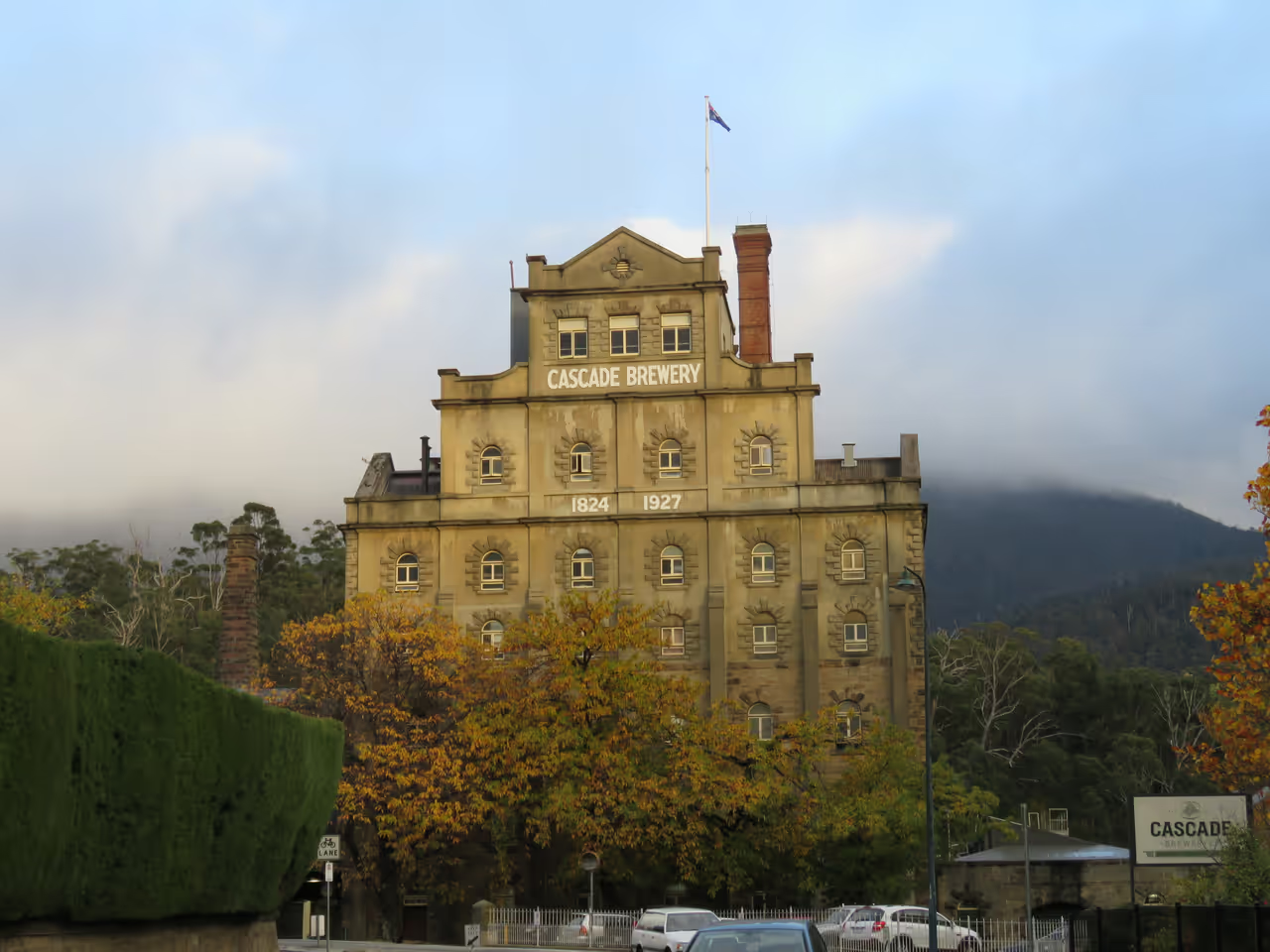
605mCascade Brewery
Nestled against the dramatic backdrop of Mount Wellington, Cascade Brewery stands as a cornerstone of Tasmanian history and a must visit destination for any traveller. Established in 1824, this site holds the title of the oldest continuously operating brewery in Australia, offering a unique blend of heritage architecture and modern hospitality. Guests can wander through the lush, scenic grounds along the Hobart Rivulet, enjoying a drink in the historic garden or joining a guided tour to uncover the secrets behind the brewing process. It is a place where industrial history meets local craftsmanship, creating an atmosphere that feels both grand and intimate. Whether you are a beer enthusiast or simply appreciate a beautiful setting with a rich story, the brewery provides a relaxing space to connect with the local culture. It remains a beloved landmark that continues to shape the identity of Hobart.
attraction view- 1737m
Waterworks Reserve
Hidden just a short drive from the city centre, this tranquil valley feels completely removed from the urban environment. It features beautiful historic sandstone reservoirs that perfectly mirror the surrounding forested hills. Locals absolutely love coming here for weekend barbecues on the sprawling, immaculately kept lawns. You can easily spend an afternoon walking the gentle trails that trace the water edge while spotting native birdlife. Keep a close eye out for pademelons foraging near the tree line as the afternoon shadows lengthen. It is a wonderfully peaceful retreat that showcases the natural beauty and clever pioneer engineering of the region.
hidden gem view 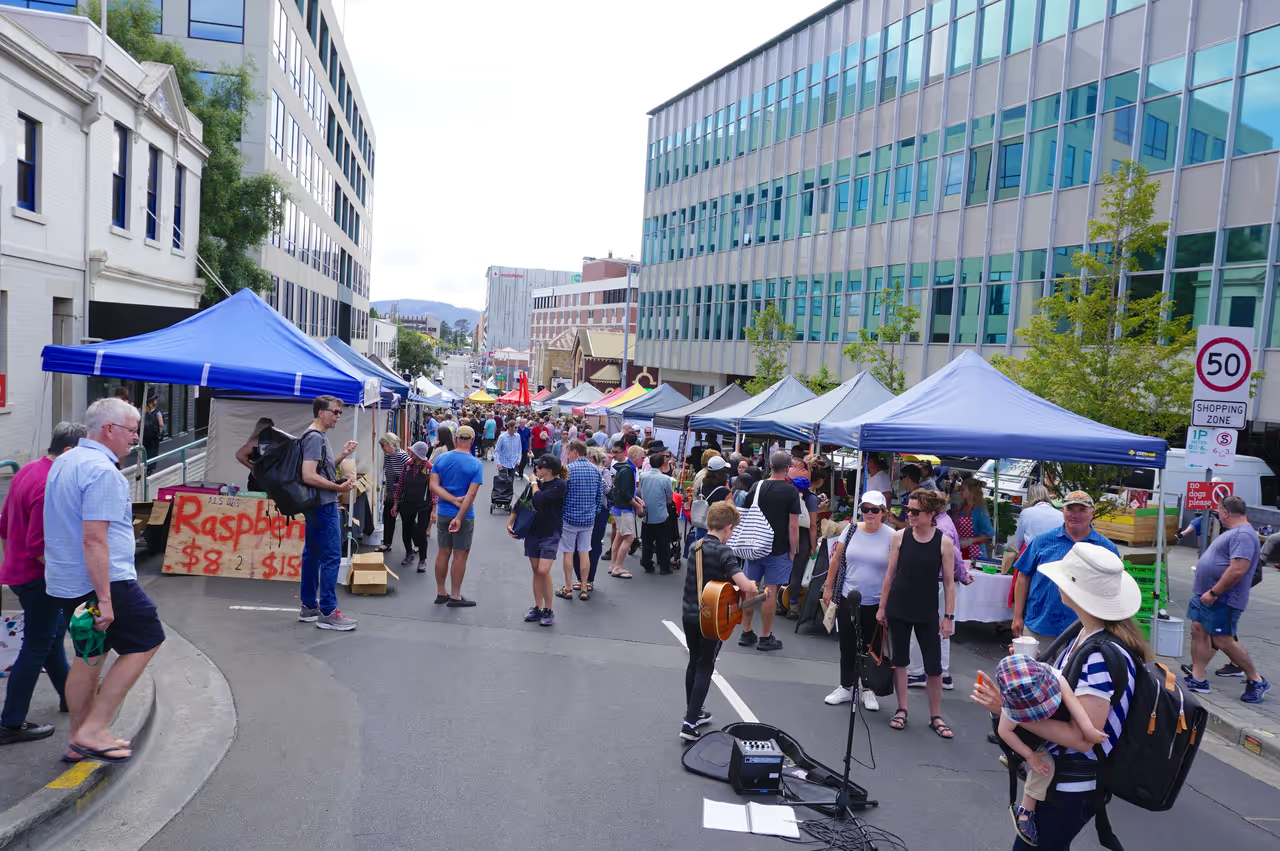 2034m
2034mFarm Gate Market
An incredibly vibrant gathering that focuses strictly on locally grown produce and artisanal food products. Farmers, bakers, and cheesemakers set up right in the middle of a closed city street, bringing the best of the countryside to the urban centre. The rule is simple, if you cannot eat it, drink it, or grow it, you cannot sell it here. It is a fantastic spot to grab a hot breakfast and a freshly roasted coffee while mingling with locals doing their weekly shop. The atmosphere is highly authentic and community driven.
market view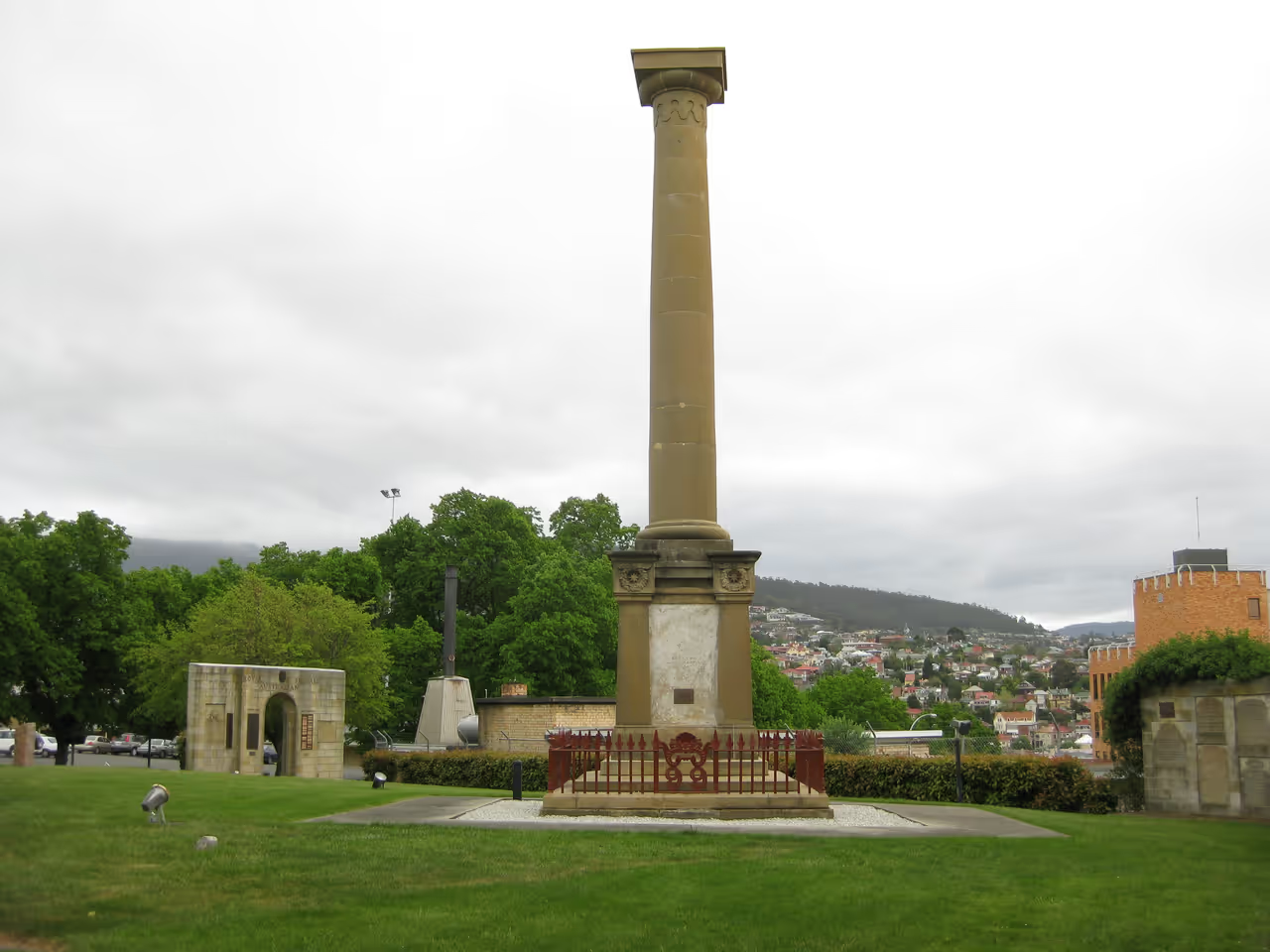 2227m
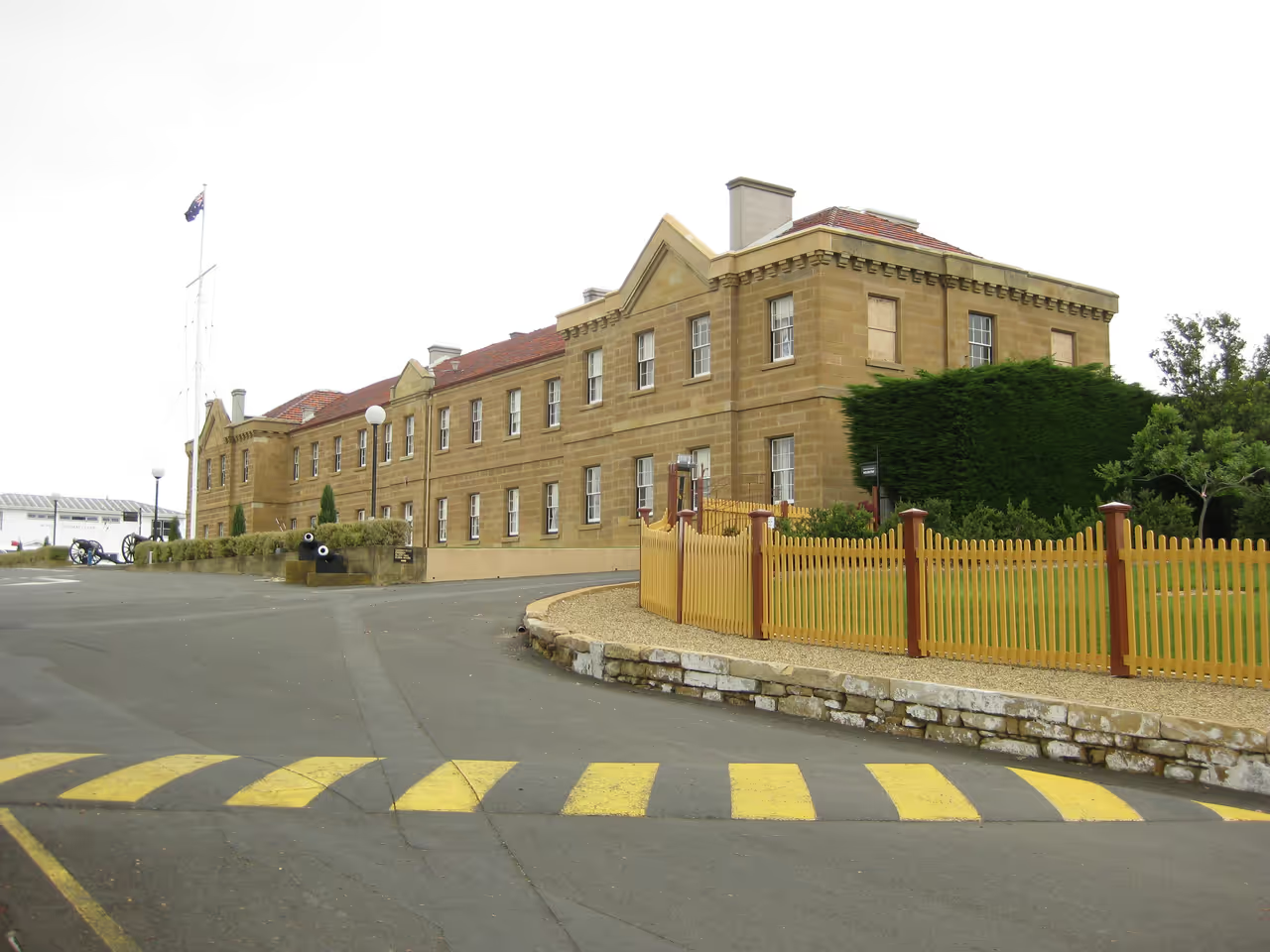
2227mAnglesea Barracks
Established in 1811, this precinct is the oldest continuously operating military barracks in the entire nation. It features a fascinating collection of immaculately preserved, austere military buildings set around a traditional parade ground. The architecture is strictly utilitarian yet undeniably elegant, reflecting the rigid order of the British military forces stationed here. The site includes a unique memorial erected by British soldiers, the only one of its kind in the country. Wandering the grounds provides a profound sense of the strict discipline required in the early colony.
architecture view
Featured on These Itineraries and Routes
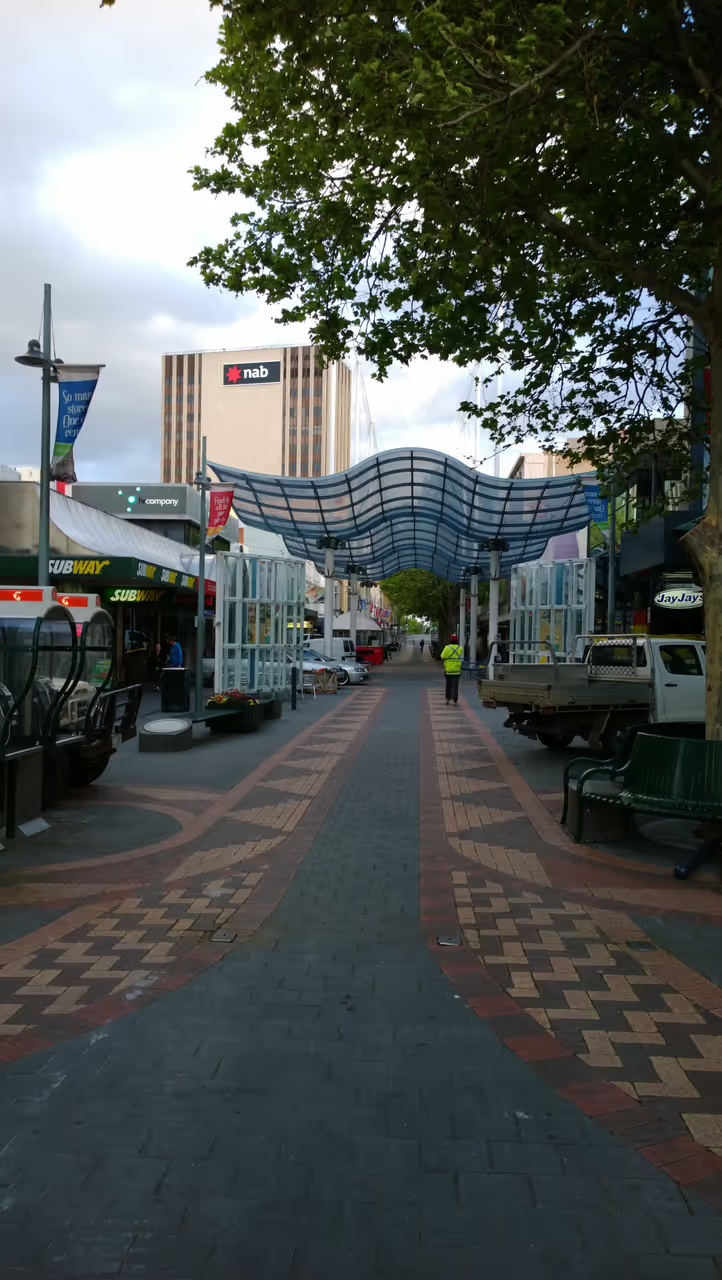
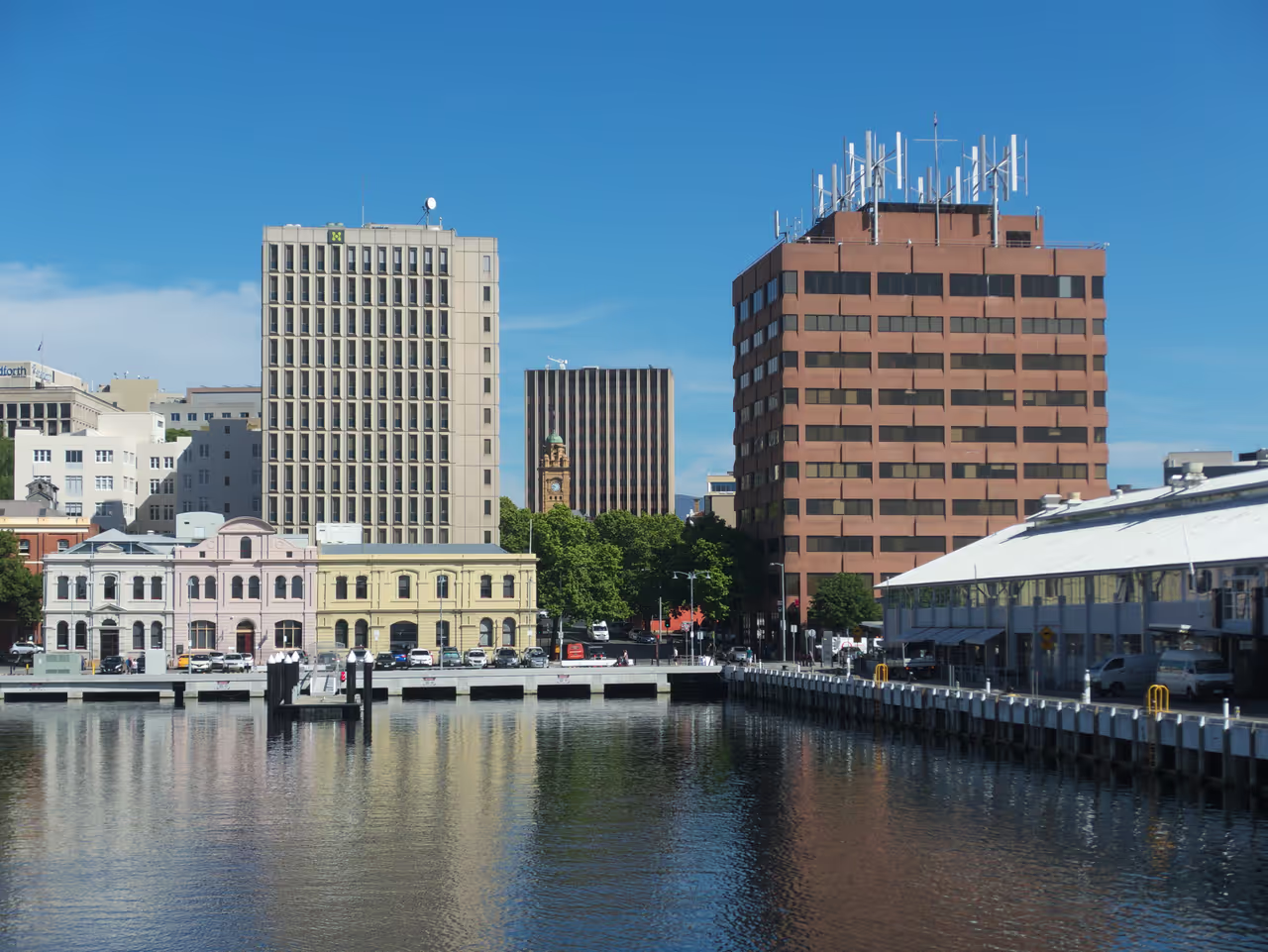
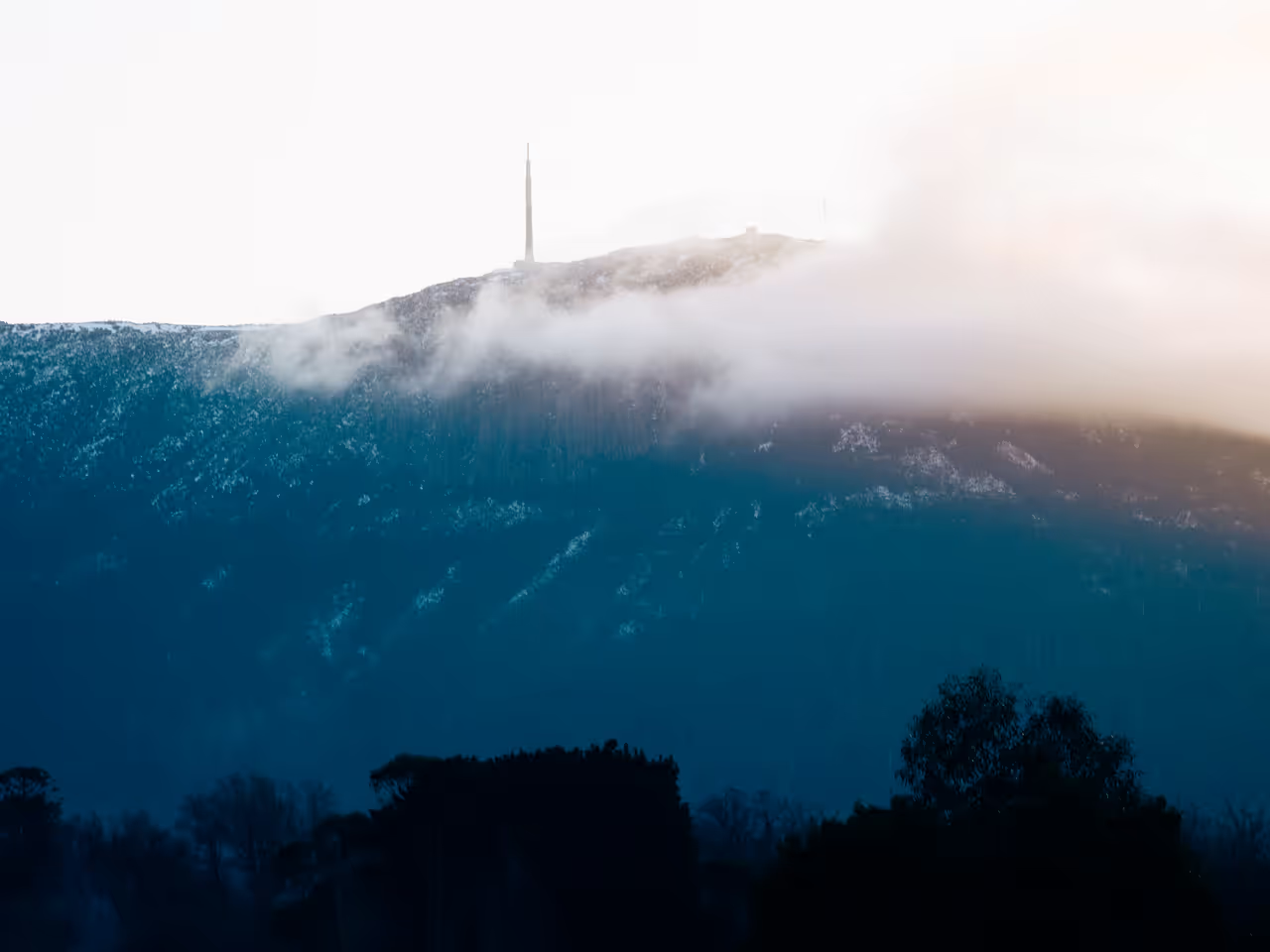
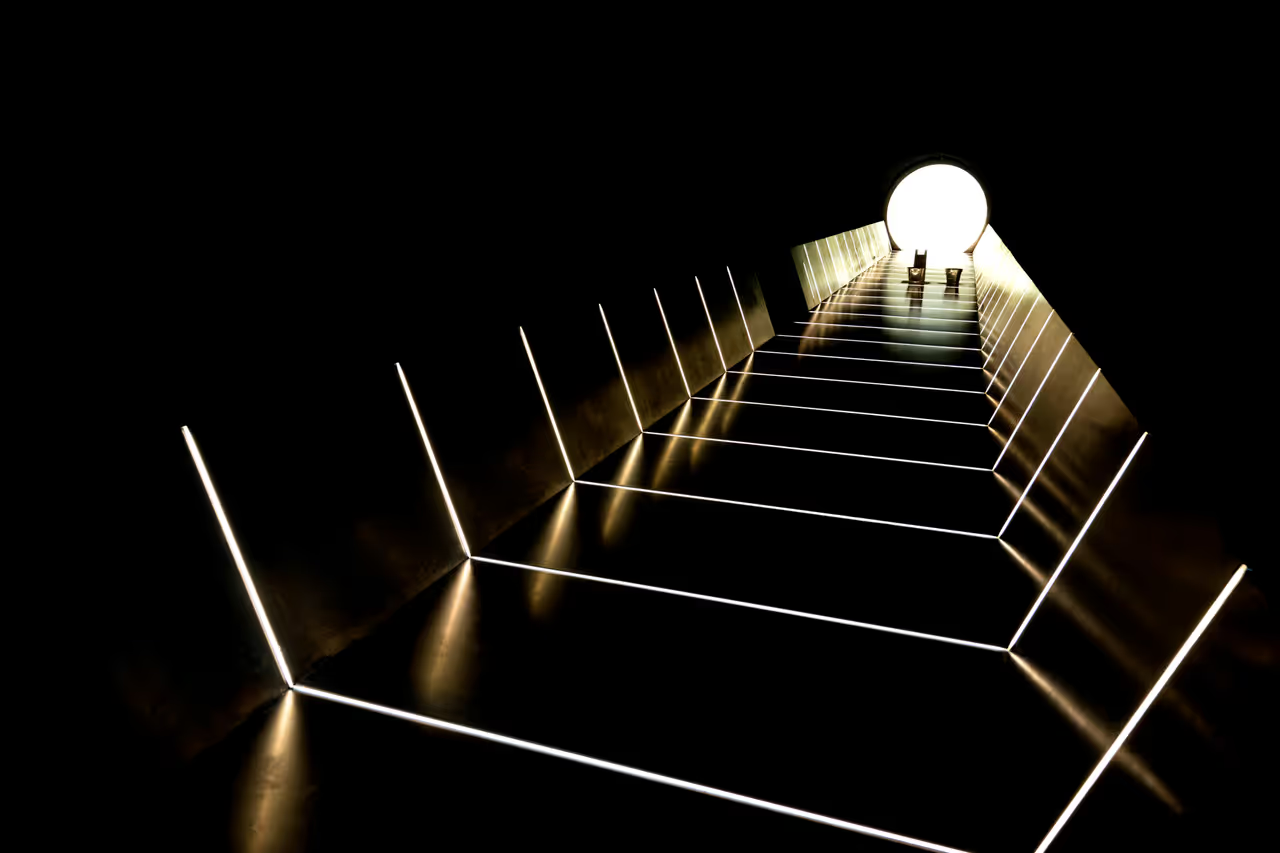
3 Days in Hobart: Culture and Nature Itinerary
This balanced schedule allows you to deeply explore the contrasting elements of raw wilderness and refined culture. You will spend time uncovering the dark convict history, summiting the towering local peak, and indulging in world class food and wine. It provides enough breathing room to actually relax and absorb the incredibly laid back local atmosphere. The itinerary spreads the major attractions out to prevent museum fatigue. It is the ideal timeframe for a comprehensive weekend getaway.
view itinerary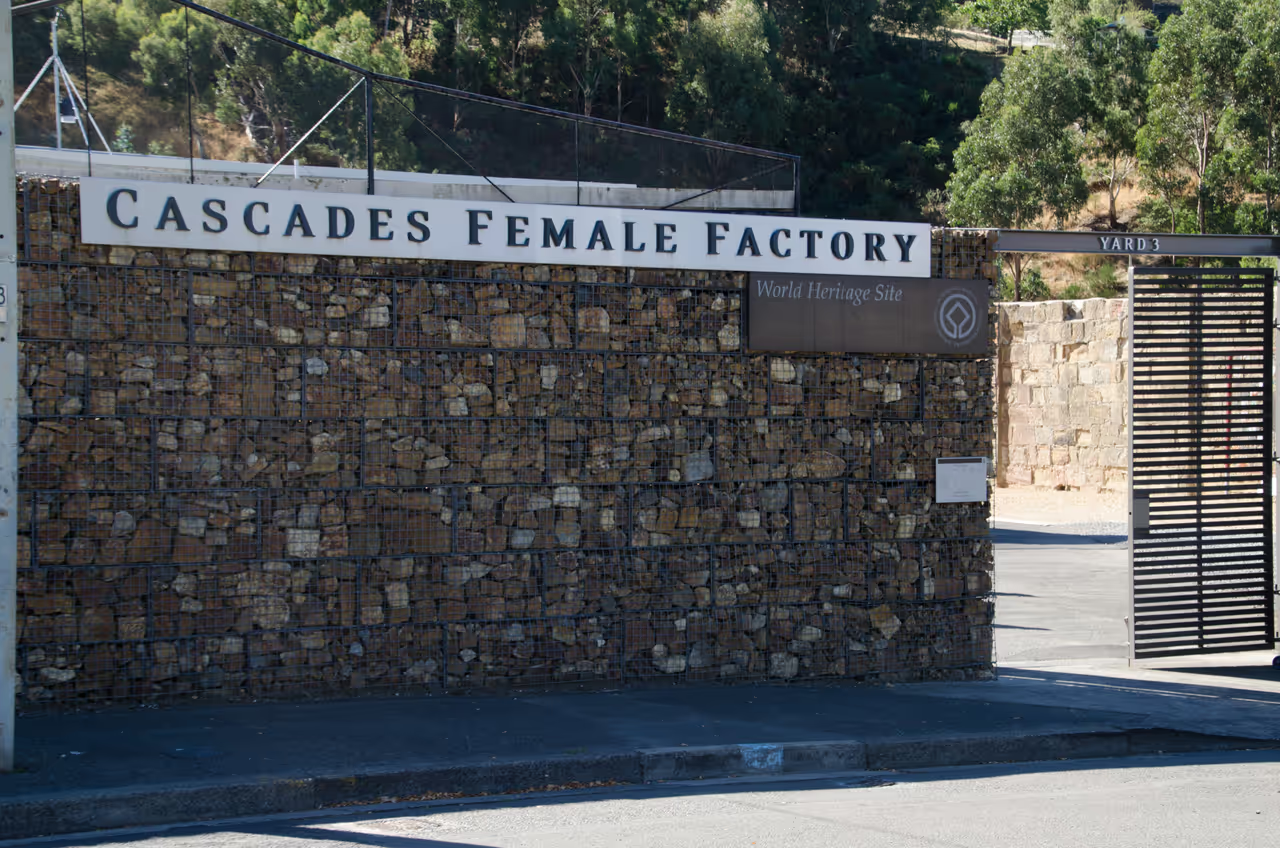
Hobart Rivulet Track
This highly tranquil path follows the gentle flow of the city's original fresh water source up into the foothills. Leaving the concrete city behind, the landscape quickly transforms into a lush, green corridor filled with weeping willows and native flora. It is famously one of the best places in the entire country to spot wild platypuses right inside an urban environment. The track is shaded, cool, and incredibly peaceful, making you forget you are in a capital city. It feels like a secret garden path leading toward the mountain.
view walking route
Dark Convict History
This intense and sombre route delves into the brutal reality of the city's origins as a remote island prison. You will visit sites of solitary confinement, forced labour, and military control that defined the early colony. The path uncovers the psychological and physical hardships endured by both male and female prisoners transported across the globe. It is a sobering reflection on the extreme measures used by the British Empire to forge a settlement. The haunting atmosphere of these locations lingers long after you leave.
view self-guided tour