Canberra
Full City Guide, Map & 111 Things To Do
473,855 people live here.
That's 1.79% of the entire population of Australia.
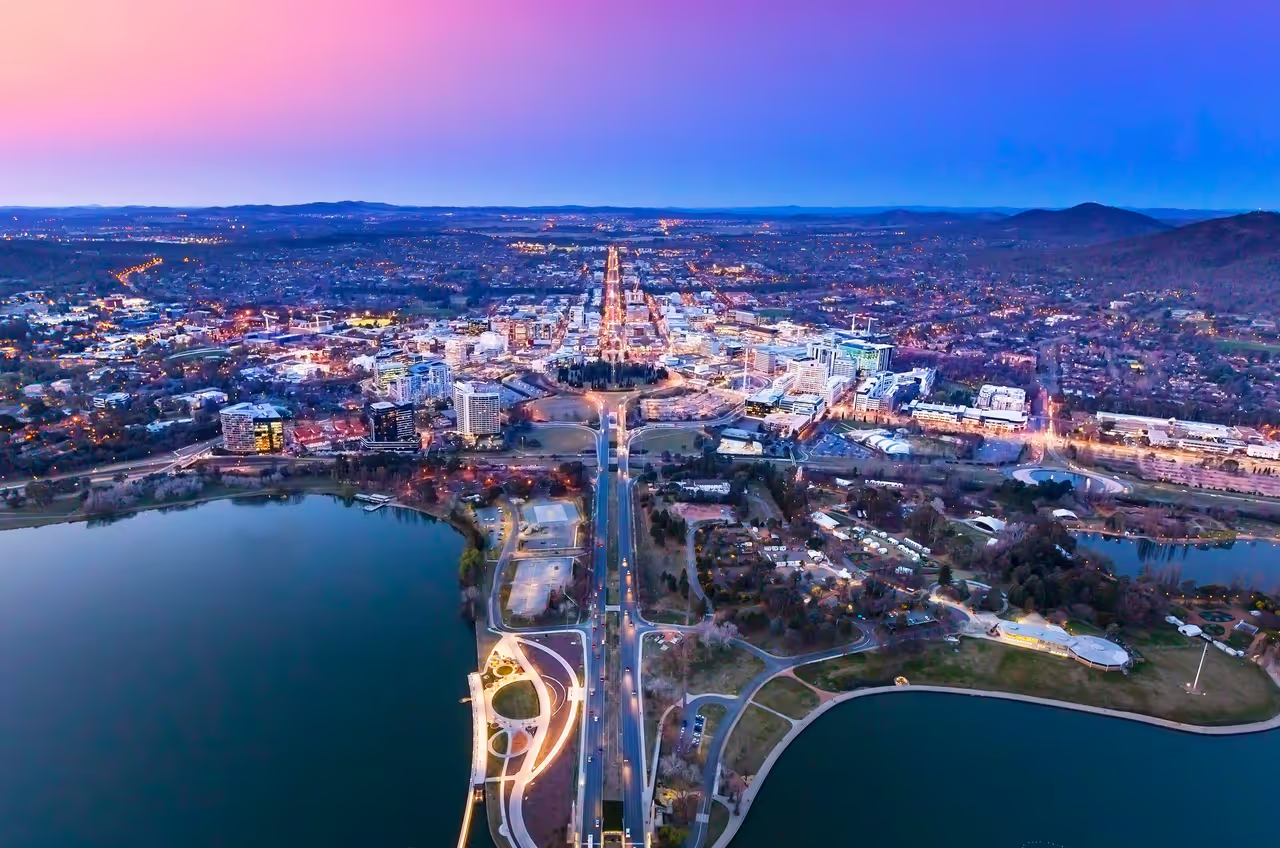
Canberra is Australia's meticulously planned capital, a city where striking national monuments rise organically from native bushland. Nestled within the rolling hills of the Australian Capital Territory, it offers a sophisticated blend of profound political history and an incredible outdoor lifestyle. You will discover world class museums, vast artificial lakes, and expansive nature reserves located just minutes from the civic centre. The design relies heavily on geometric motifs that align perfectly with the surrounding topography, creating a visually spectacular urban environment. Far from being a mere administrative hub, it has evolved into a vibrant cultural destination with an exceptional culinary scene and deep indigenous heritage.
Canberra DNA
History of Canberra
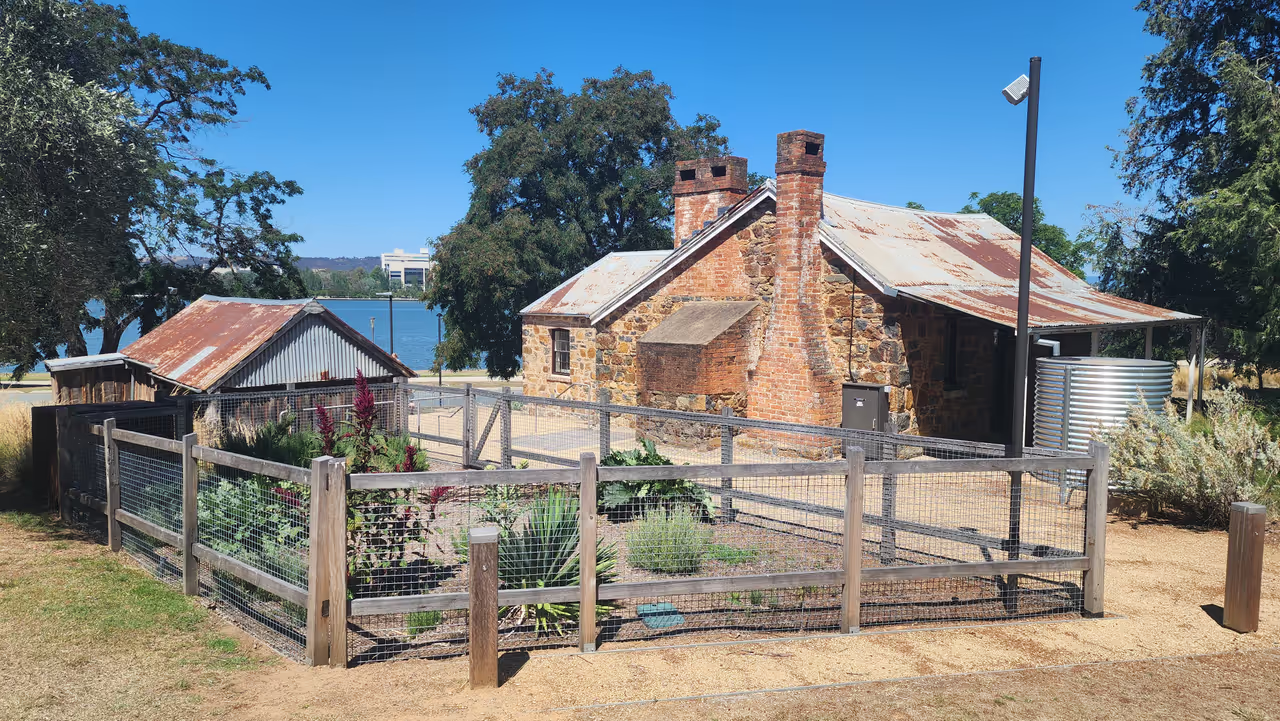
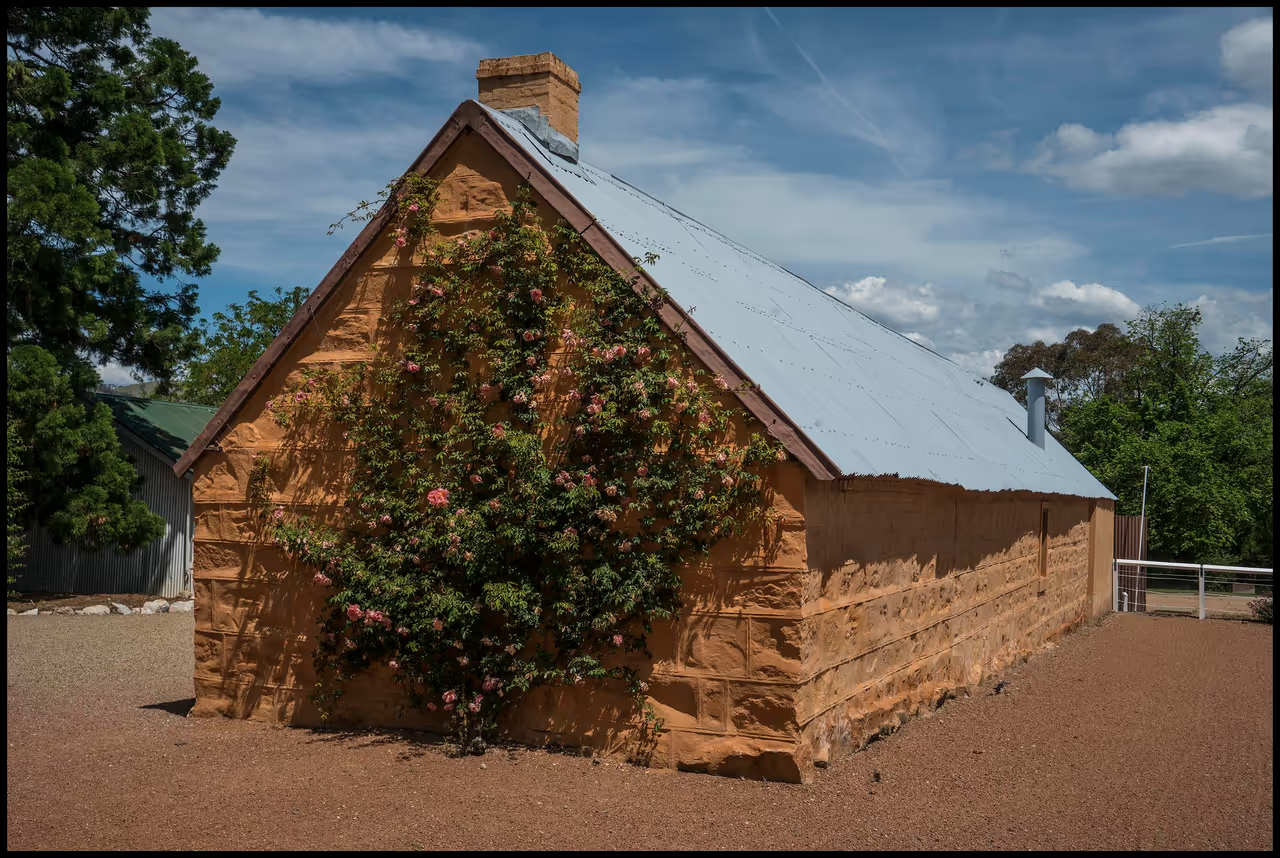
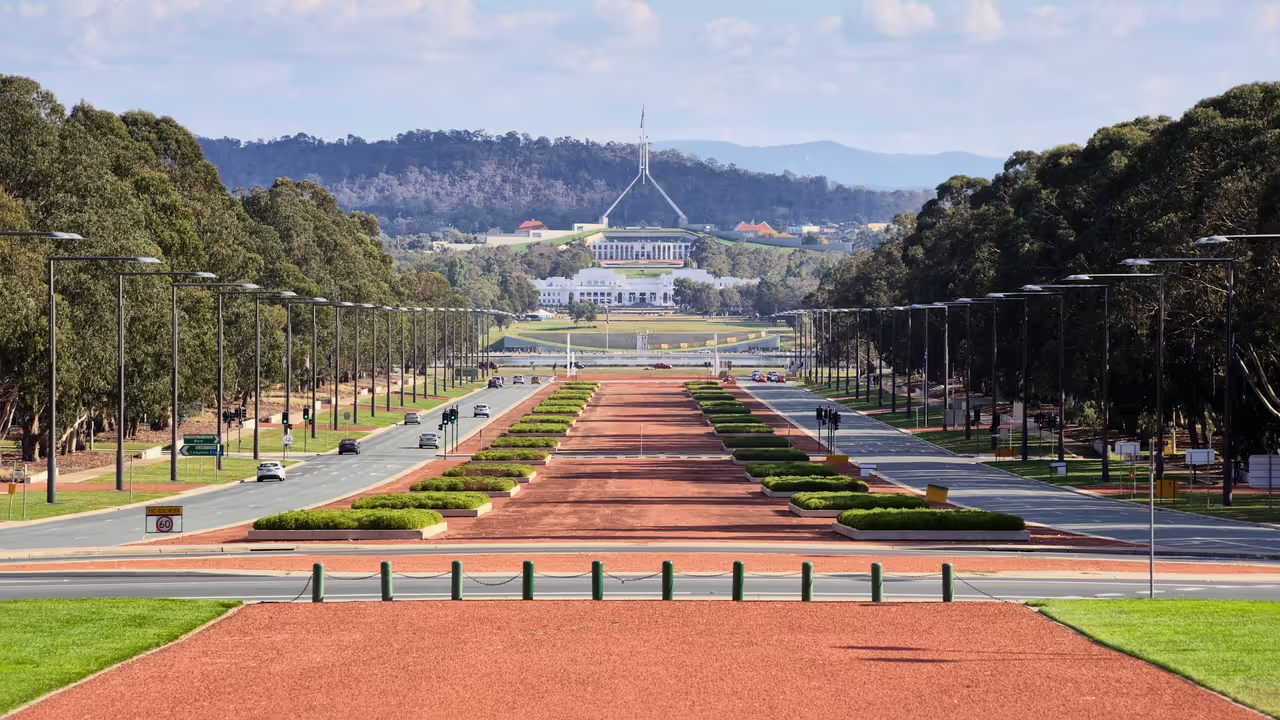
Two prominent hills dictate the geography of the Limestone Plains. Indigenous groups cultivated yams and managed this land with fire for thousands of years before British pastoralists arrived in the 1820s. Wealthy merchant Robert Campbell sent an overseer to establish a sheep station at Duntroon, and his stone dairy from 1832 remains intact today. A rural community slowly took root around the isolated plains, worshipping at St John the Baptist Church while the rest of the continent rapidly urbanised. A bitter rivalry between Sydney and Melbourne forced the creation of a completely new capital. Neither metropolis would tolerate the other claiming the title of national headquarters during the federation of the Australian colonies. Politicians struck a reluctant compromise requiring the new seat of government to sit within New South Wales but at least one hundred miles from Sydney. Parliament initially selected the freezing town of Dalgety, but state officials simply refused to hand over the land. Newspaper proprietor John Gale circulated a persuasive pamphlet championing the Canberra region instead, successfully swaying the parliamentarians to secure the territory in 1911. Boycotts plagued the international design competition for the new city. British architectural institutes ordered their members to ignore the contest, clearing the path for a radical entry from Chicago. Marion Mahony Griffin and Walter Burley Griffin proposed a sweeping geometric grid oriented entirely around the local mountains. Australians enthusiastically submitted wild names for the new settlement, including Olympus, Wheatwoolgold, and the geographically confused Sydmelperadbrisho. Lady Denman opened an envelope on Kurrajong Hill in March 1913 and officially declared the name Canberra. Bureaucratic sabotage immediately followed, with government officials relentlessly meddling with the geometric blueprints. The constant interference prompted the frustrated Griffins to leave the project entirely by 1920. Decades of political neglect left the ambitious grid looking like a scattered country town. Critics routinely mocked the settlement as several suburbs in search of a city. Politicians hated travelling there, and sheep grazed freely near the provisional parliament. Prime Minister Robert Menzies found the situation embarrassing and took personal control of the development after the Second World War. He forced the completion of the missing centrepiece of the city. Engineers finally dammed the Molonglo River in 1964 to create Lake Burley Griffin. The water submerged the old dairy plains and physically locked the northern and southern districts together at last. Modern additions lean into the deliberate strangeness of a city built from scratch. The permanent Parliament House opened in 1988, an architectural marvel buried straight into the dirt of Capital Hill. Locals have embraced eccentric rituals, like gathering by the lake in the autumn chill to watch a massive hot air balloon shaped like a whale with ten breasts drift over the water. The entire municipal layout remains an exercise in absolute symmetry. Standing at the summit of Mount Ainslie, an observer can trace a flawless red line down the gravel of Anzac Parade, skipping across the lake water and landing exactly on the giant steel flagpole crowning the parliament.
13 Events spanning 21019 years
Map of Canberra
Interactive Destination & Itinerary Map
This map blends our curated city guides—featuring best photo spots, scenic walks, viewpoints, hidden gems and much more—with a live Wikipedia explorer. Click on our numbered pins to plan your routes, or zoom in on the surrounding neighborhoods to discover verified local landmarks, museums, and stories with dynamic Wikipedia summaries and photos!
Fun Facts
- • The city's name likely derives from a local Aboriginal word meaning meeting place, though some early settlers controversially claimed it referred to a woman's cleavage, pointing to the valleys between Mount Ainslie and Black Mountain.
- • Before the name was chosen, citizens suggested incredibly unusual titles for the new capital, including Sydmelperadbrisho, Wheatwoolgold, and Caucus City.
- • It is the only city in the world where you can routinely fly in a hot air balloon directly over the national parliament building.
- • The entire street layout is based on sacred geometry, with vast hexagonal and octagonal avenues perfectly aligning with the peaks of the surrounding mountains.
- • During its early days of slow construction, politicians jokingly referred to the capital as several suburbs in search of a city.
- • A massive hot air balloon shaped like a multi breasted whale, affectionately named the Skywhale, was commissioned for the city's centenary and occasionally floats across the morning skyline.
Did You Know?
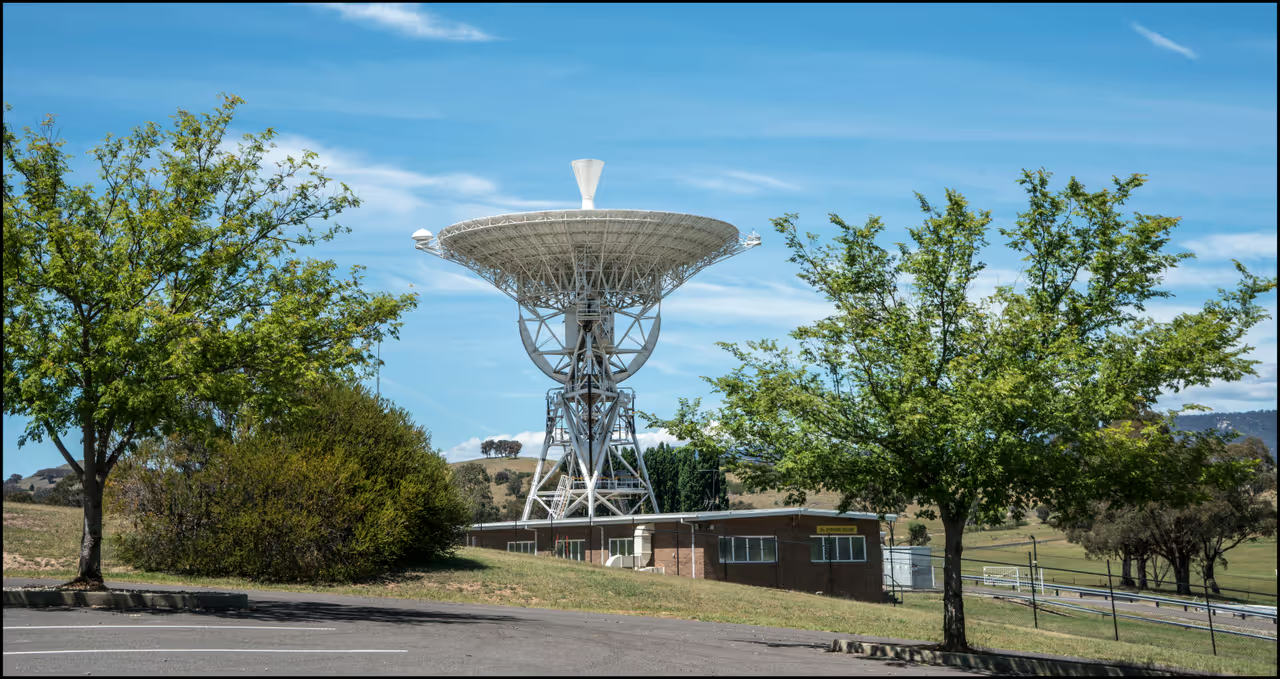
- • The Canberra Deep Space Communication Complex was absolutely crucial in receiving the very first images of Neil Armstrong walking on the moon.
- • It features the highest proportion of university educated residents of any Australian territory, giving it an intensely intellectual demographic profile.
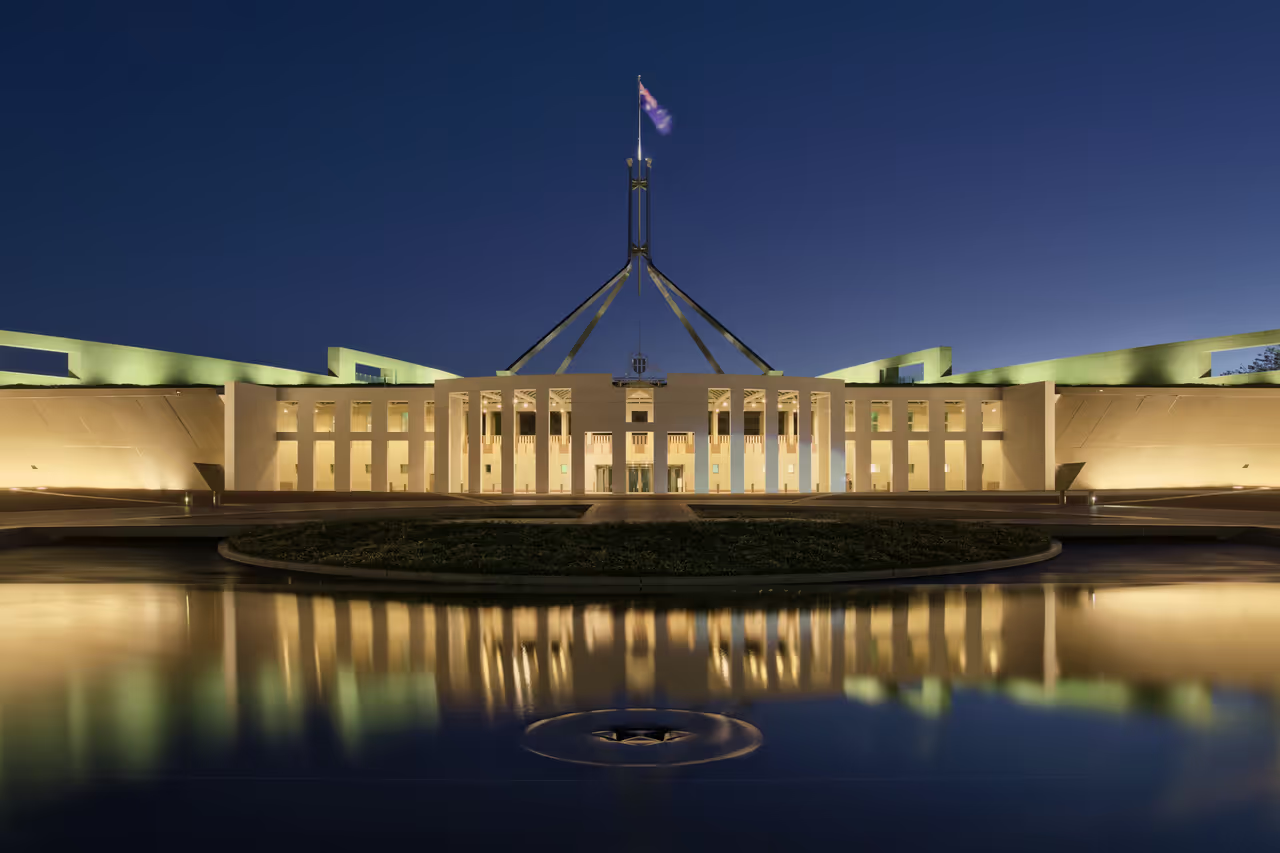
- • The modern Parliament House is one of the largest buildings in the southern hemisphere, taking eight years to construct and requiring the removal of the top of a hill before being buried back underneath it.
- • It is one of the few fully planned capital cities in the modern world, sharing this unique architectural distinction with places like Brasilia and Washington DC.
- • The Australian National University is consistently ranked among the world's top research institutions and boasts several Nobel laureates among its alumni.
- • The territory generates or purchases enough renewable energy to completely offset 100 percent of its electricity consumption, making it a global leader in sustainability.
RESOURCES
Official WebsiteVideos of Canberra
Seasons
Spring
The city completely transforms as millions of flowers bloom simultaneously across the parks and public gardens. The weather...
Summer
The heat brings the community out to the shores of the lake and the shaded trails of the mountains. Evenings are long and balmy...
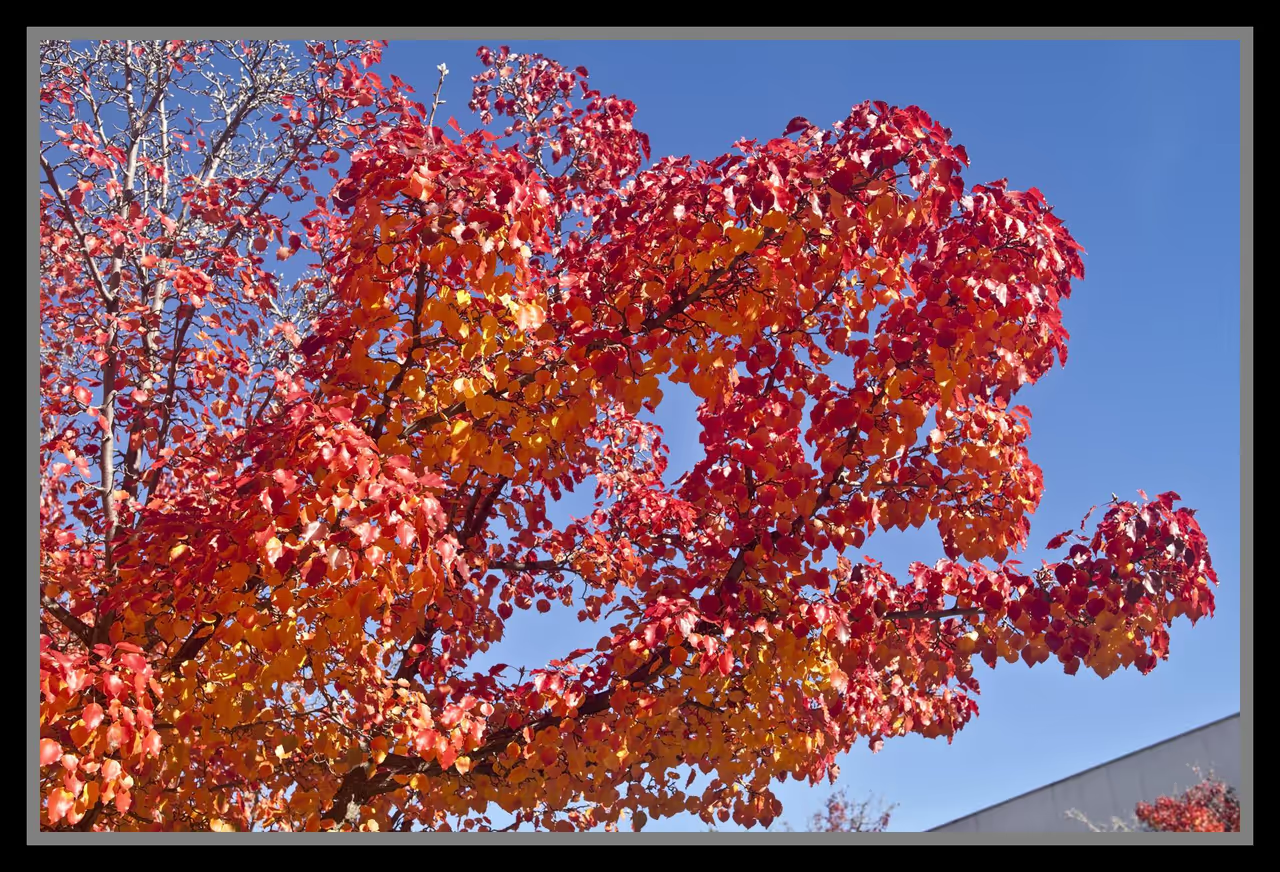
Autumn
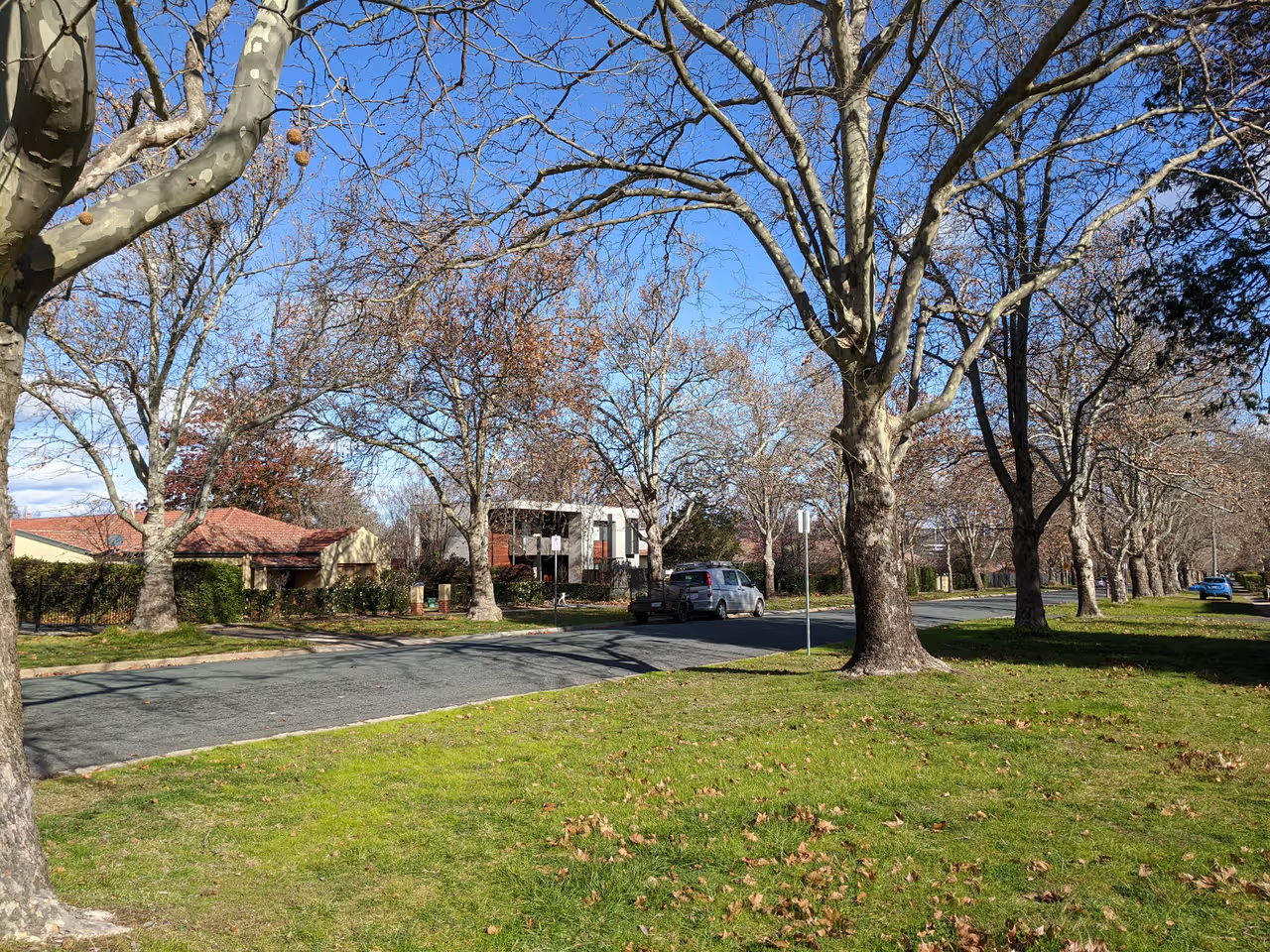
Due to the vast number of deciduous trees planted during the city's early development, the streets explode into brilliant shades...
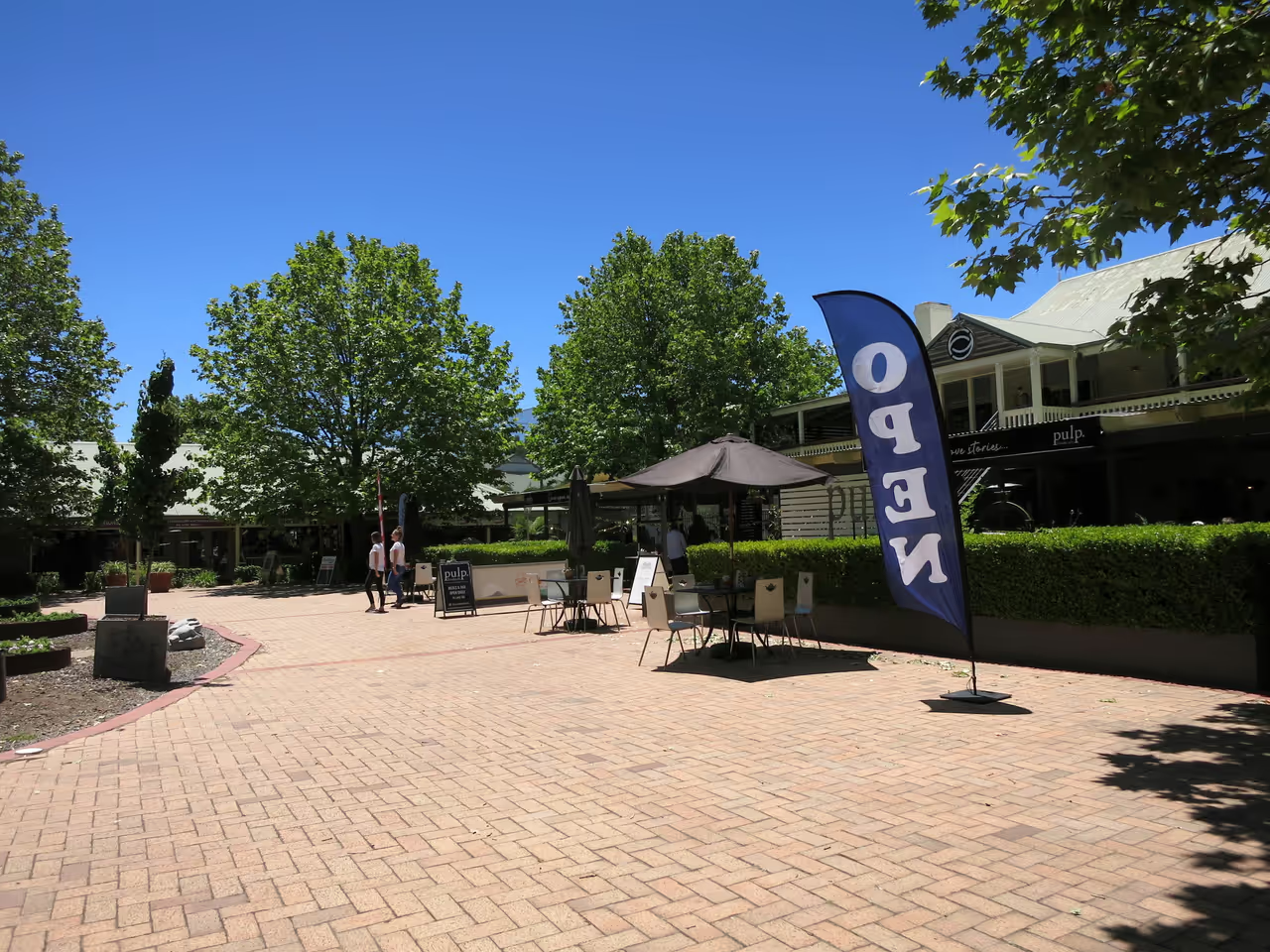
Winter
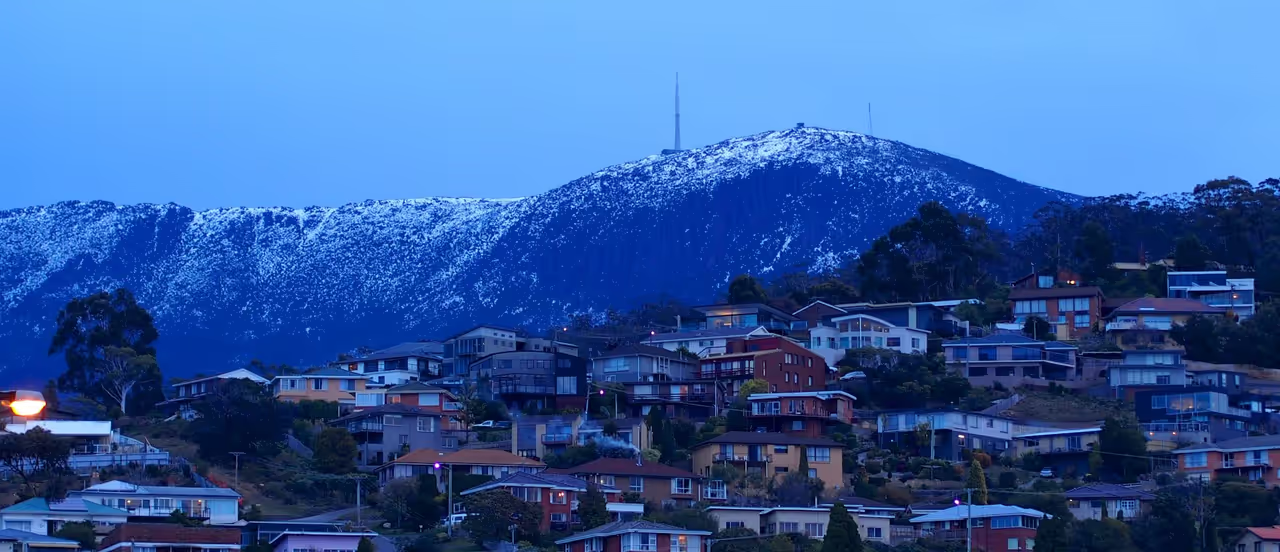
The temperatures drop sharply, often bringing heavy frosts to the morning grass and occasional snow to the distant peaks. The...
Top Attractions in Canberra
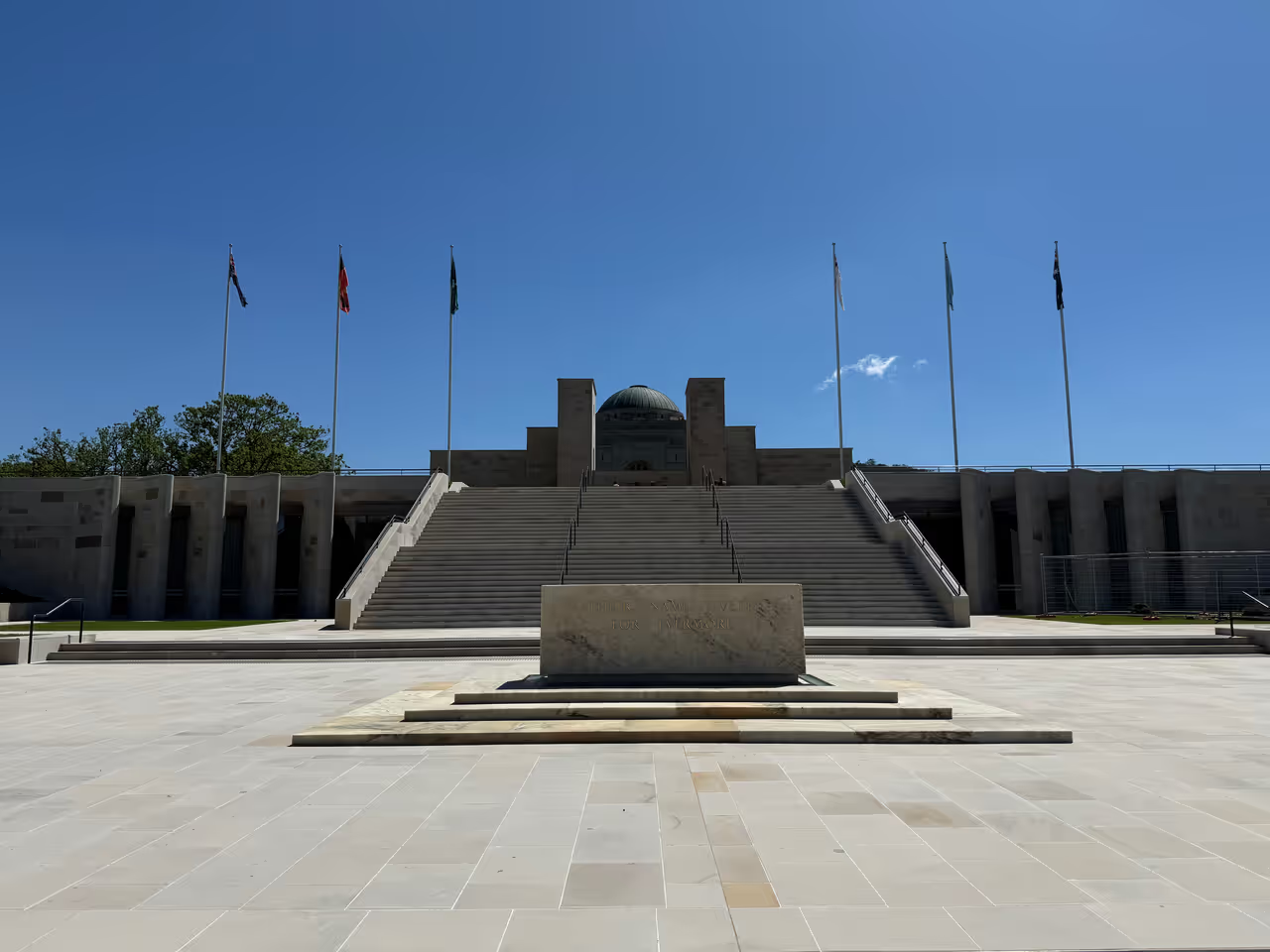
Australian War Memorial
Standing at the northern end of Anzac Parade, the Australian War Memorial is a solemn and deeply moving tribute to those who...
view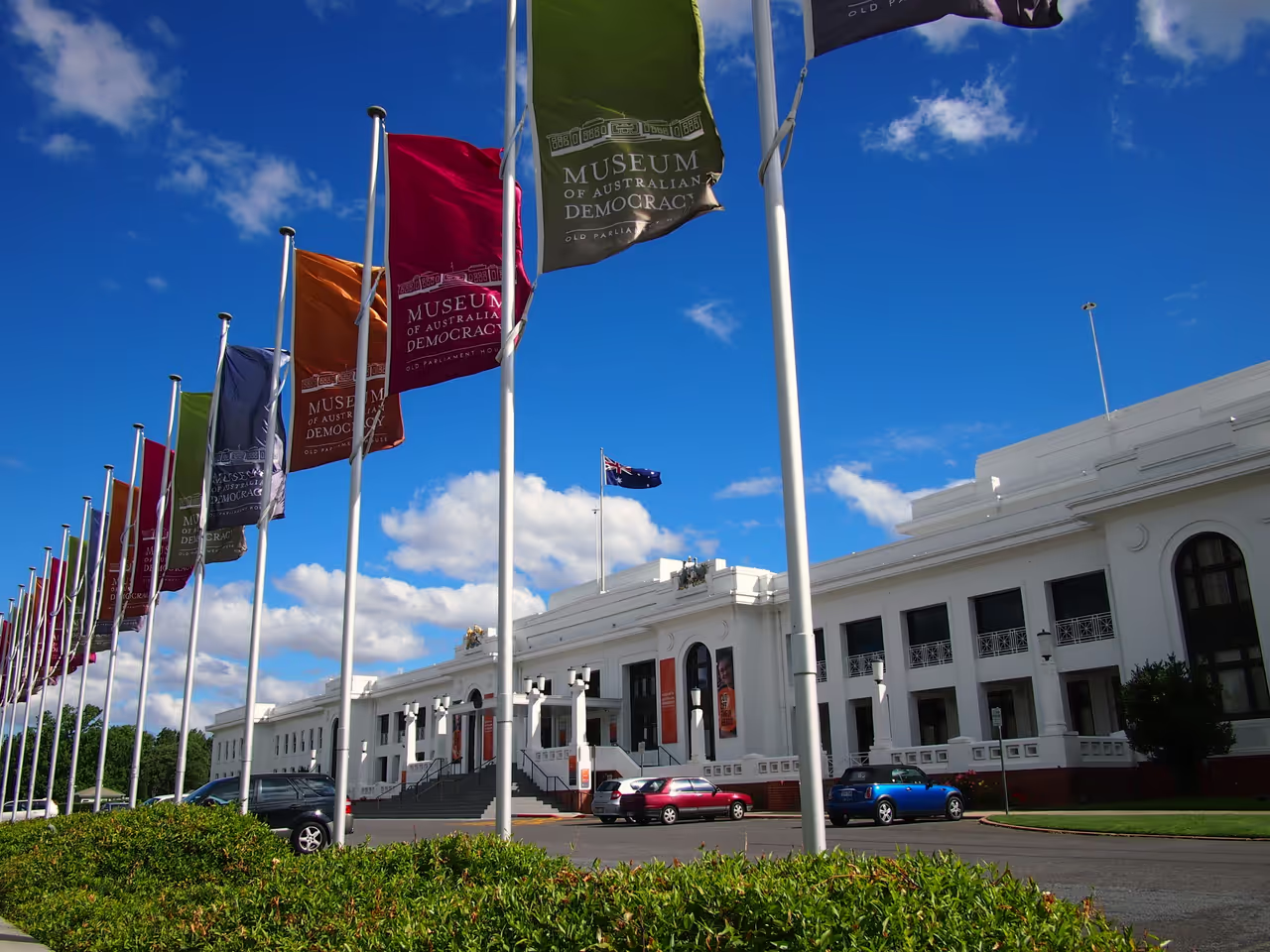
Museum of Australian Democracy at Old Parliament House
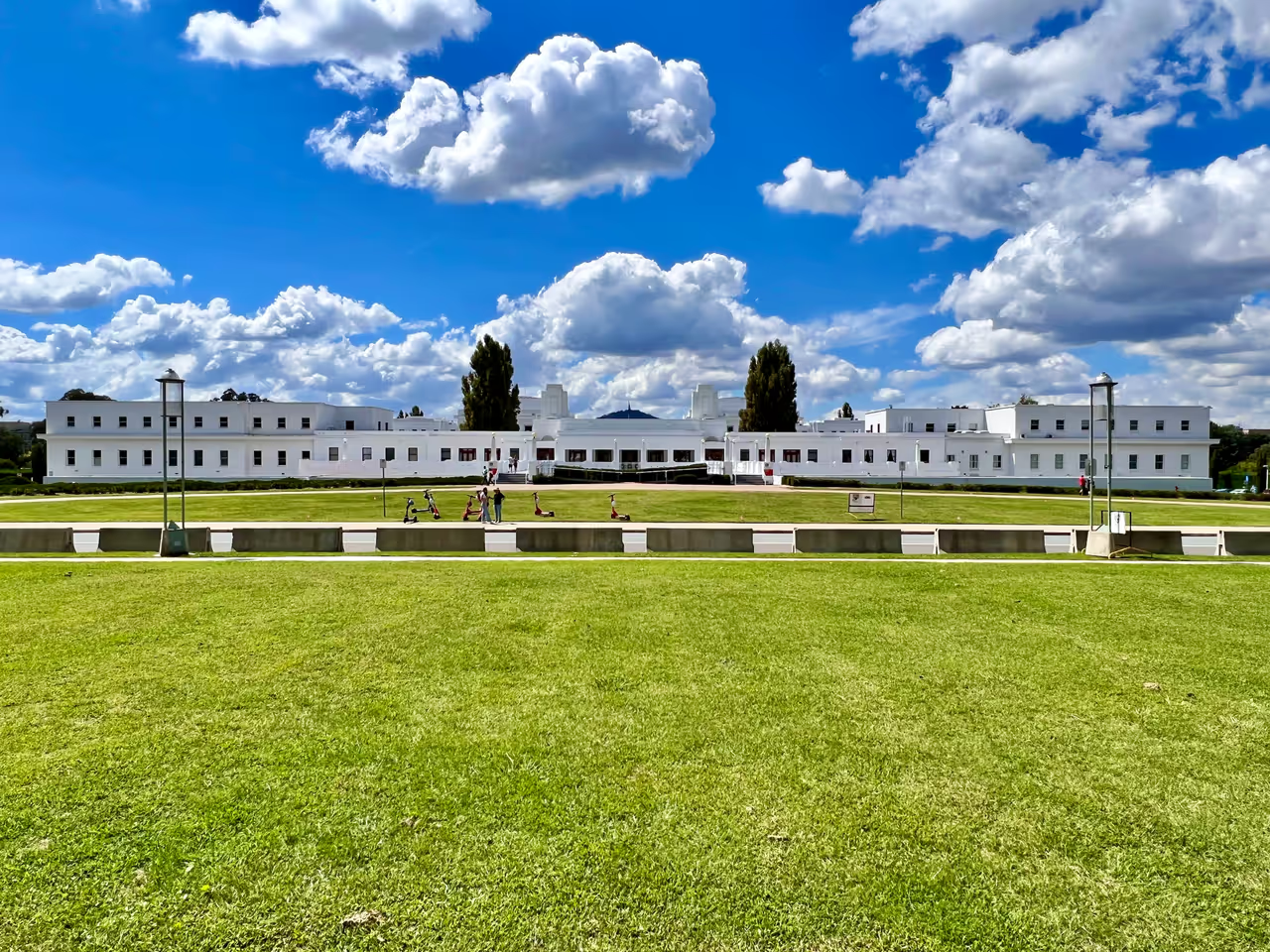
Stepping into Old Parliament House feels like walking directly into the heart of Australian history, where the corridors still...
view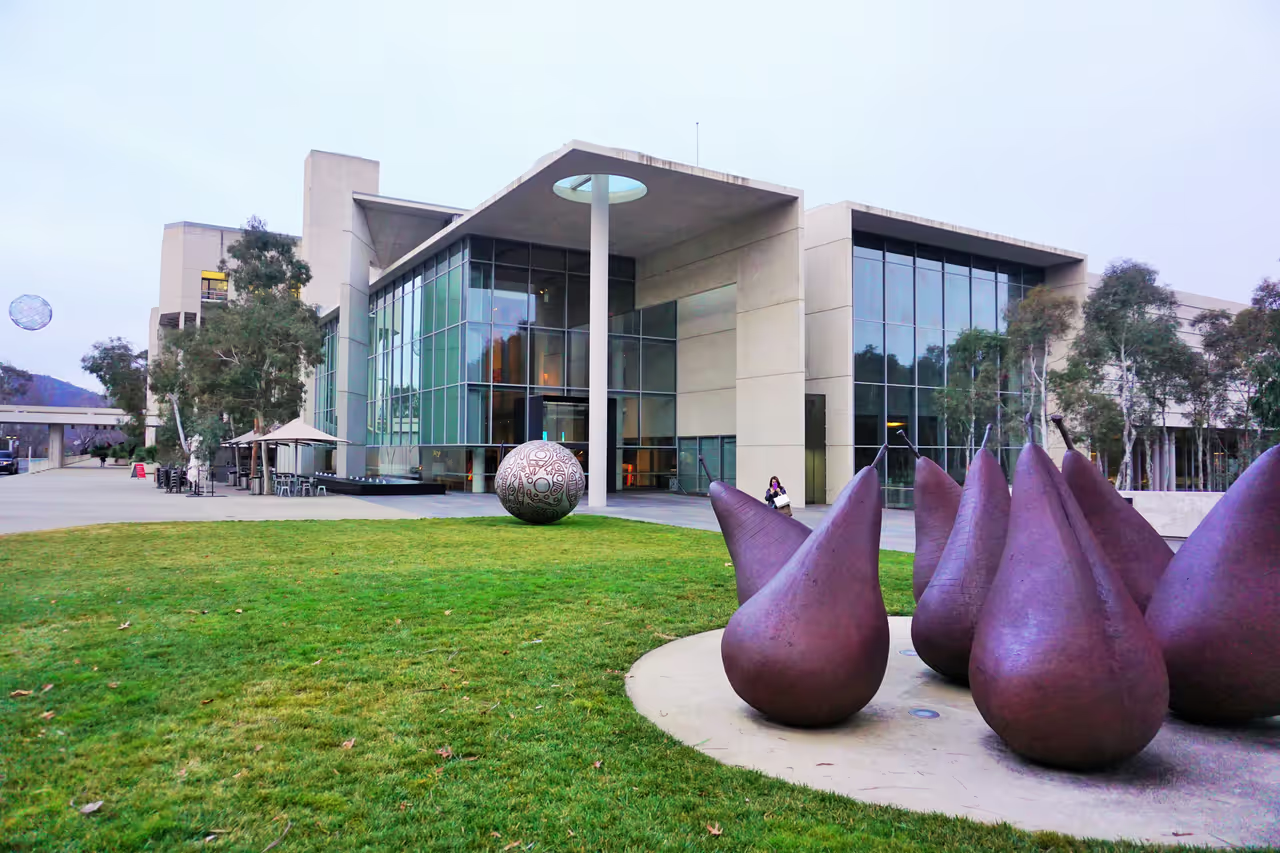
National Gallery of Australia
Nestled in the heart of the Parliamentary Triangle, this iconic Brutalist structure is home to an extraordinary collection...
view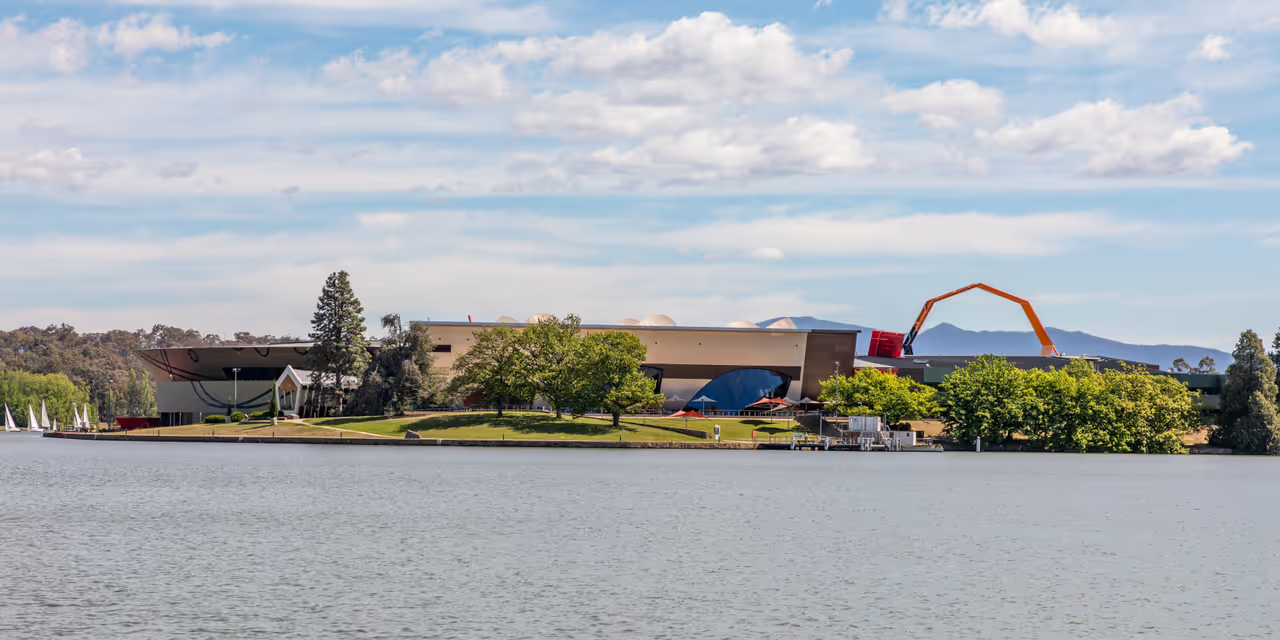
National Museum of Australia
The National Museum of Australia serves as a captivating gateway into the soul of the nation, housing stories that span tens of...
view
Best Views
Canberra Itineraries
TRIP PLANNER
3 Days Recommended
Three days provides ample time to explore the major national museums, cycle around the central lake, and venture into the surrounding nature reserves. It strikes a balance between appreciating the deep political history and enjoying the outdoor lifestyle without feeling rushed.
1 Day in Canberra Itinerary
A highly concentrated tour of the absolute most essential national monuments and political landmarks. This fast paced itinerary focuses entirely on the central parliamentary zone and the magnificent views from the surrounding peaks. You will experience the pinnacle of Australian history, art, and democratic architecture. It provides a perfect, high level overview for those with severely limited time.
view itinerary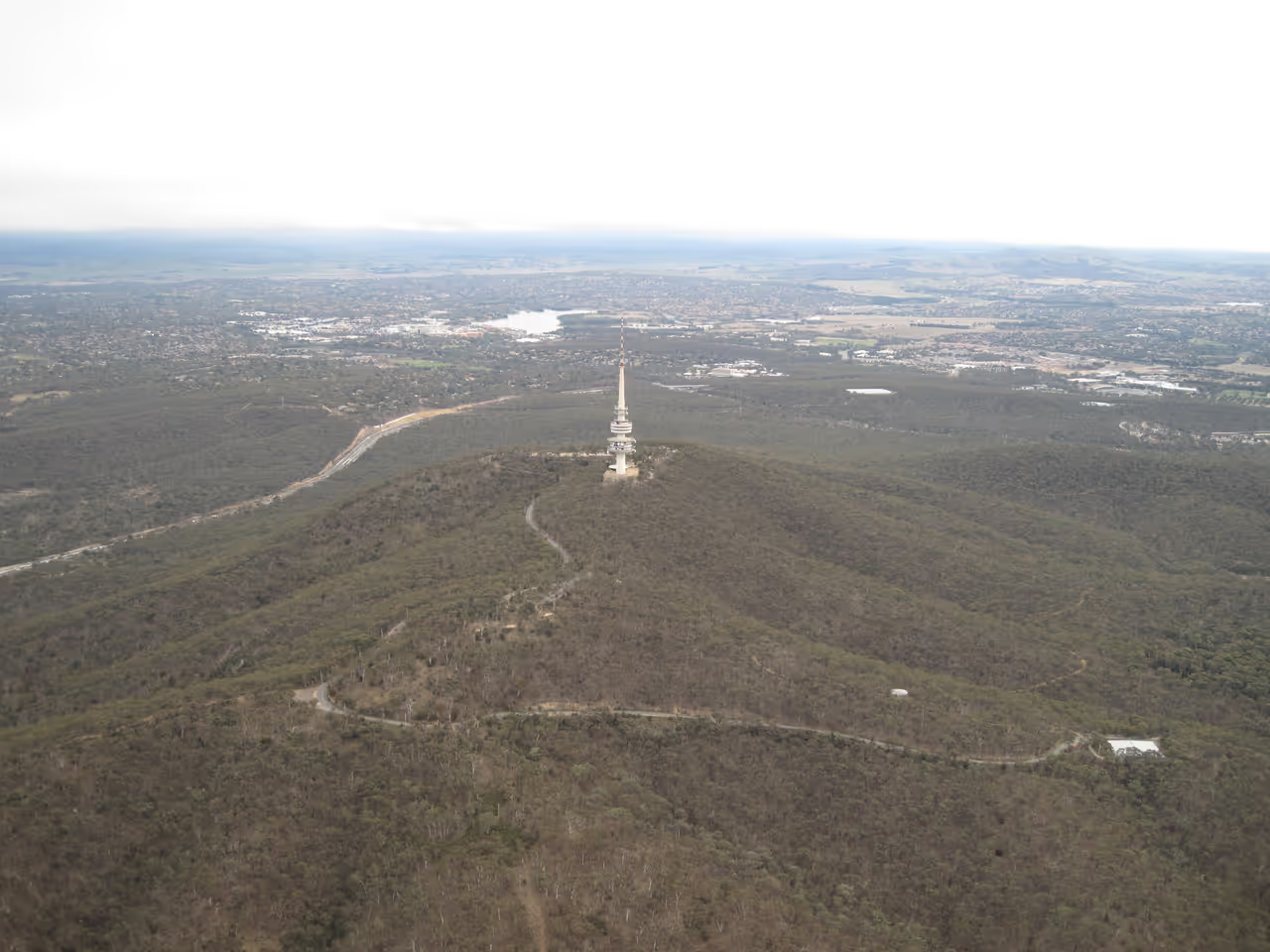
3 Days in Canberra Itinerary
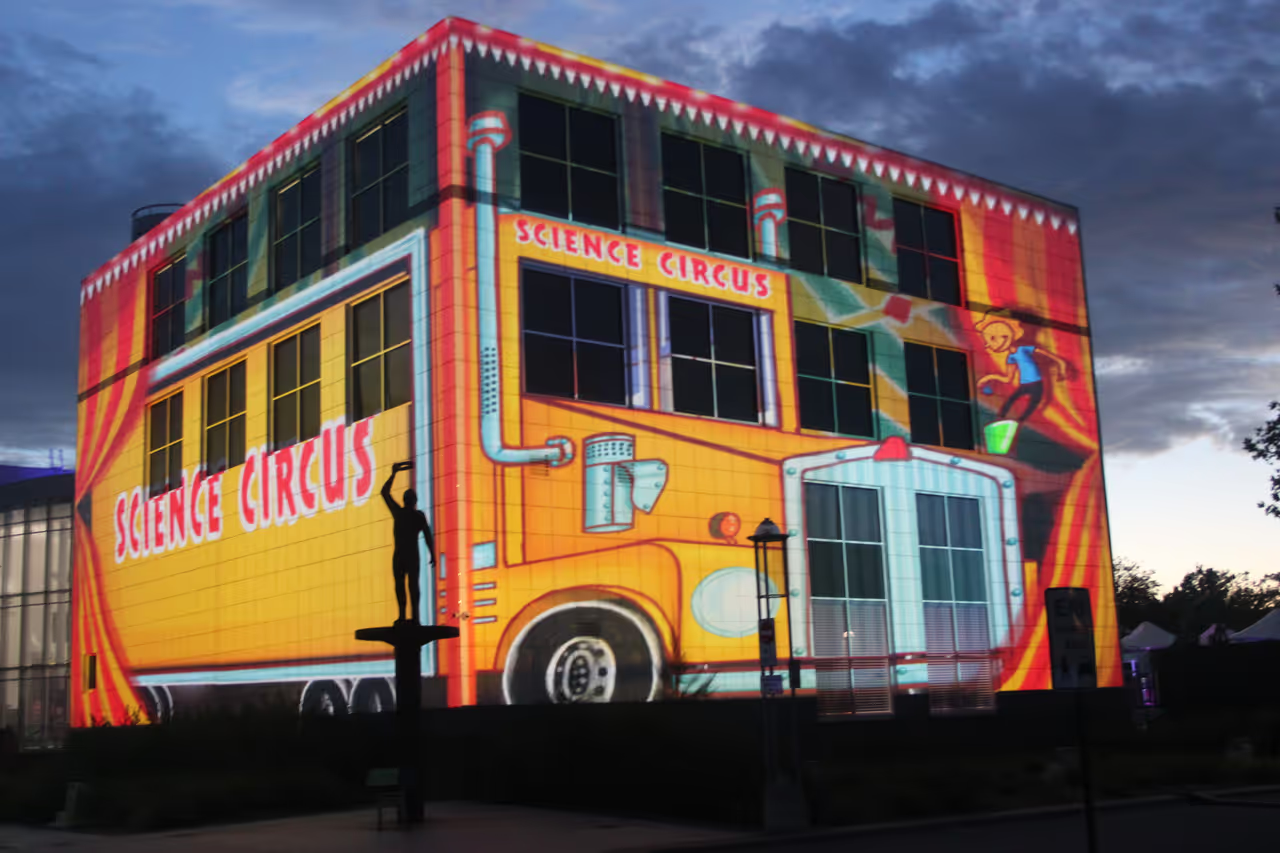
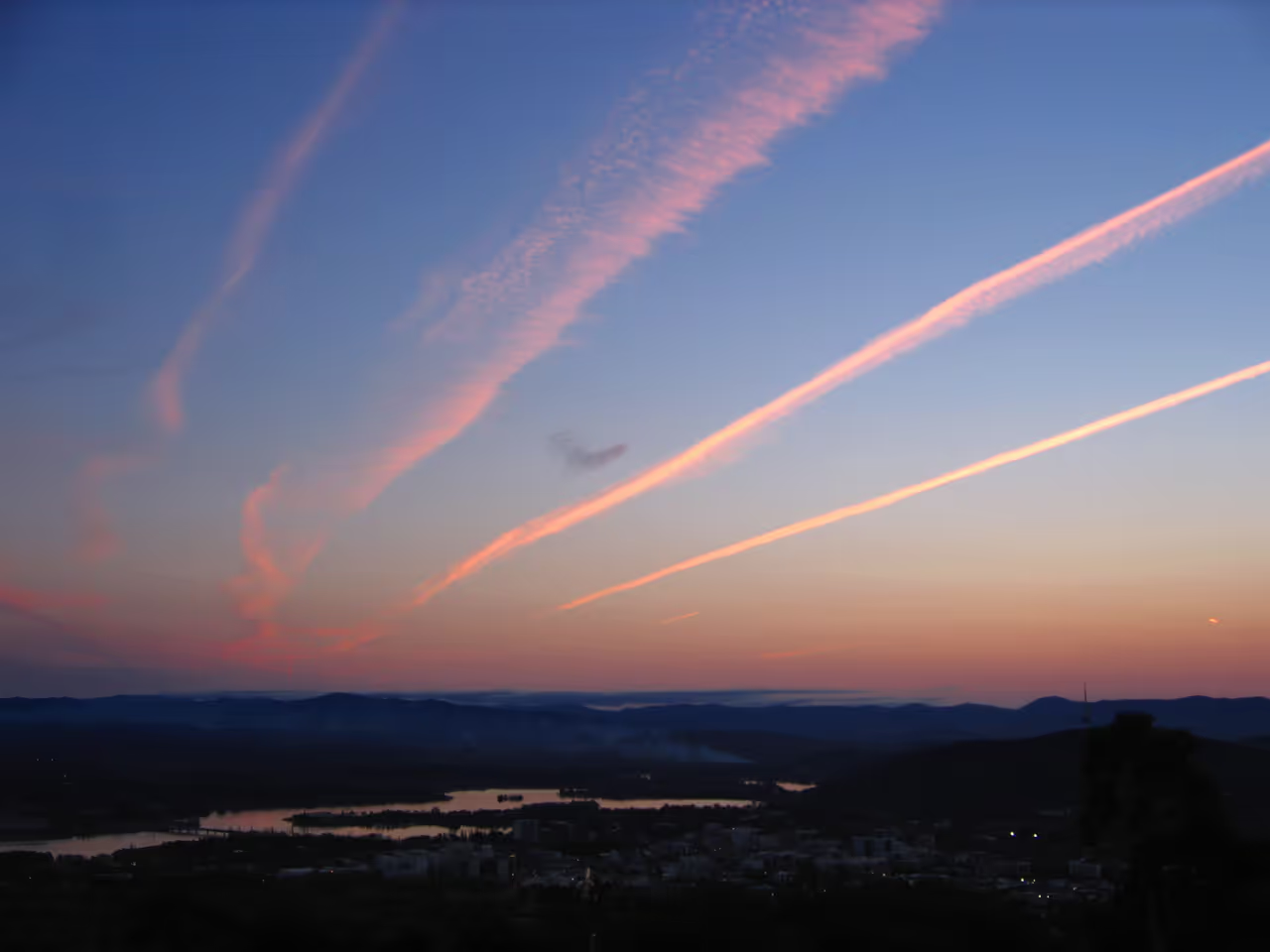
This balanced itinerary allows you to absorb the grand national institutions while also engaging with the beautiful outdoor landscape. You will split your time between exploring deep military history, cycling around the serene lakes, and discovering the quirky local attractions. It reveals the distinct contrast between the formal political architecture and the deeply relaxed, nature focused lifestyle of the residents.
view itinerary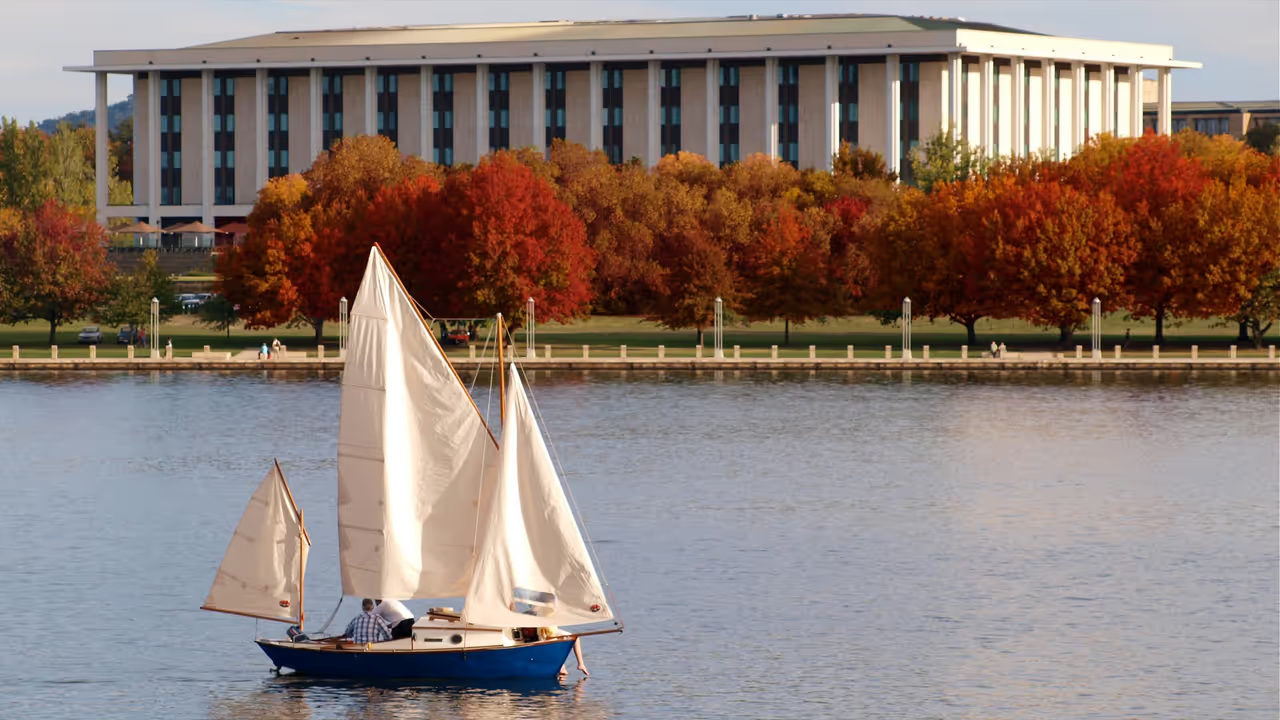
5 Days in Canberra: Deep Dive Itinerary
An exhaustive, highly rewarding exploration of everything the territory has to offer. Beyond the standard political monuments, you will venture into the rugged national parks, discover incredible hidden scientific facilities, and experience the local artisan markets. This extended stay allows you to truly understand the complex, multi layered identity of the bush capital at a thoroughly relaxed pace.
view itinerary
Food in Canberra




Free Things to do in Canberra
Parks & Nature
Lake Burley Griffin
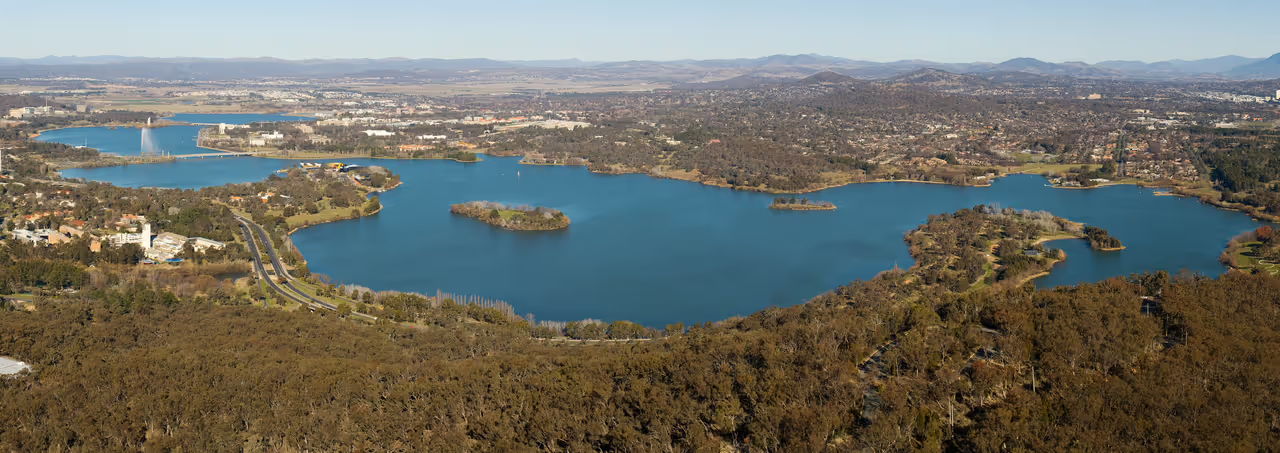
Lake Burley Griffin is the glittering, blue heart of Canberra, offering a stunning centrepiece to the nation's capital. Designed...
view
Namadgi National Park
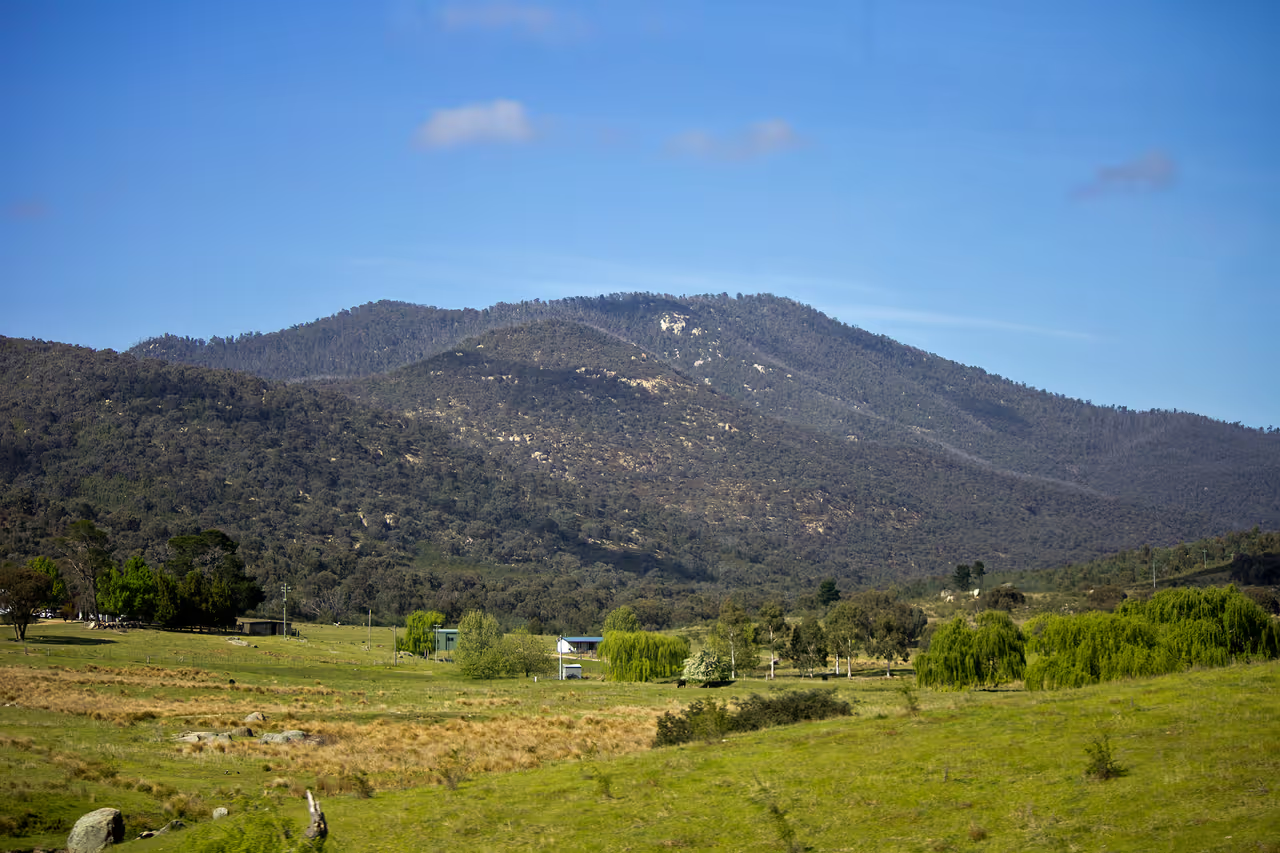
Nestled just a short drive from Australia's capital, Namadgi National Park offers a sprawling escape into the raw and rugged...
viewAustralian National Botanic Gardens
Step into the Australian National Botanic Gardens to experience a living tapestry of the country’s diverse natural landscapes...
view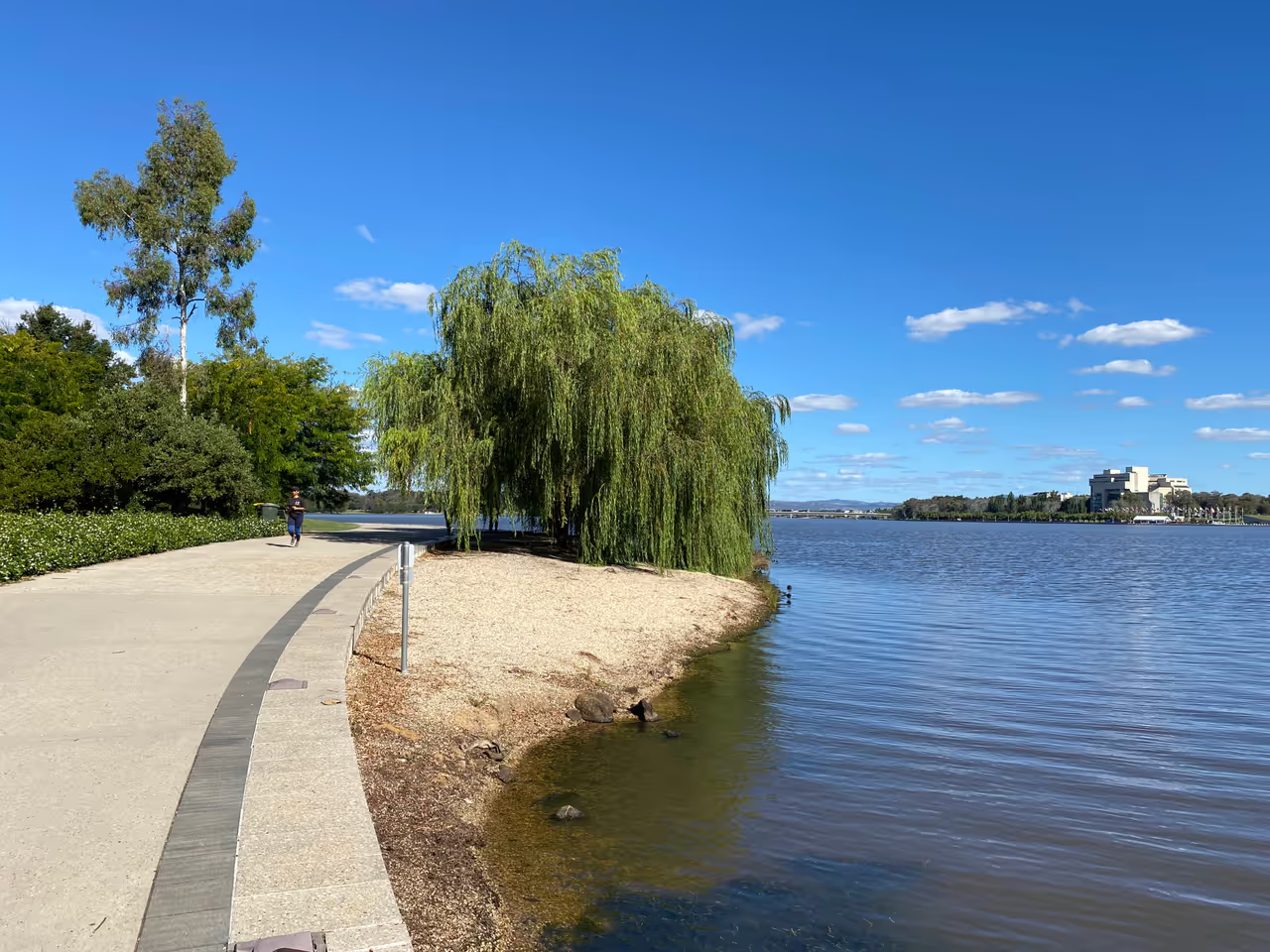
Commonwealth Park
Nestled right on the northern edge of Lake Burley Griffin, Commonwealth Park serves as a vibrant, green sanctuary in the heart...
view
Highlights & Must-Sees
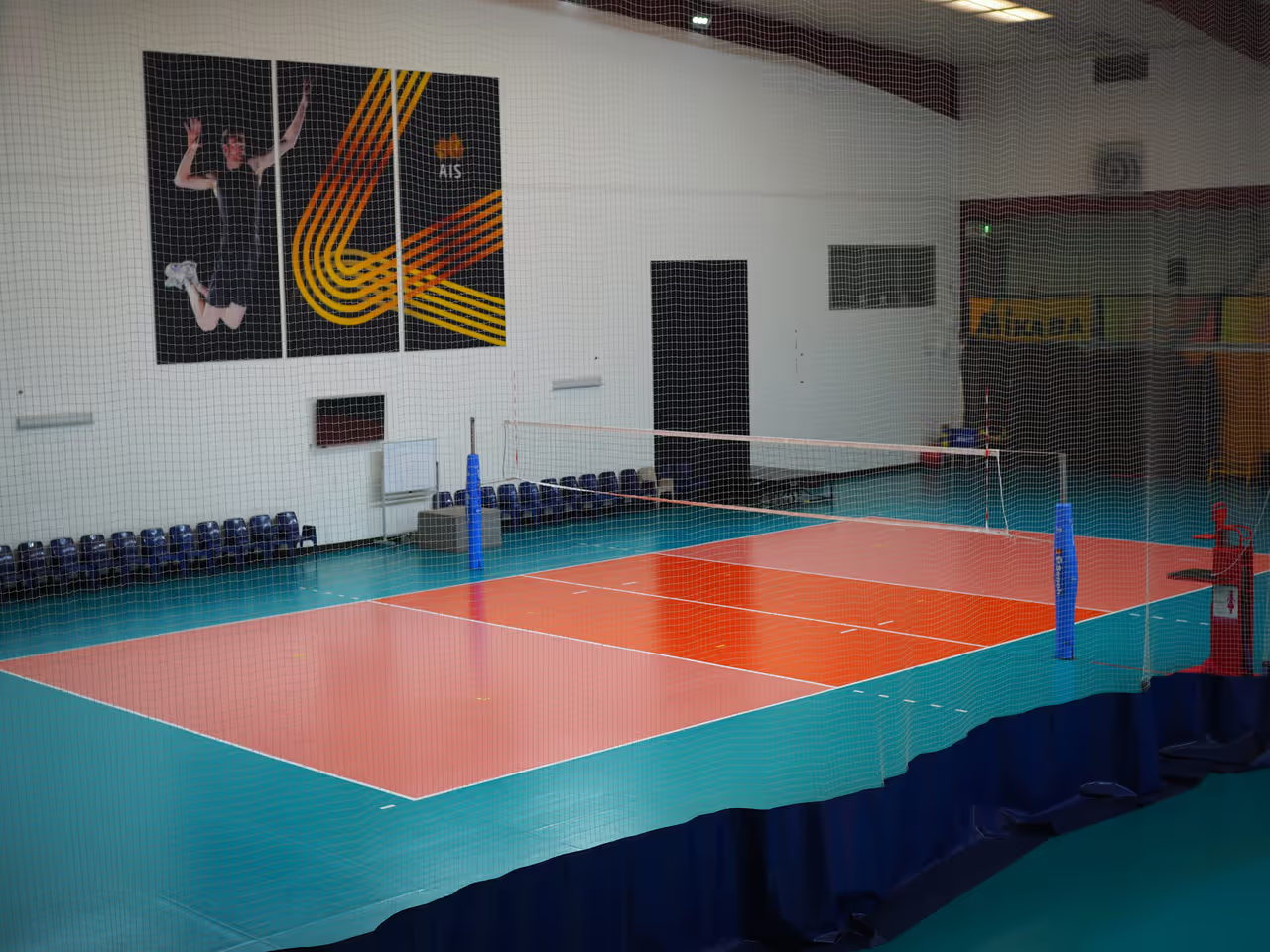
Australian Institute of Sport Tour
A fascinating behind the scenes look at the elite training facility that produces the country's top athletes and Olympic...
view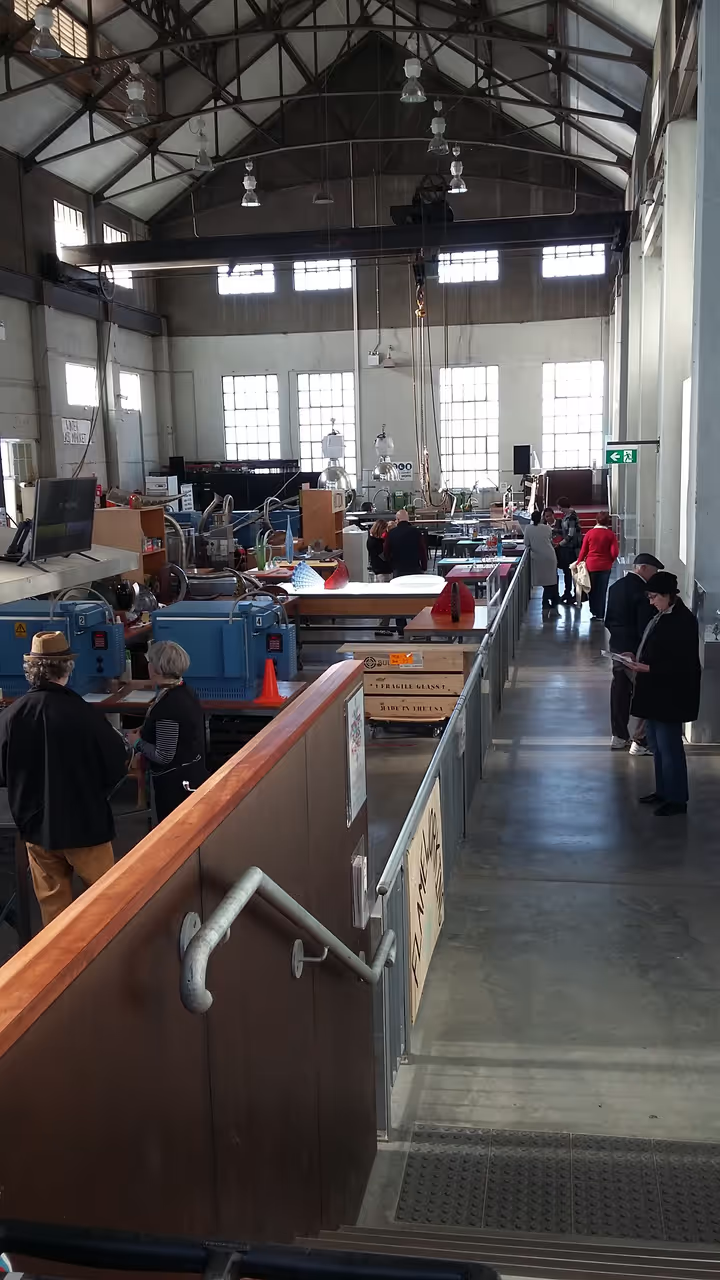
Canberra Glassworks
Situated inside the oldest public building in the territory, a former industrial powerhouse, this facility is dedicated entirely...
view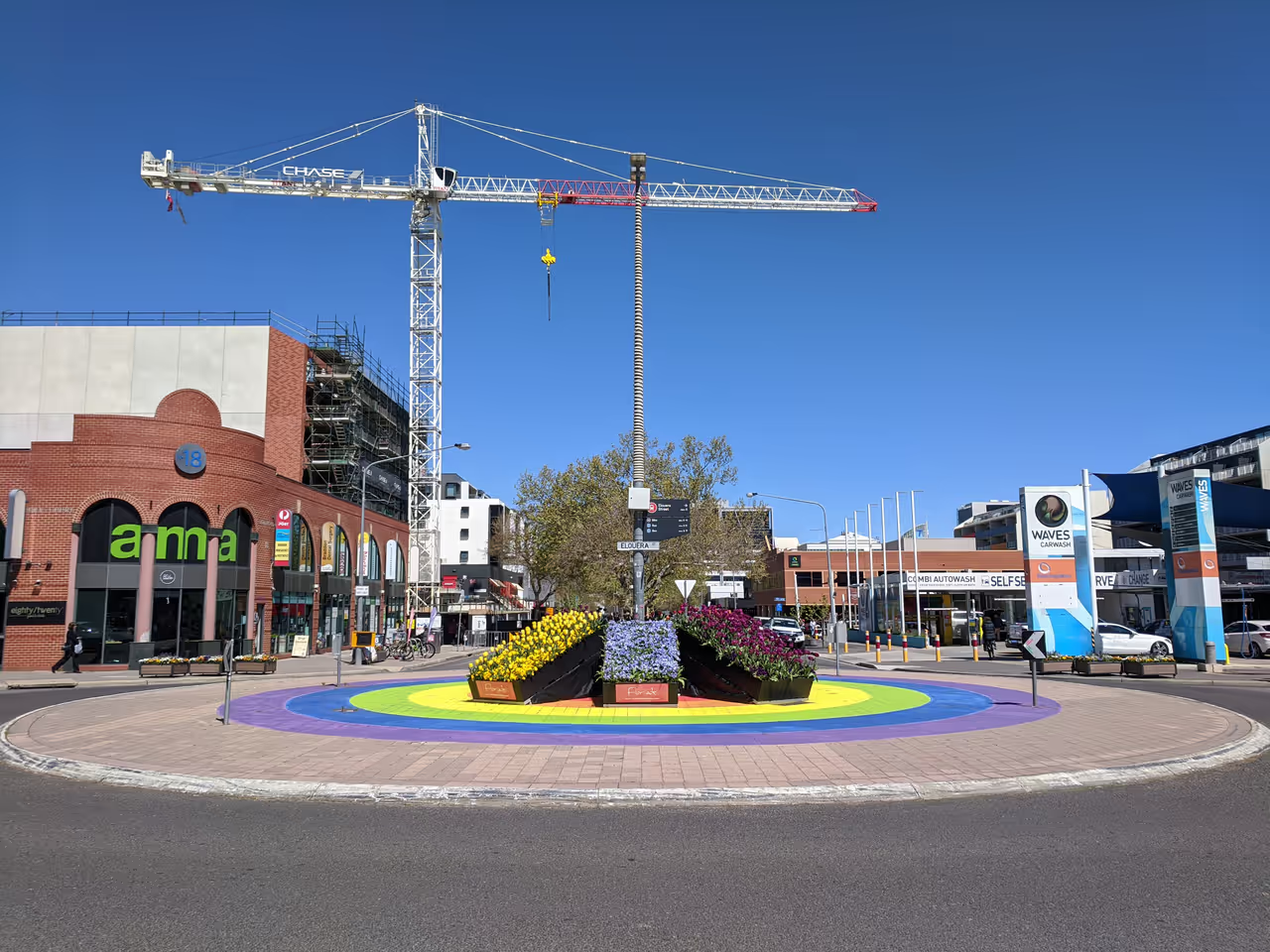
Lonsdale Street Shopping
This is the epicenter of the city's independent retail and coffee culture. The street is packed with stores selling bespoke...
view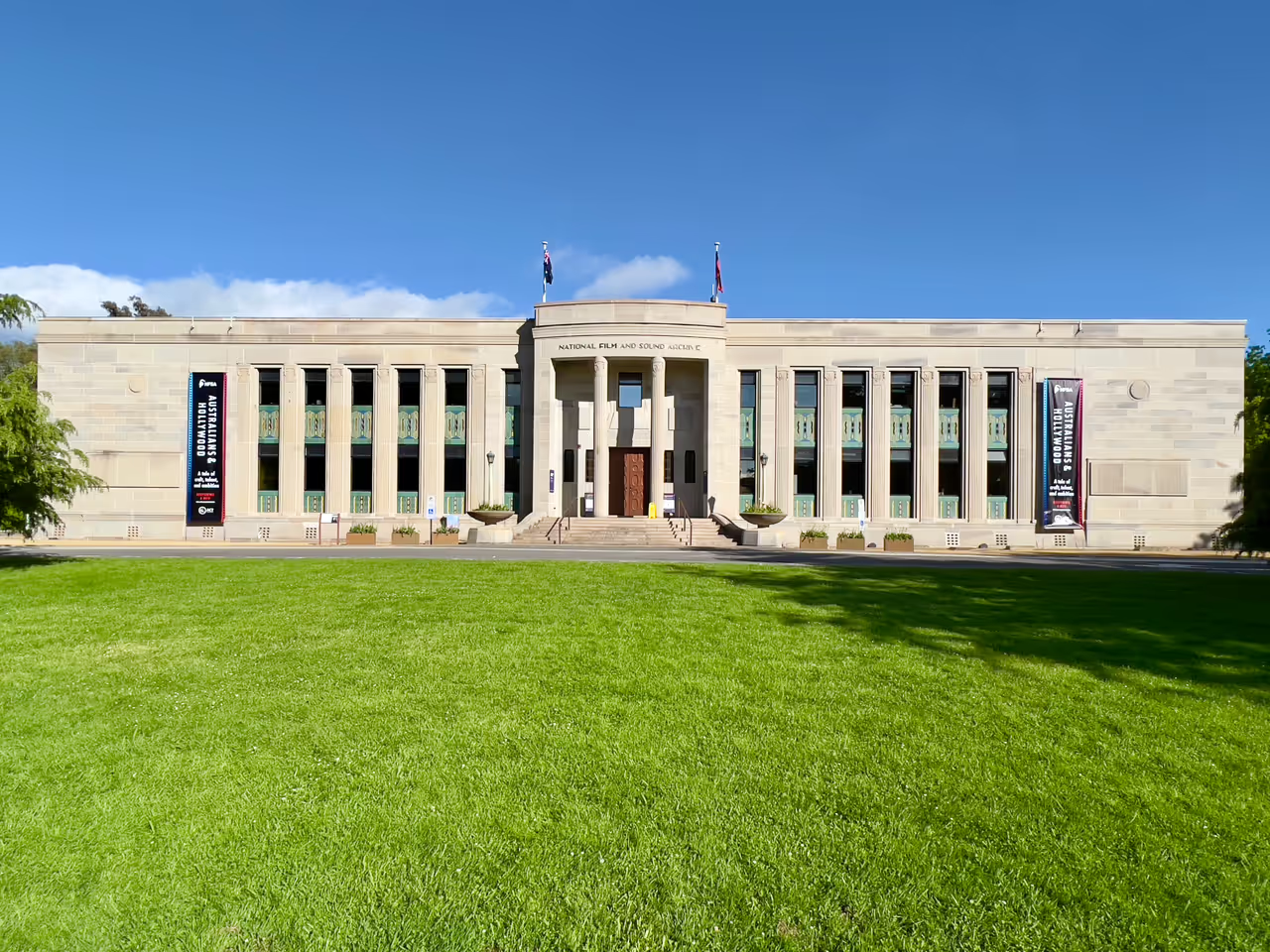
National Film and Sound Archive
Located in a stunning art deco building that previously housed the Institute of Anatomy, this archive celebrates the audiovisual...
view
Best Walks in Canberra
 HIGHLY RECOMMENDED
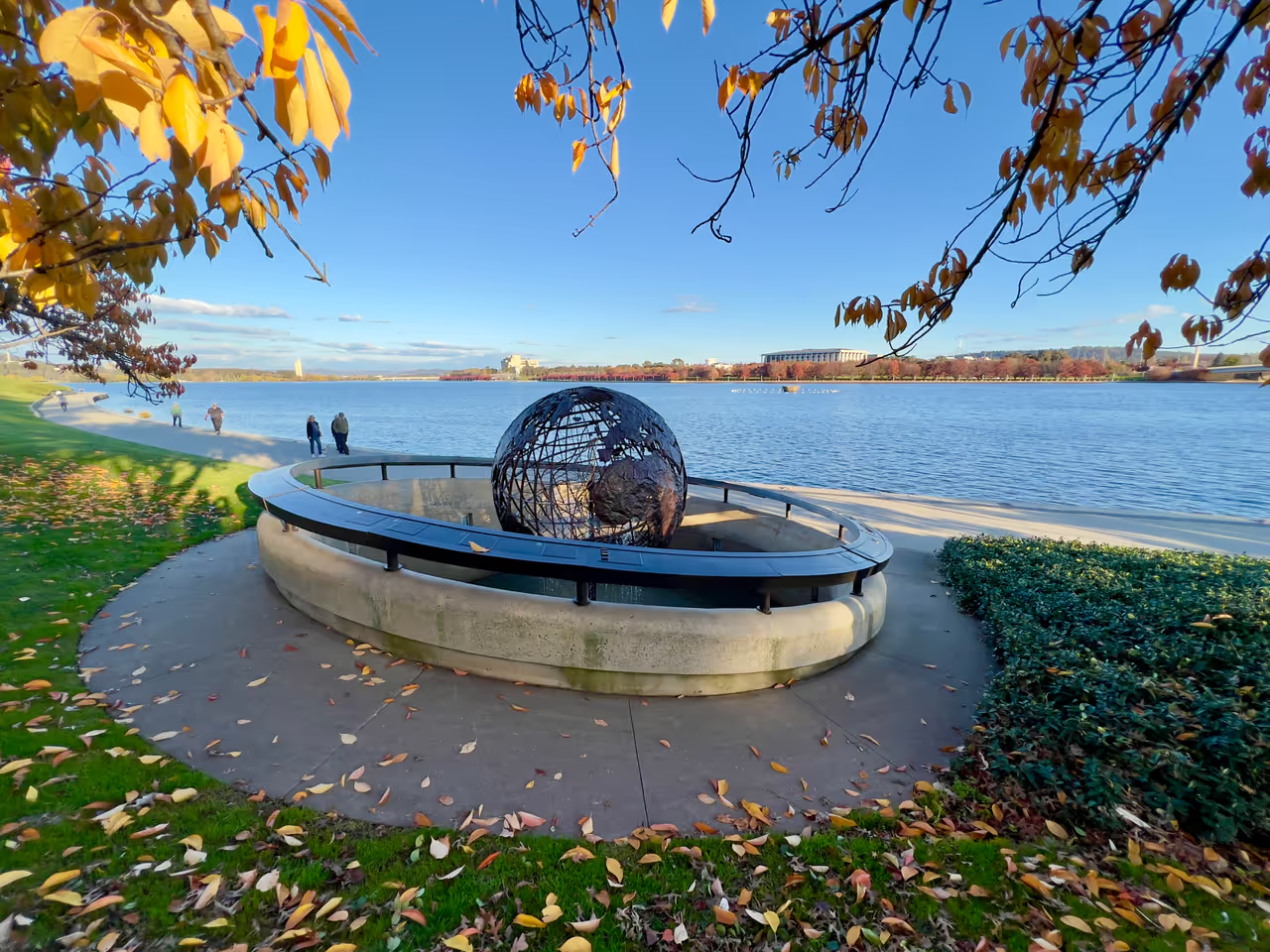
Commonwealth Park Walk
A highly curated landscape featuring hidden ponds, spectacular outdoor sculptures, and an open air theatre. The pathways weave through lush, varied foliage designed to offer visual interest in every season. It provides a deeply peaceful atmosphere despite being located directly adjacent to the busy civic centre. The views looking south across the water toward the mountains are continually impressive.
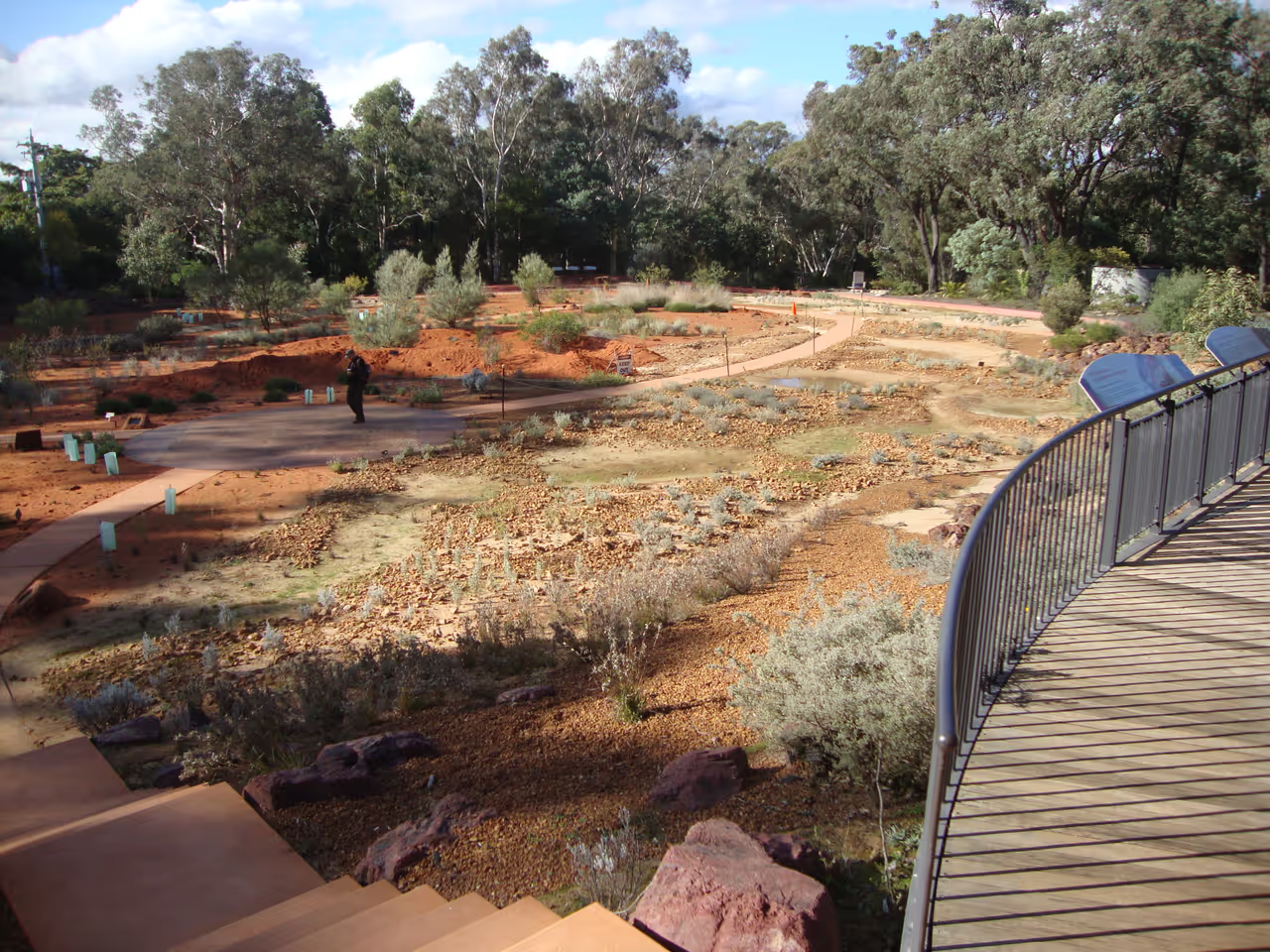
Botanic Gardens Discovery Trail
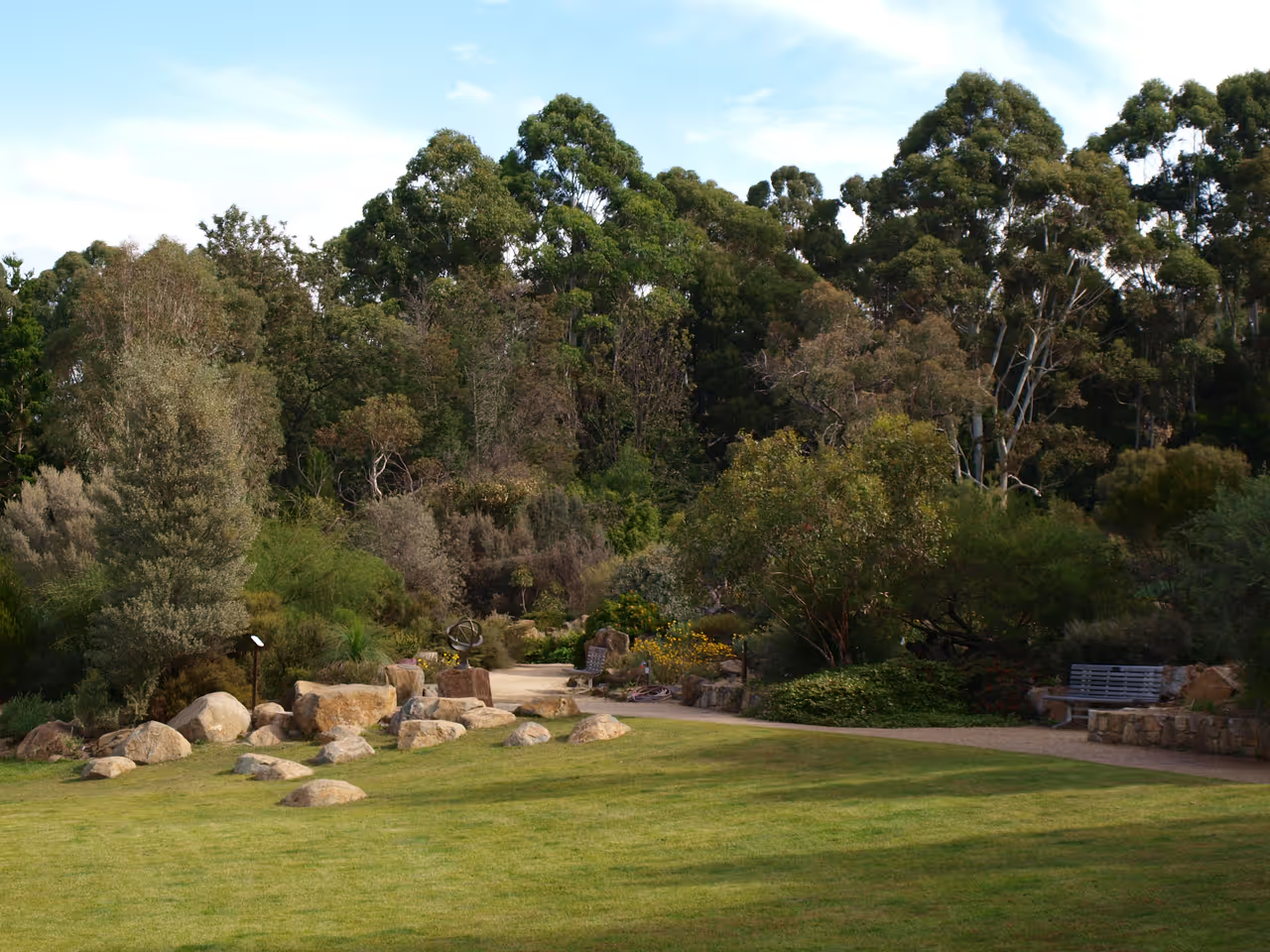
A fascinating walk traversing the immense diversity of Australian plant life, located right on the slopes of Black Mountain. You will walk through recreated rainforest gullies, dry desert landscapes, and dense eucalyptus groves. The air is filled with the scent of native oils and the sounds of diverse local birdlife. It is an immersive, sensory experience that transports you far from the urban environment.
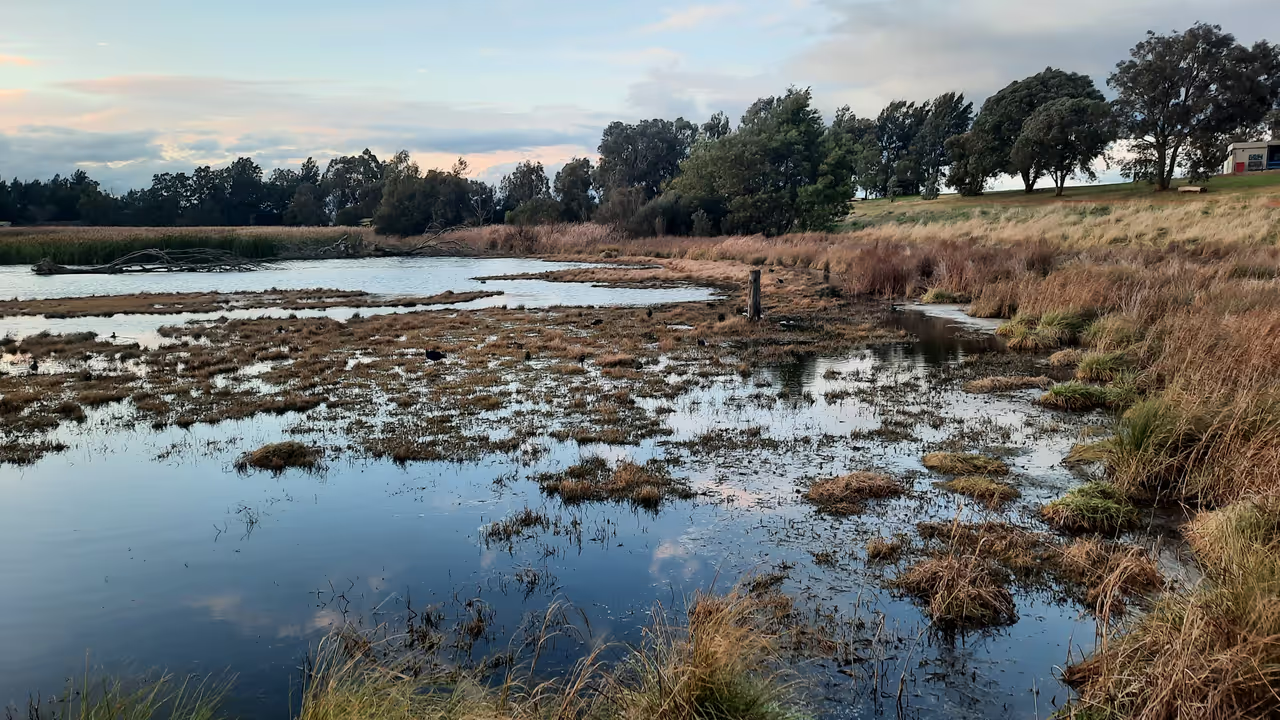
Kingston Foreshore Promenade
A lively, modern boardwalk that hugs the eastern edges of the lake, providing a highly social walking experience. The path is flanked by glass fronted apartments, vibrant cafes, and historical industrial remnants. It offers beautiful views across the water toward the wetlands and the distant mountain ranges. The energy here is undeniably modern, breezy, and sophisticated.
Architecture & Landmarks
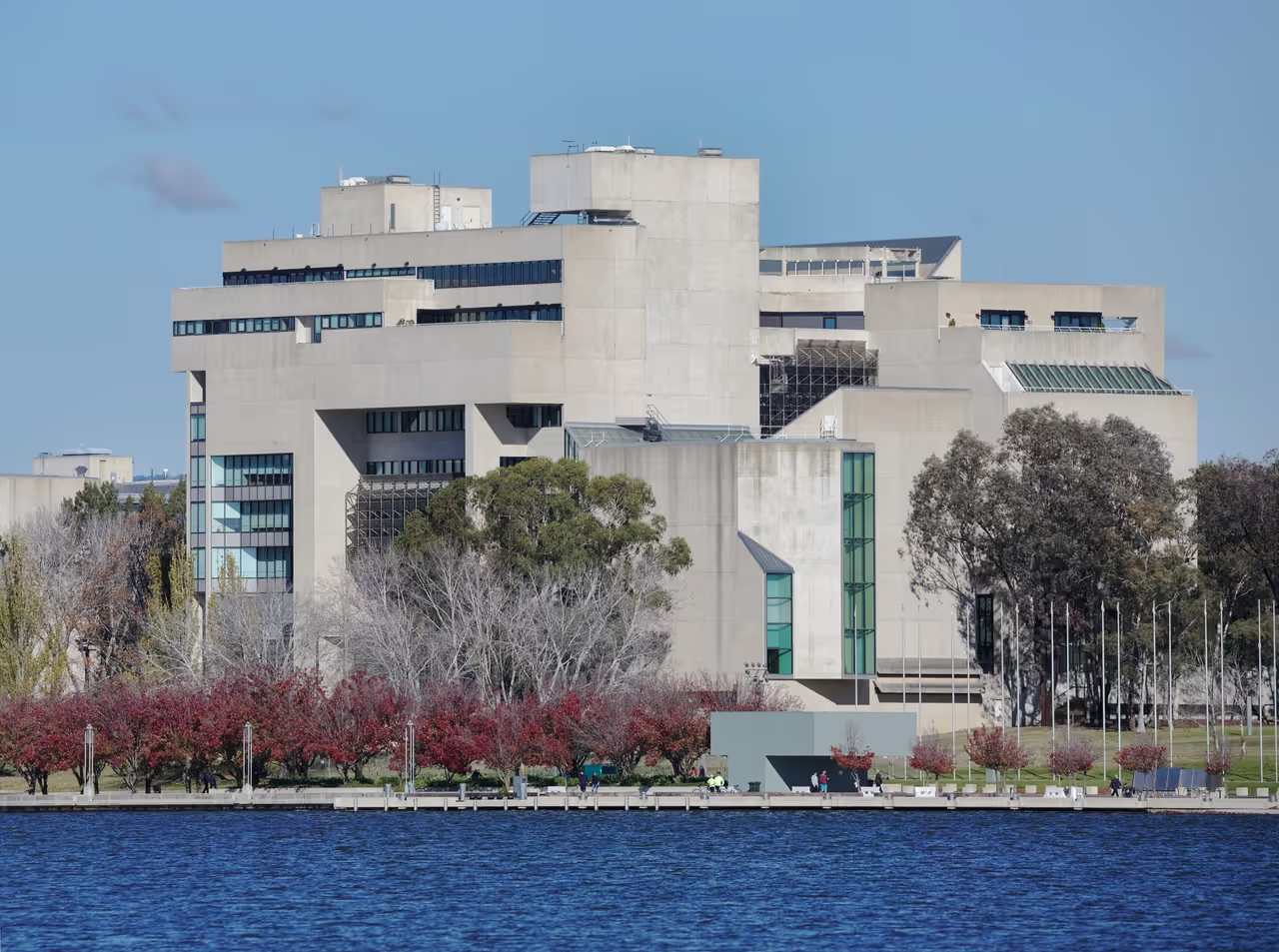
High Court of Australia
A staggering example of late brutalist architecture, designed to project absolute judicial power and transparency. The building...
view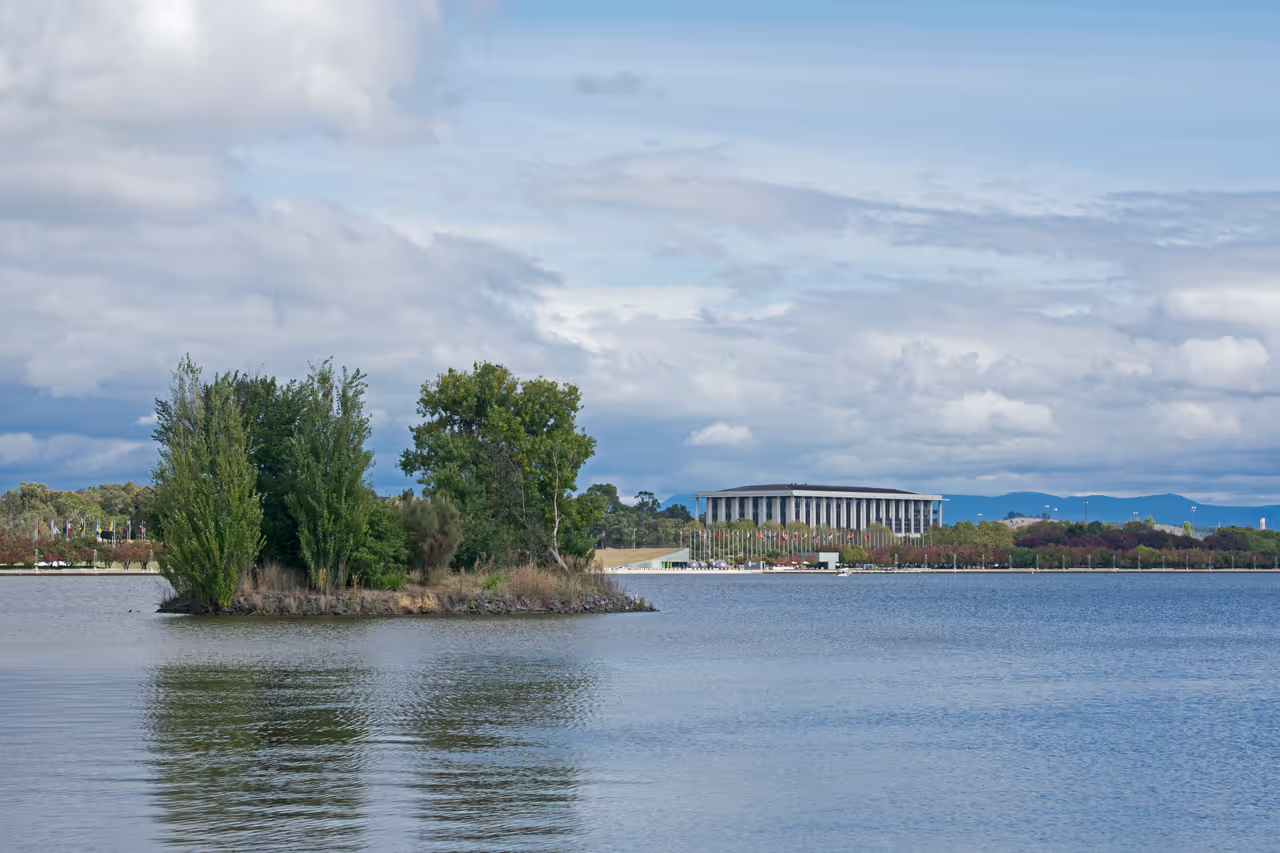
National Library of Australia
Designed with a clear nod to classical Greek temples, this building brings immense elegance to the parliamentary zone. It is...
view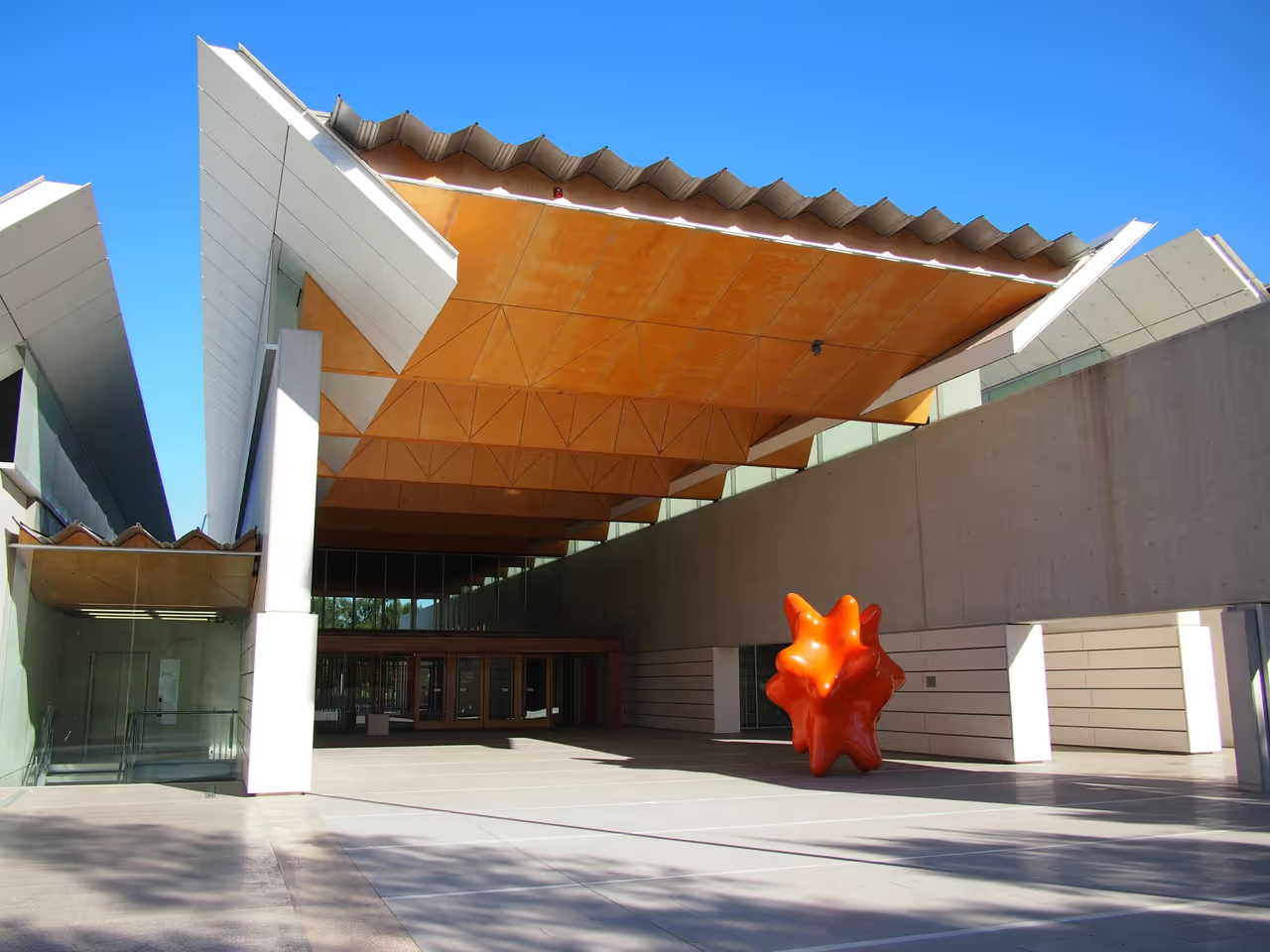
National Portrait Gallery
One of the newest major additions to the parliamentary zone, this building is a masterclass in contemporary Australian...
view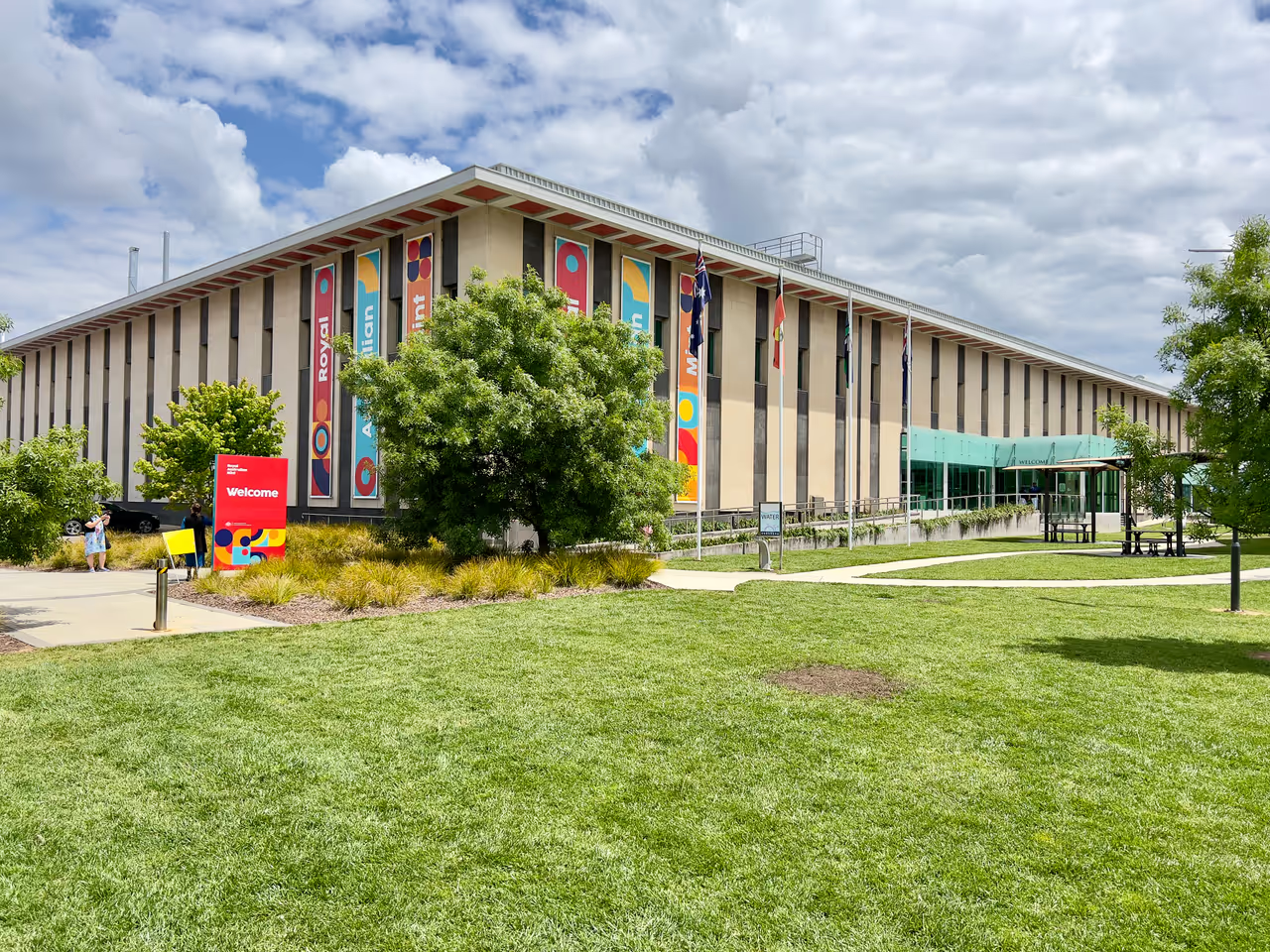
Royal Australian Mint
This highly functional building is where every single circulating coin in the country is manufactured. The architecture is...
view
Markets & Shopping
Canberra Nightlife
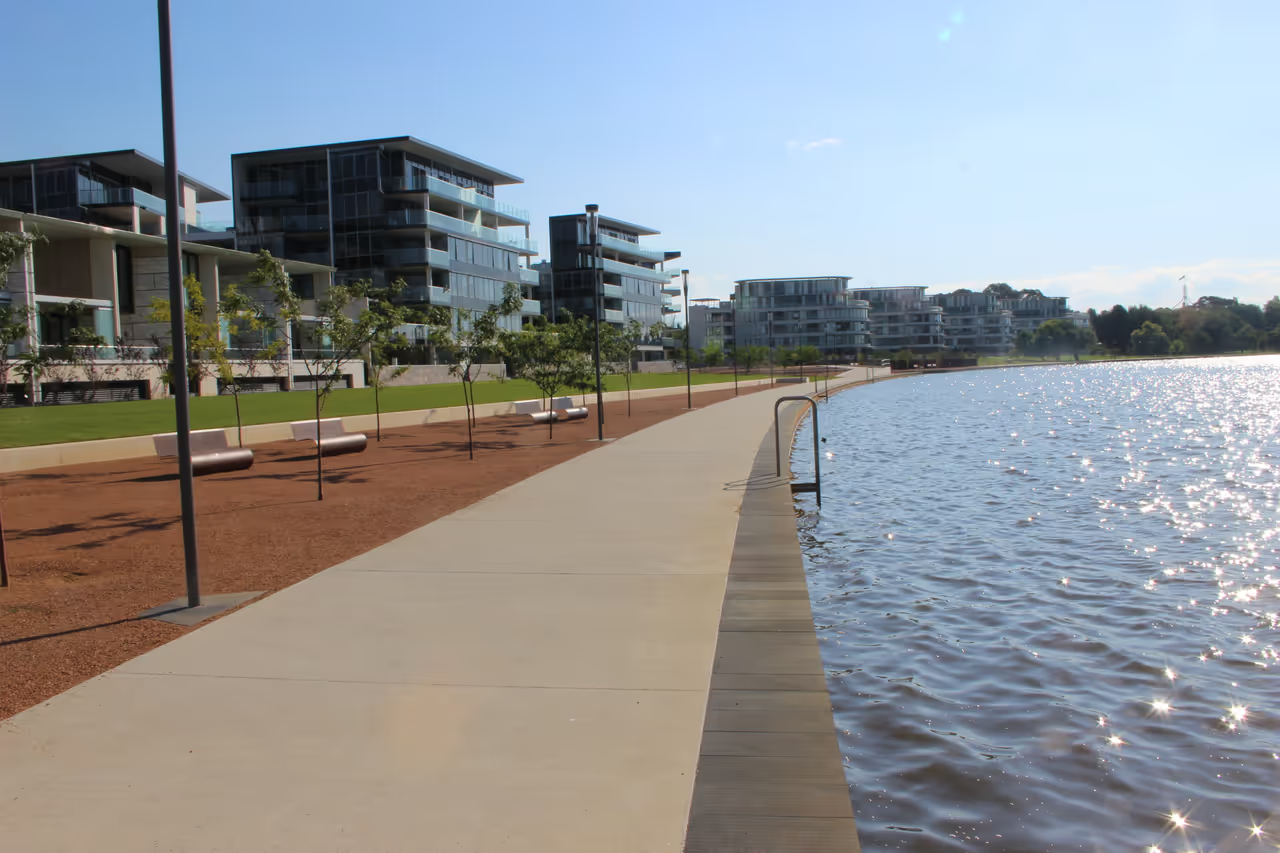
Photo Spots
Activities & Experiences

Cycling Routes
 HIGHLY RECOMMENDED
Central Basin Loop
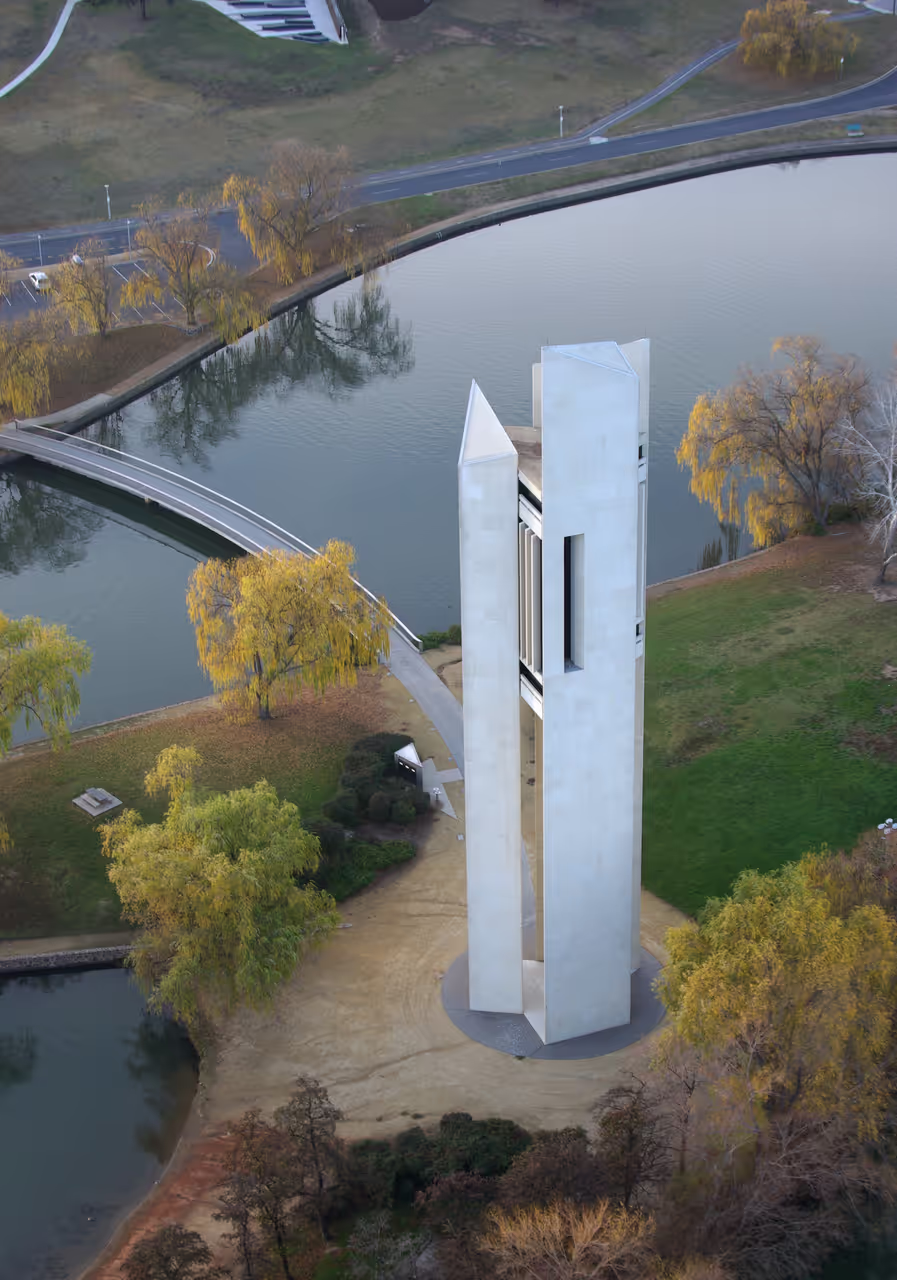
A classic, completely flat circuit that traces the most manicured edges of the main lake. You will glide past national museums, beautiful public parks, and stunning water features. The dedicated paths keep you entirely separated from road traffic, ensuring a safe and incredibly relaxing journey. It is the perfect introduction to the grand scale of the city.
Lake Ginninderra Circuit
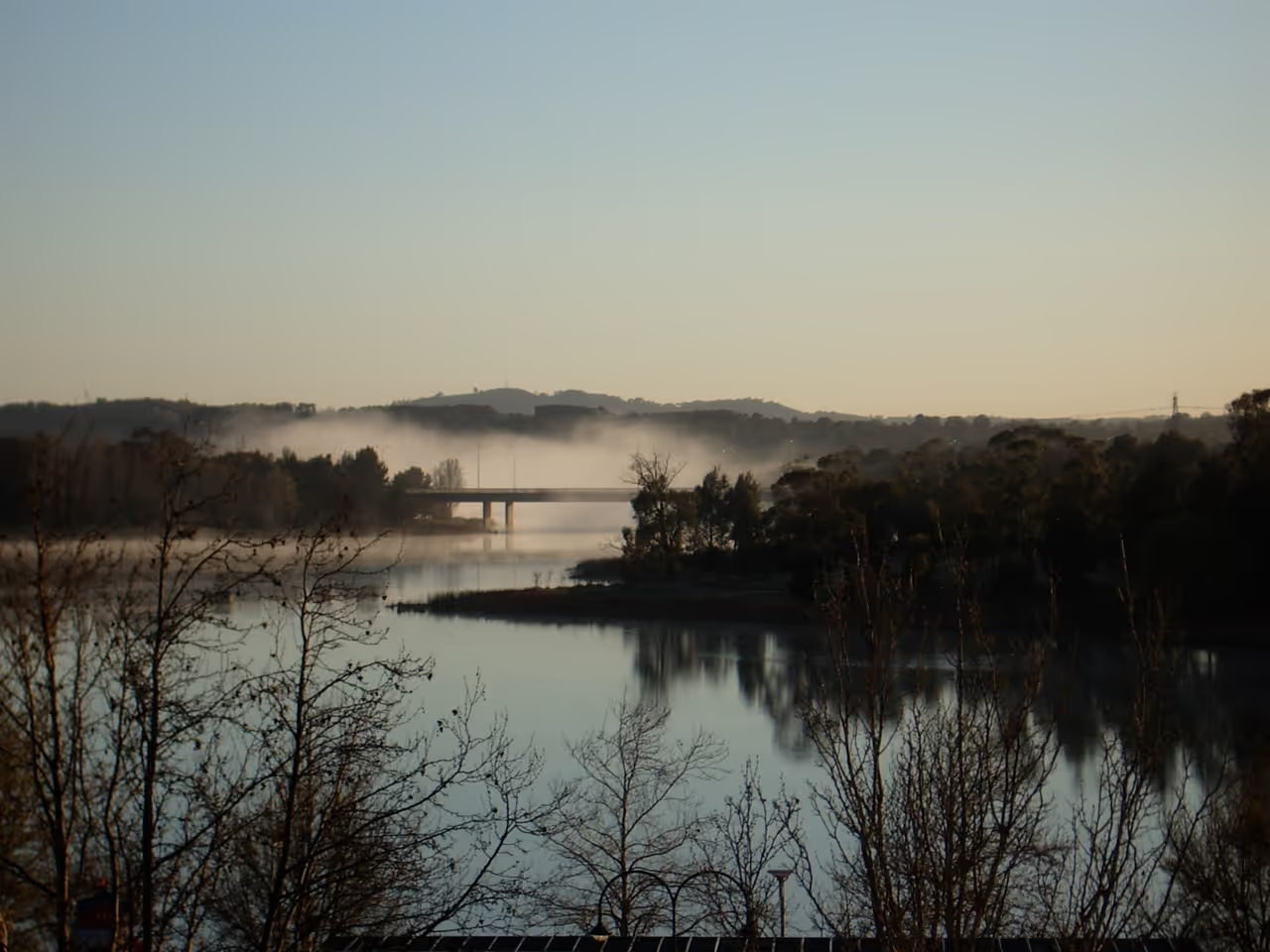
Located in the northern district of Belconnen, this peaceful trail loops around a smaller, highly scenic body of water. The route winds through dense eucalyptus trees, wide open parklands, and past sandy artificial beaches. It is incredibly popular with locals but remains largely undiscovered by tourists. The varying landscapes keep the ride visually stimulating throughout.
- HIGHLY RECOMMENDED
Parliamentary Triangle Ride
A majestic ride through the very core of Australian democracy, utilizing wide, sweeping avenues. The route takes you past immense government buildings, manicured rose gardens, and grand lawns. It offers a tangible sense of the scale and ambition of the city's architectural design. The pathways are broad and incredibly well suited for leisurely cycling.
Self-Guided Tours

Diplomatic Missions Tour
An incredible journey through the leafy streets of Yarralumla, showcasing the grand architecture of international embassies. Many nations have designed their missions to reflect their traditional cultural aesthetics, creating a bizarre and beautiful global architectural showcase. You will walk past immense Chinese courtyards, traditional Thai rooftops, and grand European estates. It offers a visual representation of the city's role in global politics.
 HIGHLY RECOMMENDED
Anzac Parade Memorial Walk
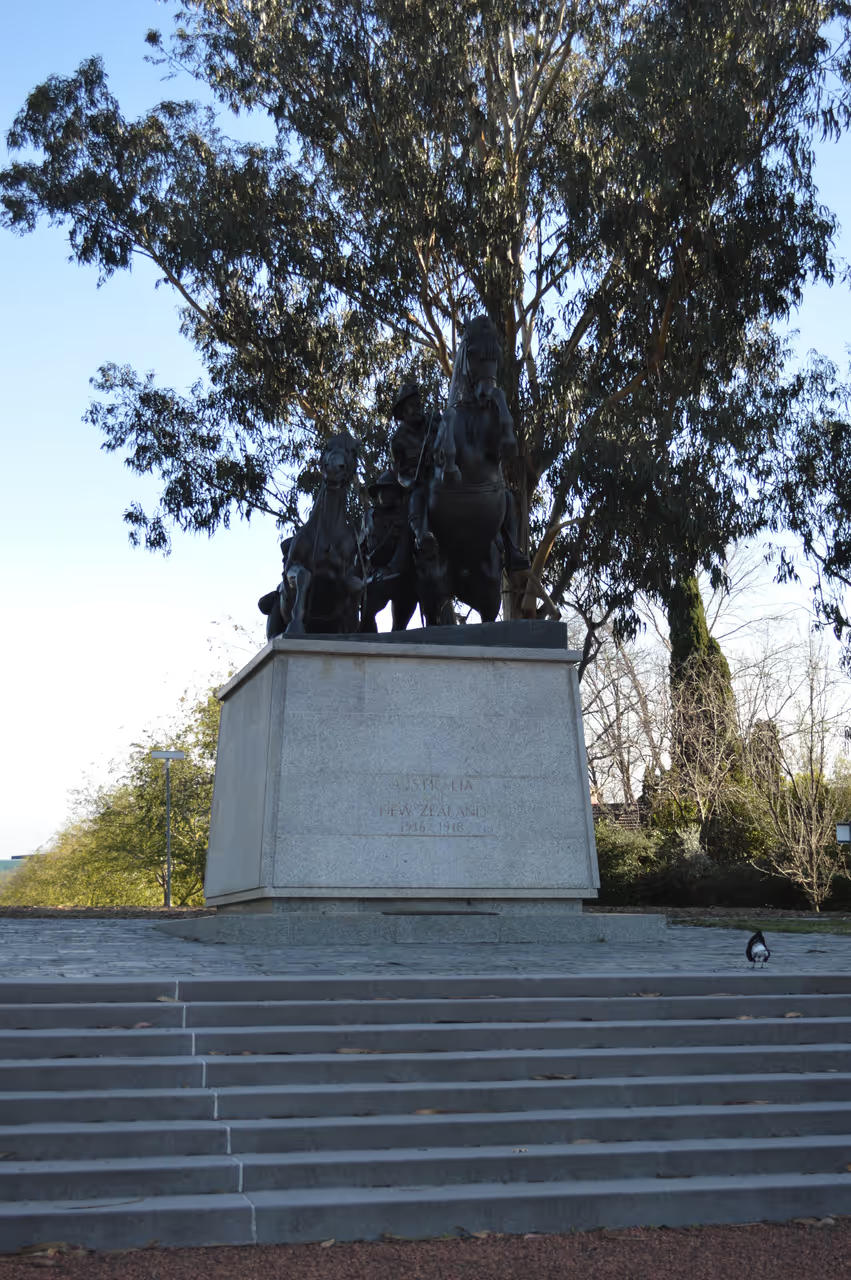
A solemn and powerful walk down the grand crimson gravel avenue that serves as the city's primary ceremonial axis. The broad street is flanked by numerous highly evocative monuments dedicated to different military conflicts and service branches. The avenue is intentionally aligned to create a direct visual link between the parliament and the war memorial. It is a deeply moving exploration of national sacrifice and history.
- HIGHLY RECOMMENDED
National Institutions Trail
A brilliant cultural journey through the heavy concrete and glass monuments of the parliamentary zone. This route connects the country's most significant galleries, courts, and libraries, all situated within a short distance of one another. The brutalist and postmodern architecture of the buildings is as impressive as the collections housed within. It offers a deep dive into the intellectual and artistic achievements of the nation.
Annual Festivals & Events
 HIGHLY RECOMMENDED
Canberra Balloon Spectacular
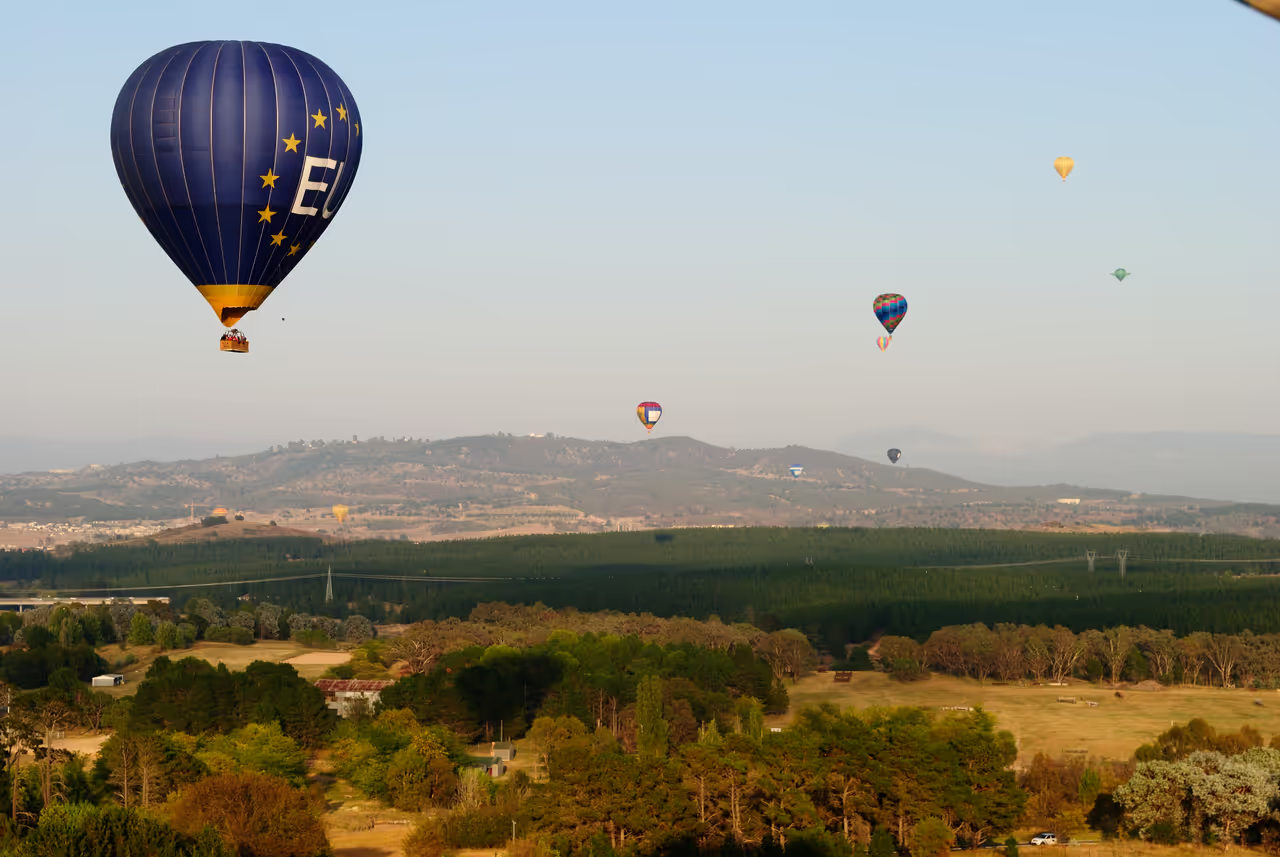
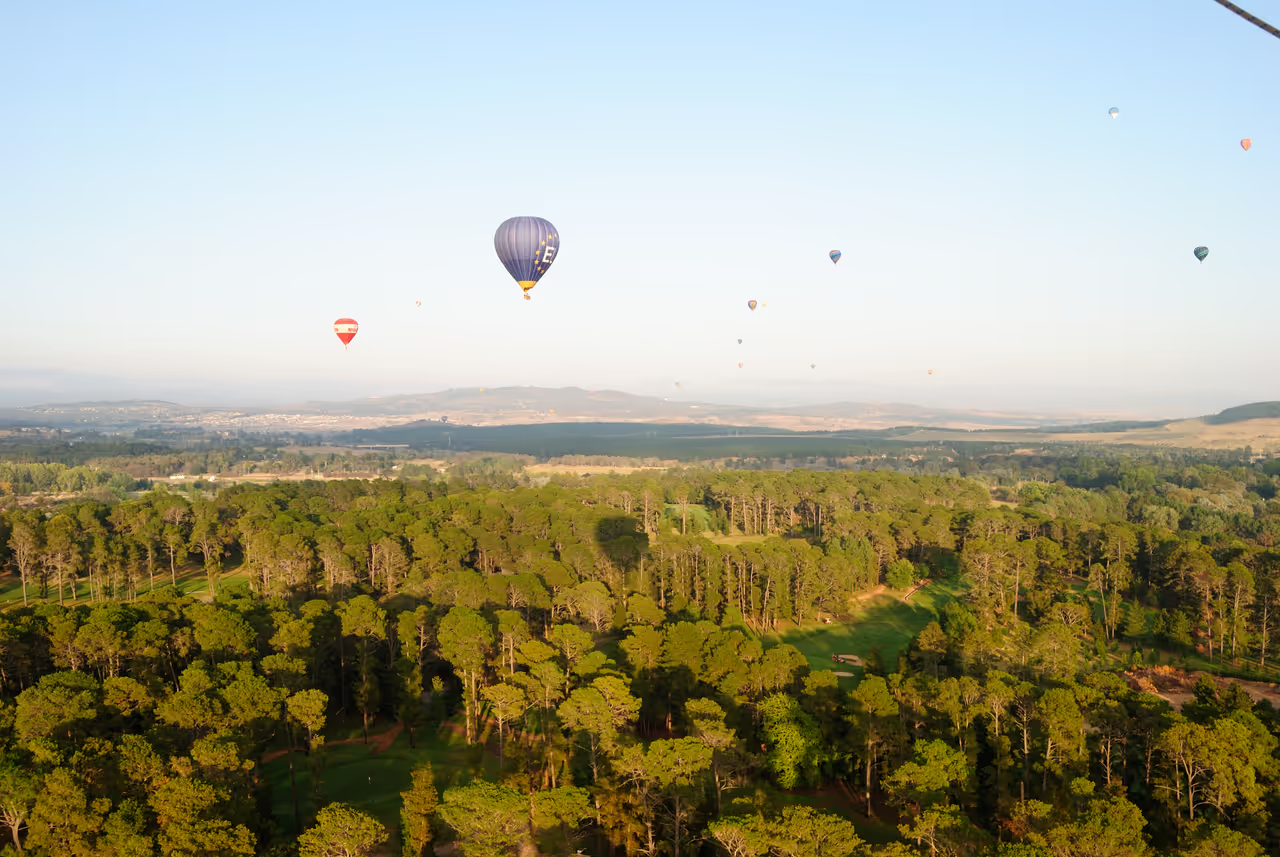
For several magical mornings, dozens of vibrant hot air balloons take flight from the lawns in front of Old Parliament House. The sight of massive balloons drifting gently over the lake and national monuments at sunrise is breathtaking. Spectators gather on the grass to enjoy hot breakfasts and coffee while watching the inflation process. It is considered one of the top ballooning events globally.
- HIGHLY RECOMMENDED
Floriade
This is the largest flower festival in the Southern Hemisphere, transforming Commonwealth Park into a massive tapestry of blooming colour. Millions of tulips and annuals are meticulously planted to create stunning artistic designs viewed best from the Ferris wheel. The event also features live music, local food stalls, and horticultural workshops. It is a brilliant celebration of spring that draws visitors from all over the country.
National Folk Festival
Held over the long Easter weekend, this cherished event brings together folk musicians, poets, and craftspeople from around the world. The festival grounds turn into a lively village with multiple performance tents, impromptu jam sessions, and spoken word poetry. It features a wonderful array of artisan market stalls and organic food vendors. The vibe is incredibly community focused and relaxed.
Insider Tips
Navigating the road network means dealing with an enormous number of roundabouts. Always give way to traffic already on the roundabout coming from your right.
You can tap your regular credit or debit card on the light rail and buses, making it entirely unnecessary to buy a dedicated transit card for short visits.
If you are cycling or walking in spring, be highly aware of swooping magpies. Locals often wear sunglasses on the back of their heads or attach zip ties to their helmets to deter the aggressive birds.
Road signs pointing to the Town Centre can be confusing because the city is divided into several distinct satellite towns. Always know which specific district you are aiming for before following these signs.
Many excellent restaurants and cafes are surprisingly hidden away in small suburban shopping strips rather than the main civic centre. Always look up local reviews for hidden culinary treasures in the outer suburbs.
If you are driving outside the city centre near dusk or dawn, reduce your speed significantly. Eastern Grey Kangaroos are incredibly active at these times and frequently cross suburban roads.
PERFECT FOR
This destination is perfect for curious travellers seeking deep cultural immersion, political history, and world class museum experiences. It highly appeals to outdoor enthusiasts who enjoy cycling, hiking, and exploring nature reserves located right on the edge of the urban environment. Families and couples looking for a relaxed, educational, and visually striking getaway will find the broad avenues and tranquil lakes immensely rewarding.
VIBE
It feels incredibly open, structured, and green, offering a deep sense of calm that is rare for a major capital. You will sense the intellectual and political weight of the nation in its monumental architecture, yet the atmosphere remains deeply relaxed and grounded in nature. Life here moves at a steady, unhurried pace, surrounded by expansive skies and fresh mountain air.
Frequently Asked Questions about Canberra
While we strive to keep this information accurate and up to date, we recommend verifying any details independently before making decisions based on them.
Similar Destination in Australia
Continue your journey. Explore this highly recommended city and uncover more of what Australia has to offer.