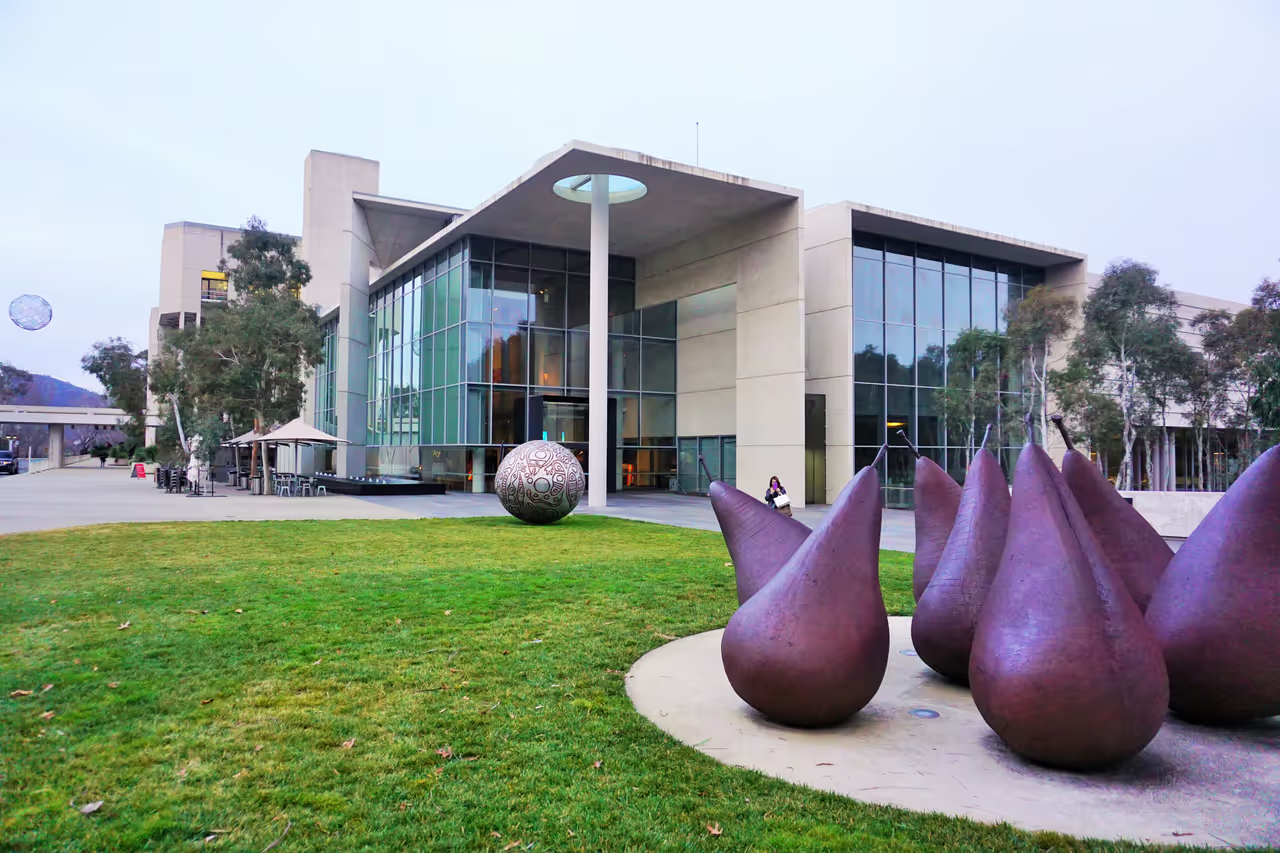
National Gallery of Australia
Nestled in the heart of the Parliamentary Triangle, this iconic Brutalist structure is home to an extraordinary collection spanning over 166,000 works of art. From historic Indigenous masterpieces to renowned international classics, the gallery offers a profound journey through creativity and culture. Visitors can wander through expansive, light filled spaces, explore the tranquil sculpture gardens, or get lost in the vibrant stories woven into the fabric of the Australian and international collections. It serves as a custodian of national identity while providing a canvas for diverse global voices. Whether you are an art aficionado or simply seeking an inspiring afternoon, the gallery promises an unforgettable cultural experience in the nation's capital.
Videos
History of National Gallery of Australia
The path to establishing the National Gallery of Australia was a marathon of patience and persuasion that spanned decades. Prominent Australian artists began lobbying as early as the nation's federation, but it was not until the late 1960s that the dream gained serious political momentum. Even then, the path was complicated by fierce debates over the gallery's location within the Parliamentary Triangle, a site already contested for its symbolic weight. For years, the project remained a secondary priority, often pushed aside in favour of building infrastructure or other government offices, until a commitment was finally solidified in 1967. When construction finally began, the resulting design by architect Colin Madigan was a bold statement of late 20th century Brutalism. Characterised by massive geometric forms, raw concrete, and a triangular motif that repeats throughout the structure, the building was designed to be as much an experience as a container for art. The interior was crafted to provide flexible, light filled spaces that could adapt to the shifting needs of a growing national collection. After years of development and planning, Queen Elizabeth II officially opened the doors in 1982, finally giving Australia a world class home for its national treasures. Since its opening, the gallery has cemented its status as the heartbeat of Australia's visual culture. It famously made headlines in 1974 with the controversial purchase of Jackson Pollock's Blue Poles, a move that polarised the nation but ultimately proved to be a visionary acquisition. Today, the institution is celebrated for its commitment to reconciliation and its dedication to elevating voices that were long overlooked. By balancing its expansive international holdings with a deep reverence for Indigenous Australian art, the gallery continues to evolve, ensuring that it remains a vital, living archive of the human experience.
Events spanning 57 years
Fun Facts
- • In 2014, the institution voluntarily returned a bronze Dancing Shiva statue to India after investigations suggested it had been stolen from a temple in Tamil Nadu.
- • It holds a strong collection of modern international art, including masterpieces by Claude Monet, Pablo Picasso, and Andy Warhol.
- • The Aboriginal Memorial consists of 200 painted hollow log coffins, which commemorate Indigenous people who died defending their land between 1788 and 1988.
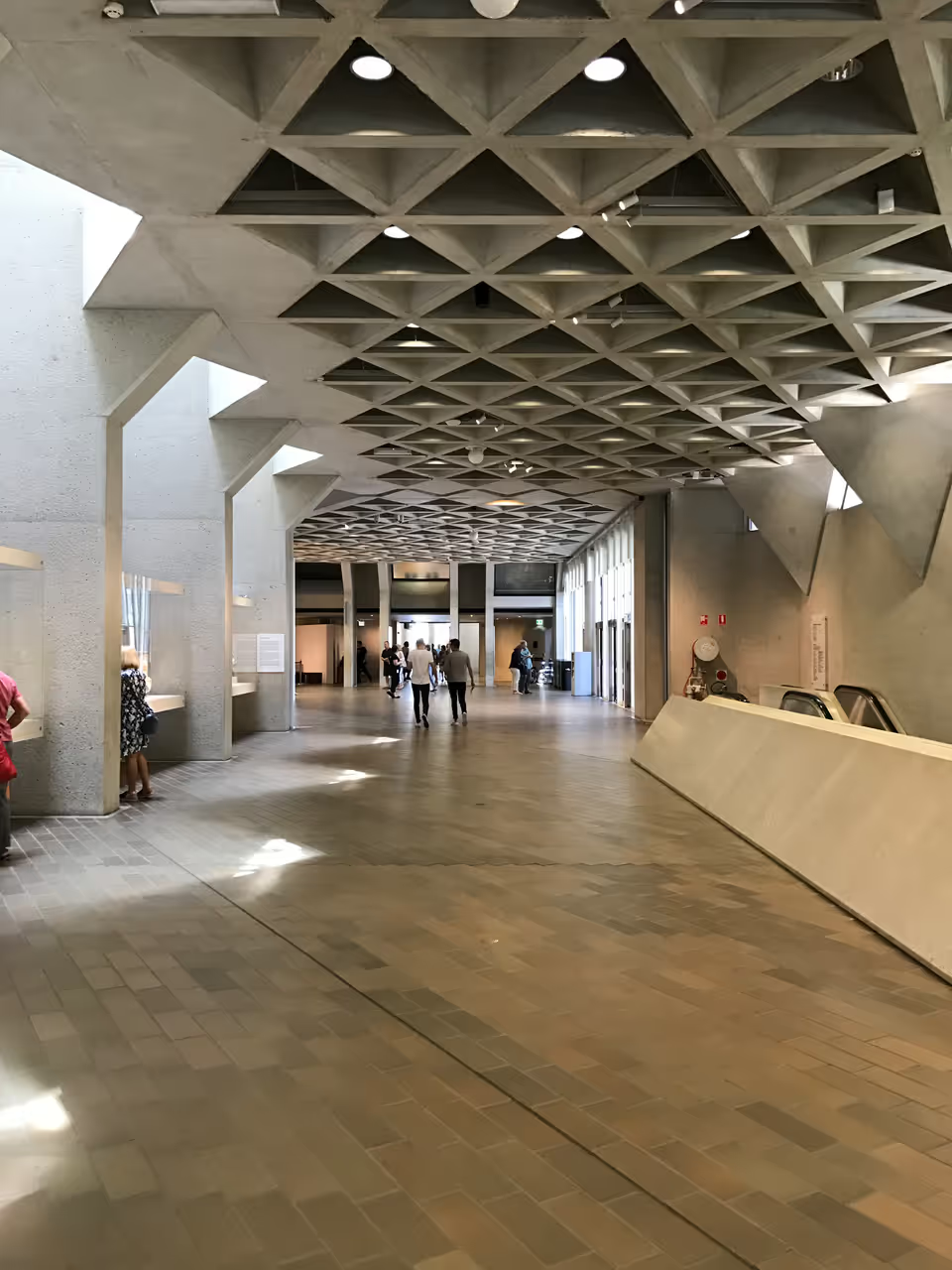
- • The building's geometry is based on a triangle, a pattern cleverly integrated into the coffered ceiling grids and tiled floors throughout the interior.
- • The gallery holds a massive collection exceeding 166,000 works, ranging from medieval Western art to contemporary Asian pieces.
- • The gallery is a prime example of Brutalist architecture, characterised by angular masses and raw concrete surfaces.
- • The gallery operates a 'Know My Name' initiative dedicated to celebrating and increasing the representation of women artists in its collection.
- • The gallery's sculpture garden includes a unique fog sculpture by Fujiko Nakaya that only operates at specific times during the day.
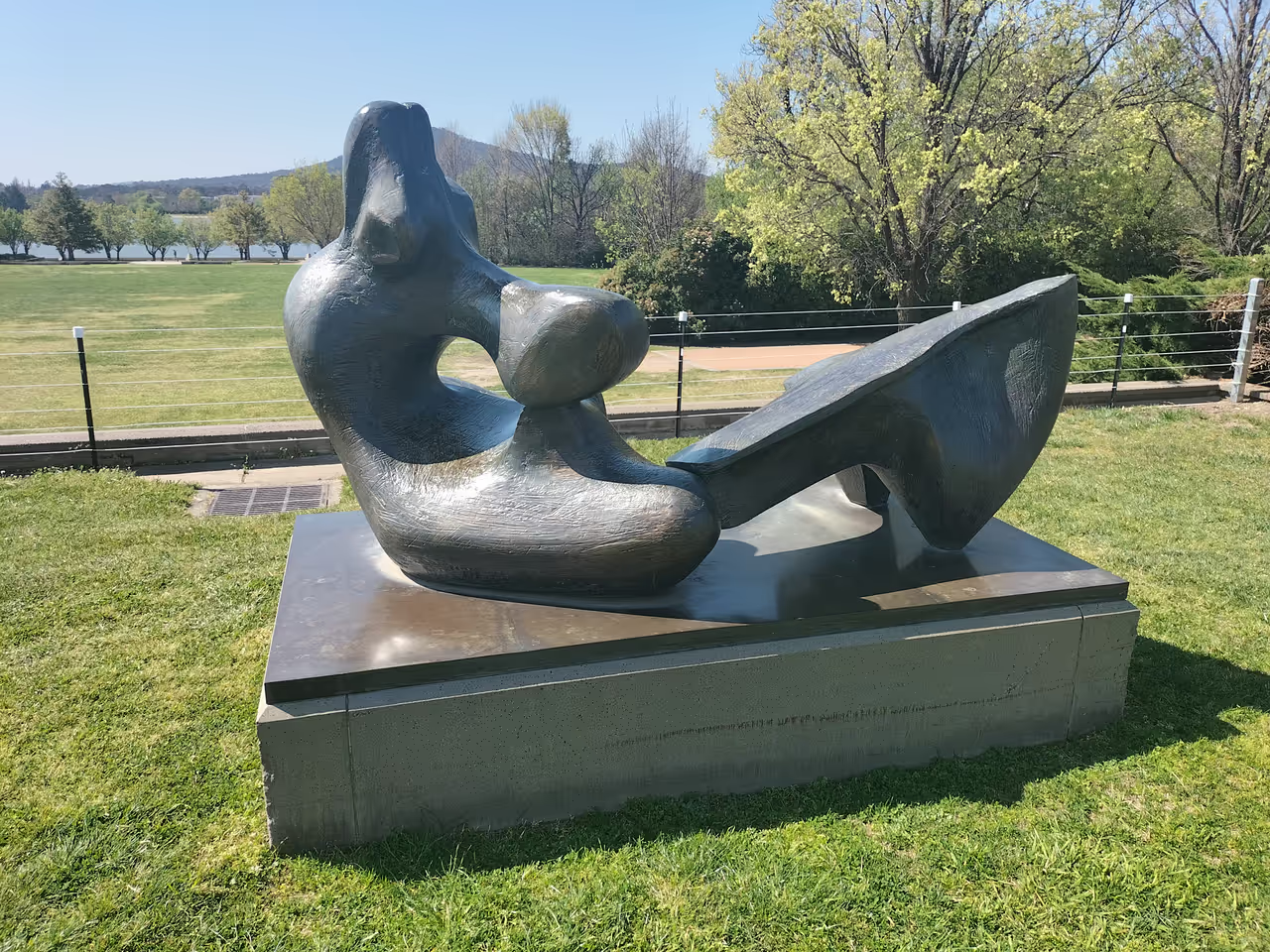
- • The sculpture garden features significant works, including a maquette of Antony Gormley's Angel of the North and Henry Moore's Hill Arches.
National Gallery of Australia FAQ
While we strive to keep this information accurate and up to date, we recommend verifying any details independently before making decisions based on them.
National Gallery of Australia Map & Neighborhood Explorer
This interactive map is centered on National Gallery of Australia. Zoom in and move the map around to automatically discover Wikipedia photos and summaries of other nearby sights, monuments, and historical points of interest and stories in real-time!
Places near National Gallery of Australia
Make the most of your trip. Check out these top-rated spots located nearby.
 148m
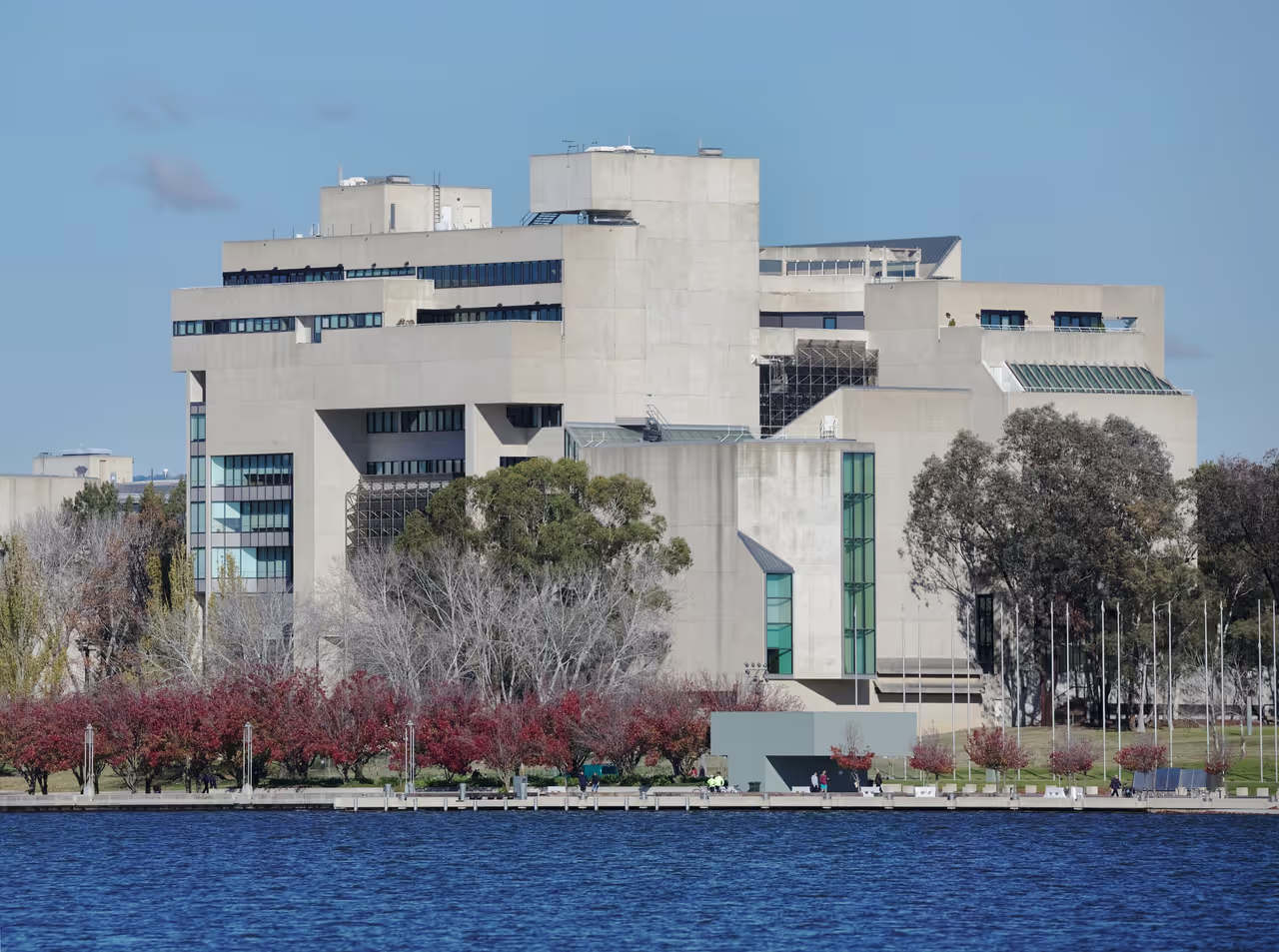
148mHigh Court of Australia
A staggering example of late brutalist architecture, designed to project absolute judicial power and transparency. The building features massive exposed concrete pillars, soaring glass facades, and an incredibly cavernous public hall that echoes with footsteps. The sheer scale of the interior ramps and walkways makes visitors feel intentionally small. It is a bold, uncompromising structure that dominates the shores of the lake.
architecture view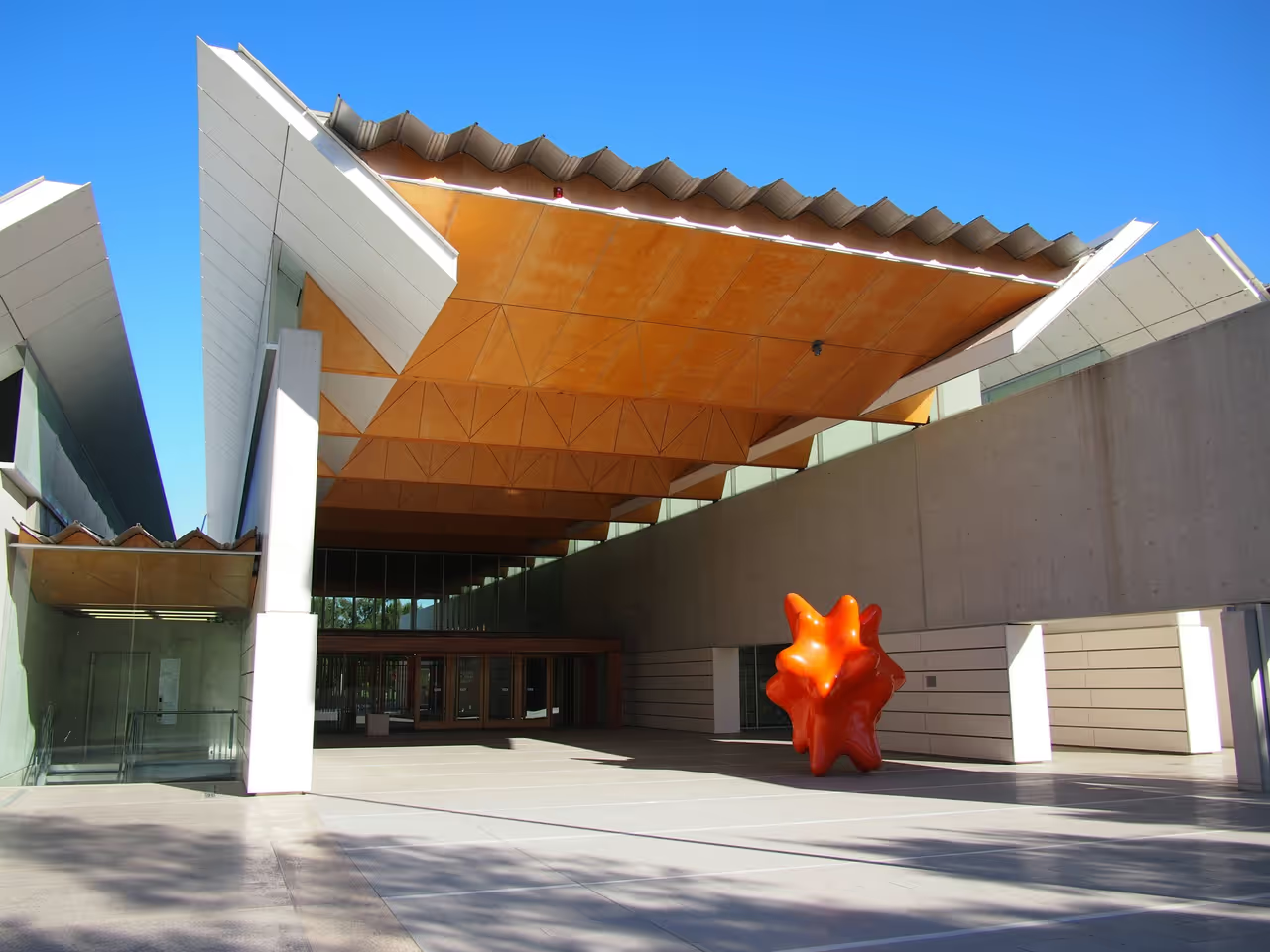 255m
255mNational Portrait Gallery
One of the newest major additions to the parliamentary zone, this building is a masterclass in contemporary Australian architecture. It uses raw concrete, rich native timbers, and vast angled skylights to perfectly illuminate the artworks within. The structure is designed to draw visitors naturally through its interconnected, intimately scaled rooms. It feels incredibly modern, sharp, and highly integrated with the surrounding environment.
architecture view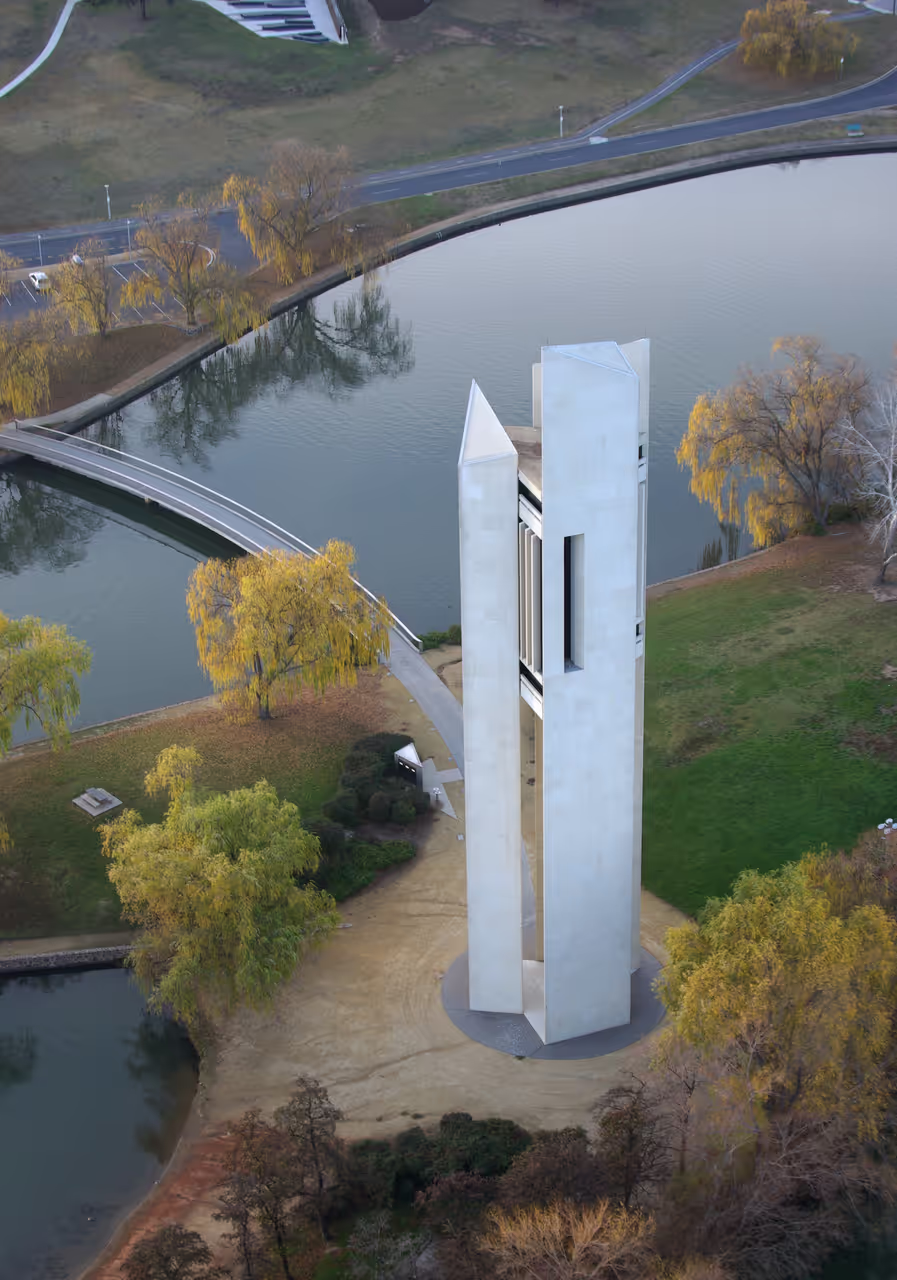 530m
530mNational Carillon
A striking, modernist bell tower rising sharply from the small, picturesque Aspen Island. The tall white pillars contrast beautifully against the deep blue of the sky and the surrounding water. Capturing the tower reflecting perfectly on the still surface of the lake at dawn is a favourite local photographic pursuit.
photo spot view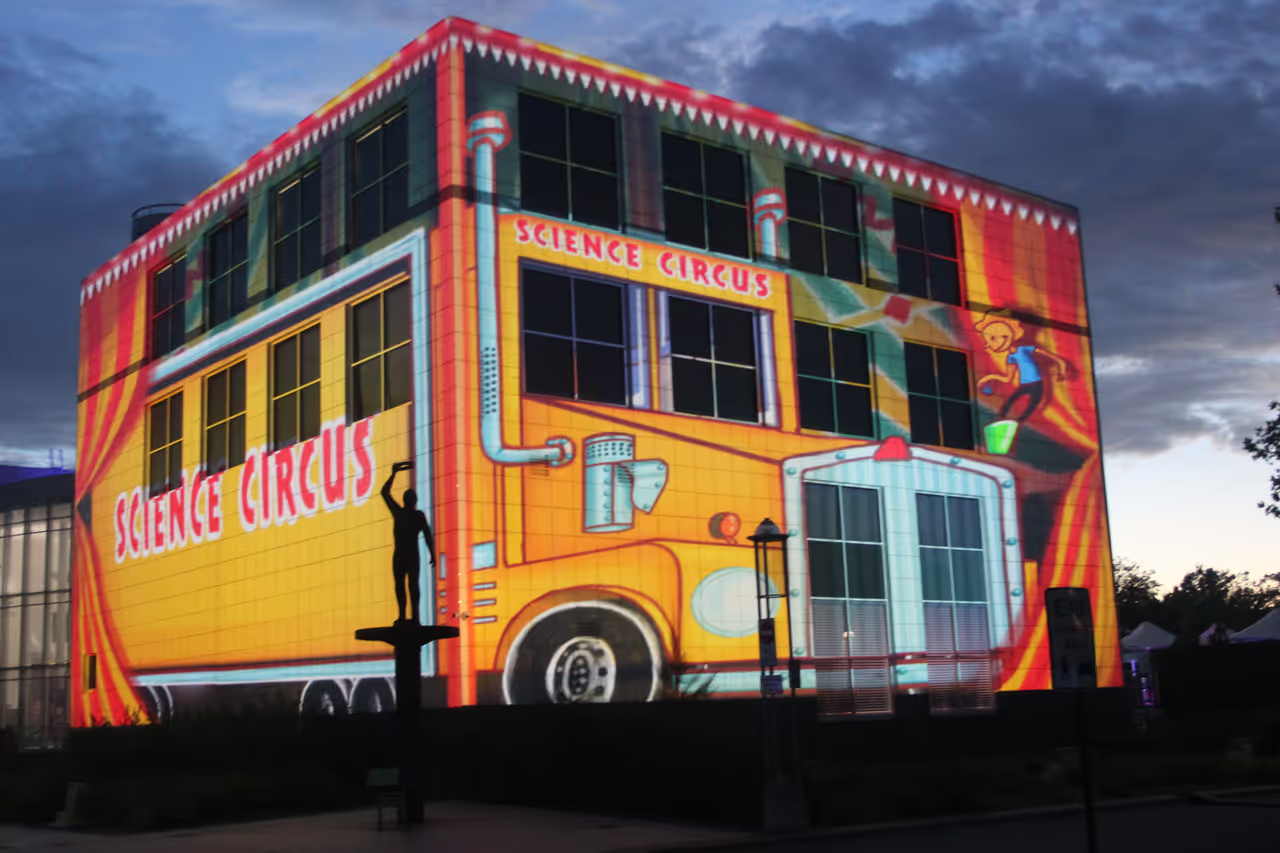 535m
535mQuestacon
Questacon transforms the often daunting world of physics and chemistry into an exhilarating playground of discovery. Whether you are launching a rocket, feeling the rumble of a simulated earthquake, or taking the plunge on the iconic six metre vertical freefall slide, this centre makes science feel tangible and thrilling. It is a space where curiosity is celebrated with over two hundred interactive exhibits spread across vibrant galleries, catering to everyone from wide eyed toddlers in MiniQ to adults testing their wits in the lab. The energy here is infectious, turning complex scientific concepts into moments of pure joy and understanding. It stands as a testament to human ingenuity, making it an essential, high energy stop for any visitor to the capital.
attraction view
Explore Similar Places in This Collection
Featured on These Itineraries and Routes
1 Day in Canberra Itinerary
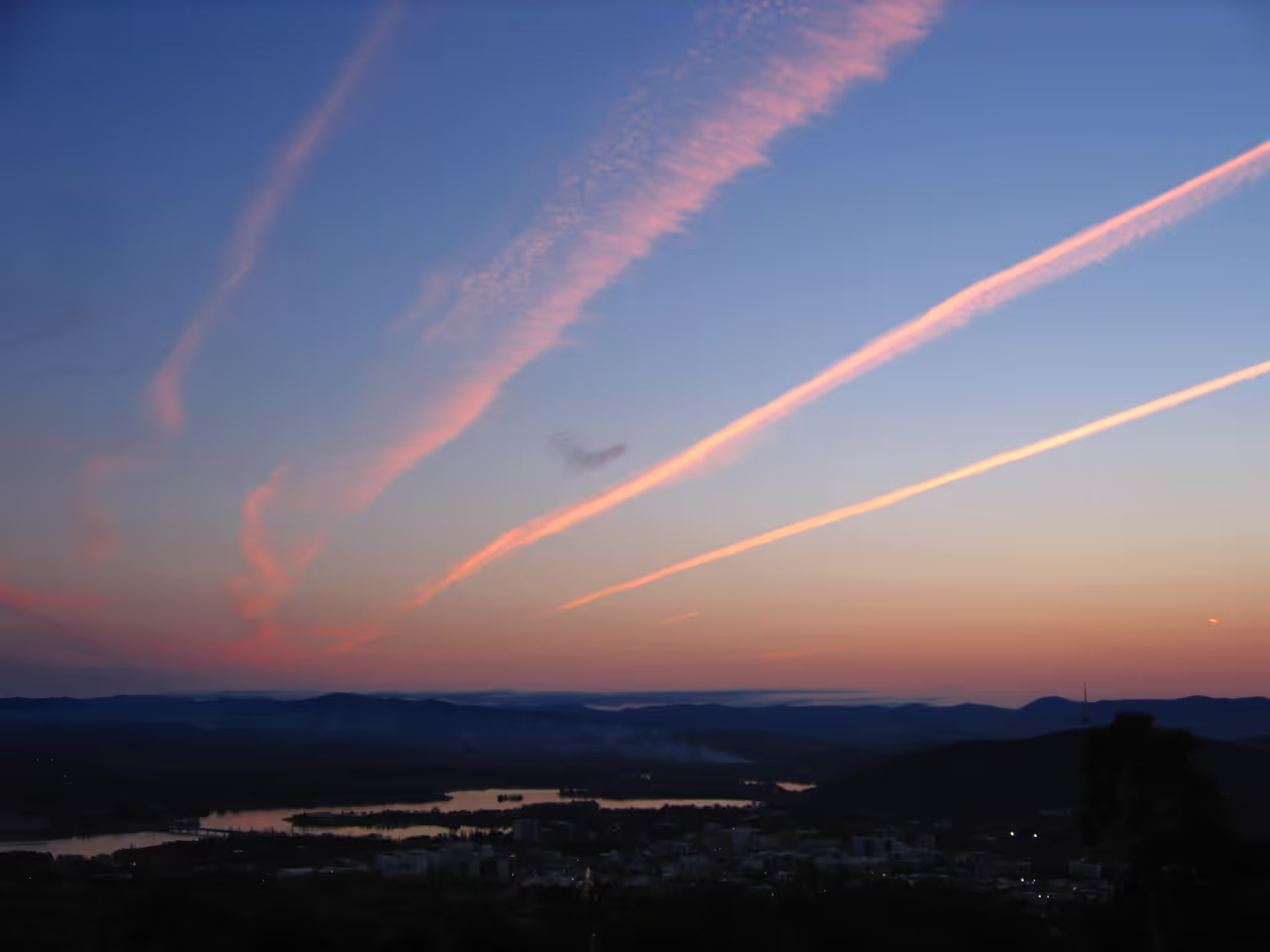
A highly concentrated tour of the absolute most essential national monuments and political landmarks. This fast paced itinerary focuses entirely on the central parliamentary zone and the magnificent views from the surrounding peaks. You will experience the pinnacle of Australian history, art, and democratic architecture. It provides a perfect, high level overview for those with severely limited time.
view itinerary
3 Days in Canberra Itinerary
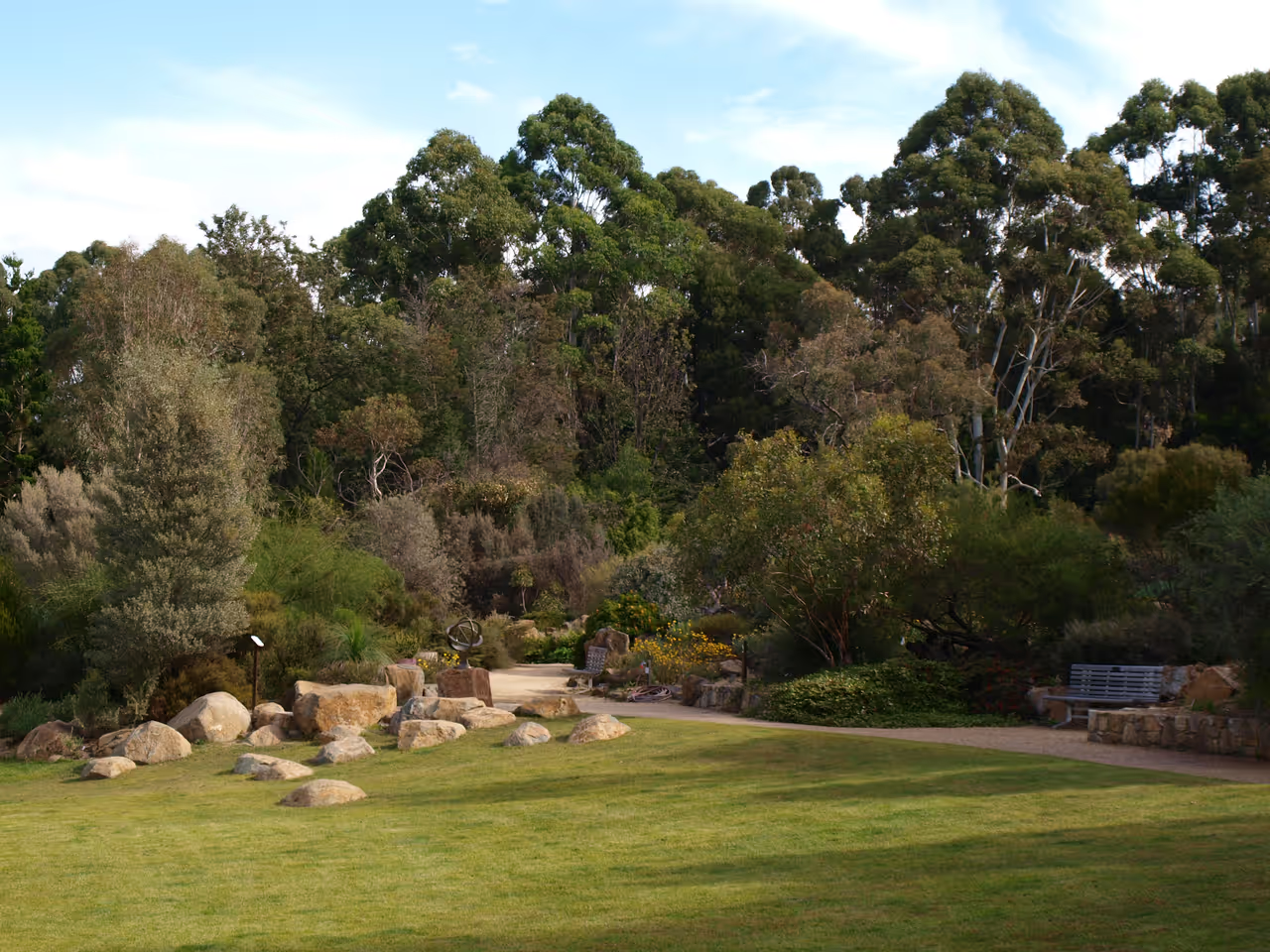
This balanced itinerary allows you to absorb the grand national institutions while also engaging with the beautiful outdoor landscape. You will split your time between exploring deep military history, cycling around the serene lakes, and discovering the quirky local attractions. It reveals the distinct contrast between the formal political architecture and the deeply relaxed, nature focused lifestyle of the residents.
view itinerary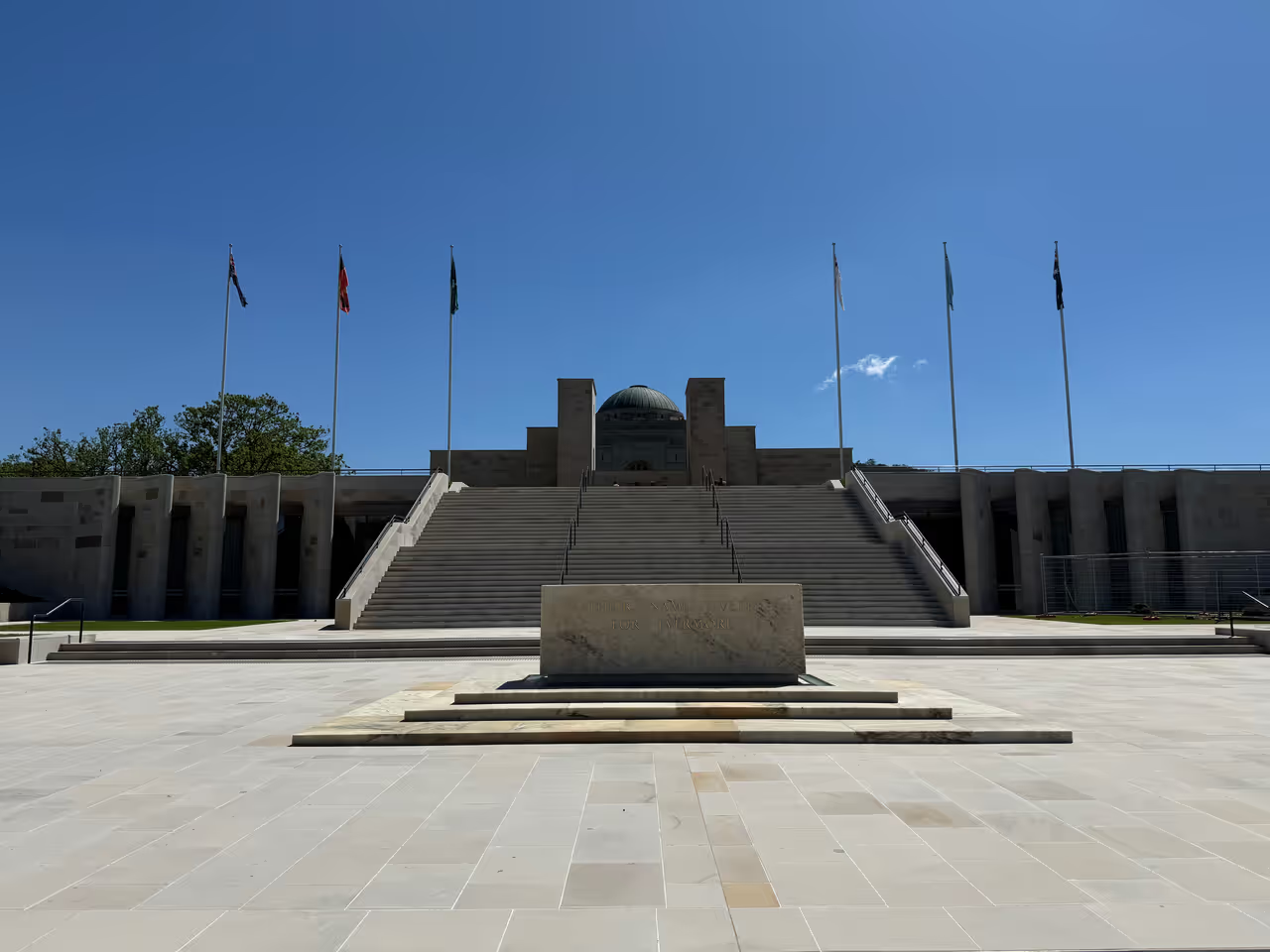

5 Days in Canberra: Deep Dive Itinerary
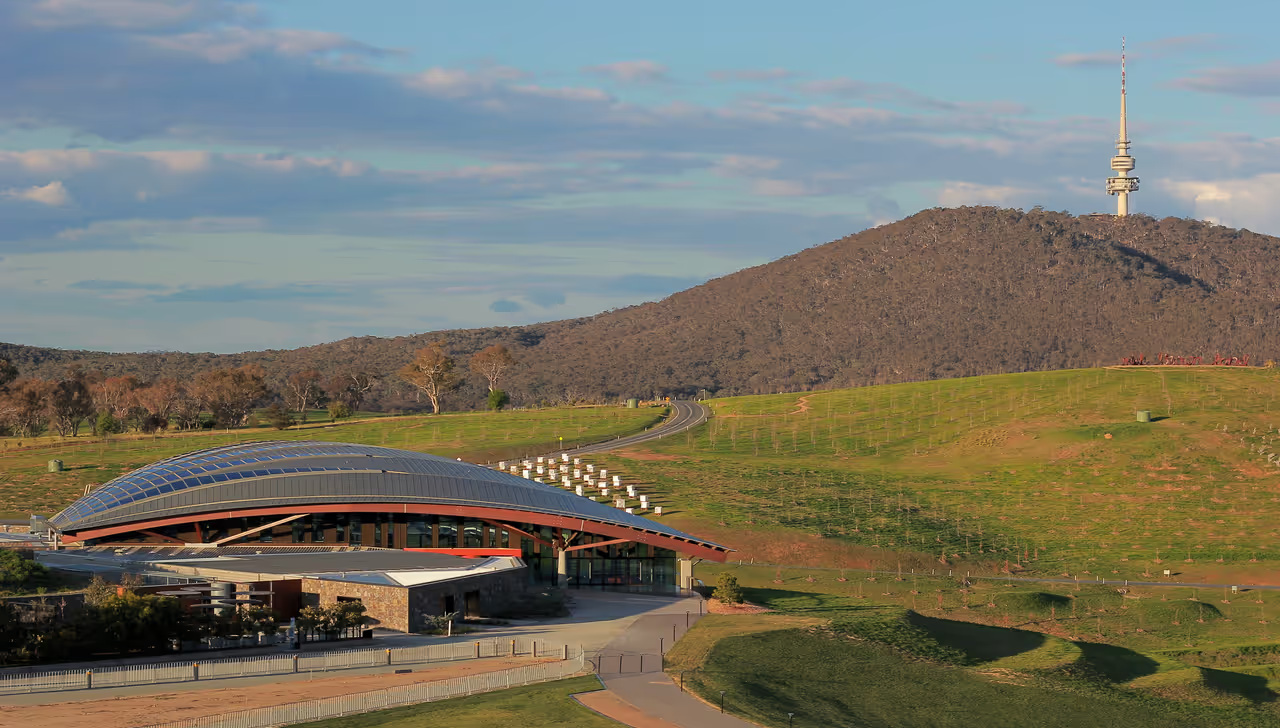
An exhaustive, highly rewarding exploration of everything the territory has to offer. Beyond the standard political monuments, you will venture into the rugged national parks, discover incredible hidden scientific facilities, and experience the local artisan markets. This extended stay allows you to truly understand the complex, multi layered identity of the bush capital at a thoroughly relaxed pace.
view itinerary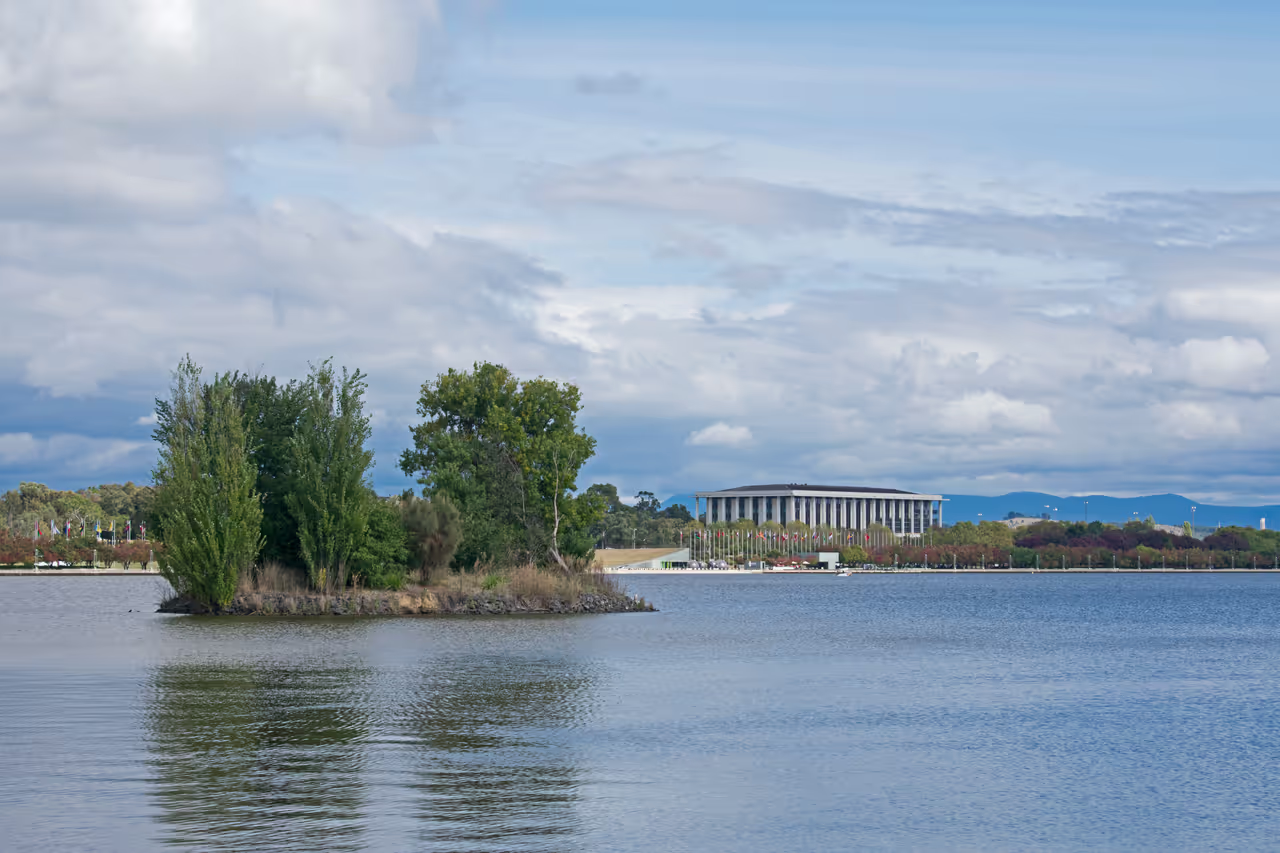
National Institutions Trail
A brilliant cultural journey through the heavy concrete and glass monuments of the parliamentary zone. This route connects the country's most significant galleries, courts, and libraries, all situated within a short distance of one another. The brutalist and postmodern architecture of the buildings is as impressive as the collections housed within. It offers a deep dive into the intellectual and artistic achievements of the nation.
view self-guided tour
See all attractions in Canberra
Australian War Memorial, Museum of Australian Democracy at Old Parliament House, National Museum of Australia, Parliament House, Questacon...