Questacon
Questacon transforms the often daunting world of physics and chemistry into an exhilarating playground of discovery. Whether you are launching a rocket, feeling the rumble of a simulated earthquake, or taking the plunge on the iconic six metre vertical freefall slide, this centre makes science feel tangible and thrilling. It is a space where curiosity is celebrated with over two hundred interactive exhibits spread across vibrant galleries, catering to everyone from wide eyed toddlers in MiniQ to adults testing their wits in the lab. The energy here is infectious, turning complex scientific concepts into moments of pure joy and understanding. It stands as a testament to human ingenuity, making it an essential, high energy stop for any visitor to the capital.
Videos
History of Questacon
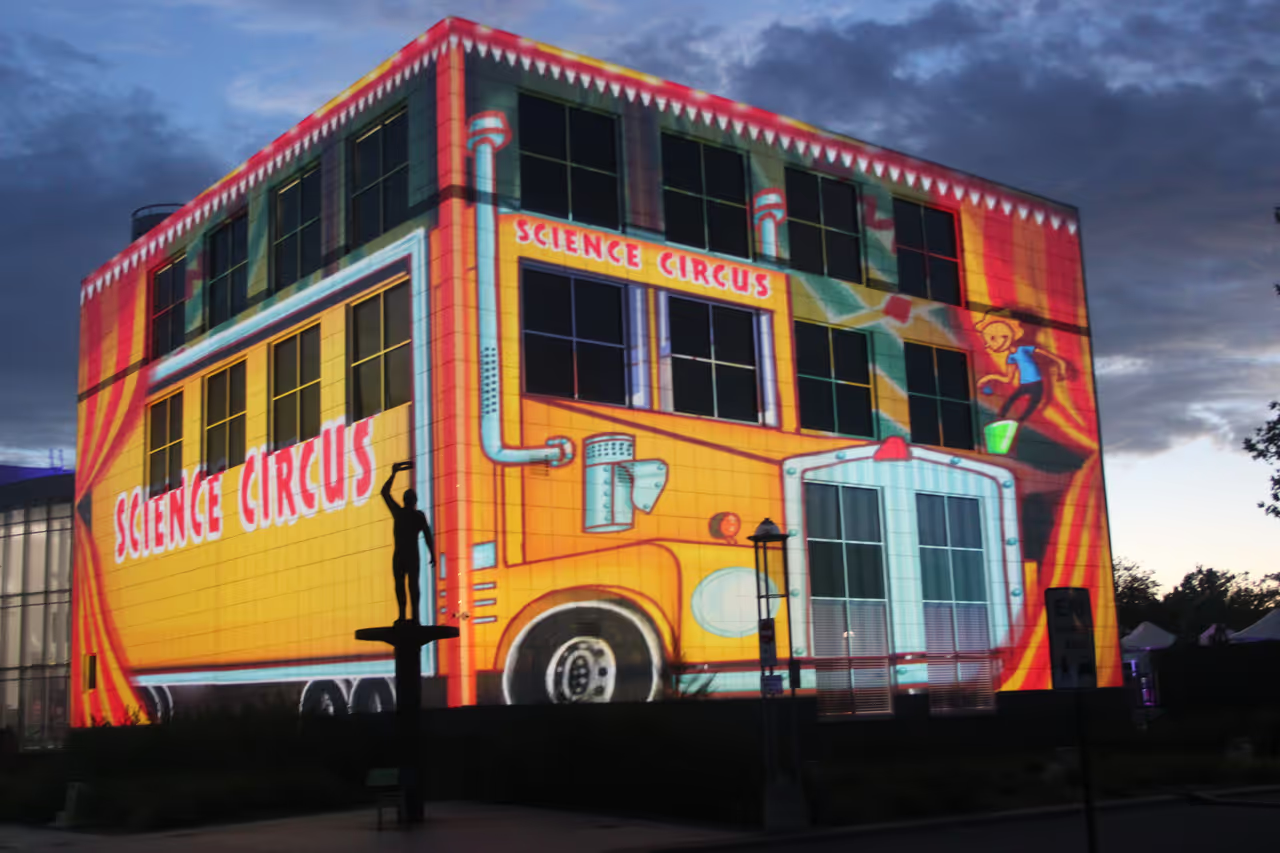
The story of Questacon is a testament to the power of curiosity and the idea that learning should be an active, physical experience. It began in 1980 within the walls of a room at Ainslie Public School, driven by the vision of Professor Mike Gore. A physicist at the Australian National University, Gore was dissatisfied with the way science was traditionally taught. He looked towards the famous Exploratorium in San Francisco for inspiration and decided to create a space where people could touch, break, and rebuild the laws of physics themselves. The early days were humble, relying on volunteers to keep the doors open and the excitement levels high. As the popularity of this small schoolhouse experiment grew, so did the ambition of its founders. It captured the imagination of the nation and caught the attention of international partners. In a grand display of goodwill for the 1988 Australian Bicentenary, the government and business sector of Japan donated one billion yen, a massive sum that allowed for the construction of the iconic, modern building that sits in the heart of the capital today. This architectural gift transformed Questacon into a truly world class facility. Today, the centre stands as a beacon for scientific literacy. Beyond its walls in Canberra, it maintains a spirit of adventure through the Science Circus, an outreach programme that traverses the vast Australian landscape to reach remote communities. This commitment to accessibility and discovery defines the character of Questacon. It remains a place where the barrier between the complex world of professional science and the inquisitive general public is completely erased, leaving behind only the pure joy of discovery.
Events spanning 42 years
Fun Facts
- • Before finding its permanent home, the museum operated as a grassroots project, relying heavily on the passion of volunteers and physics students.
- • The Excited Particles, an in house theatre troupe, bring science to life through live performances, proving that drama and physics make for excellent entertainment.
- • The Japan connection is profound, as the Japanese government contributed one billion yen, covering half of the total construction cost for the current building.
- • The Science Circus is not just a show, it is a mobile university, where presenters often complete a Masters degree in science communication while travelling the country.
- • The centre operates a massive outreach facility in the former Royal Australian Mint administration building, where researchers and designers build the exhibits you see in the main galleries.
- • The centre was heavily inspired by the Exploratorium in San Francisco, which pioneered the concept of hands on interactive science museums.
- • The facility is not only about physics, it explores the natural world, including a dedicated display on the mangroves of the Northern Territory to showcase Australian biodiversity.
- • The famous freefall slide allows brave visitors to experience a near vertical drop, providing a visceral lesson in gravity and momentum.
- • The name Questacon is a clever blend of two words, with quest representing the desire to discover and con signifying the act of studying.
- • The outdoor NKRYPT installation was designed to be a mystery, challenging visitors to use cryptography to decipher messages embedded in the stainless steel.
Questacon FAQ
While we strive to keep this information accurate and up to date, we recommend verifying any details independently before making decisions based on them.
Questacon Map & Neighborhood Explorer
This interactive map is centered on Questacon. Zoom in and move the map around to automatically discover Wikipedia photos and summaries of other nearby sights, monuments, and historical points of interest and stories in real-time!
Places near Questacon
Make the most of your trip. Check out these top-rated spots located nearby.
 149m
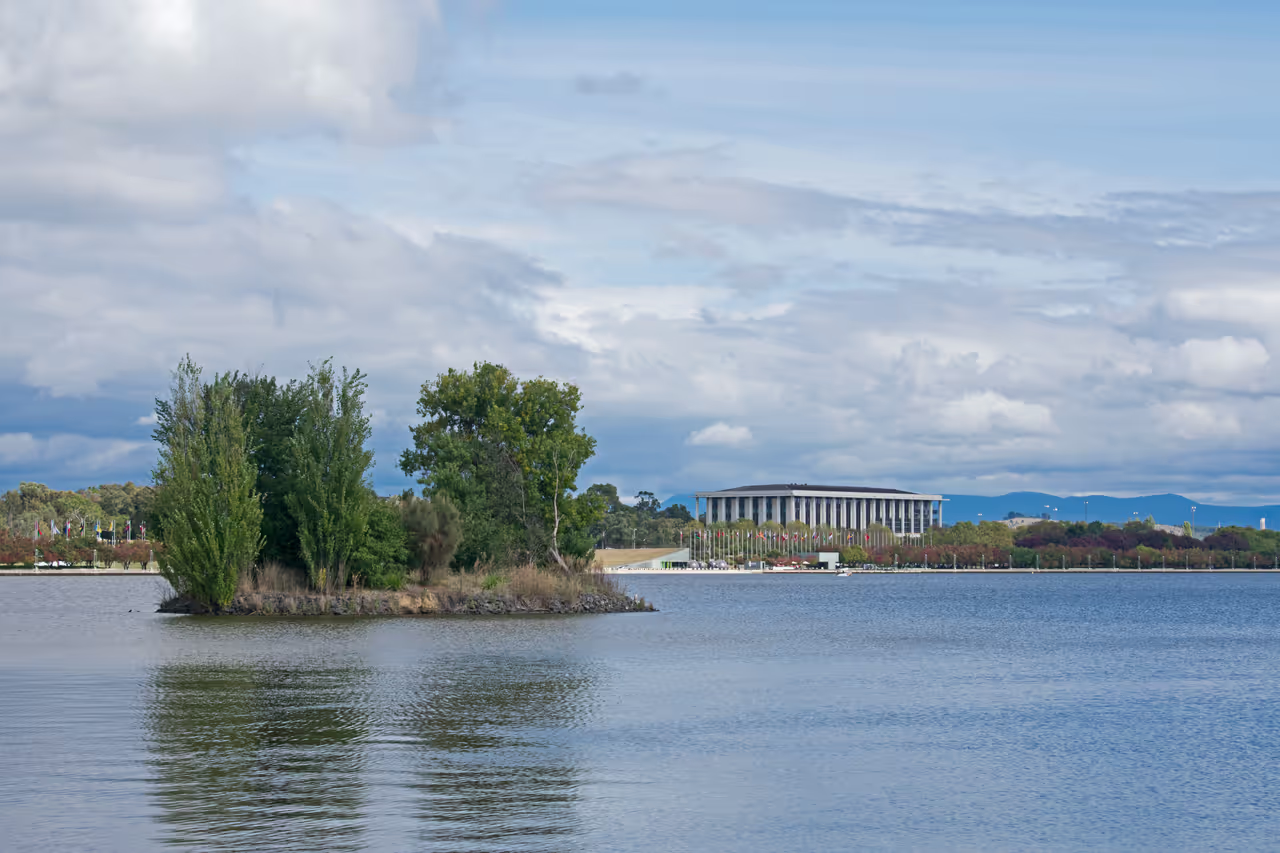
149mNational Library of Australia
Designed with a clear nod to classical Greek temples, this building brings immense elegance to the parliamentary zone. It is wrapped in tall, slender marble columns and features brilliant copper detailing on its roof. The large stained glass windows by artist Leonard French add beautiful bursts of colour to the stark white facade. It projects an atmosphere of quiet, dignified intelligence.
architecture view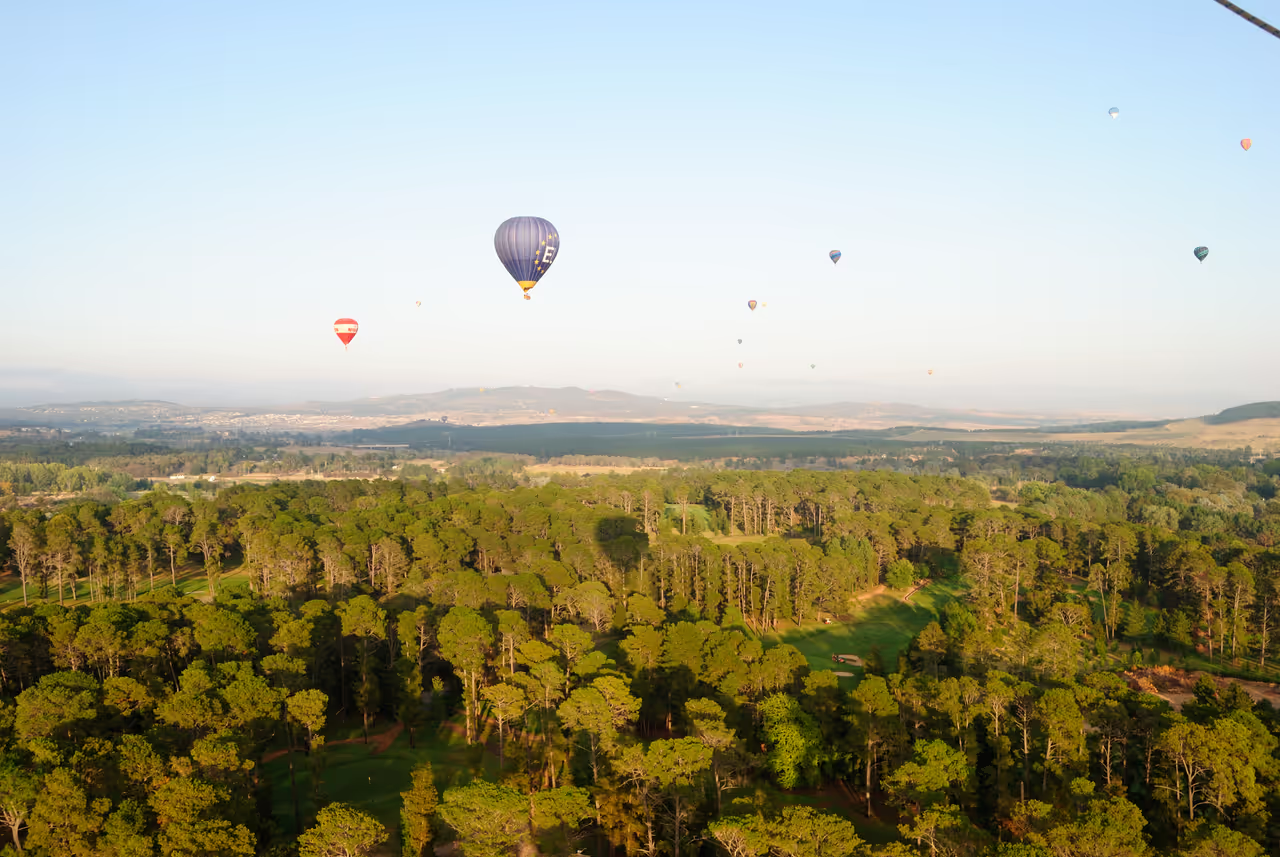 251m
251mCanberra Balloon Spectacular
For several magical mornings, dozens of vibrant hot air balloons take flight from the lawns in front of Old Parliament House. The sight of massive balloons drifting gently over the lake and national monuments at sunrise is breathtaking. Spectators gather on the grass to enjoy hot breakfasts and coffee while watching the inflation process. It is considered one of the top ballooning events globally.
festival view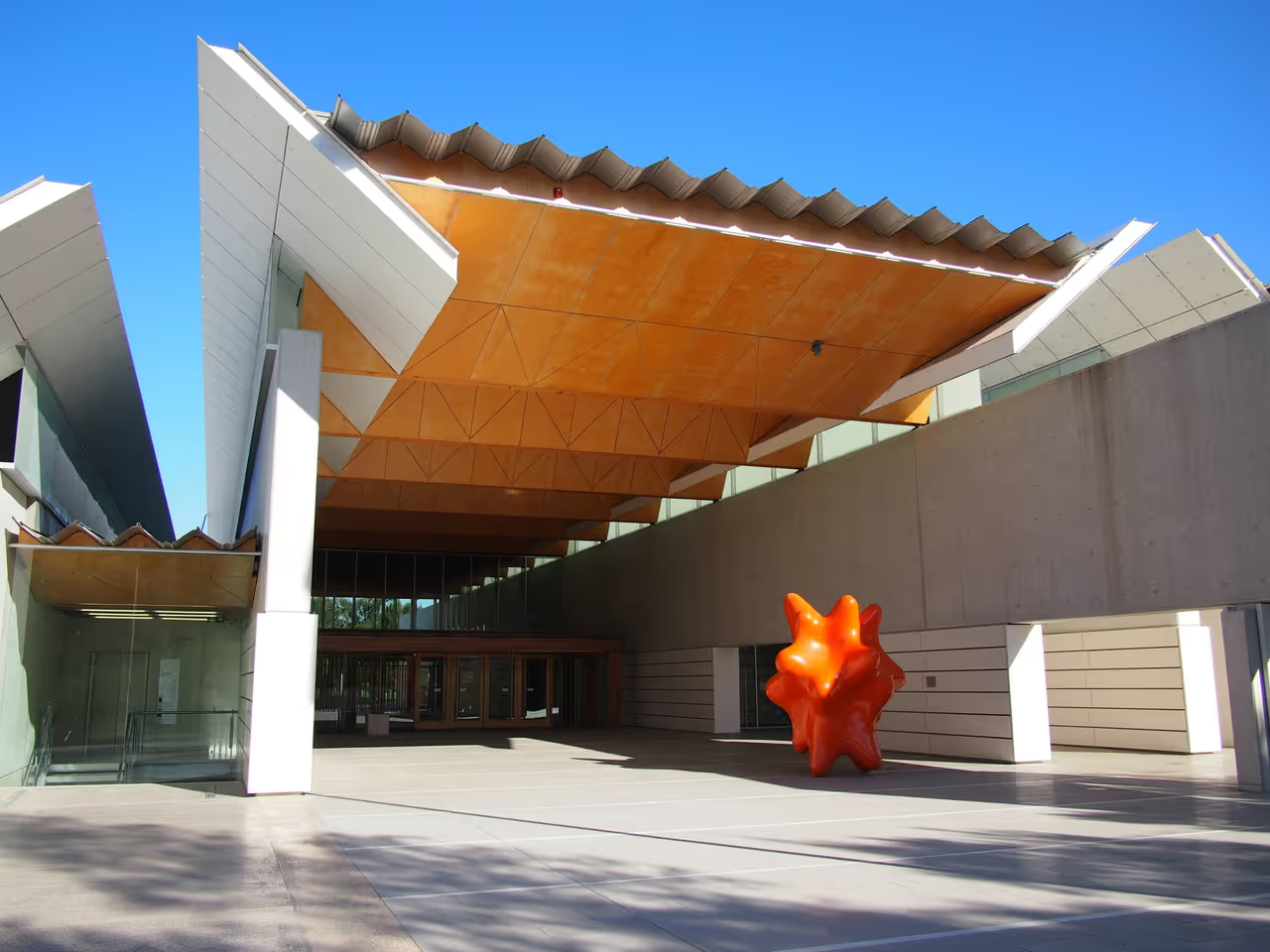 350m
350mNational Portrait Gallery
One of the newest major additions to the parliamentary zone, this building is a masterclass in contemporary Australian architecture. It uses raw concrete, rich native timbers, and vast angled skylights to perfectly illuminate the artworks within. The structure is designed to draw visitors naturally through its interconnected, intimately scaled rooms. It feels incredibly modern, sharp, and highly integrated with the surrounding environment.
architecture view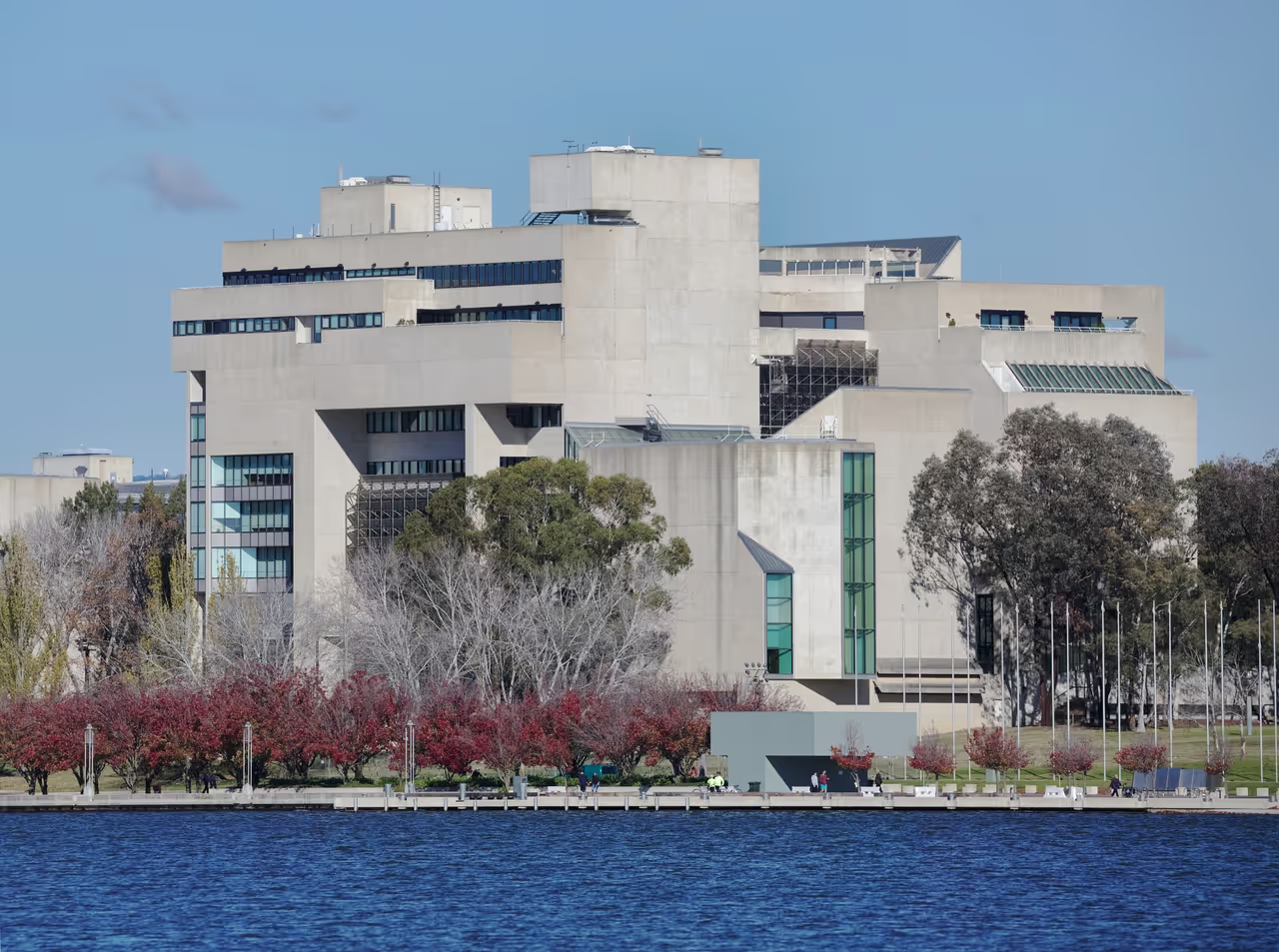 427m
427mHigh Court of Australia
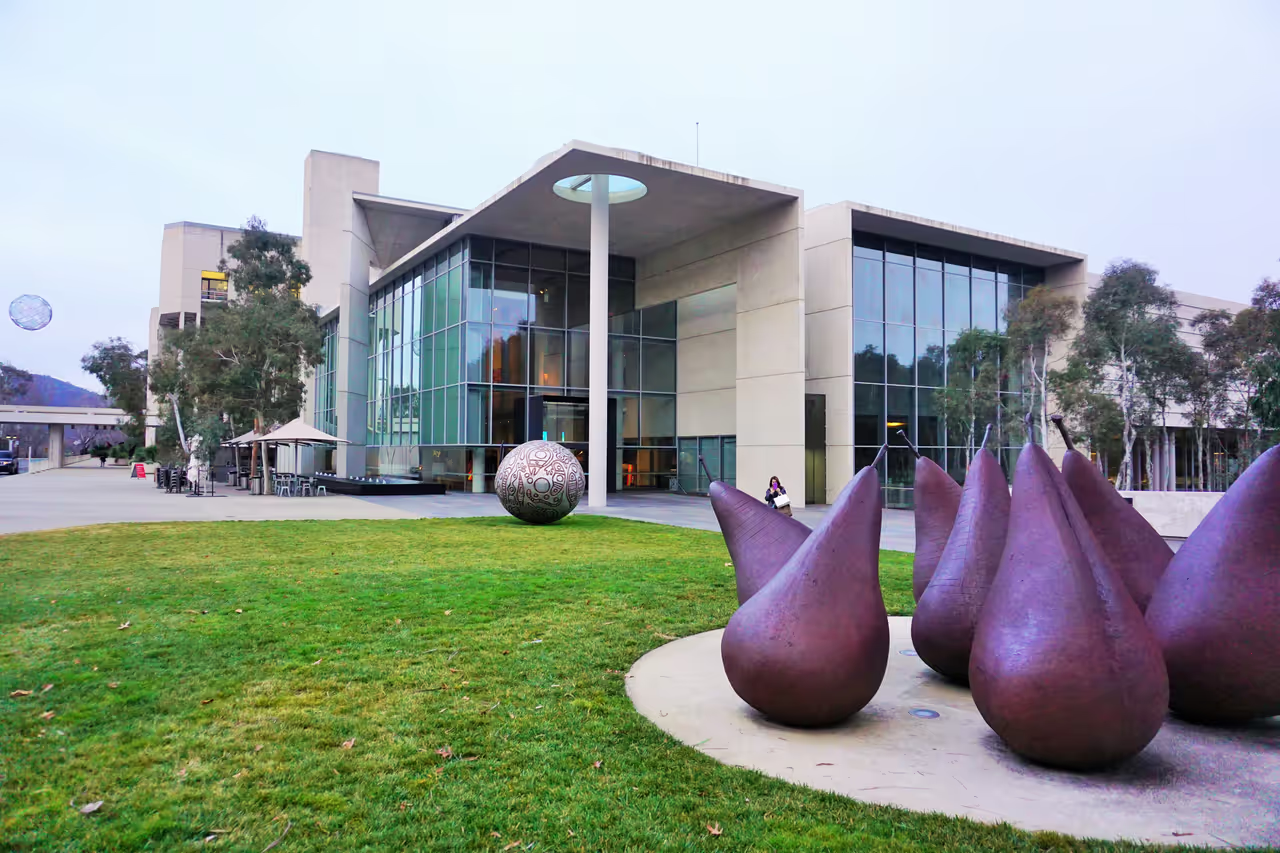
A staggering example of late brutalist architecture, designed to project absolute judicial power and transparency. The building features massive exposed concrete pillars, soaring glass facades, and an incredibly cavernous public hall that echoes with footsteps. The sheer scale of the interior ramps and walkways makes visitors feel intentionally small. It is a bold, uncompromising structure that dominates the shores of the lake.
architecture view
Explore Similar Places in This Collection

Featured on This Itinerary
See all attractions in Canberra
Australian War Memorial, Museum of Australian Democracy at Old Parliament House, National Gallery of Australia, National Museum of Australia, Parliament House...