Australian War Memorial
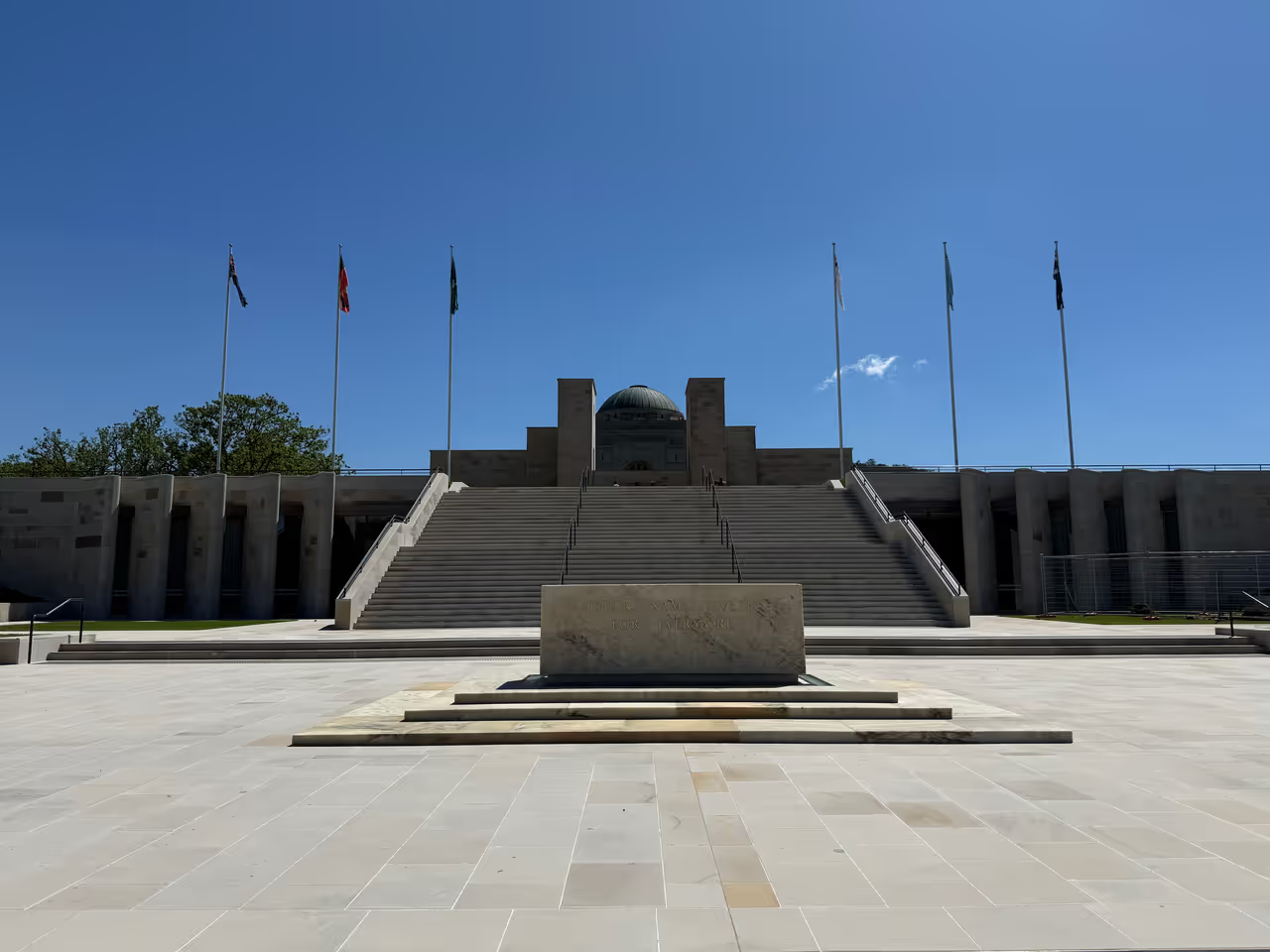
Standing at the northern end of Anzac Parade, the Australian War Memorial is a solemn and deeply moving tribute to those who served and sacrificed. Visitors often find themselves struck by the hushed and reverent atmosphere while exploring extensive galleries that bring history to life through poignant displays and personal stories. From the striking Art Deco architecture and the iconic Hall of Memory to the serene sculpture gardens, every corner of this site invites quiet reflection. You can witness the daily Last Post ceremony, a touching ritual that ensures the memory of fallen service members remains vibrant and honoured. Whether you are a history enthusiast or simply looking to understand the national spirit, a visit here offers an unforgettable and profound connection to the Australian past.
Videos
History of Australian War Memorial
The origins of the Australian War Memorial trace back to 1916, when war correspondent Charles Bean envisioned a place where war trophies and personal relics could be preserved to honour the sacrifice of those serving in the First World War. His dream, coupled with the foresight of John Treloar, led to the establishment of the institution through federal legislation in 1925. While the onset of the Great Depression forced the designers, Emil Sodersten and John Crust, to rethink their ambitious plans, the resulting structure emerged as a masterpiece of Art Deco style. When it finally opened its doors on Remembrance Day in 1941, it provided a sanctuary for a nation still grappling with the scars of global conflict. Over the decades, the role of the memorial has evolved in tandem with the country's own changing identity. Initially focused purely on the First World War, the mandate expanded to embrace the stories of subsequent conflicts, including the Second World War, Korea, Vietnam, and peacekeeping missions. This evolution turned the site from a monument dedicated to a specific moment in history into a comprehensive archive of the Australian experience of war. The introduction of the Tomb of the Unknown Australian Soldier in 1993 marked a significant turning point, offering a focal point for national mourning and providing a tangible connection to the shared loss felt by generations of families. Today, the memorial continues to grow, ensuring that its displays reflect the complex and often difficult realities of history. With plans to incorporate the Frontier Wars and constant upgrades to its galleries, the institution remains committed to the truth of the past rather than a mere curated narrative. The daily Last Post ceremony serves as a powerful bridge between the past and the present, ensuring that the legacy of service remains relevant for visitors from all walks of life. Walking through its halls, one feels the weight of history not as an abstract concept, but as a living, breathing testament to courage and resilience.
Events spanning 111 years
Fun Facts
- • A Lone Pine tree, propagated from seeds collected from Gallipoli, has been growing on the grounds since 1934, serving as a living link to the First World War.
- • The G for George Lancaster bomber is one of the most iconic displays, offering a rare look at the technology and intense service conditions of the Second World War.
- • The Hall of Memory contains the largest collection of mosaic art in the world, crafted from over six million imported Italian glass tiles.
- • The Tomb of the Unknown Australian Soldier was installed in 1993 to represent all Australians who died in conflict, with the head inscribed with the words Known unto God.
- • The famous Menin Gate lions, gifted by the Mayor of Ypres, stand guard at the entrance to the courtyard, offering a tangible link to the battlefields of Belgium.
- • The memorial is positioned at the symbolic northern terminus of the land axis of Canberra, creating a direct visual line to the Parliament House.
- • The memorial runs a nightly Last Post ceremony where a piper descends from the Hall of Memory, a practice that has become a daily touchstone for locals and visitors alike.
- • The memorial's design originally featured 26 carved stone figures of Australian fauna and Indigenous people, with two figures later modified following consultation with Indigenous elders.
- • The museum holds a vast collection of items, yet only about five percent is on display at any given time, with the rest housed in an off-site facility in Mitchell.
- • The site holds the world's largest public collection of Victoria Crosses, including all nine awarded to Australians at Gallipoli.
RESOURCES
Official WebsiteAustralian War Memorial FAQ
While we strive to keep this information accurate and up to date, we recommend verifying any details independently before making decisions based on them.
Australian War Memorial Map & Neighborhood Explorer
This interactive map is centered on Australian War Memorial. Zoom in and move the map around to automatically discover Wikipedia photos and summaries of other nearby sights, monuments, and historical points of interest and stories in real-time!
Places near Australian War Memorial
Make the most of your trip. Check out these top-rated spots located nearby.
 774m
774mAnzac Parade Vista
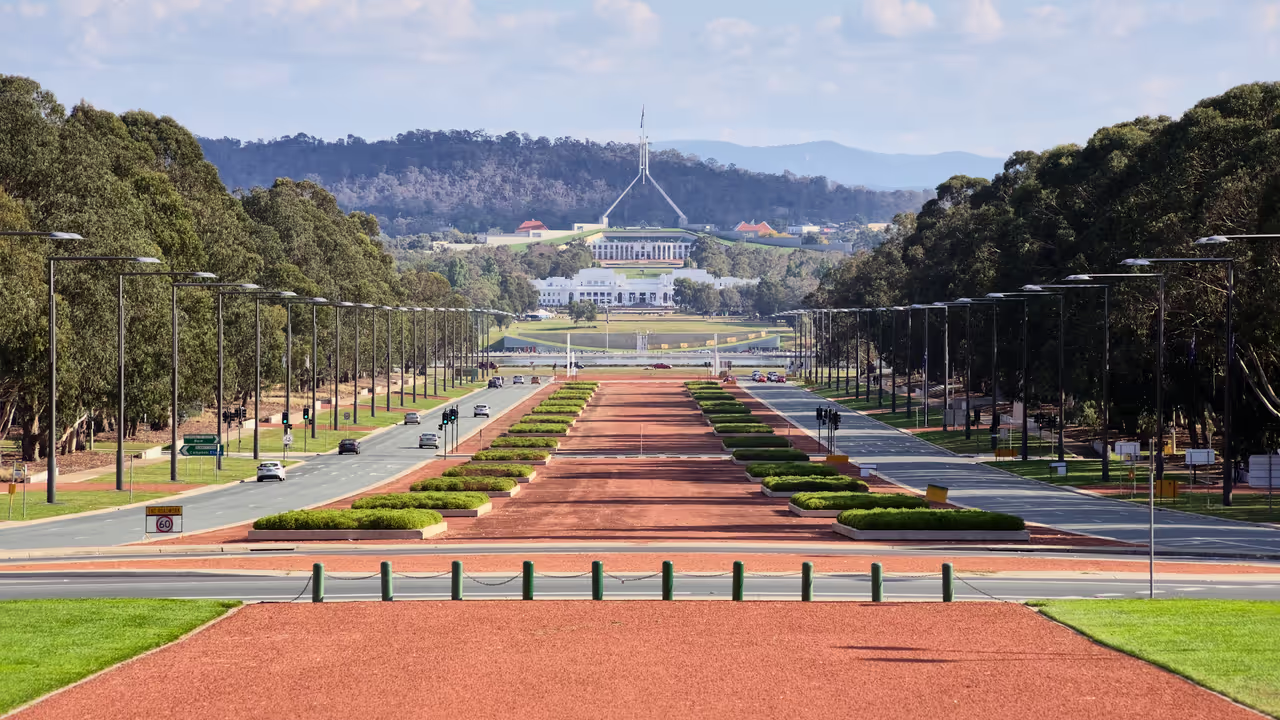
Looking down the broad expanse of Anzac Parade toward the distant hills provides the ultimate shot of the city's planned geometry. The crimson red gravel creates a bold leading line that draws the eye straight toward the iconic architecture of Parliament House. It is a powerful, highly structured composition.
photo spot view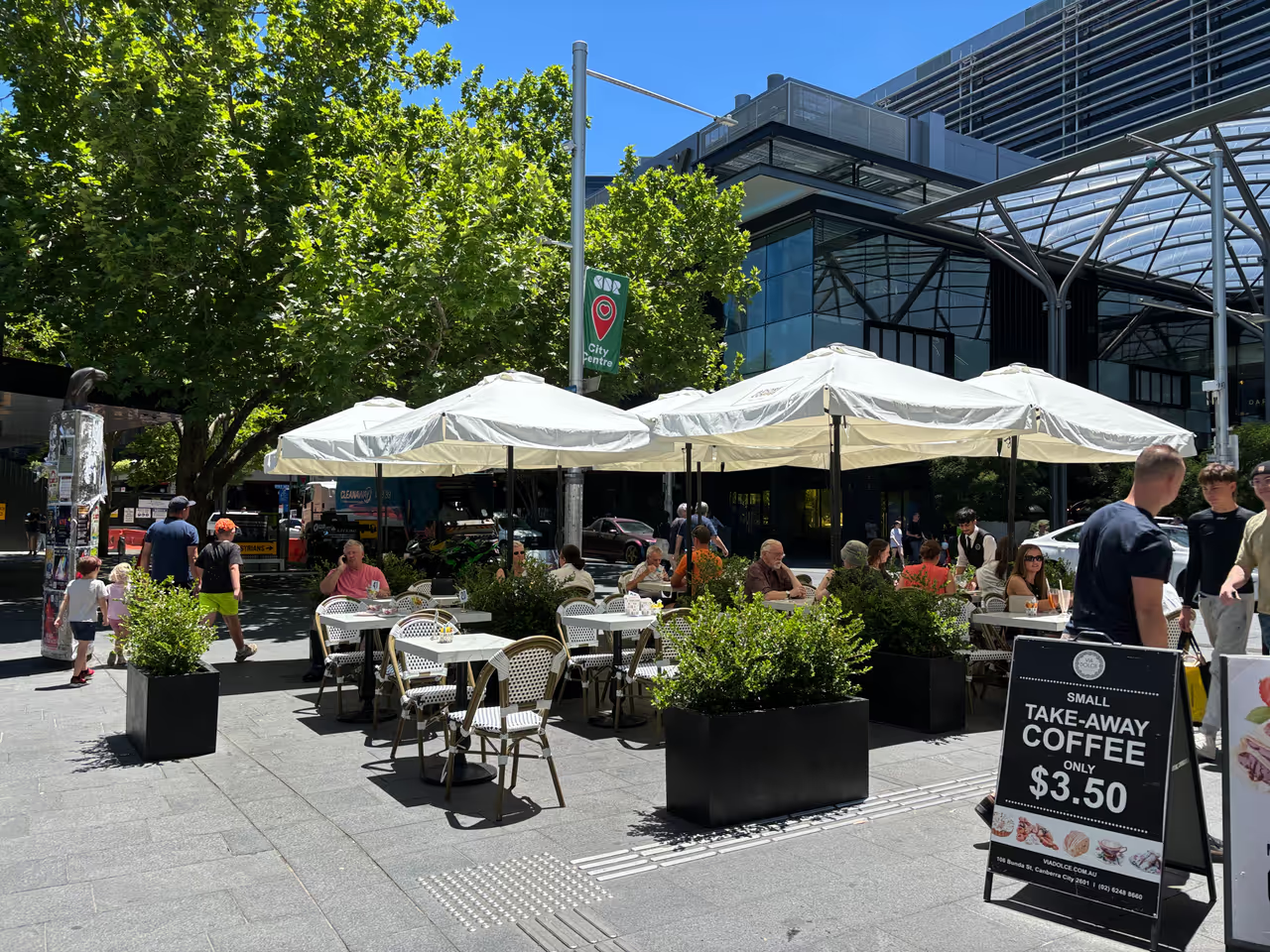 1336m
1336mBunda Street
Running through the heart of the central business district, this area is the primary hub for late night entertainment. The street is lined with alfresco dining venues, loud pubs, and energetic nightclubs catering to a younger crowd. It is incredibly busy on weekends, serving as the default meeting point for a night out. Historical buildings nearby house hidden speakeasies and underground music venues.
nightlife view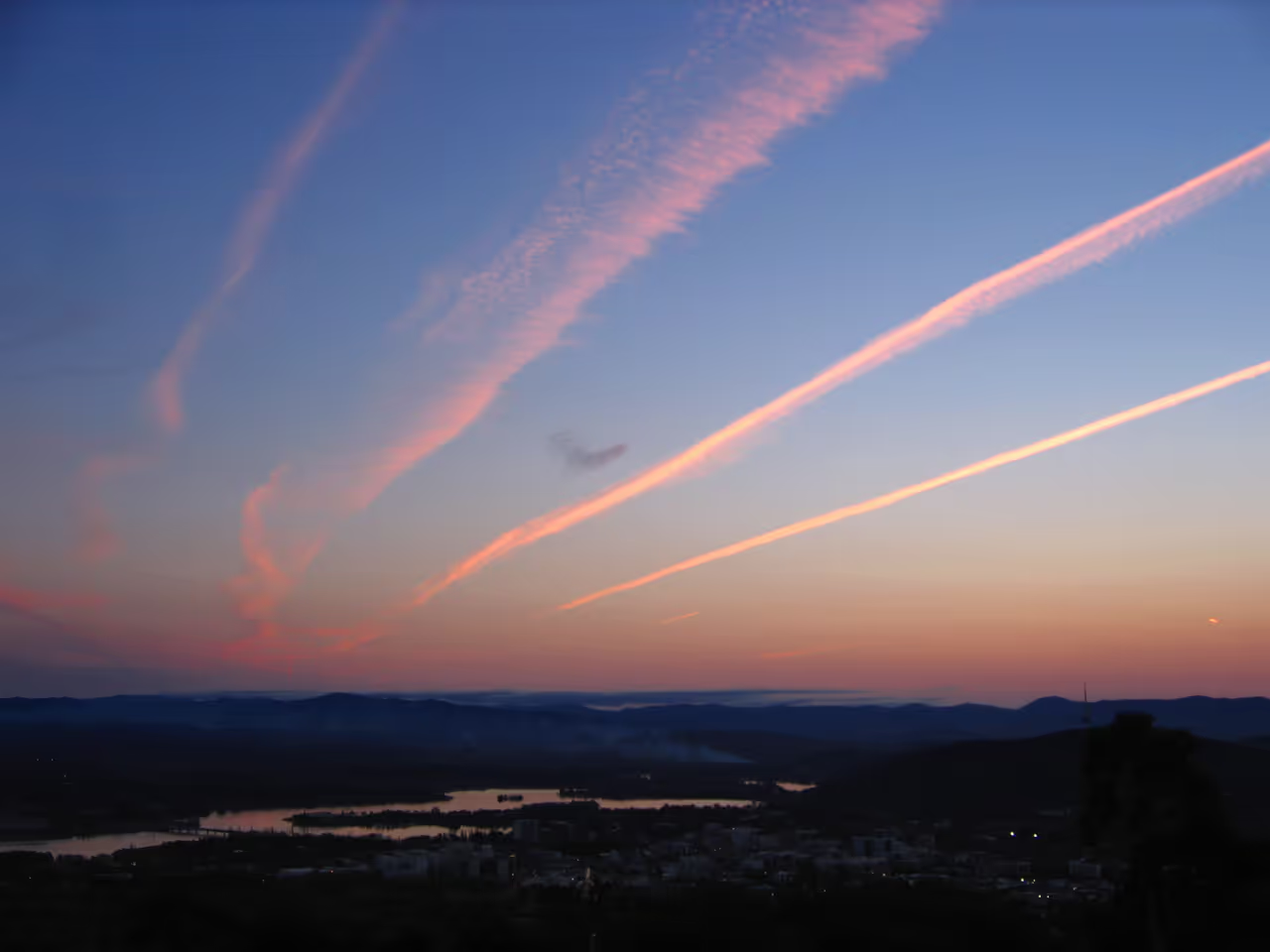 1422m
1422mMount Ainslie Lookout
This is arguably the most famous and photographed panoramic vantage point in the territory. From the summit, you look directly down the red gravel of Anzac Parade, straight across the lake, and perfectly into the heart of Parliament House. It brilliantly illustrates the strict geometric symmetry of Walter Burley Griffin's original city plan. The views at dusk, as the city lights illuminate the monuments, are absolutely spectacular.
viewpoint view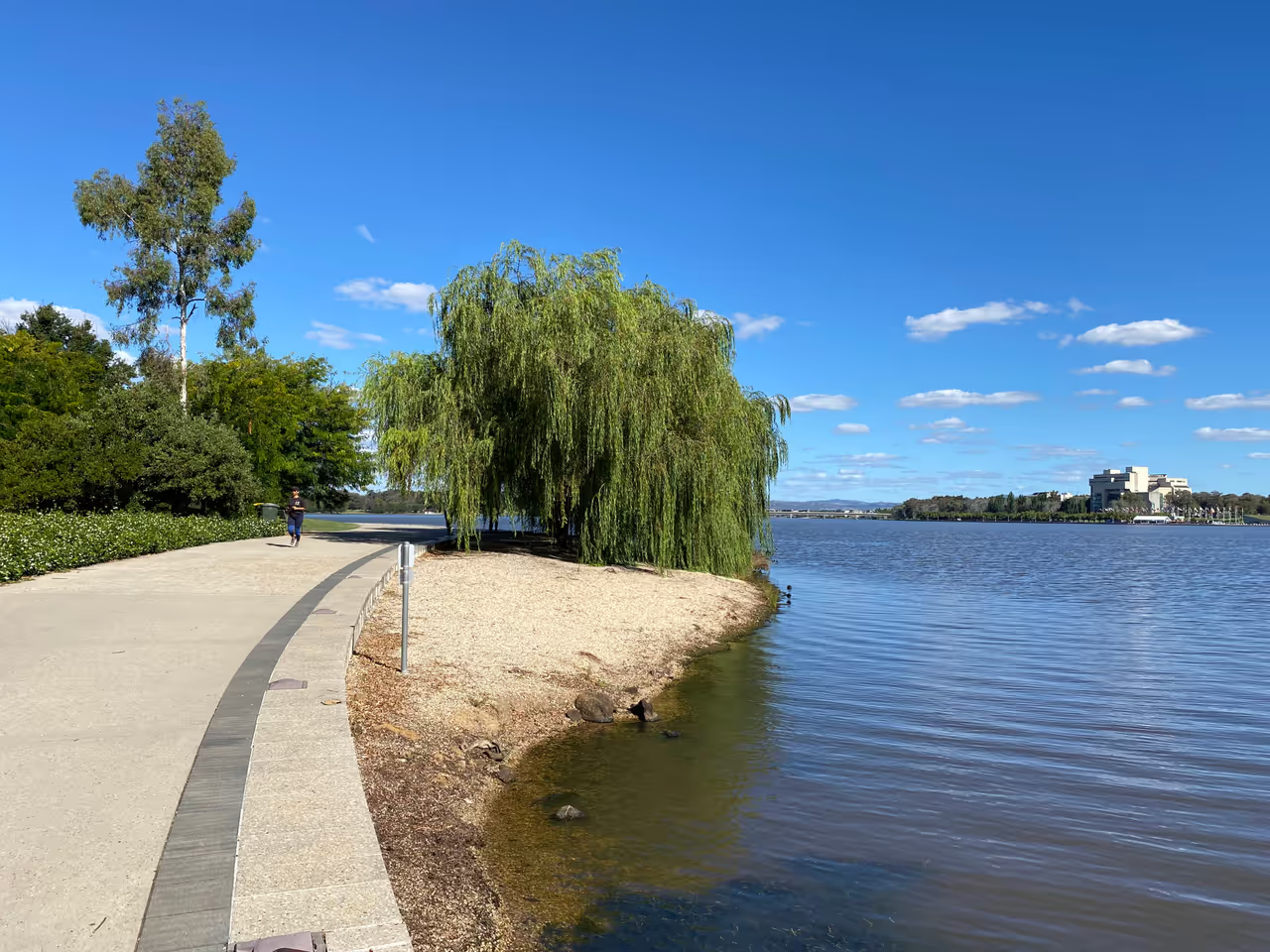 1512m
1512mCommonwealth Park
Nestled right on the northern edge of Lake Burley Griffin, Commonwealth Park serves as a vibrant, green sanctuary in the heart of the national capital. Visitors can wander through peaceful gardens, admire thoughtful public art, or relax near the tranquil waters of Nerang Pool. The atmosphere shifts beautifully with the seasons, transforming into a sea of colour during the famous Floriade festival that draws crowds from all over the world. Whether you want to enjoy a quiet stroll, catch an outdoor performance at Stage 88, or simply soak in the iconic views of the National Gallery and High Court across the water, the park offers a perfect escape. It is a place where nature and history blend seamlessly, making it an essential stop for anyone wanting to feel the true heartbeat of Canberra. This landscape holds a special place in the city's identity, inviting everyone to pause, breathe, and appreciate the thoughtful design that makes Canberra so unique.
park & nature view
Explore Similar Places in These Collections
Featured on These Itineraries
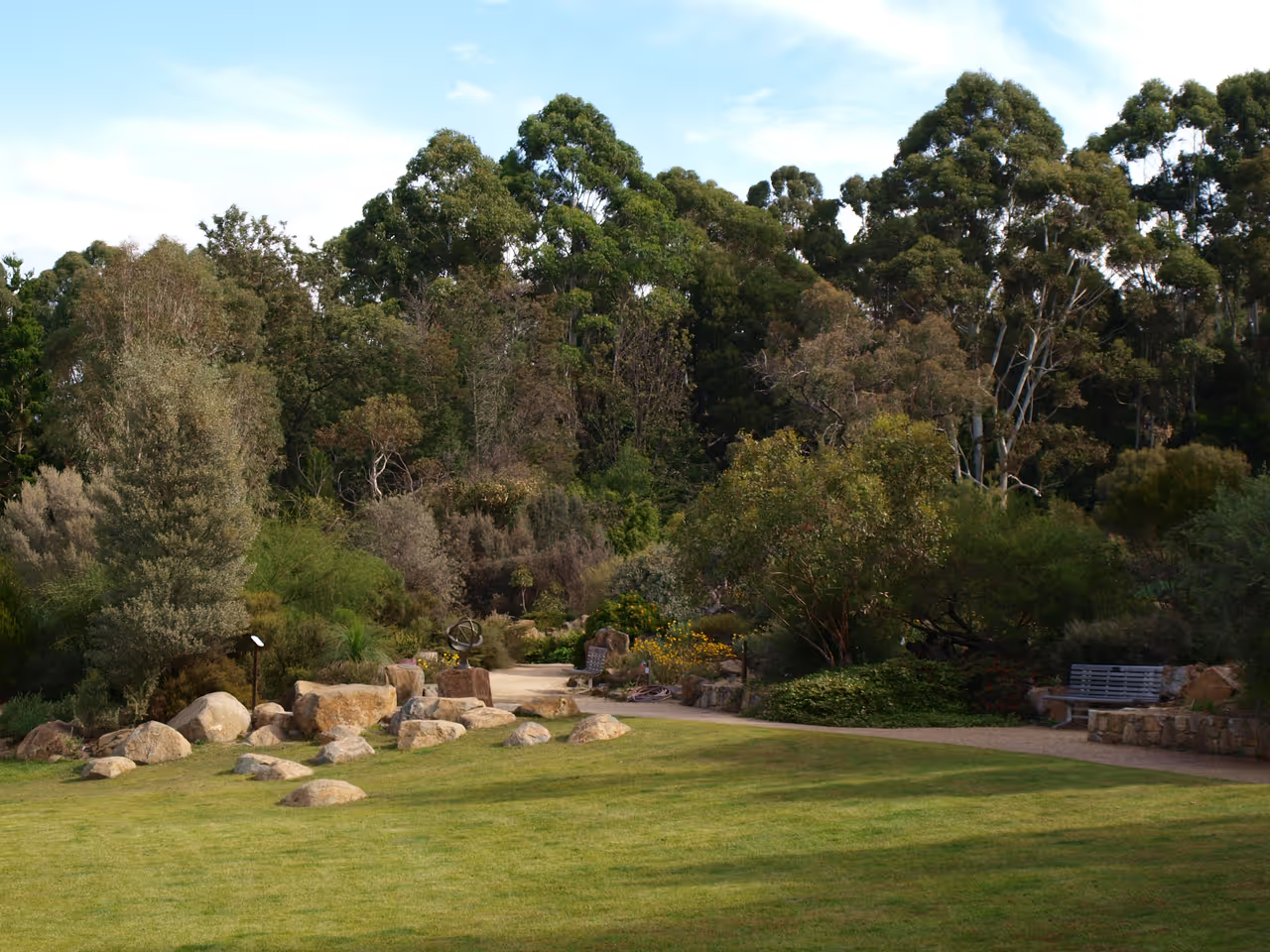
3 Days in Canberra Itinerary
This balanced itinerary allows you to absorb the grand national institutions while also engaging with the beautiful outdoor landscape. You will split your time between exploring deep military history, cycling around the serene lakes, and discovering the quirky local attractions. It reveals the distinct contrast between the formal political architecture and the deeply relaxed, nature focused lifestyle of the residents.
view itinerary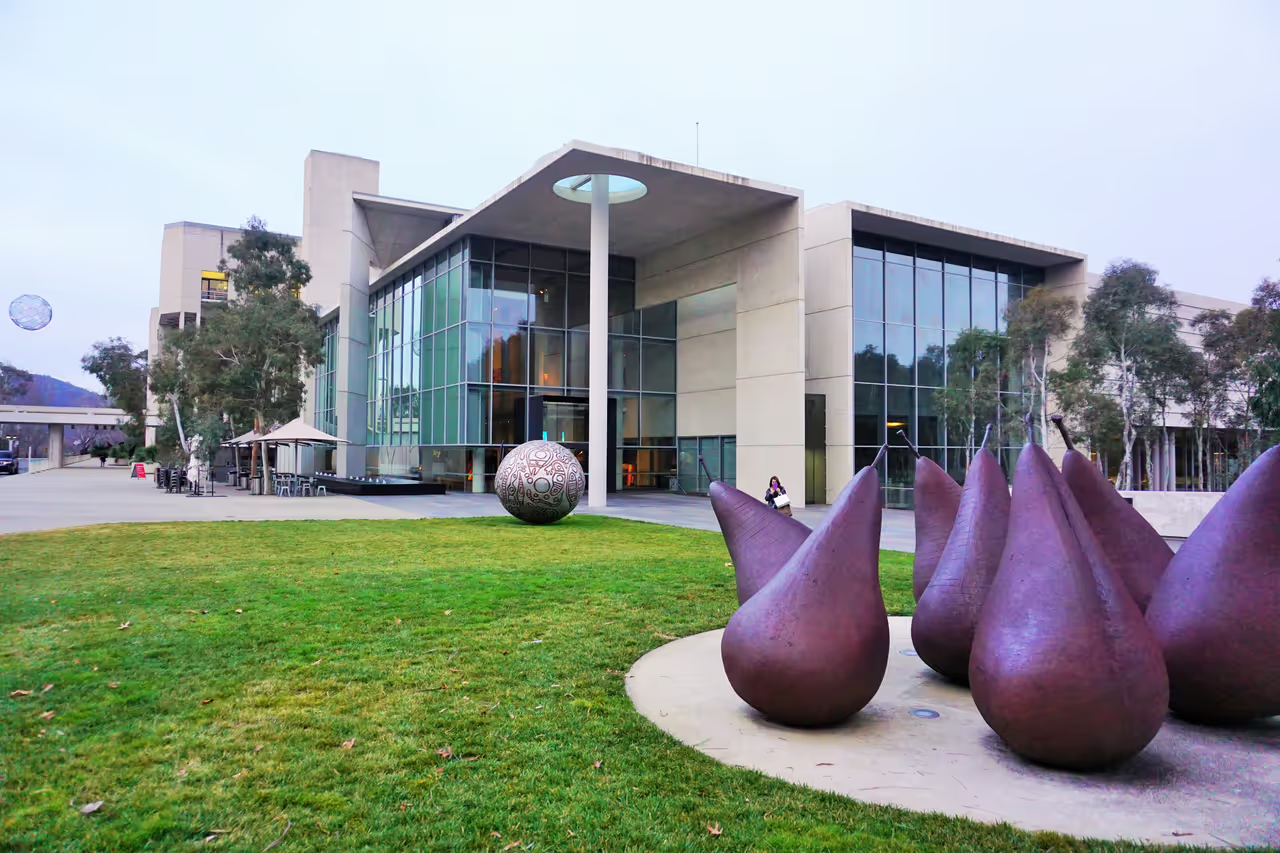

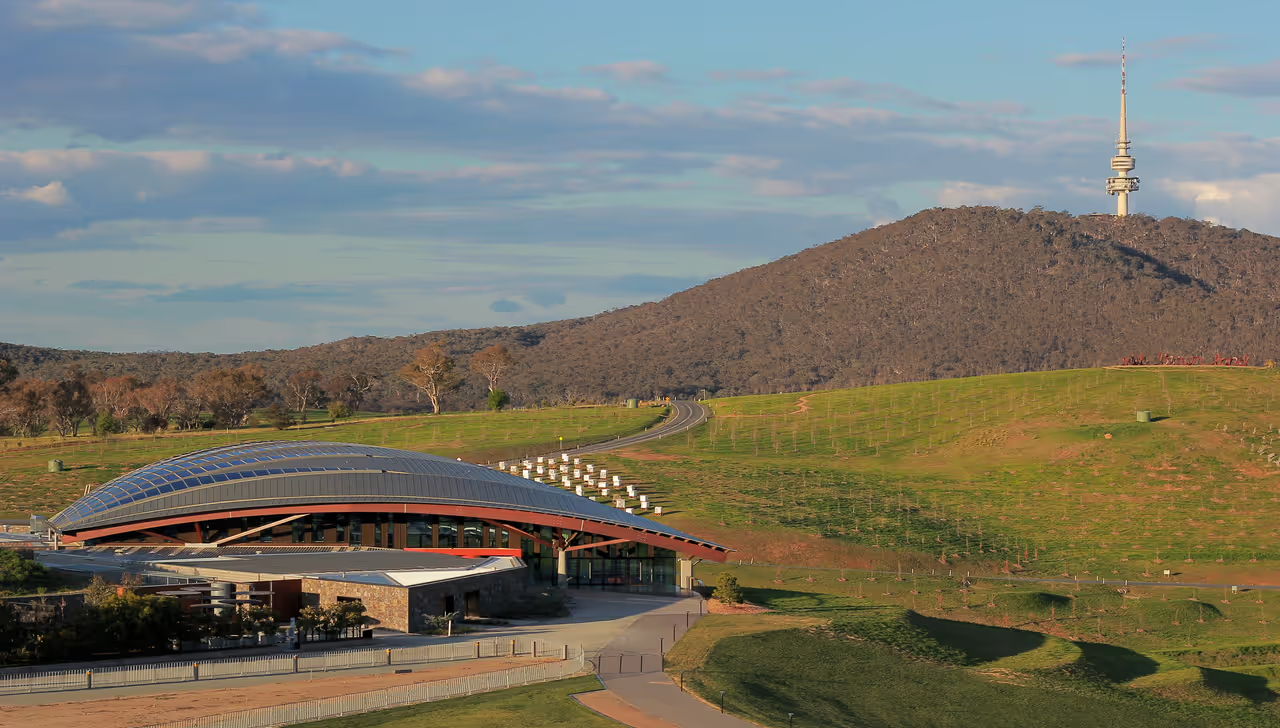
5 Days in Canberra: Deep Dive Itinerary
An exhaustive, highly rewarding exploration of everything the territory has to offer. Beyond the standard political monuments, you will venture into the rugged national parks, discover incredible hidden scientific facilities, and experience the local artisan markets. This extended stay allows you to truly understand the complex, multi layered identity of the bush capital at a thoroughly relaxed pace.
view itinerary
See all attractions in Canberra
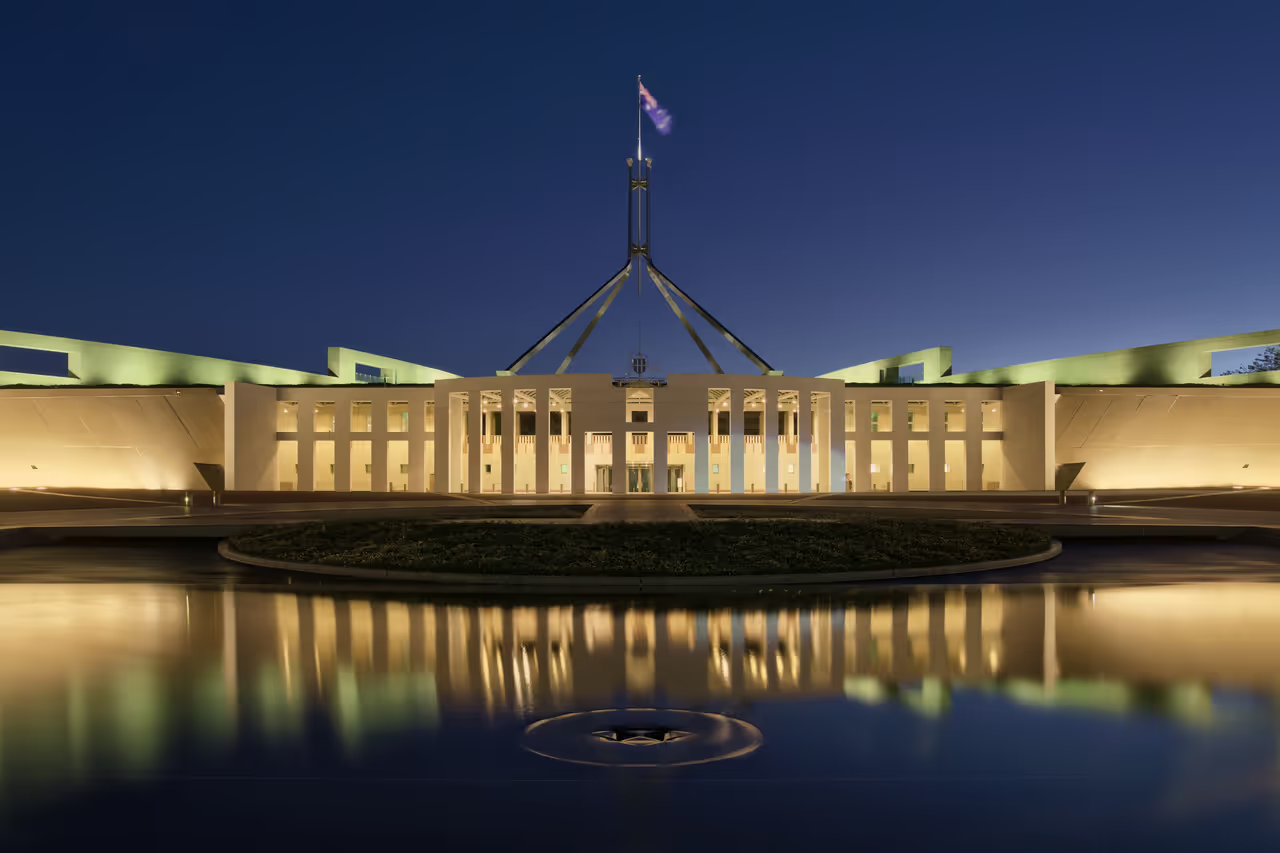
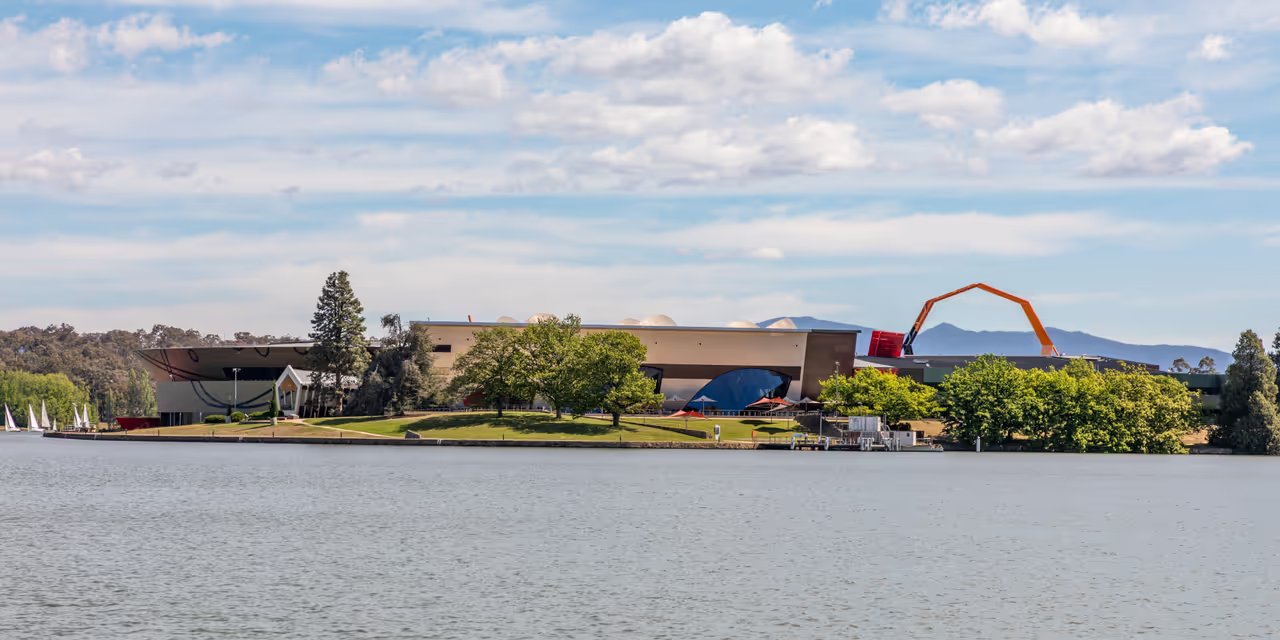
Museum of Australian Democracy at Old Parliament House, National Gallery of Australia, National Museum of Australia, Parliament House, Questacon...