Commonwealth Park
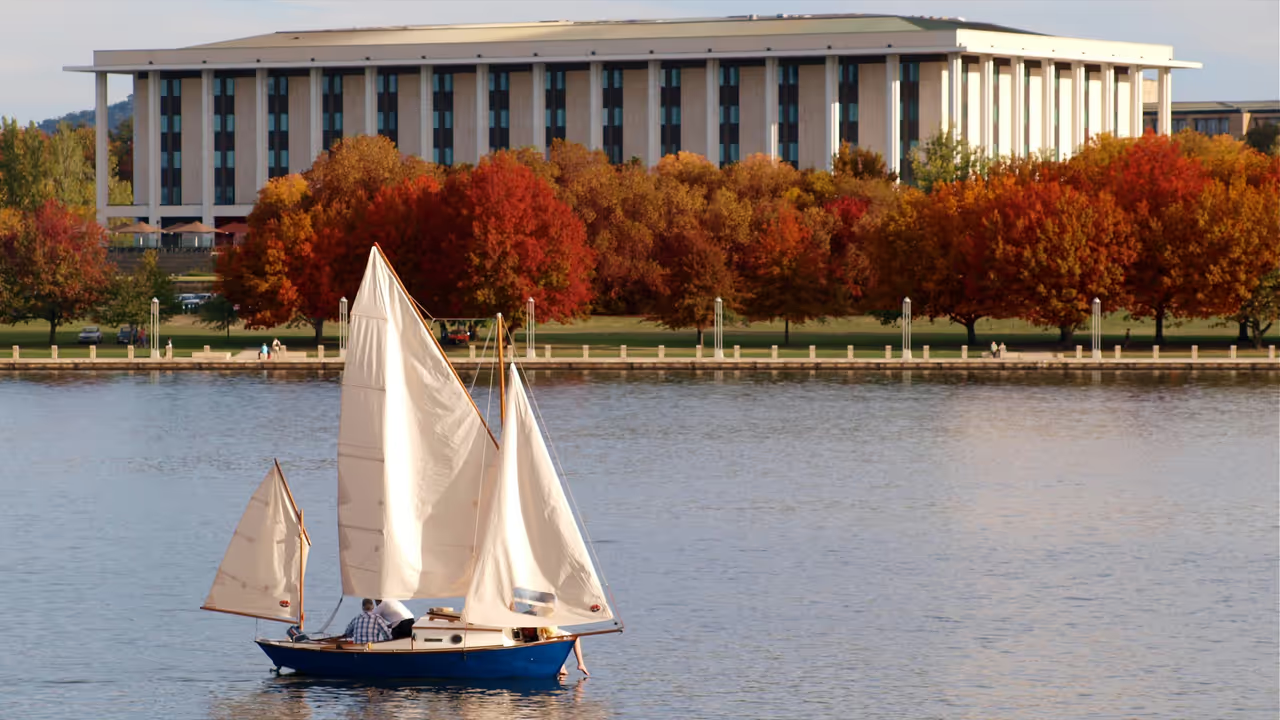
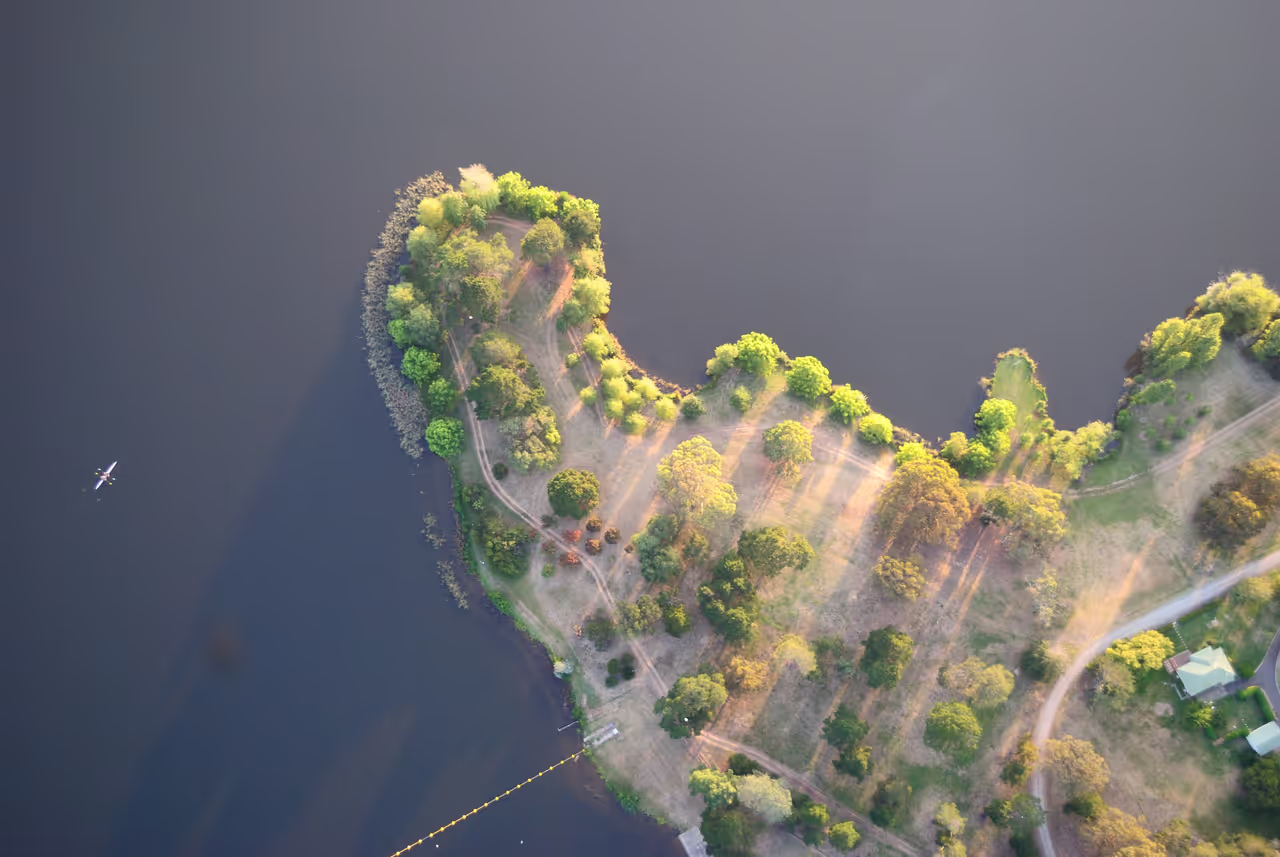
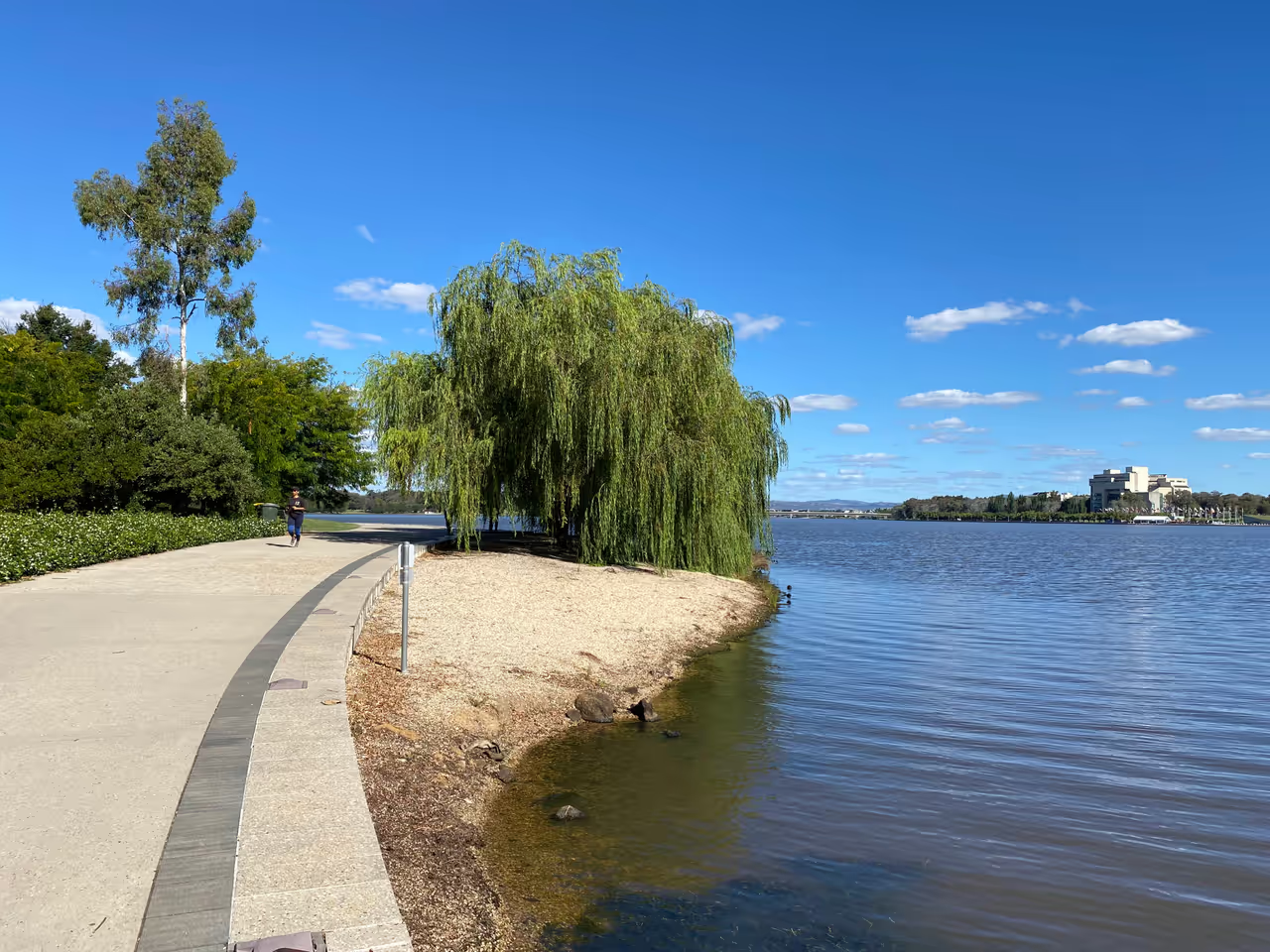
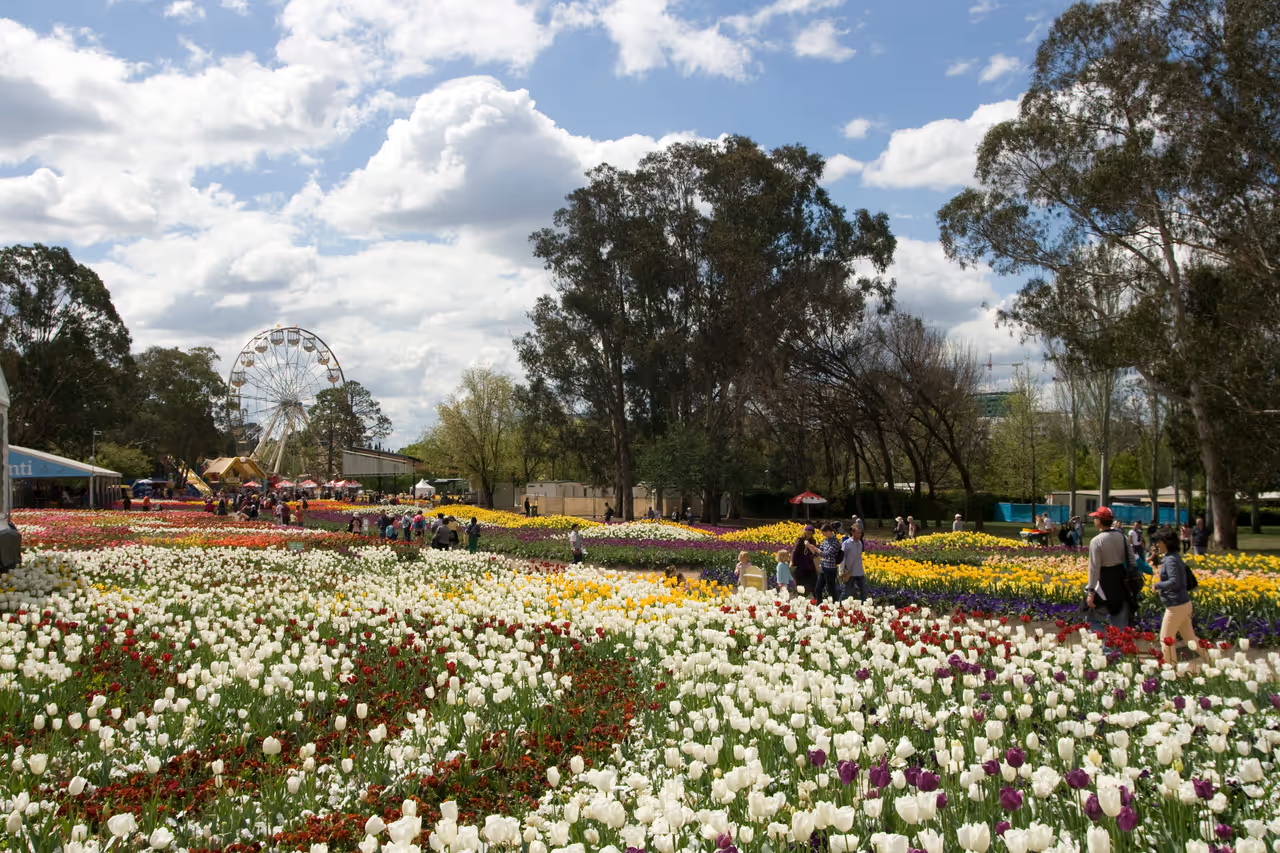
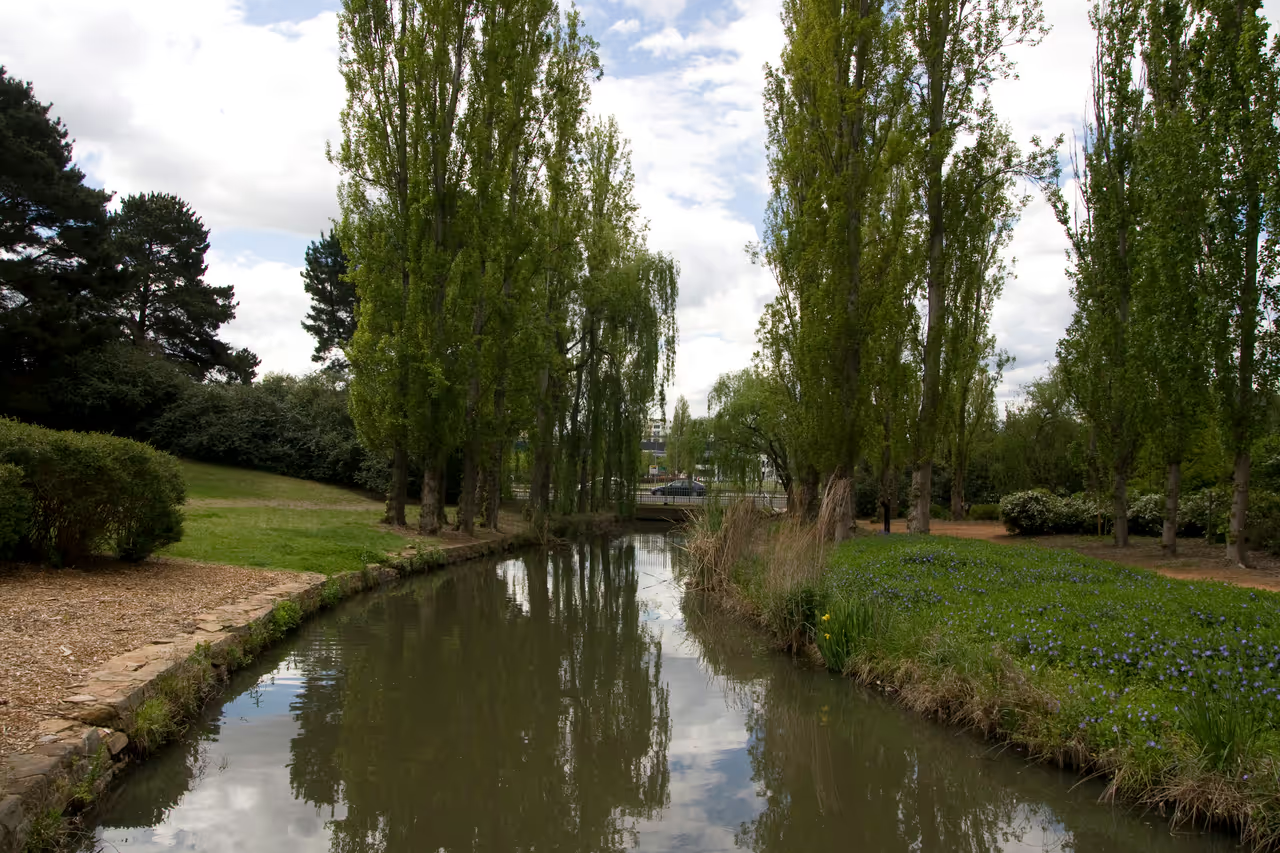
Nestled right on the northern edge of Lake Burley Griffin, Commonwealth Park serves as a vibrant, green sanctuary in the heart of the national capital. Visitors can wander through peaceful gardens, admire thoughtful public art, or relax near the tranquil waters of Nerang Pool. The atmosphere shifts beautifully with the seasons, transforming into a sea of colour during the famous Floriade festival that draws crowds from all over the world. Whether you want to enjoy a quiet stroll, catch an outdoor performance at Stage 88, or simply soak in the iconic views of the National Gallery and High Court across the water, the park offers a perfect escape. It is a place where nature and history blend seamlessly, making it an essential stop for anyone wanting to feel the true heartbeat of Canberra. This landscape holds a special place in the city's identity, inviting everyone to pause, breathe, and appreciate the thoughtful design that makes Canberra so unique.
Videos
History of Commonwealth Park
The story of Commonwealth Park is fundamentally tied to the grand vision for the national capital. While Walter Burley Griffin initially sketched out a recreation area in his 1918 plan, the site held a more grounded history as home to Ebenezer Booth, whose 1874 house and retail store served early settlers until it was destroyed by fire in 1923. These early layers of human activity were eventually absorbed into the sweeping landscape design that defines the modern capital. In the 1960s, the park truly came into its own under the guidance of British landscape designer Dame Sylvia Crowe. Her master plan transformed the area into a sophisticated blend of natural beauty and designed spaces, moving away from the rigid, formal grid layouts common in other capital cities. This approach created the fluid, organic feel that visitors experience today as they walk along the shore of Lake Burley Griffin, where the architecture of the city seems to dissolve into the foliage. Today, the park stands as much more than a green space. It acts as a living gallery for public art, a venue for major national commemorations like the citizenship ceremonies, and the beating heart of the city during the annual Floriade festival. Every statue and monument, from the hidden tetrahedrons to the towering Captain Cook water jet, tells a piece of the Australian story, grounding this beautiful lakeside oasis firmly in the history and identity of the nation.
Events spanning 135 years
Fun Facts
- • A massive 39 metre tall Douglas Fir flagpole, gifted by the Canadian Government, stood at Regatta Point for sixty years until its removal in 2020 due to safety requirements.
- • During 1987, the park hosted an Amnesty International mural project, which transformed a concrete tunnel wall into a powerful community space for human rights advocacy.
- • Ebenezer Booth's original house burned down in 1923, but the site still contains stunted pines and English elms that serve as living remnants of that early history.
- • Hidden within the park's grounds are six polished aluminium tetrahedrons called Earthworks, created by artist Bert Flugelman and buried in a secret location in 1975.
- • Nerang Pool was specifically included in the design to realise the original vision of Walter Burley Griffin, who wanted an aquarium pond in this precise location.
- • The Captain Cook Memorial Water Jet is an engineering marvel that can blast water 147 metres into the air, a feature activated by Queen Elizabeth II.
- • The Walter Burley Griffin Terrazzo located near the National Capital Exhibition displays the architect's 1912 competition winning plan as if it were a page torn from a book.
- • The park's design was heavily influenced by Dame Sylvia Crowe, whose 1964 master plan focused on creating a fluid, natural experience rather than a formal grid.
RESOURCES
Official WebsiteCommonwealth Park FAQ
While we strive to keep this information accurate and up to date, we recommend verifying any details independently before making decisions based on them.
Commonwealth Park Map & Neighborhood Explorer
This interactive map is centered on Commonwealth Park. Zoom in and move the map around to automatically discover Wikipedia photos and summaries of other nearby sights, monuments, and historical points of interest and stories in real-time!
Places near Commonwealth Park
Make the most of your trip. Check out these top-rated spots located nearby.
 520m
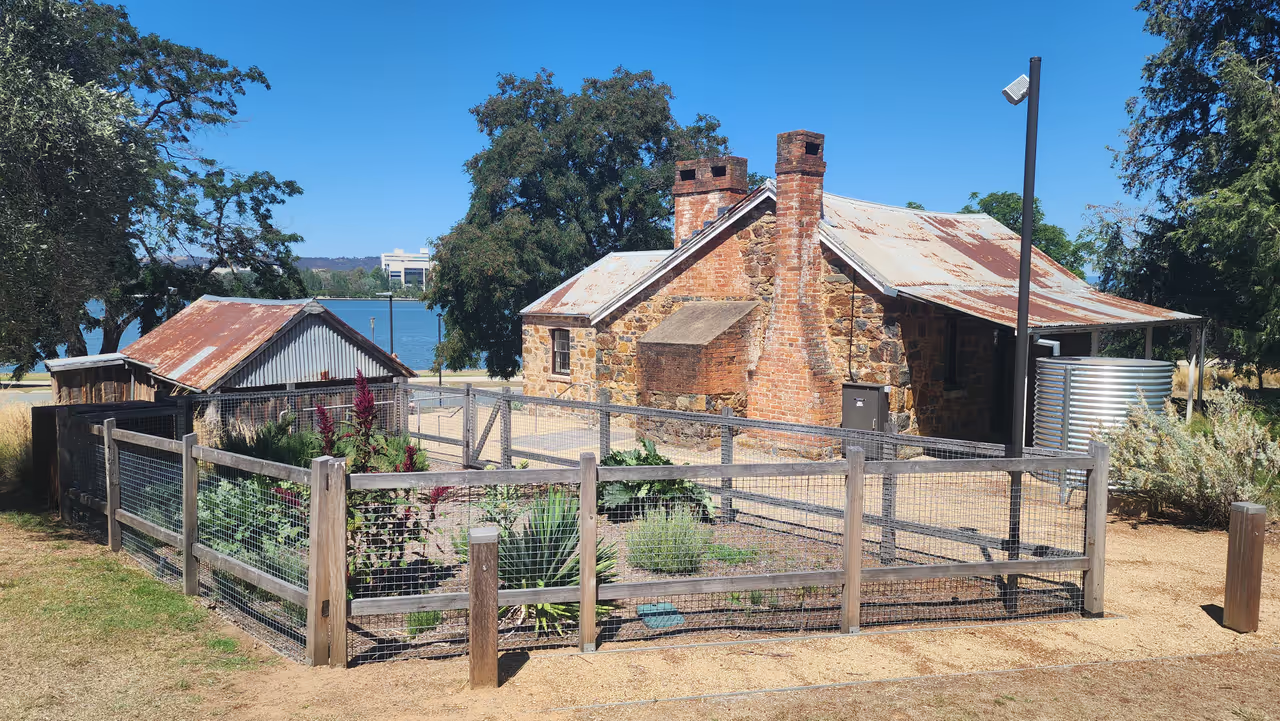
520mBlundells Cottage
A tiny, humble stone cottage sitting incongruously on the shores of the lake, surrounded by grand national monuments. It was built long before the capital was ever conceived, housing generations of tenant farmers and rural workers. Stepping inside provides a stark, intimate look at the harsh realities of early European settlement on the Limestone Plains. It perfectly preserves the forgotten rural history that existed before the politicians arrived.
hidden gem view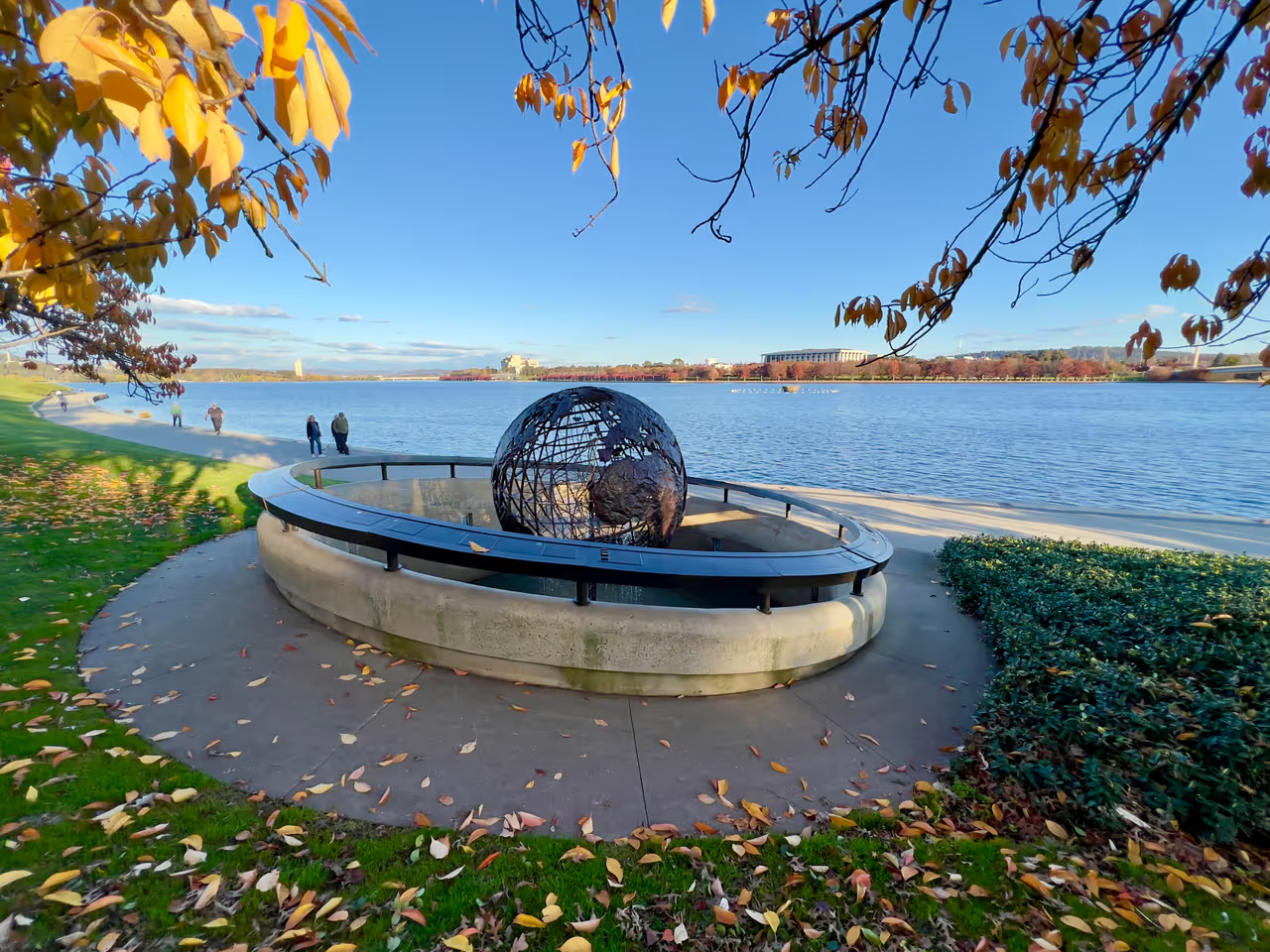 554m
554mCaptain Cook Memorial Jet
This powerful water jet blasts a spectacular column of water high above the central basin of the lake. On sunny days, the mist creates brilliant, vivid rainbows that hang perfectly in the air. It provides a highly dynamic and energetic focal point for photos of the otherwise calm waterfront.
photo spot view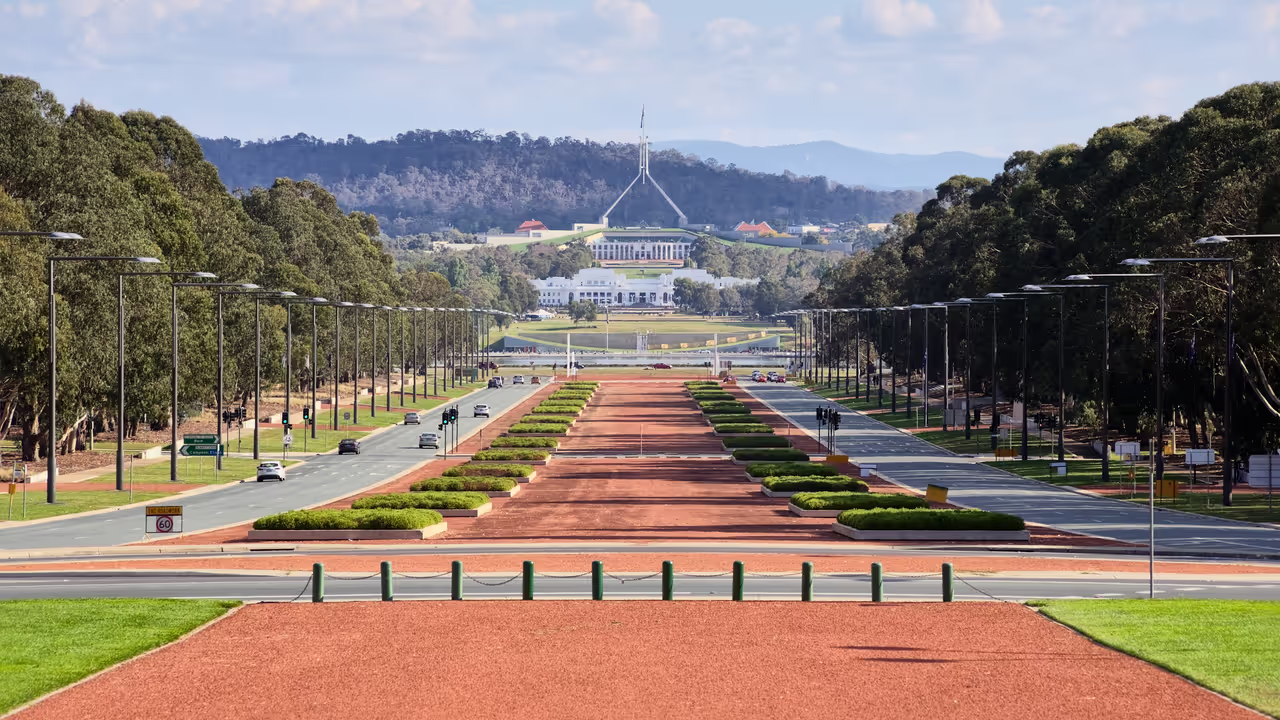 772m
772mAnzac Parade Vista
Looking down the broad expanse of Anzac Parade toward the distant hills provides the ultimate shot of the city's planned geometry. The crimson red gravel creates a bold leading line that draws the eye straight toward the iconic architecture of Parliament House. It is a powerful, highly structured composition.
photo spot view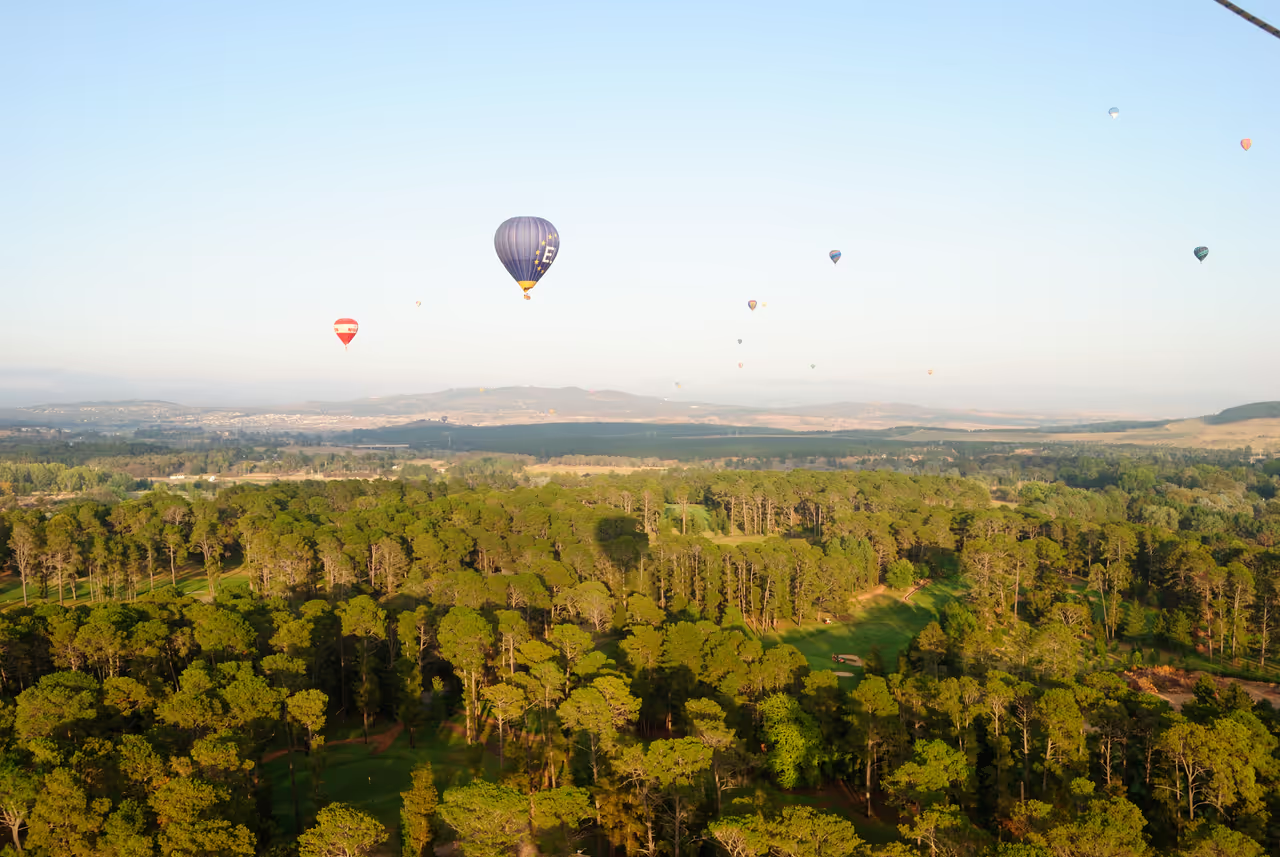 891m
891mCanberra Balloon Spectacular
For several magical mornings, dozens of vibrant hot air balloons take flight from the lawns in front of Old Parliament House. The sight of massive balloons drifting gently over the lake and national monuments at sunrise is breathtaking. Spectators gather on the grass to enjoy hot breakfasts and coffee while watching the inflation process. It is considered one of the top ballooning events globally.
festival view
Featured on This Route
See all nature & parks in Canberra
Lake Burley Griffin, Namadgi National Park, Australian National Botanic Gardens, National Arboretum, Tidbinbilla Nature Reserve, Weston Park...