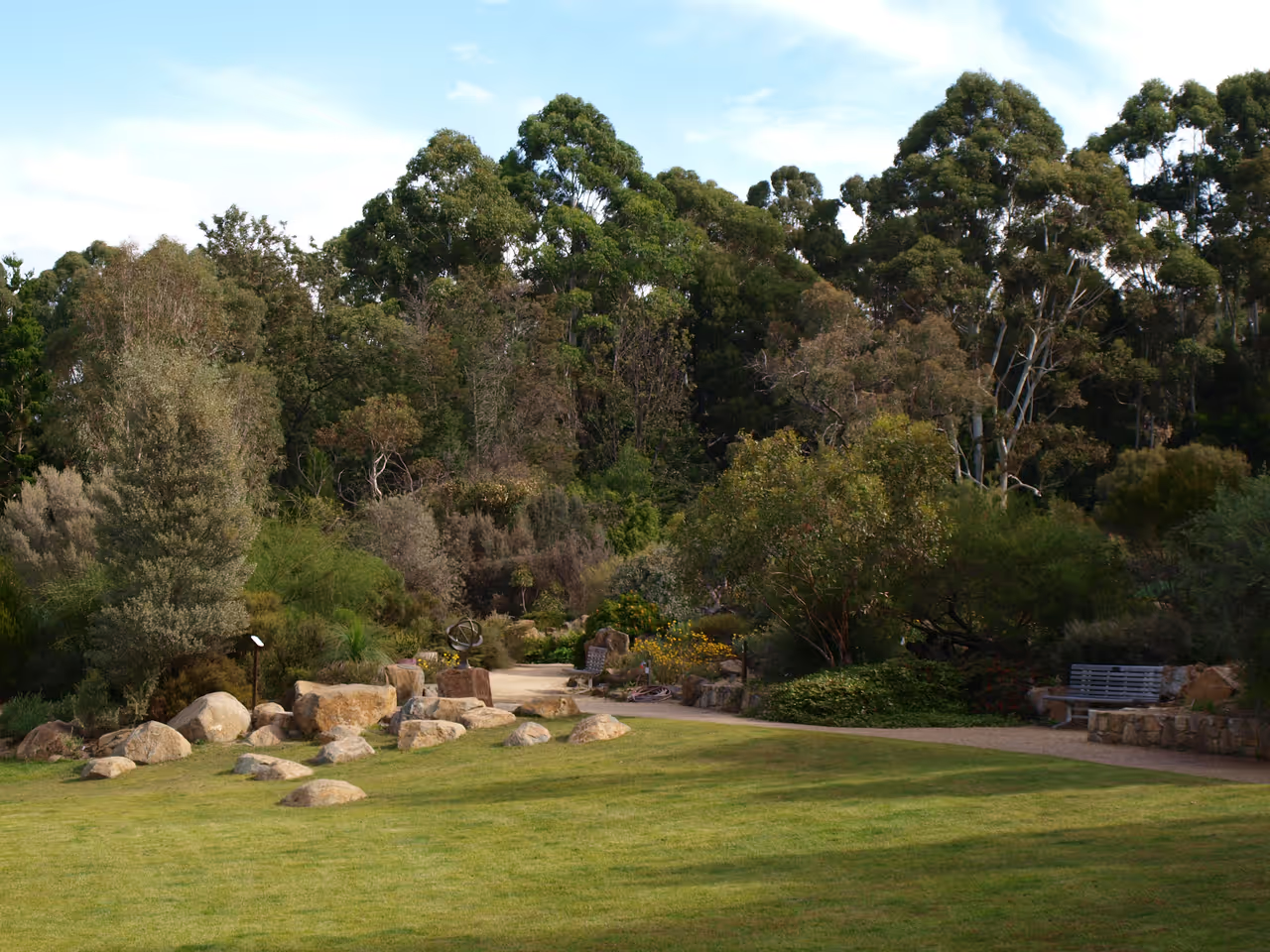
Australian National Botanic Gardens
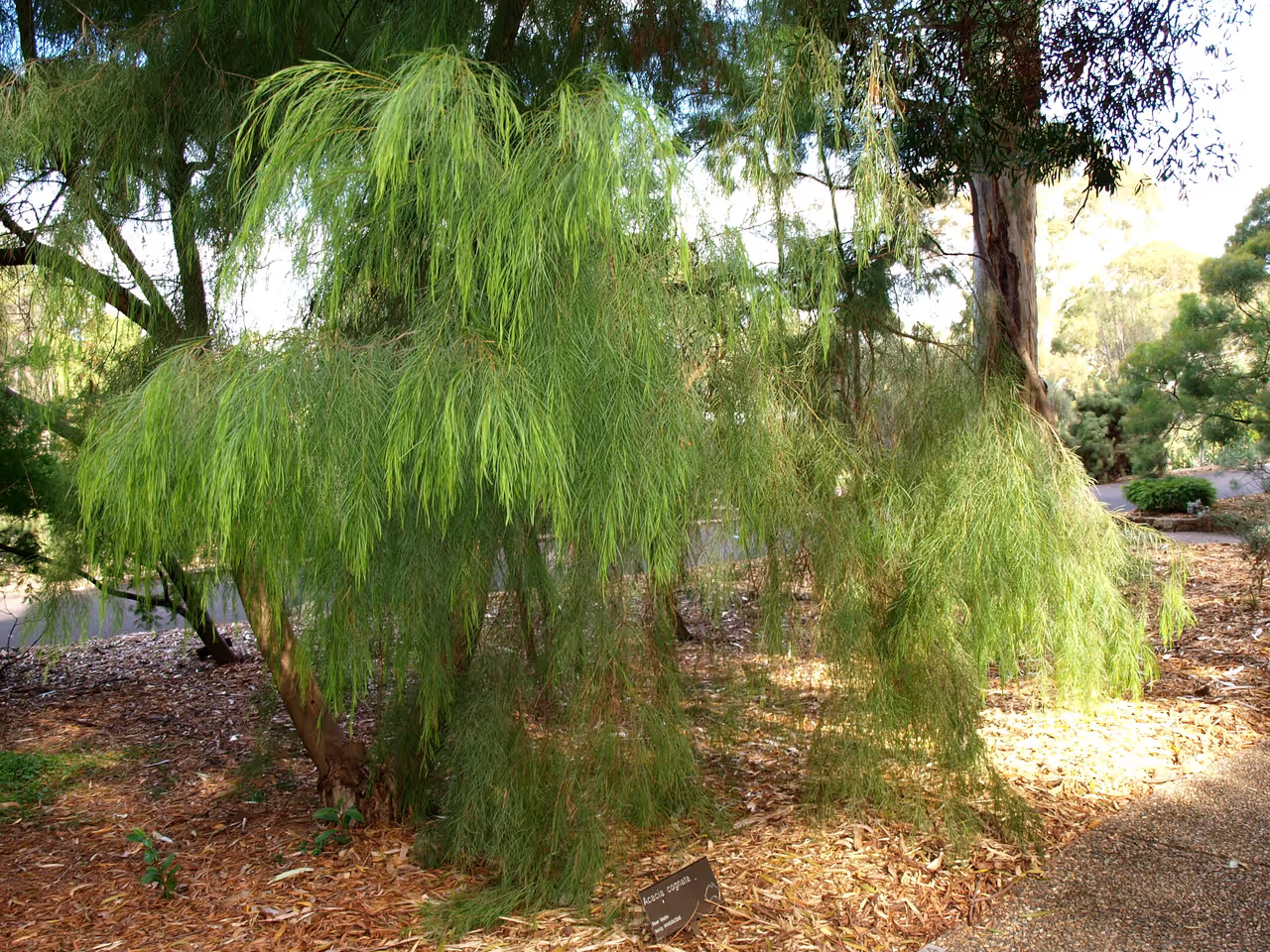
Step into the Australian National Botanic Gardens to experience a living tapestry of the country’s diverse natural landscapes. Nestled on the slopes of Black Mountain, this sanctuary offers a peaceful escape where you can wander through various themed zones, from misty rainforest gullies to vibrant banksia groves. It acts as a vital guardian for native plant species, blending serious scientific research with a tranquil environment for visitors to explore. Whether you are an avid gardener, a bird watcher, or simply someone looking for a quiet moment surrounded by nature, these gardens provide an immersive connection to the Australian wilderness right in the heart of the capital.
Videos
History of Australian National Botanic Gardens
The idea for a botanical haven in the nation's capital germinated in the 1930s, fueled by the desire to showcase Australia's unique flora. By 1949, the vision took root when Prime Minister Ben Chifley and Sir Edward Salisbury, the director of Kew Gardens, ceremonially planted the first trees. This act set the stage for what would become an essential institution, transforming a slope on Black Mountain into a dedicated space for scientific study and public appreciation of the continent's biological heritage. Over the following decades, the gardens expanded into a world class collection. When the gates officially opened to the public in 1970, they revealed a curated landscape organised by the ecological stories of Australia. From the misty paths of the Rainforest Gully, which mimics the eastern coast's climate, to the resilient Mallee shrublands, every section serves as a testament to the continent's evolutionary journey. Today, the gardens stand as a beacon for conservation and education. They house one of the country's most significant herbaria, safeguarding thousands of plant records and specimens for future generations. Celebrating milestones like their 50th anniversary with the addition of a dedicated Banksia garden, the site remains a dynamic, evolving space. It continues to connect visitors with the wild beauty of Australia, proving that even a capital city can provide a profound sanctuary for nature to thrive.
Events spanning 87 years
Fun Facts
- • The Eucalypt Lawn is a significant collection, featuring roughly one fifth of all known Australian eucalypt species.
- • The Rainforest Gully acts as a living map of the Australian coast, with Tasmanian plants at the bottom and Queensland species planted as you ascend.
- • The gardens act as an ark for the environment, cultivating and protecting rare and endangered plant species to ensure their survival.
- • The gardens contain the largest living collection of native Australian flora.
- • The gardens manage the What's Its Name database, which serves as a crucial resource for tracking the scientific names of plants across Australia.
- • The herbarium holds the third largest collection of pressed and dried plant specimens in the country.
- • The library on site contains a vast collection of botanical books and maps, available to students and researchers by appointment.
- • The site operates as a joint research facility with the CSIRO, housing the Australian National Herbarium.
- • Visitors can observe over 100 species of native and exotic birds that have been recorded living within the garden boundaries.
- • While the site covers 90 hectares, only about 40 hectares are currently developed as a public garden.
RESOURCES
Official WebsiteAustralian National Botanic Gardens FAQ
While we strive to keep this information accurate and up to date, we recommend verifying any details independently before making decisions based on them.
Australian National Botanic Gardens Map & Neighborhood Explorer
This interactive map is centered on Australian National Botanic Gardens. Zoom in and move the map around to automatically discover Wikipedia photos and summaries of other nearby sights, monuments, and historical points of interest and stories in real-time!
Places near Australian National Botanic Gardens
Make the most of your trip. Check out these top-rated spots located nearby.
 940m
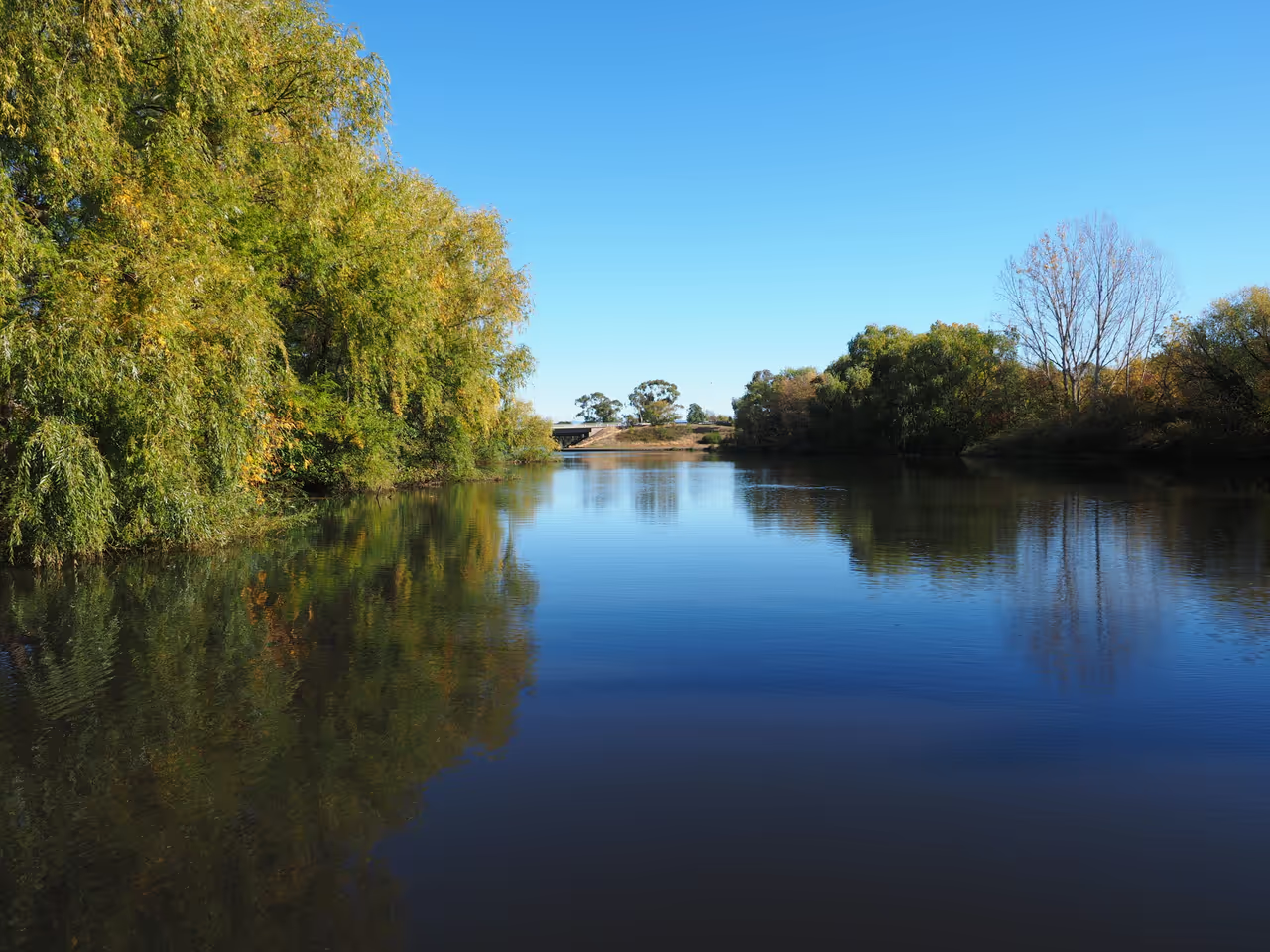
940mNewActon
An award winning architectural precinct that blends heritage buildings with striking modern design. This area is culturally rich, featuring outdoor sculptures, an independent cinema, and highly curated bars. The venues here push the boundaries of mixology and design, offering a truly unique aesthetic experience. It is the perfect destination for those seeking a stylish and artistic night out.
nightlife view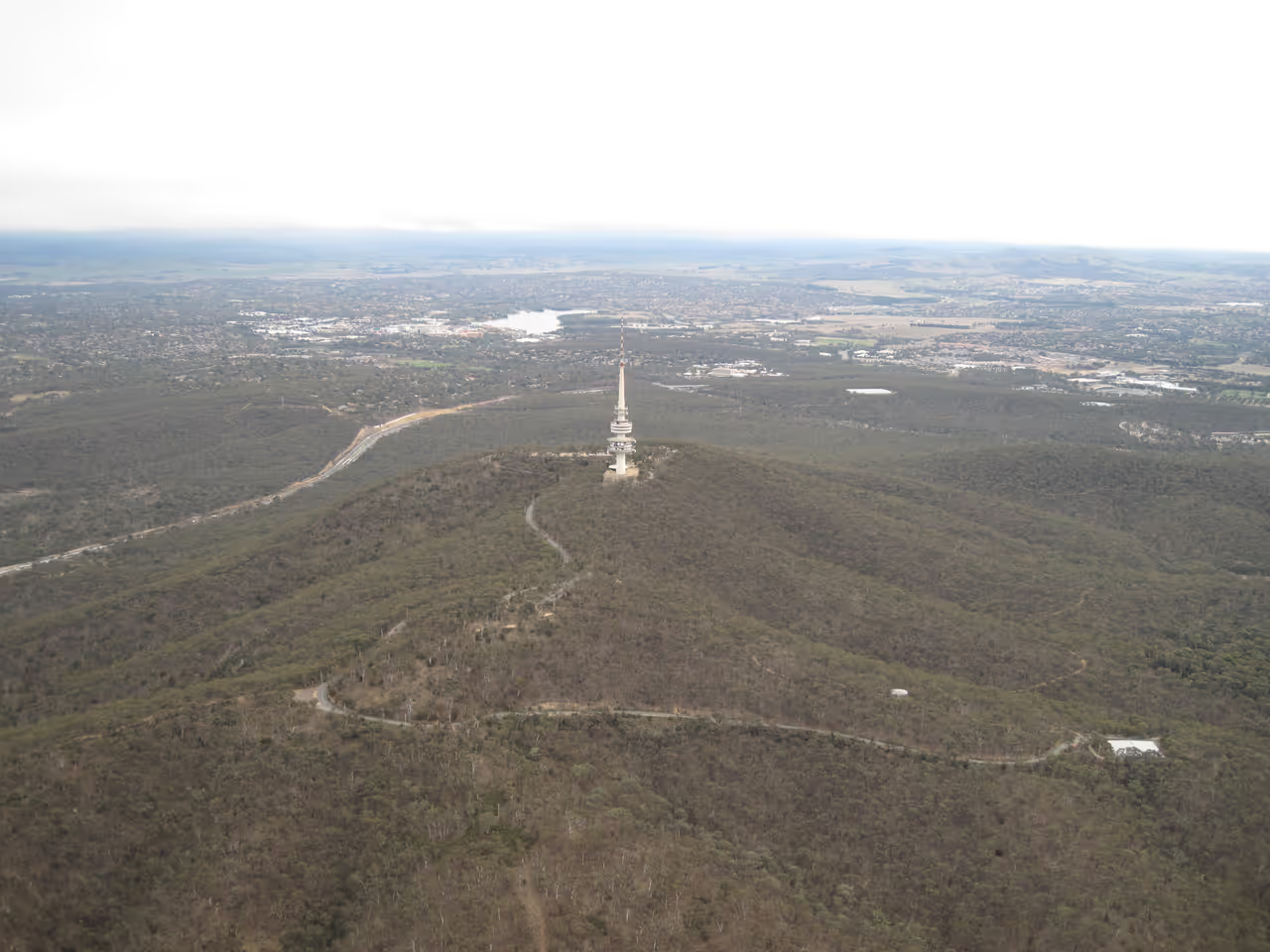 1115m
1115mBlack Mountain Tower
Rising almost two hundred metres above the peak of Black Mountain, this massive telecommunications tower dominates the city skyline. It provides completely unobstructed 360 degree views stretching from the urban centre all the way to the distant Brindabella mountain ranges. The enclosed and open air viewing decks allow you to experience the vast scale of the surrounding bushland. It is a highly recognizable brutalist landmark.
viewpoint view 1161m
1161mNational Film and Sound Archive
Located in a stunning art deco building that previously housed the Institute of Anatomy, this archive celebrates the audiovisual history of the nation. It features brilliant interactive exhibits covering classic cinema, historic radio broadcasts, and early television. Visitors can explore the evolution of Australian pop culture through rare vintage recordings and original costumes. The building itself, with its striking interior courtyard, is well worth the visit.
highlight view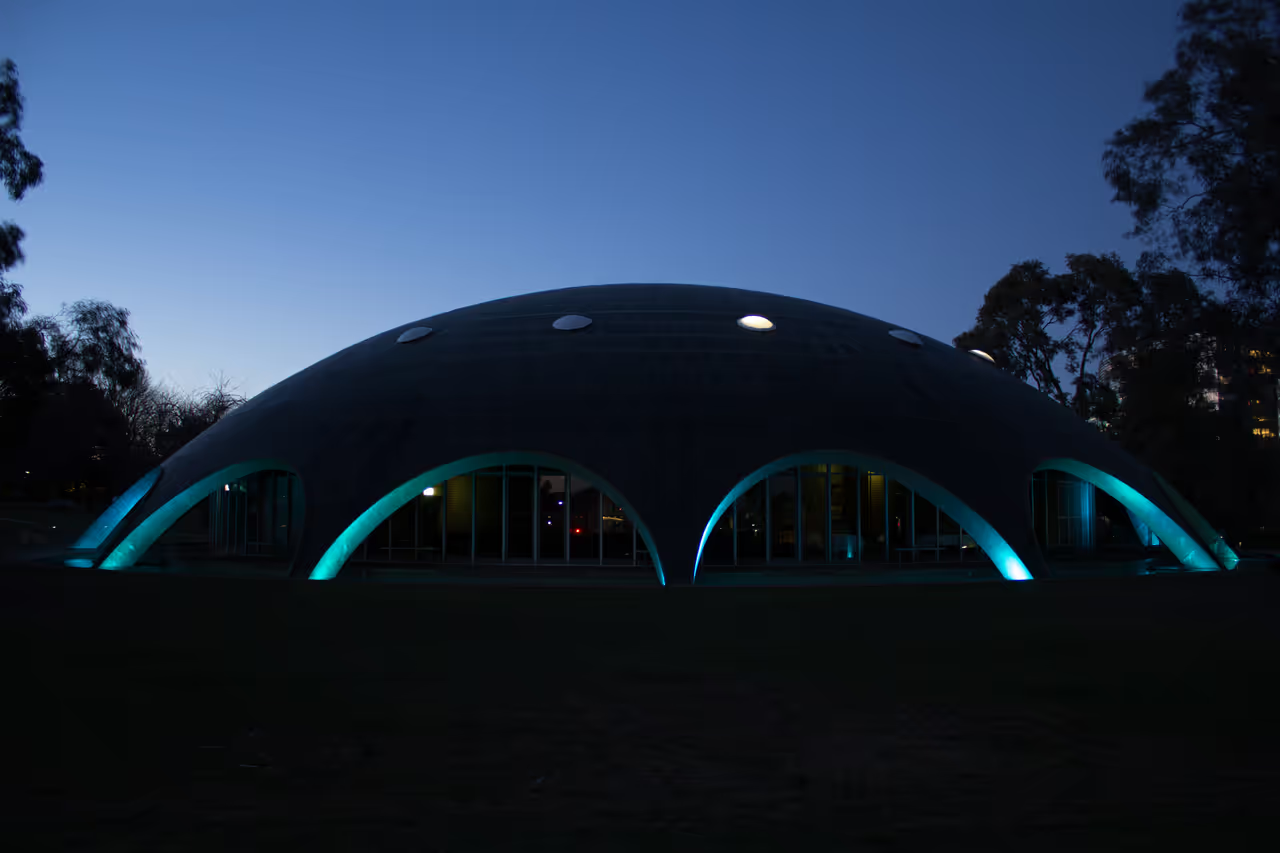 1341m
1341mShine Dome
This magnificent copper clad building belongs to the Australian Academy of Science and looks completely unlike anything else in the territory. Built in the late 1950s, its radical, futuristic design resembles a landed flying saucer surrounded by a shallow moat. It was a massive engineering feat for its time, featuring a massive self supporting concrete roof. It stands as a brilliant monument to mid century modernist architecture and scientific progress.
architecture view
Featured on These Itineraries and Routes

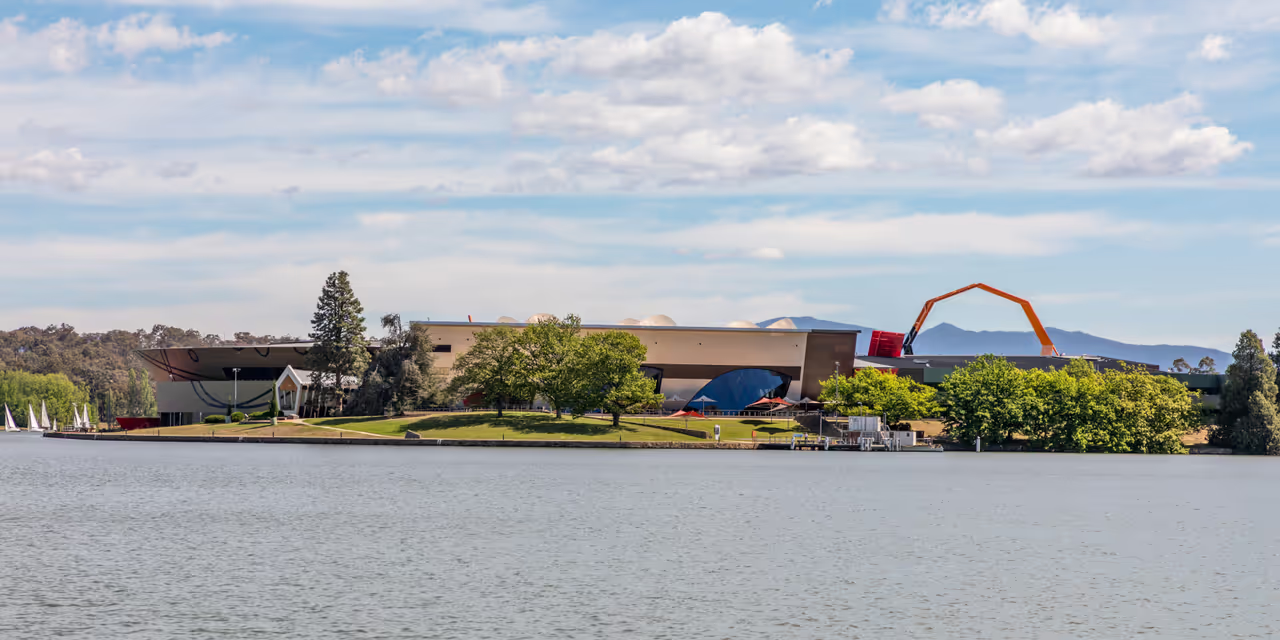
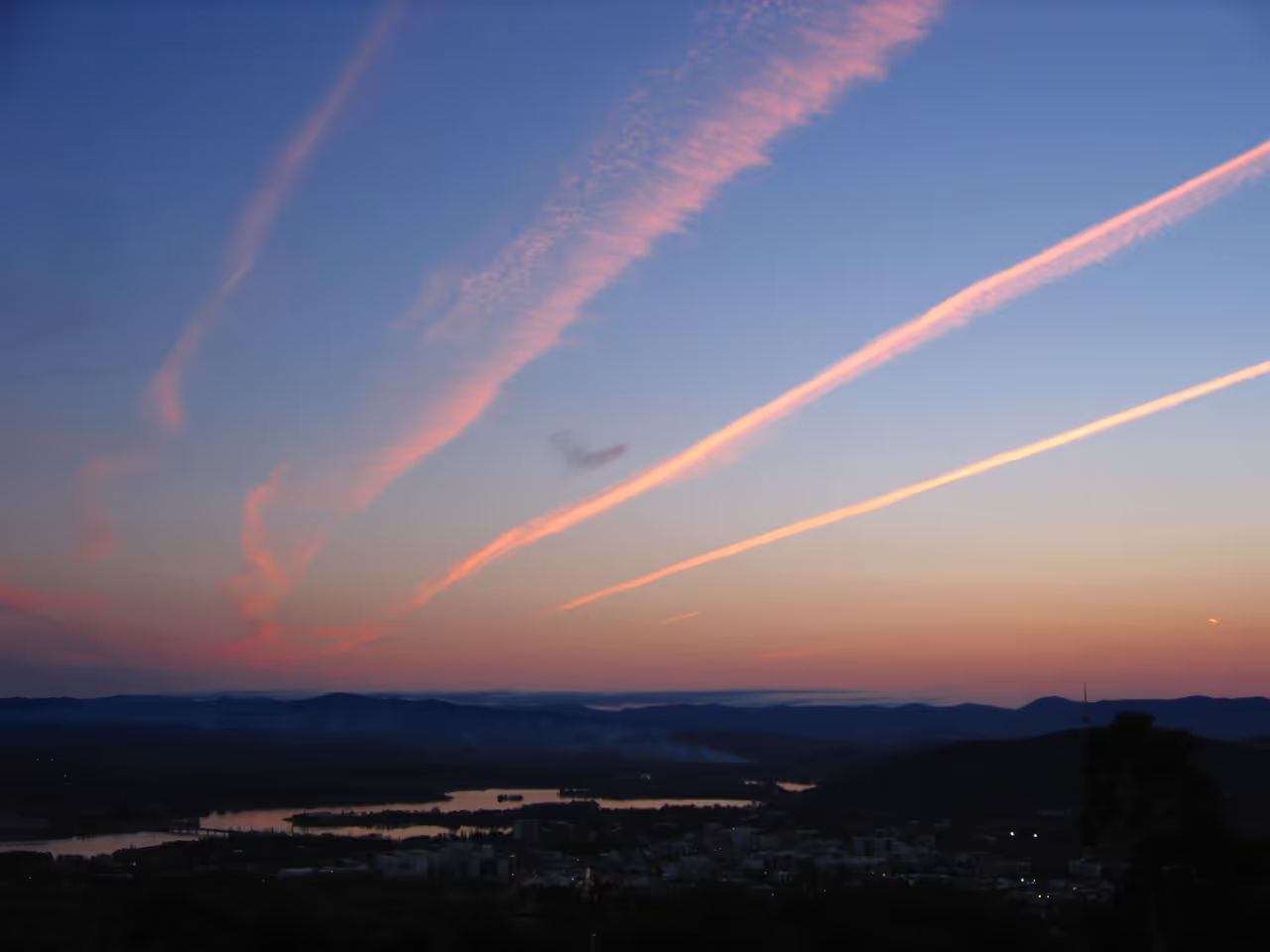
3 Days in Canberra Itinerary
This balanced itinerary allows you to absorb the grand national institutions while also engaging with the beautiful outdoor landscape. You will split your time between exploring deep military history, cycling around the serene lakes, and discovering the quirky local attractions. It reveals the distinct contrast between the formal political architecture and the deeply relaxed, nature focused lifestyle of the residents.
view itinerary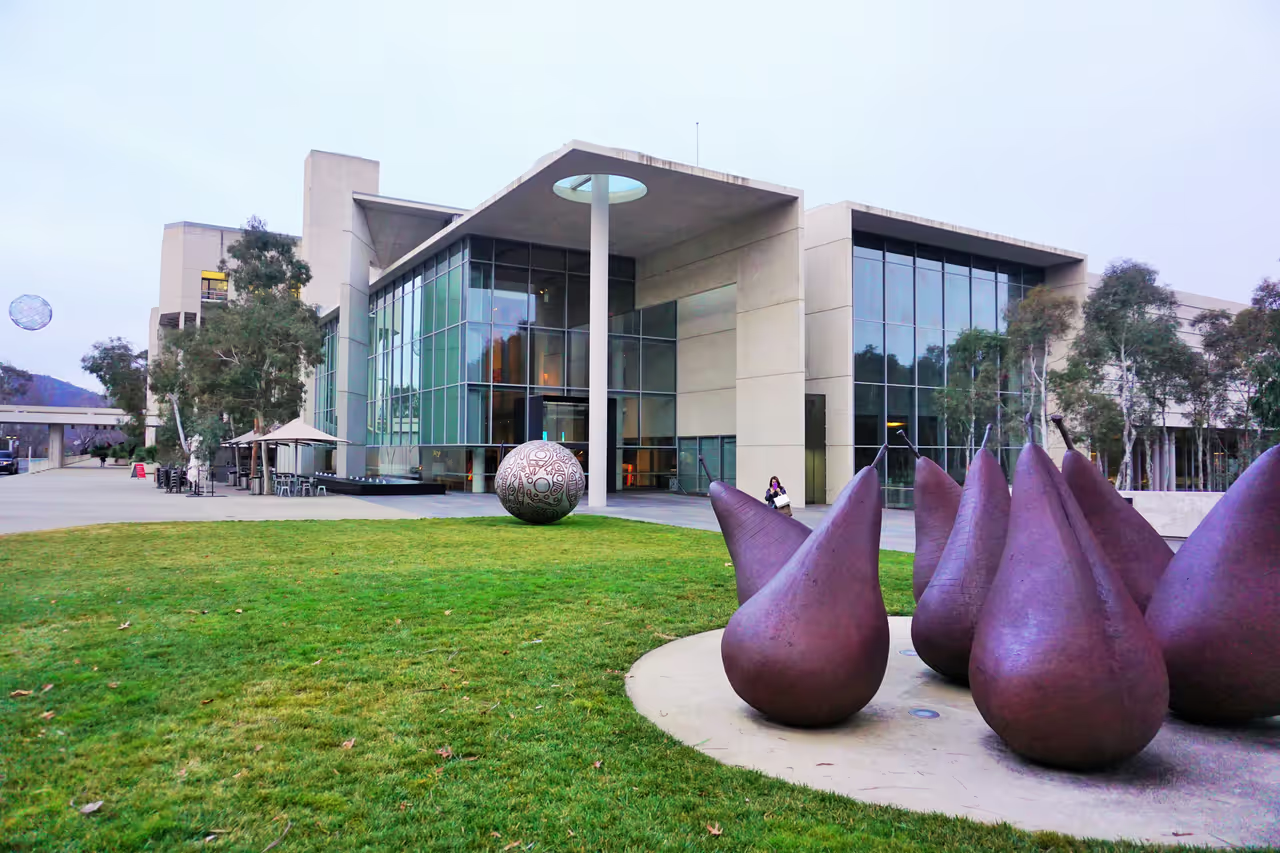
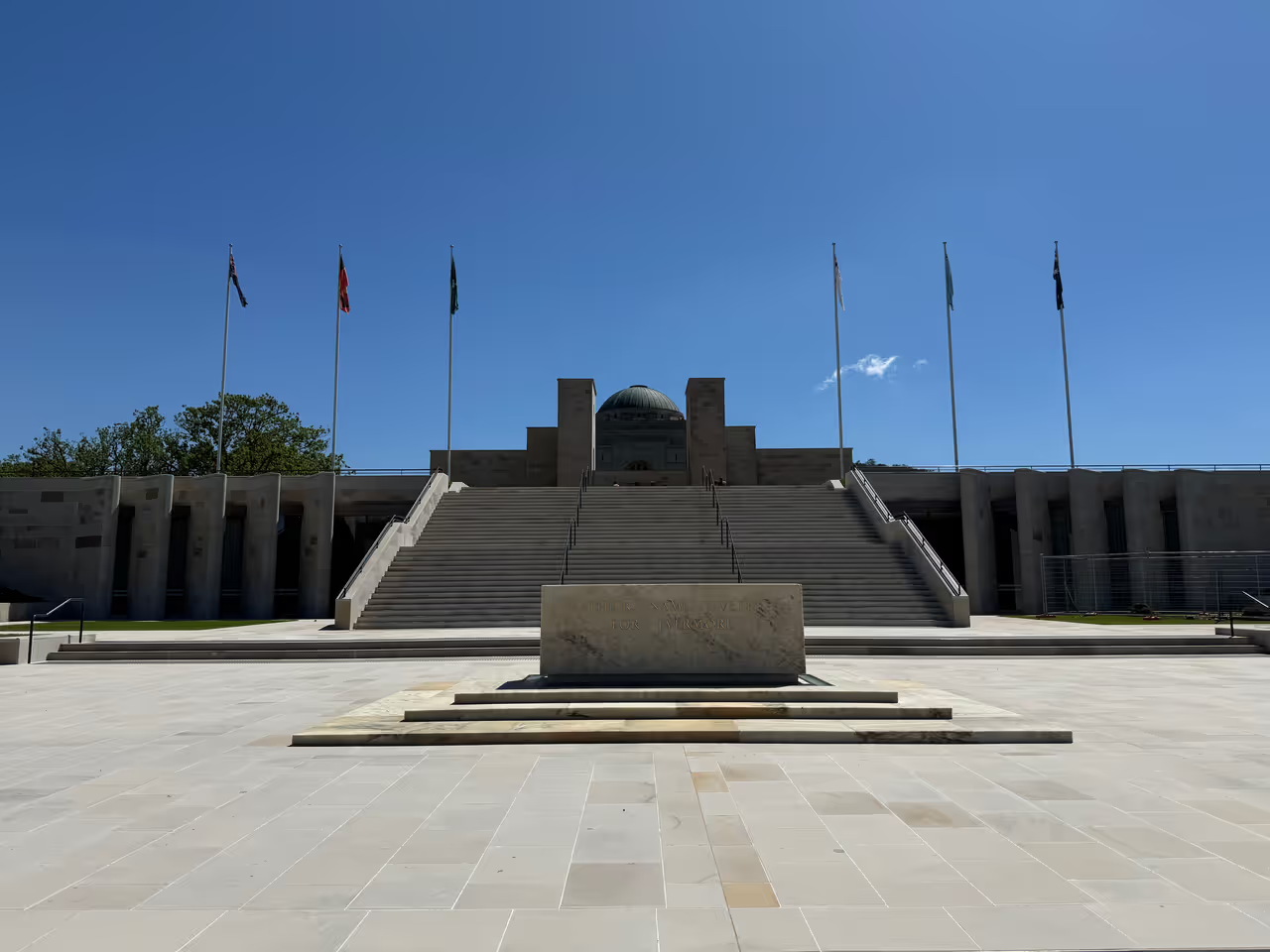

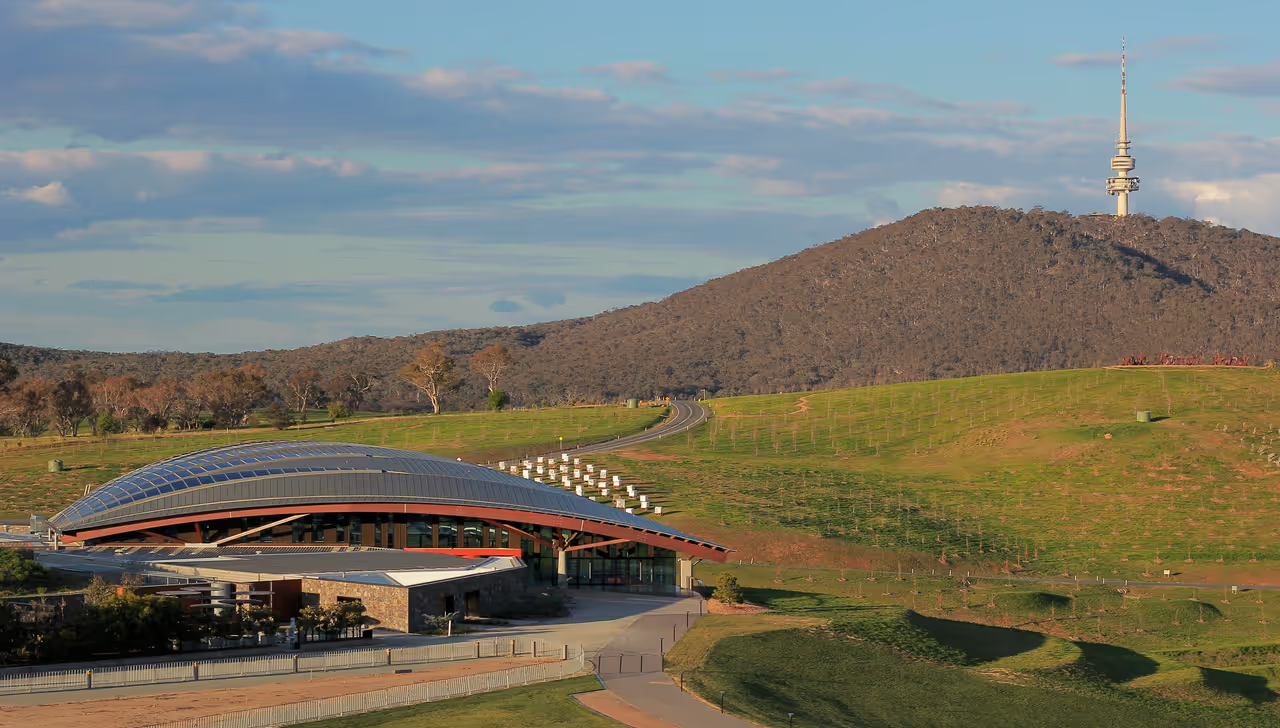
5 Days in Canberra: Deep Dive Itinerary
An exhaustive, highly rewarding exploration of everything the territory has to offer. Beyond the standard political monuments, you will venture into the rugged national parks, discover incredible hidden scientific facilities, and experience the local artisan markets. This extended stay allows you to truly understand the complex, multi layered identity of the bush capital at a thoroughly relaxed pace.
view itinerary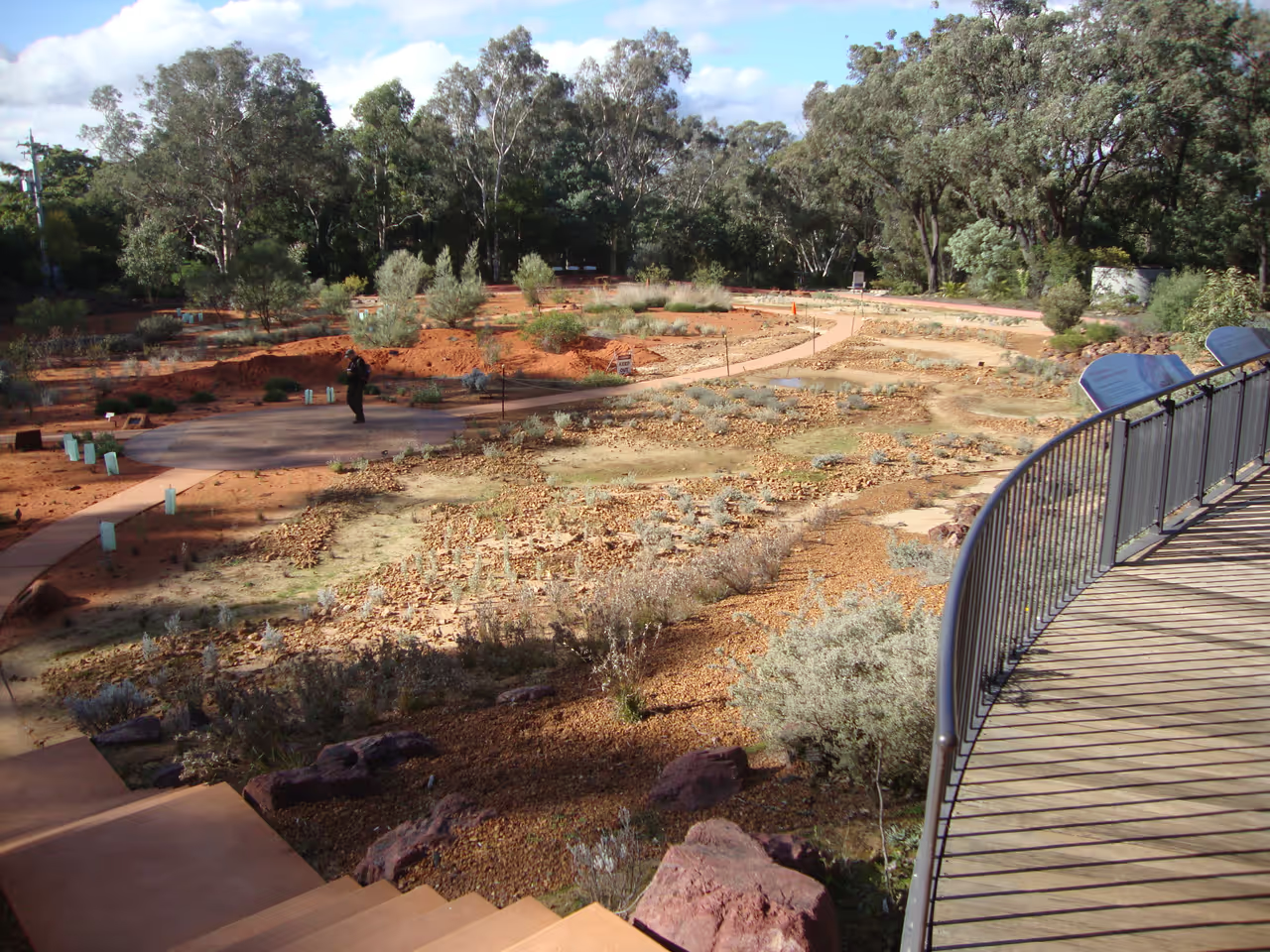
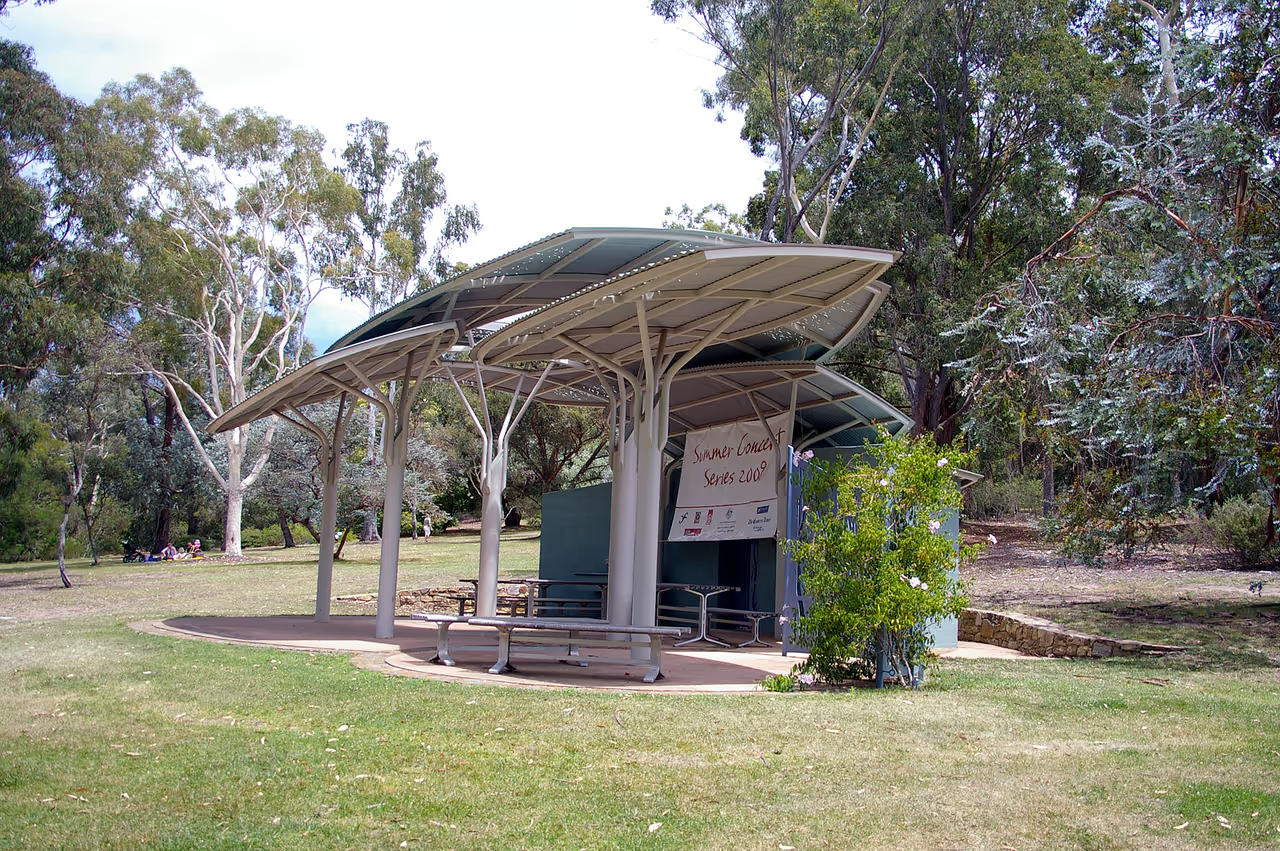
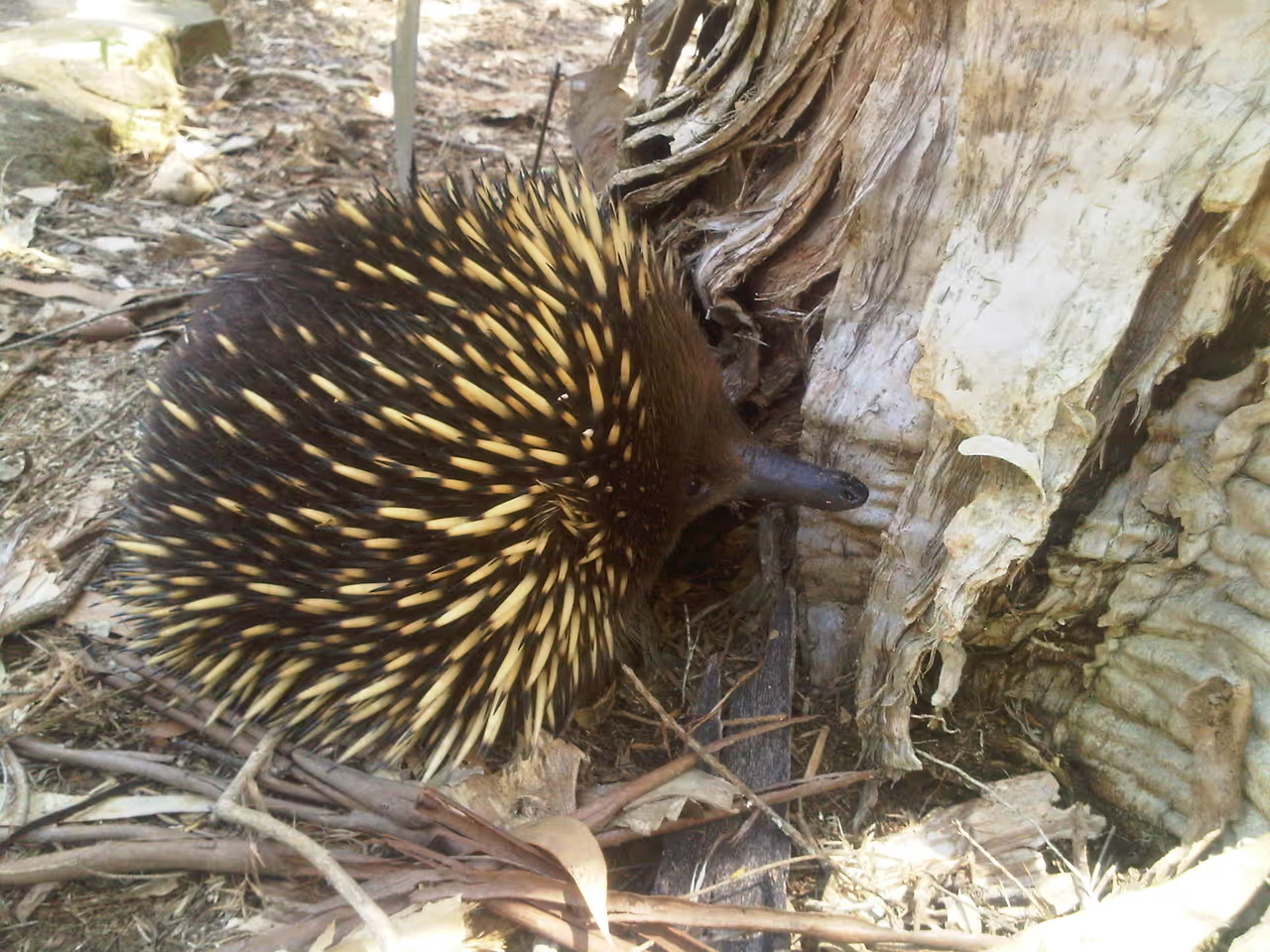
Botanic Gardens Discovery Trail
A fascinating walk traversing the immense diversity of Australian plant life, located right on the slopes of Black Mountain. You will walk through recreated rainforest gullies, dry desert landscapes, and dense eucalyptus groves. The air is filled with the scent of native oils and the sounds of diverse local birdlife. It is an immersive, sensory experience that transports you far from the urban environment.
view walking route
See all nature & parks in Canberra
Lake Burley Griffin, Namadgi National Park, Commonwealth Park, National Arboretum, Tidbinbilla Nature Reserve, Weston Park...