Lake Burley Griffin
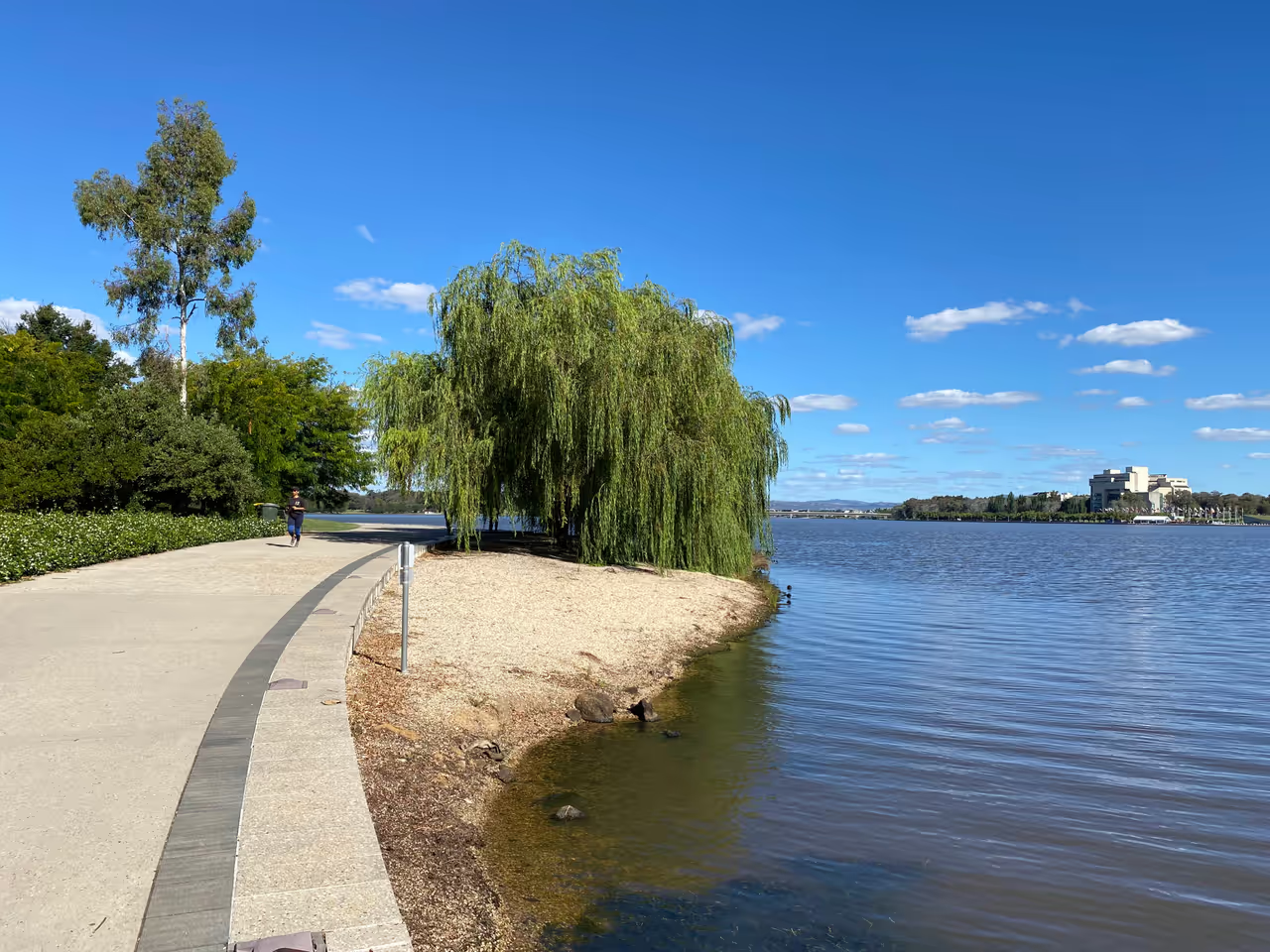
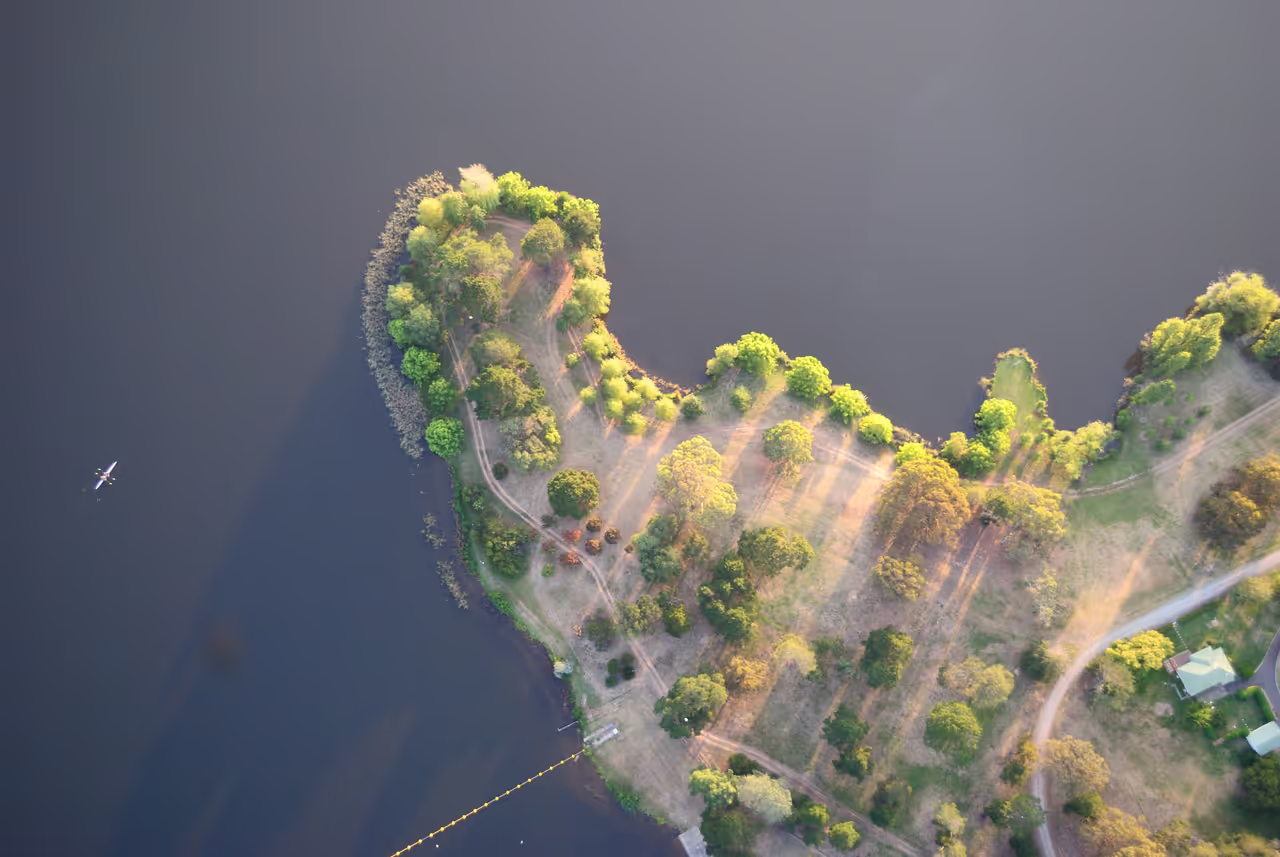
Lake Burley Griffin is the glittering, blue heart of Canberra, offering a stunning centrepiece to the nation's capital. Designed to align perfectly with the city's significant landmarks, this expansive artificial lake provides a tranquil escape from the urban environment. Visitors can enjoy a leisurely walk, cycle, or jog along the scenic paths that wrap around its shoreline, revealing spectacular views of monuments and institutions. It serves as a vibrant recreational hub where you can partake in rowing, sailing, or simply enjoy a picnic in the lush surrounding parklands. The atmosphere is peaceful and inviting, making it the perfect spot to connect with the city's unique history and design. Exploring the lake reveals the visionary planning that turned a simple river valley into an iconic Australian destination.
Videos
History of Lake Burley Griffin
For decades, the centre of Canberra was little more than a paddock, a collection of scattered buildings and pastoral fields awaiting a purpose. The grand vision for a magnificent lake belonged to Walter Burley Griffin, the American architect who won the competition to design Australia's new capital in 1911. His design was intricate and geometric, intending to bind the city together with a vast water feature that aligned perfectly with the surrounding mountains and landmarks. Yet, as years turned into decades, the political landscape shifted, funding dried up, and the dream of the lake remained confined to drawings and debate. It was frequently derided as a fantasy, with the capital city often mocked for being a loose collection of suburbs that lacked a soul. The turning point finally arrived in the late 1950s, driven by the intense commitment of Prime Minister Robert Menzies. Determined to transform the capital into a site worthy of national pride, he pushed through the development against considerable scepticism. The construction was an enormous undertaking that required the removal of golf courses, old homes, and even public sports grounds. Labourers moved vast amounts of earth, and the landscape was radically reshaped. When the valves of the Scrivener Dam were finally closed in 1963, a severe drought meant the filling process was agonisingly slow, with only muddy pools visible for months. Eventually, the waters rose to the required levels, and in 1964, the lake was finally inaugurated, effectively forging the city's identity. Today, the lake has become the anchor of Canberra's identity, proving the original planners right. It defines the Parliamentary Triangle, serving as the immediate foreground to the nation's most important institutions. The shores are now home to the National Gallery, the High Court, and the National Library, creating a precinct where nature and governance coexist. It transitioned from an ambitious design on paper to a living, breathing part of the capital, hosting everything from quiet morning jogs to the vibrant, flower filled days of the annual Floriade festival. The lake achieved what once seemed impossible, turning a disparate group of settlements into a cohesive, beautiful city.
Events spanning 59 years
Fun Facts
- • Filling the lake was a slow process, largely due to a severe drought that delayed the intended water levels until 1964.
- • It is not a natural body of water but a reservoir created by damming the Molonglo River.
- • It is officially recognised as a National Engineering Landmark, celebrating the complex structural achievements required to create it.
- • Major national institutions, including the National Gallery of Australia and the High Court, are situated along its shores to highlight the city's connection to the water.
- • The Scrivener Dam, which holds back the lake, is engineered to withstand a massive flood that happens only once in every 5,000 years.
- • The design includes clever fish belly flap gates on the dam, which allow for precise water level control.
- • The lake features six islands, with Queen Elizabeth II Island housing the impressive 53 bell Australian National Carillon.
- • The lake has been stocked with hundreds of thousands of native fish, like Murray cod, to help restore the local ecosystem.
- • The lakebed was once pastoral farmland and even a golf course before it was submerged.
- • Walter Burley Griffin, the architect who gave the lake its name, designed the layout to align with natural geographical features like Mount Ainslie.
Lake Burley Griffin FAQ
While we strive to keep this information accurate and up to date, we recommend verifying any details independently before making decisions based on them.
Lake Burley Griffin Map & Neighborhood Explorer
This interactive map is centered on Lake Burley Griffin. Zoom in and move the map around to automatically discover Wikipedia photos and summaries of other nearby sights, monuments, and historical points of interest and stories in real-time!
Places near Lake Burley Griffin
Make the most of your trip. Check out these top-rated spots located nearby.
 339m
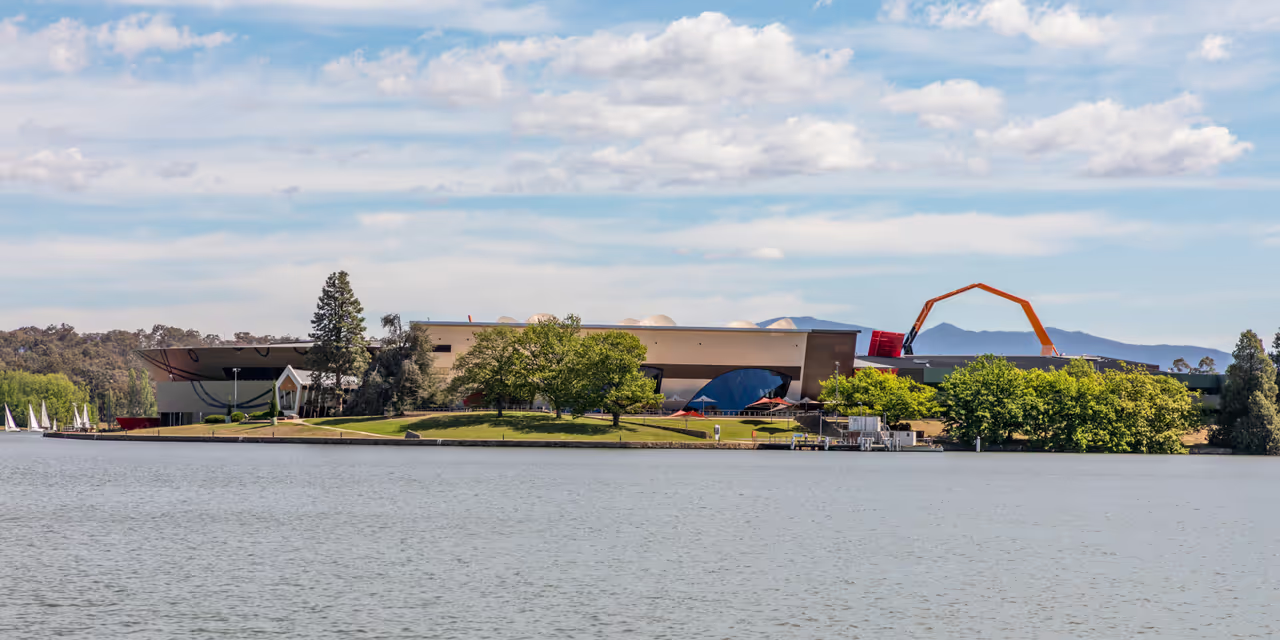
339mNational Museum of Australia
The National Museum of Australia serves as a captivating gateway into the soul of the nation, housing stories that span tens of thousands of years. Located on the scenic Acton Peninsula, the museum is immediately recognisable for its bold, unconventional architecture that symbolises a tangled knot of Australian narratives. Inside, you will find an extensive collection that ranges from the sacred to the everyday, offering deep insight into Indigenous heritage, European settlement, and the moments that defined modern Australia. Visitors often find themselves drawn to iconic relics like the heart of the legendary racehorse Phar Lap and the humble Holden prototype. The vibrant atmosphere and rotating exhibitions make every visit unique, ensuring there is always something new to discover about the country's past and future. It is a place where history feels alive, encouraging you to ponder the complex and diverse threads that weave together to form the Australian identity.
attraction view 1028m
1028mNational Film and Sound Archive
Located in a stunning art deco building that previously housed the Institute of Anatomy, this archive celebrates the audiovisual history of the nation. It features brilliant interactive exhibits covering classic cinema, historic radio broadcasts, and early television. Visitors can explore the evolution of Australian pop culture through rare vintage recordings and original costumes. The building itself, with its striking interior courtyard, is well worth the visit.
highlight view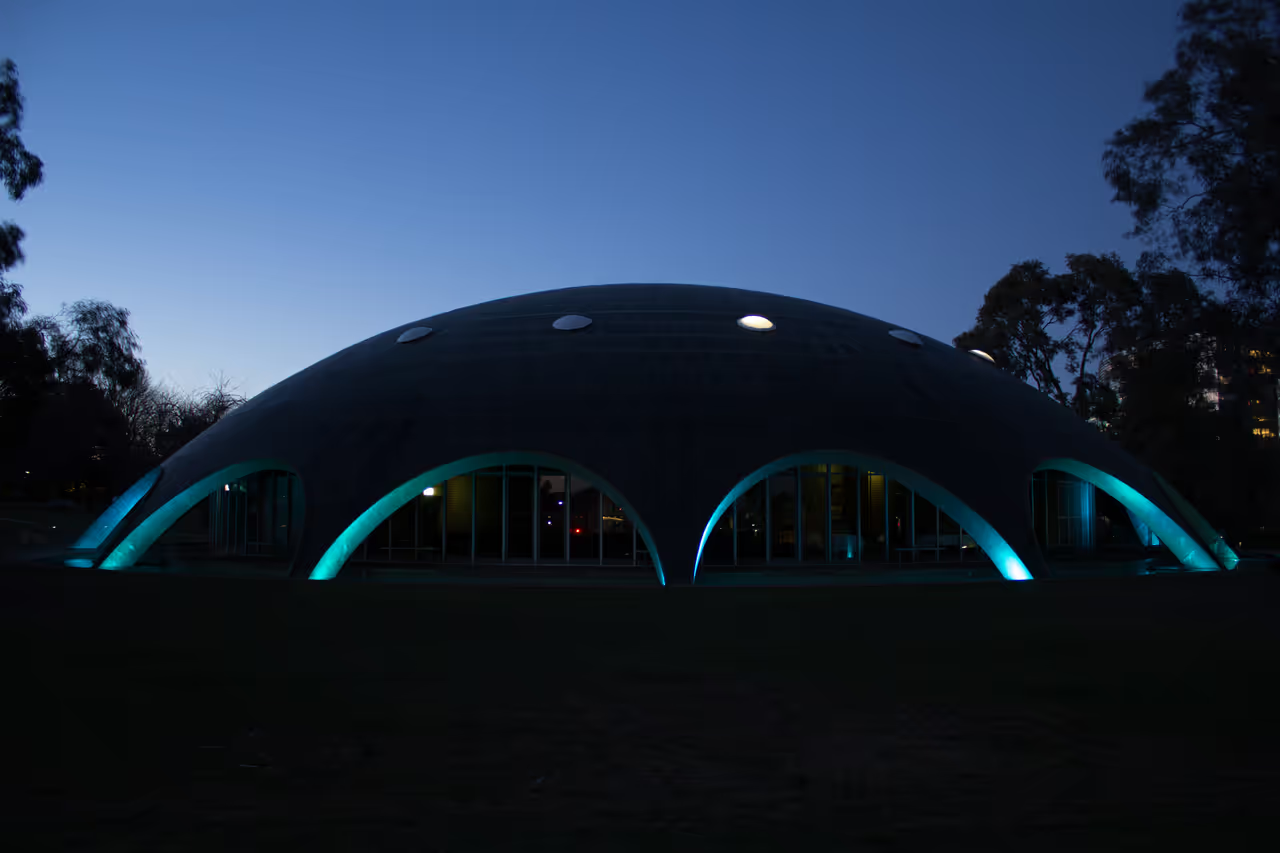 1063m
1063mShine Dome
This magnificent copper clad building belongs to the Australian Academy of Science and looks completely unlike anything else in the territory. Built in the late 1950s, its radical, futuristic design resembles a landed flying saucer surrounded by a shallow moat. It was a massive engineering feat for its time, featuring a massive self supporting concrete roof. It stands as a brilliant monument to mid century modernist architecture and scientific progress.
architecture view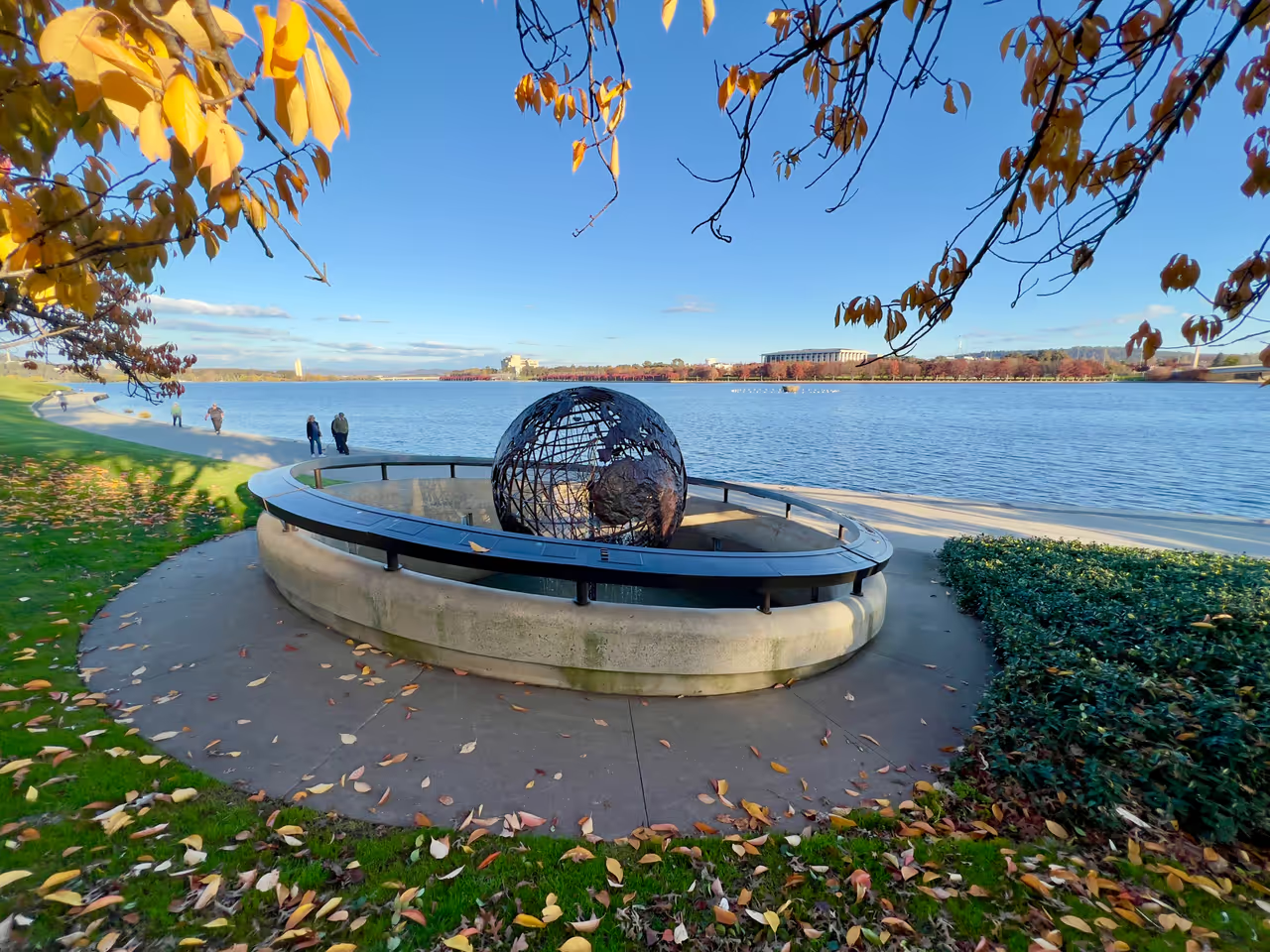 1232m
1232mCaptain Cook Memorial Jet
This powerful water jet blasts a spectacular column of water high above the central basin of the lake. On sunny days, the mist creates brilliant, vivid rainbows that hang perfectly in the air. It provides a highly dynamic and energetic focal point for photos of the otherwise calm waterfront.
photo spot view
Featured on These Itineraries
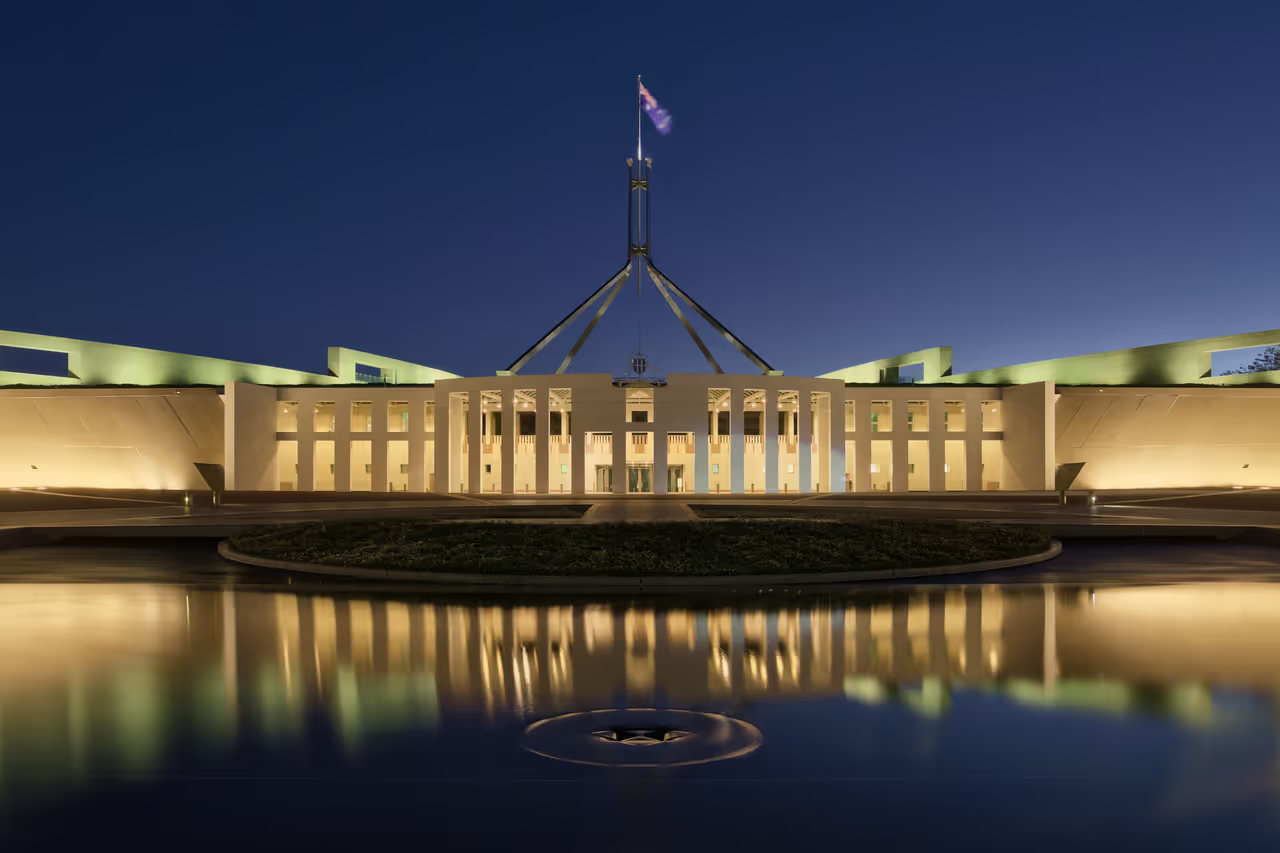
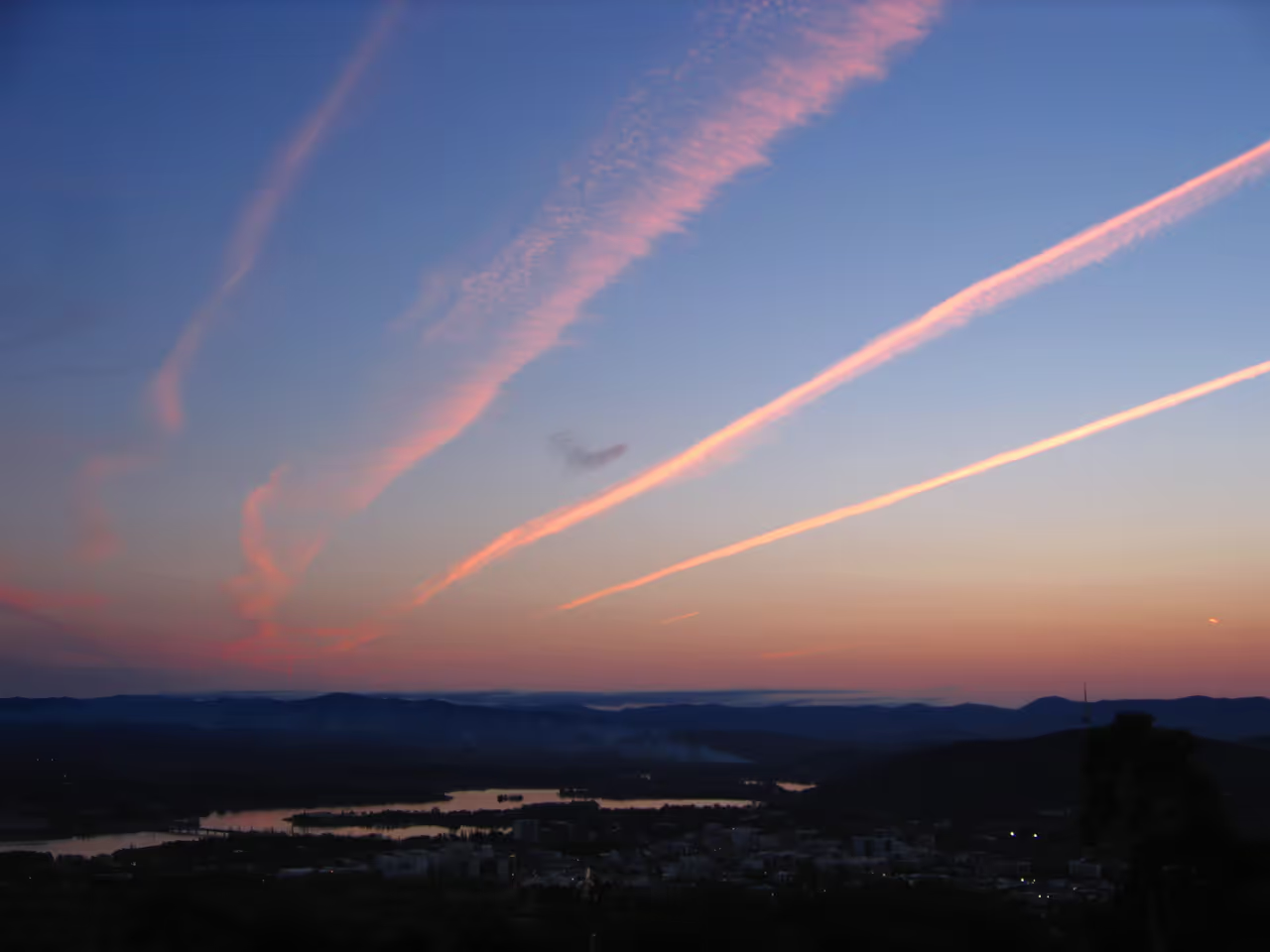
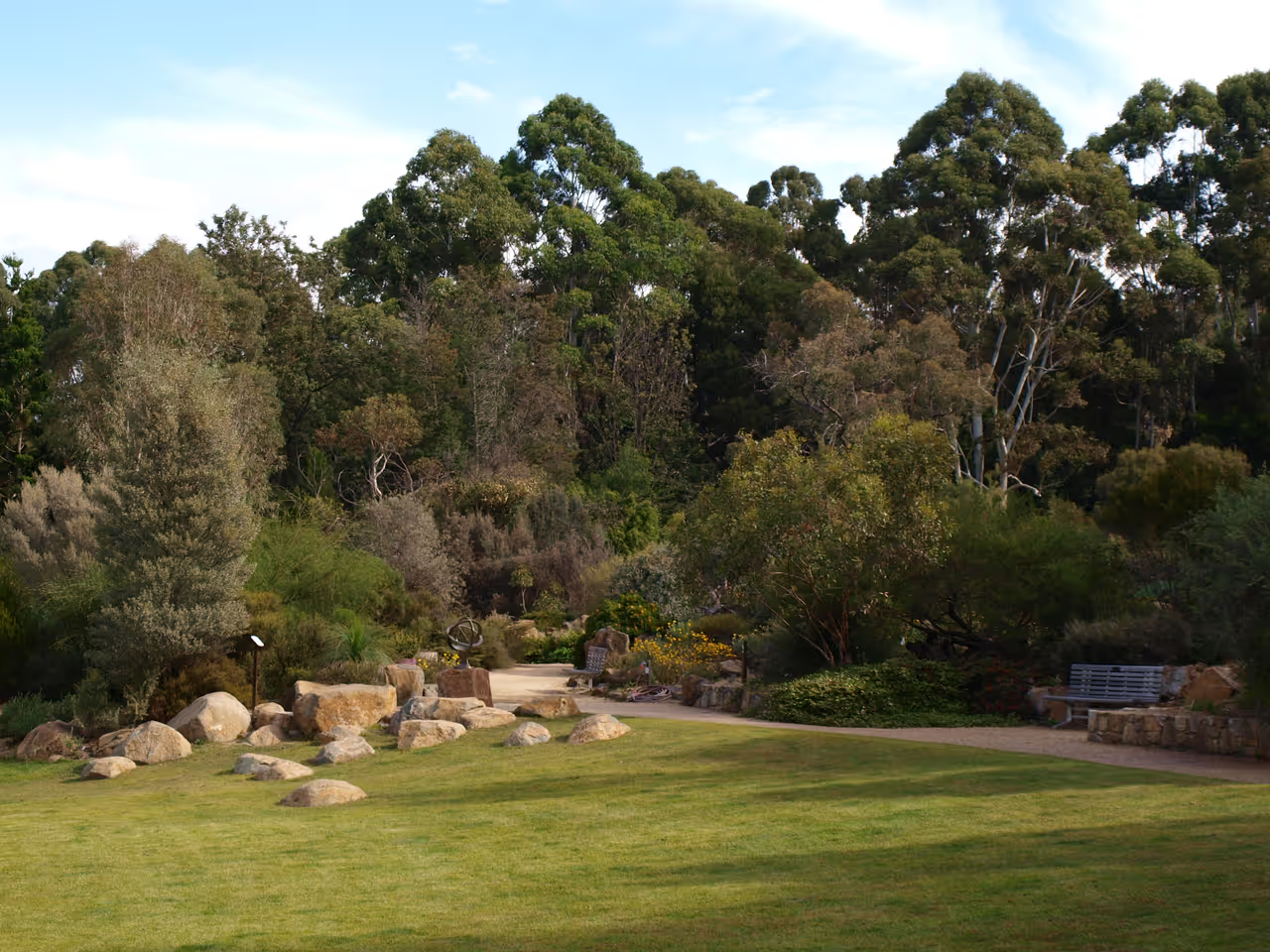
3 Days in Canberra Itinerary
This balanced itinerary allows you to absorb the grand national institutions while also engaging with the beautiful outdoor landscape. You will split your time between exploring deep military history, cycling around the serene lakes, and discovering the quirky local attractions. It reveals the distinct contrast between the formal political architecture and the deeply relaxed, nature focused lifestyle of the residents.
view itinerary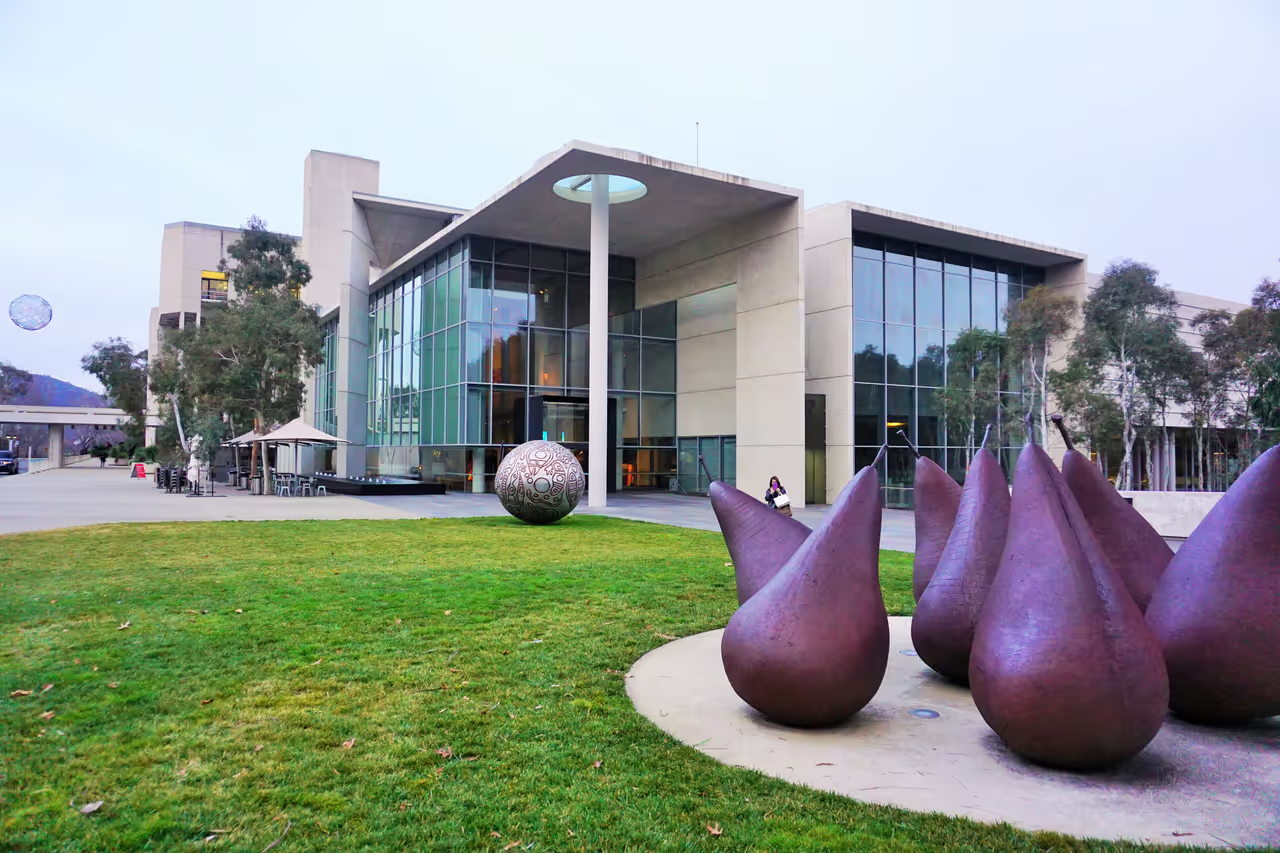
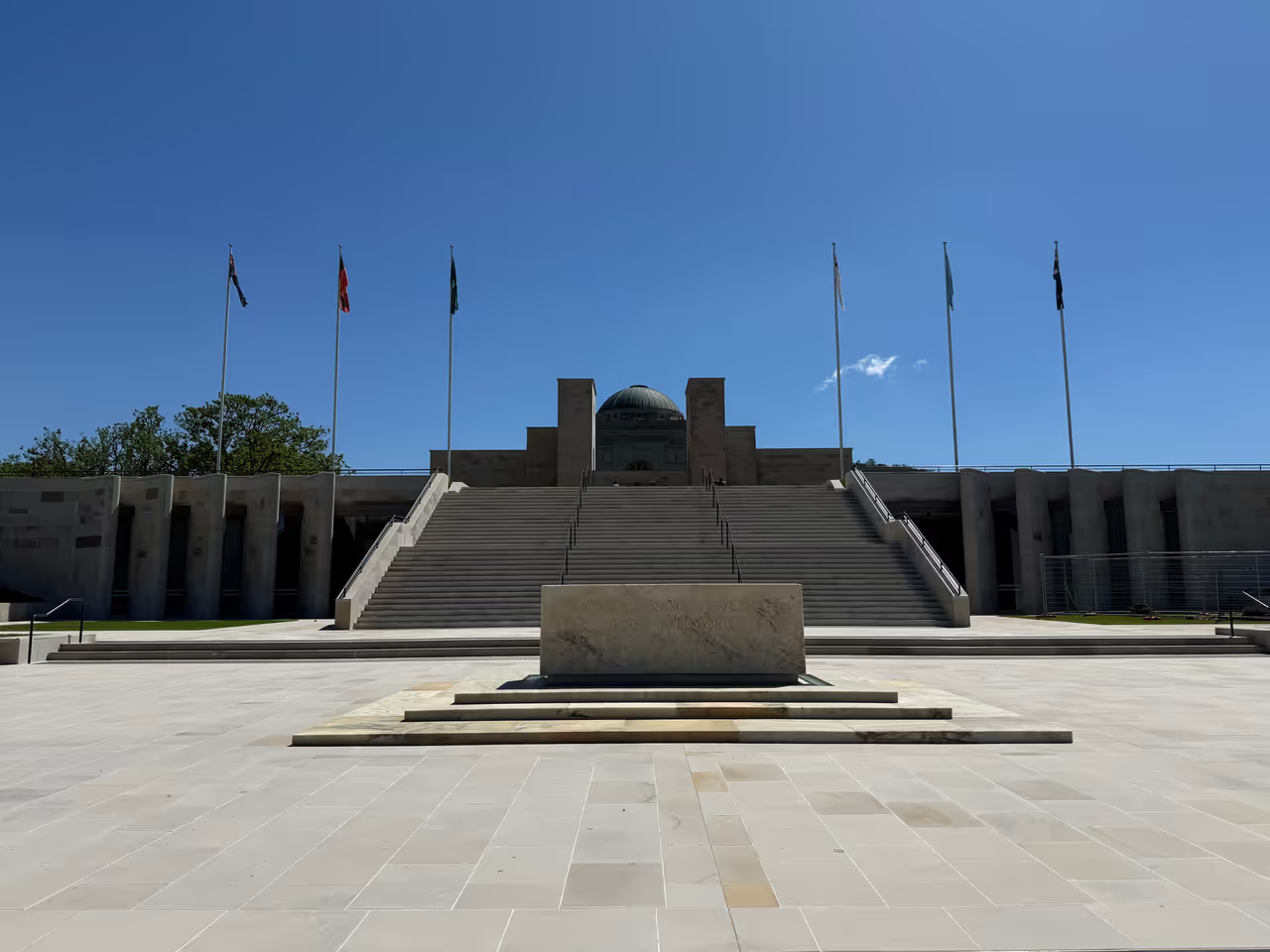
5 Days in Canberra: Deep Dive Itinerary
An exhaustive, highly rewarding exploration of everything the territory has to offer. Beyond the standard political monuments, you will venture into the rugged national parks, discover incredible hidden scientific facilities, and experience the local artisan markets. This extended stay allows you to truly understand the complex, multi layered identity of the bush capital at a thoroughly relaxed pace.
view itinerary
See all nature & parks in Canberra
Namadgi National Park, Australian National Botanic Gardens, Commonwealth Park, National Arboretum, Tidbinbilla Nature Reserve, Weston Park...