National Museum of Australia
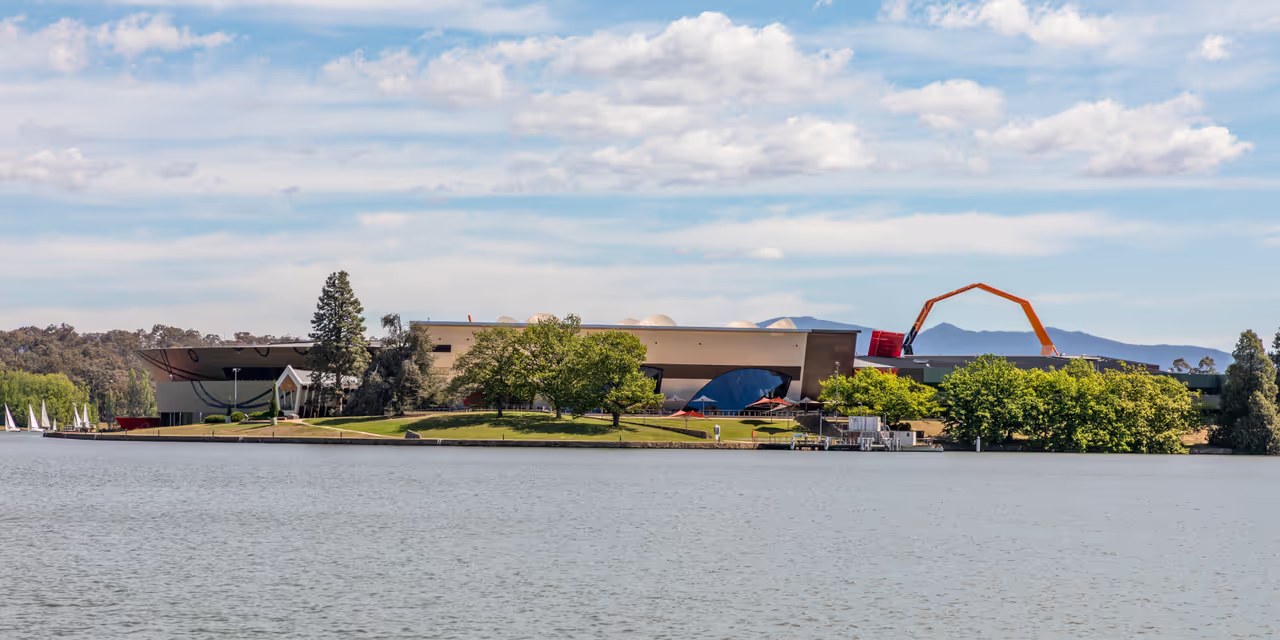
The National Museum of Australia serves as a captivating gateway into the soul of the nation, housing stories that span tens of thousands of years. Located on the scenic Acton Peninsula, the museum is immediately recognisable for its bold, unconventional architecture that symbolises a tangled knot of Australian narratives. Inside, you will find an extensive collection that ranges from the sacred to the everyday, offering deep insight into Indigenous heritage, European settlement, and the moments that defined modern Australia. Visitors often find themselves drawn to iconic relics like the heart of the legendary racehorse Phar Lap and the humble Holden prototype. The vibrant atmosphere and rotating exhibitions make every visit unique, ensuring there is always something new to discover about the country's past and future. It is a place where history feels alive, encouraging you to ponder the complex and diverse threads that weave together to form the Australian identity.
Videos
History of National Museum of Australia
Long before the striking building opened its doors in 2001, the concept of a national museum had been debated for decades. The institution was finally realised on the Acton Peninsula, a site with a layered and at times painful history, formerly home to the Royal Canberra Hospital. This choice of location was deliberate, designed to place the national institution within a landscape that had seen both life and loss. Architects were tasked with the challenge of housing a national identity that was far from singular or simple. The resulting structure, a masterpiece of deconstructivist design, challenges the traditional notion of a static museum space. With its vivid colours and spiralling Uluru Axis ribbon, the building serves as a symbolic knot of ropes, representing the many interconnected stories of the Australian experience. Critics and admirers alike have been struck by its audacity, noting how it refuses to offer a singular, authorized version of history. Instead, the architecture invites visitors to navigate a complex, unfolding narrative that links the ancient Dreamtime with contemporary struggles. Today, the museum stands as a beacon for cultural preservation and reflection. It has become a vital repository for the National Historical Collection, safeguarding over 210,000 objects that range from the deeply personal to the nationally significant. By engaging in the sensitive work of repatriating Indigenous ancestral remains and hosting forums that debate current national issues, the museum continues to be a lively, breathing forum. It remains essential for anyone seeking to understand the enduring, sometimes challenging, and ultimately shared stories of a continent.
Events spanning 33 years
Fun Facts
- • It maintains the world's largest collection of Aboriginal bark paintings and stone tools, serving as a vital archive for Indigenous culture.
- • The architects designed the building as a series of knotted ropes to represent the idea that the Australian story is not one single line, but a complex, tangled confluence of many histories.
- • The building is famous for its controversial design, which some critics compare to the Jewish Museum in Berlin, leading to public debates about architectural influence.
- • The exterior aluminium panels contain hidden braille messages, including the words mate, she'll be right, and for a period, more controversial phrases that were later obscured.
- • The museum holds the heart of the legendary racehorse Phar Lap, a cherished symbol of Australian resilience during the Great Depression.
- • The museum houses the Holden prototype No. 1, a significant object that represents the rise of Australia's domestic automotive industry.
- • The museum includes an Australian flag recovered from the ruins of the World Trade Center, marking a point of connection to the September 11 attacks.
- • The museum is actively involved in the repatriation of Indigenous ancestral remains, helping to return over 1,400 individuals to their communities of origin.
- • The site aligns with the Uluru Axis, a conceptual line that ties the museum directly to the spiritual heart of the continent.
- • Visitors can see the fleece of Chris the sheep, a merino ram that achieved international fame in 2015 after being found carrying a record-breaking amount of wool.
National Museum of Australia FAQ
While we strive to keep this information accurate and up to date, we recommend verifying any details independently before making decisions based on them.
National Museum of Australia Map & Neighborhood Explorer
This interactive map is centered on National Museum of Australia. Zoom in and move the map around to automatically discover Wikipedia photos and summaries of other nearby sights, monuments, and historical points of interest and stories in real-time!
Places near National Museum of Australia
Make the most of your trip. Check out these top-rated spots located nearby.
 339m
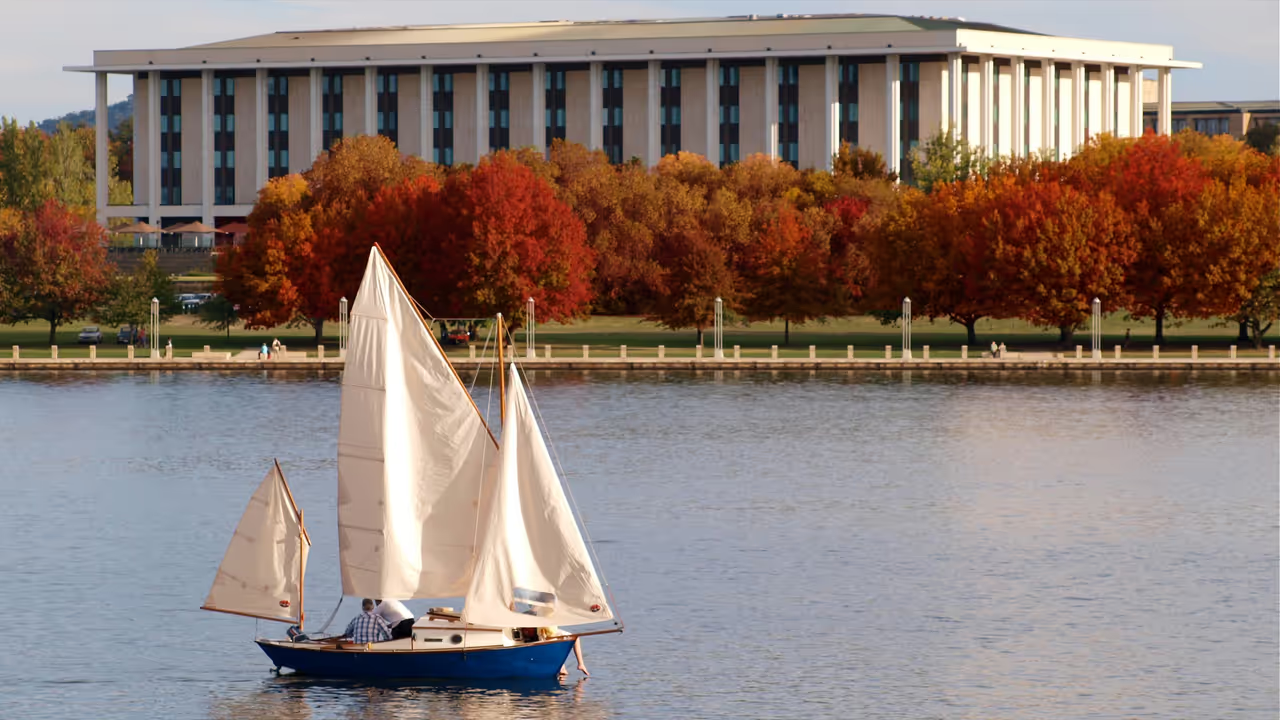
339mLake Burley Griffin
Lake Burley Griffin is the glittering, blue heart of Canberra, offering a stunning centrepiece to the nation's capital. Designed to align perfectly with the city's significant landmarks, this expansive artificial lake provides a tranquil escape from the urban environment. Visitors can enjoy a leisurely walk, cycle, or jog along the scenic paths that wrap around its shoreline, revealing spectacular views of monuments and institutions. It serves as a vibrant recreational hub where you can partake in rowing, sailing, or simply enjoy a picnic in the lush surrounding parklands. The atmosphere is peaceful and inviting, making it the perfect spot to connect with the city's unique history and design. Exploring the lake reveals the visionary planning that turned a simple river valley into an iconic Australian destination.
park & nature view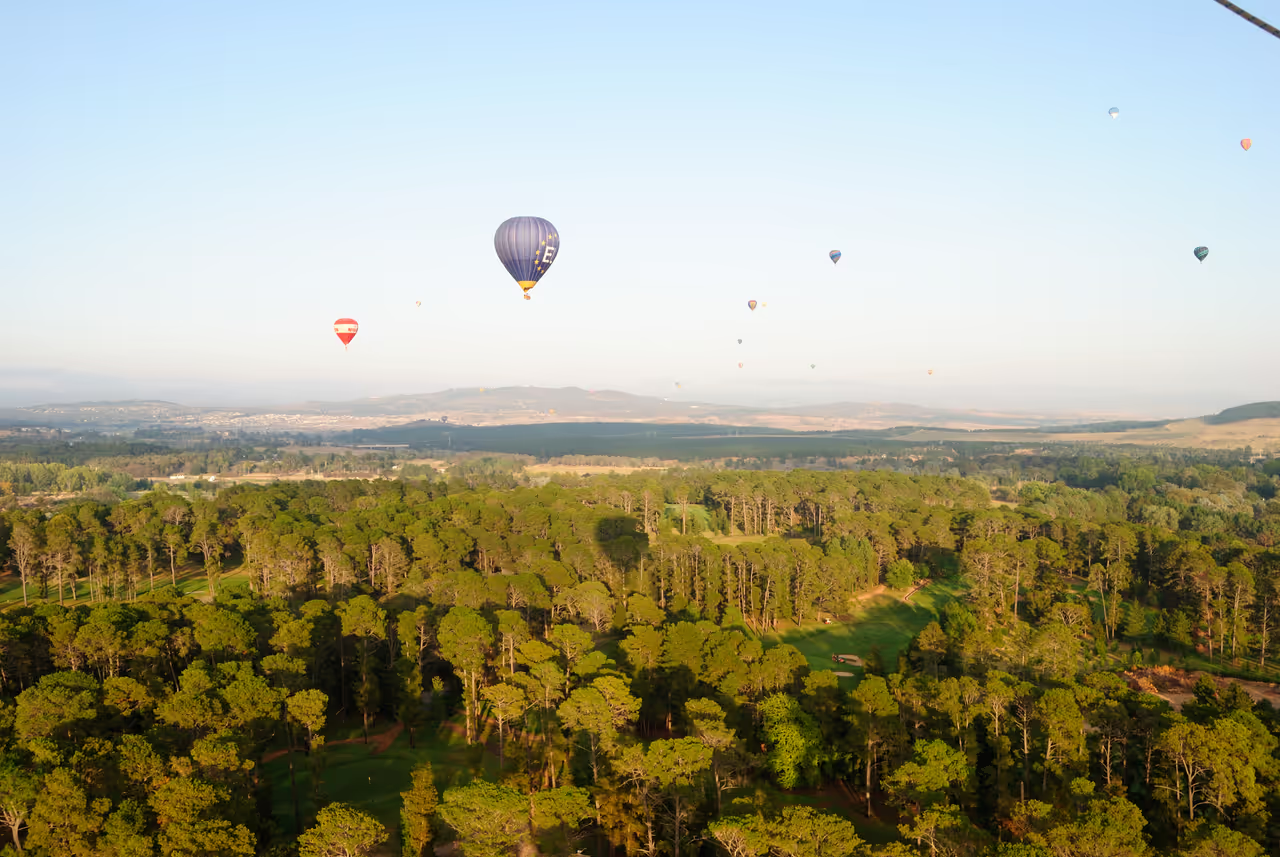 937m
937mCanberra Balloon Spectacular
For several magical mornings, dozens of vibrant hot air balloons take flight from the lawns in front of Old Parliament House. The sight of massive balloons drifting gently over the lake and national monuments at sunrise is breathtaking. Spectators gather on the grass to enjoy hot breakfasts and coffee while watching the inflation process. It is considered one of the top ballooning events globally.
festival view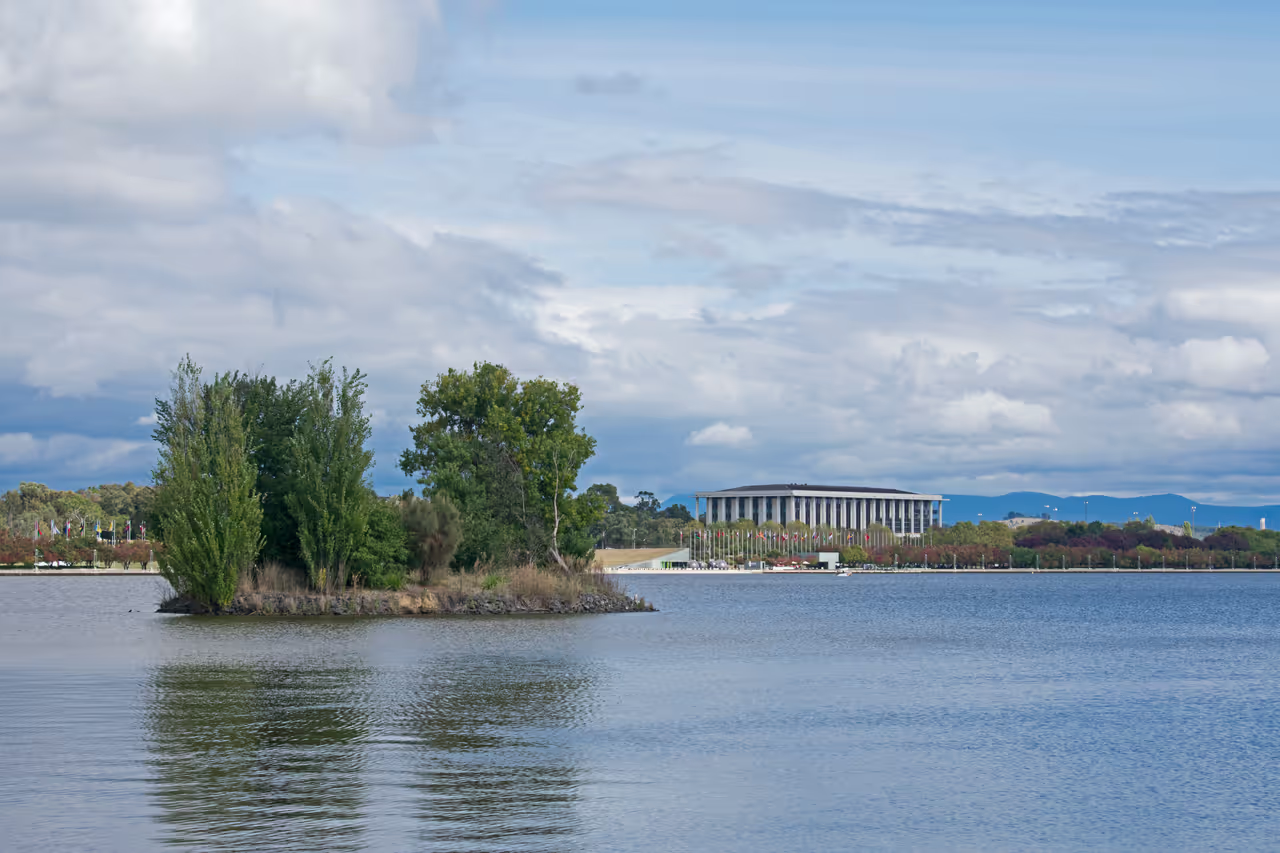 949m
949mNational Library of Australia
Designed with a clear nod to classical Greek temples, this building brings immense elegance to the parliamentary zone. It is wrapped in tall, slender marble columns and features brilliant copper detailing on its roof. The large stained glass windows by artist Leonard French add beautiful bursts of colour to the stark white facade. It projects an atmosphere of quiet, dignified intelligence.
architecture view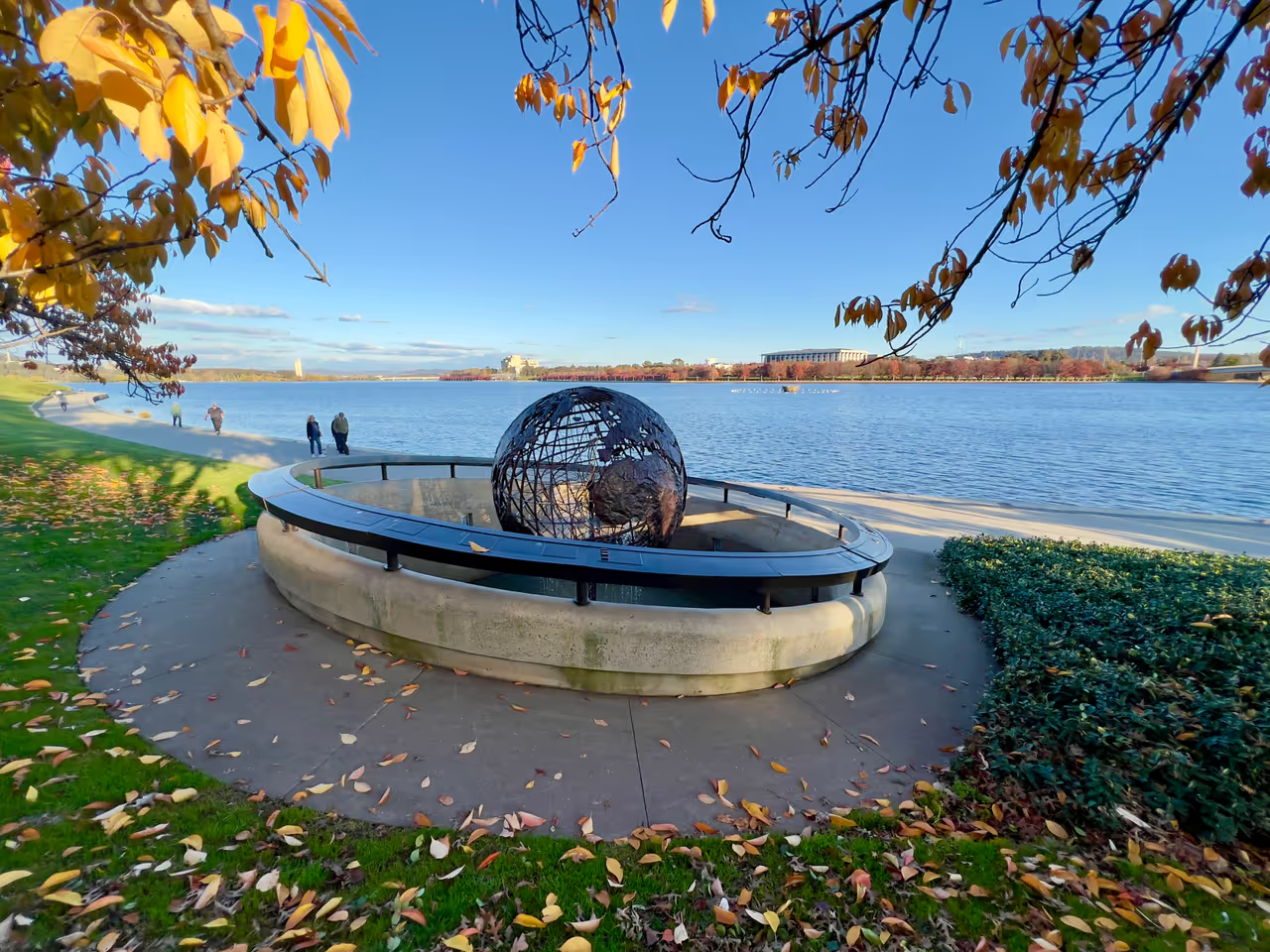 1059m
1059mCaptain Cook Memorial Jet
This powerful water jet blasts a spectacular column of water high above the central basin of the lake. On sunny days, the mist creates brilliant, vivid rainbows that hang perfectly in the air. It provides a highly dynamic and energetic focal point for photos of the otherwise calm waterfront.
photo spot view
Explore Similar Places in This Collection
Featured on These Itineraries

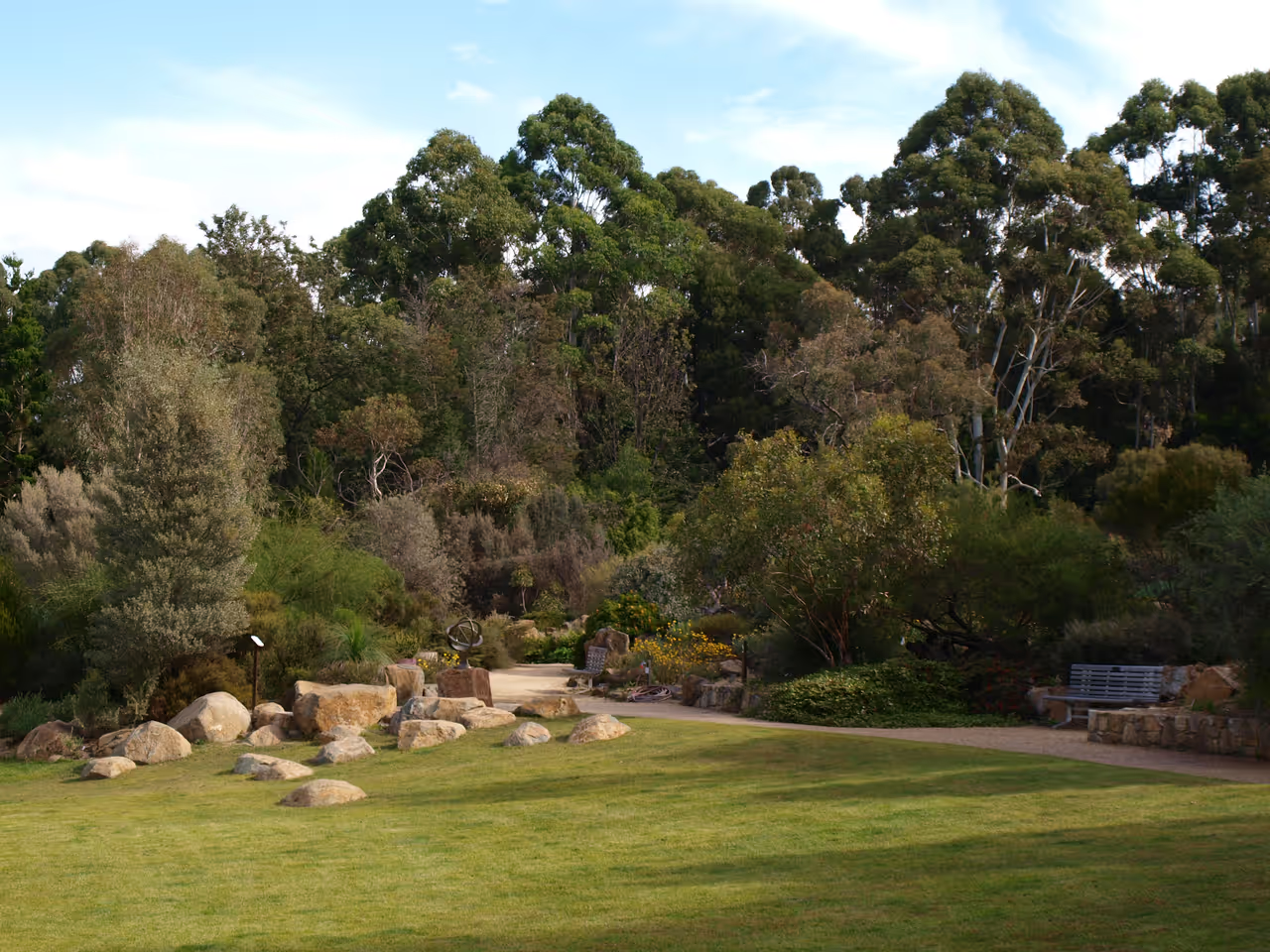
3 Days in Canberra Itinerary
This balanced itinerary allows you to absorb the grand national institutions while also engaging with the beautiful outdoor landscape. You will split your time between exploring deep military history, cycling around the serene lakes, and discovering the quirky local attractions. It reveals the distinct contrast between the formal political architecture and the deeply relaxed, nature focused lifestyle of the residents.
view itinerary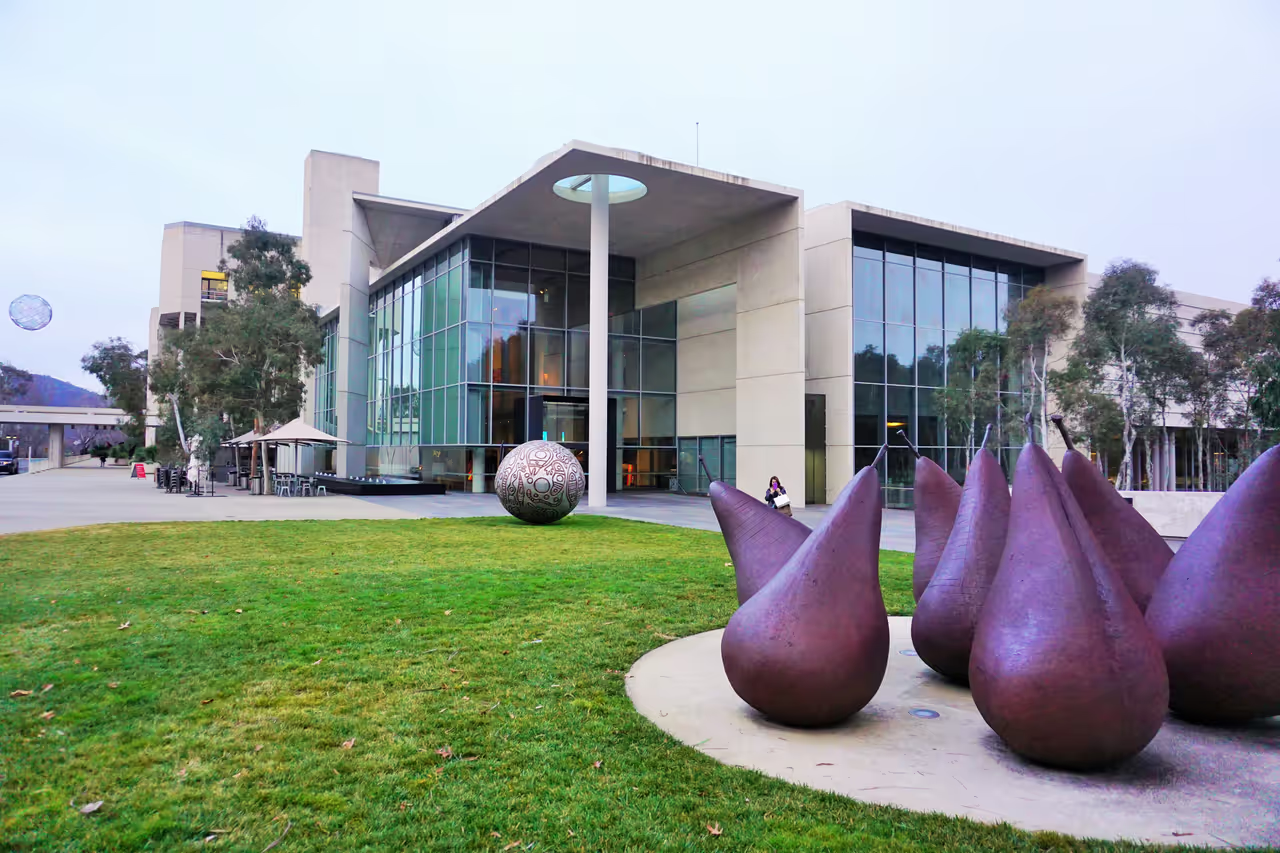
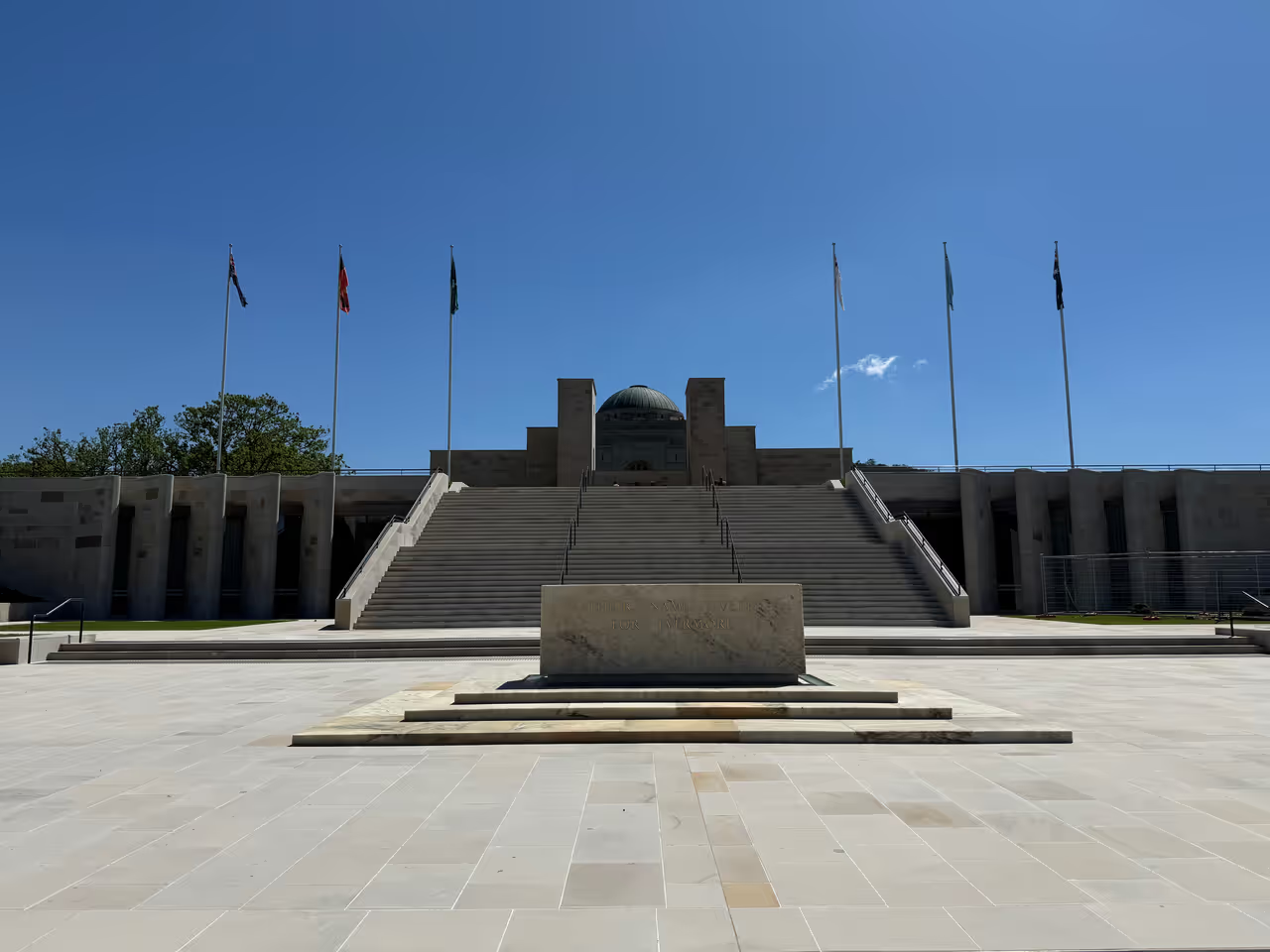
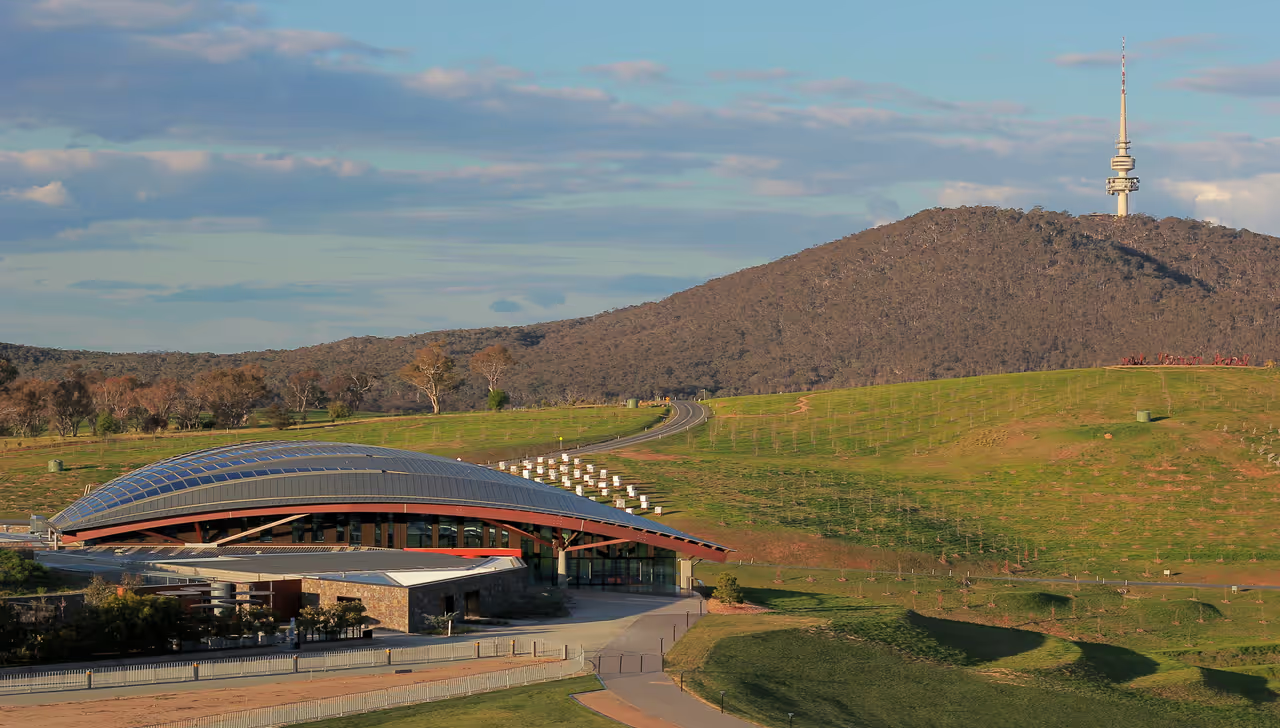
5 Days in Canberra: Deep Dive Itinerary
An exhaustive, highly rewarding exploration of everything the territory has to offer. Beyond the standard political monuments, you will venture into the rugged national parks, discover incredible hidden scientific facilities, and experience the local artisan markets. This extended stay allows you to truly understand the complex, multi layered identity of the bush capital at a thoroughly relaxed pace.
view itinerary
See all attractions in Canberra
Australian War Memorial, Museum of Australian Democracy at Old Parliament House, National Gallery of Australia, Parliament House, Questacon...