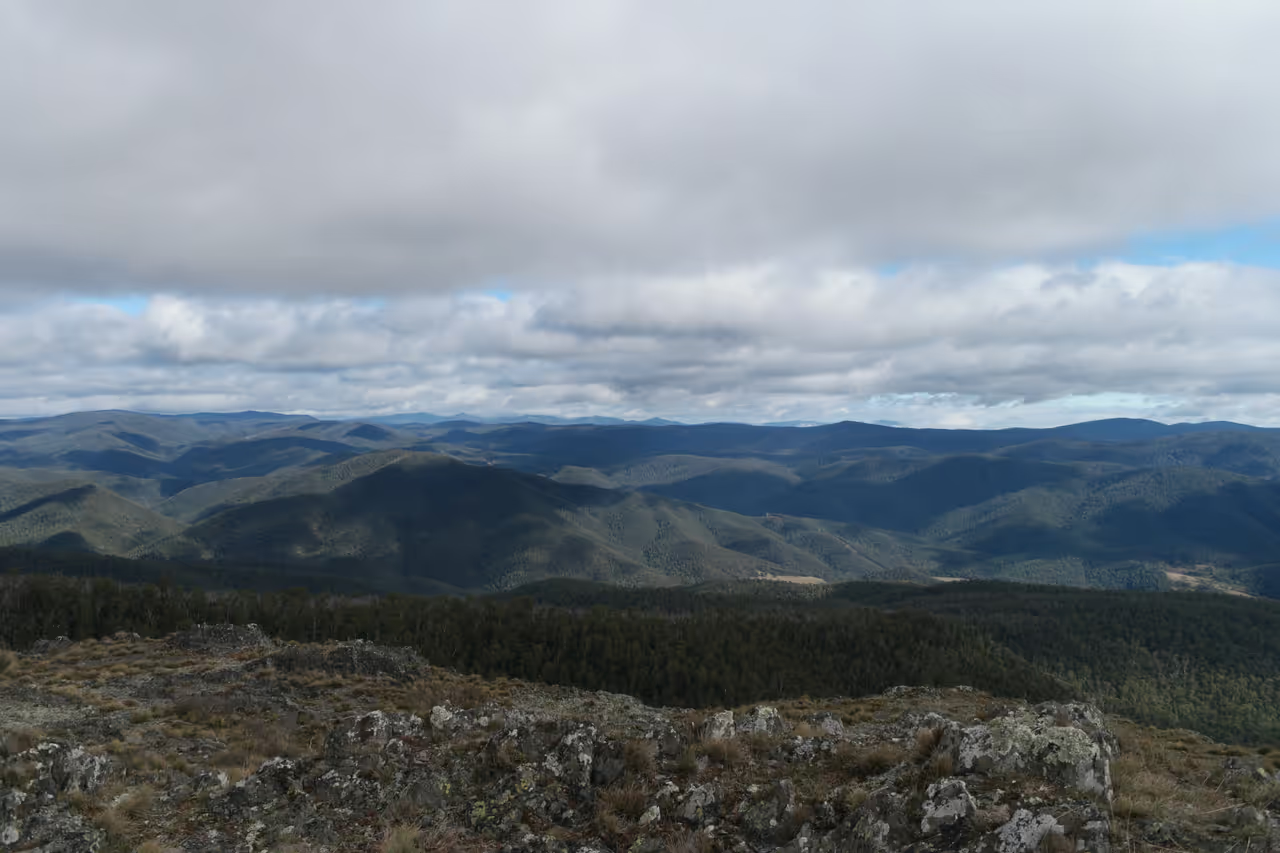
Namadgi National Park
Nestled just a short drive from Australia's capital, Namadgi National Park offers a sprawling escape into the raw and rugged beauty of the Australian Alps. It serves as a vital sanctuary where visitors can immerse themselves in high-altitude landscapes, from snow gum forests and windswept alpine meadows to ancient rocky outcrops. This vast expanse acts as the primary water catchment for Canberra, highlighting its importance to the region beyond its recreational value. Whether you are seeking peaceful hikes, historic rock art sites, or a rare glimpse of elusive wildlife, the park provides an intimate connection with nature. Its unique ecosystem supports endangered species, making it a critical area for conservation efforts. A trip here promises a profound sense of solitude and discovery in one of the continent's most significant protected landscapes.
Videos
History of Namadgi National Park
The name Namadgi itself reflects the deep connection to the mountains southwest of Canberra, where the Ngunnawal people have served as custodians for millennia. Archaeological evidence reveals human presence stretching back over 20,000 years, with sites like Yankee Hat serving as physical testaments to this long history through their intricate rock art. These mountains have always been more than just terrain, as they are a living cultural heritage site that requires respect and careful stewardship. When European settlers arrived, the valleys were cleared for farming, yet the high ridges remained largely untouched. By the 1930s, as Canberra grew, the spirit of exploration led residents to look toward the mountains for recreation. The Canberra Alpine Club saw potential in these snowy peaks, carving out ski runs and building the Mount Franklin Chalet. It was a golden era of amateur adventure, where locals sought to create a ski destination that could compete with the giants of the Snowy Mountains. Today, the park is a protected sanctuary that plays a vital role in the region's survival, providing the vast majority of Canberra's water supply. While the 2020 bushfires brought significant challenges, they also highlighted the incredible resilience of the Australian wilderness and the ongoing efforts of conservationists to protect rare species like the corroboree frog. Namadgi stands as a reminder of the fragility and enduring strength of the environment, inviting visitors to tread lightly and appreciate the wild heart of the capital territory.
Events spanning 36 years
Fun Facts
- • Aboriginal presence in the Namadgi ranges dates back at least 21,000 years, making it an incredibly ancient cultural landscape.
- • In the mid 20th century, the area became a hub for the Canberra Alpine Club, which cleared ski runs and built a mountain chalet to rival the Snowy Mountains.
- • It is part of the broader Australian Alps National Parks, a collection of protected areas spanning multiple states.
- • Namadgi makes up nearly half of the entire Australian Capital Territory's land area, serving as a massive green lung for the region.
- • The Yankee Hat rock art site features delicate paintings of kangaroos, emus, and humans that have survived for at least 800 years.
- • The discovery of a new spider wasp species in 2018 prompted a major research effort, illustrating how much of the park's biodiversity remains to be catalogued.
- • The landscape is a testament to the resilience of the Australian bush, with many plant species adapted to regenerate after major fire events.
- • The park acts as a crucial water catchment, providing about 85 percent of the water supply for the city of Canberra.
- • The rare northern corroboree frog, known for its striking yellow and black stripes, relies on the unique sphagnum bogs found within the park.
- • Visitors can hike to Bimberi Peak, the highest point in the Australian Capital Territory, reaching an altitude of 1,911 metres.
RESOURCES
Official WebsiteNamadgi National Park FAQ
While we strive to keep this information accurate and up to date, we recommend verifying any details independently before making decisions based on them.
Namadgi National Park Map & Neighborhood Explorer
This interactive map is centered on Namadgi National Park. Zoom in and move the map around to automatically discover Wikipedia photos and summaries of other nearby sights, monuments, and historical points of interest and stories in real-time!
Places near Namadgi National Park
Make the most of your trip. Check out these top-rated spots located nearby.
 20629m
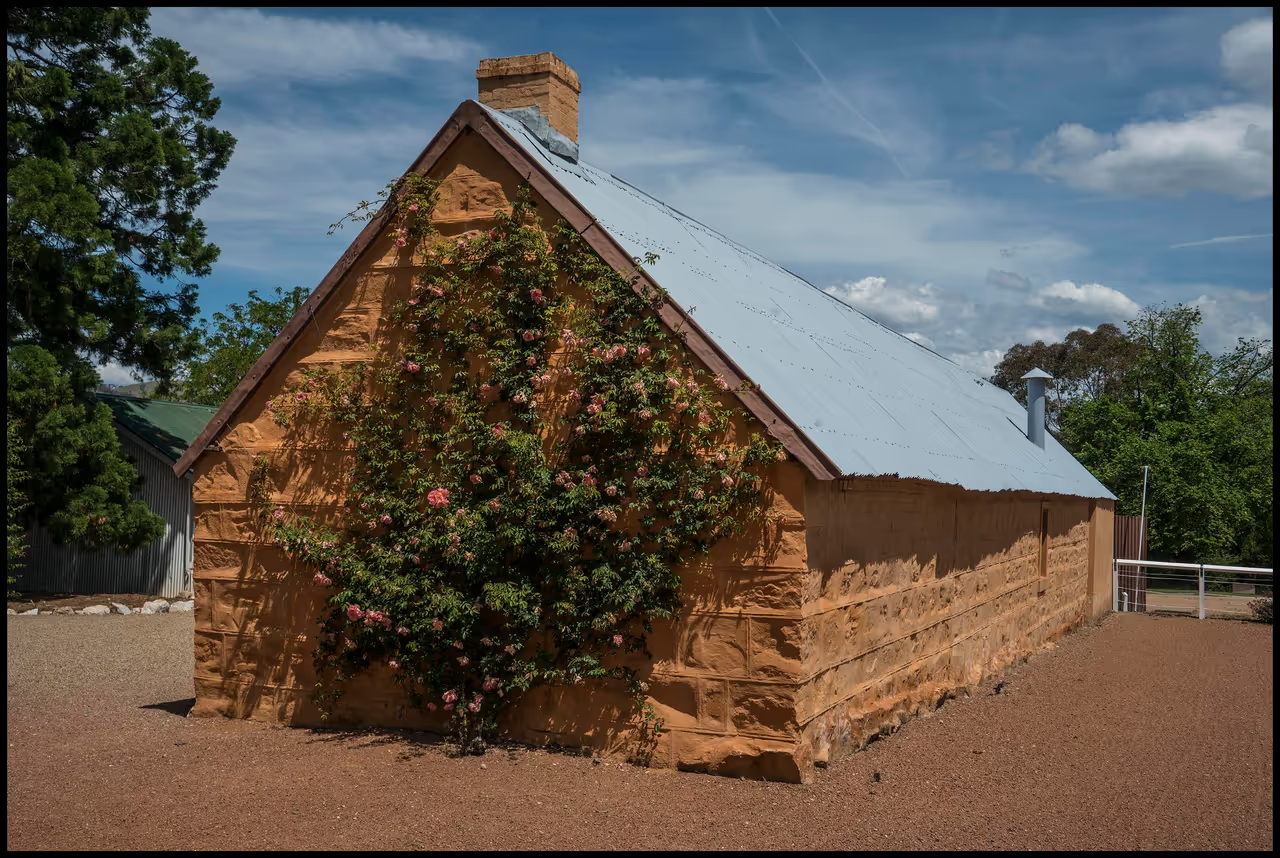
Lanyon Homestead
A deeply evocative rural estate located far to the south, nestled against the foothills of the Brindabella ranges. The beautifully restored stone homestead and its surrounding outbuildings provide a brilliant look at early 19th century pastoral life. The manicured gardens contrast sharply with the raw, untamed mountains looming in the background. It offers a highly atmospheric escape into the region's agricultural past.
hidden gem view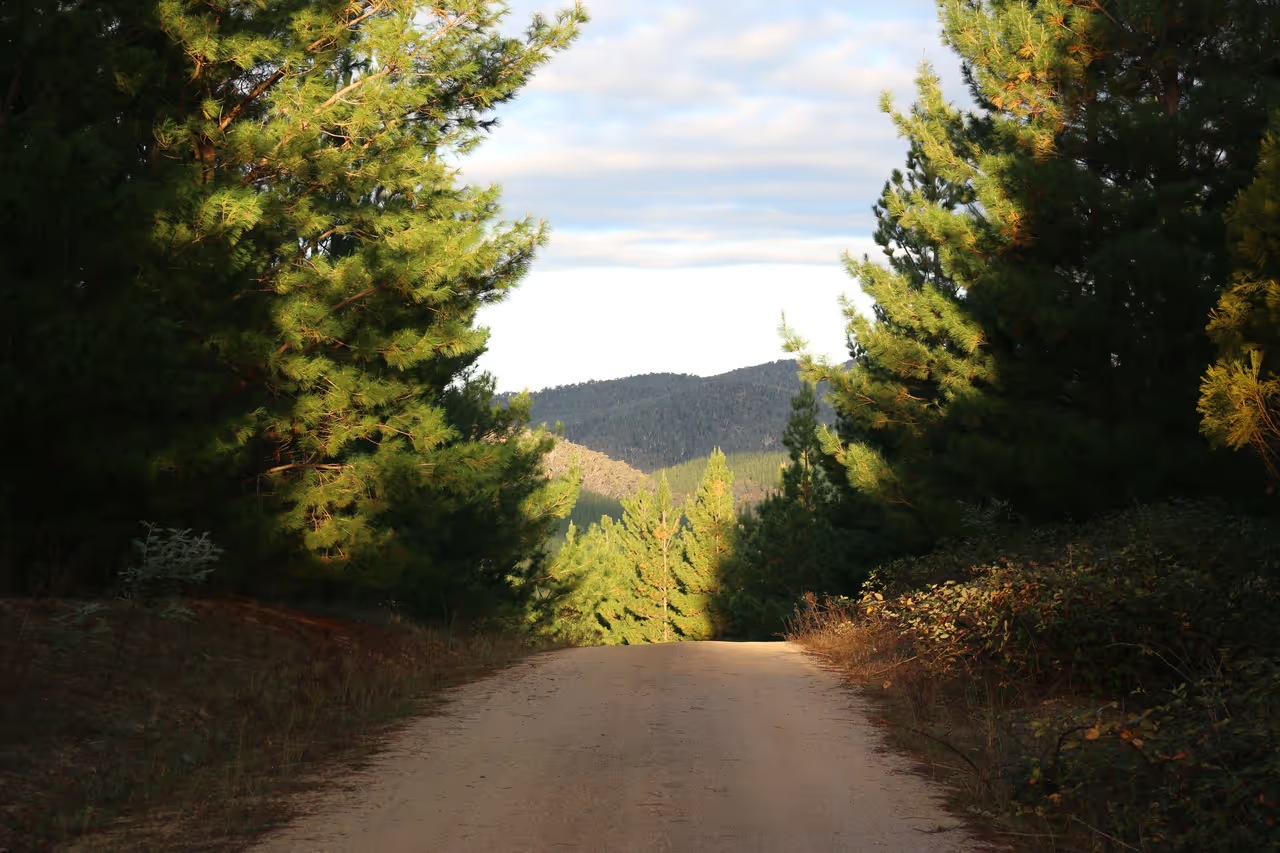 22866m
Tidbinbilla Nature Reserve
Tidbinbilla Nature Reserve is a breathtaking sanctuary nestled on the fringe of Namadgi National Park, offering a rare glimpse into the untouched beauty of the Australian Capital Territory. Visitors can wander through expansive valley floors and rugged ranges, where the landscape whispers stories of its deep Indigenous heritage and fascinating European history. It is a premier haven for iconic Australian wildlife, allowing you to observe kangaroos, wallabies, and the elusive platypus in their natural habitats. Whether you choose a gentle stroll along the Sanctuary Loop or a challenging climb to the summit of Gibraltar Peak for panoramic views, the reserve promises a truly restorative experience. It is a place where ancient tradition meets modern conservation, making every visit a meaningful connection with nature.
park & nature view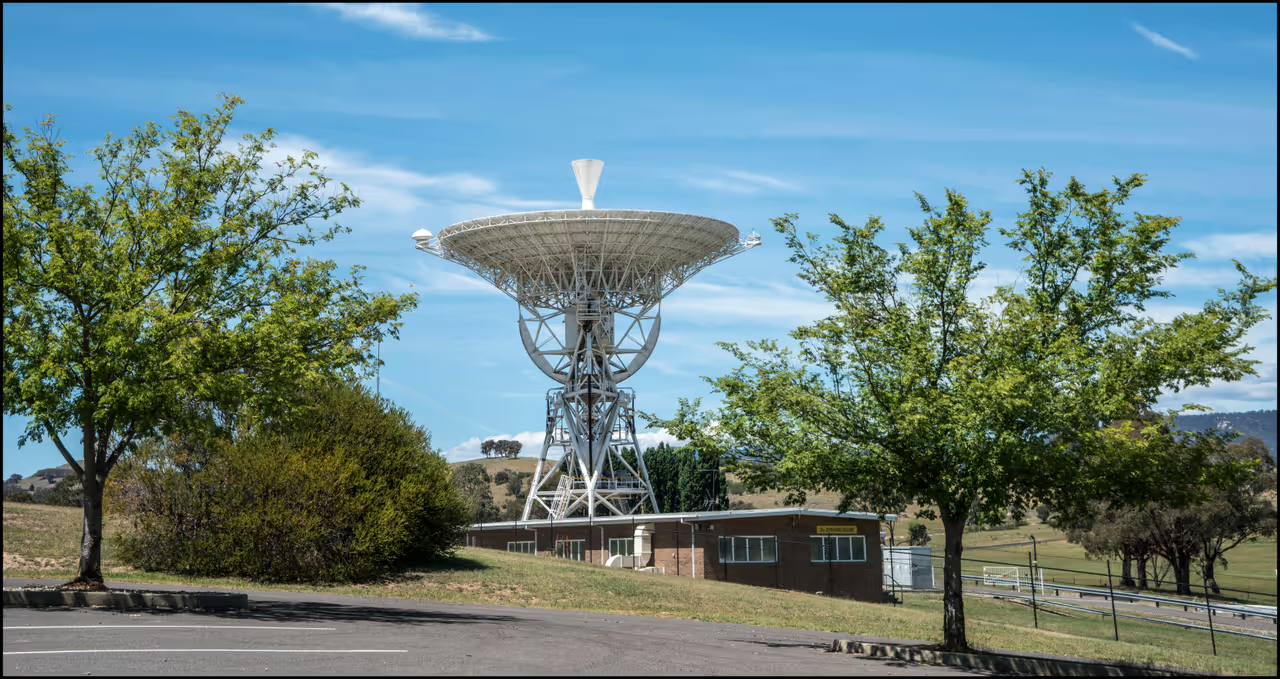 29333m
Deep Space Communication Complex
Hidden deep within the rural valleys outside the city, this massive NASA tracking station is a marvel of modern astronomy. The complex features enormous, brilliant white dish antennas pointing toward the sky, communicating with distant planetary probes. The visitor centre is fantastic, displaying genuine space suits, moon rocks, and real time data from active Mars rovers. It is visually awe inspiring and scientifically profound.
hidden gem view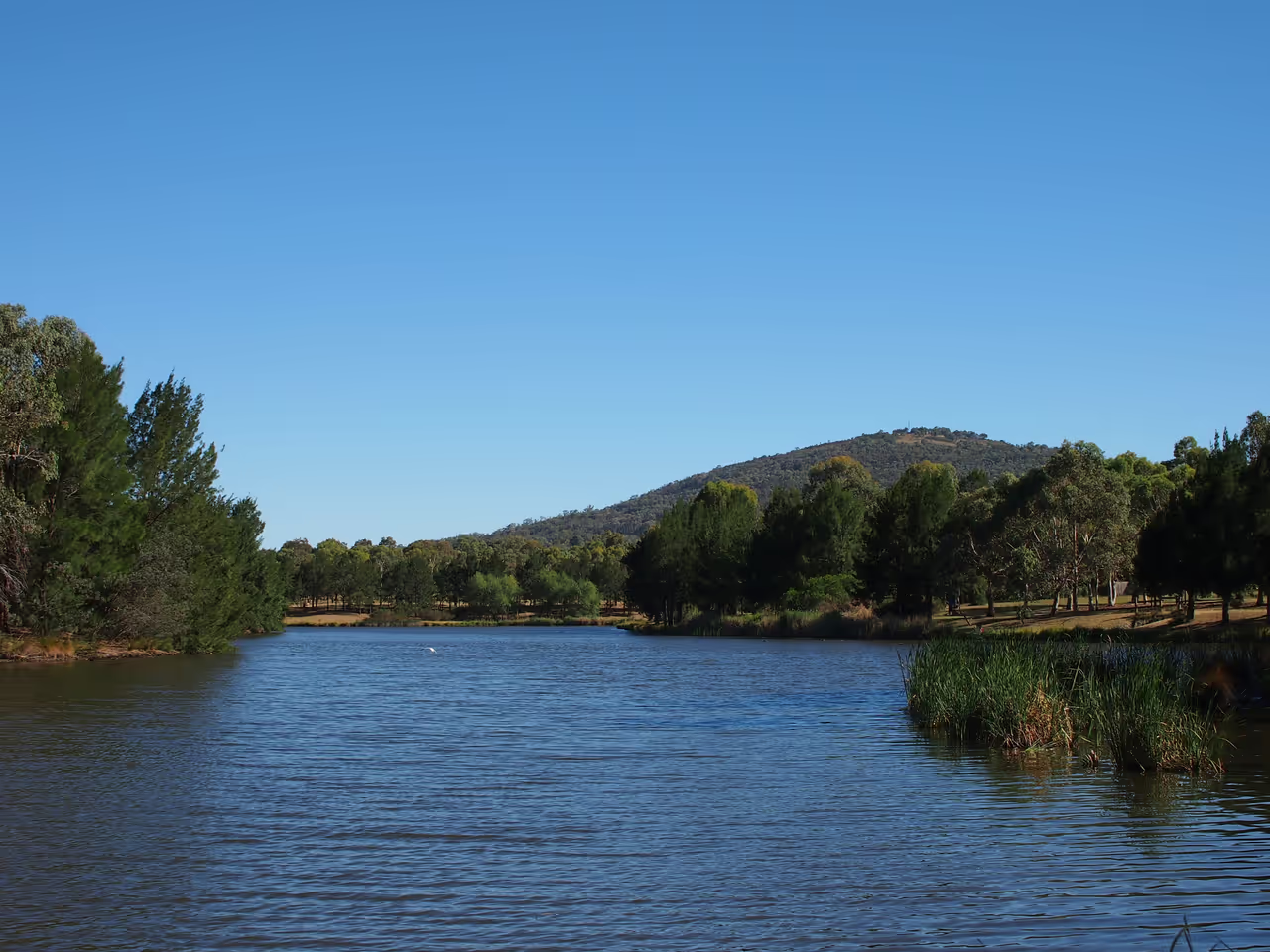 34624m
Mount Taylor
A prominent hill separating the southern districts of Woden and Tuggeranong, popular almost exclusively with local residents. The short, steep walk to the summit reveals brilliant views of the sprawling southern suburbs framed by the massive peaks of the Namadgi National Park. It is one of the best places in the city to watch dramatic storm fronts roll in over the mountains. The trails here are shared with grazing kangaroos in the early evenings.
viewpoint view
Featured on This Itinerary

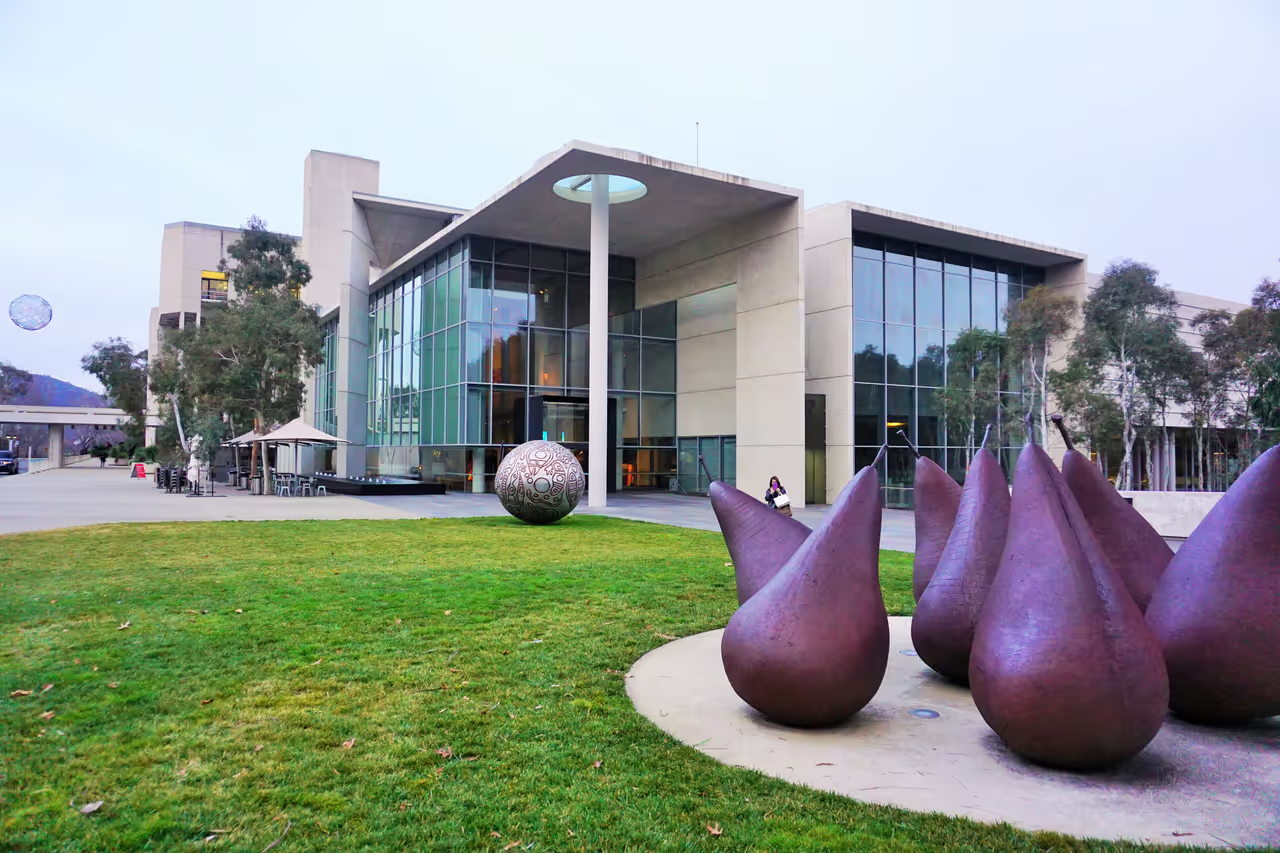
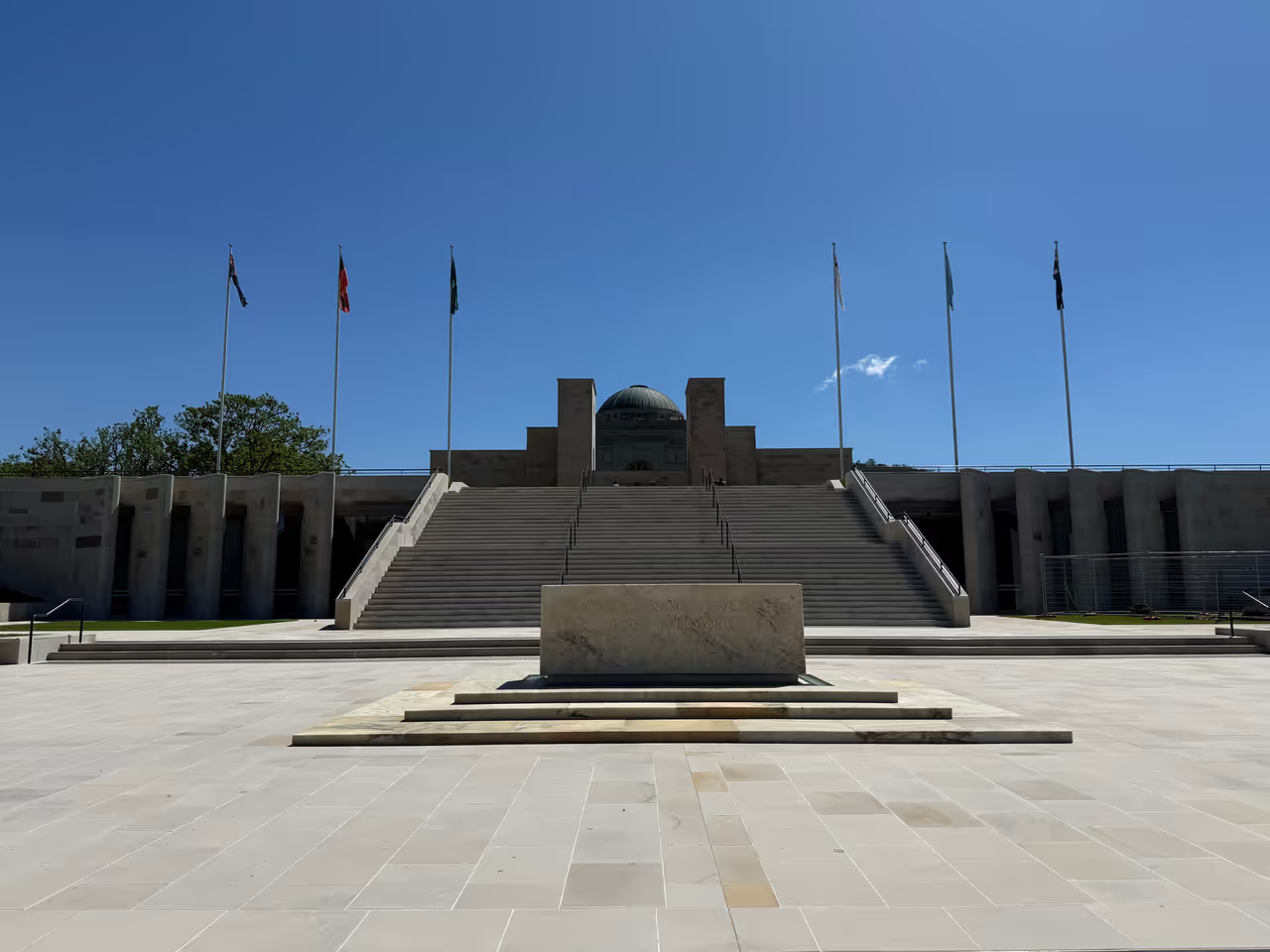
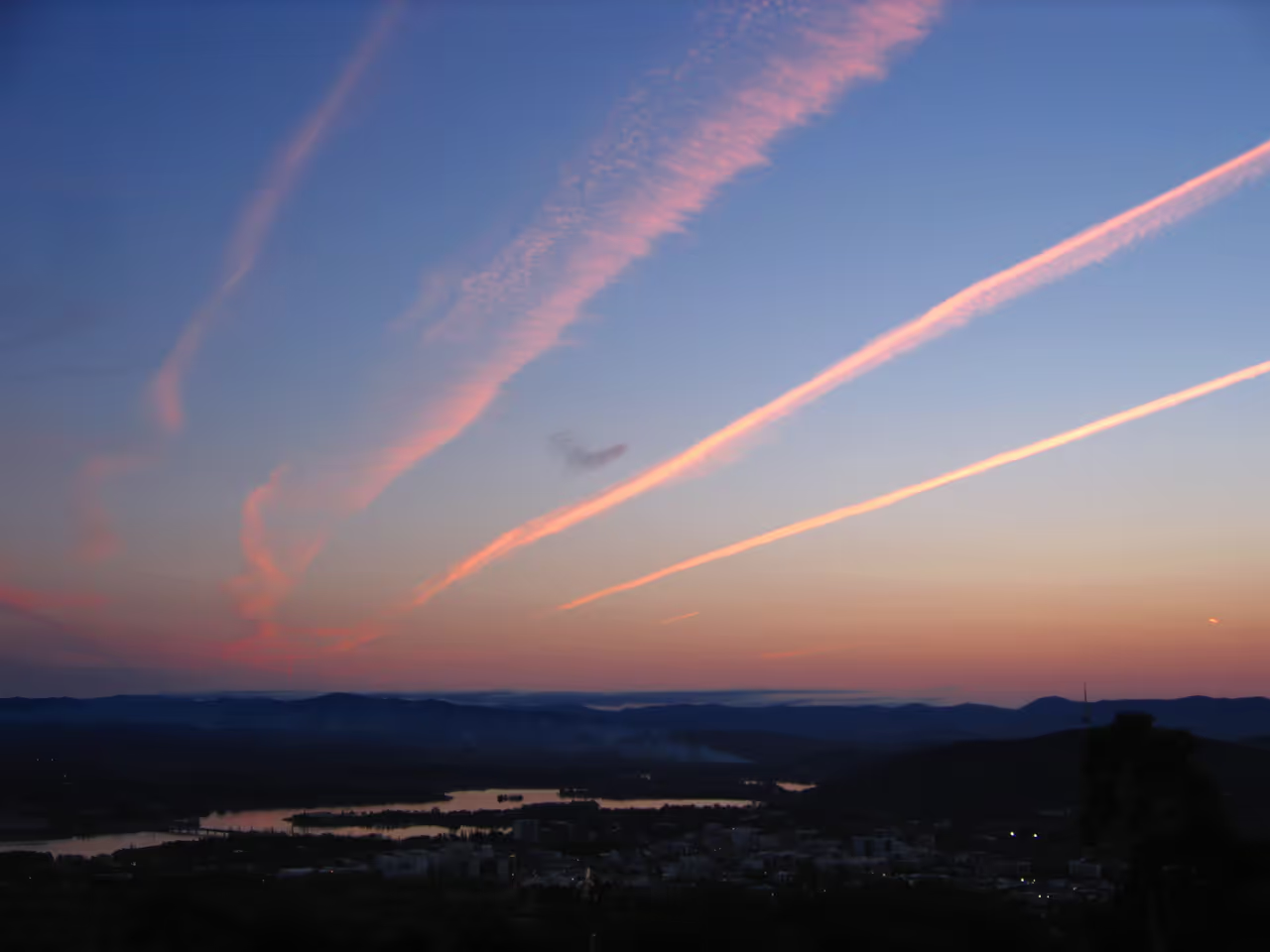
See all nature & parks in Canberra
Lake Burley Griffin, Australian National Botanic Gardens, Commonwealth Park, National Arboretum, Tidbinbilla Nature Reserve, Weston Park...