Franklin Square
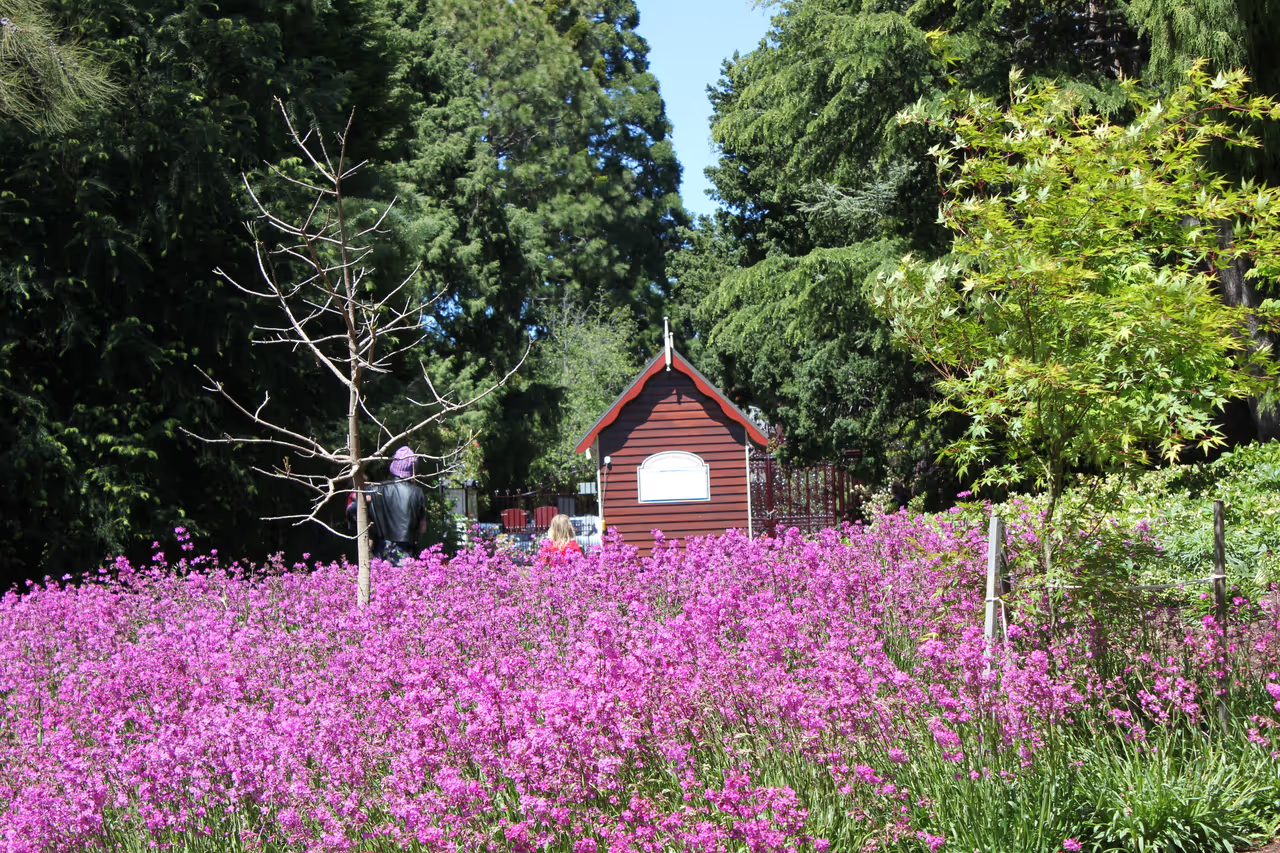
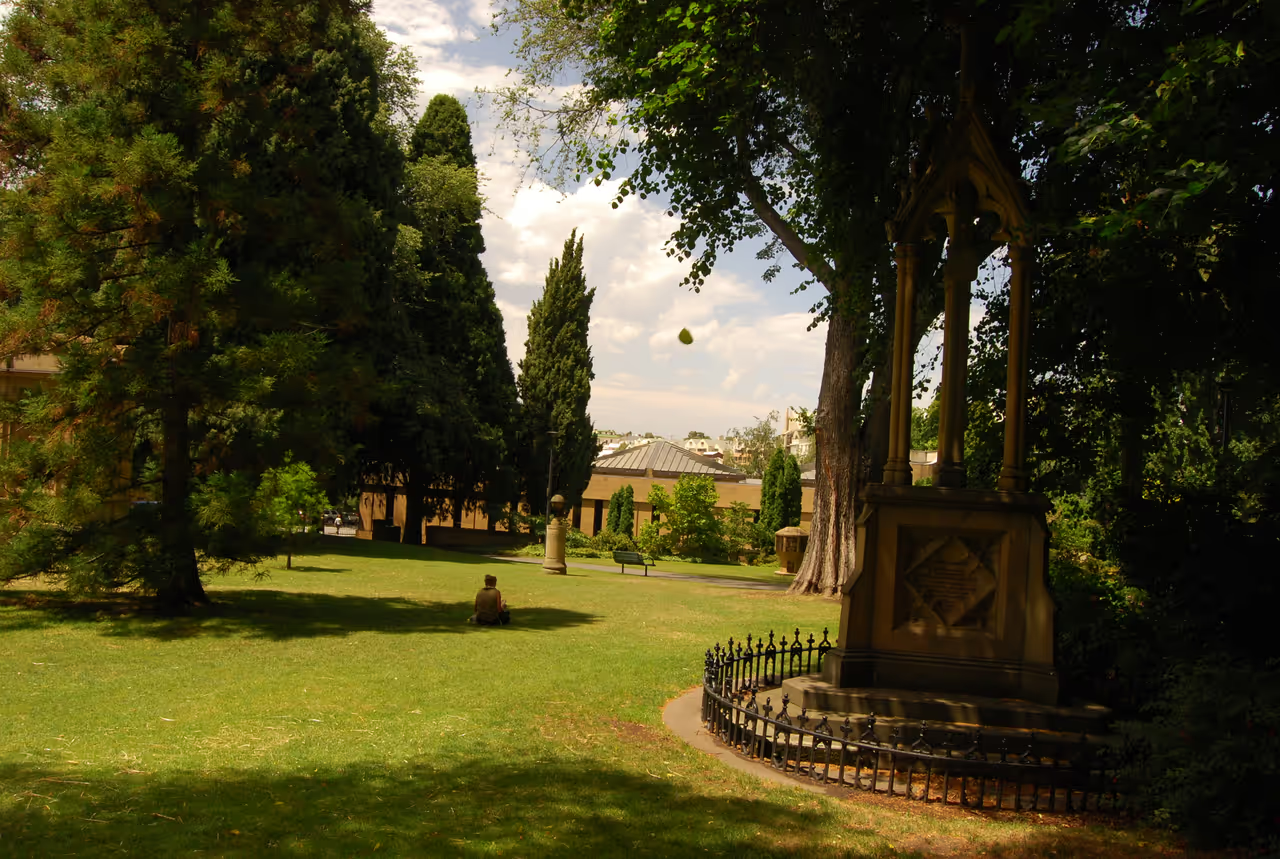
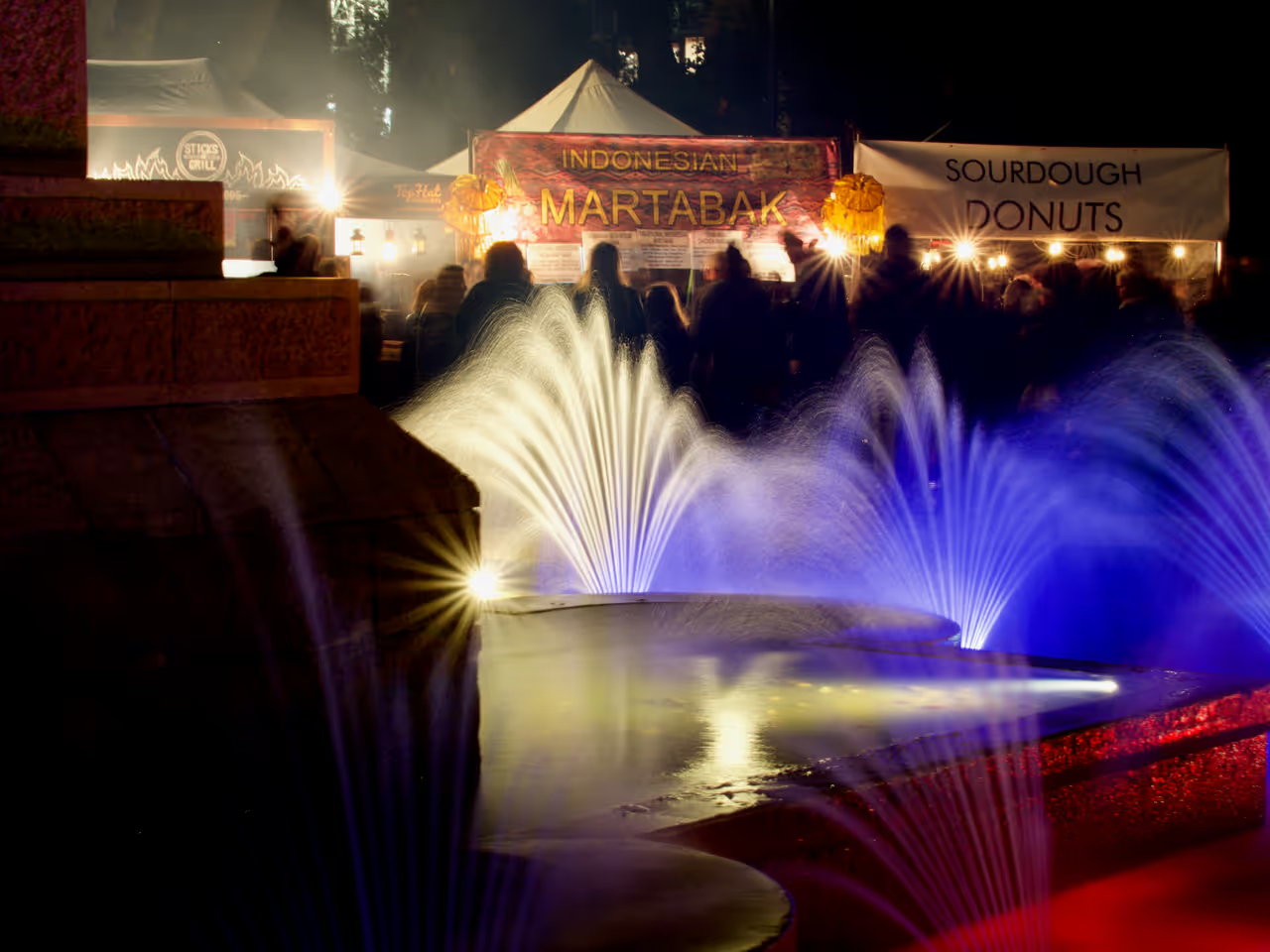
A lush, oak lined sanctuary in the heart of Hobart, Franklin Square serves as the city’s vibrant living room. This historic public space, once the site of the Old Government House, invites you to wander beneath 150 year old trees or simply relax by the ornate fountain that anchors the park. Beyond its tranquil atmosphere, the square pulses with Hobart's civic life, acting as a central hub for commuters, festive markets, and passionate public gatherings. It is a place where layers of history, from colonial roots to Second World War air raid shelters, blend seamlessly with modern art installations. Whether you are seeking a moment of respite during a busy day or hoping to soak in the local spirit of Tasmania's capital, Franklin Square offers an authentic window into Hobart's soul.
Videos
History of Franklin Square
Franklin Square has long served as the beating heart of Hobart, evolving through the centuries alongside the city itself. Originally the site of the Old Government House, the land witnessed the early, rigid discipline of the penal colony days. After the residence was demolished in 1858, the site was transformed into a green public square, a shift that symbolised the transition from a utilitarian garrison town to a flourishing, democratic community. The imposing statue of Sir John Franklin, the Arctic explorer who once governed the region, was placed at its centre, creating a permanent anchor for the city identity. The twentieth century saw the square adapt to the anxieties of the modern world. During the second World War, the park was fundamentally altered to become a vast air raid shelter, offering protection to hundreds of residents who feared invasion. This period underscored the square's role as a vital piece of critical infrastructure for the local population. In the decades that followed, it shed its defensive guise to become a stage for the city conscience, hosting rallies for environmental protection, workers rights, and indigenous recognition. Today, the square acts as a tranquil junction where the past and present collide. Whether it is the shade of 150 year old trees, the clacking of pieces on the oversized chess board, or the quiet reflection offered by the Two Islands sculpture, the park remains a living archive. Its recent history, involving the removal of controversial statues and the installation of works that honour Aboriginal history, reflects a city actively grappling with its legacy. It is a space that tells the complex, unfolding story of Tasmania.
Events spanning 161 years
Fun Facts
- • A whimsical wishing well was added in 1955 to celebrate the Apex Club of Hobart, with all proceeds donated to the Tascare Society for Children.
- • During World War II, the area was hollowed out to create a massive air raid shelter, a testament to the real fear of invasion that reached Hobart.
- • It was originally envisioned by Governor Lachlan Macquarie to be the site of a courthouse, town hall, and church before settling on its current life as a public park.
- • The Two Islands sculpture, installed in 2017, features sound technology and was created with guidance from Tasmanian Aboriginal canoe maker Tony Brown to honour local culture.
- • The iconic fountain monument features a statue of Arctic explorer Sir John Franklin, complete with an epitaph penned by Alfred, Lord Tennyson.
- • The park is shaded by magnificent English elms and Tilias, some of which have been watching over Hobart for over 150 years.
- • The square has served as the epicentre for significant political expression, including the intense anti dam protests of the 1980s that shaped modern environmental politics in Australia.
- • The square sits directly atop the grounds where the original Old Government House stood until its demolition in 1858.
Franklin Square FAQ
While we strive to keep this information accurate and up to date, we recommend verifying any details independently before making decisions based on them.
Franklin Square Map & Neighborhood Explorer
This interactive map is centered on Franklin Square. Zoom in and move the map around to automatically discover Wikipedia photos and summaries of other nearby sights, monuments, and historical points of interest and stories in real-time!
Places near Franklin Square
Make the most of your trip. Check out these top-rated spots located nearby.
 497m
497mHedberg
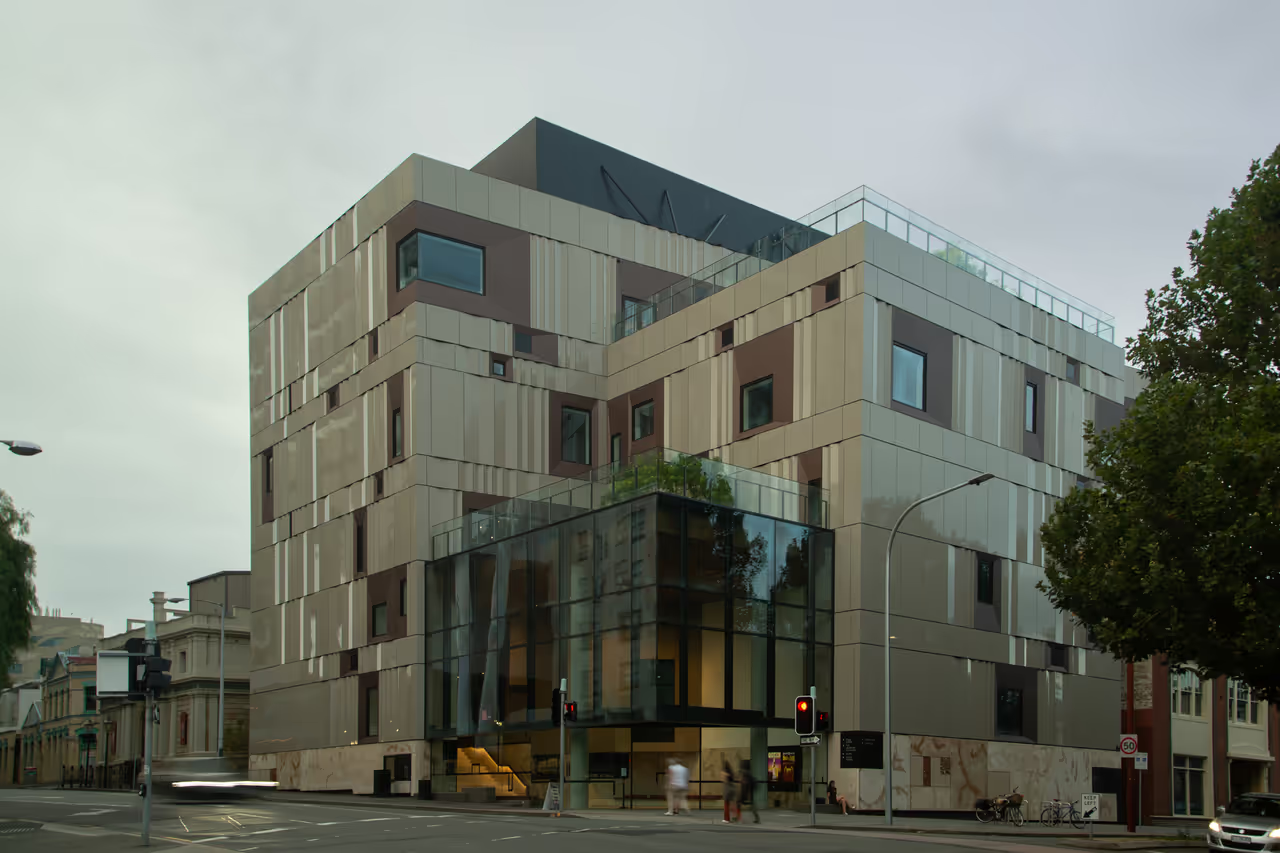
A breathtaking example of modern architectural innovation that physically wraps around the historic Theatre Royal. It masterfully blends cutting edge glass and steel design with the ancient, raw sandstone walls of surrounding heritage buildings. The complex houses state of the art musical performance spaces and university faculties. It visually represents the city's ability to respect its deep history while aggressively pushing into the future of design. The interior spaces are incredibly striking and acoustically brilliant.
architecture view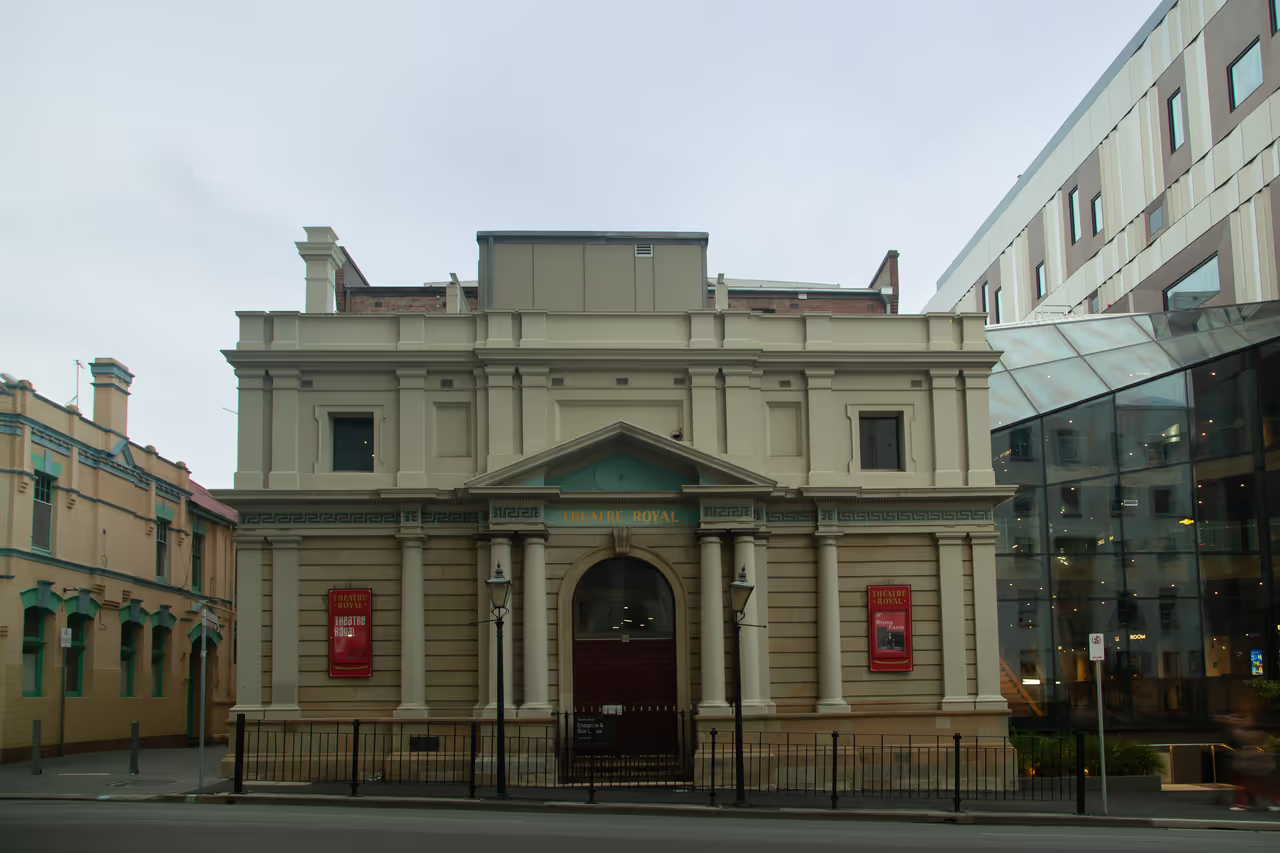 503m
503mTheatre Royal
This magnificent structure is officially the oldest continuously operating theatre in the country, having opened its doors to rough pioneer audiences in 1837. The interior is astonishingly opulent, featuring plush red velvet seating, a tiered gallery, and intricate golden plasterwork. It has survived numerous threats of demolition and devastating fires, fiercely protected by passionate locals. Sitting in the historic stalls to watch a performance feels like a genuine step back into the Victorian era. The juxtaposition of its grand interior against the rugged early settlement is fascinating.
architecture view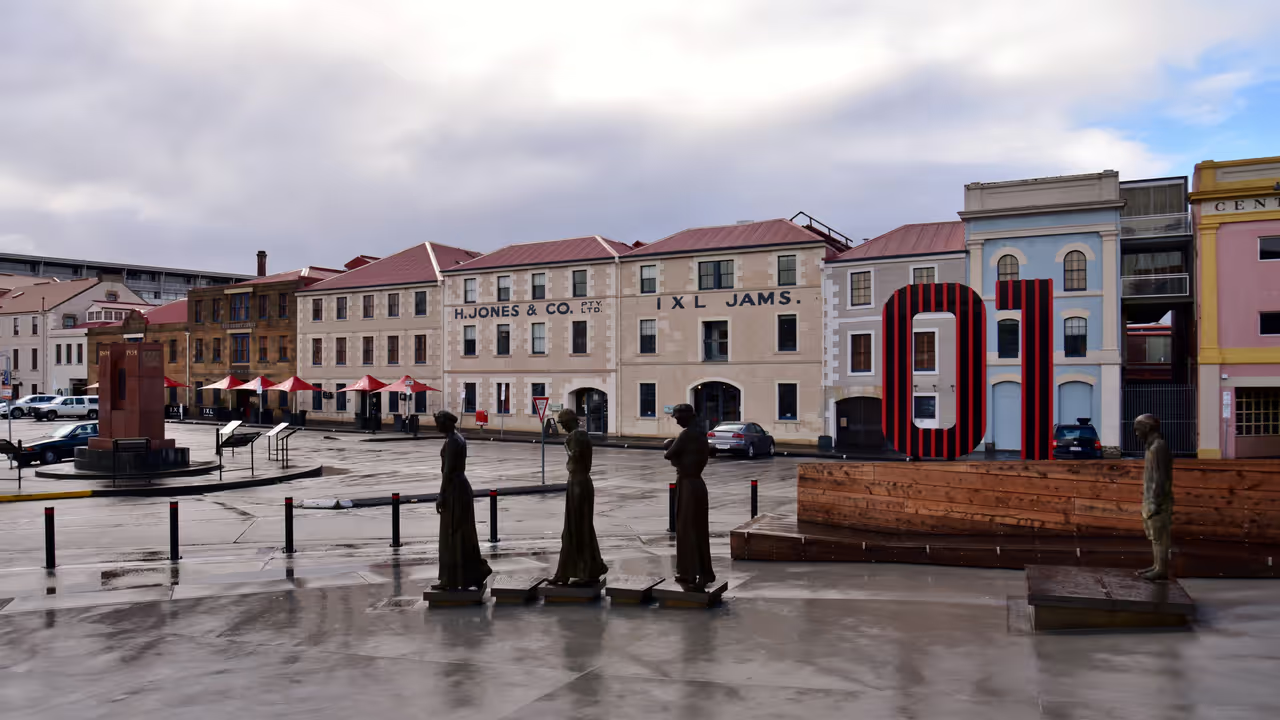 503m
503mWander the Hunter Street Warehouses
This specific waterfront strip features an incredible row of massive, beautifully preserved jam factory warehouses from the nineteenth century. The buildings have been masterfully repurposed into a luxury art hotel, fine dining restaurants, and university art schools. You can freely wander the corridors to admire the exposed timber beams and the contemporary artworks hanging on the walls. It perfectly encapsulates the city's ability to blend its rugged industrial past with high end modern culture. The area is particularly beautiful when lit up at night.
highlight view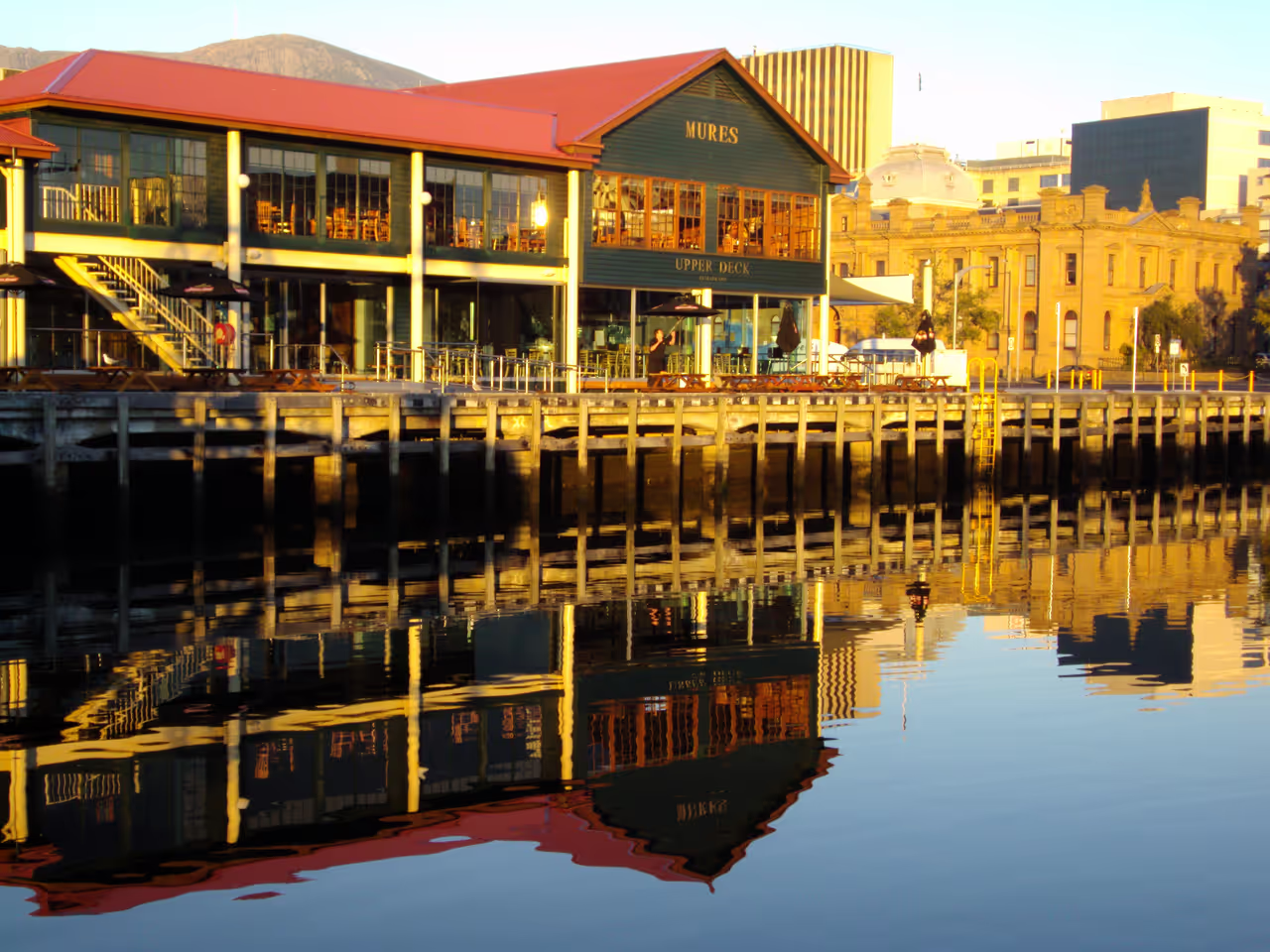 571m
571mVictoria Dock
Just adjacent to the main marina, this dock is where the serious commercial fishing fleet ties up. It is a fantastic location for gritty, authentic photography focusing on rusting hulls, tangled fishing nets, and weathered ropes. The area feels raw and industrial, heavily contrasting with the polished tourist zones nearby. Capturing the incredibly bold, primary colours of the working trawlers against the grey sky is very rewarding. It is highly atmospheric on cold, drizzly mornings.
photo spot view
See all nature & parks in Hobart
Wellington Park, Queens Domain, Royal Tasmanian Botanical Gardens, St David's Park...