Royal Tasmanian Botanical Gardens
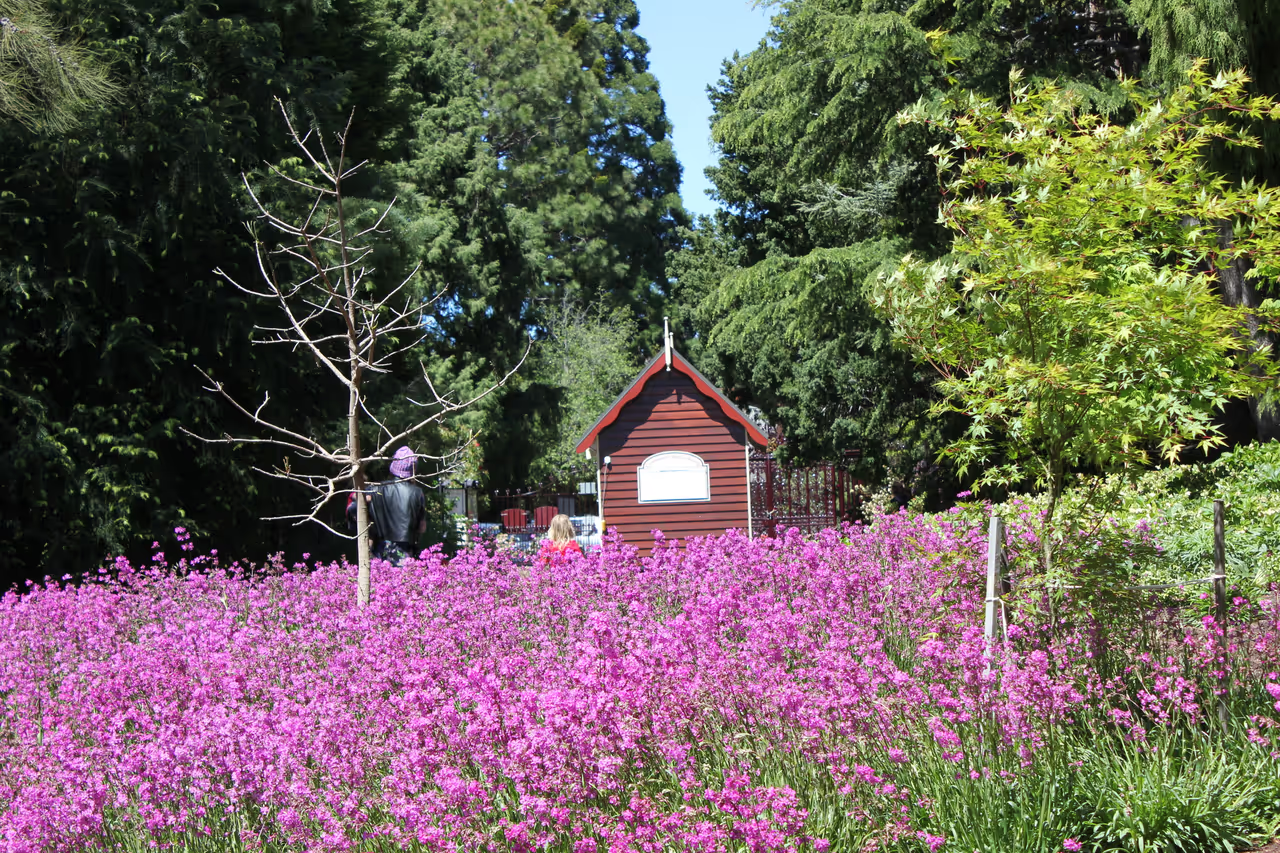
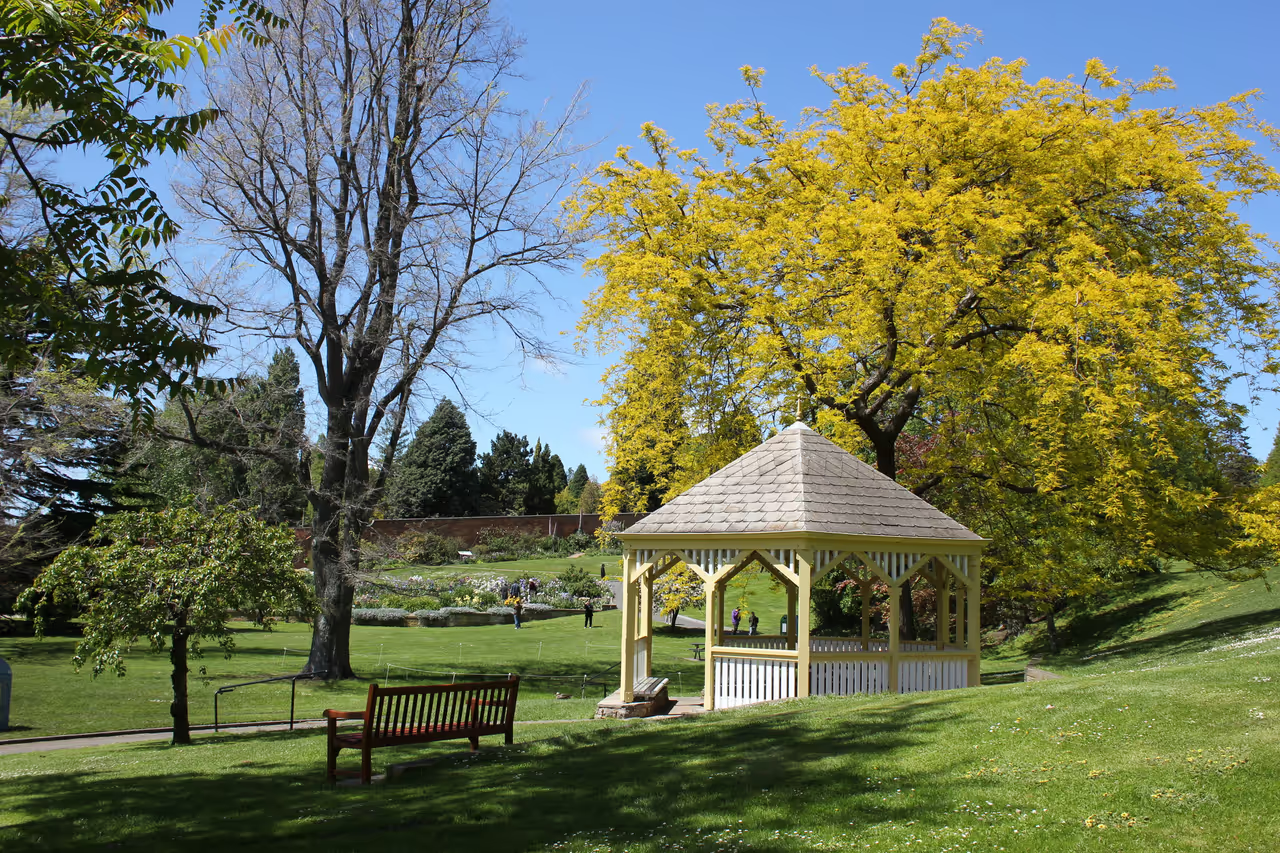
Set against the scenic backdrop of the Queens Domain, the Royal Tasmanian Botanical Gardens offers a serene escape where centuries of history meet vibrant natural beauty. Established in 1818, these gardens serve as the second oldest in Australia, housing an impressive collection of significant nineteenth century trees that tell the story of a bygone era. Visitors can explore the world’s only Subantarctic Plant House, a unique facility that simulates the chilly, misty conditions of Macquarie Island to protect delicate high latitude species. Beyond the flora, the gardens act as a cultural hub, featuring local art exhibitions, a popular working display garden, and lush landscapes perfect for a quiet afternoon stroll. Whether you are wandering through the diverse plant collections or simply enjoying the peaceful atmosphere, the gardens provide a tangible connection to Tasmania’s natural and colonial past.
Videos
History of Royal Tasmanian Botanical Gardens
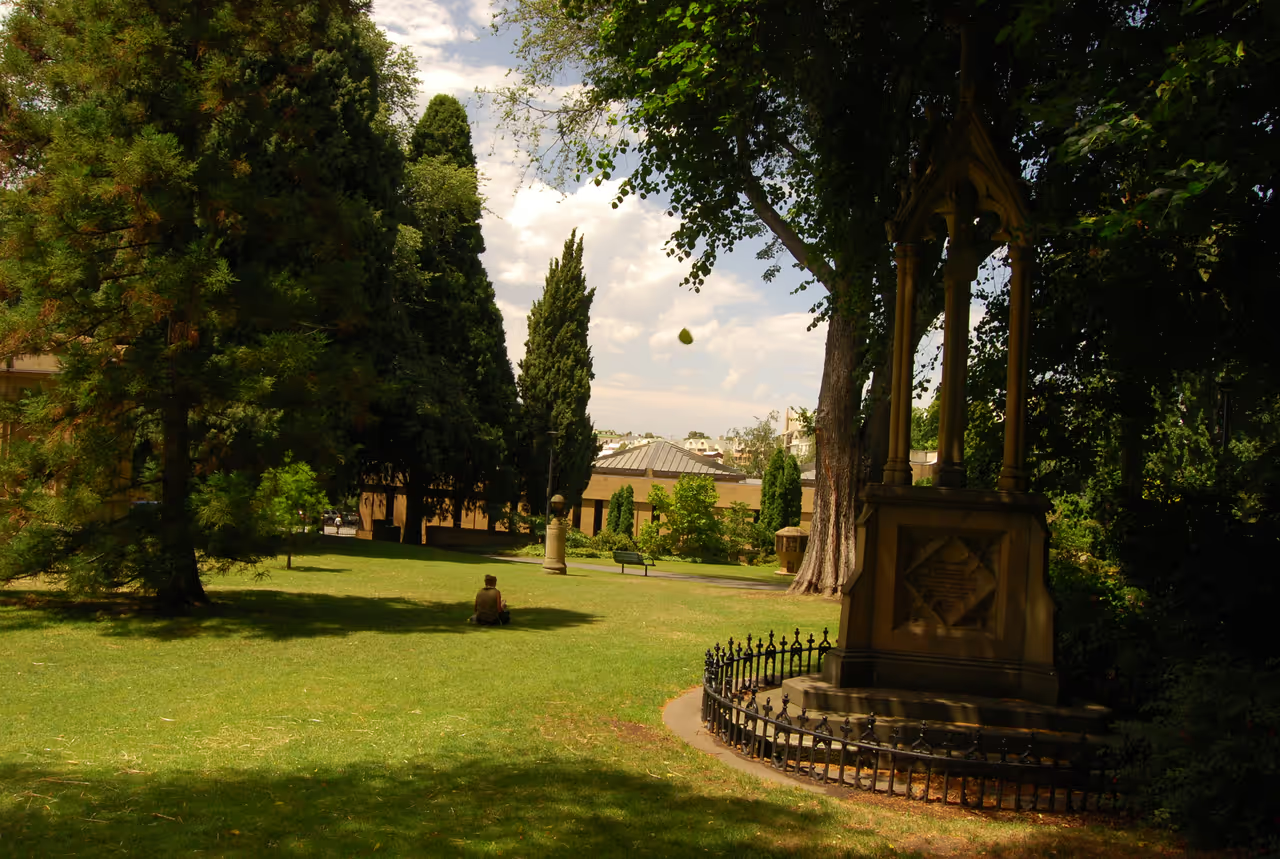
The land on which the Royal Tasmanian Botanical Gardens sits tells a story far deeper than the colonial record suggests. Long before the first European settlers arrived, the Muwinina people thrived on this site, leaving behind a legacy preserved in shell middens and stone artefacts that date back over five thousand years. This history reminds every visitor that they are walking on ground that has served as a place of gathering and sustenance for millennia, grounding the gardens in a profound sense of continuity and respect for Tasmanian Aboriginal heritage. When the site was officially established in 1818, it began its transformation into the second oldest botanical garden in Australia. Throughout the nineteenth century, it became a living laboratory, a place where exotic species were trialled alongside native specimens, slowly shaping the iconic green landscape seen today. Many of the trees towering over the paths were planted during this formative era, witnessing generations of Hobart residents pass beneath their boughs. This century of careful curation solidified the gardens as a vital scientific institution, dedicated to preserving Tasmania’s unique biodiversity while offering a retreat from the evolving city. Today, the gardens stand as a testament to the intersection of science, community, and preservation. From the ingenious Subantarctic Plant House that recreates the harsh, misty conditions of Macquarie Island to the collaborative spirit of the community projects, the site continues to evolve. It remains a place where the focus is firmly on education and stewardship, ensuring that the legacy of those who first called this place home and those who cultivated it for two centuries continues to flourish.
Events spanning 193 years
Fun Facts
- • Archaeological excavations have uncovered shell middens and stone artefacts proving that the Muwinina people occupied the site for more than 5,000 years prior to European settlement.
- • It houses the world's only Subantarctic Plant House, which creates a controlled climate to mimic the cold and wet conditions of Macquarie Island.
- • Many of the trees found within the gardens are classified as significant and date all the way back to the nineteenth century.
- • The garden provides a critical sanctuary for the King's Lomatia, a rare and unusual plant species that serves as a focus for conservation efforts.
- • The gardens are managed under the umbrella of government initiatives, reflecting their status as a protected and highly significant landmark in Tasmania.
- • The gardens are officially the second oldest botanical gardens in Australia, trailing only the Royal Botanic Garden in Sydney by a mere two years.
- • The gardens have historically functioned as a hub for scientific field trips, with staff often venturing to subantarctic islands to collect and study unique plant life.
- • The popular vegetable and kitchen garden known as The Patch is a frequent subject of the long-running Australian television programme Gardening Australia.
- • The site operates as a dedicated educational partner for horticulture training, helping students from across Tasmania develop their skills in environmental management.
- • The visitor centre acts as a creative space, housing a gallery with rotating displays from local Tasmanian artists alongside exhibitions about the garden's history.
Royal Tasmanian Botanical Gardens FAQ
While we strive to keep this information accurate and up to date, we recommend verifying any details independently before making decisions based on them.
Royal Tasmanian Botanical Gardens Map & Neighborhood Explorer
This interactive map is centered on Royal Tasmanian Botanical Gardens. Zoom in and move the map around to automatically discover Wikipedia photos and summaries of other nearby sights, monuments, and historical points of interest and stories in real-time!
Places near Royal Tasmanian Botanical Gardens
Make the most of your trip. Check out these top-rated spots located nearby.
 1392m
1392mFranklin Square
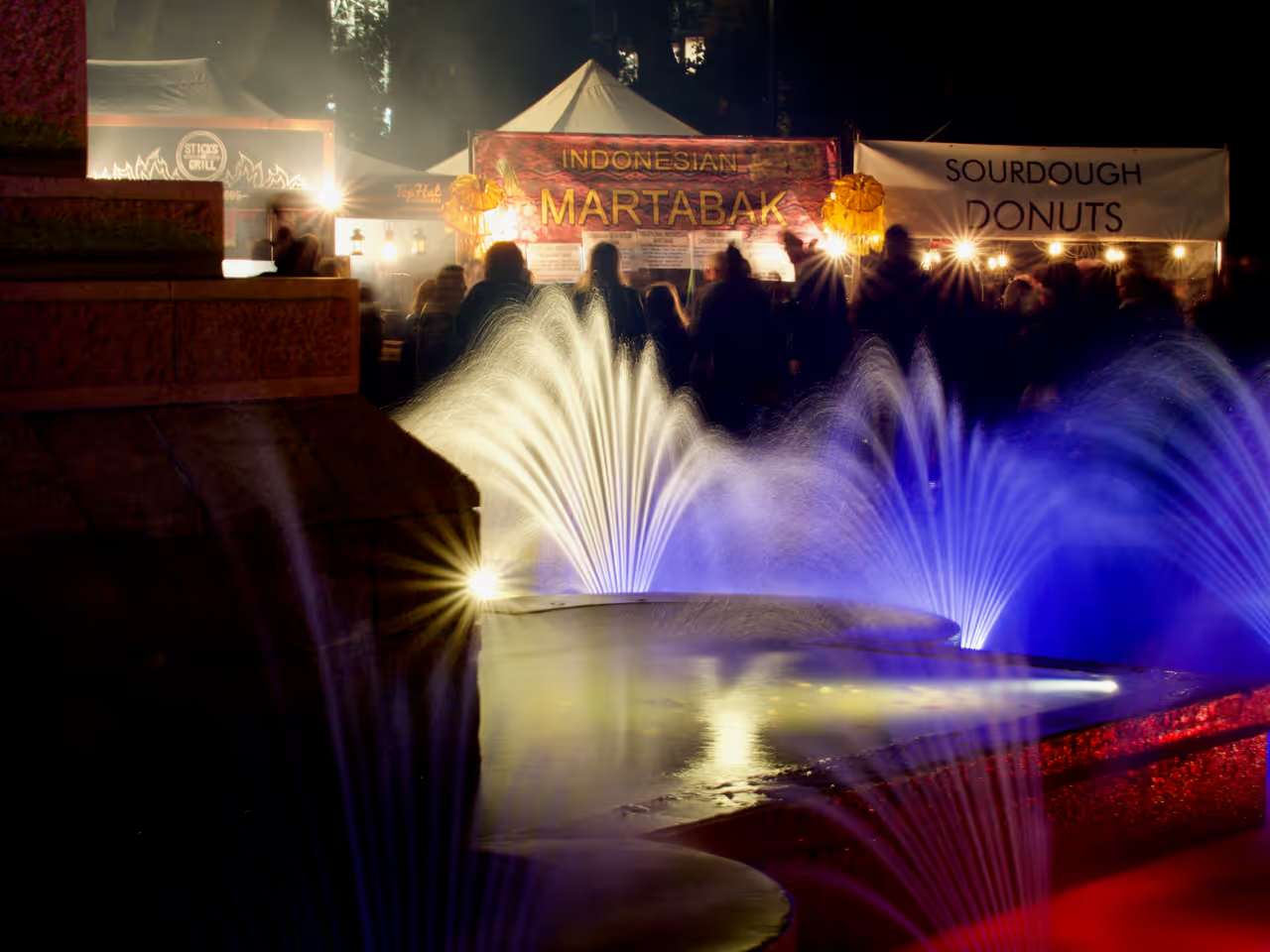
A lush, oak lined sanctuary in the heart of Hobart, Franklin Square serves as the city’s vibrant living room. This historic public space, once the site of the Old Government House, invites you to wander beneath 150 year old trees or simply relax by the ornate fountain that anchors the park. Beyond its tranquil atmosphere, the square pulses with Hobart's civic life, acting as a central hub for commuters, festive markets, and passionate public gatherings. It is a place where layers of history, from colonial roots to Second World War air raid shelters, blend seamlessly with modern art installations. Whether you are seeking a moment of respite during a busy day or hoping to soak in the local spirit of Tasmania's capital, Franklin Square offers an authentic window into Hobart's soul.
park & nature view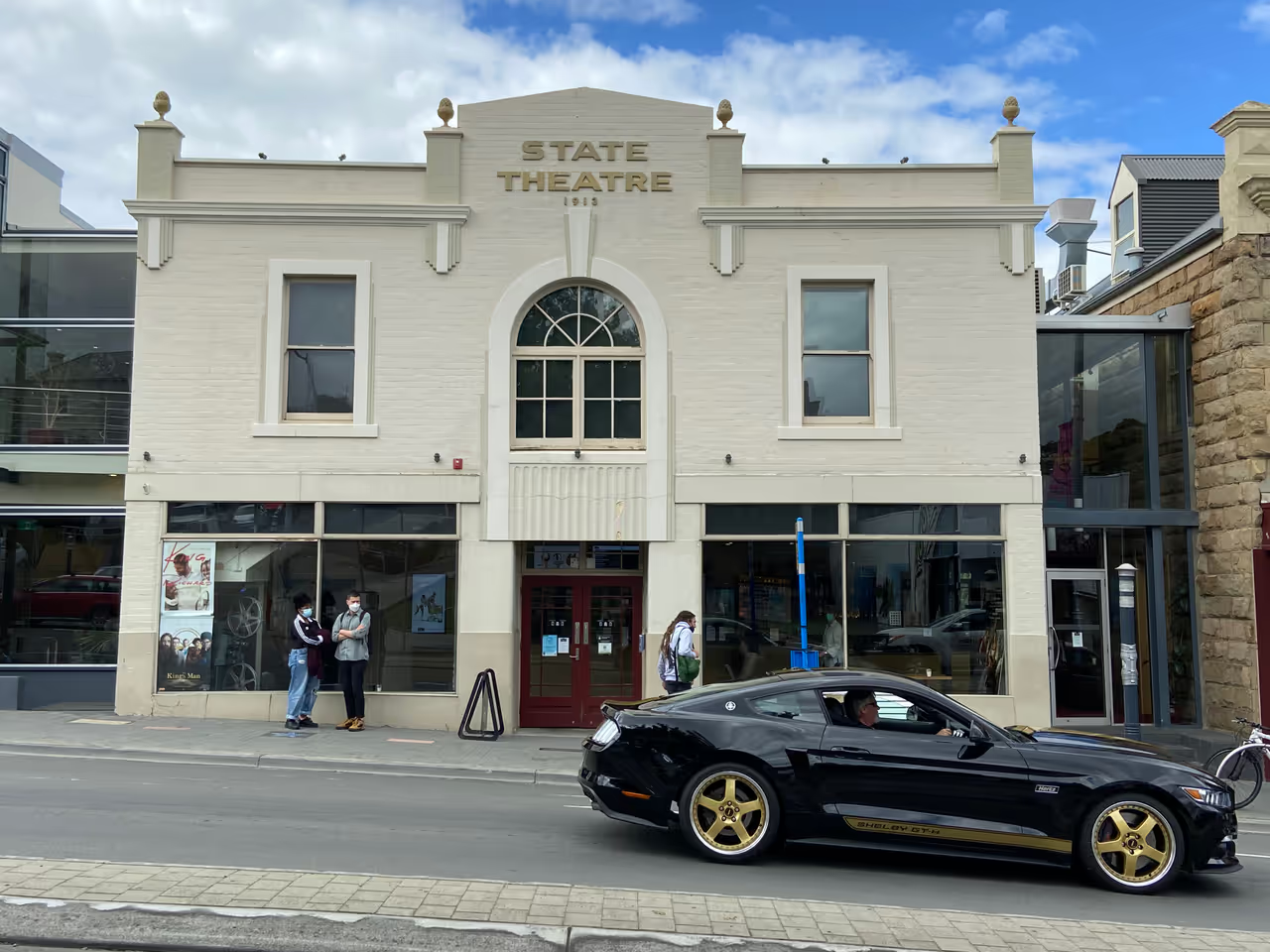 1471m
1471mWatch a Film on the Rooftop
This beloved, century old independent cinema complex features a fantastic outdoor screen on its roof. Watching a curated arthouse or classic film under the southern stars with a glass of local wine is incredibly atmospheric. Blankets are provided to keep the evening chill at bay while you recline in comfortable deck chairs. It is a highly popular summer activity for locals looking for a relaxed, cultural night out. The adjoining bookstore and cafe make it a wonderful hub for lingering before the screening begins.
highlight view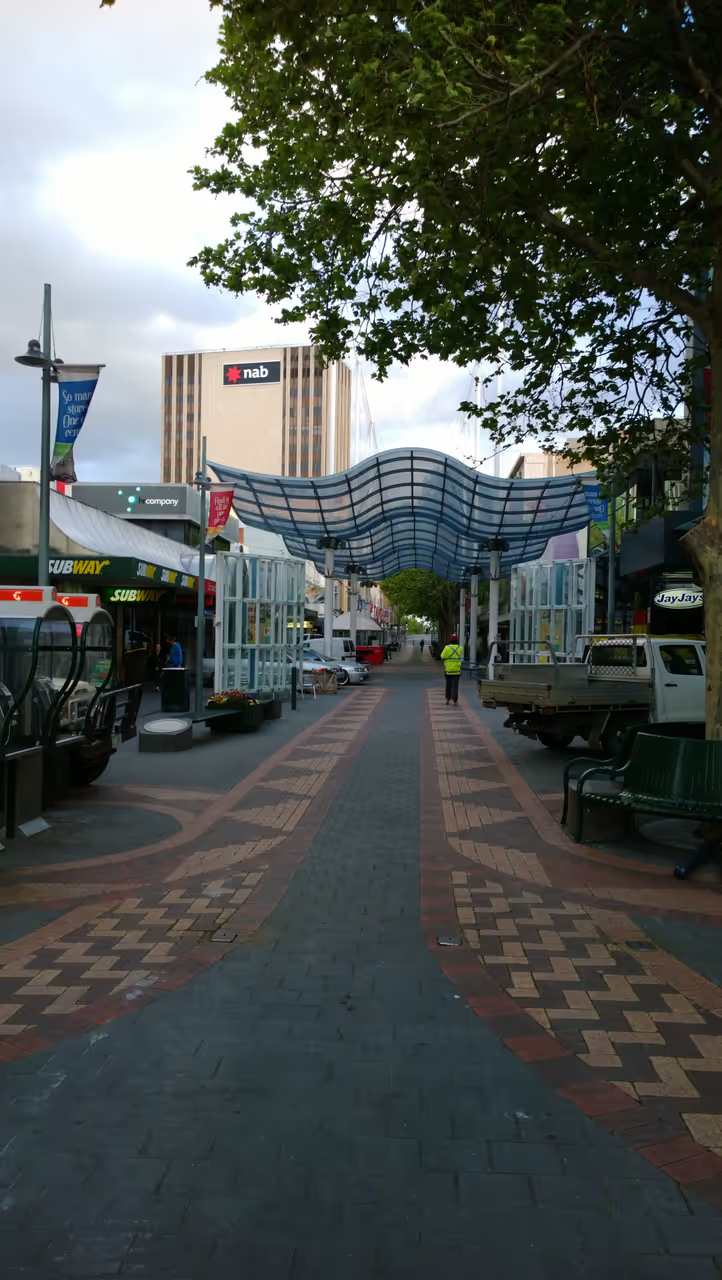 1513m
1513mNorth Hobart Dining Strip
Affectionately known as NoHo by some locals, this long avenue is a haven for foodies and craft beer lovers. The street is lined with culturally diverse restaurants, independent cinemas, and excellent dive bars. It has a slightly more alternative and grunge aesthetic compared to the polished waterfront. You will find venues dedicated to obscure craft ales and intimate live music gigs packed with a younger, bohemian crowd. It is the perfect district for a long dinner that slowly turns into late night drinks.
nightlife view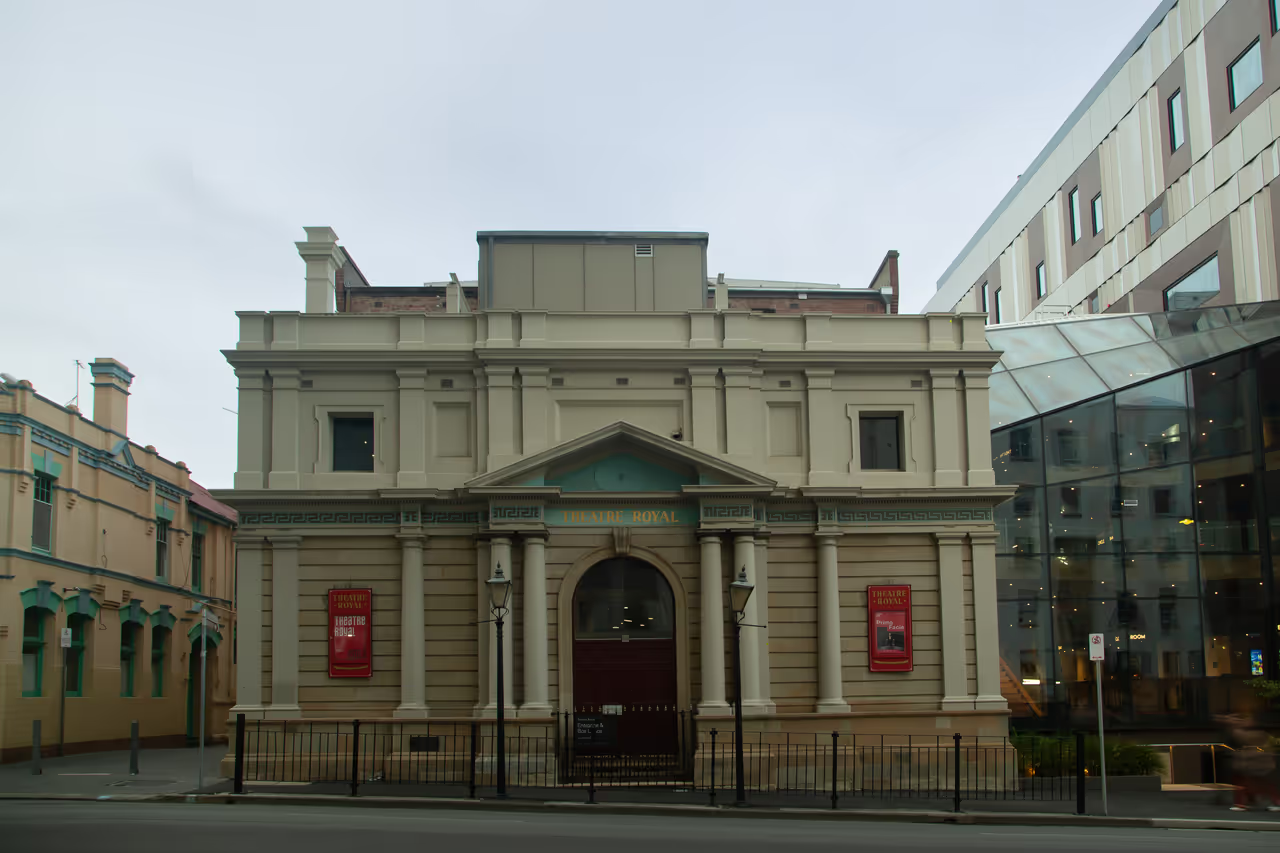 1595m
1595mTheatre Royal
This magnificent structure is officially the oldest continuously operating theatre in the country, having opened its doors to rough pioneer audiences in 1837. The interior is astonishingly opulent, featuring plush red velvet seating, a tiered gallery, and intricate golden plasterwork. It has survived numerous threats of demolition and devastating fires, fiercely protected by passionate locals. Sitting in the historic stalls to watch a performance feels like a genuine step back into the Victorian era. The juxtaposition of its grand interior against the rugged early settlement is fascinating.
architecture view
Featured on These Itineraries and Routes

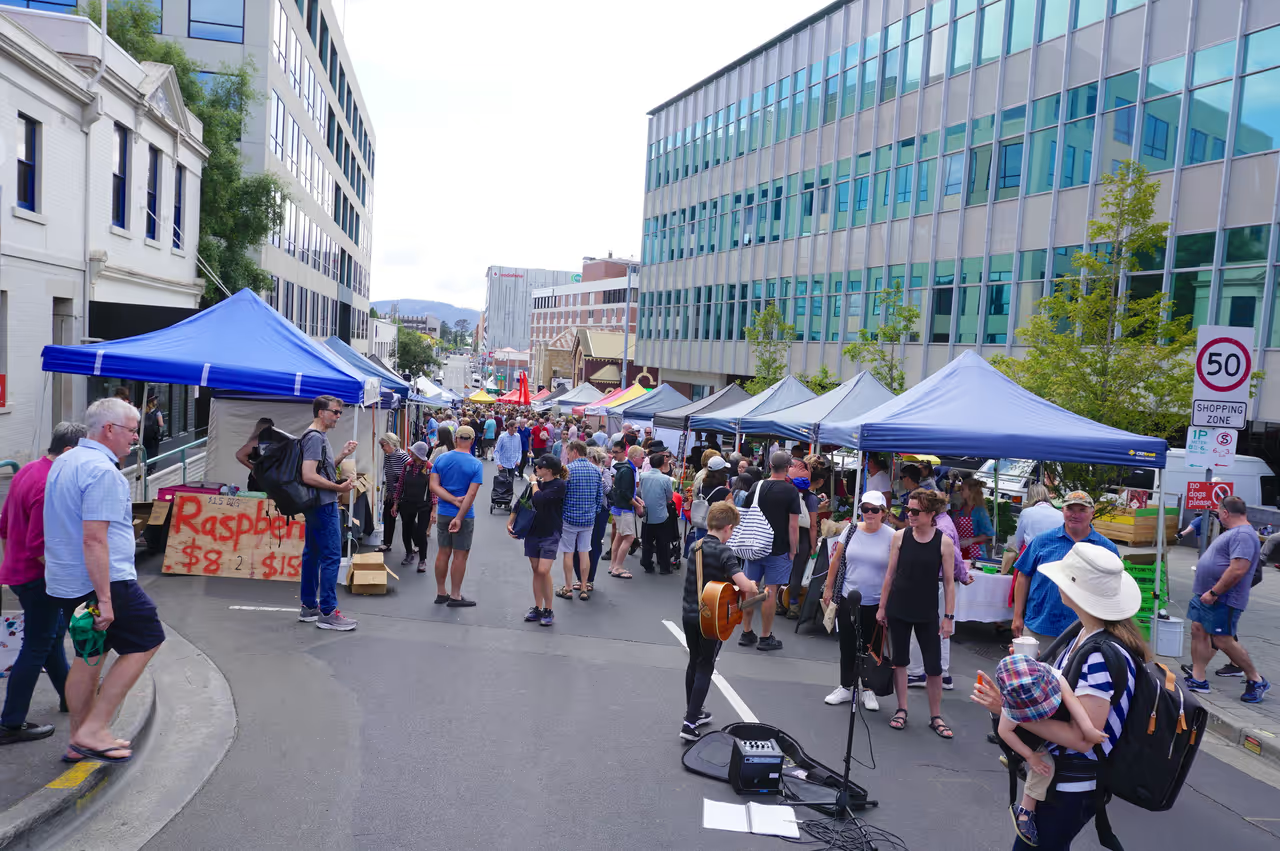

5 Days in Hobart: Deep Dive Itinerary
An extensive, highly rewarding itinerary that uncovers the hidden secrets and deeper historic layers of the city. You will have time to step away from the major tourist paths and explore quiet coastal lookouts, obscure galleries, and local farmer markets. It allows for a genuinely immersive experience where you can start to feel like a temporary local. You will appreciate the slower, more deliberate pace of life down here. It is perfect for travellers who want to leave absolutely no stone unturned.
view itinerary
Intercity Cycleway
This magnificent dedicated bike path follows a historic railway corridor, stretching from the bustling waterfront all the way into the northern suburbs. It provides a completely car free environment, making it incredibly relaxing for riders of all skill levels. The route runs parallel to the beautiful river, offering glimpses of the water and towering mountain range. Along the way, you pass through vibrant public parks and significant cultural institutions. It is the absolute best way to travel out to the famous northern art museums under your own steam.
view cycling route
See all nature & parks in Hobart
Wellington Park, Franklin Square, Queens Domain, St David's Park...