Kabul
Full City Guide, Map & 103 Things To Do
4,273,156 people live here.
That's 10.89% of the entire population of Afghanistan.
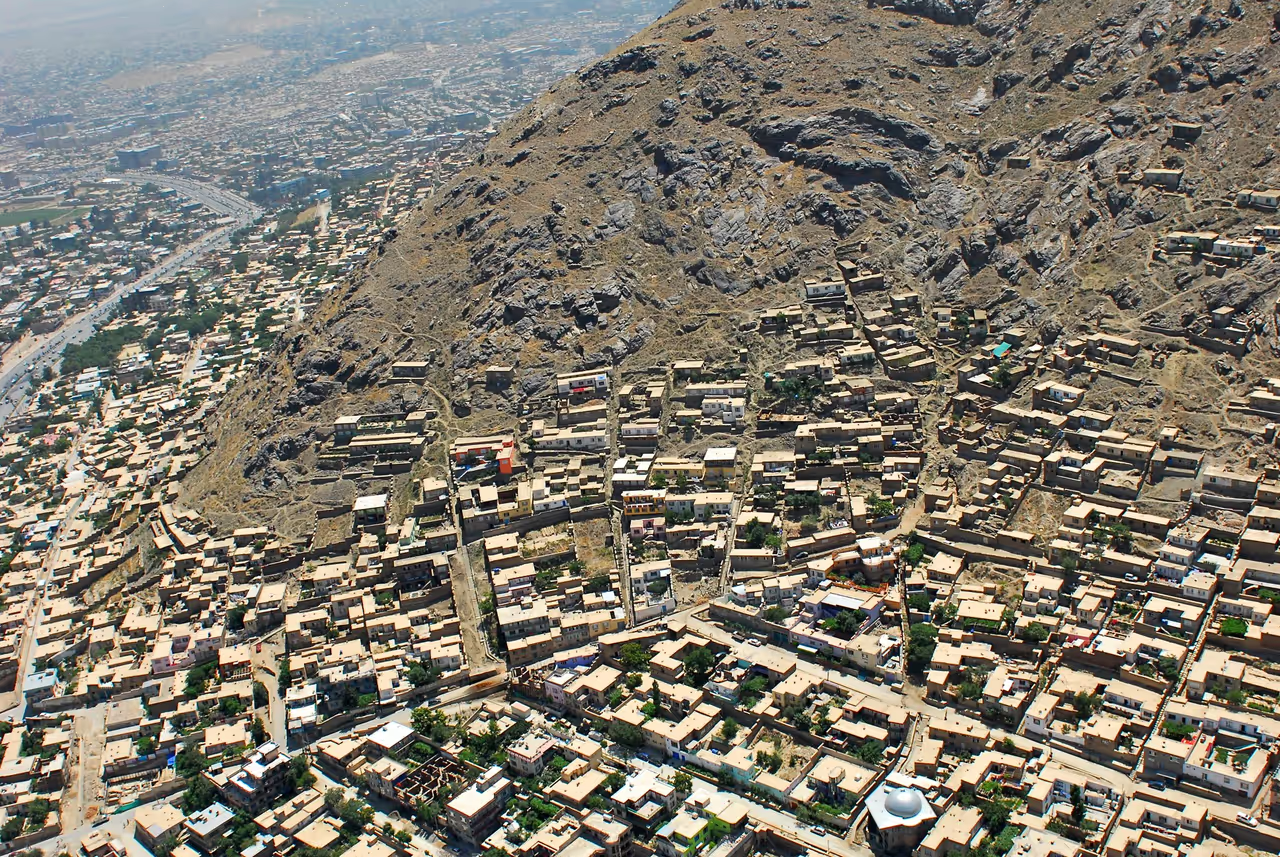
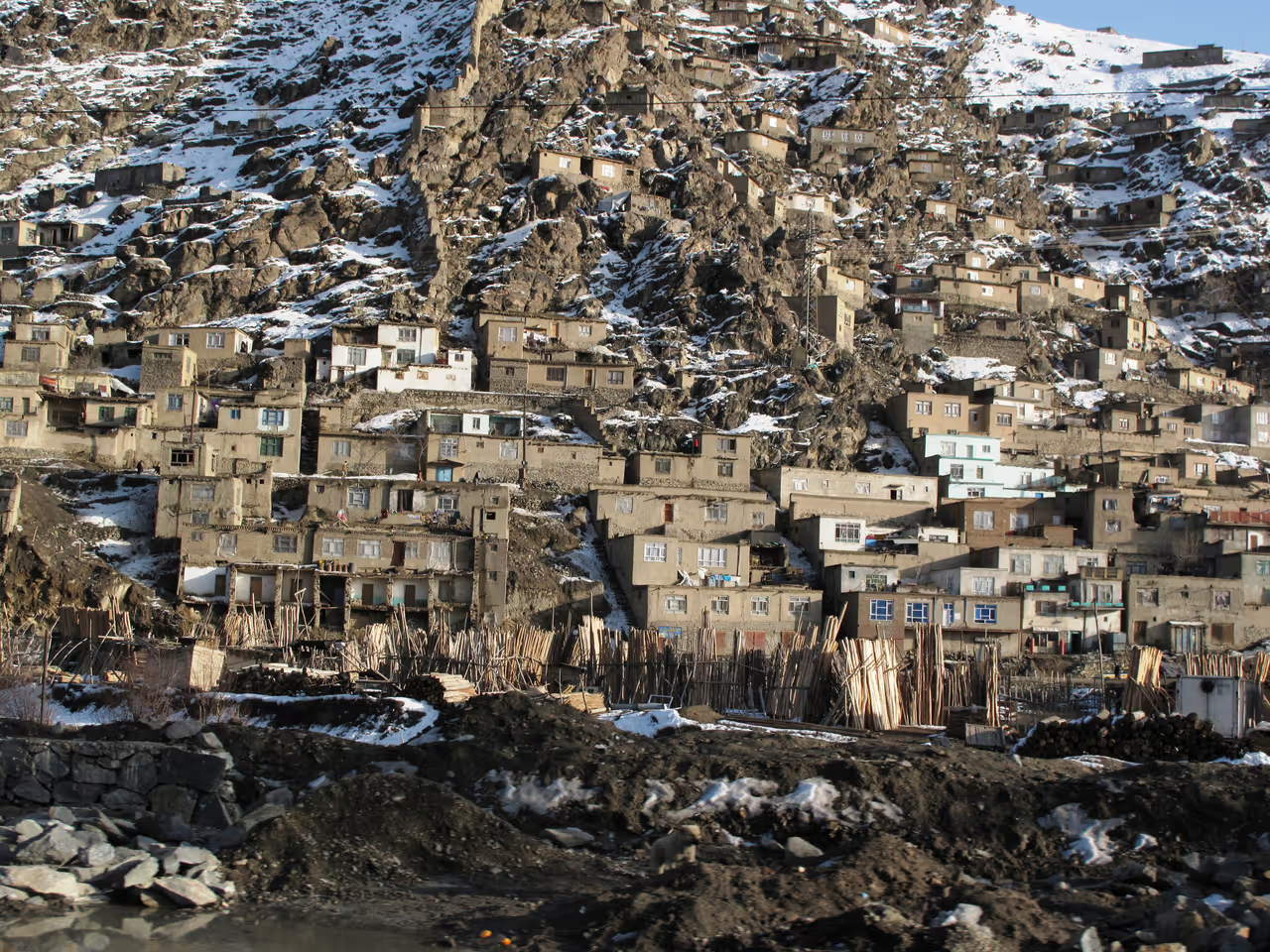
Kabul stands as a testament to human resilience, cradled in a high valley surrounded by the striking peaks of the Hindu Kush mountains. This ancient city has served as a pivotal crossroads of trade and culture between Central and South Asia for over three millennia. Visitors are immediately struck by the warmth and hospitality of the Afghan people who are deeply proud of their rich heritage. You will find layers of history embedded in the landscape, from old Mughal gardens to remnants of early Buddhist stupas. The rugged mountain backdrop provides a dramatic setting for daily life, creating a unique urban atmosphere. Exploring Kabul offers a profound look into a city that continues to endure and rebuild.
Kabul DNA
History of Kabul
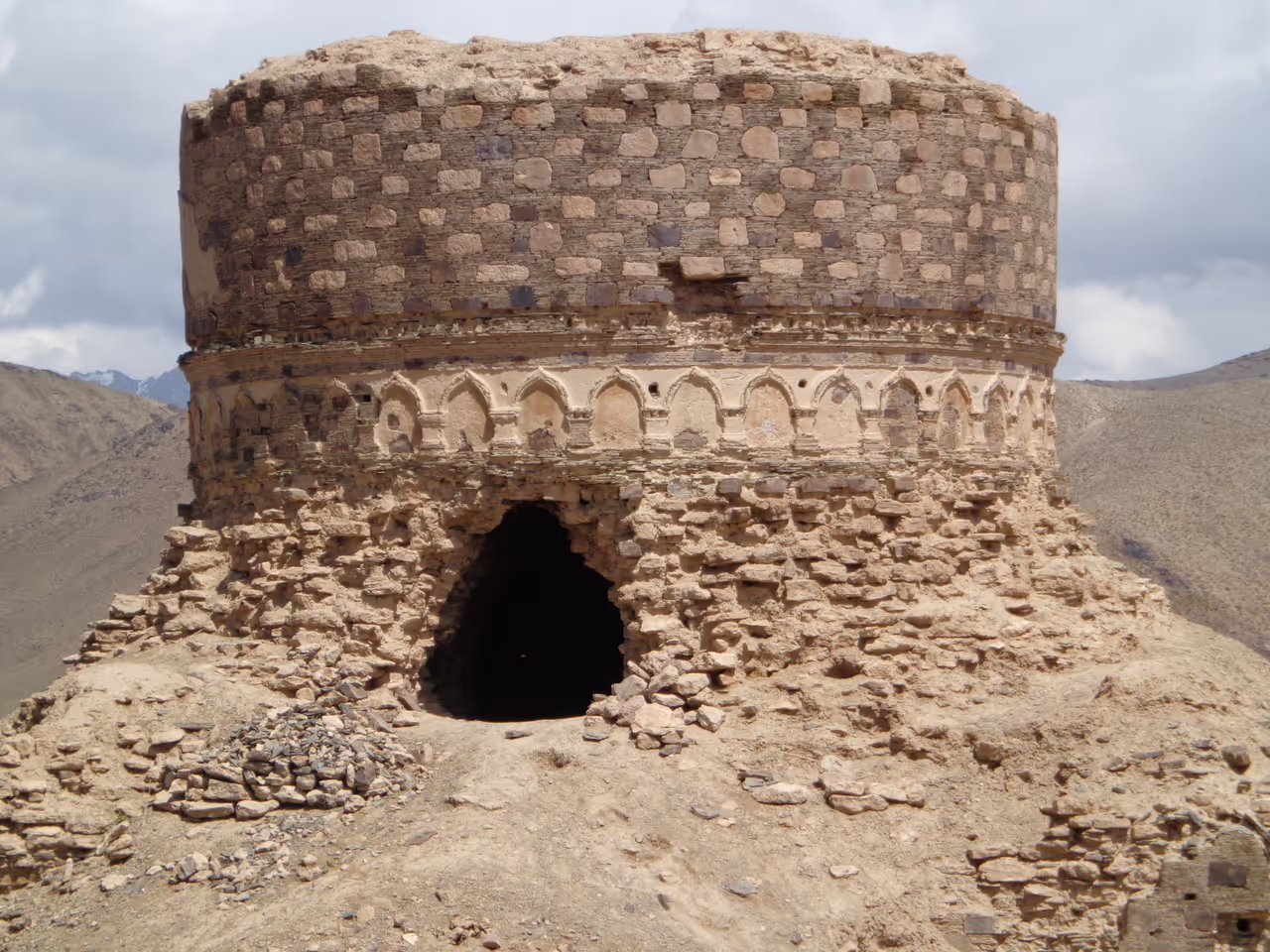
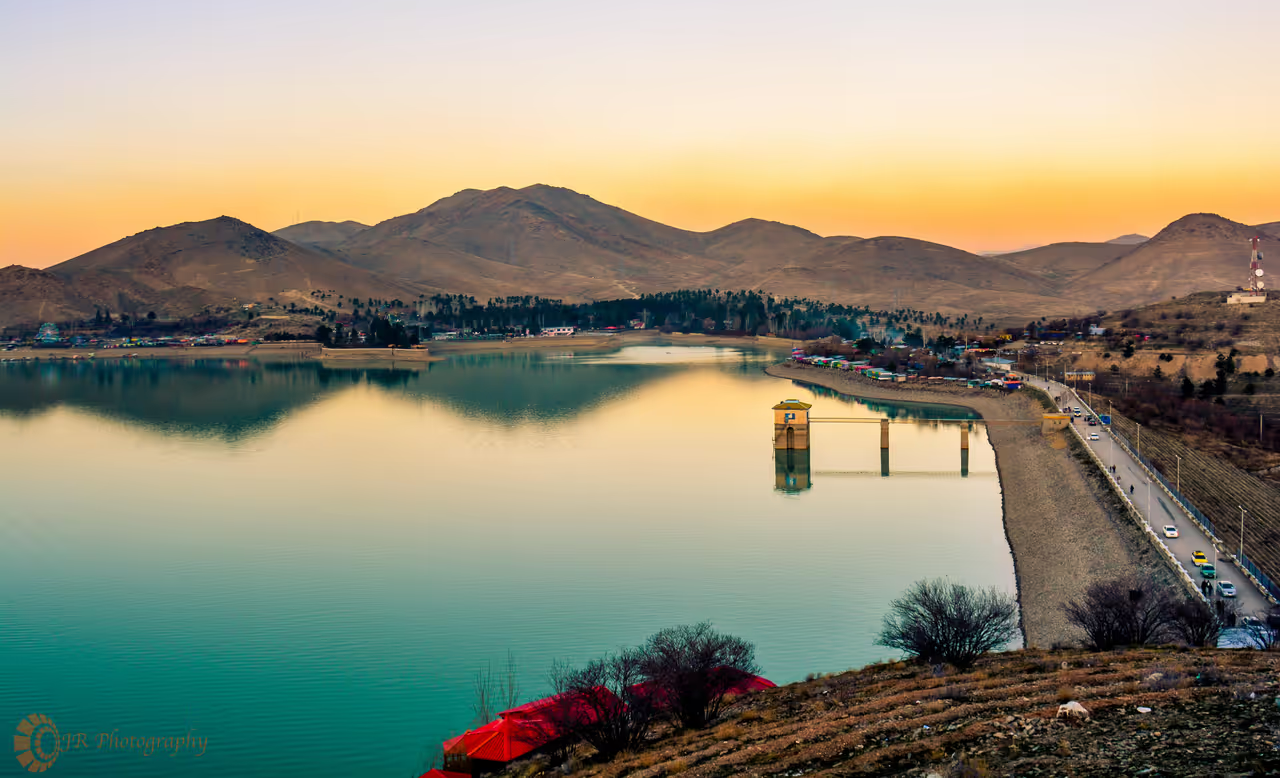
High in the Hindu Kush mountains, the Kabul River cuts through a narrow rocky valley that has channelled merchants, monks, and conquerors into the Indian subcontinent for over three millennia. The early Zoroastrian texts of the Avesta spoke of this riverside settlement as Kubha. Local legend offers a highly tactile origin for the modern name, suggesting it stems from a mythical king who built a bridge of straw, or kah-pul, to reach a secret island of musicians in a long-vanished lake. By the time the Kushan Empire took control in the first century, the city was a major hub for Buddhist learning, a heritage visible in the heavy stone stupas excavated at Shewaki. The teenage conqueror Zahir ud-Din Mohammad Babur seized the valley in 1504 and immediately fell under its spell. Rather than ruling his sprawling new Mughal Empire from the sweltering plains of Hindustan, he turned this cool mountain basin into his personal recreational retreat. He ordered the construction of terraced gardens, introduced new melons to the local soil, and praised the crisp climate in his personal memoirs. The carefully restored Gardens of Babur now house his open-air white marble tomb, shaded by cherry trees and heavily frequented by local families sharing afternoon picnics on the grass. Timur Shah officially shifted the Durrani empire capital here in 1776, prompting a wave of construction that drew Sufi mystics and literary scholars to settle near his grand octagonal mausoleum. This elevated political status inevitably attracted the attention of the British Empire, which occupied the valley twice during the 19th century. Retreating British troops deliberately levelled the famous Char Chatta covered bazaar in a fit of retaliatory arson. Local merchants simply cleared the ashes and rebuilt their stalls, allowing the commercial exchange of spices and silk at the Mandawi markets to resume. King Amanullah Khan steered the architecture toward European styles in the 1920s, commissioning the neoclassical Darul Aman Palace and instituting a short-lived electric tramway. Decades later, the Afghan capital morphed into a crucial waystation on the overland route from Europe to India. Western travellers seeking cheap hashish crowded into the guesthouses along Chicken Street, rubbing shoulders with university students debating Marxist theory in newly opened cafes. Concrete Soviet-style apartment blocks, known as microrayons, began to reshape the northeastern skyline to provide central heating and indoor plumbing for the expanding middle class. The sudden roar of Soviet tanks in 1979 violently interrupted this era of cosmopolitan leisure. A decade of fierce guerilla resistance followed, turning the imposing hillside Tajbeg Palace into a heavily fortified army headquarters. When the foreign forces withdrew, a fractured civil war tore through the capital in the 1990s, reducing historic commercial arteries like Jada-e Maiwand to piles of brick and twisted metal. The subsequent takeover by the Taliban imposed a strict interpretation of Islamic law that drastically altered daily life and stripped live music from the public square. Cranes and concrete mixers took over the skyline after 2001, transforming the low-slung historical neighbourhoods into a sprawling metropolis of glass-fronted high-rises. The sudden population boom brought a distinct chaotic energy to the streets, where drivers of ubiquitous turquoise and white Toyota Corolla taxis lean heavily on their horns to navigate the intense daily gridlock around Pashtunistan Square. Vendors push wooden carts stacked with fresh pomegranates past the unusual Italian baroque facade of the Shah-Do Shamshira Mosque. Young Kabuli residents gather at the Qargha Reservoir on weekend evenings to eat grilled kebab near the water, maintaining a centuries-old habit of seeking quiet refuge in the mountains.
13 Events spanning 3521 years
Map of Kabul
Interactive Destination & Itinerary Map
This map blends our curated city guides—featuring best photo spots, scenic walks, viewpoints, hidden gems and much more—with a live Wikipedia explorer. Click on our numbered pins to plan your routes, or zoom in on the surrounding neighborhoods to discover verified local landmarks, museums, and stories with dynamic Wikipedia summaries and photos!
Fun Facts
- • The city's name is tied to an ancient legend about a beautiful 'Island of Happiness' accessible only by a bridge made of straw, combining the words 'kah' and 'pul' to form Kabul.
- • Kabul was a major stop on the famous 1960s Hippie Trail, earning it the affectionate nickname 'Paris of Central Asia' for its vibrant culture and liberal fashion scene.
- • Mughal Emperor Babur loved the city so passionately that he asked to be buried here, leaving a tomb inscription that declares Kabul a literal paradise on earth.
- • In the late 1970s, Kabul boasted a fully functioning electric trolleybus system built by a Czechoslovak company, the poles of which can still be spotted along certain streets.
- • The local residents are famous for their kite-flying skills, a deeply rooted competitive pastime that paints the sky with colourful paper gliders on windy holidays.
Did You Know?
- • Kabul is uniquely positioned roughly halfway between Istanbul in the west and Hanoi in the east, making it a historic crossroads connecting major Asian civilisations.
- • The city sits proudly at an elevation of 1,791 metres above sea level, ranking it among the highest capital cities in the entire world.
- • Despite its association with modern conflicts, Kabul is over 3,500 years old and was specifically mentioned in the ancient Rigveda text under the name 'Kubha'.
- • The city is home to Kol-e Hashmat Khan, a vital wetland resting place for thousands of rare birds migrating between the Indian subcontinent and Siberia.
- • During its mid-century development peak, Kabul University instructors were largely Western-educated, and the city hosted the very first Marks & Spencer store in Central Asia.
RESOURCES
FacebookVideos of Kabul
Seasons
Spring
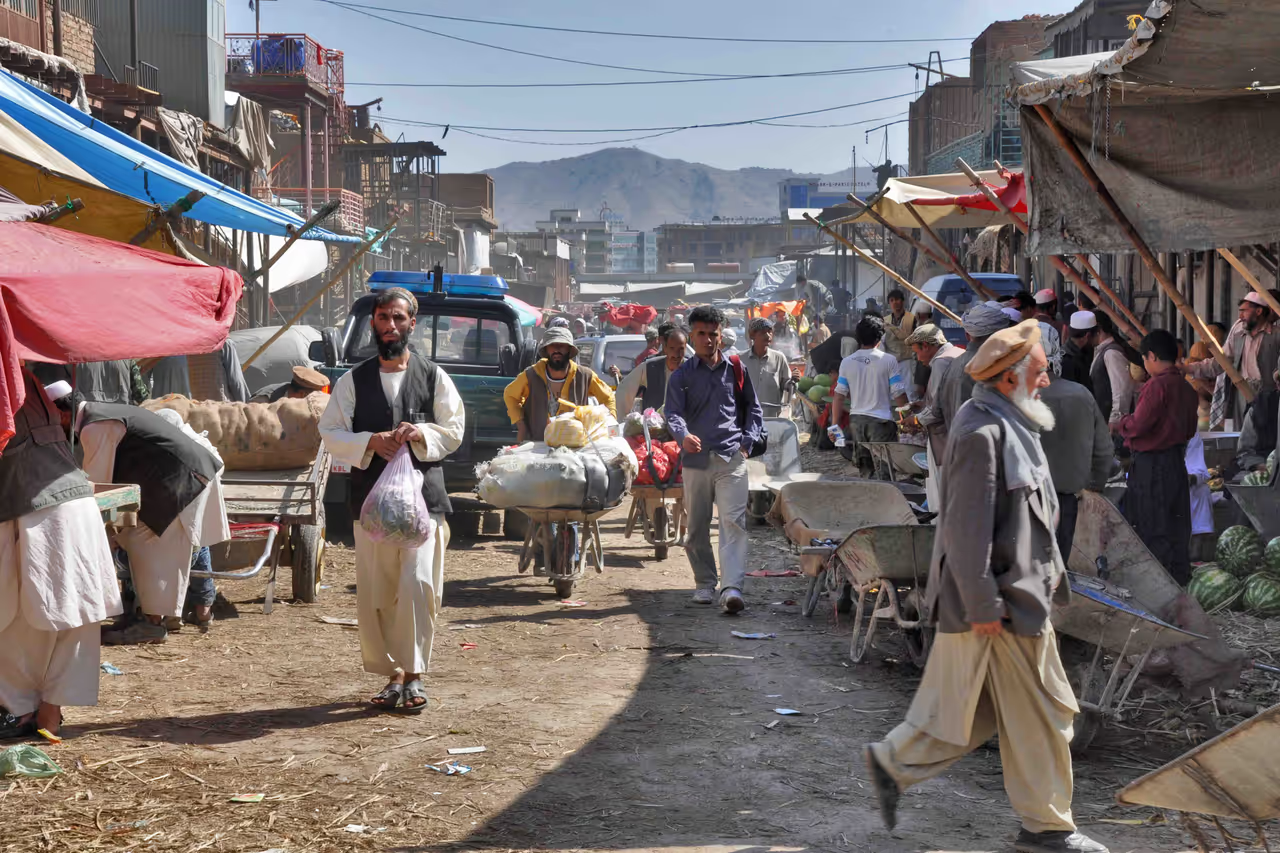
Spring is arguably the most beautiful time to visit, as the harsh winter recedes and the valley turns surprisingly green. The...
Summer
Summers in the city are hot, dry, and distinctly dusty, requiring a slower pace during the midday heat. This is the perfect...
Autumn
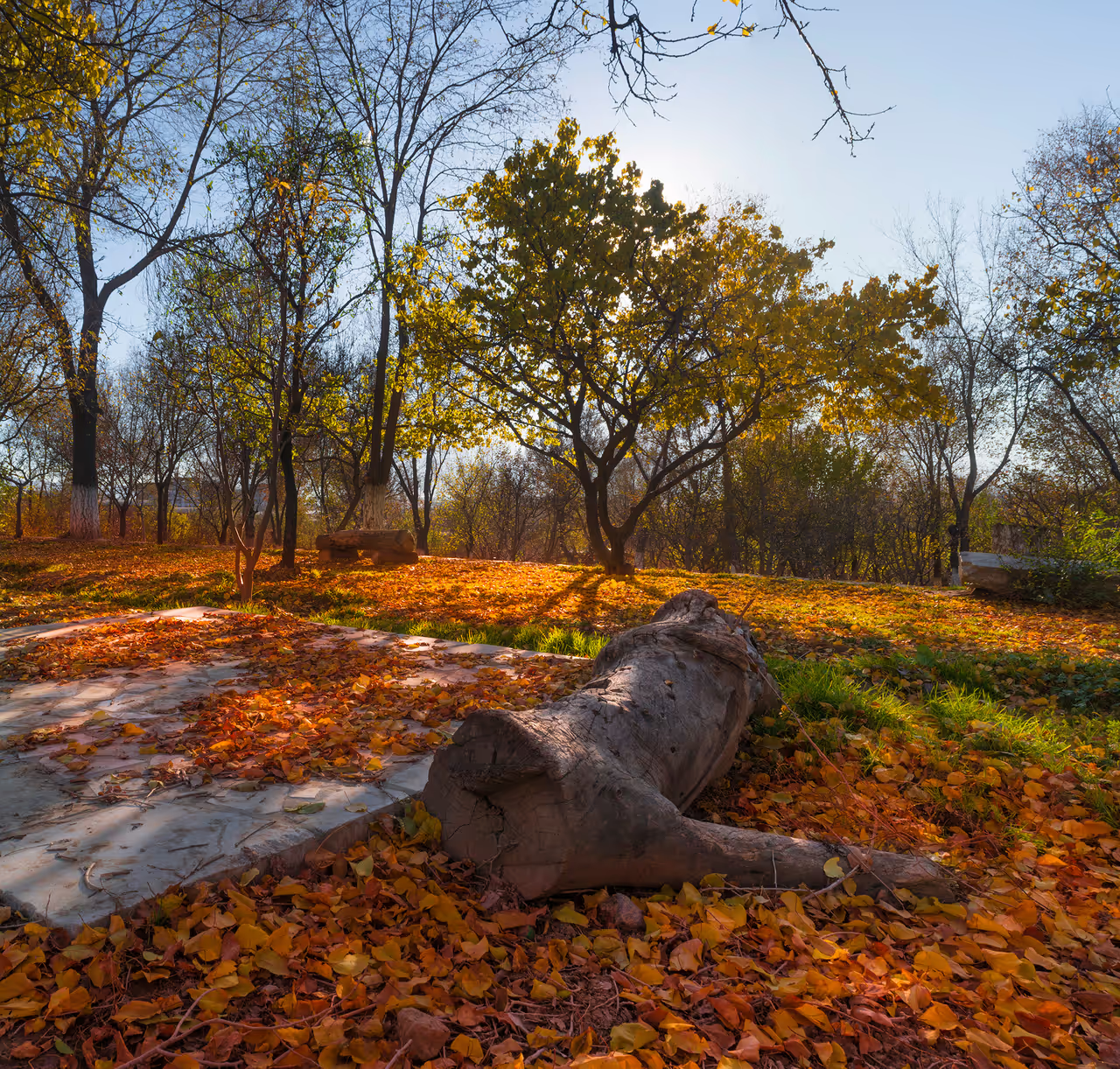
Autumn brings a sharp, crisp coolness to the air and remarkably clear blue skies, offering a great respite from the summer dust...
Winter
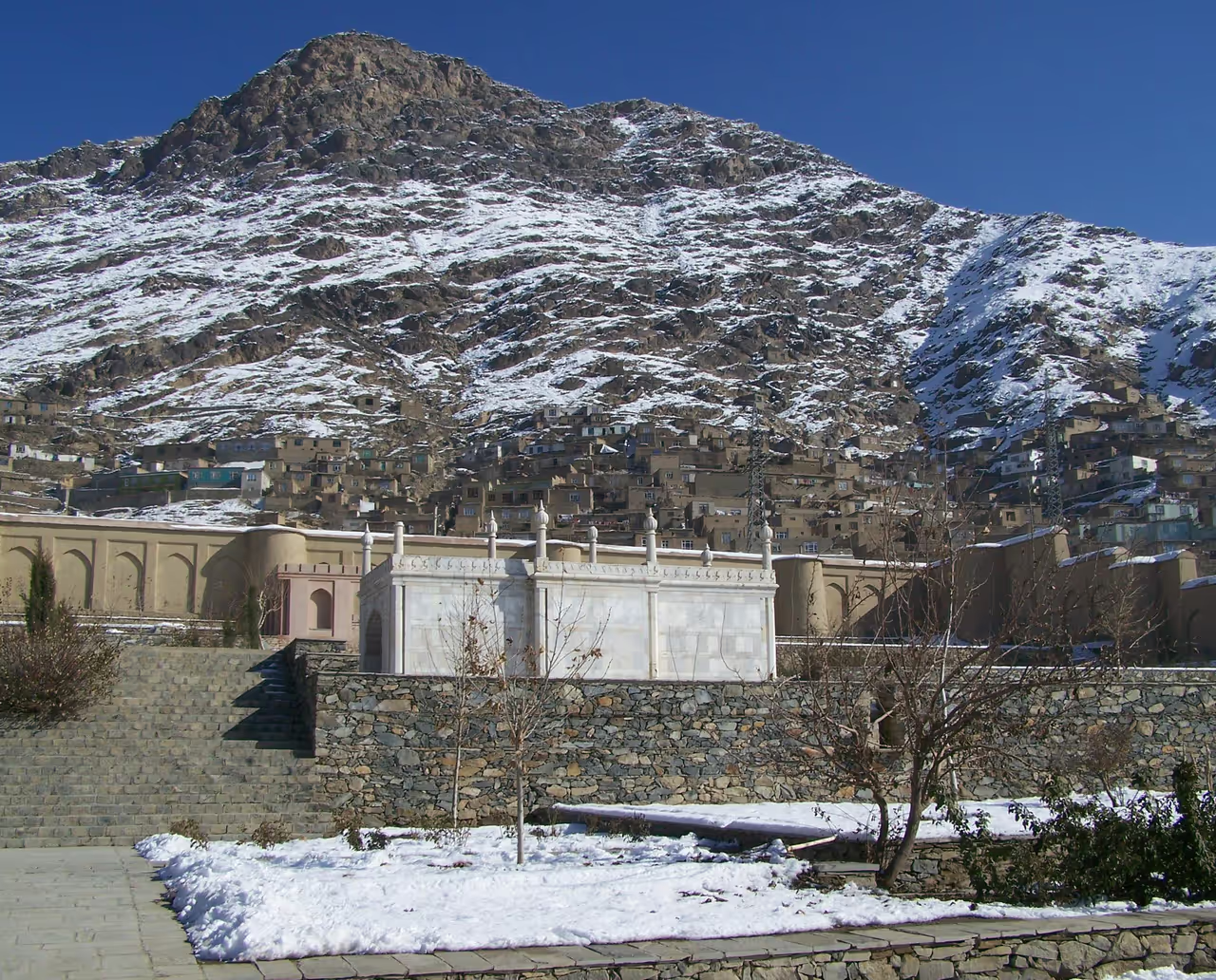
Winters are biting and cold, often blanketing the city and the surrounding Hindu Kush peaks in heavy, brilliant white snow. The...
Top Attractions in Kabul
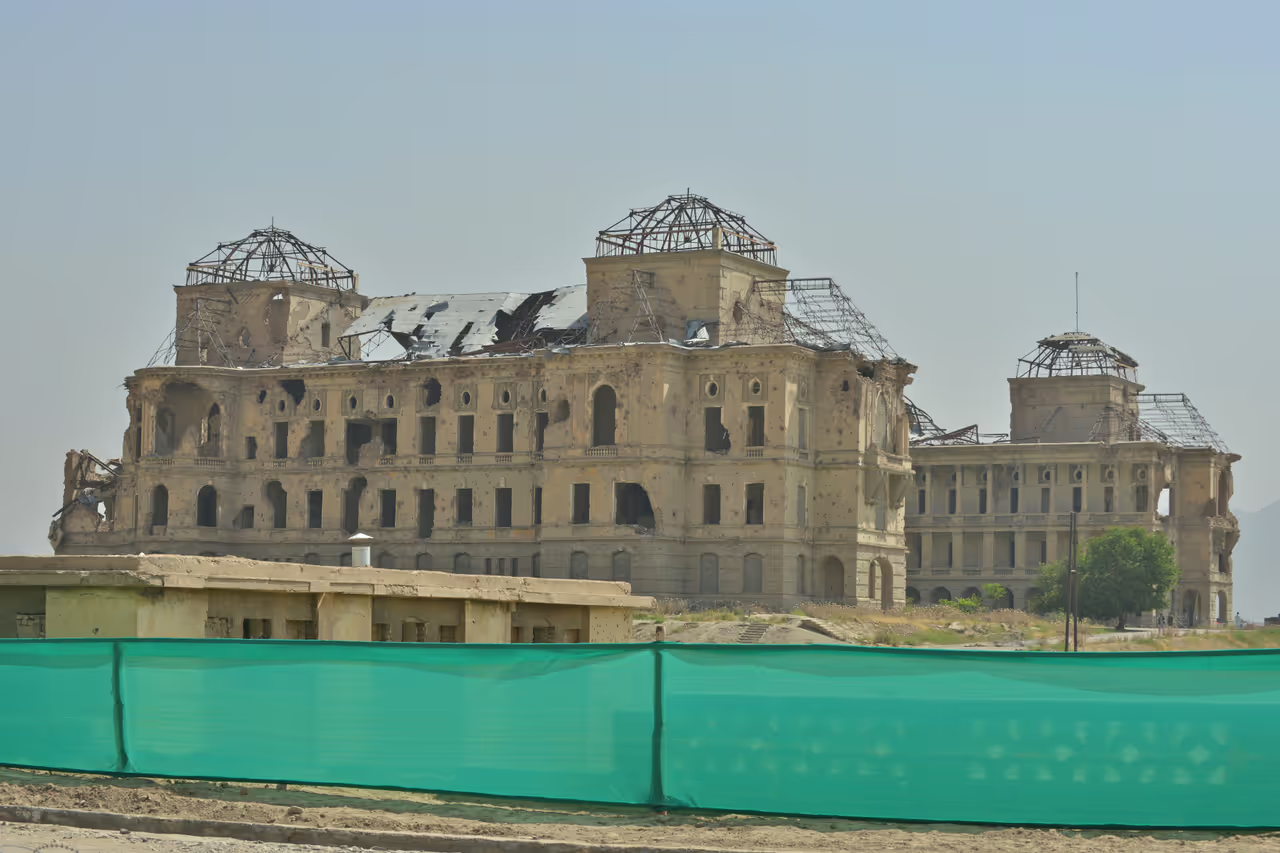
Darul Aman Palace
Standing as a powerful symbol of resilience, the Darul Aman Palace offers visitors a striking journey through the complex...
view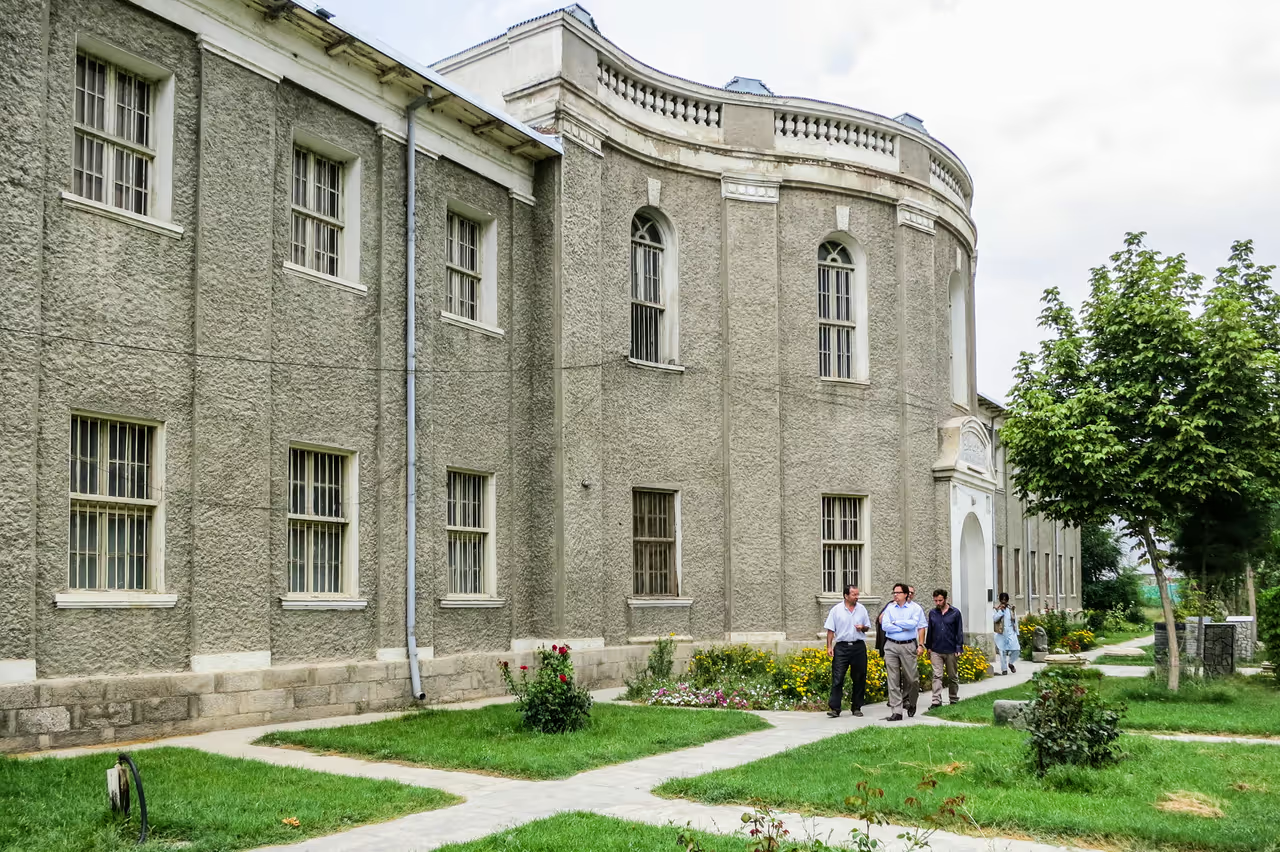
National Museum of Afghanistan
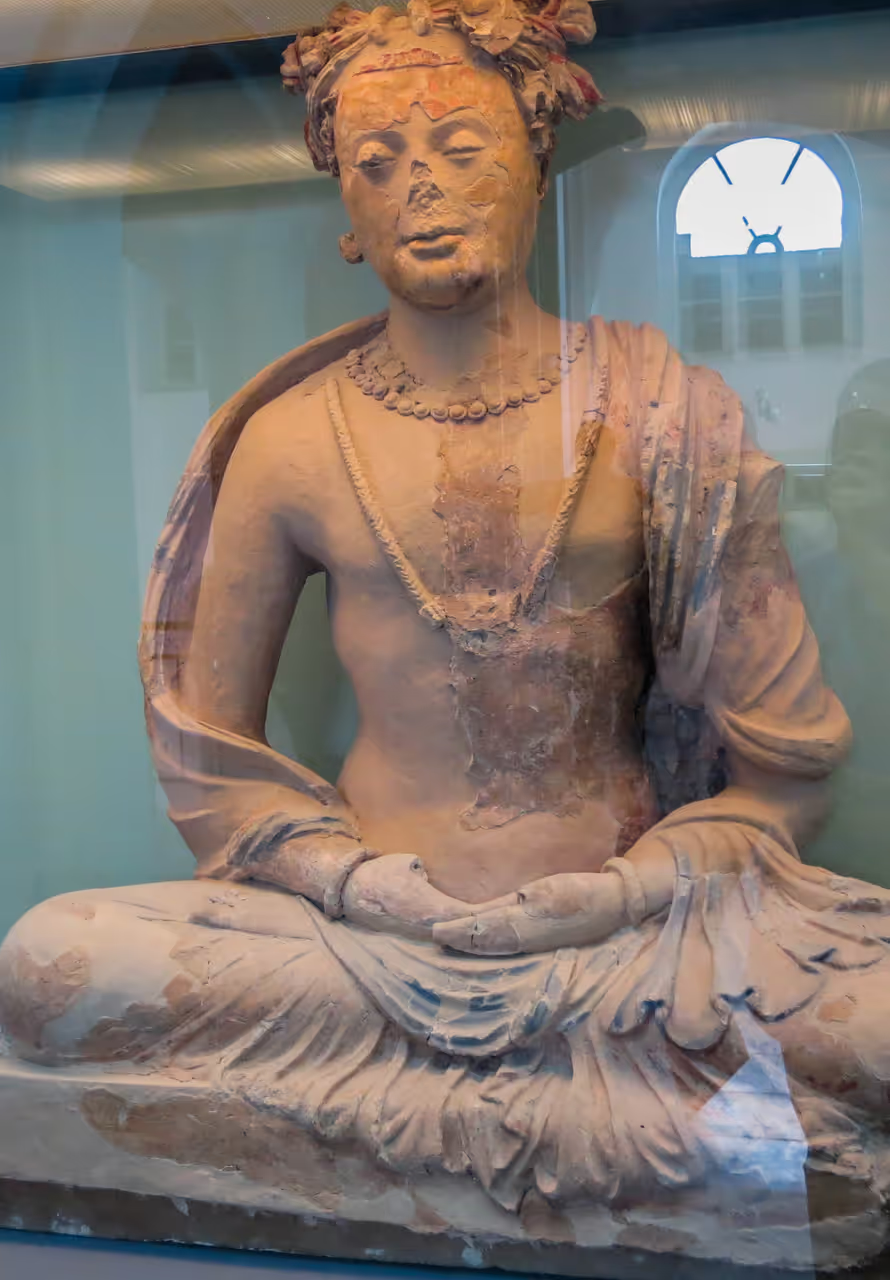
The National Museum of Afghanistan stands as a testament to the nation's profound history and enduring spirit. Once regarded as...
view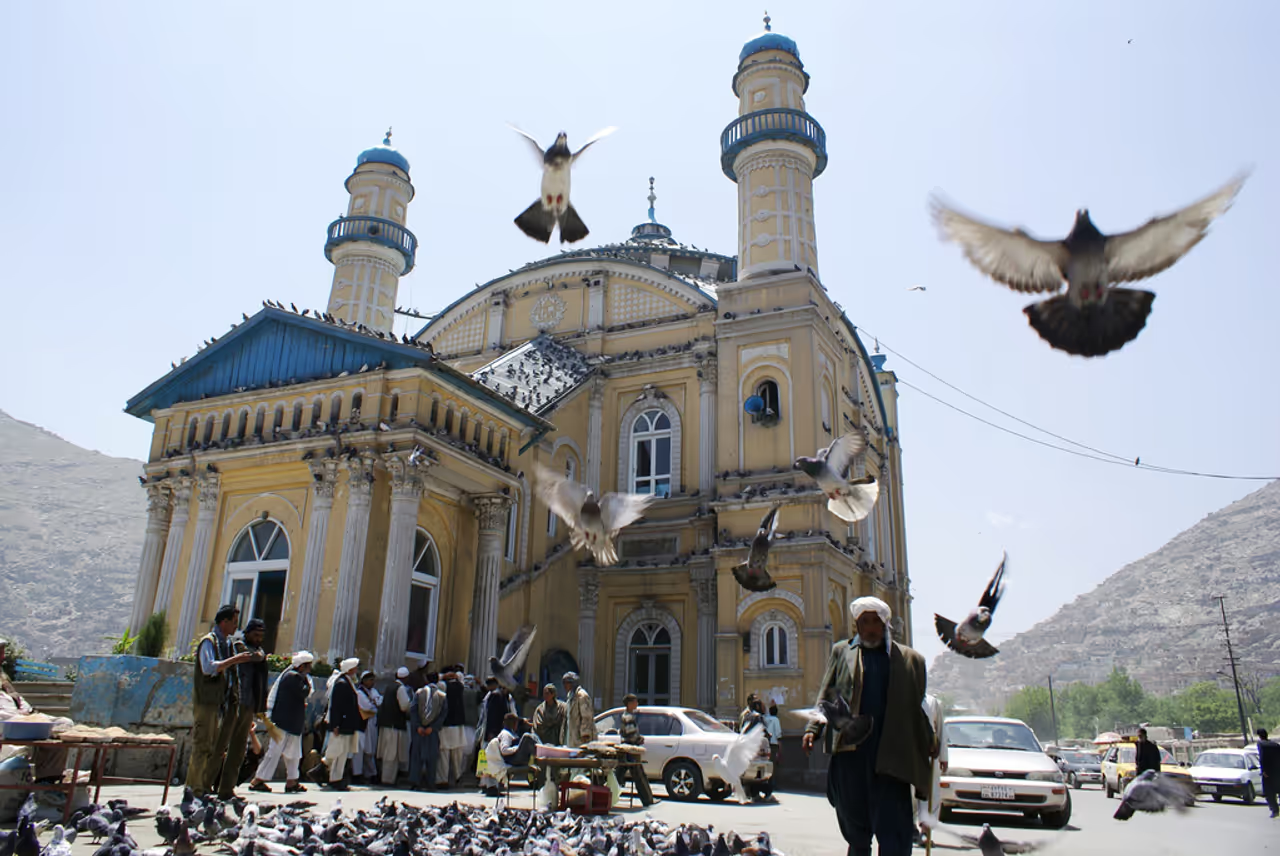
Shah-Do Shamshira Mosque
Standing uniquely along the Kabul River, the Shah-Do Shamshira Mosque is a striking architectural gem that breaks the mould of...
view
Best Views
Kabul Itineraries
TRIP PLANNER
3 Days Recommended
Three days allows enough time to explore key historical sites like the Darul Aman Palace and the Gardens of Babur at a comfortable pace. It provides room for navigating security checkpoints and enjoying local cuisine without feeling rushed. This timeframe balances experiencing the city's rich heritage with the logistical realities of travelling here.
1 Day in Kabul Itinerary
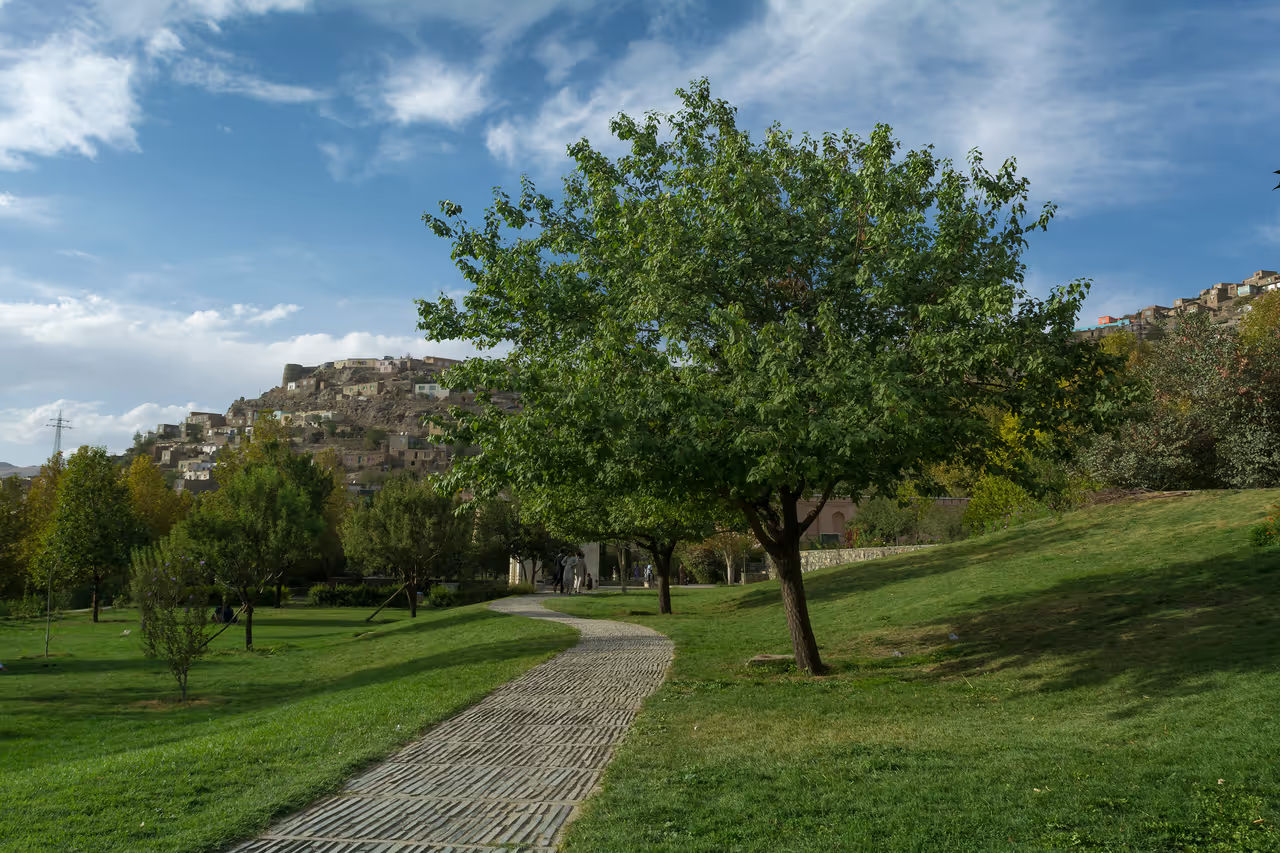
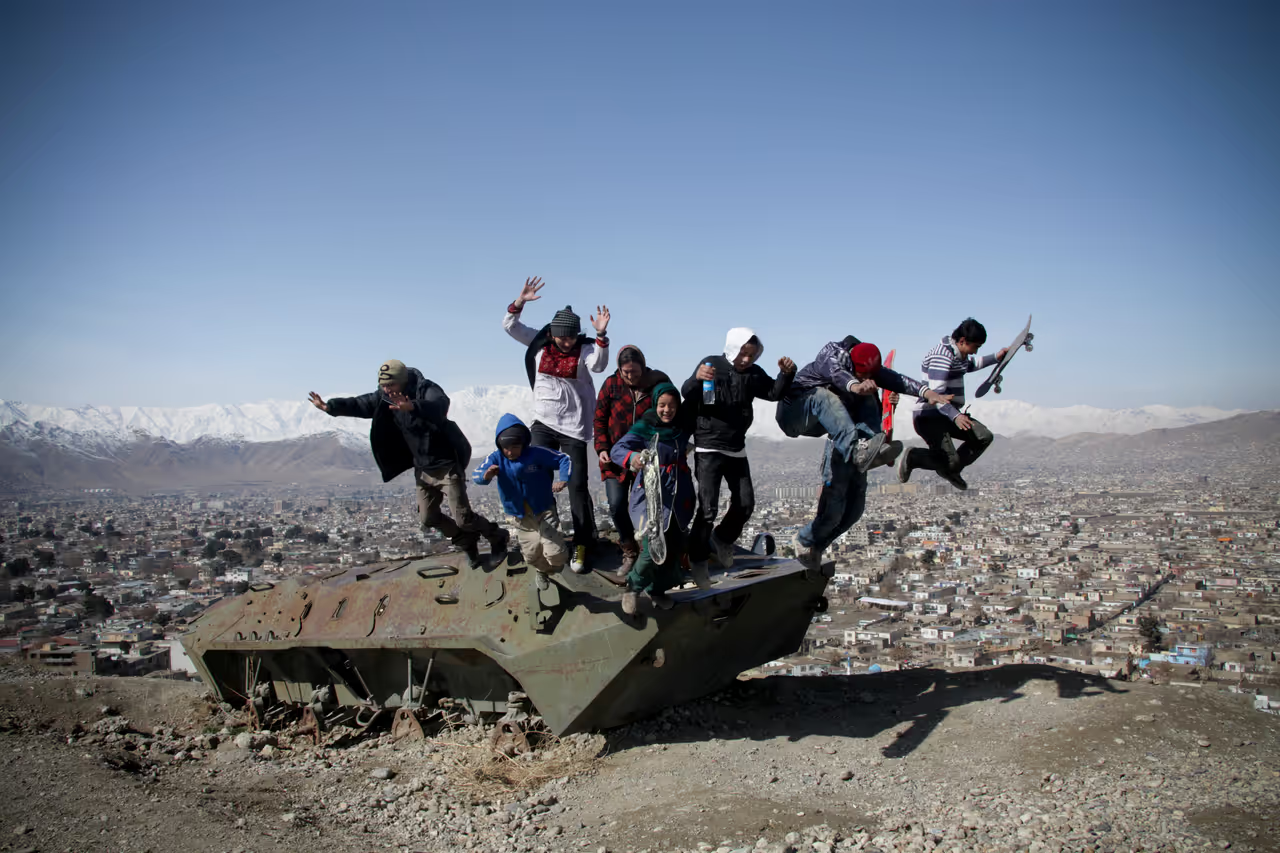
If you only have a single day in the capital, this rapid itinerary ensures you experience the absolute pinnacle of its history and beauty. You will focus entirely on the grand royal legacy in the morning and transition to the serene Mughal gardens in the afternoon. It prioritises visual impact and profound historical context, ensuring you leave with a powerful understanding of the city's resilience. This route is efficient and keeps you moving through the most iconic, secure landmarks.
view itinerary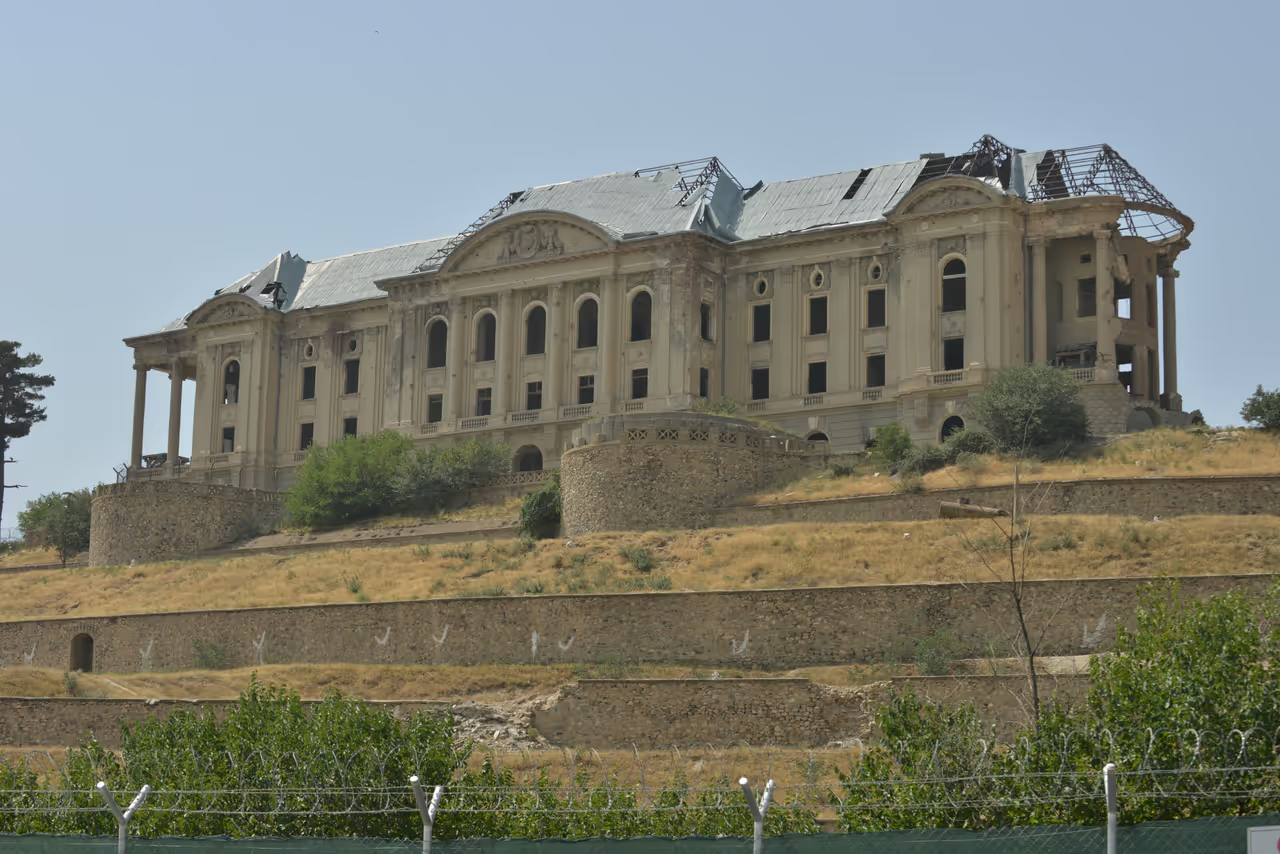
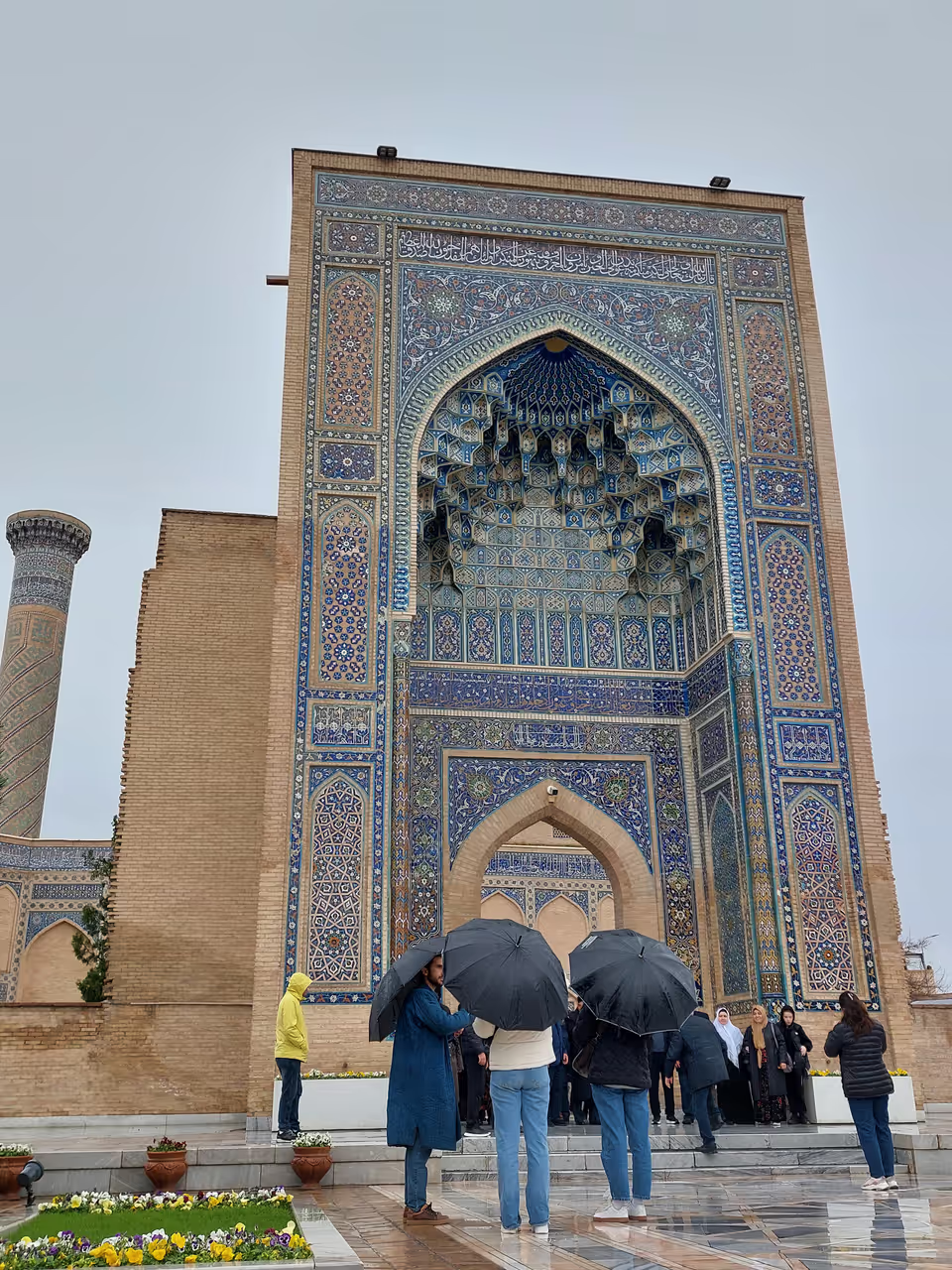
3 Days in Kabul: Culture & Heritage Itinerary
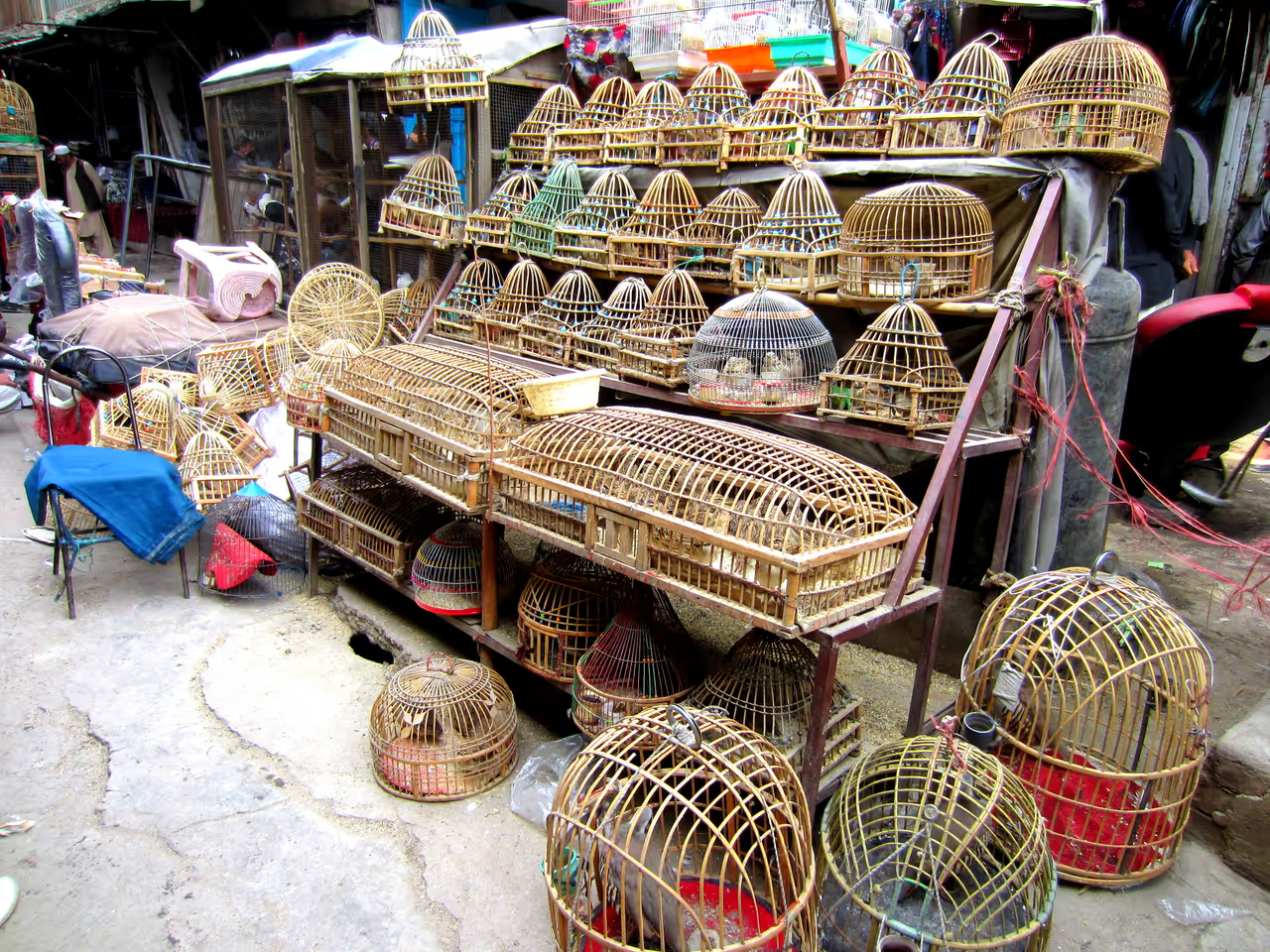
This balanced three-day journey allows you to dive significantly deeper into the contrasting facets of the city. Beyond the grand palaces, you will immerse yourself in the chaotic, authentic energy of the historic old city bazaars and spiritual shrines. It offers a perfect mix of monumental architecture, authentic local street life, and relaxing panoramic viewpoints. This timeframe allows you to appreciate the city's complex layered history without feeling overly rushed.
view itinerary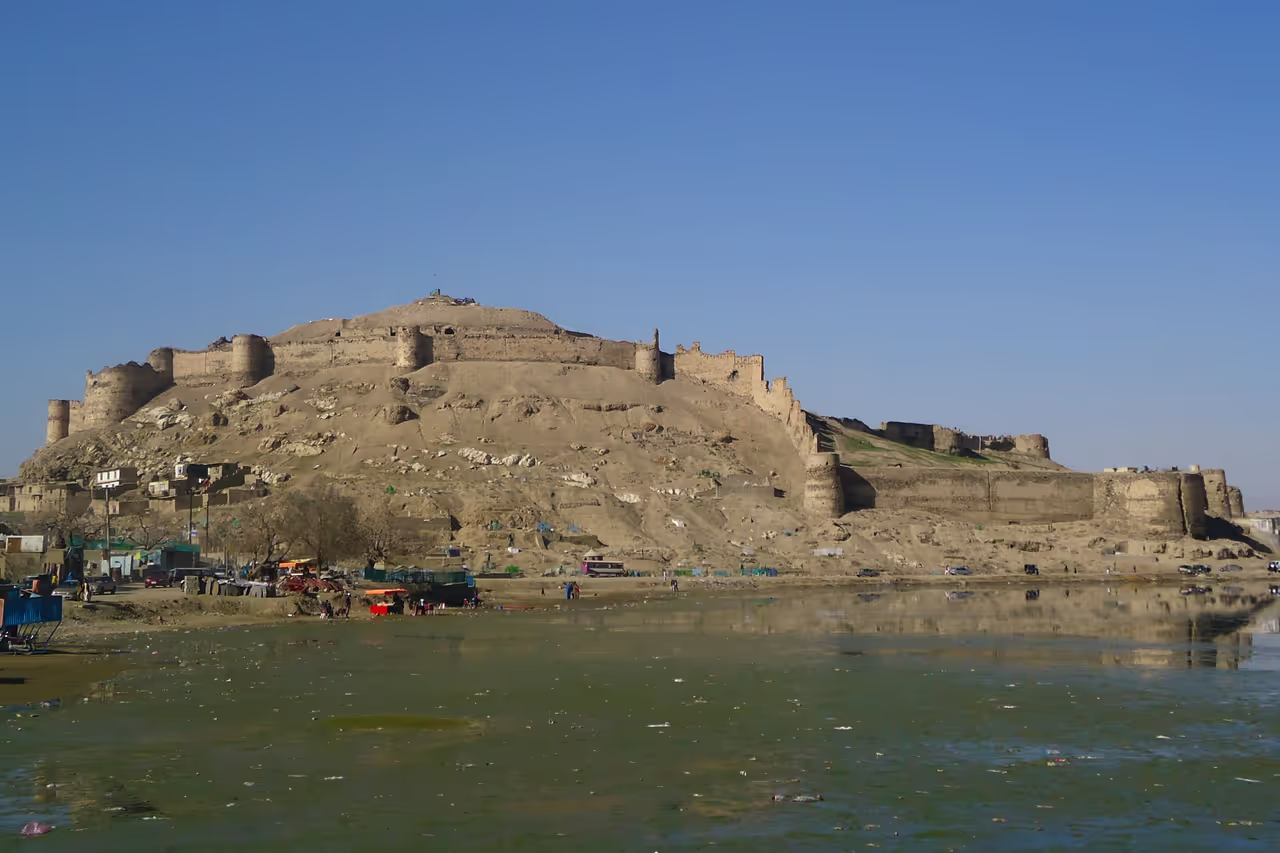
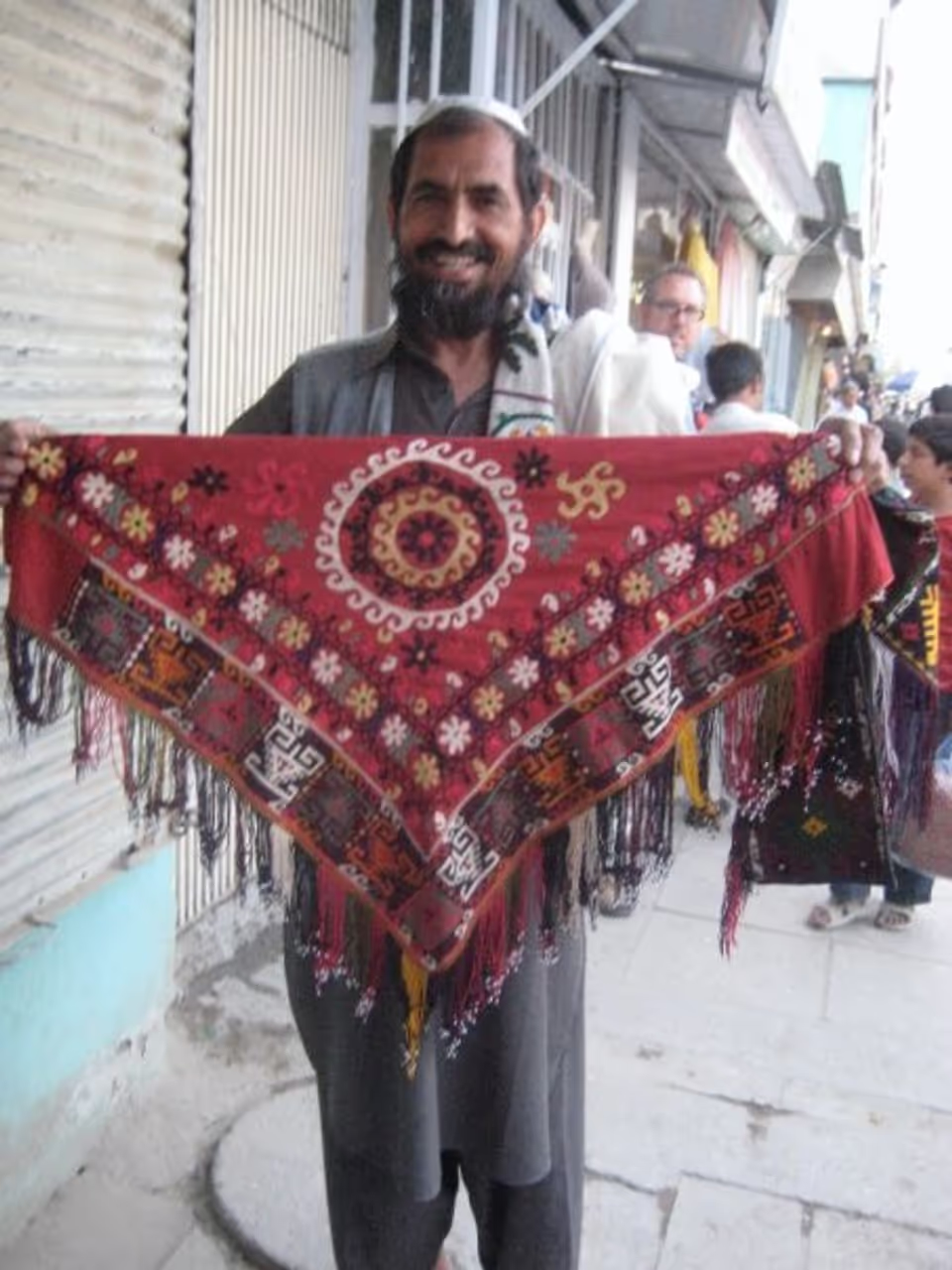
5 Days in Kabul: The Complete Explorer Itinerary
For the dedicated traveller, this five-day itinerary provides a highly comprehensive exploration of the capital and its surrounding landscapes. You will have the time to uncover moving hidden gems, hike the ancient defensive walls, and take a refreshing day trip out to the surrounding valleys. This pace allows for genuine engagement with the local culture and the flexibility to enjoy long, traditional lunches. It is the ultimate way to understand the profound depth and resilience of this mountain metropolis.
view itinerary
Food in Kabul
Free Things to do in Kabul
Parks & Nature
Gardens of Babur
Nestled against the slopes of the Sher Darwaza mountain, the Gardens of Babur serve as a peaceful sanctuary in the heart of...
view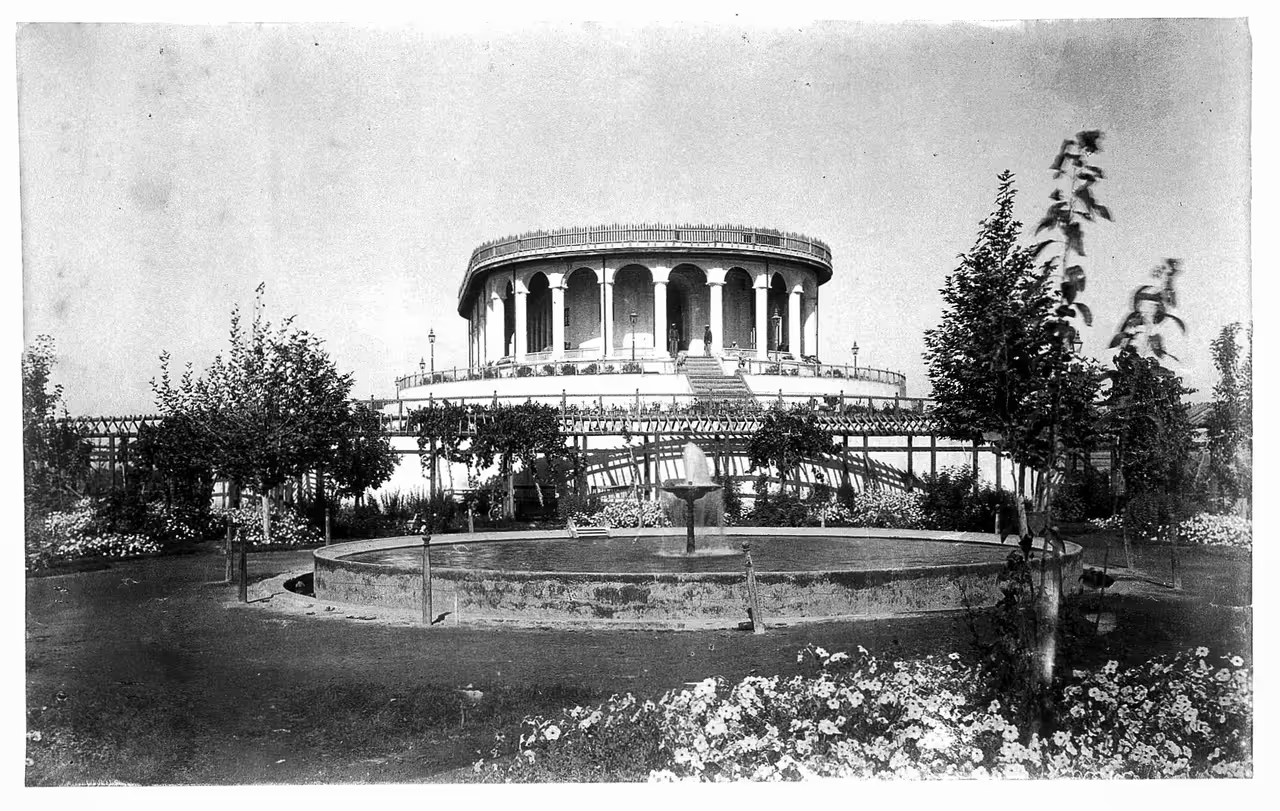
Chihil Sutun Palace and Gardens
Step into the serene embrace of Chihil Sutun, a historic palace and expansive garden complex that offers a peaceful escape from...
view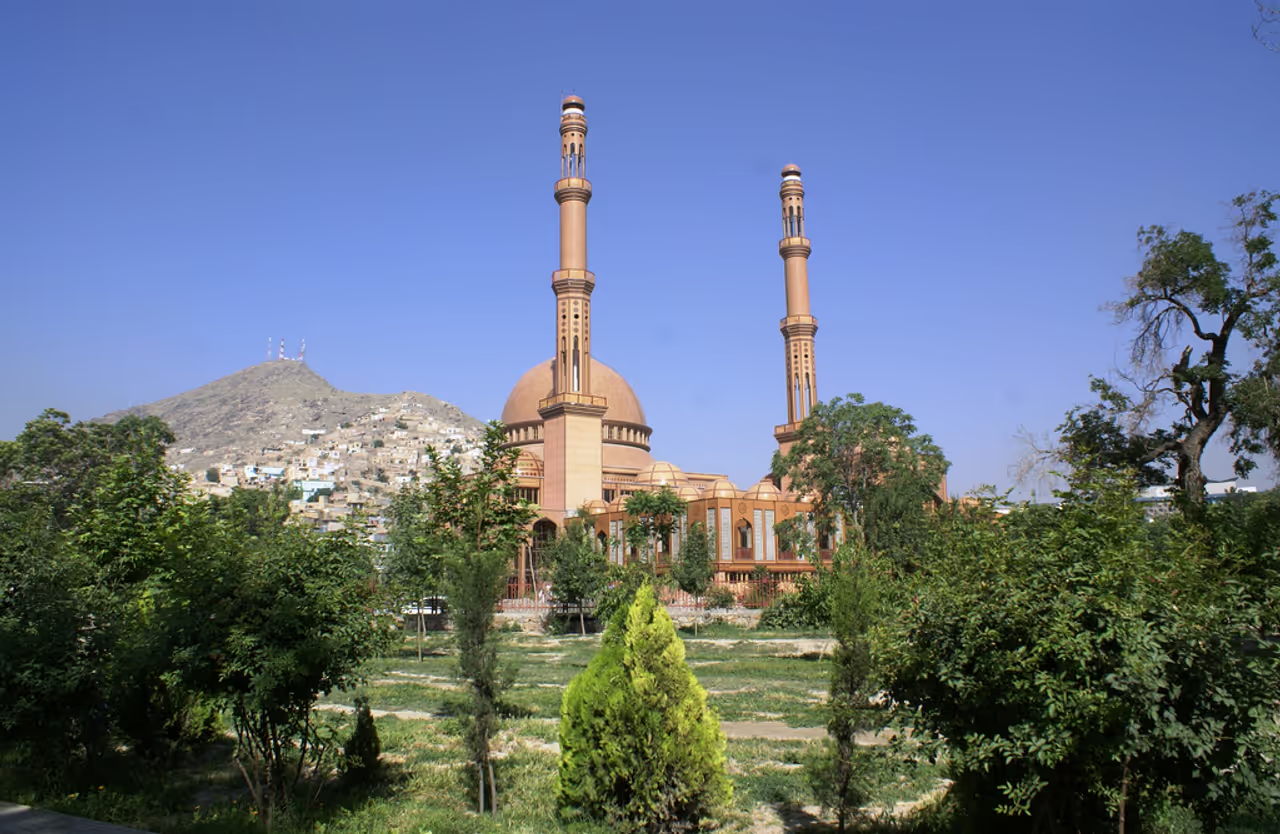
Zarnegar Park
Nestled in the heart of Kabul, Zarnegar Park serves as a peaceful urban sanctuary that offers a refreshing escape from the city...
view
Highlights & Must-Sees
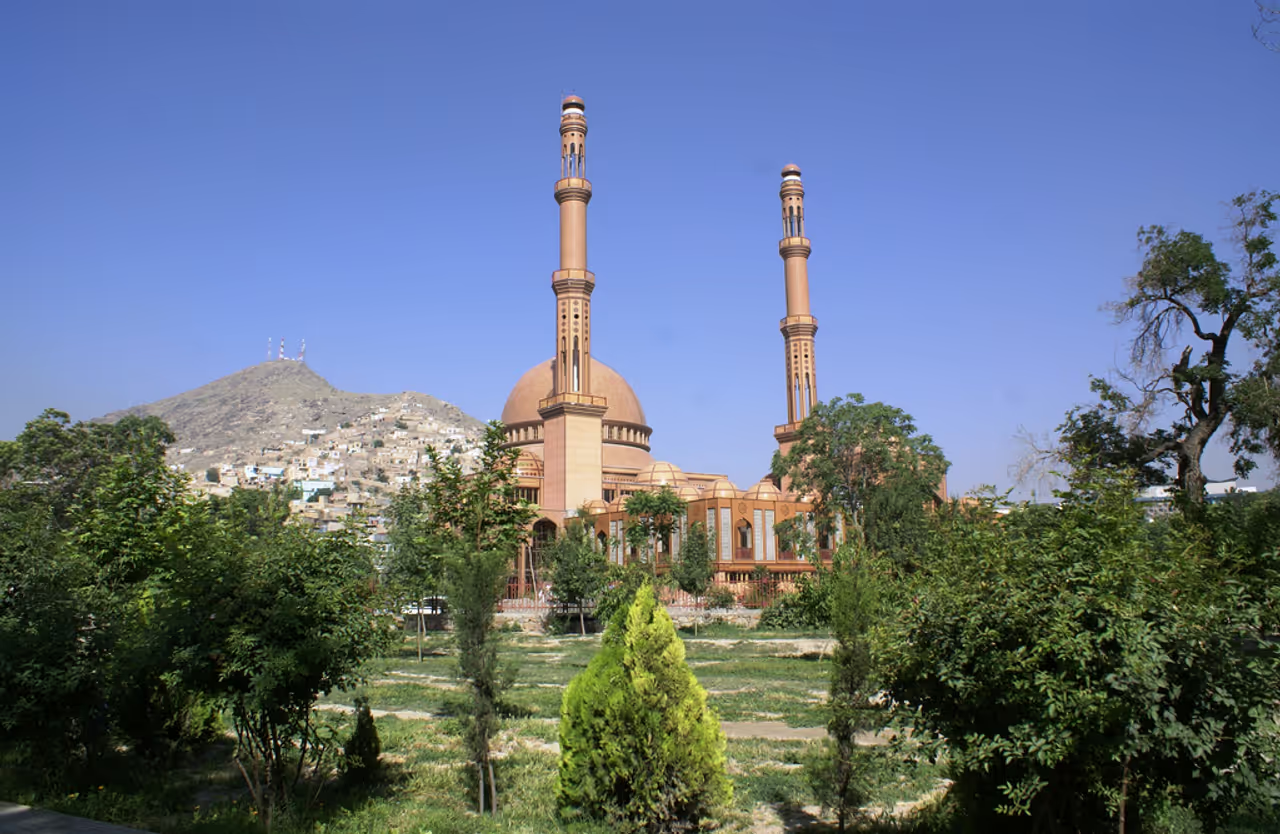
Abdul Rahman Mosque
Dominating the commercial downtown area, this is one of the grandest and newest mosques in the capital. Capable of accommodating...
view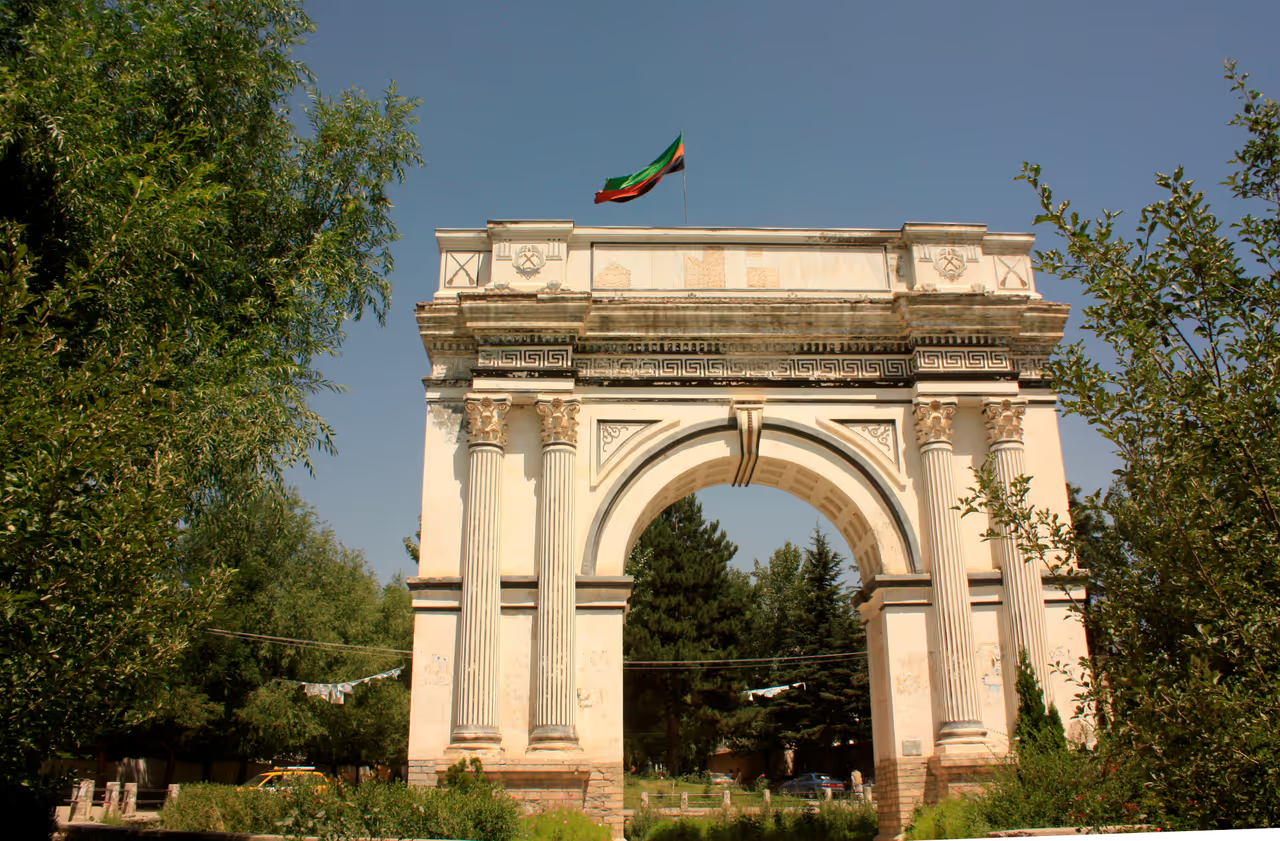
Arch of Victory
Located just outside the city in the picturesque Paghman Valley, this European-style triumphal arch is a striking monument...
view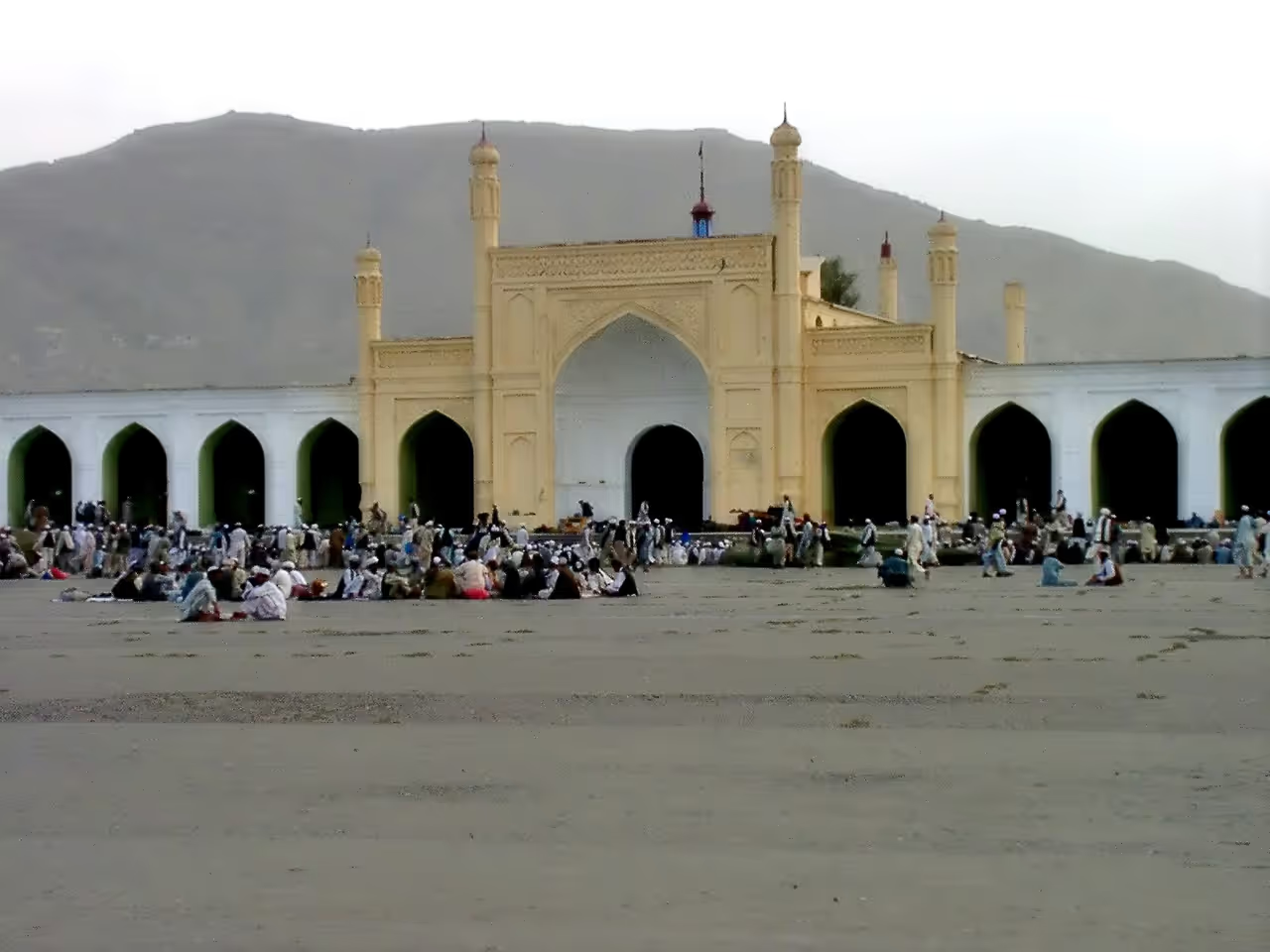
Eidgah Mosque
This is the second largest mosque in the city and holds immense historical and cardinal importance for the nation. It was from...
viewNational Archives of Afghanistan
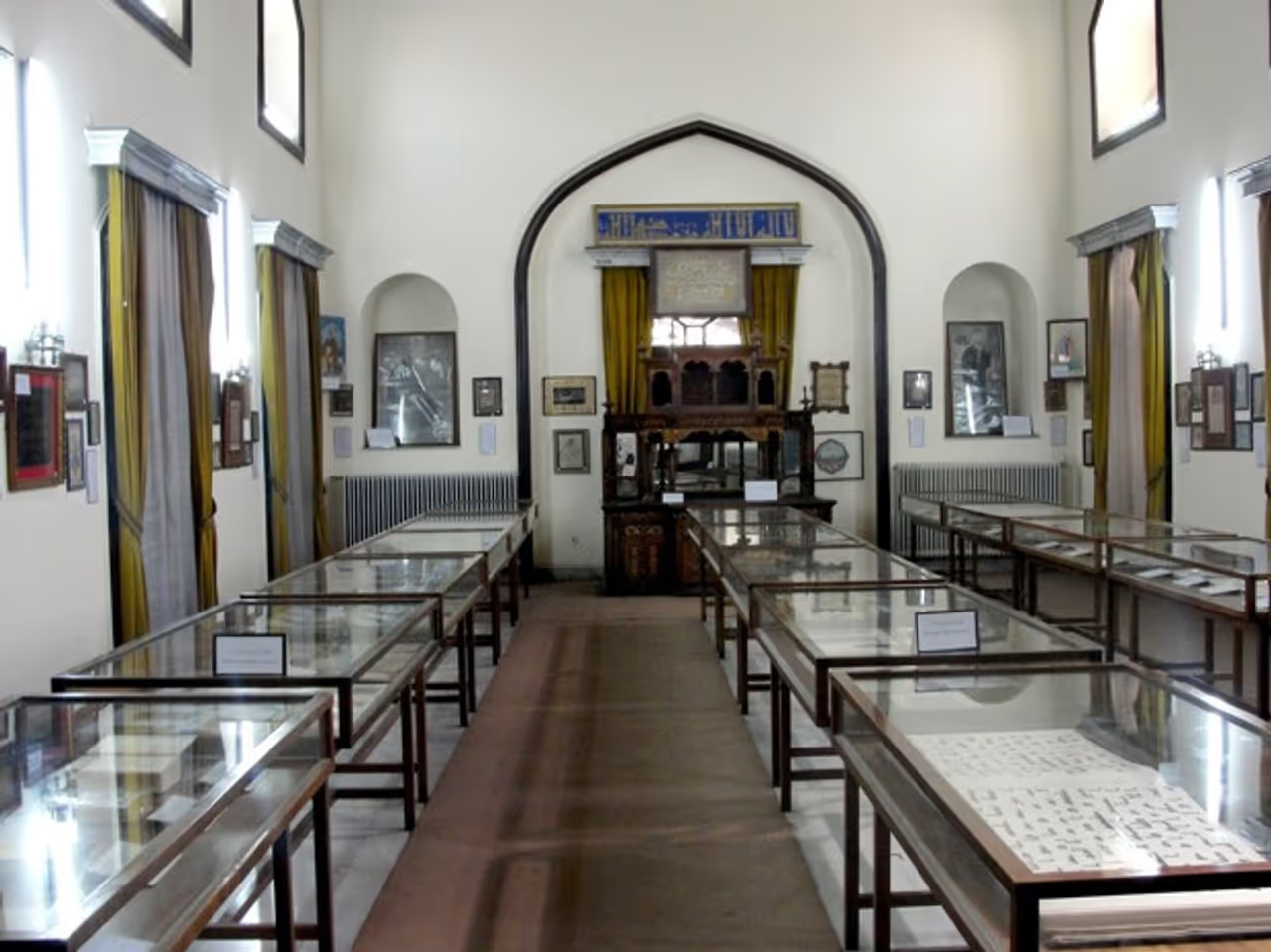
Housed in a beautiful late 19th-century palace built by Emir Abdur Rahman Khan, the archives hold the nation's most precious...
view
Best Walks in Kabul
 HIGHLY RECOMMENDED
Gardens of Babur Promenade
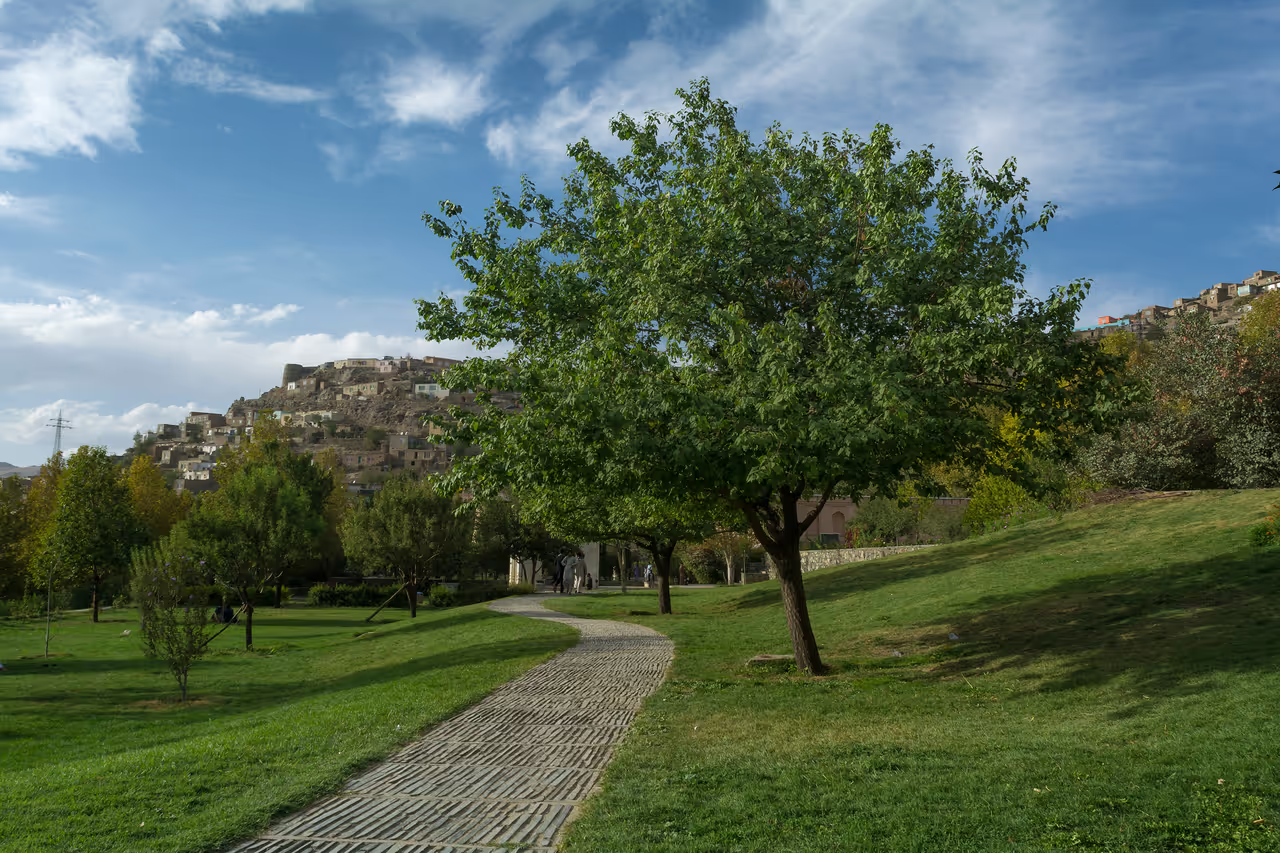
This stroll offers a serene journey through one of the most meticulously restored Mughal gardens in the world. Walking up the gentle, terraced incline beside a flowing central water channel, you are surrounded by fragrant fruit trees and elegant marble structures. The path culminates at the simple, open-air tomb of Emperor Babur, providing a stunning view back down over the city. It is an atmosphere of profound tranquillity that feels entirely removed from the urban chaos outside the walls.
Shahr-e Naw Park Walk
A walk through the central Shahr-e Naw area offers a vibrant snapshot of contemporary urban life in the capital. The route revolves around the central park, a hub of activity where locals gather to chat, drink tea, and escape the concrete surroundings. The adjacent streets are filled with an eclectic mix of modern malls, traditional handicraft shops, and lively cafes. It is the perfect stroll for those who want to feel the modern pulse of the city while doing a bit of souvenir hunting.
Bagh-e Bala Gardens Path
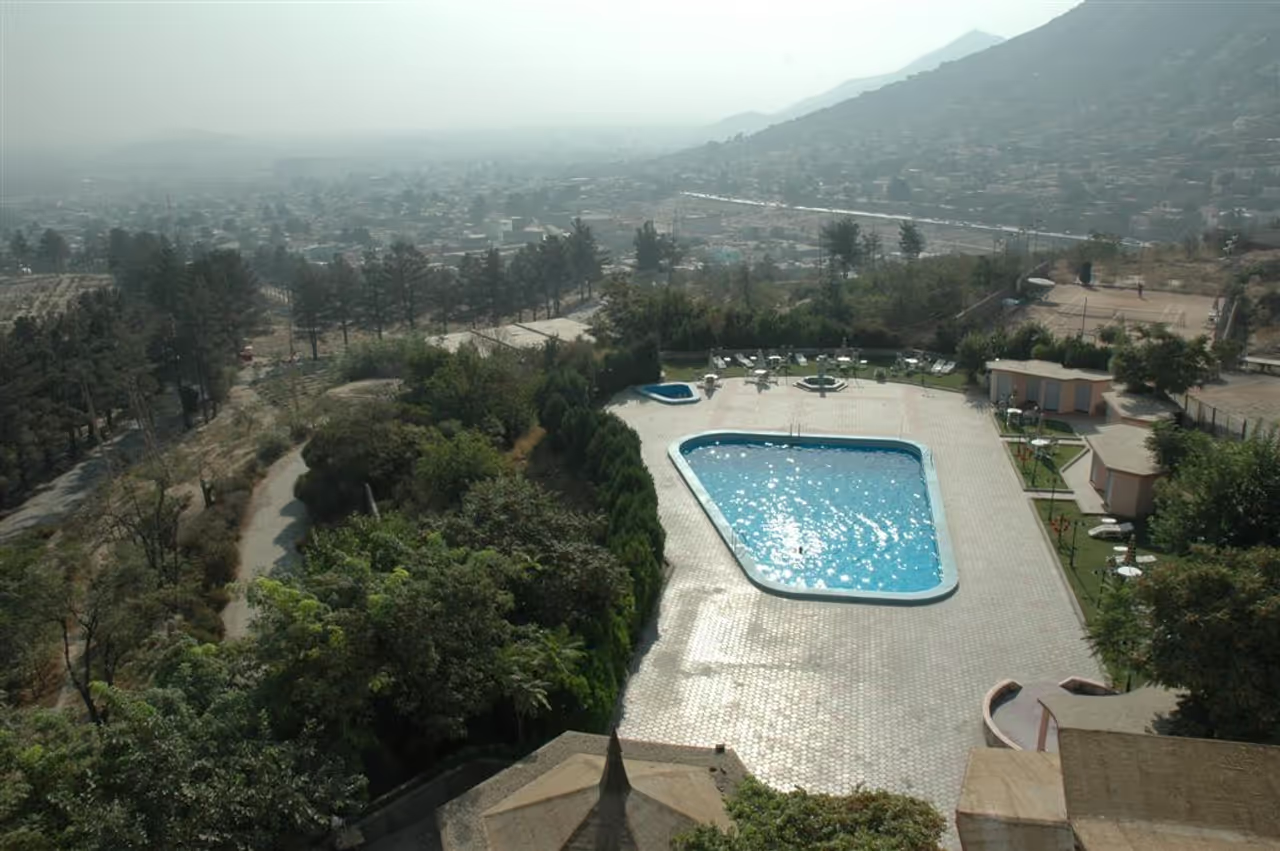
Set on a prominent hill in the northwestern part of the city, this stroll combines fresh mountain air with late 19th-century history. The path winds through a large public park characterised by mature trees and commanding views of the sprawling valley below. At the crest sits a beautiful domed palace built as a summer retreat for Emir Abdur Rahman. It is a wonderfully airy and open environment that feels detached from the heavy traffic of the lower streets.
Architecture & Landmarks
Sakhi Shrine
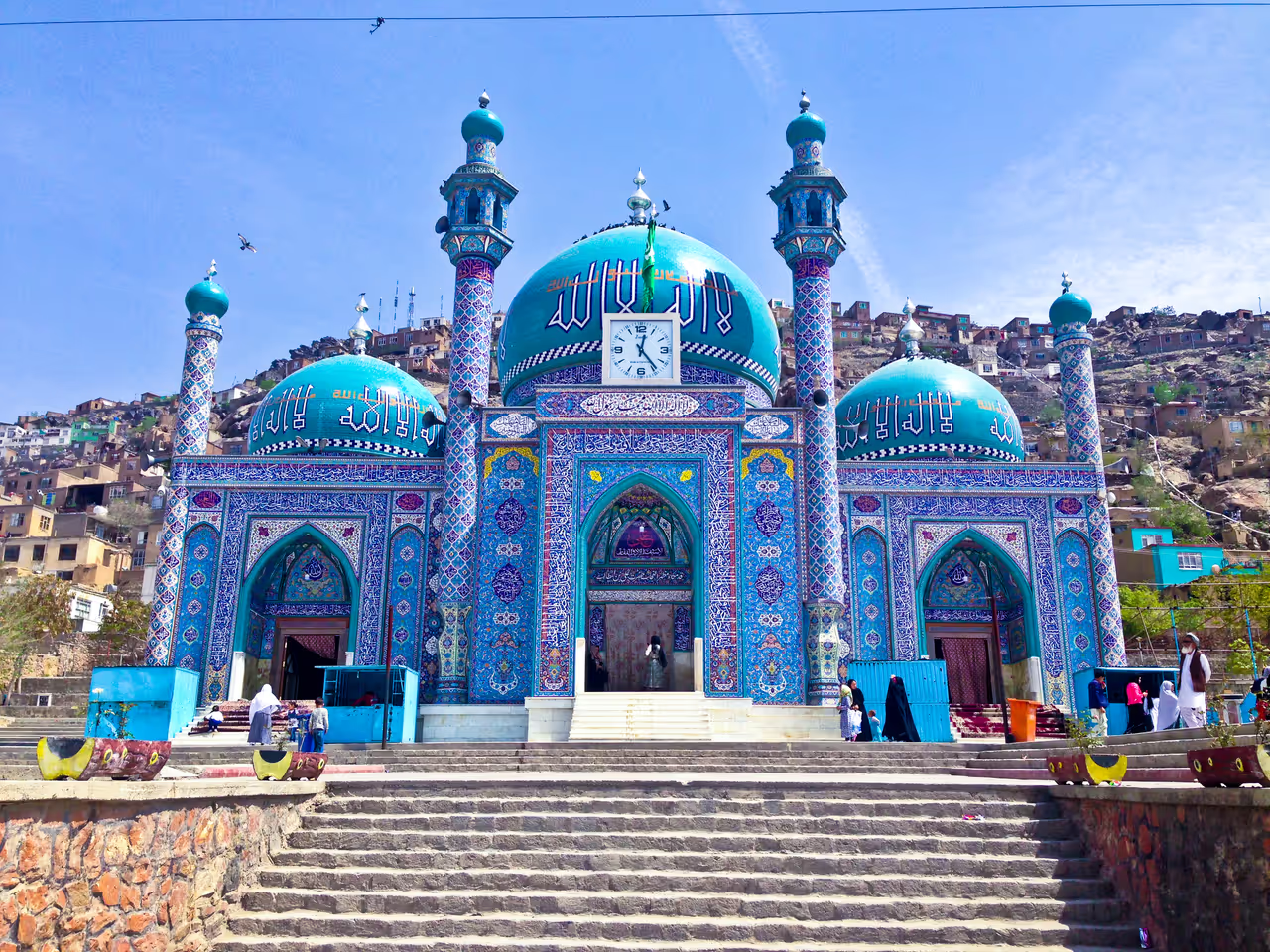
Nestled at the base of the Asamai mountain, the Sakhi Shrine is a dazzling complex dominated by its brilliant blue domes and...
viewTajbeg Palace
Perched dramatically on a hill overlooking the western districts, the Tajbeg Palace is a masterpiece of early 20th-century...
view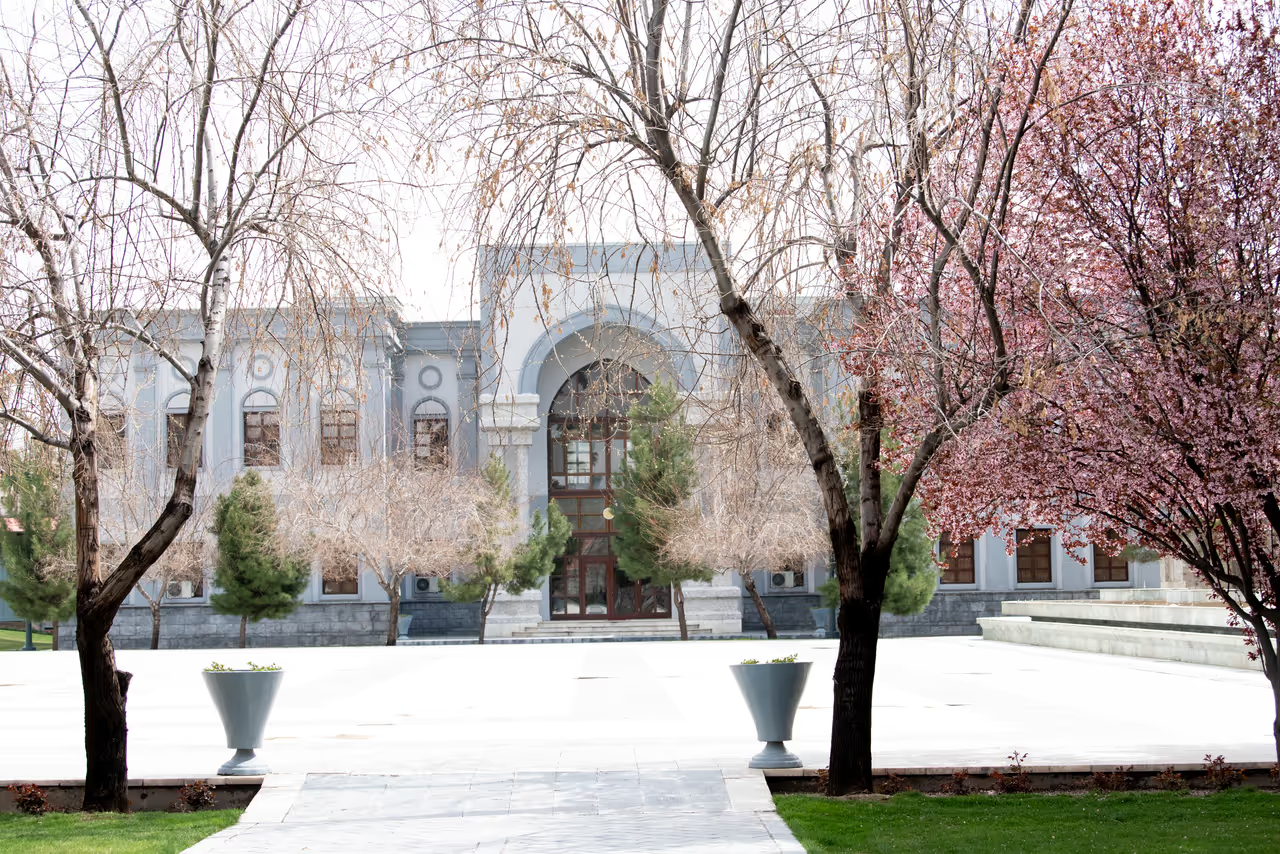
Arg
Built in 1880 by Emir Abdur Rahman Khan after the British destroyed the original Bala Hissar, the Arg serves as the heavily...
viewMausoleum of Timur Shah
This imposing octagonal brick structure houses the remains of Timur Shah Durrani, the ruler who officially moved the capital of...
view
Markets & Shopping
Kabul Nightlife
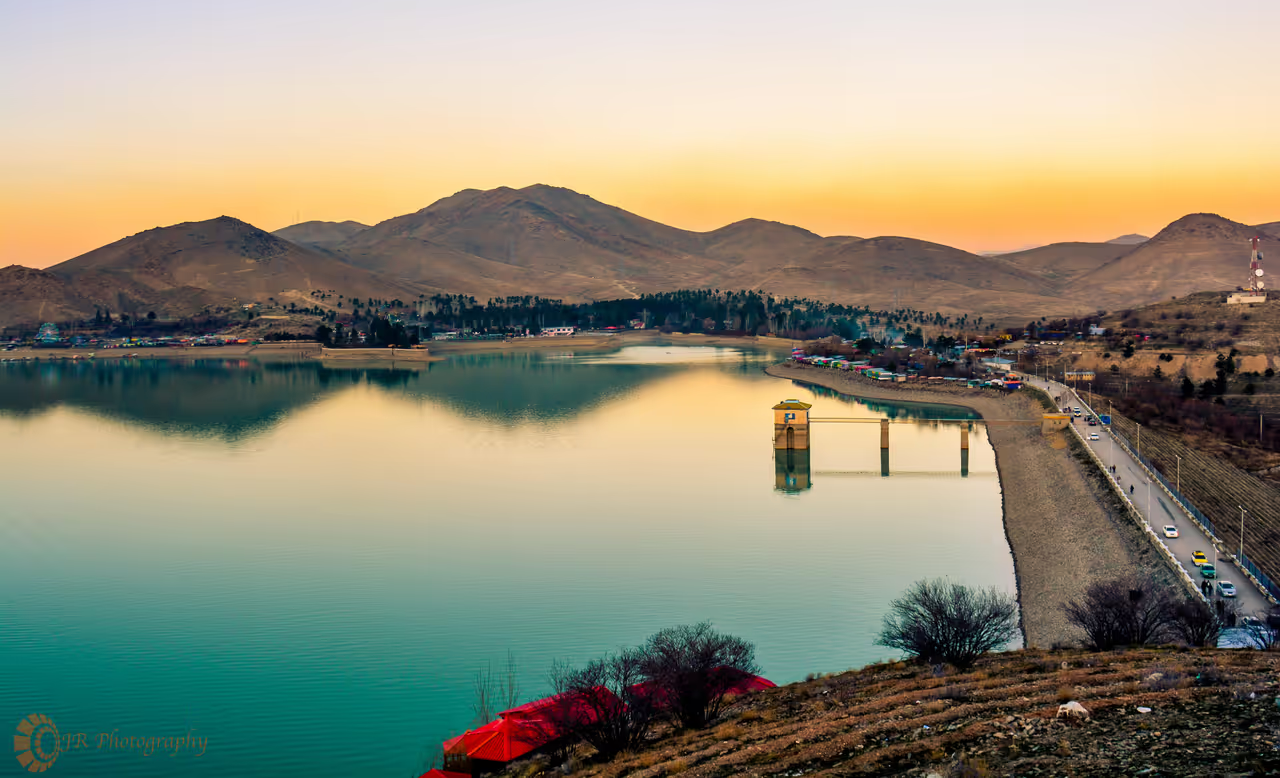
Photo Spots
Activities & Experiences
Cycling Routes
Qargha Reservoir Bike Loop
This ride takes you around the edges of Kabul's most famous lake, providing a refreshing escape from the urban dust. The relatively flat path hugs the water, offering continuous views of the surrounding hills and the sparkling reservoir. It is a popular weekend route for locals looking to enjoy nature and grab a bite at the waterside stalls. The gentle pace makes it accessible and highly enjoyable for a relaxing afternoon.
- HIGHLY RECOMMENDED
Darul Aman Boulevard Ride
Cycling down this grand, wide avenue provides a direct path through some of the city's most significant monumental architecture. Originally designed in the 1920s to connect the old city with a planned modern capital, the road is lined with towering trees and historical buildings. The route is relatively straightforward, allowing you to absorb the majestic scale of the palaces and government ministries. It feels like riding through a physical timeline of the country's ambitious 20th-century development.
Old City Perimeter Ride
This route traces the historic boundaries of the ancient city, weaving between the foothills and the dense urban core. You will ride past the remnants of old fortresses and grand historical mosques that have anchored the community for centuries. The path offers a stark contrast between the rugged mountains and the vibrant, crowded streets below. It is an excellent way to grasp the geographical layout that made this valley such a strategic stronghold.
Self-Guided Tours
Historic Mosques Route
Discover the spiritual heart of the city by visiting its most significant and architecturally unique Islamic sites. This tour highlights the diverse styles of religious architecture that have evolved in the valley, from traditional brick structures to surprising Italian Baroque designs. You will witness the deep, enduring devotion of the local population and the central role these buildings play in community life. It provides a peaceful, contemplative journey through the city's core.
- HIGHLY RECOMMENDED
Old City Bazaar Trail
Dive into the sensory overload of Kabul's most historic and energetic trading districts. This route takes you through narrow, winding alleys filled with the scent of spices, the sound of haggling, and the vivid colours of traditional textiles. You will encounter hidden historical gems nestled right in the middle of chaotic marketplaces. It is an unfiltered, authentic immersion into the daily economic and social life of the capital's oldest neighbourhoods.
- HIGHLY RECOMMENDED
Royal Palaces Tour
This narrative journey connects the grand architectural ambitions of Afghanistan's past rulers. You will explore a series of majestic palaces built between the 19th and early 20th centuries, each reflecting different eras of political vision and foreign influence. From European neoclassical designs to fortified traditional citadels, these structures tell the story of a nation constantly trying to modernise while protecting its sovereignty. It is a visually stunning exploration of power, ambition, and architectural endurance.
Annual Festivals & Events
 HIGHLY RECOMMENDED
Festival of Breaking the Fast
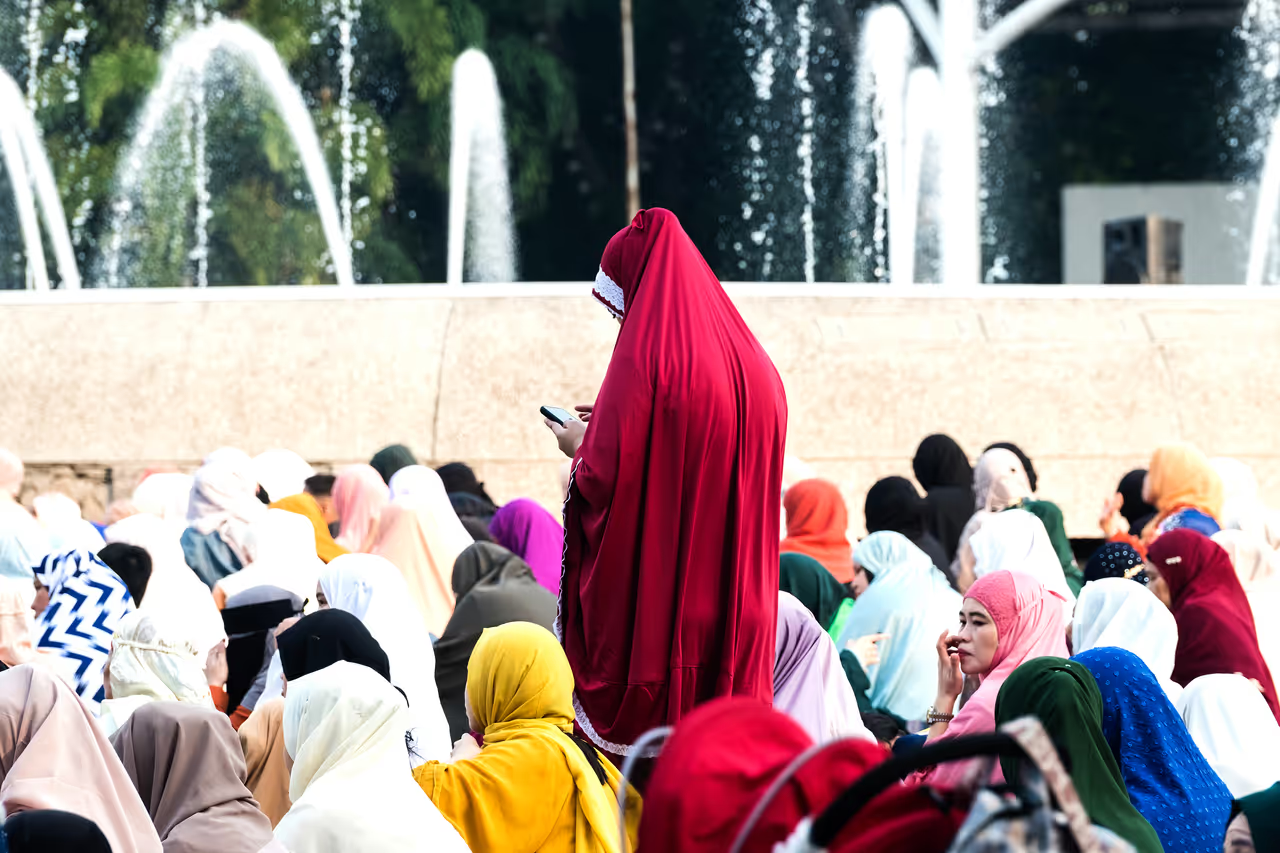
This significant religious holiday marks the end of the holy month of Ramazan, bringing a joyous atmosphere to the entire city. Locals dress in their finest traditional clothing and gather for large communal prayers at major mosques like Eidgah. Families visit each other to share elaborate feasts, sweets, and gifts, making it a wonderful time to witness Afghan hospitality at its peak. The streets fill with vendors selling colourful treats and festive goods.
- HIGHLY RECOMMENDED
Nowruz Spring Festival
Nowruz marks the Persian New Year and the first day of spring, representing a time of renewal and hope. Families traditionally gather to prepare special meals like Haft Mewa, a sweet compote made from seven dried fruits and nuts. Many residents head to the hillsides or the Sakhi Shrine to celebrate the warming weather and the blooming of local flowers. It is a deeply cultural event that highlights the region's enduring connections to ancient traditions.
Ashura Commemoration
Ashura is a solemn day of mourning observed primarily by the Shia Muslim community, heavily concentrated in the Dashte Barchi neighbourhood. It commemorates the martyrdom of Husayn ibn Ali, the grandson of the Prophet Muhammad, at the Battle of Karbala. The streets are draped in black banners, and profound processions of mourners engage in traditional chest-beating rituals. It is an incredibly moving and intense cultural experience that showcases deep religious devotion.
Insider Tips
Dress very conservatively; women must wear full-body coverings like a burqa or chador, while men should stick to long trousers and modest shirts.
Always ask permission before photographing local people, and strictly avoid taking pictures of military checkpoints or government buildings.
Carry crisp, unblemished US dollars to exchange for Afghanis, as money changers on the street will often reject torn or old notes.
When taking a yellow taxi, agree on the fare before getting in, as meters are non-existent and prices can fluctuate.
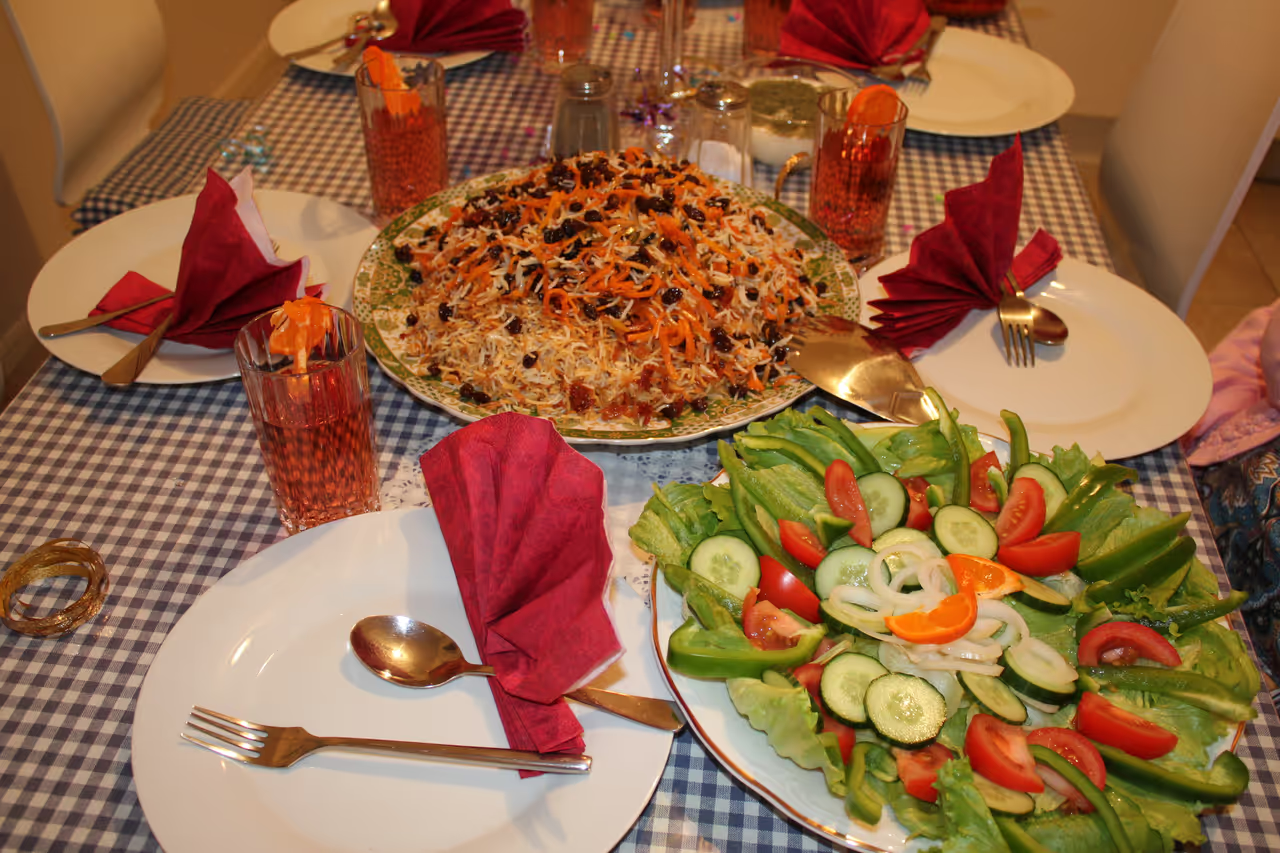
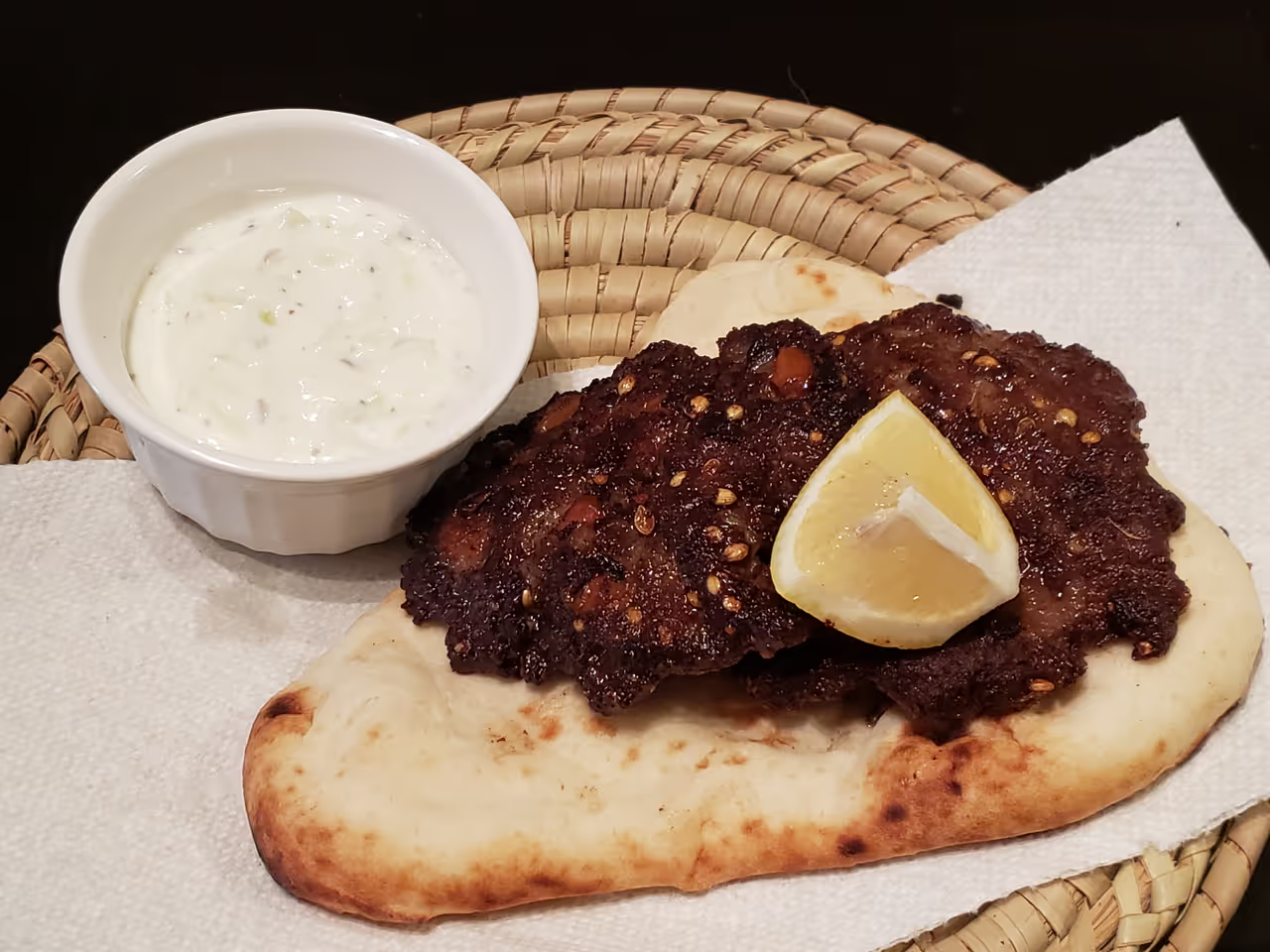
Be cautious with street food hygiene during the hot summer months; stick to freshly cooked, piping hot items like bolani or kebabs.
Avoid walking around the city after dark, even in central areas; arrange trusted transport if you need to travel in the evening.
PERFECT FOR
Kabul holds a deep appeal for adventurous travellers, dedicated history enthusiasts, and those interested in geopolitical realities. Visitors seeking to understand a complex cultural tapestry will find the city's ancient shrines and mountain vistas incredibly rewarding. It is ideally suited for culturally respectful explorers who value authentic local interactions over polished tourist amenities.
VIBE
Kabul carries an intense and resilient energy where ancient history meets modern realities on every street corner. You will find a profound sense of hospitality among the locals who are eager to share their rich heritage over a cup of green tea. The atmosphere is a complex mix of rugged mountainous beauty and a gritty urban landscape shaped by decades of profound change.
Frequently Asked Questions about Kabul
While we strive to keep this information accurate and up to date, we recommend verifying any details independently before making decisions based on them.