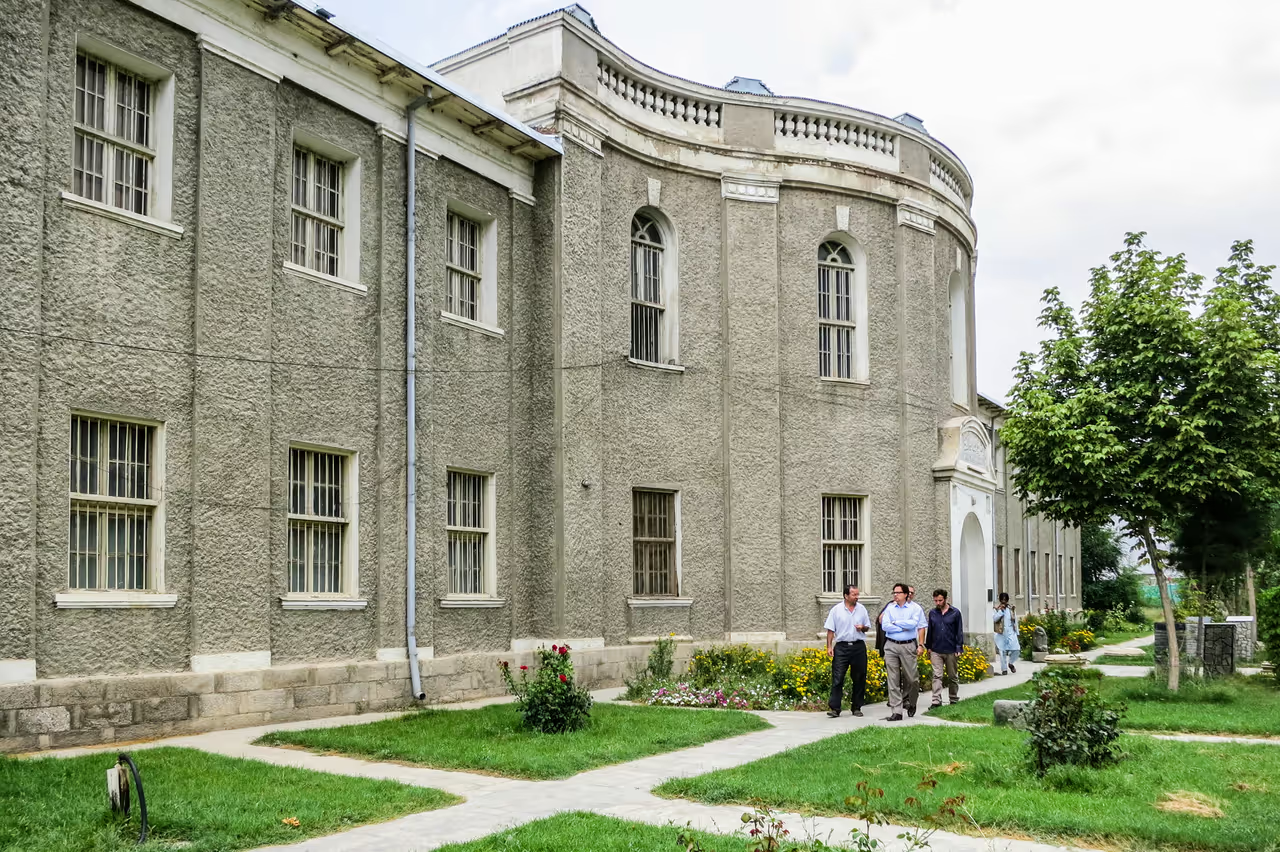
National Museum of Afghanistan
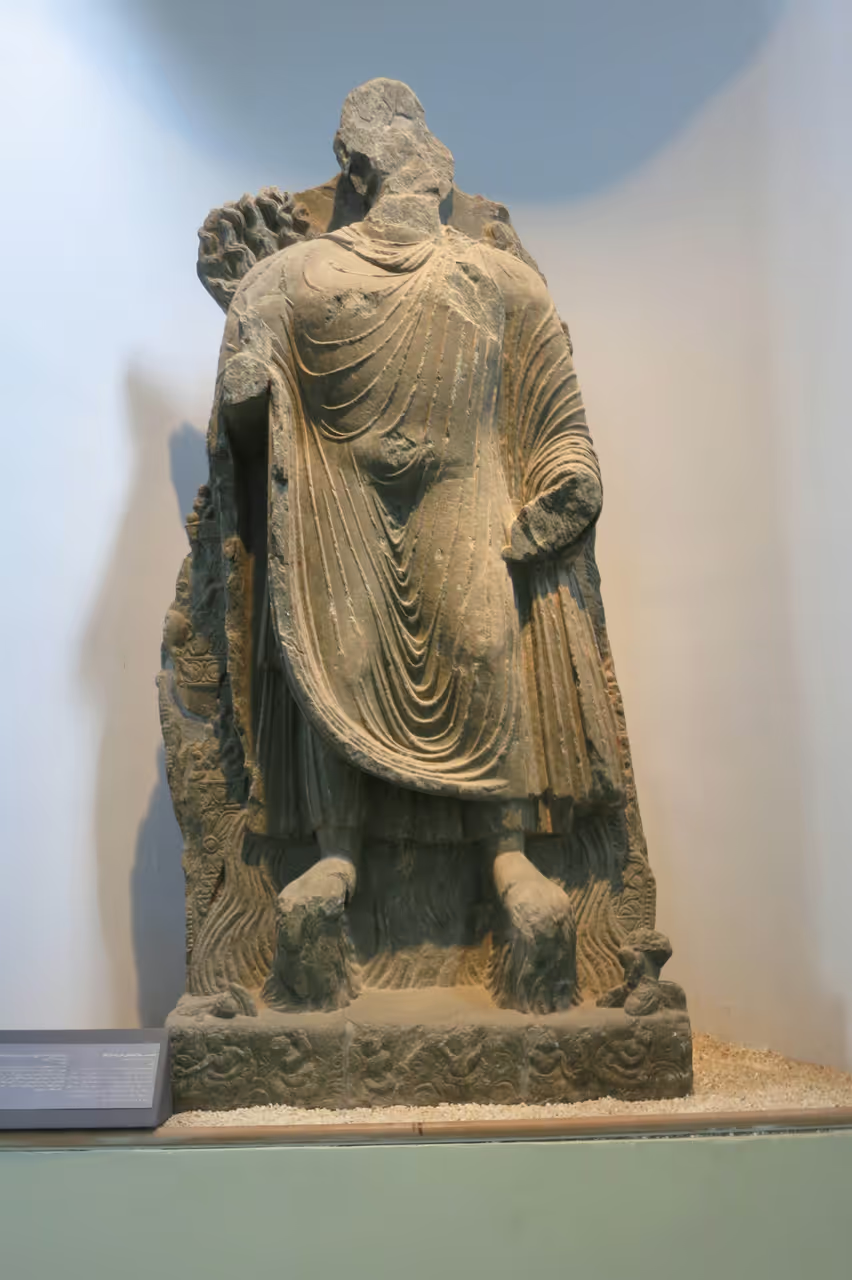
The National Museum of Afghanistan stands as a testament to the nation's profound history and enduring spirit. Once regarded as one of the world's finest collections, it houses thousands of years of human heritage ranging from ancient Buddhist relics to intricate Islamic art. Visitors can explore the layers of the Silk Road through unique artefacts that reveal the story of a crossroads of civilisations. Despite a turbulent past, the museum has emerged as a resilient beacon of culture, painstakingly recovering and restoring precious items for the future. It offers a rare window into the artistic and archaeological richness that has shaped this region for millennia.
Videos
History of National Museum of Afghanistan
The story of the National Museum of Afghanistan is one of resilience and the deep human desire to protect identity in the face of chaos. Established in the early twentieth century, the institution was intended to showcase the vast archaeological wealth of a land that served as a bridge between the East and West. It quickly became a premiere destination for scholars and history enthusiasts alike, housing tens of thousands of items that spanned from ancient Buddhist sculptures to the intricate metalwork of Islamic dynasties. It was a place where one could truly trace the footsteps of the Silk Road. The institution was a living record of the diverse civilisations that had left their mark on the Afghan landscape. However, the closing decades of the century brought dark clouds over the country. With the onset of civil war in the 1990s, the museum found itself on the front lines of conflict. Looting and rocket attacks ravaged the collections, and the building was largely destroyed. It was a time of immense fear for the staff, who watched as their life's work was threatened by fire and theft. In a move that remains a legendary tale of bravery, many employees risked their own safety to categorise, pack, and hide artefacts. They were the silent guardians of history, ensuring that some of the most precious treasures, such as the Bactrian Gold, remained hidden in secret vaults until the dust settled. The post war era has been a dedicated mission of recovery. Through the persistent efforts of dedicated curators and the support of the international community, thousands of stolen artefacts have been returned from abroad. Each piece that returns to the museum feels like a victory, a small restoration of a broken narrative. Today, the museum stands as a beacon of continuity. While the journey of restoration is ongoing and the future of such institutions always holds uncertainty, the presence of these ancient treasures is a powerful reminder that history survives even the most difficult times.
Events spanning 93 years
Fun Facts
- • Archaeological finds from the city of Bagram, including delicate glassware, are among the most celebrated treasures on display.
- • During the civil war in the 1990s, courageous staff members worked to inventory and hide thousands of artefacts to save them from looting.
- • Many of the recovered items have come back to Afghanistan through the support of international organisations like UNESCO and Interpol.
- • The collection features items from the Roman Empire and China, highlighting Afghanistan's historic role as a hub on the Silk Road.
- • The famous Bactrian Gold, a collection of thousands of golden objects, survived the war because it was hidden in a secret bank vault and not discovered until years later.
- • The museum building has undergone extensive renovations to repair damage from rocket fire and neglect.
- • The museum houses the Rabatak Inscription, which provides crucial information about the genealogy of the Kushan kings.
- • The museum previously operated a mobile project that used 3D replicas to bring Afghan history to schoolchildren across the country.
- • The museum started its life as a modest collection of items known as a cabinet of curiosities before expanding into the national repository.
- • There are rare Islamic art pieces from the Ghaznavid and Timurid periods stored within the galleries.
RESOURCES
Official WebsiteNational Museum of Afghanistan FAQ
While we strive to keep this information accurate and up to date, we recommend verifying any details independently before making decisions based on them.
National Museum of Afghanistan Map & Neighborhood Explorer
This interactive map is centered on National Museum of Afghanistan. Zoom in and move the map around to automatically discover Wikipedia photos and summaries of other nearby sights, monuments, and historical points of interest and stories in real-time!
Places near National Museum of Afghanistan
Make the most of your trip. Check out these top-rated spots located nearby.
 1070m
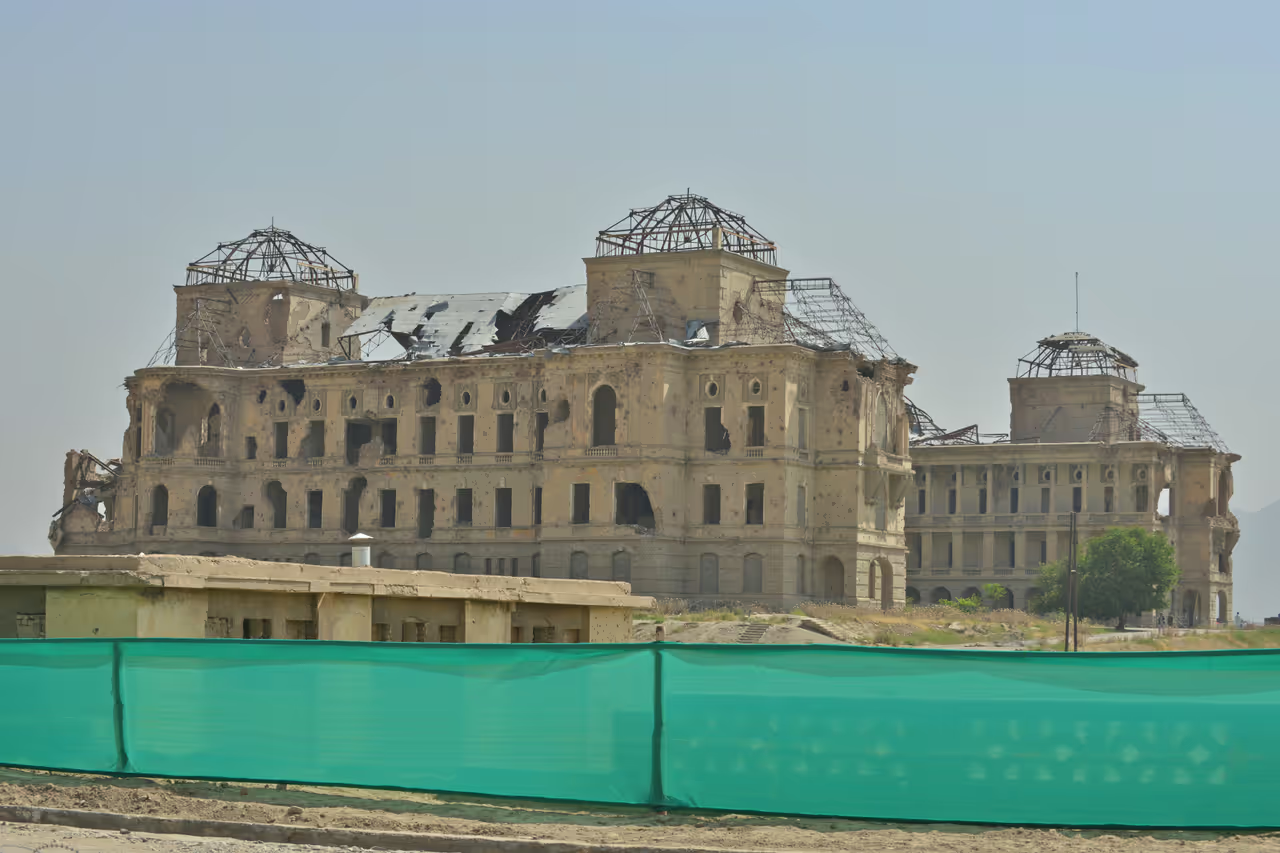
1070mDarul Aman Palace
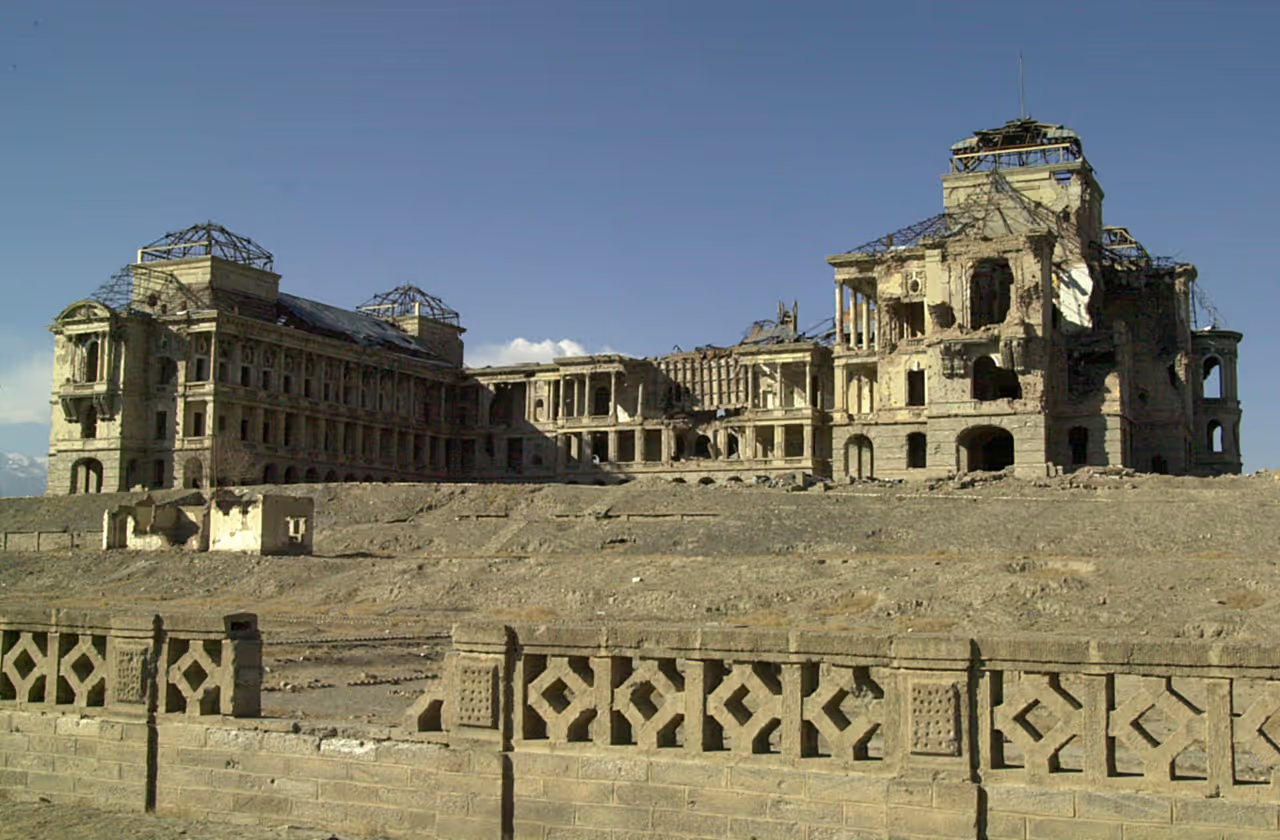
Standing as a powerful symbol of resilience, the Darul Aman Palace offers visitors a striking journey through the complex history of Afghanistan. This neoclassical masterpiece, perched on a hill, reflects a vision of a modern Kabul that once blossomed in the 1920s before enduring decades of conflict. Today, its elegant restoration serves as a testament to the nation's determination to preserve its heritage and look toward the future. You can walk through its halls to appreciate the intricate design and the ambitious spirit of its original creators. It is truly a place where the past and the present converge, offering a moving experience for anyone interested in architecture and history.
attraction view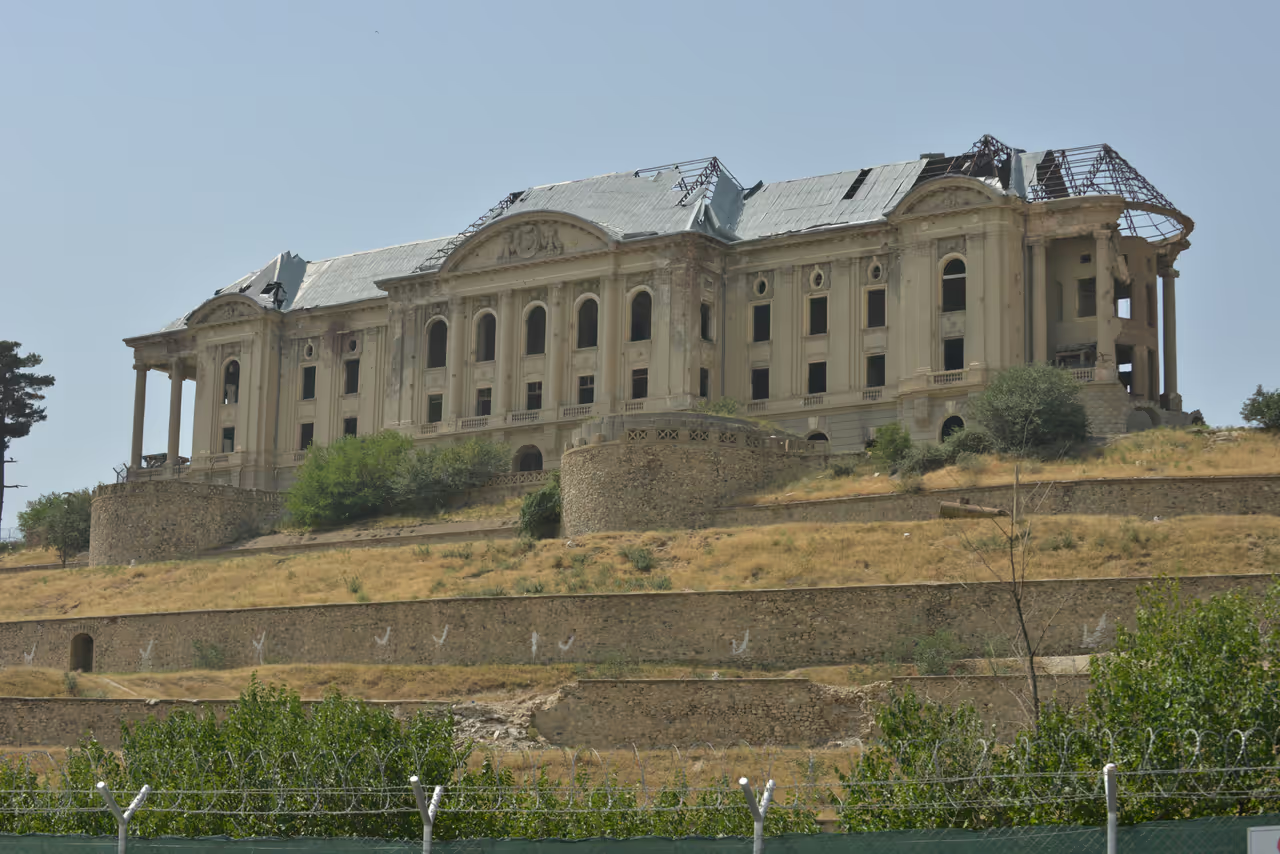 1547m
1547mTajbeg Palace
Perched dramatically on a hill overlooking the western districts, the Tajbeg Palace is a masterpiece of early 20th-century European-inspired architecture. It was built for the Afghan royal family to serve as an opulent residence away from the city centre. The building is perhaps most famous for being the site of the 1979 Soviet commando raid that initiated their military intervention. Recently, it has undergone significant restoration to repair the heavy damage it sustained during decades of conflict. The palace stands as a stark, beautiful symbol of the country's turbulent modern history.
architecture view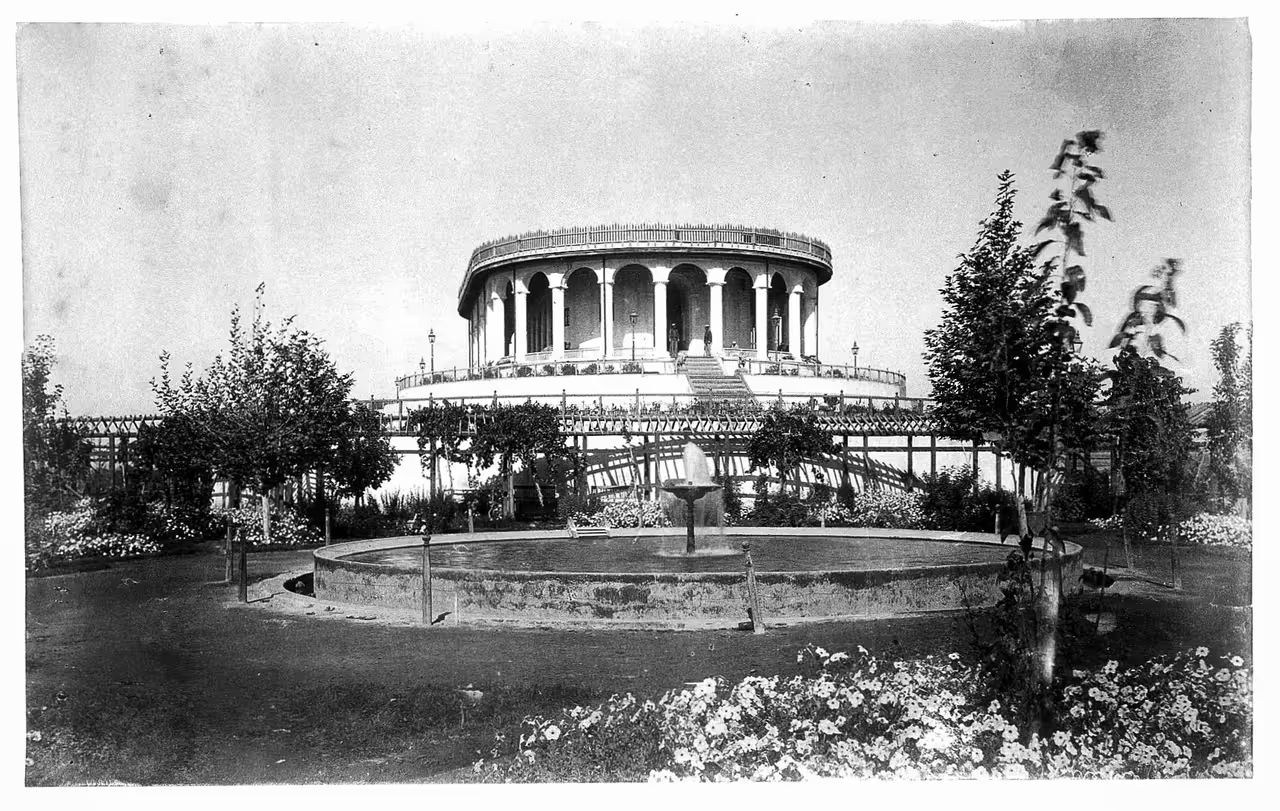 2959m
2959mChihil Sutun Palace and Gardens
Step into the serene embrace of Chihil Sutun, a historic palace and expansive garden complex that offers a peaceful escape from the vibrancy of Kabul. Once a royal residence, this site has been meticulously restored to its former glory, allowing visitors to wander through lush, walled grounds that whisper tales of the Durrani Empire and twentieth century diplomacy. The palace architecture, with its evocative name meaning Forty Columns, provides a striking focal point amidst the greenery. Whether you are strolling along the marble fountains, enjoying the shade of mature trees, or reflecting on the resilient history of Afghanistan, this park remains a beloved sanctuary for locals and a fascinating landmark for those eager to connect with the city past.
park & nature view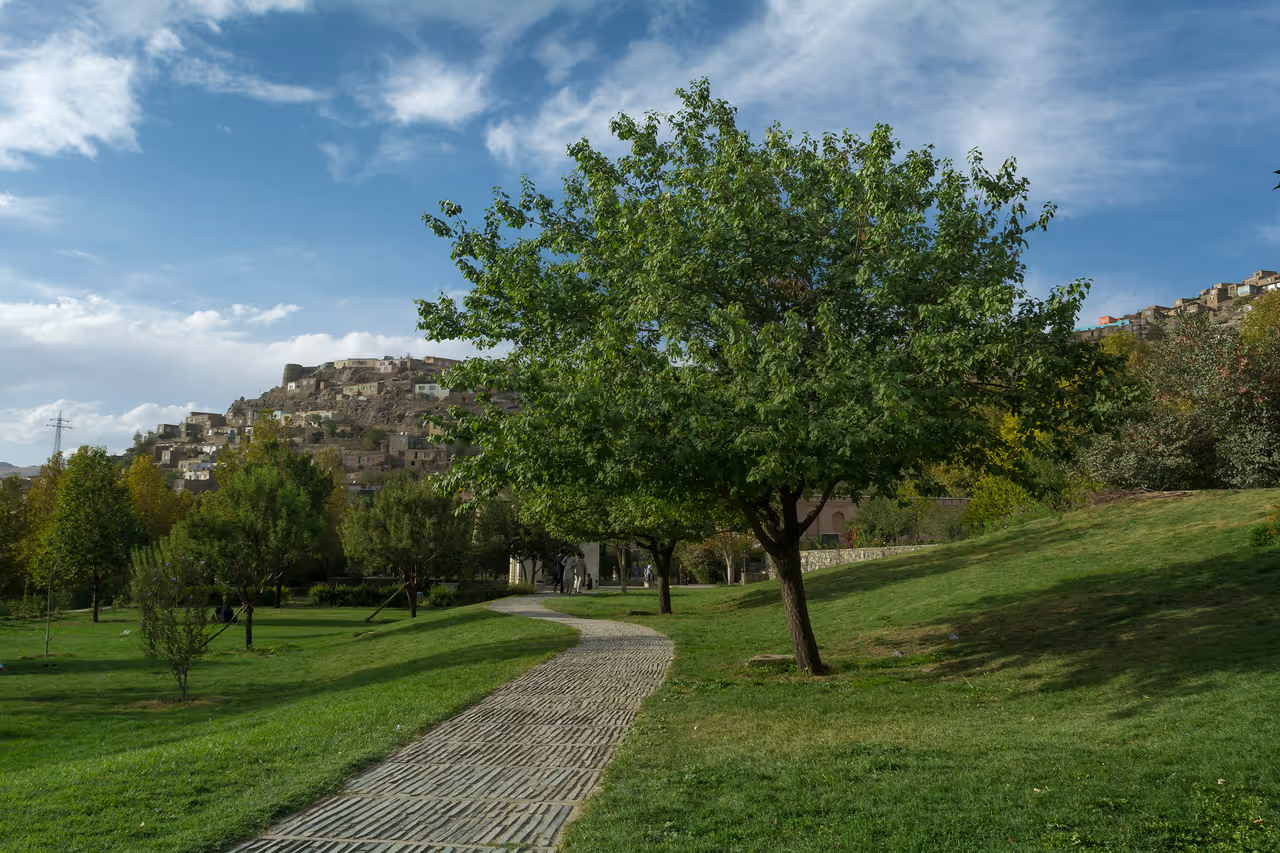 5410m
5410mGardens of Babur
Nestled against the slopes of the Sher Darwaza mountain, the Gardens of Babur serve as a peaceful sanctuary in the heart of Kabul. These historic terraced gardens offer a rare glimpse into the grandeur of the Mughal Empire, blending serene landscapes with centuries of royal history. Visitors can wander through shaded paths lined with ancient trees, admire the architecture of the marble mosque, and find respite from the city pace. It remains a cherished place where locals and travellers alike come to reflect, picnic, and connect with a significant piece of Central Asian heritage. The site embodies a delicate balance between preserving antiquity and providing a modern space for community connection.
park & nature view
Explore Similar Places in This Collection
Featured on These Itineraries and Routes
1 Day in Kabul Itinerary
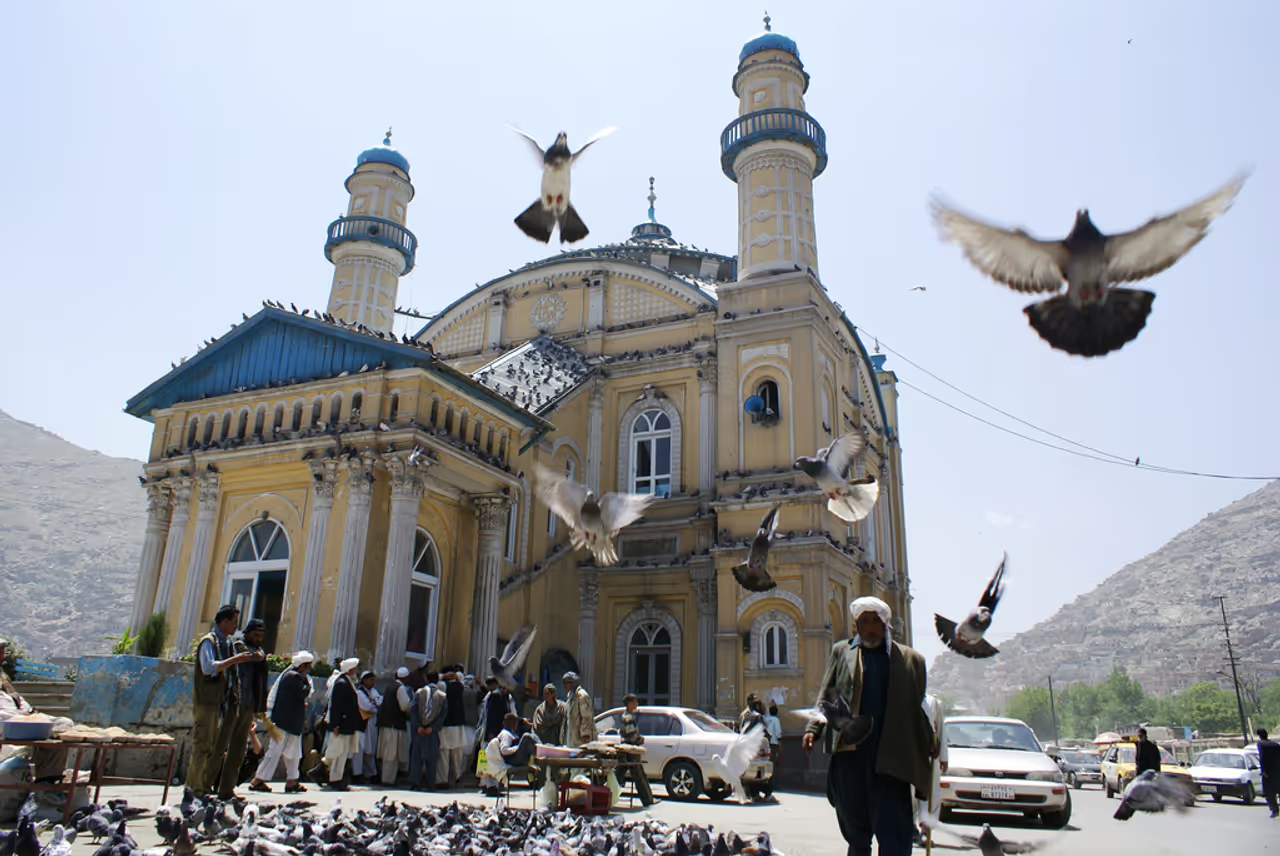
If you only have a single day in the capital, this rapid itinerary ensures you experience the absolute pinnacle of its history and beauty. You will focus entirely on the grand royal legacy in the morning and transition to the serene Mughal gardens in the afternoon. It prioritises visual impact and profound historical context, ensuring you leave with a powerful understanding of the city's resilience. This route is efficient and keeps you moving through the most iconic, secure landmarks.
view itinerary
3 Days in Kabul: Culture & Heritage Itinerary
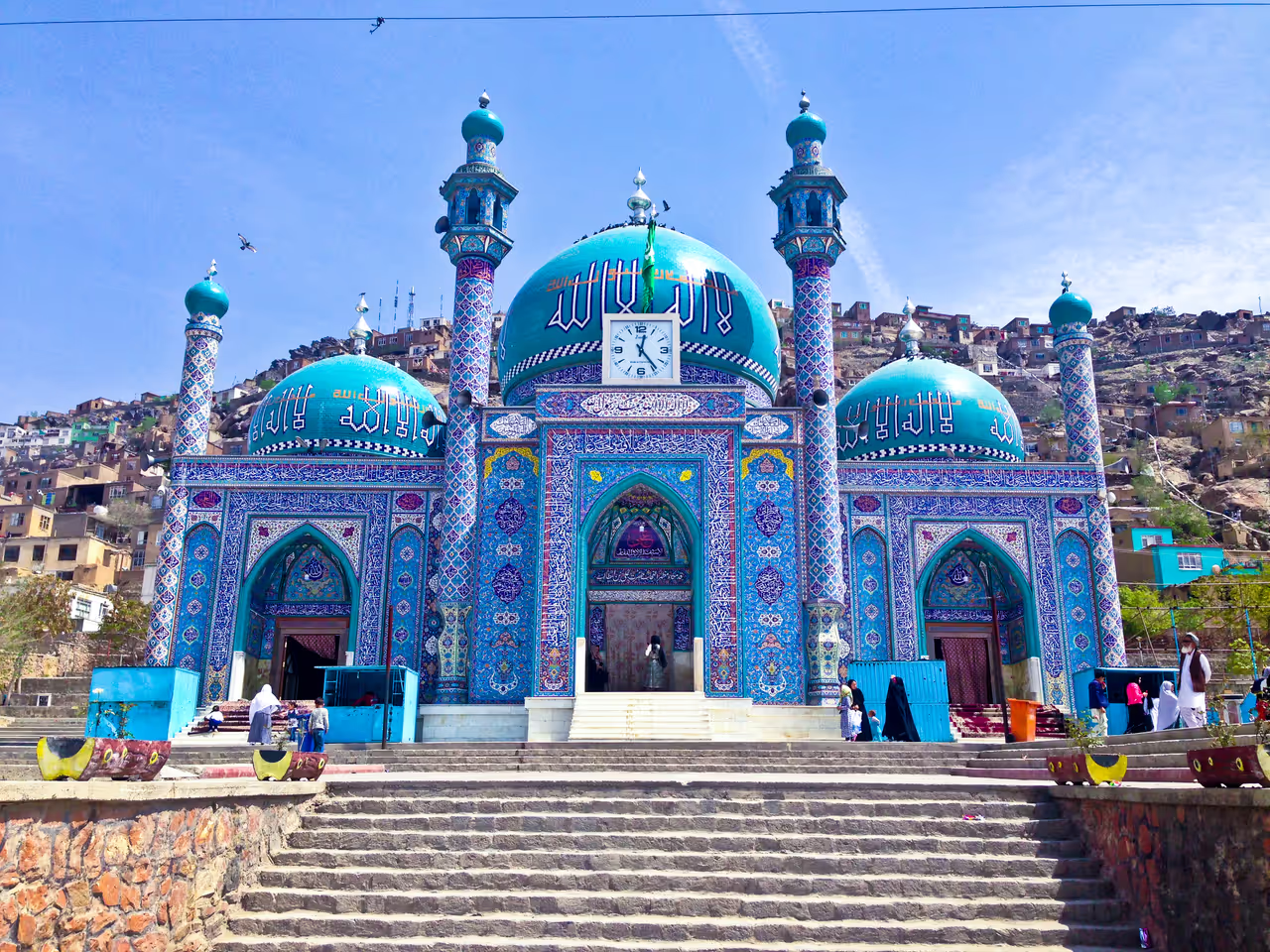
This balanced three-day journey allows you to dive significantly deeper into the contrasting facets of the city. Beyond the grand palaces, you will immerse yourself in the chaotic, authentic energy of the historic old city bazaars and spiritual shrines. It offers a perfect mix of monumental architecture, authentic local street life, and relaxing panoramic viewpoints. This timeframe allows you to appreciate the city's complex layered history without feeling overly rushed.
view itinerary
5 Days in Kabul: The Complete Explorer Itinerary
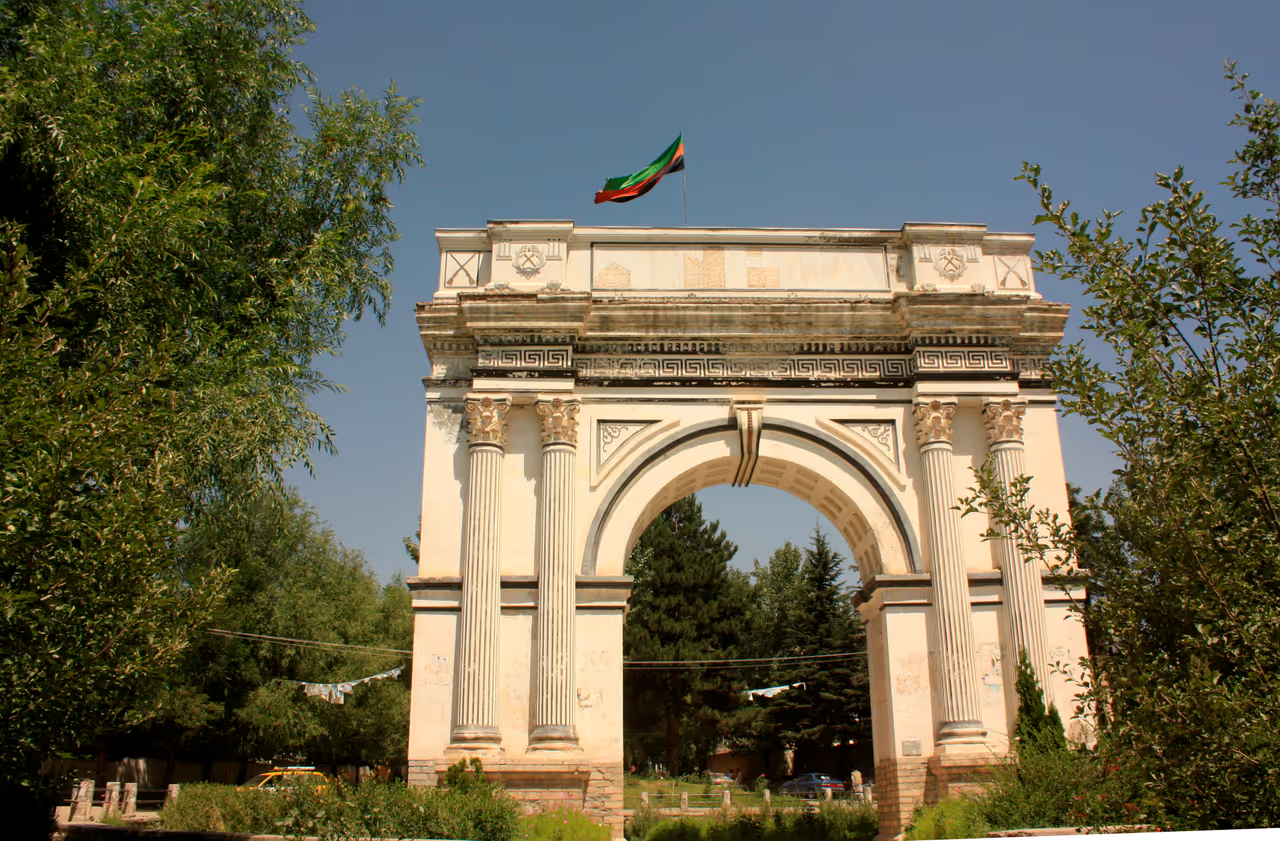
For the dedicated traveller, this five-day itinerary provides a highly comprehensive exploration of the capital and its surrounding landscapes. You will have the time to uncover moving hidden gems, hike the ancient defensive walls, and take a refreshing day trip out to the surrounding valleys. This pace allows for genuine engagement with the local culture and the flexibility to enjoy long, traditional lunches. It is the ultimate way to understand the profound depth and resilience of this mountain metropolis.
view itinerary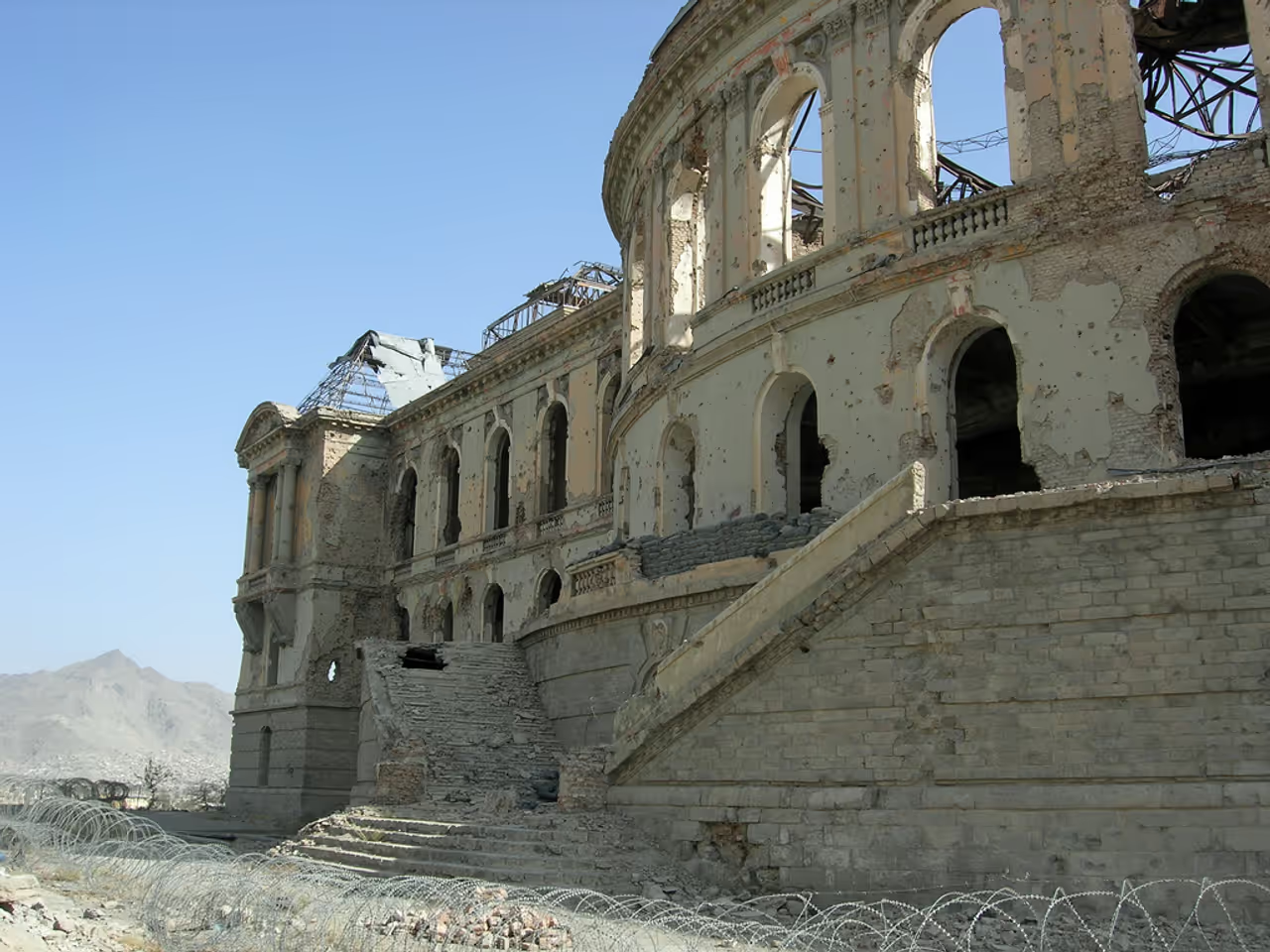
Darul Aman Boulevard Ride
Cycling down this grand, wide avenue provides a direct path through some of the city's most significant monumental architecture. Originally designed in the 1920s to connect the old city with a planned modern capital, the road is lined with towering trees and historical buildings. The route is relatively straightforward, allowing you to absorb the majestic scale of the palaces and government ministries. It feels like riding through a physical timeline of the country's ambitious 20th-century development.
view cycling route
See all attractions in Kabul
Darul Aman Palace, Shah-Do Shamshira Mosque...