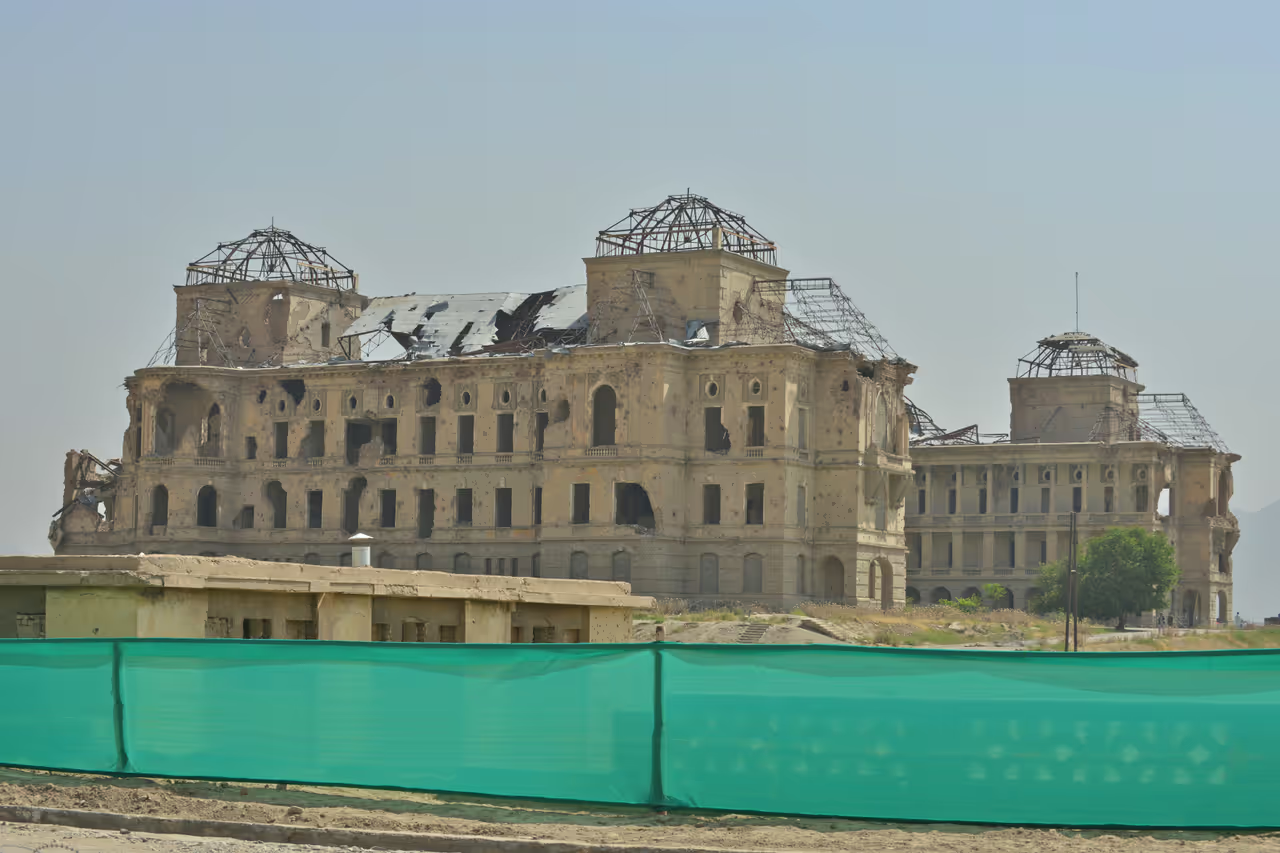
Darul Aman Palace
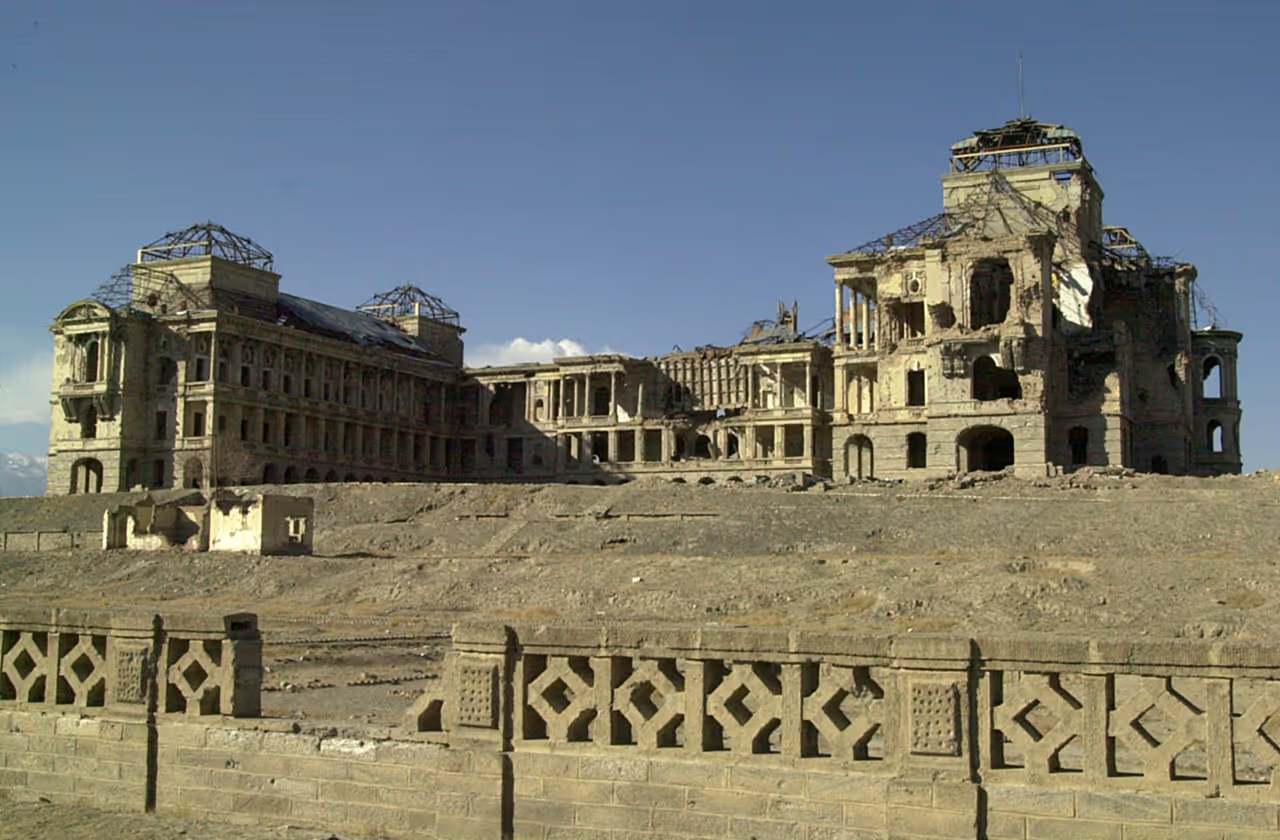
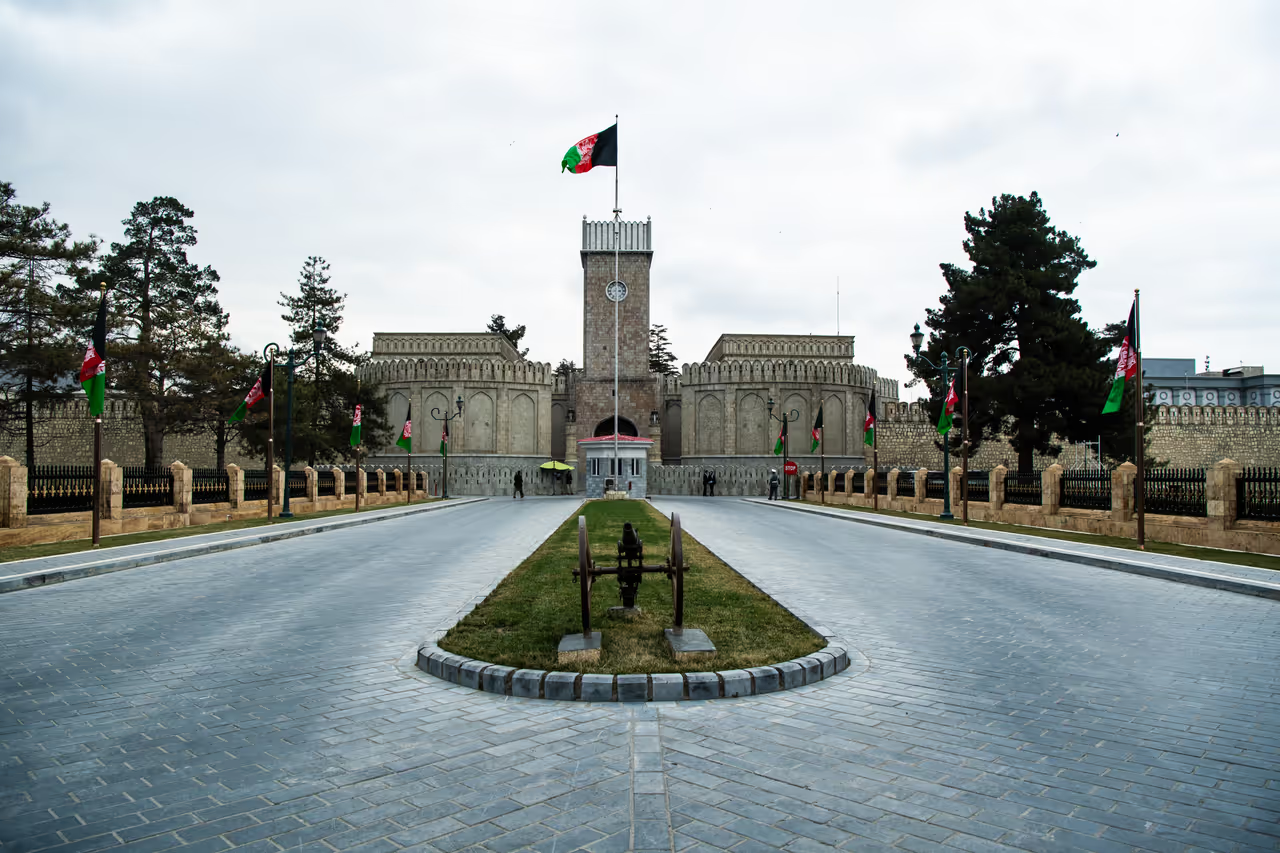
Standing as a powerful symbol of resilience, the Darul Aman Palace offers visitors a striking journey through the complex history of Afghanistan. This neoclassical masterpiece, perched on a hill, reflects a vision of a modern Kabul that once blossomed in the 1920s before enduring decades of conflict. Today, its elegant restoration serves as a testament to the nation's determination to preserve its heritage and look toward the future. You can walk through its halls to appreciate the intricate design and the ambitious spirit of its original creators. It is truly a place where the past and the present converge, offering a moving experience for anyone interested in architecture and history.
History of Darul Aman Palace
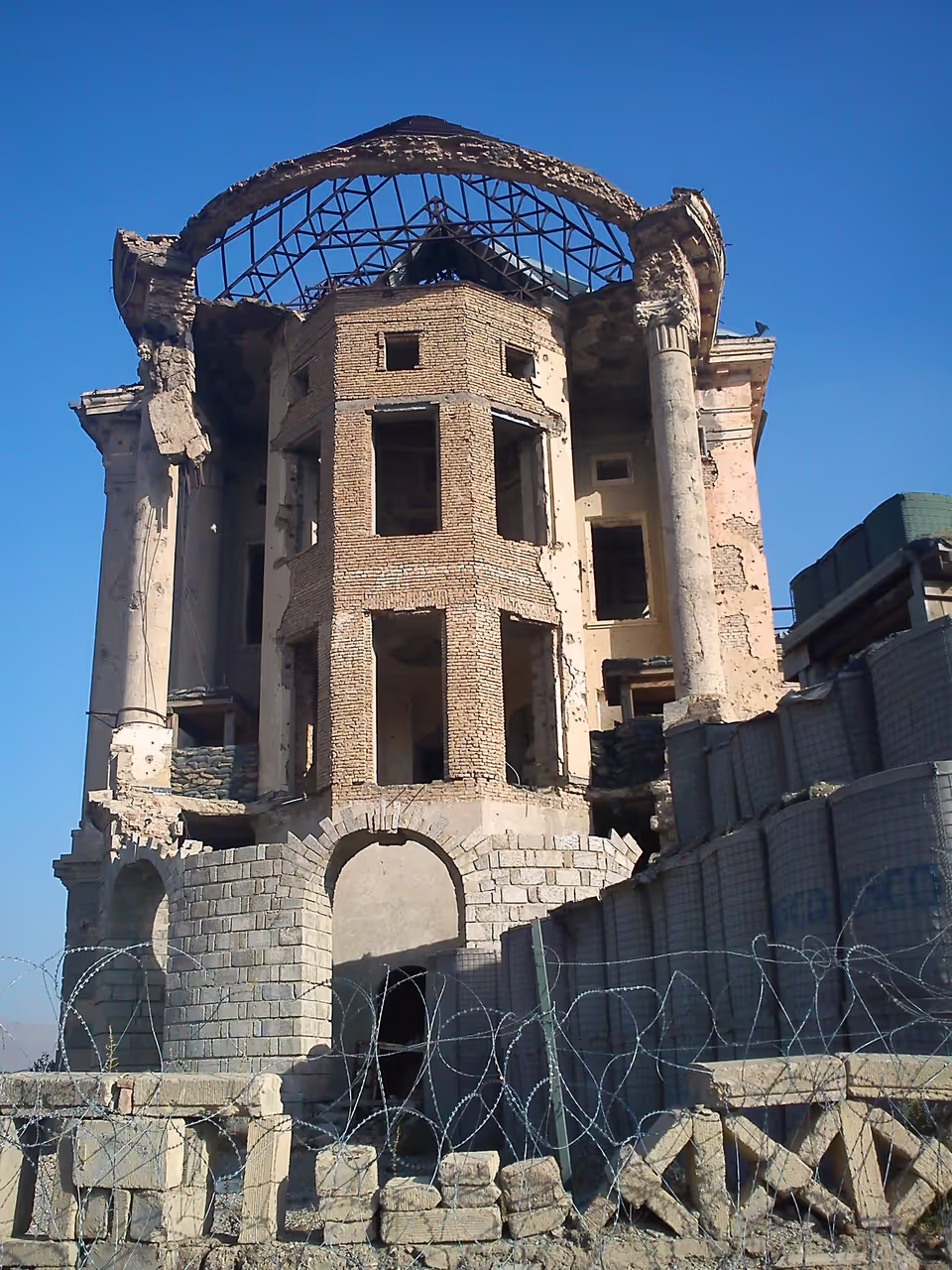
The story of Darul Aman Palace is a reflection of the national journey of Afghanistan itself. Conceived in the 1920s by the forward thinking King Amanullah Khan, the palace was meant to be the crown jewel of a new, modern capital. It represented a desire to integrate European neoclassical aesthetics with Afghan ambition. German and French architects were brought in to create a building that would feature cutting edge technology for the time, such as central heating and running water, signalling to the world that Afghanistan was ready to embrace a new era of progress. However, the path to modernisation was rarely straightforward. When the conservative uprising forced King Amanullah from power in 1929, the dream of a new capital stalled. The building was left to languish, its purpose shifting through the decades as it transitioned from a royal residence to a government ministry, a medical school, and eventually, a casualty of the turbulent civil war that engulfed the nation in the 1990s. For many years, the palace stood as a skeletal ruin, a visible scar of conflict that loomed over the landscape of Kabul. The recent restoration of the palace has transformed it into a beacon of national pride. Seeing the building meticulously rebuilt stone by stone by Afghan engineers, including a significant number of women, has provided a profound sense of closure to a long chapter of destruction. Today, the palace stands restored, as a space for reflection, events, and a future where the country honours its history while building a stable tomorrow. It invites visitors to contemplate the persistence of the Afghan people who refused to let their architectural heritage vanish.
Events spanning 95 years
Fun Facts
- • During the brutal civil war of the 1990s, the palace became a tragic target, with the royal vehicles parked inside used for target practice.
- • Following the fall of the monarchy, the grand palace served diverse roles, including a warehouse and a medical school.
- • It held the distinction of being one of the first buildings in the country equipped with modern amenities like central heating and running water.
- • It was originally envisioned as the centrepiece of a new, planned capital city separate from the old Kabul.
- • Refugees and nomadic communities once sought shelter within the ruins of the palace, highlighting its role as a refuge during difficult times.
- • Remarkably, 25 percent of the 80 engineers and architects involved in the modern restoration were women.
- • The name Darul Aman translates to Abode of Peace and serves as a clever play on words honouring King Amanullah Khan.
- • The restoration project required the removal of 600 tons of debris before reconstruction could truly begin.
- • The restoration was timed specifically to conclude in 2019 to honour the 100th anniversary of Afghanistan's independence.
- • The structure was designed by a team of twenty two German and French architects, reflecting international cooperation in the 1920s.
Darul Aman Palace FAQ
While we strive to keep this information accurate and up to date, we recommend verifying any details independently before making decisions based on them.
Darul Aman Palace Map & Neighborhood Explorer
This interactive map is centered on Darul Aman Palace. Zoom in and move the map around to automatically discover Wikipedia photos and summaries of other nearby sights, monuments, and historical points of interest and stories in real-time!
Places near Darul Aman Palace
Make the most of your trip. Check out these top-rated spots located nearby.
 1070m
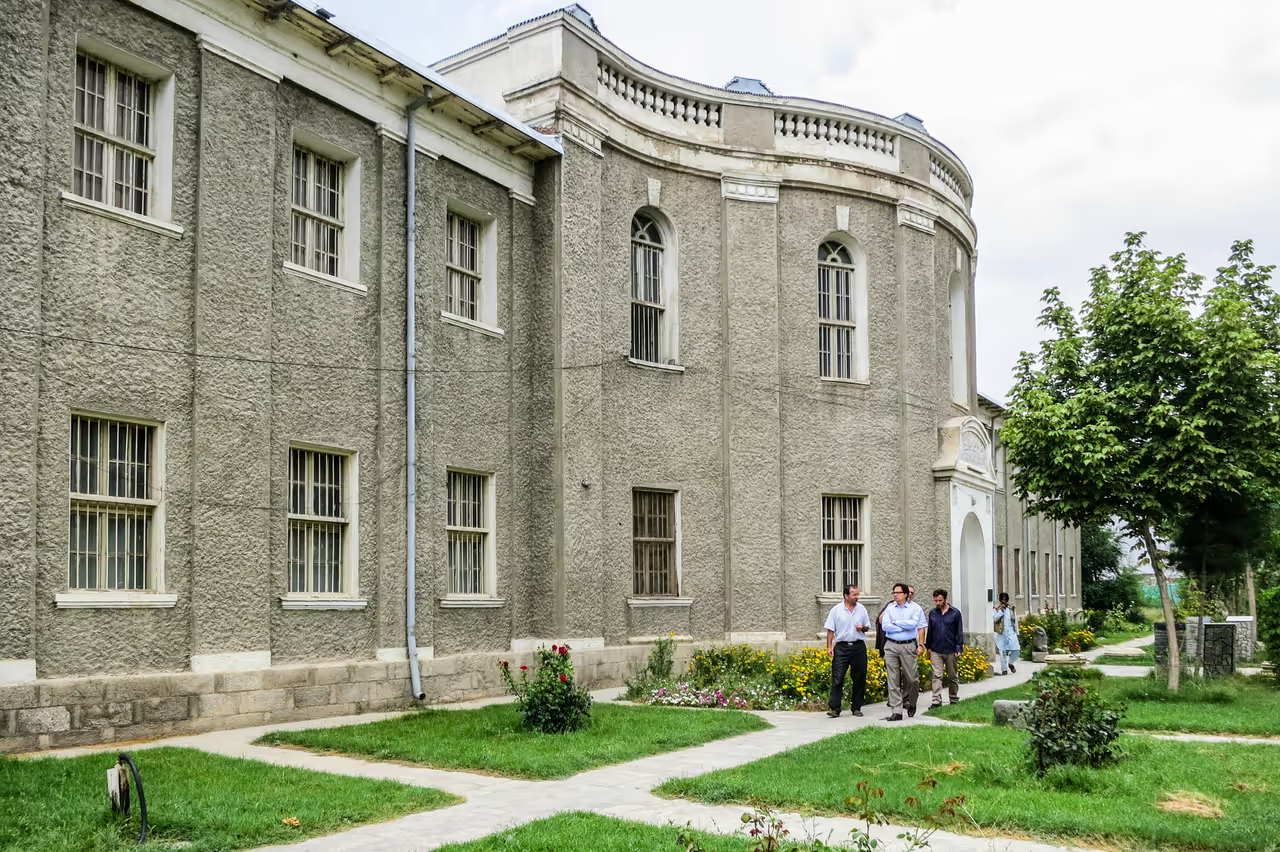
1070mNational Museum of Afghanistan
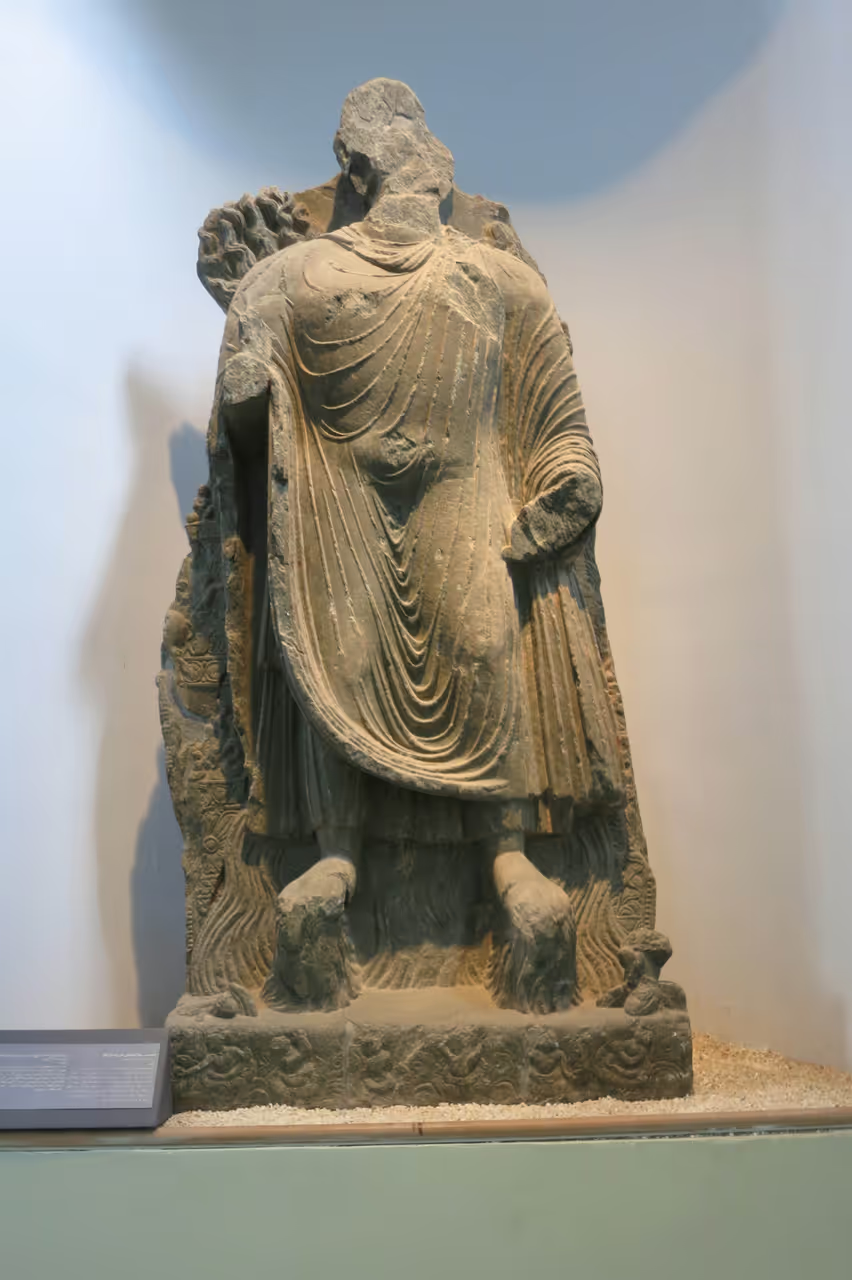
The National Museum of Afghanistan stands as a testament to the nation's profound history and enduring spirit. Once regarded as one of the world's finest collections, it houses thousands of years of human heritage ranging from ancient Buddhist relics to intricate Islamic art. Visitors can explore the layers of the Silk Road through unique artefacts that reveal the story of a crossroads of civilisations. Despite a turbulent past, the museum has emerged as a resilient beacon of culture, painstakingly recovering and restoring precious items for the future. It offers a rare window into the artistic and archaeological richness that has shaped this region for millennia.
attraction view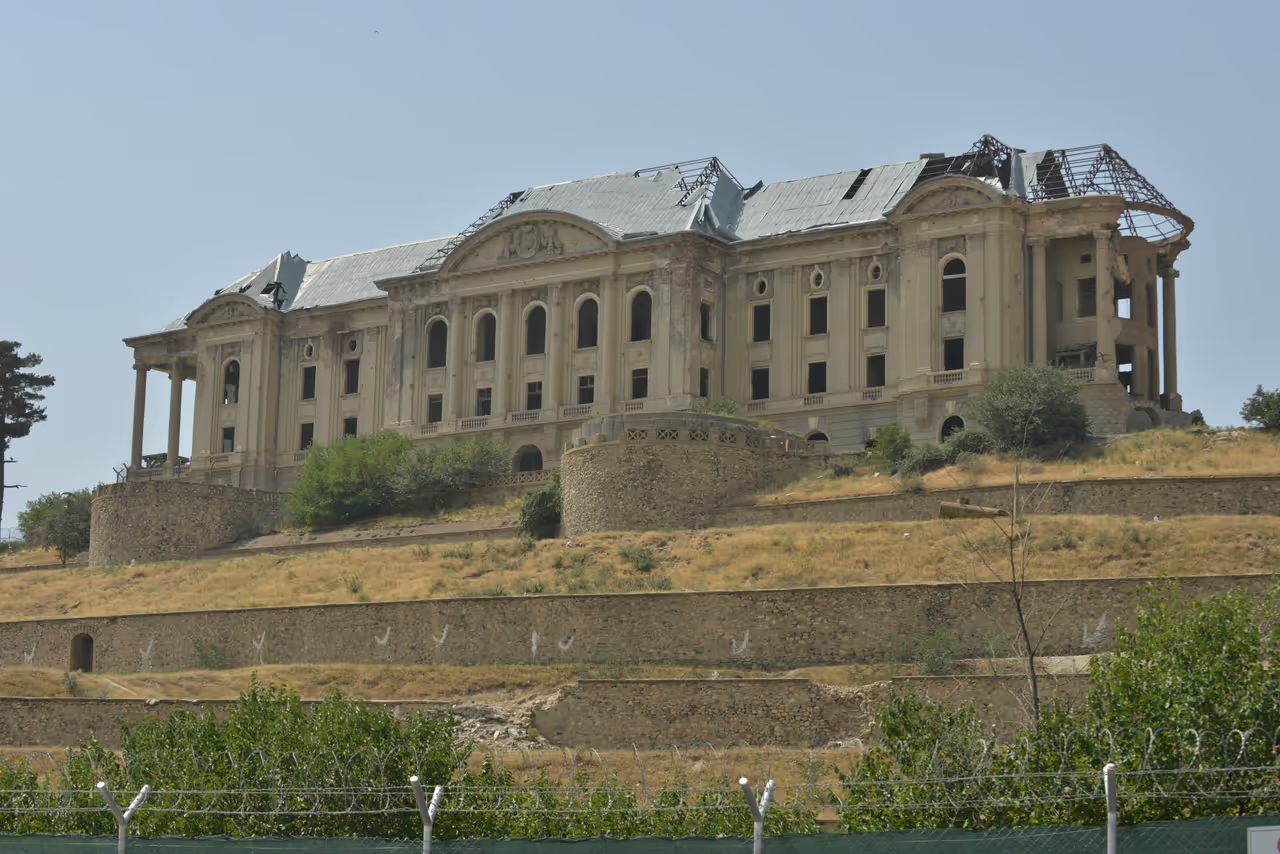 1196m
1196mTajbeg Palace
Perched dramatically on a hill overlooking the western districts, the Tajbeg Palace is a masterpiece of early 20th-century European-inspired architecture. It was built for the Afghan royal family to serve as an opulent residence away from the city centre. The building is perhaps most famous for being the site of the 1979 Soviet commando raid that initiated their military intervention. Recently, it has undergone significant restoration to repair the heavy damage it sustained during decades of conflict. The palace stands as a stark, beautiful symbol of the country's turbulent modern history.
architecture view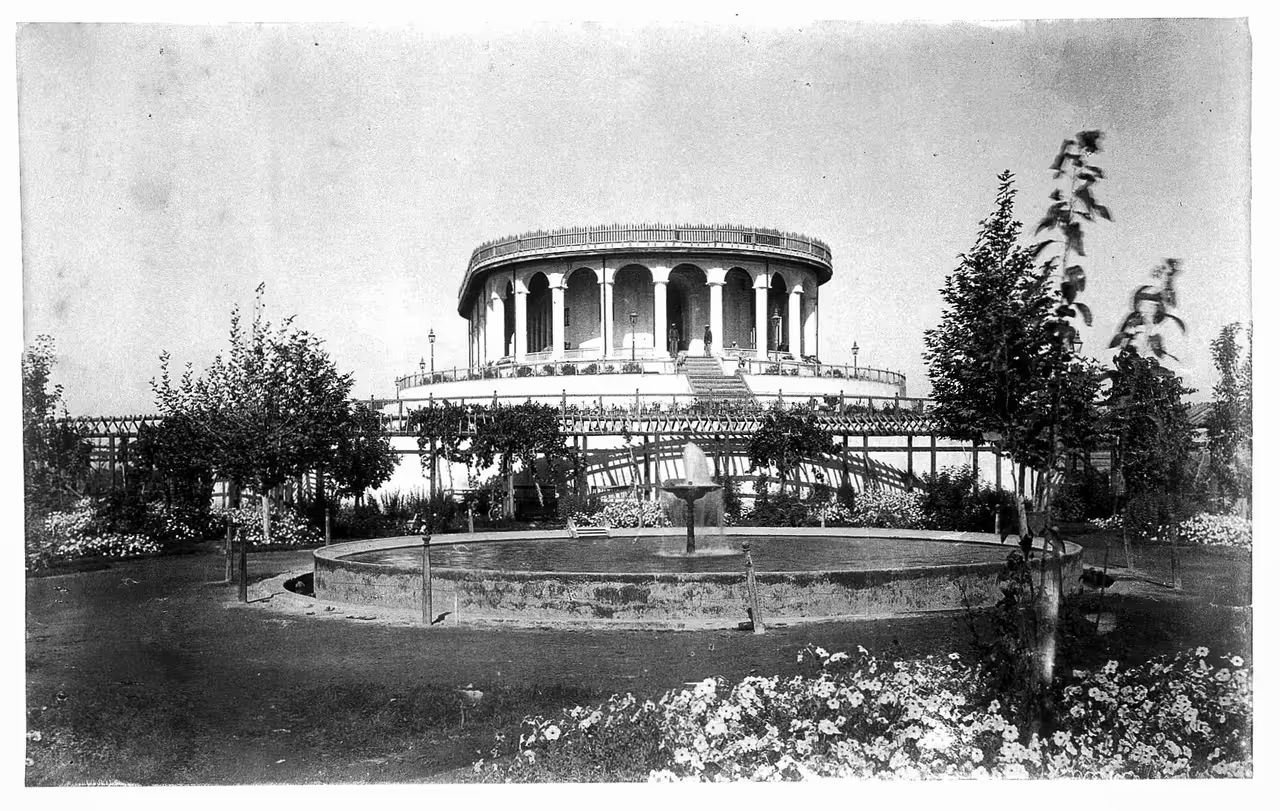 3999m
3999mChihil Sutun Palace and Gardens
Step into the serene embrace of Chihil Sutun, a historic palace and expansive garden complex that offers a peaceful escape from the vibrancy of Kabul. Once a royal residence, this site has been meticulously restored to its former glory, allowing visitors to wander through lush, walled grounds that whisper tales of the Durrani Empire and twentieth century diplomacy. The palace architecture, with its evocative name meaning Forty Columns, provides a striking focal point amidst the greenery. Whether you are strolling along the marble fountains, enjoying the shade of mature trees, or reflecting on the resilient history of Afghanistan, this park remains a beloved sanctuary for locals and a fascinating landmark for those eager to connect with the city past.
park & nature view- 5278m
Ashura Commemoration
Ashura is a solemn day of mourning observed primarily by the Shia Muslim community, heavily concentrated in the Dashte Barchi neighbourhood. It commemorates the martyrdom of Husayn ibn Ali, the grandson of the Prophet Muhammad, at the Battle of Karbala. The streets are draped in black banners, and profound processions of mourners engage in traditional chest-beating rituals. It is an incredibly moving and intense cultural experience that showcases deep religious devotion.
festival view
Explore Similar Places in This Collection
Featured on These Itineraries and Routes
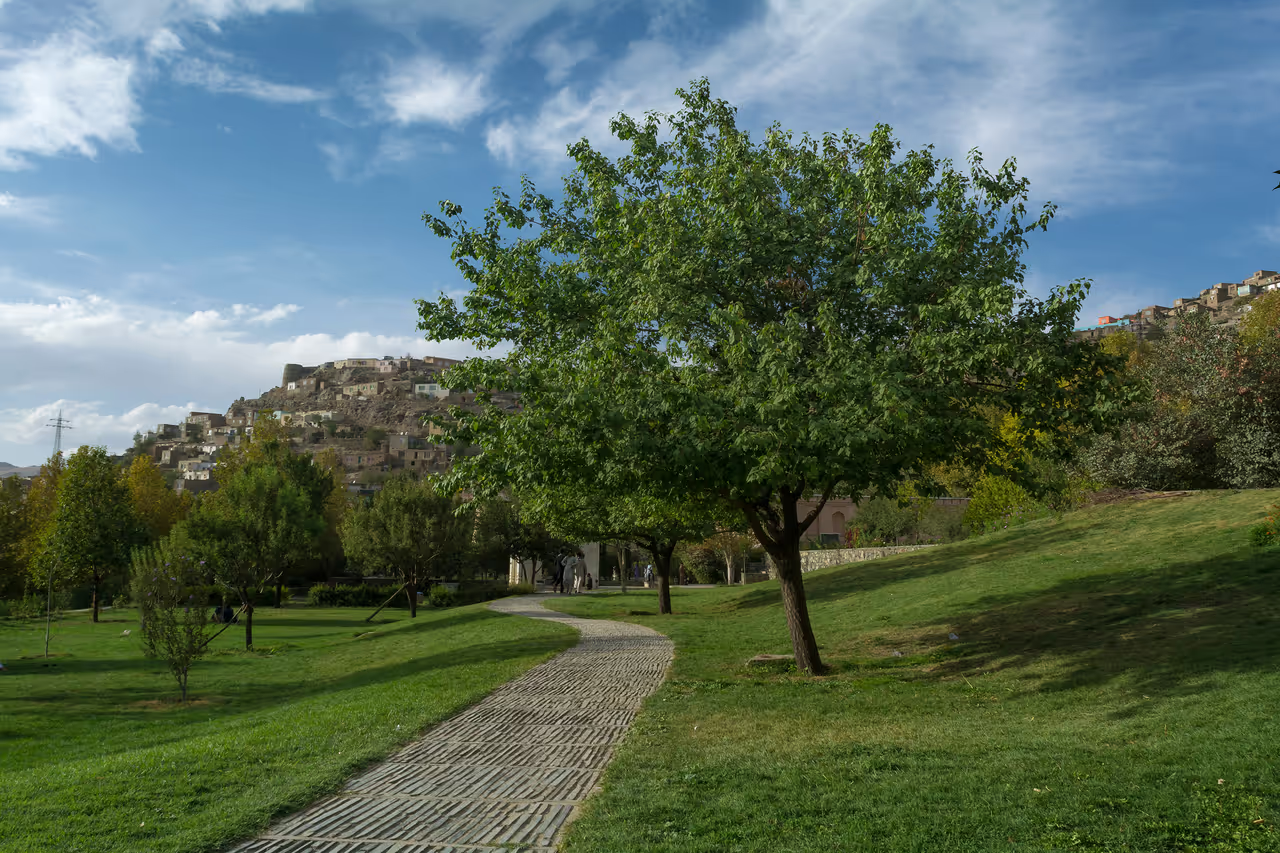
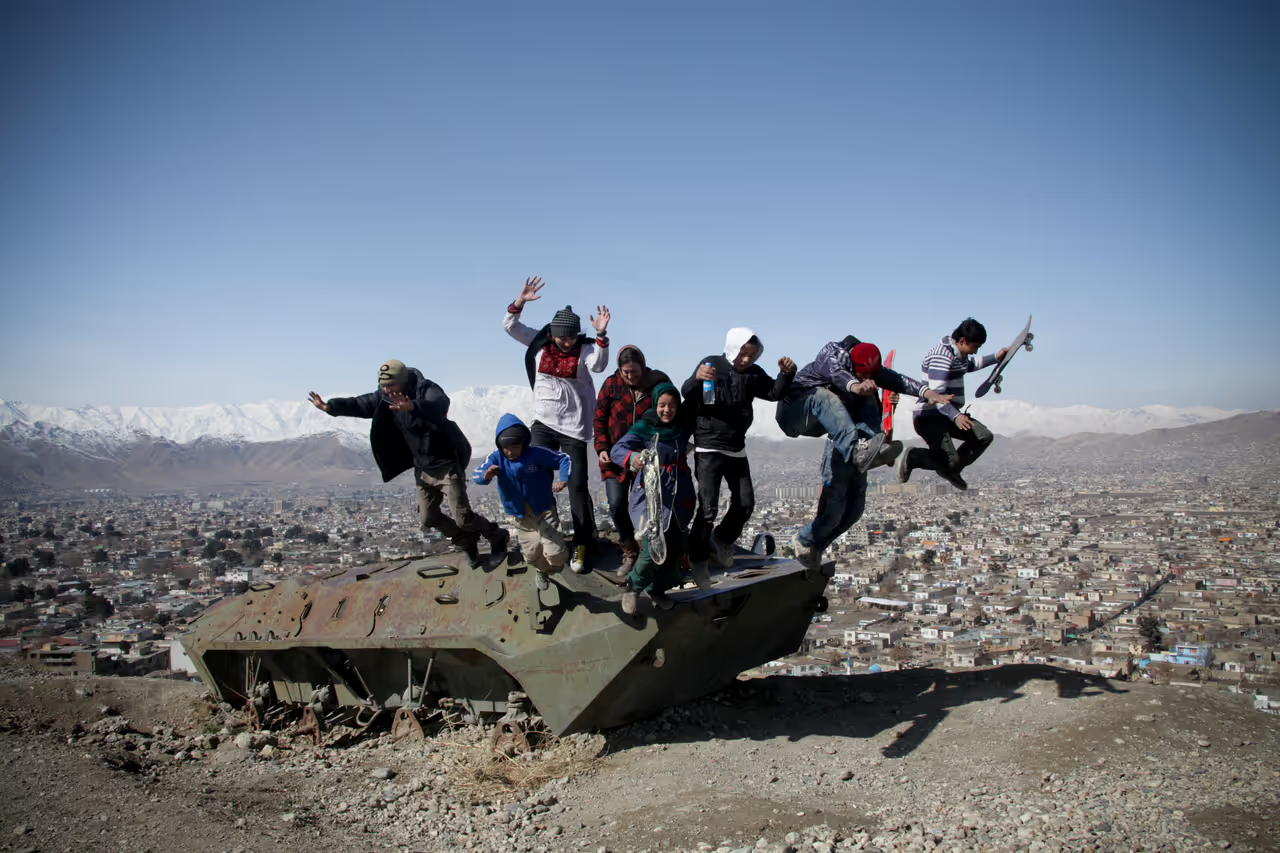
1 Day in Kabul Itinerary
If you only have a single day in the capital, this rapid itinerary ensures you experience the absolute pinnacle of its history and beauty. You will focus entirely on the grand royal legacy in the morning and transition to the serene Mughal gardens in the afternoon. It prioritises visual impact and profound historical context, ensuring you leave with a powerful understanding of the city's resilience. This route is efficient and keeps you moving through the most iconic, secure landmarks.
view itinerary
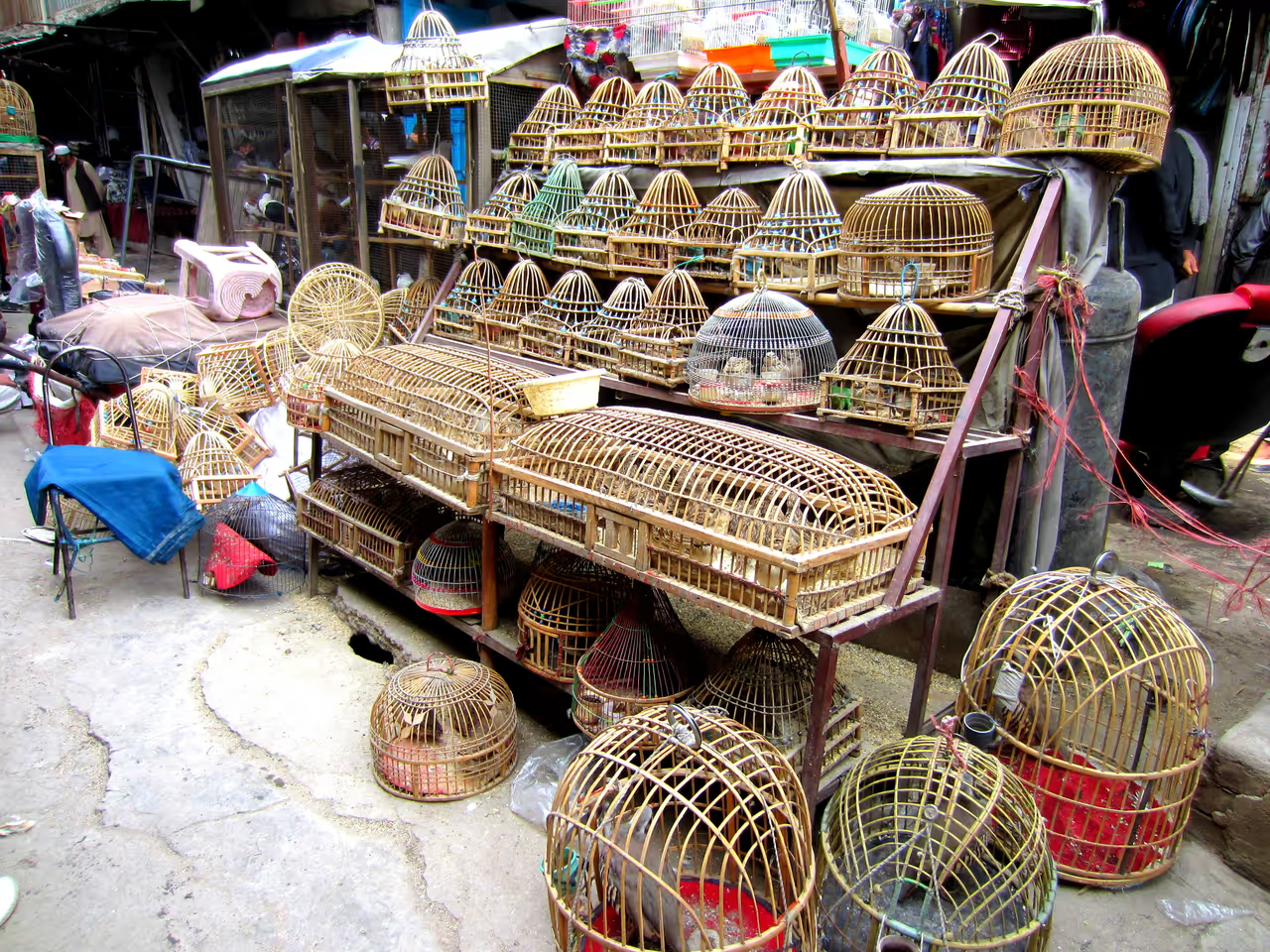
3 Days in Kabul: Culture & Heritage Itinerary
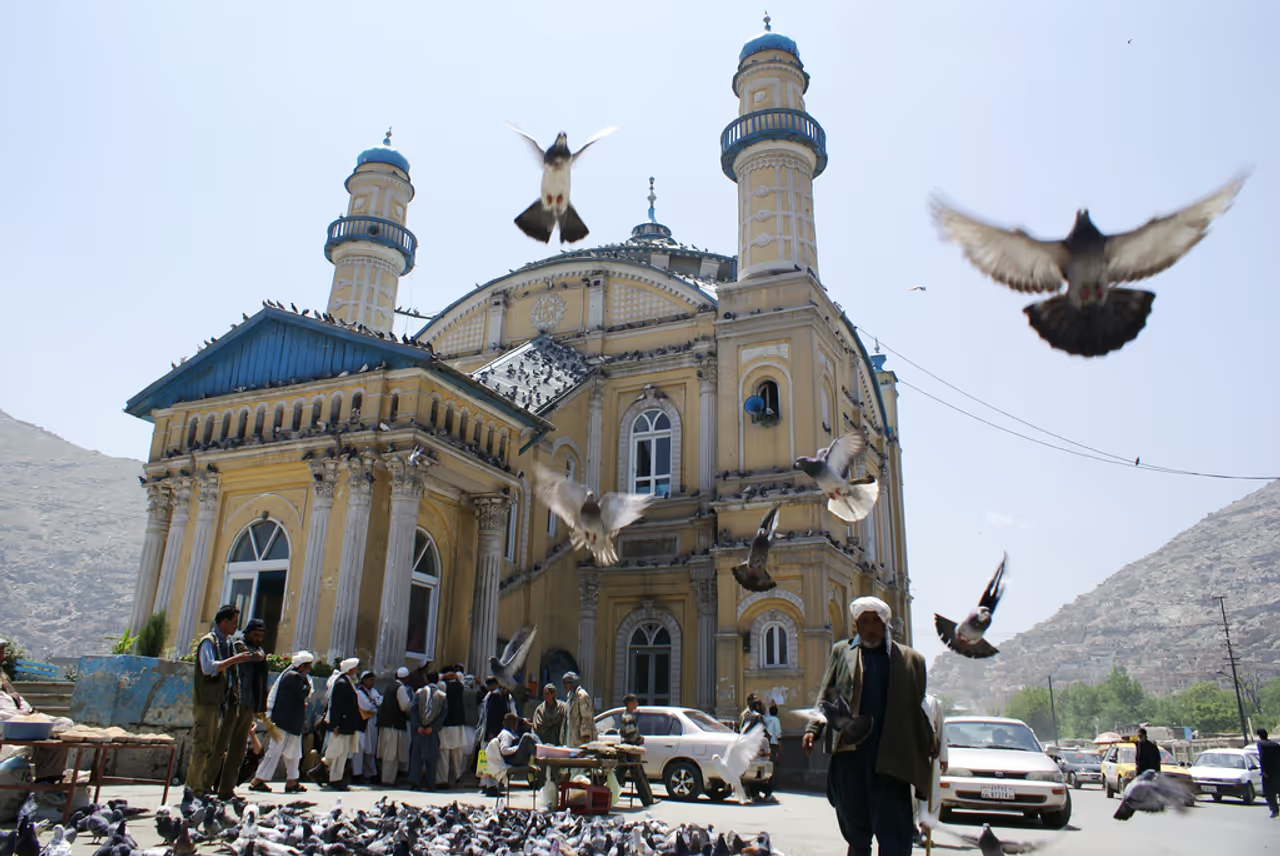
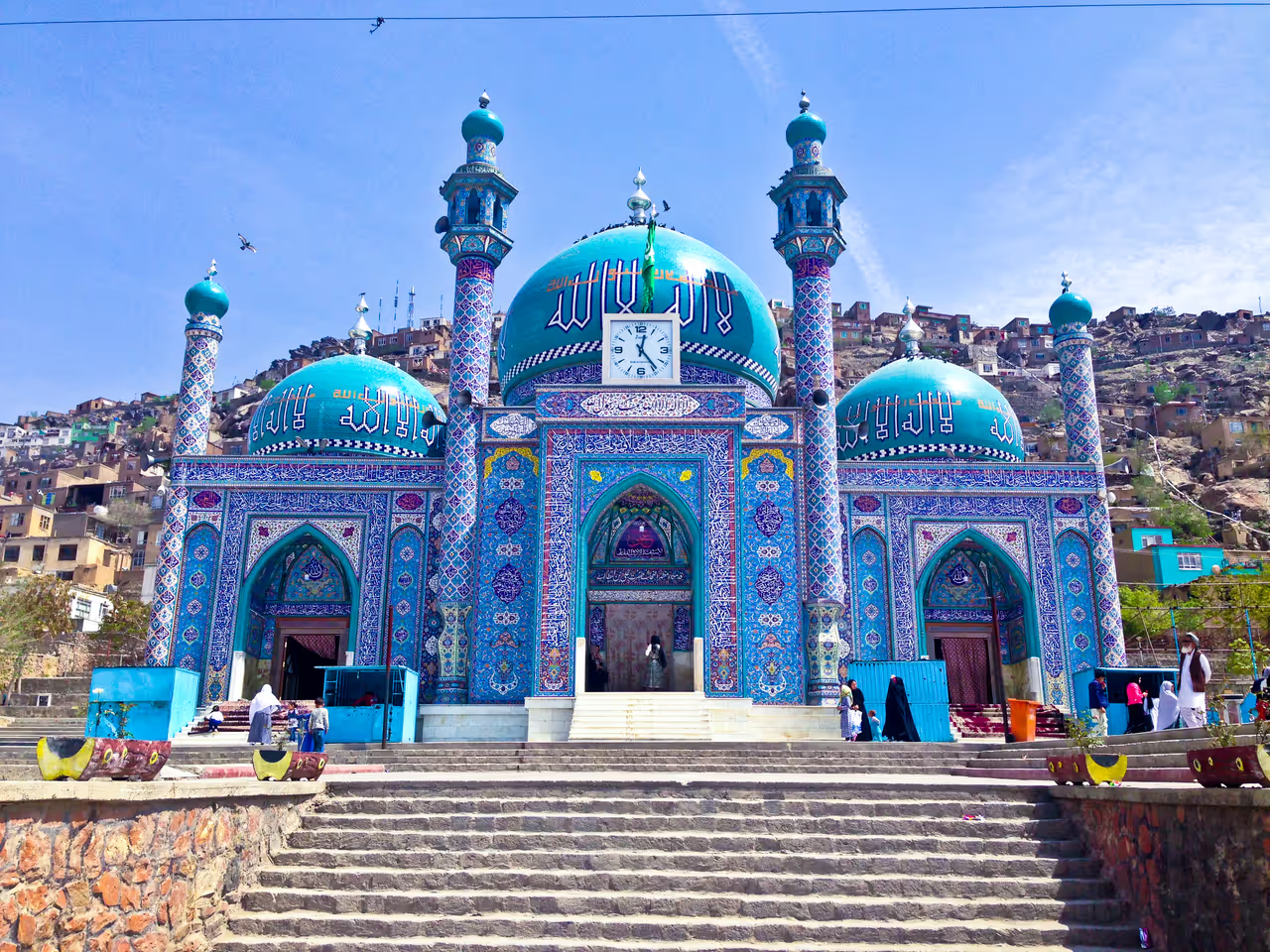
This balanced three-day journey allows you to dive significantly deeper into the contrasting facets of the city. Beyond the grand palaces, you will immerse yourself in the chaotic, authentic energy of the historic old city bazaars and spiritual shrines. It offers a perfect mix of monumental architecture, authentic local street life, and relaxing panoramic viewpoints. This timeframe allows you to appreciate the city's complex layered history without feeling overly rushed.
view itinerary
5 Days in Kabul: The Complete Explorer Itinerary
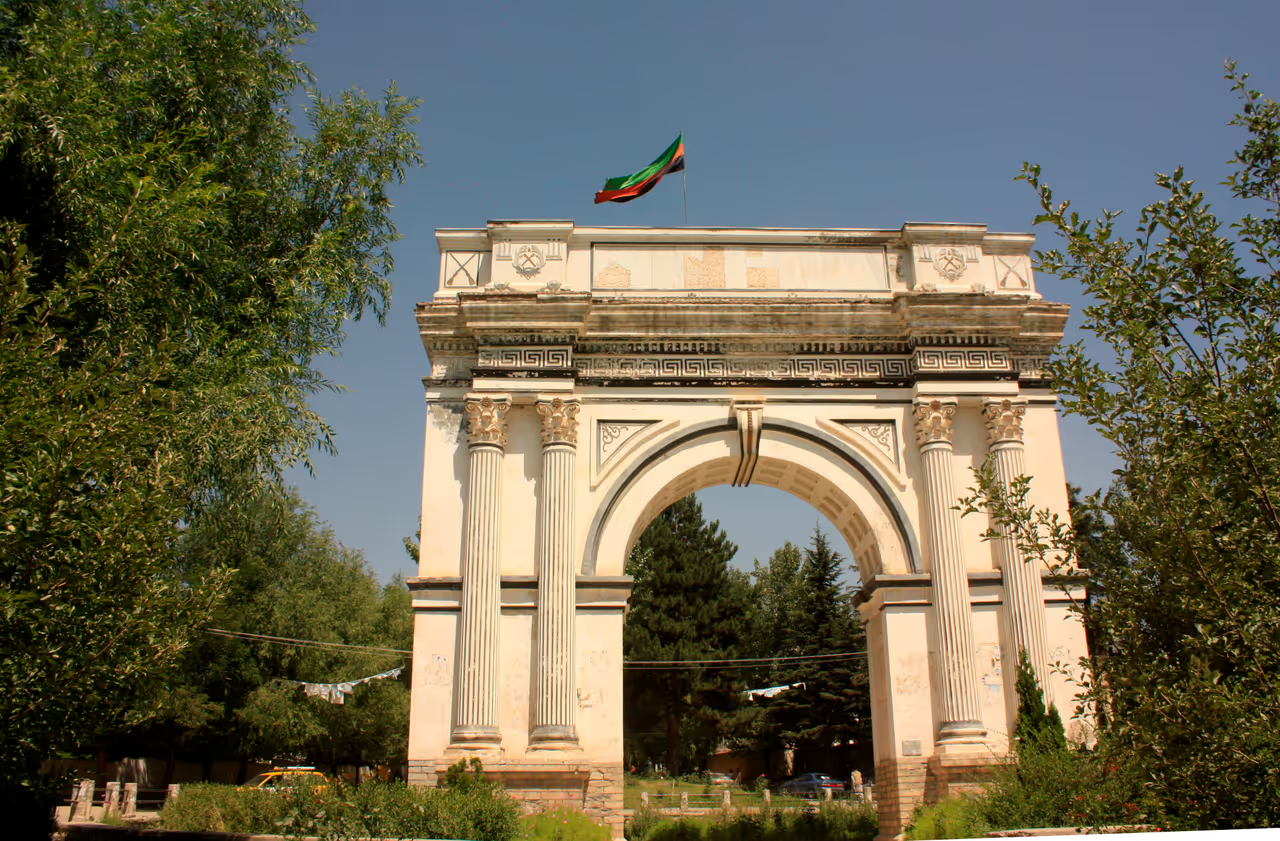
For the dedicated traveller, this five-day itinerary provides a highly comprehensive exploration of the capital and its surrounding landscapes. You will have the time to uncover moving hidden gems, hike the ancient defensive walls, and take a refreshing day trip out to the surrounding valleys. This pace allows for genuine engagement with the local culture and the flexibility to enjoy long, traditional lunches. It is the ultimate way to understand the profound depth and resilience of this mountain metropolis.
view itinerary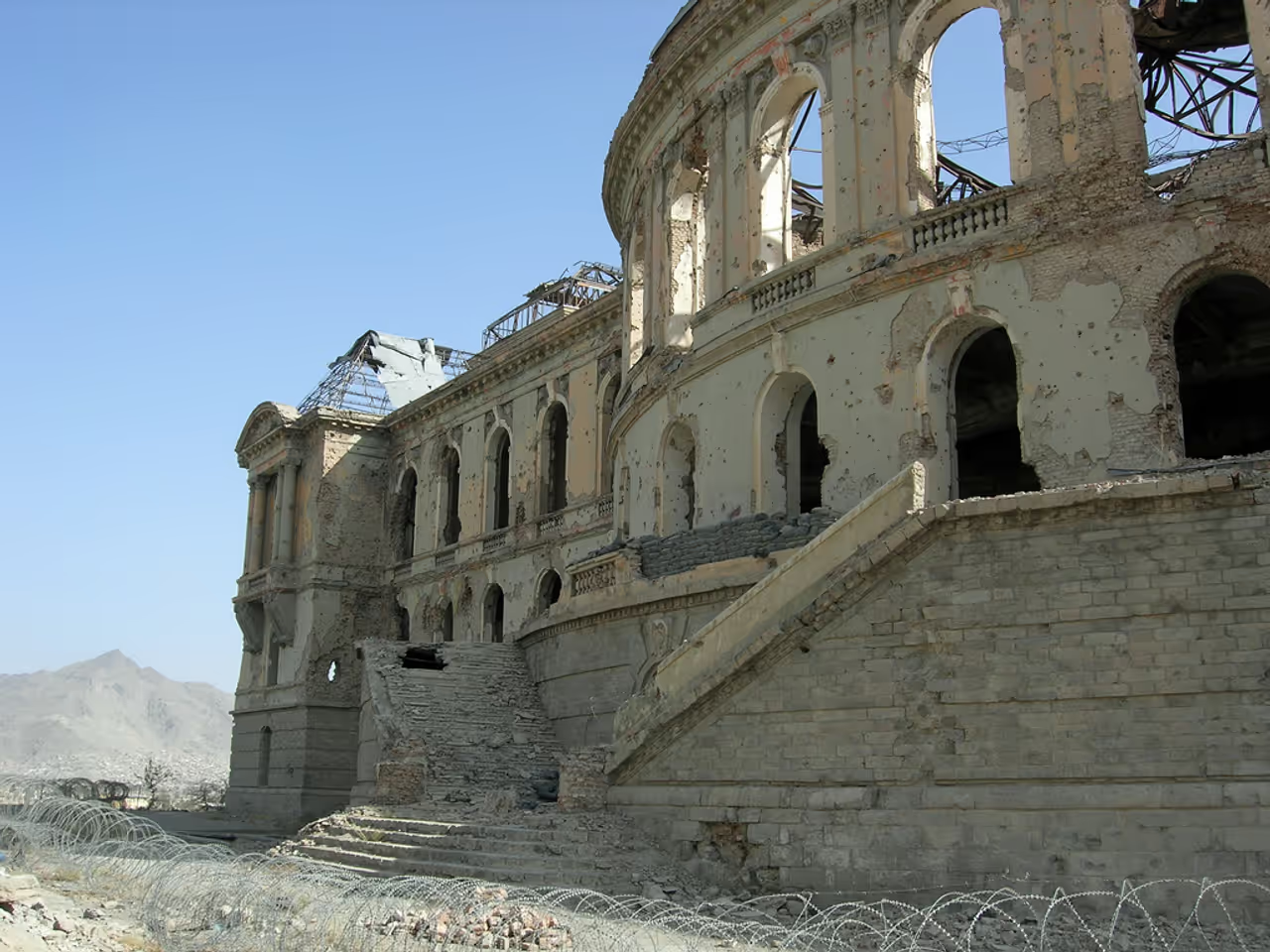
Darul Aman Boulevard Ride
Cycling down this grand, wide avenue provides a direct path through some of the city's most significant monumental architecture. Originally designed in the 1920s to connect the old city with a planned modern capital, the road is lined with towering trees and historical buildings. The route is relatively straightforward, allowing you to absorb the majestic scale of the palaces and government ministries. It feels like riding through a physical timeline of the country's ambitious 20th-century development.
view cycling route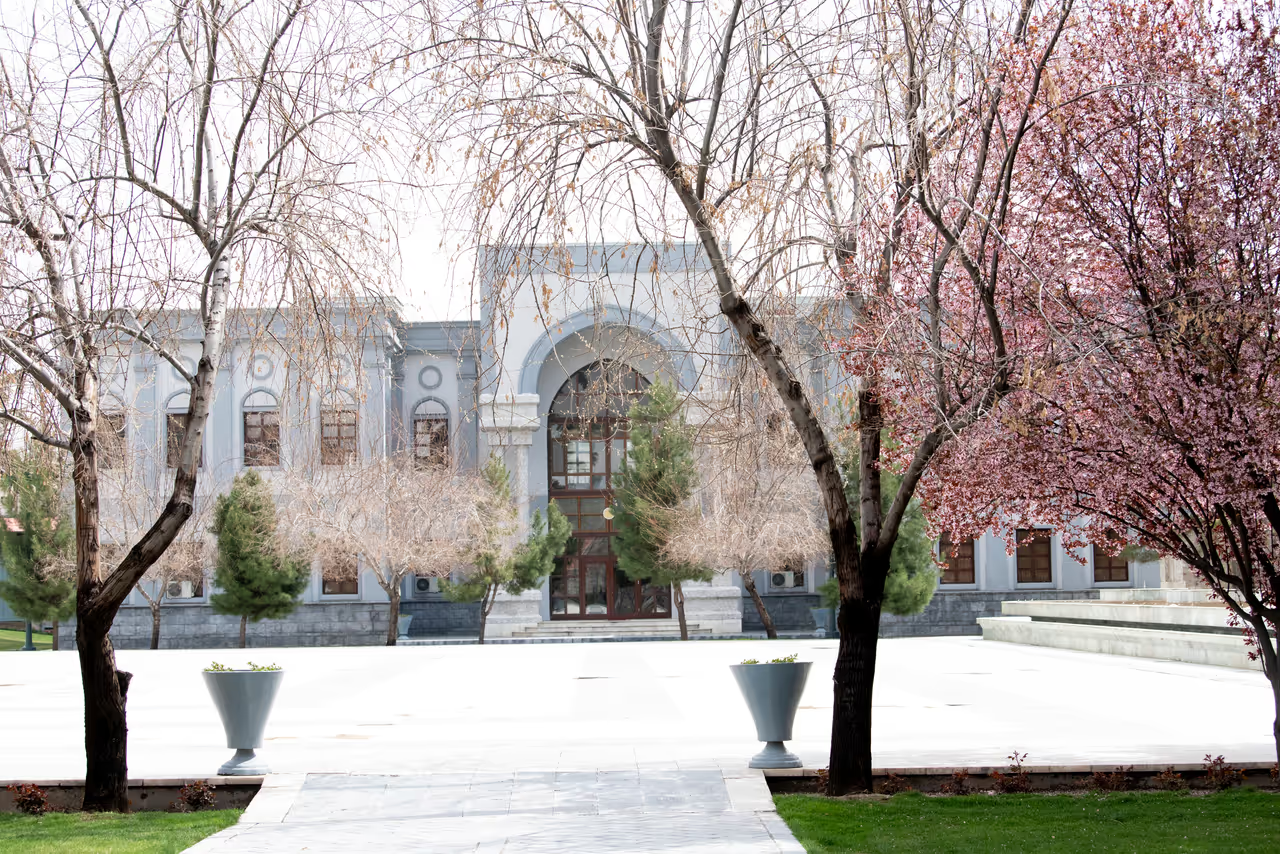
Royal Palaces Tour
This narrative journey connects the grand architectural ambitions of Afghanistan's past rulers. You will explore a series of majestic palaces built between the 19th and early 20th centuries, each reflecting different eras of political vision and foreign influence. From European neoclassical designs to fortified traditional citadels, these structures tell the story of a nation constantly trying to modernise while protecting its sovereignty. It is a visually stunning exploration of power, ambition, and architectural endurance.
view self-guided tour
See all attractions in Kabul
National Museum of Afghanistan, Shah-Do Shamshira Mosque...