Royal Palaces Tour
Self-Guided TourThis narrative journey connects the grand architectural ambitions of Afghanistan's past rulers. You will explore a series of majestic palaces built between the 19th and early 20th centuries, each reflecting different eras of political vision and foreign influence. From European neoclassical designs to fortified traditional citadels, these structures tell the story of a nation constantly trying to modernise while protecting its sovereignty. It is a visually stunning exploration of power, ambition, and architectural endurance.
SURFACE BREAKDOWN
ELEVATION PROFILE
WHY WE LOVE THIS ROUTE
It offers a profound visual timeline of the country's leadership and shifting architectural tastes, showcasing both immense destruction and incredible restoration efforts.
KNOW BEFORE YOU GO
- • Hire a knowledgeable local driver to take you between these sites, as they are spread out across different districts.
- • While you can easily photograph Darul Aman, strictly avoid taking photos of the heavily guarded Arg (Presidential Palace).
- 1ARCHITECTURE
Arg (Presidential Palace)
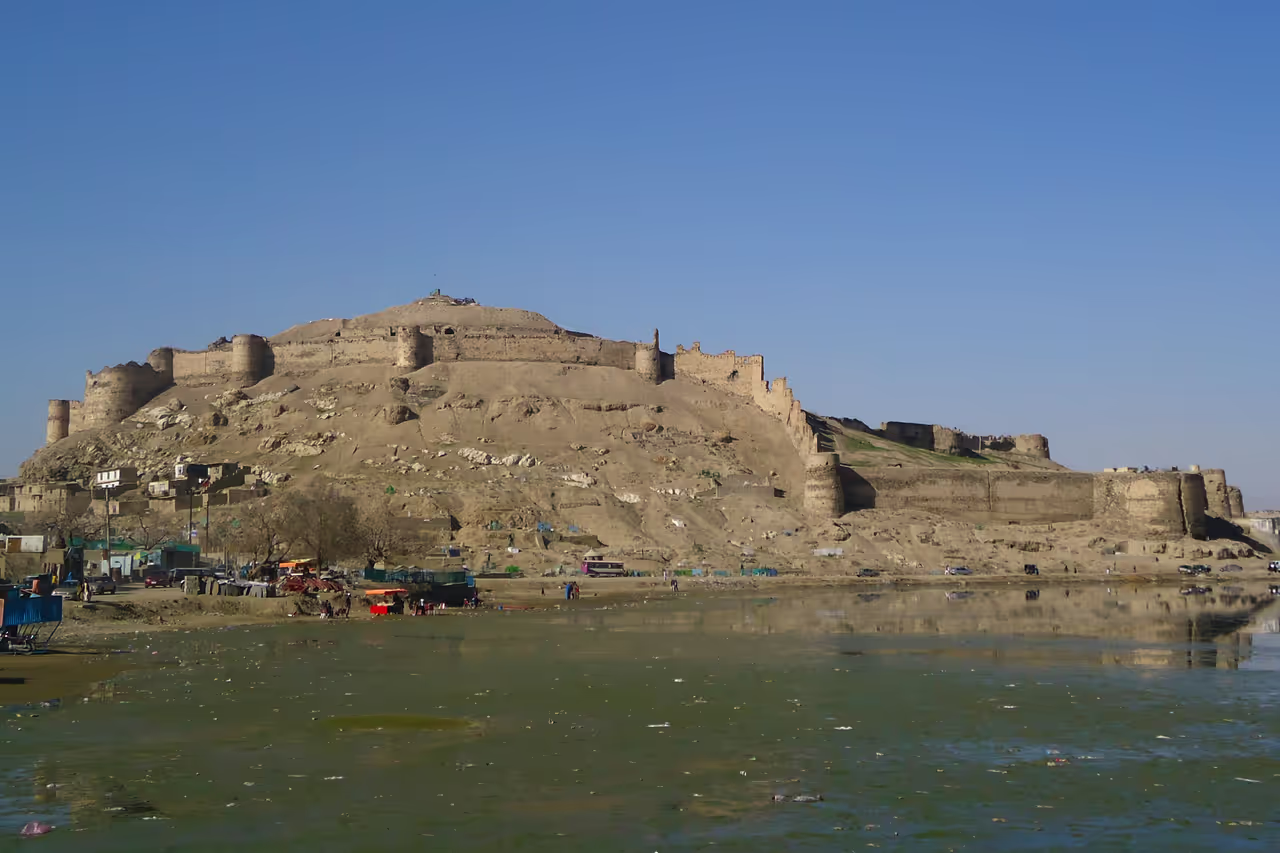
ارگ کابلObserve the formidable walls of the central citadel which has hosted kings, presidents, and supreme leaders throughout its tumultuous history.
FULL PLACE DETAILS
WEB & AMENITIES
to next stop - 2ATTRACTION
Darul Aman Palace
قصر دارالامانAppreciate the spectacular restoration of this grand neoclassical edifice, originally designed to be the centrepiece of a progressive, modernised capital.
FULL PLACE DETAILS
OVERVIEW & STATS
- Established
- In 1925, making it 101 years old
ARCHITECTURE & HERITAGE
- Architectural Styles
- Neoclassical
- Founders
- Amanullah Khan
to next stop - 3ARCHITECTURE
Tajbeg Palace
قصر تاجبیگReflect on the turbulent history of this striking hilltop mansion, famous as the site that marked the beginning of the Soviet intervention.
FULL PLACE DETAILS
OVERVIEW & STATS
- Established
- In 1920, making it 106 years old
Other Self-Guided Tours
Check out other routes in Kabul
Old City Bazaar Trail
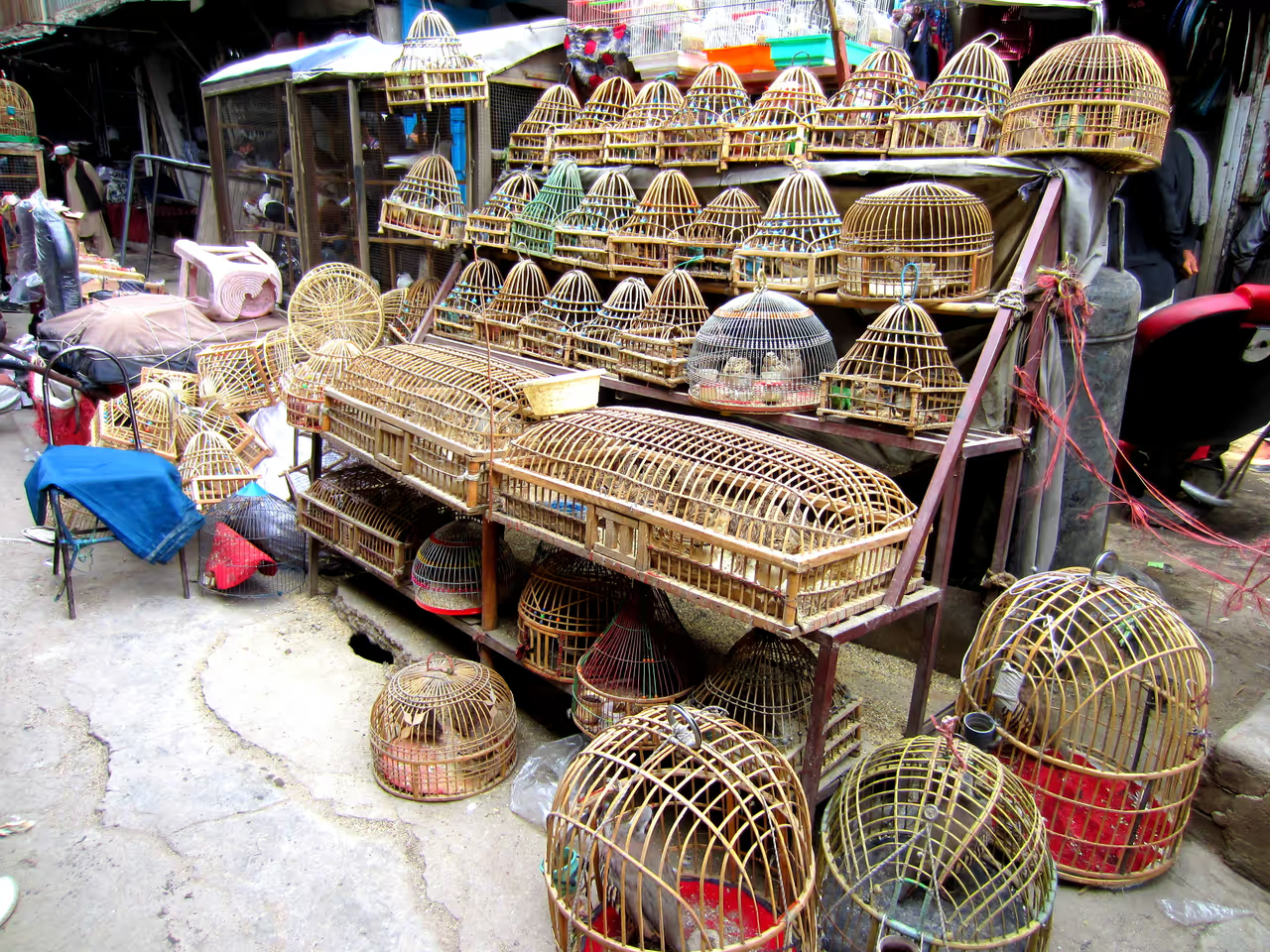
Dive into the sensory overload of Kabul's most historic and energetic trading districts. This route takes you through narrow, winding alleys filled with the scent of spices, the sound of haggling, and the vivid colours of traditional textiles. You will encounter hidden historical gems nestled right in the middle of chaotic marketplaces. It is an unfiltered, authentic immersion into the daily economic and social life of the capital's oldest neighbourhoods.
view route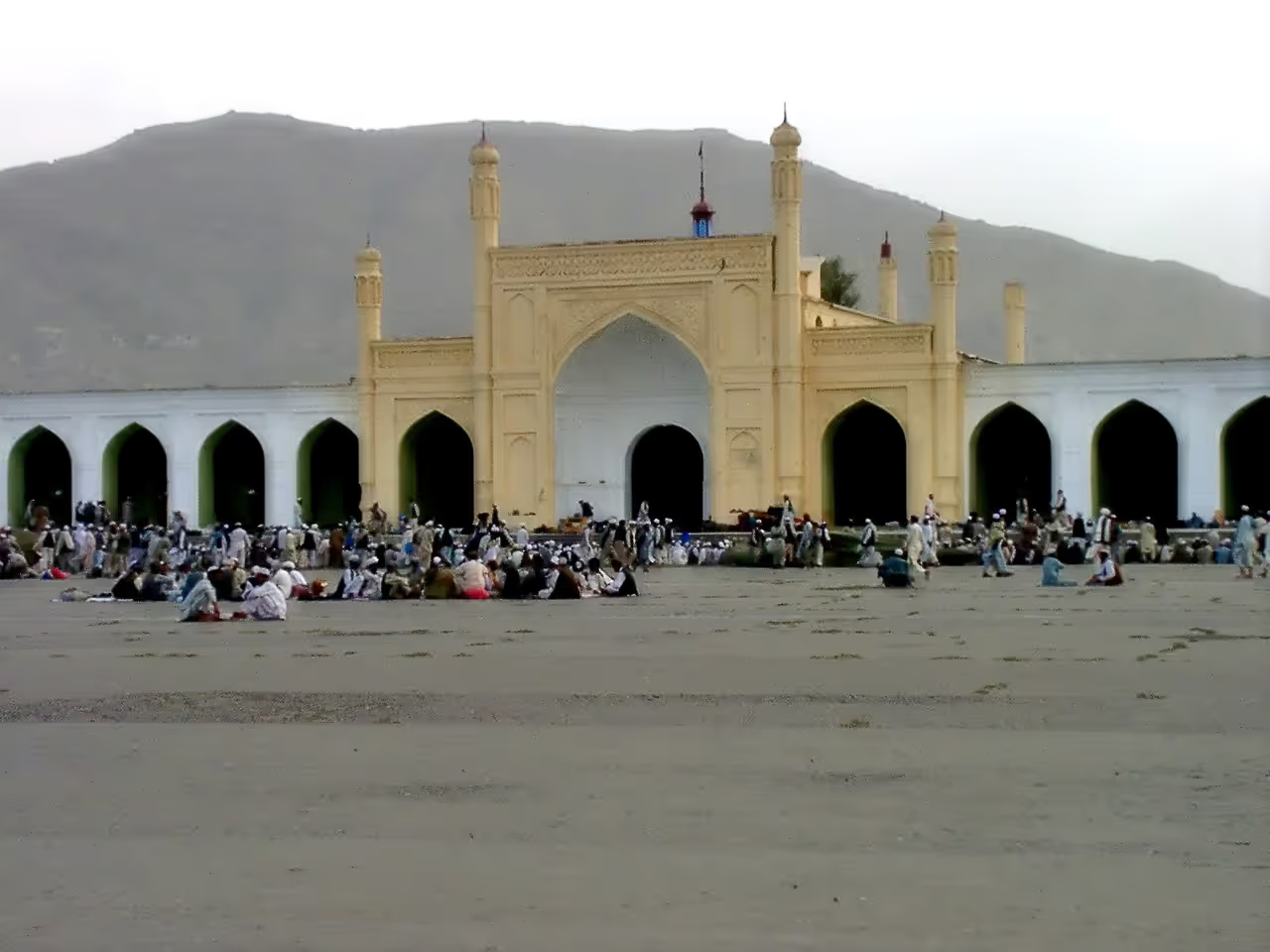
Historic Mosques Route
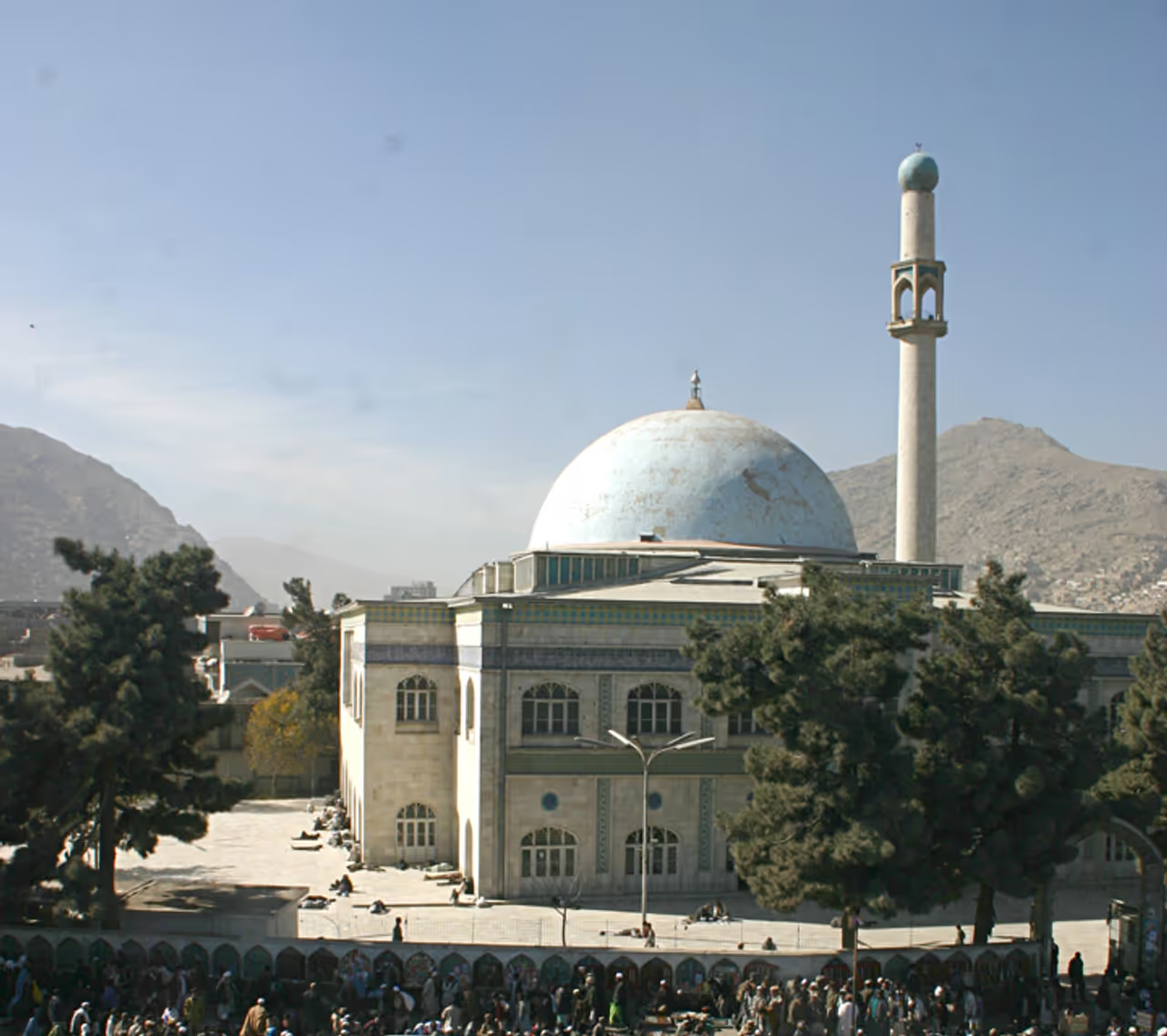
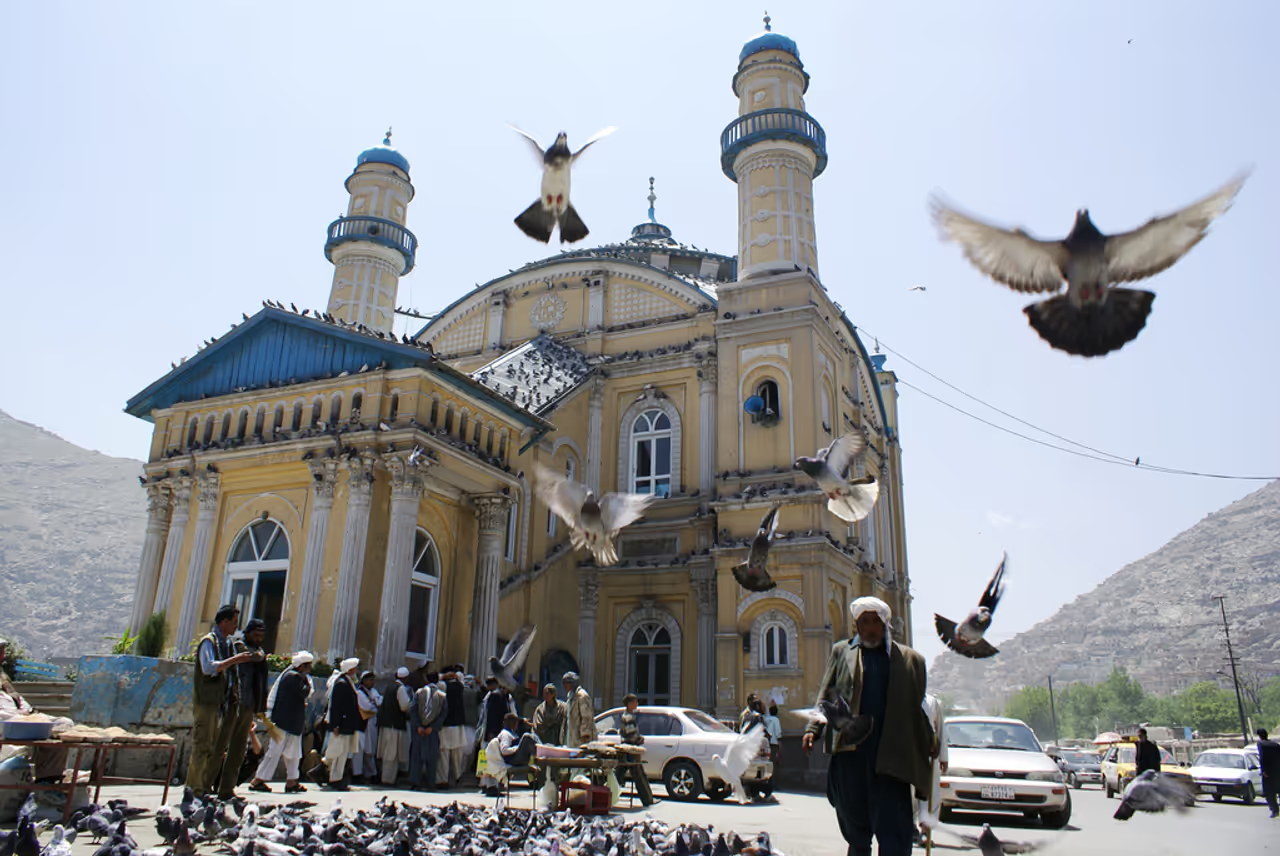
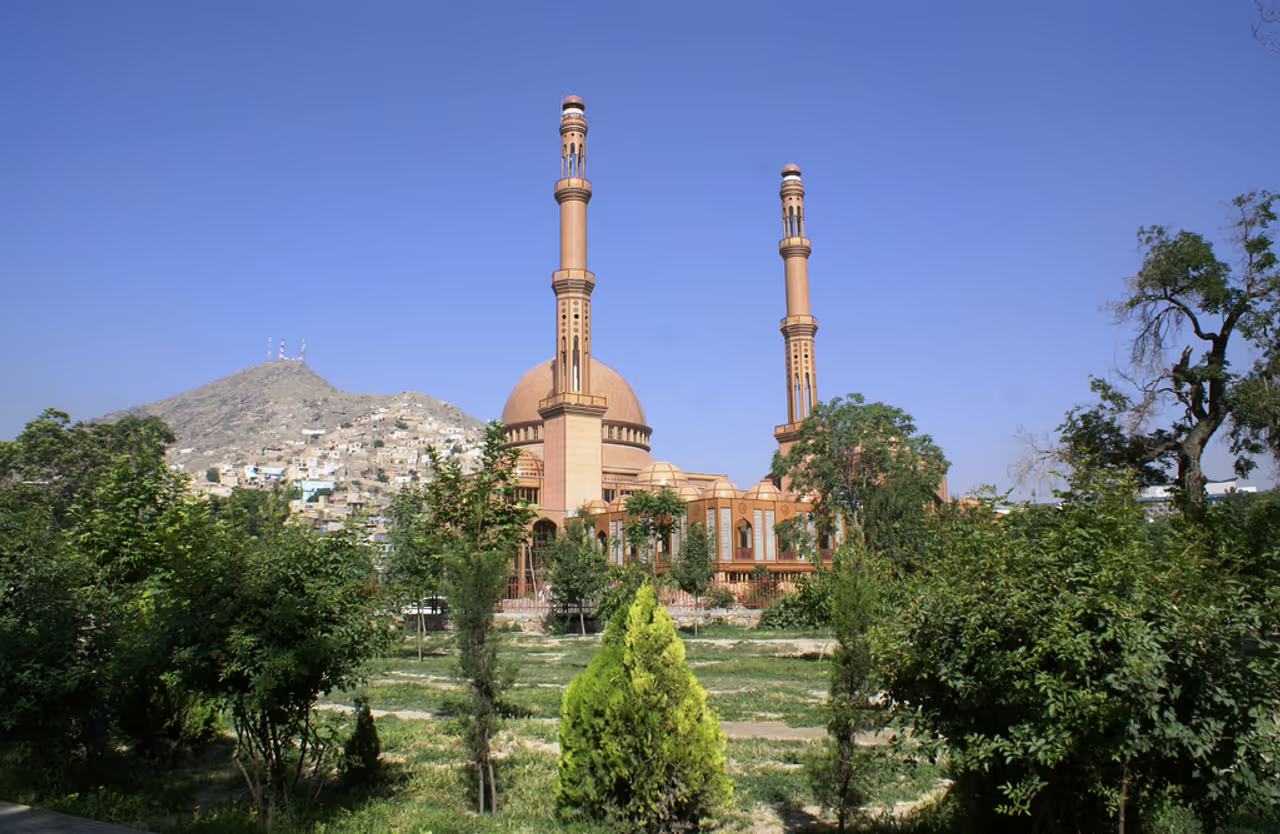
Discover the spiritual heart of the city by visiting its most significant and architecturally unique Islamic sites. This tour highlights the diverse styles of religious architecture that have evolved in the valley, from traditional brick structures to surprising Italian Baroque designs. You will witness the deep, enduring devotion of the local population and the central role these buildings play in community life. It provides a peaceful, contemplative journey through the city's core.
view route
Alternative Ways to Tour the City
Switch your pace. Discover curated routes by bike, foot, or self-guided exploration.
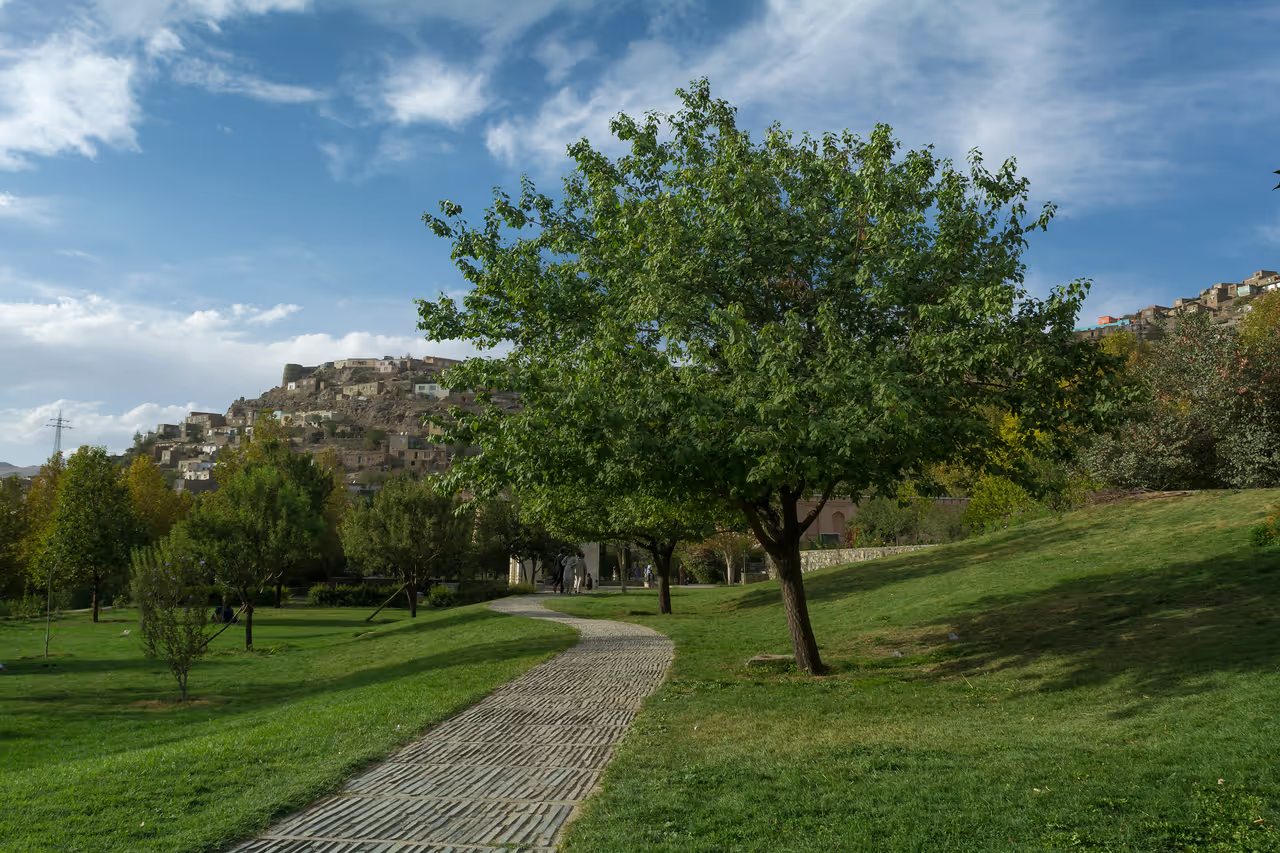
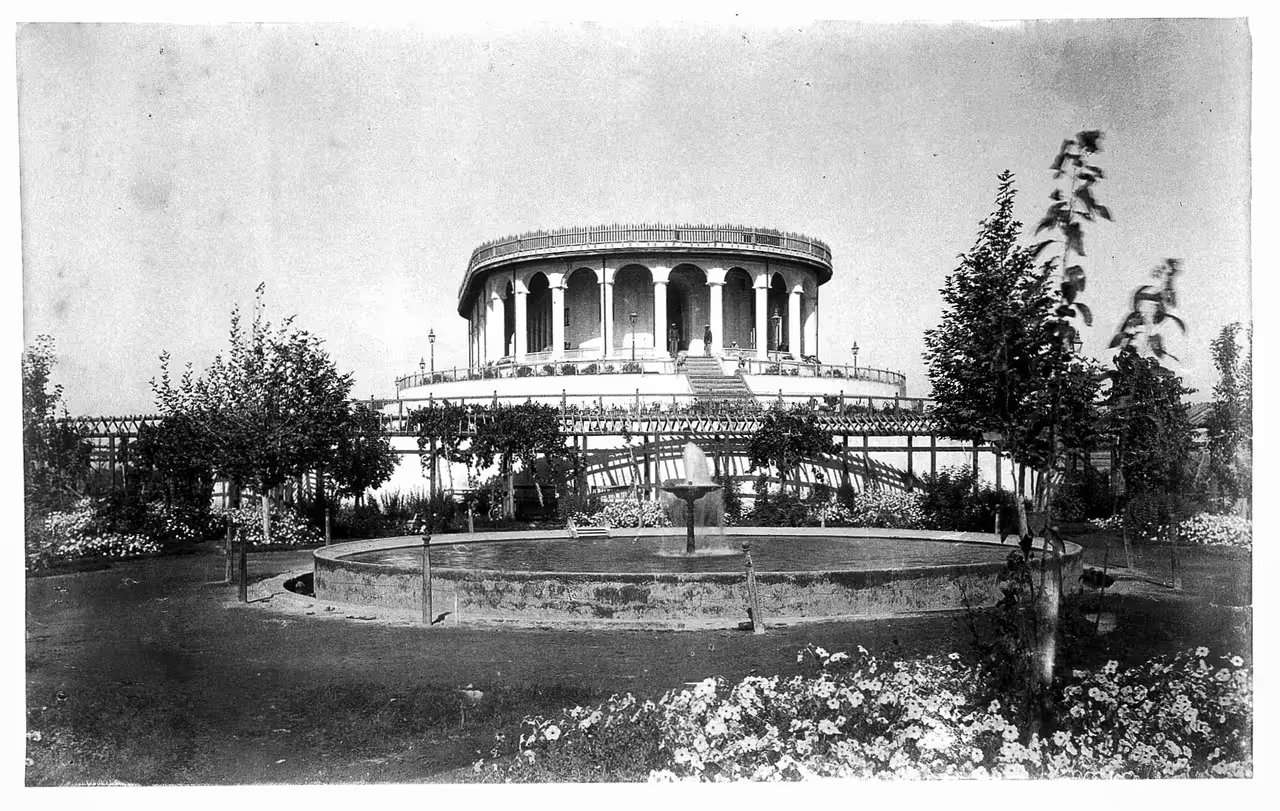
Gardens of Babur Promenade
This stroll offers a serene journey through one of the most meticulously restored Mughal gardens in the world. Walking up the gentle, terraced incline beside a flowing central water channel, you are surrounded by fragrant fruit trees and elegant marble structures. The path culminates at the simple, open-air tomb of Emperor Babur, providing a stunning view back down over the city. It is an atmosphere of profound tranquillity that feels entirely removed from the urban chaos outside the walls.
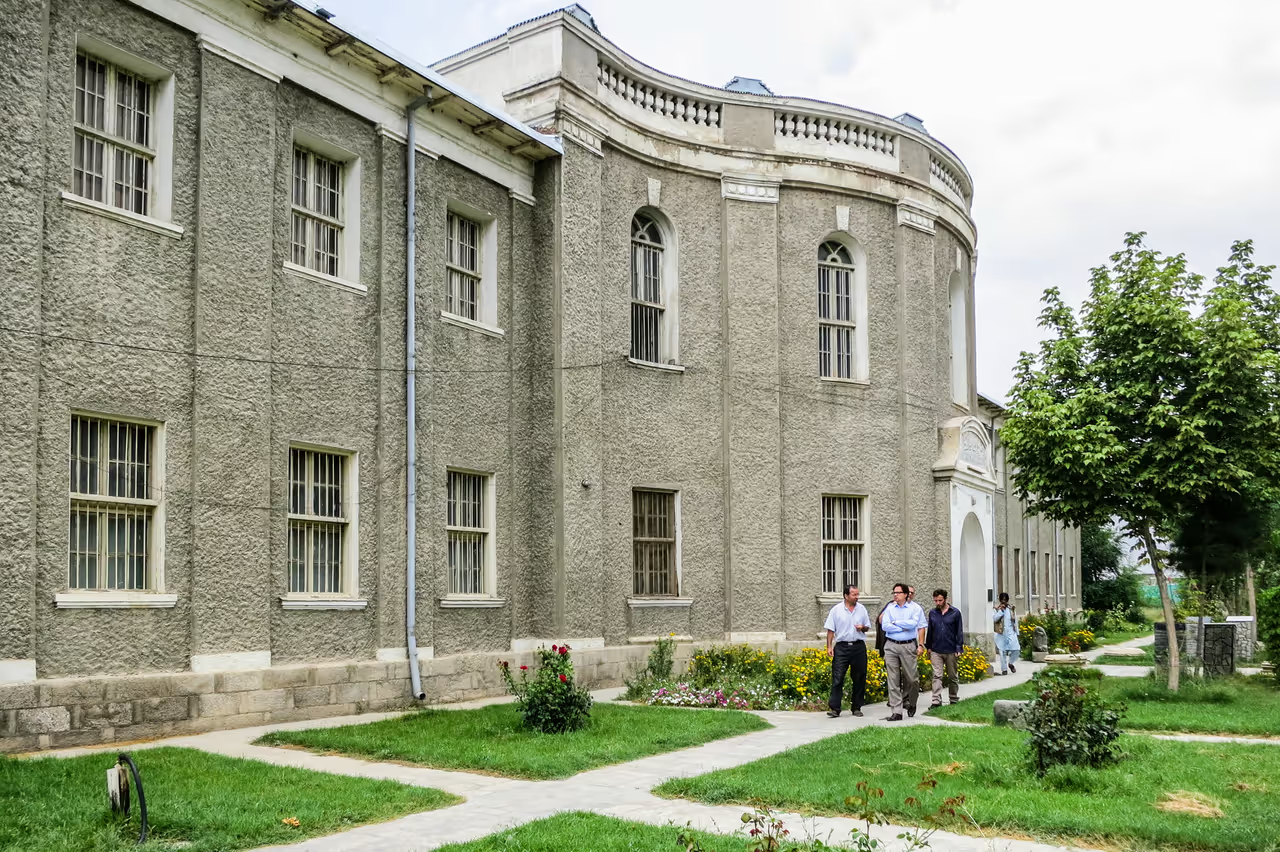
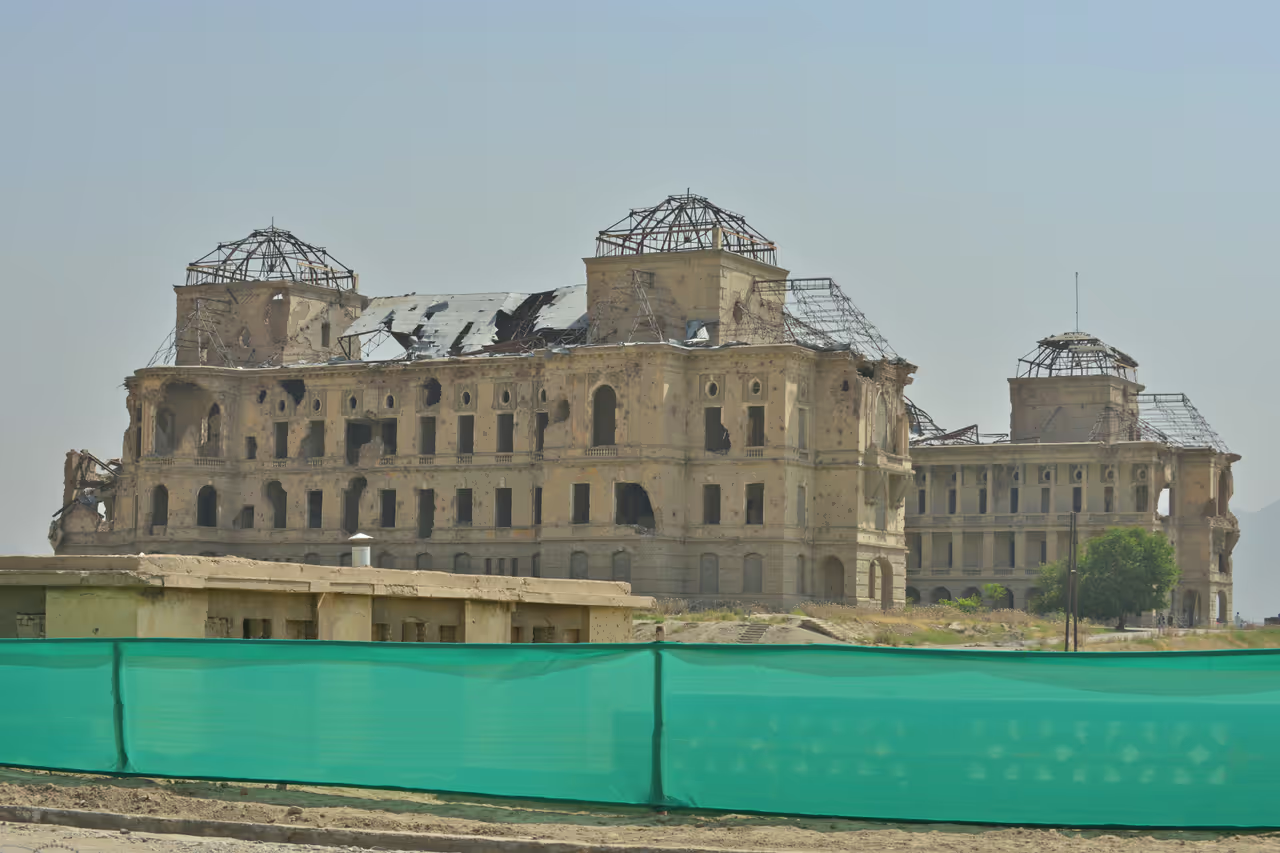
Darul Aman Boulevard Ride
Cycling down this grand, wide avenue provides a direct path through some of the city's most significant monumental architecture. Originally designed in the 1920s to connect the old city with a planned modern capital, the road is lined with towering trees and historical buildings. The route is relatively straightforward, allowing you to absorb the majestic scale of the palaces and government ministries. It feels like riding through a physical timeline of the country's ambitious 20th-century development.