Iconic Architecture and Landmarks in Kabul

Discover the buildings, monuments, and structures that define the skyline. From historic masterpieces to modern marvels, explore the architectural soul of Kabul, showing off styles like Persian Islamic and European Neoclassical.

  • PERSIAN ISLAMIC

    Sakhi Shrine

    زیارت سخی

    Nestled at the base of the Asamai mountain, the Sakhi Shrine is a dazzling complex dominated by its brilliant blue domes and minarets. It is deeply revered, particularly by the local Shia community, as it is believed to hold the cloak of the Prophet Muhammad before it was moved to Kandahar. The intricate tilework and sweeping arches create an atmosphere of profound beauty and spiritual weight. The site is especially lively during the Nowruz spring celebrations, when thousands gather to raise a ceremonial banner. It is arguably the most visually stunning religious structure in the capital.

    LOCATION

    Loading map...

    FULL PLACE DETAILS

    ARCHITECTURE & HERITAGE

    Architectural Styles
    Islamic
  • EUROPEAN NEOCLASSICAL

    Tajbeg Palace

    قصر تاج‌بیگ

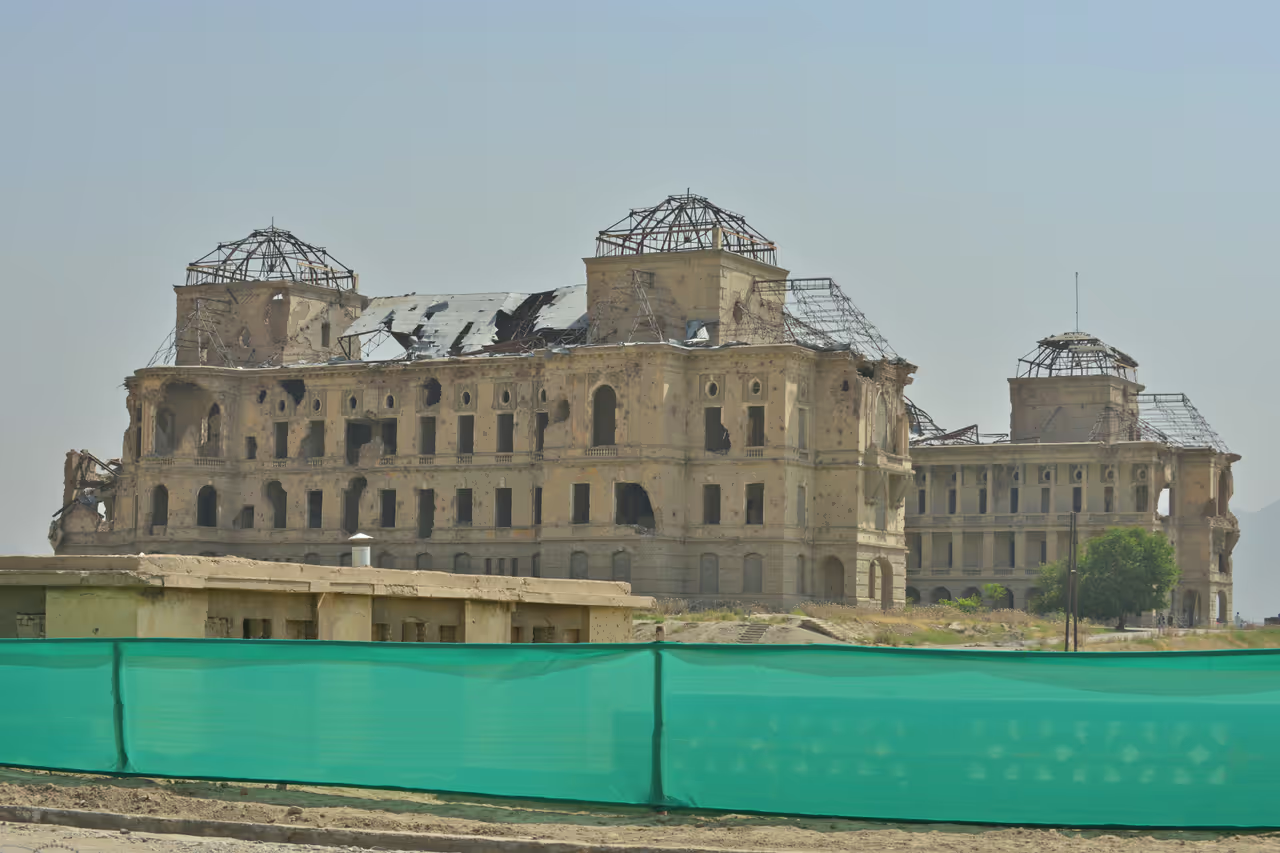
    Perched dramatically on a hill overlooking the western districts, the Tajbeg Palace is a masterpiece of early 20th-century European-inspired architecture. It was built for the Afghan royal family to serve as an opulent residence away from the city centre. The building is perhaps most famous for being the site of the 1979 Soviet commando raid that initiated their military intervention. Recently, it has undergone significant restoration to repair the heavy damage it sustained during decades of conflict. The palace stands as a stark, beautiful symbol of the country's turbulent modern history.

    LOCATION

    Loading map...

    FULL PLACE DETAILS

    OVERVIEW & STATS

    Established
    In 1920, making it 106 years old
  • FORTIFIED ROYAL CITADEL

    Arg

    ارگ کابل

    Built in 1880 by Emir Abdur Rahman Khan after the British destroyed the original Bala Hissar, the Arg serves as the heavily fortified nerve centre of the nation. The sprawling 83-acre compound is practically a city within a city, housing numerous distinct palaces, pavilions, and administrative buildings. The architecture features a fascinating blend of sturdy medieval fortification and elegant 19th-century royal residential design. While access to the interior is highly restricted, the formidable exterior walls convey absolute power and authority. It remains the ultimate symbol of political control in Afghanistan.

    LOCATION

    Loading map...

    FULL PLACE DETAILS

  • CENTRAL ASIAN ISLAMIC

    Mausoleum of Timur Shah

    آرامگاه تیمورشاه درانی

    This imposing octagonal brick structure houses the remains of Timur Shah Durrani, the ruler who officially moved the capital of the Afghan empire to Kabul in 1776. The building follows classic Central Asian Islamic traditions, featuring intricate decorative brick masonry without colourful tilework. Despite surviving numerous wars, it remained unfinished for over two centuries before undergoing recent restorative work. Its stark, colourless aesthetic provides a striking contrast to the vibrant chaos of the surrounding Mandawi market area. It is a vital piece of the city's foundational history.

    LOCATION

    Loading map...

    FULL PLACE DETAILS

    OVERVIEW & STATS

    Established
    In 1815, making it 211 years old
  • TRADITIONAL ISLAMIC

    Pul-e Khishti Mosque

    مسجد پل خشتی

    Recognisable by its magnificent, towering blue dome, this is the principal congregational mosque in the historic old city. Originally built in the 18th century, it underwent massive expansion and renovation in the late 1960s under King Zahir Shah. The exterior is adorned with intricate, vibrant blue tilework that sparkles in the afternoon sun. It is a focal point of daily life for the thousands of merchants and shoppers navigating the surrounding bazaars. The architecture perfectly embodies classic regional Islamic design.

    LOCATION

    Loading map...
  • BRUTALIST

    Kabul Tower

    برج کابل

    Standing as a prominent example of mid-century brutalist architecture, the Kabul Tower is a stark, fascinating fixture of the city's modern skyline. Originally designed in the 1970s, its construction was halted by decades of war before finally being completed in the 21st century. The rigid, concrete grid facade reflects the Soviet-inspired architectural trends that briefly influenced the city's development. It houses various government ministries and serves as a functional, imposing landmark. It highlights a very different architectural era compared to the city's ornate mosques and royal palaces.

    LOCATION

    Loading map...
KEEP EXPLORING

More to see in Kabul