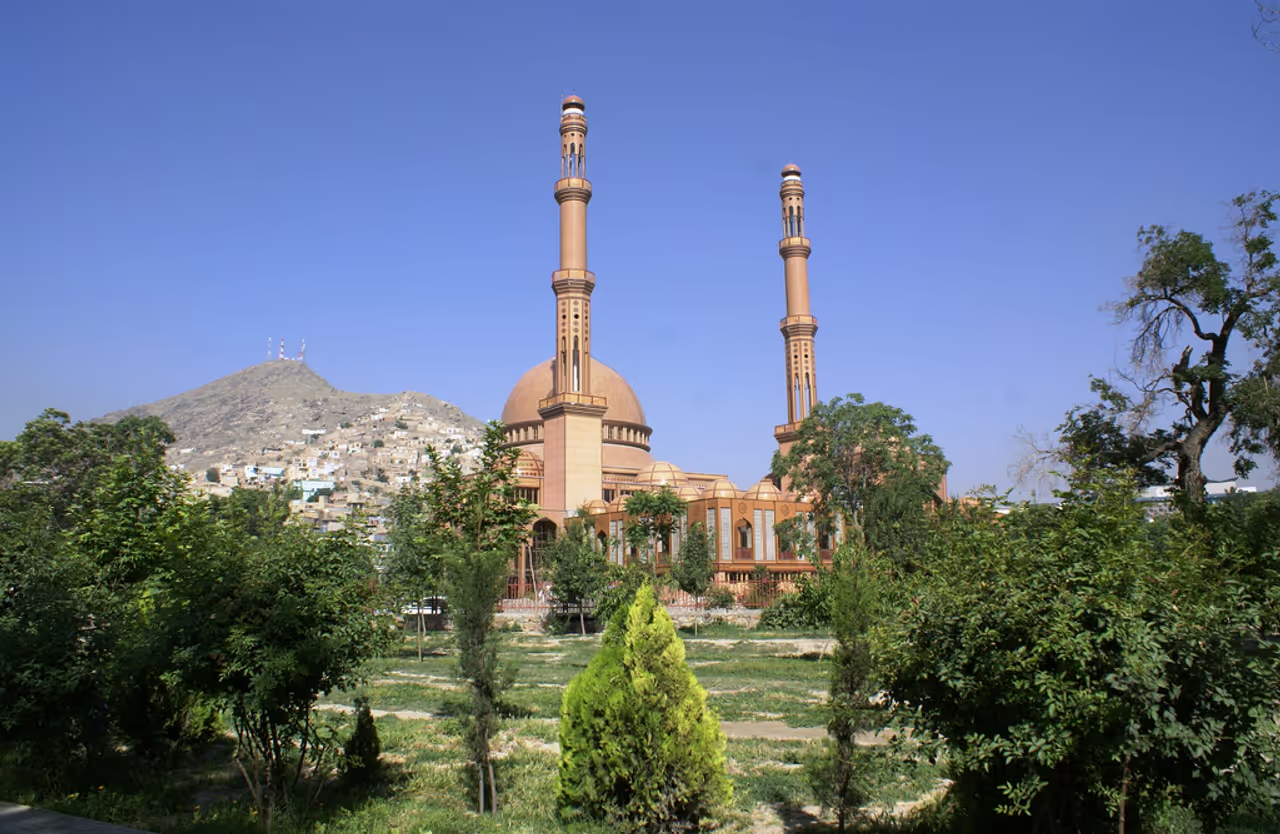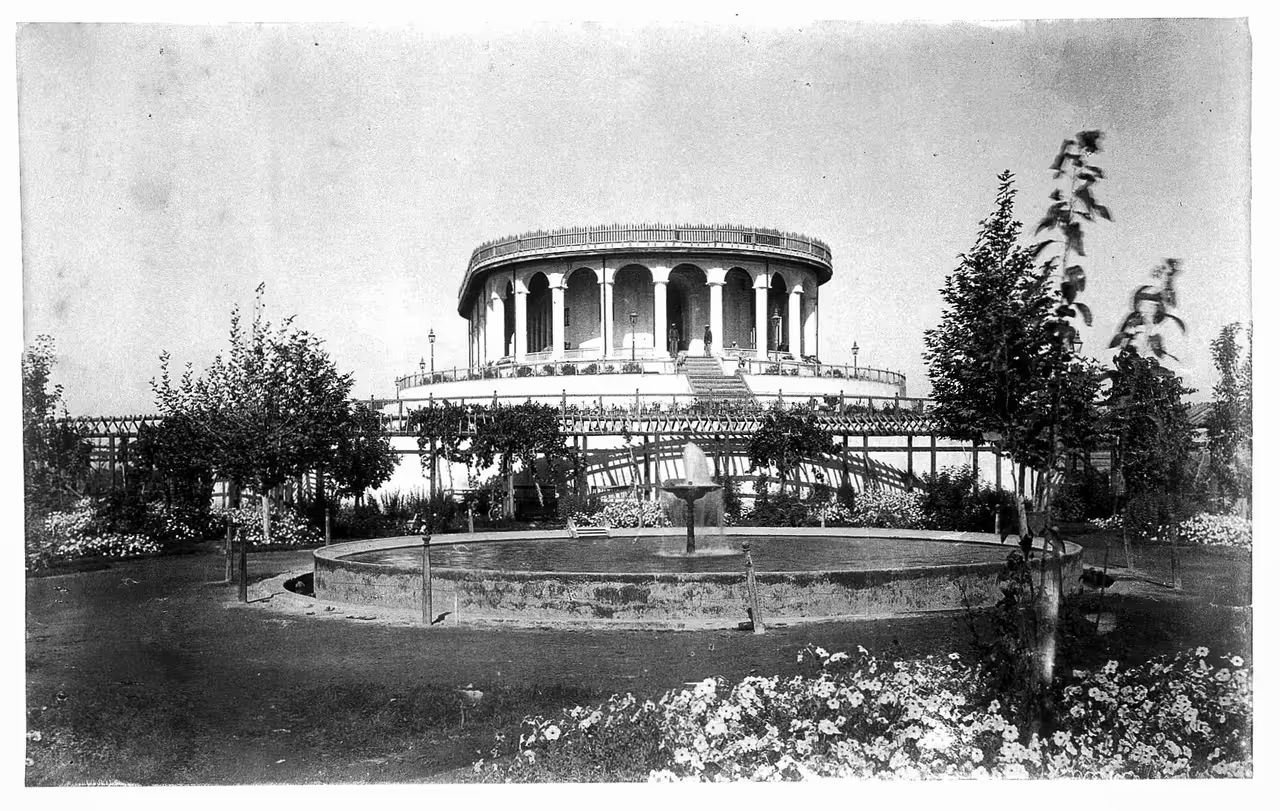
Chihil Sutun Palace and Gardens
Step into the serene embrace of Chihil Sutun, a historic palace and expansive garden complex that offers a peaceful escape from the vibrancy of Kabul. Once a royal residence, this site has been meticulously restored to its former glory, allowing visitors to wander through lush, walled grounds that whisper tales of the Durrani Empire and twentieth century diplomacy. The palace architecture, with its evocative name meaning Forty Columns, provides a striking focal point amidst the greenery. Whether you are strolling along the marble fountains, enjoying the shade of mature trees, or reflecting on the resilient history of Afghanistan, this park remains a beloved sanctuary for locals and a fascinating landmark for those eager to connect with the city past.
History of Chihil Sutun Palace and Gardens
The history of Chihil Sutun begins in the late 18th century when Emperor Zaman Shah Durrani established the site. This royal retreat reflected the ambitions of the Durrani Empire, creating a space that would eventually see generations of leaders. By the close of the 19th century, Emir Abdur Rahman Khan had rebuilt the pavilion, setting the stage for a grand era of Afghan diplomacy. The palace became a symbol of national prestige, especially after King Habibullah Khan enhanced the gardens with intricate marble fountains and paved pathways, making it a place of leisure and state affairs. Throughout the 20th century, the palace gained international renown as a prestigious state guesthouse. World leaders such as U.S. President Dwight Eisenhower and Soviet leader Nikita Khrushchev walked these grounds, adding layers of geopolitical intrigue to the local history. As the political tides turned during the communist era, the palace shifted its purpose, serving as a government media hub. This versatile history mirrors the broader changes in the nation, yet the site faced its darkest hour in the 1990s when the Afghan Civil War left the structure in ruins. After years of standing as a silent witness to conflict, the palace underwent a magnificent transformation. A complete restoration project, finished in 2018, breathed new life into the structure and the surrounding 30 hectare park. Today, the site stands as a triumphant example of heritage conservation, inviting visitors to enjoy its lush greenery and historic architecture. It remains a cherished sanctuary, connecting the modern residents of Kabul to the resilience and beauty of their past.
Events spanning 222 years
Fun Facts
- • Before the 2018 restoration, the palace stood for decades as a shell of its former self, serving as a visual marker of the city history of conflict and recovery.
- • During the communist era in the twentieth century, the palace functioned as a government media hub, reflecting the changing political climate.
- • It is located in District 7, acting as an essential community anchor within the Chihilsitoon neighborhood.
- • King Habibullah Khan enhanced the gardens by adding marble fountains and paved walkways, creating a luxurious atmosphere.
- • Many local residents view the restored gardens as a symbol of peace and national endurance.
- • The architecture combines traditional Afghan elements with stylistic influences from the era of its reconstruction under royal patronage.
- • The gardens served as a neutral and elegant setting for intense diplomatic meetings during the Cold War era.
- • The name Chihil Sutun translates to Forty Columns, referring to the architectural style of the pavilion.
- • The palace is situated just east of the Kabul River, linking it geographically to the historical routes of the city.
- • The park spans an impressive 30 hectare area, providing a vital green space in the southern part of Kabul.
- • The restoration project received international attention, highlighting the importance of preserving Afghan heritage in the face of modern development.
- • The site was historically referred to as Hendaki in various official documents and maps.
Chihil Sutun Palace and Gardens FAQ
While we strive to keep this information accurate and up to date, we recommend verifying any details independently before making decisions based on them.
Chihil Sutun Palace and Gardens Map & Neighborhood Explorer
This interactive map is centered on Chihil Sutun Palace and Gardens. Zoom in and move the map around to automatically discover Wikipedia photos and summaries of other nearby sights, monuments, and historical points of interest and stories in real-time!
Places near Chihil Sutun Palace and Gardens
Make the most of your trip. Check out these top-rated spots located nearby.
 2958m
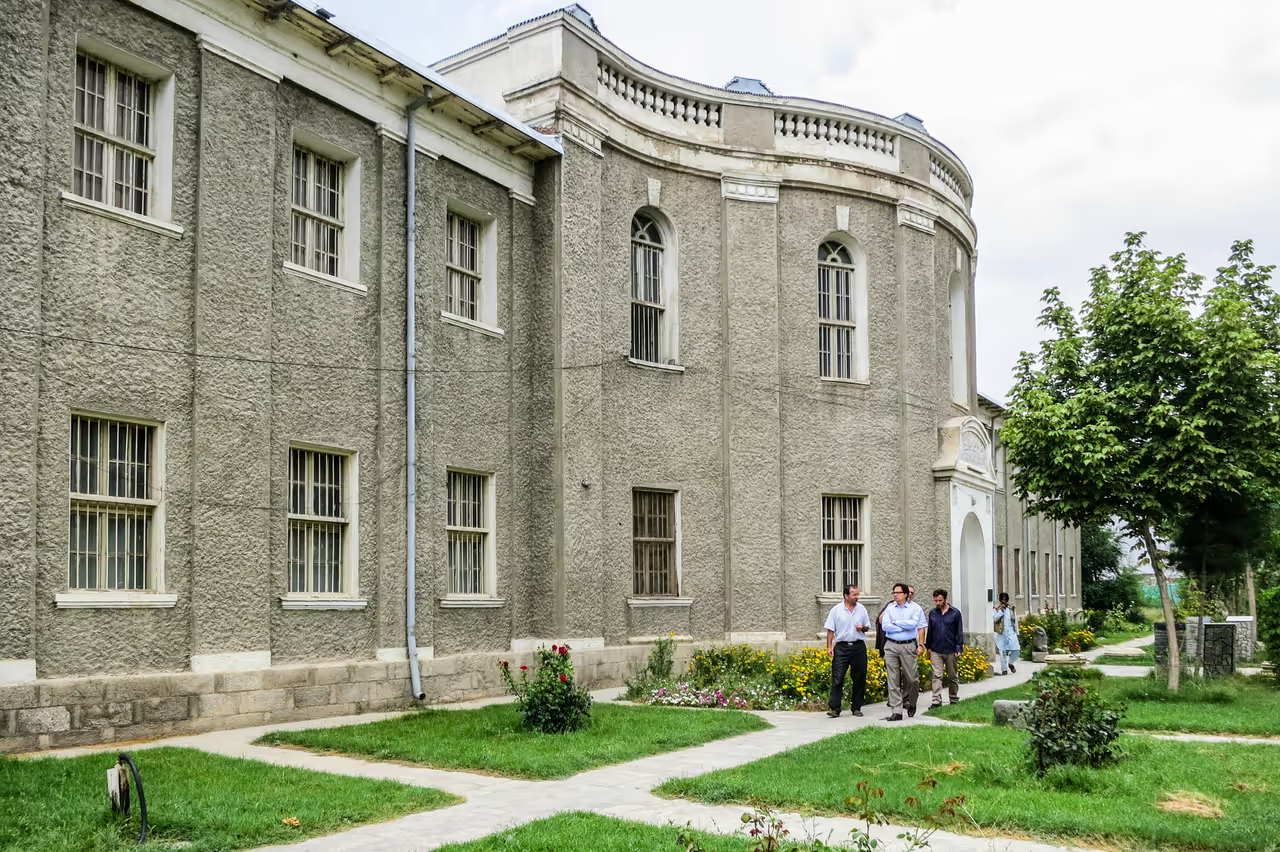
2958mNational Museum of Afghanistan
The National Museum of Afghanistan stands as a testament to the nation's profound history and enduring spirit. Once regarded as one of the world's finest collections, it houses thousands of years of human heritage ranging from ancient Buddhist relics to intricate Islamic art. Visitors can explore the layers of the Silk Road through unique artefacts that reveal the story of a crossroads of civilisations. Despite a turbulent past, the museum has emerged as a resilient beacon of culture, painstakingly recovering and restoring precious items for the future. It offers a rare window into the artistic and archaeological richness that has shaped this region for millennia.
attraction view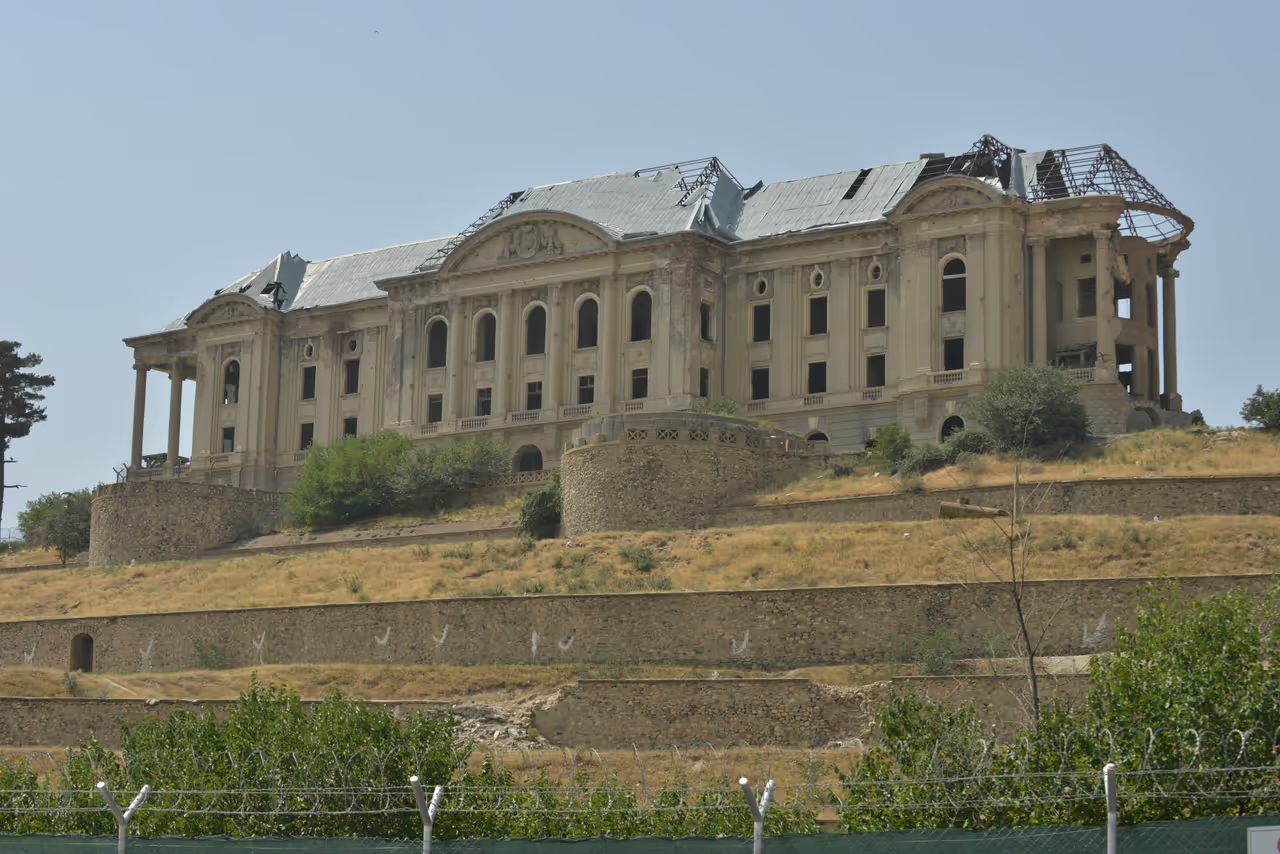 3850m
3850mTajbeg Palace
Perched dramatically on a hill overlooking the western districts, the Tajbeg Palace is a masterpiece of early 20th-century European-inspired architecture. It was built for the Afghan royal family to serve as an opulent residence away from the city centre. The building is perhaps most famous for being the site of the 1979 Soviet commando raid that initiated their military intervention. Recently, it has undergone significant restoration to repair the heavy damage it sustained during decades of conflict. The palace stands as a stark, beautiful symbol of the country's turbulent modern history.
architecture view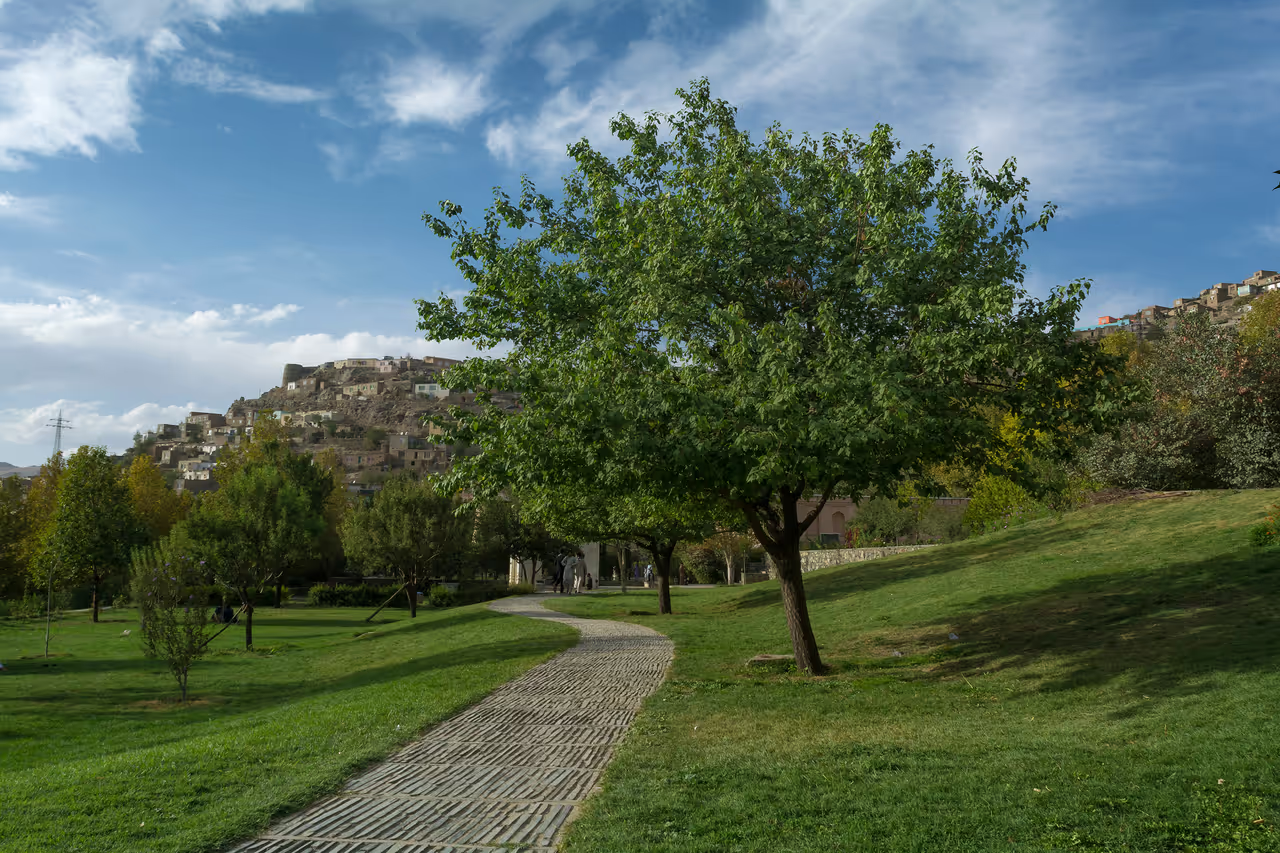 3954m
3954mGardens of Babur
Nestled against the slopes of the Sher Darwaza mountain, the Gardens of Babur serve as a peaceful sanctuary in the heart of Kabul. These historic terraced gardens offer a rare glimpse into the grandeur of the Mughal Empire, blending serene landscapes with centuries of royal history. Visitors can wander through shaded paths lined with ancient trees, admire the architecture of the marble mosque, and find respite from the city pace. It remains a cherished place where locals and travellers alike come to reflect, picnic, and connect with a significant piece of Central Asian heritage. The site embodies a delicate balance between preserving antiquity and providing a modern space for community connection.
park & nature view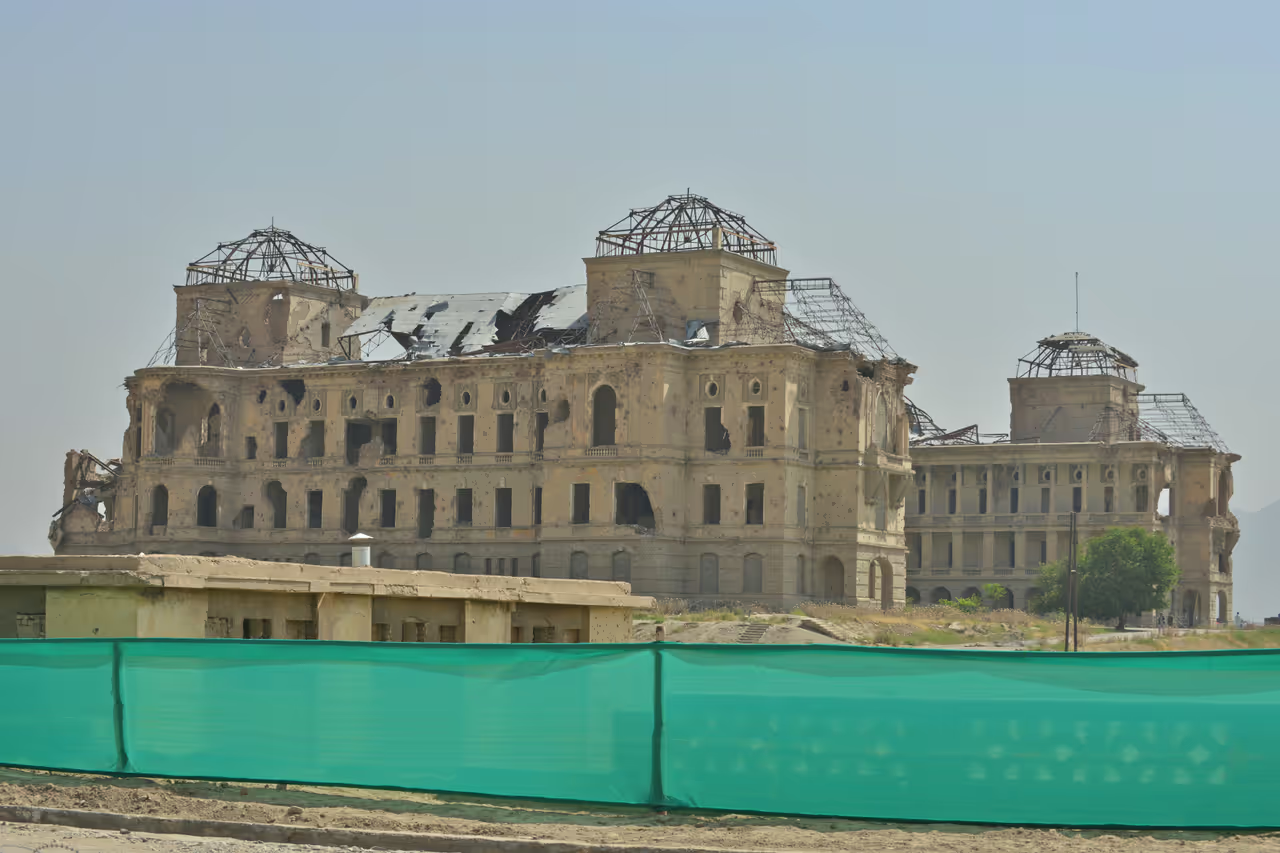 3999m
3999mDarul Aman Palace
Standing as a powerful symbol of resilience, the Darul Aman Palace offers visitors a striking journey through the complex history of Afghanistan. This neoclassical masterpiece, perched on a hill, reflects a vision of a modern Kabul that once blossomed in the 1920s before enduring decades of conflict. Today, its elegant restoration serves as a testament to the nation's determination to preserve its heritage and look toward the future. You can walk through its halls to appreciate the intricate design and the ambitious spirit of its original creators. It is truly a place where the past and the present converge, offering a moving experience for anyone interested in architecture and history.
attraction view
Explore Similar Places in This Collection
Featured on These Itineraries and Routes
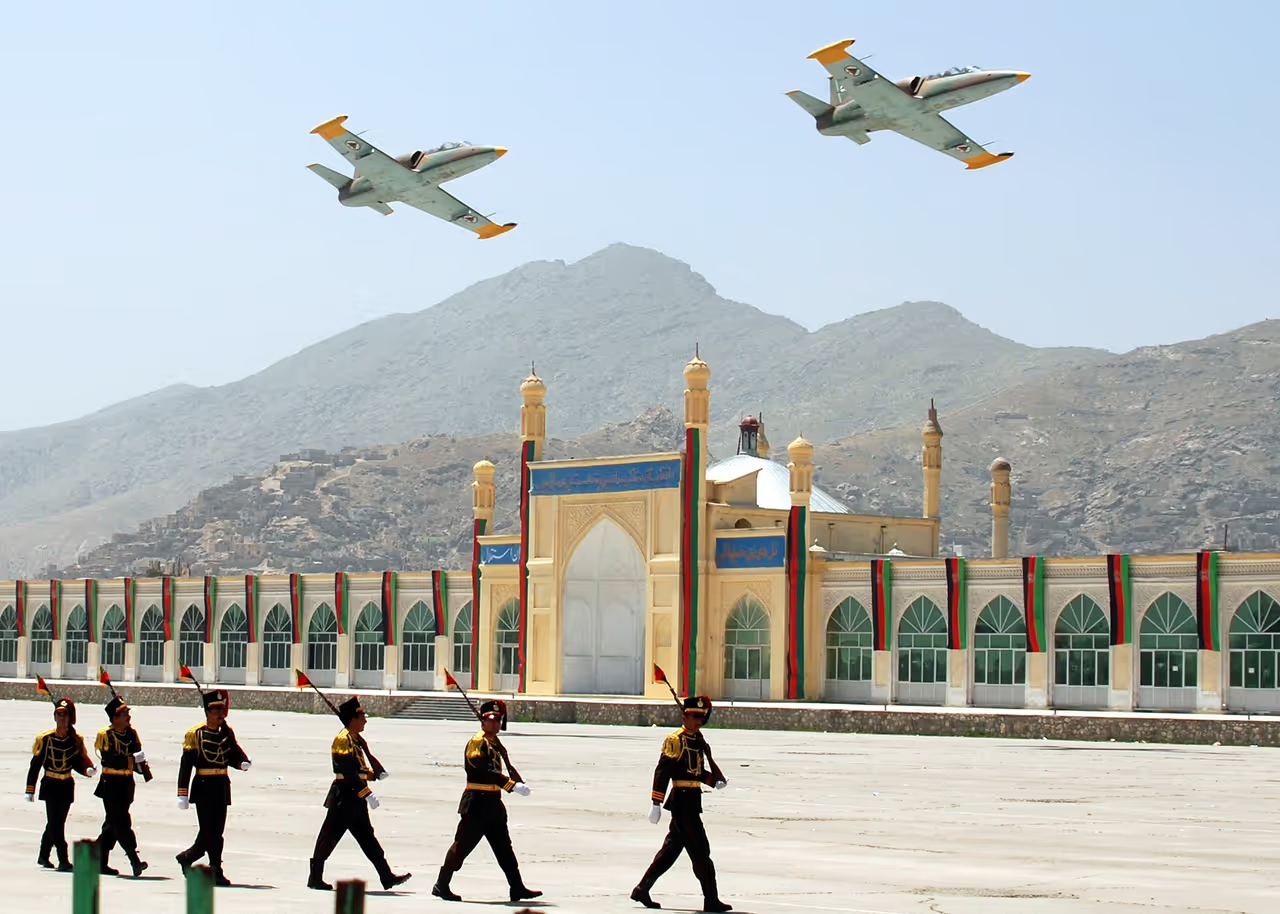
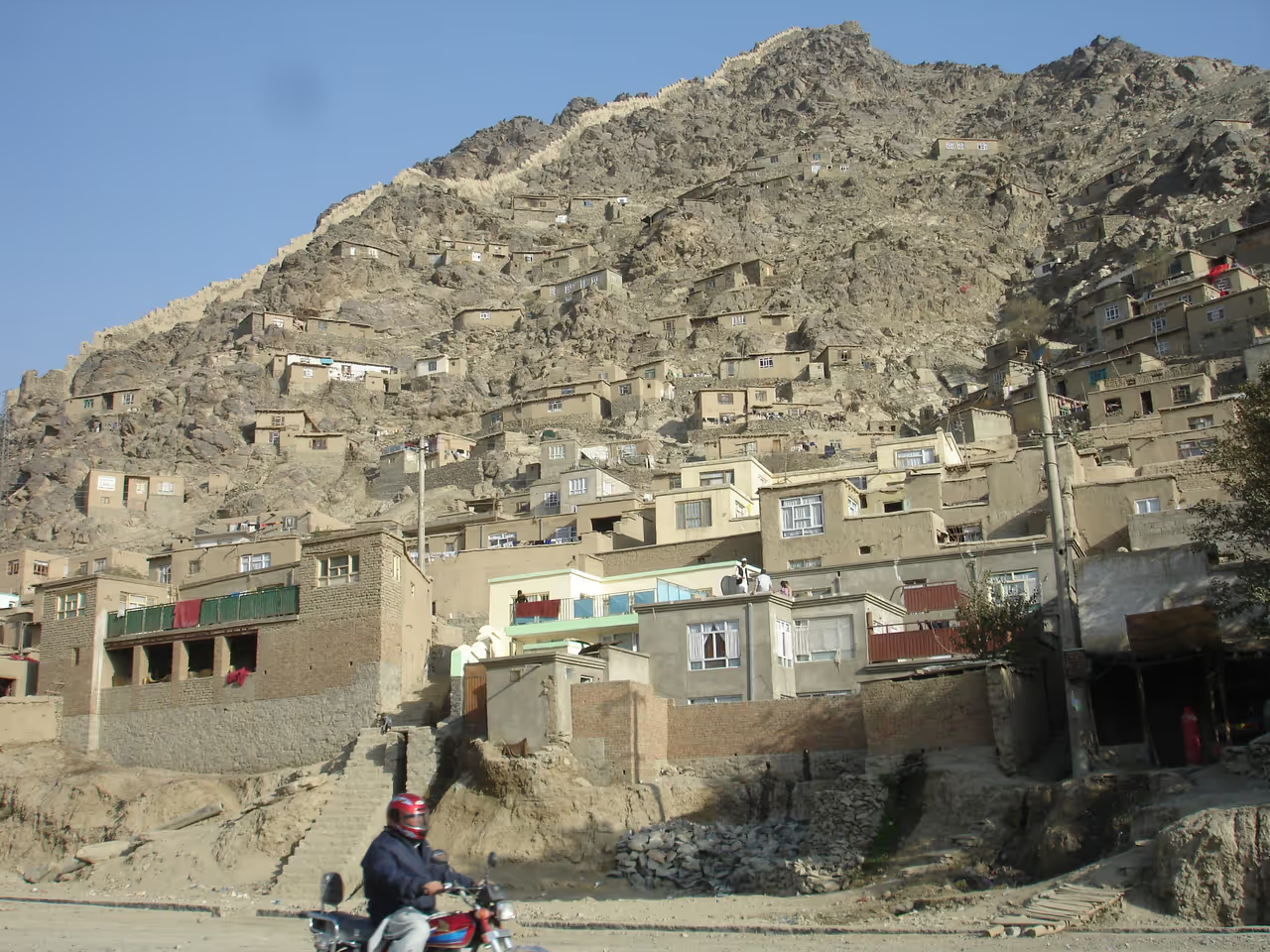
Old City Perimeter Ride
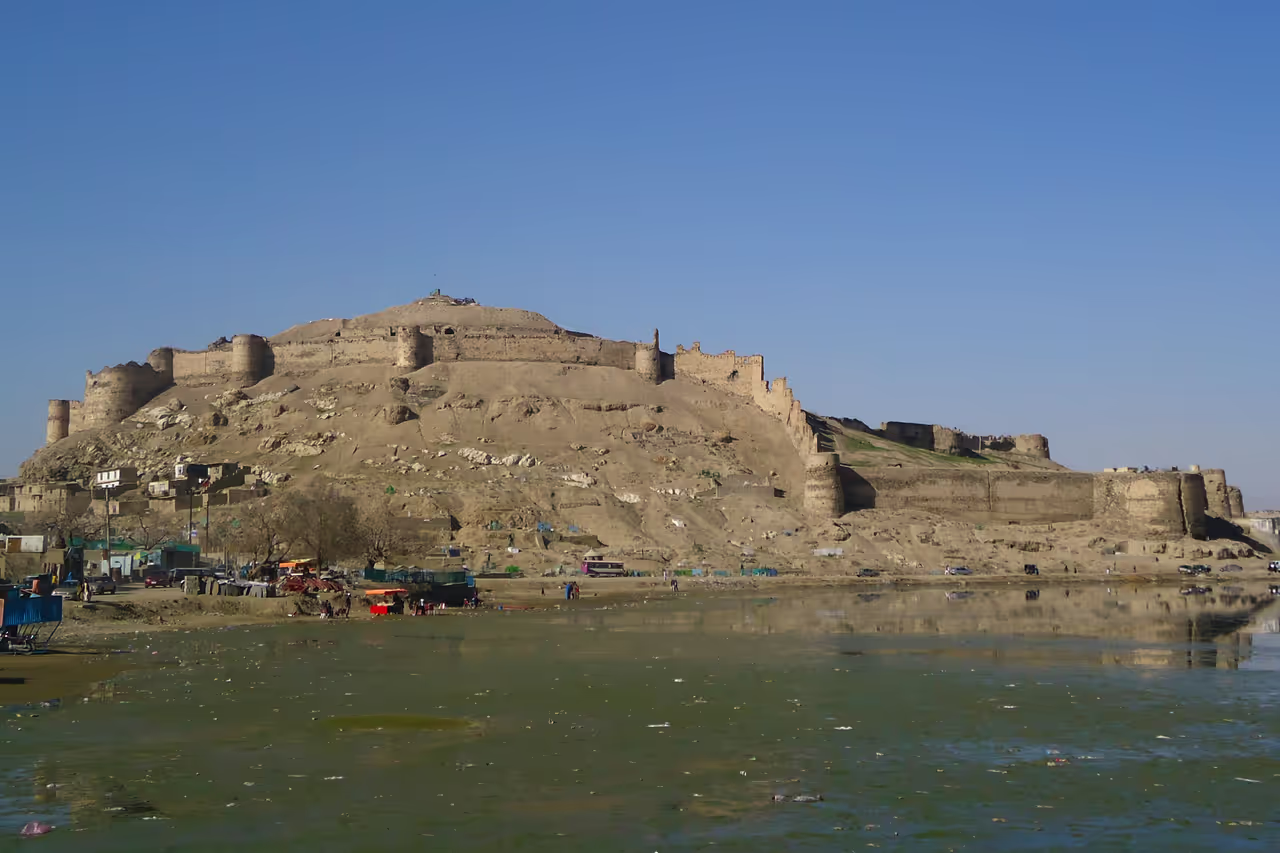
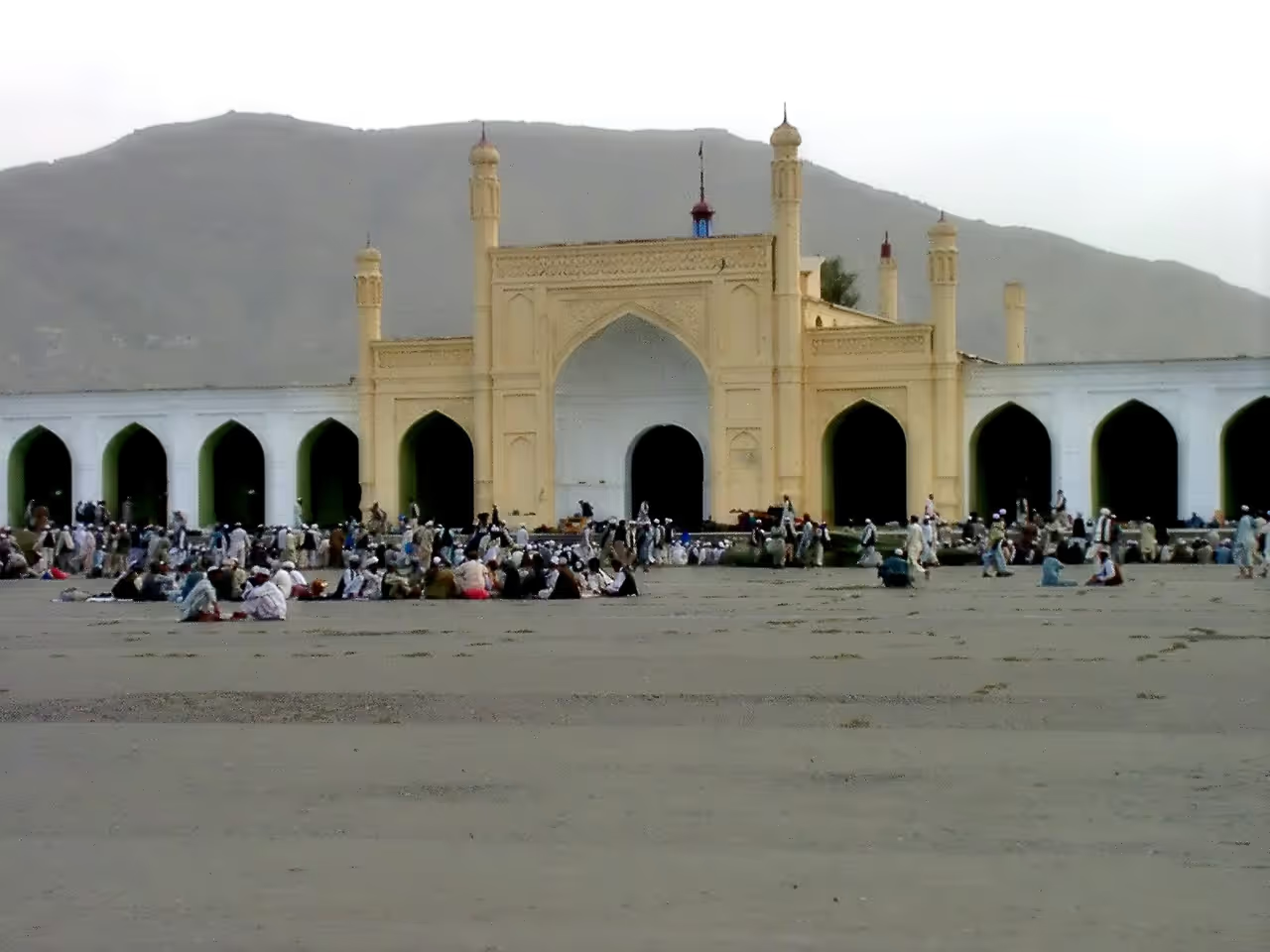
This route traces the historic boundaries of the ancient city, weaving between the foothills and the dense urban core. You will ride past the remnants of old fortresses and grand historical mosques that have anchored the community for centuries. The path offers a stark contrast between the rugged mountains and the vibrant, crowded streets below. It is an excellent way to grasp the geographical layout that made this valley such a strategic stronghold.
view cycling route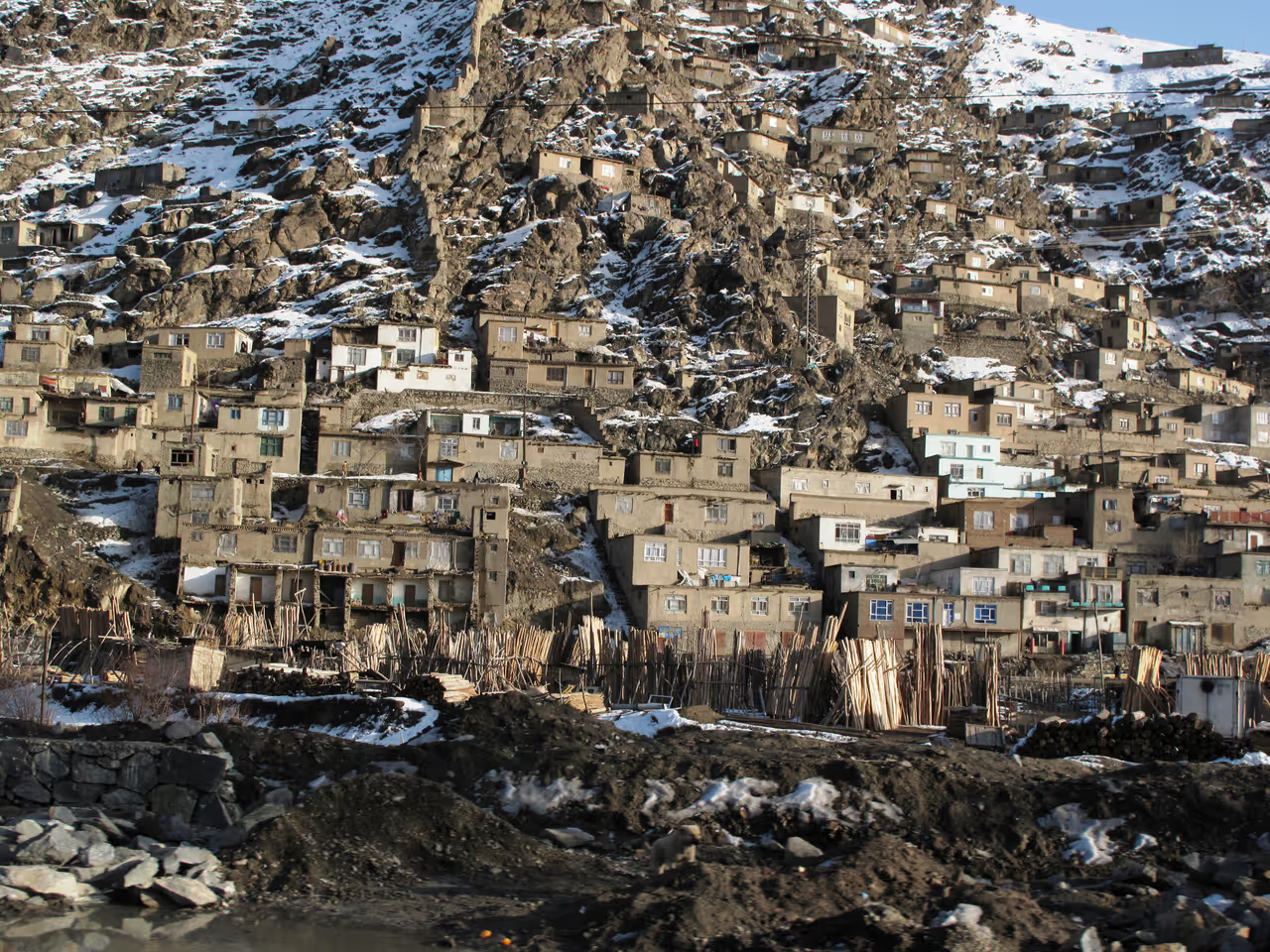
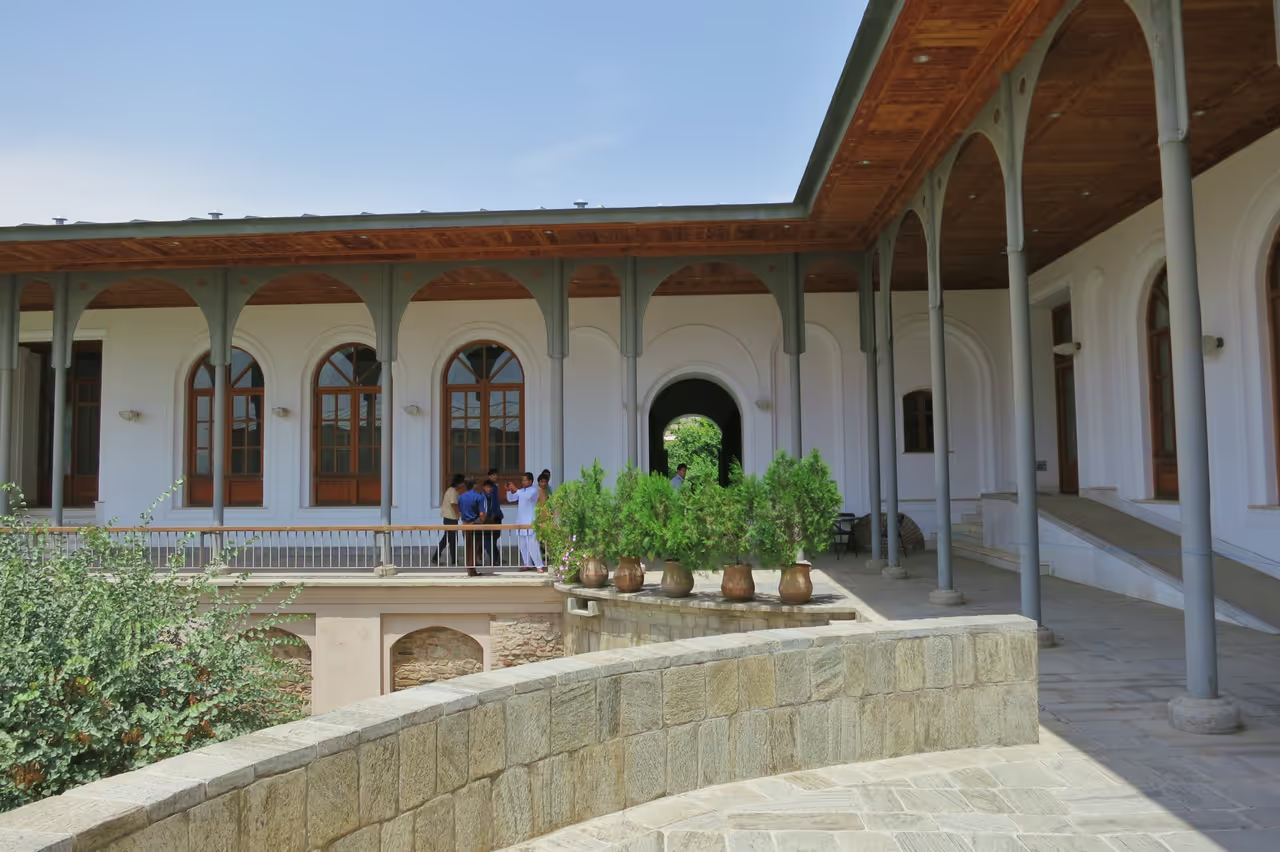
Gardens of Babur Promenade
This stroll offers a serene journey through one of the most meticulously restored Mughal gardens in the world. Walking up the gentle, terraced incline beside a flowing central water channel, you are surrounded by fragrant fruit trees and elegant marble structures. The path culminates at the simple, open-air tomb of Emperor Babur, providing a stunning view back down over the city. It is an atmosphere of profound tranquillity that feels entirely removed from the urban chaos outside the walls.
view walking route
See all nature & parks in Kabul
Gardens of Babur, Zarnegar Park...