Gardens of Babur
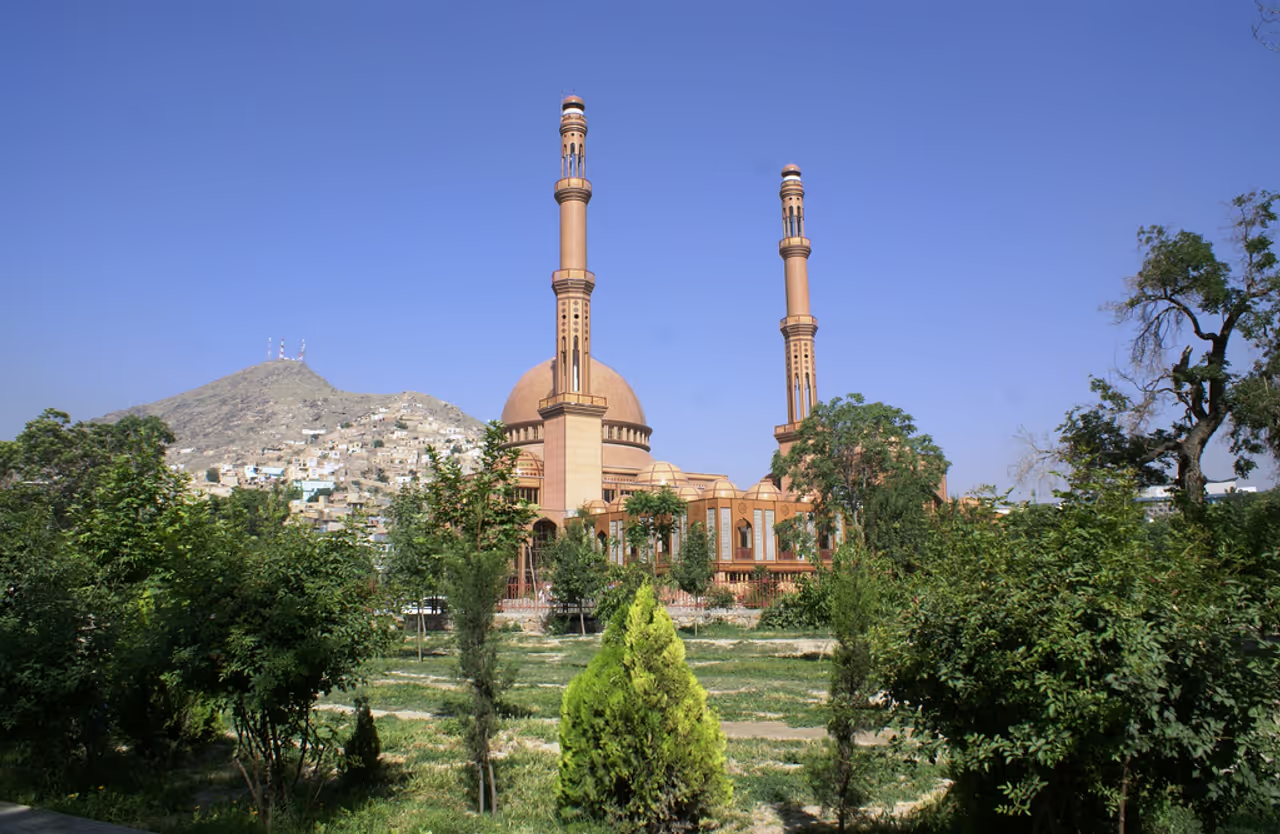
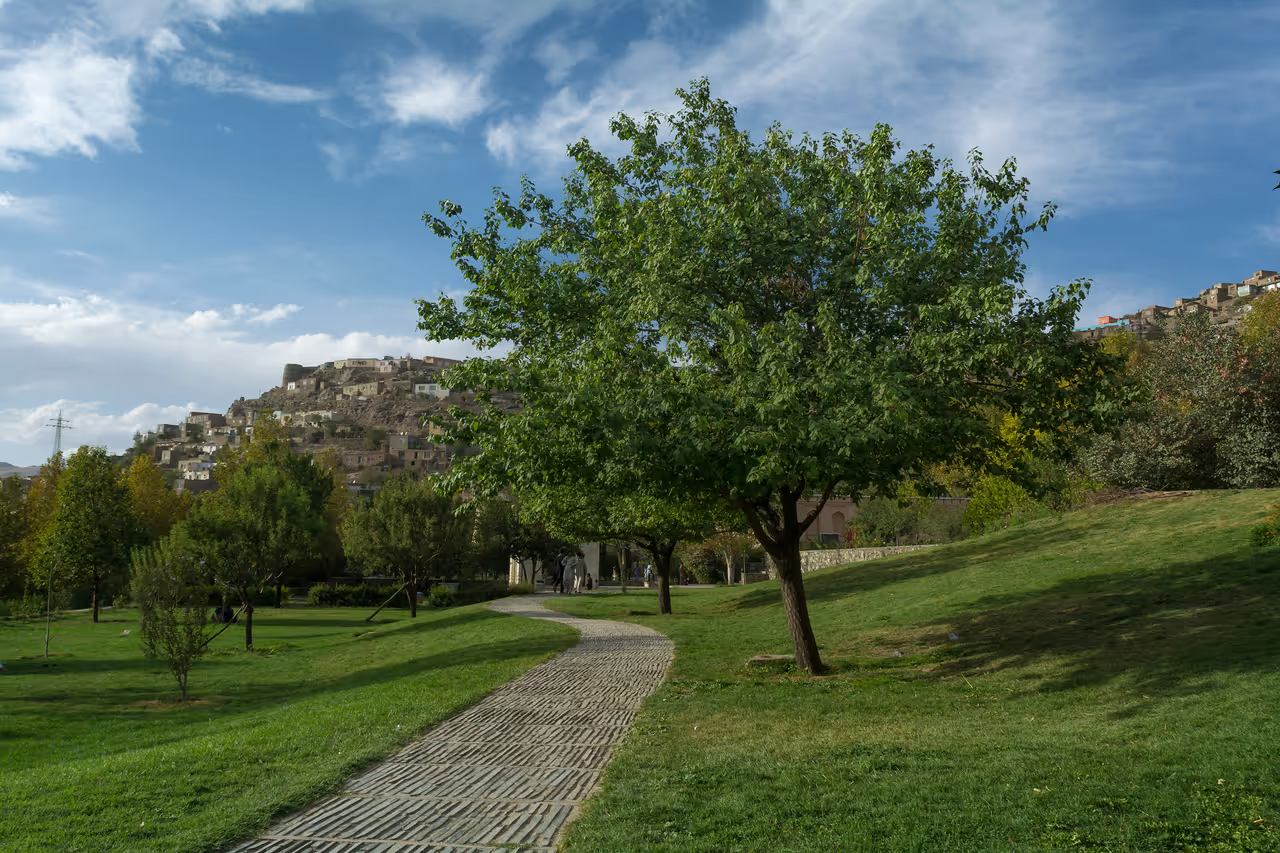
Nestled against the slopes of the Sher Darwaza mountain, the Gardens of Babur serve as a peaceful sanctuary in the heart of Kabul. These historic terraced gardens offer a rare glimpse into the grandeur of the Mughal Empire, blending serene landscapes with centuries of royal history. Visitors can wander through shaded paths lined with ancient trees, admire the architecture of the marble mosque, and find respite from the city pace. It remains a cherished place where locals and travellers alike come to reflect, picnic, and connect with a significant piece of Central Asian heritage. The site embodies a delicate balance between preserving antiquity and providing a modern space for community connection.
Videos
History of Gardens of Babur
Established around 1504 by Zahiruddin Muhammad Babur, the founder of the Mughal Empire, these gardens were originally conceived as a summer retreat and a place for private contemplation. Babur, who deeply appreciated the beauty of nature and the climate of Kabul, sought to create an avenue garden that captured the essence of paradise on earth. His memoirs, the Baburnama, offer vivid insights into his vision for these grounds, detailing the careful arrangement of vegetation and water channels that would define the site for centuries to come. The site gained immense historical weight as it became the final resting place for Babur and several family members. Subsequent Mughal emperors ensured its continued importance through elaborate additions. In 1607, a royal pilgrimage to the site led to the installation of a prayer platform and a formal headstone, while Shah Jahan further embellished the sanctuary in 1638 by adding a beautiful marble screen and a mosque. These royal interventions solidified the gardens as a spiritual and commemorative space, reflecting the deep devotion of the Mughal dynasty to their ancestral origins in Kabul. After enduring centuries of change and damage during periods of instability, the gardens have experienced a remarkable restoration. Managed today by the Bagh e Babur Trust and local partners, the site has been meticulously rehabilitated to recover its historic layout, including the restoration of the thirteen terraces and indigenous tree plantings. This modern effort serves more than mere preservation; it acts as a catalyst for reviving cultural pride and identity, ensuring that the Gardens of Babur continue to function as a vibrant, living monument that bridges the past and the present for the people of Afghanistan.
Events spanning 499 years
Fun Facts
- • A swimming pool and modern greenhouse were added in the late 1970s, showcasing the shifting utility of the space in the twentieth century.
- • Babur personally directed the alteration of streams and the layout of the garden, showing his detailed approach to landscape design.
- • British explorer Charles Masson provided the only surviving sketch of the tomb before an earthquake in 1842 devastated the site.
- • During the 1930s, the park was converted into a public recreational space, marking a transition from royal property to a community resource.
- • Famous Mughal princess and author Gulbadan Begum, who wrote the Humayun Nama, is buried within these grounds.
- • Indigenous tree species like the wild cherry were allegedly introduced to the region by Babur himself after he brought them from the north.
- • The garden was a key setting in the Baburnama, where the emperor famously described the climate and beauty of Kabul.
- • The gardens have historically functioned as a caravan stop where travellers traded goods, making it a place of economic and cultural exchange.
- • The restoration process involved a monumental effort that generated over one hundred thousand work days for local labourers, boosting the economy.
- • The site holds relics dating back to the third century BC, hinting at much older origins than the Mughal gardens.
Gardens of Babur FAQ
While we strive to keep this information accurate and up to date, we recommend verifying any details independently before making decisions based on them.
Gardens of Babur Map & Neighborhood Explorer
This interactive map is centered on Gardens of Babur. Zoom in and move the map around to automatically discover Wikipedia photos and summaries of other nearby sights, monuments, and historical points of interest and stories in real-time!
Places near Gardens of Babur
Make the most of your trip. Check out these top-rated spots located nearby.
 679m
679mHike the Old City Wall
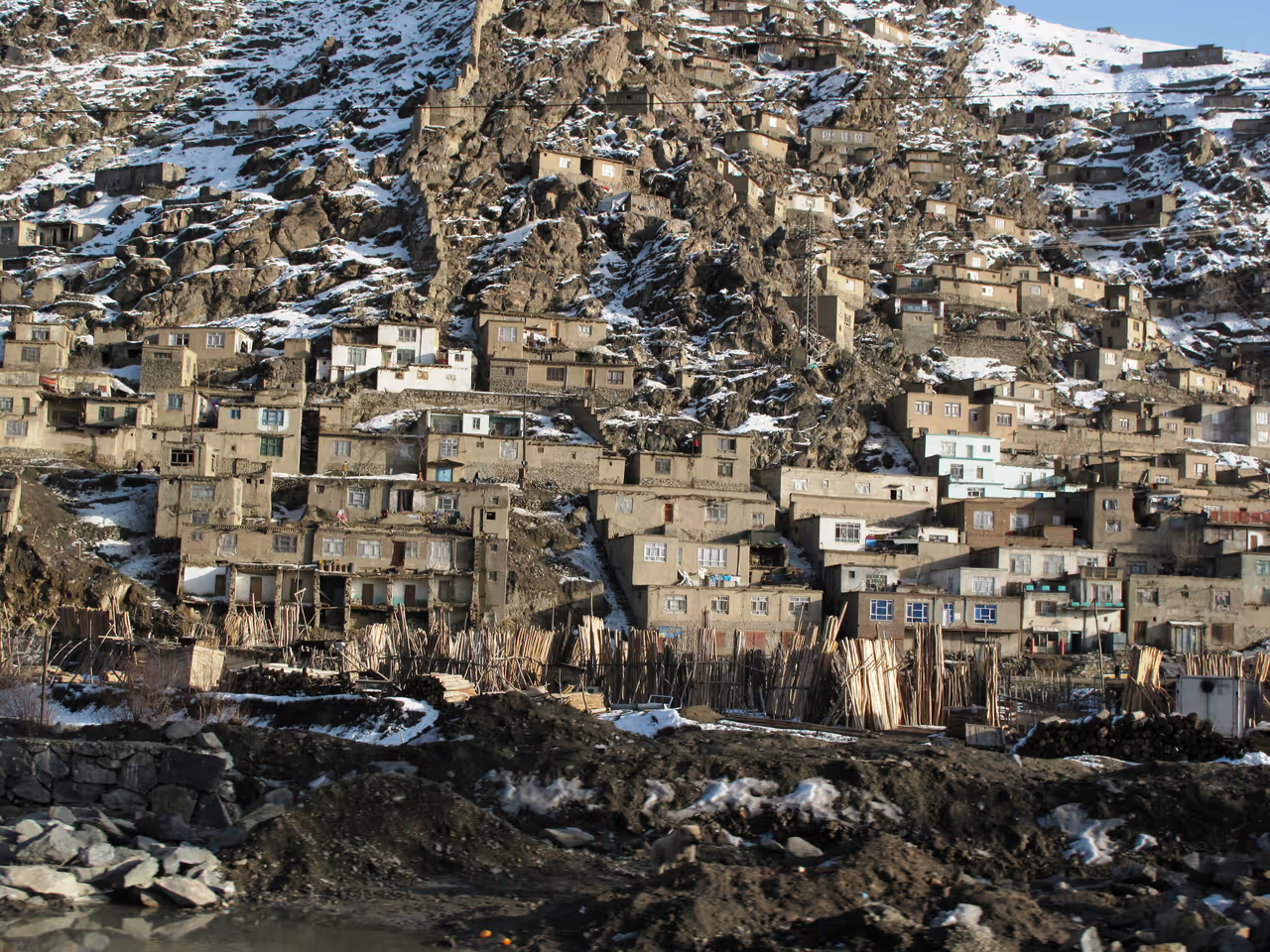
Scaling the rugged Sher Darwaza mountain to follow the ancient fortifications costs nothing but physical effort. These 5th-century walls offer the most commanding, panoramic views over the old city and the expansive valley. The hike provides a brilliant mix of rigorous exercise and profound historical immersion without spending a single Afghani. It is a fantastic way to grasp the strategic geographical importance of the capital while enjoying the fresh mountain air.
free thing to do view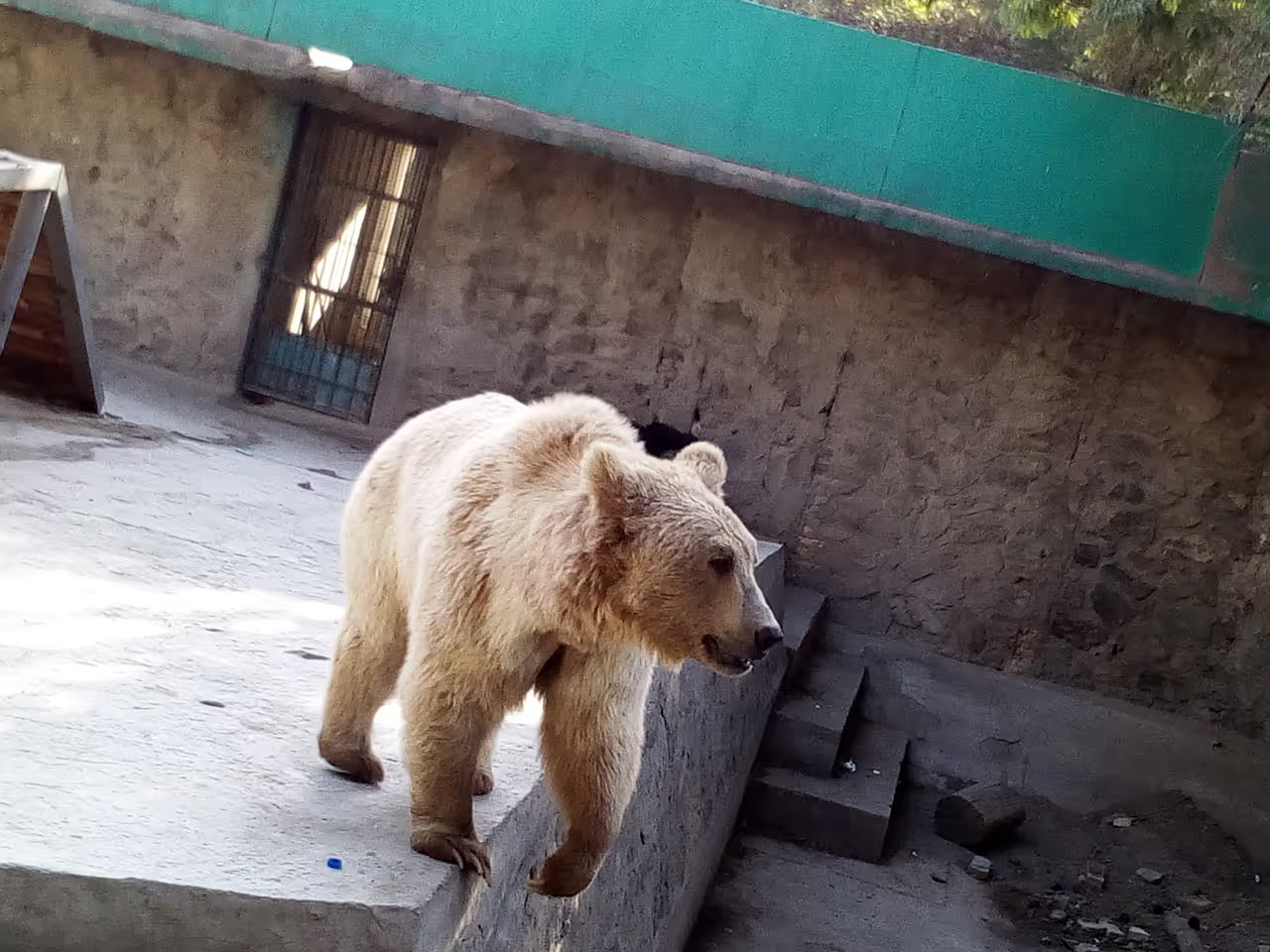 808m
808mKabul Zoo
Located along the banks of the Kabul River, this zoological garden holds a special place in the hearts of the city's residents. Despite suffering significant damage during the civil wars, it remains one of the most popular recreational spots for local families. The zoo houses a variety of regional animals and birds, though the conditions are quite basic by international standards. A visit here is less about the wildlife and more about experiencing a beloved slice of local culture.
highlight view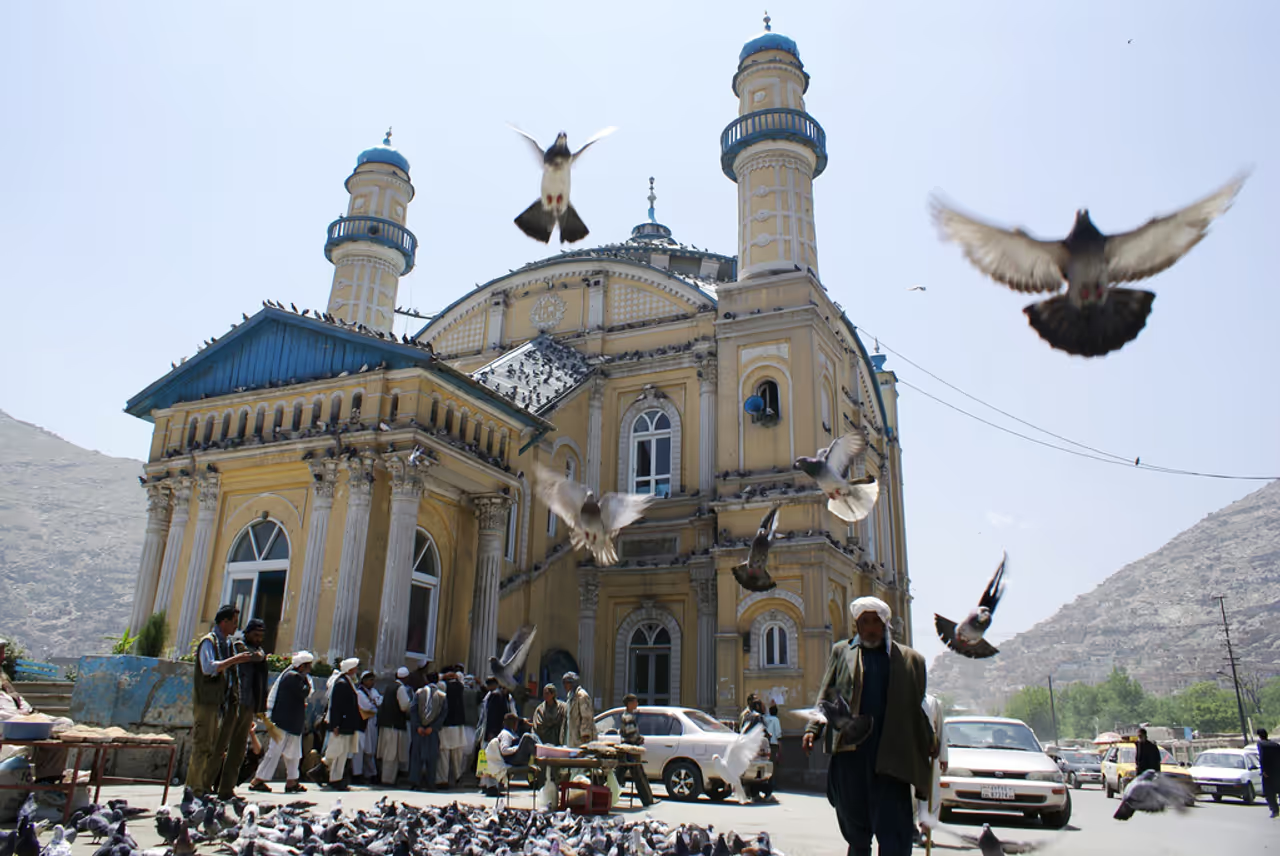 1732m
1732mShah-Do Shamshira Mosque
Standing uniquely along the Kabul River, the Shah-Do Shamshira Mosque is a striking architectural gem that breaks the mould of traditional Afghan design. Its distinct pale yellow facade and intricate stucco details evoke the spirit of the Ortaköy Mosque in Istanbul, earning it the charming moniker of Afghan Baroque. Visitors find themselves drawn to its two storey structure, which offers a serene pause from the activity of the city. Beyond its beauty, the mosque stands as a testament to the diverse influences that have shaped the cityscape throughout the twentieth century. It remains a fascinating landmark where history and culture collide in the heart of the capital.
attraction view 2015m
2015mMausoleum of Timur Shah
This imposing octagonal brick structure houses the remains of Timur Shah Durrani, the ruler who officially moved the capital of the Afghan empire to Kabul in 1776. The building follows classic Central Asian Islamic traditions, featuring intricate decorative brick masonry without colourful tilework. Despite surviving numerous wars, it remained unfinished for over two centuries before undergoing recent restorative work. Its stark, colourless aesthetic provides a striking contrast to the vibrant chaos of the surrounding Mandawi market area. It is a vital piece of the city's foundational history.
architecture view
Featured on These Itineraries and Routes
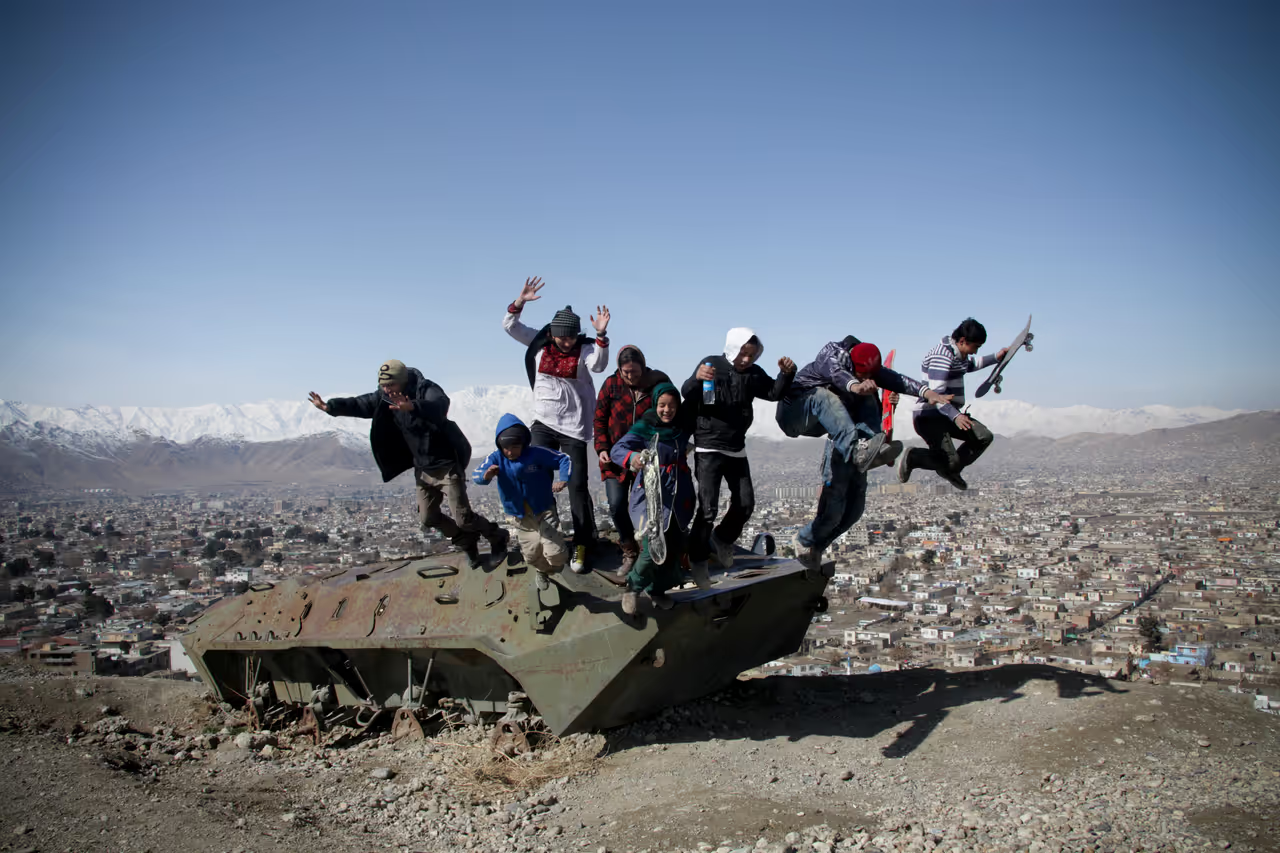
1 Day in Kabul Itinerary
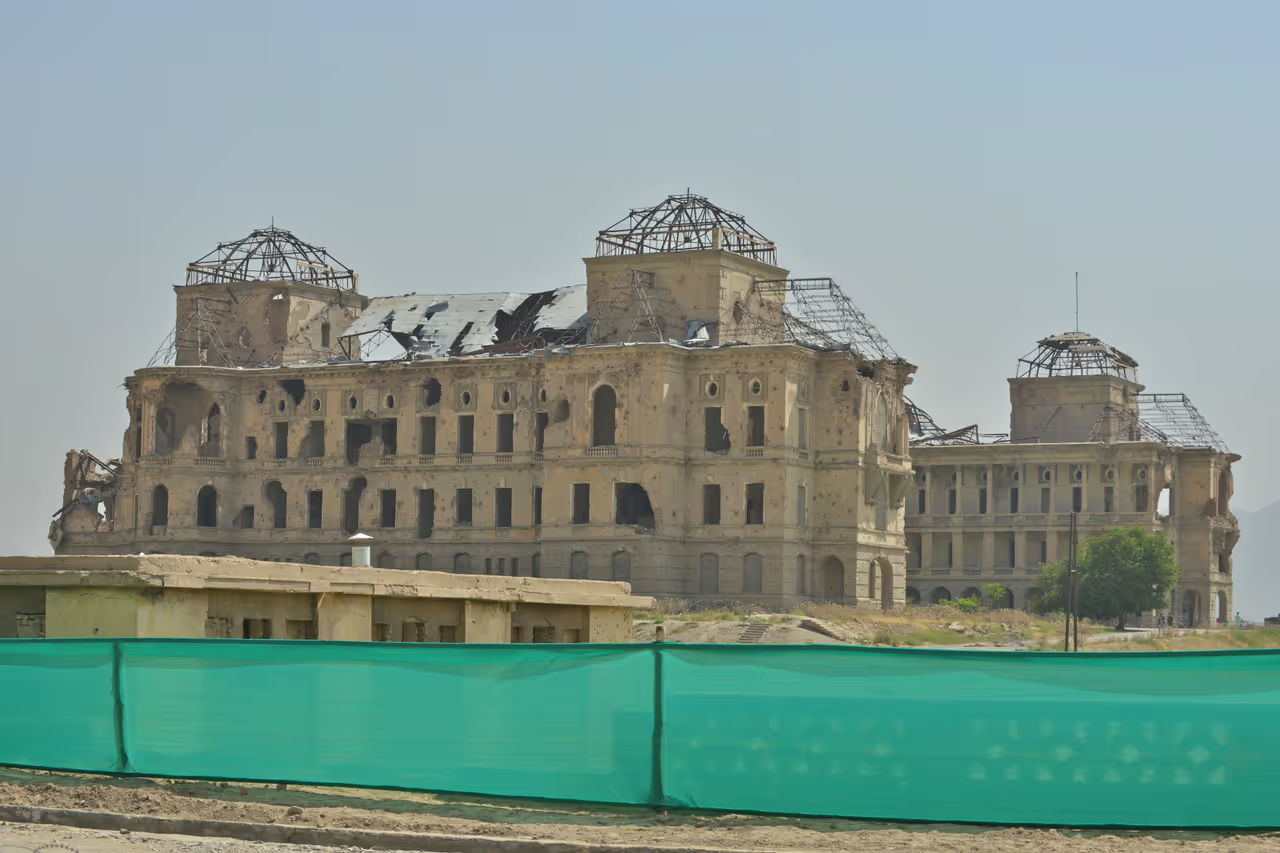
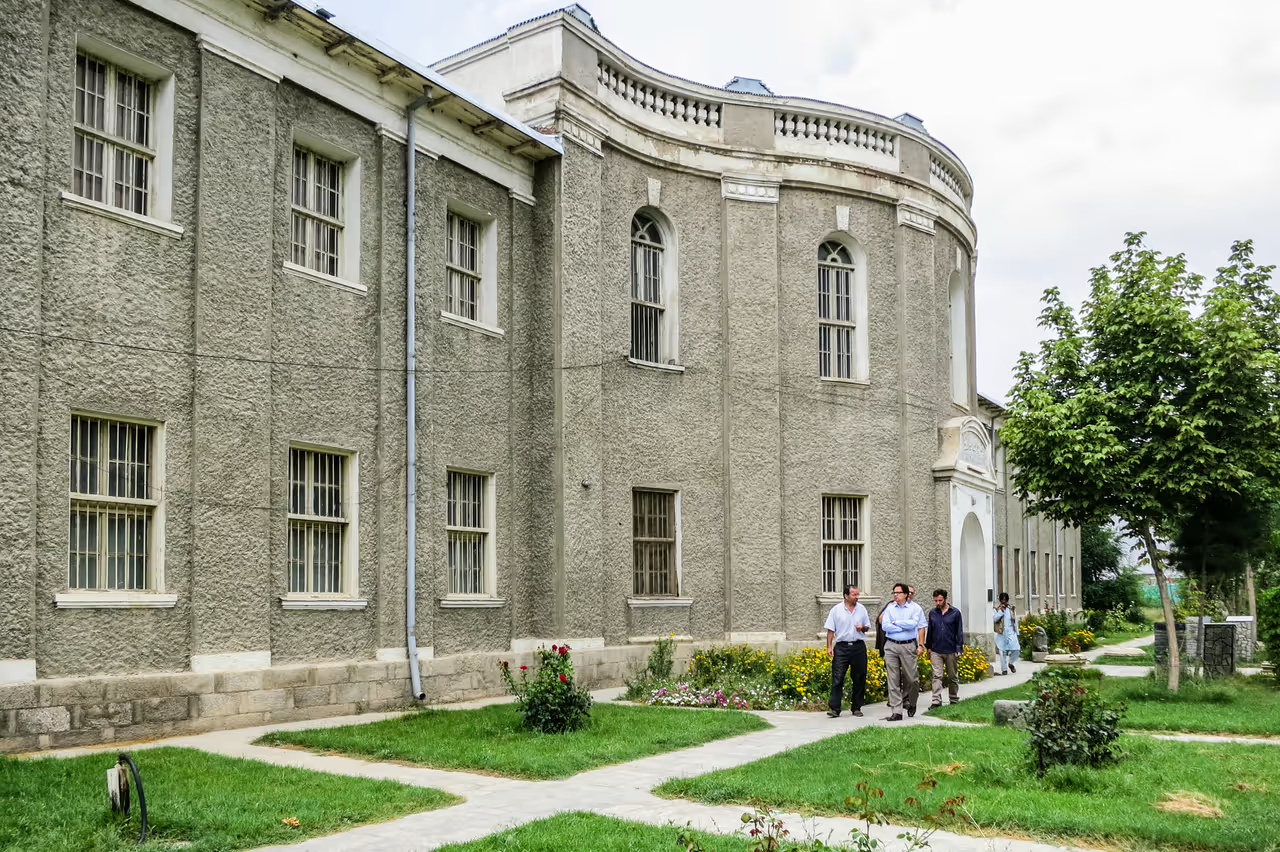
If you only have a single day in the capital, this rapid itinerary ensures you experience the absolute pinnacle of its history and beauty. You will focus entirely on the grand royal legacy in the morning and transition to the serene Mughal gardens in the afternoon. It prioritises visual impact and profound historical context, ensuring you leave with a powerful understanding of the city's resilience. This route is efficient and keeps you moving through the most iconic, secure landmarks.
view itinerary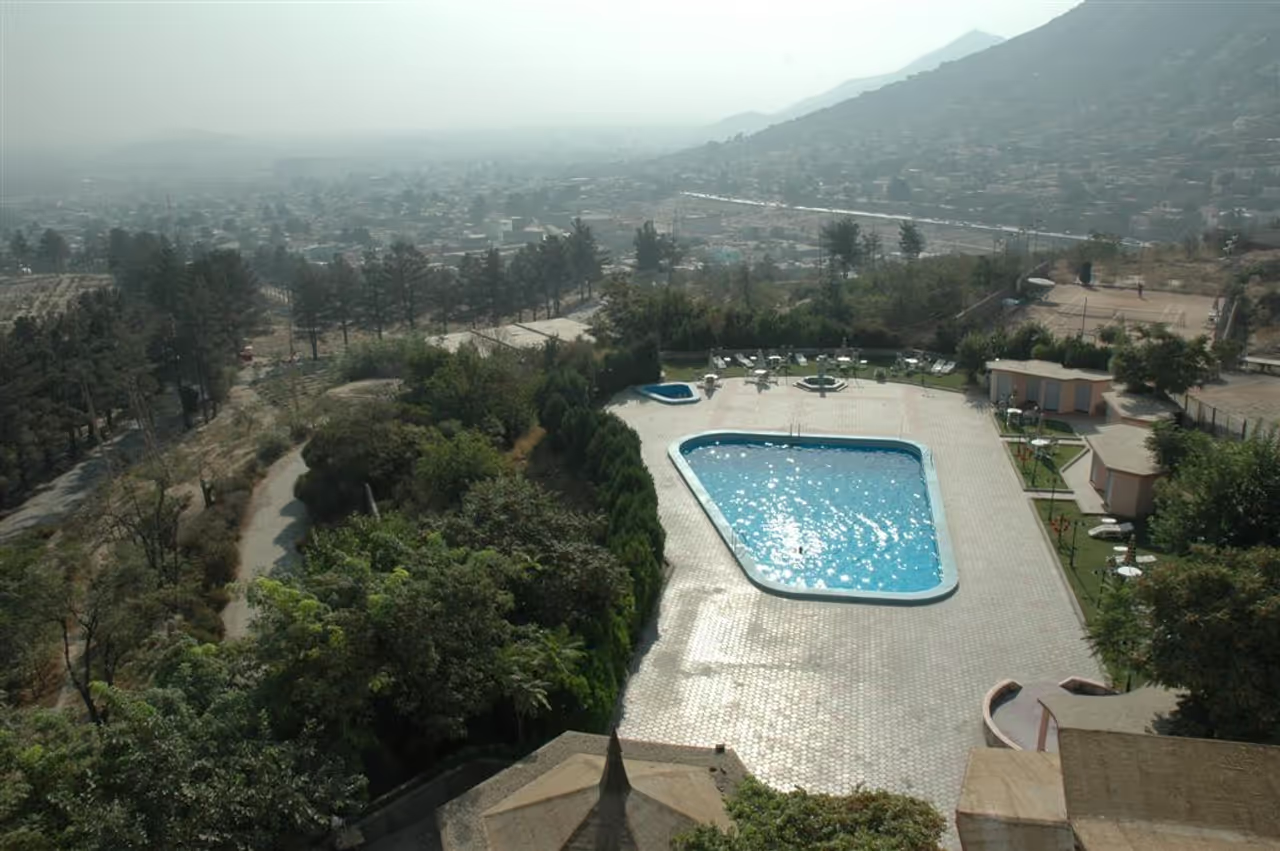
3 Days in Kabul: Culture & Heritage Itinerary
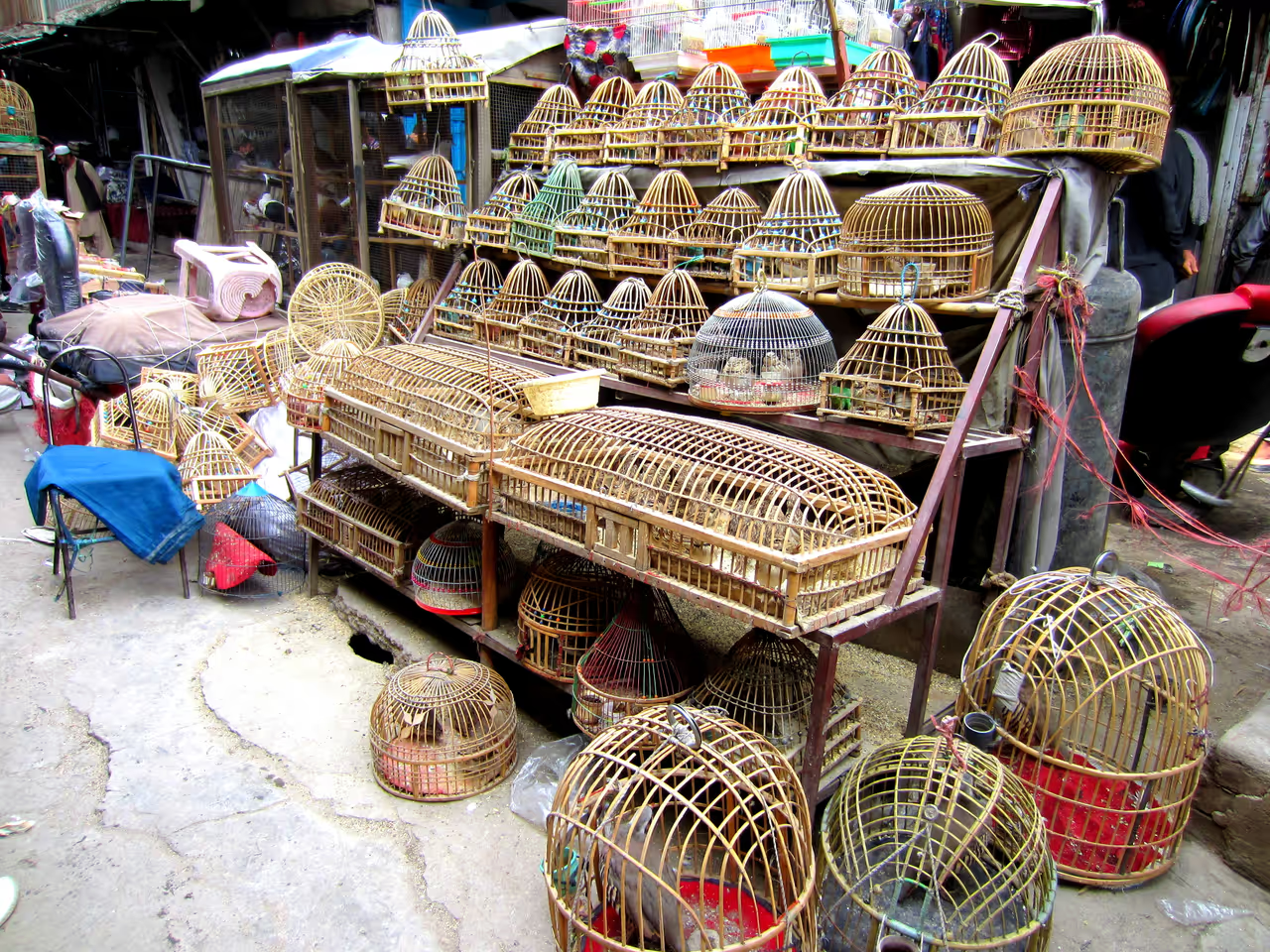
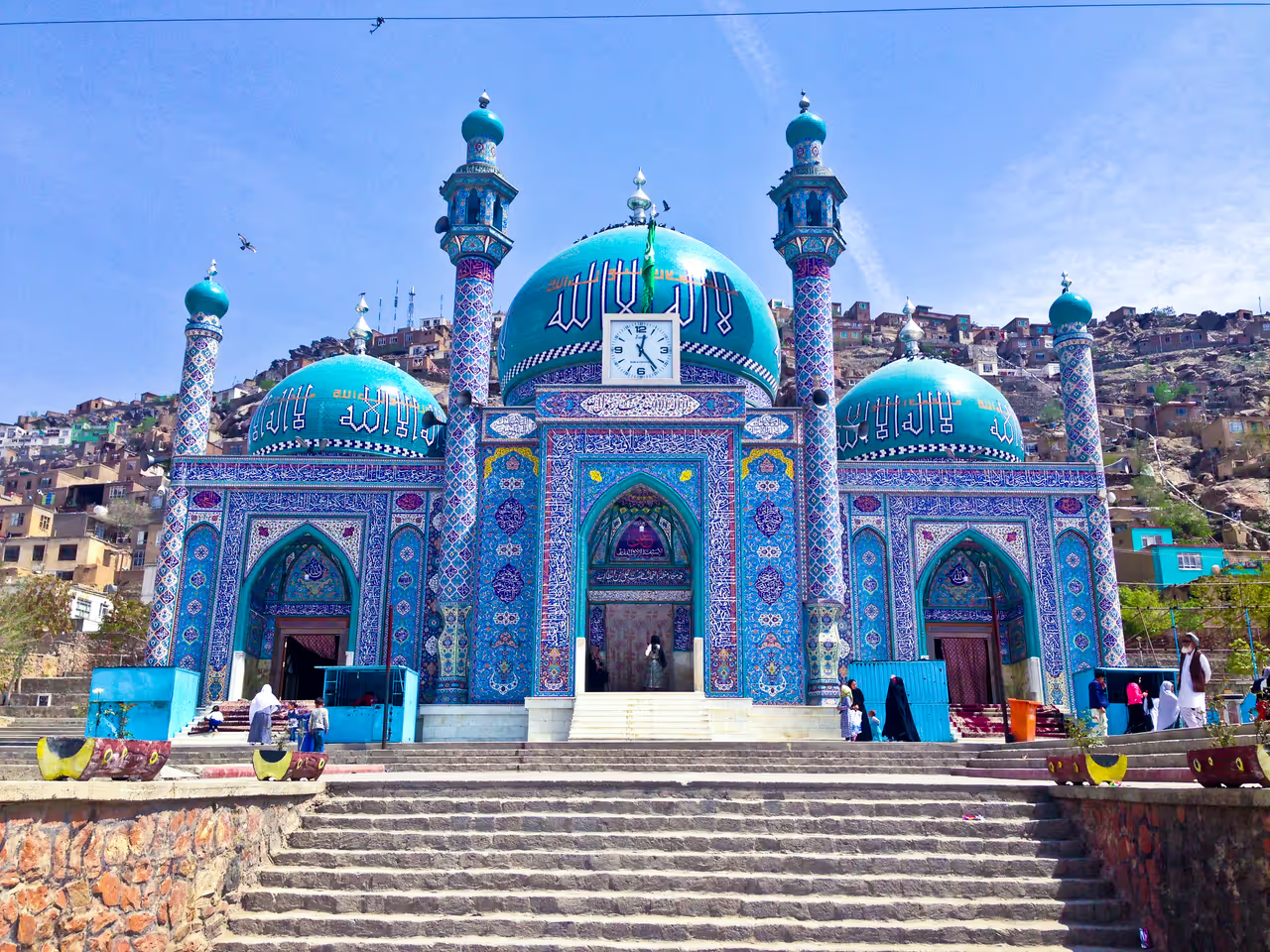
This balanced three-day journey allows you to dive significantly deeper into the contrasting facets of the city. Beyond the grand palaces, you will immerse yourself in the chaotic, authentic energy of the historic old city bazaars and spiritual shrines. It offers a perfect mix of monumental architecture, authentic local street life, and relaxing panoramic viewpoints. This timeframe allows you to appreciate the city's complex layered history without feeling overly rushed.
view itinerary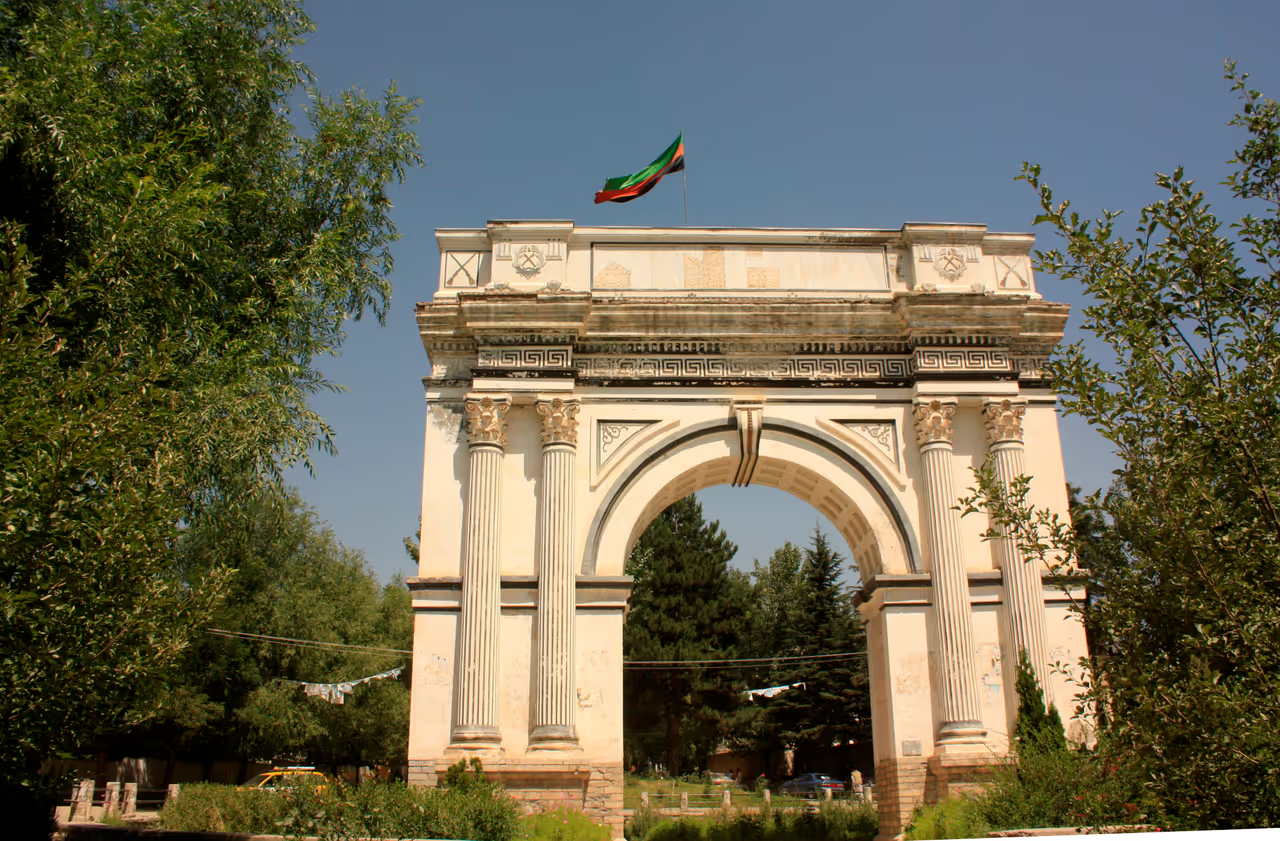
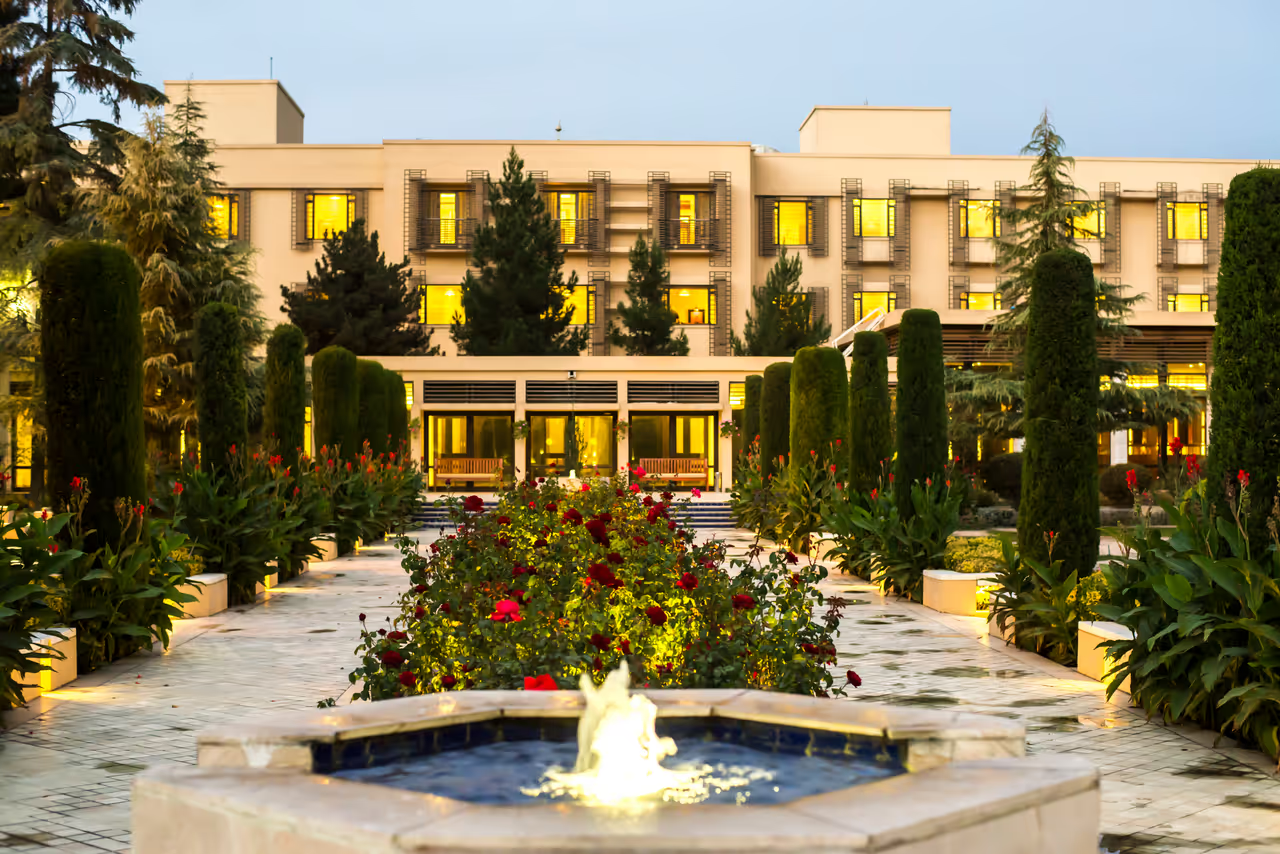
5 Days in Kabul: The Complete Explorer Itinerary
For the dedicated traveller, this five-day itinerary provides a highly comprehensive exploration of the capital and its surrounding landscapes. You will have the time to uncover moving hidden gems, hike the ancient defensive walls, and take a refreshing day trip out to the surrounding valleys. This pace allows for genuine engagement with the local culture and the flexibility to enjoy long, traditional lunches. It is the ultimate way to understand the profound depth and resilience of this mountain metropolis.
view itinerary
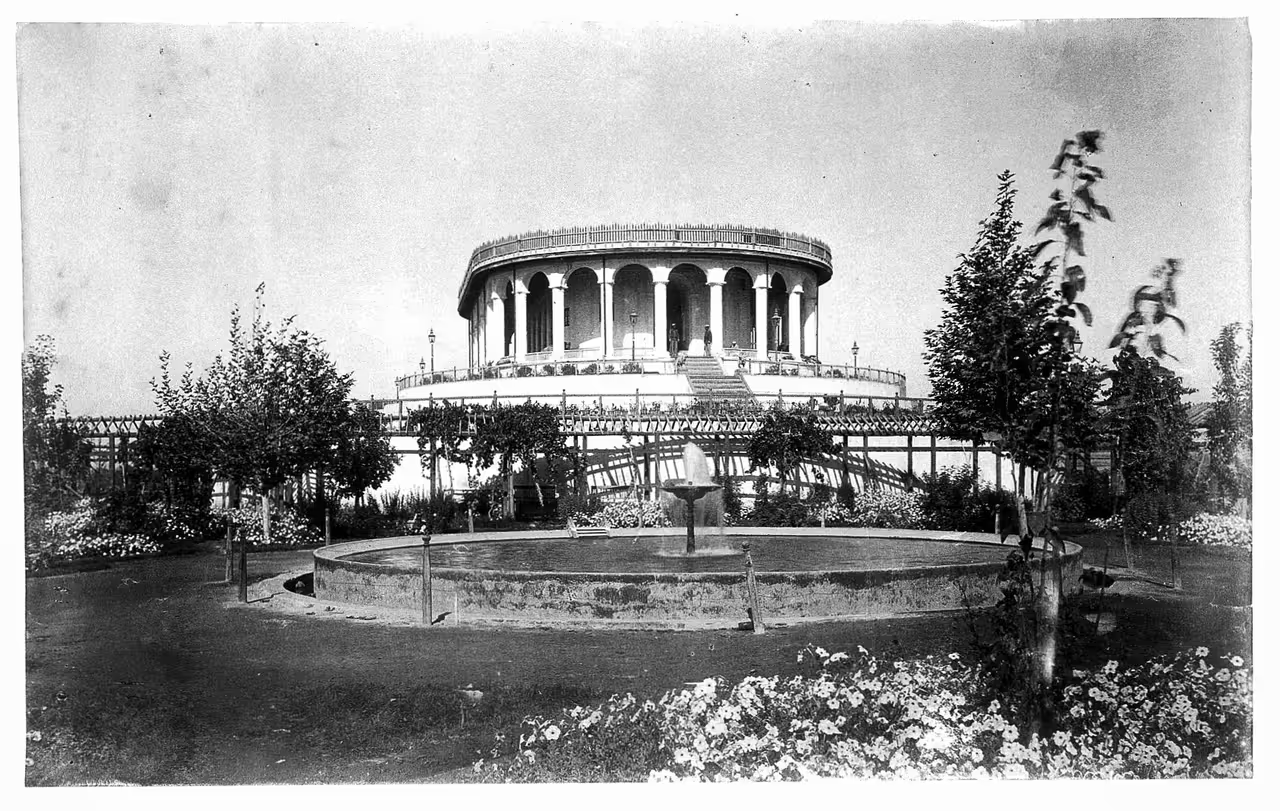
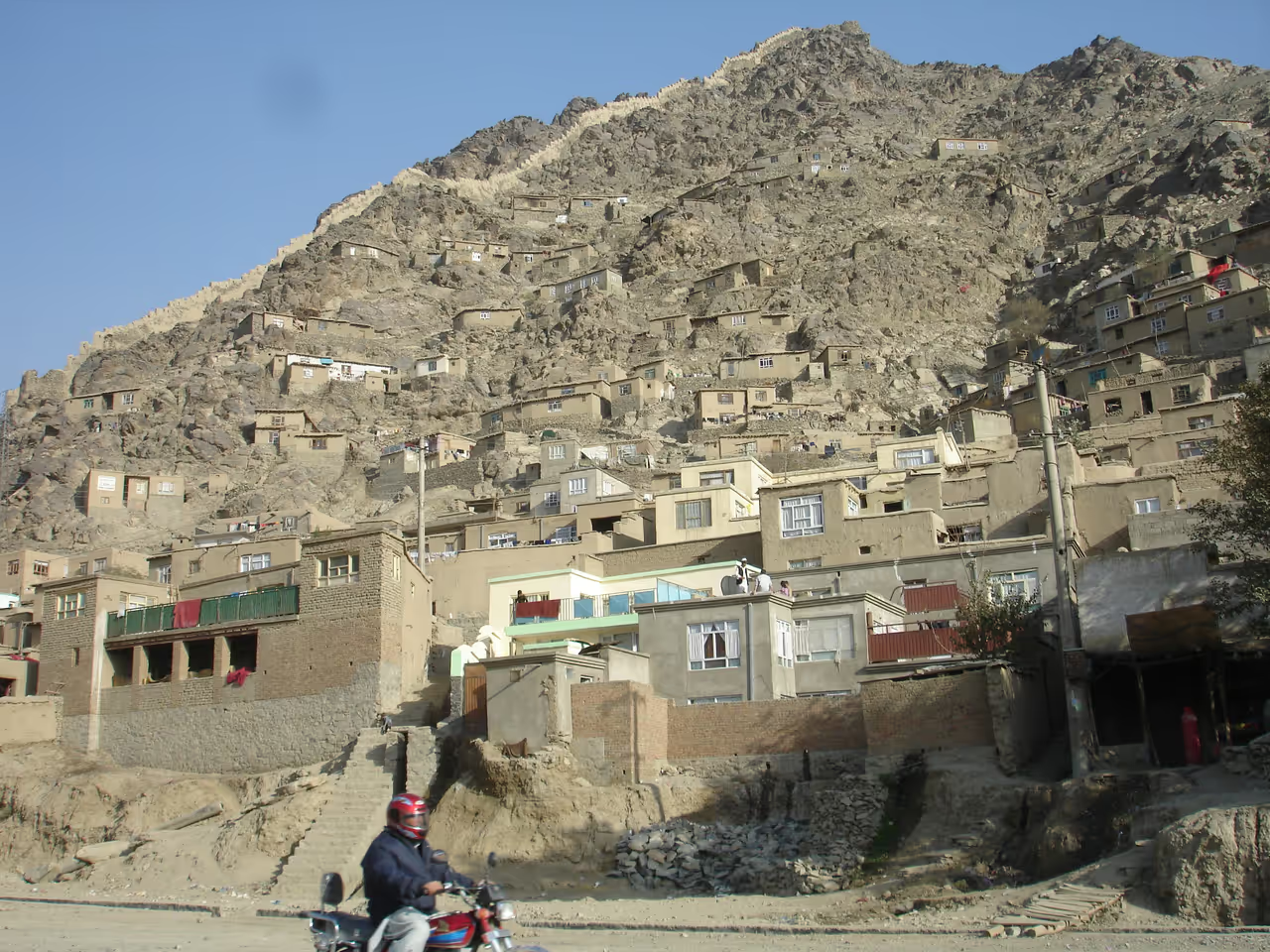
Gardens of Babur Promenade
This stroll offers a serene journey through one of the most meticulously restored Mughal gardens in the world. Walking up the gentle, terraced incline beside a flowing central water channel, you are surrounded by fragrant fruit trees and elegant marble structures. The path culminates at the simple, open-air tomb of Emperor Babur, providing a stunning view back down over the city. It is an atmosphere of profound tranquillity that feels entirely removed from the urban chaos outside the walls.
view walking route
See all nature & parks in Kabul
Chihil Sutun Palace and Gardens, Zarnegar Park...