Shah-Do Shamshira Mosque
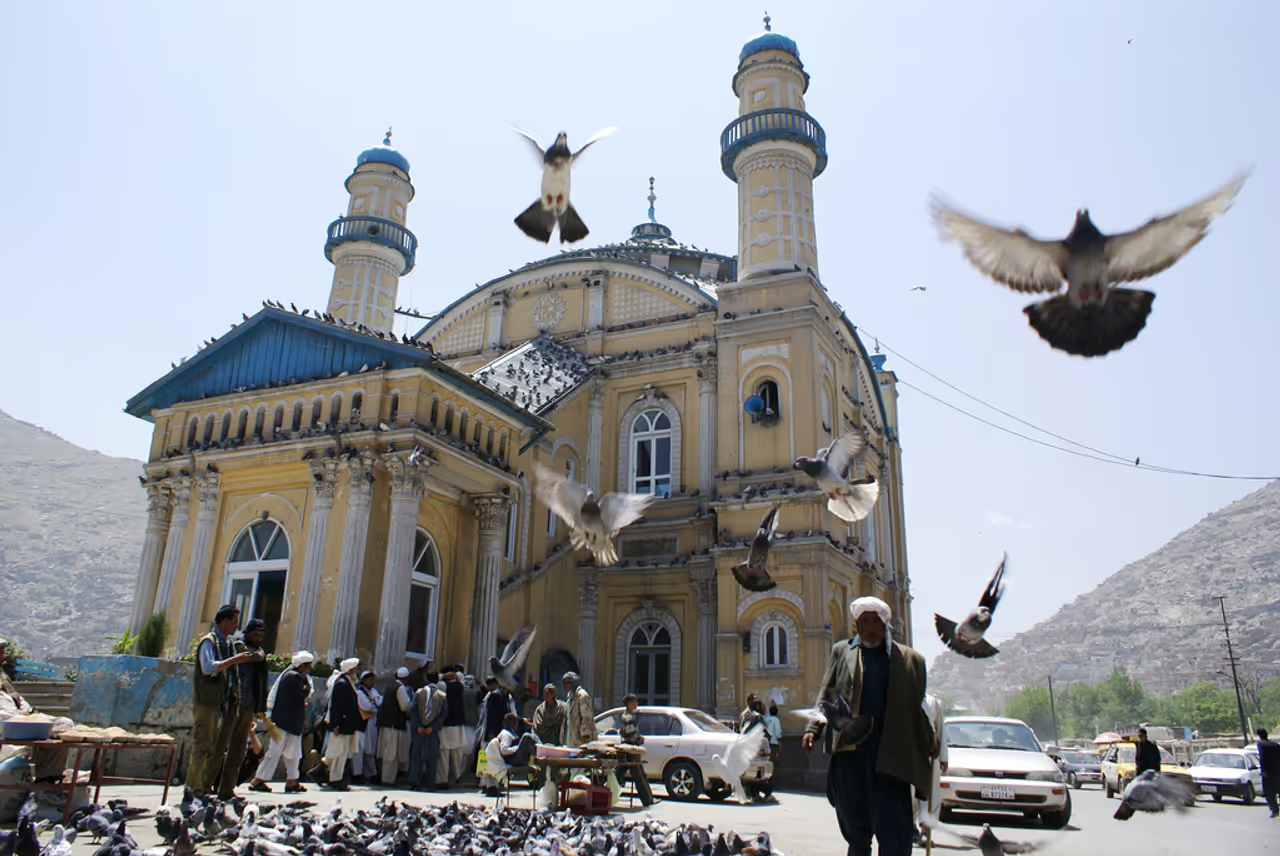
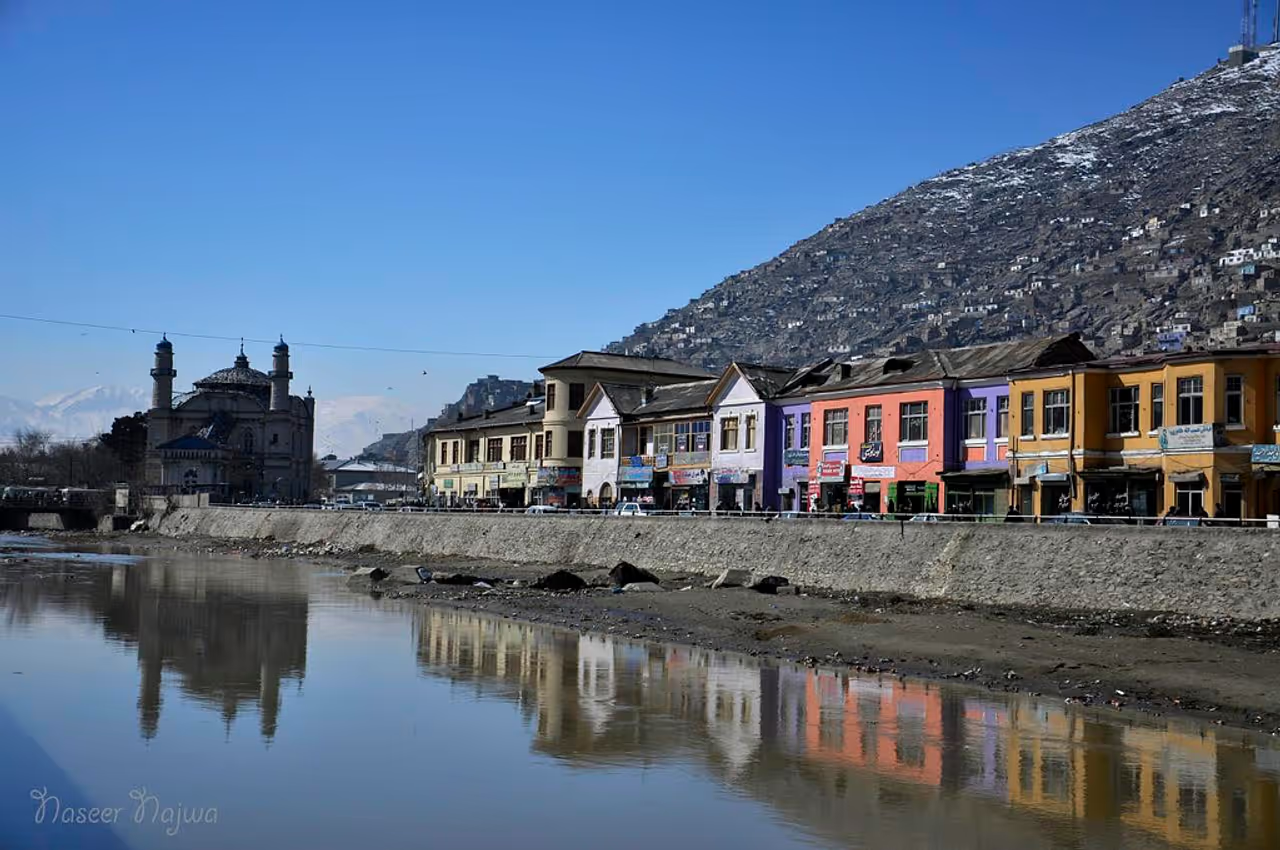
Standing uniquely along the Kabul River, the Shah-Do Shamshira Mosque is a striking architectural gem that breaks the mould of traditional Afghan design. Its distinct pale yellow facade and intricate stucco details evoke the spirit of the Ortaköy Mosque in Istanbul, earning it the charming moniker of Afghan Baroque. Visitors find themselves drawn to its two storey structure, which offers a serene pause from the activity of the city. Beyond its beauty, the mosque stands as a testament to the diverse influences that have shaped the cityscape throughout the twentieth century. It remains a fascinating landmark where history and culture collide in the heart of the capital.
Videos
History of Shah-Do Shamshira Mosque
The Shah-Do Shamshira Mosque serves as a vibrant architectural link between Afghanistan and the wider Islamic world. Constructed during the reign of King Amanullah Khan in the 1920s, the design was explicitly inspired by the grand and ornate style of the Ortaköy Mosque in Istanbul. This was not a random choice but a reflection of a modernising era when the Afghan leadership looked westward and towards the Ottoman Empire for inspiration in statecraft and culture. The resulting structure, with its dramatic yellow exterior and elaborate stucco flourishes, brought a touch of European Baroque flair to the streets of Kabul. Its location is just as historically charged as its architecture. The mosque sits near the tomb of Chin Timur Khan, a Mughal general and cousin to the legendary conqueror Babur. This site is woven into the broader narrative of the Mughal Empire, which expanded from this region to reshape the face of South Asia. Standing here, one is surrounded by layers of deep history, where the legacies of ancient commanders and the modernising visions of twentieth century kings overlap in the very centre of the city. Throughout the decades, the mosque has witnessed the turbulent and transformative chapters of the story of Kabul. It has endured the changing political tides and remained a central point of the capital, even seeing a full restoration in 2021 to preserve its delicate facade. As the city continues to navigate its complex identity, the Shah-Do Shamshira stands as a beacon of architectural character. It invites those who pass by to pause and appreciate the enduring beauty that remains at the heart of the city.
Events spanning 104 years
Fun Facts
- • Architectural historians often categorise the building as Afghan Baroque due to its European style flourishes and non traditional silhouette.
- • Chin Timur Khan, whose shrine is maintained nearby, was a cousin of Babur, the founder of the powerful Mughal Empire.
- • Designers intentionally modelled the structure after the Ortaköy Mosque in Istanbul to foster a sense of cultural connection with the Ottoman Empire.
- • It is a two storey building, a design choice that sets it apart from many of the more conventional single level mosques found throughout the region.
- • The 2021 renovation was a significant effort to maintain the integrity of the yellow paint and the intricate ornamental carvings that define the building's aesthetic.
- • The area surrounding the mosque has served as a burial site for several prominent Mughal commanders who once ruled vast stretches of South Asia.
- • The exterior is covered in decorative Italian influenced stucco work, a rare sight in the local architecture of that era.
- • The mosque is built directly adjacent to the tomb of the Mughal general Chin Timur Khan, a figure of great importance to regional history.
- • The mosque sits in the city's second district, a location chosen for its prominence near the Kabul River.
- • The name Shah-Do Shamshira translates to the Mosque of the King of Two Swords, referencing local legends about a warrior saint.
Shah-Do Shamshira Mosque FAQ
While we strive to keep this information accurate and up to date, we recommend verifying any details independently before making decisions based on them.
Shah-Do Shamshira Mosque Map & Neighborhood Explorer
This interactive map is centered on Shah-Do Shamshira Mosque. Zoom in and move the map around to automatically discover Wikipedia photos and summaries of other nearby sights, monuments, and historical points of interest and stories in real-time!
Places near Shah-Do Shamshira Mosque
Make the most of your trip. Check out these top-rated spots located nearby.
 364m
364mMausoleum of Timur Shah
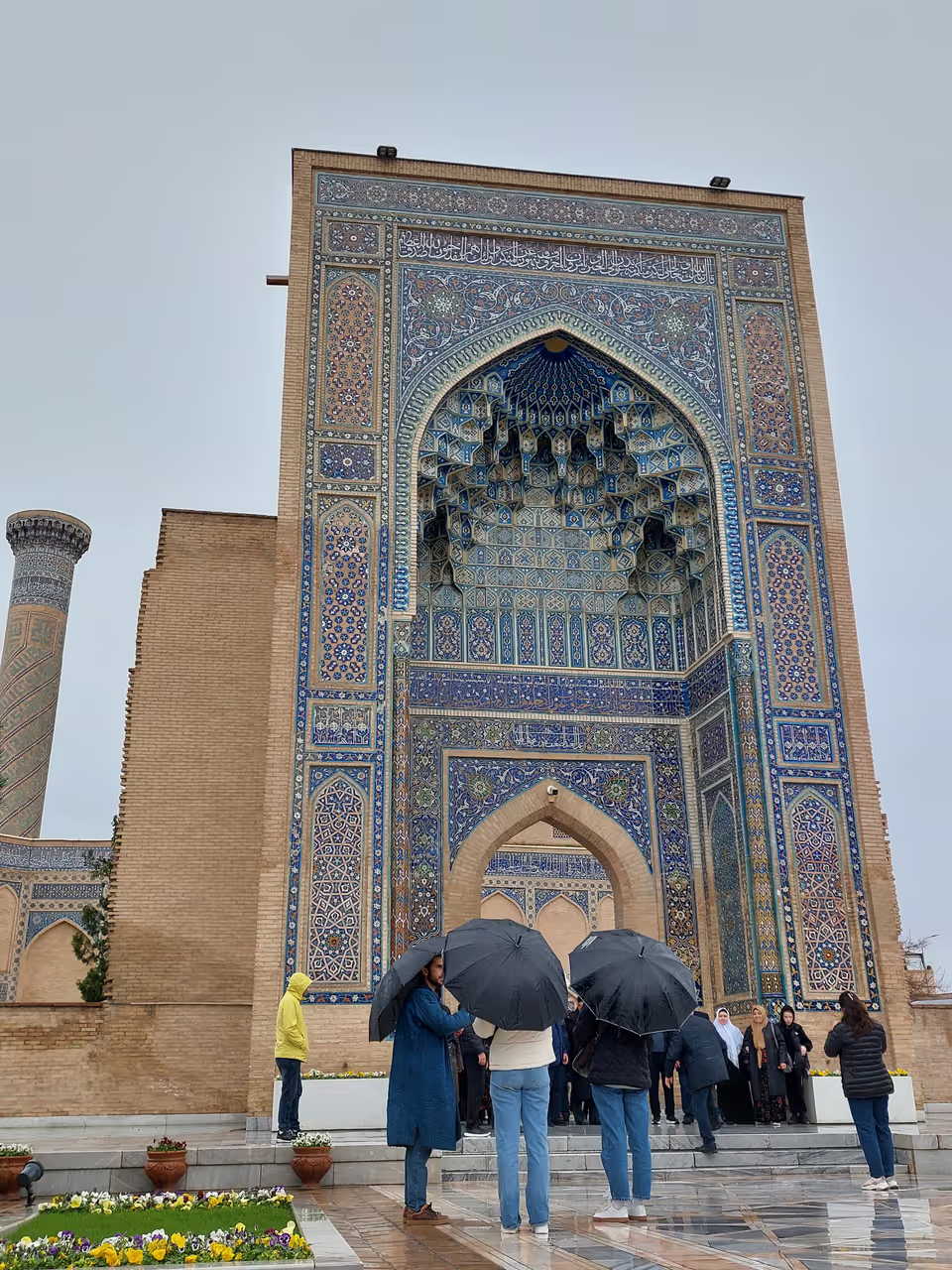
This imposing octagonal brick structure houses the remains of Timur Shah Durrani, the ruler who officially moved the capital of the Afghan empire to Kabul in 1776. The building follows classic Central Asian Islamic traditions, featuring intricate decorative brick masonry without colourful tilework. Despite surviving numerous wars, it remained unfinished for over two centuries before undergoing recent restorative work. Its stark, colourless aesthetic provides a striking contrast to the vibrant chaos of the surrounding Mandawi market area. It is a vital piece of the city's foundational history.
architecture view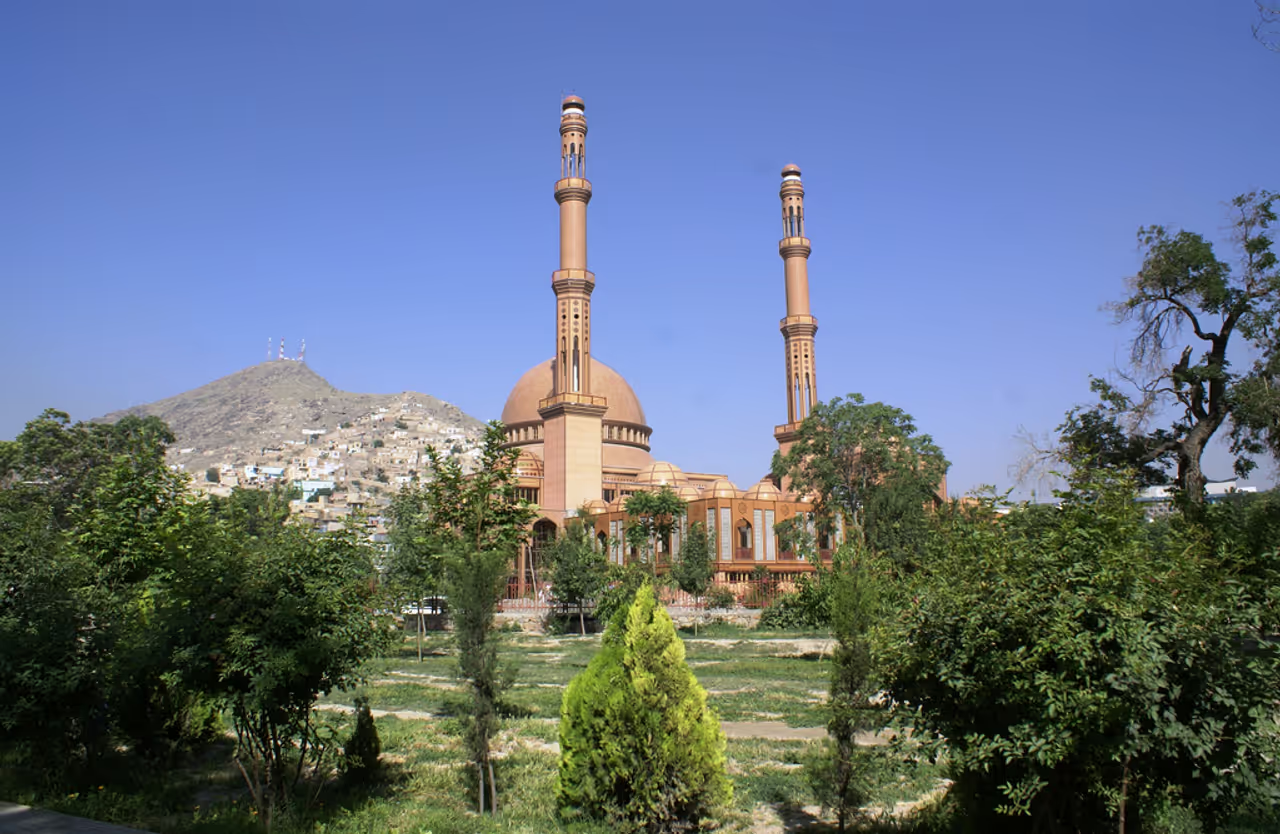 617m
617mAbdul Rahman Mosque
Dominating the commercial downtown area, this is one of the grandest and newest mosques in the capital. Capable of accommodating over 10,000 worshippers, its massive white domes and towering minarets are a striking modern addition to the skyline. The interior is vast and elegantly decorated, reflecting traditional Islamic geometric designs. It stands as a powerful symbol of contemporary religious life in the heart of the bustling city.
highlight view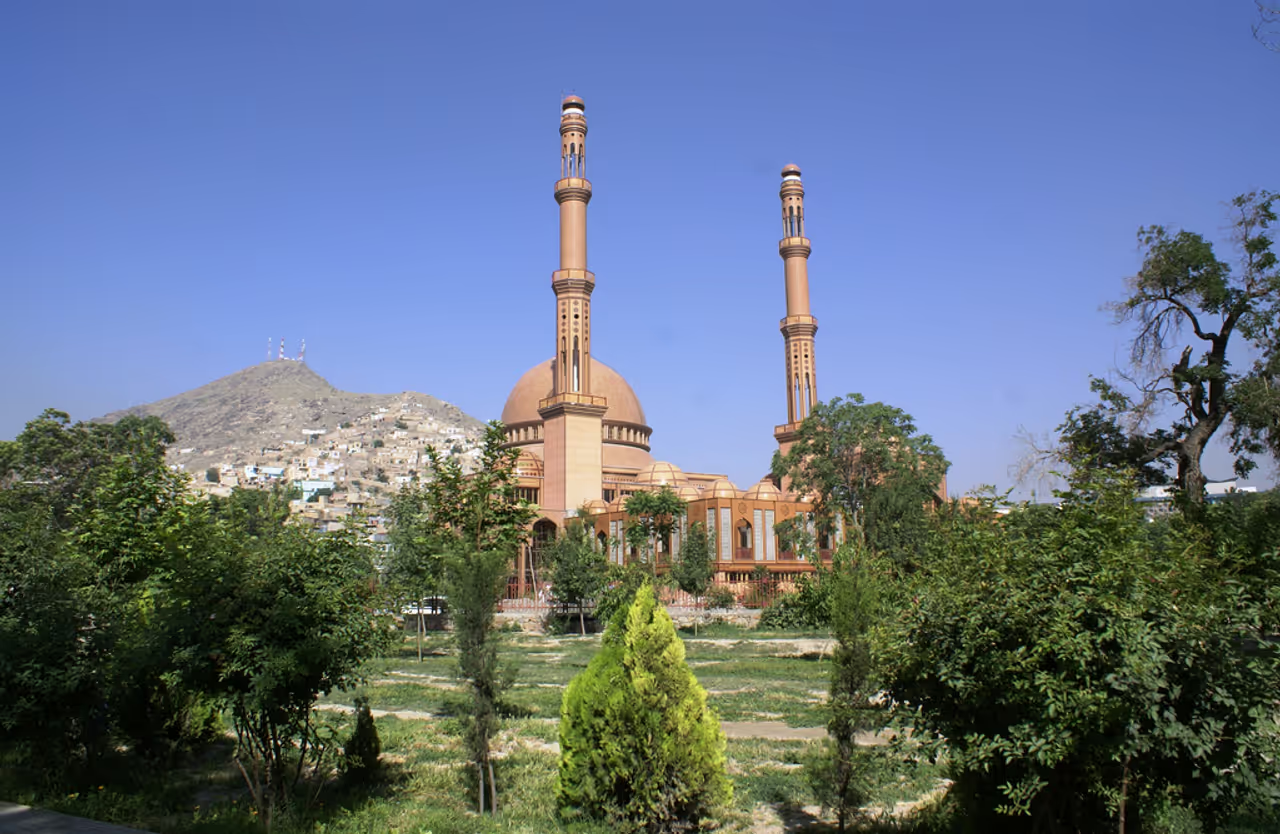 704m
704mZarnegar Park
Nestled in the heart of Kabul, Zarnegar Park serves as a peaceful urban sanctuary that offers a refreshing escape from the city streets. Its name, meaning adorned with gold, perfectly reflects the elegant pavilion that sits at its centre, a structure that holds immense historical weight. Whether you are strolling past the verdant greenery or admiring the blooming flowers, the atmosphere here is one of quiet reflection and community spirit. The park is anchored by the grand mausoleum of Amir Abdur Rahman Khan, which cements the site in a rich past. It is a place where history meets modern daily life, making it an essential stop for anyone wanting to feel the true pulse of Kabul.
park & nature view 770m
770mKa Foroshi Bird Market
Tucked away in the ancient, winding alleys near the Pul-e Khishti Mosque, the Bird Market feels like stepping back centuries in time. Hundreds of small stalls display intricately crafted wooden cages housing singing canaries, finches, and prized fighting partridges. The air is filled with a cacophony of birdsong and the lively chatter of men negotiating trades. This highly atmospheric lane provides one of the most unique and photogenic experiences in the entire capital.
market view
Explore Similar Places in This Collection
Featured on These Itineraries and Routes
3 Days in Kabul: Culture & Heritage Itinerary
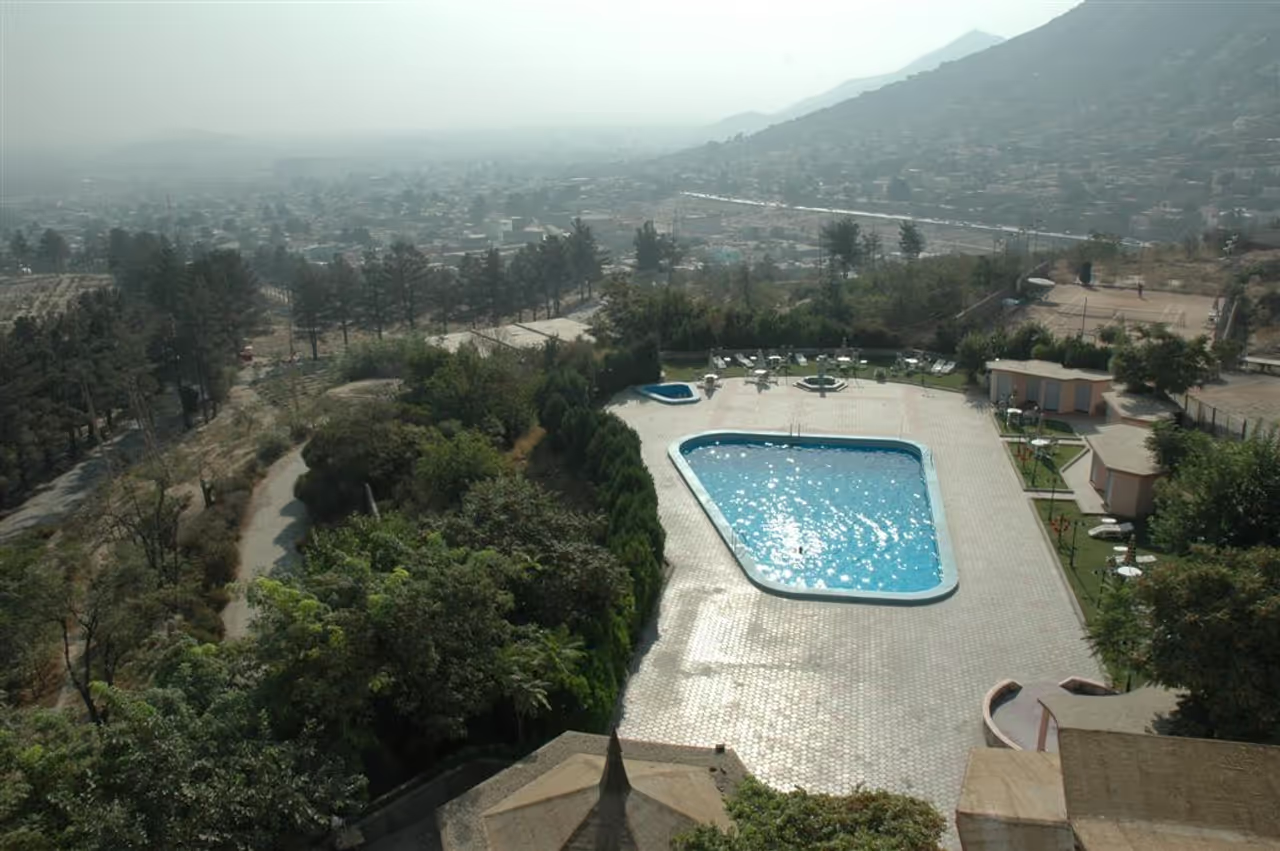
This balanced three-day journey allows you to dive significantly deeper into the contrasting facets of the city. Beyond the grand palaces, you will immerse yourself in the chaotic, authentic energy of the historic old city bazaars and spiritual shrines. It offers a perfect mix of monumental architecture, authentic local street life, and relaxing panoramic viewpoints. This timeframe allows you to appreciate the city's complex layered history without feeling overly rushed.
view itinerary
5 Days in Kabul: The Complete Explorer Itinerary
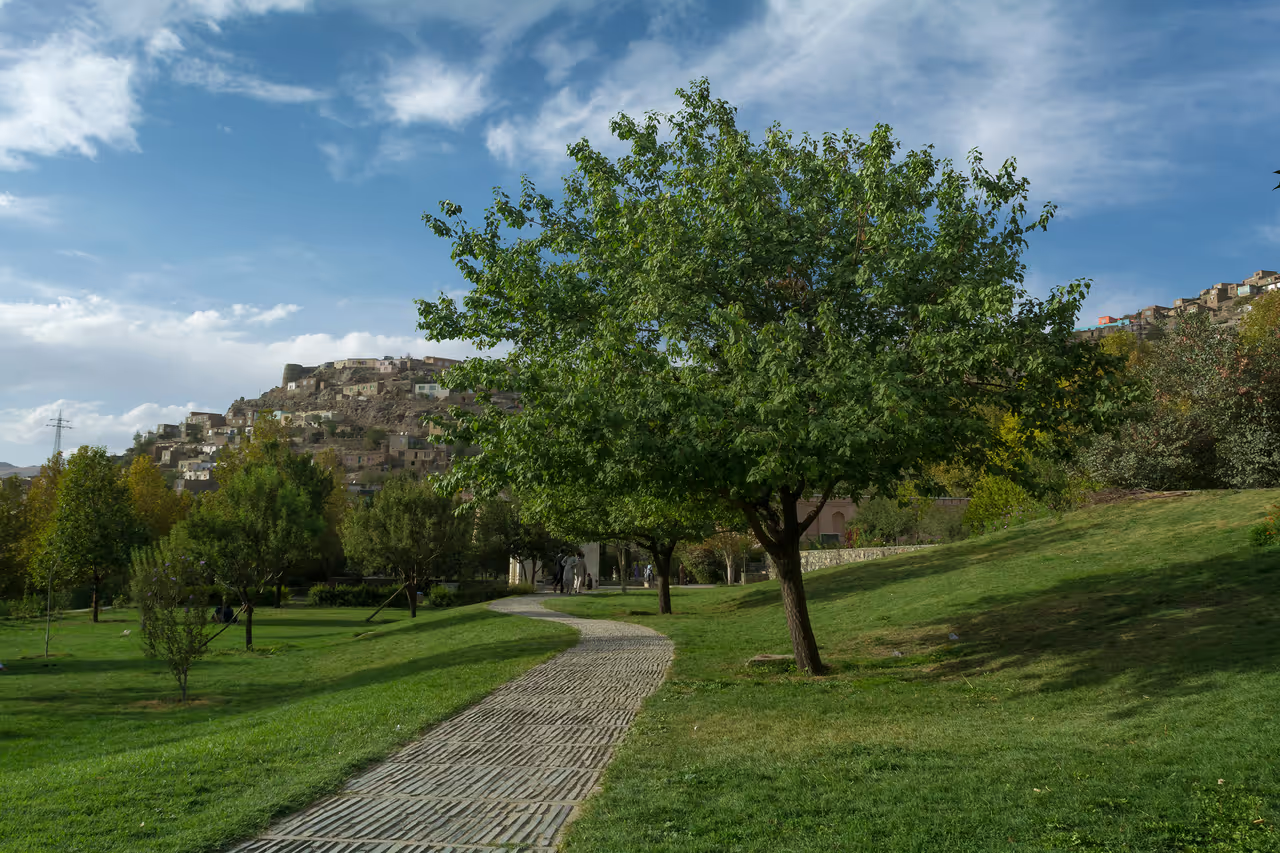
For the dedicated traveller, this five-day itinerary provides a highly comprehensive exploration of the capital and its surrounding landscapes. You will have the time to uncover moving hidden gems, hike the ancient defensive walls, and take a refreshing day trip out to the surrounding valleys. This pace allows for genuine engagement with the local culture and the flexibility to enjoy long, traditional lunches. It is the ultimate way to understand the profound depth and resilience of this mountain metropolis.
view itinerary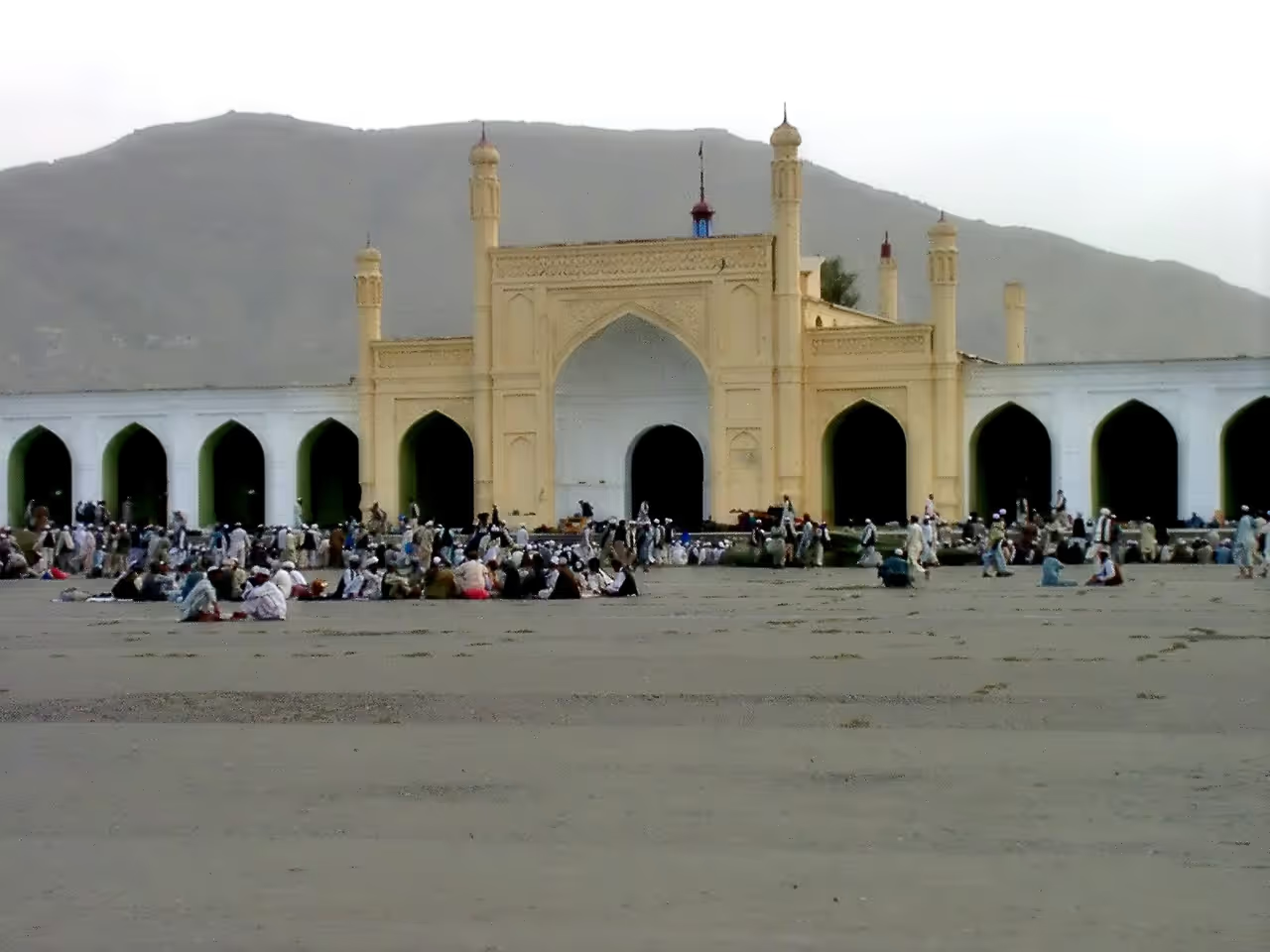
Historic Mosques Route
Discover the spiritual heart of the city by visiting its most significant and architecturally unique Islamic sites. This tour highlights the diverse styles of religious architecture that have evolved in the valley, from traditional brick structures to surprising Italian Baroque designs. You will witness the deep, enduring devotion of the local population and the central role these buildings play in community life. It provides a peaceful, contemplative journey through the city's core.
view self-guided tour
See all attractions in Kabul
Darul Aman Palace, National Museum of Afghanistan...