Zarnegar Park
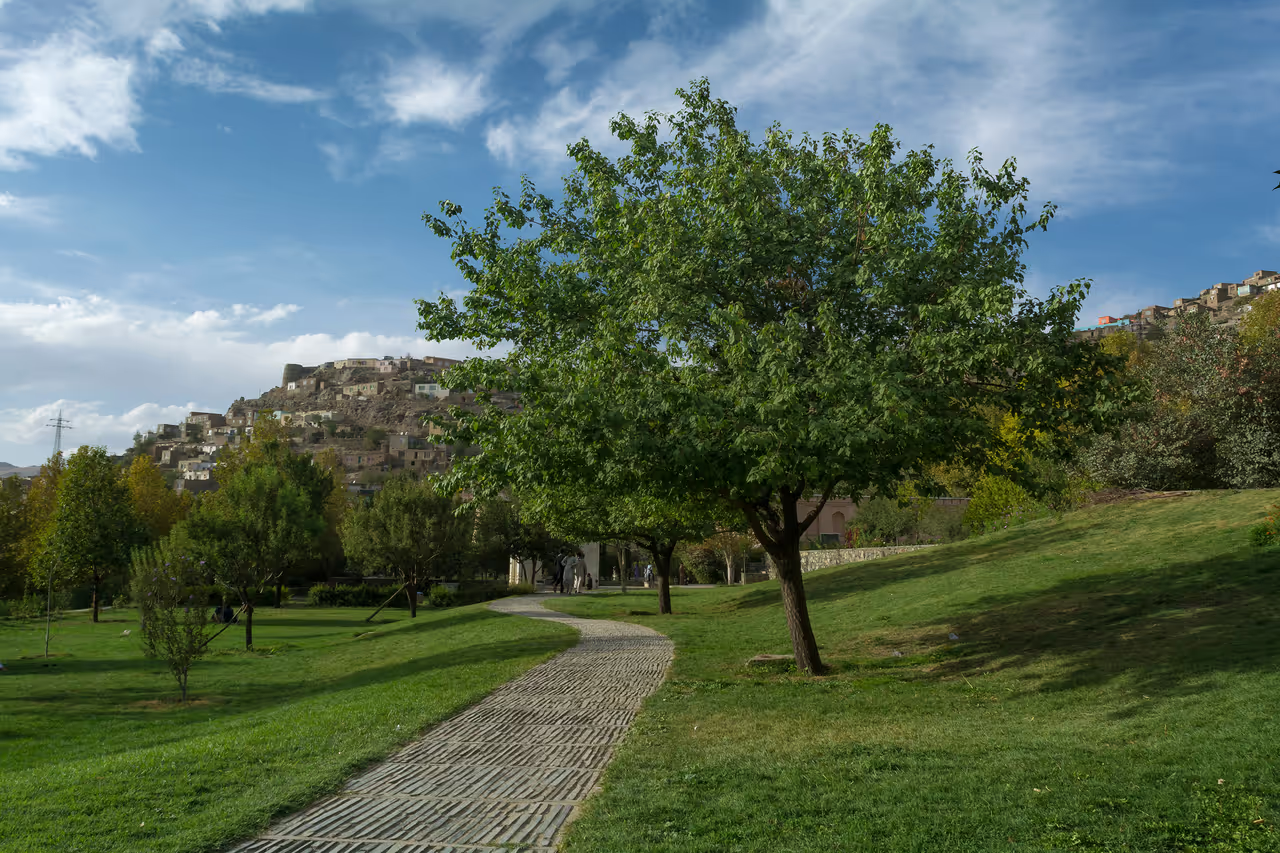
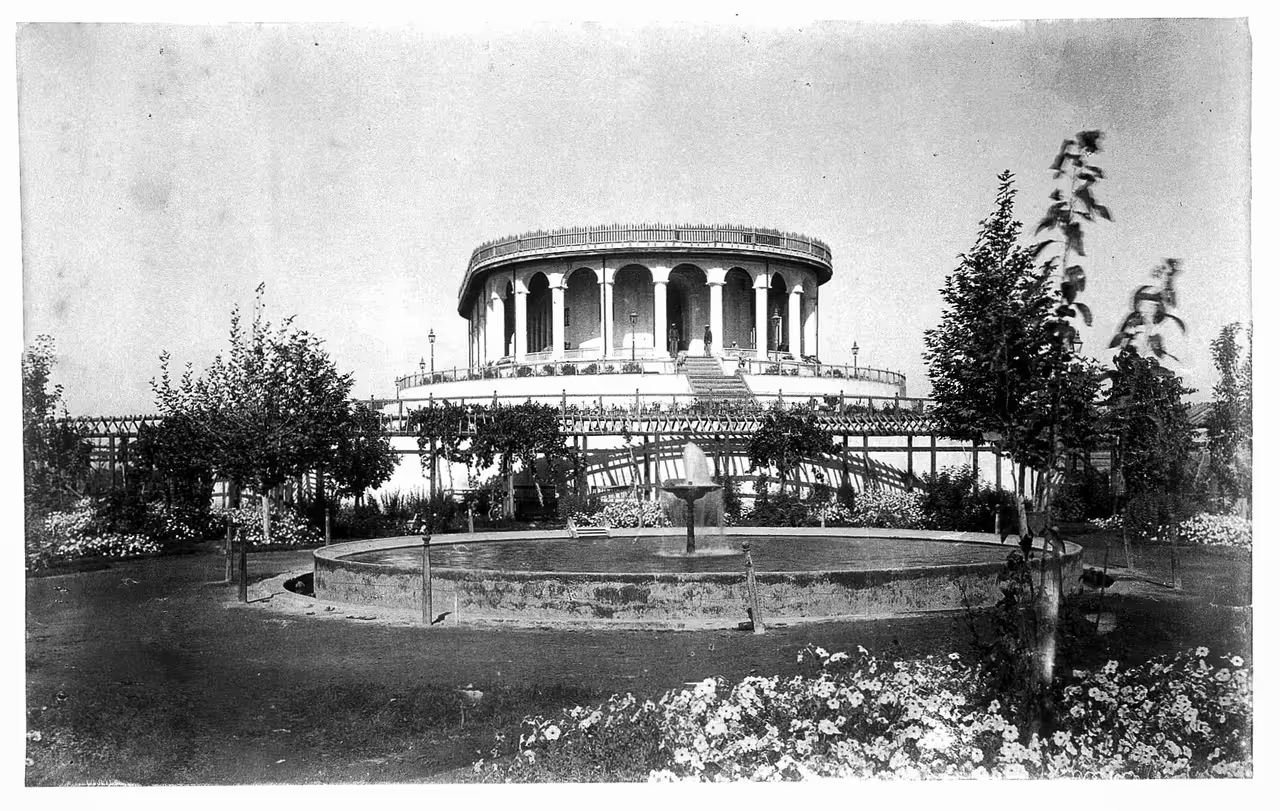
Nestled in the heart of Kabul, Zarnegar Park serves as a peaceful urban sanctuary that offers a refreshing escape from the city streets. Its name, meaning adorned with gold, perfectly reflects the elegant pavilion that sits at its centre, a structure that holds immense historical weight. Whether you are strolling past the verdant greenery or admiring the blooming flowers, the atmosphere here is one of quiet reflection and community spirit. The park is anchored by the grand mausoleum of Amir Abdur Rahman Khan, which cements the site in a rich past. It is a place where history meets modern daily life, making it an essential stop for anyone wanting to feel the true pulse of Kabul.
History of Zarnegar Park
The story of Zarnegar Park is woven into the very fabric of Afghan royal and diplomatic history. Originally conceived in the late 19th century as a lavish guest house for the Emir Abdur Rahman Khan, the site was never intended to be a simple garden. Its name hints at its former glory, as it was once adorned with exquisite gold decorations that defined the aesthetic of the era. Following the death of the Emir in 1901, his son Habibullah Khan made the decision to inter his father within these grounds, effectively transforming the royal guest house into a permanent mausoleum that still stands today. By the early 20th century, the park transcended its role as a royal burial site to become a pivotal stage for international relations. In 1921, the park witnessed a historic meeting that would define the sovereignty of the nation. The Anglo Afghan Treaty was signed here, an event that saw British diplomat Sir Henry Dobbs and Afghan visionary Mahmud Tarzi sit down to negotiate the terms of national independence. It remains a silent testament to the complex diplomatic dances that once played out in the centre of Kabul, far from the battlefields and focused on the pen and parchment. Throughout the decades, the park evolved to meet the needs of the city. In the 1950s, the government cleared surrounding administrative buildings to create the spacious public park that residents enjoy today. While the city around it has shifted and changed, the park remains a constant, standing as a witness to the country's transformation from a royal seat to a modern capital. It serves as a bridge between the regal past of the Emir and the vibrant, often restless energy of contemporary Afghanistan, welcoming all who seek a moment of shade amidst the urban sprawl.
Events spanning 113 years
Fun Facts
- • Before it was a park, the site was home to a pavilion that served as a royal guest house, which later dictated the formal layout of the surrounding gardens.
- • During the 1921 treaty negotiations, British diplomat Sir Henry Dobbs and Afghan visionary Mahmud Tarzi met on these grounds to redefine the relationship between their two nations.
- • In recent decades, the park has transformed from a quiet garden into a vital platform for public discourse, hosting various protest groups and social campaigns.
- • The mausoleum located inside the park is an architectural gem that was carefully restored to ensure the preservation of Afghan royal heritage.
- • The name Zarnegar translates to adorned with gold, a poetic nod to the lavish pavilion that stood on the site since the late 19th century.
- • The park became a central hub for early radio listeners who would gather to hear broadcasts from Radio Afghanistan over the public address system.
- • The park is situated just north of the Kabul River, acting as a green lung in a dense area of the capital.
- • The park is strategically positioned near major landmarks, including the former Hotel Kabul and the Lycée Esteqlal, placing it at the geographic and social centre of the city.
- • Unlike many parks that started as green spaces, Zarnegar was born from the demolition of government administrative buildings to create an accessible public area for residents.
Zarnegar Park FAQ
While we strive to keep this information accurate and up to date, we recommend verifying any details independently before making decisions based on them.
Zarnegar Park Map & Neighborhood Explorer
This interactive map is centered on Zarnegar Park. Zoom in and move the map around to automatically discover Wikipedia photos and summaries of other nearby sights, monuments, and historical points of interest and stories in real-time!
Places near Zarnegar Park
Make the most of your trip. Check out these top-rated spots located nearby.
 98m
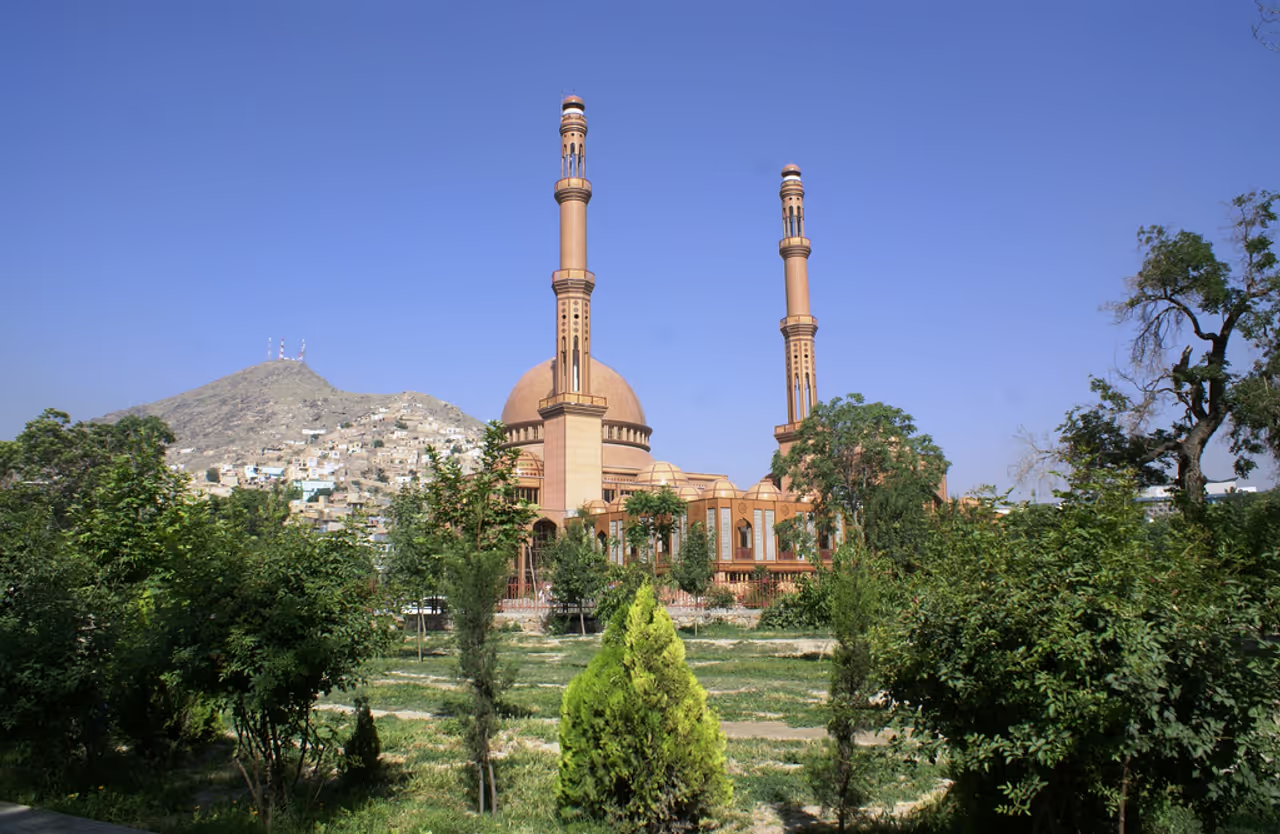
98mAbdul Rahman Mosque
Dominating the commercial downtown area, this is one of the grandest and newest mosques in the capital. Capable of accommodating over 10,000 worshippers, its massive white domes and towering minarets are a striking modern addition to the skyline. The interior is vast and elegantly decorated, reflecting traditional Islamic geometric designs. It stands as a powerful symbol of contemporary religious life in the heart of the bustling city.
highlight view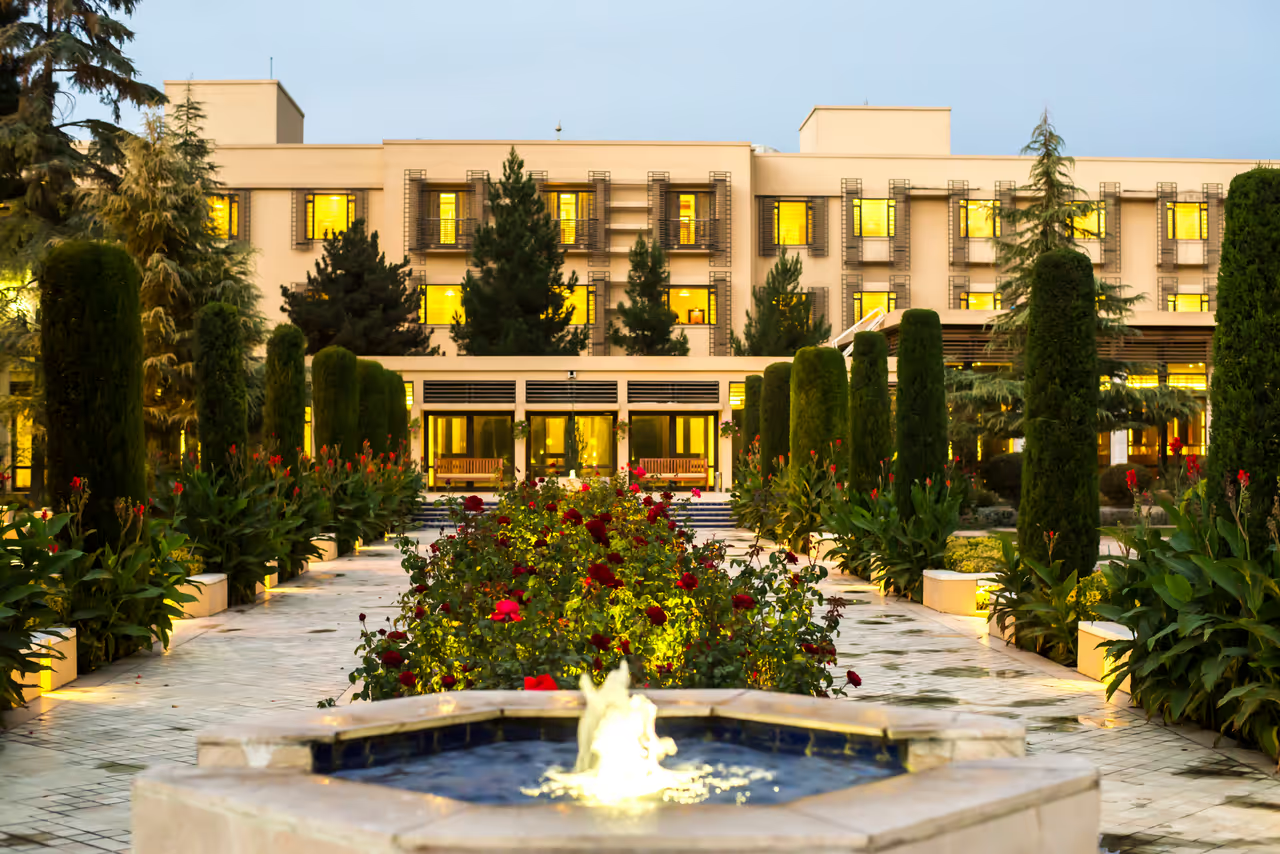 286m
286mSerena Hotel Lounge
For a highly secure and luxurious evening experience, the lounge at the Kabul Serena Hotel is an unmatched oasis. The beautifully manicured gardens and traditional Islamic architecture create a serene backdrop for enjoying high-end Afghan and international cuisine. It is a common meeting ground for diplomats, international workers, and affluent locals. The environment offers a stark, tranquil contrast to the intense energy of the streets outside.
nightlife view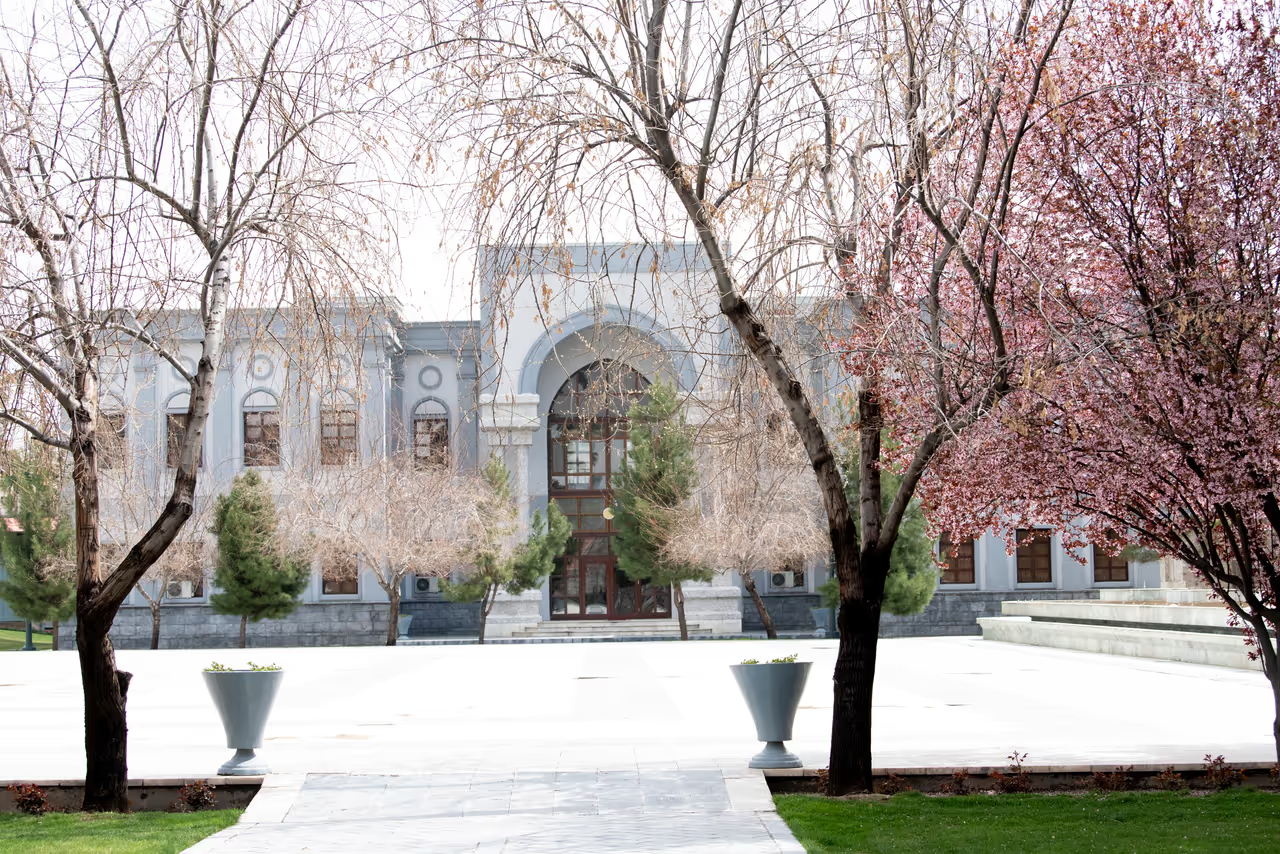 447m
447mArg
Built in 1880 by Emir Abdur Rahman Khan after the British destroyed the original Bala Hissar, the Arg serves as the heavily fortified nerve centre of the nation. The sprawling 83-acre compound is practically a city within a city, housing numerous distinct palaces, pavilions, and administrative buildings. The architecture features a fascinating blend of sturdy medieval fortification and elegant 19th-century royal residential design. While access to the interior is highly restricted, the formidable exterior walls convey absolute power and authority. It remains the ultimate symbol of political control in Afghanistan.
architecture view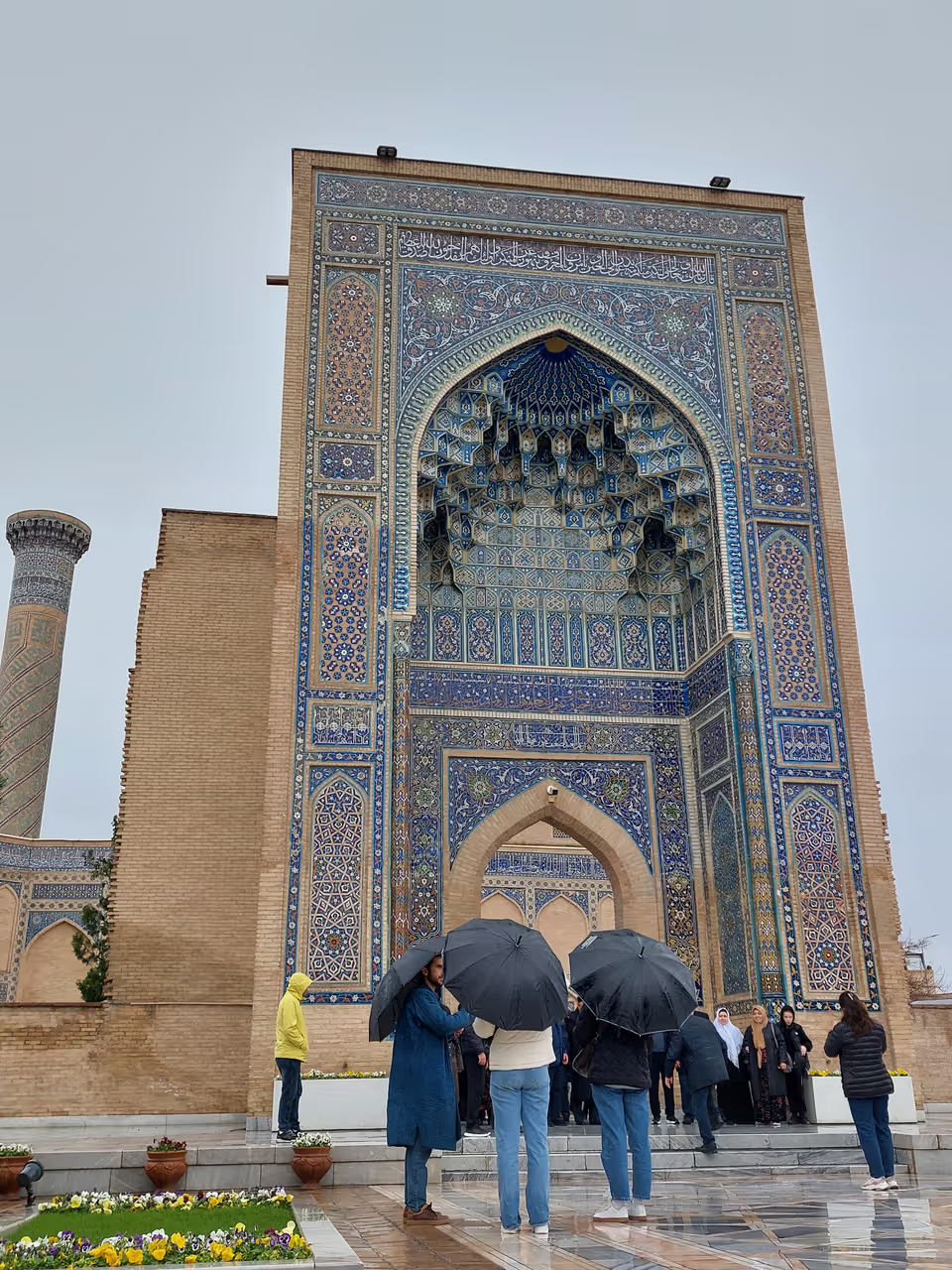 542m
542mMausoleum of Timur Shah
This imposing octagonal brick structure houses the remains of Timur Shah Durrani, the ruler who officially moved the capital of the Afghan empire to Kabul in 1776. The building follows classic Central Asian Islamic traditions, featuring intricate decorative brick masonry without colourful tilework. Despite surviving numerous wars, it remained unfinished for over two centuries before undergoing recent restorative work. Its stark, colourless aesthetic provides a striking contrast to the vibrant chaos of the surrounding Mandawi market area. It is a vital piece of the city's foundational history.
architecture view
See all nature & parks in Kabul
Gardens of Babur, Chihil Sutun Palace and Gardens...