Osaka
Full City Guide, Map & 169 Things To Do
3,021,542 people live here.
That's 2.44% of the entire population of Japan.
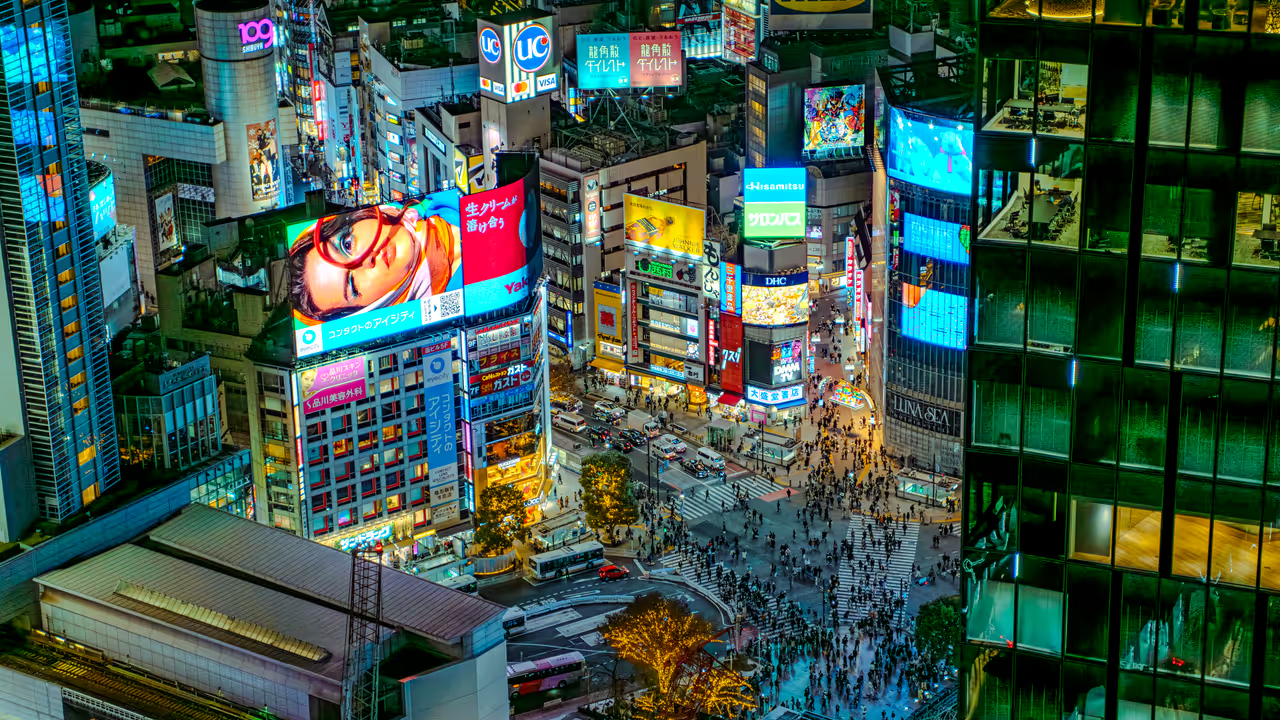
Osaka greets visitors with sizzling iron griddles, towering canal neon, and a blunt, generous humour that sets it worlds apart from Japan's more reserved capitals. Built across the flat delta of the Yodo River where it meets Osaka Bay, the city moves between sleek skyscrapers in Kita, street food labyrinths in Minami, and weathered timber rowhouses that somehow dodged the twentieth century. Locals live by the proverb kuidaore, roughly meaning to eat and drink yourself into ruin, turning every alley under the railway arches into a lively dining room. Walk ten minutes from bullet train platforms or glass towers on Nakanoshima and you stumble upon sixth-century temple courtyards, merchant academies, or free city ferries carrying bicycles across working waters. What Osaka lacks in imperial polish it repays in warmth, late-night energy, and an unmatched flair for spectacle.
Osaka DNA
History of Osaka
Long before Tokyo held a single castle wall, Osaka was already Japan's doorway to the Asian mainland. On a slender north to south ridge called the Uemachi Plateau rising above the marshes of Osaka Bay, ancient sailors unloaded timber, bronze, and Buddhist scriptures at the harbours of Sumiyoshi and Naniwa. By 593, Prince Shotoku had erected Shitennoji Temple here, and in 645 Emperor Kotoku chose this exact bluff for Naniwa Palace, Japan's first planned imperial capital. From its ceremonial halls came the sweeping Taika Reforms, the country's very first era name, and early official use of the name Nihon. Even after emperors shifted the court inland to Nara and Kyoto, Naniwa's river mouths remained indispensable whenever goods moved between the Seto Inland Sea and the capital. Centuries later, as regional warlords tore Japan apart, faith and commerce forged Osaka's fiercely independent streak. In 1496, Buddhist reformer Rennyo built a modest chapel atop the Uemachi bluff that swelled into Ishiyama Honganji, a walled temple town governed by townsfolk and devout defenders. Farther southeast, the moated free city of Hirano governed itself through merchant councils and forged a mutual defence pact with neighbouring Sakai to hold samurai rulers at bay. Oda Nobunaga spent ten gruelling years besieging Ishiyama Honganji before its defenders finally withdrew in 1580, leaving the strategic ridge open for Toyotomi Hideyoshi. Raising Osaka Castle on the temple ruins in 1583, Hideyoshi dredged deep canals and compelled wealthy traders from Sakai, Hirano, and Fushimi to settle below his ramparts, locking commerce into the city's bones. The Toyotomi stronghold fell to Tokugawa Ieyasu in the Siege of Osaka in 1615, yet destruction only clarified the city's true calling. While samurai bureaucrats ruled from Edo and aristocrats lingered in Kyoto, Osaka rebuilt under direct shogunal oversight as the Nation's Kitchen, or Tenka no Daidokoro. Feudal domains built riverfront rice warehouses across Nakanoshima Island, and by 1730 brokers at the Dojima Rice Exchange had formalised the world's first futures market using standard contracts and colour coded signal flags. Surplus merchant wealth funded Bunraku puppet theatres along Dotonbori Canal and private academies such as Hirano's Gansuido and Semba's Tekijuku, where young scholars huddled over Dutch medical textbooks by candlelight. When famine and corrupt officials pushed the poor to the brink in 1837, retired magistrate Oshio Heihachiro sold his cherished library to buy relief rice and led an armed rebellion through city streets, proving that Osaka's townspeople were never passive subjects. Industrial steam replaced wooden rice barges during the Meiji Restoration. After opening the Kawaguchi Foreign Settlement to overseas shipping in 1868, launching Japan's modern mint with British engineers in 1871, and incorporating as a municipality in 1889, Osaka threw itself into cotton spinning, ironworks, and shipbuilding, earning nicknames such as the Manchester of the Orient. Between the world wars, a golden age known as Great Osaka saw the city absorb neighbouring towns including ancient Hirano, surpass two million residents, and briefly outnumber Tokyo in population and industrial output. Under visionary mayor Hajime Seki, wide Midosuji Boulevard cut cleanly from Umeda to Namba, and in 1933 Japan's first publicly run underground railway began rattling beneath its gingko trees, while railway pioneer Ichizo Kobayashi invented the terminal department store at Umeda alongside rail linked suburbs. Allied air raids in 1945 reduced vast tracts of wooden Osaka to ash, yet makeshift open air markets sprang up around Umeda and Namba almost before the smoke cleared. The Tokaido Shinkansen reached Shin Osaka in 1964 and Expo 70 sparked huge metro growth, even as corporate headquarters gradually drifted east toward Tokyo. Proud of their independent civic identity, Osaka voters twice rejected referendums in 2015 and 2020 to dissolve the municipality into Tokyo style special wards, while pockets of prewar wooden rowhouses survived in Karahori and Nakazakicho alongside concrete high rises. Today, Osaka thrives on friction between ancient grit and bold reinvention. In 2025, the city drew the world back to its bayfront by staging Expo 2025 on reclaimed Yumeshima Island beneath a monumental timber ring, extending the Chuo metro line right out across Osaka Bay. Yet just as revealing is what stayed untouched: free city ferries still shuttle factory workers and bicycles across working rivers, elderly shopkeepers still haggle over knives in Sennichimae, and a city built by merchants rather than monarchs remains proudly loud, unpretentious, and obsessed with tomorrow's dinner.
20 events spanning 1380 years
Map of Osaka
Interactive Destination & Itinerary Map
This map blends our curated city guides—featuring best photo spots, scenic walks, viewpoints, hidden gems and much more—with a live Wikipedia explorer. Click on our numbered pins to plan your routes, or zoom in on the surrounding neighborhoods to discover verified local landmarks, museums, and stories with dynamic Wikipedia summaries and photos!
Fun Facts
12- 01
Osaka locals stand on the right side of escalators rather than the left as in Tokyo. One widely cited origin traces the habit to Expo 70, when staff followed international conventions to steer visiting crowds.
- 02
Eight city-operated ferries still cross Osaka's western industrial rivers completely free of charge every day. Funded in lieu of towering bridges, they shuttle pedestrians and dozens of bicycles in quick three-minute hops.
- 03
Brokers at the 18th-century Dojima Rice Exchange transmitted closing prices across Japan without wires using coloured signal flags on rooftops and hilltop smoke fires. Splashing a bucket of water across the wooden floor officially closed the day's trading.
- 04
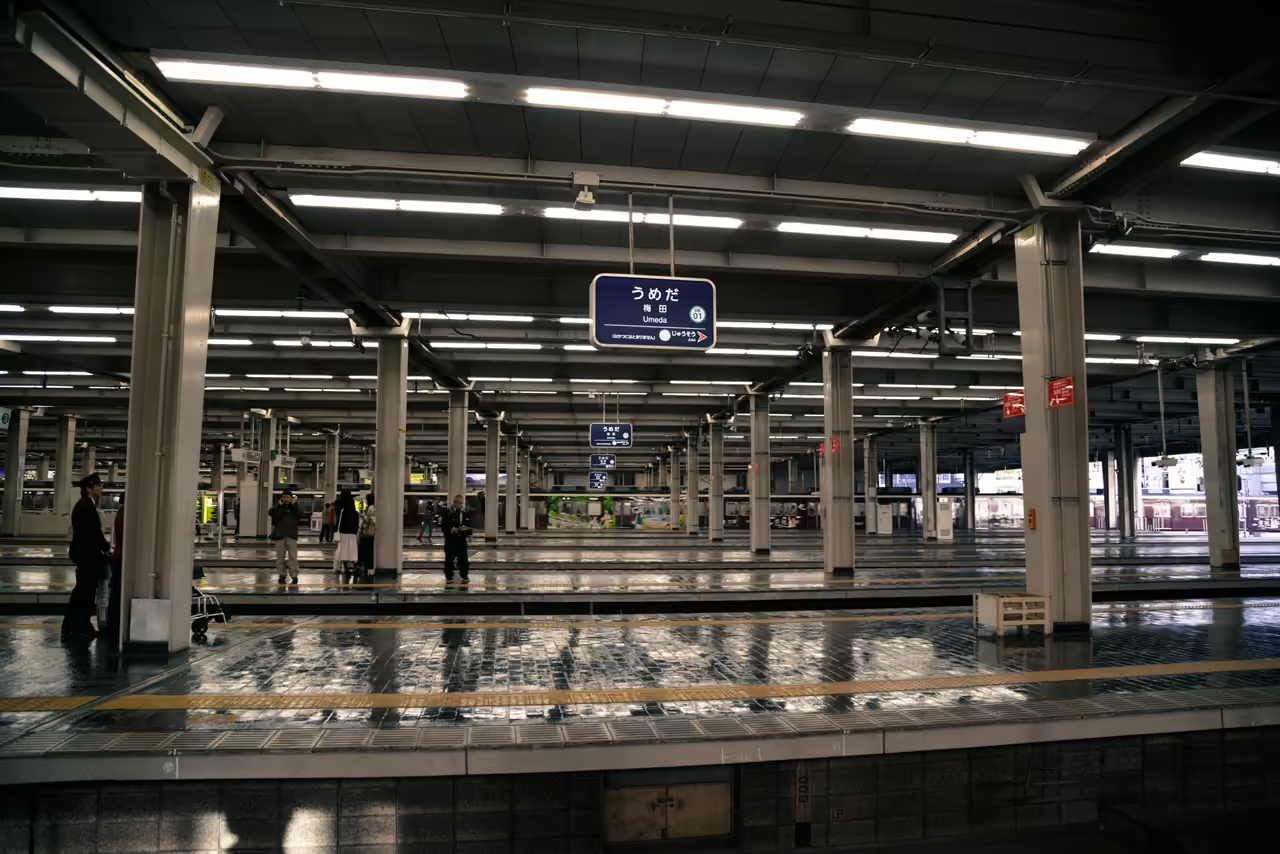
Japan's very first terminal department store opened inside Hankyu Umeda Station in 1929. Hankyu founder Ichizo Kobayashi also invented Japan's commuter suburb, turning farmland north of Osaka into rail-linked residential towns.
- 05
Students at Osaka's 19th-century Tekijuku academy were allotted just one tatami mat of floor space each and shared a single Dutch-Japanese dictionary. Reformer Yukichi Fukuzawa recalled studying straight through the night because the dorm was too packed to stretch out.
- 06
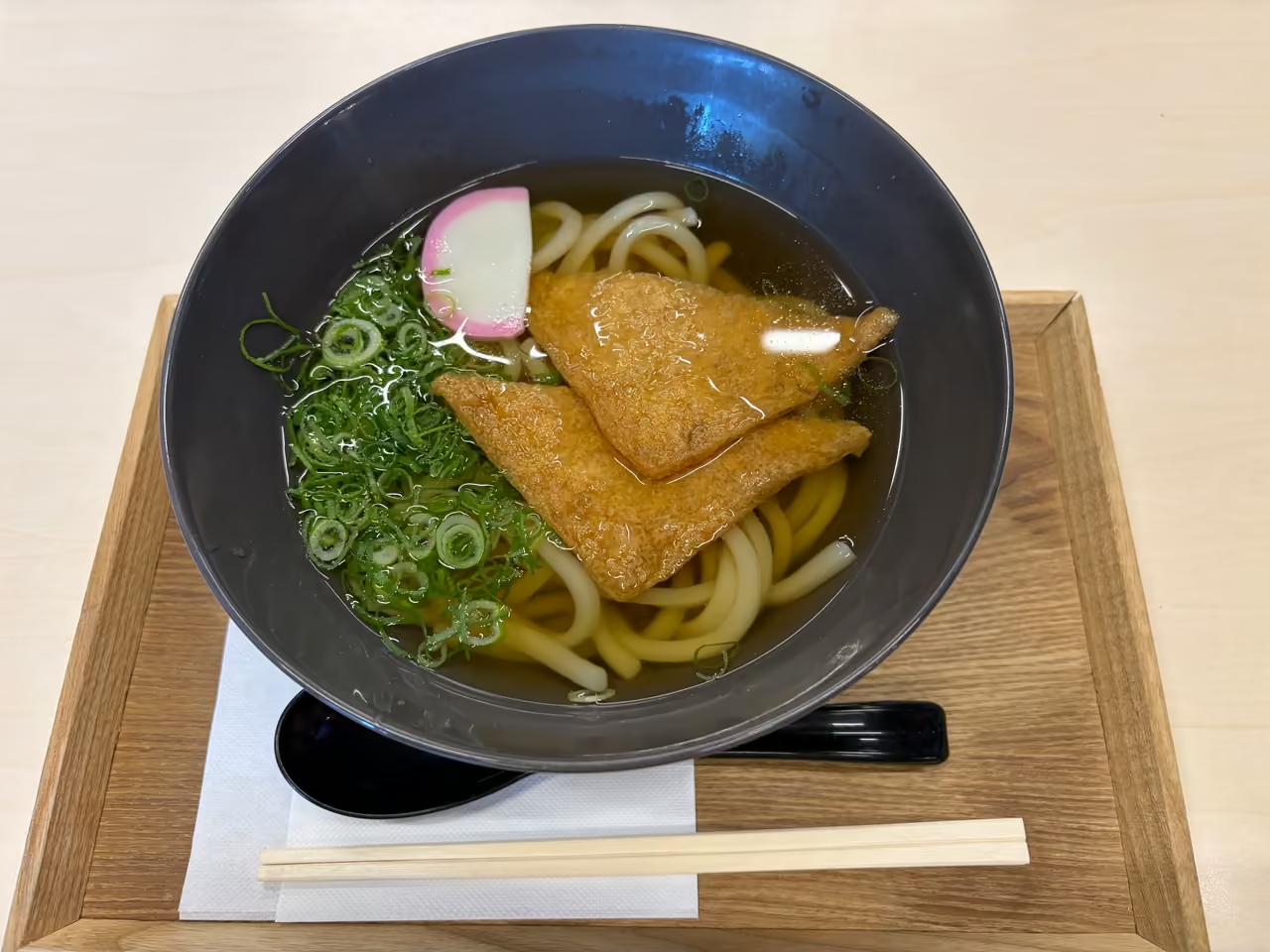
Sweet simmered tofu skin atop wheat noodles, now known everywhere as kitsune udon, was born in Semba in 1893 when noodle cook Usaburo Matsubara saw customers eating free fried tofu alongside their bowls and dropped it straight into the kelp broth.
- 07
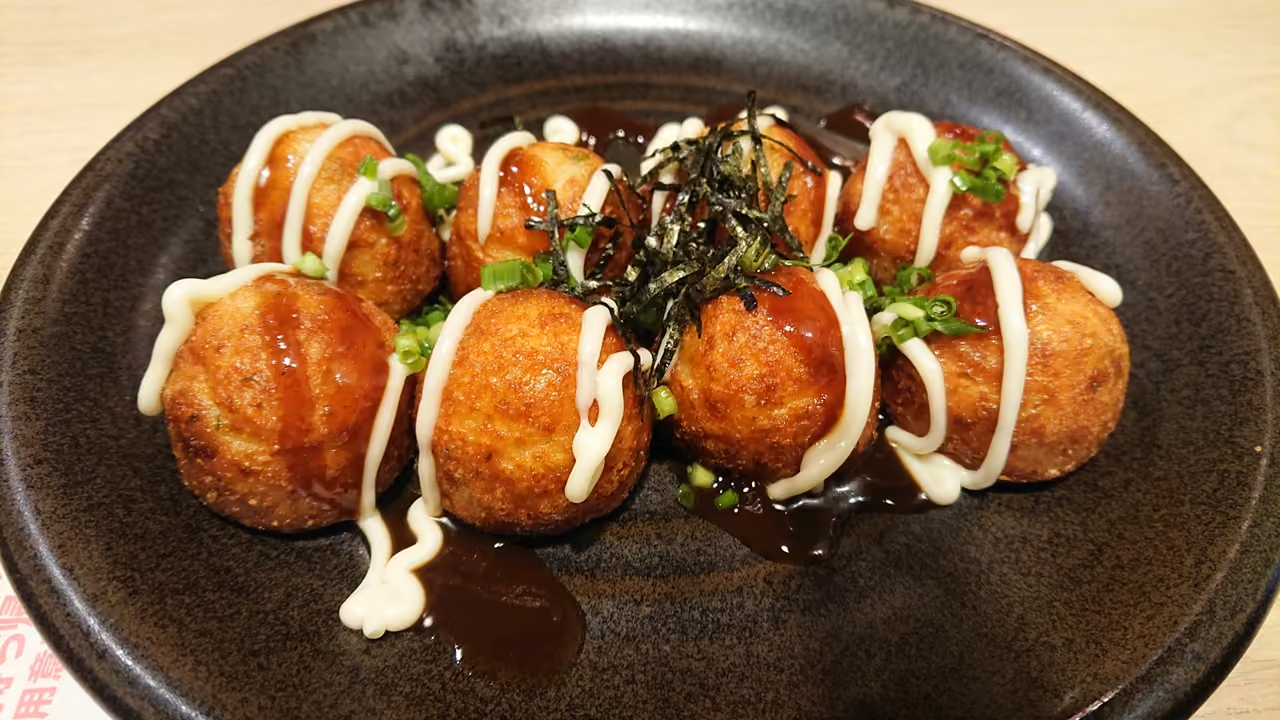
Takoyaki octopus balls only appeared in 1935, when street cook Tomekichi Endo swapped beef and konjac for octopus in his savoury round pancakes. He served them plain without sauce at first because his dashi-rich batter carried plenty of flavour alone.
- 08
In the 17th century, locals dubbed Osaka the City of 808 Bridges to rival Kyoto's 808 temples and Edo's 808 quarters. Although most canals were later filled in, districts like Yodoyabashi, Shinsaibashi, and Kyobashi still wear the word for bridge in their names.
- 09
When Osaka added a '6' before local phone numbers on New Year's Day 1999, Yoshimoto Kogyo comedians starred in catchy TV adverts chanting 'Put a six at the front!' so callers would not forget.
- 10
Osaka sits on virtually flat river delta land, so its highest official elevation is actually a landscaped mound called Mount Tsurumi Shinzan inside Tsurumi Ryokuchi Park, built in 1983 at 37.5 metres.
- 11
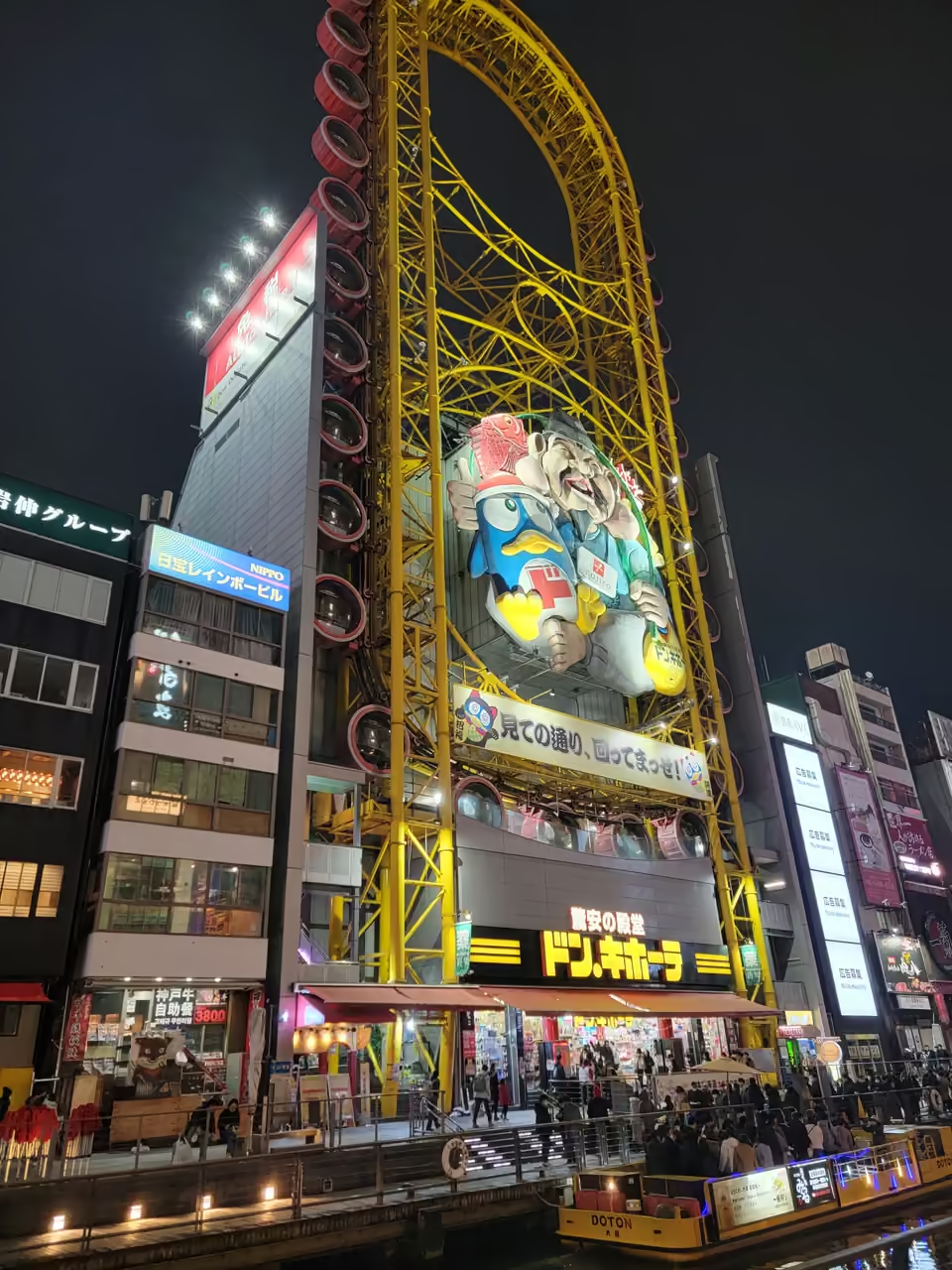
The glowing Glico Running Man overlooking Dotonbori Canal has sprinted above Ebisu Bridge since 1935, cycling through six major redesigns while keeping his victory pose intact.
- 12
Locals affectionately nickname wide Midosuji Boulevard the Champs-Élysées of Osaka; every October the city closes its traffic lanes completely for marching bands and festival floats.
Did You Know?
11- 01
Founded in 593 by Prince Shotoku, Shitenno-ji in Tennoji Ward is Japan's oldest officially administered Buddhist temple, predating Kyoto's landmark temples by two centuries.
- 02
Archaeologist Tokutaro Yamane proved through excavations begun in the 1950s that Japan's first planned imperial capital, Naniwa Palace of 645, stood beneath modern Osaka's civic district.
- 03
Established in 1730, the Dojima Rice Exchange operated formal clearinghouses, margin requirements, and standardised futures contracts over a century before Chicago's modern grain markets.
- 04
The wider Keihanshin metropolitan region anchored by Osaka, Kyoto, and Kobe produces roughly 80 trillion yen in gross regional product, ranking among the ten largest urban economies worldwide.
- 05
Commercial zones cover roughly 13 percent of Osaka's taxable land, more than double Tokyo's 6 percent share and the highest ratio among Japan's major cities.
- 06
During its 1925 expansion, Great Osaka reached 2.11 million residents, briefly overtaking Tokyo as Japan's largest city and ranking sixth worldwide in population.
- 07
Osaka launched Japan's first publicly owned subway line in May 1933 along Midosuji, engineering vaulted ceilings long enough for eight-car trains decades before commuter demand caught up.
- 08
Sumiyoshi-taisha preserves the rare indigenous sumiyoshi-zukuri style, featuring straight gabled roofs and vermilion pillars built before continental Buddhist aesthetics reached Japanese shrines.
- 09
Opening in 2014 at 300 metres tall, Abeno Harukas became Japan's first supertall skyscraper, stacking a department store, museum, hotel, and railway hub in one vertical stepped block.
- 10
Ningyo Joruri Bunraku puppet theatre, nurtured along 17th-century Dotonbori playhouses by playwright Chikamatsu Monzaemon, gained UNESCO Intangible Cultural Heritage recognition in 2003.
- 11
Sumitomo, Takeda Pharmaceutical, Suntory, Nissin Foods, and Capcom all trace either their founding offices or enduring global headquarters to Osaka's streets.
RESOURCES
Official WebsiteVideos of Osaka
Seasons
Spring
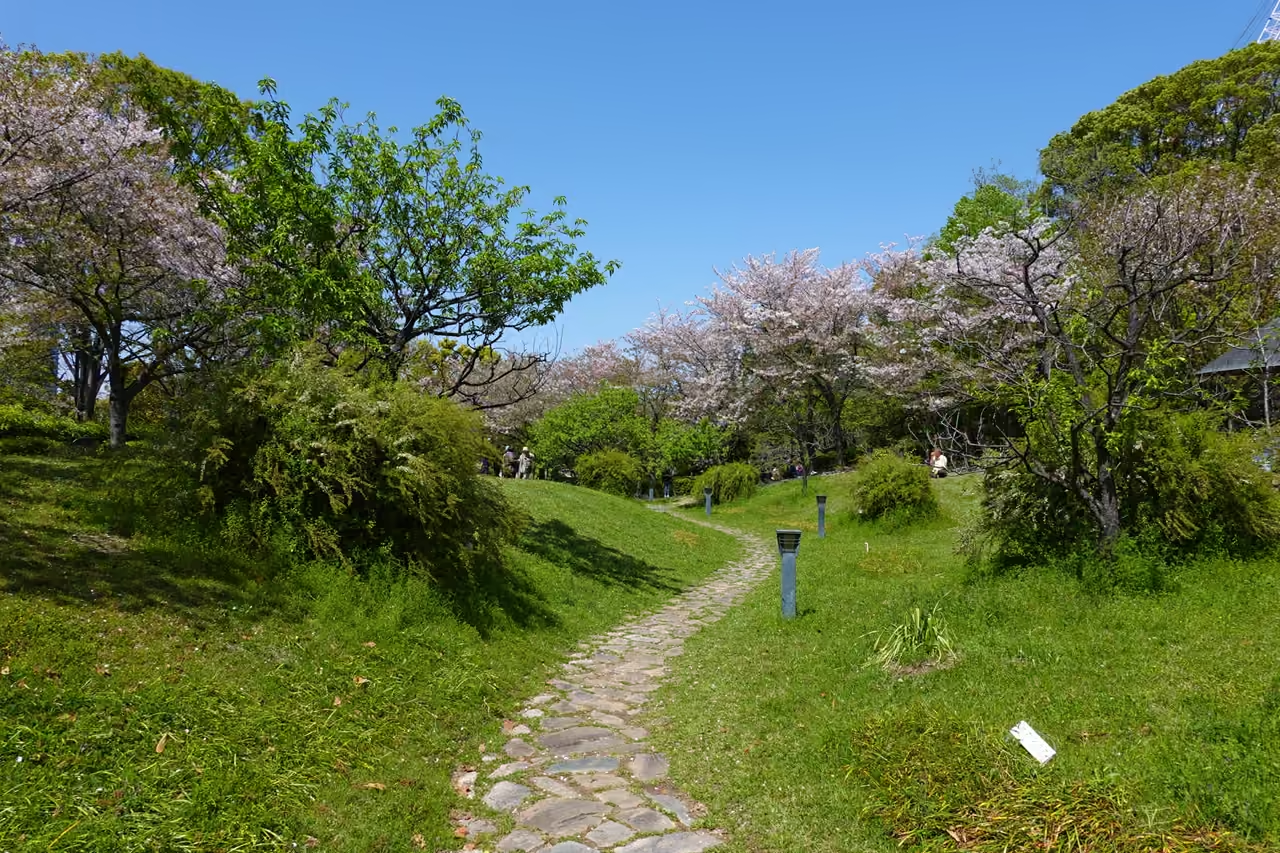
Warming gently to 15°C on average, spring turns Osaka's canal embankments and fortress grounds pale pink from late March through...
Summer
After June's lush rainy season clears, July and August heat surges past 33°C alongside thick coastal humidity, pushing daily...
Autumn
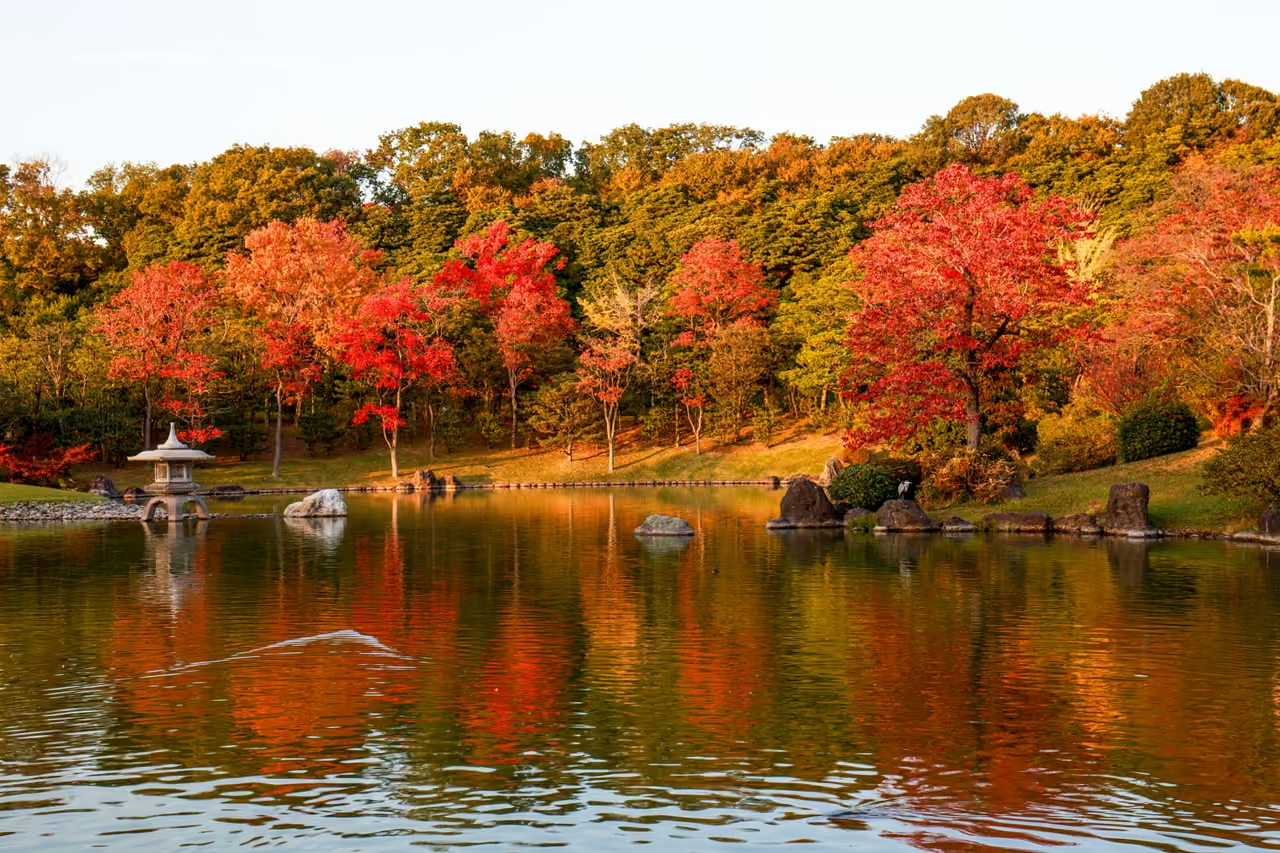
Crisp blue skies and comfortable 20°C afternoons make autumn arguably Osaka's most rewarding season to wander on foot. From late...
Winter
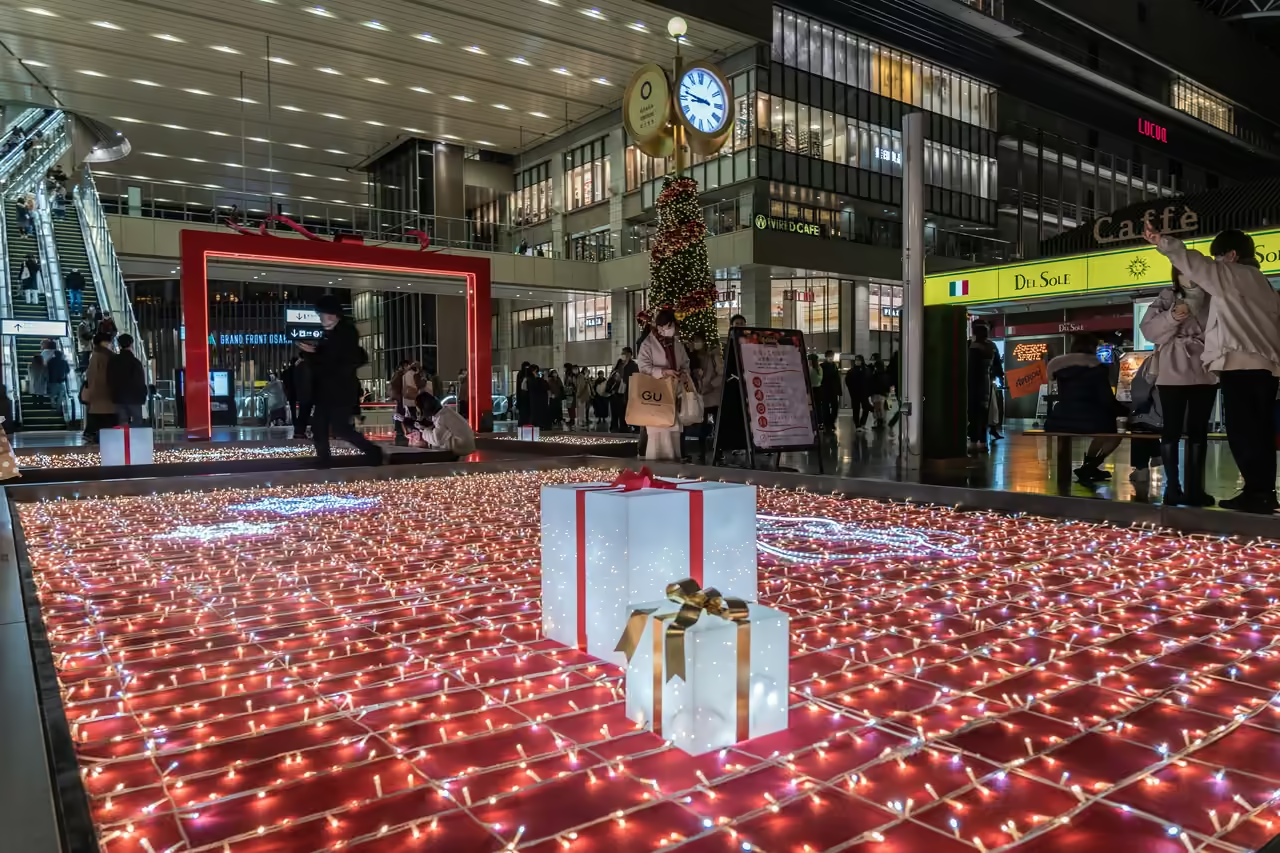
Staying relatively mild around 7°C with scant snowfall and crisp sunny days, Osaka winters shine brightest after 17:00. Millions...
Top Attractions in Osaka
Aquarium Kaiyukan
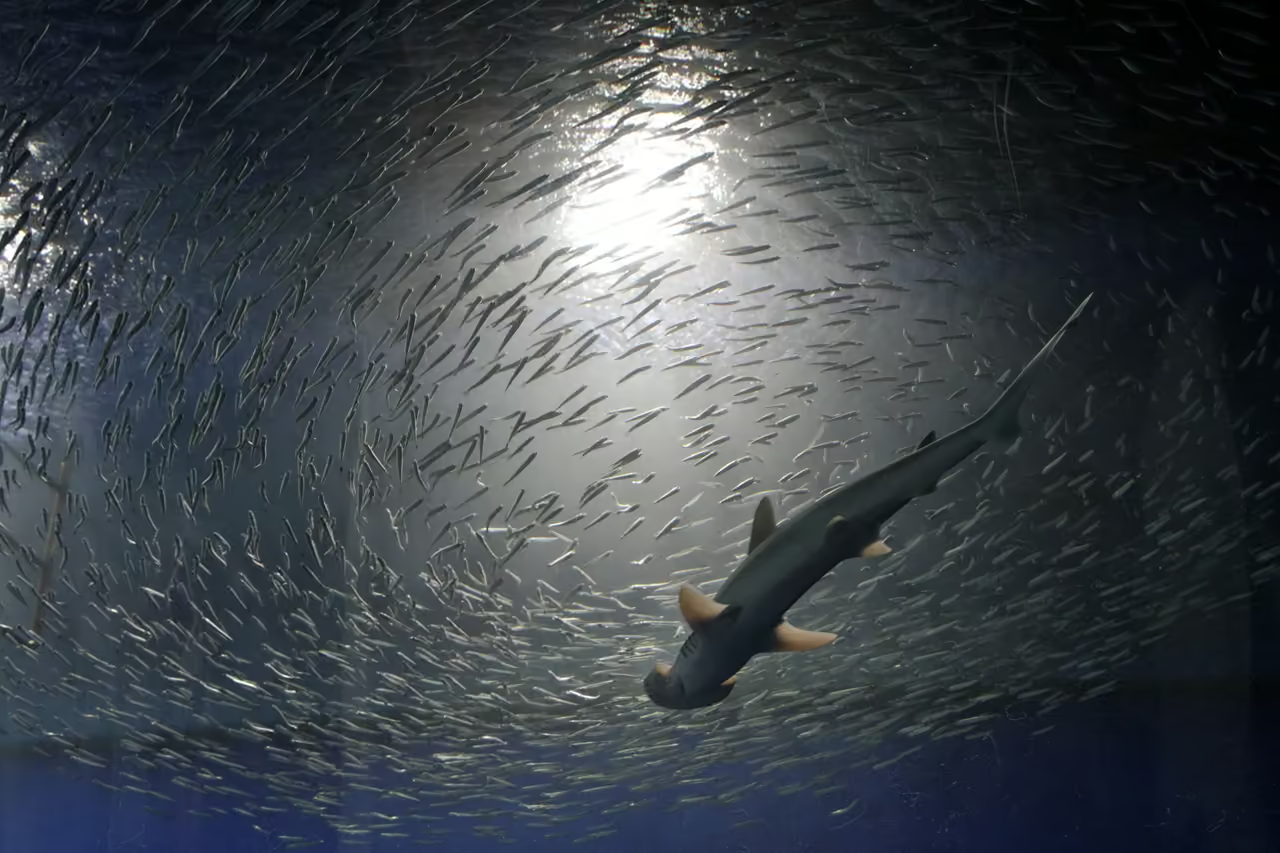
Stepping off the escalator onto the eighth floor of Osaka Aquarium Kaiyukan puts you beside a cool mountain stream before the...
view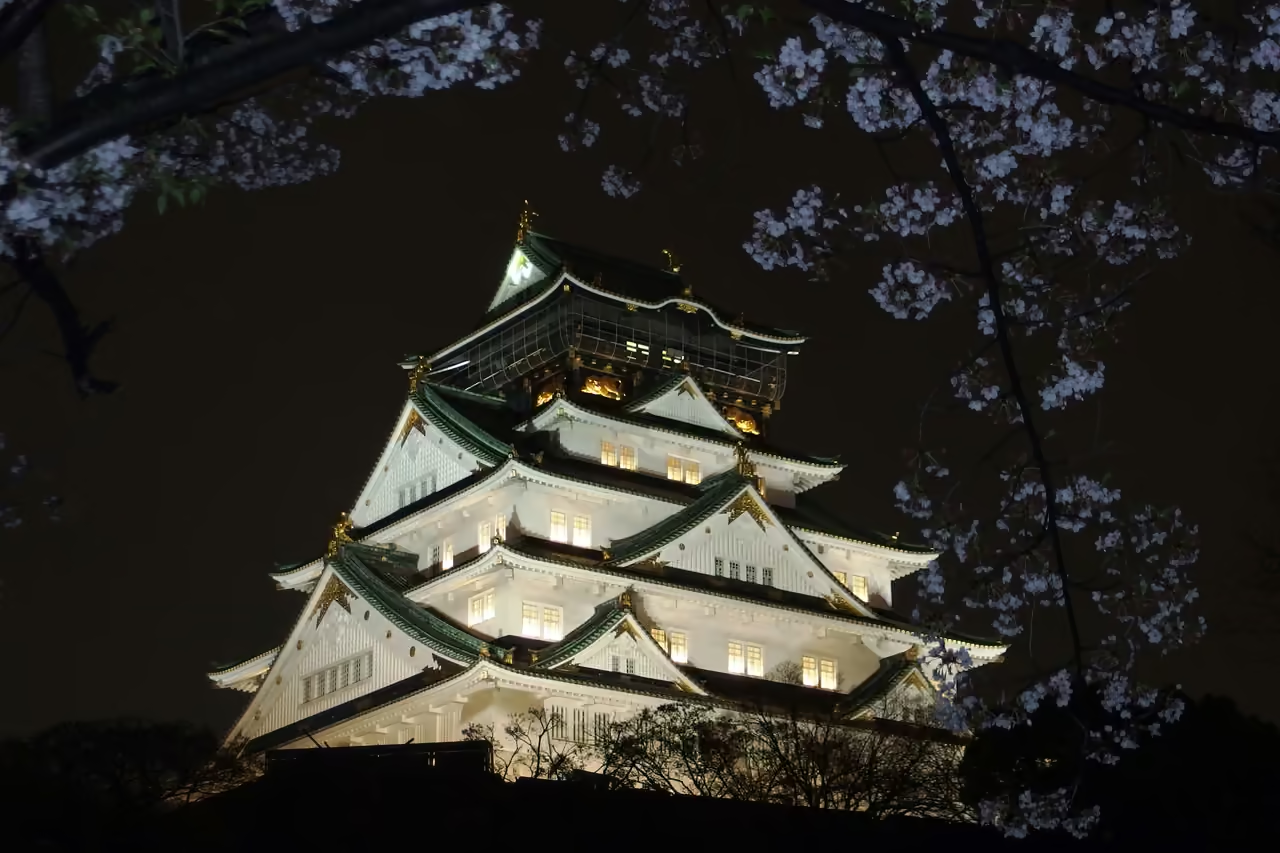
Osaka Castle
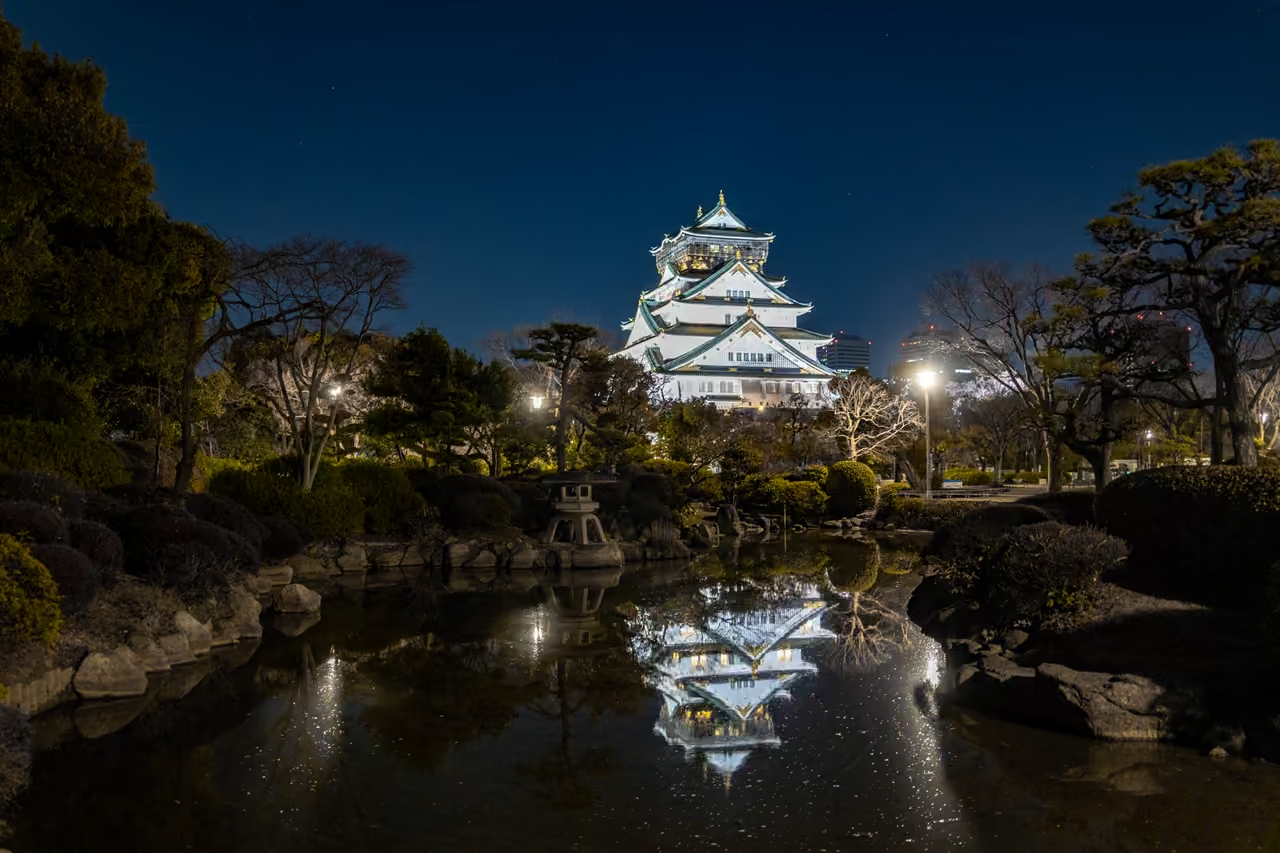
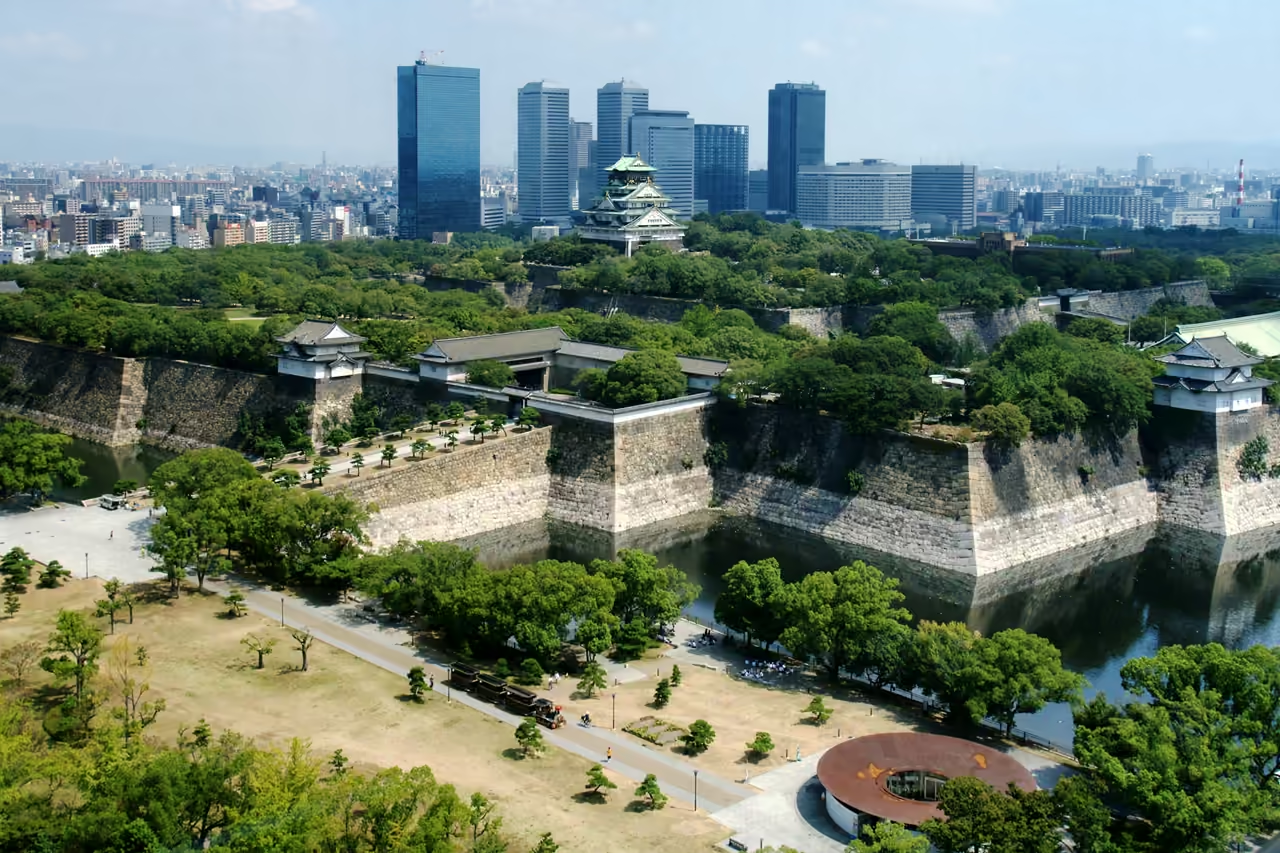
Massive granite walls rise straight out of broad water moats in central Osaka, framing a keep dressed in white plaster, black...
view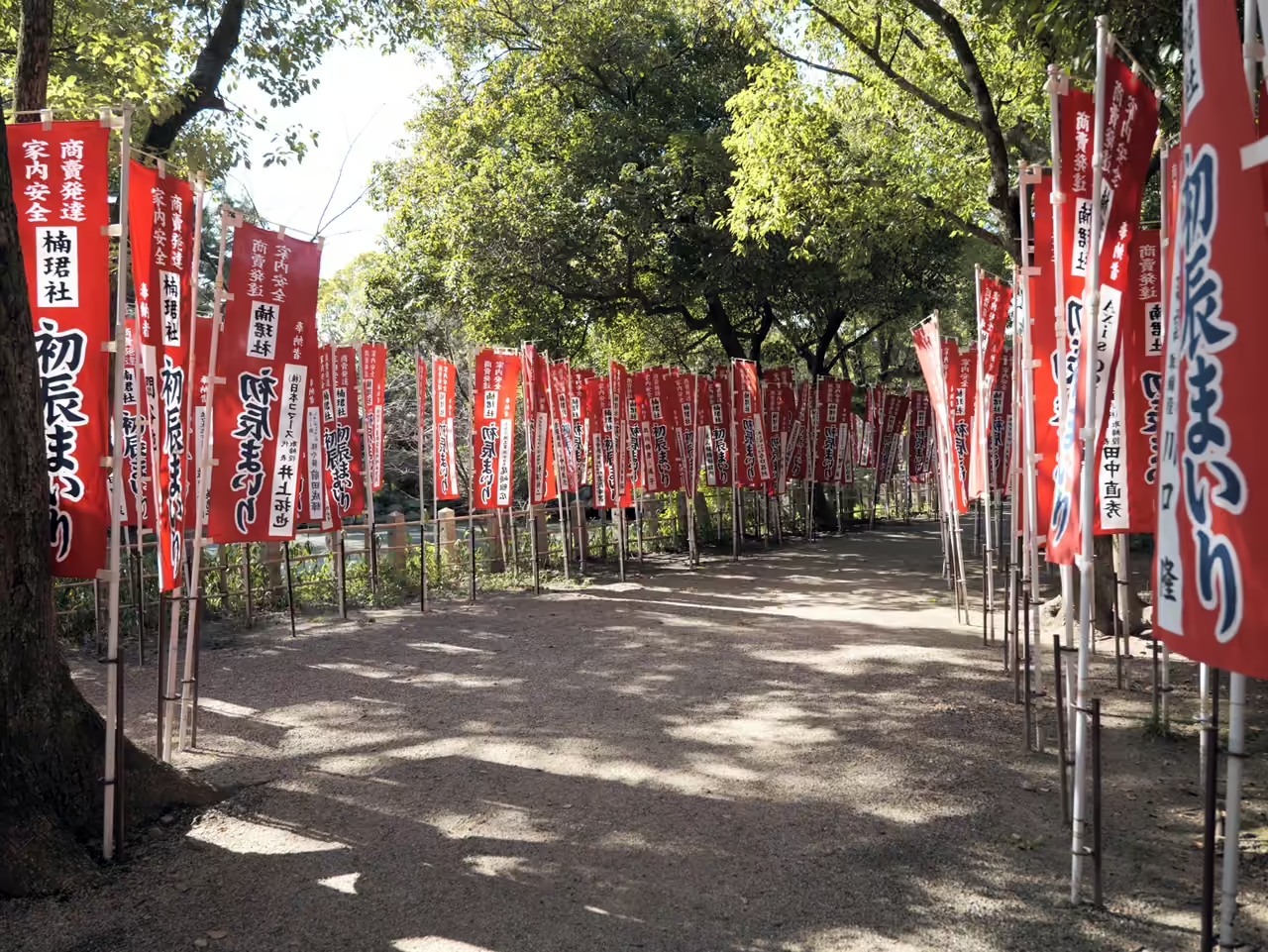
Sumiyoshi Taisha
Step off the clattering Hankai streetcar at Sumiyoshitoriimae Station and you immediately face Osaka's spiritual anchor from an...
view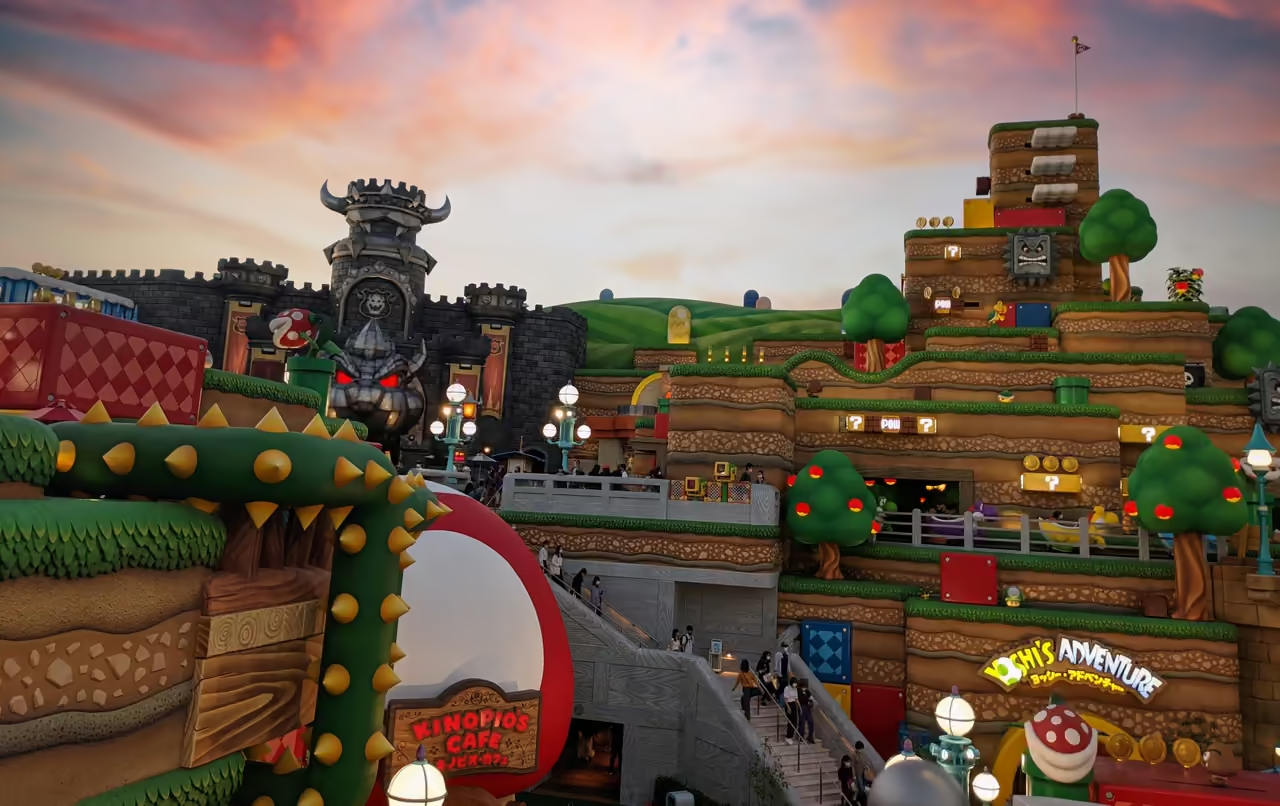
Universal Studios Japan
Five minutes on foot from Universal City Station, a giant rotating globe announces your arrival on Osaka Bay before a soaring...
view
Best Views
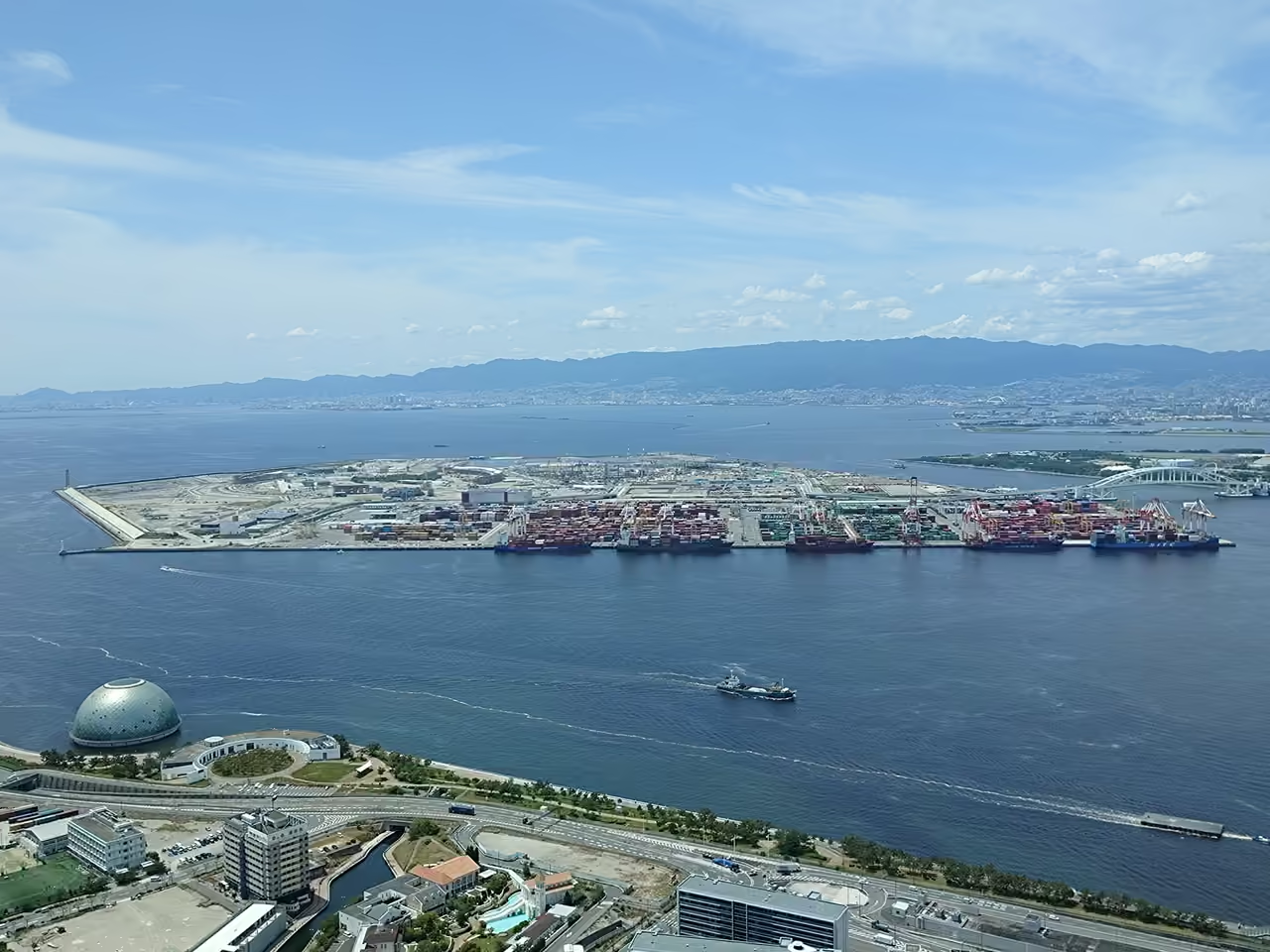
Osaka Itineraries
TRIP PLANNER
3 Days Recommended
Three days covers Osaka's main highlights comfortably without rushing meals. Day one pairs Osaka Castle and the History Museum with Dotonbori neon; day two links Kuromon Market, Shitenno-ji, Abeno Harukas, and Shinsekai; and day three leaves room for Osaka Bay or Nakanoshima's island museums.
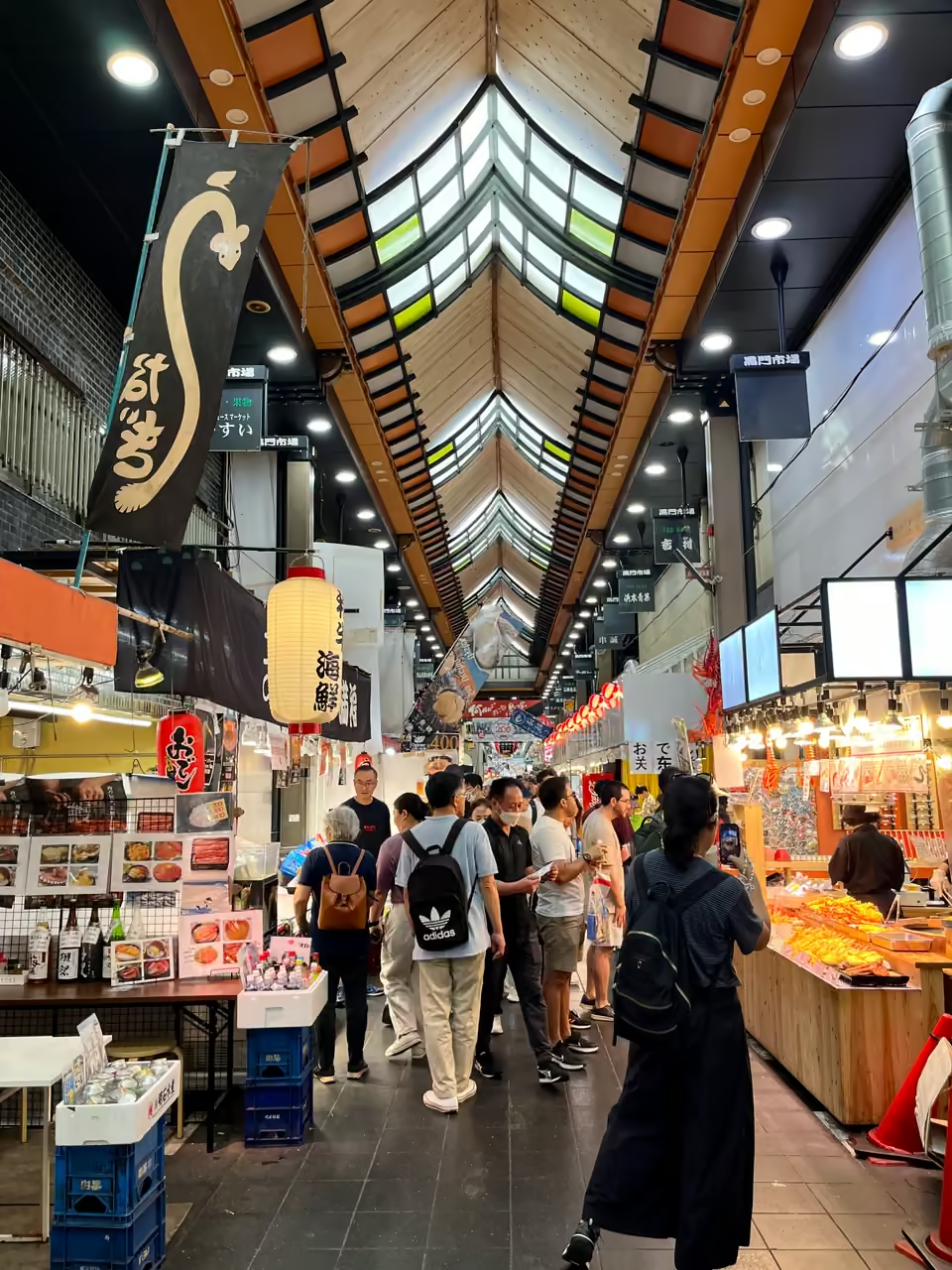
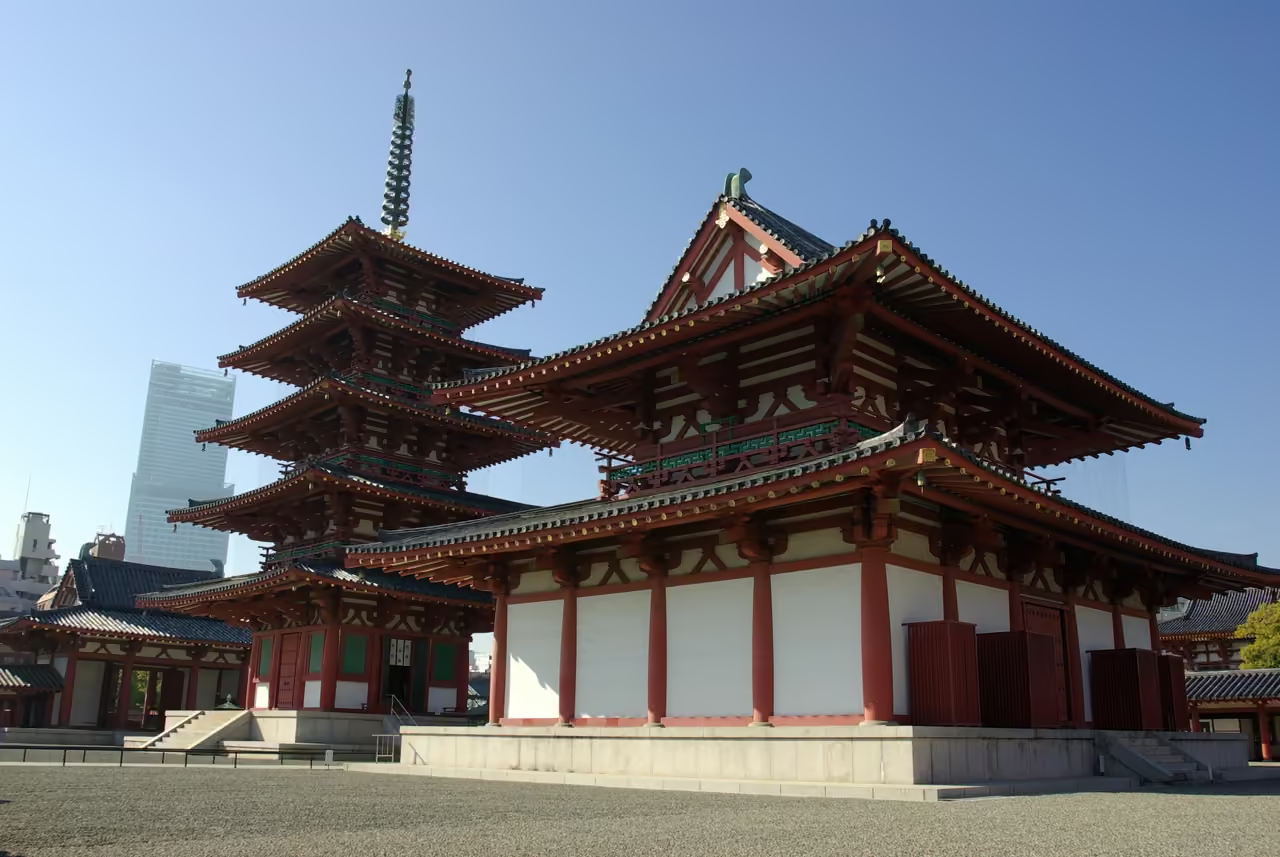
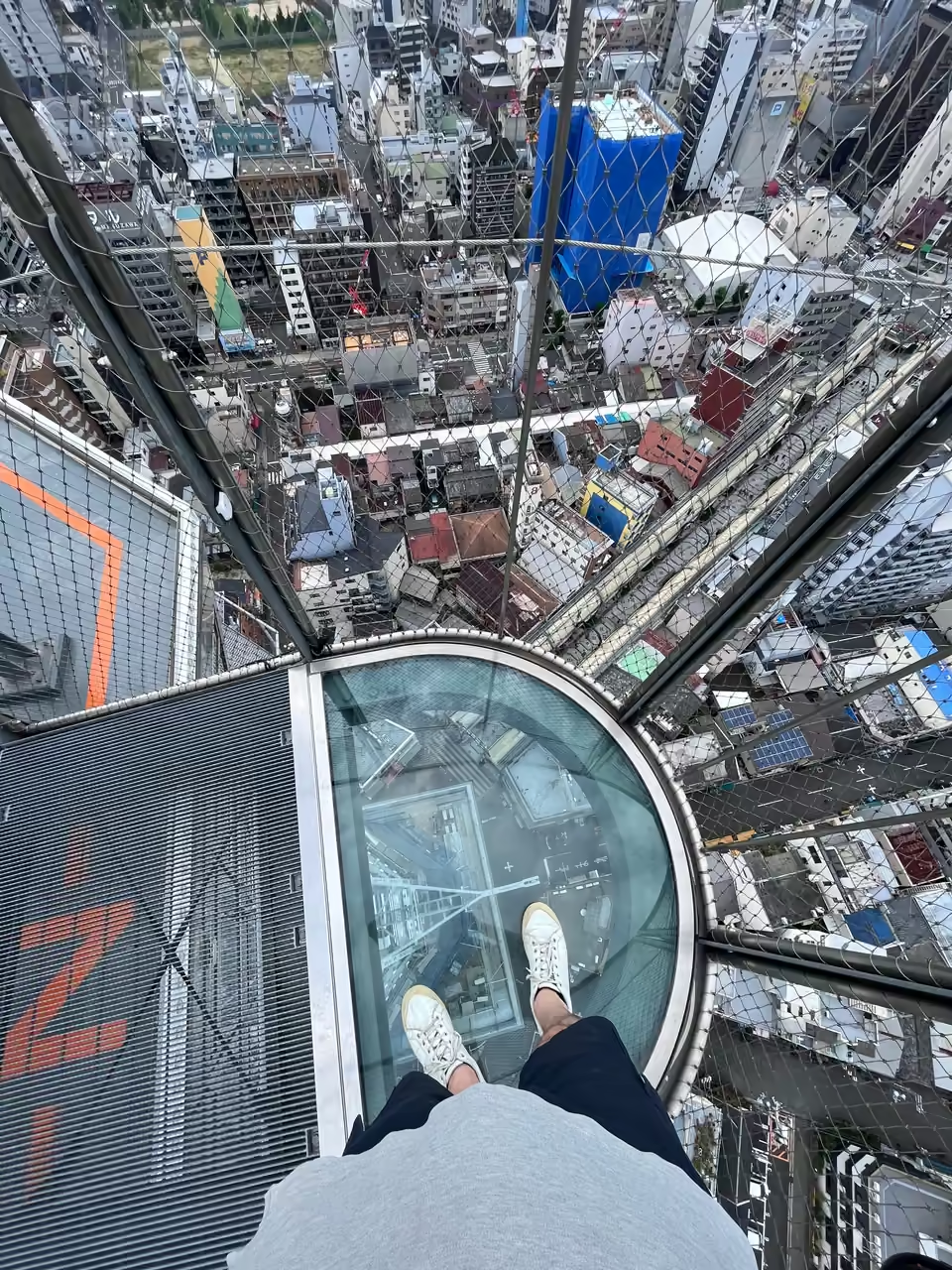
1 Day in Osaka: Castles, Kitchens & Neon Canals
Short on time yet determined to capture Osaka's fierce energy, this fast-paced single-day route sweeps smoothly from samurai stone walls to lively food markets, ancient temple pagodas, retro skewer alleys, and Dotonbori's unmistakable midnight glow. Every hop rides straight down direct metro lines with zero wasted backtracking.
view itinerary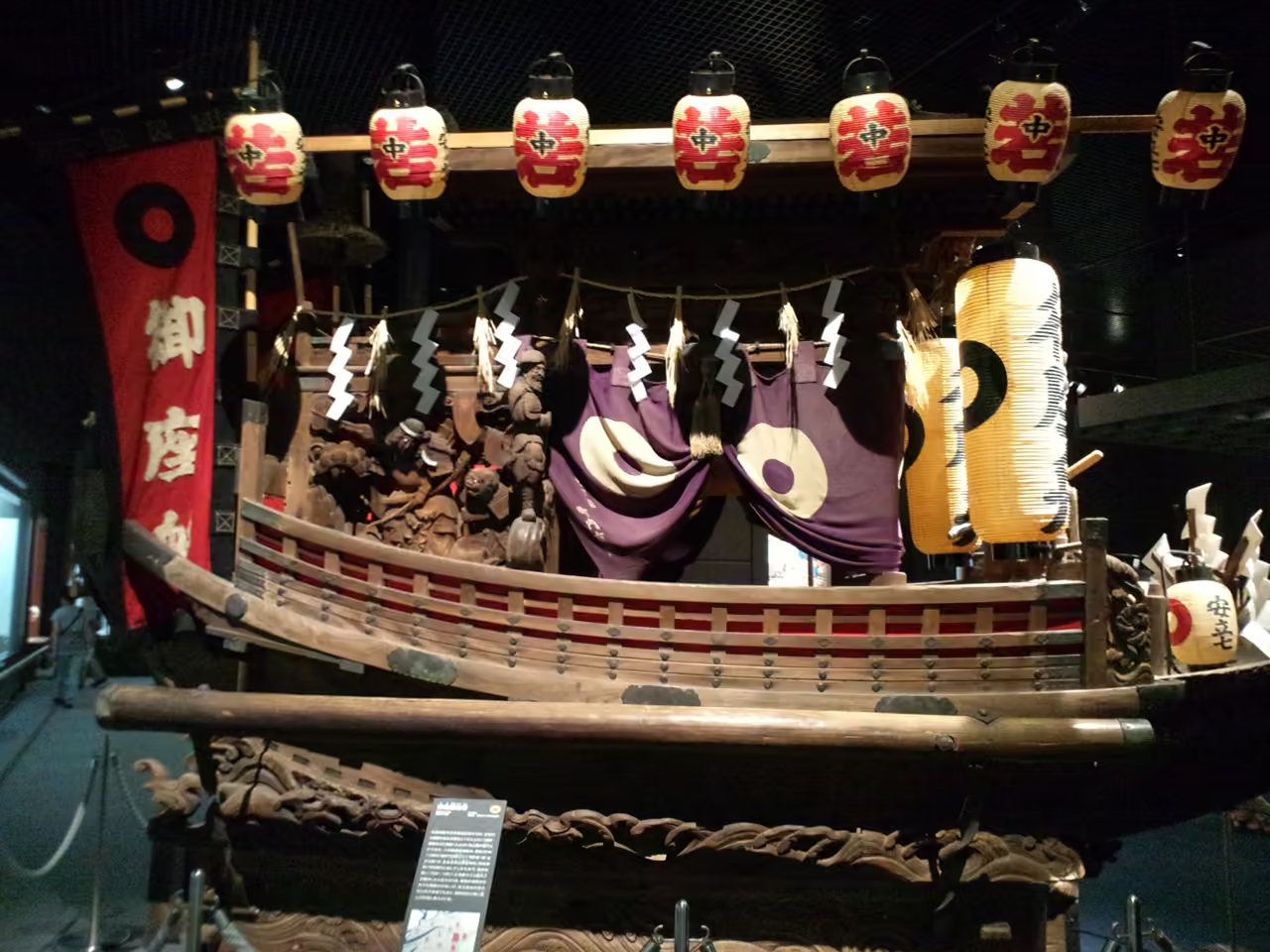
3 Days in Osaka: The Classic City Deep Dive
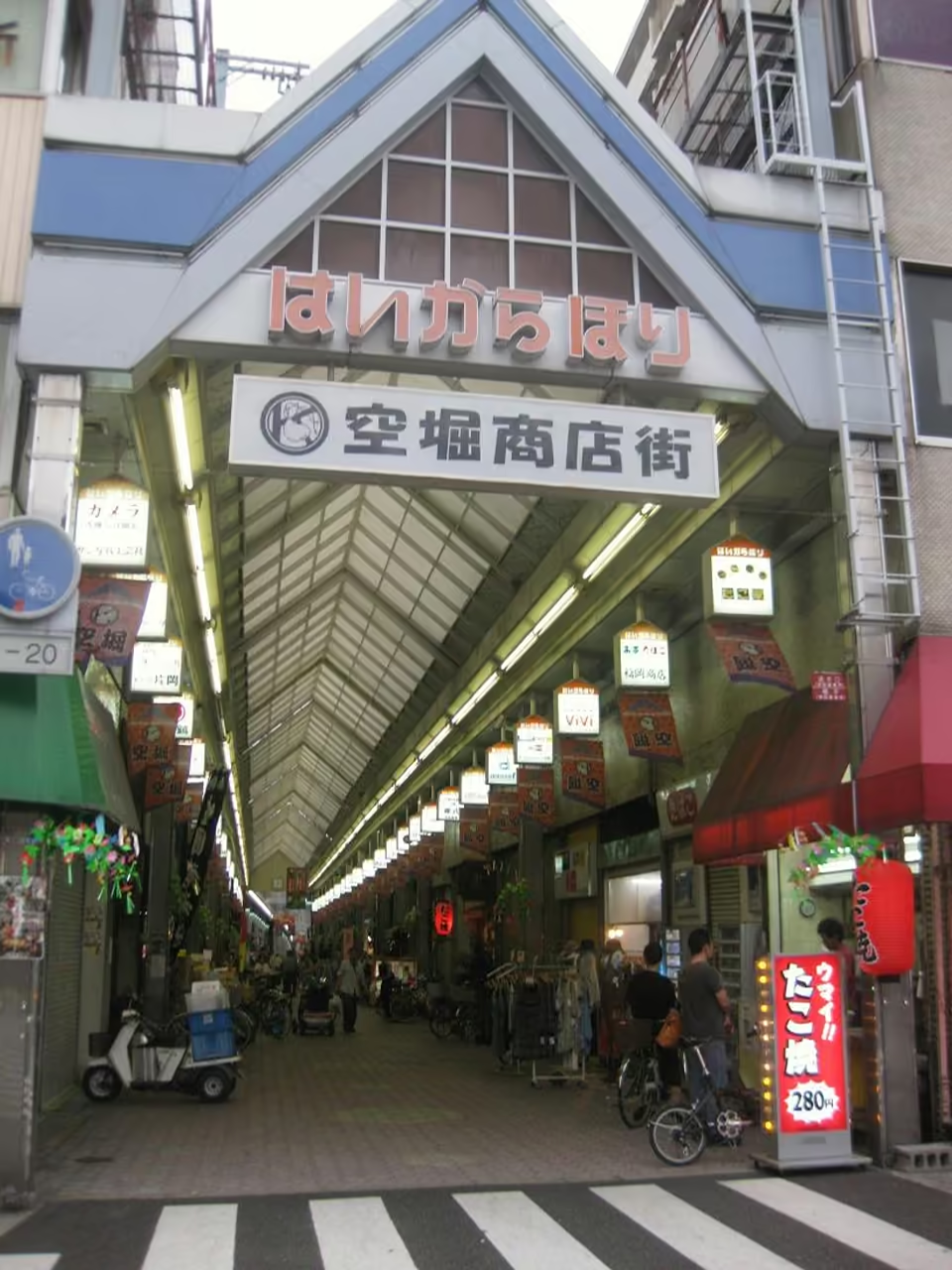
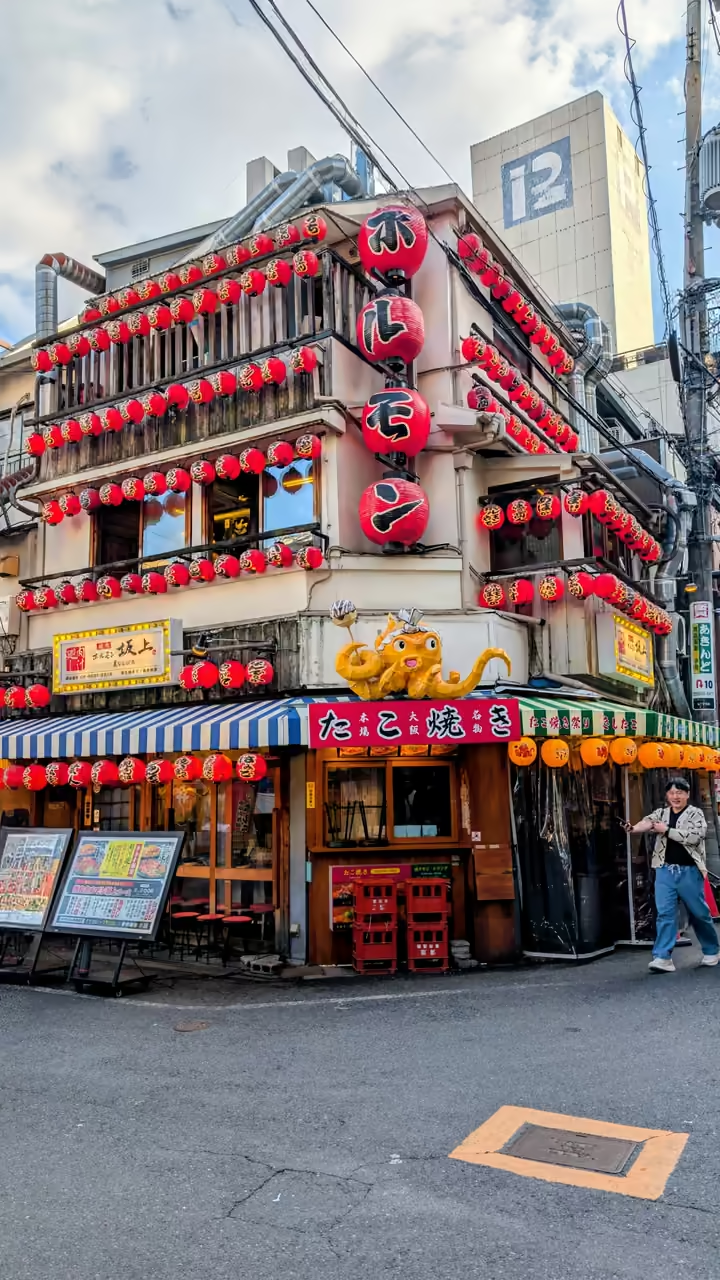
Paced cleanly across Osaka's three signature zones, this three-day plan pairs headline landmarks with local backstreets and plenty of sit-down feasts. Day one balances fortress history with Minami's lantern lanes, day two links markets to Tennoji and towering skyscrapers, and day three spans Osaka Bay's ocean giants and Nakanoshima's island museums.
view itinerary
5 Days in Osaka: Hidden Towns, Theme Parks & Local Soul
Designed for curious travellers eager to explore well past Dotonbori's neon bridge, this five-day itinerary weaves headline thrills like Universal Studios Japan alongside scholarly academies, Korean street markets, traditional puppetry, and timeless southern shrines. Every neighbourhood unfolds at an easy rhythm.
view itinerary
Food in Osaka
Free Things to do in Osaka
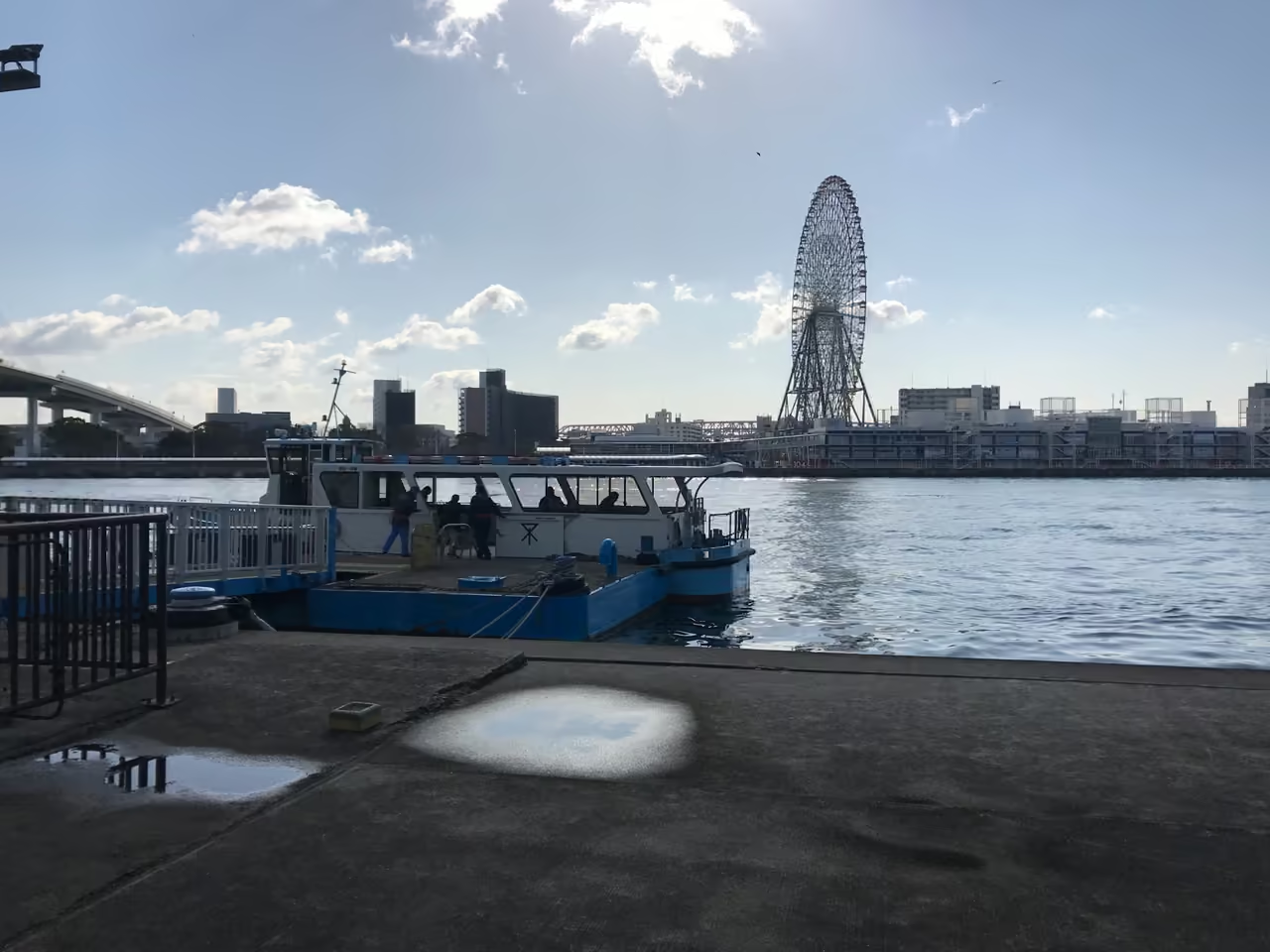
Cross Industrial Rivers on Osaka's Free Municipal Ferries
大阪市の公営渡船乗船体験Explore Osaka Castle's Cyclopean Walls & Plum Grove
大阪城公園の石垣と梅林散策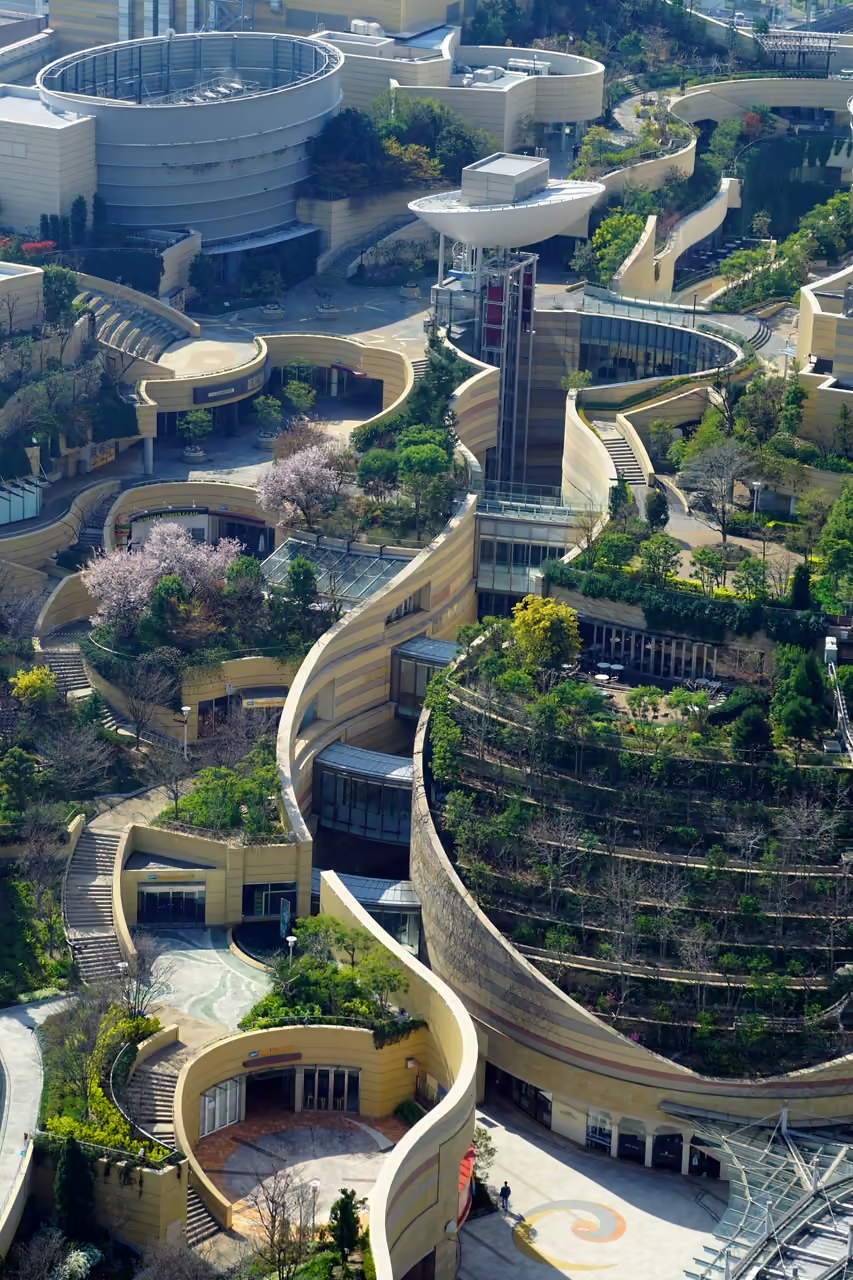
Escape the Neon Crowds in Namba Parks' Rooftop Forest
なんばパークスの屋上庭園散策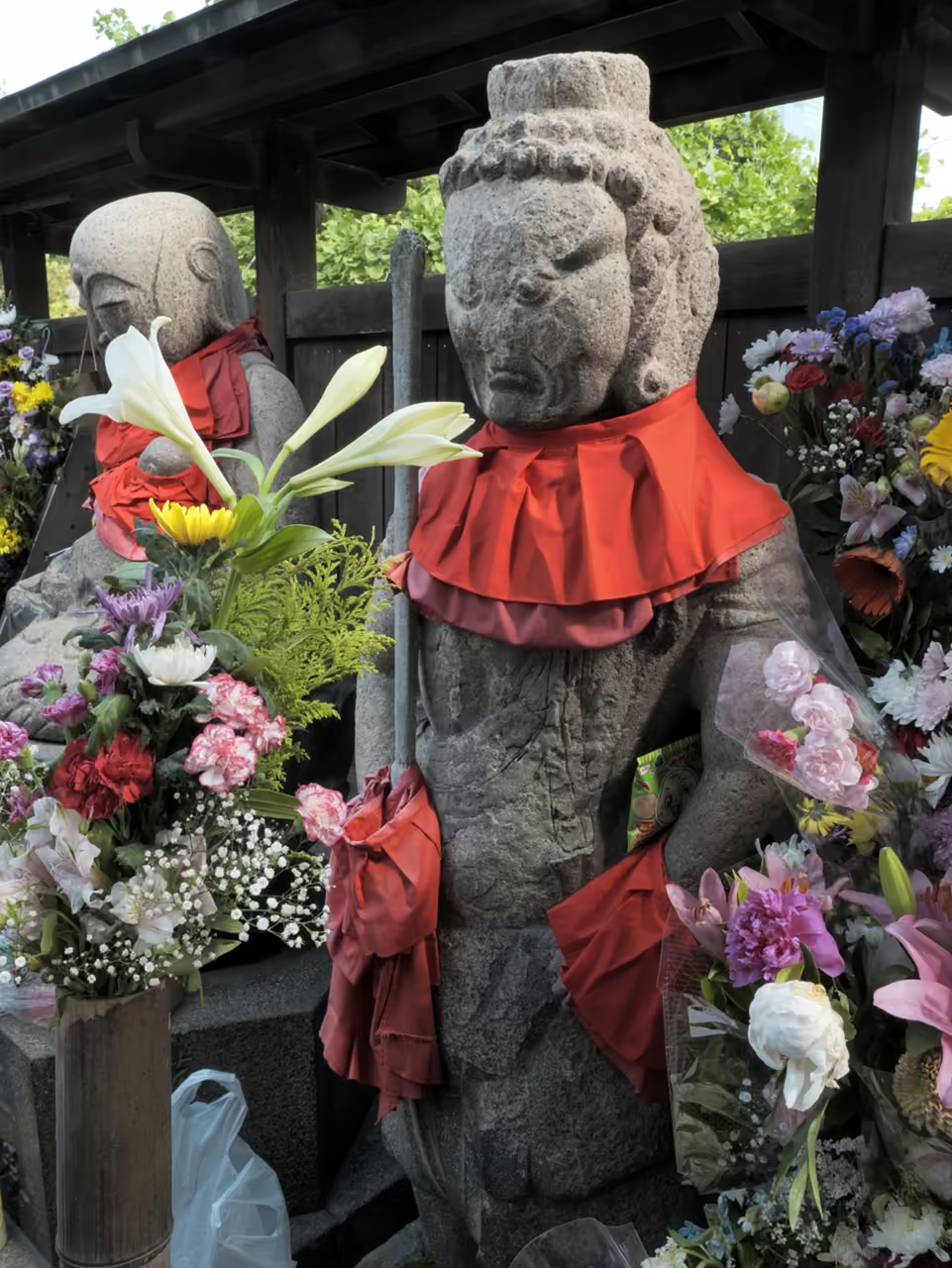
Pay Respects at Isshin-ji's Ash-Sculpted Buddhas
一心寺参拝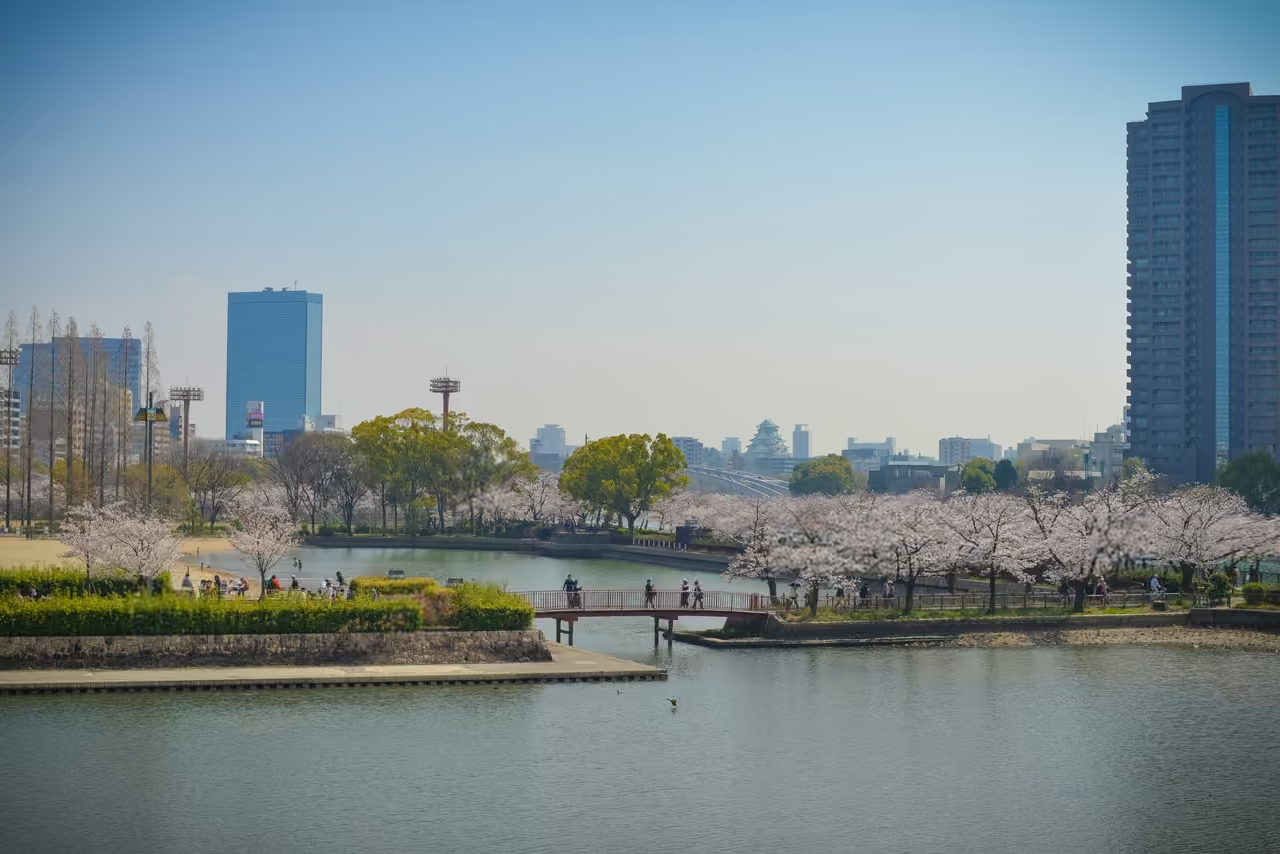
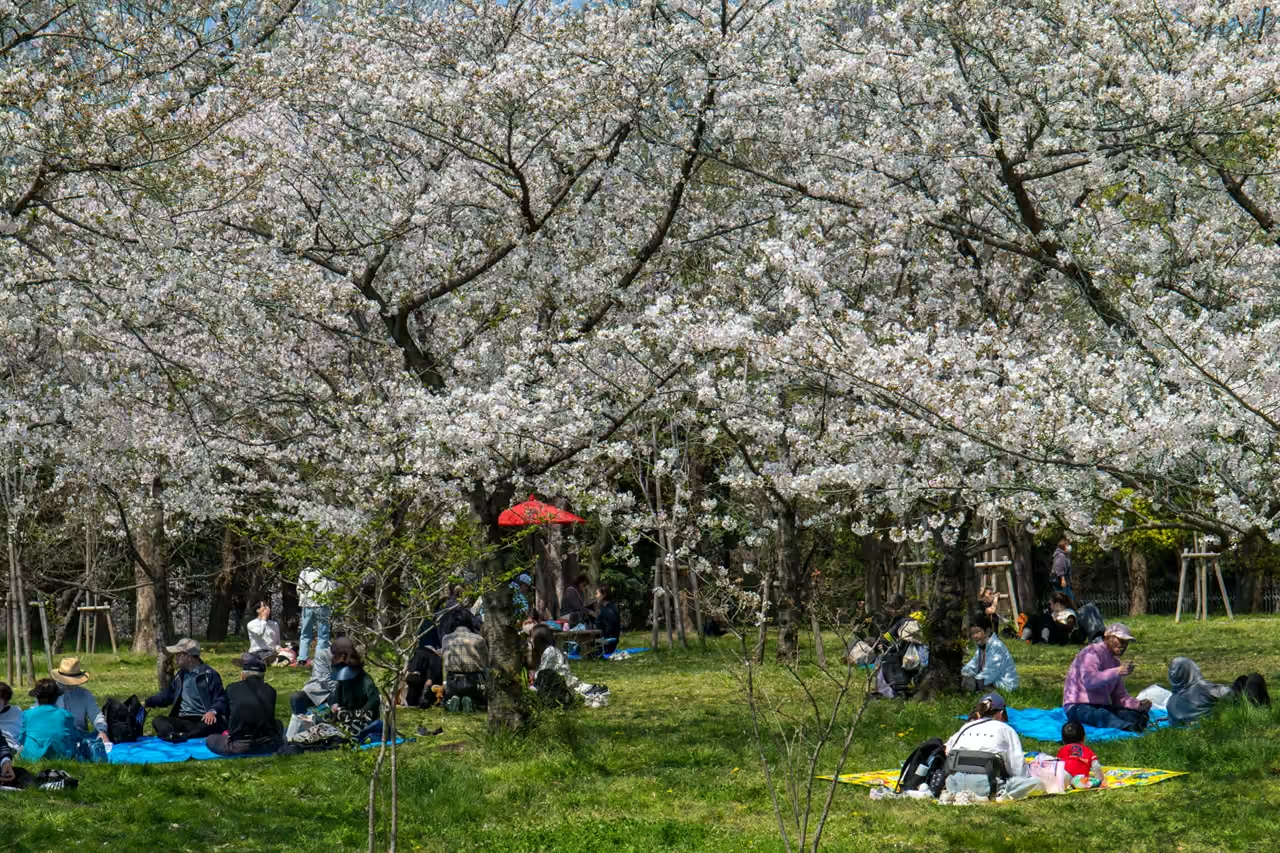
Picnic & Walk Along Kema Sakuranomiya Riverside
毛馬桜之宮公園の河川敷散歩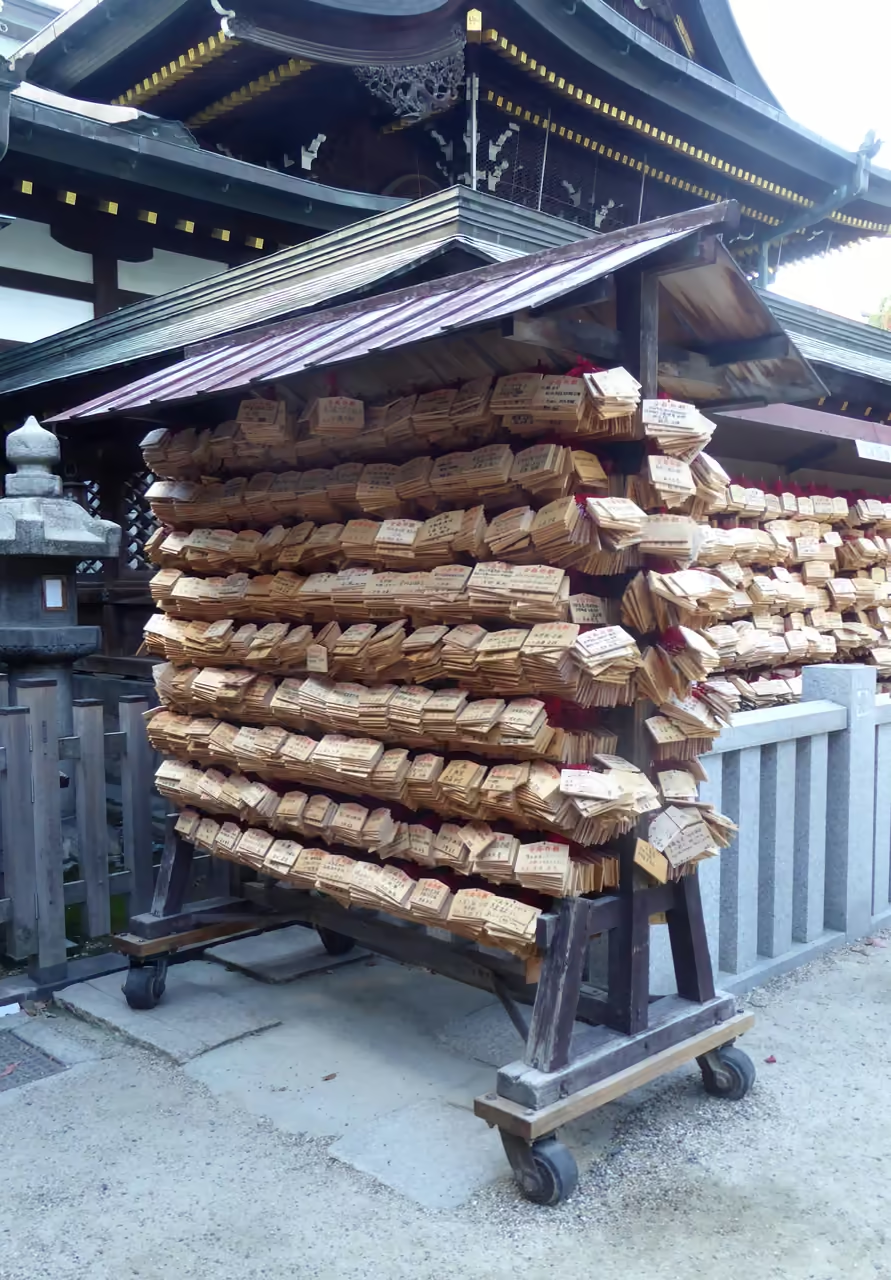
Read Student Prayer Plaques at Osaka Tenmangu Shrine
大阪天満宮参拝
Parks & Nature
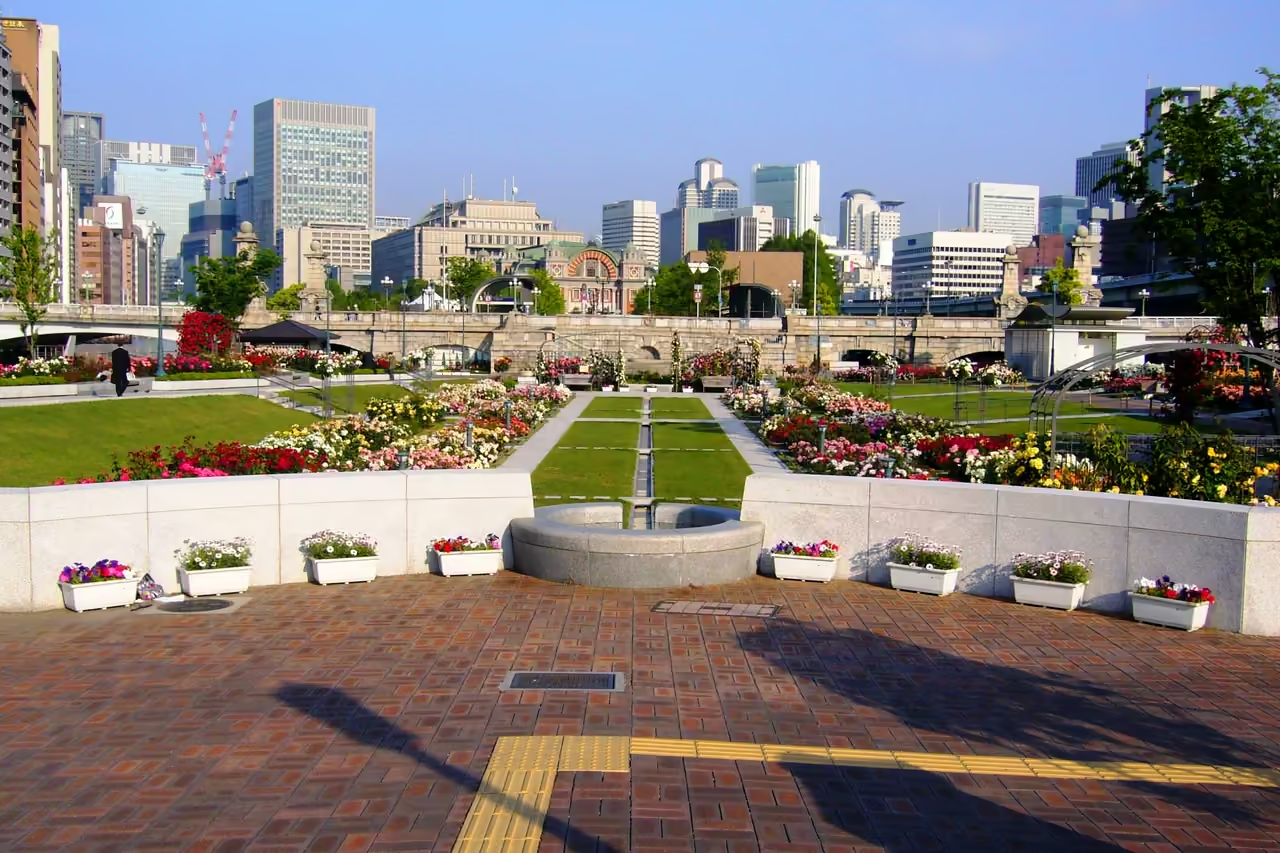
Nakanoshima Park
Wedged onto a slender sandbank between the Dojima and Tosabori rivers, Nakanoshima Park is the green relief valve of central...
viewNamba Parks
Stepping off the concourse at Nankai Namba Station onto Canyon Street feels less like entering a shopping centre and more like...
viewSakuranomiya Park
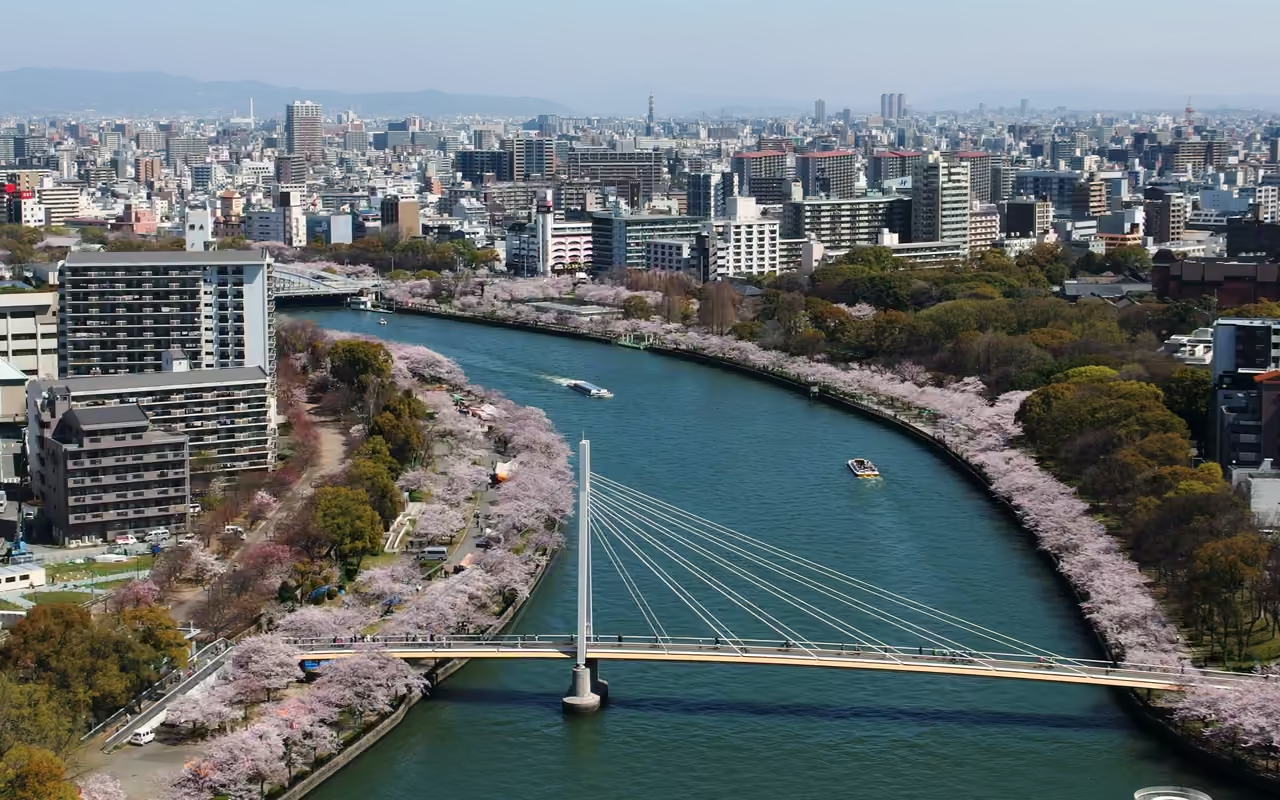
Stretching along both banks of the Okawa River, Sakuranomiya Park is a beloved green oasis in Osaka, renowned for its...
view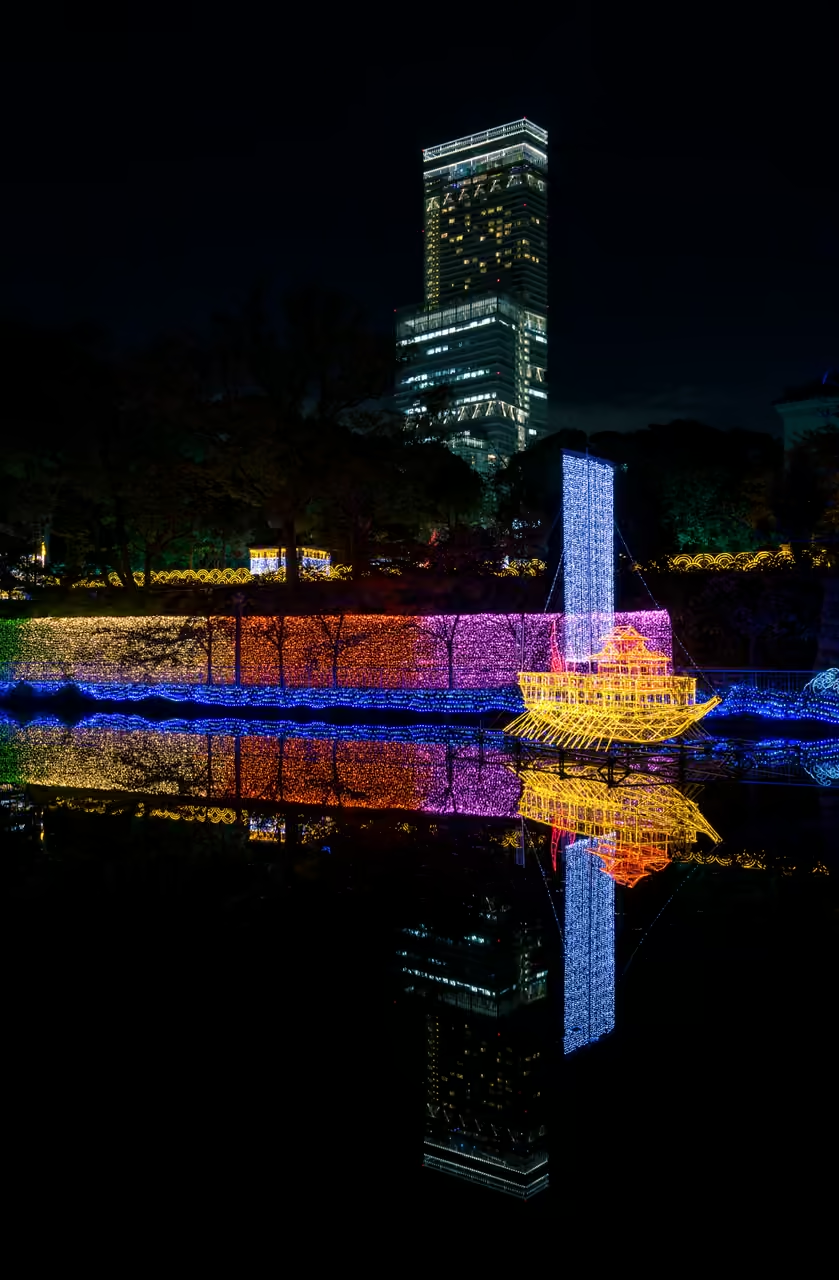
Tennoji Park
Step out of Tennoji Station and the city opens onto Tenshiba, a broad green lawn where families picnic directly beneath the...
view
Highlights & Must-Sees
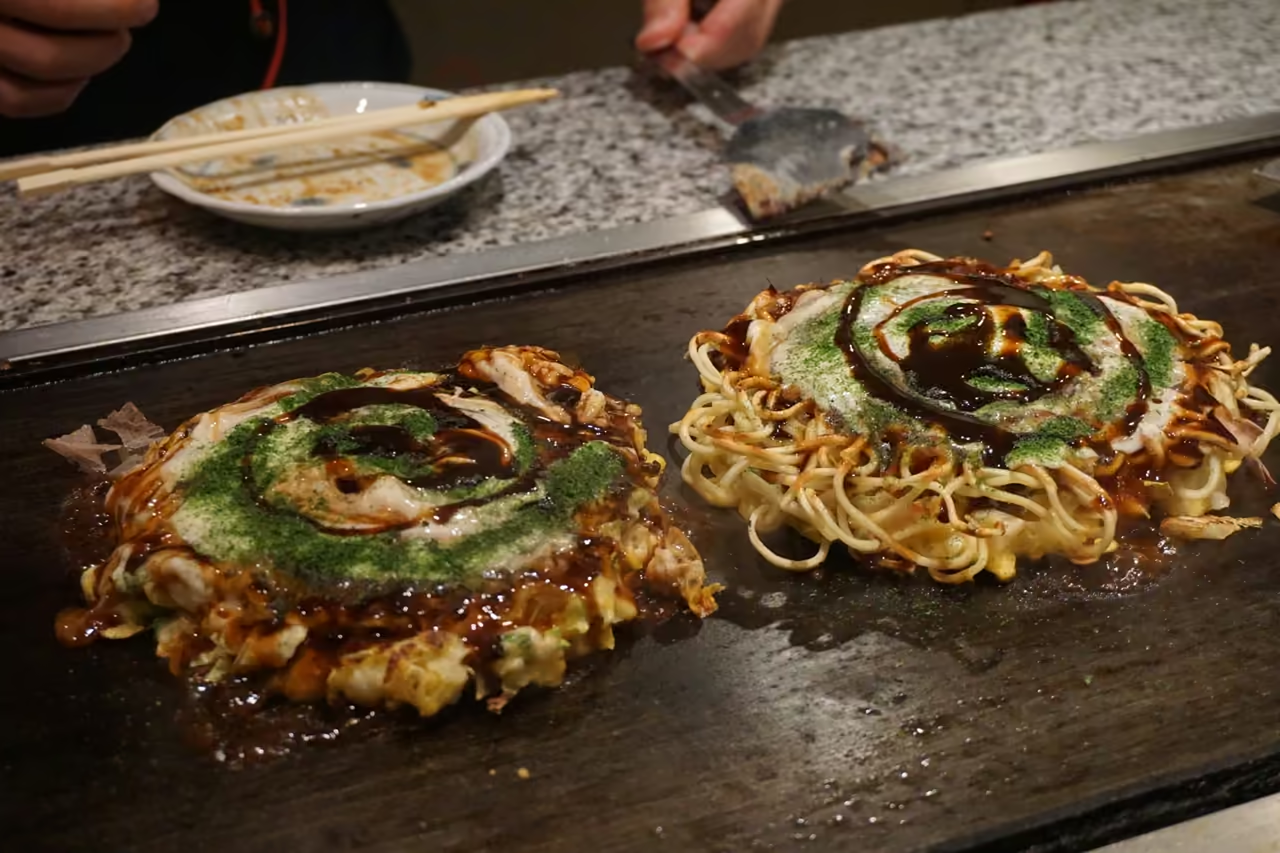
Cook Your Own Okonomiyaki on a Tabletop Griddle
Many independent neighbourhood okonomiyaki parlours hand guests a stainless steel bowl brimming with shredded cabbage, batter...
view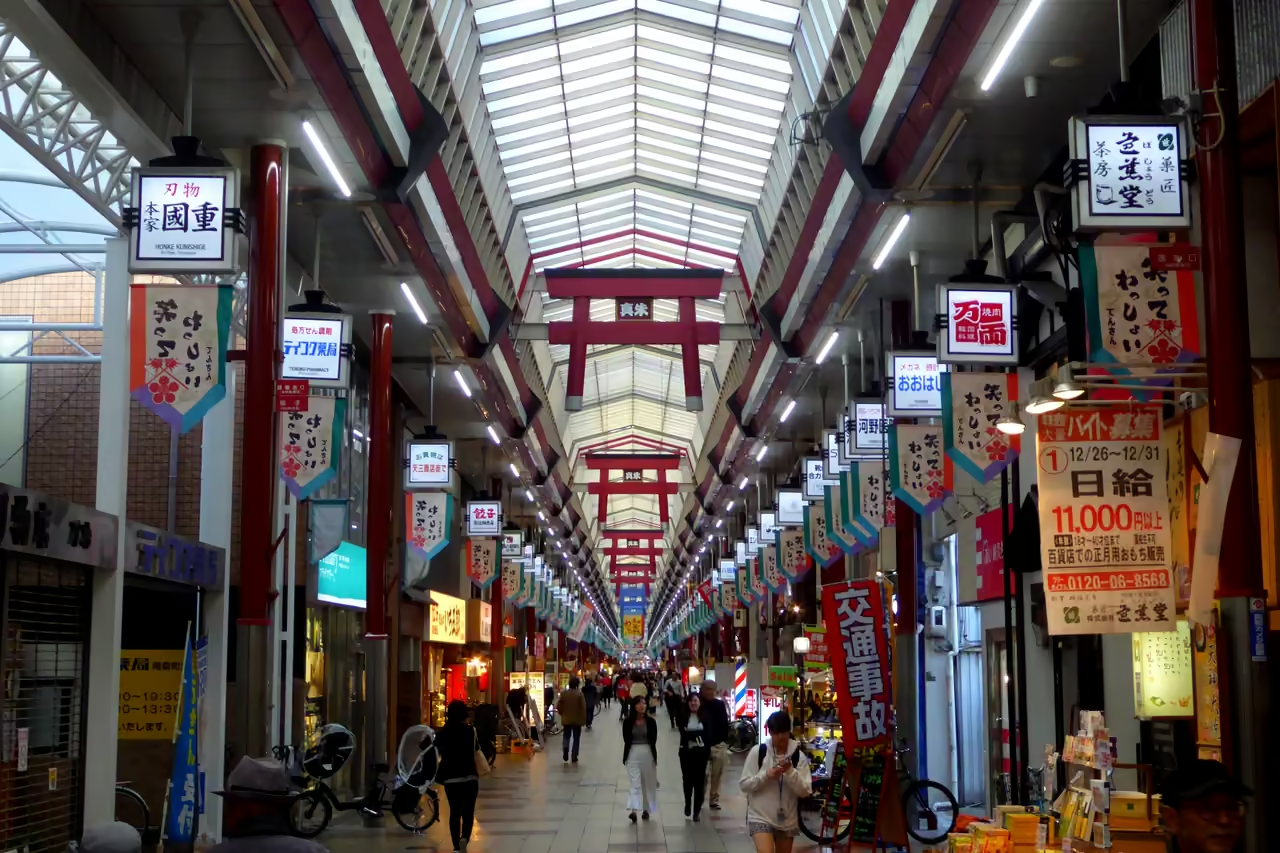
Stroll the 2.6-Kilometre Tenjinbashi-suji Arcade
Stretching three metro stops from Tenjinbashi 1-chome to 6-chome, Japan's longest straight roofed shopping arcade delivers an...
view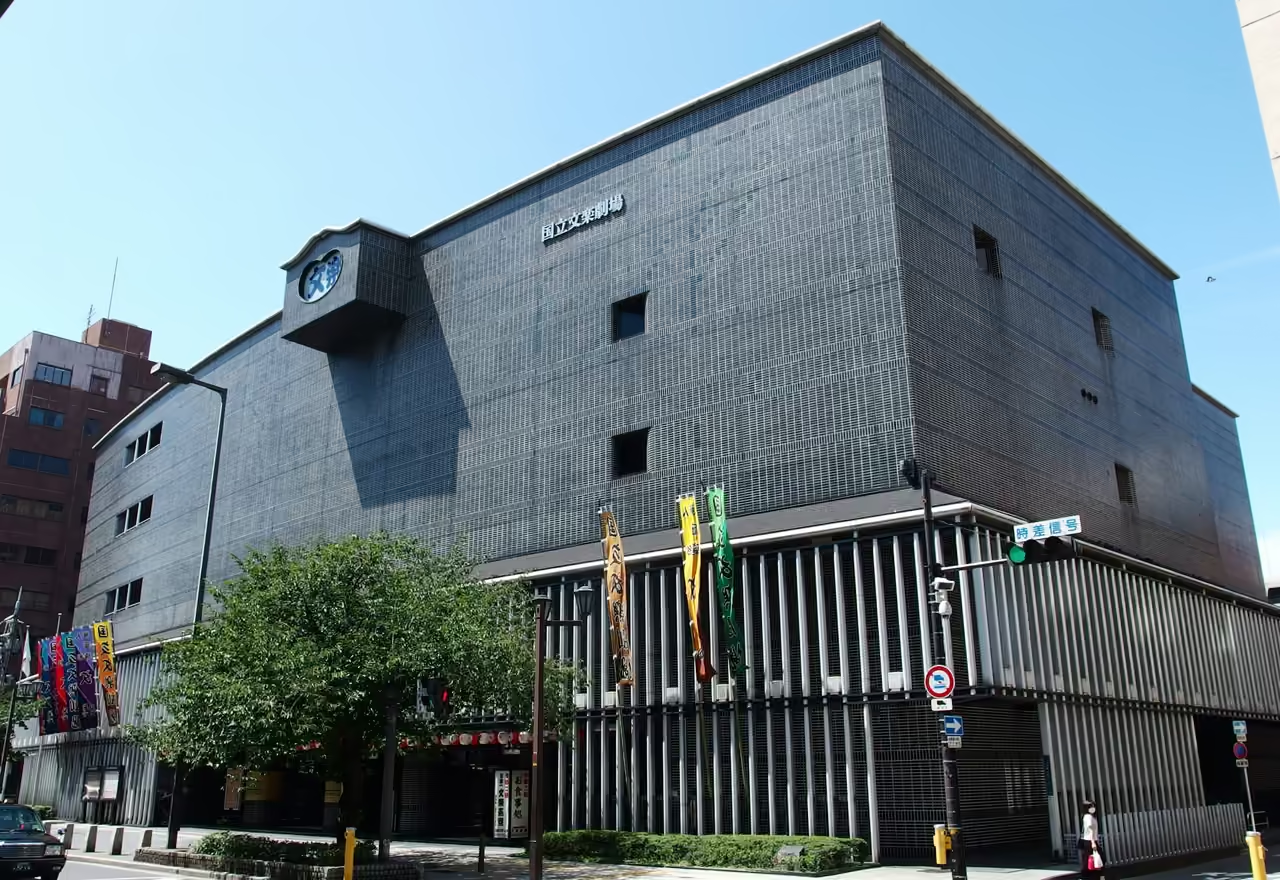
Watch UNESCO-Listed Bunraku Puppet Theatre
Nurtured along Dotonbori's 17th-century theatre strip, Ningyo Joruri Bunraku pairs metre-tall wooden puppets with booming...
view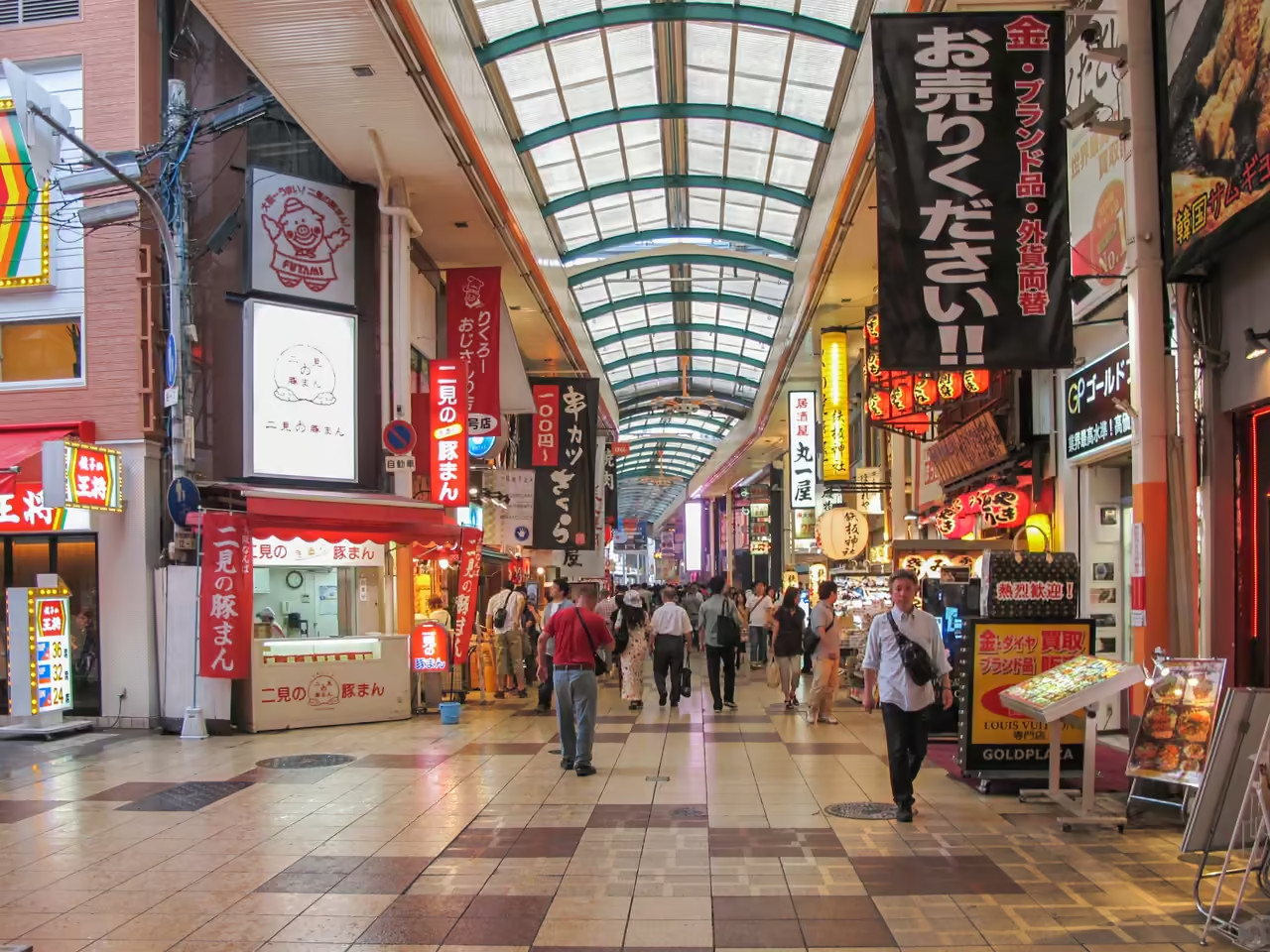
Browse Cookware & Wax Food in Sennichimae Doguyasuji
Supplying Osaka's demanding restaurants for over a century, this compact 150-metre covered lane south of Namba packs culinary...
view
Best Walks in Osaka
 HIGHLY RECOMMENDED
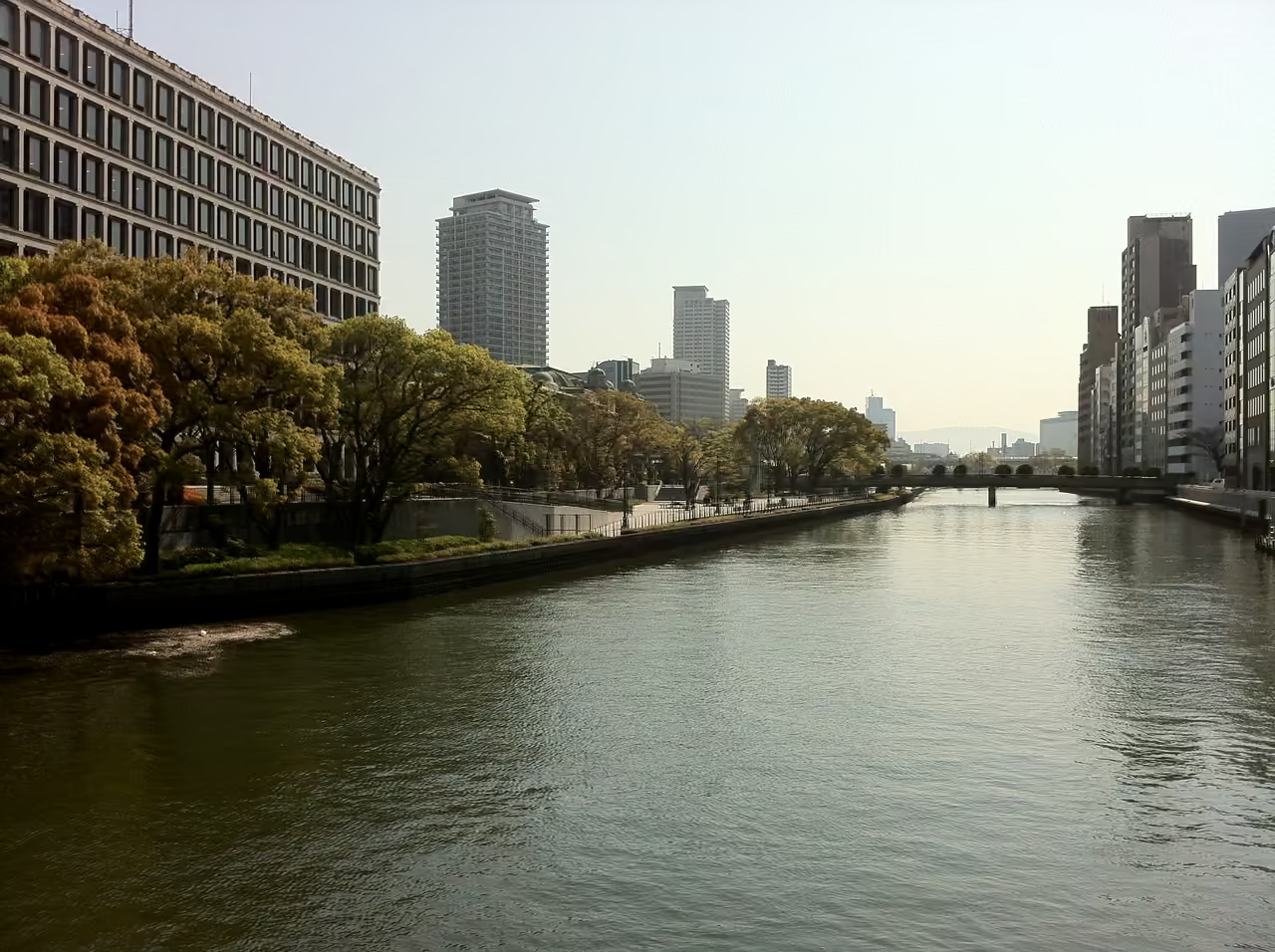
Nakanoshima Island Bridges & Rose Stroll
Anchored like a slender riverboat in central Osaka, Nakanoshima Island packs more architectural grace per metre than any other neighbourhood. This relaxed waterside walk passes beneath classic stone bridges, past Meiji-era civic halls and fragrant rose gardens flanked by tall office towers.
- HIGHLY RECOMMENDED
Dusk Along Dotonbori Canal & Lantern Alleys
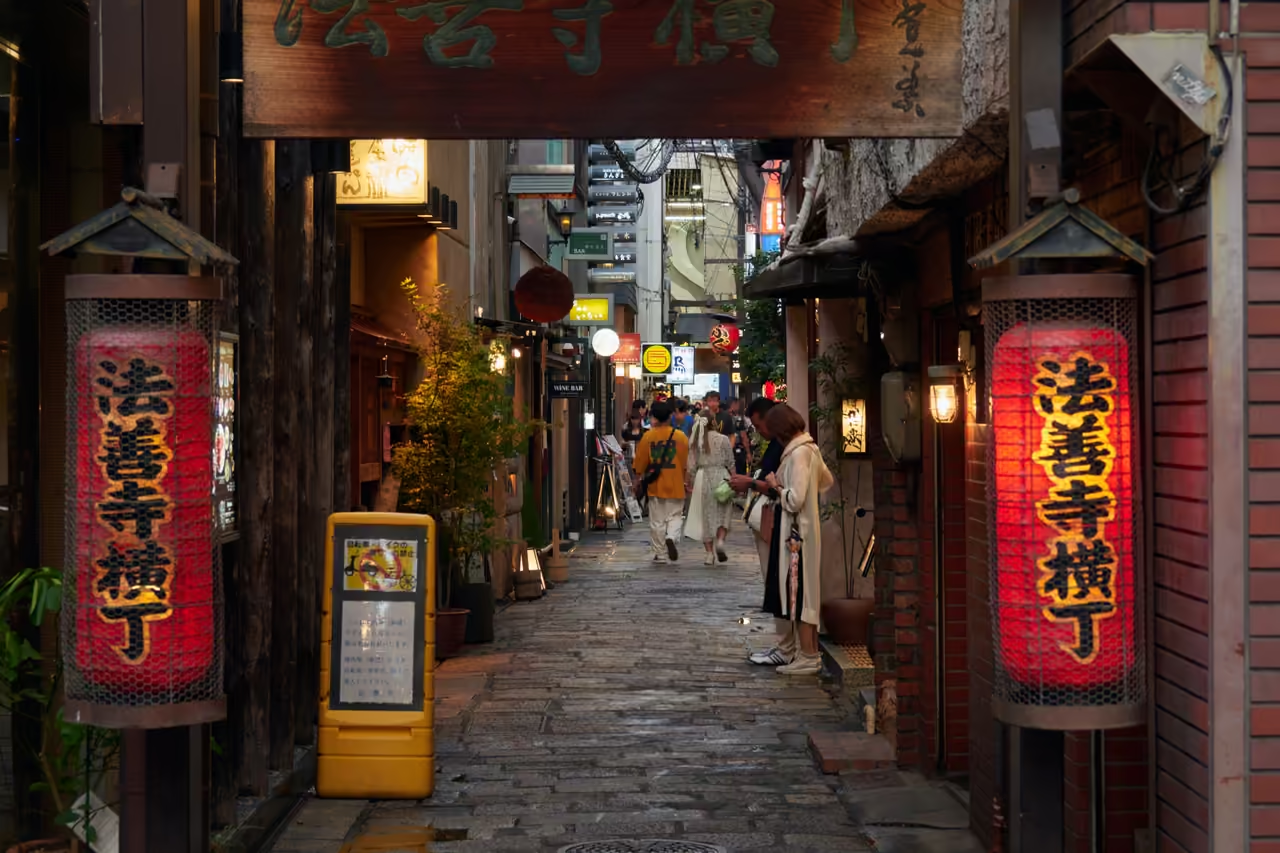
Minami comes alive as daylight fades and thousands of neon tubes, glowing lanterns, and illuminated canal railings ignite simultaneously. This atmospheric evening stroll pairs Dotonbori's dazzling waterside walkway with moss-covered flagstones and hidden bar lanes steps away.
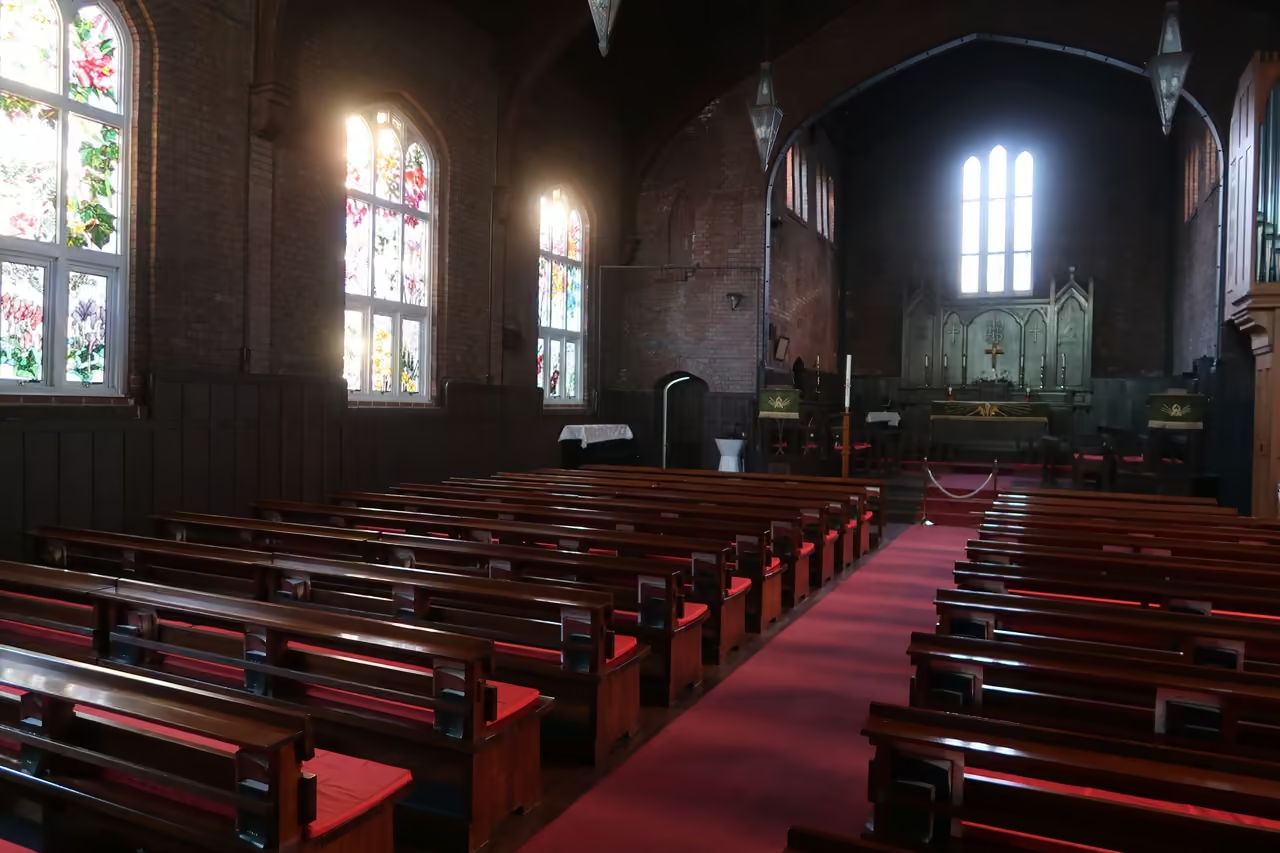
Utsubo Park Roses to Old Kawaguchi Settlement
Leafy west-central streets trace Osaka's nearly forgotten Meiji-era international quarter, moving from a lush urban rose garden down to quiet brick churches where the Aji and Kizu rivers part. Neighbourhood bakeries and calm embankments lend this unhurried morning walk a serene character.
Architecture & Landmarks
Abeno Harukas Supertall Tower
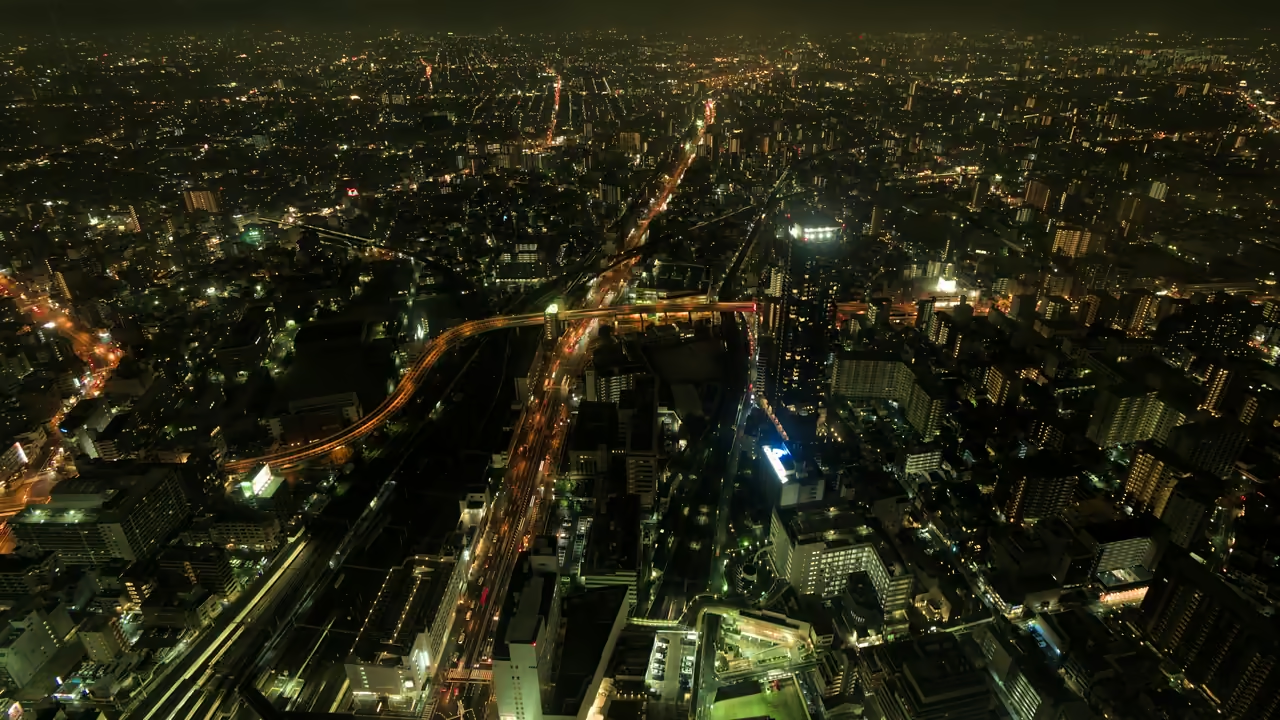
Rising 300 metres above Tennoji when completed in 2014 by Pelli Clarke Pelli and Takenaka Corporation, Abeno Harukas became...
view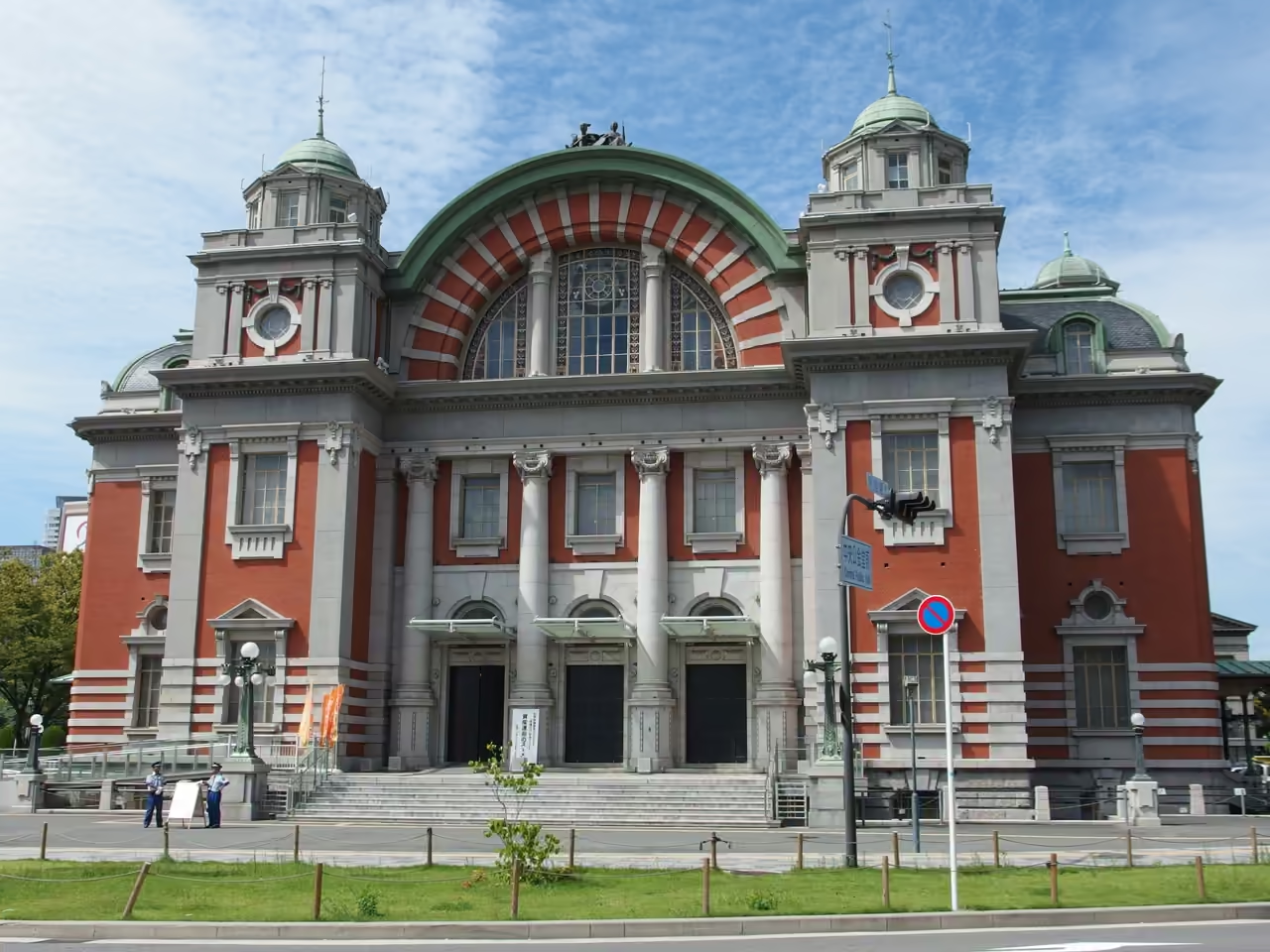
Osaka City Central Public Hall
Completed in 1918 through a generous civic gift from stockbroker Einosuke Iwamoto, this red-brick landmark embodies Great...
viewSumiyoshi-taisha Main Sanctuaries
Four identical sanctuaries lined cleanly across Sumiyoshi-taisha preserve sumiyoshi-zukuri, one of Japan's earliest indigenous...
view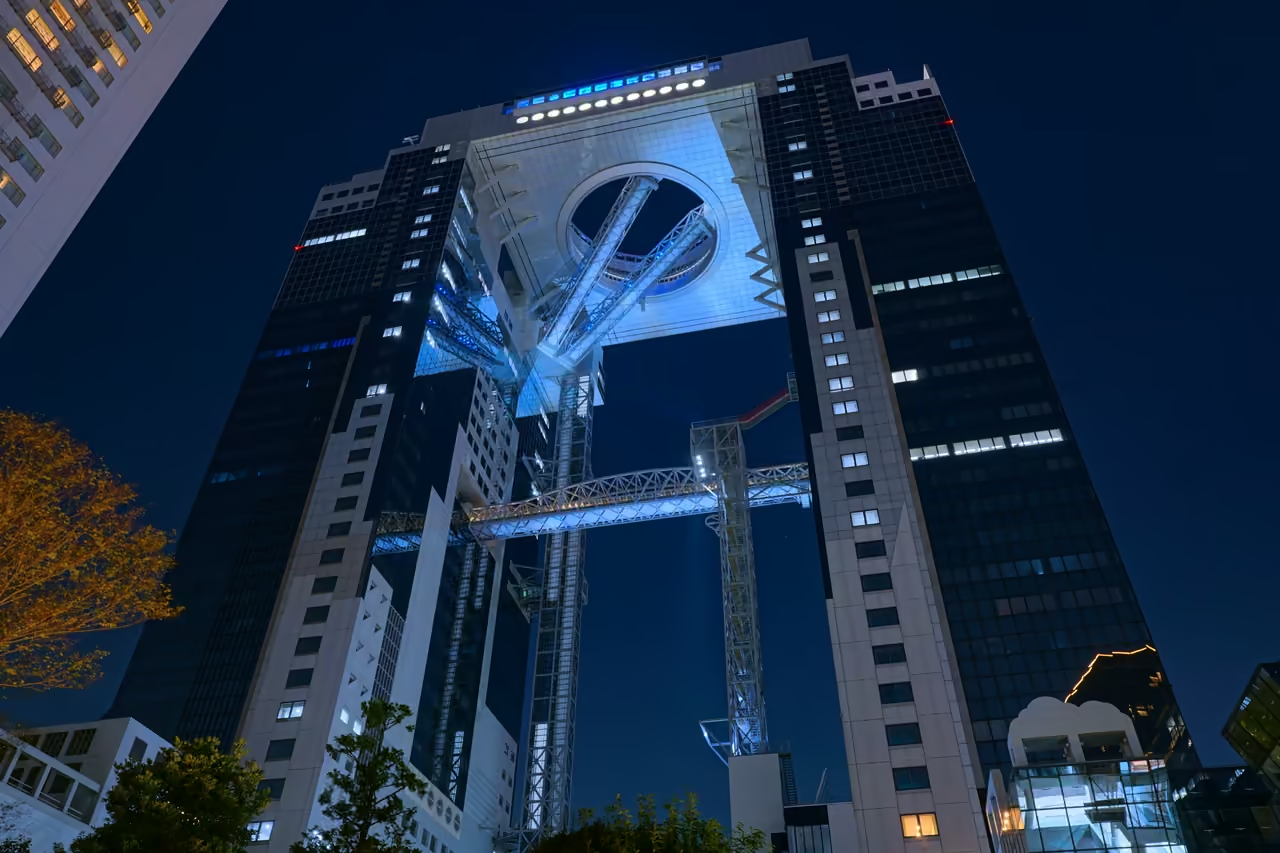
Umeda Sky Building
Designed by visionary architect Hiroshi Hara and finished in 1993, these paired 40-storey glass towers appear linked by a...
view
Markets & Shopping
Osaka Nightlife
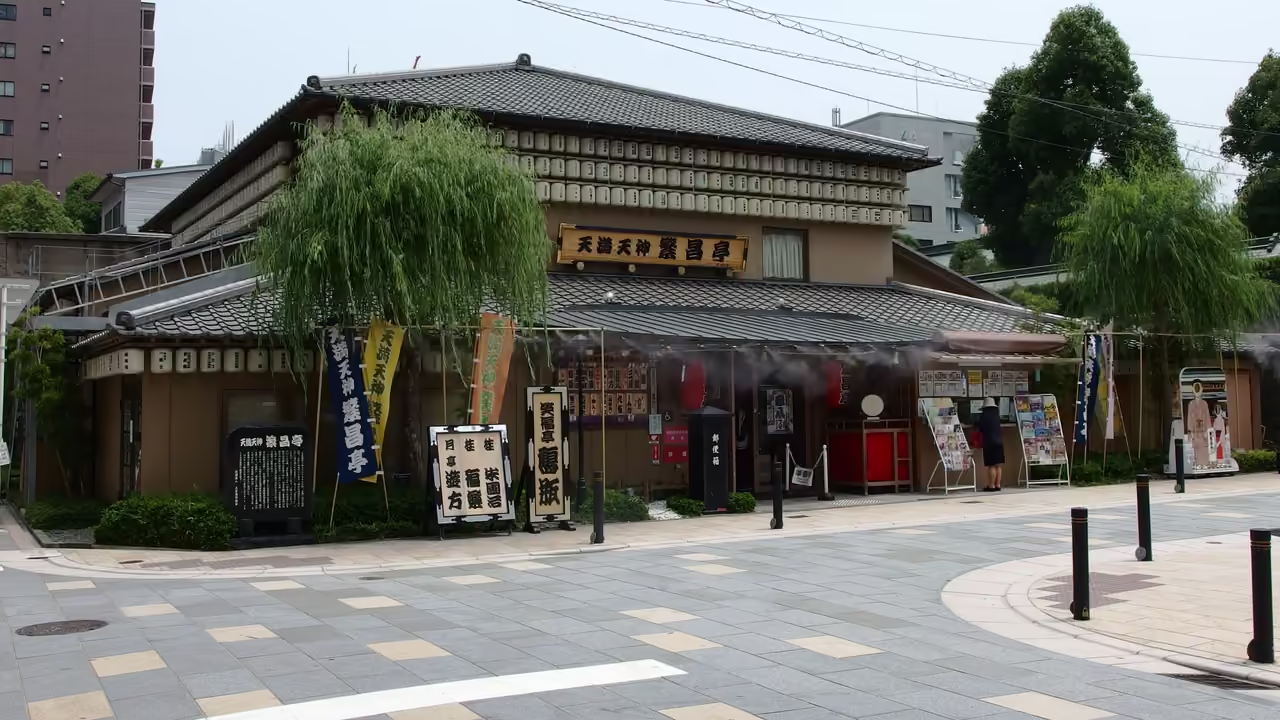
Photo Spots
Activities & Experiences
Cycling Routes
- HIGHLY RECOMMENDED
Okawa & Yodogawa Riverside Heritage Loop
Tracing broad water corridors north of downtown glass towers, this flat, mostly car-free ride captures Osaka's soul as a City of Water. Smooth paved embankments link Meiji-era brick landmarks on Nakanoshima Island with thousands of cherry trees stretching toward historic waterworks on the broad Yodogawa River.
Castle Moat & Ancient Capital Cycle
Rolling across the historic Uemachi Plateau, this route stitches together centuries of Osaka's shifting power centres, from seventh-century palace ruins to samurai moats and surviving Edo lanes. Gentle inclines around Karahori reveal the natural ridge that protected ancient settlements above the bay.
Osaka Bay Bridges & Free Ferry Ride
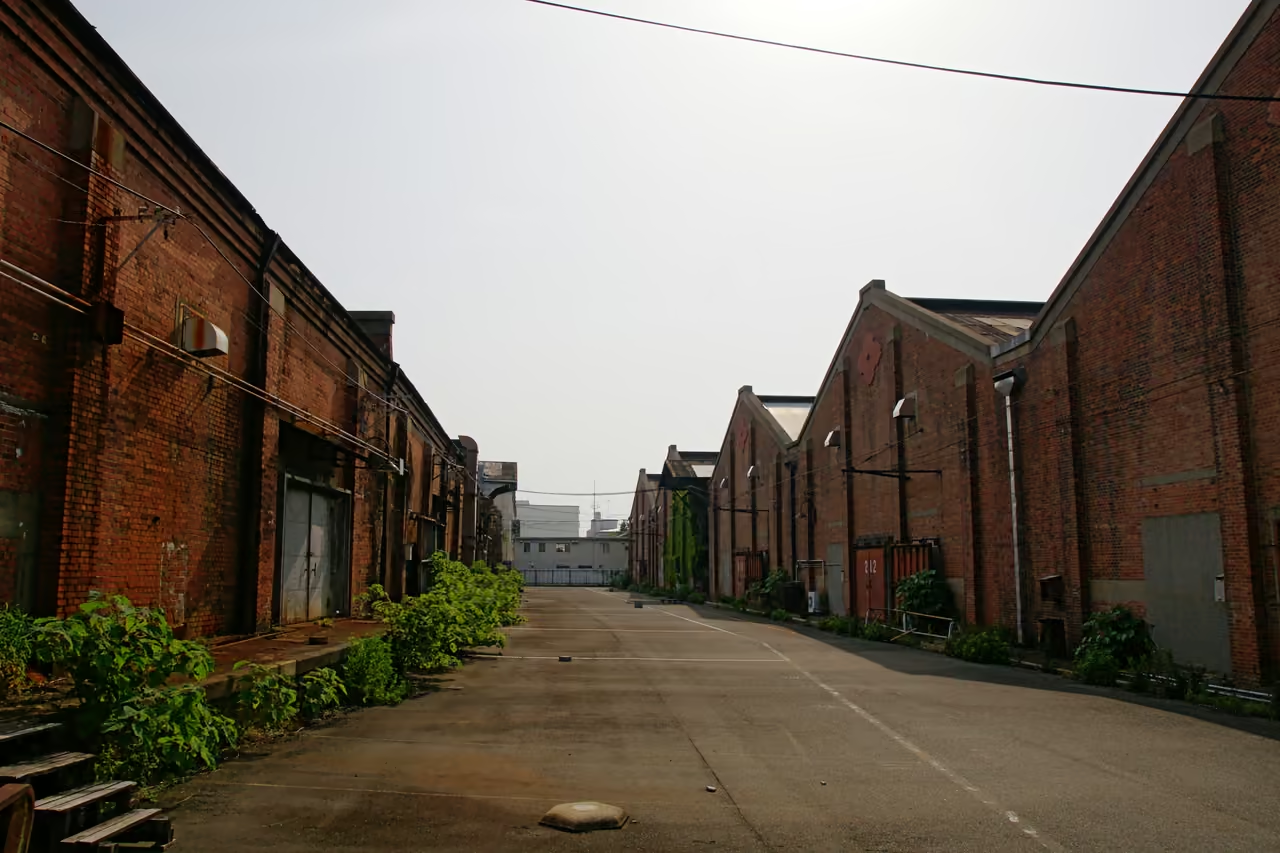
Crafted for curious urban explorers, this maritime loop chains together red-brick port warehouses, crimson truss bridges, and one of Osaka's free city-run river ferries. Boarding an open-deck boat with your bike alongside local commuters delivers a rare slice of working dockland culture.
Self-Guided Tours
- HIGHLY RECOMMENDED
Merchants, Medicines & Modernism in Semba
Long before glass towers crowned Umeda, Osaka's great merchant families directed Japan's banking, cotton, and medicine trades from Semba and Kitahama. Tracing these storied grid blocks unveils an 18th-century apothecary guild, a cramped Dutch-learning loft, and grand prewar clubhouses.
- HIGHLY RECOMMENDED
Market Arcades & Kuidaore Food Trail of Minami
Osaka's joyful culinary obsession plays out shoulder to shoulder across Minami's lively commercial lanes. Moving among working fishmongers, specialist kitchenware dealers, comedy theatres, and neon canals shows how Osaka turned everyday eating into pure public theatre.
- HIGHLY RECOMMENDED
Sixth-Century Temples to Retro Shinsekai
Few short urban walks bridge fourteen centuries as smoothly as descending from Osaka's oldest Buddhist precinct down into flamboyant Shinsekai. Ancient stone gates, extraordinary devotional sculpture, tranquil garden ponds, and working-class fried skewer counters sit twenty minutes apart on foot.
Annual Festivals & Events
 HIGHLY RECOMMENDED
Osaka Spring Grand Sumo Tournament
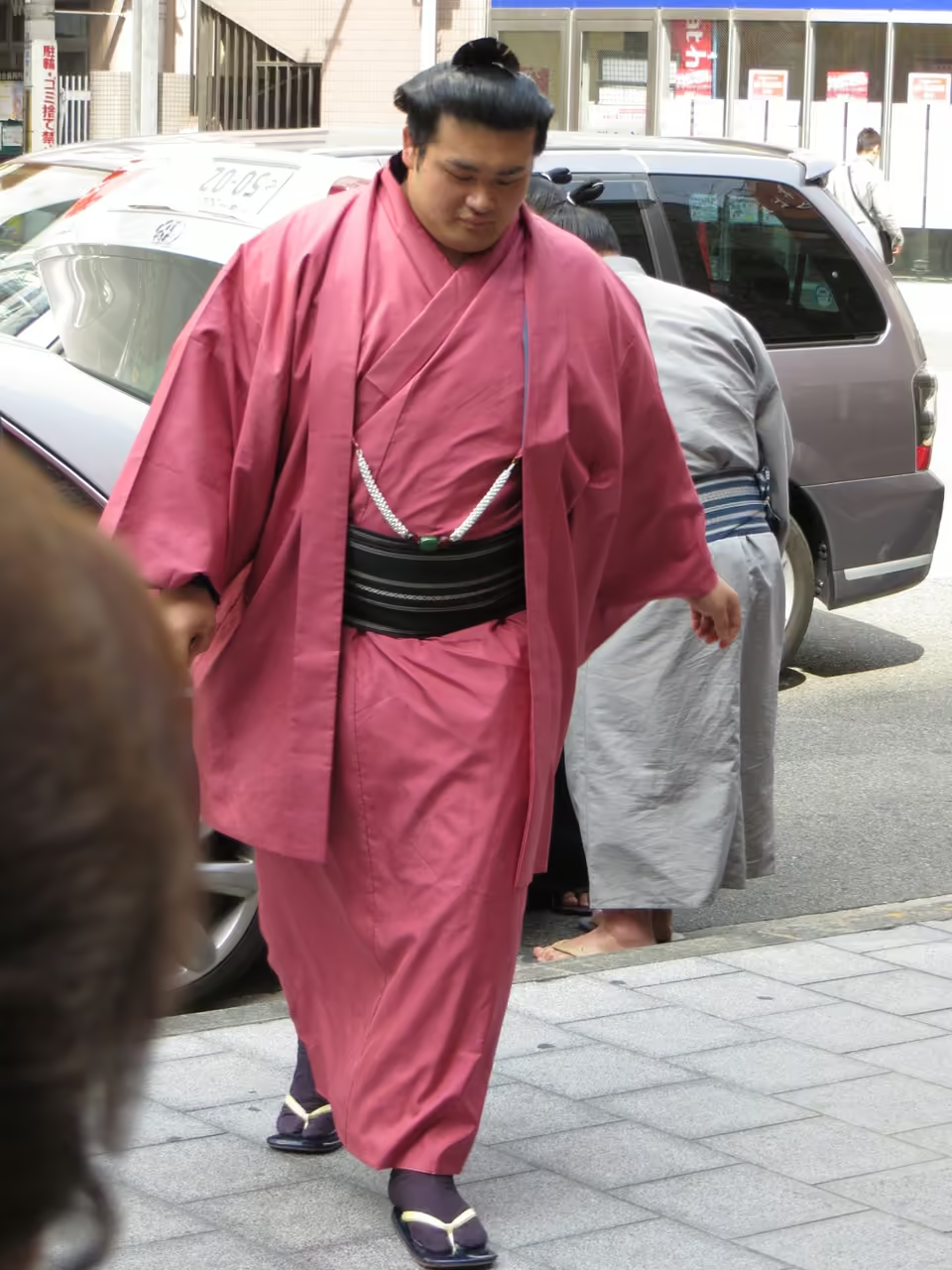
For fifteen days every March, top wrestlers fill Edion Arena near Namba for Japan's official spring grand sumo tournament. Spectators perch on tatami box cushions sipping beer as colourful sponsor banners circle the clay ring before championship bouts. Outside the arena, towering wrestlers stroll calmly past Namba coffee shops in cotton yukata robes and wooden sandals. Tickets sell quickly weeks ahead because Osaka often signals early-season upsets.
 HIGHLY RECOMMENDED
Tenjin Festival
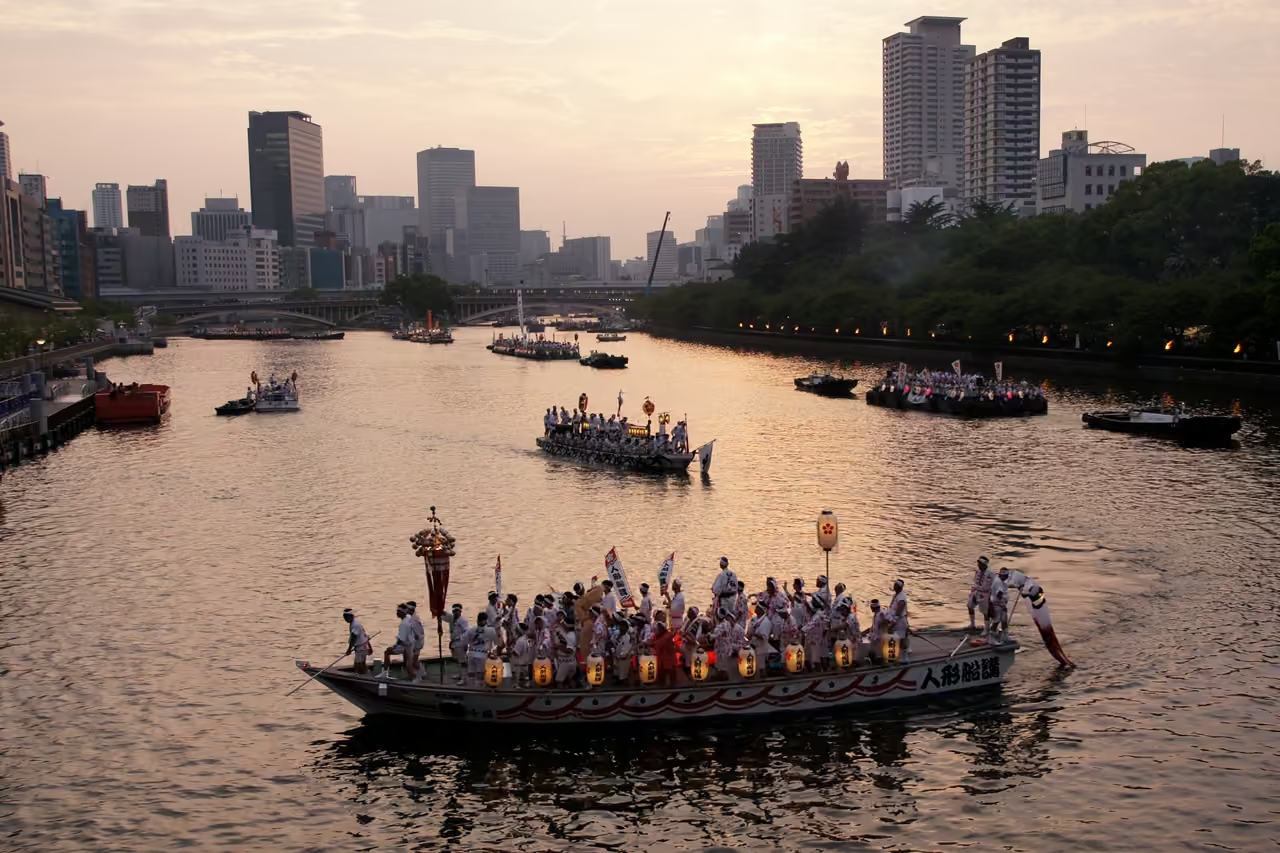
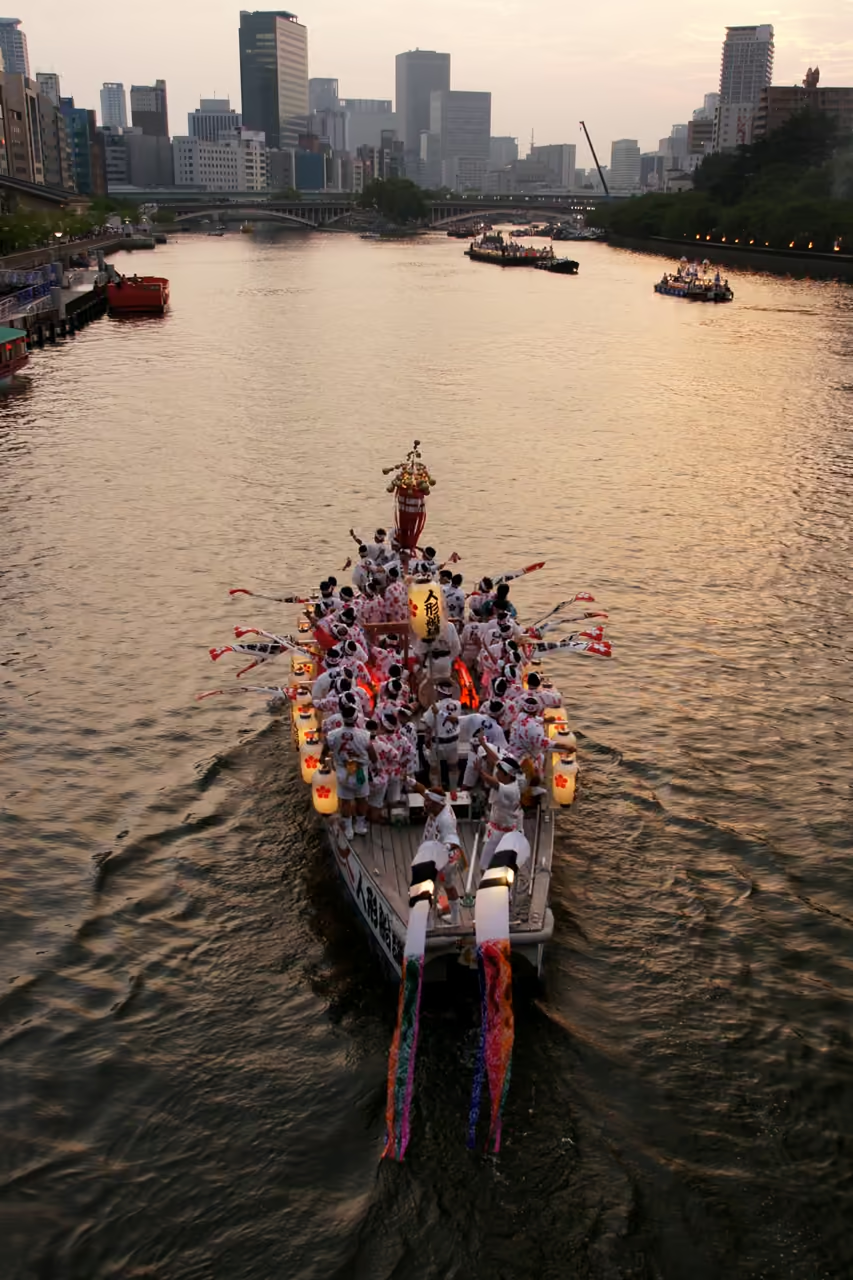
Every July, over a million spectators pack the Okawa Riverbanks as gilded shrine palanquins transfer from city streets onto illuminated wooden barges. Ranked among Japan's three grandest festivals, this thousand-year celebration peaks on 25 July with bonfire boats floating past Osaka Tenmangu and fireworks echoing across the water. Drummers in conical hats beat urgent rhythms while riverside stalls sizzle with grilled squid. Arrive near Sakuranomiya Bridge before dusk to catch boat reflections against Nakanoshima's lit skyline.
 HIGHLY RECOMMENDED
Toka Ebisu Lucky Bamboo Festival
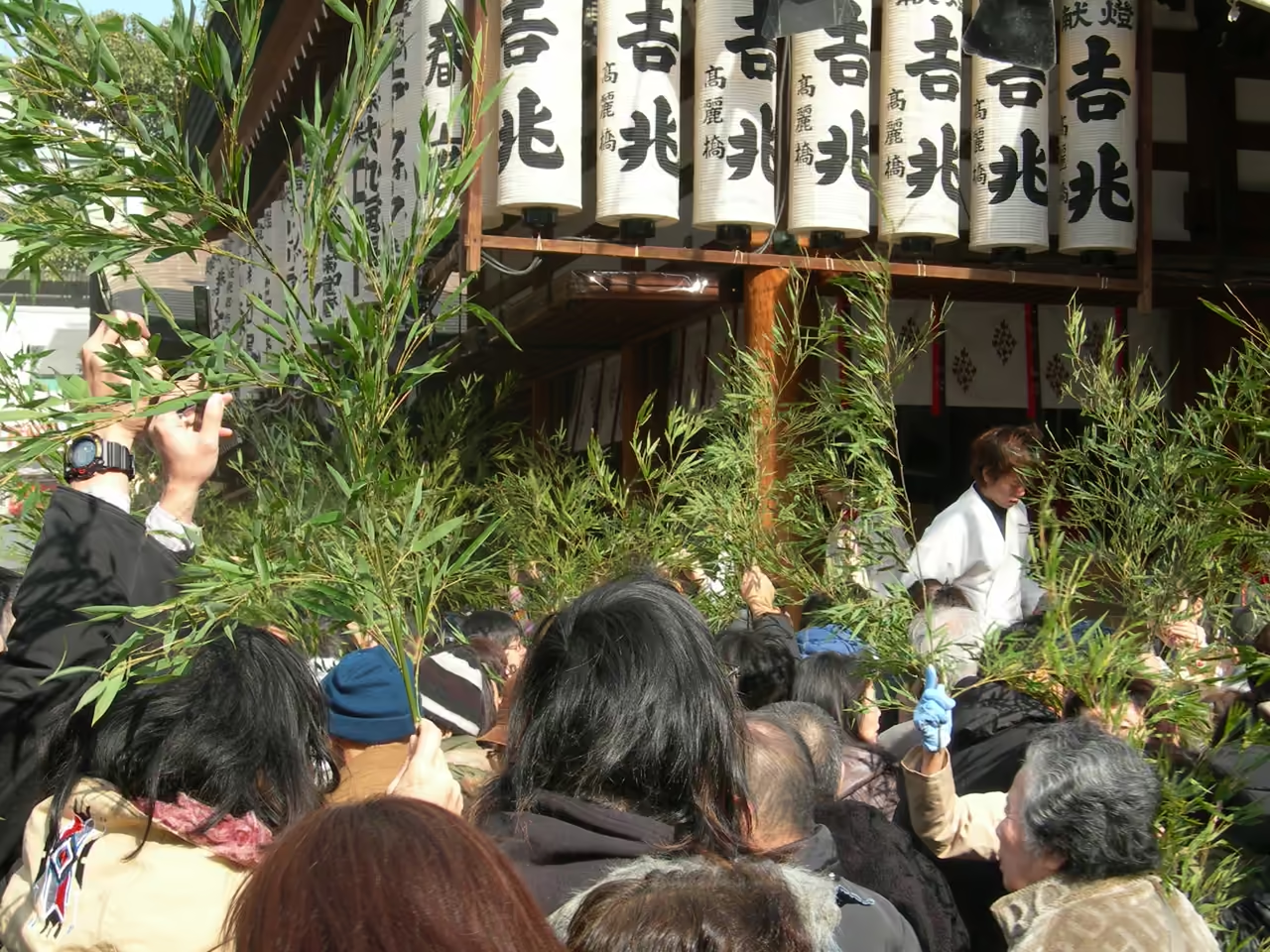
Shopkeepers, chefs, and office workers throng Imamiya Ebisu Shrine from 9 to 11 January to honour Ebisu, patron deity of trade and good fortune. Shrine maidens hand out fresh bamboo branches adorned with paper sea bream, lucky rice bales, and gold coins for prosperous business. Behind the sanctuary, worshippers rap loudly on a wooden board because Ebisu is affectionately said to be hard of hearing. Surrounding alleys glow late into the winter night with sizzling fish stalls and warm sweet amazake.
Insider Tips
Stand on the right side of escalators across Osaka and leave the left lane clear for walkers, the exact opposite of Tokyo practice.
Check whether your train is JR, Osaka Metro, Hankyu, Hanshin, or Nankai before exiting in Umeda or Namba, as identically named stations can sit ten minutes apart underground.
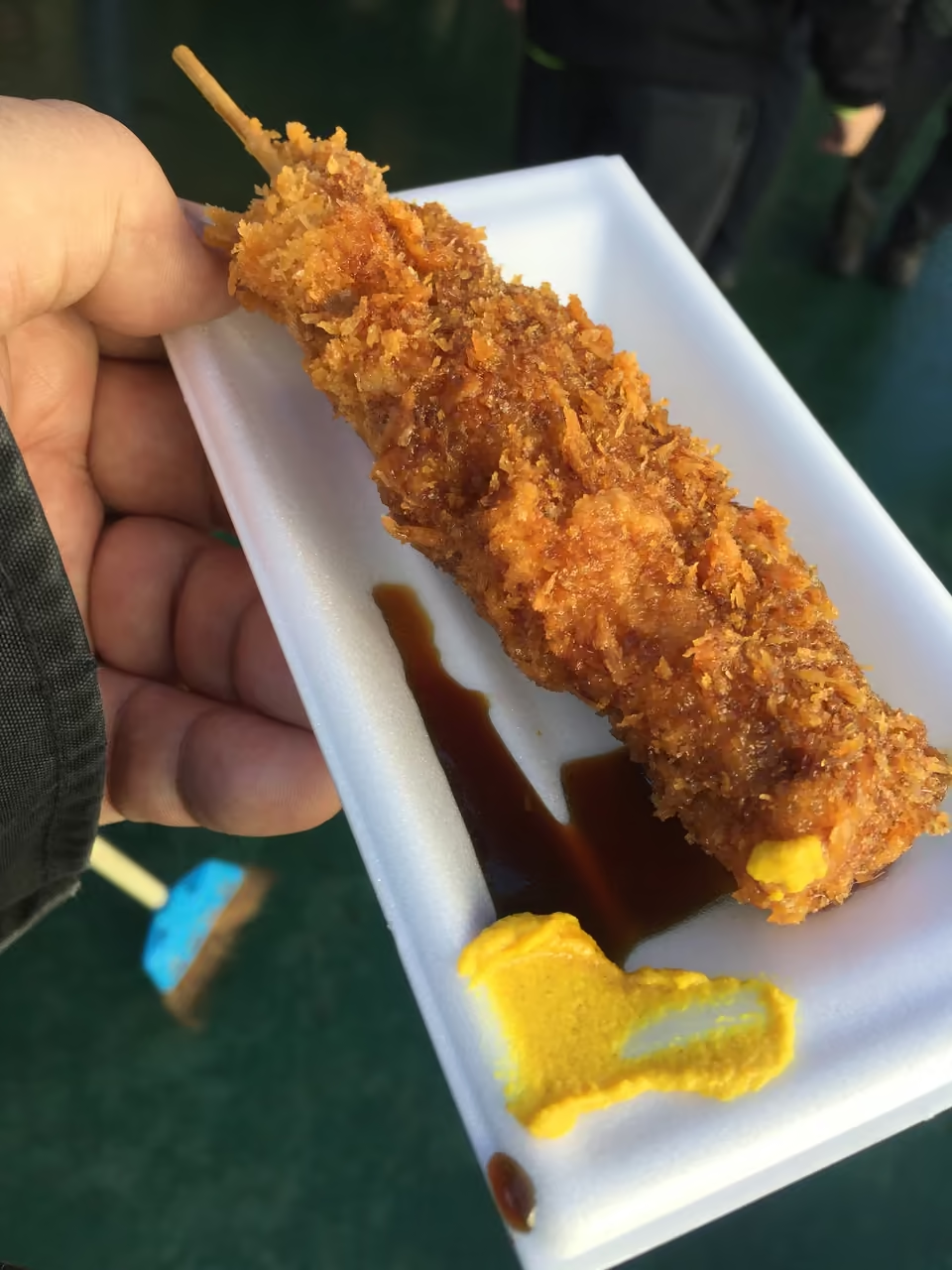
Never dip a half-eaten skewer back into the communal stainless steel pot at kushikatsu counters; use a crisp raw cabbage leaf to scoop extra sauce onto your skewer.
Carry small yen notes and coins for standing bars in Temma, tiny okonomiyaki counters, and temple flea markets, even though Osaka Metro gates now accept contactless cards and ICOCA.
Walk through Sennichimae Kitchenware Arcade south of Namba for forged knives, cast-iron takoyaki pans, and plastic food samples instead of paying tourist souvenir markups.
Keep alert when stepping out of shops because Osaka commuters cycle heavily along shared pavements throughout the flat downtown core.
Answer 'Bochi-bochi denna' ('slow and steady') if a cheerful vendor asks 'Mokarimakka?' ('making money?'), and expect to hear 'Okini' for thank you across local shops.
Buy the Osaka Metro Enjoy Eco Card at station ticket machines for unlimited single-day subway and city bus rides plus museum discounts whenever you plan three or more trips.
Budget up to 30 minutes when transferring between identically named stations like Umeda or Namba across JR, Metro, Hankyu, Hanshin, and Nankai; even Hankyu Nakatsu and Metro Nakatsu sit ten minutes apart on foot.
Wear casual washable clothes to smaller okonomiyaki parlours, because pork belly slices spit hot grease across tabletop iron griddles.
PERFECT FOR
Osaka suits curious food lovers, night owls, and travellers who prefer energetic street culture over quiet formality. Families arrive for major aquariums and theme parks, while architecture fans and history readers uncover ancient shrines, retro Showa arcades, and bold contemporary towers. Anyone seeking a lively, well-connected base for day trips to Kyoto, Nara, and Kobe will feel right at home.
VIBE
Loud, generous, and cheerfully unpolished, Osaka feels like a kitchen party that spilled onto neon bridges and railway arches. Suit-clad salarymen rub elbows with skateboarders over sizzling takoyaki griddles, while strangers drop brisk local jokes before you have finished paying your fare. Beneath gleaming towers in Umeda and Nakanoshima runs an unmistakable street-level warmth that makes newcomers feel welcome within minutes.
Frequently Asked Questions about Osaka
Osaka divides cleanly along tree-lined Midosuji Boulevard into two hubs. Kita, centred on Umeda and JR Osaka Station in the north, is the gleaming commercial quarter known for department stores, Kitashinchi lounges, and bullet train links via Shin-Osaka. Minami, anchored by Namba, Shinsaibashi, and Dotonbori in the south, is the louder historic entertainment zone filled with neon canal signs, comedy theatres, covered arcades, and late-night food stalls.
Navigating Osaka is straightforward for international visitors. The Osaka Metro and JR Osaka Loop Line feature colour coding, numbered stations, and clear English signage and announcements. You can tap contactless credit cards or ICOCA, Suica, and Pasmo smartcards at ticket gates, though carrying small yen notes remains wise for tiny takoyaki counters and standing bars.
Two everyday habits catch newcomers off guard. Stand on the right side of escalators so hurrying commuters pass on the left, the reverse of Tokyo practice. At deep-fried kushikatsu skewer counters, never double-dip a bitten skewer into the communal sauce tray; scoop extra sauce with a piece of complimentary raw cabbage instead.
Direct rail and highway buses connect Kansai International Airport to central Osaka in under an hour. Nankai's Rapi:t limited express and Airport Express reach Namba in 35 to 45 minutes, while JR's Haruka express serves Tennoji and Shin-Osaka and the Kansai Airport Rapid runs straight into JR Osaka Station in Umeda.
Spring (late March to May) and autumn (late September to November) deliver mild weather, low rainfall, and dramatic seasonal colour around Osaka Castle and Midosuji's gingko avenues. July brings intense heat alongside the spectacular riverboats of the Tenjin Festival, while winter brings crisp skies and festive street illuminations.
Yes. Direct JR and private commuter lines reach Kyoto in roughly 30 minutes, Kobe in 20 minutes, Nara in 40 minutes, and Himeji Castle in about an hour. Staying in Osaka lets you explore quiet temples by day and return to late-night street food and standing bars after dark.
We recommend spending about 3 days in Osaka. Three days covers Osaka's main highlights comfortably without rushing meals. Day one pairs Osaka Castle and the History Museum with Dotonbori neon; day two links Kuromon Market, Shitenno-ji, Abeno Harukas, and Shinsekai; and day three leaves room for Osaka Bay or Nakanoshima's island museums.
Osaka has an average temperature of 15.3°C in spring, 27.4°C in summer, 19.9°C in autumn, and 7.3°C in winter. Choose the season that best matches your weather preference.
Some popular local food choices in Osaka include Kitsune Udon, Kushikatsu (Deep-Fried Skewers), Osaka-Style Okonomiyaki, Takoyaki (Octopus Batter Balls), Butaman (Steamed Pork Buns), Doteyaki (Miso-Braised Beef Tendon), Osaka Mixed Juice, Osaka-Style Ikayaki (Pressed Squid Pancake), Battera (Pressed Mackerel Sushi), Kasu Udon and Tecchiri (Osaka Fugu Hot Pot).
It has a population of 3,021,542 people.
It was founded in 645, making it 1381 years old.
While we strive to keep this information accurate and up to date, we recommend verifying any details independently before making decisions based on them.
Similar Destinations in Japan
Continue your journey. Explore these highly recommended cities and uncover more of what Japan has to offer.