Sumiyoshi Taisha
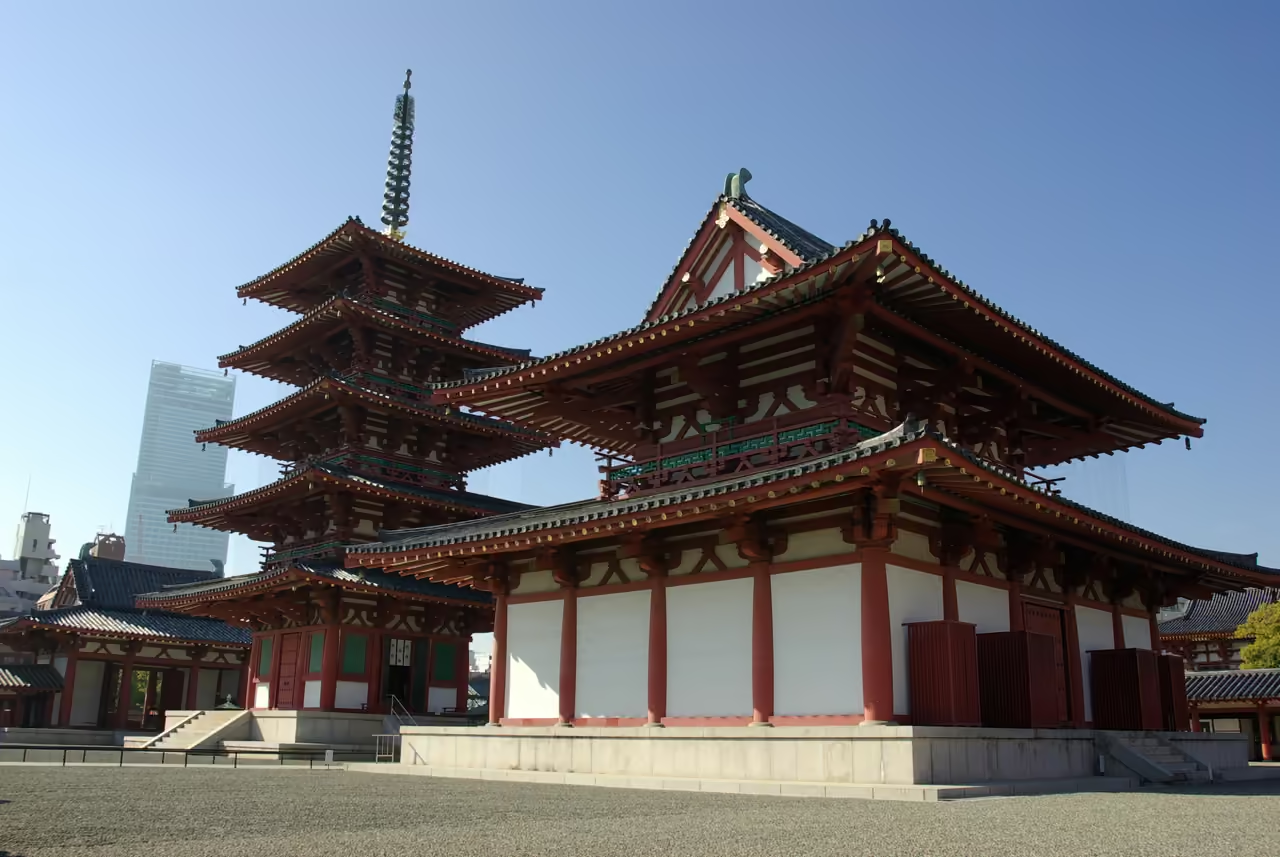
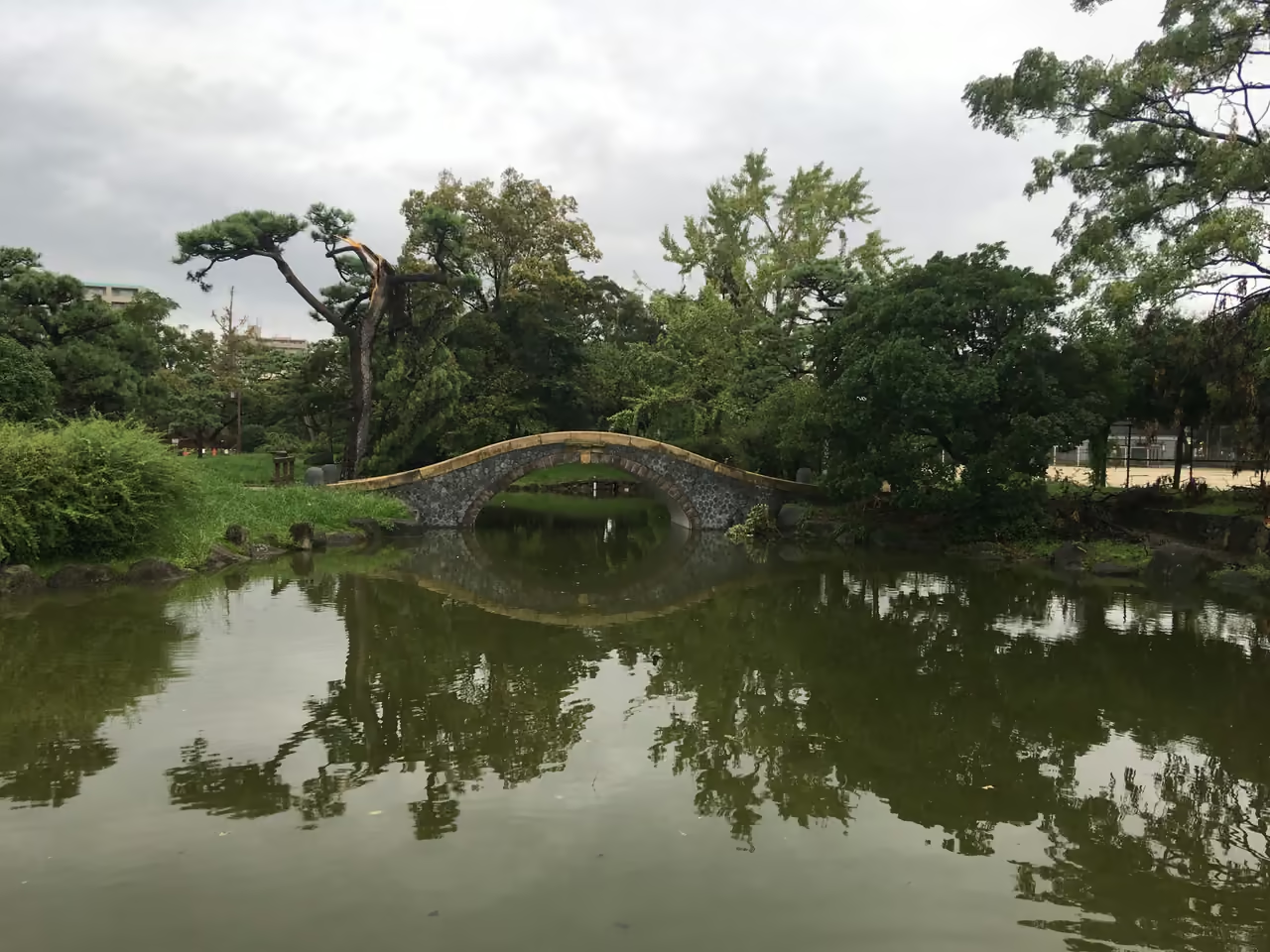
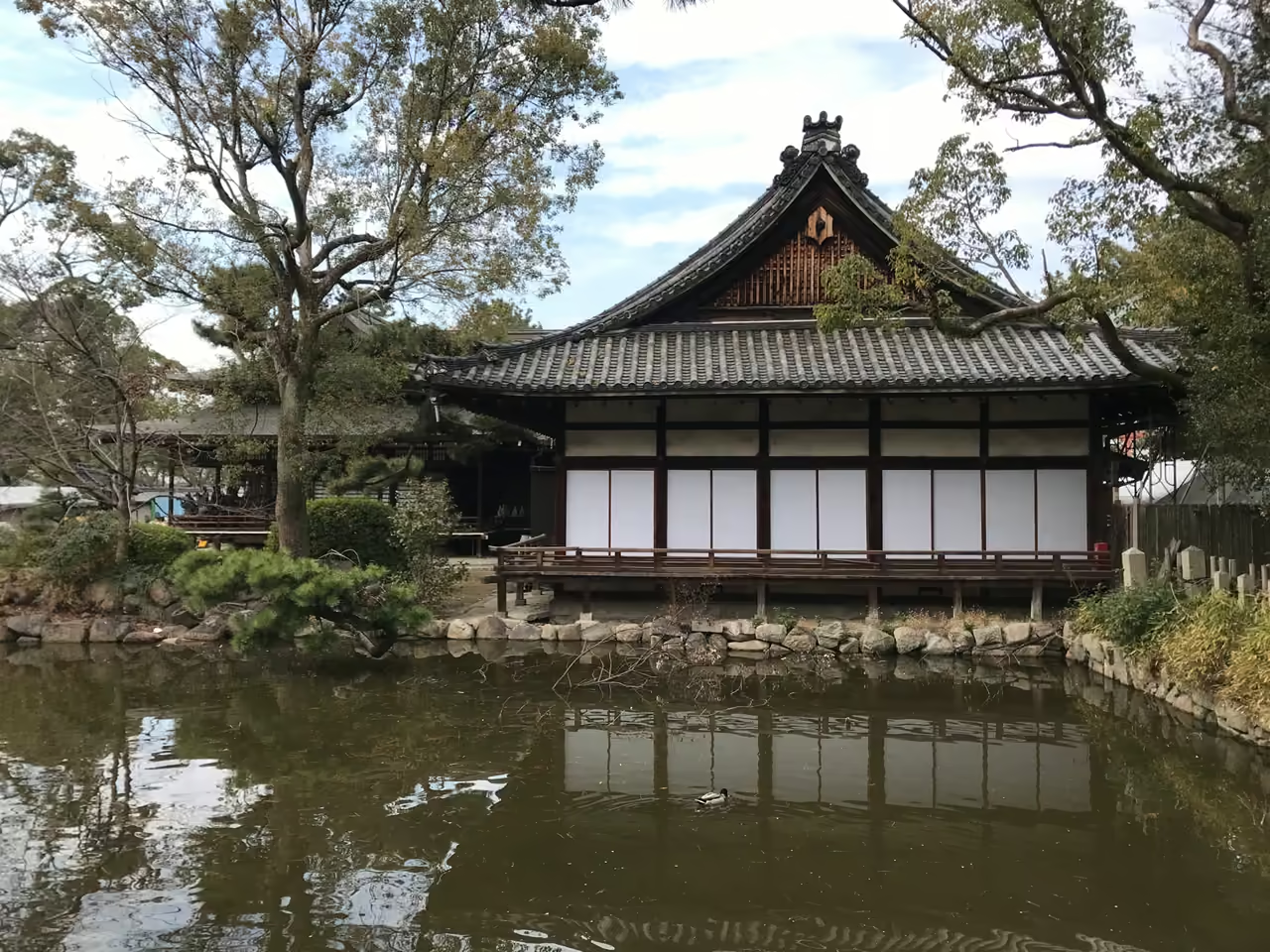
Step off the clattering Hankai streetcar at Sumiyoshitoriimae Station and you immediately face Osaka's spiritual anchor from an age before skyscrapers filled the horizon. Just inside the entrance, the crimson timber arc of the Sorihashi bridge rises 4.4 metres over a reflective pond, though its steep rounded steps demand slow footing in wet weather. Past the flat sided Kaku torii gate, four white plastered and vermilion trimmed sanctuaries line up in an unusual staggered formation, three in single file with a fourth tucked beside them, facing west toward Osaka Bay like a fleet ready to sail. Over 600 mossy stone lanterns donated by Edo period shipping guilds flank the gravel paths, while locals crouch beside the cedar enclosure at Gosho gozen, sifting through pebbles for three tiny stones marked with the characters for five, great, and strength. Duck behind the main halls and the crowds thin around the quiet Asazawa sha iris pond and the sacred Onda rice paddy, where medieval planting songs still echo across the water every June.
Videos
History of Sumiyoshi Taisha
Sumiyoshi Taisha began where river silt met open ocean, guarding the ancient harbours of Suminoe and Naniwa back when coastal waves lapped right against the shrine's western boundary. According to Japan's earliest chronicles, the three sea gods born when the creator deity Izanagi washed in the waters of Kyushu were enshrined here alongside Empress Jingu after a perilous naval campaign across the strait to Korea. By the fifth and sixth centuries, the rising Yamato court treated the sanctuary as a vital state guardian of maritime diplomacy and overseas trade. During the Nara period, ambassadors boarding fragile timber ships for Tang China prayed at Sumiyoshi for safe passage, and members of the shrine's hereditary Tsumori priestly family even sailed aboard those risky diplomatic vessels. Once official missions to China ended in the ninth century, the sanctuary reinvented itself along the pine shaded shore. Kyoto courtiers travelling south toward the Kumano mountains paused here to compose verse, gradually turning the rugged sea deities into Japan's supreme patrons of classical waka poetry, a reputation celebrated by Retired Emperor Uda and woven into medieval court literature. Warrior governments respected the shrine just as deeply. Shogun Minamoto no Yoritomo dispatched ceremonial horses in 1195, and monks gathered at Sumiyoshi in the late thirteenth century to chant for divine protection when Mongol fleets threatened the archipelago. Because the Tsumori priests held the governorship of Settsu Province and allied closely with the Southern Court during Japan's civil wars, the grounds briefly became the seat of imperial power itself. Southern Emperors Go Murakami and Chokei established a temporary palace here, and Emperor Go Murakami passed away at Sumiyoshi in 1368. Peace vanished in the late sixteenth century, when flames from the Ishiyama conflict swept through the complex in 1576. Thirty years later, Toyotomi Hideyori financed a sweeping restoration that gave the shrine its monumental stone stage, south gate, and music halls, though the adjoining Buddhist temple complex perished again during the Summer Siege of Osaka in 1615 before the Tokugawa shogunate rebuilt it. Throughout the Edo period, Sumiyoshi flourished as a lively pilgrimage destination for commoners, coastal traders, and playwrights, while feudal lords travelling to and from the capital paused to offer prayers. That ancient marriage of Shinto and Buddhism ended abruptly in 1873 when Meiji religious reforms forced the dismantling of the shrine's Shinraji Temple. After the Second World War, the sanctuary reclaimed its formal historic title of Sumiyoshi Taisha in 1946. Surrounded today by quiet residential blocks rather than lapping tides, it still anchors southern Osaka's summer calendar with the Sumiyoshi Matsuri, when a revived foot procession carries portable shrines through the shallow waters of the Yamato River toward Sakai just as crowds have watched for generations.
22 events spanning 1795 years
Fun Facts
12- 01
A modest stone marker near the main entrance called the Tanjo-seki allegedly marks where Tango no Tsubone, fleeing the anger of shogun Minamoto no Yoritomo's wife Hojo Masako, secretly gave birth to Shimazu Tadahisa, founder of the Satsuma clan.
- 02
Centuries of land reclamation pushed Osaka Bay kilometres to the west, yet ocean tides originally lapped right against the shrine gates, explaining its ancient name of Suminoe, meaning clear inlet.
- 03
Erected in 1607 under Toyotomi Hideyori, the shrine's open air Stone Stage ranks alongside those at Shitenno-ji in Osaka and Itsukushima Shrine in Hiroshima as one of Japan's Three Great Stages.
- 04
Every March ahead of the Osaka Grand Sumo Tournament, the Tatsunami sumo stable sets up training quarters at Sumiyoshi Taisha, and reigning Yokozuna grand champions perform a solemn ring-entering ceremony on the shrine grounds.
- 05
Founded by Osaka booksellers in 1723, the whitewashed Sumiyoshi Gobunko on the grounds is regarded as Osaka's oldest library and accumulated roughly 50,000 manuscripts and woodblock books.
- 06
In The Tale of Genji, the exiled prince Hikaru Genji survives a violent coastal storm at Suma only after the Sumiyoshi god appears in his dreams, prompting him to lead a lavish thanksgiving procession to the shrine later in the epic.
- 07
Japanese folklore credits Sumiyoshi Taisha with the birth of Issun-boshi, the thumb sized hero of medieval tales; an elderly couple prayed at the shrine for a child before the tiny boy famously paddled out of Sumiyoshi Bay in a wooden soup bowl using chopsticks for oars.
- 08
Scholars examining early shrine records suspect the fourth sanctuary, now dedicated to Empress Jingu, may originally have honoured a deified shrine maiden who served as consort to the three sea gods; her hall sits offset from the main trio and carries horizontally sliced roof finials instead of vertical ones.
- 09
Shrine priests still travel to Nara Prefecture every March and November to climb Mount Unebi and gather exactly three and a half handfuls of sacred clay for firing ceremonial offering vessels.
- 10
The annual Otaue Rice Planting Festival on 14 June preserves medieval stick-fighting displays and planting songs closely matching verses jotted down by court lady Sei Shonagon in The Pillow Book.
- 11
Two elevated treasure storehouses built behind the main halls in 1607 were engineered without a single iron nail, earning the nickname Nail-free Treasuries and standing today as the oldest surviving cultural property storehouses in Osaka Prefecture.
- 12
When Meiji officials dissolved the shrine's Buddhist Shinra-ji complex in 1873, its 1618 western pagoda was shipped across the sea to Kirihata-ji Temple in Tokushima Prefecture, while its fire ritual hall remained on site and was converted into the Shokon-sha sub-shrine.
FULL PLACE DETAILS
Updated
FULL PLACE DETAILS
UpdatedARCHITECTURE & HERITAGE
- Heritage Status
- Important Cultural Property Of JapanNational Treasure Of Japan
- Architectural Styles
- Sumiyoshi-zukuri
WEB & AMENITIES
Sumiyoshi Taisha Map & Neighborhood Explorer
This interactive map is centered on Sumiyoshi Taisha. Zoom in and move the map around to automatically discover Wikipedia photos and summaries of other nearby sights, monuments, and historical points of interest and stories in real-time!
Sumiyoshi Taisha FAQ
The quickest route from central Osaka is the Nankai Main Line from Namba Station to Sumiyoshitaisha Station, followed by a three minute walk east. Alternatively, the retro Hankai Tramway runs from Tennoji-ekimae directly to Sumiyoshitoriimae stop right outside the main torii gate.
Entry to the shrine grounds, the arched Sorihashi bridge, and all the outer sub-shrines is completely free, though some interior pavilions and wedding halls are closed to casual visitors.
The outer gates open at 6:00 AM from April through September and at 6:30 AM from October through March, closing at 5:00 PM year-round. The inner courtyard surrounding the four main halls closes slightly earlier at 4:00 PM.
Inside the fenced cedar grove called Gosho-gozen beside the First Main Hall, visitors hunt through the pebbles for three small stones painted with the kanji characters for five, great, and strength, then purchase a protective pouch at the shrine office to carry them as a charm for granted wishes.
Three of the sanctuaries honour the Sumiyoshi Sanjin sea gods born during Izanagi's ocean purification, while the fourth honours Empress Jingu, who legend credits with founding the shrine after her maritime campaign. All four 1810 halls are National Treasures built in the rare Sumiyoshi-zukuri style.
Two major spectacles dominate the year: the Otaue Rice Planting Festival on 14 June, featuring traditional dances and mock stick-battles in the sacred paddy, and the Sumiyoshi Matsuri from 30 July to 1 August, when portable shrines are carried across the Yamato River to Sakai.
A typical visit takes about 2 hours. We recommend planning your schedule accordingly to make the most of your time there.
The closest place to visit near Sumiyoshi Taisha is Join a Cerezo Osaka Matchday at Nagai, around 2.3 km away. Other things to do near Sumiyoshi Taisha include Nagai Park (2.5 km), Harukas 300 Observatory (4.2 km) and Soak in Global Bathhouses at Spa World (4.3 km). All of these are within roughly 4.3 km of Sumiyoshi Taisha.
Sumiyoshi Taisha holds the following heritage designations: Important Cultural Property Of Japan and National Treasure Of Japan.
Sumiyoshi Taisha was built in the Sumiyoshi-zukuri style.
While we strive to keep this information accurate and up to date, we recommend verifying any details independently before making decisions based on them.
Places near Sumiyoshi Taisha
Make the most of your trip. Check out these top-rated spots located nearby.
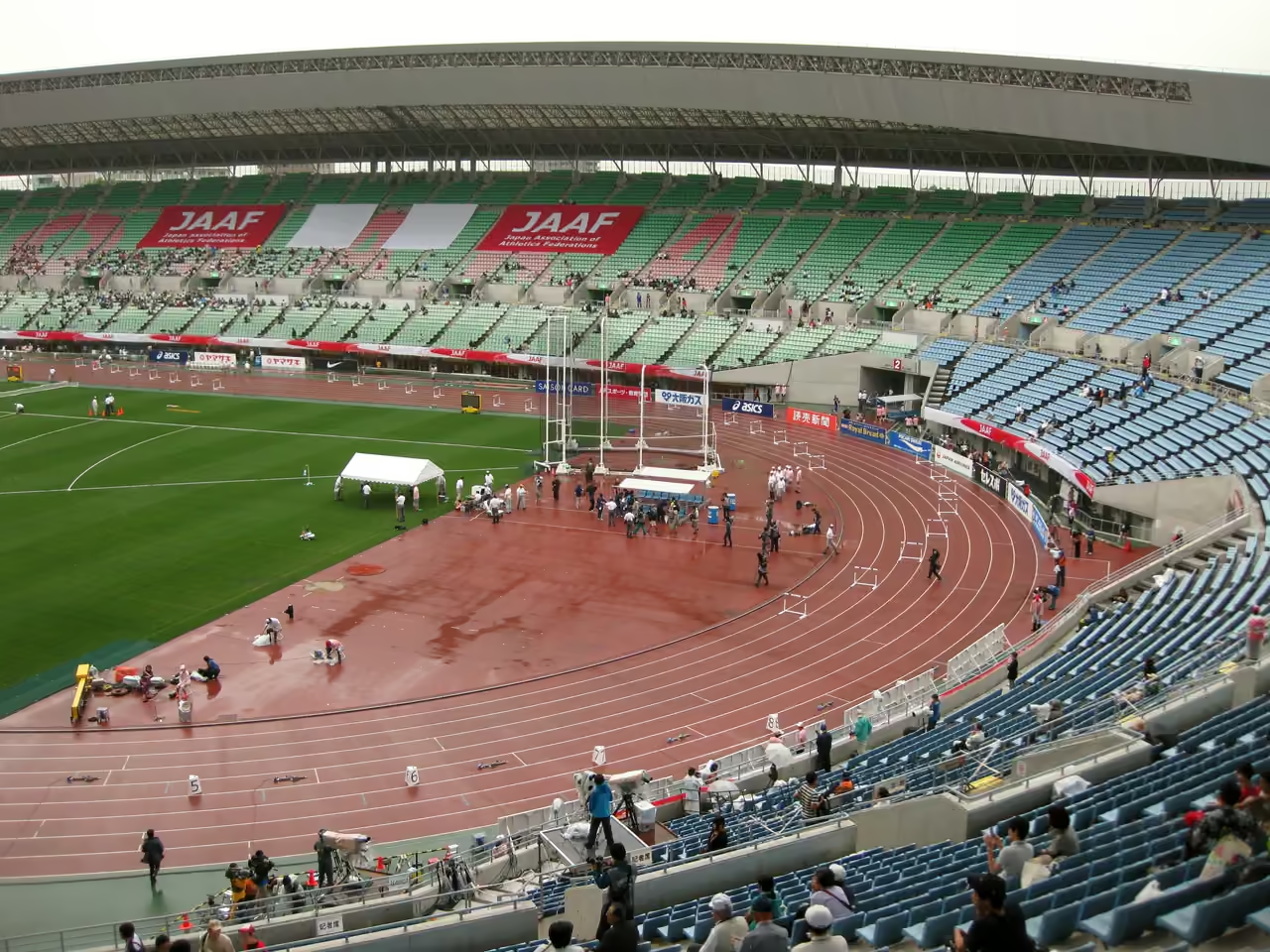 2335m
Join a Cerezo Osaka Matchday at Nagai
Clad in bright cherry-blossom pink inside Yodoko Sakura Stadium at Nagai Park, Cerezo Osaka's supporters turn J.League matchdays into non-stop singing spectacles. Pre-match plazas fill with outdoor food trucks and families enjoying shaded lawns before ninety minutes of drums, scarves, and rhythmic chants erupt beneath open sky. Affordable tickets and crisp pitch sightlines make football evenings effortless to slot into any trip.
highlight view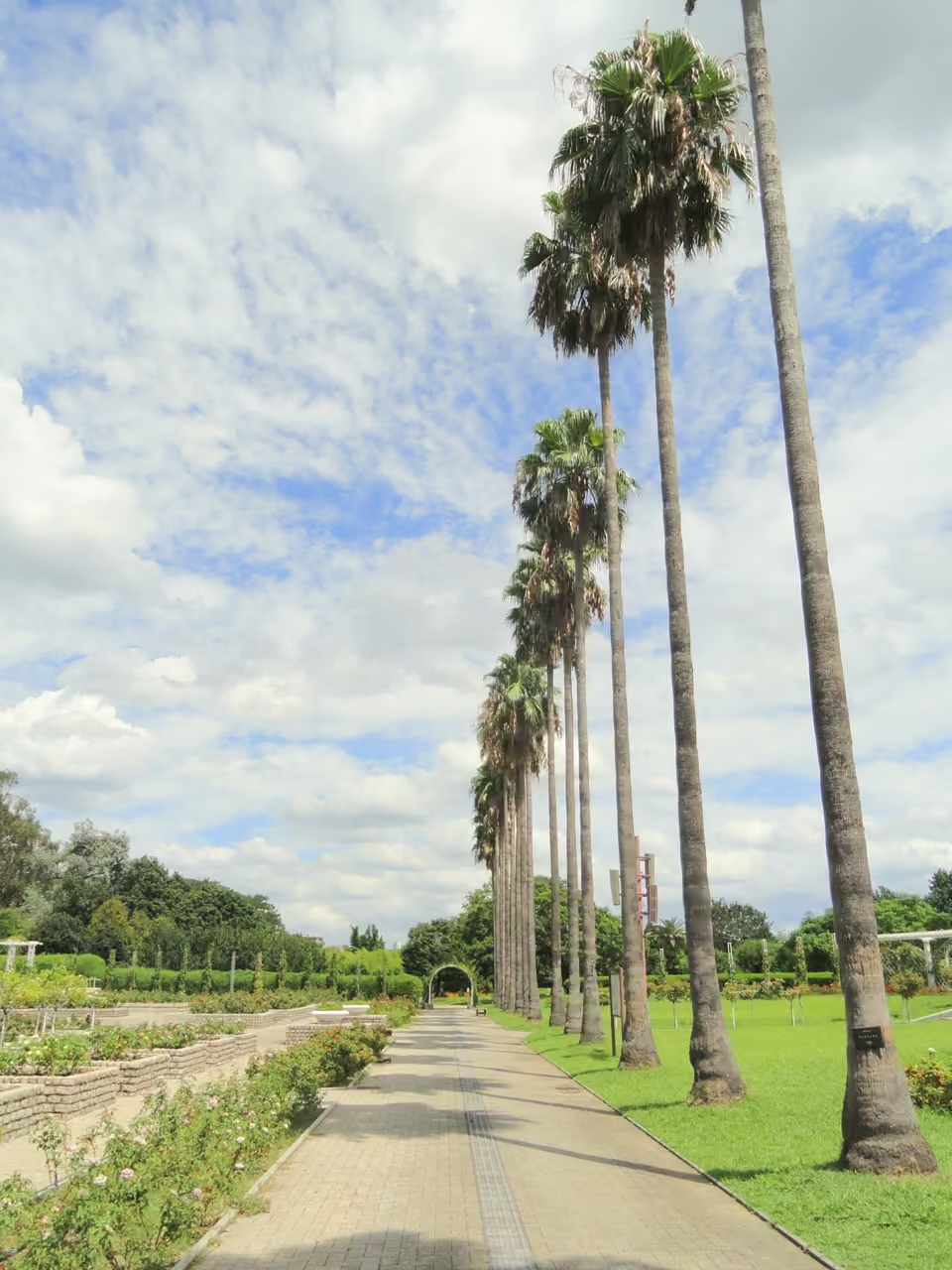 2497m
Nagai Park
Step out of Exit 3 at Nagai Station and the traffic roar of southern Osaka drops behind a green wall of camphor trees. Spanning nearly 66 hectares in Higashisumiyoshi Ward, Nagai Park packs an absurd amount into one leafy block: two athletics arenas, a botanical garden, a natural history museum, and dozens of shaded clearings. On weekday mornings, local runners claim the perimeter loop while schoolchildren gather beneath full scale whale skeletons outside the Osaka Museum of Natural History. Come Saturday, pink clad Cerezo Osaka supporters pack the Midosuji Line ticket gates on their march towards the pitch, so expect a slow shuffle along the pavement before kickoff. After dark, the park shifts gears as Nagai Botanical Garden hands its flower meadows and lotus ponds over to glowing nocturnal light installations by teamLab. Stop by one of the cafes near Abiko Suji with an iced coffee and watch half the neighbourhood stretch, stroll, and linger until nightfall.
park & nature view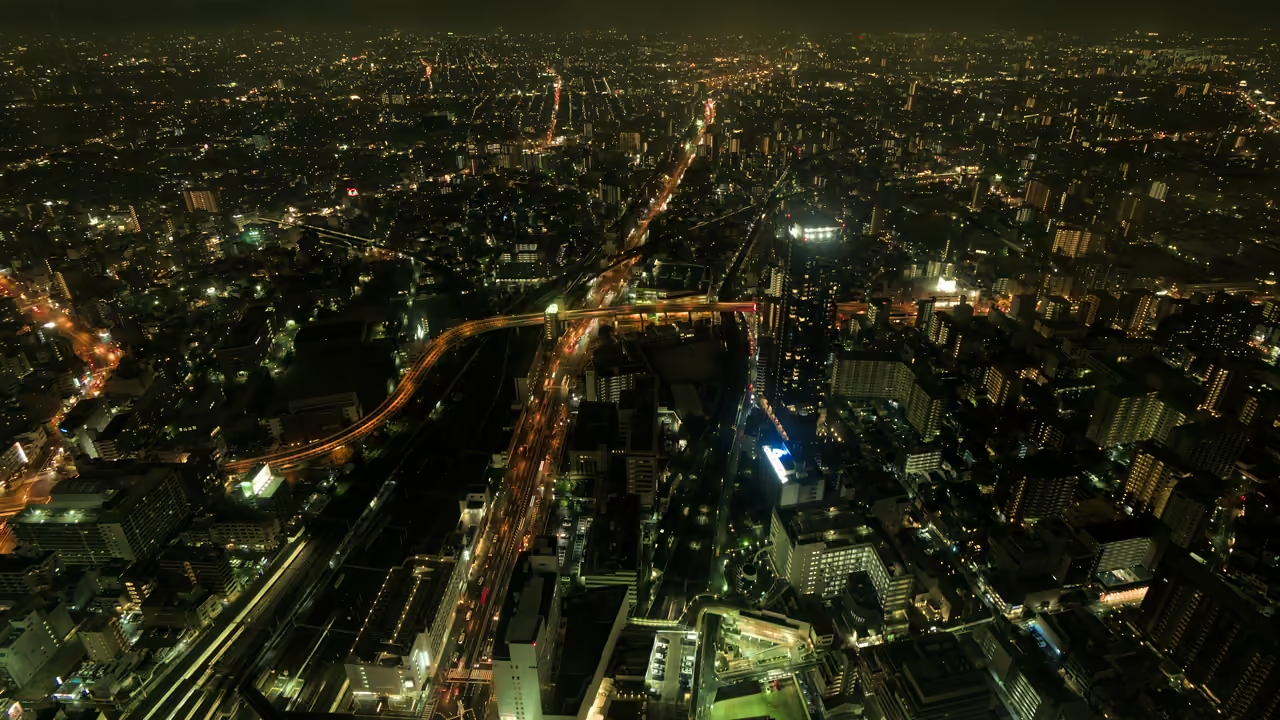 4198m
Harukas 300 Observatory
Occupying floors 58 to 60 at the crown of 300-metre Abeno Harukas, this triple-level glass sky deck delivers Osaka's highest panoramic view. Floor-to-ceiling panes wrap around a sunlit open-air courtyard at 58th level where café diners sit outdoors in crisp altitude breezes. On clear mornings, sightlines stretch past Osaka Castle all the way across Osaka Bay to Awaji Island and the Akashi Kaikyo Bridge. Thrill-seekers can also clip into safety harnesses for Edge the Harukas along the dizzying outer parapet.
viewpoint view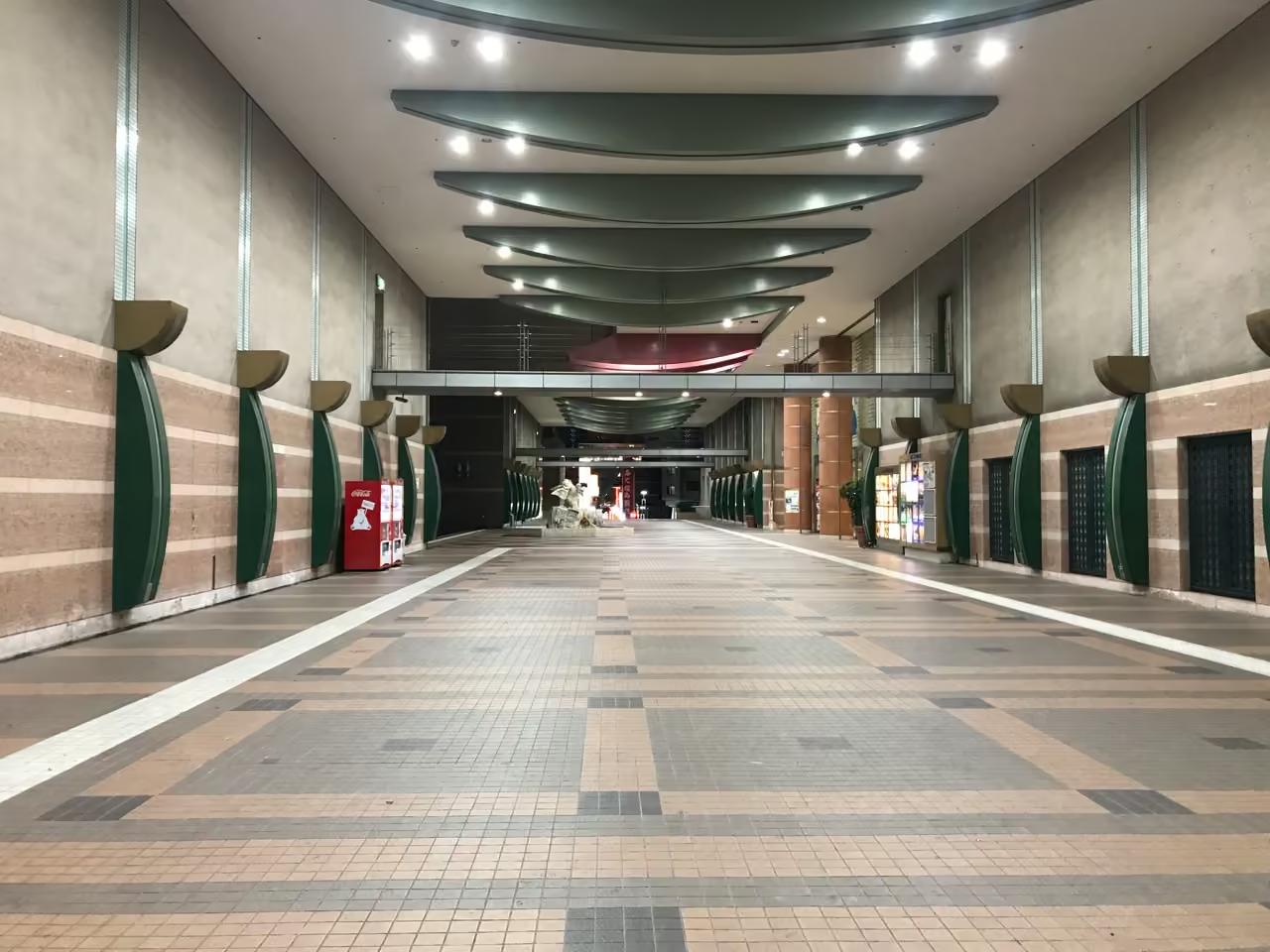 4319m
Soak in Global Bathhouses at Spa World
Sitting right beside Shinsekai's entrance, this massive bathhouse stacks European Roman marble pools and Asian cypress soaking rooms under one glowing roof. Natural hot spring water fills outdoor stone tubs, Finnish saunas, salt steam halls, and indoor waterslides on the top deck. Men and women swap themed floors monthly, ensuring fresh decor on return trips. Note that visitors with visible tattoos face strict entry bans unless small ink meets current cover rules at reception.
highlight view
Explore Similar Places in This Collection
Featured on These Itineraries and Routes

5 Days in Osaka: Hidden Towns, Theme Parks & Local Soul
Designed for curious travellers eager to explore well past Dotonbori's neon bridge, this five-day itinerary weaves headline thrills like Universal Studios Japan alongside scholarly academies, Korean street markets, traditional puppetry, and timeless southern shrines. Every neighbourhood unfolds at an easy rhythm.
view itinerary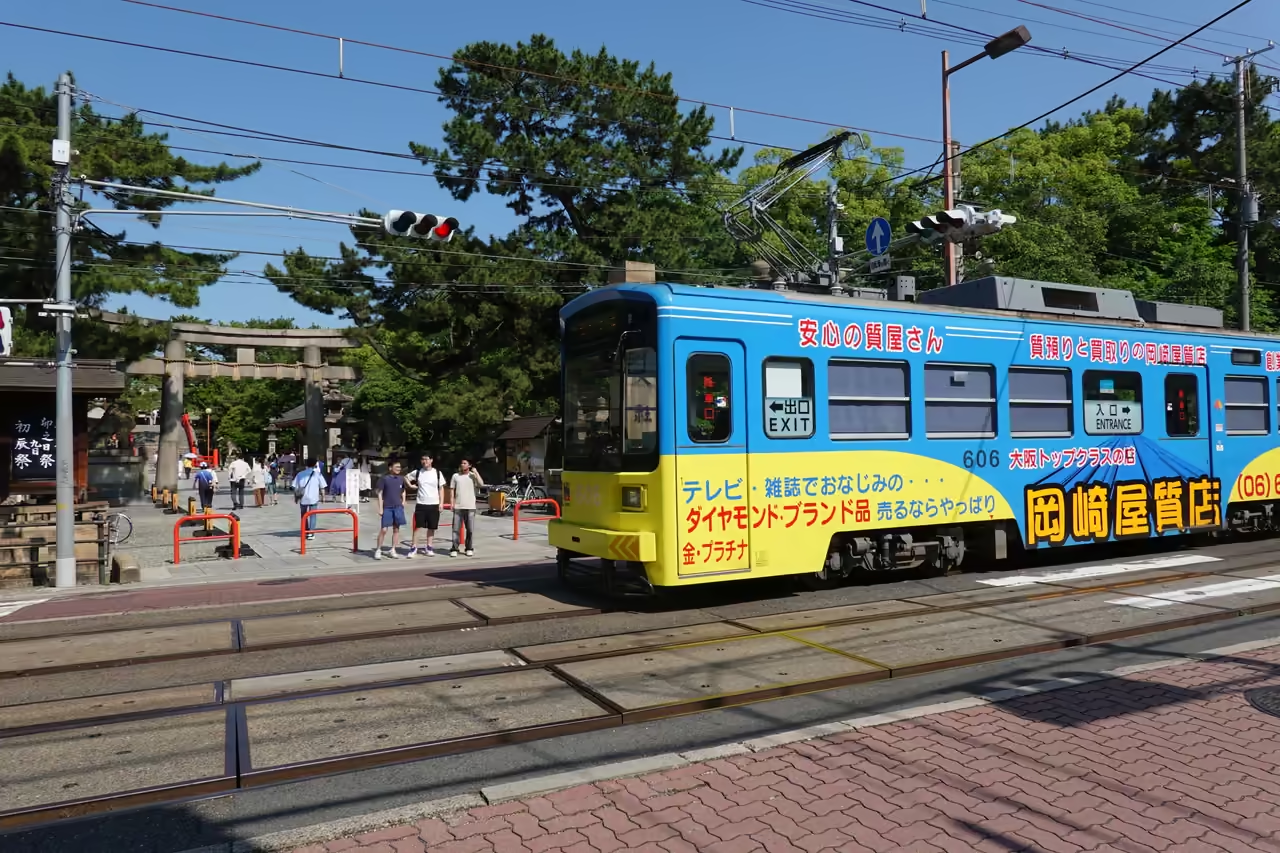
Ancient Pines & Streetcars of Sumiyoshi
Riding the retro single-car Hankai tram south from Tennoji carries you into an unhurried district of twisted black pines, arched vermilion bridges, and calm shrine ponds. This gentle walk lingers among Japan's oldest maritime shrine traditions with scarcely a skyscraper in sight.
view walking route
See all attractions in Osaka
Including Aquarium Kaiyukan, Osaka Castle, Universal Studios Japan, and more