Namba Parks
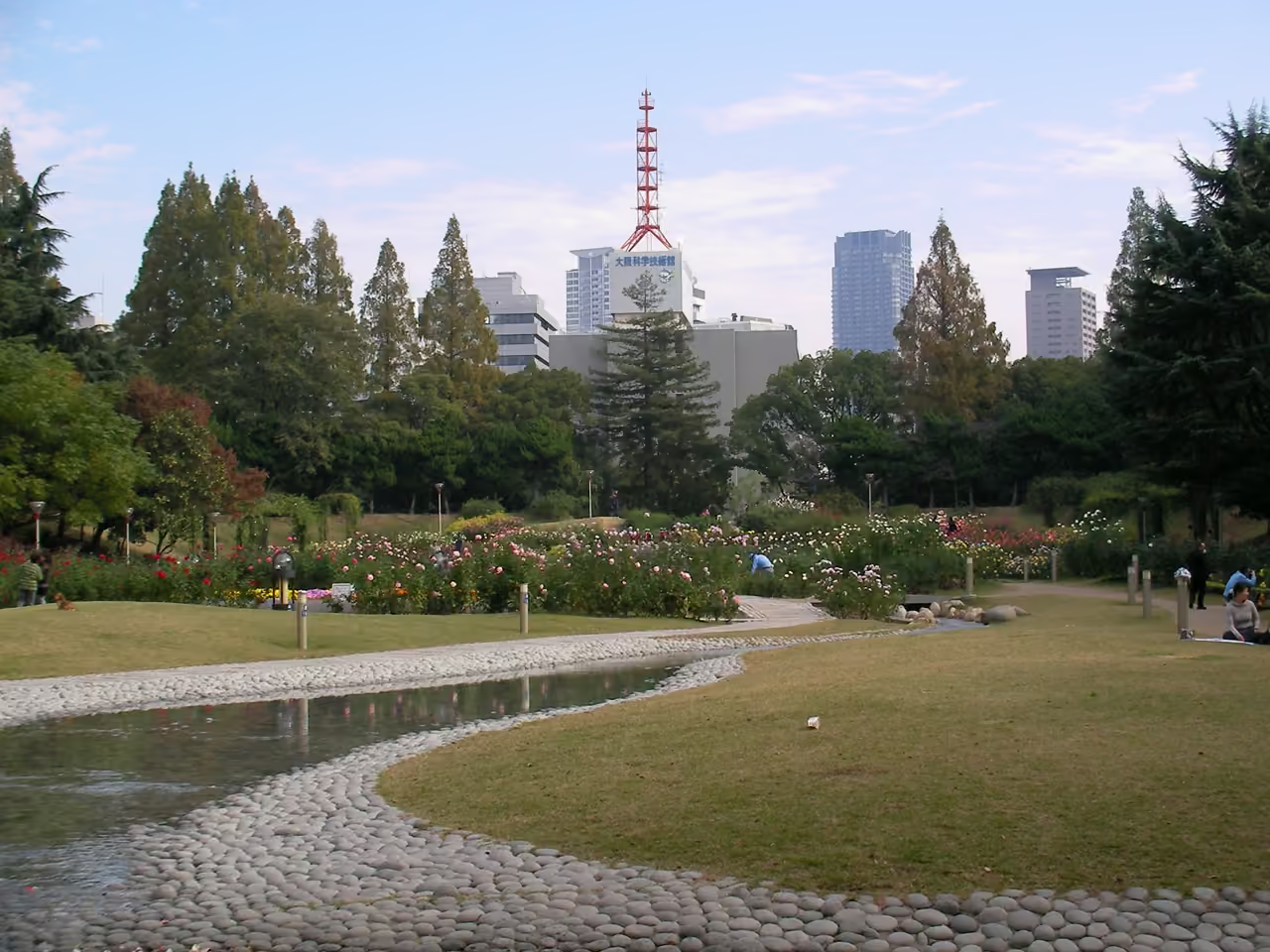
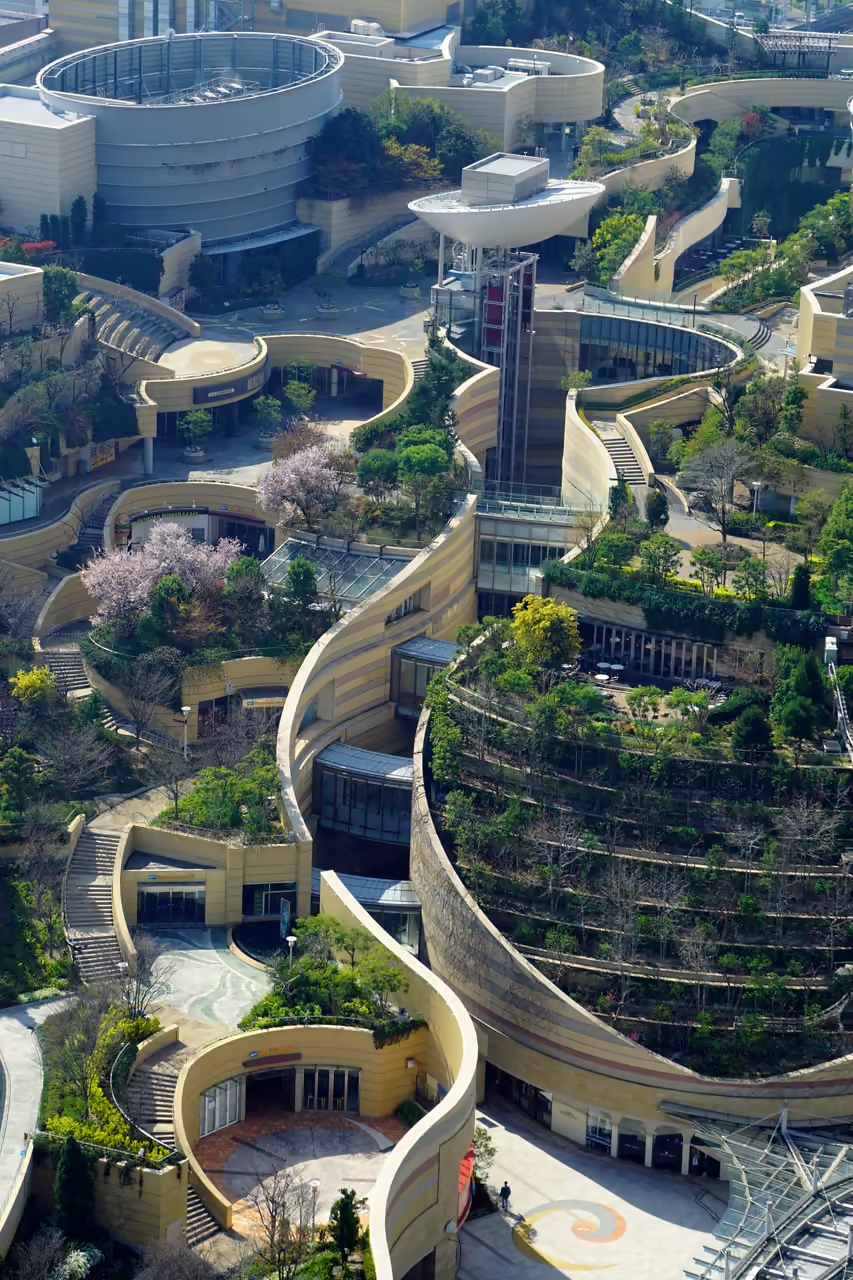
Stepping off the concourse at Nankai Namba Station onto Canyon Street feels less like entering a shopping centre and more like walking into a sunstruck sandstone gorge. Above the shops, Parks Garden climbs seven storeys in sweeping, planted terraces. Roughly 70,000 plants across 300 species spill over stratified canyon walls designed by American architect Jon Jerde, shading trickling water channels, quiet benches, and winding paths above Namba Naka. Down at street level, Namba Carnival Mall links straight into Namba CITY, while upper walkways lead across to Yamadadenki LABI1 Namba and down to the cinema and dining floors. Finding the right lift between the staggered floors can briefly test a newcomer's patience on a busy Saturday. Most regulars skip the lifts altogether and follow the outdoor stone steps up to the ninth floor Harappa Hiroba lawn, where office workers and families stretch out on the grass beneath the open sky.
Videos
History of Namba Parks
Hunger first carved the shape of this district in 1732, when the Kyoho Famine swept western Japan and forced the Tokugawa shogunate to establish emergency grain storehouses in what was then Namba Village. Known as Namba Okura, the walled complex guarded tax rice shipped in from shogunate territories. A year later, workers dug the Namba Iribori Canal south from the Dotonbori River straight to the warehouse gates, simultaneously putting impoverished residents to work and creating a water highway for heavy rice barges. When a sister depot in Tennoji proved too damp and spoiled the grain, authorities folded its stores into Namba in 1791, doubling the granary's footprint until it became a celebrated landmark of old Osaka. That feudal lifeline vanished after the Meiji Restoration, and in 1897 the Finance Ministry tore down the disused timber storehouses to build a modern state tobacco factory. Nearly two thousand workers clocked into the red brick complex after its opening in 1898, pulling urban streets and shops rapidly southward around Namba Station until the Osaka air raids of 1945 reduced the factory to rubble. Out of those ruins rose an entirely different kind of monument. In 1950, Nankai Electric Railway opened Osaka Stadium on the cleared plot, handing the Nankai Hawks baseball club a steel and concrete amphitheatre right beside the railway terminus. For decades the ballpark pulsed with pennant chases, deafening crowds, and open air concerts that defined postwar Minami. That era wound down after the Hawks moved away to Fukuoka and baseball operations ceased in 1990, leaving the bowl in limbo for several years before demolition crews moved in. Even before the grandstands came down in 1998, Nankai and partners including Takashimaya and Kubota had spent years plotting a bold reinvention under the banner of a future capital for Naniwa. Construction began in November 1999 on a commercial complex that rejected the sealed box model of urban malls in favour of terraced greenery mimicking natural rock strata. The first phase welcomed visitors in October 2003, followed by a southern expansion in April 2007 that stretched the footprint to 33,000 square metres and linked the canyon straight to neighbouring Namba streets. More than a decade later, the vision pushed southward again with the July 2023 debut of Namba Parks South, adding offices and two new hotels beside the gardens.
11 events spanning 291 years
Fun Facts
12- 01
Artist and television personality Jimmy Onishi created Tenkai no Kagayaki, the colourful symbol monument perched in the ninth floor rooftop garden overlooking the stepped lawns.
- 02
Before demolition began in 1998, the former outfield of Osaka Stadium spent years operating as a residential housing exhibition, where prospective buyers toured detached model homes pitched atop the old baseball grounds.
- 03
Even the multi storey car park hides a quirky layout: its parking decks are lettered A through E between the second and fifth floors, meaning the connecting lifts bypass the third and fifth floors of the main shopping wing entirely.
- 04
Famed Japanese violinist and composer Taro Hakase served as the complex's imaging producer, composing its official theme song Loving Life and designing the logo for the joint Nankai and Takashimaya neighbourhood campaign.
- 05
Hidden on the ninth floor, the Nankai Hawks Memorial Gallery preserves championship trophies, vintage match footage, and a team timeline for the baseball club that once played here, alongside cast handprints of former players and Japanese singer Hideki Saijo, who held legendary stadium concerts on the field.
- 06
In 2014, CNN named the terraced rooftop of Namba Parks one of the ten most beautiful sky gardens in the world, placing Osaka's canyon complex in the company of global landmarks like New York's High Line.
- 07
Inside the lower levels and basements sits WINS Namba, an off track horse racing betting hall that relocated from the old stadium site in 2002 under the slogan of a futuristic betting hub merged with greenery, complete with a weekend food court open only on central racing days.
- 08
Public enthusiasm outpaced every forecast: Phase One drew roughly 21.22 million visitors in its first year against a 21 million target, and the full grand opening in 2007 propelled annual attendance past 29.2 million.
- 09
The 2023 opening of Namba Parks South brought Thai luxury group Centara Hotels and Resorts into Japan for the very first time with the debut of the Centara Grand Hotel Osaka.
- 10
Tucked beside the eighth floor amphitheatre sits the Urban Farm, an annual lottery allotment where local residents pay a monthly fee to grow melons, tomatoes, and flowers high above the city streets with guidance from resident gardening staff.
- 11
Walk along Canyon Street on the second floor and look down to spot brass plaques marking the positions of the former Osaka Stadium's pitcher's plate and home plate, though builders shifted the markers roughly 30 metres north of their true historical coordinates.
- 12
When the 2007 second phase opened Namba Parks Cinema, it became Osaka city's second largest multiplex with eleven screens and 2,164 seats, while an adjacent 189 inch Parks Vision screen in Canyon Court marked Japan's first outdoor installation of Panasonic's Astrovision LED series.
FULL PLACE DETAILS
Updated
FULL PLACE DETAILS
UpdatedOVERVIEW & STATS
- Established
- In 2003, making it 23 years old
ARCHITECTURE & HERITAGE
- Architects
- Jon Jerde
WEB & AMENITIES
Namba Parks Map & Neighborhood Explorer
This interactive map is centered on Namba Parks. Zoom in and move the map around to automatically discover Wikipedia photos and summaries of other nearby sights, monuments, and historical points of interest and stories in real-time!
Namba Parks FAQ
No, Parks Garden is completely free to enter and open to the public. Visitors can wander through the terraced pathways, lawns, and seating areas across levels three to nine without making a purchase at the shops or restaurants.
Namba Parks connects directly to the second floor central and south exits of Nankai Namba Station. It is also roughly a seven minute walk from the Osaka Metro Midosuji Line Namba Station, around eight to nine minutes from the Sennichimae, Yotsubashi, Kintetsu, and Hanshin stations, and about eleven minutes on foot from JR Namba Station.
Unlike a conventional enclosed mall, the entire building is sculpted like a natural canyon topped by an 11,500 square metre tiered park featuring around 70,000 plants. Visitors come to relax on the ninth floor Harappa Hiroba lawn, explore the Nankai Hawks Memorial Gallery, spot the historic baseball home plate markers on Canyon Street, and catch films at the eleven screen Namba Parks Cinema.
Most retail stores operate from 11:00 to 21:00, while the restaurant and dining floors typically stay open later from 11:00 to 23:00. Individual venues such as the cinema or specific cafes may keep slightly different hours.
Osaka Stadium served as the home ballpark of the Nankai Hawks from 1950 until baseball operations ended in 1990, and the stadium was dismantled starting in 1998. Namba Parks honours that baseball heritage through brass pitcher and home plate plaques embedded in Canyon Street and the permanent Nankai Hawks Memorial Gallery on the ninth floor.
Yes, the main shopping arcades, cinema, indoor amusement zones, and direct walkway to Namba CITY are covered, making it easy to explore in wet weather. In dry weather, children especially enjoy the open lawns and winding garden paths on the upper terraces.
The closest place to visit near Namba Parks is Osaka Spring Grand Sumo Tournament, around 247 m away. Other things to do near Namba Parks include Ura-Namba (350 m), Namba Grand Kagetsu (409 m) and Hunt for Retro Games and Electronics in Den Den Town (447 m). All of these are within roughly 447 m of Namba Parks, close enough to walk.
It dates back to 2003, making it 23 years old.
Namba Parks was designed by Jon Jerde.
While we strive to keep this information accurate and up to date, we recommend verifying any details independently before making decisions based on them.
Places near Namba Parks
Make the most of your trip. Check out these top-rated spots located nearby.
 247m
Osaka Spring Grand Sumo Tournament
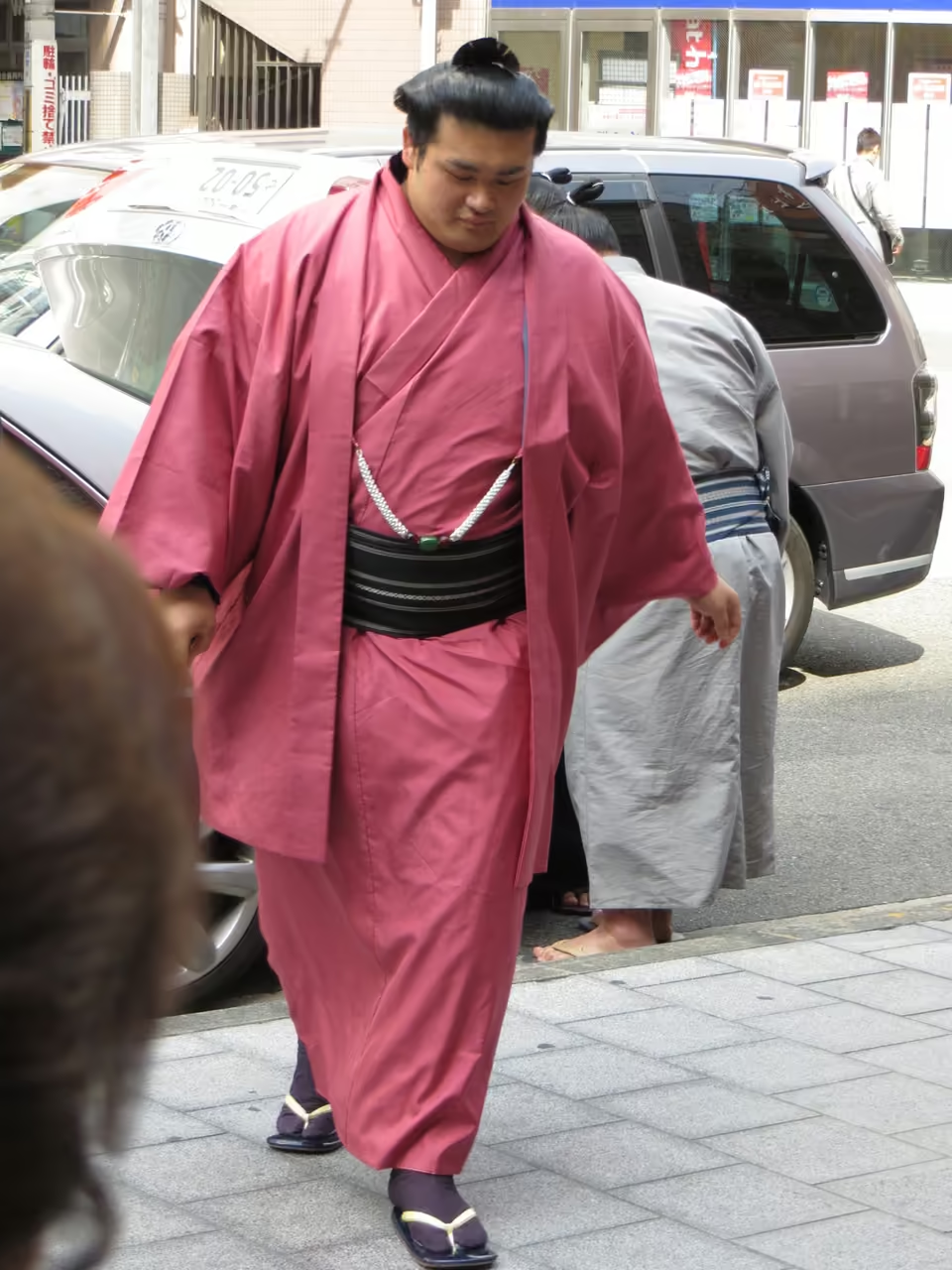
For fifteen days every March, top wrestlers fill Edion Arena near Namba for Japan's official spring grand sumo tournament. Spectators perch on tatami box cushions sipping beer as colourful sponsor banners circle the clay ring before championship bouts. Outside the arena, towering wrestlers stroll calmly past Namba coffee shops in cotton yukata robes and wooden sandals. Tickets sell quickly weeks ahead because Osaka often signals early-season upsets.
festival view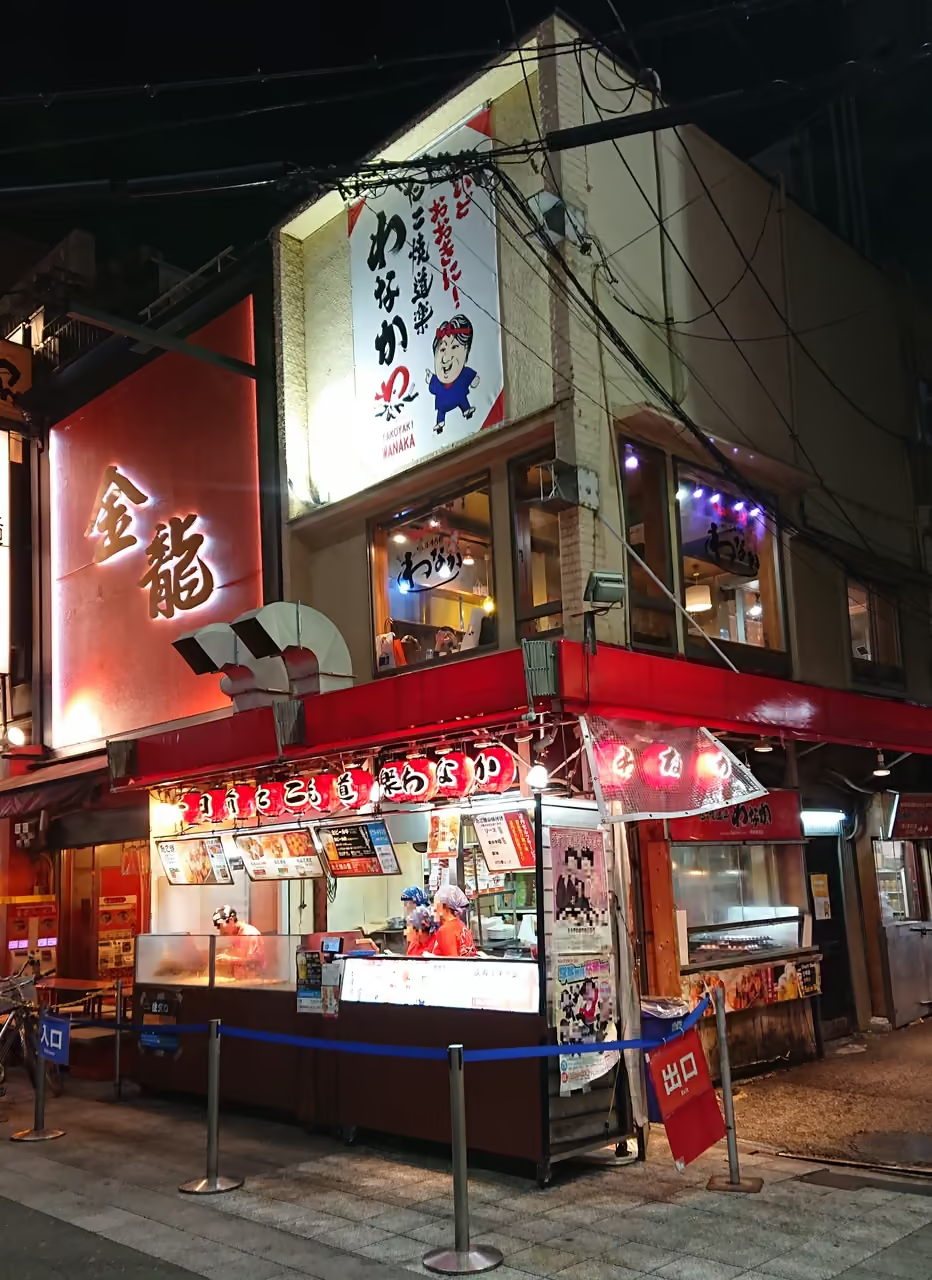 350m
Ura-Namba
Wedged east of Nankai Namba Station behind Sennichimae Kitchenware Street, Ura-Namba blossomed when young cooks turned worn wholesale shops into experimental barrooms. Tiny corners conceal ten-seat gyoza dens, natural wine cellars, and standing oyster bars tucked inside retro covered arcades. Its backstreet maze has quietly grown into Osaka's sharpest evening dining strip.
nightlife view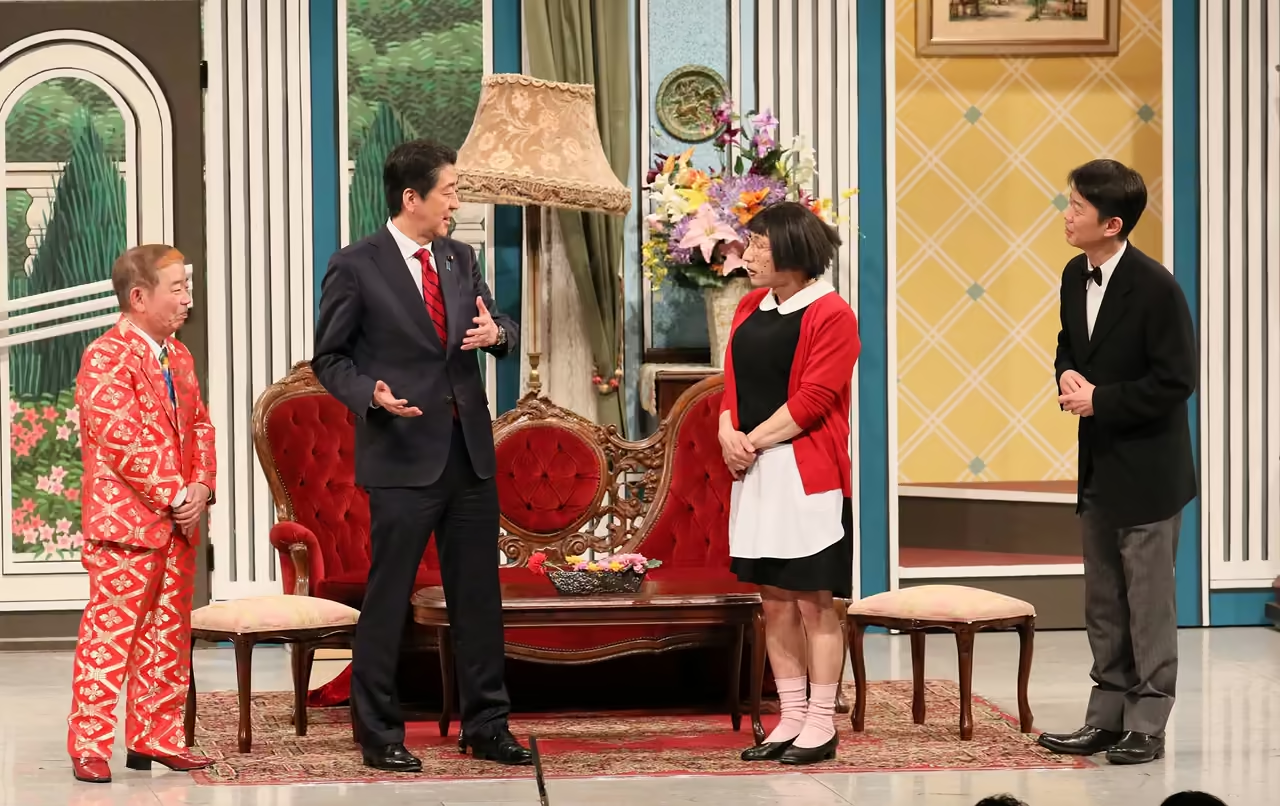 409m
Namba Grand Kagetsu
Osaka wears its love of comedy loudly, and nowhere is that louder than inside Namba Grand Kagetsu in Namba Sennichimae. Opened in 1987 as Japan's premier hall dedicated to standup manzai and slapstick theatre, this 858 seat auditorium (stretching to around 900 when extra folding chairs come out) puts performers in front of the country's sharpest comedy crowd. Shows run twice on weekdays and up to four times on weekends and public holidays, kicking off fifteen minutes before the curtain rises with an energetic warmup set from up and coming Yoshimoto rookies. Once the main bill starts, rapid fire verbal duos and classic rakugo storytellers give way to Yoshimoto Shinkigeki, a riotous ensemble farce packed with pratfalls and catchphrases. You will have to queue briefly at the entrance and keep your phone tucked away because audience photography is strictly banned inside the hall. Between sets, follow the local comedians downstairs to Chitose Bekkan for a steaming bowl of nikusui, a savoury beef soup served without noodles that warms you right up before the next punchline lands.
attraction view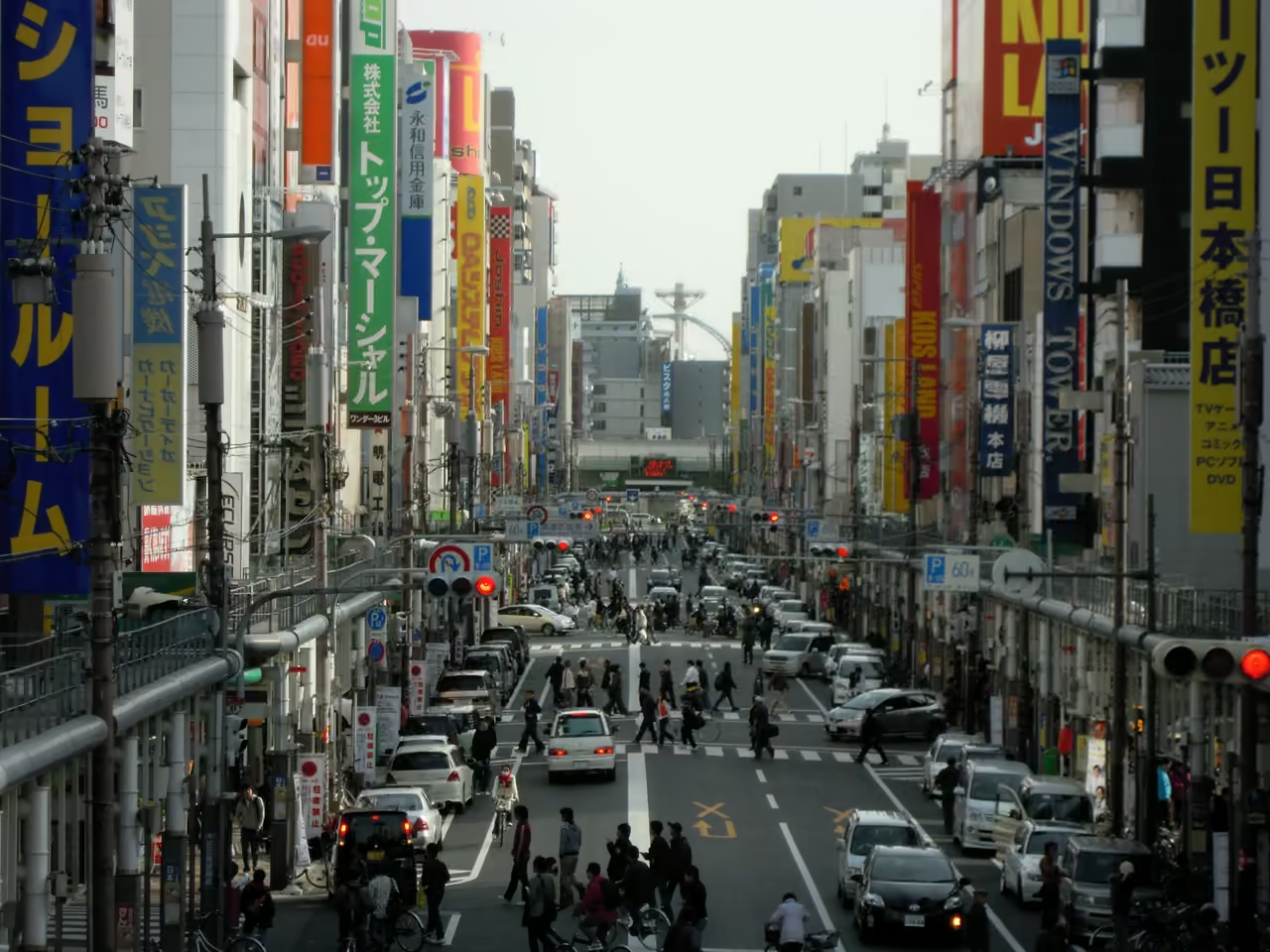 447m
Hunt for Retro Games and Electronics in Den Den Town
Running down Sakai-suji Avenue southeast of Namba, Osaka's answer to Akihabara grew out of prewar secondhand bookshops and postwar radio parts stalls. Today its main strip and quiet side lanes bristle with multi-storey retro video game vaults, capsule toy halls, audio shops, and shelves of rare model kits. Vintage cartridges and collectibles frequently undercut Tokyo prices with calmer shop floors. Side streets packed with themed cafes keep the quarter lively into the evening.
highlight view
Featured on These Itineraries and Routes
5 Days in Osaka: Hidden Towns, Theme Parks & Local Soul
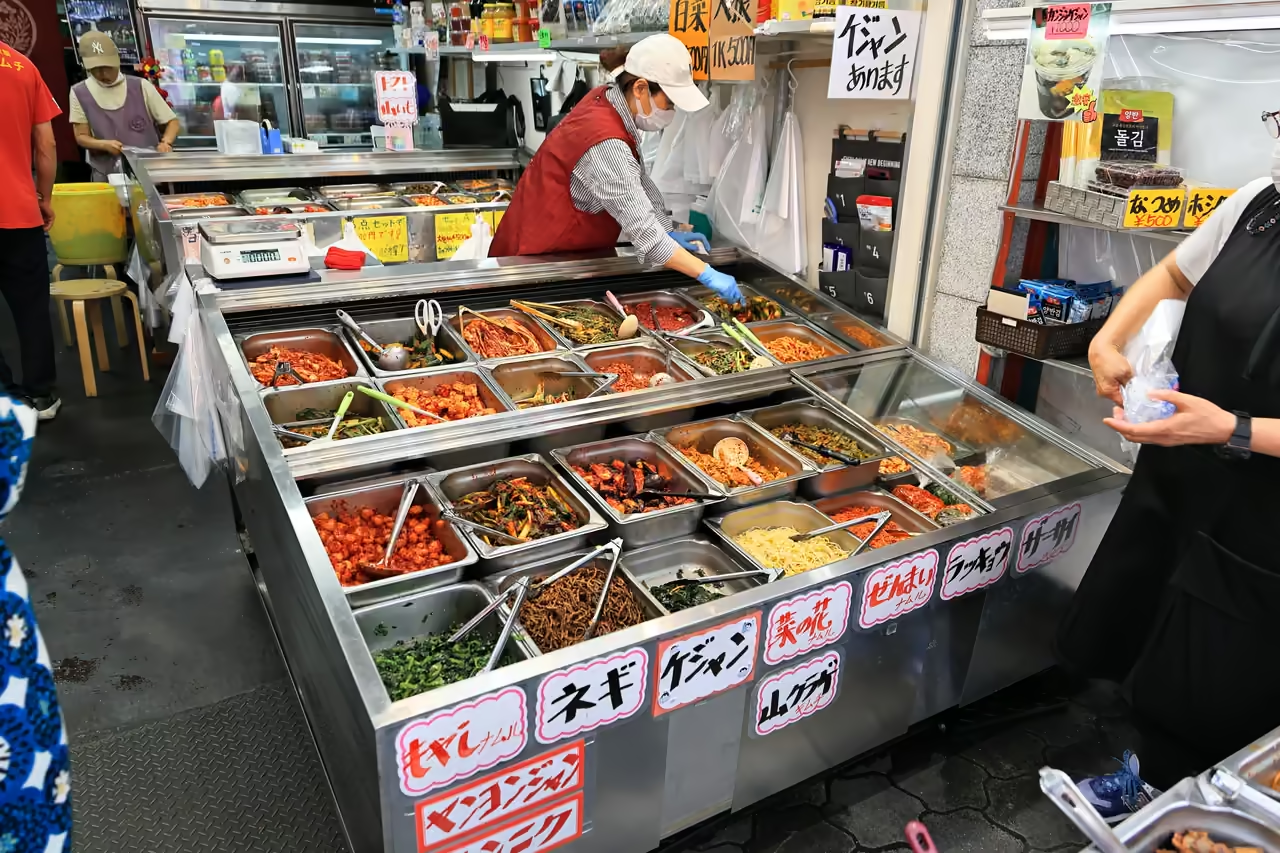
Designed for curious travellers eager to explore well past Dotonbori's neon bridge, this five-day itinerary weaves headline thrills like Universal Studios Japan alongside scholarly academies, Korean street markets, traditional puppetry, and timeless southern shrines. Every neighbourhood unfolds at an easy rhythm.
view itinerary
Castle Moat & Ancient Capital Cycle
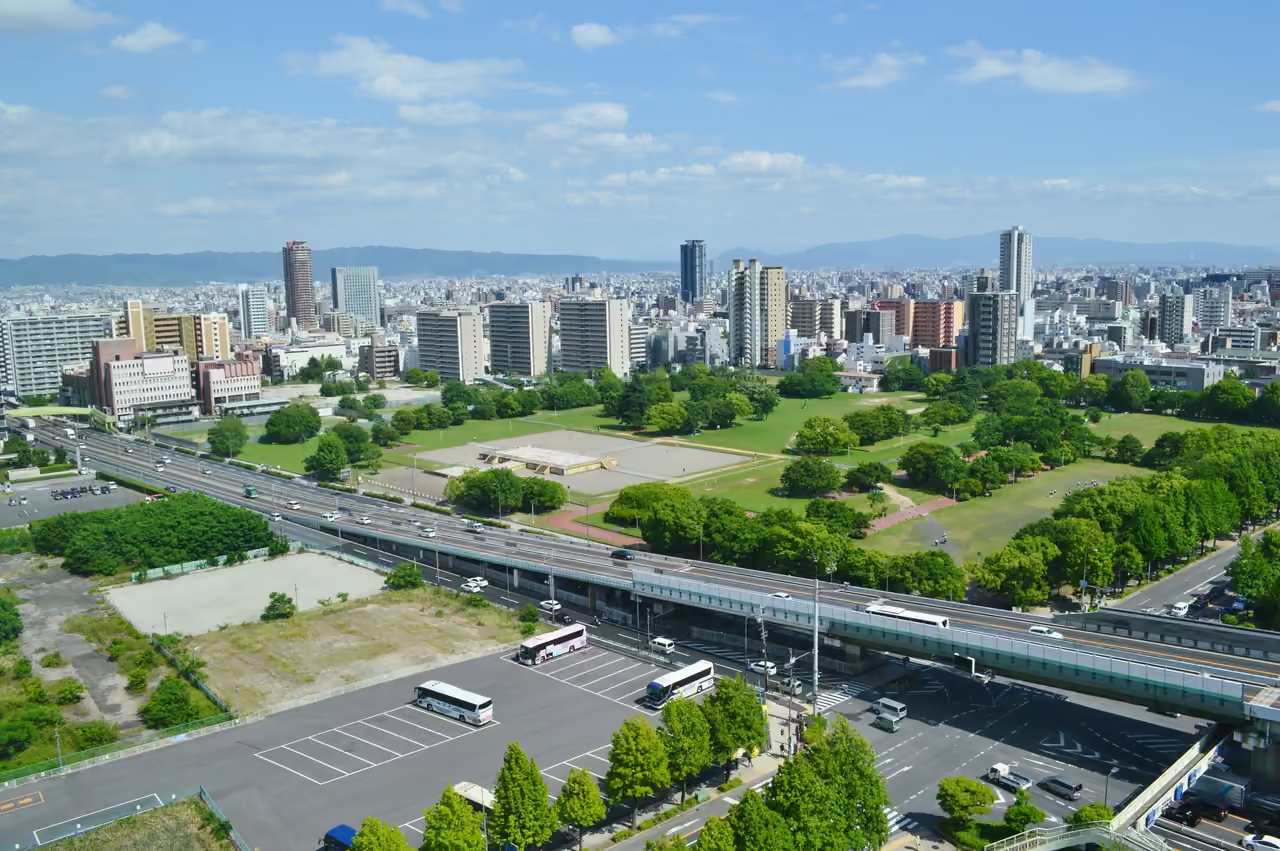
Rolling across the historic Uemachi Plateau, this route stitches together centuries of Osaka's shifting power centres, from seventh-century palace ruins to samurai moats and surviving Edo lanes. Gentle inclines around Karahori reveal the natural ridge that protected ancient settlements above the bay.
view cycling route
See all parks & nature in Osaka
Including Nakanoshima Park, Sakuranomiya Park, Tennoji Park, and more