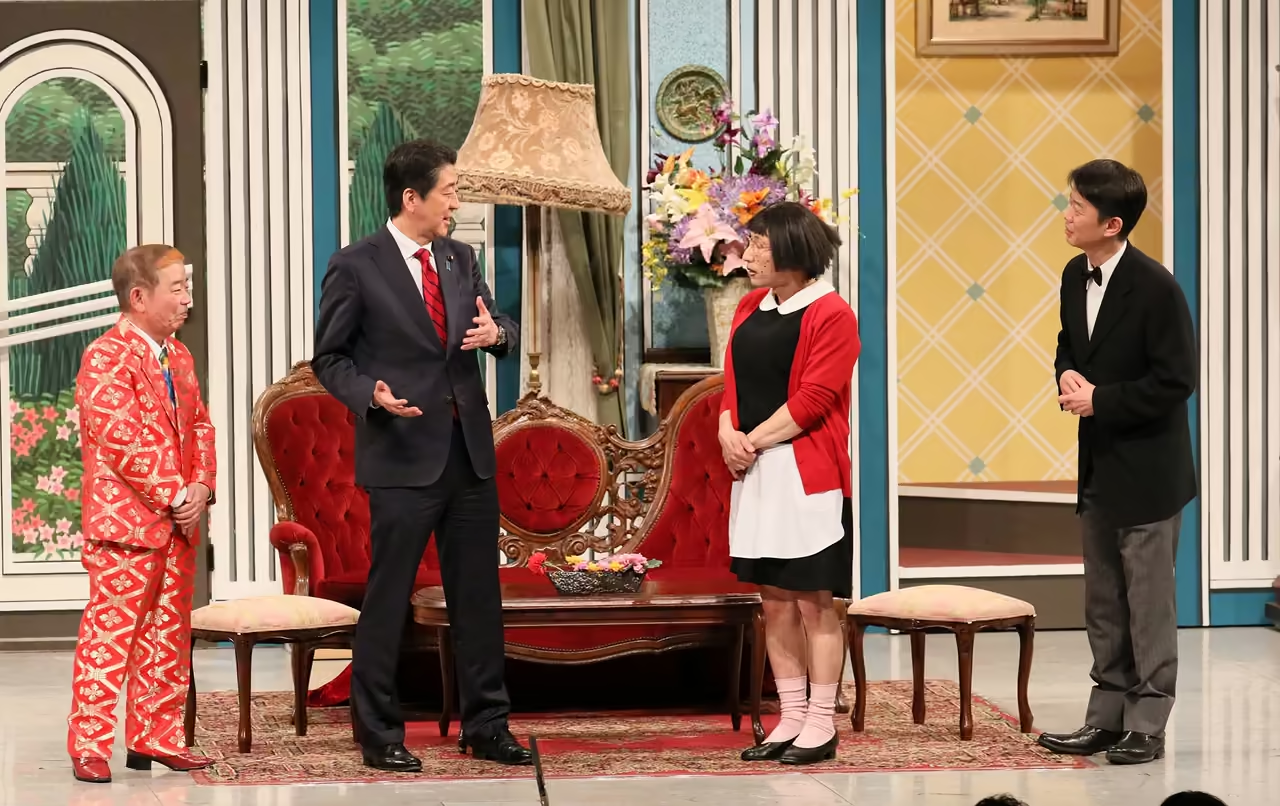
Namba Grand Kagetsu
Osaka wears its love of comedy loudly, and nowhere is that louder than inside Namba Grand Kagetsu in Namba Sennichimae. Opened in 1987 as Japan's premier hall dedicated to standup manzai and slapstick theatre, this 858 seat auditorium (stretching to around 900 when extra folding chairs come out) puts performers in front of the country's sharpest comedy crowd. Shows run twice on weekdays and up to four times on weekends and public holidays, kicking off fifteen minutes before the curtain rises with an energetic warmup set from up and coming Yoshimoto rookies. Once the main bill starts, rapid fire verbal duos and classic rakugo storytellers give way to Yoshimoto Shinkigeki, a riotous ensemble farce packed with pratfalls and catchphrases. You will have to queue briefly at the entrance and keep your phone tucked away because audience photography is strictly banned inside the hall. Between sets, follow the local comedians downstairs to Chitose Bekkan for a steaming bowl of nikusui, a savoury beef soup served without noodles that warms you right up before the next punchline lands.
Videos
History of Namba Grand Kagetsu
Yoshimoto Kogyo needed a modern flagship when its ageing Namba Kagetsu theatre began showing wear in the late 1980s. On 1 November 1987, the entertainment powerhouse opened Namba Grand Kagetsu just down the road, originally naming the building Yoshimoto Kaikan while keeping the old hall running alongside it until 1988. To introduce the new venue to Kansai audiences, management starred Downtown, a local comedy duo then exploding into stardom, in its launch television commercials. Strangely enough, the theatre's early bills left out Yoshimoto's crown jewel, the slapstick ensemble troupe Yoshimoto Shinkigeki. Executives worried that its old fashioned routines would fail to pull in younger ticket buyers riding the standup comedy boom. Only after a bold publicity drive asking whether Shinkigeki should quit altogether ushered in a younger generation of performers, and Umeda Kagetsu closed on 31 March 1990, did the troupe begin staging daily shows here on 1 April 1990. Inside the auditorium, early rules were wonderfully loose. Every seat was unreserved, allowing ushers to pack standing spectators tightly into the aisles, while guests snapped photos freely from their seats. Fire safety concerns changed all that around 2001, pushing the theatre toward partial and then completely reserved seating alongside higher ticket prices. The lower levels constantly reinvented themselves to match shifting tastes. From 2004 to 2009, the basement hosted Yoshimoto Shotengai, a nostalgic Showa era streetscape celebrating company stars, before transforming in 2012 into a regional food market staging live daytime television broadcasts. That same year marked the hall's twenty fifth anniversary and its first major overhaul, bringing slimmer seats for extra legroom, new lifts, and the official Namba Grand Kagetsu Building name. By April 2015, a new underground venue called YES THEATER had taken over the basement retail space. Crowd numbers peaked a year later when annual attendance crossed one million on 31 March 2016, an all time record since opening day. Following a brief three month closure in late 2017 for earthquake reinforcement, the hall reopened on 21 December with retro styling across its entrance and dressing rooms, tying Osaka's busiest comedy stage straight back to its colourful past.
10 events spanning 30 years
Fun Facts
10- 01
A second floor balcony added roughly 100 extra seats compared with Yoshimoto's earlier theatres, designed specifically for sightseeing tour groups who were seated ahead of regular patrons even back in the unreserved days.
- 02
Although celebrated as a temple of Osaka humour, the venue has staged unexpected spectacles ranging from professional boxing bouts headlined by Nobuhiro Ishida to shows by the China Acrobatic Troupe and Tokyo style Edo rakugo storytellers.
- 03
Before reserved seating arrived, ushers squeezed standing crowds so tightly into the hall that local duo Tommys turned it into a famous opening gag, joking that ticket booth staff kept cheerfully insisting there was still room inside even when nobody could move.
- 04
Before the building's renovations, a massive painted signboard over the entrance immortalised Kansai comedy pioneers side by side, including Yokoyama Entatsu and Hanabishi Achako, Akireta Boys, and the wartime Warawashitai troupe.
- 05
In 2007, a major digital upgrade wired every corner of the building, right up to the rooftop, for live high definition television broadcasts, though the studio was later closed in 2012 and turned into a souvenir shop.
- 06
To celebrate the theatre's twentieth anniversary on 4 November 2007, Yoshimoto rolled back ticket prices to the exact 2,000 yen charged on opening day in 1987.
- 07
Veteran comic Katsura Bunshin famously claimed that any act capable of winning laughs at Namba Grand Kagetsu can succeed anywhere in Japan, while Tokyo based comedian Takashi Yoshimura called its crowd the toughest test in the business for performers used to easy cheers from young fans.
- 08
When Nagoya's municipal sports arena sold its naming rights to industrial giant NGK, formerly Nippon Gaishi, the manufacturer deliberately named its surrounding facilities after its mascot Kuroko kun out of respect for Yoshimoto's trademark on NGK for entertainment venues.
- 09
When Yoshimoto executives scrapped plans for a basement cinema just before opening and turned it into a disco instead, superstar comedian Akashiya Sanma named it Desse Jenny, a cheeky pun on the Osaka phrase zeni desse meaning it is all about the money.
- 10
Whenever legendary duos like Nakata Kaus Botan or All Hanshin Kyojin step onstage during main shows, stagehands erect special panels to conceal the modern Jumbotron screen behind them so traditional hand flipped paper name cards can be used instead.
FULL PLACE DETAILS
Updated
FULL PLACE DETAILS
UpdatedWEB & AMENITIES
Namba Grand Kagetsu Map & Neighborhood Explorer
This interactive map is centered on Namba Grand Kagetsu. Zoom in and move the map around to automatically discover Wikipedia photos and summaries of other nearby sights, monuments, and historical points of interest and stories in real-time!
Namba Grand Kagetsu FAQ
Performances are entirely in Japanese, especially the fast paced manzai wordplay and rakugo storytelling. However, Yoshimoto Shinkigeki relies heavily on physical comedy, exaggerated expressions, and visual slapstick that anyone can follow, and the lively energy of a packed Osaka crowd is an experience in itself.
A standard main programme typically combines standup comedy from manzai duos and solo acts, traditional seated rakugo storytelling, occasional variety performers or acrobats, and concludes with a full Yoshimoto Shinkigeki comedy play.
No, taking photographs, recording video, or capturing audio inside the seating area is strictly prohibited during performances.
Aim to arrive at least 20 to 30 minutes early so you have time to queue and find your seat. Young comedians appear onstage 15 minutes before the main curtain for a lively warmup set known as maesetsu.
The building houses souvenir shops filled with comedian themed goods as well as Chitose Bekkan, an outpost of the famous neighbourhood diner beloved by Yoshimoto performers for its nikusui beef soup.
The venue sits in Namba Sennichimae, a short walk from Osaka Metro Namba Station on the Midosuji, Yotsubashi, and Sennichimae lines, as well as Nankai Namba Station, Osaka Namba Station, Kintetsu and Osaka Metro Nipponbashi stations, and JR Namba Station.
A typical visit takes about 3 hours. We recommend planning your schedule accordingly to make the most of your time there.
The closest place to visit near Namba Grand Kagetsu is Ura-Namba, around 64 m away. Other things to do near Namba Grand Kagetsu include Kuromon Ichiba Market (298 m), Hozen-ji Temple (Mizukake Fudo) (332 m) and Hozenji Yokocho (336 m). All of these are within roughly 336 m of Namba Grand Kagetsu, close enough to walk.
While we strive to keep this information accurate and up to date, we recommend verifying any details independently before making decisions based on them.
Places near Namba Grand Kagetsu
Make the most of your trip. Check out these top-rated spots located nearby.
 64m
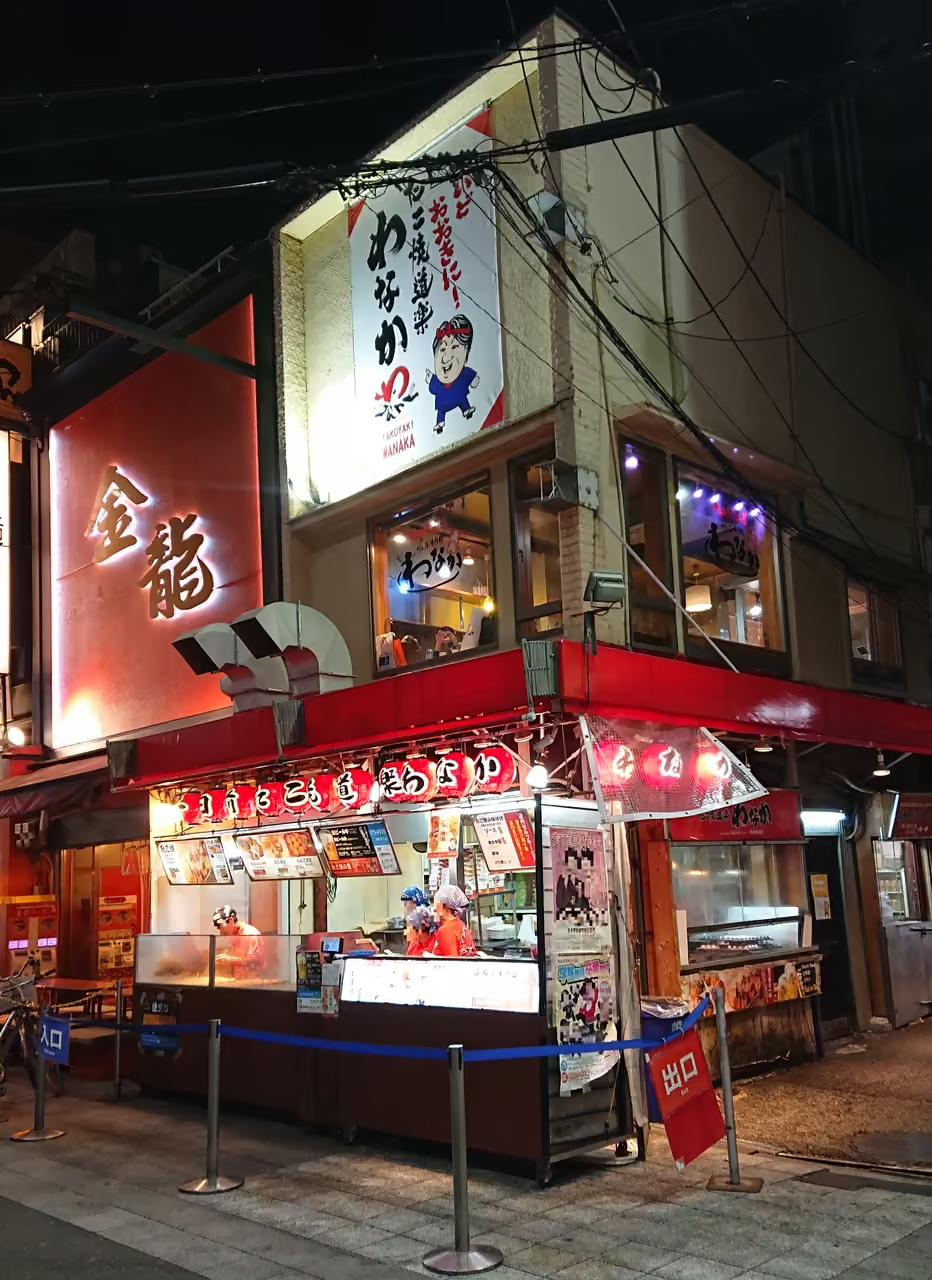
Ura-Namba
Wedged east of Nankai Namba Station behind Sennichimae Kitchenware Street, Ura-Namba blossomed when young cooks turned worn wholesale shops into experimental barrooms. Tiny corners conceal ten-seat gyoza dens, natural wine cellars, and standing oyster bars tucked inside retro covered arcades. Its backstreet maze has quietly grown into Osaka's sharpest evening dining strip.
nightlife view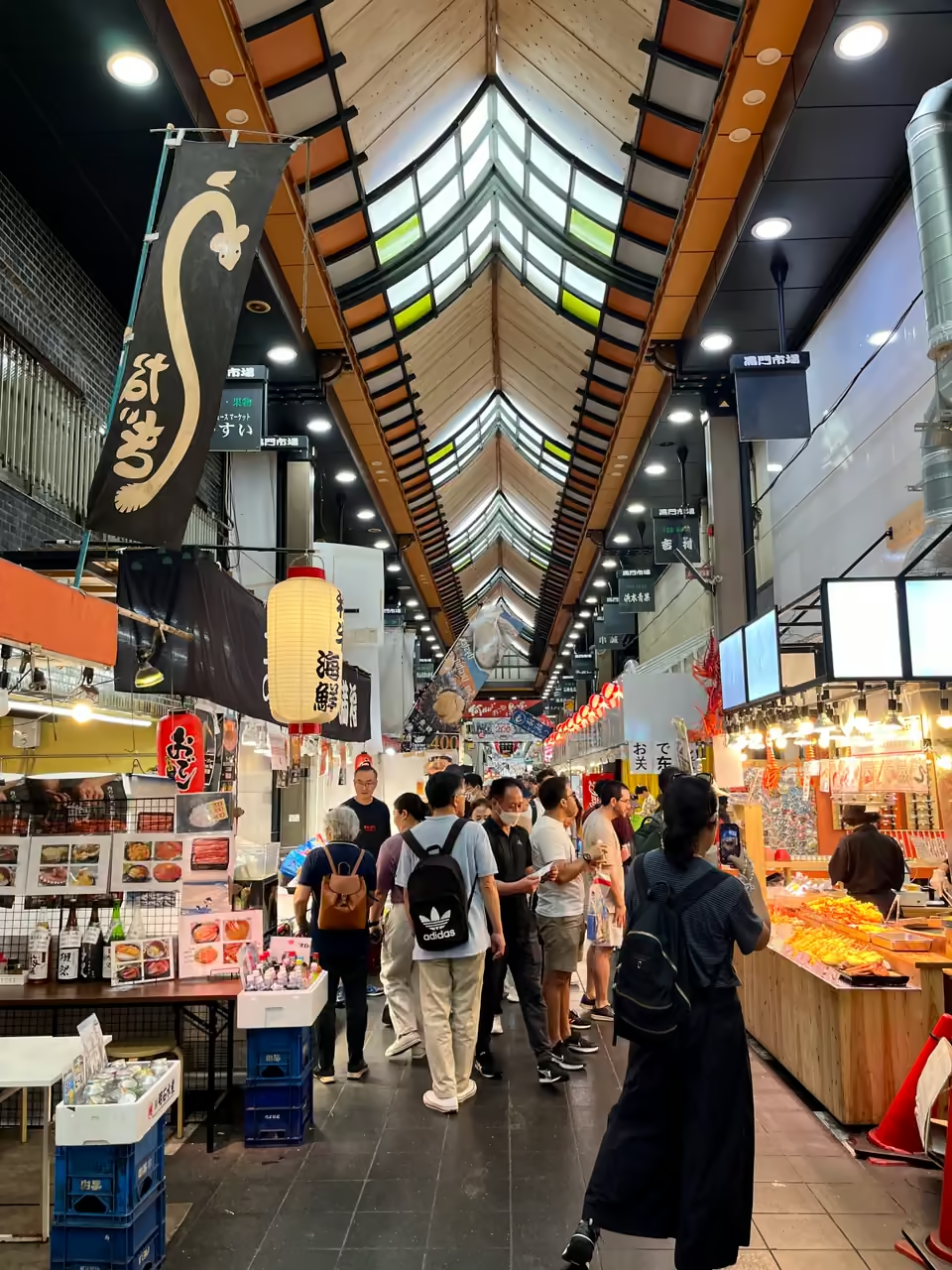 298m
Kuromon Ichiba Market
Known for generations as Osaka's Kitchen, this covered 580-metre arcade in Nipponbashi supplies local chefs alongside hungry visitors grazing stall to stall. Fishmongers torch buttery Hokkaido scallops in the shell, carve fatty tuna sashimi onto trays, and grill beef skewers over charcoal. Look between busy seafood stands for century-old pickle barrels, roasted tea sellers, and shops making fresh tofu skin. Prices run steeper than neighbourhood grocers and narrow aisles jam at noon, so arriving before 10:00 pays off.
market view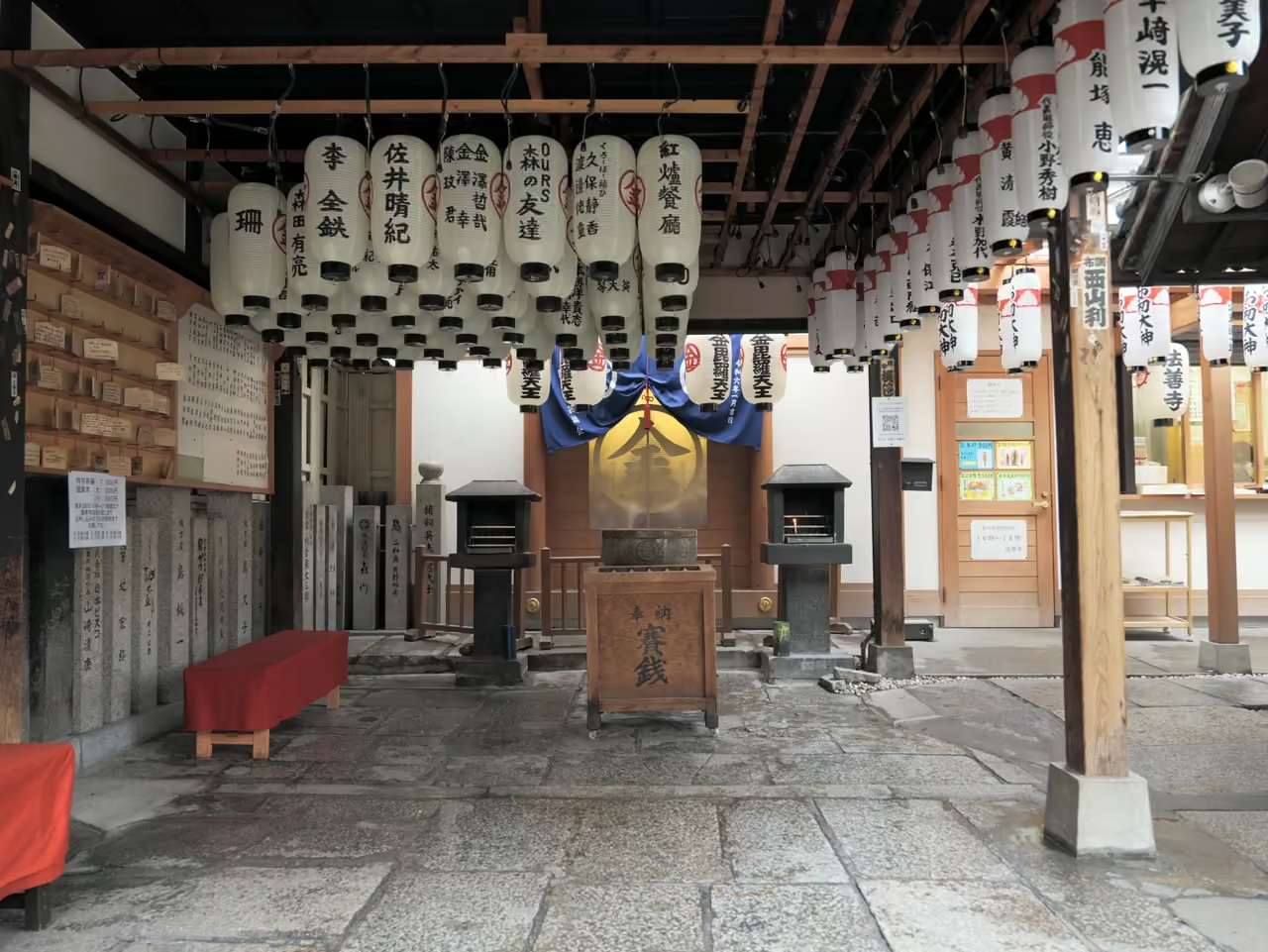 332m
Hozen-ji Temple (Mizukake Fudo)
Hidden down a fragrant incense alley steps off neon-lit Dotonbori, this intimate Pure Land sanctuary shelters Osaka's beloved moss-covered Fudo Myoo statue. Instead of tossing flowers, locals pour ladles of water straight over the stone deity's shoulders, cultivating a thick coat of velvety green moss that glows under warm paper lanterns. Tucked beside traditional dessert shops and historic flagstones, a five-minute pause here captures deep neighbourhood devotion.
hidden gem view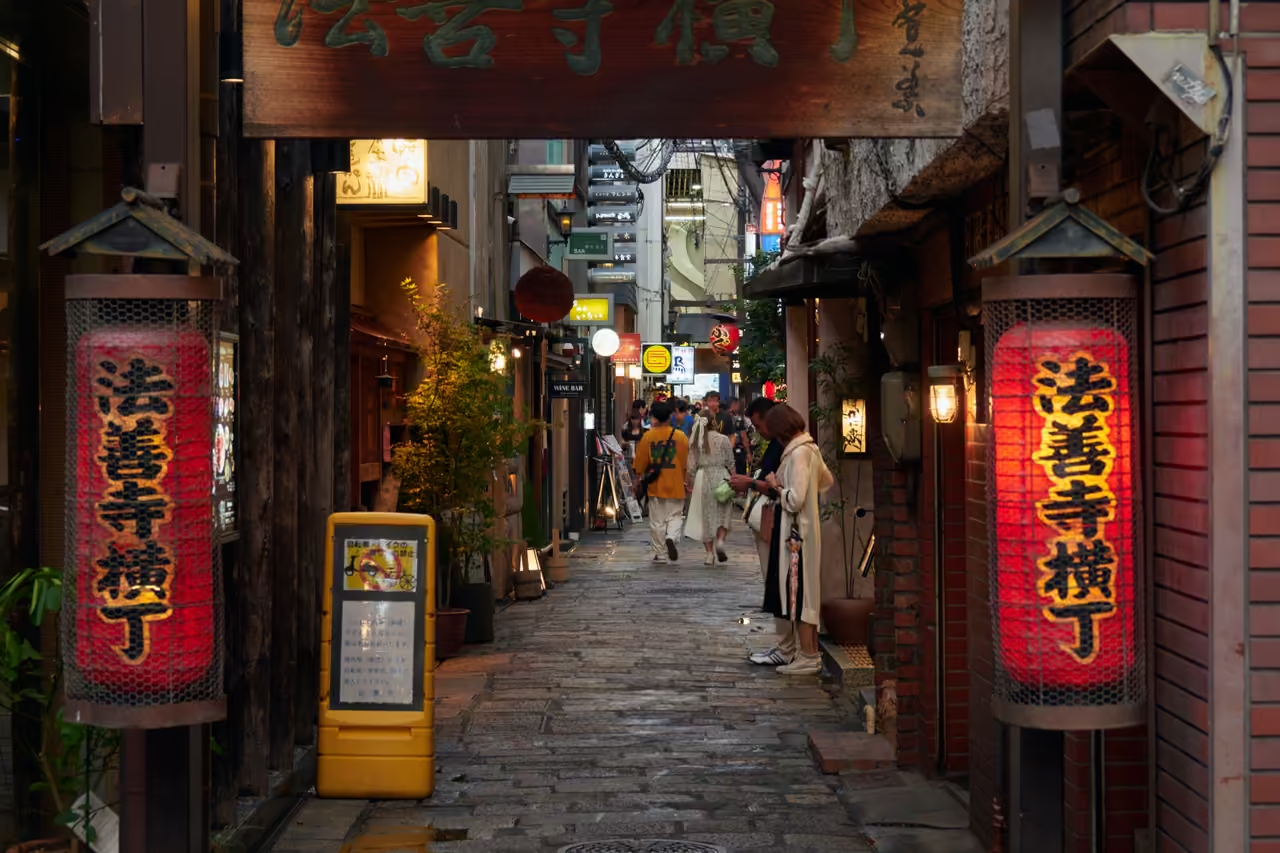 336m
Hozenji Yokocho
One minute south of Dotonbori's roar, two slender flagstone lanes wrap quietly around moss-draped Hozen-ji Temple like a preserved Edo-era corner. Cedar lattice doors conceal intimate kappo kitchens, classic okonomiyaki institutions, and low-lit whisky lounges under warm paper lanterns. Rebuilt thoughtfully after fires in 1945 and 2002, this pocket keeps Minami's gentle older rhythm alive.
nightlife view
Explore Similar Places in This Collection
Featured on These Itineraries and Routes
5 Days in Osaka: Hidden Towns, Theme Parks & Local Soul
Designed for curious travellers eager to explore well past Dotonbori's neon bridge, this five-day itinerary weaves headline thrills like Universal Studios Japan alongside scholarly academies, Korean street markets, traditional puppetry, and timeless southern shrines. Every neighbourhood unfolds at an easy rhythm.
view itinerary
Market Arcades & Kuidaore Food Trail of Minami
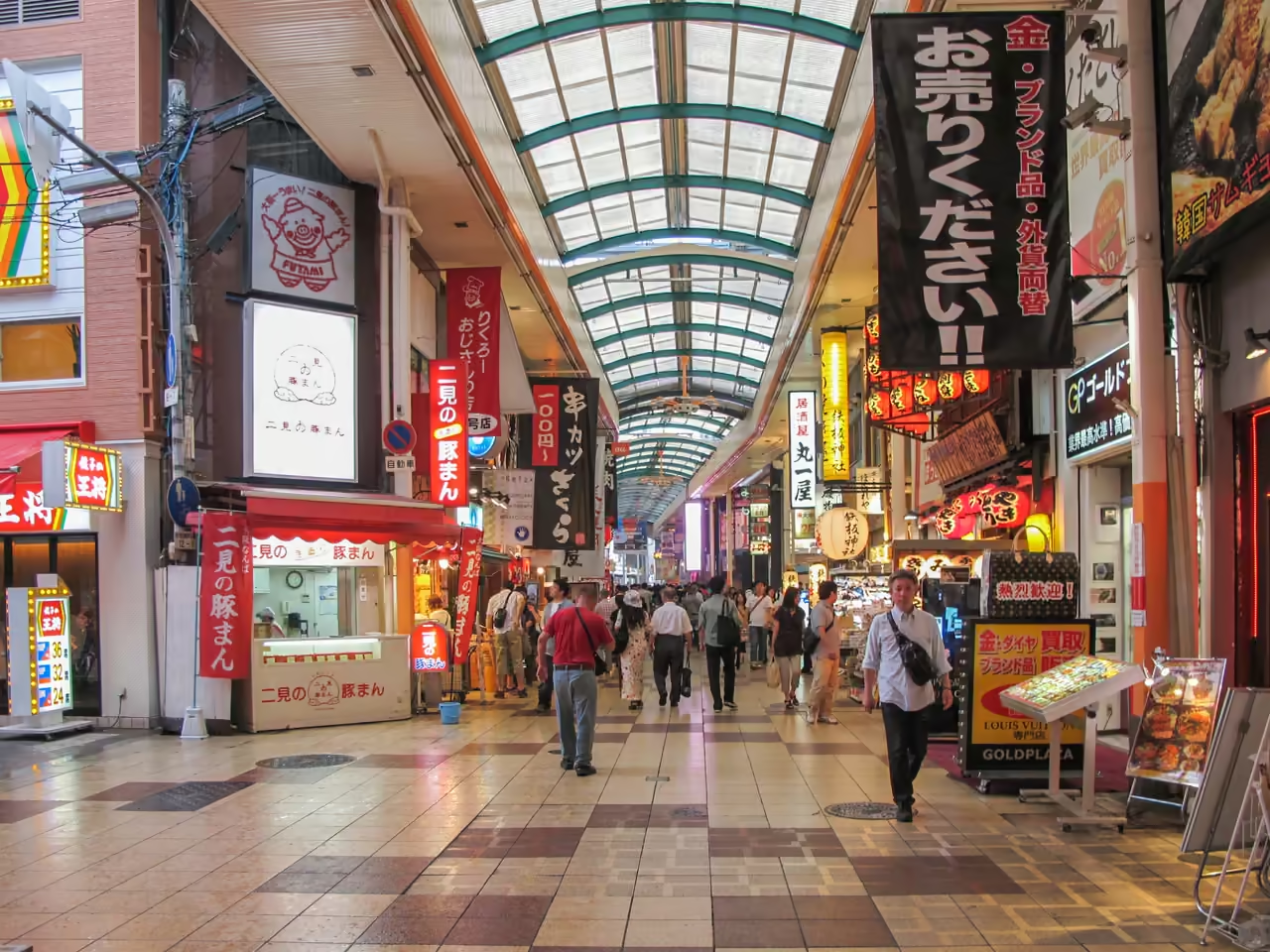
Osaka's joyful culinary obsession plays out shoulder to shoulder across Minami's lively commercial lanes. Moving among working fishmongers, specialist kitchenware dealers, comedy theatres, and neon canals shows how Osaka turned everyday eating into pure public theatre.
view self-guided tour
See all attractions in Osaka
Including Aquarium Kaiyukan, Osaka Castle, Sumiyoshi Taisha, and more