Castle Moat & Ancient Capital Cycle
Cycling RouteRolling across the historic Uemachi Plateau, this route stitches together centuries of Osaka's shifting power centres, from seventh-century palace ruins to samurai moats and surviving Edo lanes. Gentle inclines around Karahori reveal the natural ridge that protected ancient settlements above the bay.
SURFACE BREAKDOWN
ELEVATION PROFILE
WHY WE LOVE THIS ROUTE
Pedalling along the Uemachi ridge brings Osaka's geography to life, showing why emperors and samurai claimed this bluff before dipping straight into prewar timber alleys.
RIDER'S NOTEBOOK
- • Arrive in Karahori around 15:00 when artisan coffee roasters and heritage sweet makers are open.
- • Dismount and walk your bicycle through covered Karahori Shopping Street and busy inner castle courtyards.
- 1ATTRACTION
Osaka Castle
大阪城Colossal granite boulders hauled from western Japanese quarries form towering ramparts above glassy moats. Broad paved perimeter paths loop smoothly around the five-storey main keep and defensive turrets.
FULL PLACE DETAILS
UpdatedOVERVIEW & STATS
- Established
- In 1583, making it 443 years old
ARCHITECTURE & HERITAGE
- Heritage Status
- Historic Site Of JapanImportant Cultural Property Of JapanSpecial Historic Site
- Founders
- Toyotomi Hideyoshi
WEB & AMENITIES
to next stop - 2HIDDEN GEM
Naniwa Palace Site
難波宮跡公園Wide grassy lawns inlaid with stone column markers outline the Great Audience Hall where Japan's pioneering planned imperial capital stood in 645. Quiet paths leave unobstructed vistas toward the castle walls.
FULL PLACE DETAILS
UpdatedARCHITECTURE & HERITAGE
- Heritage Status
- Historic Site Of Japan
to next stop - 3HIDDEN GEM
Karahori Alleyways
空堀商店街Named after the filled-in southern dry moat of Hideyoshi's castle, this hilly quarter preserves prewar wooden rowhouses spared from wartime raids. Walk your bike through the covered arcade for warm croquettes and indie craft studios.
to next stop - 4PARK & NATURE
Namba Parks
なんばパークスRising like a lush sandstone canyon beside Nankai Namba Station, this stepped rooftop woodland replaces former baseball grounds with cascading terraces of three hundred plant species. Spacious bicycle parking docks sit right around its plaza.
FULL PLACE DETAILS
UpdatedOVERVIEW & STATS
- Established
- In 2003, making it 23 years old
ARCHITECTURE & HERITAGE
- Architects
- Jon Jerde
WEB & AMENITIES
Other Cycling Routes
Check out other routes in Osaka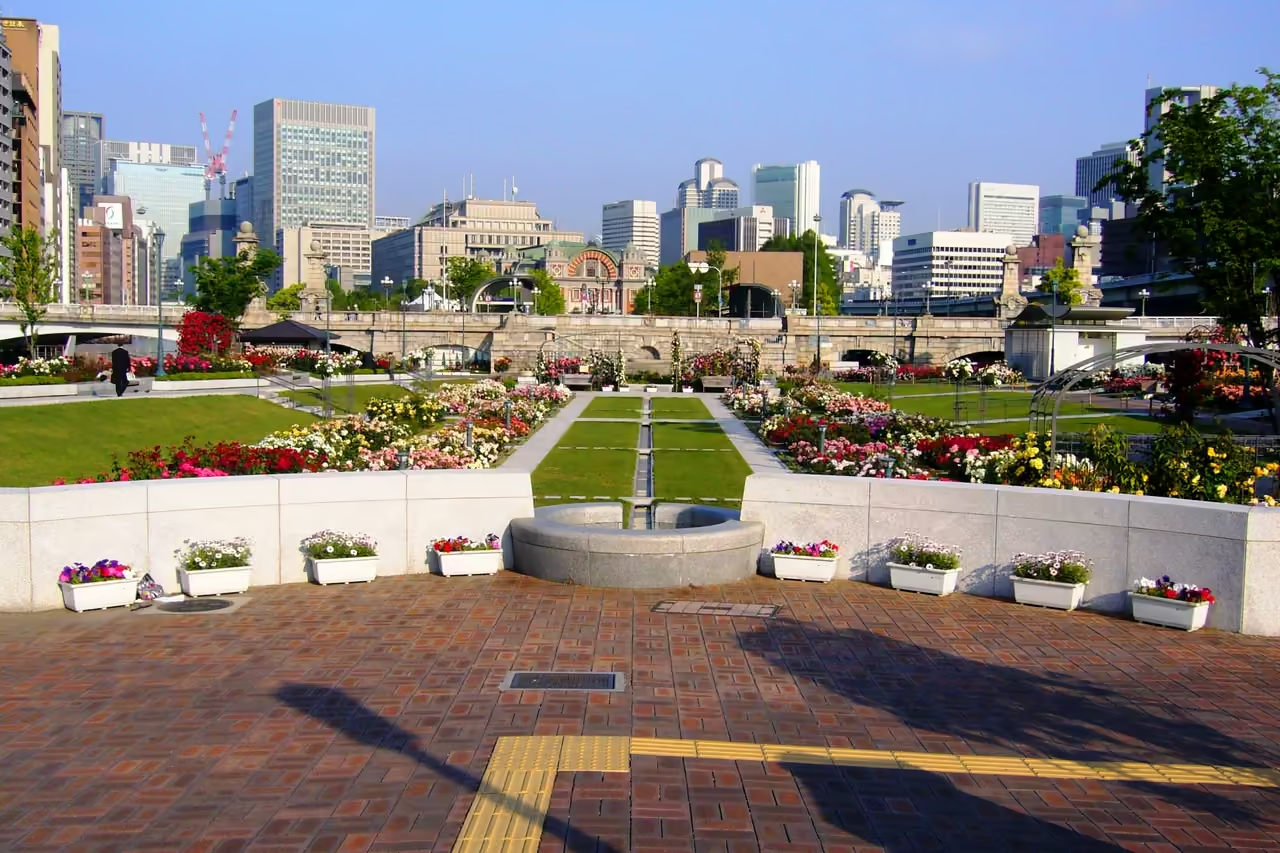
Okawa & Yodogawa Riverside Heritage Loop
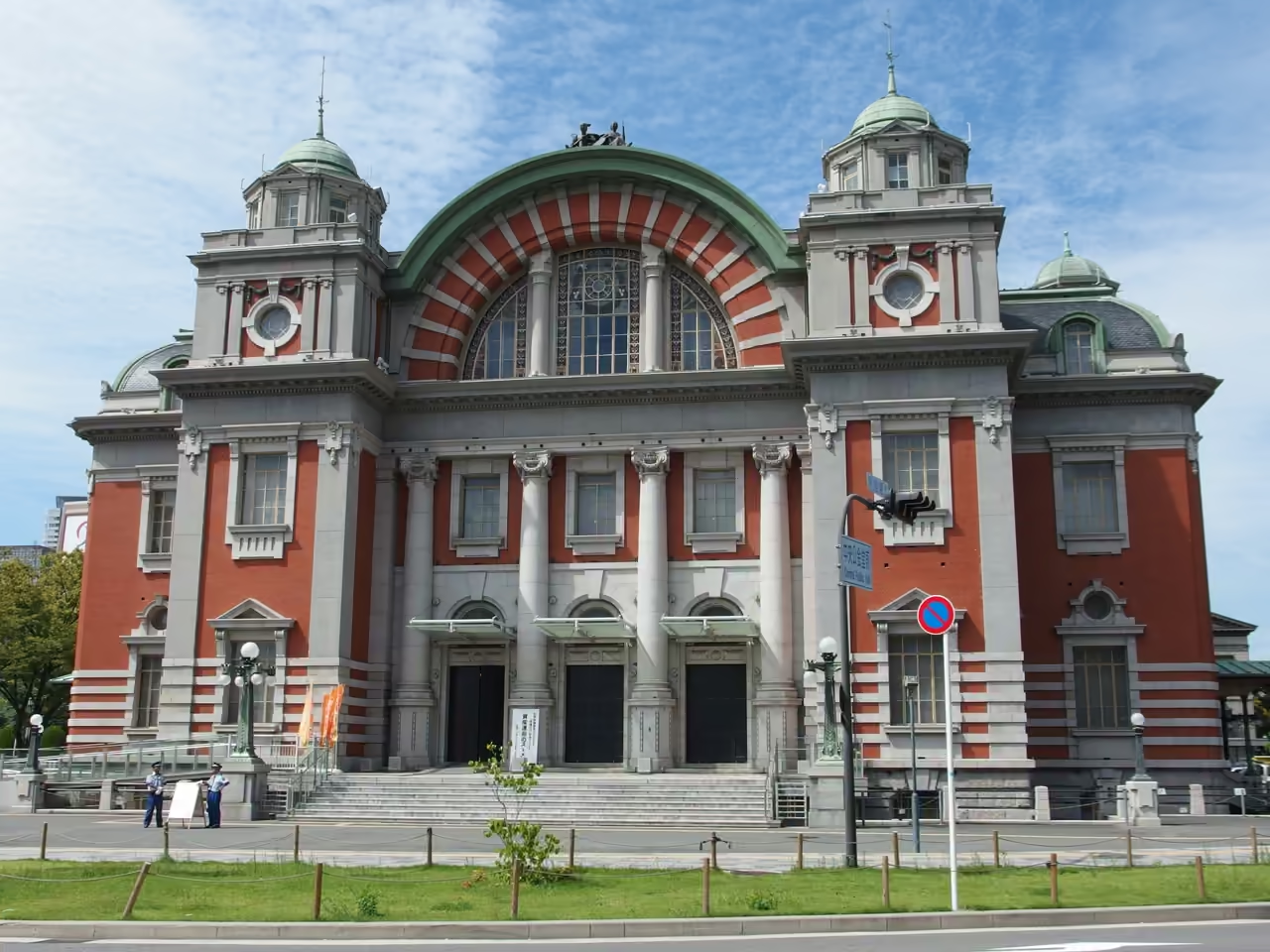
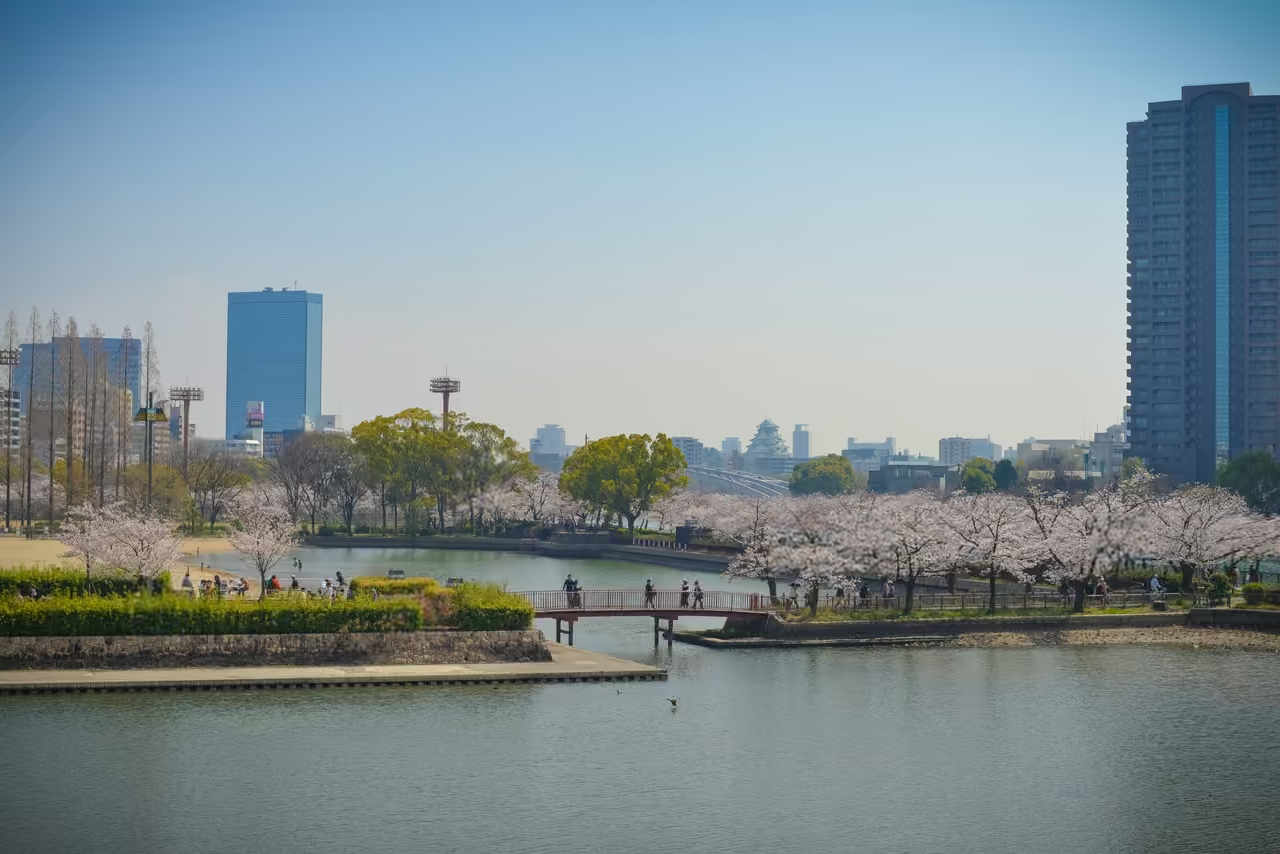
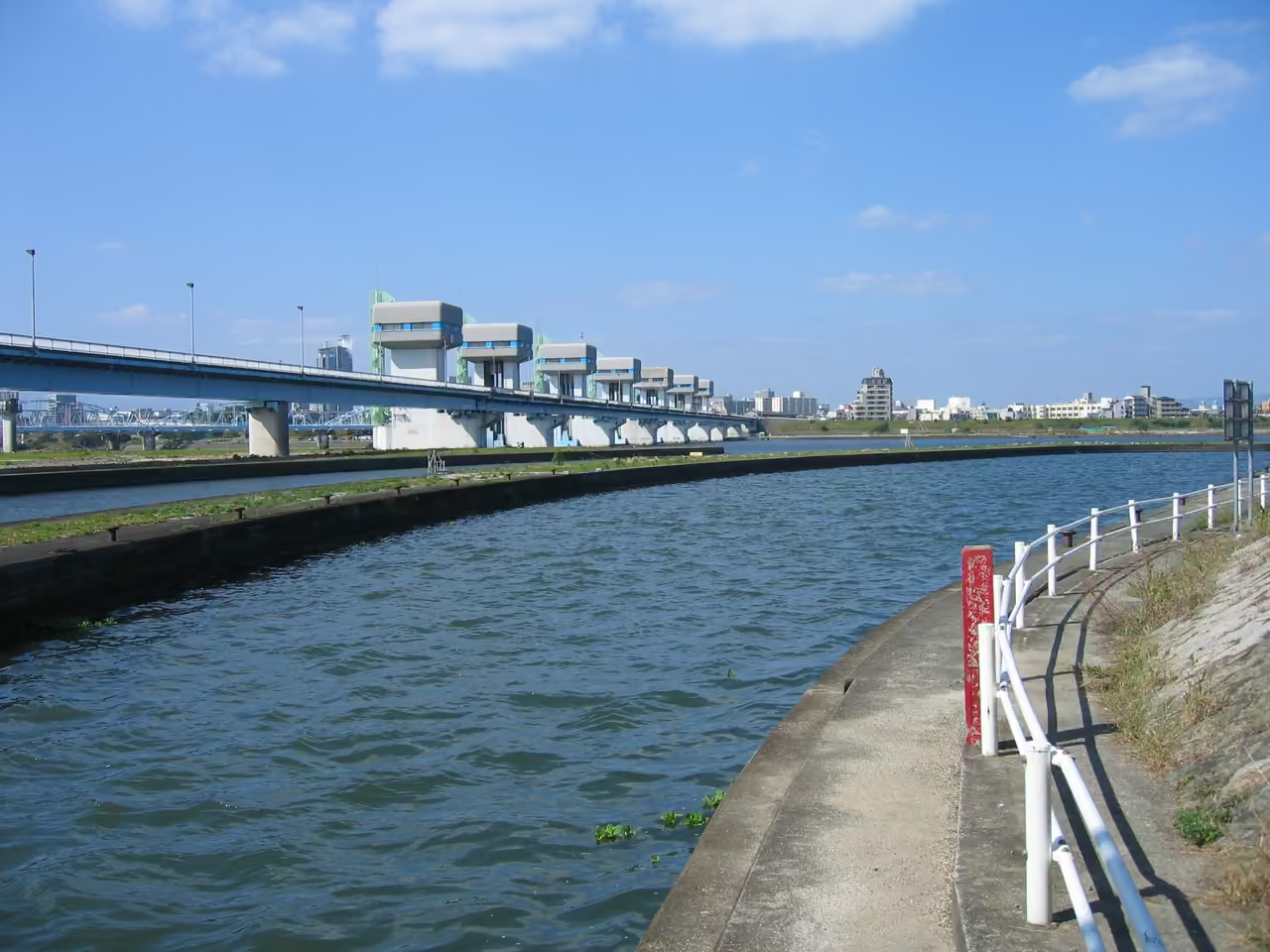
Tracing broad water corridors north of downtown glass towers, this flat, mostly car-free ride captures Osaka's soul as a City of Water. Smooth paved embankments link Meiji-era brick landmarks on Nakanoshima Island with thousands of cherry trees stretching toward historic waterworks on the broad Yodogawa River.
view route
Osaka Bay Bridges & Free Ferry Ride
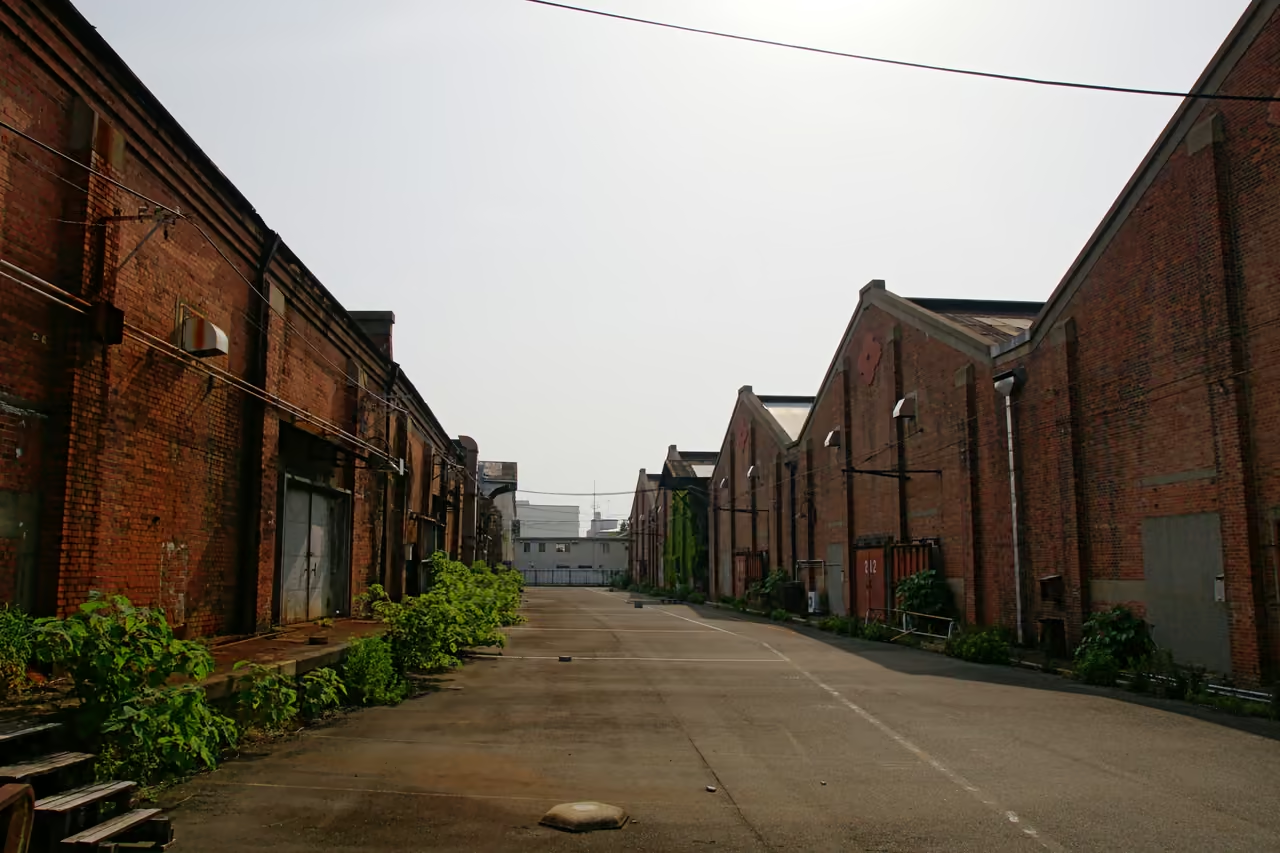
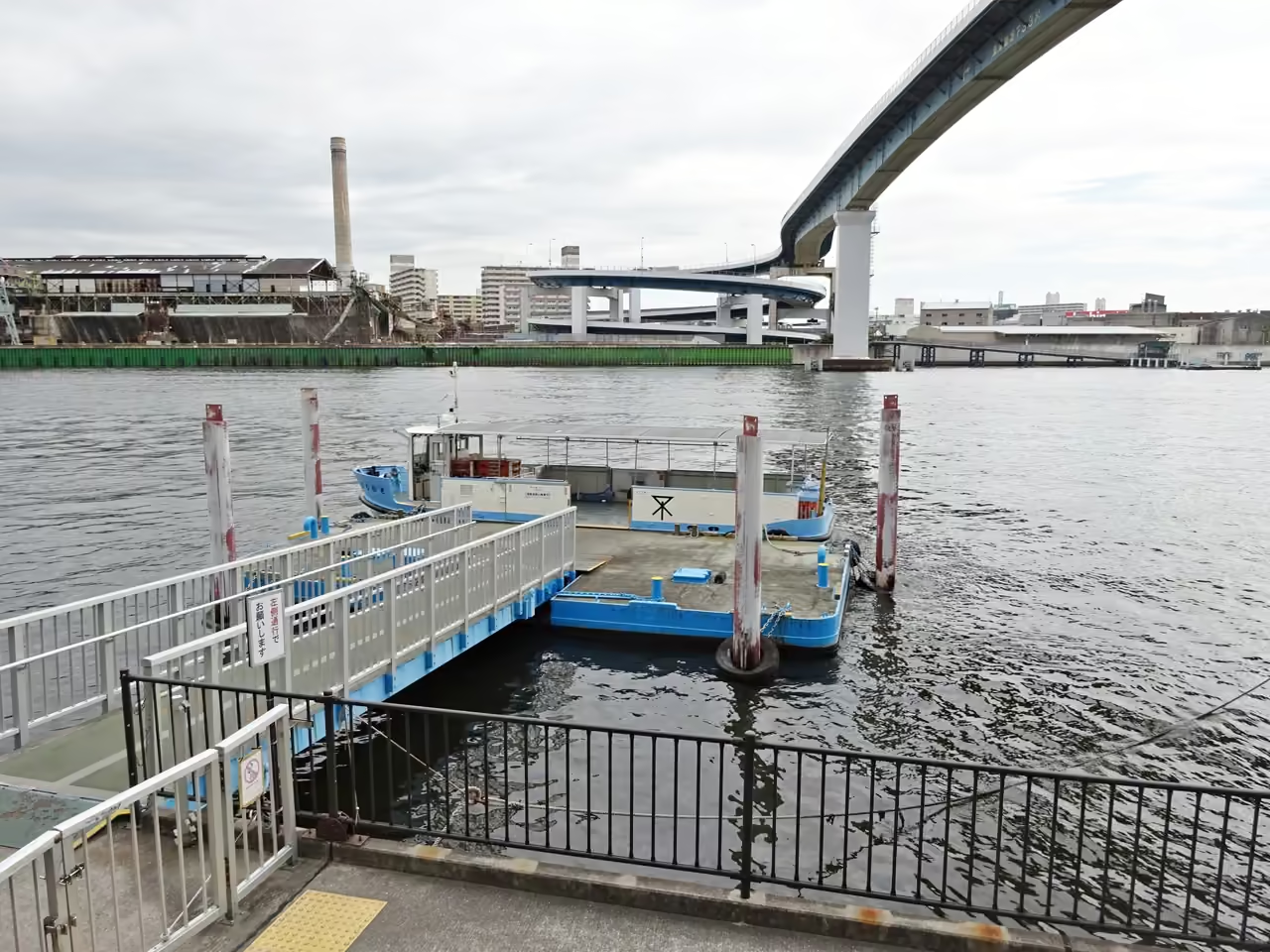
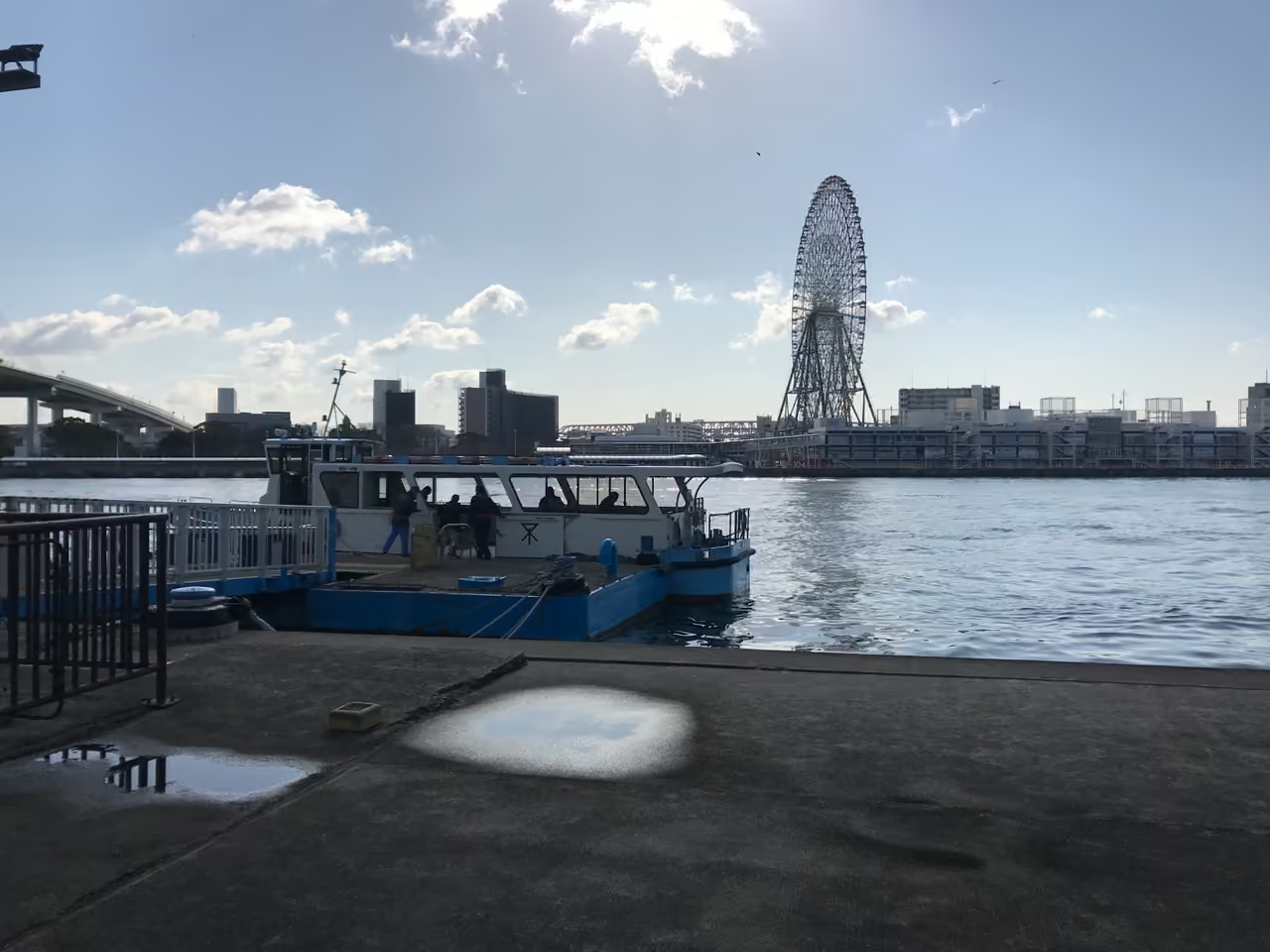
Crafted for curious urban explorers, this maritime loop chains together red-brick port warehouses, crimson truss bridges, and one of Osaka's free city-run river ferries. Boarding an open-deck boat with your bike alongside local commuters delivers a rare slice of working dockland culture.
view route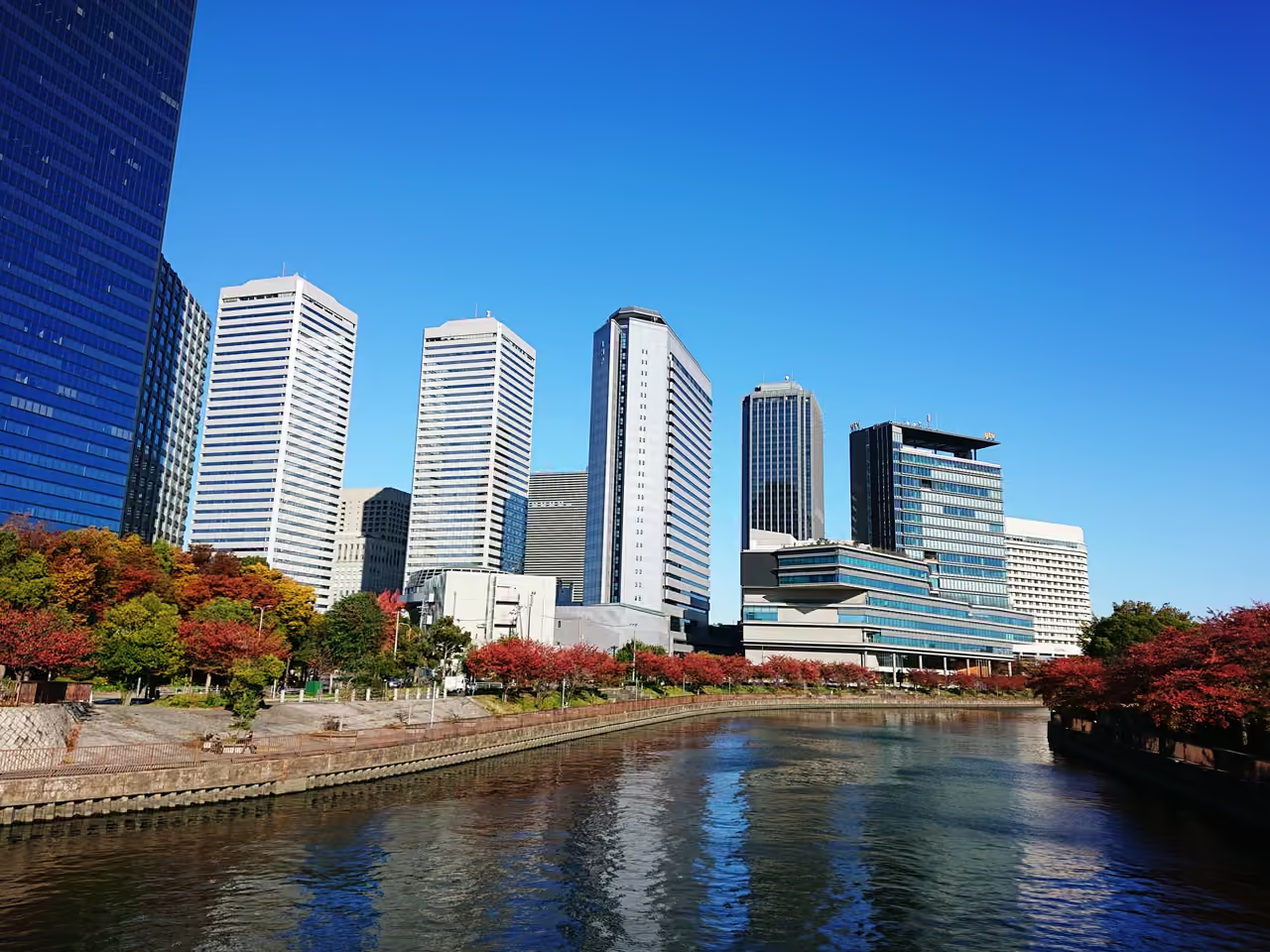
Shirokita Canal & Tsurumi Greenway Ride
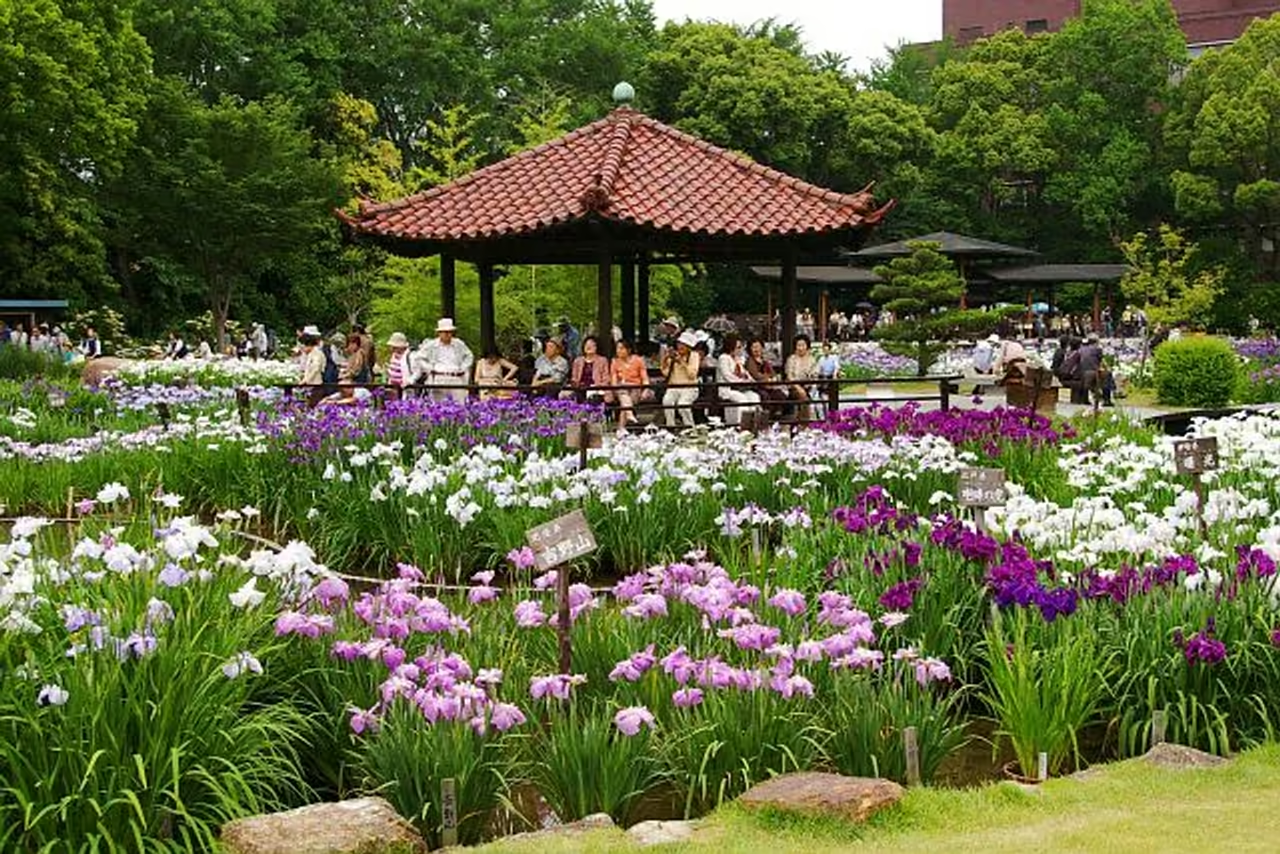
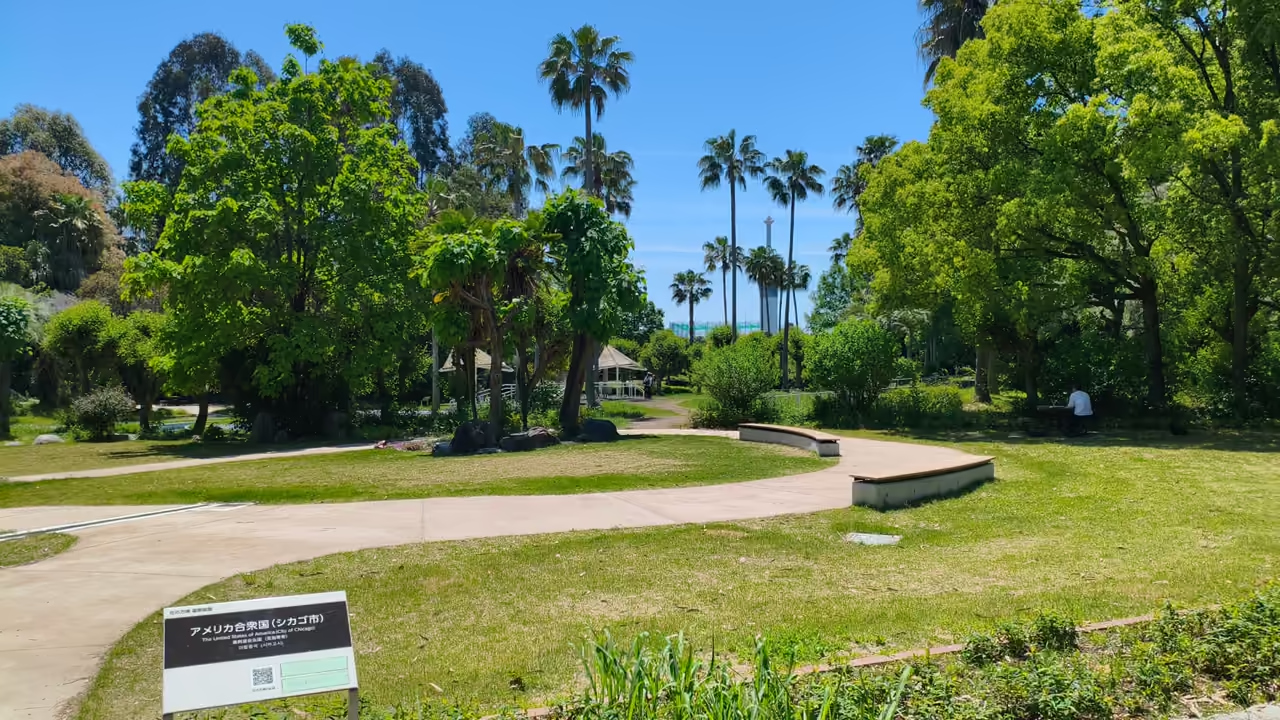
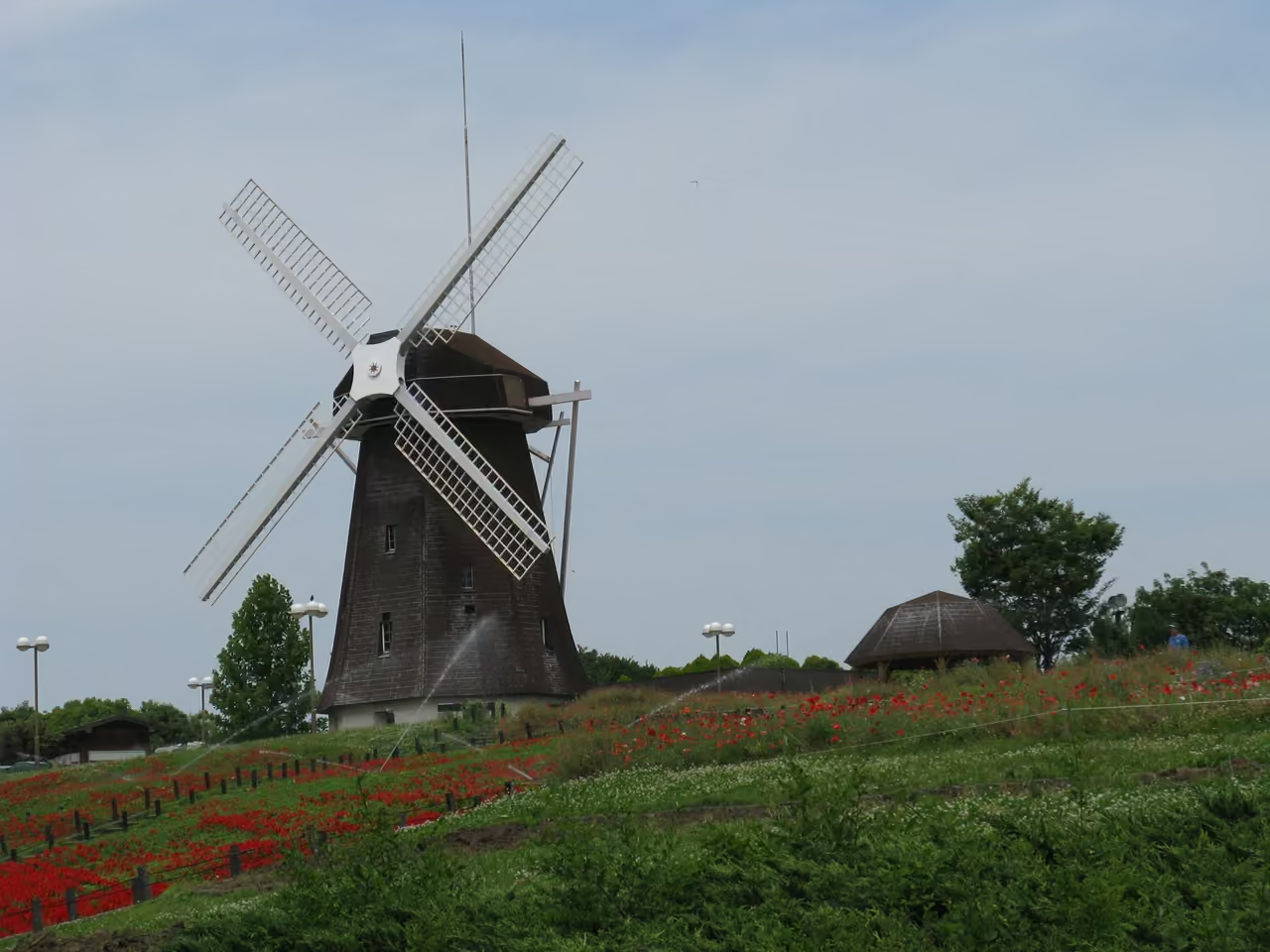
Heading east away from dense shopping strips, this gentle parkway ride follows peaceful canal paths into Osaka's broadest botanical reserves. Quiet green lanes reveal iris gardens, international pavilions from Expo 90, and a rare hilltop viewpoint above flat eastern neighbourhoods.
view route
Alternative Ways to Tour the City
Switch your pace. Discover curated routes by bike, foot, or self-guided exploration.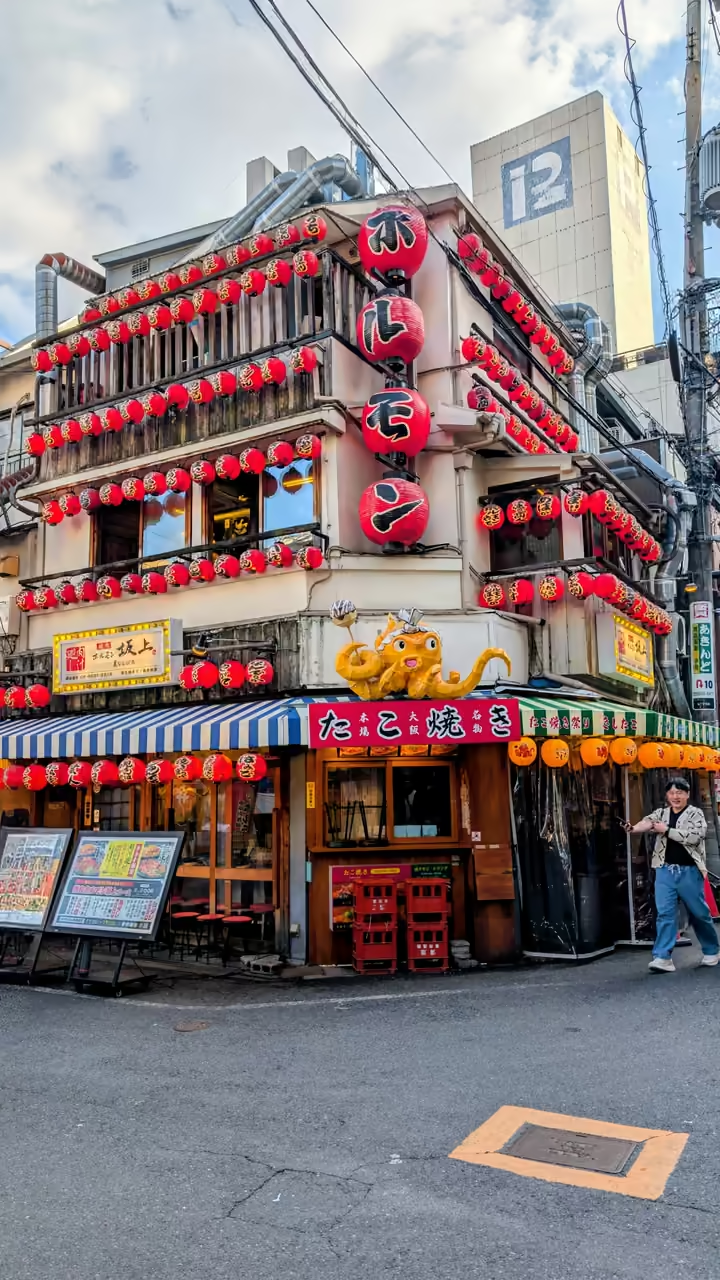
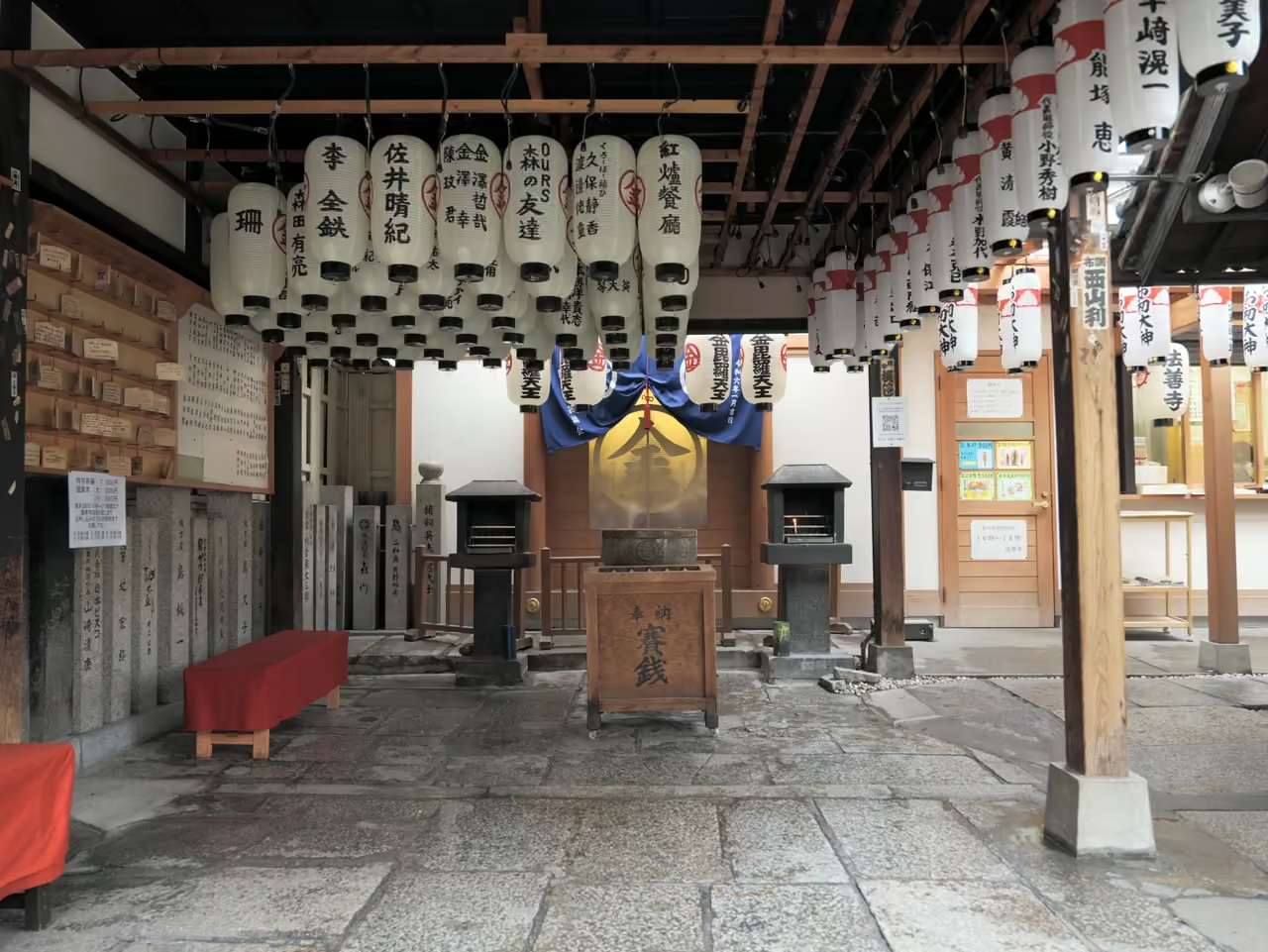
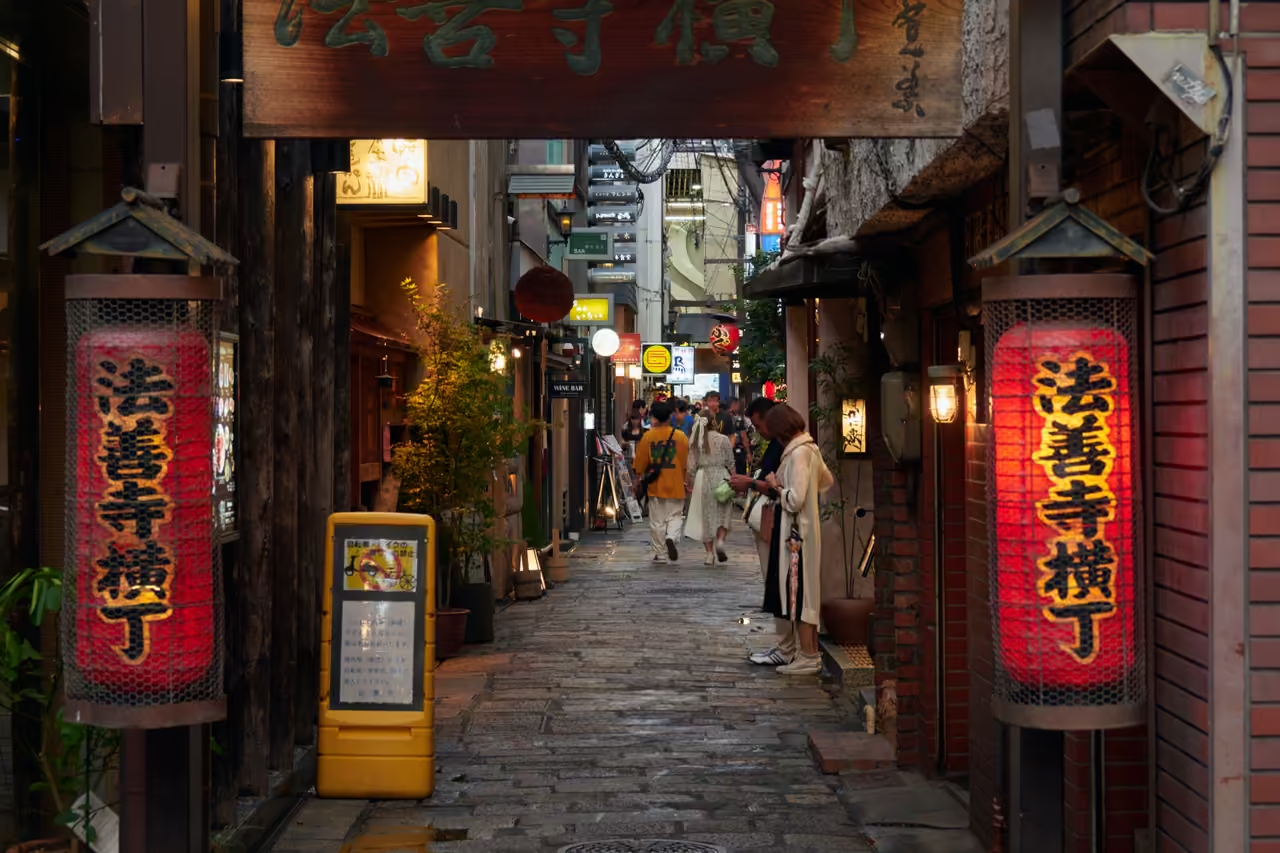
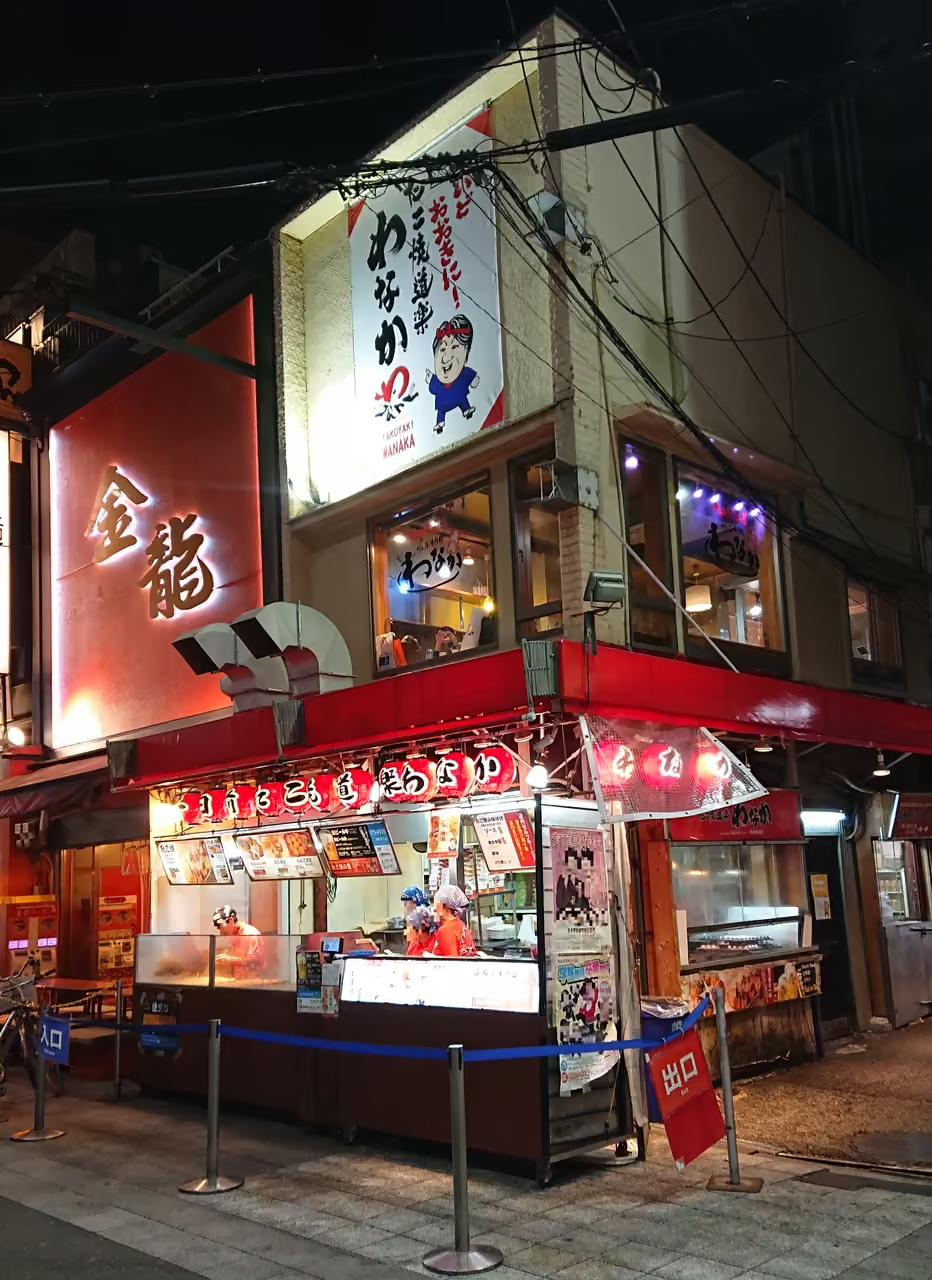
Dusk Along Dotonbori Canal & Lantern Alleys
Minami comes alive as daylight fades and thousands of neon tubes, glowing lanterns, and illuminated canal railings ignite simultaneously. This atmospheric evening stroll pairs Dotonbori's dazzling waterside walkway with moss-covered flagstones and hidden bar lanes steps away.
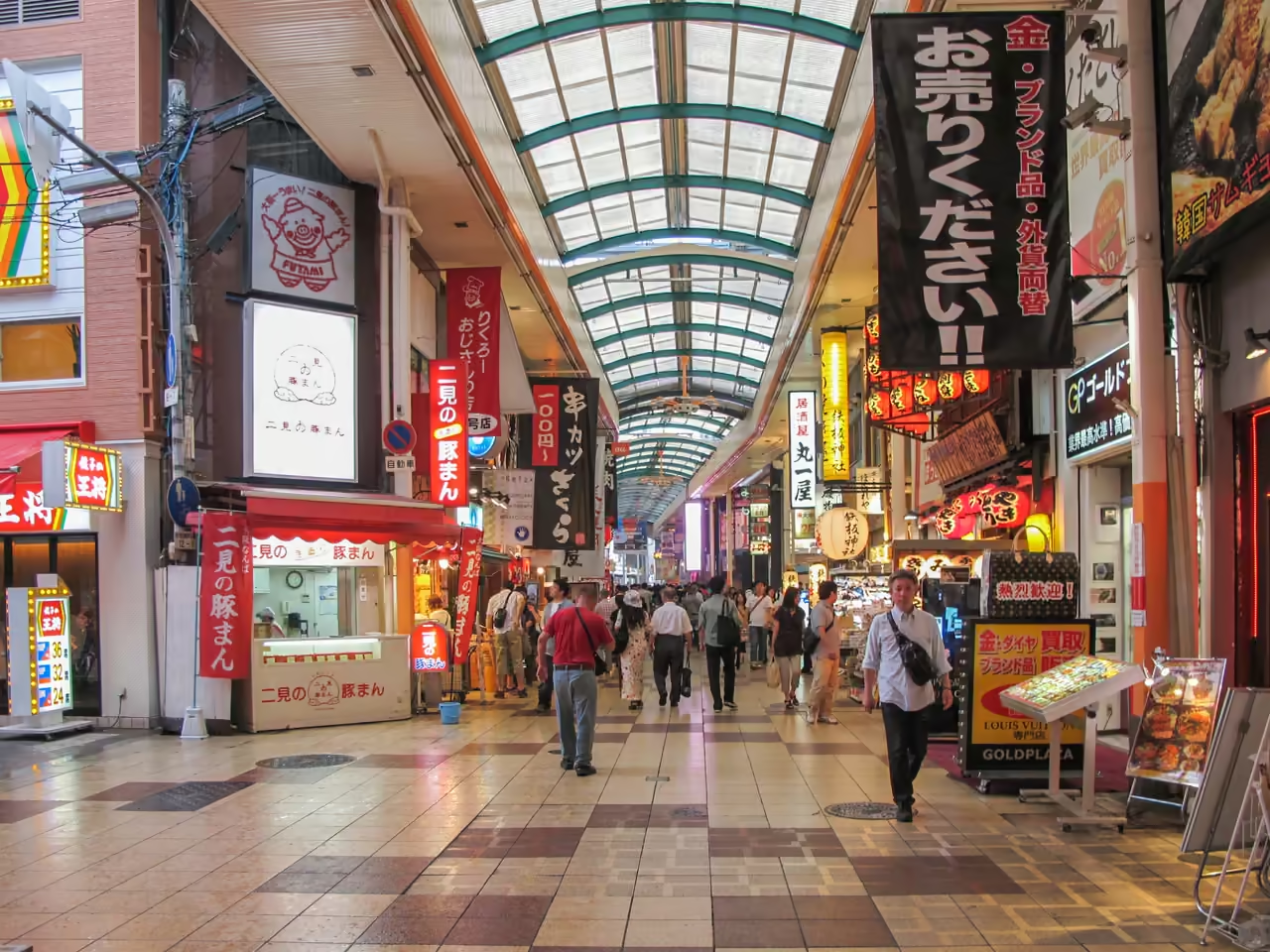
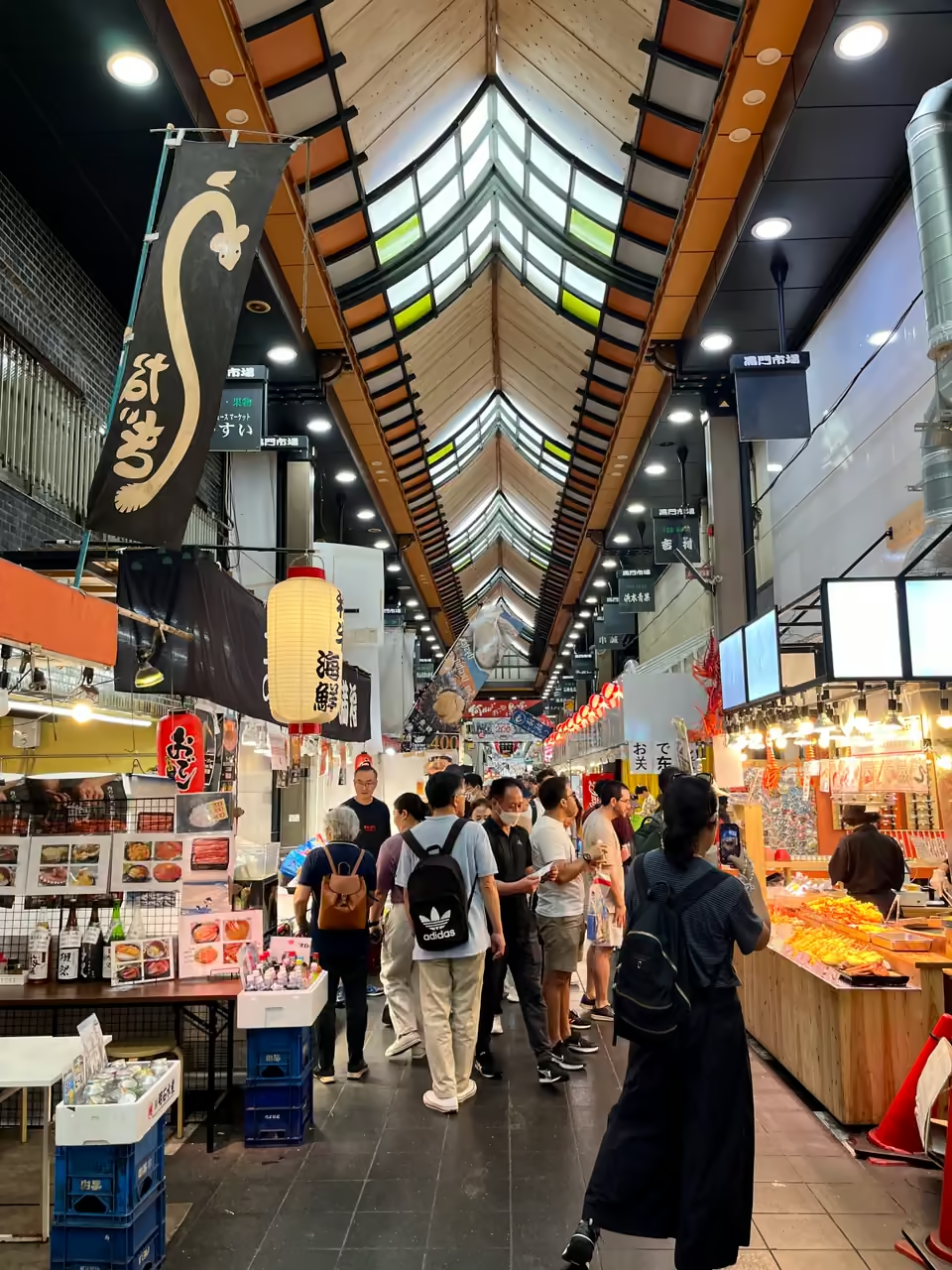
Market Arcades & Kuidaore Food Trail of Minami
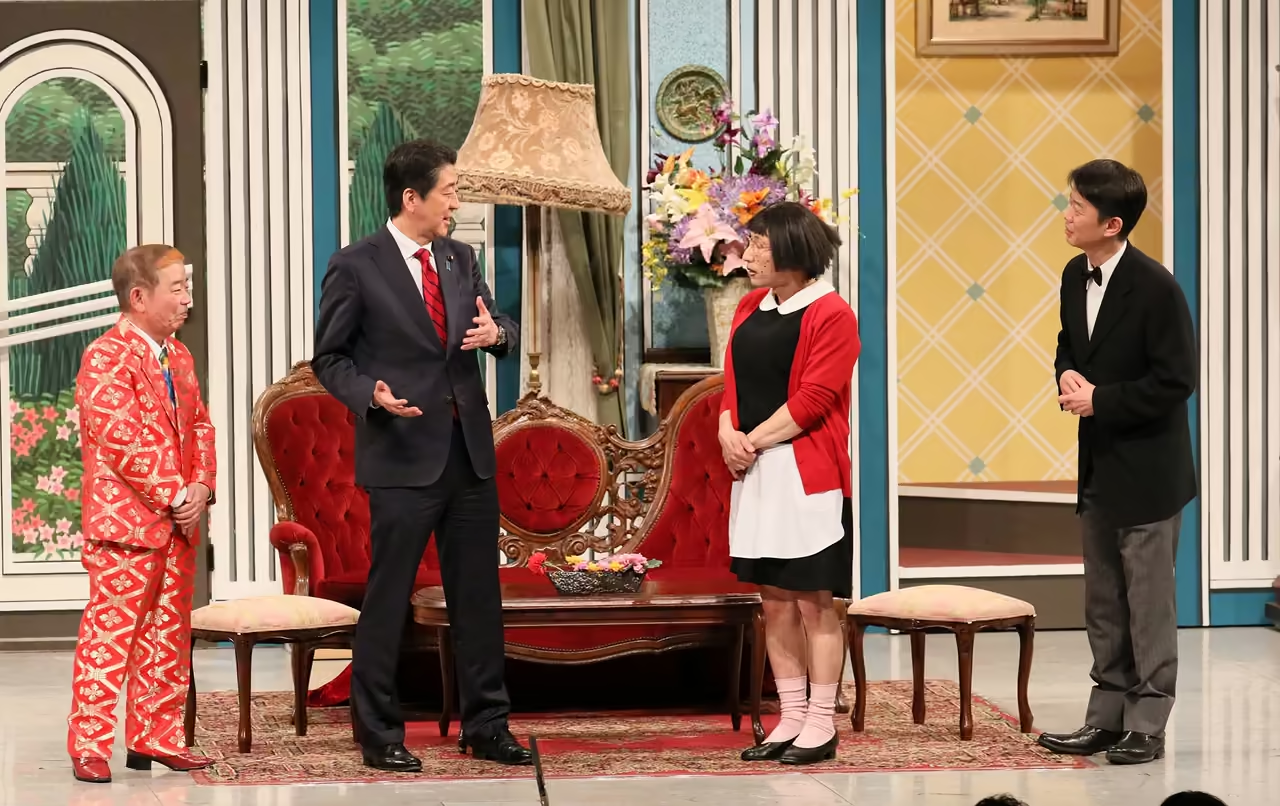
Osaka's joyful culinary obsession plays out shoulder to shoulder across Minami's lively commercial lanes. Moving among working fishmongers, specialist kitchenware dealers, comedy theatres, and neon canals shows how Osaka turned everyday eating into pure public theatre.