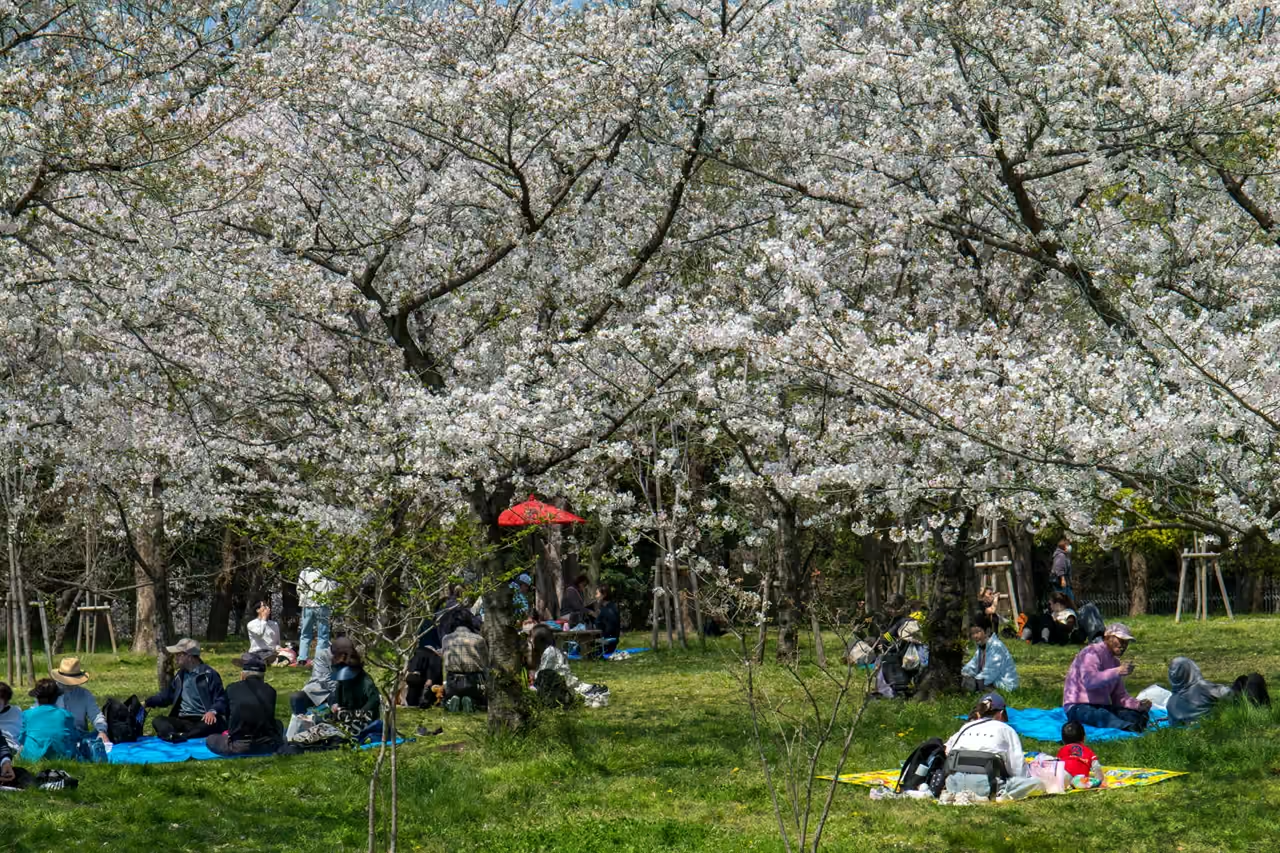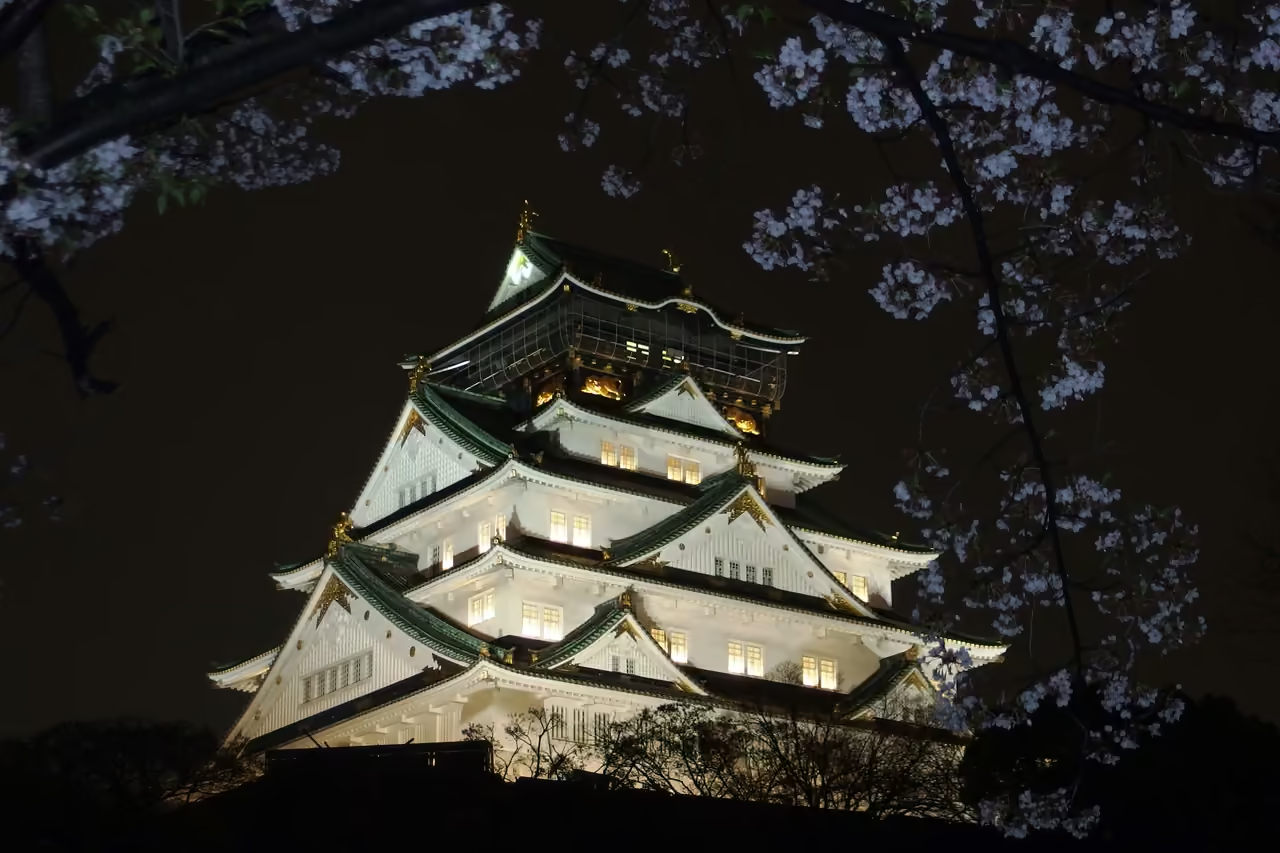
Osaka Castle
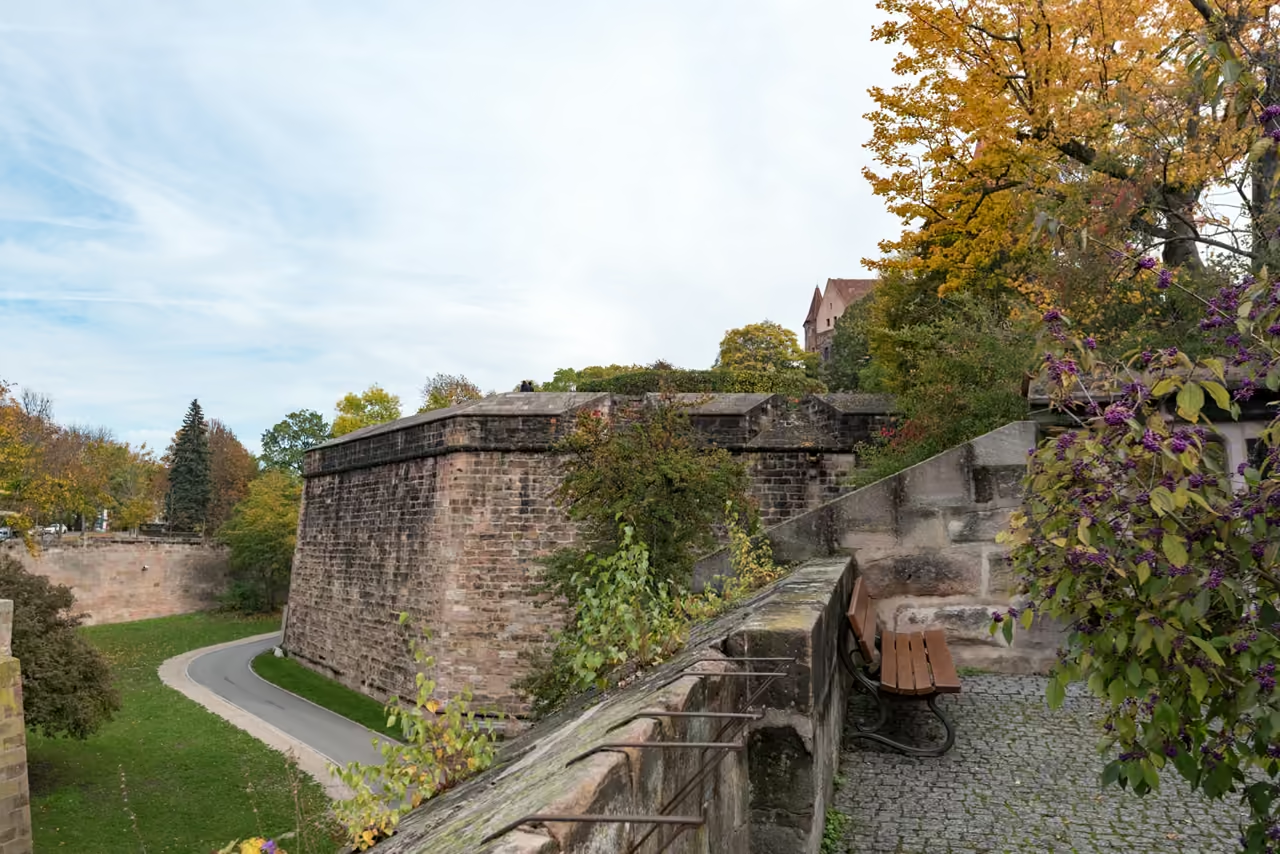
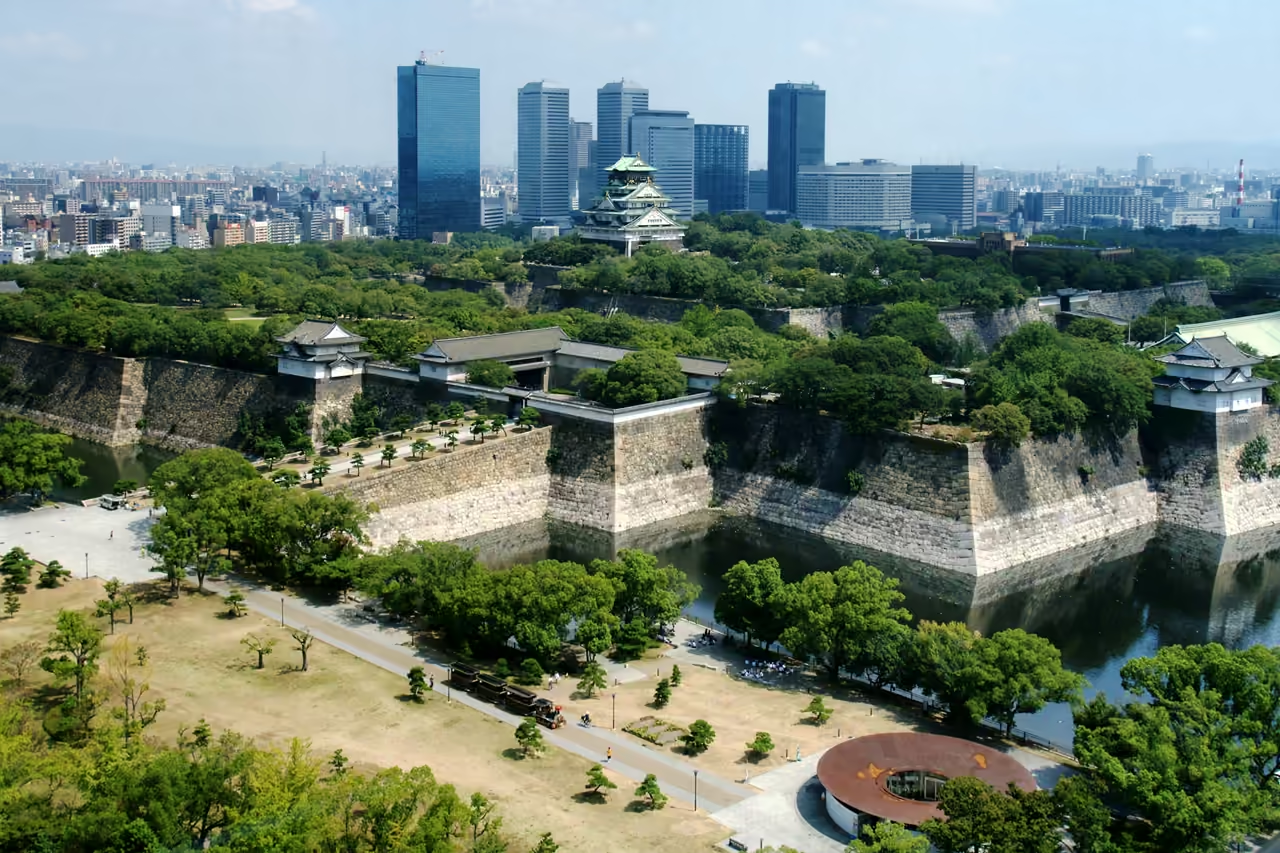
Massive granite walls rise straight out of broad water moats in central Osaka, framing a keep dressed in white plaster, black lacquer, and gilded tigers. Inside this 1931 steel and concrete reconstruction, historical screens and samurai gear build up to an open air deck overlooking the glass towers of Osaka Business Park. Reaching the inner citadel from Morinomiya or Temmabashi stations requires a solid twenty minute trek across wide bridges and cobbled ramps, a gentle reminder of just how vast the outer defences remain. Outside the main tower, Osaka Castle Park holds thirteen surviving Edo period buildings, including Otemon Gate and the quiet lawn of Nishinomaru Garden. Beneath the courtyard, the Toyotomi Stone Wall Pavilion opened in April 2025 to showcase the original sixteenth century masonry that later shoguns buried under deep earth. Right in front of the keep, two stainless steel time capsules from Expo 70 wait patiently for the year 6970, watched over by the colossal 130 tonne Takoishi boulder at Sakuramon Gate.
Videos
History of Osaka Castle
On the northern tip of the Uemachi Plateau, where the Yodo River once offered a natural water highway straight toward Kyoto, warlord Toyotomi Hideyoshi saw the makings of an unassailable capital. Only three years earlier, in 1580, the fortified temple complex of Ishiyama Honganji had burned to ash on this exact ridge after holding out against Oda Nobunaga for a decade. Seizing the strategic bluff in 1583, Hideyoshi immediately summoned tea masters including Sen no Rikyu for an inaugural gathering and set thousands of labourers to work raising concentric rings of stone walls and moats. By 1596, the castle had become a stage for international diplomacy, with its gilded reception halls refurbished to dazzle visiting envoys from Ming Dynasty China. Hideyoshi eventually governed from Kyoto, yet feudal lords still travelled to Osaka every New Year to pay homage beneath his black and gold keep. That glittering supremacy fractured soon after Hideyoshi's death, turning the stronghold into the final arena of Japan's warring states era. His young heir Hideyori held the fortress against the rising power of Tokugawa Ieyasu until patience snapped in the winter of 1614. During the Winter Campaign of Osaka, defender Sanada Nobushige threw up a crescent outwork outside the southern walls that held off repeated assaults, prompting Ieyasu to settle for a deceptive truce. Peace terms required the defenders to dismantle their outer rings and fill in the moats, stripping the castle down to its innermost core. When Hideyori tried to dig the defences back out the following spring, Tokugawa armies returned for the Summer Campaign of 1615, reducing the keep to embers and ending the Toyotomi line. Rather than leave a monument to his defeated rivals standing, the second shogun Tokugawa Hidetada decided in 1620 to erase Hideyoshi's castle by burying it alive. Teams from dozens of western domains laboured for nine years, dumping up to ten metres of fresh earth over the scorched ruins before building even steeper stone walls and a taller five storeyed keep directly on top. The new Tokugawa fortress looked invincible, yet nature proved deadlier than cannon fire. In the summer of 1660, lightning struck a gunpowder storehouse and triggered an explosion that shattered roofs across the city, and just five years later another bolt ignited the northern roof ornament, burning the second keep down after less than four decades. No shogun ever rebuilt it, leaving the mighty stone foundation empty for more than two hundred years while the rest of the compound served as western Japan's administrative anchor. Revolution finally caught up with the fortress in January 1868, when the last shogun, Tokugawa Yoshinobu, fled under cover of darkness following defeat at the battle of Toba and Fushimi. Crowds surged inside, and a kitchen fire accidentally tore through the grand Honmaru Palace and eleven three storeyed turrets right as the keys passed to imperial troops. Under the new Meiji government, the proud samurai stronghold transformed into a restricted military garrison and housed the sprawling Osaka Artillery Arsenal along its eastern flank. That heavy munitions factory turned the historic grounds into a prime target during the final months of the Second World War, when heavy bombing in August 1945 shattered surviving gates and turrets around the perimeter. Amidst those military decades, however, the people of Osaka reclaimed the skyline for themselves. Championed by Mayor Hajime Seki in 1928 as a civic park project, public donations hit 1.5 million yen in roughly six months, funding a reinforced concrete keep modelled on historical screen paintings of Hideyoshi's lost tower. Completed in 1931, this citizens' keep outlasted the wartime air raids and Typhoon Jane in 1950, standing firm until a comprehensive renovation from 1995 to 1997 reinforced it against major earthquakes and restored its gold leaf brilliance. Over the past century, that modern landmark has outlived both of its wooden predecessors, watching over a city that finally excavated and opened Hideyoshi's long buried stonework to daylight in 2025.
14 events spanning 442 years
Fun Facts
12- 01
A 2007 property audit revealed that the 1931 keep had never been formally registered as a building and that the land underneath remained officially titled to the long defunct Imperial Army Ministry, with Osaka City borrowing the grounds from the national government.
- 02
A richly detailed folding screen depicting Hideyoshi's Osaka Castle and its lively townscape was rediscovered across the globe inside Schloss Eggenberg in Graz, Austria, prompting the two castles to sign a formal friendship partnership in 2009.
- 03
For years after World War Two, daring scrap collectors nicknamed the Apache scavenged iron and copper from the ruined Osaka Artillery Arsenal on the castle's eastern edge, inspiring acclaimed novels by Sakyo Komatsu and Takeshi Kaiko.
- 04
From 1937 through the Second World War, military authorities banned cameras inside the keep, boarded up all observation windows in 1940, and stationed air defence intelligence officers inside the tower.
- 05
Granite boulders dropped in transit from Shodoshima and other islands were abandoned along roadsides as Zannen ishi, or stones of regret, because superstitious builders feared reusing fallen blocks would curse the fortress to fall.
- 06
In 1956, post war repairs temporarily altered the keep's famous palette by painting its gold leaf surfaces plain copper and turning the dark backing behind its golden tigers pure white until the late 1990s restoration reversed both choices.
- 07
Many of Osaka Castle's record breaking mirror stones are clever illusions of depth, measuring less than forty centimetres thick as ornamental stone veneers placed over smaller structural rubble.
- 08
Portuguese Jesuit missionary Luis Frois recorded that the top room of Hideyoshi's original keep was so intimate that thirty guests standing inside would brush against the ruler's silk robes.
- 09
Street block numbering across every one of Osaka City's twenty four wards begins sequentially from the block lying closest to Osaka Castle.
- 10
The gilded tiger reliefs wrapping the upper storey of the 1931 keep inspired the name of the Osaka Tigers baseball club when it was founded in 1935, a team known today as the Hanshin Tigers.
- 11
The sole surviving wooden building from Toyotomi Hideyoshi's original sixteenth century castle does not stand in Osaka at all, because its ornate Gokurakubashi gatehouse was moved first to Kyoto in 1600 and then to Hogonji Temple on Lake Biwa's Chikubu Island in 1602, where it remains a National Treasure.
- 12
When the 1660 lightning blast detonated over eighty two tonnes of black powder inside the castle magazine, the shockwave reportedly flung the heavy wooden doors of Aoyamon Gate roughly fourteen kilometres away to Kuragari Pass.
FULL PLACE DETAILS
Updated
FULL PLACE DETAILS
UpdatedOVERVIEW & STATS
- Established
- In 1583, making it 443 years old
ARCHITECTURE & HERITAGE
- Heritage Status
- Historic Site Of JapanImportant Cultural Property Of JapanSpecial Historic Site
- Founders
- Toyotomi Hideyoshi
WEB & AMENITIES
Osaka Castle Map & Neighborhood Explorer
This interactive map is centered on Osaka Castle. Zoom in and move the map around to automatically discover Wikipedia photos and summaries of other nearby sights, monuments, and historical points of interest and stories in real-time!
Osaka Castle FAQ
No, the main tower standing today was completed in 1931 using steel and reinforced concrete, paid for by public donations from Osaka residents. Both earlier wooden keeps built by Toyotomi Hideyoshi and the Tokugawa shogunate were destroyed in the seventeenth century. However, thirteen Edo period structures around the grounds, including Otemon Gate and the Sengan Turret, are original and hold Important Cultural Property status.
Yes. Although Tokugawa builders buried Hideyoshi's fortress under deep earth in the 1620s, the Osaka Castle Toyotomi Stone Wall Pavilion opened in April 2025 inside the inner citadel, allowing visitors to view excavated sixteenth century stonework underground. Another surviving Toyotomi structure, the former Gokurakubashi gatehouse, still stands at Hogonji Temple on Lake Biwa.
The eight storey interior operates as a dedicated history museum rather than a bare wooden palace. Exhibits feature samurai armour, folding screens depicting the sieges of Osaka, historical documents linked to Toyotomi Hideyoshi, and scale models of the lost fortresses, all leading up to an open air observation deck on the top floor.
Yes, an exterior lift added to the side of the stone base during the 1990s renovation provides step free access into the main keep and up toward the upper galleries, though short queues can form at busy midday hours. The surrounding Osaka Castle Park paths are wide and mostly paved, with gentle ramps leading toward the inner gates.
Several stations ring Osaka Castle Park depending on which entrance visitors prefer. Tanimachi Yonchome Station on the Osaka Metro leads straight to the historic Otemon Gate approach, while Morinomiya, Osakajokoen, Temmabashi, and Osaka Business Park stations offer easy access from the eastern and northern sides of the grounds.
A typical visit takes about 3 hours. We recommend planning your schedule accordingly to make the most of your time there.
The closest place to visit near Osaka Castle is Time-Travel Through Osaka's Past at the Museum of History, around 652 m away. Other things to do near Osaka Castle include Naniwa-no-Miya Palace Archaeological Park (715 m), Kyobashi Standing Bars (1.3 km) and Sakuranomiya Park (1.3 km). All of these are within roughly 1.3 km of Osaka Castle.
Osaka Castle holds the following heritage designations: Historic Site Of Japan, Important Cultural Property Of Japan and Special Historic Site.
It dates back to 1583, making it 443 years old.
Osaka Castle was founded by Toyotomi Hideyoshi.
While we strive to keep this information accurate and up to date, we recommend verifying any details independently before making decisions based on them.
Places near Osaka Castle
Make the most of your trip. Check out these top-rated spots located nearby.
 652m
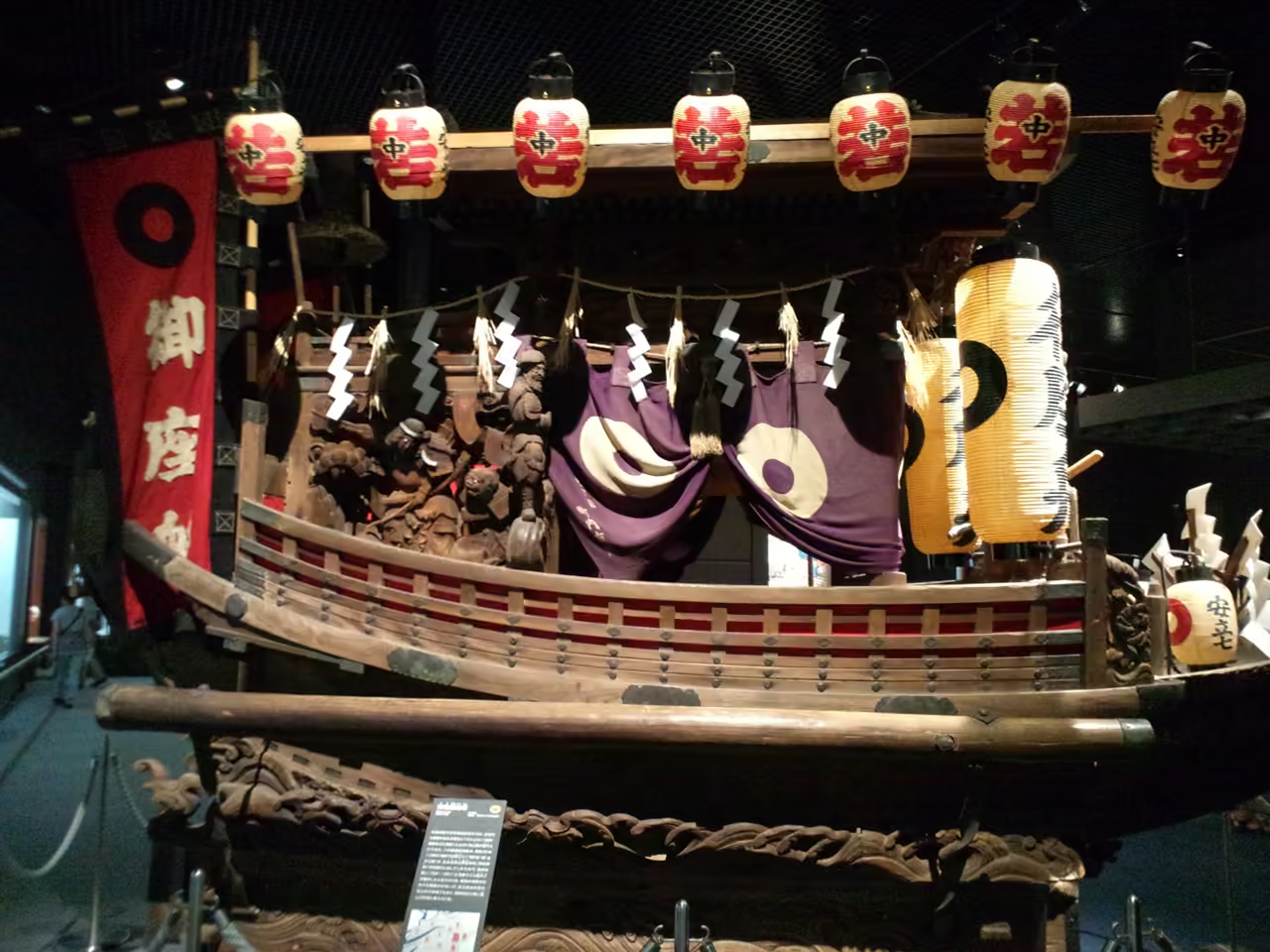
Time-Travel Through Osaka's Past at the Museum of History
Rising right across from Osaka Castle, this soaring museum takes visitors backwards in time from its tenth floor downward through full-scale street reconstructions of the city's golden eras. Walk through the crimson pillar halls of seventh-century Naniwa Palace while peering straight through panoramic glass down at the actual buried ruins next door. Lower floors recreate lively Edo merchant river docks and the neon glamour of Shinsaibashi during the Great Osaka boom of the 1920s.
highlight view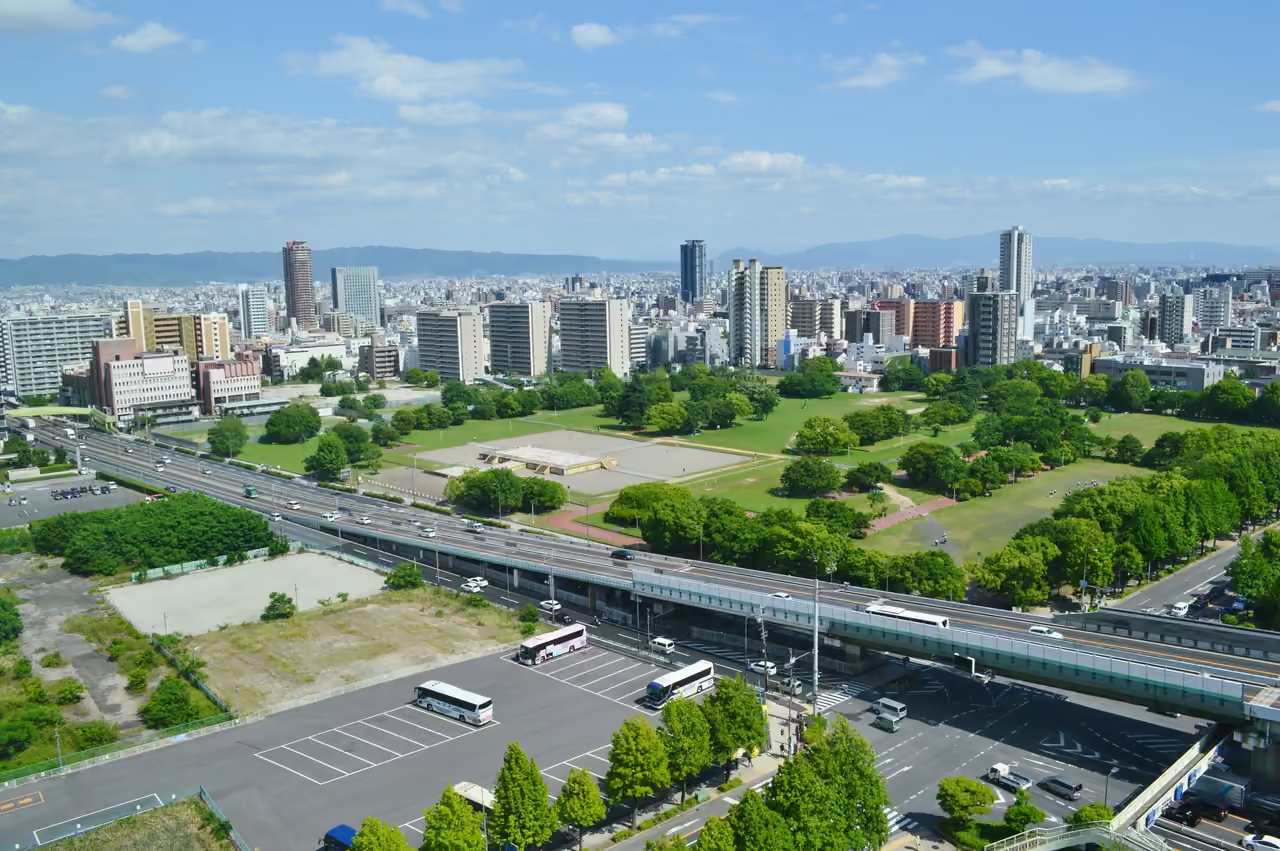 715m
Naniwa-no-Miya Palace Archaeological Park
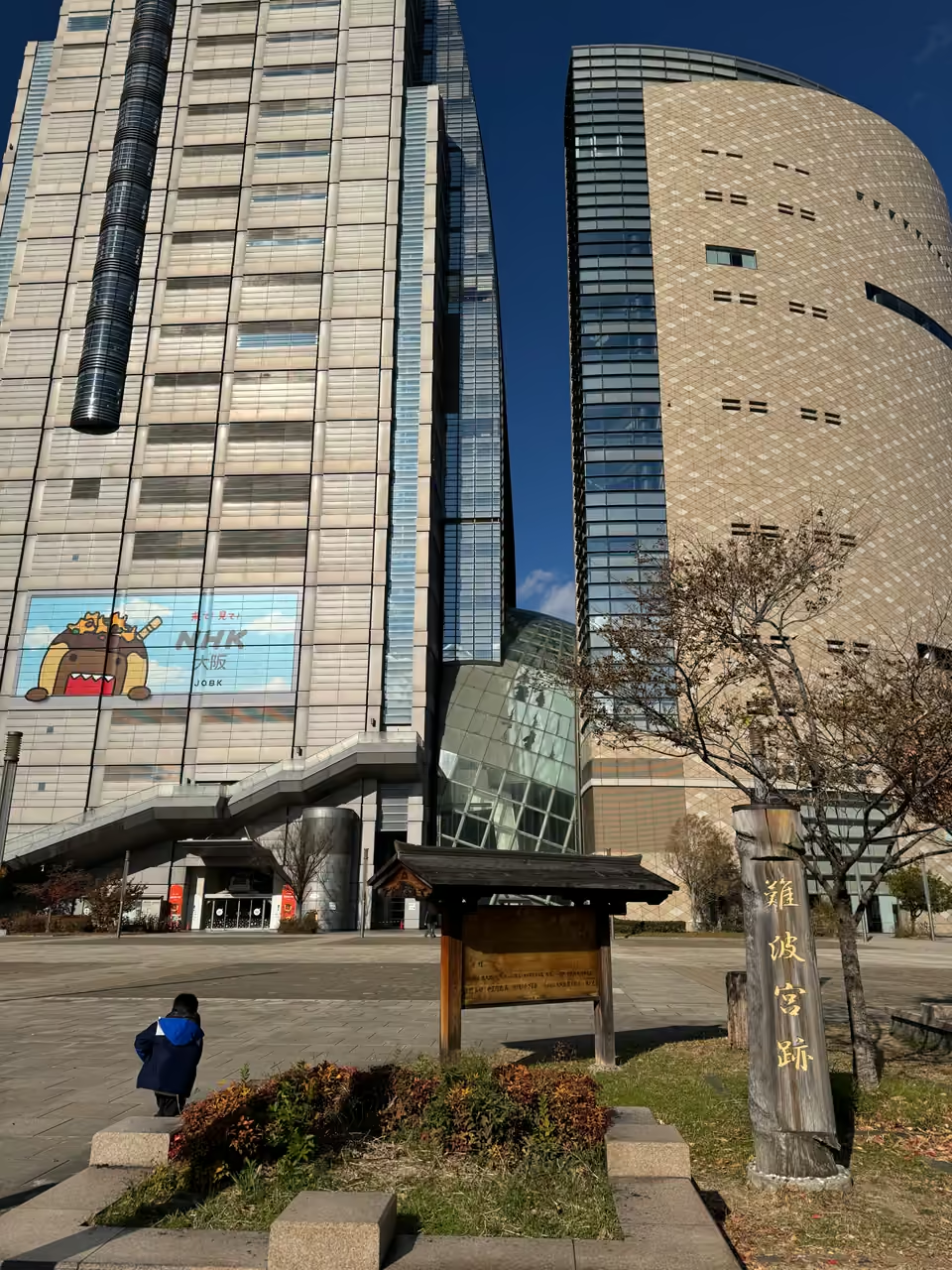
Just south of Osaka Castle across a broad boulevard lies a calm hilltop expanse where stone plinths trace the monumental timber halls of Japan's earliest planned imperial capital. Unlike the crowded castle grounds north, this sunlit archaeological lawn welcomes local kite-flyers and picnickers strolling across footprints of seventh-century throne rooms. Standing on the reconstructed red-tiled podium offers serene city views and a direct brush with 1,380-year-old foundations.
hidden gem view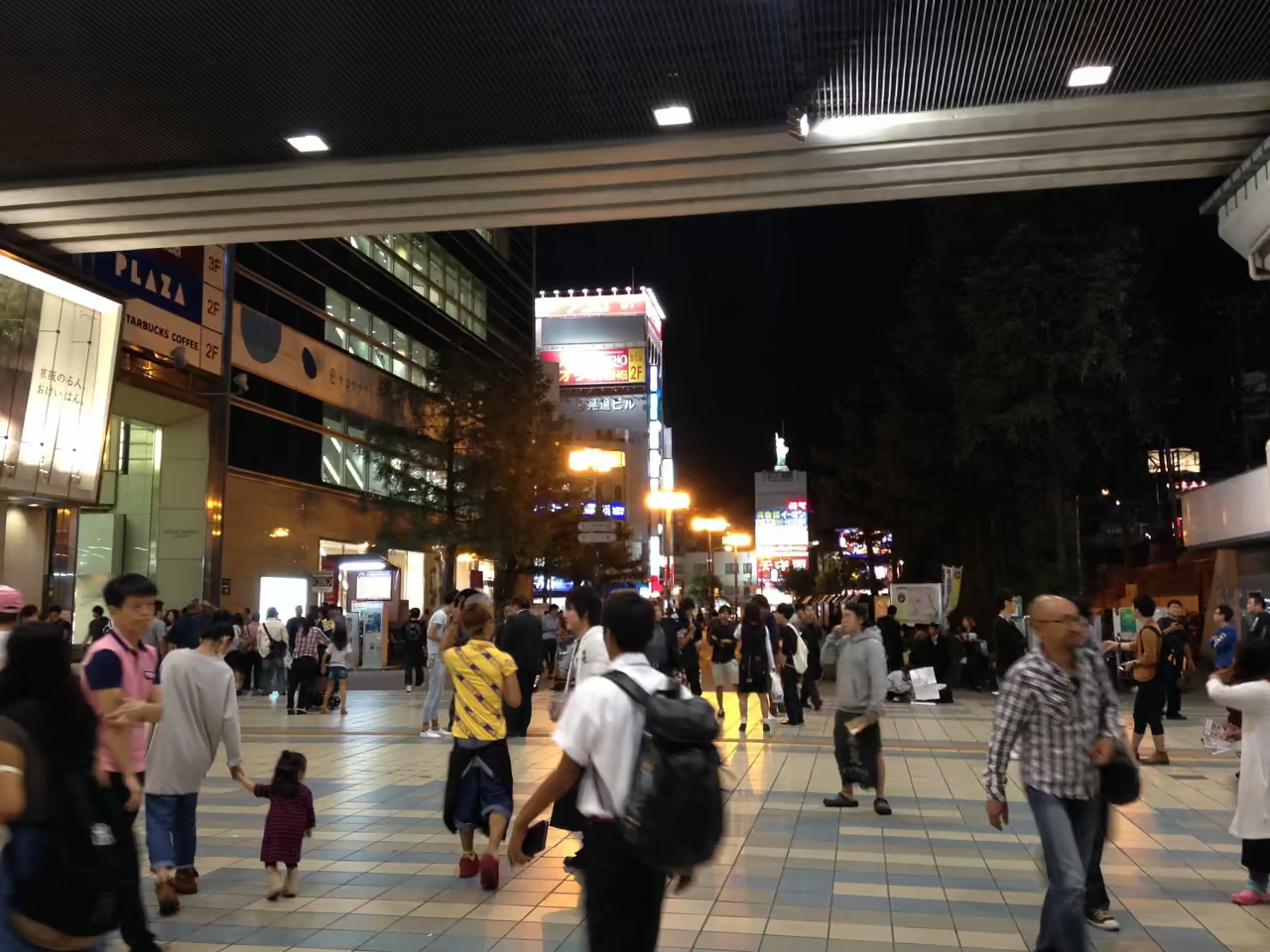 1297m
Kyobashi Standing Bars
Wedged beneath the elevated railway tracks east of Osaka Castle, Kyobashi packs dozens of rough-and-ready standing bars and charcoal chicken stalls along tightly knit alleys. After office hours, commuters crowd shoulder to shoulder around upturned beer crates for bargain sashimi plates and frothy draught beer. Unlike slick downtown lounges, this working-class hub stays gloriously unpretentious from late afternoon onward.
nightlife view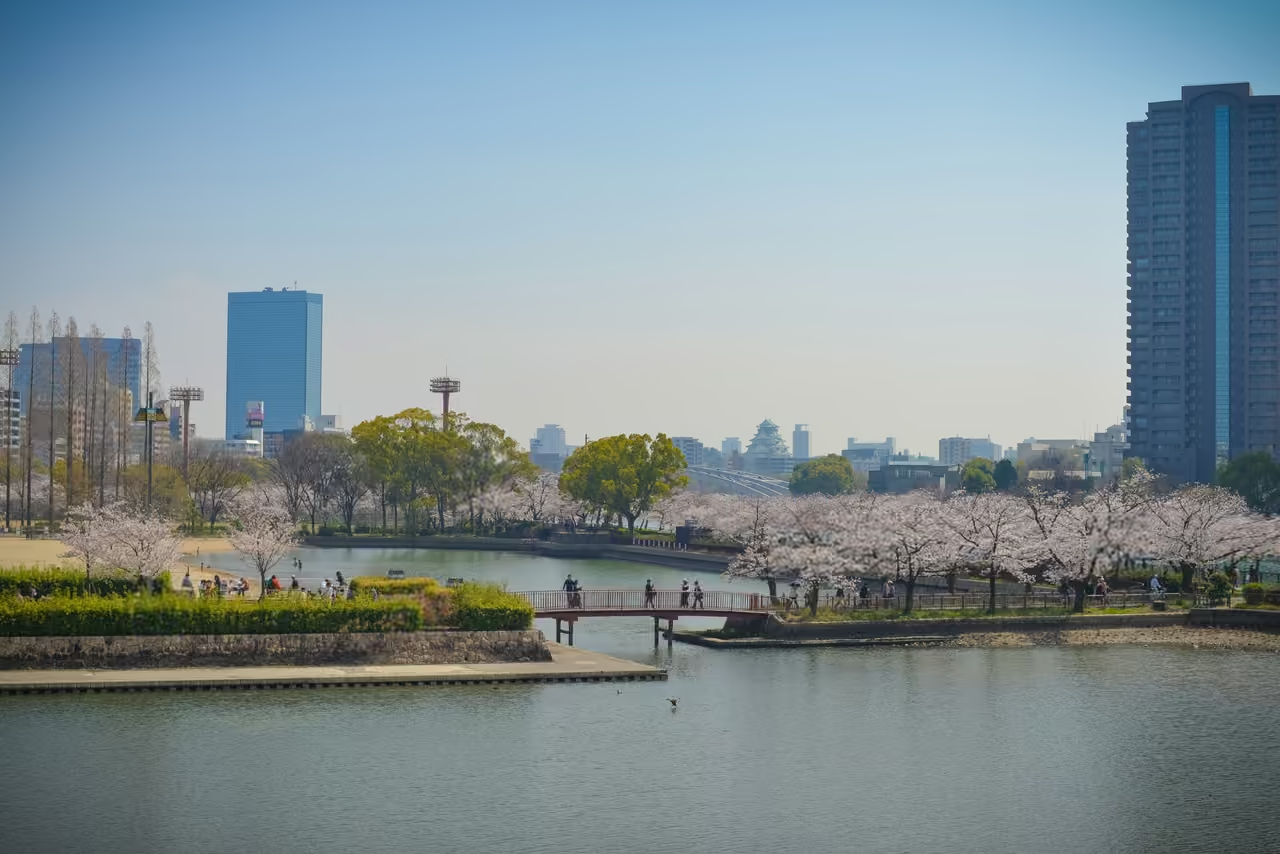 1325m
Sakuranomiya Park
Stretching along both banks of the Okawa River, Sakuranomiya Park is a beloved green oasis in Osaka, renowned for its spectacular cherry blossoms. This expansive riverside park offers a tranquil escape from the urban rush, inviting visitors to stroll beneath centuries-old cherry trees that line the water. It’s an ideal spot for leisurely walks, cycling, or simply relaxing by the river, especially during spring when the "Sakura no Torinuke" at the nearby Mint Bureau draws crowds. The park’s character blends historical charm with natural beauty, providing picturesque views of the city skyline and a truly inviting atmosphere. Its enduring appeal lies in its role as a communal space where locals and tourists alike connect with Osaka’s verdant heart.
park & nature view
Explore Similar Places in This Collection
Featured on These Itineraries and Routes
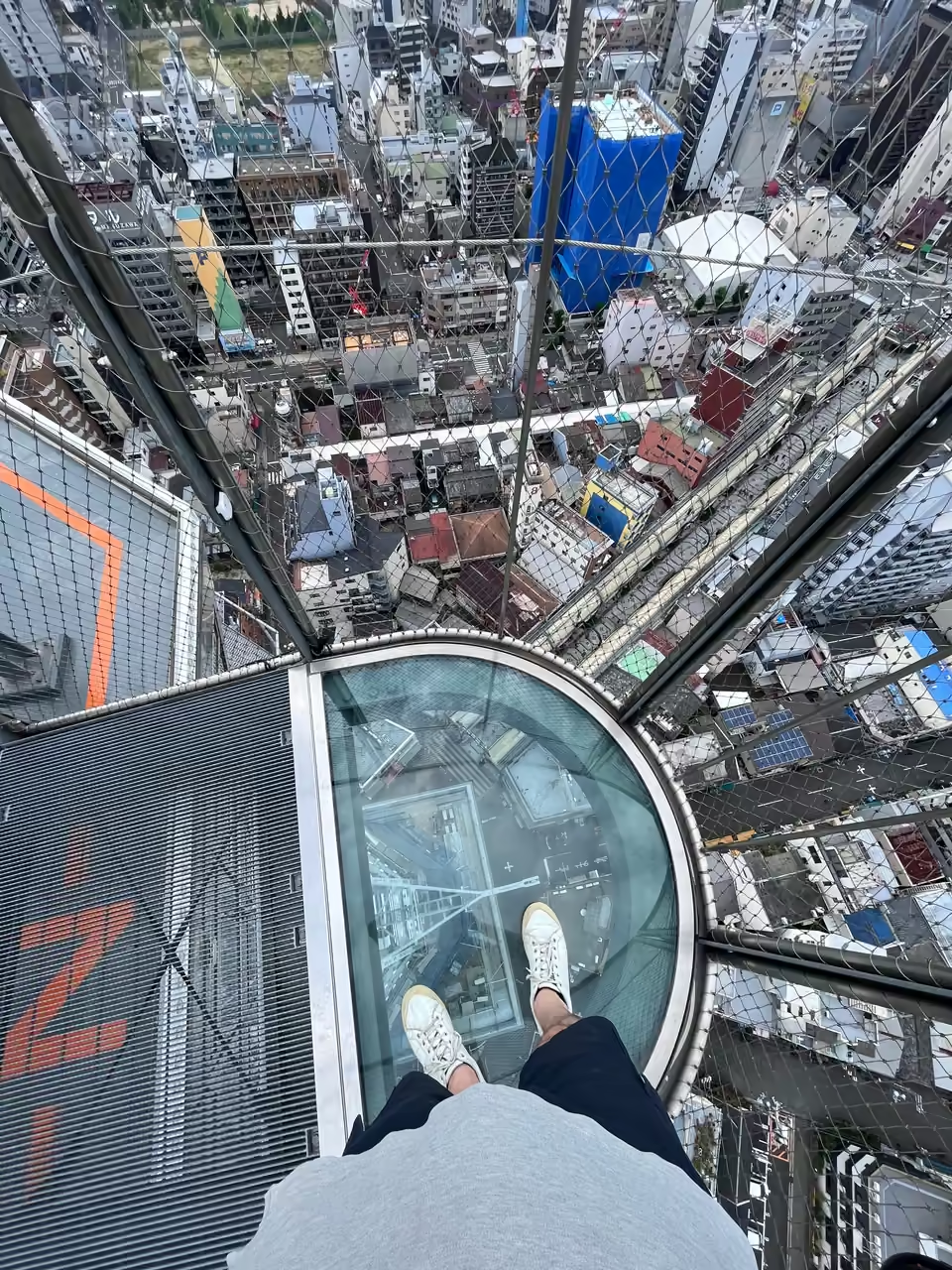
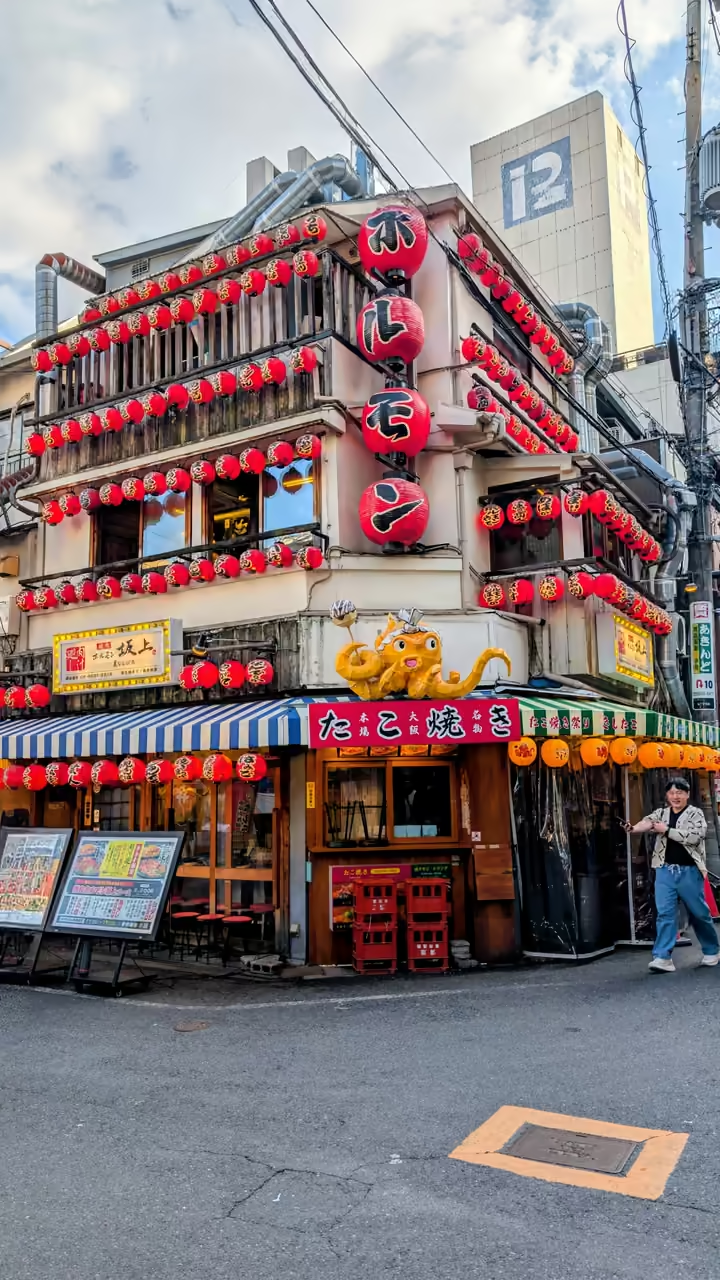
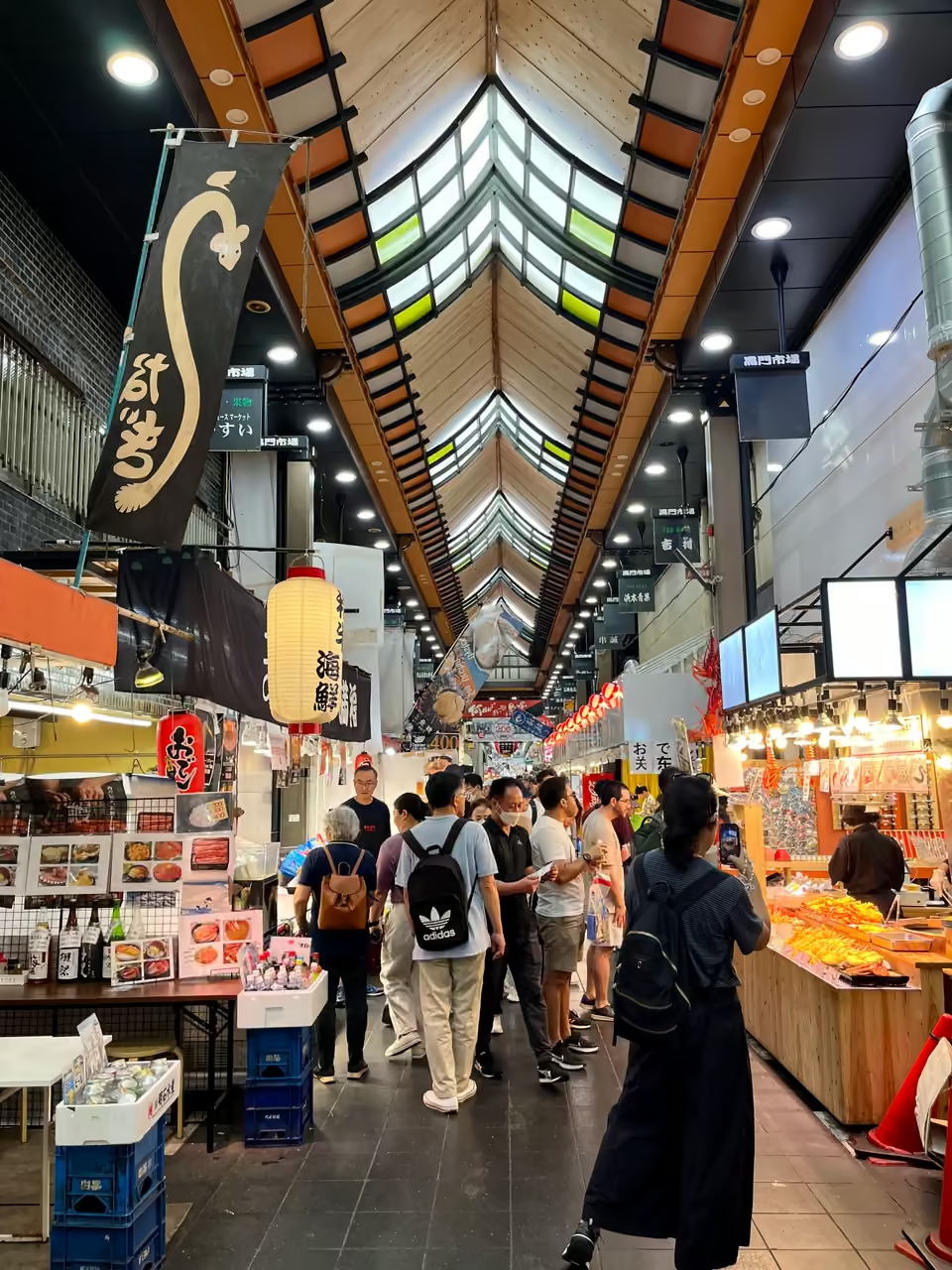
1 Day in Osaka: Castles, Kitchens & Neon Canals
Short on time yet determined to capture Osaka's fierce energy, this fast-paced single-day route sweeps smoothly from samurai stone walls to lively food markets, ancient temple pagodas, retro skewer alleys, and Dotonbori's unmistakable midnight glow. Every hop rides straight down direct metro lines with zero wasted backtracking.
view itinerary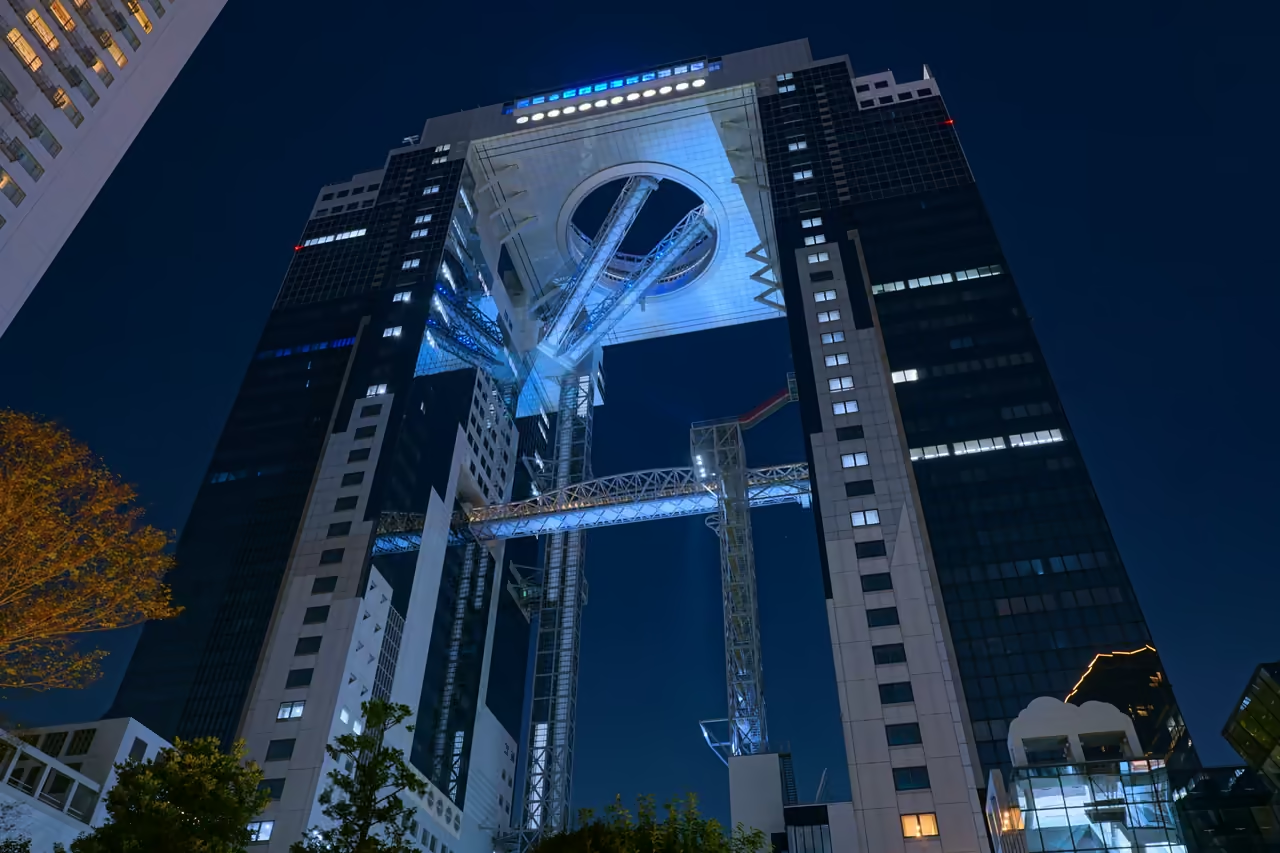
3 Days in Osaka: The Classic City Deep Dive
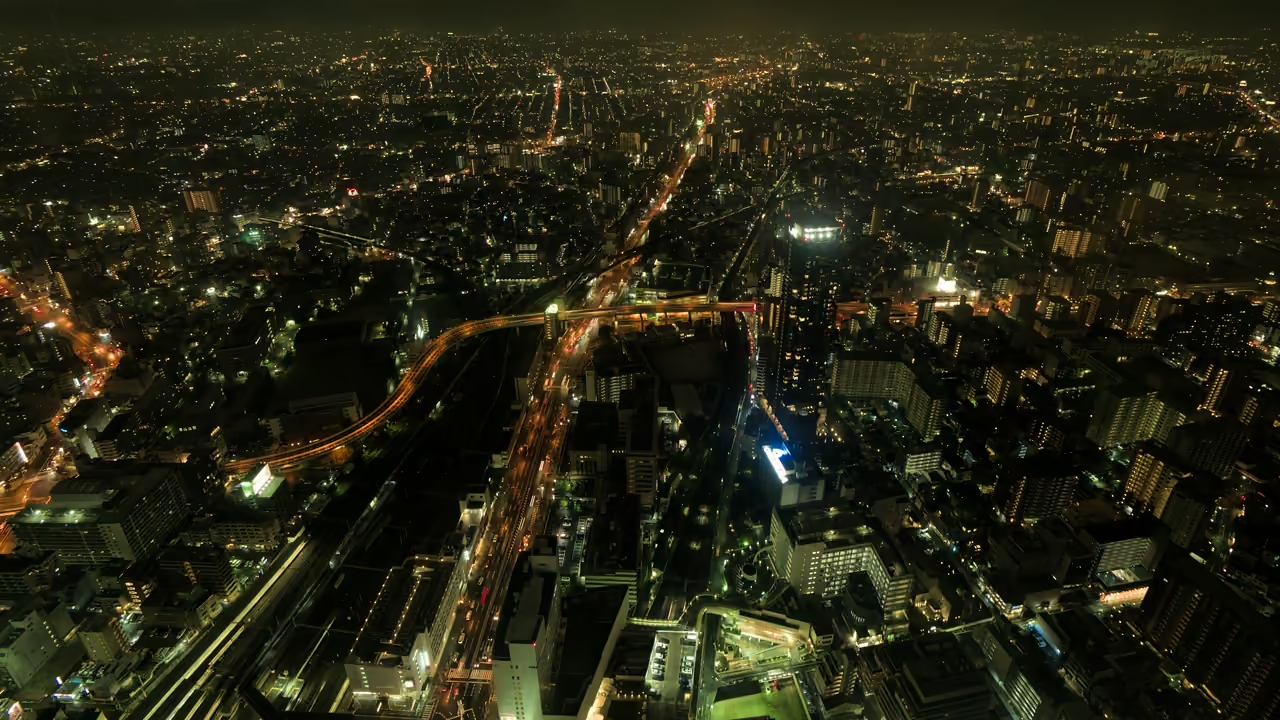
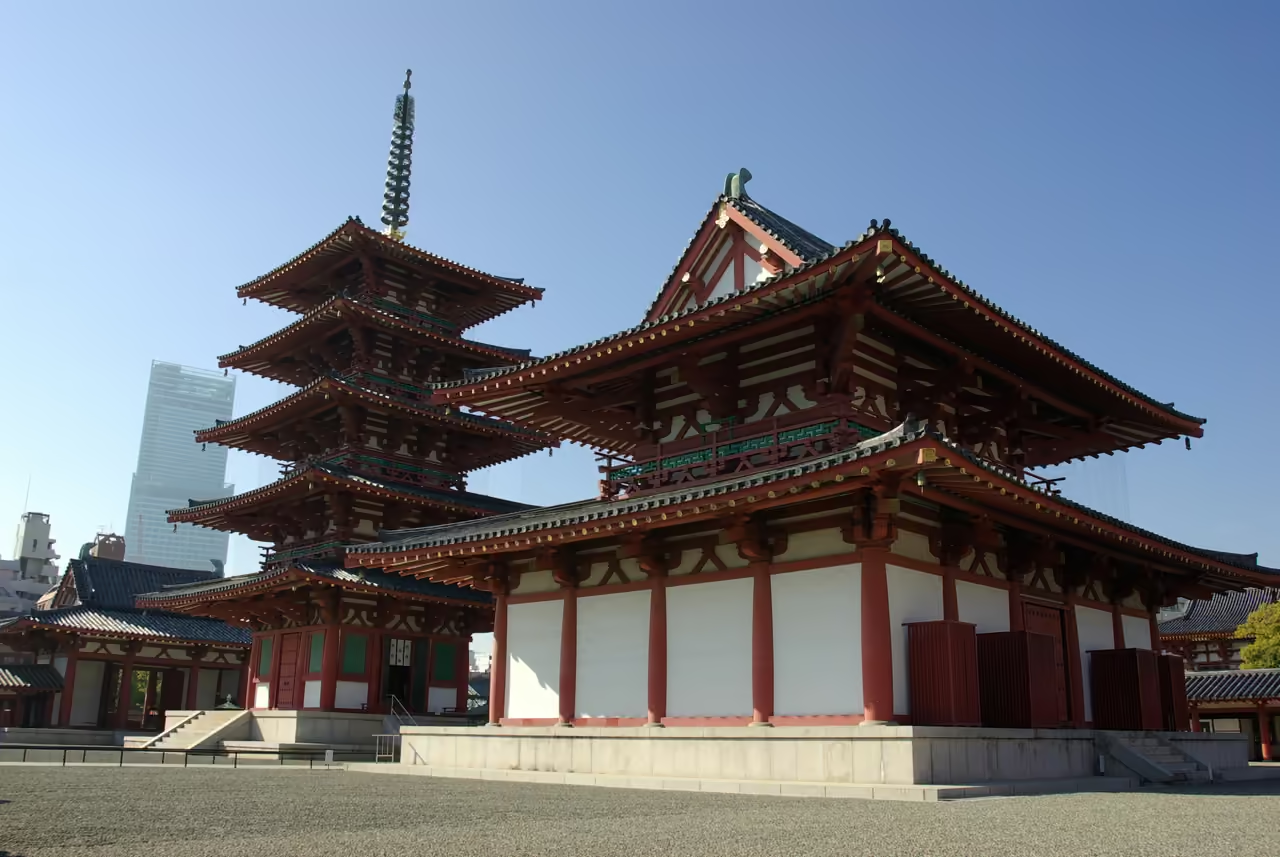
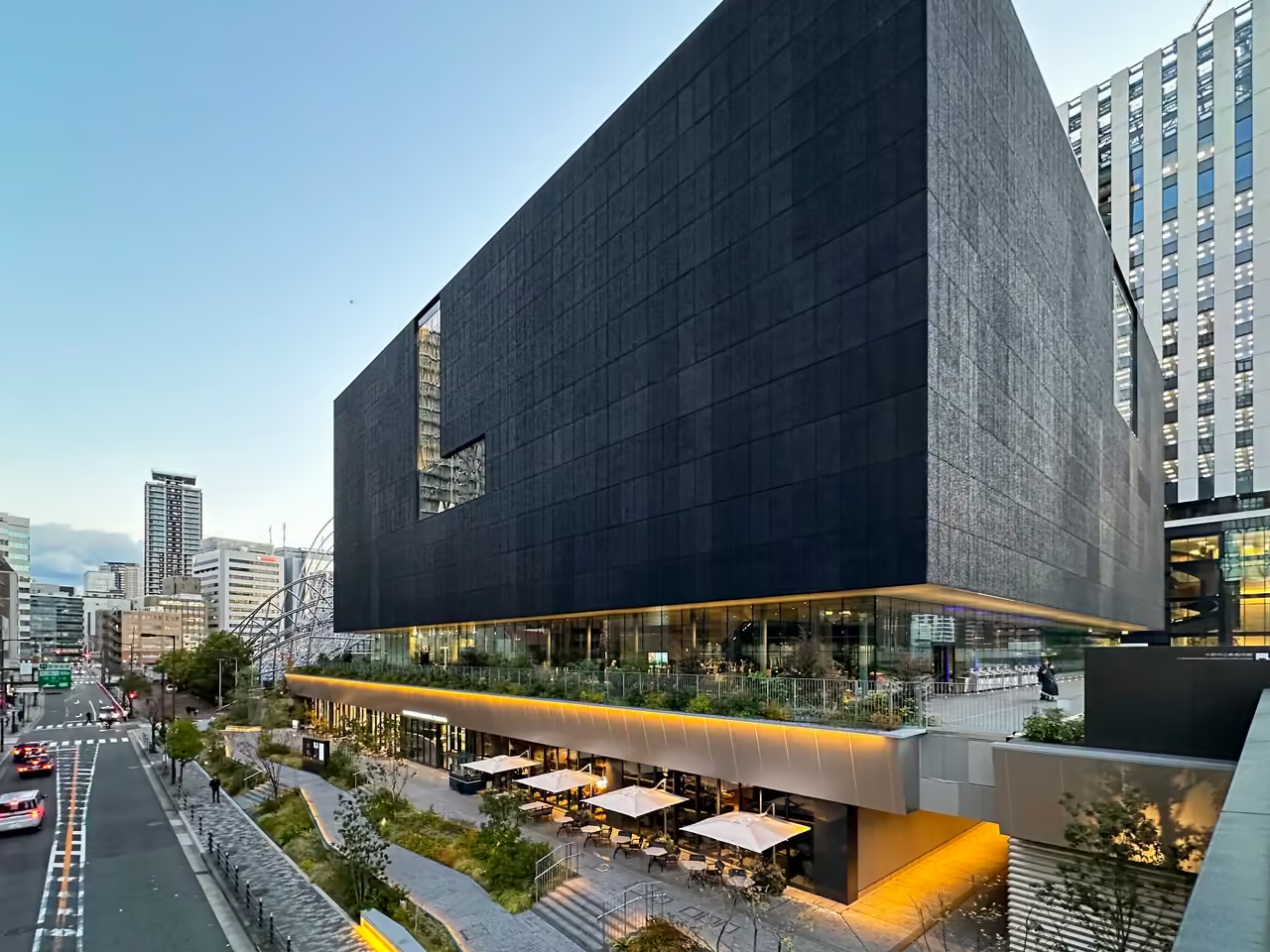
Paced cleanly across Osaka's three signature zones, this three-day plan pairs headline landmarks with local backstreets and plenty of sit-down feasts. Day one balances fortress history with Minami's lantern lanes, day two links markets to Tennoji and towering skyscrapers, and day three spans Osaka Bay's ocean giants and Nakanoshima's island museums.
view itinerary
5 Days in Osaka: Hidden Towns, Theme Parks & Local Soul
Designed for curious travellers eager to explore well past Dotonbori's neon bridge, this five-day itinerary weaves headline thrills like Universal Studios Japan alongside scholarly academies, Korean street markets, traditional puppetry, and timeless southern shrines. Every neighbourhood unfolds at an easy rhythm.
view itinerary
Castle Moat & Ancient Capital Cycle
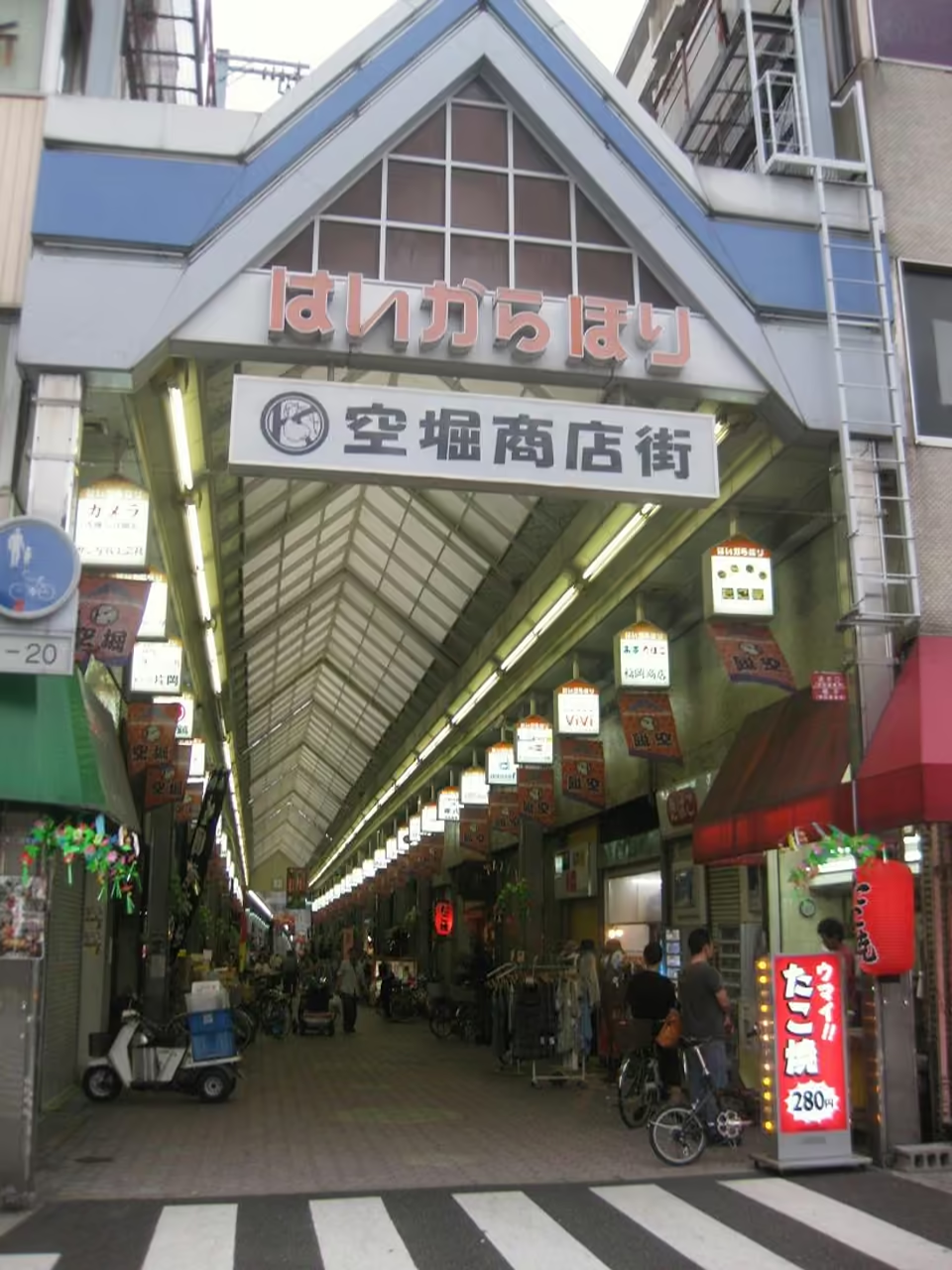
Rolling across the historic Uemachi Plateau, this route stitches together centuries of Osaka's shifting power centres, from seventh-century palace ruins to samurai moats and surviving Edo lanes. Gentle inclines around Karahori reveal the natural ridge that protected ancient settlements above the bay.
view cycling route
See all attractions in Osaka
Including Aquarium Kaiyukan, Sumiyoshi Taisha, Universal Studios Japan, and more