Aquarium Kaiyukan
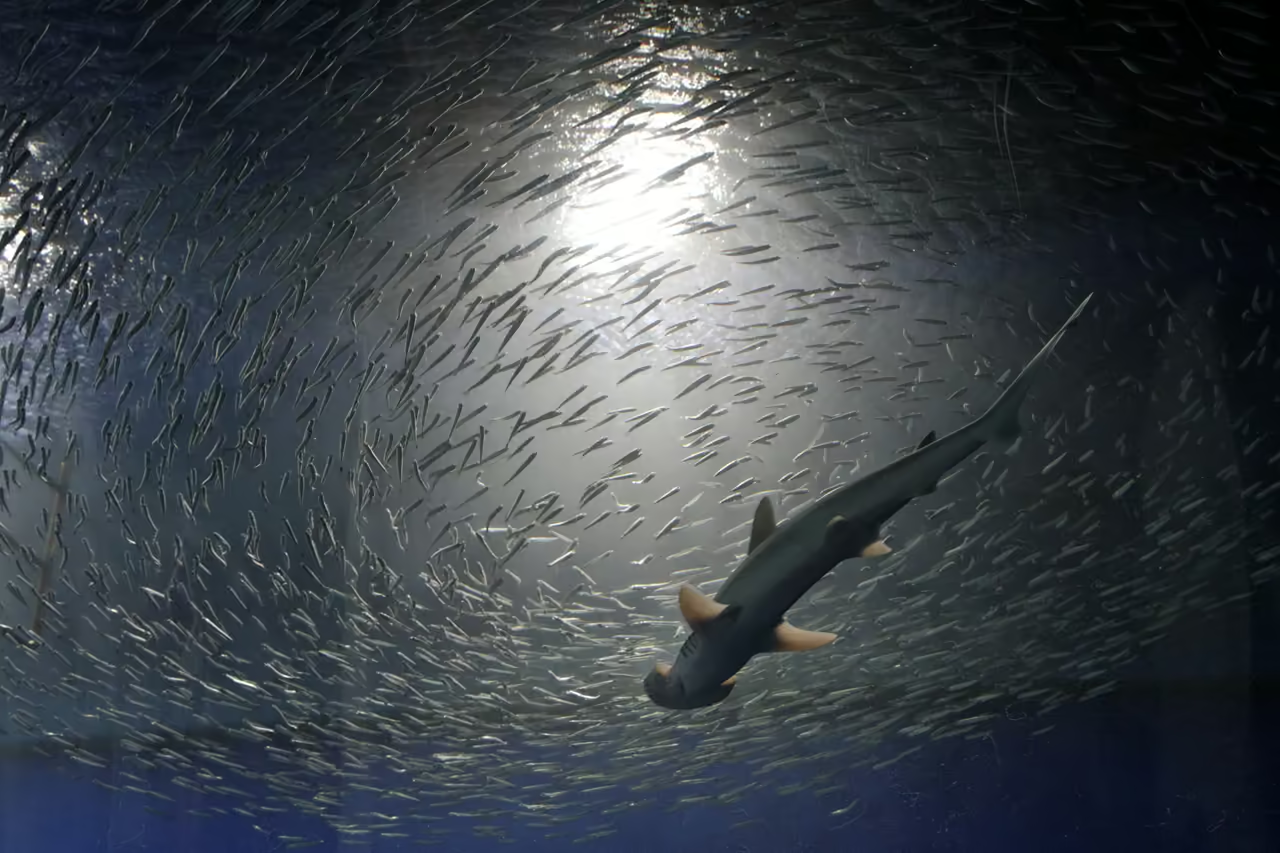
Stepping off the escalator onto the eighth floor of Osaka Aquarium Kaiyukan puts you beside a cool mountain stream before the building pulls you down into the deep Pacific. A gentle spiral ramp guides you down to the fourth floor around towering tanks that reveal sea lions, tufted puffins, and Asian small-clawed otters both above and below the water. Everything orbits the 5,400 cubic metre Pacific Ocean tank. Inside it, whale sharks and manta rays glide past thick acrylic walls while weekend crowds press close for a glimpse. Surrounding chambers trace the Pacific volcanic rim from sunlit Great Barrier Reef corals down to glowing Arctic sea angels and long-legged spider crabs from the Japan Trench. Out on Kaigandori, Ivan Chermayeff's bright fish murals wrap the harbourfront walls, while inside, spotted eagle rays sweep overhead through the Aqua Gate tunnel.
Videos
History of Aquarium Kaiyukan
In the late 1980s, Osaka set out to transform an ageing stretch of port real estate into Tempozan Harbor Village, and planners placed an ambitious new aquarium as the centrepiece of the waterfront revival. American architect Peter Chermayeff drew the blueprint around two linked ideas, the volcanic Ring of Fire and the living Ring of Life, turning a single building into a continuous journey across Pacific habitats. To pull off tanks of that scale, engineers abandoned conventional glass and gambled on giant sheets of cast acrylic. Constructing the fourteen main enclosures required 320 tonnes of acrylic resin, roughly one and a half times the world's entire annual output at the time, forcing four chemical manufacturers across Japan and the United States to build new production lines just to fulfil the order. When Osaka Aquarium Kaiyukan opened on 20 July 1990, it immediately rewrote the global standard for mega aquariums. No other aquarium on Earth was keeping whale sharks at the time, yet Kaiyukan launched with the giant fish gliding through a 34 metre tank nine metres deep. Keeping water that voluminous crystal clear meant inverting standard aquarium plumbing so fresh water enters at the bottom and pushes suspended debris upward to surface drains, while hidden and visible waterfalls supply oxygen. Over the following decades, Kaiyukan grew into one of the largest indoor aquariums in the world and earned Japan's Public Buildings Award for its landmark harbourfront architecture. For its thirtieth anniversary in 2020, the facility refreshed its entrance complex and reopened its museum shop with an interior designed to feel like strolling across water, commissioning original artwork from graphic designer Moe Nozu and design unit COCHAE to carry its oceanic identity into a fourth decade.
events spanning 30 years
Fun Facts
11- 01
A public naming contest nearly saddled the aquarium with a generic marine title until Osaka television personality Emiko Kaminuma spotted Kaiyukan among the submissions and rallied fellow committee member, science fiction author Sakyo Komatsu, to adopt it.
- 02
All of the shifting background music played across the galleries at different times of day comes from a single dedicated album titled Acoustic Cafe Suichu Sanpo, meaning Underwater Walk.
- 03
An affiliated research station called the Iburi Center in Tosashimizu, Kochi Prefecture, rescues whale sharks accidentally caught in local fishing nets, studies their ocean migration patterns, rotates individuals with the Osaka main tank, and releases them back into the sea.
- 04
Despite its marine focus, Kaiyukan won a breeding award from the Japanese Association of Zoos and Aquariums in 1993 for becoming the first facility in Japan to breed the spur-winged lapwing.
- 05
Every February around the Setsubun festival, aquarium divers dress up in traditional oni demon costumes to scrub the giant tanks underwater while greeting visitors through the acrylic.
- 06
Hollywood actor Edward Norton spent roughly four months in Osaka as a young man helping his grandfather, renowned American urban planner James Rouse, during the planning and tank installation phases of Kaiyukan, and still occasionally drops phrases in Kansai dialect when visiting Japan.
- 07
In 2008, Kaiyukan became the first aquarium in the world to successfully keep and exhibit spinetail devil rays, and it remains the only facility in Japan displaying multiple individuals together.
- 08
Japanese toy maker Tomica sells an official miniature Kaiyukan aquarium truck carrying a tiny whale shark in the back, and a building closely modelled on the aquarium appears as a landmark in the city simulation game Cities: Skylines.
- 09
The aquarium reached fifty million visitors on 26 February 2008 after just 6,317 days of operation, setting the fastest attendance record for any Japanese aquarium, with repeat guests accounting for roughly sixty percent of admissions.
- 10
The building's bold three-colour exterior symbolises earth, water, and fire, while indoors the Japan Forest enclosure nurtures around two hundred distinct species of terrestrial plants alongside aquatic wildlife.
- 11
The single largest acrylic panel in the Pacific Ocean tank, manufactured by Mitsubishi Rayon, measures six metres wide, five metres tall, and thirty centimetres thick, weighing roughly ten tonnes.
FULL PLACE DETAILS
Updated
FULL PLACE DETAILS
UpdatedOVERVIEW & STATS
- Established
- In 1990, making it 36 years old
ARCHITECTURE & HERITAGE
- Architects
- Peter Chermayeff
WEB & AMENITIES
Aquarium Kaiyukan Map & Neighborhood Explorer
This interactive map is centered on Aquarium Kaiyukan. Zoom in and move the map around to automatically discover Wikipedia photos and summaries of other nearby sights, monuments, and historical points of interest and stories in real-time!
Aquarium Kaiyukan FAQ
Visitors take an escalator straight to the eighth floor and follow a continuous spiral walkway down to the fourth floor. Because many of the largest tanks span multiple levels, you can observe animals swimming at the surface before seeing them again deep underwater.
The centrepiece is the Pacific Ocean tank, holding 5,400 cubic metres of water where whale sharks, reef manta rays, and spinetail devil rays swim alongside hammerhead sharks and schools of smaller fish.
Architect Peter Chermayeff designed the building around the volcanic Ring of Fire and Ring of Life concepts, pioneering giant cast acrylic panels instead of glass and pairing the three-colour structure with oversized fish murals by Ivan Chermayeff.
Yes, roughly sixty percent of its admissions come from repeat visitors. It also sits within Tempozan Harbor Village right beside Tempozan Marketplace and the Tempozan Giant Ferris Wheel, making it easy to pair with food and bay views.
A typical visit takes about 2 hours. We recommend planning your schedule accordingly to make the most of your time there.
The closest place to visit near Aquarium Kaiyukan is Ride the Tempozan Giant Ferris Wheel at Dusk, around 273 m away. Other things to do near Aquarium Kaiyukan include Chikko Red Brick Warehouse Courtyard (404 m), Cross Industrial Rivers on Osaka's Free Municipal Ferries (520 m) and Universal Studios Japan (1.2 km). All of these are within roughly 1.2 km of Aquarium Kaiyukan.
It dates back to 1990, making it 36 years old.
Aquarium Kaiyukan was designed by Peter Chermayeff.
While we strive to keep this information accurate and up to date, we recommend verifying any details independently before making decisions based on them.
Places near Aquarium Kaiyukan
Make the most of your trip. Check out these top-rated spots located nearby.
 273m
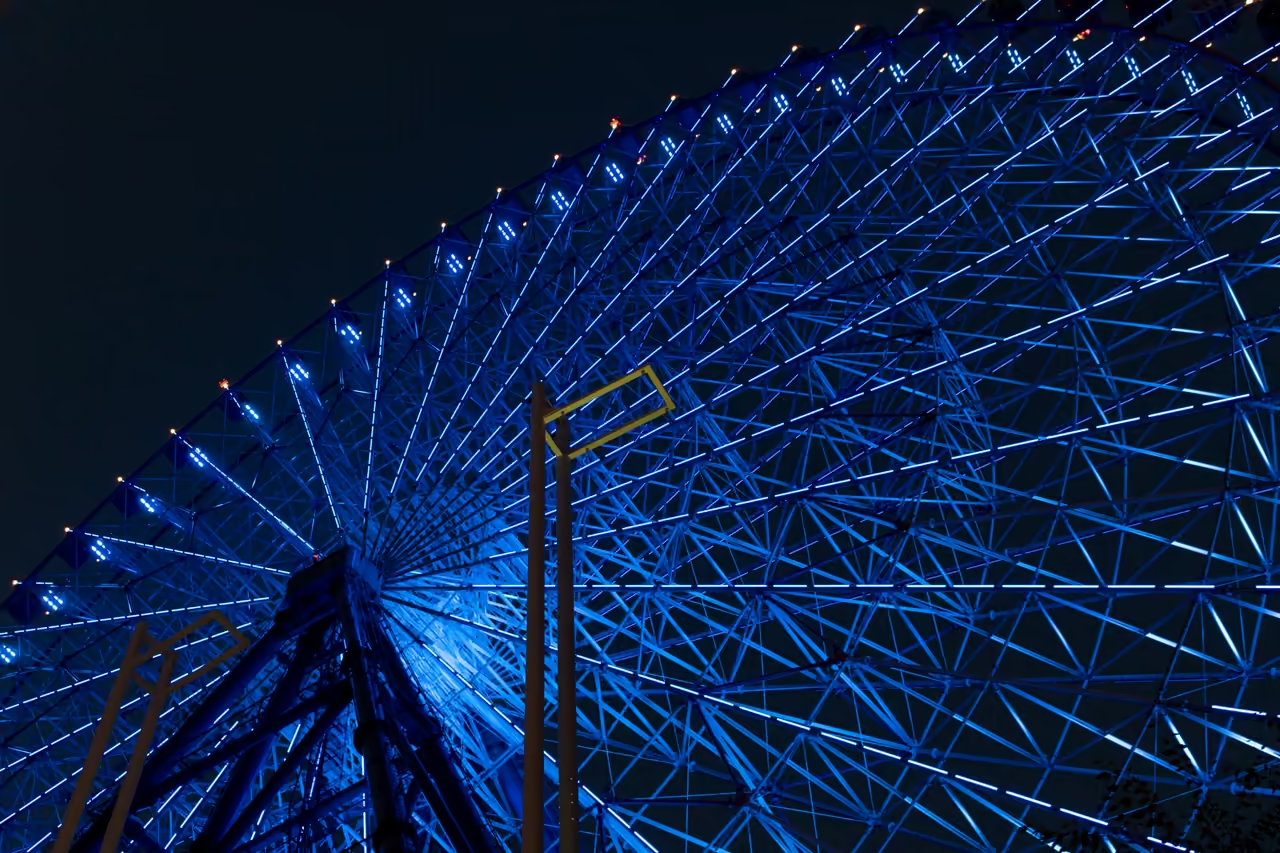
Ride the Tempozan Giant Ferris Wheel at Dusk
Towering 112.5 metres next to Kaiyukan Aquarium, Tempozan's wheel briefly held the world height record when it opened over Osaka Bay in 1997. A calm fifteen-minute rotation lifts gondolas high above red Minato Bridge, giant shipping cranes, and freighters bound for the Pacific. Join the separate short queue for one of the clear-floored capsules if you enjoy crisp drops straight beneath your boots. At night, huge LED displays light the spokes with animated patterns forecasting tomorrow's weather.
highlight view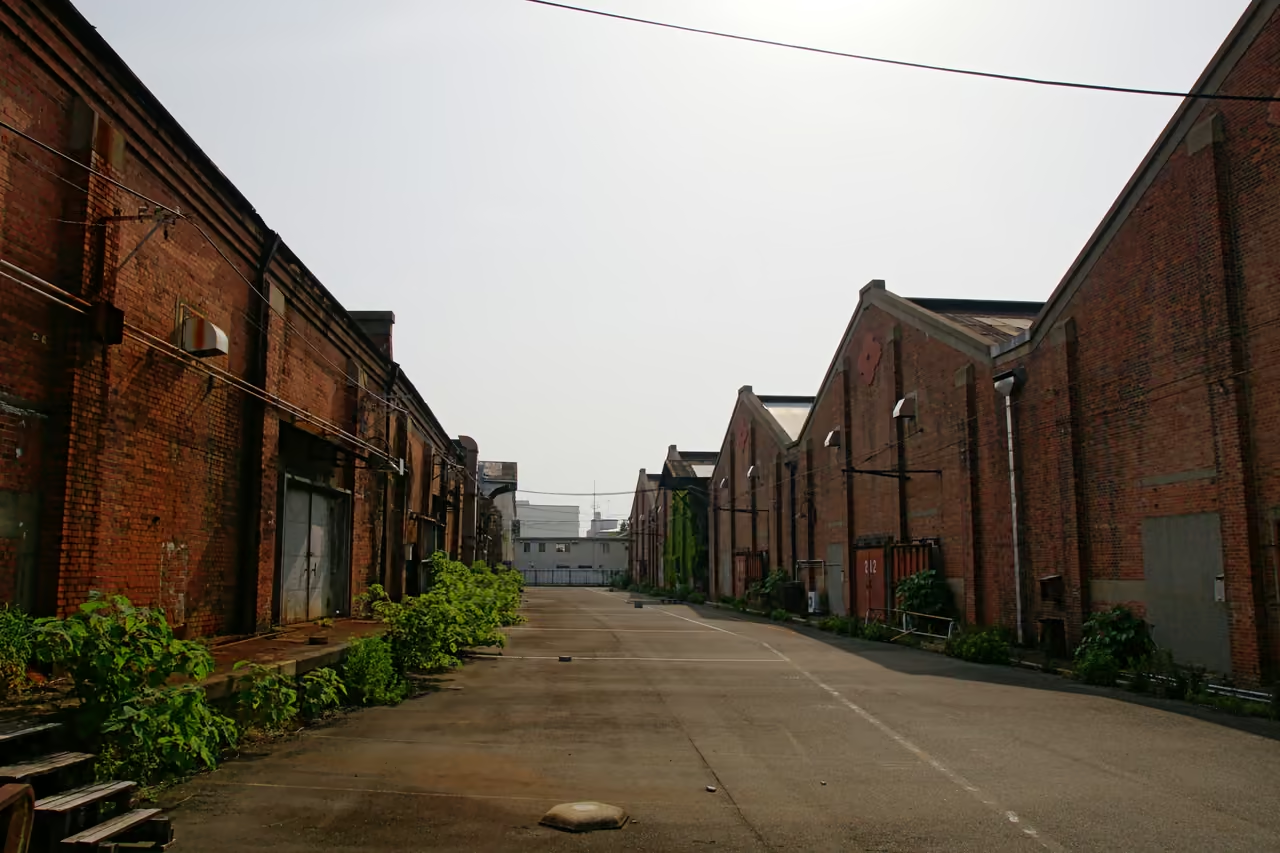 404m
Chikko Red Brick Warehouse Courtyard
Constructed in 1923 as port customs sheds beside Osaka Harbour, these ivy-draped red brick warehouses create a cinematic early twentieth-century enclave far removed from neon shopping streets. Classic vintage roadsters occasionally sit parked across the cobblestone square beneath black iron streetlamps. Late afternoon sun paints the aged brick rich rust orange before warm tungsten lights switch on at twilight.
photo spot view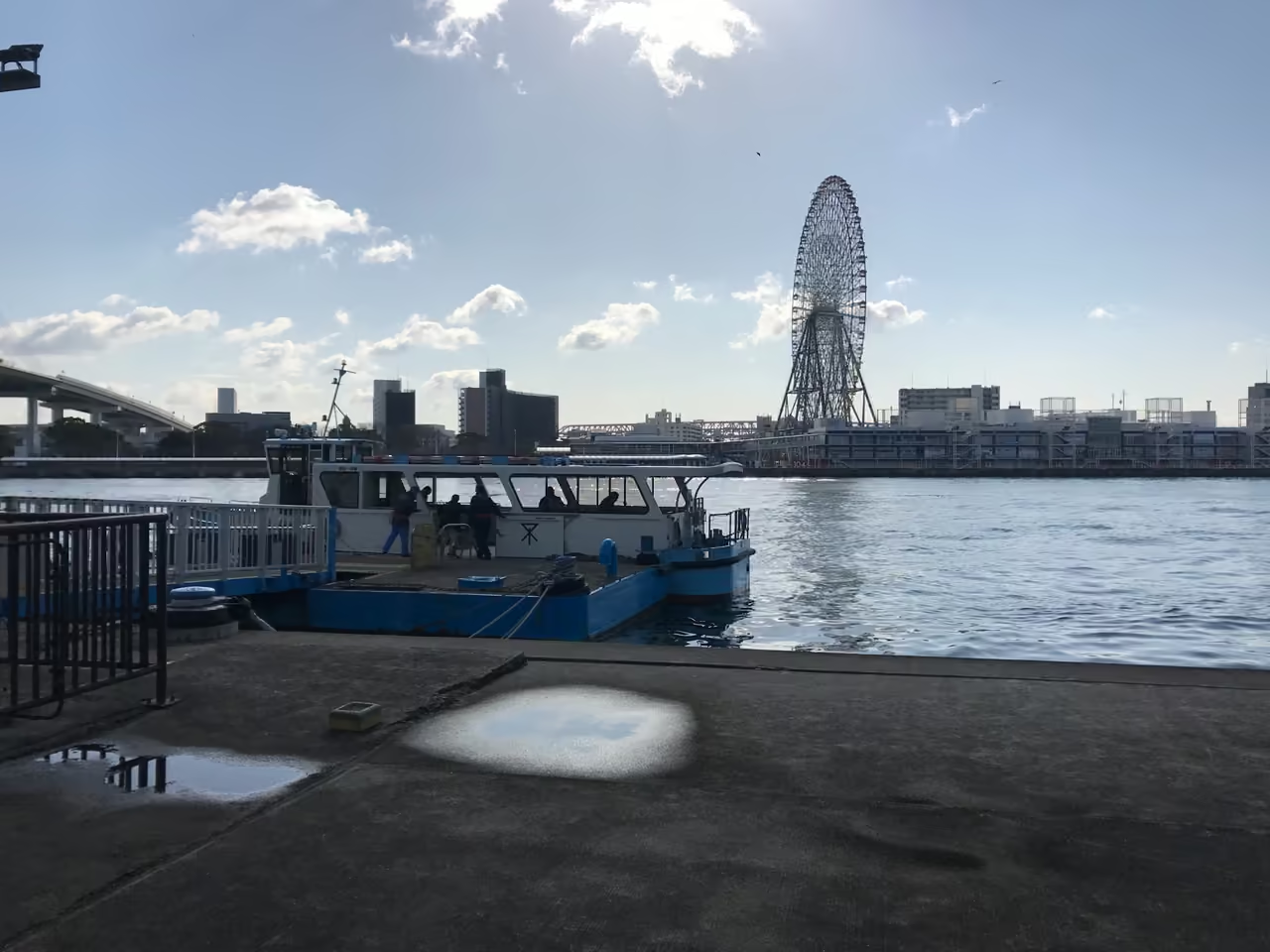 520m
Cross Industrial Rivers on Osaka's Free Municipal Ferries
Eight sturdy city-run passenger boats still shuttle commuters, schoolchildren, and bicycles across Osaka's western river mouths completely free of charge every single day. Operated by the municipal government as living road extensions where tall shipping channels prevented low bridges, crossings such as the Tenpozan Ferry near Kaiyukan deliver effortless three-minute harbour views. Stand on the open deck as container cranes and red truss bridges slide overhead without paying a yen.
free thing to do view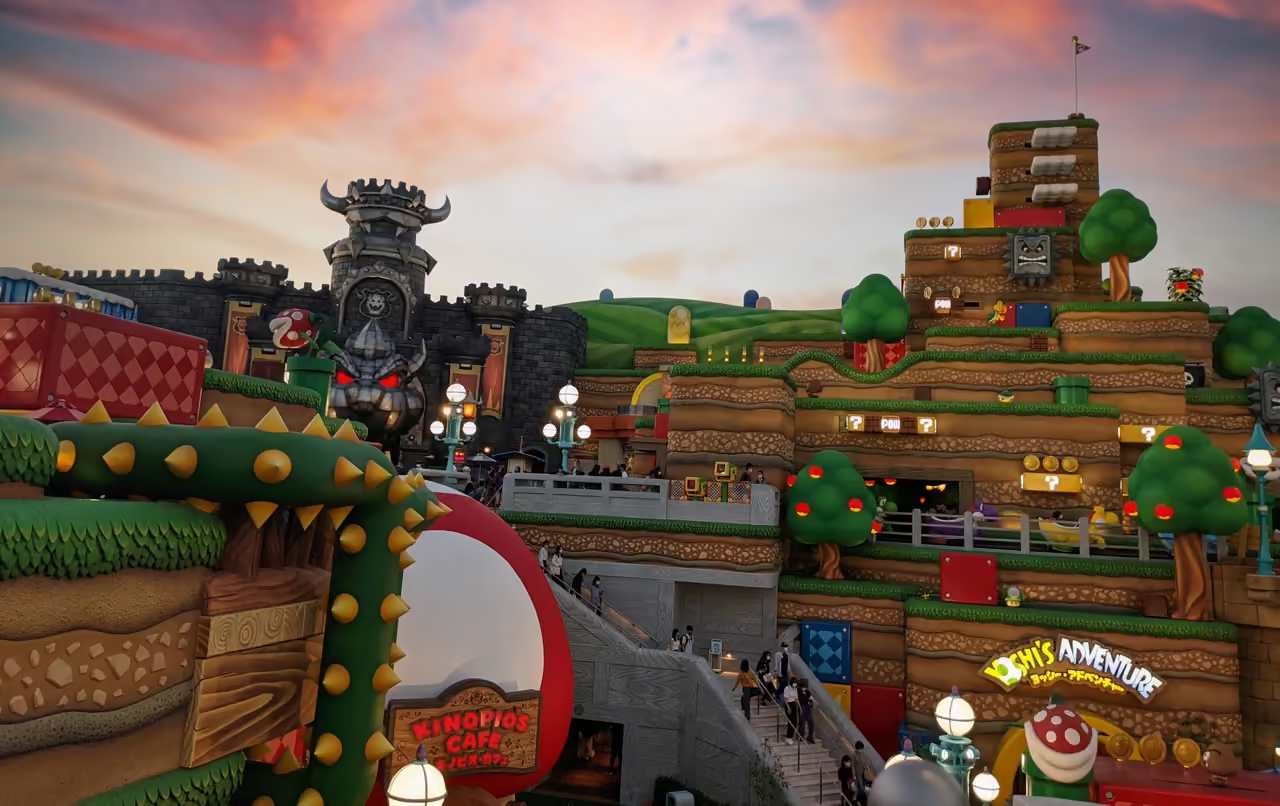 1160m
Universal Studios Japan
Five minutes on foot from Universal City Station, a giant rotating globe announces your arrival on Osaka Bay before a soaring archway opens onto ten distinct worlds. Inside, 1930s brick storefronts in the New York area sit only a brisk walk from the snow dusted roofs of Hogsmeade Village and Hogwarts Castle, where frothy Butterbeer and spellbinding shopfronts draw steady queues. Across the lagoon in Super Nintendo World, bright green warp pipes lead straight into Bowser's Castle for Mario Kart races and onward into Donkey Kong Country, where mine carts leap across broken jungle tracks. Unlike its American siblings, the park folds Japanese pop culture directly into the lineup, pairing ferocious coasters like The Flying Dinosaur with seasonal Detective Conan mystery shows and Frieren story walks. Summer afternoons turn fierce along the concrete, yet misting jets along Cool Green Street and water cannons blasting the parade route during Cool Splash Time keep the mood buoyant long past sunset. Linger for an evening steak at Parkside Grill, then stroll down to the pier for the Captain Line ferry gliding across the harbour to Tempozan.
attraction view
Explore Similar Places in This Collection

Featured on These Itineraries and Routes
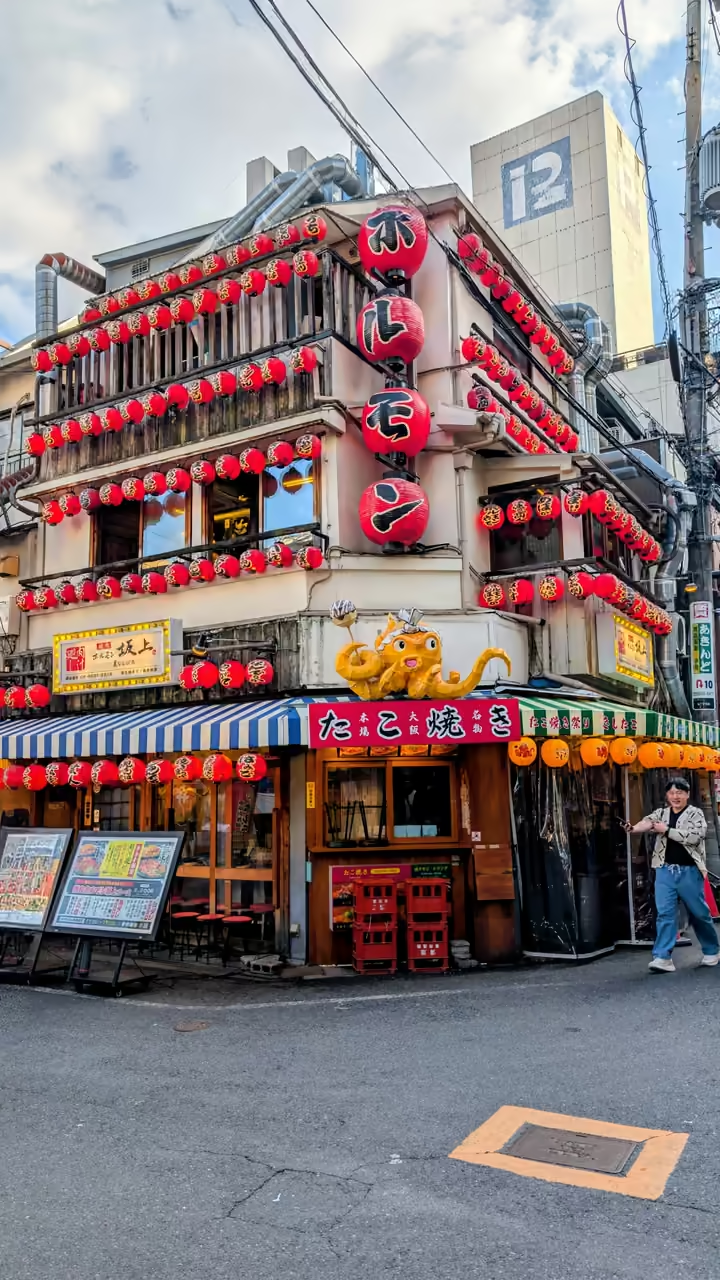
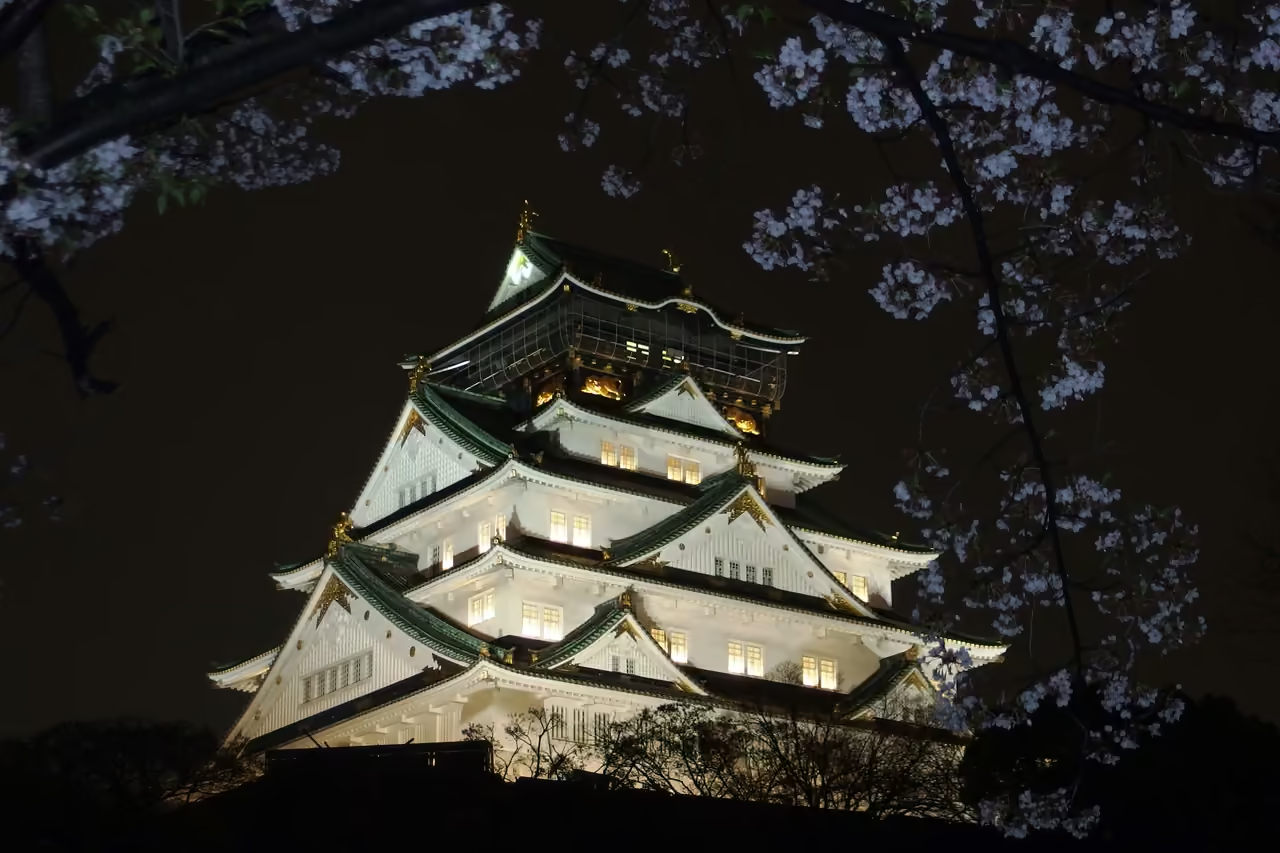
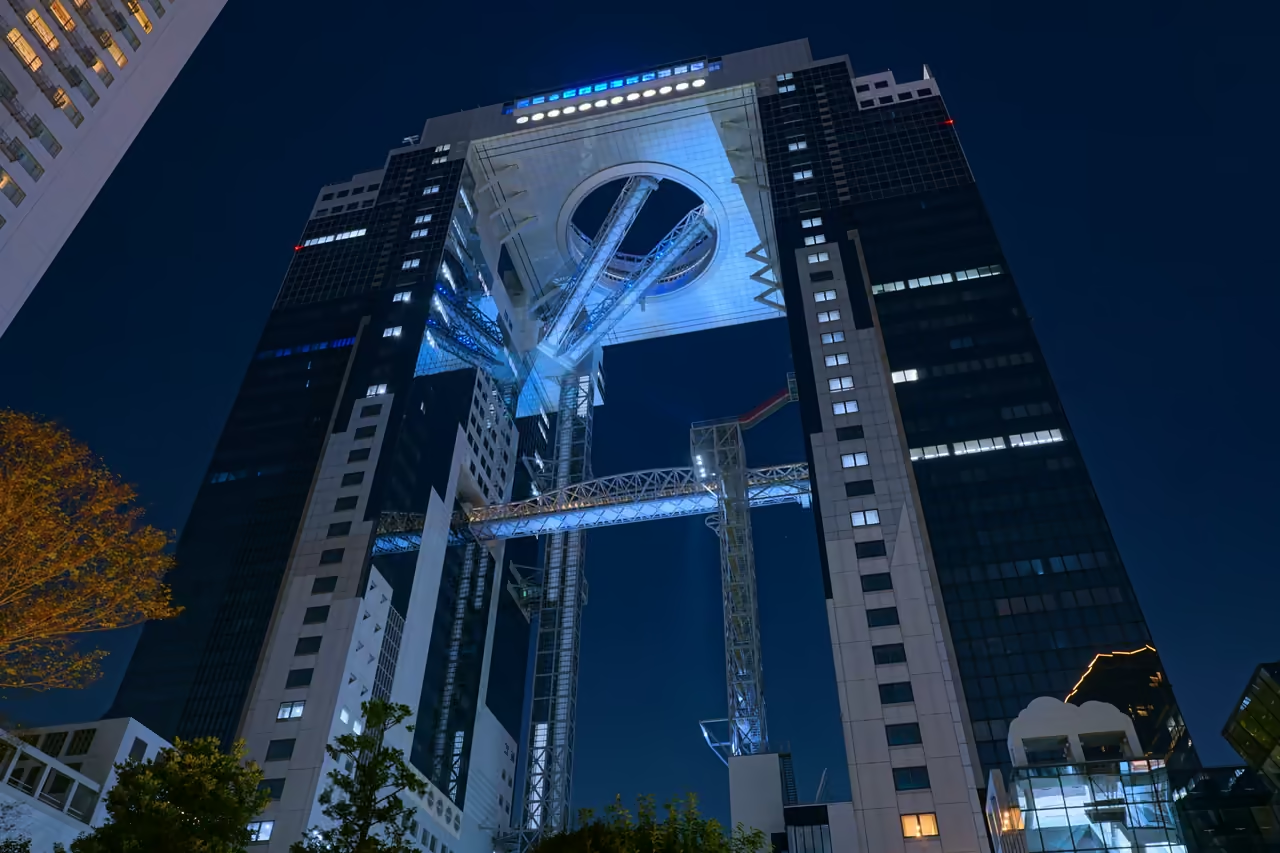
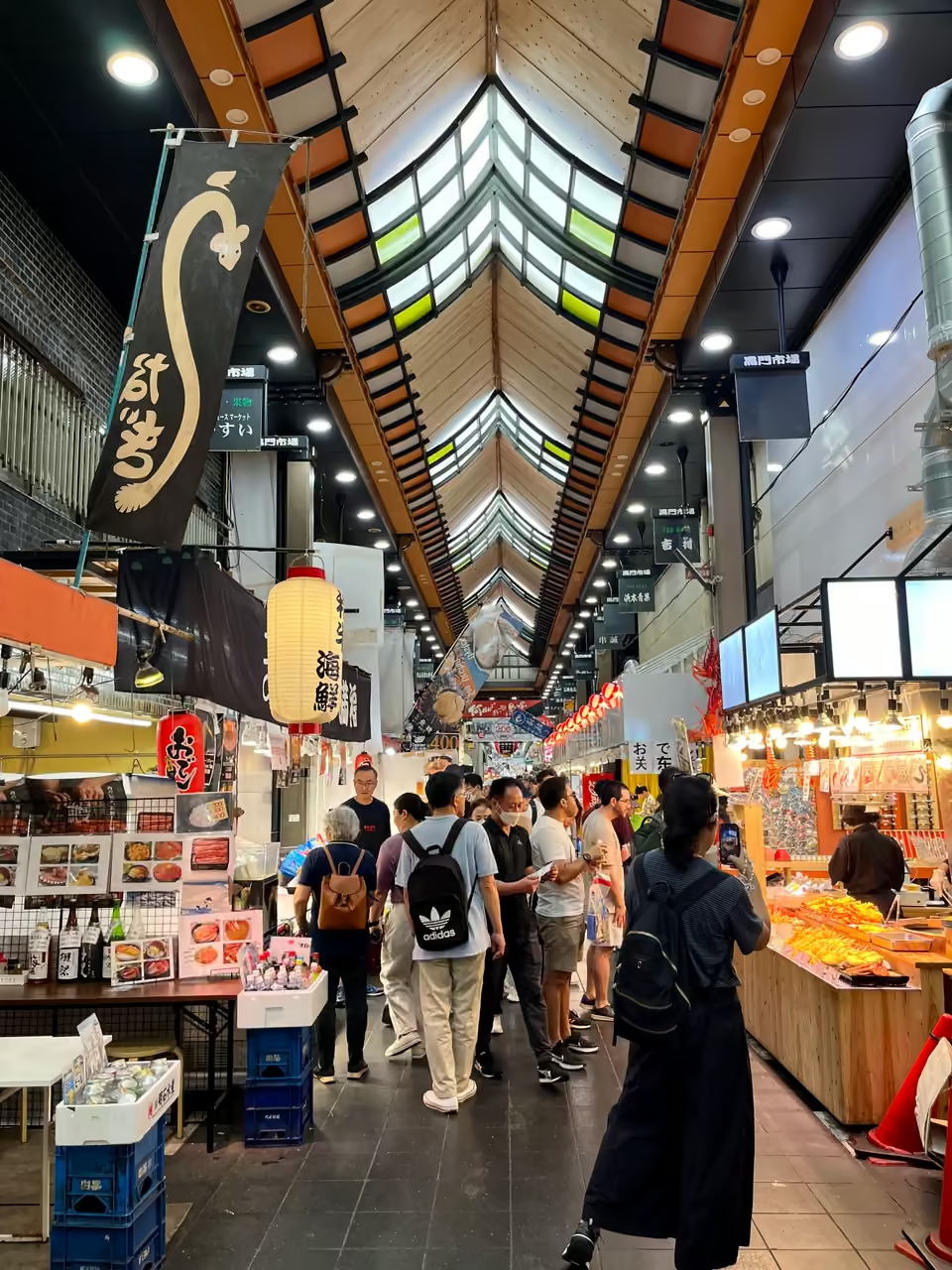
3 Days in Osaka: The Classic City Deep Dive
Paced cleanly across Osaka's three signature zones, this three-day plan pairs headline landmarks with local backstreets and plenty of sit-down feasts. Day one balances fortress history with Minami's lantern lanes, day two links markets to Tennoji and towering skyscrapers, and day three spans Osaka Bay's ocean giants and Nakanoshima's island museums.
view itinerary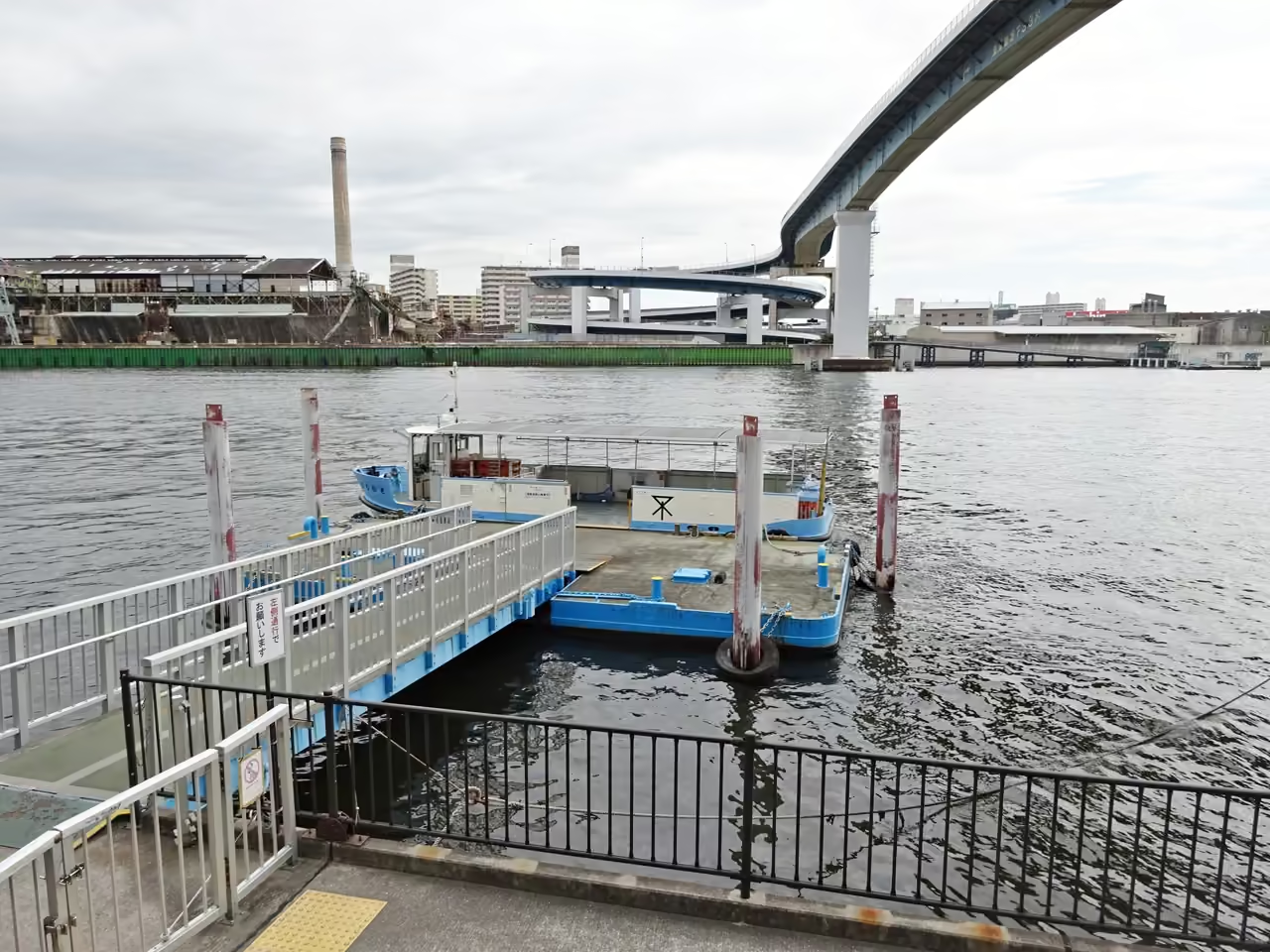
Osaka Bay Bridges & Free Ferry Ride
Crafted for curious urban explorers, this maritime loop chains together red-brick port warehouses, crimson truss bridges, and one of Osaka's free city-run river ferries. Boarding an open-deck boat with your bike alongside local commuters delivers a rare slice of working dockland culture.
view cycling route
See all attractions in Osaka
Including Osaka Castle, Sumiyoshi Taisha, Universal Studios Japan, and more