Neumünster Collegiate Church
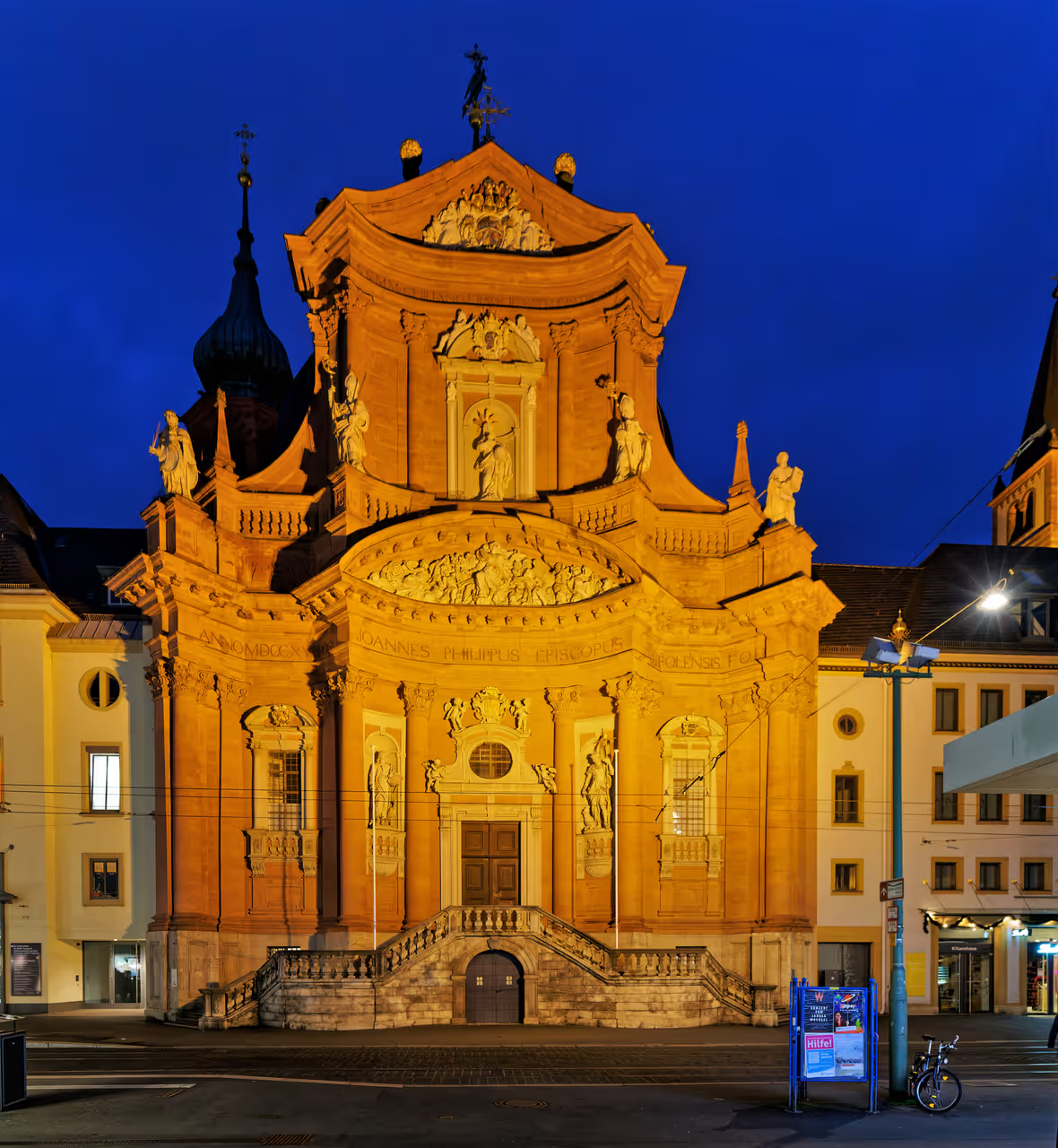
Standing as a masterpiece of Franconian Baroque, the Neumünster is much more than a church; it is the spiritual heart of Würzburg. Its striking red sandstone facade and magnificent dome dominate the skyline, inviting you to discover a site where deep Romanesque roots meet 18th-century splendour. It marks the exact spot where the Irish missionary Saint Kilian and his companions were martyred, giving the building an incredible historical weight that you can still feel in the quiet of the crypt. Inside, the light-filled nave showcases the genius of the Zimmermann brothers and the legendary sculptor Tilman Riemenschneider. Beyond the altar, the Lusamgärtchen offers a peaceful cloister retreat that holds the legendary grave of Germany's most famous medieval poet. Whether you are drawn by the haunting beauty of the relics or the tranquil atmosphere of the hidden gardens, visiting this landmark is a highlight of any trip to the city.
History of Neumünster Collegiate Church
The story of the Neumünster begins with a dark act of violence in the late 7th century. Three Irish missionaries, Kilian, Kolonat, and Totnan, arrived in Würzburg to spread the Christian faith, but their efforts met with a brutal end. According to tradition, they were murdered on this very spot for challenging the local ruler’s marriage. This event transformed the location into a sacred site of pilgrimage, eventually leading to the construction of a memorial building that would anchor the city's identity for over a thousand years. In the 11th century, Bishop Adalbero replaced the earlier structures with a grand Romanesque basilica, formalising the site as a prestigious collegiate church. As the centuries passed, the church underwent a spectacular metamorphosis. During the early 1700s, the Prince-Bishop of Würzburg sought to reflect the power and elegance of the Baroque era by commissioning a radical redesign. The architect Joseph Greissing was tasked with adding a magnificent dome and a soaring facade that drew heavy inspiration from the fashionable Roman churches of the time. This gave the Neumünster its distinct look, a blend of ancient medieval foundations and the theatrical, light-filled aesthetics of the Enlightenment. It became a showcase for the finest artists of the day, including the Zimmermann brothers, whose stucco work and frescoes turned the interior into a celestial vision. Modern history has been equally dramatic for the Neumünster. The 1945 firebombing of Würzburg left the church a hollow shell, with its wooden treasures and grand organs consumed by flames. However, the spirit of the local community and the Church ensured its resurrection. For nearly two decades after the war, the Neumünster took on the role of the city's cathedral, standing as a symbol of endurance. Today, after extensive renovations, it remains a place where contemporary art sits comfortably alongside ancient relics, offering a peaceful sanctuary that bridges the gap between the tragedies of the past and the vibrant life of modern Franconia.
Events spanning 952 years
Fun Facts
- • During the mid-20th century, the church functioned as the Bishop's seat for nearly 17 years because the nearby Würzburg Cathedral was still in ruins.
- • Hidden behind the church is the Lusamgärtchen, a small garden containing the remains of a 12th-century Romanesque cloister.
- • Inside the Kiliansgruft (Kilian's Crypt), you can find a spring of water that has been considered miraculous for centuries.
- • The Neumünster is built on the exact site where Saint Kilian, Saint Kolonat, and Saint Totnan—three Irish missionaries—were martyred in the year 689.
- • The church's grand facade was constructed using red sandstone sourced from the historical 'Schloss' quarry located between Leinach and Erlabrunn.
- • The crypt houses the red sandstone sarcophagus lid of Bishop Megingaud, which features the oldest post-Roman monumental inscription in the Franconia region.
- • The high altar features a surviving 1724 painting of Saint John on Patmos by Johann Baptist Zimmermann, one of the leading figures of German Rococo art.
- • The legendary medieval lyricist Walther von der Vogelweide is believed to be buried in the church gardens, where a modern monument features bowls for birds to drink from.
- • The modern organ, installed by the famous Klais firm in 1949, includes an unusual 32-foot stop that creates a deep, floor-shaking sound.
- • While the church suffered heavily in 1945, a stunning 15th-century Madonna by the master sculptor Tilman Riemenschneider survived the disaster.
Neumünster Collegiate Church FAQ
While we strive to keep this information accurate and up to date, we recommend verifying any details independently before making decisions based on them.
Neumünster Collegiate Church Map & Neighborhood Explorer
This interactive map is centered on Neumünster Collegiate Church. Zoom in and move the map around to automatically discover Wikipedia photos and summaries of other nearby sights, monuments, and historical points of interest and stories in real-time!
Places near Neumünster Collegiate Church
Make the most of your trip. Check out these top-rated spots located nearby.
 42m
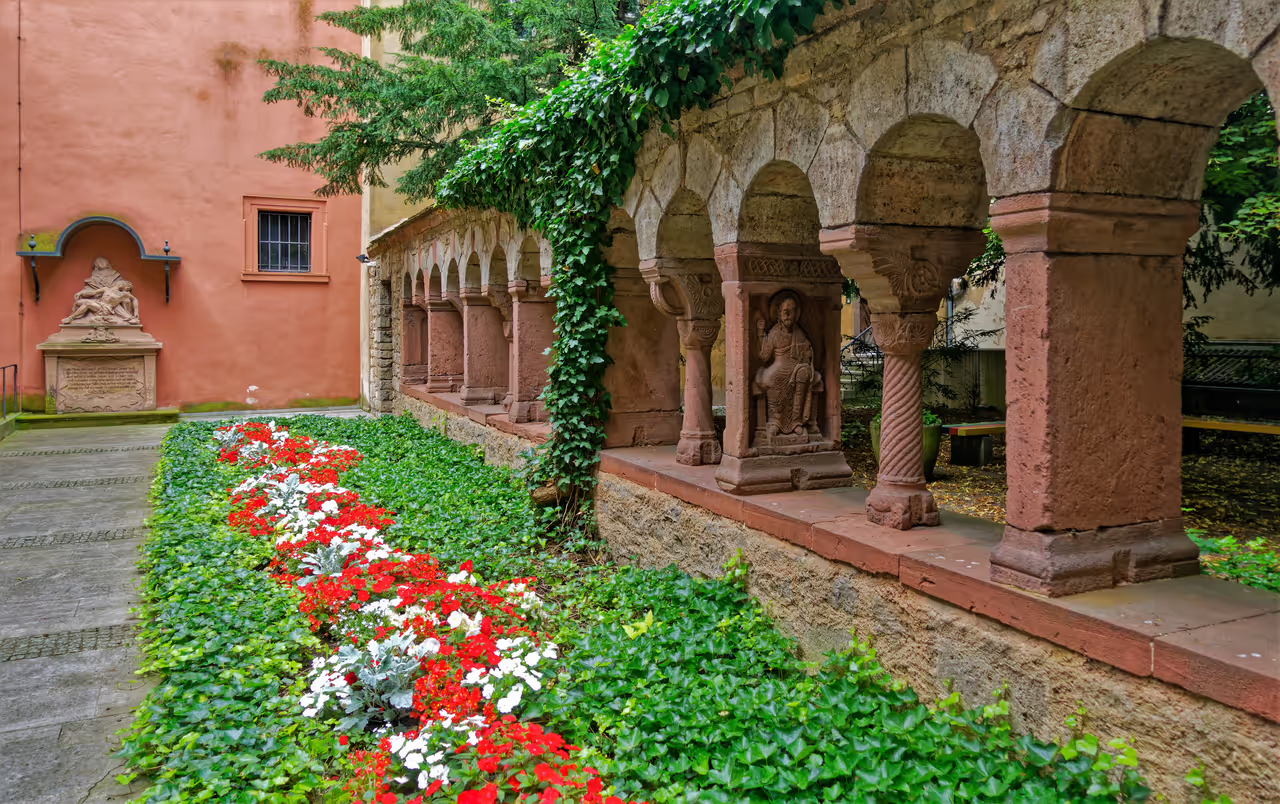
42mLusam Garden
Tucked quietly away behind the massive Neumünster church, this tiny, walled cloister garden is a profoundly peaceful oasis hidden right in the bustling city centre. It contains the few remaining, elegant Romanesque arches of a former cloister, creating a deeply historical and slightly melancholic atmosphere. The focal point is a simple, modern memorial stone dedicated to Walther von der Vogelweide, arguably the most celebrated poet of the German Middle Ages, who is reputed to be buried exactly here. The garden is incredibly lush and green, offering a stark contrast to the surrounding stone streets. It is a highly revered, secret spot where literary lovers come to find a moment of absolute tranquillity. Discovering this serene courtyard feels like stepping into a private, medieval sanctuary.
hidden gem view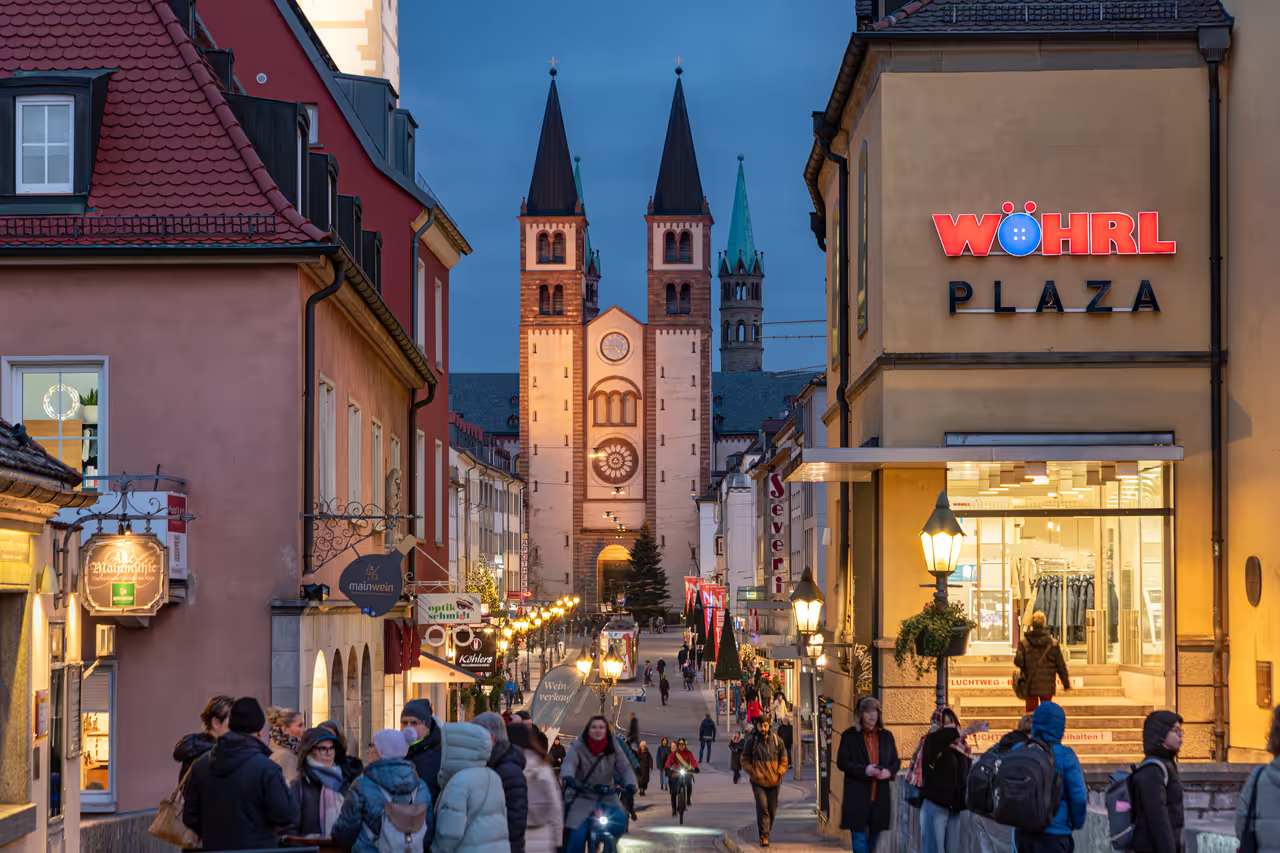 56m
56mSt. Kilian's Cathedral
Dom St. Kilian, Würzburg's majestic cathedral, stands as Germany's fourth-largest Romanesque church, a true architectural marvel. It beautifully blends its original Romanesque grandeur with stunning Baroque flourishes and thoughtful modern additions, telling centuries of history through its stones. Step inside to discover magnificent artworks, including exquisite altars by the famed sculptor Tilman Riemenschneider and the dramatic 'Creation' portal by Fritz Koenig. The cathedral's towering twin spires majestically punctuate the Würzburg skyline, inviting you to explore its profound spiritual atmosphere and rich artistic heritage. From the ancient Merovingian cross in the crypt to the vibrant Schönborn Chapel, every corner offers a captivating glimpse into faith and artistry. A visit promises an unforgettable journey through time, revealing the resilience and continuous evolution of this sacred landmark.
attraction view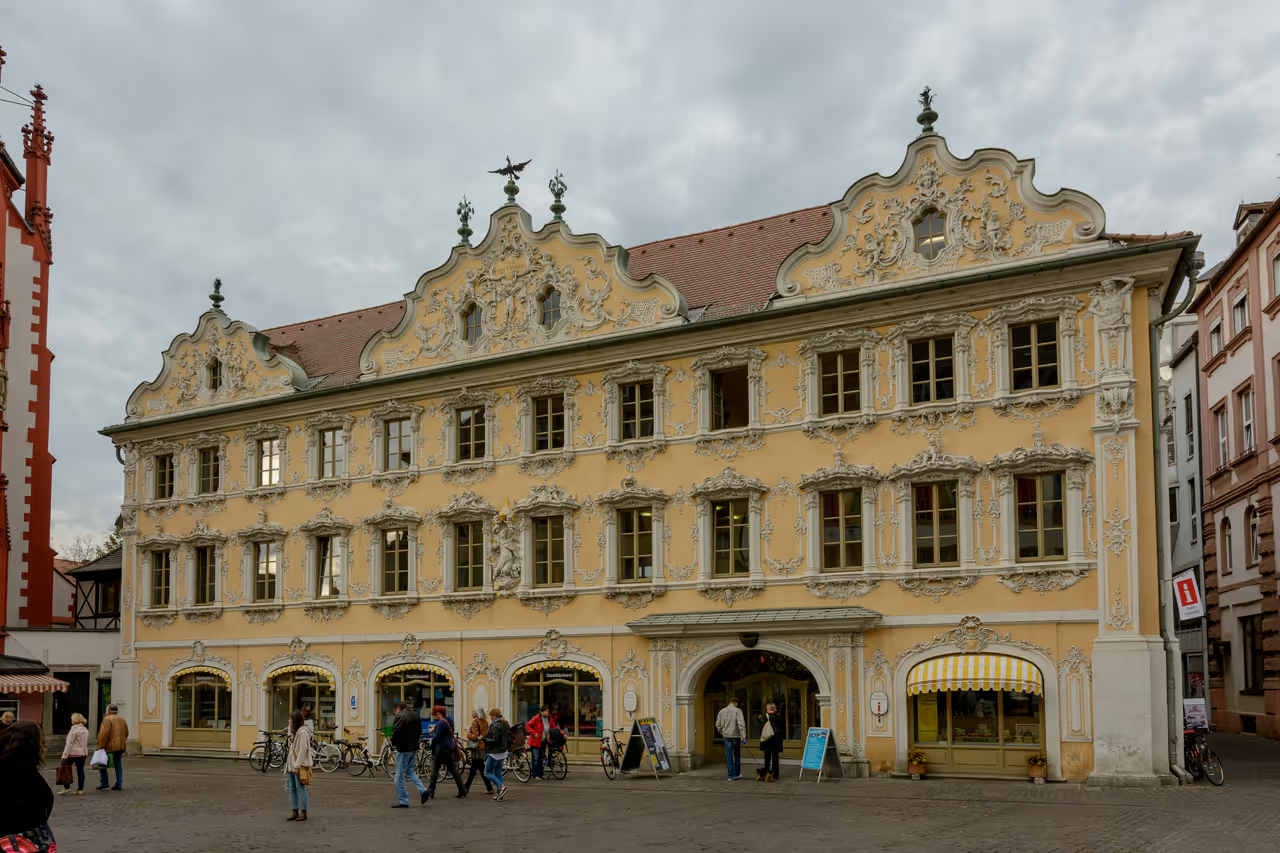 179m
179mFalkenhaus
Standing proud on the edge of Würzburg's lively market square, the Falkenhaus is an architectural masterpiece that captures the whimsical spirit of the Rococo era. Its lemon yellow facade is adorned with some of the most intricate and beautiful stucco work in southern Germany, making it an absolute magnet for photographers and history lovers alike. Once a grand inn and the city's social heart, it now serves as a welcoming hub for visitors and locals as the home of the tourist information centre and the city library. The building is a testament to the city's resilience, having been painstakingly reconstructed to its former glory after the devastation of the Second World War. Visiting this spot allows you to appreciate the delicate balance between historical grandeur and modern civic life. Whether you are seeking travel tips or simply want to marvel at the swirling floral patterns of its exterior, the Falkenhaus is an essential stop on any Würzburg itinerary.
attraction view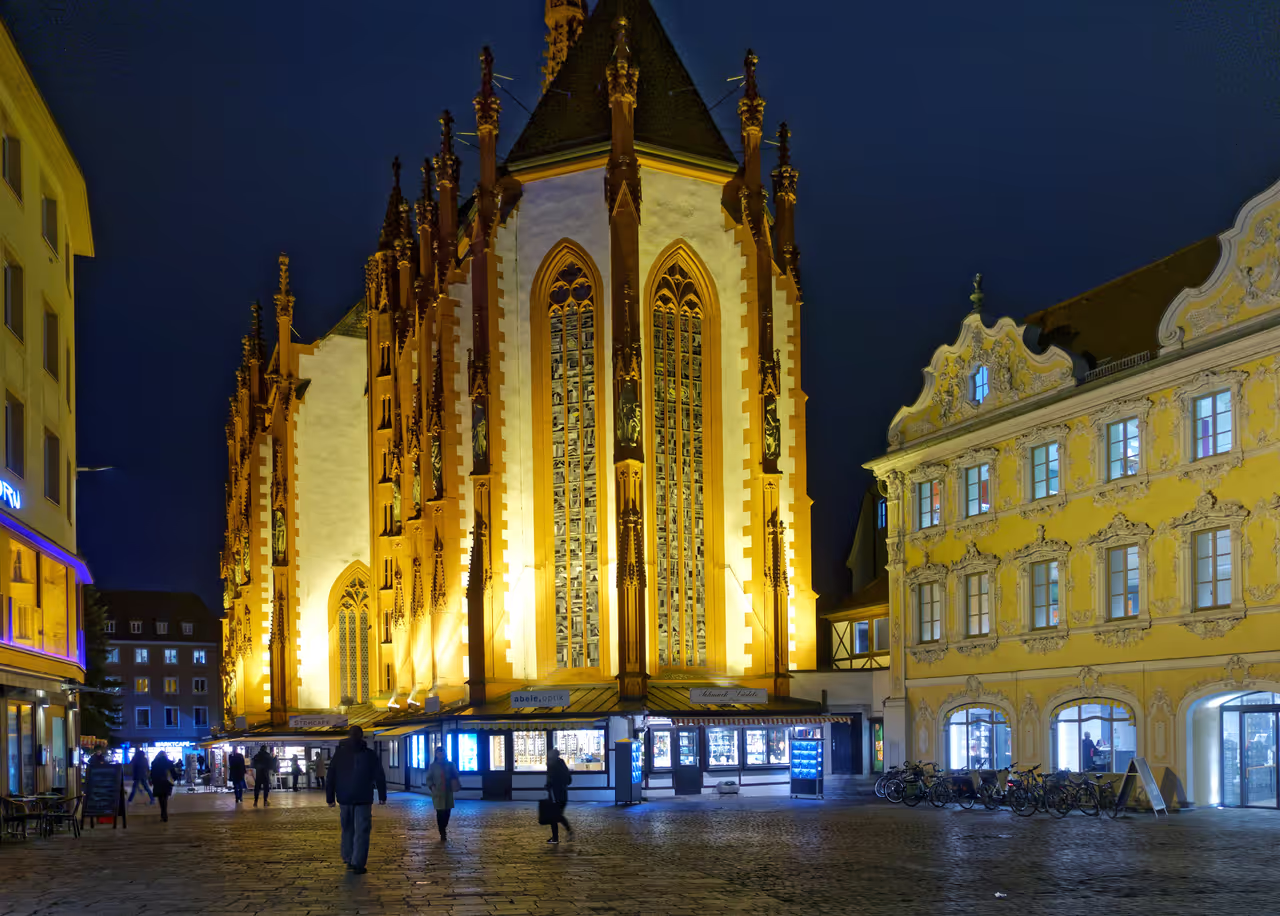 191m
191mMarienkapelle
Standing proudly on Würzburg's market square, the Marienkapelle is a striking late Gothic masterpiece famous for its vibrant red and white facade. While it looks like a massive cathedral, it is technically a chapel because it was built by the city's citizens rather than the church hierarchy. Visiting this site offers a chance to see some of the finest examples of German sculpture, including works by the legendary Tilman Riemenschneider. The atmosphere inside provides a peaceful retreat from the surrounding market, while the exterior is famous for the tiny shops built directly into its walls. It is a place where deep medieval history meets the local spirit of Würzburg. Whether you are an art lover or a history enthusiast, the chapel represents the city's resilience and artistic golden age.
attraction view
Explore Similar Places in This Collection
Featured on These Itineraries and Routes
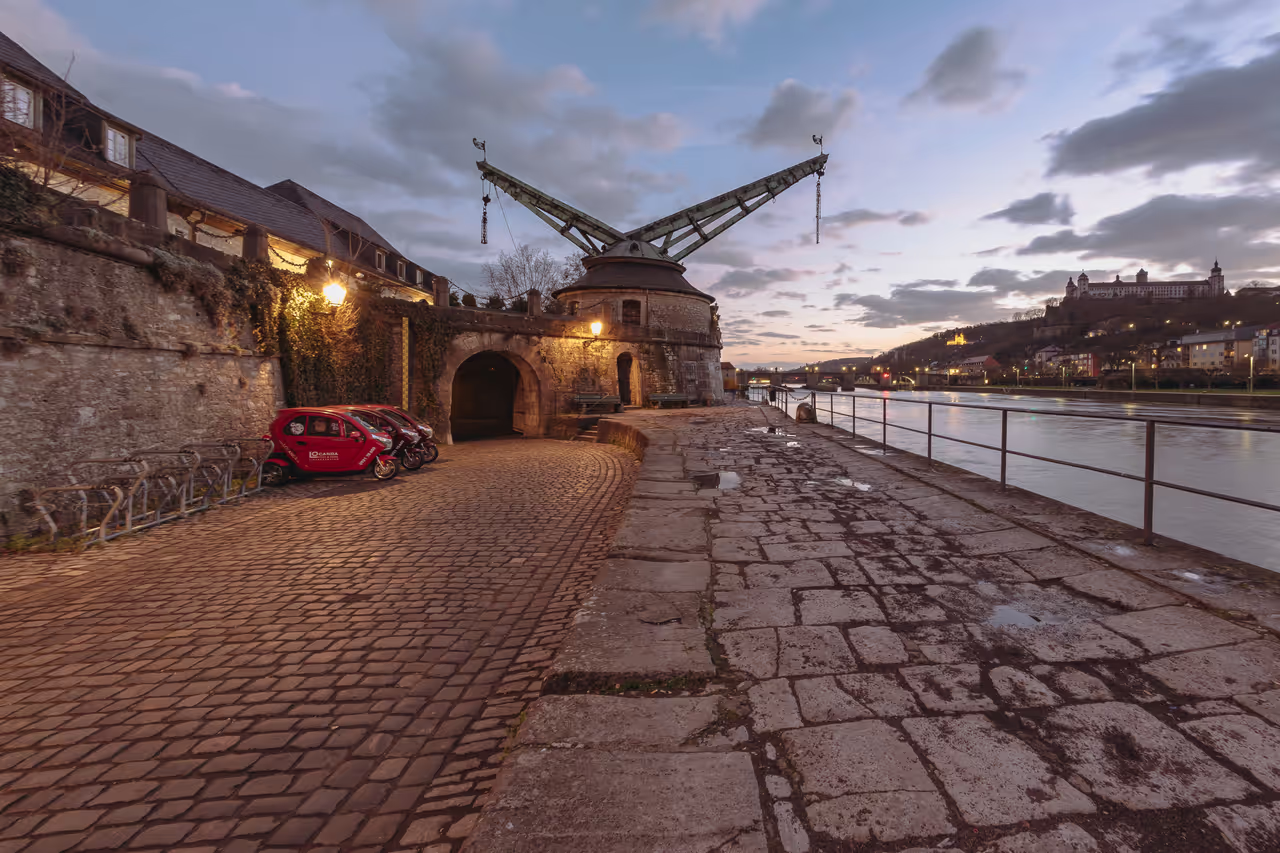
3 Days in Würzburg Itinerary
This balanced, comprehensive itinerary allows visitors to fully digest the rich history, stunning architecture, and vibrant wine culture of the region at a very comfortable pace. Over three days, the journey expands beyond the primary monuments to include elegant gardens, important museums, and deeply authentic local culinary institutions. It provides ample time to genuinely appreciate the incredibly intricate details of the Baroque masterpieces without suffering from museum fatigue. The plan thoughtfully mixes rigorous historical exploration with highly relaxing, sensory experiences like exploring ancient, cavernous wine cellars. It is the absolute ideal duration to capture the true, relaxed essence of Franconian life. Visitors will leave with a profound, well rounded appreciation of the city.
view itinerary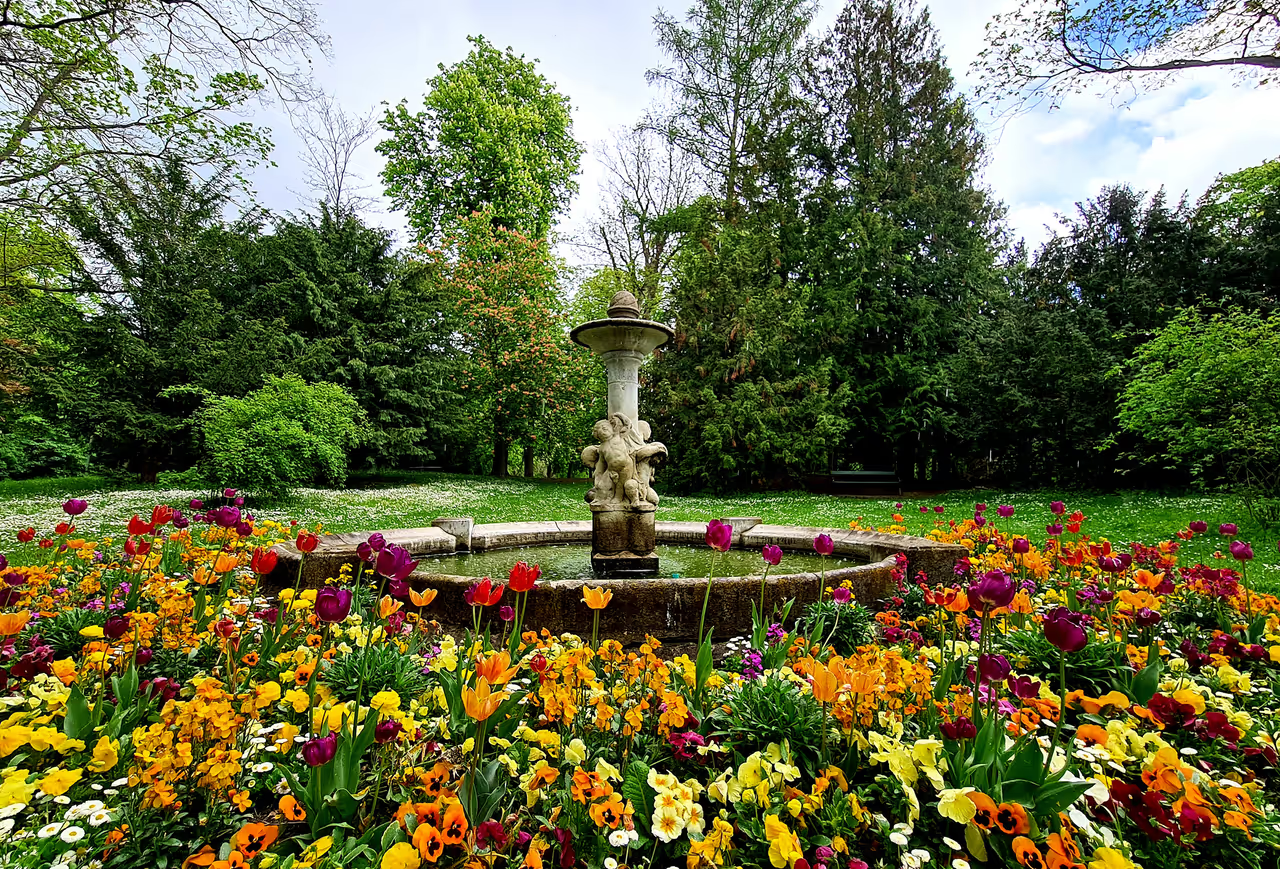
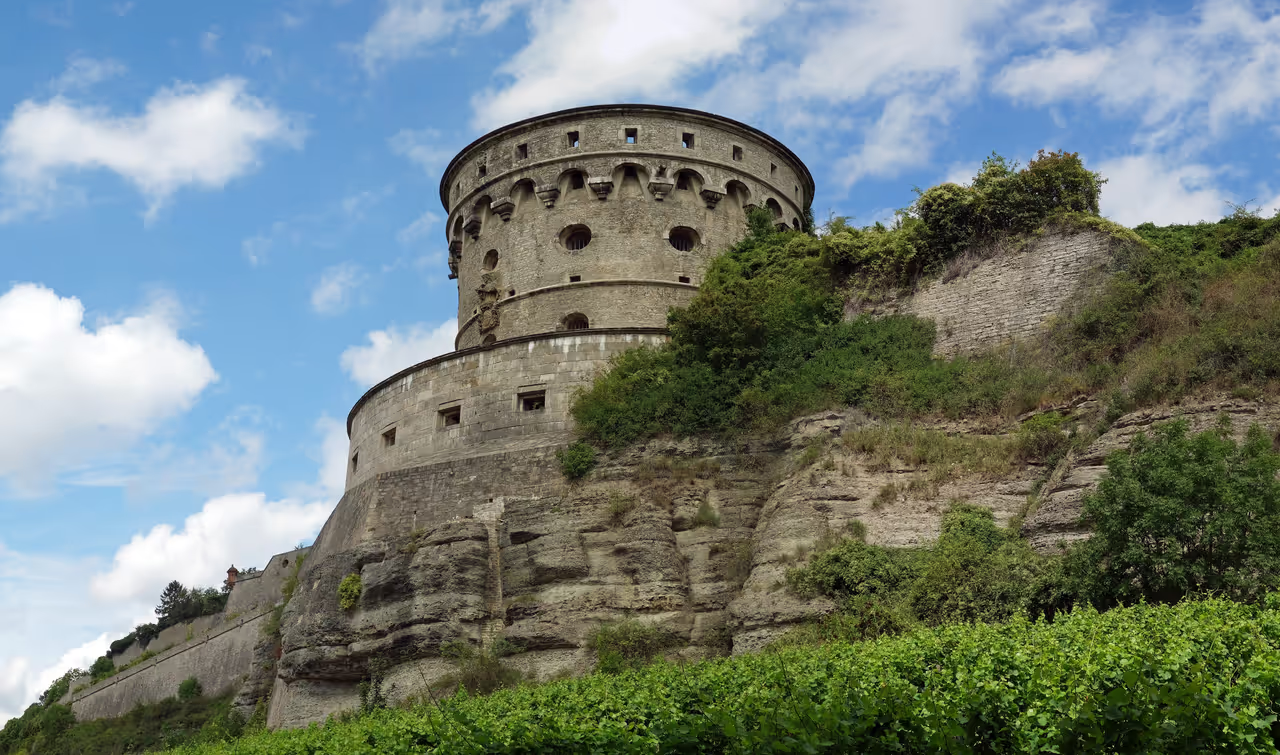
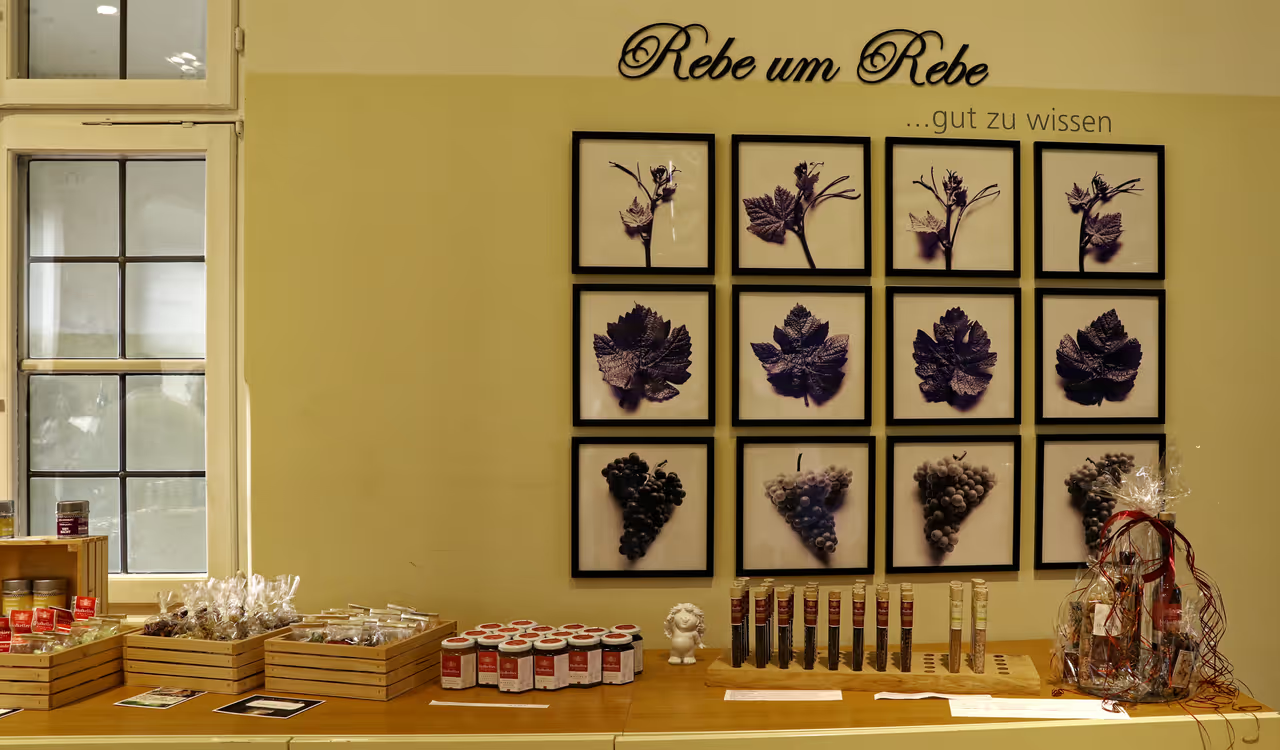
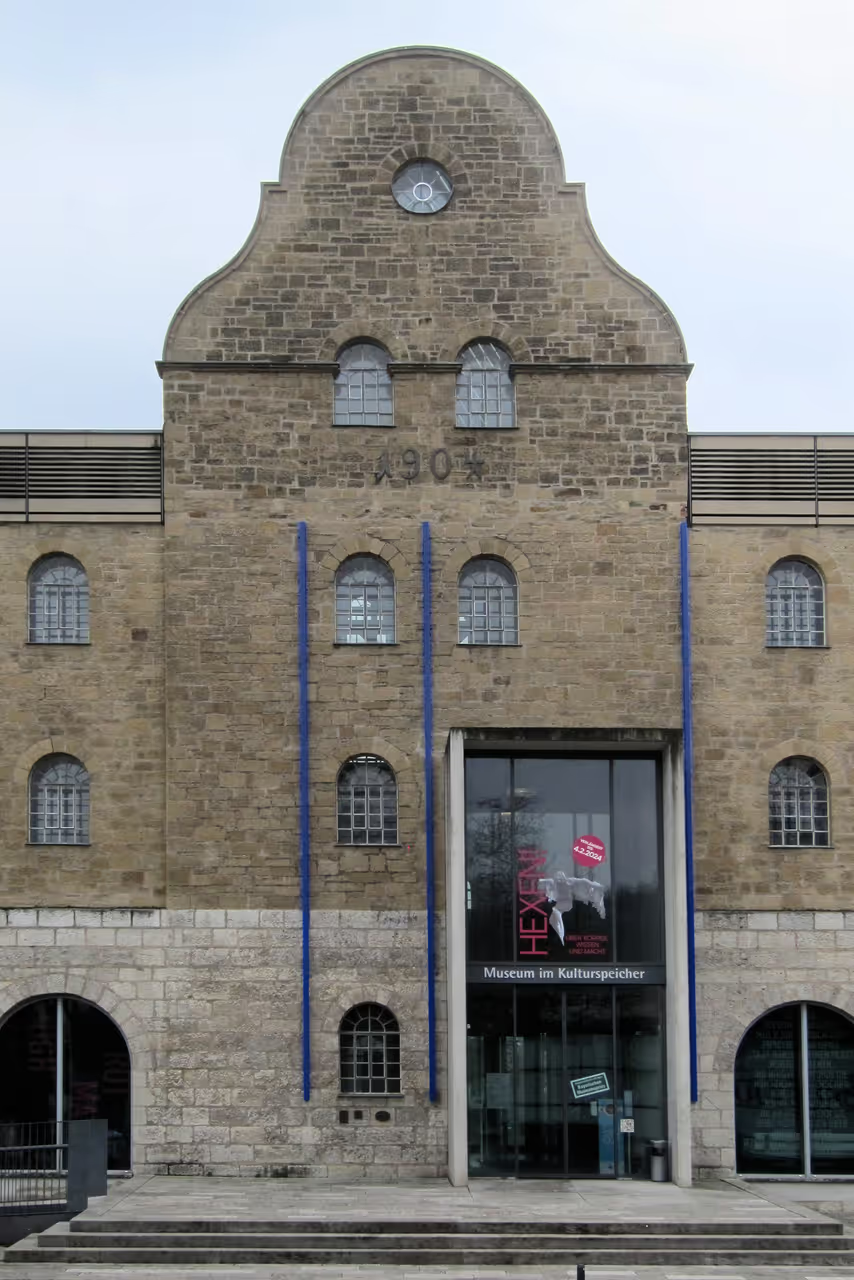
5 Days in Würzburg: Deep Dive Itinerary
This extensive, unhurried itinerary is crafted for the deeply curious traveller who wants to uncover every layer of history, art, and nature the municipality has to offer. With five full days, the journey reaches far beyond the central squares, exploring massive hillside pilgrimage churches, quiet botanical parks, and highly specialised museums. It affords the incredible luxury of experiencing the renowned wine culture through multiple, distinct historical cellars without ever rushing the tastings. The generous timeframe allows for deeply immersive, peaceful strolls through the surrounding landscapes and ancient fortifications. It is the ultimate, definitive way to experience the city like a knowledgeable, highly cultured local. The pace ensures complete relaxation alongside profound historical education.
view itinerary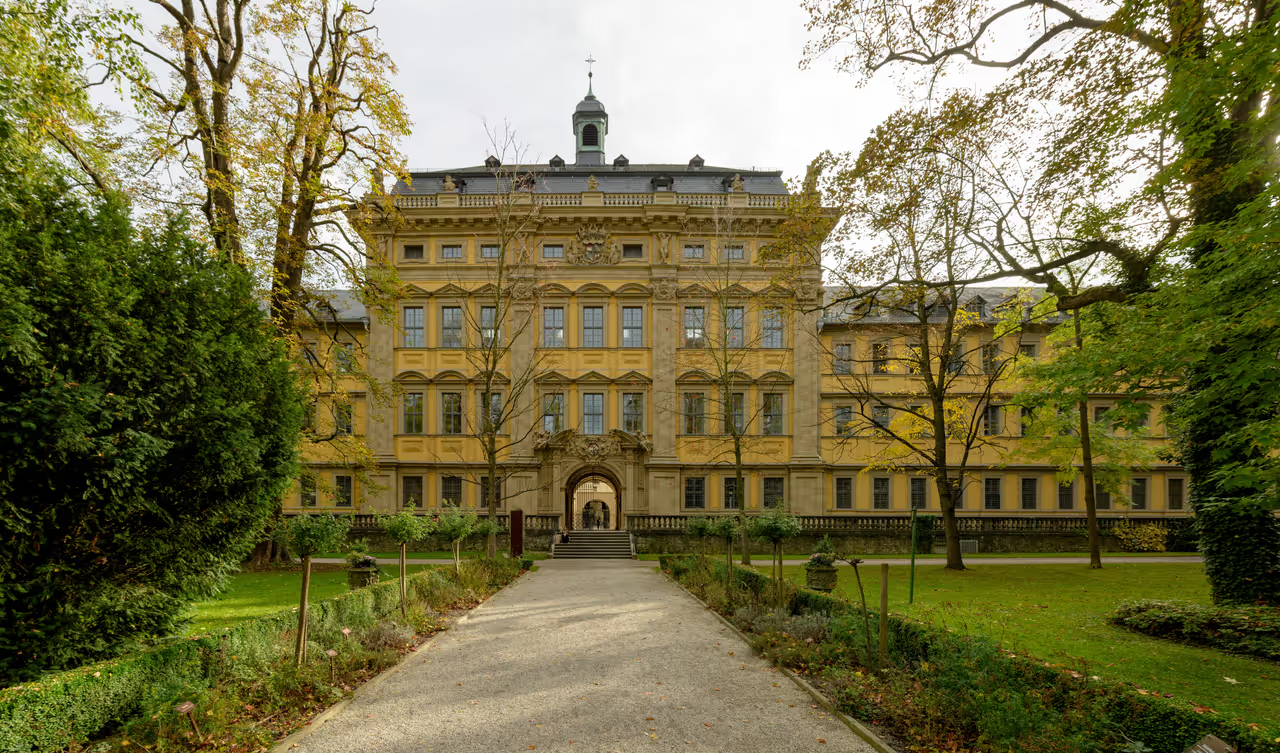
Baroque Brilliance
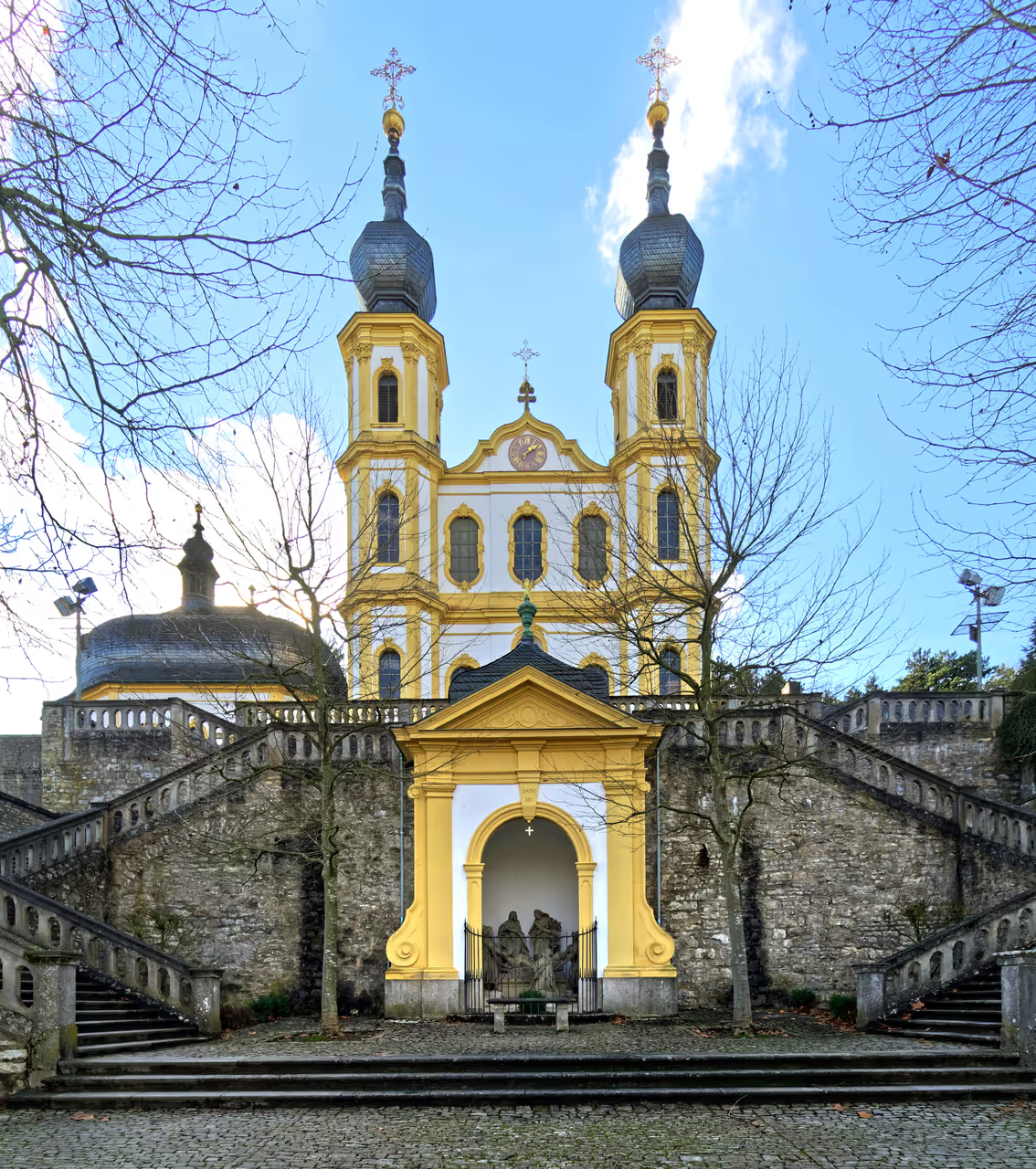
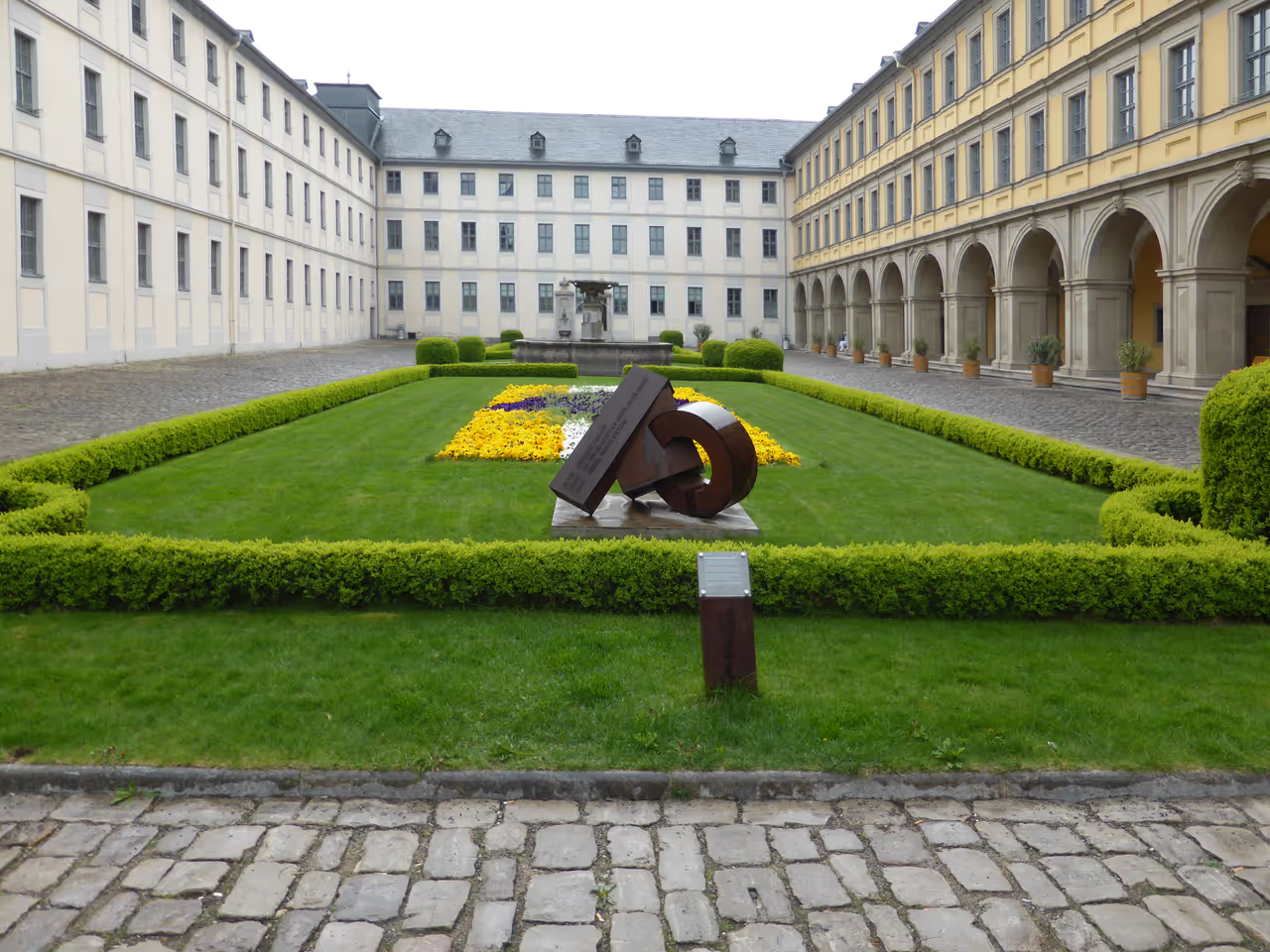
This tour immerses walkers in the flamboyant, highly decorative architectural style that defined the city's rebirth in the seventeenth and eighteenth centuries. It showcases the masterful work of legendary architects like Balthasar Neumann who transformed the cityscape into a theatrical display of curves and stucco. The route reveals how the Baroque aesthetic permeated everything from grand civic hospitals to intimate pilgrimage chapels. It is a visual feast of ornate facades, playful sculptures, and dramatic, sweeping interiors. The journey highlights the absolute pinnacle of southern German artistry.
view self-guided tour
See all attractions in Würzburg
Falkenhaus, Juliusspital Foundation, Little Chapel, Marienberg Fortress, Marienkapelle, Old Main Bridge, St. Kilian's Cathedral...