St. Kilian's Cathedral
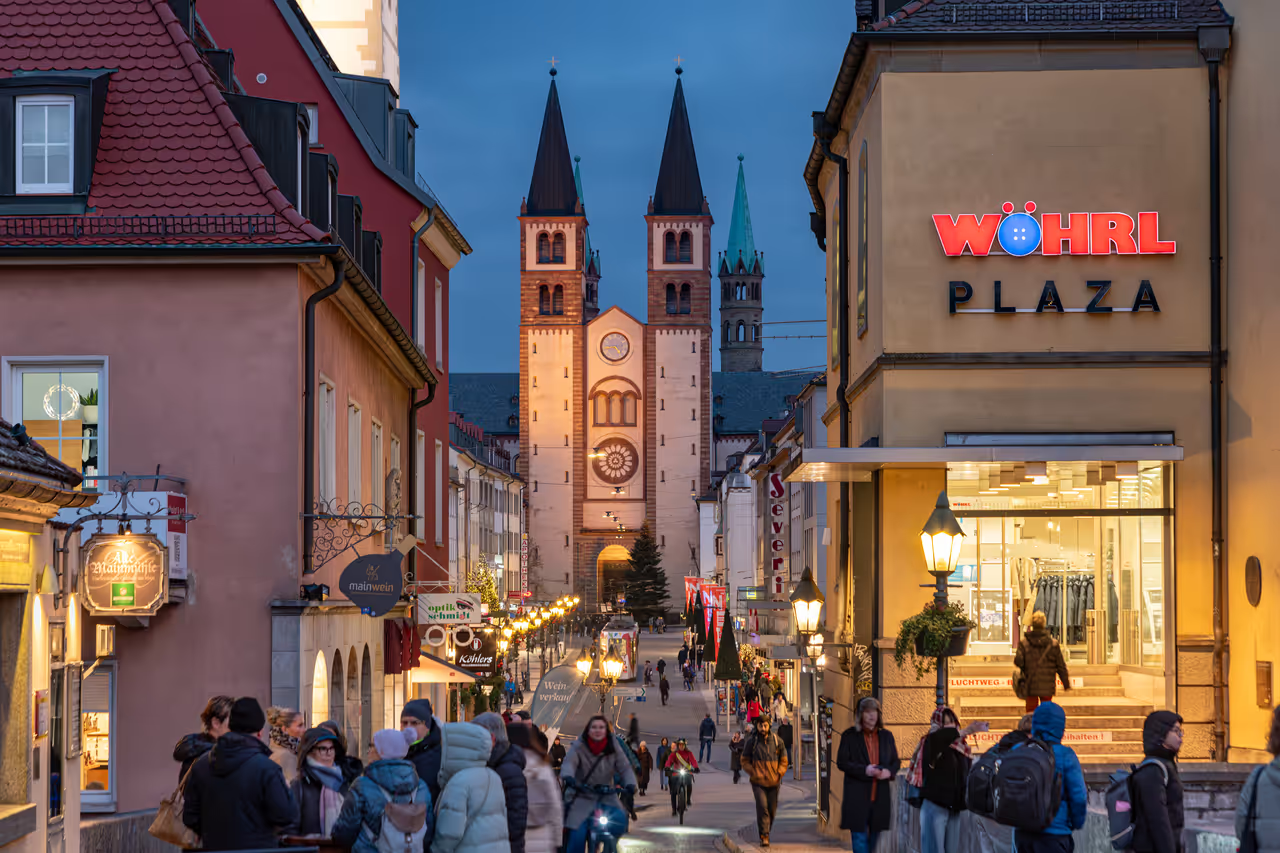
Dom St. Kilian, Würzburg's majestic cathedral, stands as Germany's fourth-largest Romanesque church, a true architectural marvel. It beautifully blends its original Romanesque grandeur with stunning Baroque flourishes and thoughtful modern additions, telling centuries of history through its stones. Step inside to discover magnificent artworks, including exquisite altars by the famed sculptor Tilman Riemenschneider and the dramatic 'Creation' portal by Fritz Koenig. The cathedral's towering twin spires majestically punctuate the Würzburg skyline, inviting you to explore its profound spiritual atmosphere and rich artistic heritage. From the ancient Merovingian cross in the crypt to the vibrant Schönborn Chapel, every corner offers a captivating glimpse into faith and artistry. A visit promises an unforgettable journey through time, revealing the resilience and continuous evolution of this sacred landmark.
Videos
History of St. Kilian's Cathedral
The origins of St. Kilian's Cathedral in Würzburg stretch back to the 8th century, with the establishment of an early cathedral and monastery. This initial structure, like its immediate successor completed in 855 and dedicated to Salvator, eventually succumbed to fire. However, a new era began in 1040 when Bishop Bruno of Würzburg initiated the construction of the grand Romanesque basilica we largely see today. Though Bishop Bruno tragically died in 1045, his successor, Bishop Adalbero, saw the monumental project through to completion in 1075, forging what would become the fourth-largest Romanesque church in Germany. This period also saw the Domschule, the cathedral school, rise to become one of the most distinguished educational institutions in the Holy Roman Empire, a testament to the cathedral's central role in the intellectual and spiritual life of the region. Over the centuries, the cathedral's character evolved. Around 1500, its side aisles were refashioned in the late Gothic style, and then, beginning before 1627 and vigorously continuing after the Thirty Years' War, the interior underwent a dramatic Baroque transformation. This period saw renowned artists contribute their talents, including Matthäus Merian the Younger and Joachim von Sandrart, whose works adorned the altars. A particularly significant contribution was the stunning stucco work by Giovanni Pietro Magno between 1701 and 1706, which imbued the interior with a new sense of ornate grandeur and artistic brilliance. The 20th century brought immense challenges. The cathedral suffered severe damage during the bombing of Würzburg in March 1945, followed by the catastrophic collapse of major sections in February 1946. The subsequent rebuilding, overseen by Hans Schädel until 1967, proved to be a complex and at times controversial process. It involved a deliberate 're-Romanization,' where much of the Baroque substance was removed to emphasize the Romanesque core, yet also incorporated modern elements, creating a unique synthesis of styles. This era also witnessed the installation of Fritz Koenig's monumental 'Creation' portal and the hosting of the Würzburg Synod from 1971 to 1975, an assembly crucial for implementing the Second Vatican Council's reforms in Germany. Today, the cathedral stands as a resilient symbol, a living monument to centuries of faith, destruction, and enduring renewal.
11 Events spanning 1184 years
Fun Facts
- • Between 1701 and 1706, the cathedral's interior was transformed by Giovanni Pietro Magno and his team, who created outstanding European Baroque stucco art, though some intended framed elements were never filled with paintings.
- • During the Nazi era, the Würzburg Catholic Church and its representatives, including Bishop Matthias Ehrenfried, courageously issued decisive statements and led public demonstrations against the regime from the cathedral.
- • During the medieval period, the Domschule (cathedral school) in Würzburg was one of the most prominent cathedral schools within the Holy Roman Empire, rivaling those in Liège and Worms.
- • From 1971 to 1975, the Würzburg Synod convened in the cathedral, an important assembly tasked with implementing the results of the Second Vatican Council for Germany.
- • From the 13th century until the end of the 16th century, Würzburg bishops had a unique burial practice: their hearts were interred in Ebrach Abbey, their entrails in the chapel of Marienburg Fortress, and their bodies within the cathedral itself.
- • In 1253, Bishop Hermann I of Lobdeburg financed a new altar for the cathedral using income from six 'apothecis,' which were early forms of general or spice stores, long before modern pharmacies existed.
- • Its patron saint has changed over the centuries: initially dedicated to Salvator (855-circa 1000), then to St. Andrew (circa 1000-1967), and since 1967, to the Frankish martyrs Kilian, Kolonat, and Totnan.
- • The Würzburg Cathedral holds the distinction of being the fourth-largest Romanesque church building in Germany, a testament to its imposing scale and historical significance.
- • The cathedral houses one of Germany's largest bell ensembles, comprising 20 bells with a total weight of 26 tonnes. The oldest is the 1257 Lobdeburg Bell, which miraculously survived the 1945 firestorm.
- • The cathedral suffered catastrophic damage during the bombing of Würzburg on 16 March 1945, and then endured a partial collapse, particularly of its north wall, in February 1946.
- • The main organ, consecrated in 1969 and built by Johannes Klais Orgelbau, is a impressive instrument featuring 6652 pipes and 87 registers.
- • The monumental 5.50-meter-high main portal doors, unveiled in 1962, depicting the biblical 'Creation', are a significant work by the internationally renowned Würzburg-born sculptor Fritz Koenig.
- • The post-war reconstruction, completed in 1967 under the direction of diocesan and cathedral architect Hans Schädel, involved a controversial 're-Romanization' that intentionally removed much of the Baroque substance in favour of a blend of Romanesque, modern, and surviving Baroque elements.
- • Within the cathedral are significant artworks, including two renowned funerary monuments by Tilman Riemenschneider, one for Bishop Rudolf II von Scherenberg and another for Bishop Lorenz von Bibra.
RESOURCES
Official WebsiteSt. Kilian's Cathedral FAQ
While we strive to keep this information accurate and up to date, we recommend verifying any details independently before making decisions based on them.
St. Kilian's Cathedral Map & Neighborhood Explorer
This interactive map is centered on St. Kilian's Cathedral. Zoom in and move the map around to automatically discover Wikipedia photos and summaries of other nearby sights, monuments, and historical points of interest and stories in real-time!
Places near St. Kilian's Cathedral
Make the most of your trip. Check out these top-rated spots located nearby.
 56m
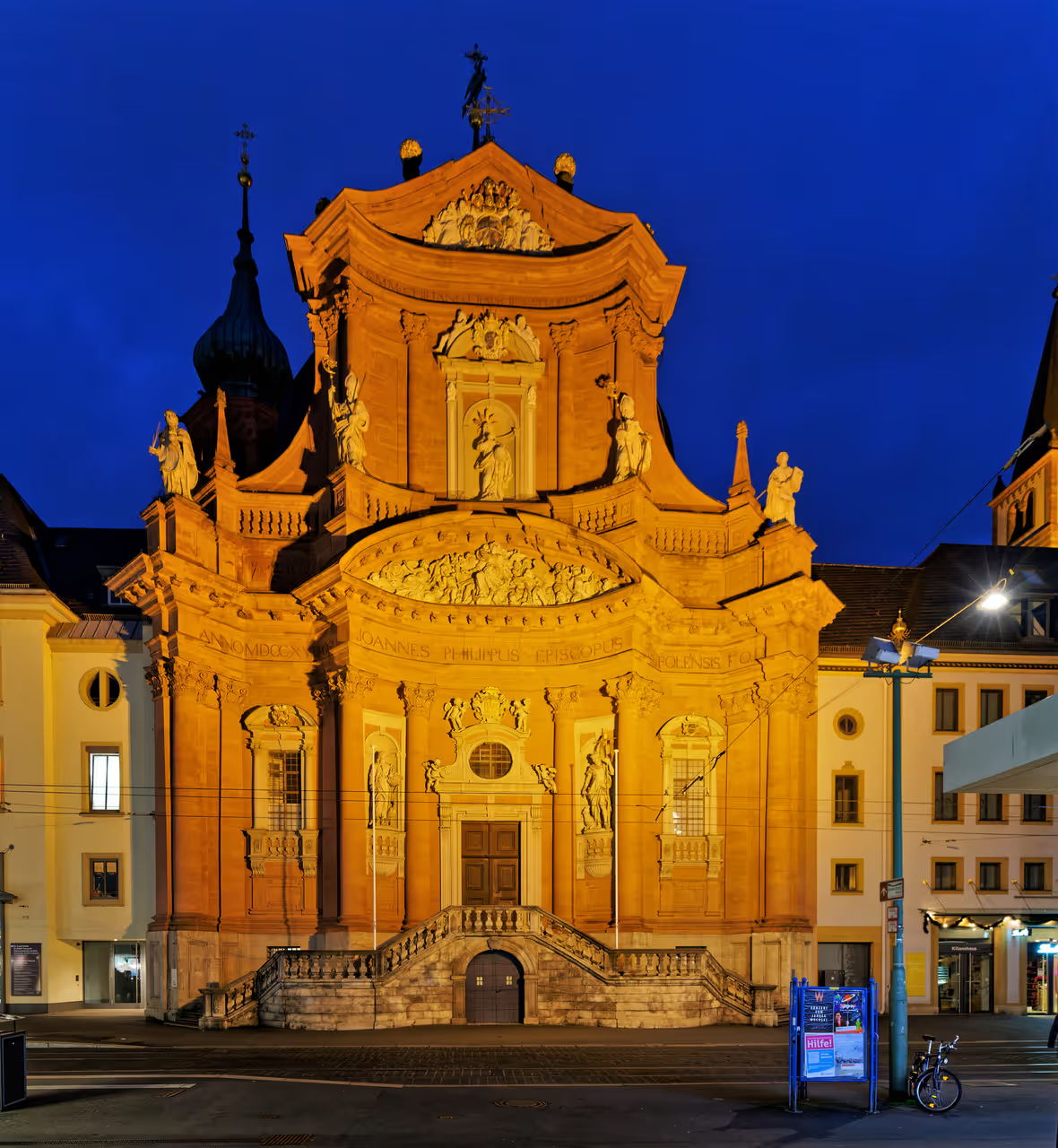
56mNeumünster Collegiate Church
Standing as a masterpiece of Franconian Baroque, the Neumünster is much more than a church; it is the spiritual heart of Würzburg. Its striking red sandstone facade and magnificent dome dominate the skyline, inviting you to discover a site where deep Romanesque roots meet 18th-century splendour. It marks the exact spot where the Irish missionary Saint Kilian and his companions were martyred, giving the building an incredible historical weight that you can still feel in the quiet of the crypt. Inside, the light-filled nave showcases the genius of the Zimmermann brothers and the legendary sculptor Tilman Riemenschneider. Beyond the altar, the Lusamgärtchen offers a peaceful cloister retreat that holds the legendary grave of Germany's most famous medieval poet. Whether you are drawn by the haunting beauty of the relics or the tranquil atmosphere of the hidden gardens, visiting this landmark is a highlight of any trip to the city.
attraction view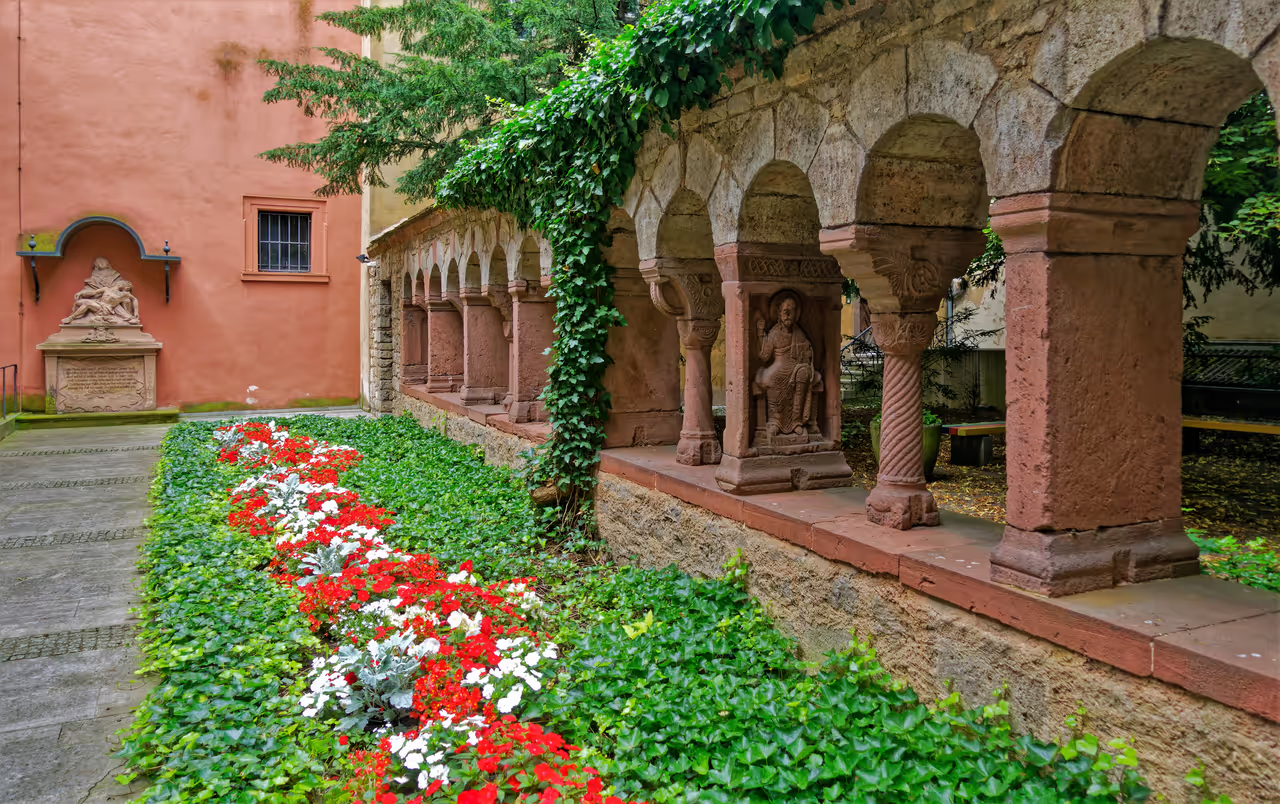 94m
94mLusam Garden
Tucked quietly away behind the massive Neumünster church, this tiny, walled cloister garden is a profoundly peaceful oasis hidden right in the bustling city centre. It contains the few remaining, elegant Romanesque arches of a former cloister, creating a deeply historical and slightly melancholic atmosphere. The focal point is a simple, modern memorial stone dedicated to Walther von der Vogelweide, arguably the most celebrated poet of the German Middle Ages, who is reputed to be buried exactly here. The garden is incredibly lush and green, offering a stark contrast to the surrounding stone streets. It is a highly revered, secret spot where literary lovers come to find a moment of absolute tranquillity. Discovering this serene courtyard feels like stepping into a private, medieval sanctuary.
hidden gem view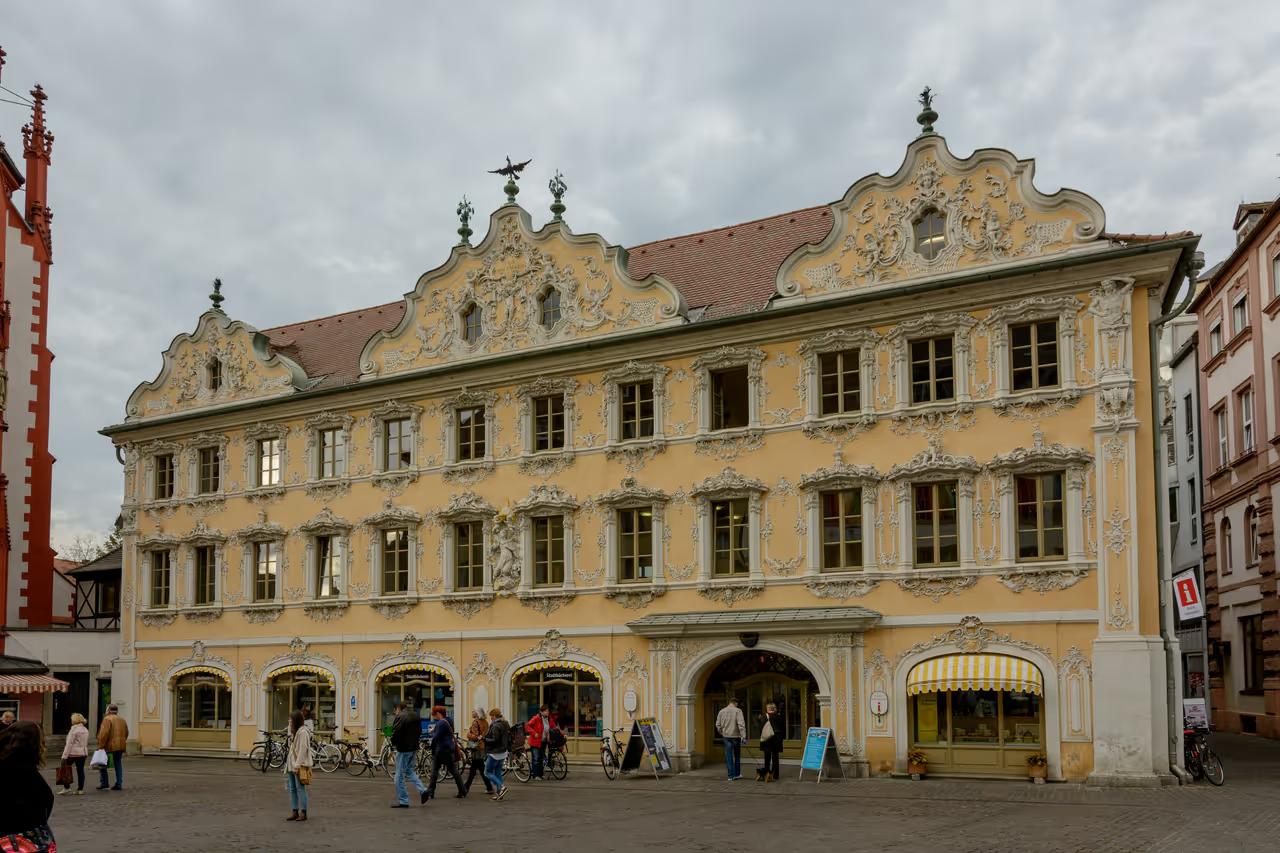 235m
235mFalkenhaus
Standing proud on the edge of Würzburg's lively market square, the Falkenhaus is an architectural masterpiece that captures the whimsical spirit of the Rococo era. Its lemon yellow facade is adorned with some of the most intricate and beautiful stucco work in southern Germany, making it an absolute magnet for photographers and history lovers alike. Once a grand inn and the city's social heart, it now serves as a welcoming hub for visitors and locals as the home of the tourist information centre and the city library. The building is a testament to the city's resilience, having been painstakingly reconstructed to its former glory after the devastation of the Second World War. Visiting this spot allows you to appreciate the delicate balance between historical grandeur and modern civic life. Whether you are seeking travel tips or simply want to marvel at the swirling floral patterns of its exterior, the Falkenhaus is an essential stop on any Würzburg itinerary.
attraction view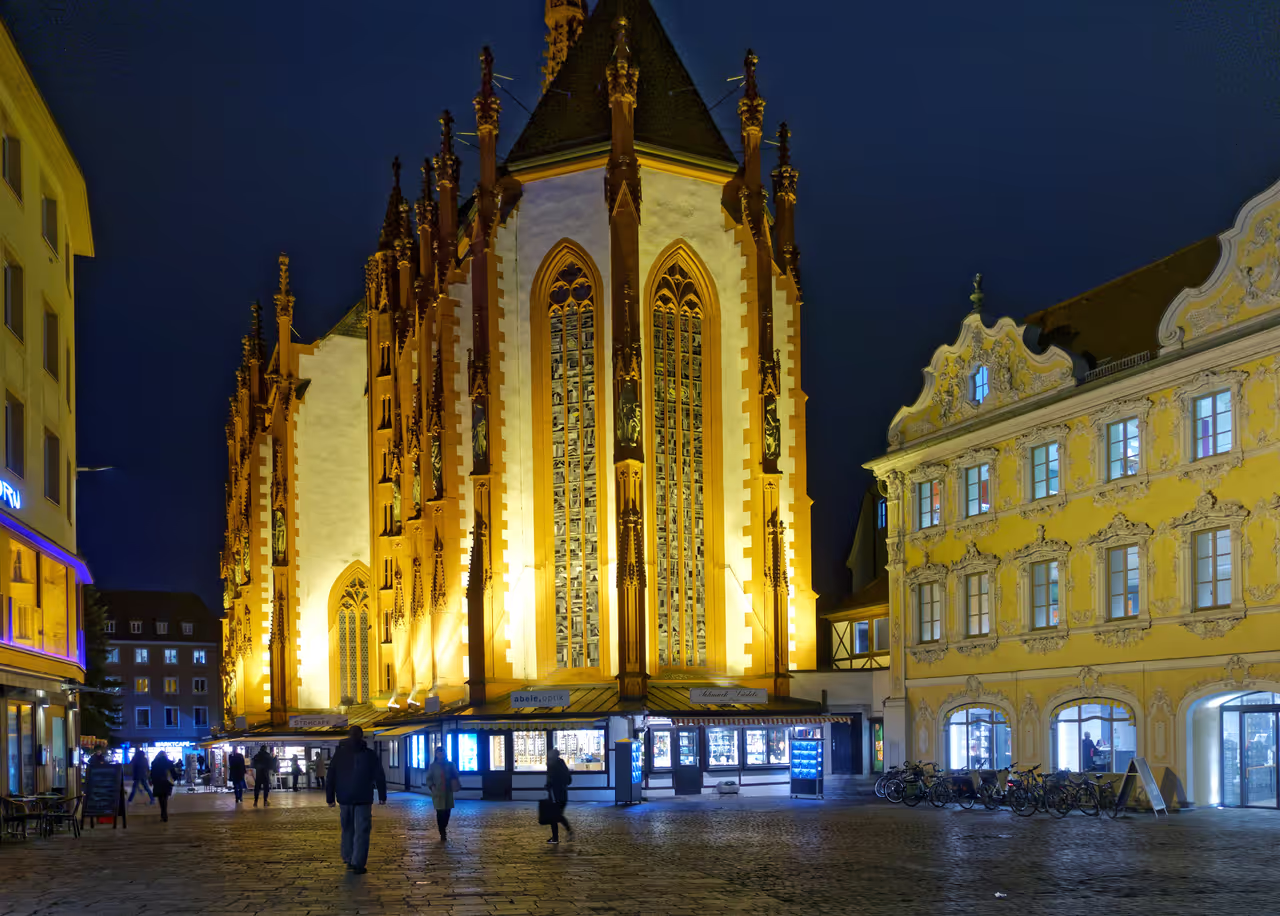 245m
245mMarienkapelle
Standing proudly on Würzburg's market square, the Marienkapelle is a striking late Gothic masterpiece famous for its vibrant red and white facade. While it looks like a massive cathedral, it is technically a chapel because it was built by the city's citizens rather than the church hierarchy. Visiting this site offers a chance to see some of the finest examples of German sculpture, including works by the legendary Tilman Riemenschneider. The atmosphere inside provides a peaceful retreat from the surrounding market, while the exterior is famous for the tiny shops built directly into its walls. It is a place where deep medieval history meets the local spirit of Würzburg. Whether you are an art lover or a history enthusiast, the chapel represents the city's resilience and artistic golden age.
attraction view
Explore Similar Places in This Collection
Featured on These Itineraries and Routes
1 Day in Würzburg Itinerary
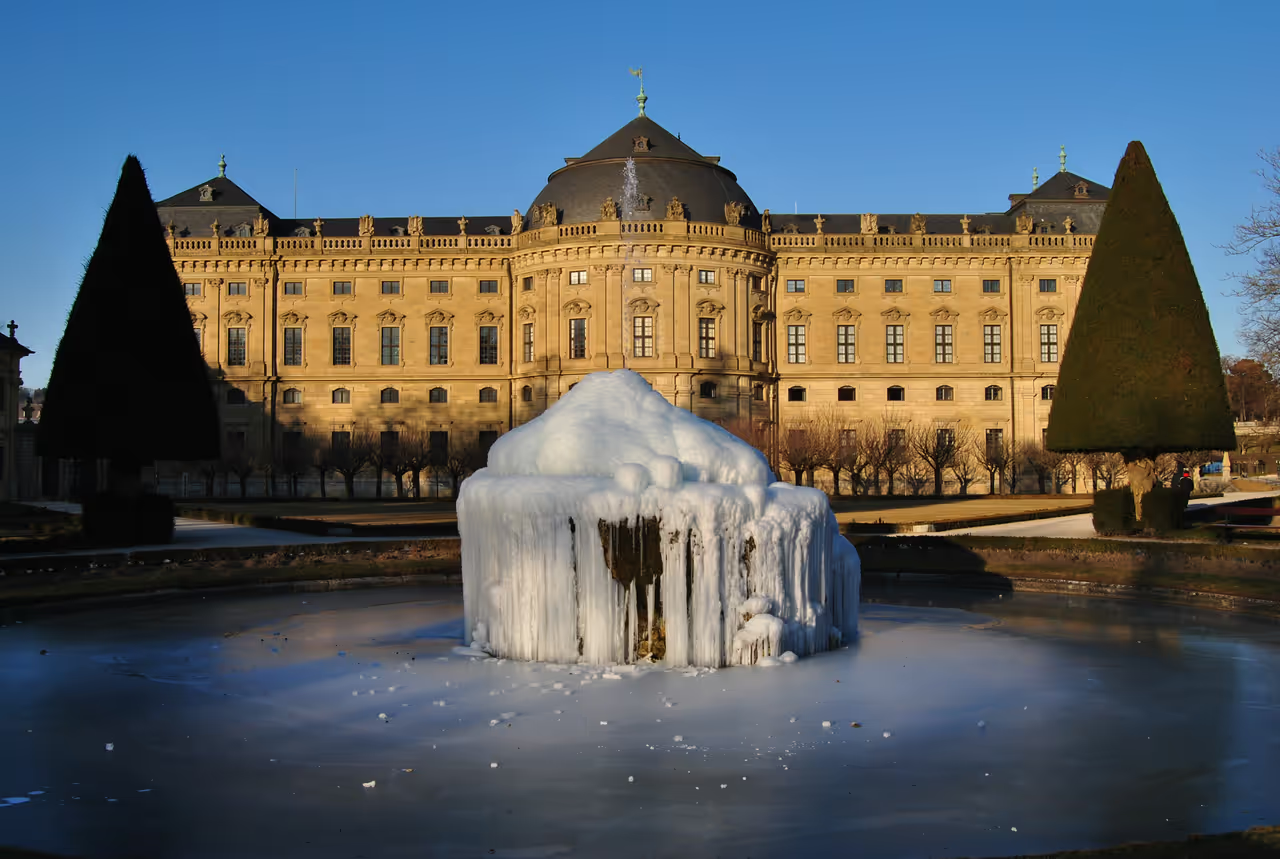
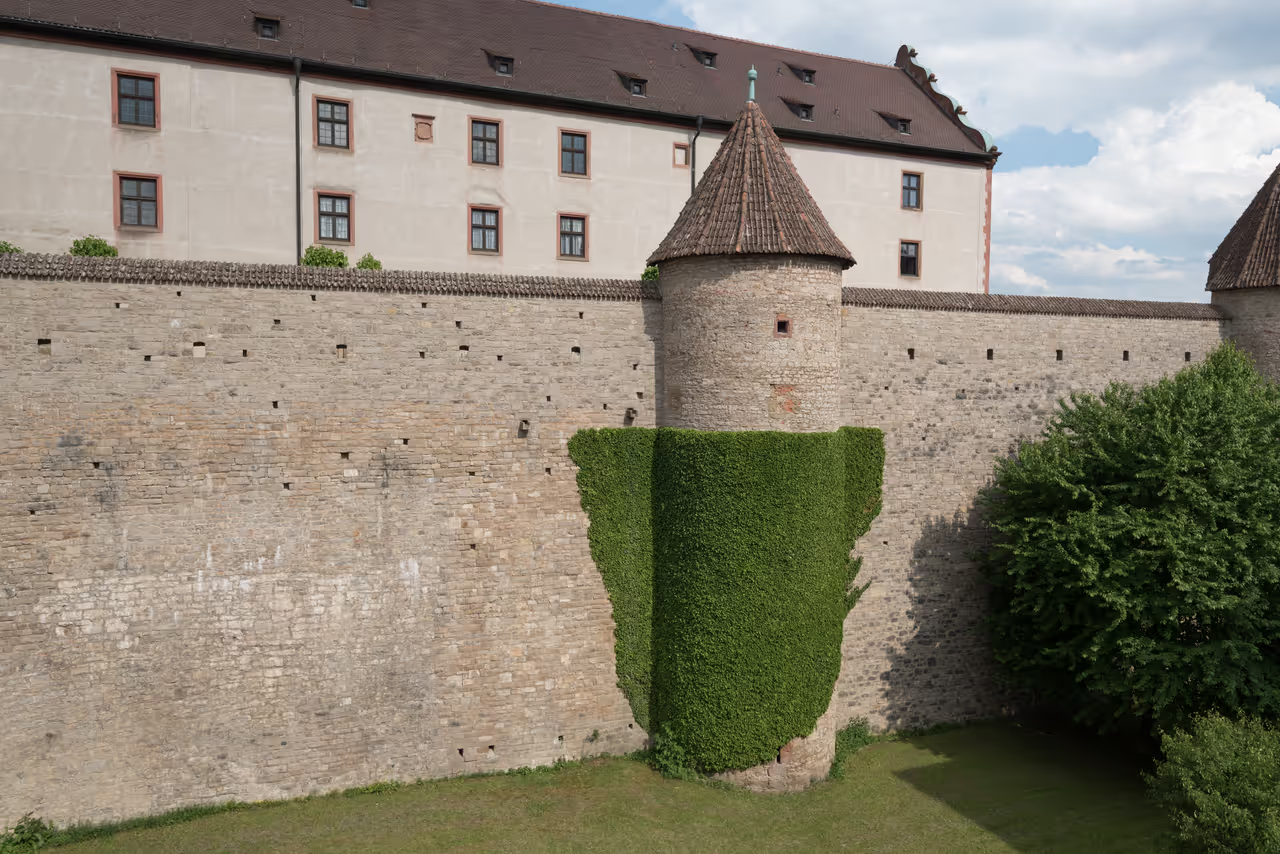
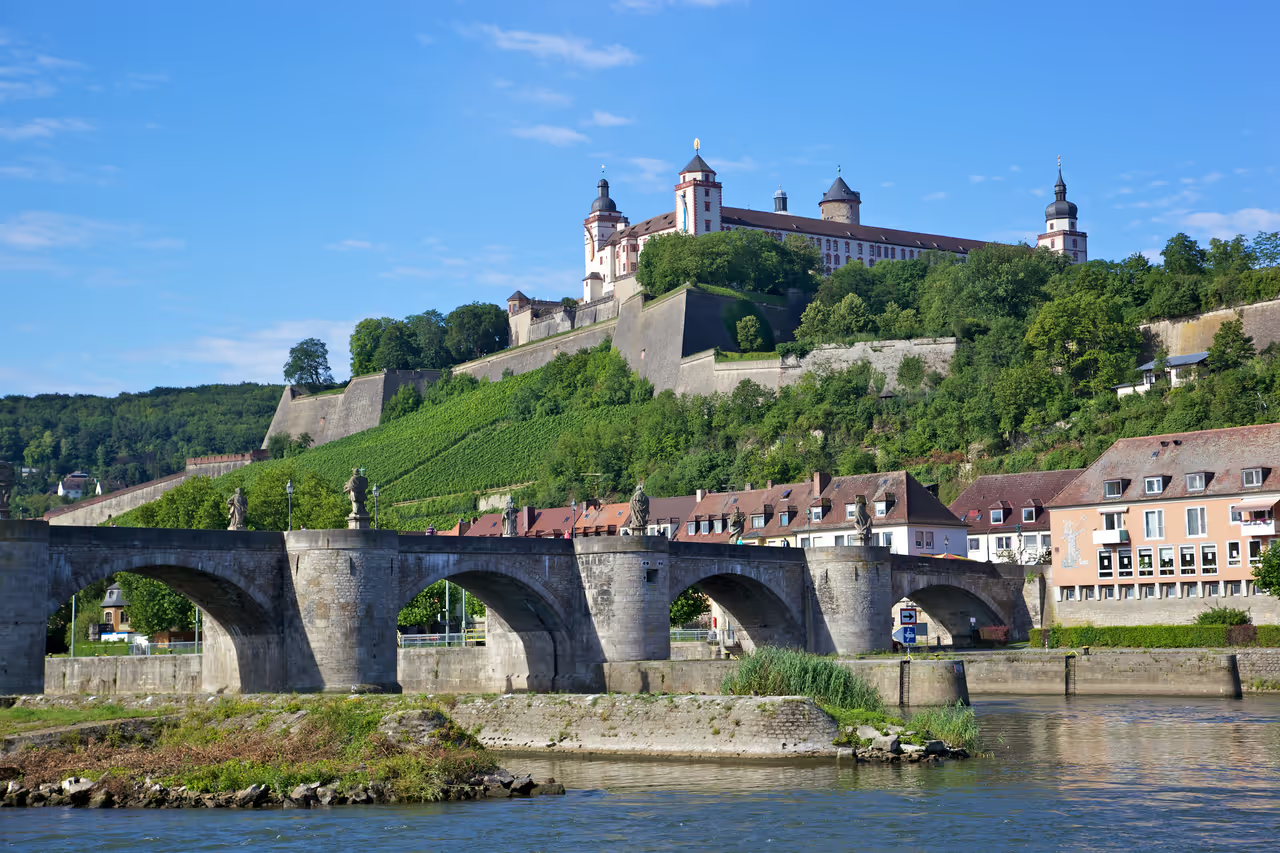
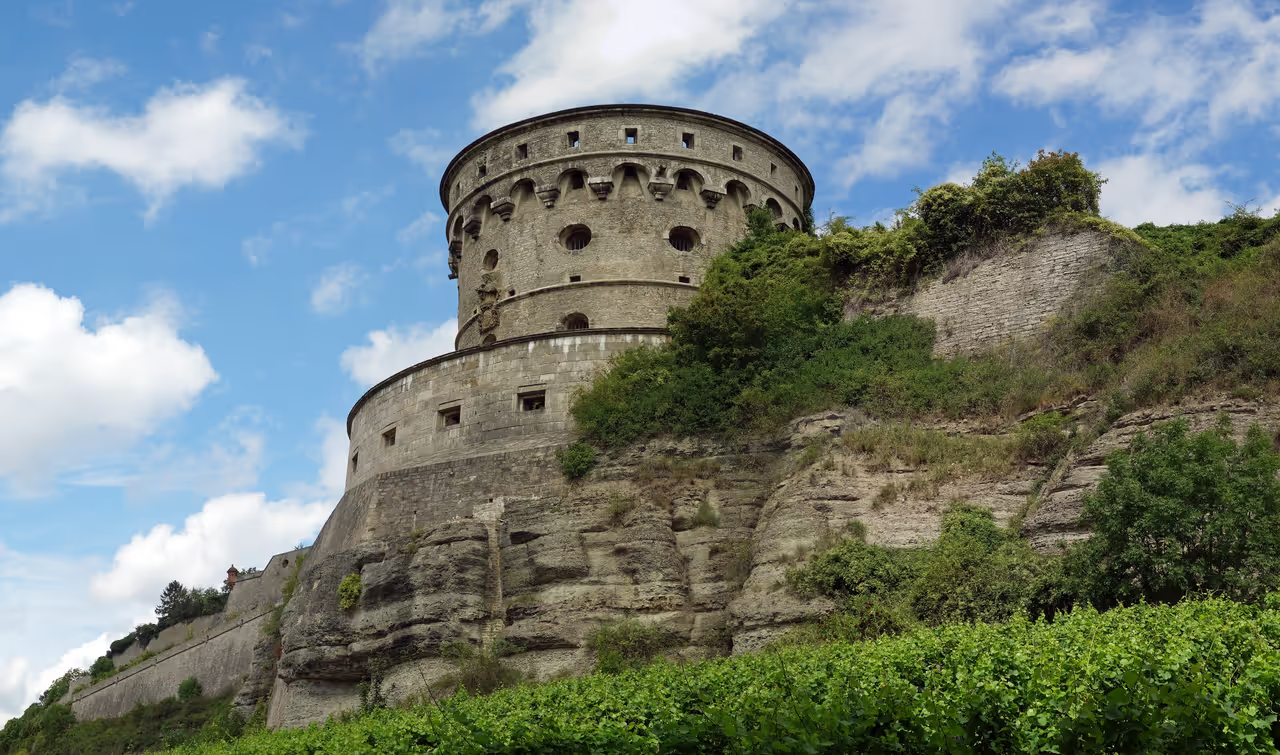
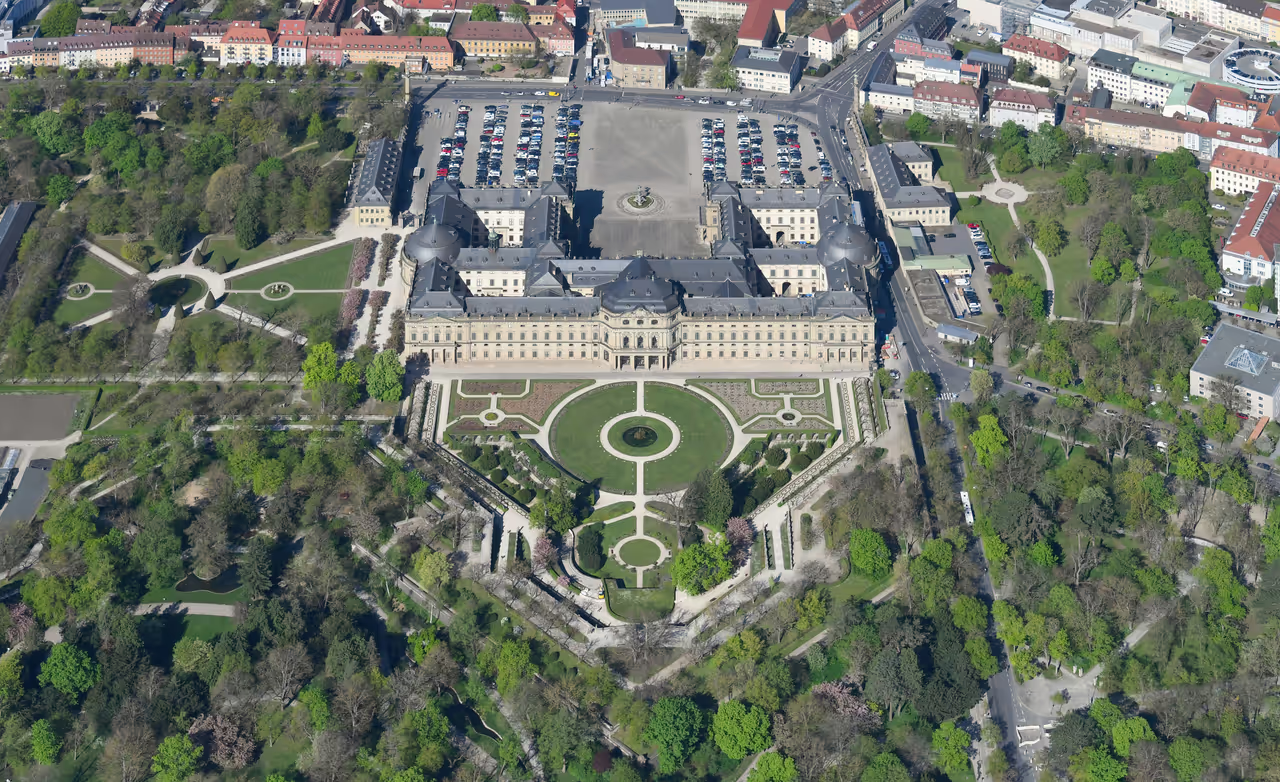
This highly focused, fast paced itinerary is designed specifically for travellers with very limited time who wish to experience the absolute pinnacle highlights of the city. It connects the most monumental, globally recognised landmarks to provide a deep understanding of the region's immense historical and architectural significance. The journey covers the breathtaking heights of Baroque palace design before transitioning to the robust, unyielding military might of the medieval era. It includes the essential, iconic visual panoramas that define the city on every postcard. By following this route, visitors will efficiently absorb the dual legacy of aristocratic wealth and defensive authority. It promises an incredibly dense, unforgettable day of grand sightseeing.
view itinerary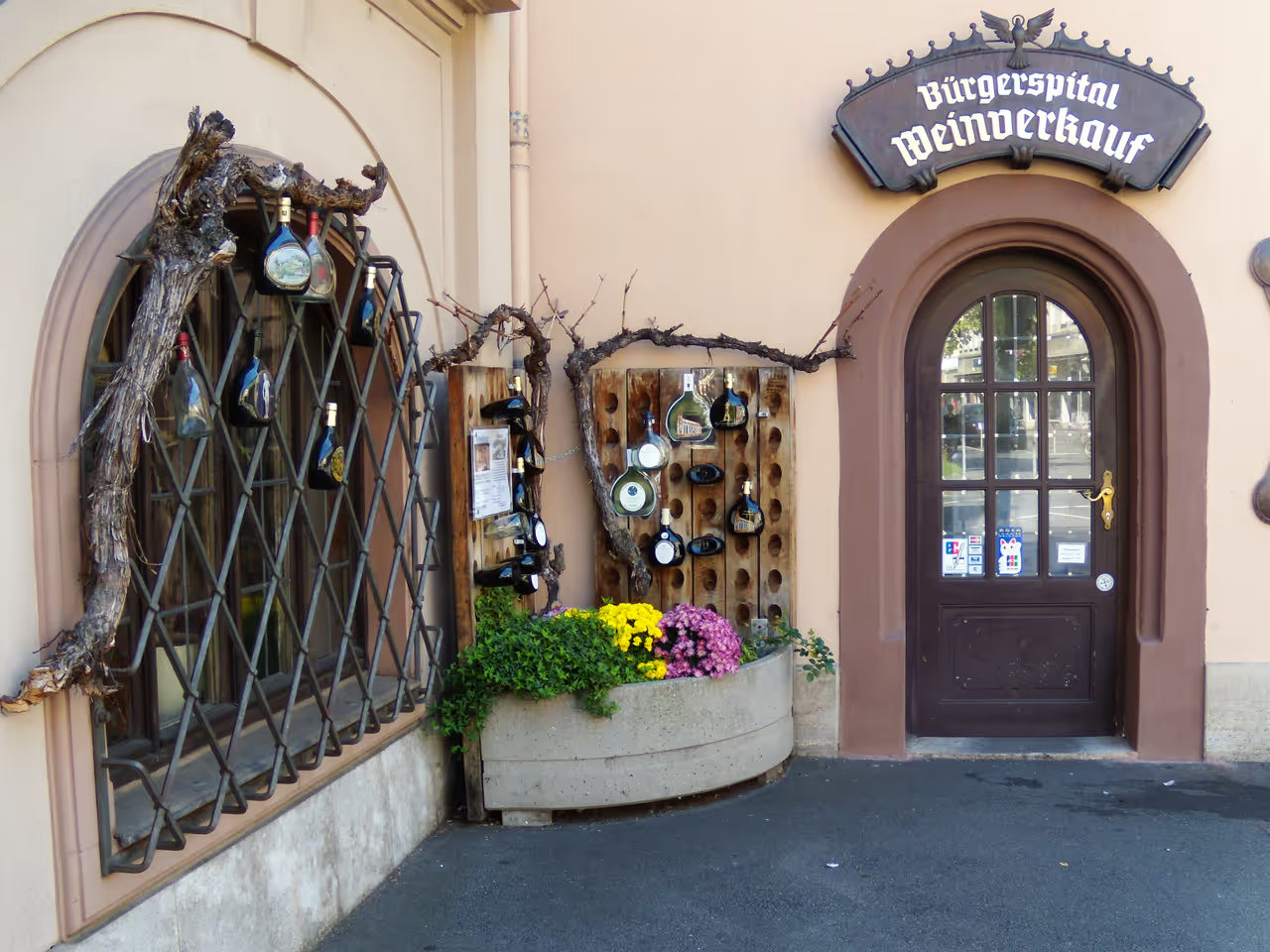
3 Days in Würzburg Itinerary
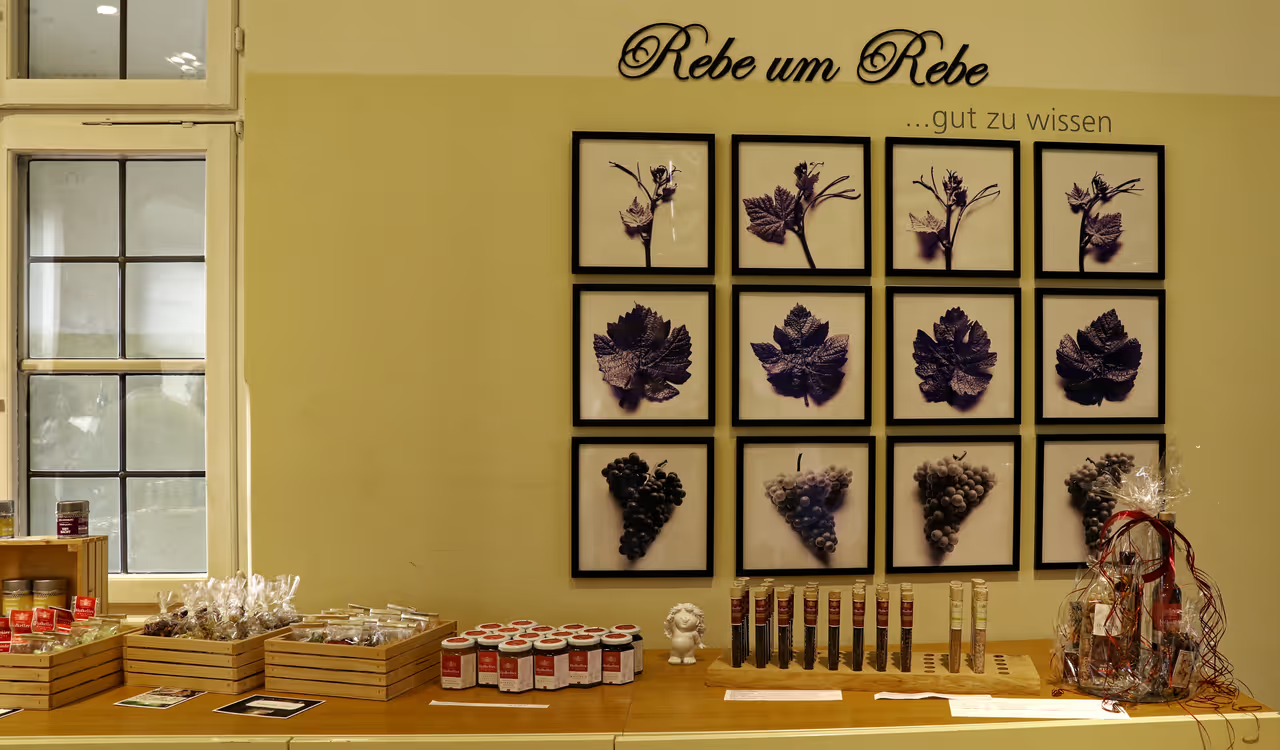
This balanced, comprehensive itinerary allows visitors to fully digest the rich history, stunning architecture, and vibrant wine culture of the region at a very comfortable pace. Over three days, the journey expands beyond the primary monuments to include elegant gardens, important museums, and deeply authentic local culinary institutions. It provides ample time to genuinely appreciate the incredibly intricate details of the Baroque masterpieces without suffering from museum fatigue. The plan thoughtfully mixes rigorous historical exploration with highly relaxing, sensory experiences like exploring ancient, cavernous wine cellars. It is the absolute ideal duration to capture the true, relaxed essence of Franconian life. Visitors will leave with a profound, well rounded appreciation of the city.
view itinerary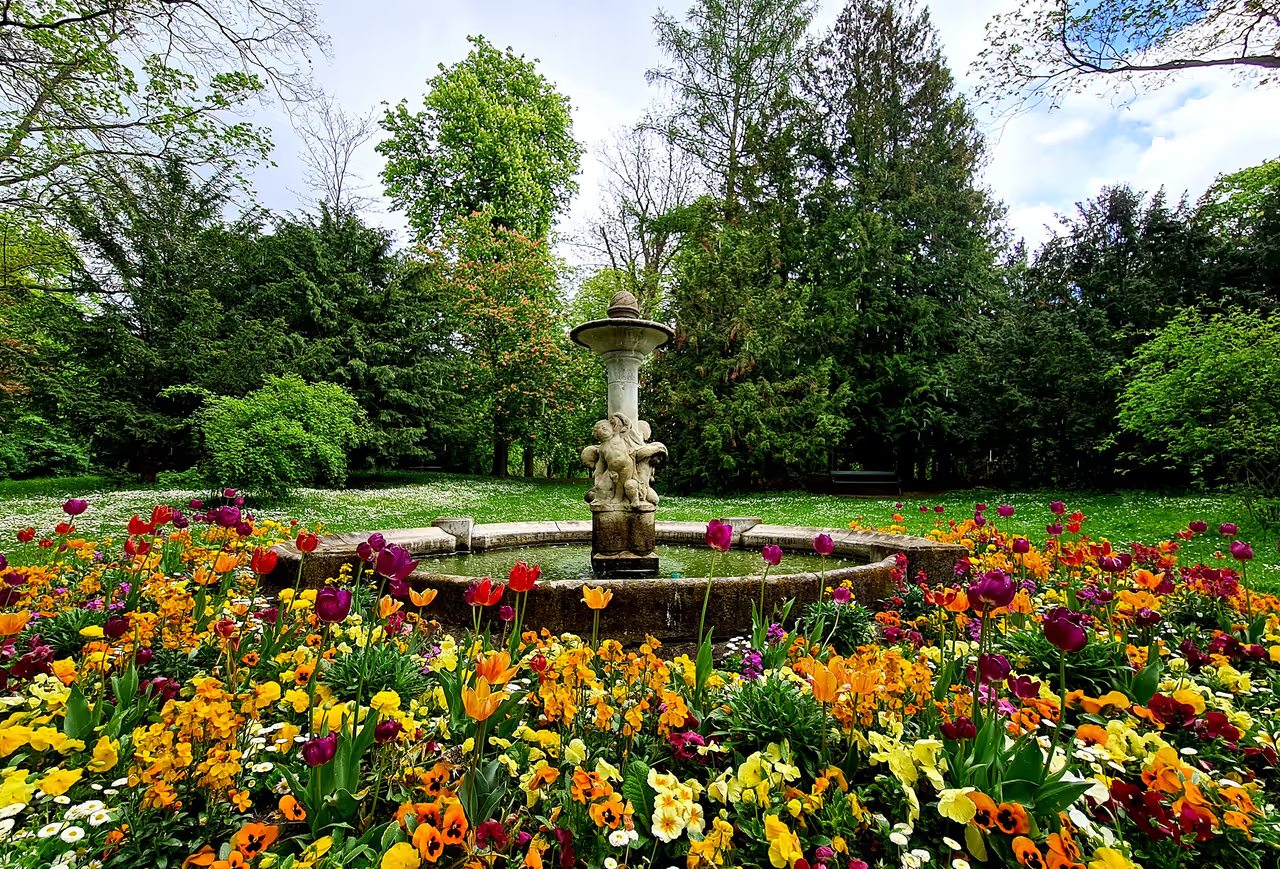
5 Days in Würzburg: Deep Dive Itinerary
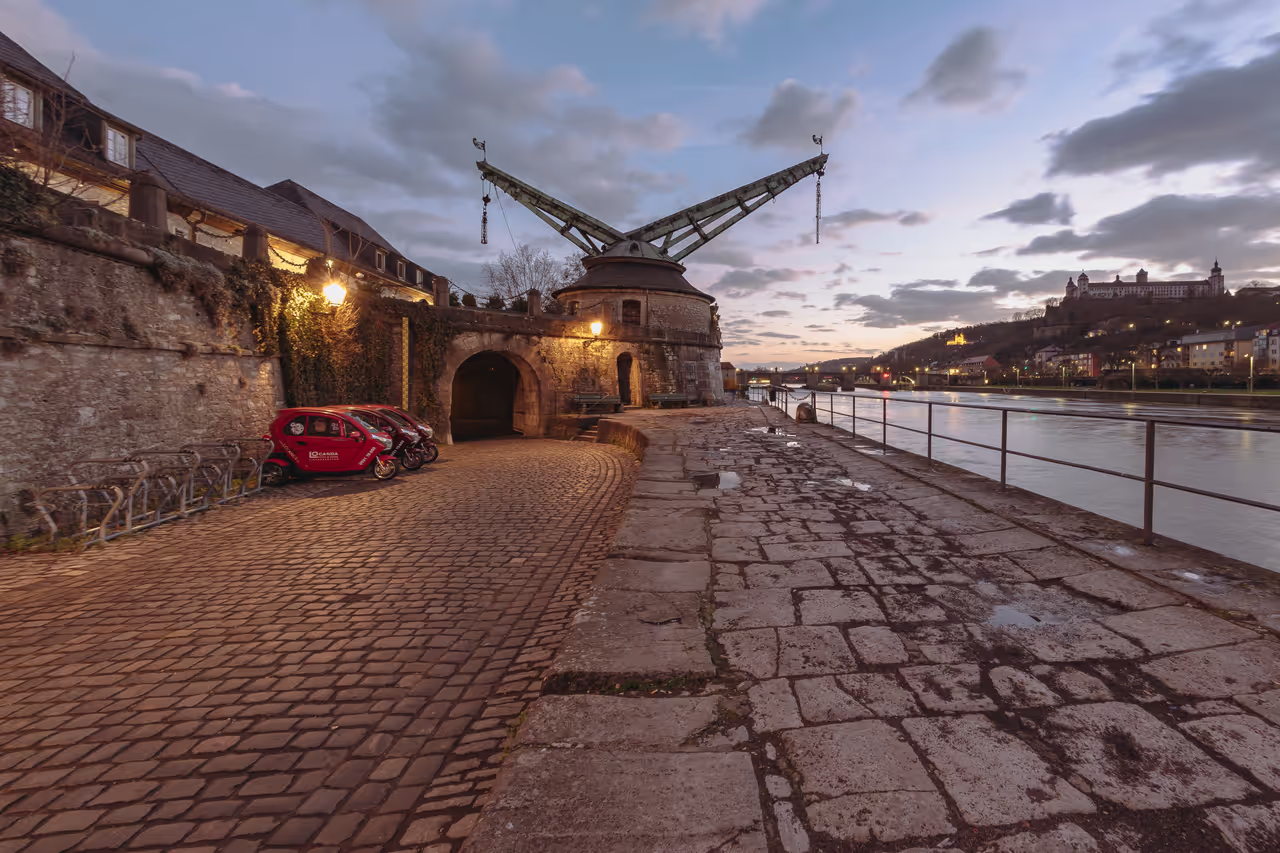
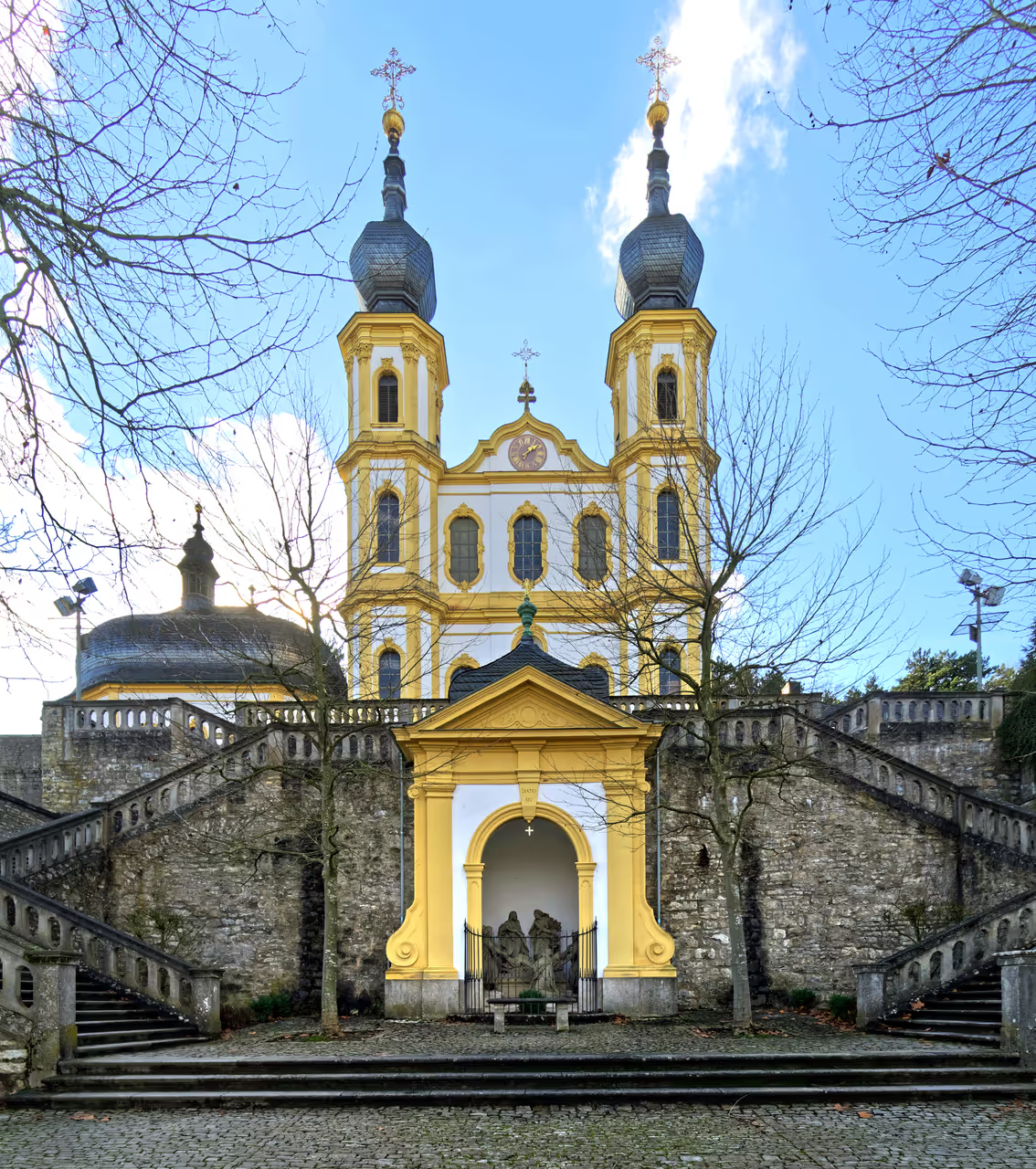
This extensive, unhurried itinerary is crafted for the deeply curious traveller who wants to uncover every layer of history, art, and nature the municipality has to offer. With five full days, the journey reaches far beyond the central squares, exploring massive hillside pilgrimage churches, quiet botanical parks, and highly specialised museums. It affords the incredible luxury of experiencing the renowned wine culture through multiple, distinct historical cellars without ever rushing the tastings. The generous timeframe allows for deeply immersive, peaceful strolls through the surrounding landscapes and ancient fortifications. It is the ultimate, definitive way to experience the city like a knowledgeable, highly cultured local. The pace ensures complete relaxation alongside profound historical education.
view itinerary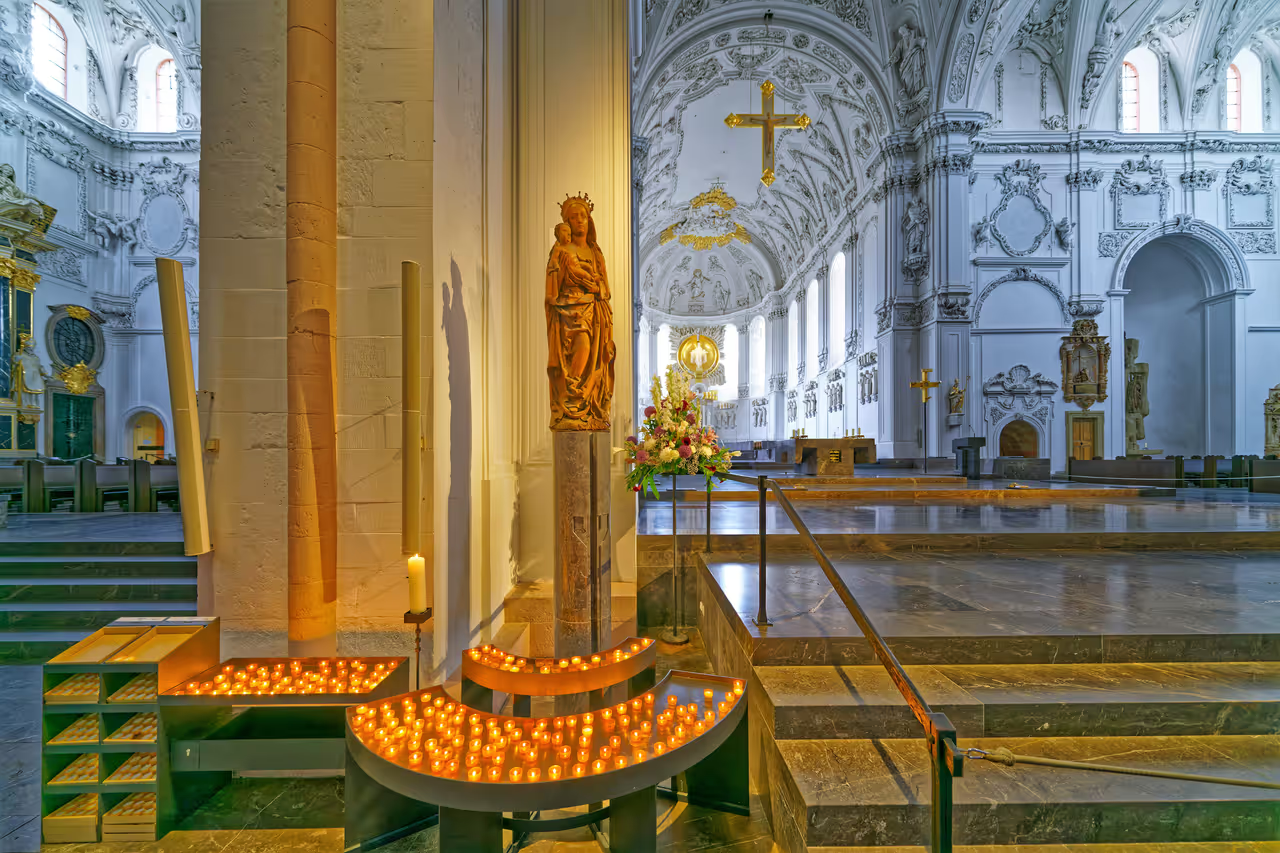
Prince Bishops Legacy
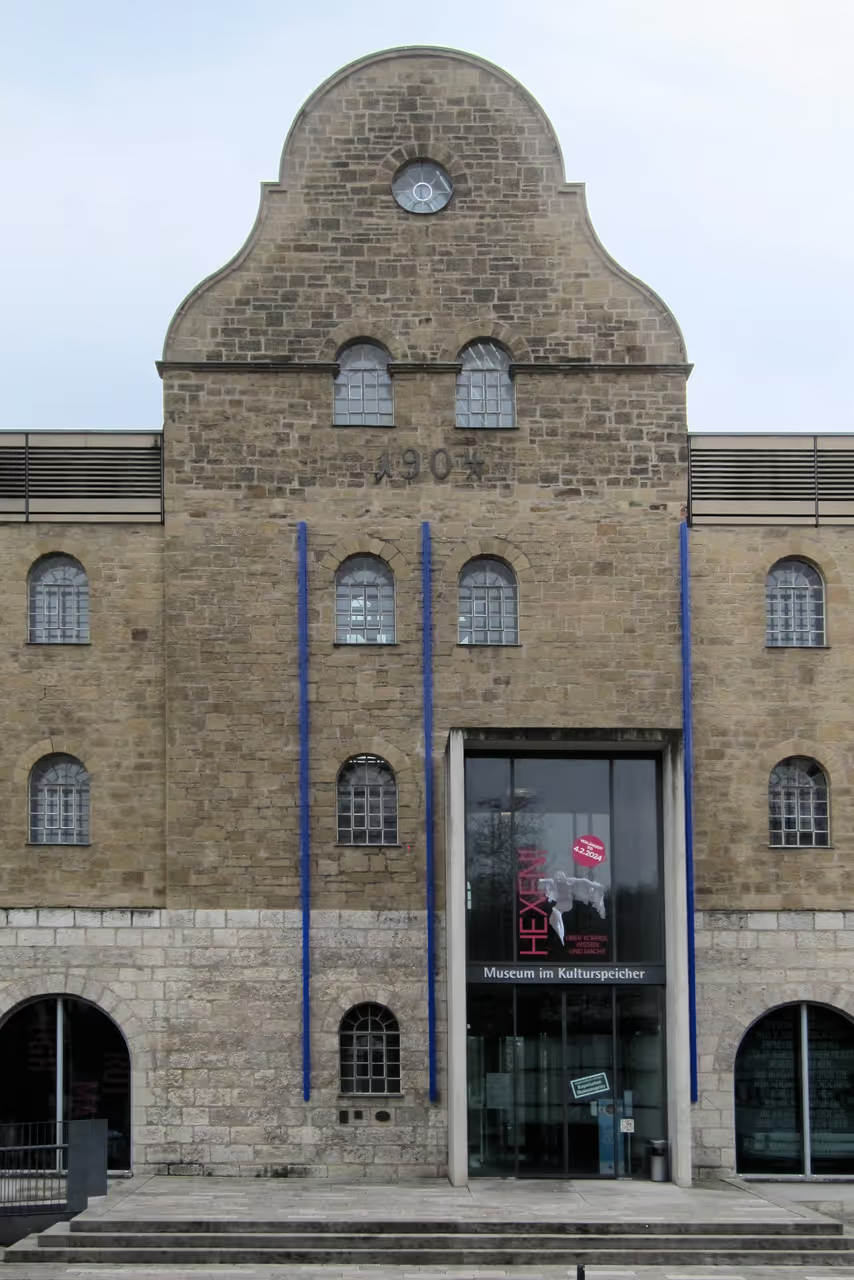
This route traces the immense architectural and political footprint left by the powerful religious rulers who shaped the city for centuries. Walkers will journey between the colossal defensive structures they built to protect themselves and the opulent palaces they constructed to flaunt their wealth. The tour highlights the dramatic shift from medieval military austerity to breathtaking Baroque extravagance. It paints a vivid picture of absolute power, immense wealth, and deep religious devotion. By connecting these monumental landmarks, the narrative of the city's golden age comes sharply into focus.
view self-guided tour
See all attractions in Würzburg
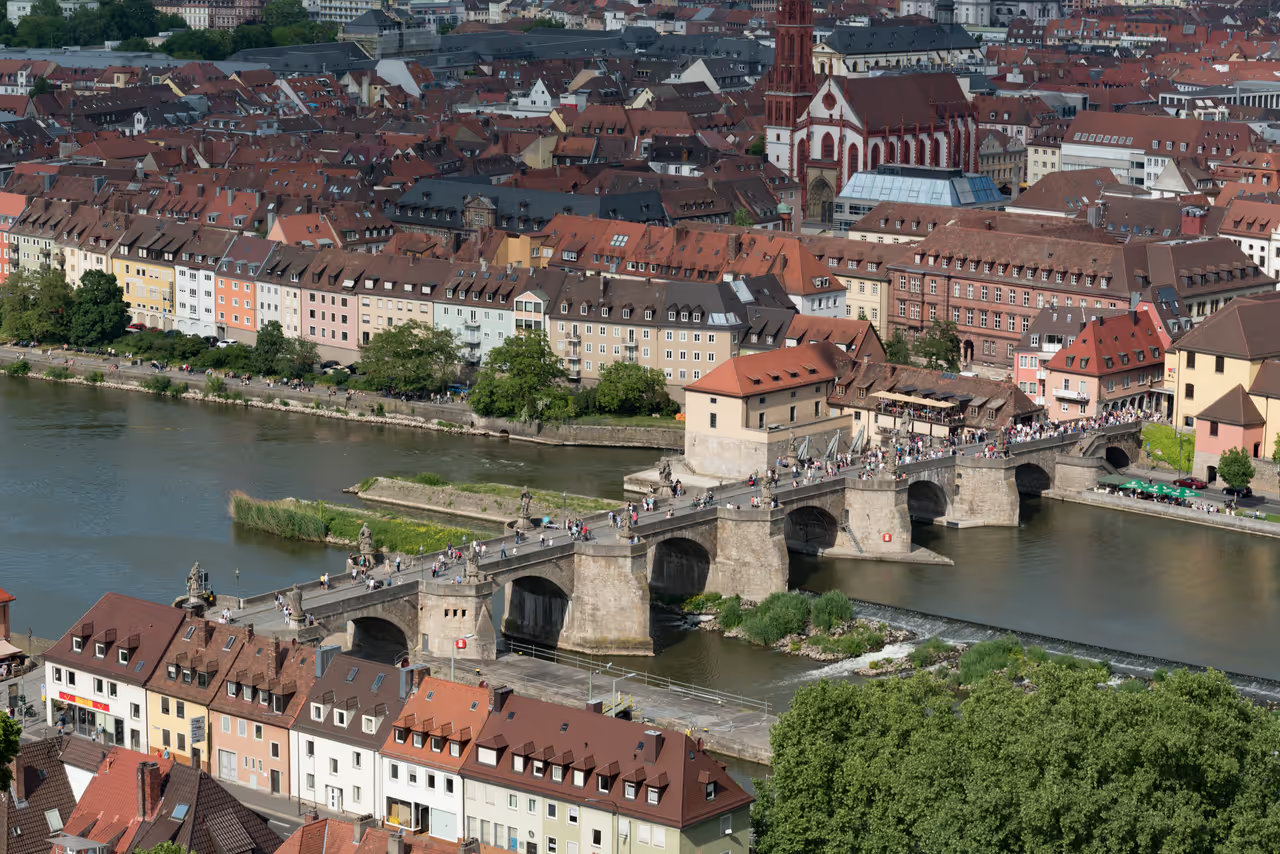
Falkenhaus, Juliusspital Foundation, Little Chapel, Marienberg Fortress, Marienkapelle, Neumünster Collegiate Church, Old Main Bridge...