Giza
Full City Guide, Map & 139 Things To Do
4,458,135 people live here.
That's 4.07% of the entire population of Egypt.
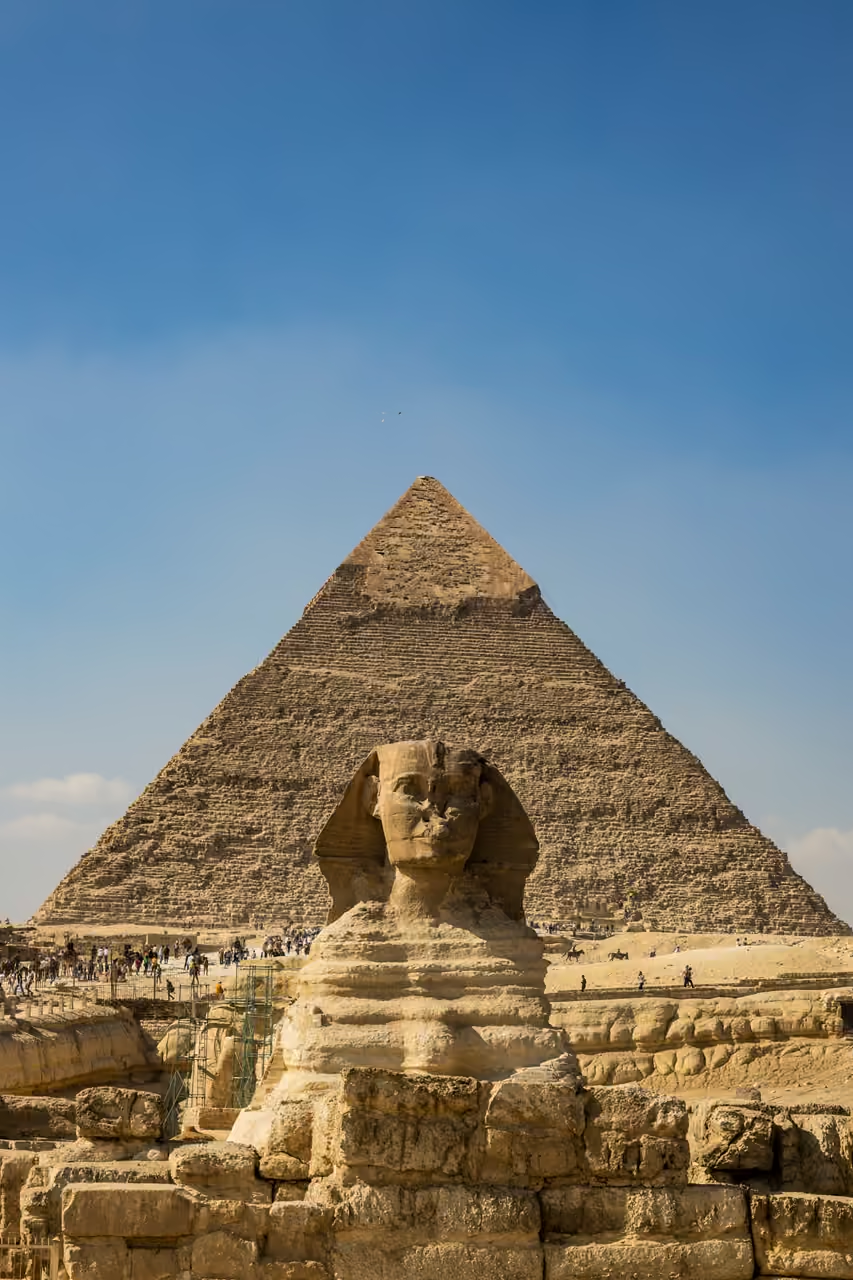
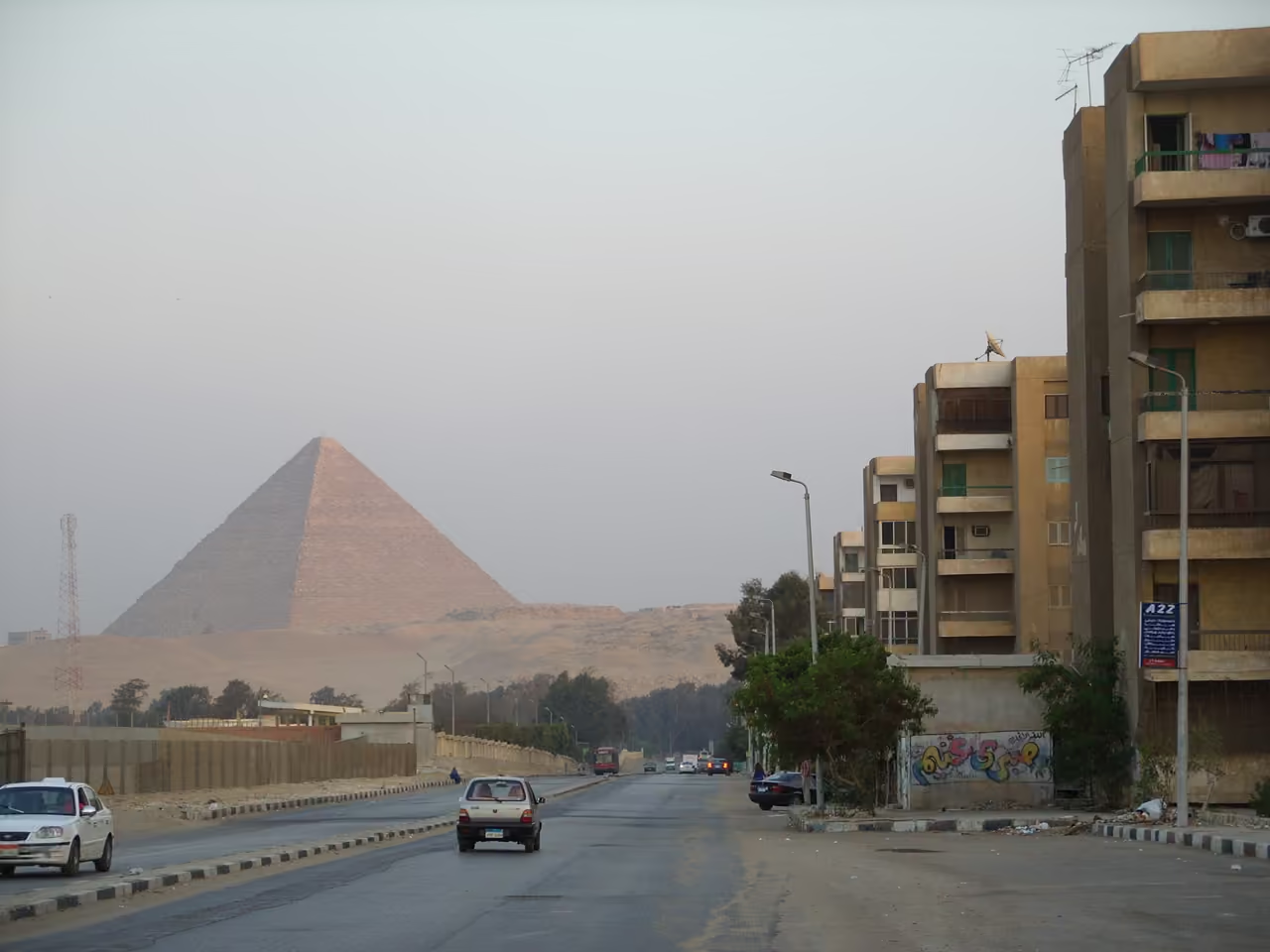
Giza refuses to keep its past behind velvet ropes. 4500 years after Khufu stacked over 2 million limestone blocks onto the western desert shelf, apartment balconies in Nazlet El-Semman look straight across at the Great Sphinx while sugarcane juice presses whir beside red-brick tenements. Home to millions of residents on the Nile's west bank, Egypt's third-largest city spans leafy nineteenth-century avenues in Dokki and late-night cafés along Gameat El-Dowal El-Arabiya Street in Mohandiseen. The Grand Egyptian Museum now anchors the plateau edge with Tutankhamun's complete royal collection, pulling global archaeology onto the doorstep of a working metropolis. Yet twenty minutes south by wooden rowboat, farmers on Dahab Island still tend guava orchards along mud paths without a single car in sight.
Giza DNA
History of Giza
Long before apartment towers crowded the western riverbank, the limestone rim of the Giza Plateau served as the eternal western horizon for Old Kingdom Memphis, rising thirty kilometres to the south. Fourth Dynasty kings Khufu, Khafre, and Menkaure transformed a stark desert shelf into the greatest monumental building zone of the ancient world, supplied by an extinct arm of the Nile called the Ahramat branch. Barges hauled white limestone from Tura and rose granite from Aswan straight up harbour channels into busy towns of bakers, copper smiths, and quarry workers camped beside the rising tombs. When royal power shifted south to Thebes and kings began carving hidden graves into the cliffs near Luxor, the plateau slipped into quiet neglect under successive foreign empires. Persians, Greeks, Romans, and Byzantines all crossed the western floodplain beneath the half buried Sphinx. By late antiquity, a fortified outpost called Tipersis in Coptic guarded the western bank opposite Babylon Fortress, anchoring legends that tied its defensive walls to early Persian garrisons. Modern Giza began in 642 AD, one year after Muslim armies captured Alexandria. Commander Amr ibn al As stationed troops on the Nile's west bank to shield the new Arab capital at Fustat from western raids, naming the settlement al Jiza. Throughout the medieval centuries, the town lingered as a fertile river crossing of clover meadows, palm groves, and ferries facing Cairo's minarets, while curious scholars and Caliph al Ma'mun's tunnellers probed the monuments above the fields. The nineteenth century pulled Giza into modern civic life through royal spectacle. Ahead of the Suez Canal opening in 1869, Khedive Ismail laid a straight carriage embankment through irrigated farmland toward the plateau so visiting European royalty, including French Empress Eugenie, could ride comfortably to a new hunting lodge at Mena House. Two decades later, royal estates along the river became Africa's first zoological garden and Orman Botanical Garden, and in 1924 Cairo University relocated to Dokki, planting Egypt's modern academic heartland on the west bank. Following the 1952 revolution, rapid growth swallowed nearly every green field between the river and the desert. Not long before, Winston Churchill, Franklin Roosevelt, and Chiang Kai shek had met at Mena House in November 1943 to debate wartime strategy in view of Khufu's stones, while decades later the Grateful Dead and Jean Michel Jarre turned the desert floor into concert grounds. Planned middle class districts like Mohandiseen rose beside dense working class quarters in Imbaba and Bulaq El Dakrur, while Studio Misr and Al Ahram studios along Al Haram Avenue powered the golden era of Arab cinema. Red brick apartments, bright shopfronts, and concrete ring roads pushed straight up to the edge of Fourth Dynasty tombs. Giza's newest chapter opened on 1 November 2025, when the Grand Egyptian Museum welcomed global visitors in full beside El Remayah Square to unite Tutankhamun's entire collection under one roof. That same month, UNESCO inducted Giza into its Creative Cities Network for cinema and visual arts. High speed trains from Upper Egypt pull beneath Bashteel's towering lotus columns while working neighbourhoods still gather over sweet tea beneath the oldest wonders on Earth.
20 events spanning 4585 years
Map of Giza
Interactive Destination & Itinerary Map
This map blends our curated city guides—featuring best photo spots, scenic walks, viewpoints, hidden gems and much more—with a live Wikipedia explorer. Click on our numbered pins to plan your routes, or zoom in on the surrounding neighborhoods to discover verified local landmarks, museums, and stories with dynamic Wikipedia summaries and photos!
Fun Facts
13- 01
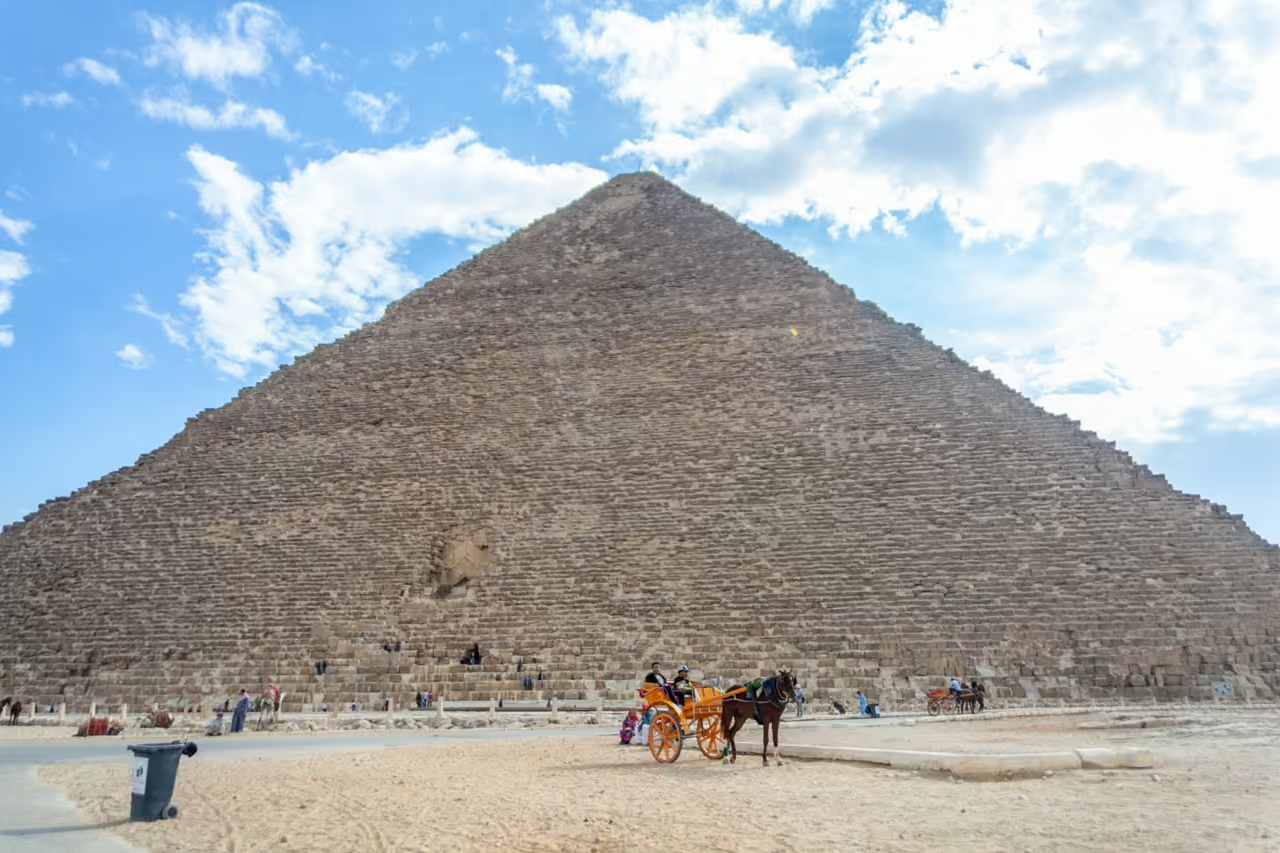
The Great Pyramid was seriously proposed in 1884 to replace Greenwich as Earth's Prime Meridian. Astronomers argued Khufu's stone apex marked the true geographic centre of global landmass better than London.
- 02
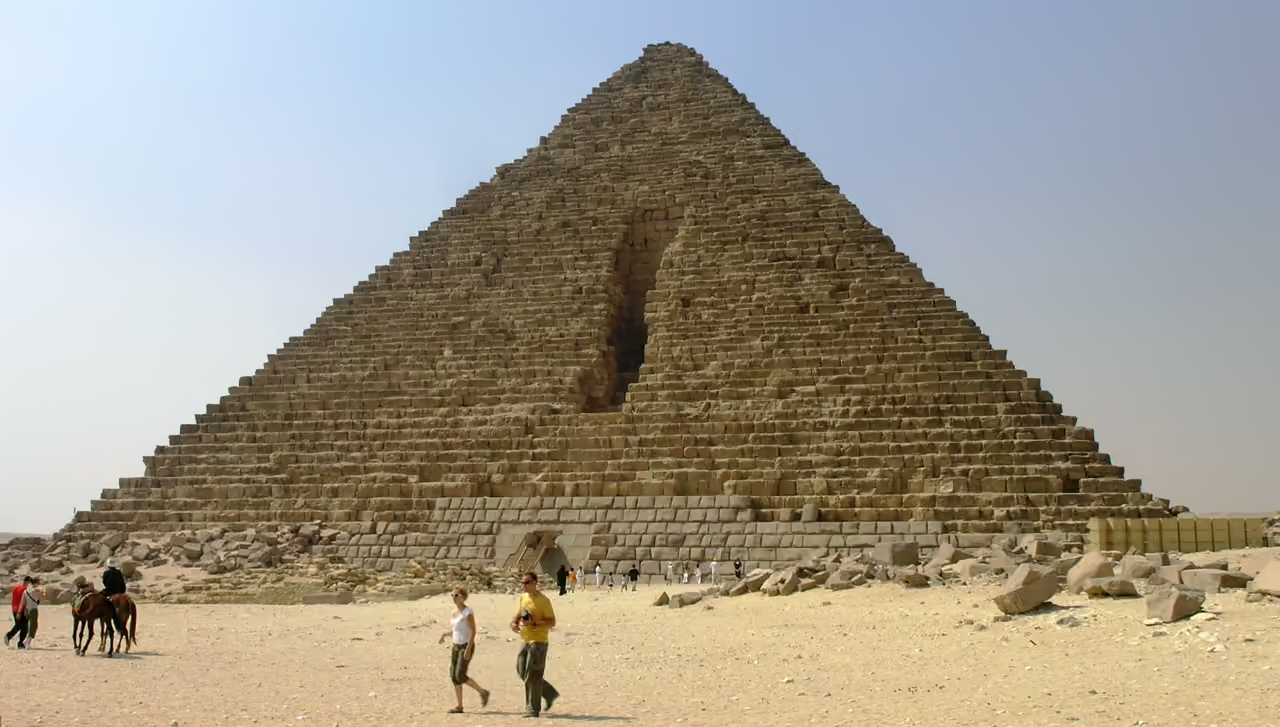
A twelfth-century sultan tried for eight months to tear down the Pyramid of Menkaure and gave up. Al-Aziz Uthman's demolition gangs left only the deep vertical gash still visible on its north face.
- 03
Gustave Eiffel built a viewing bridge in Giza ten years before his Paris tower. Between 1875 and 1879, his French workshop engineered a wrought-iron suspension span inside what became Giza Zoo.
- 04
Giza once had its own waterfront directly beneath the desert plateau. Geoarchaeological coring proved an extinct Nile branch called the Ahramat flowed close enough for stone barges to unload beside the pyramid causeways.
- 05
Egypt's famous Zamalek Sporting Club carries a Cairo island's name yet plays inside Giza. Its sprawling courts, pitches, and loyal match-night cafés sit in Meet Okba inside Mohandiseen.
- 06
Napoleon's 1798 Battle of the Pyramids took place miles away across Imbaba's vegetable fields. The French commander borrowed the dramatic title because three limestone peaks pierced the distant horizon.
- 07
You can eat fried chicken across the road from a 4,500-year-old monument. A Pizza Hut and KFC facing Nazlet El-Semman's eastern edge doubled for decades as an improbable rooftop perch for watching the Sphinx light show.
- 08
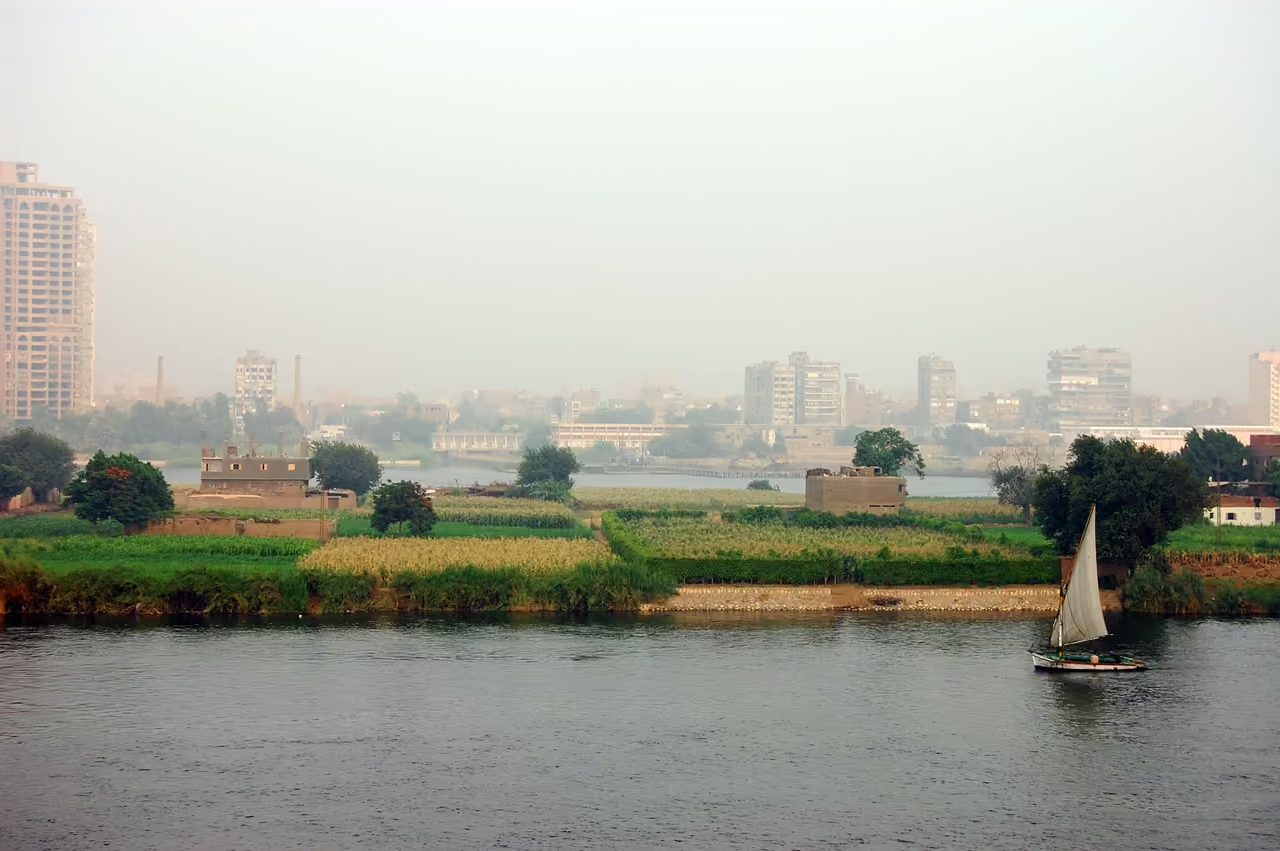
Wooden rowboats still ferry commuters to car-free farms right inside Giza's urban core. Farmers on Dahab Island and Qorsaya Island harvest guavas and clover beneath six-lane concrete river bridges.
- 09
The Grateful Dead hauled tonnes of amplifiers onto the sand in 1978 for three concerts beside the Sphinx, wrapping up right as a total lunar eclipse darkened the desert sky.
- 10
Kit Kat Square in North Giza takes its name from a vanished British officers' cabaret rather than a chocolate bar. That wartime nightclub inspired Ibrahim Aslan's acclaimed novel and a beloved 1991 Egyptian comedy film.
- 11
A simple hand gesture flags down rides toward the plateau: press your fingertips together to form a triangle, or trace an upside-down V with two fingers, and any microbus conductor along Al-Haram Avenue knows immediately where you are heading.
- 12
Fragments of the Great Sphinx's carved stone beard sit in the British Museum today, while the Great Pyramid itself measures roughly nine metres shorter than when built (137 metres versus its original 146 metres) after medieval builders stripped off its outer limestone casing.
- 13
Sudan holds roughly 240 ancient pyramids compared to Egypt's 135, yet Khufu's monument at Giza reigned as Earth's tallest human structure for about 3,800 years until Lincoln Cathedral's spire surpassed it in the fourteenth century.
Did You Know?
11- 01
When stonemasons stacked the Great Pyramid around 2560 BC, woolly mammoths still lived on Wrangel Island in the Arctic Ocean. Constructed from over two million blocks, it held the world's height record for nearly 3,800 years.
- 02
The Grand Egyptian Museum ranks as the largest museum on Earth dedicated to a single civilisation, covering nearly half a million square metres beside El-Remayah Square with Tutankhamun's complete 5,000-piece burial treasure.
- 03
Giza is one of the densest cities proper on the planet, packing roughly 4.46 million residents into nine core urban districts across 98.4 square kilometres at over 45,300 people per square kilometre.
- 04
Founded in 1891 out of royal botanical estates, Giza Zoo was the first zoological park built anywhere in Africa and remains the third oldest zoo worldwide.
- 05
Giza operates as the creative engine of Arab cinema and broadcasting. Opened in 1959, the Cairo Higher Institute of Cinema in Giza is Africa and the Middle East's oldest film school, backed by Studio Misr and the 114-studio Egyptian Media Production City.
- 06
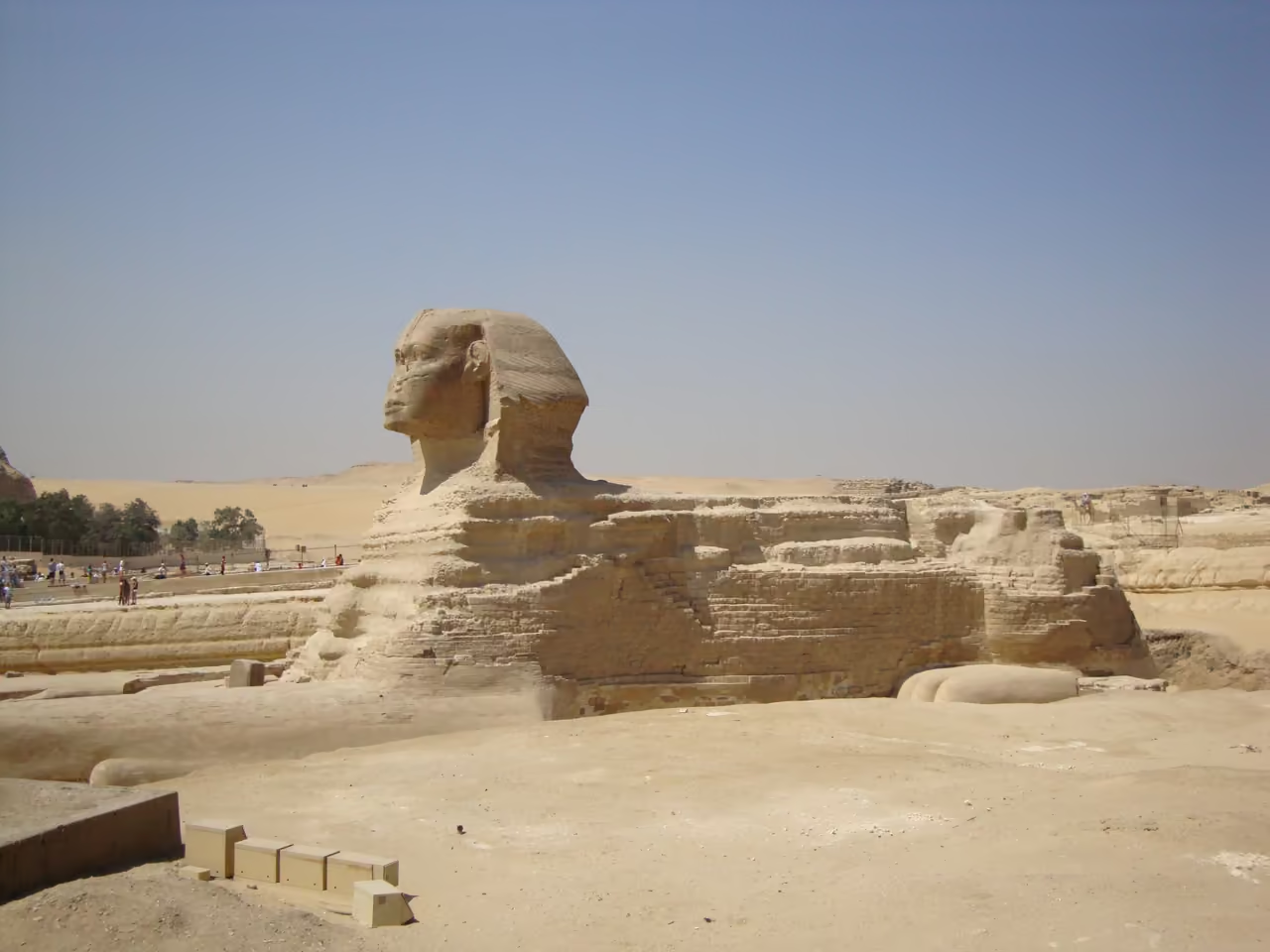
Measuring roughly 73 metres long and 20 metres high, the Great Sphinx is Egypt's oldest monumental statue and was carved directly out of a solid limestone outcrop, with traces of pigment showing it once wore bright mineral paint.
- 07
Khafre's pyramid looks taller than the Great Pyramid even though it actually measures ten metres shorter, because Fourth Dynasty surveyors positioned it on higher plateau bedrock.
- 08
Bashteel's newly opened Upper Egypt Railway Station provides Greater Cairo with a second monumental southern rail gateway, easing congestion at downtown Ramses Station for trains toward Luxor and Aswan.
- 09
In November 2025, UNESCO named Giza to the Creative Cities Network in recognition of its century-long contributions to filmmaking and visual arts.
- 10
Archaeological digs southeast of the Sphinx uncovered mud-brick tombs, cattle bones, and industrial bakeries proving that paid, well-fed Egyptian craftspeople, rather than enslaved captives, constructed the royal pyramids.
- 11
The Great Pyramid's four sides align with true north, south, east, and west within a tiny fraction of a degree, achieved by Old Kingdom surveyors using only cords, sighting rods, and stellar observations.
RESOURCES
Official WebsiteVideos of Giza
Seasons
Spring
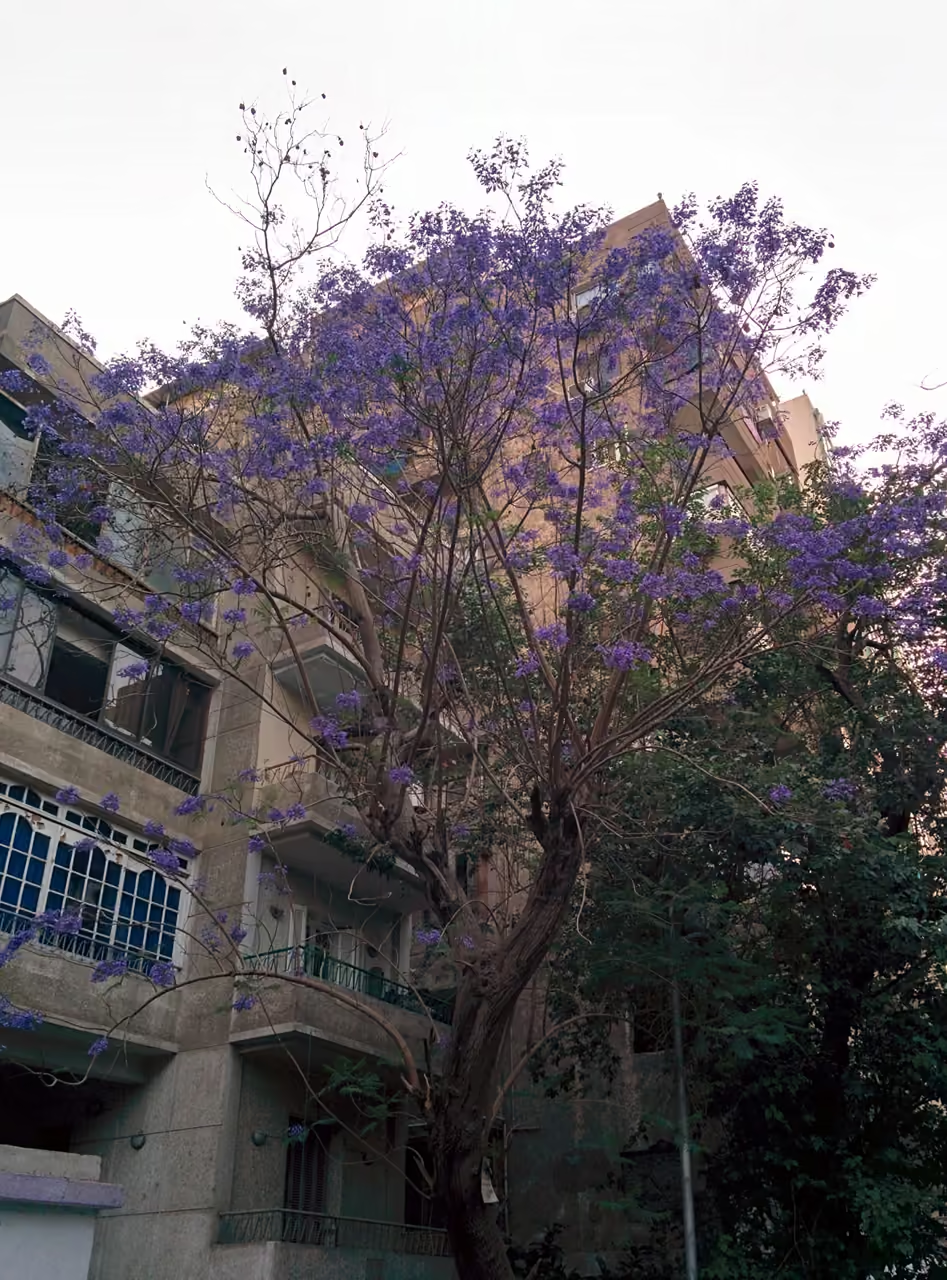
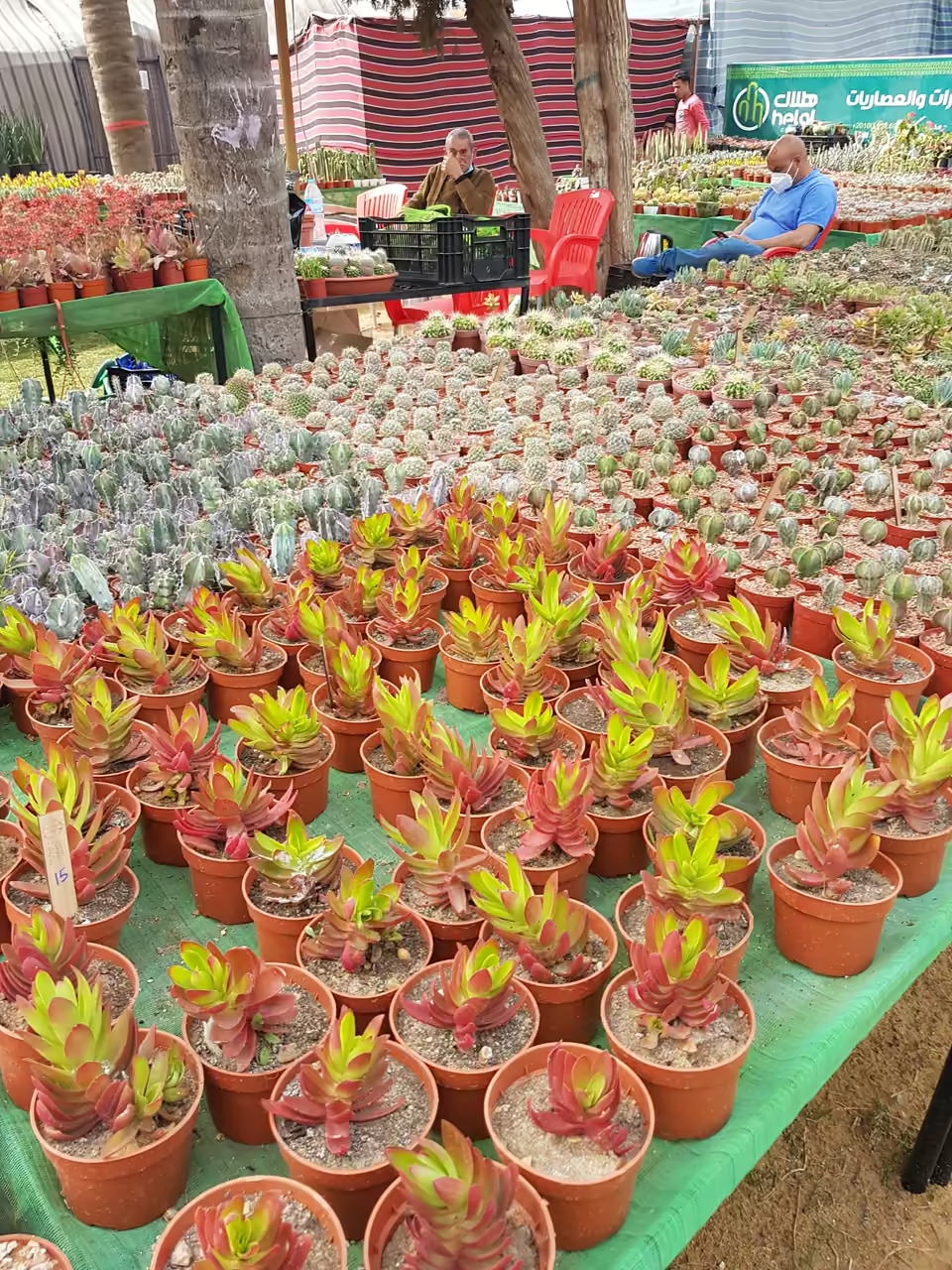
Mean temperatures rise steadily from 17°C in March to 24°C in May as flower markets burst across Dokki and families celebrate...
Summer
Intense desert heat dominates June through August with average temperatures near 27.4°C, midday highs frequently hitting 35°C to...
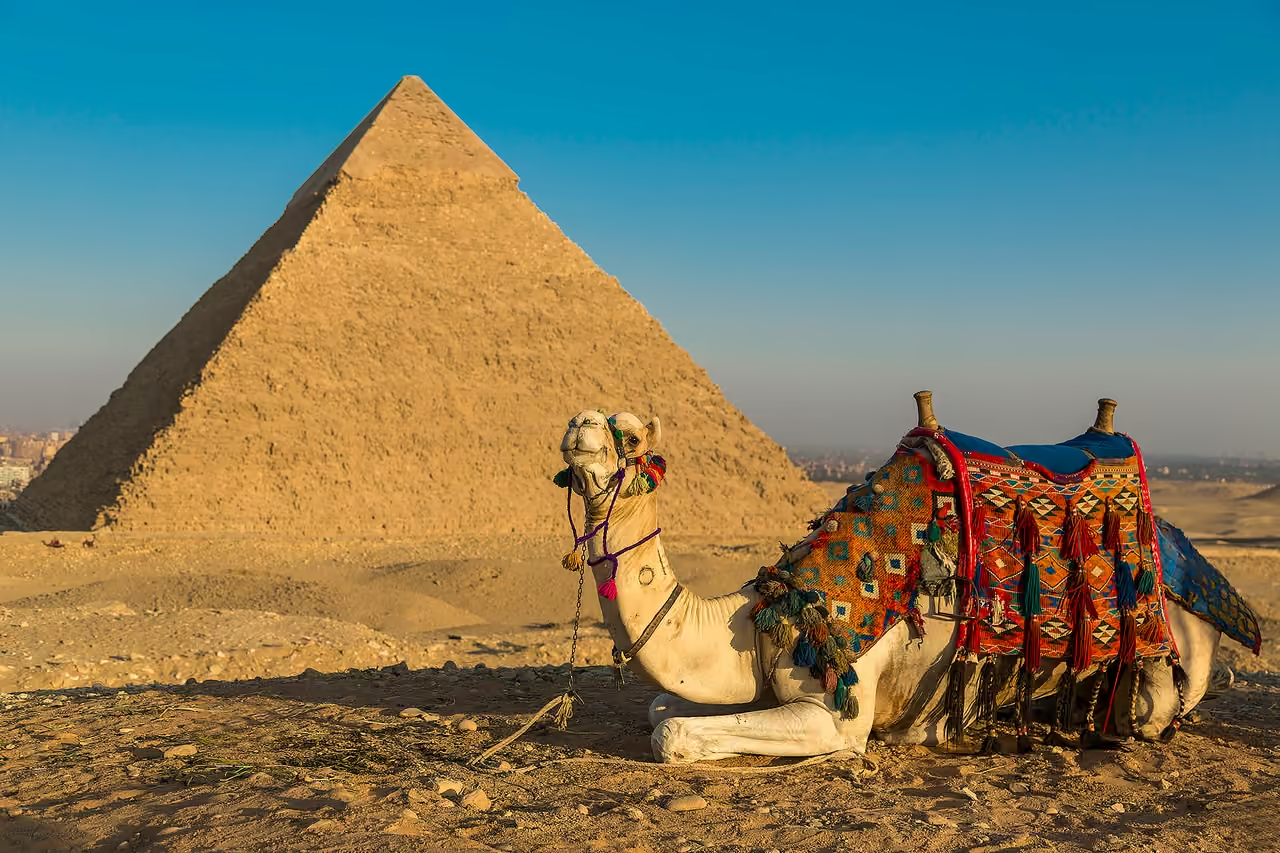
Autumn
Cooler northern breezes ease temperatures back down toward a pleasant 22.8°C average across September, October, and November...
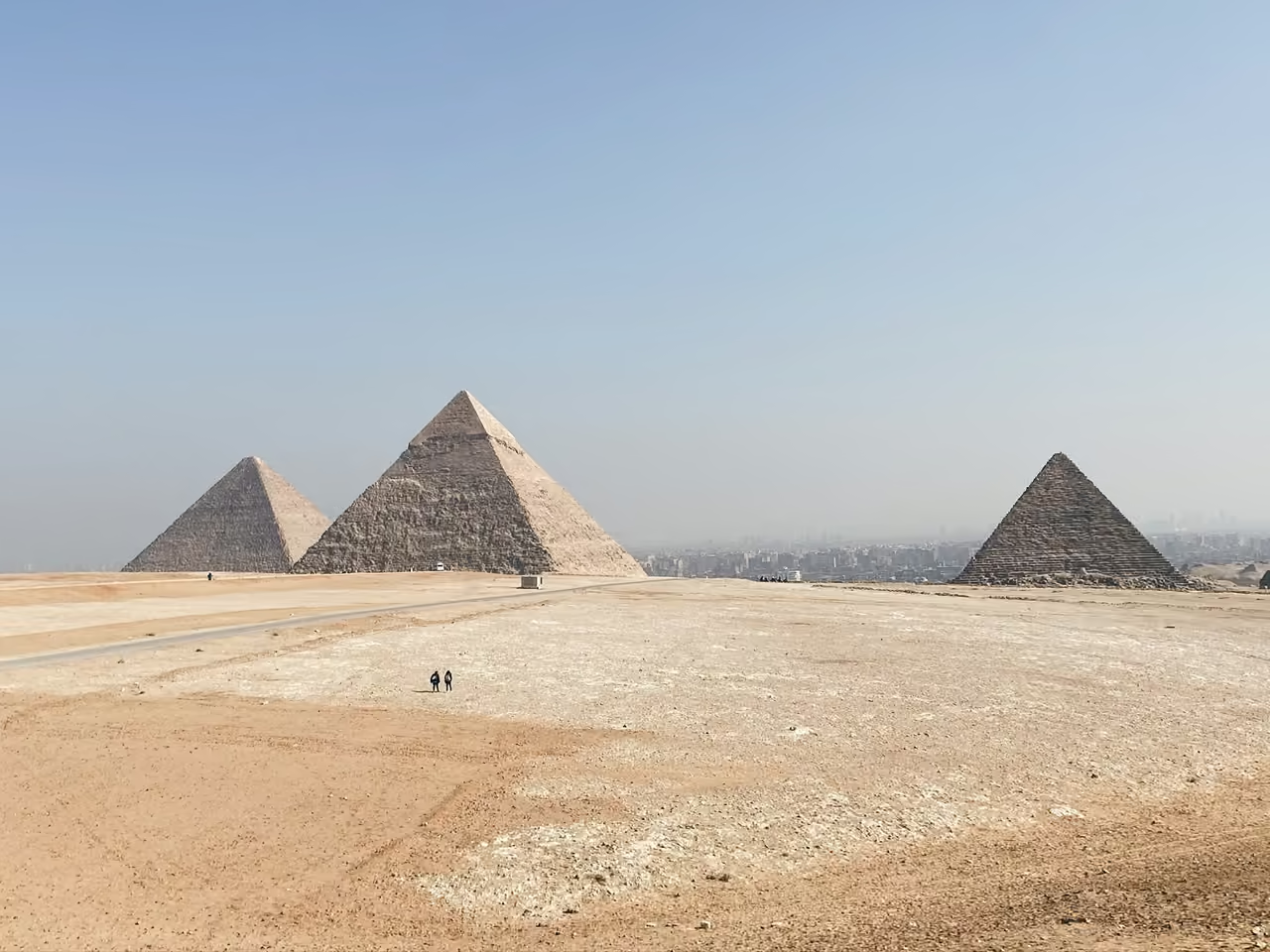
Winter
Bright 19°C to 21°C afternoons and brisk 7°C nights from December through February deliver prime conditions for exploring every...
Top Attractions in Giza
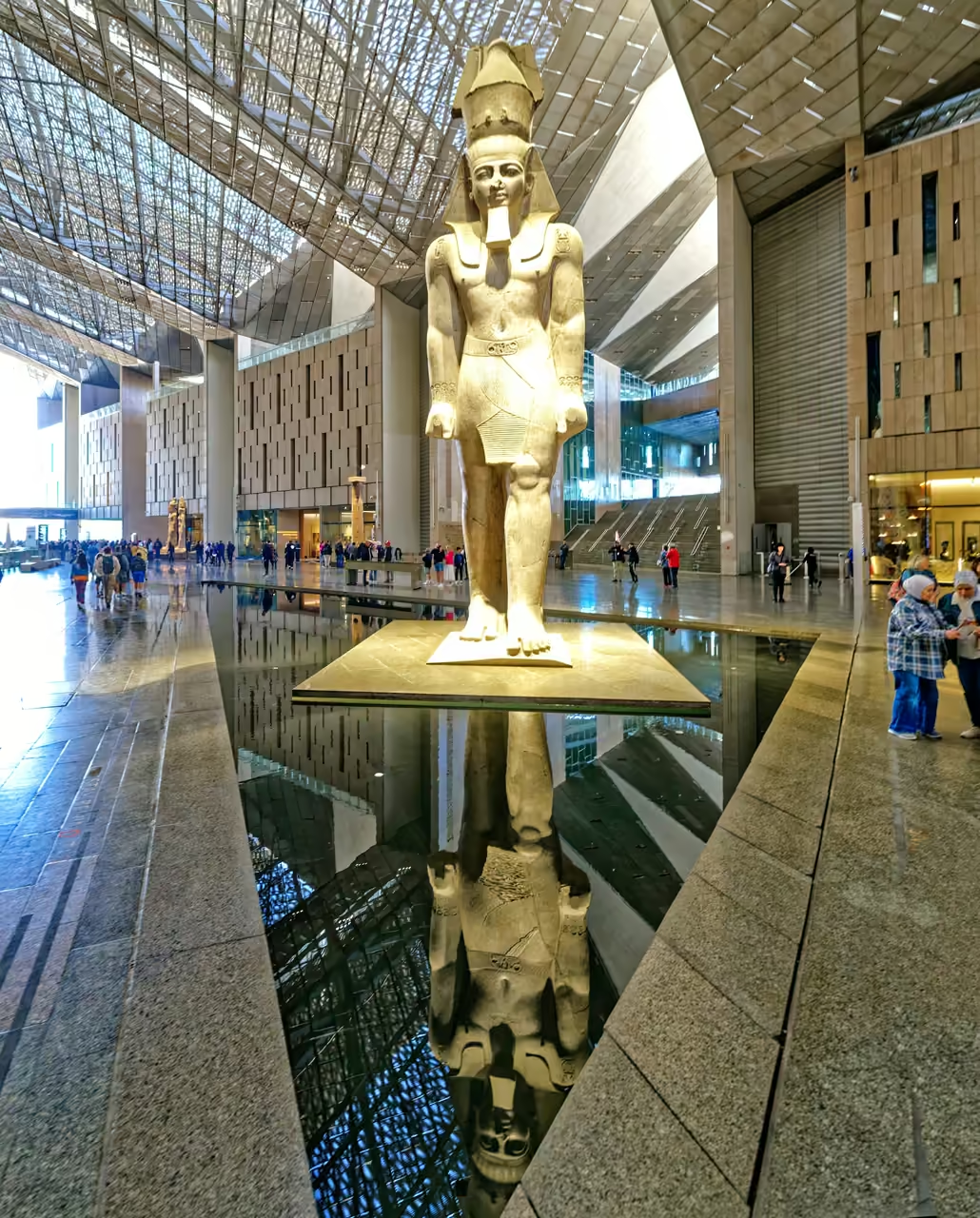
Grand Egyptian Museum
Step into the glass Atrium at the Grand Egyptian Museum and the Giza Pyramids fill the horizon just two kilometres away. Nothing...
view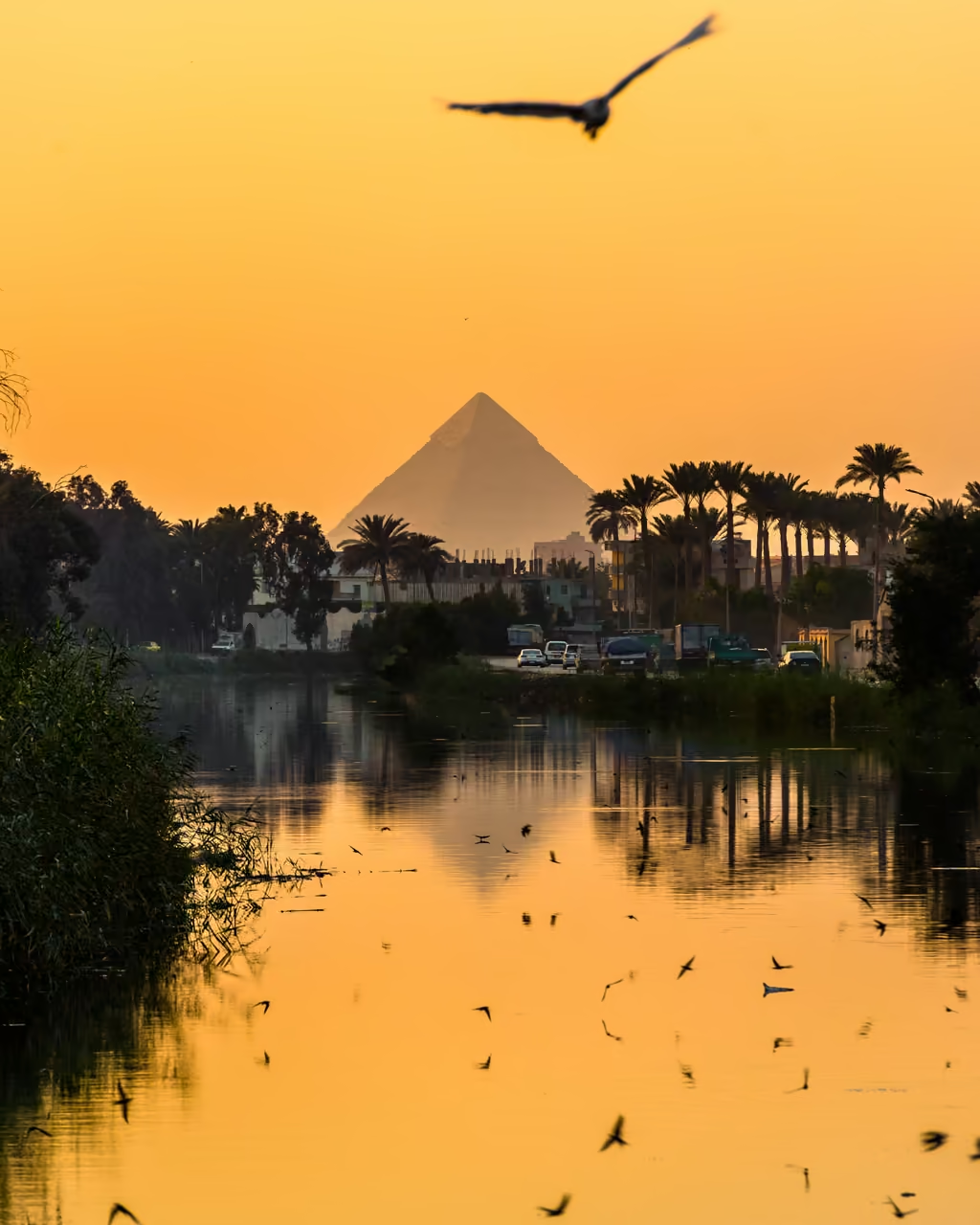
Great Pyramid of Giza
Nothing on the busy streets of Giza prepares you for the moment modern apartment blocks suddenly stop and Pharaoh Khufu's...
view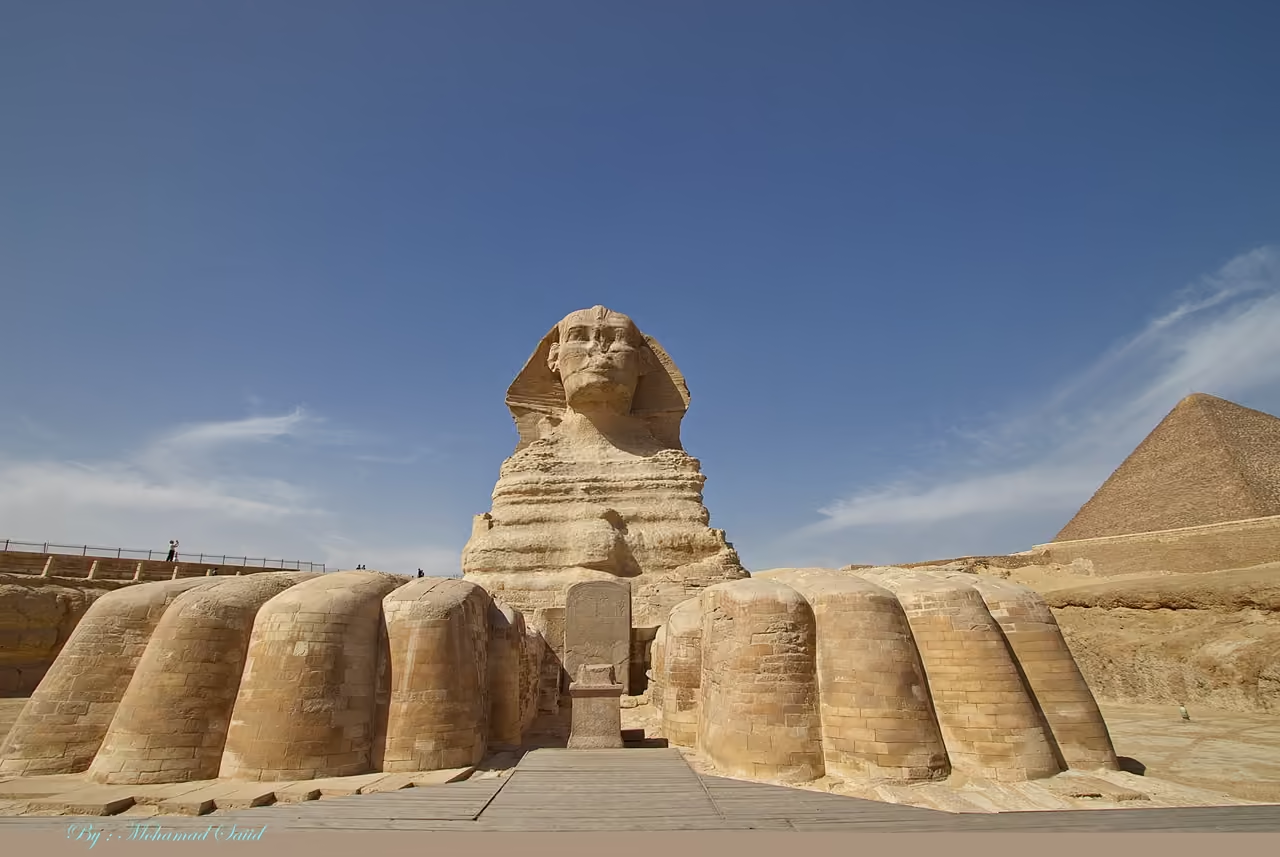
Great Sphinx of Giza
Stepping out of the shadowy pink granite hall of Khafre's Valley Temple puts you face to face with a limestone lion stretching...
view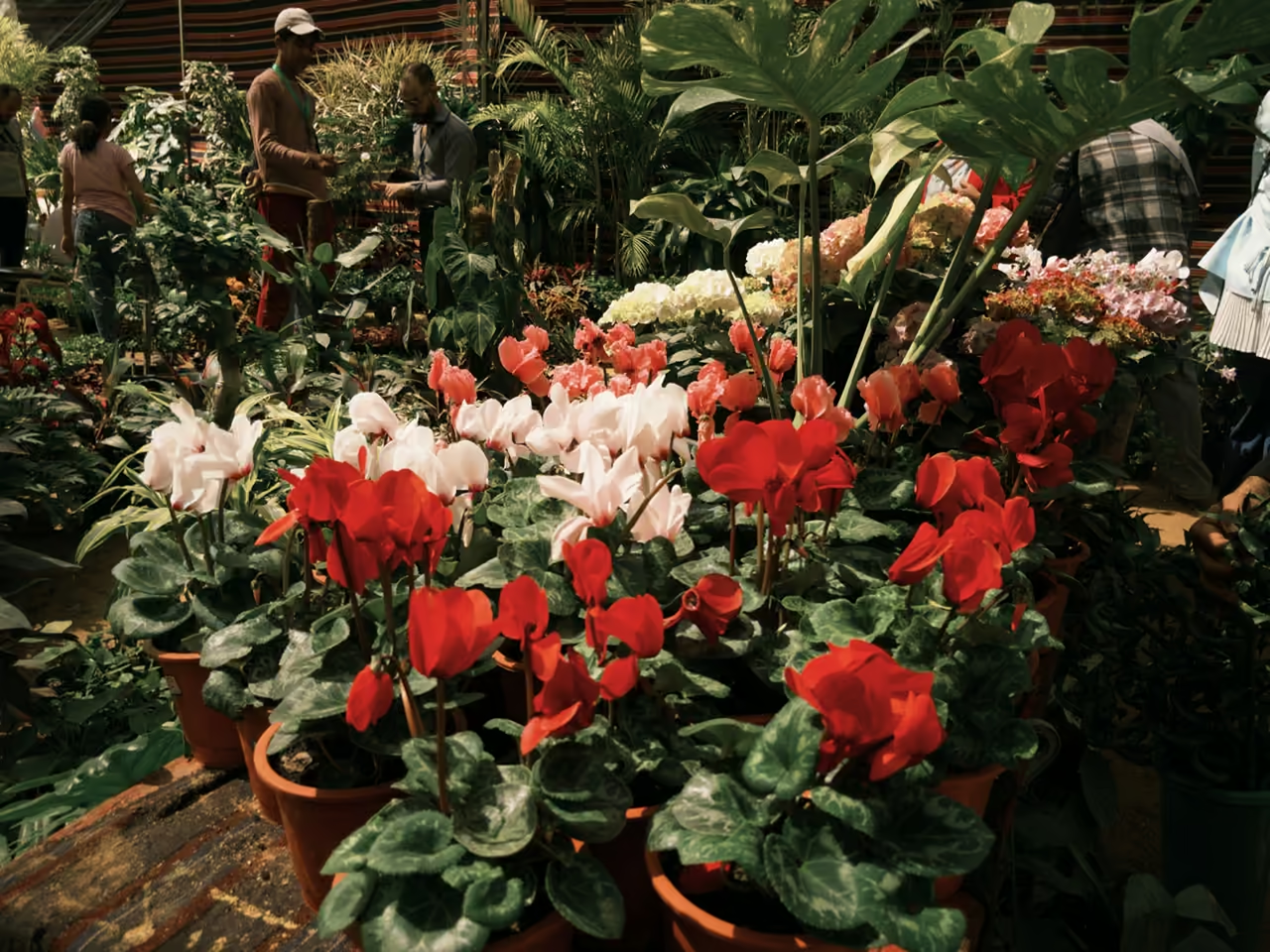
Agricultural Museum
Step through the ornate iron gates off Ministry of Agriculture Street in Dokki and the horn blasts of Greater Cairo drop away...
view
Best Views
Giza Itineraries
TRIP PLANNER
3 Days Recommended
Three days leave breathing room for a crisp morning across the Giza Pyramid Complex, half a day inside the Grand Egyptian Museum without gallery fatigue, and a third day linking Dokki's art palaces, Dahab Island farms, and Mohandiseen cafés. Because Al-Haram traffic moves slowly, splitting desert visits from riverside stops keeps the rhythm pleasant.
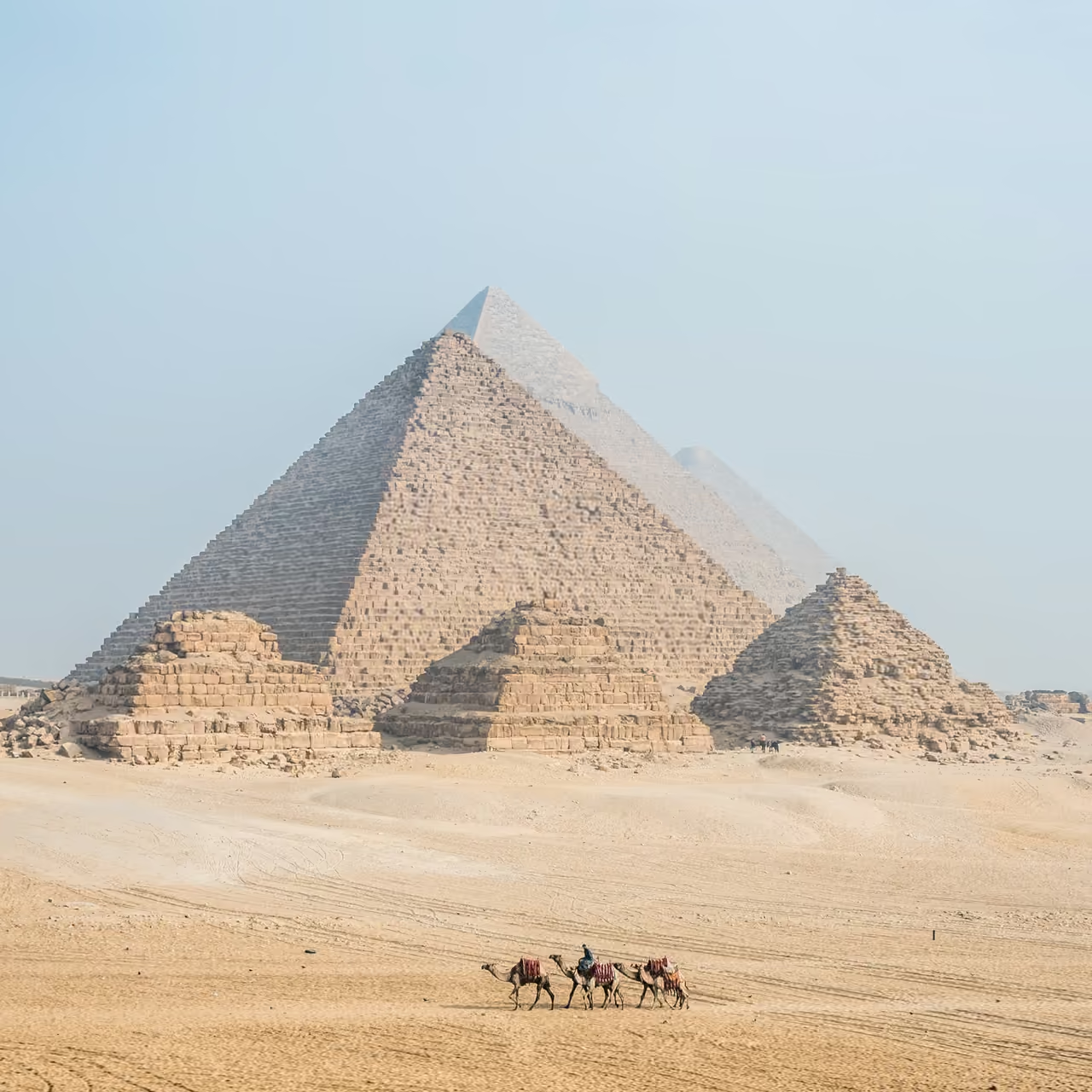
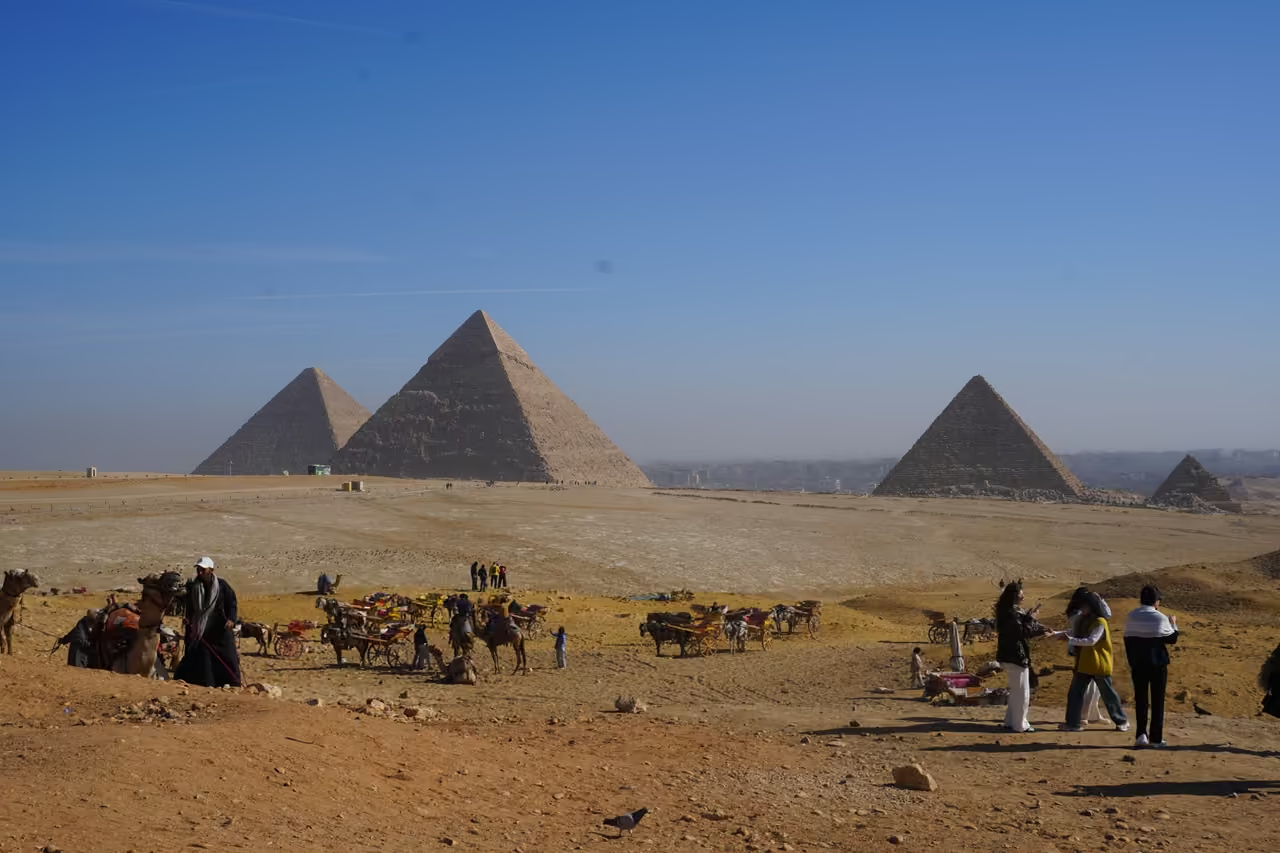
1 Day in Giza: Pyramids, Tutankhamun, and Sphinx Dusk
Short on time yet determined to capture Giza's greatest landmarks cleanly in a single day? Hit the Giza Pyramid Complex right as gates unlock at dawn, cross the plateau to the Western Panorama ridge before heat builds, spend your afternoon inside the air-conditioned Grand Egyptian Museum, and wrap up over mint tea above Nazlet El-Semman as night illuminates the Sphinx.
view itinerary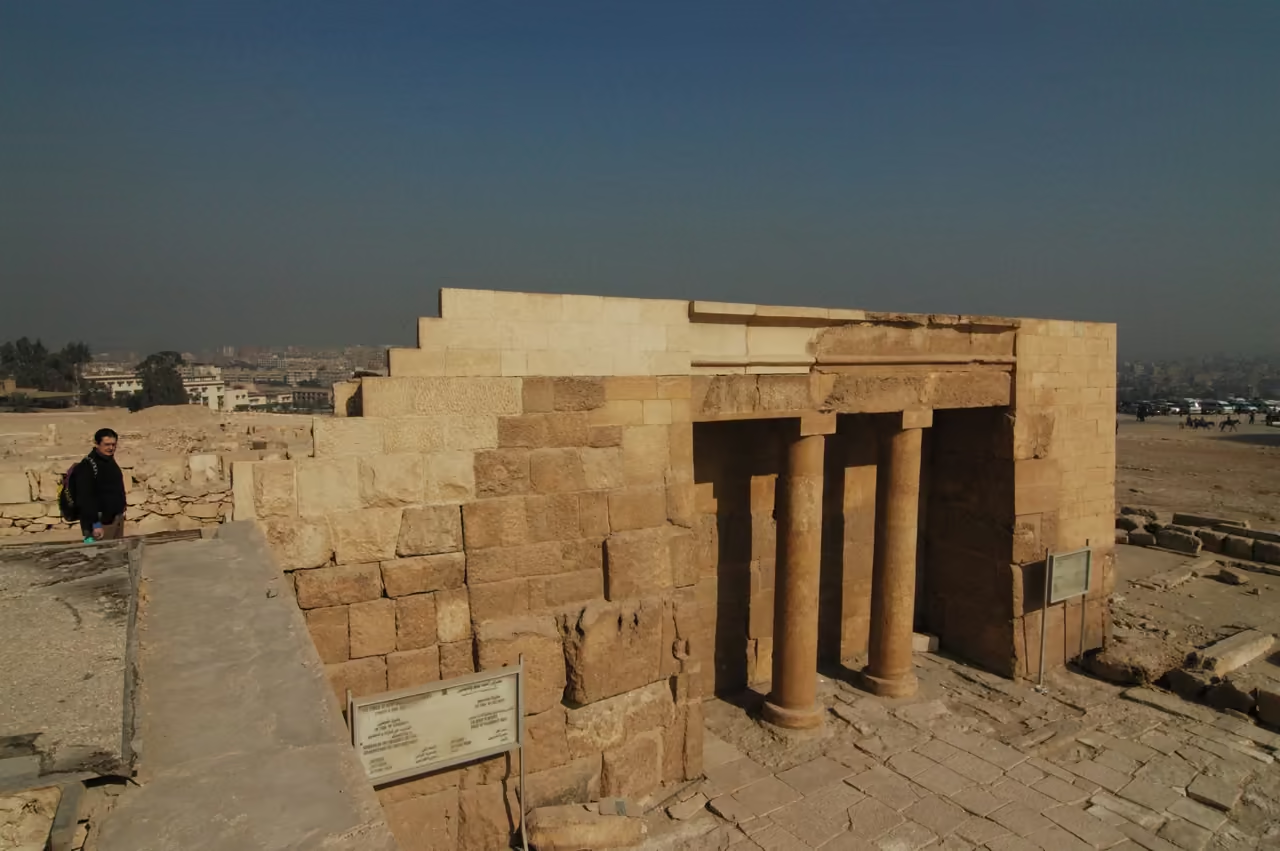
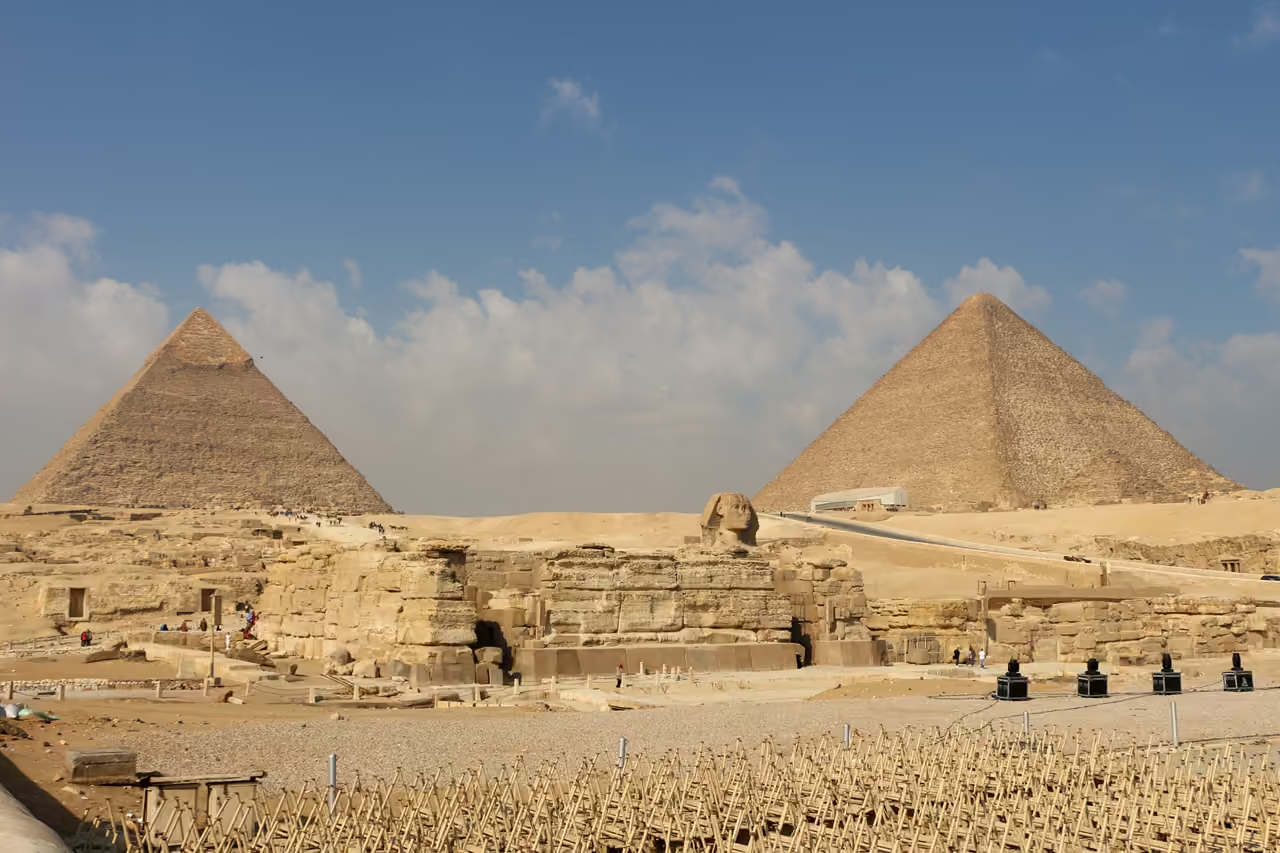
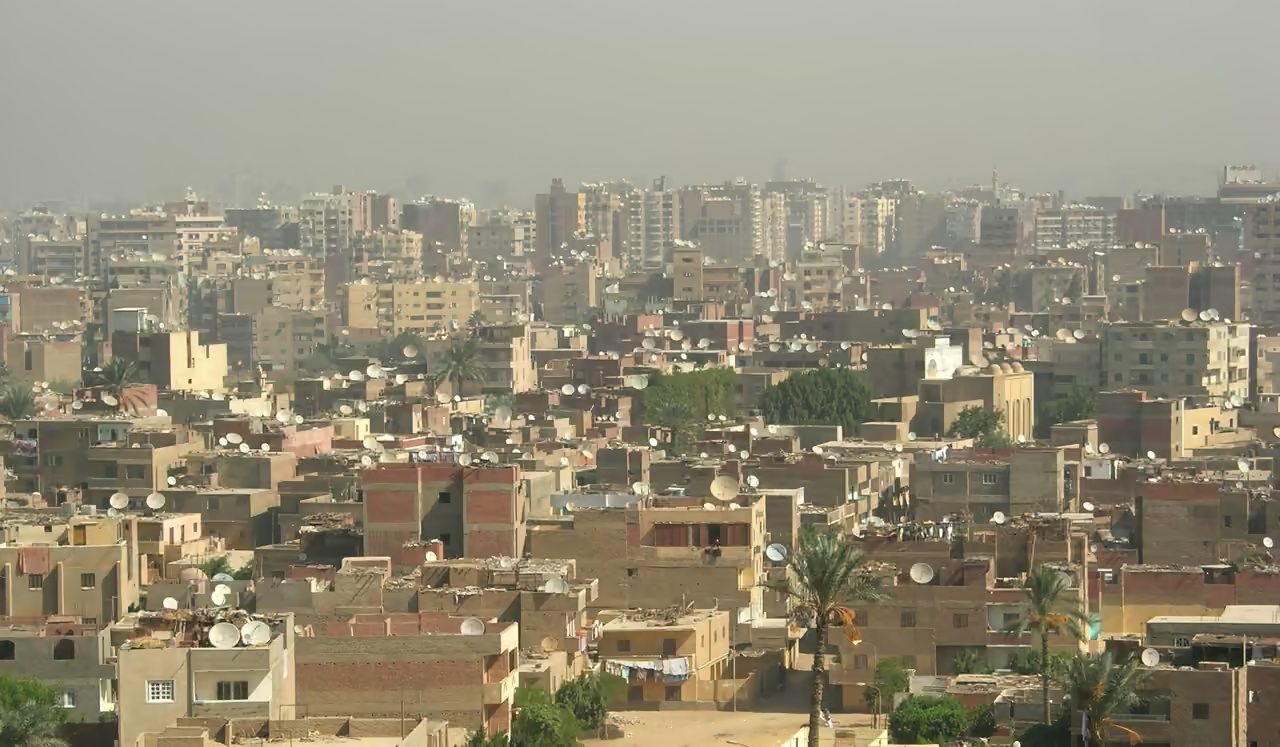
3 Days in Giza: Royal Stone, Artisans, and Nile Nights
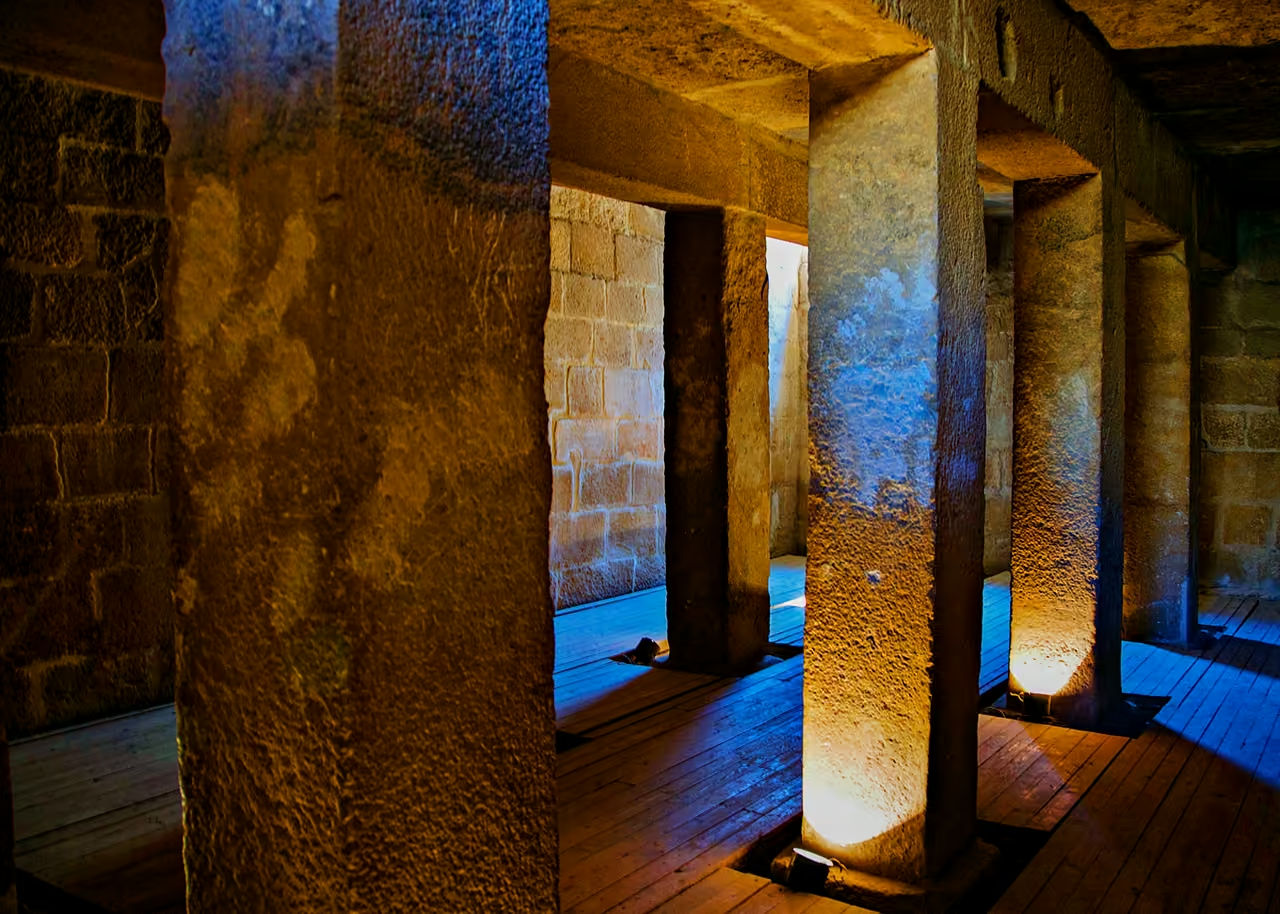
Three balanced days let you uncover Giza well past its headline postcard. Dedicate your first morning to deep pyramid exploration and sunset frames, devote day two to the Grand Egyptian Museum, Sahara horseback trails, and Harrania tapestry studios, and spend day three savouring Dokki gardens, Impressionist art palaces, car-free Dahab Island farms, and Agouza riverfront nights.
view itinerary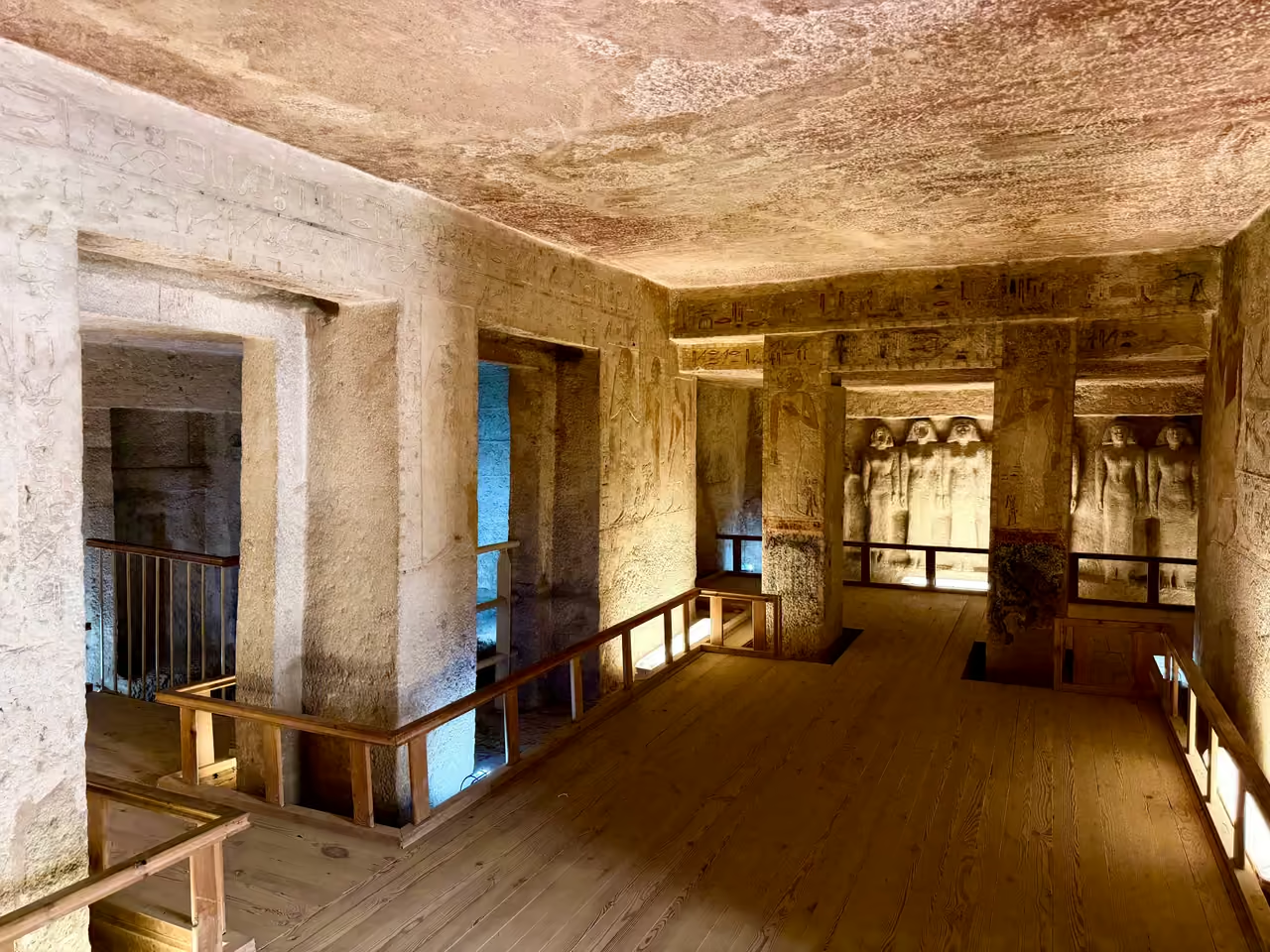
5 Days in Giza: Tombs, Cinema, Modern Art, and Local Life
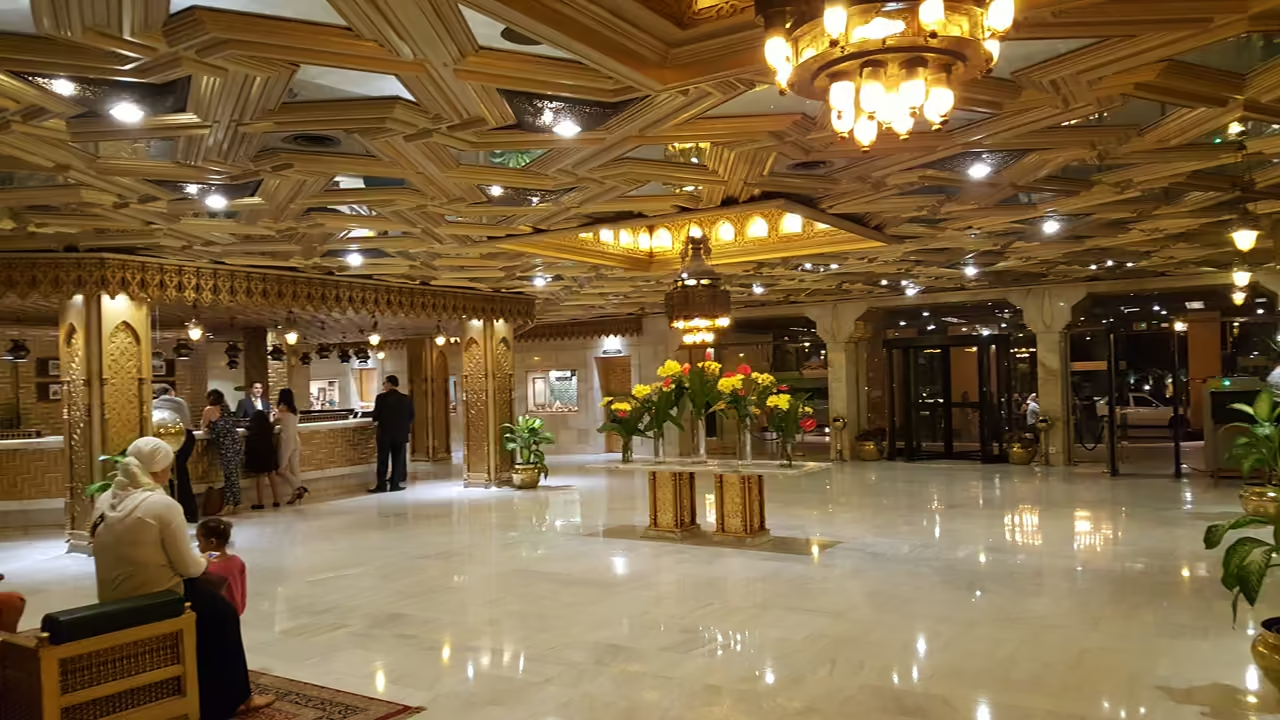
Designed for unhurried travellers who want every chapter of Giza's 4,500-year story, this five-day plan blends painted plateau rock tombs and Tutankhamun galleries with literary villa museums, golden-age cinema studios, morning produce markets, and late-night football neighbourhood cafés. Spacing desert excursions across mornings leaves afternoons cool inside gardens and galleries.
view itinerary
Food in Giza

UNESCO World Heritage Sites
Free Things to do in Giza
Stroll the Al-Bahr Al-Aazam Nile Promenade at Sunset
التنزه على كورنيش البحر الأعظم عند الغروبWatch Evening Lasers Sweep the Pyramids from Nazlet El-Semman
مشاهدة أضواء الأهرامات من أزقة نزلة السمان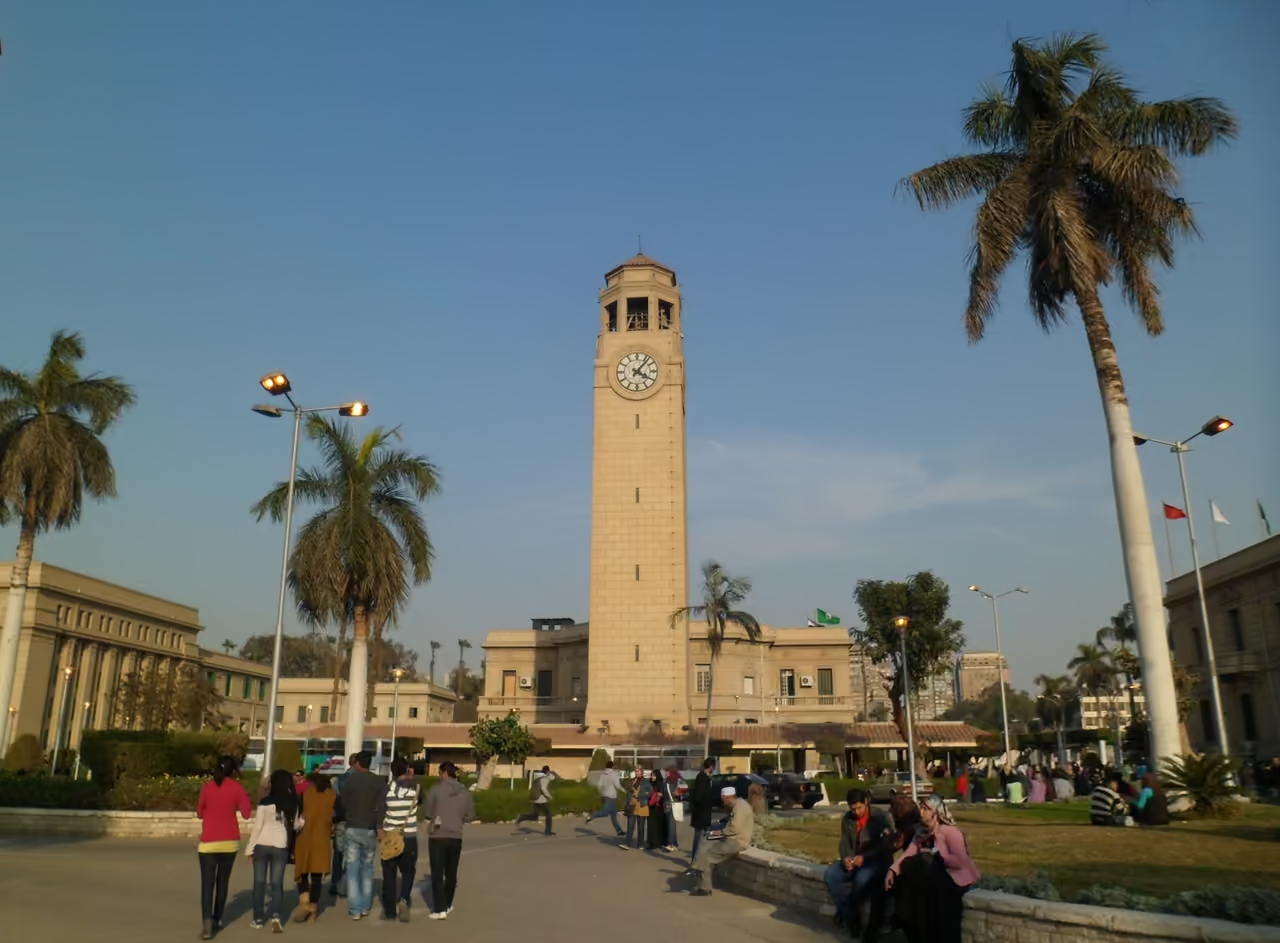
Browse Student Book Kiosks on Bin El-Sarayat Street
تصفح أكشاك الكتب بشارع بين السرايات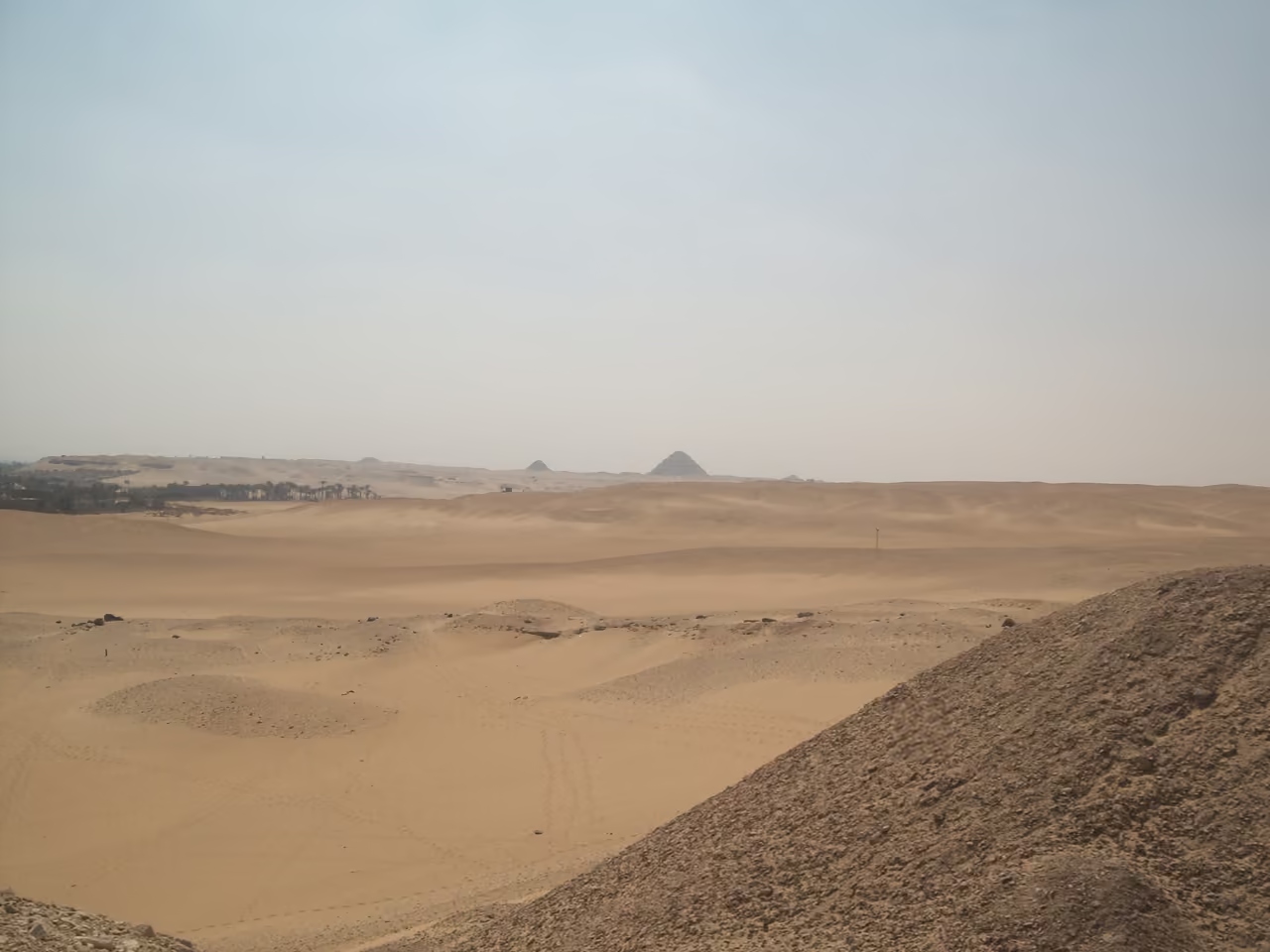
Hike Desert Tracks Along the Southern Plateau Perimeter
المشي على التلال الصحراوية جنوب الهضبةWalk Across University Bridge Above the Nile
المشي فوق كوبري الجامعة بالجيزة
Parks & Nature
Highlights & Must-Sees
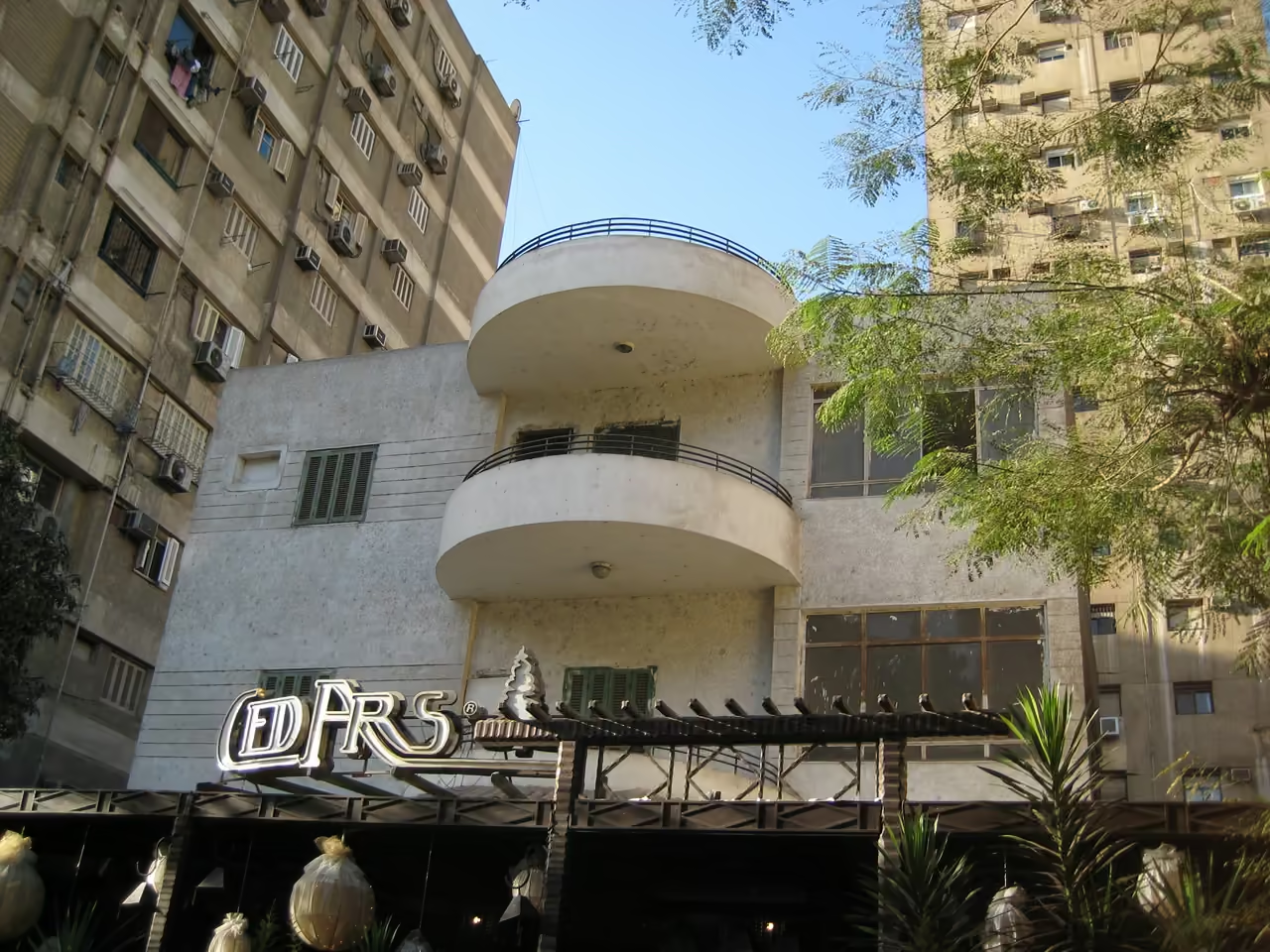
Midnight Café Hopping in Mohandiseen
Around Lebanon Square and Gameat El-Dowal El-Arabiya Street, Giza comes fully alive after ten at night when families and...
viewSunrise Breakfast on a Nazlet El-Semman Terrace
Pull up a woven chair on a third-floor guesthouse roof along Abou Al Hool Al Seiahi Street just as first light washes the...
view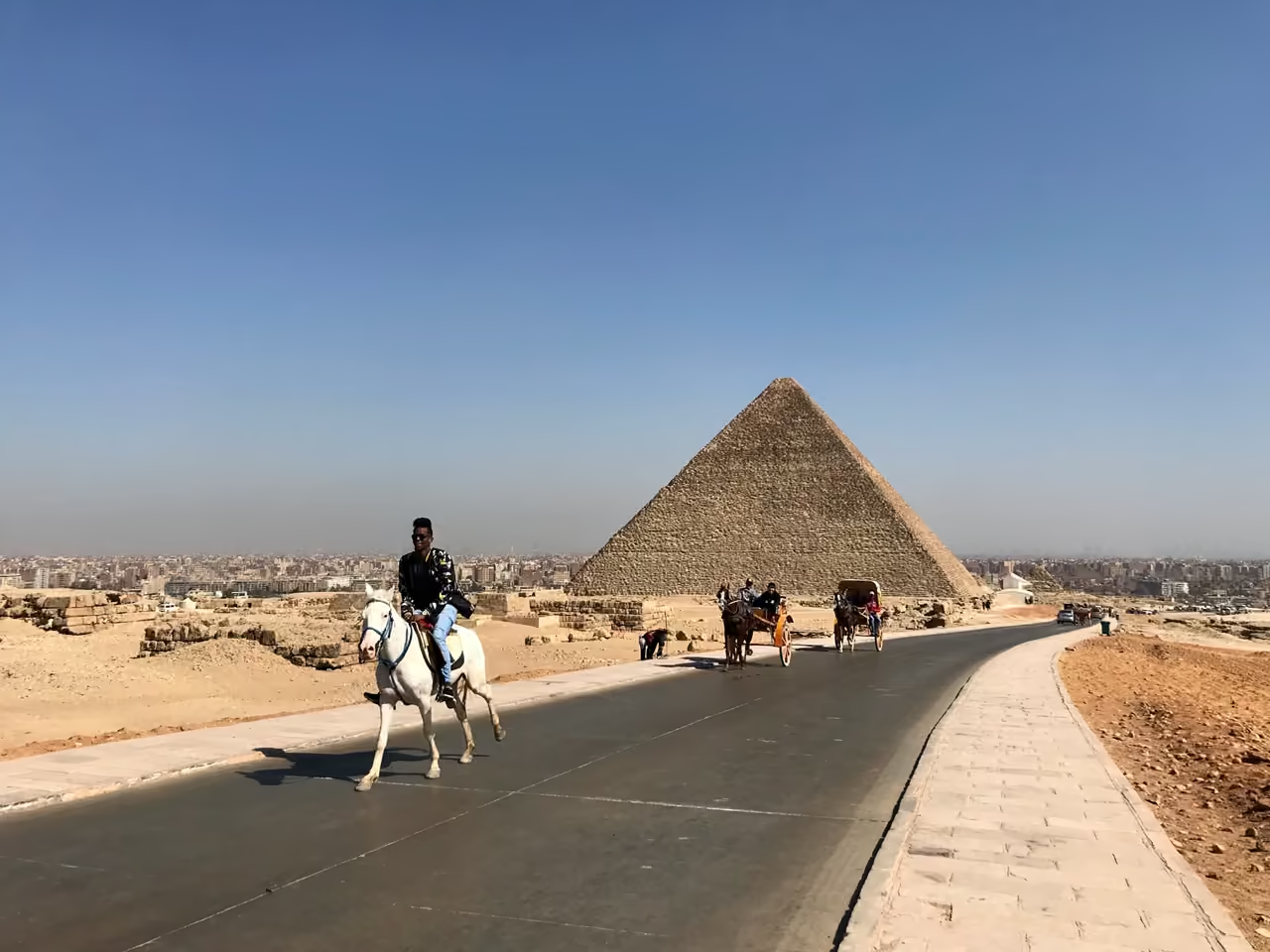
Sunrise Horseback Ride
Mounting a well-schooled Egyptian Arabian horse at daybreak with established local yards like FB Stables or Cairo Horse Riding...
view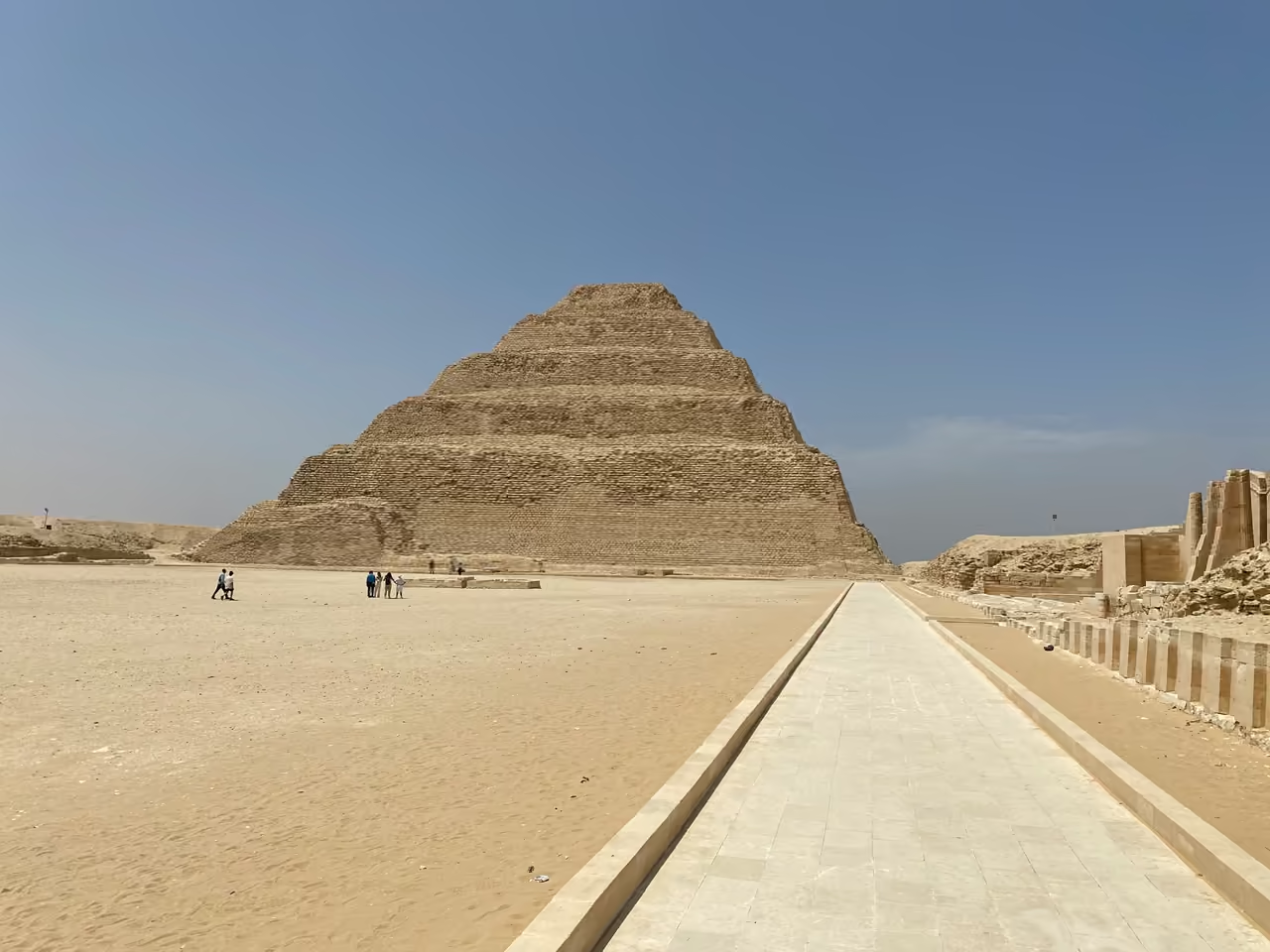
Day Trip to Saqqara and the Step Pyramid
Roughly thirty minutes south of Giza across palm-lined fields, Saqqara preserves King Djoser's 4,700-year-old Step Pyramid, the...
view
Best Walks in Giza
 HIGHLY RECOMMENDED
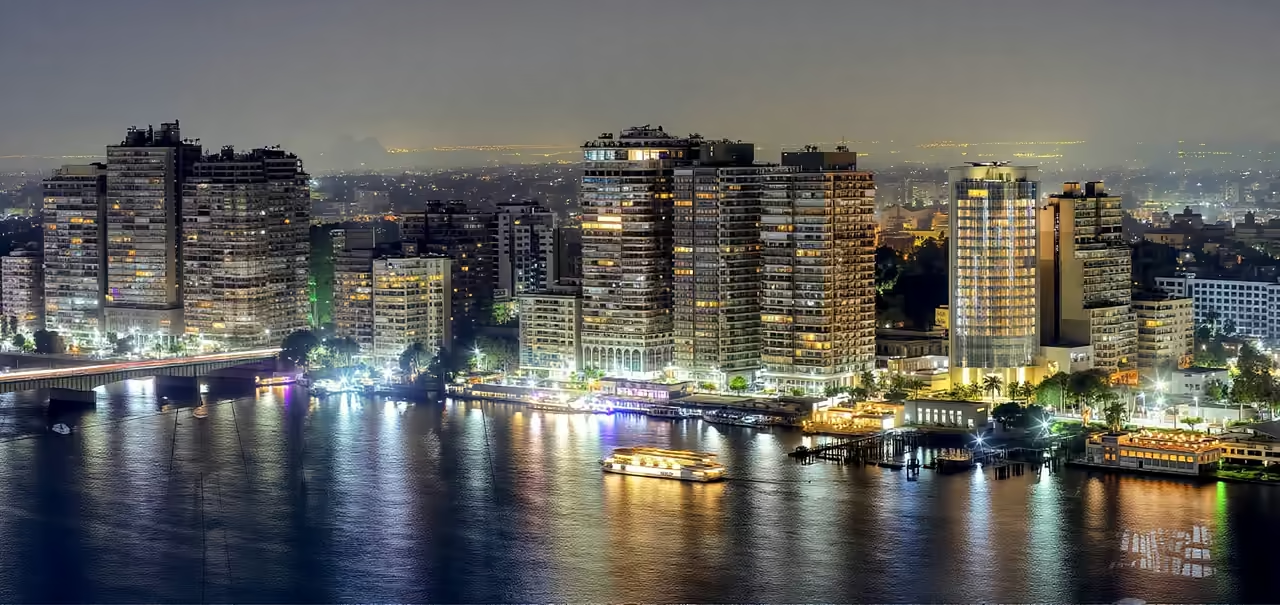
Sunset Stroll Along Giza's Agouza Nile Corniche
Stone embankments along Giza's northern riverfront glow warm peach before sundown as feluccas glide past moored dinner boats and street vendors light glowing coal pans for roasted sweet potatoes. Watching Zamalek's lit apartment facades reflect across the Nile lends real twilight calm without leaving the west bank. Families lean on the balustrade cracking salted lupini beans while river breezes sweep away afternoon heat.
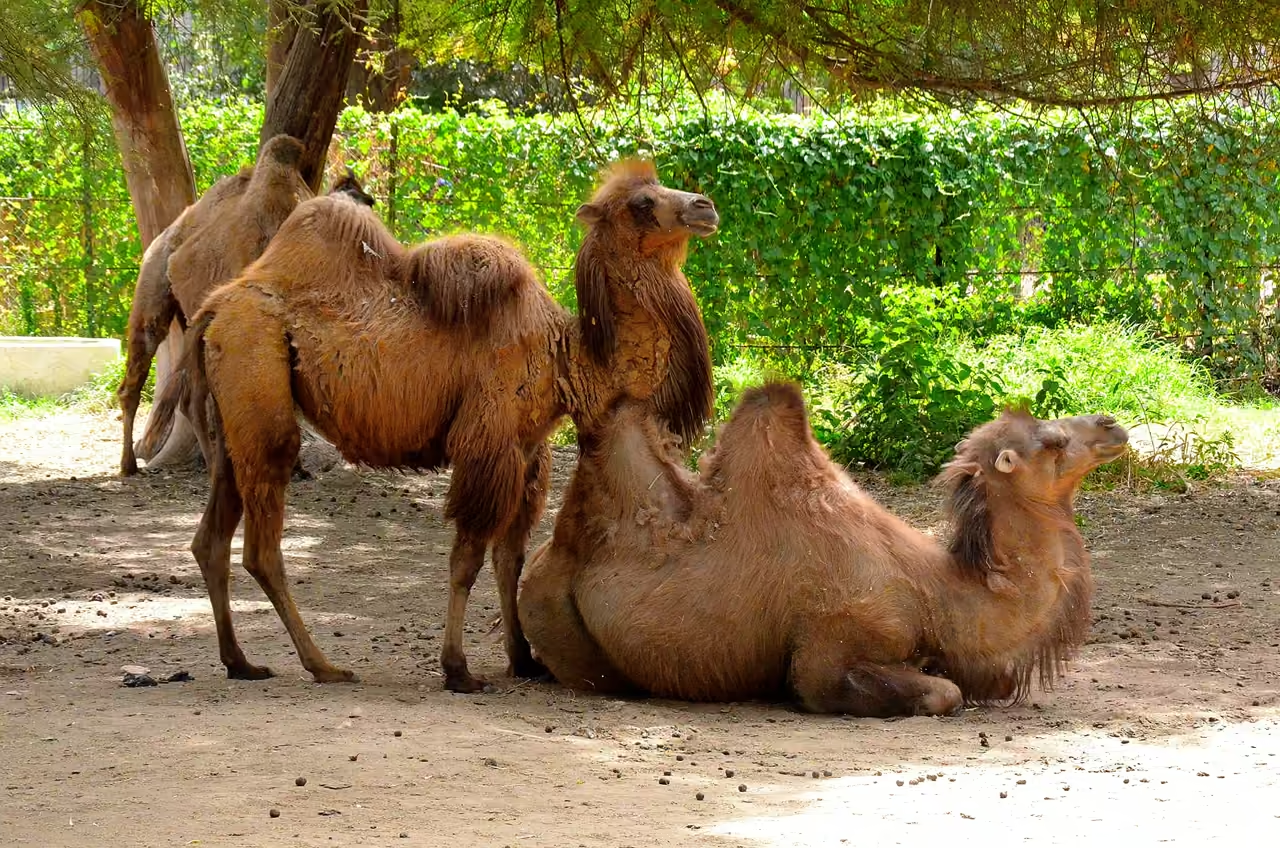
Shaded Botanical and University Stroll in Dokki
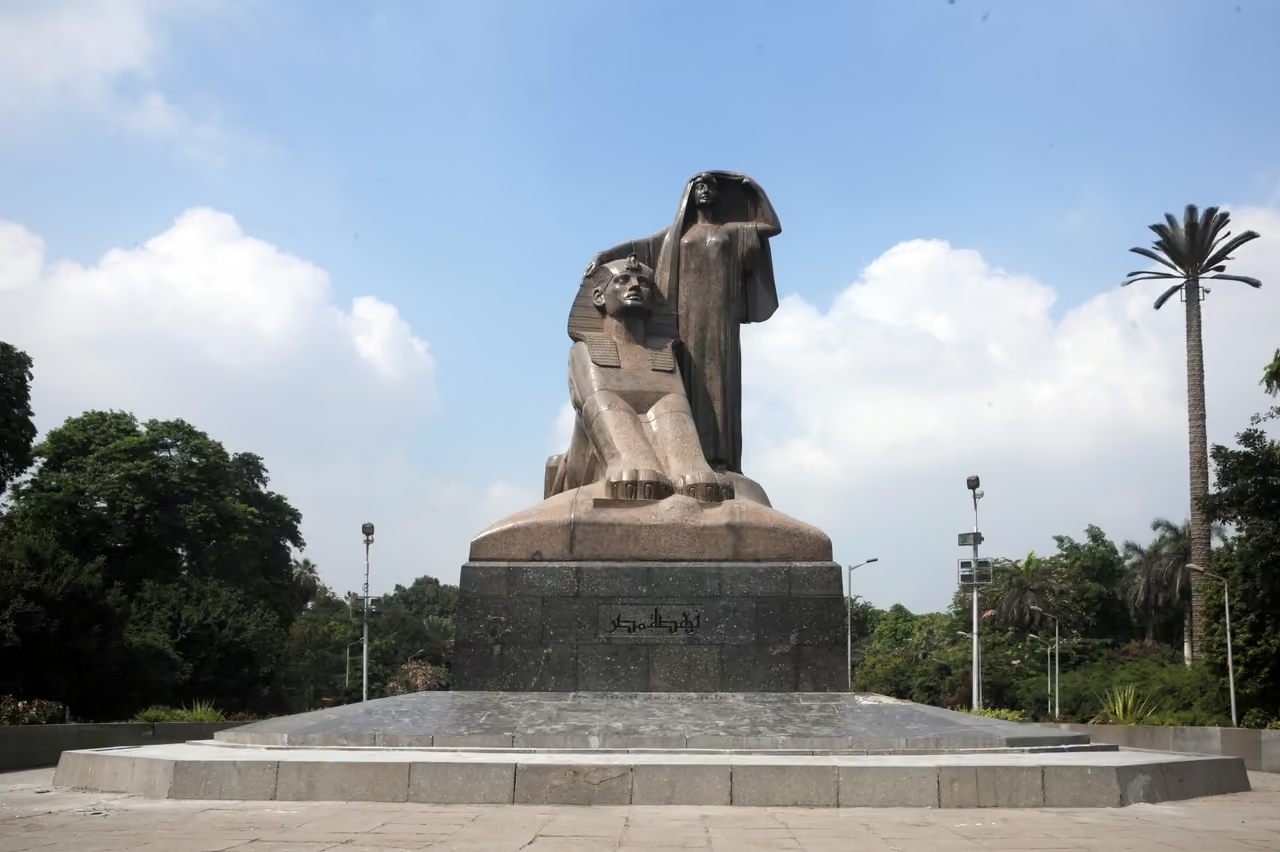
Broad pavements linking Orman Garden, Cairo University, and Giza Zoo protect one of Greater Cairo's calmest walking belts beneath century-old banyan canopies. Moving past pink-granite sculptures, ornate royal park fences, and lively campus book kiosks reveals Giza's scholarly civic soul. Towering dome architecture rises above green lawns while students gather on steps holding paper cups of spiced coffee.
- HIGHLY RECOMMENDED
Golden-Hour Village and Sphinx Edge Walk
Once afternoon tour groups roll back toward Cairo, the sandy lanes bordering Nazlet El-Semman's western edge cool rapidly into a theatrical dusk promenade. Carriage horses trot peacefully home into courtyard stables, spice sacks open outside tiny groceries, and Khafre's peak blushes amber above red-brick rooftops. Strolling these compact blocks turns a famous border zone into an engrossing slice of living village Giza.
Architecture & Landmarks
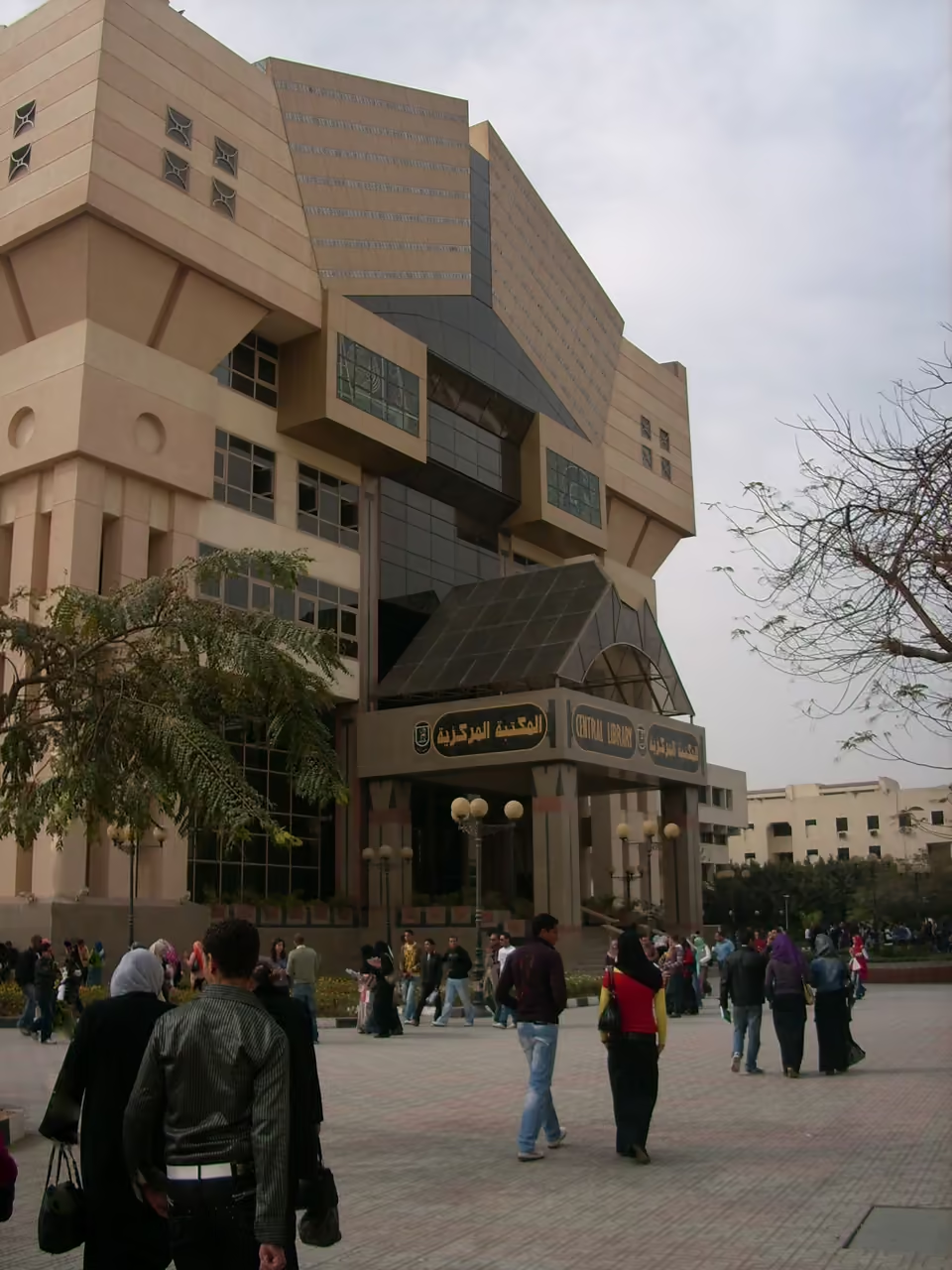
Cairo University Grand Dome
Rising fifty metres above symmetrical lawns in Dokki, Cairo University's ceremonial main hall anchors the west bank's most...
view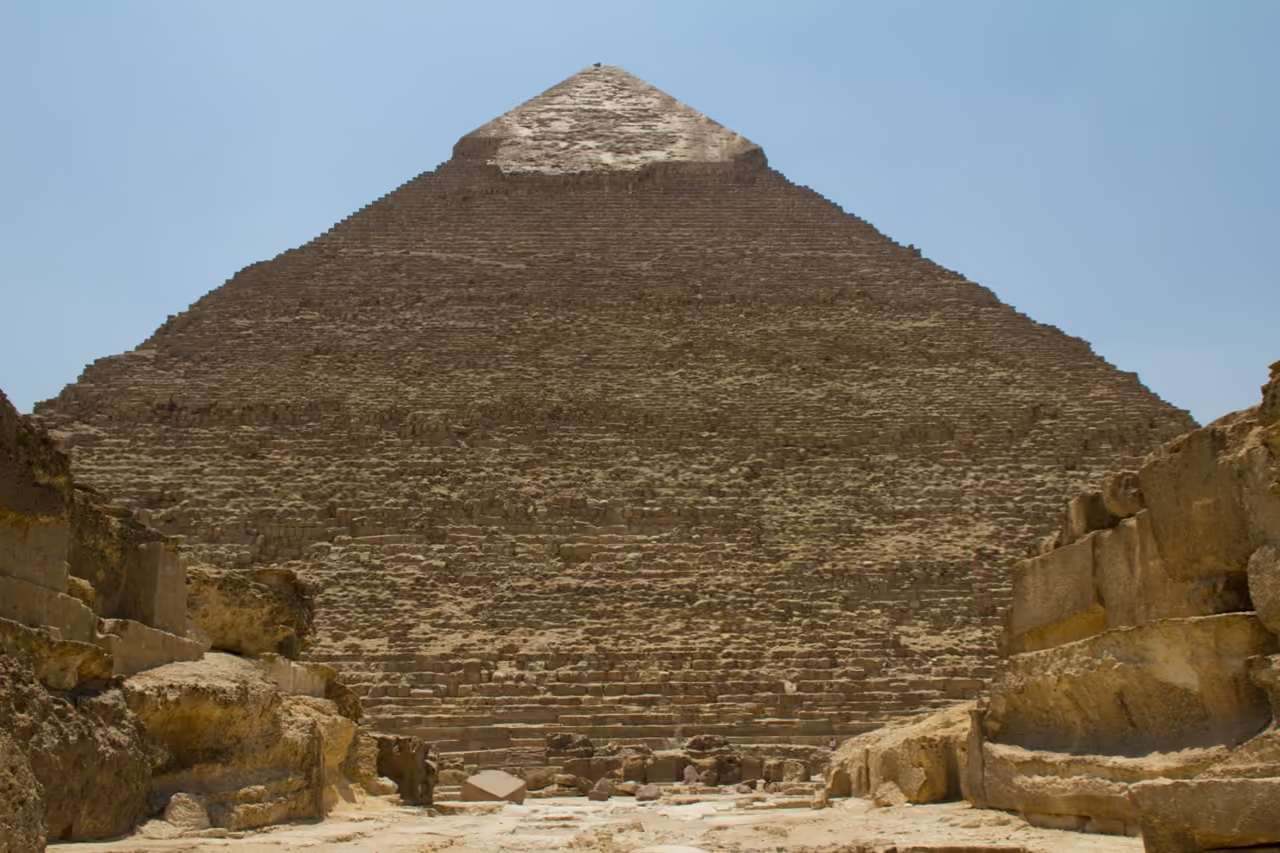
Pyramid of Khafre
Most first-time arrivals mistake Khafre's monument for the tallest pyramid on the plateau, an optical illusion pulled off by...
viewValley Temple of Khafre
Standing right beside the Great Sphinx, this remarkably intact Fourth Dynasty mortuary hall displays Old Kingdom megalithic...
viewMarriott Mena House Historic Palace Wing
Constructed in 1869 as a royal hunting lodge for Khedive Ismail ahead of Suez Canal festivities, the original palace wing pairs...
view
Markets & Shopping
Giza Nightlife
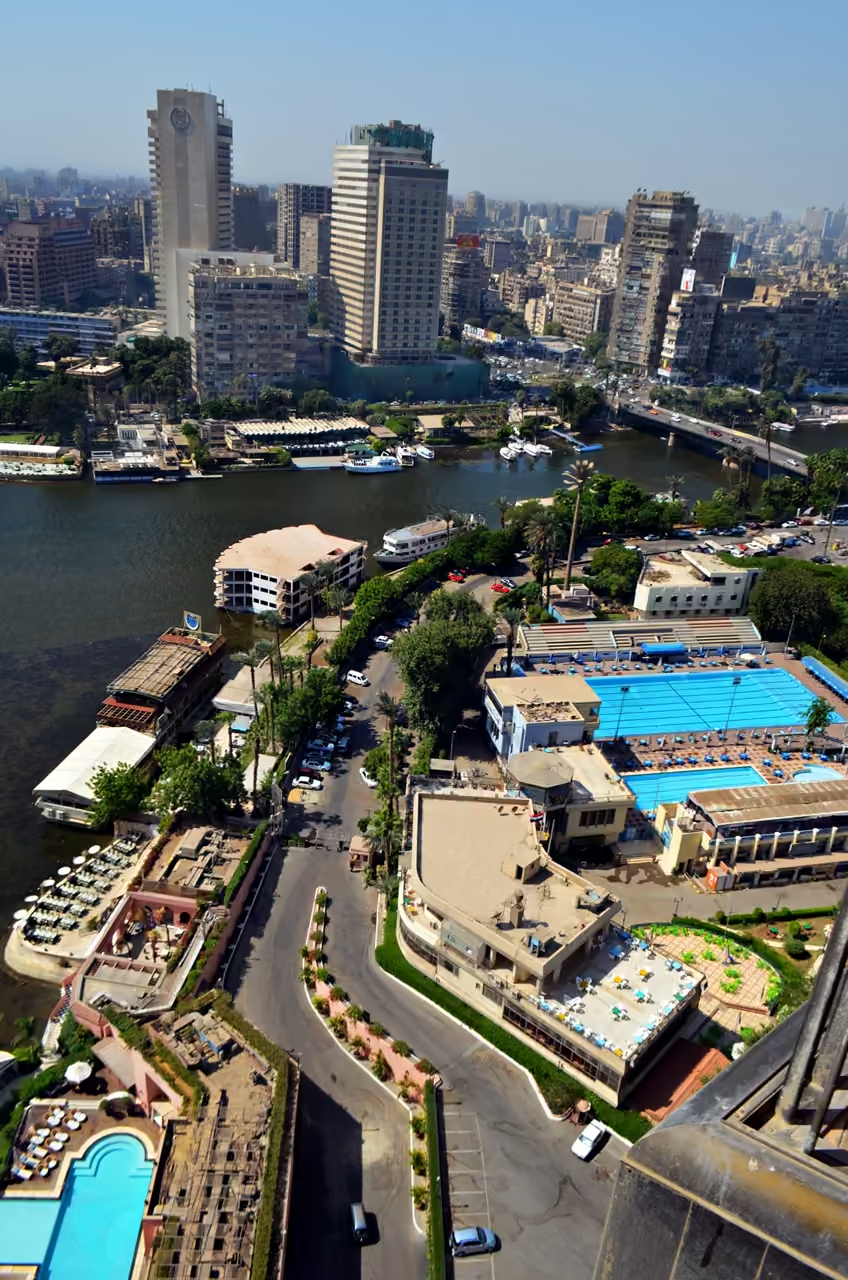
Photo Spots
Activities & Experiences
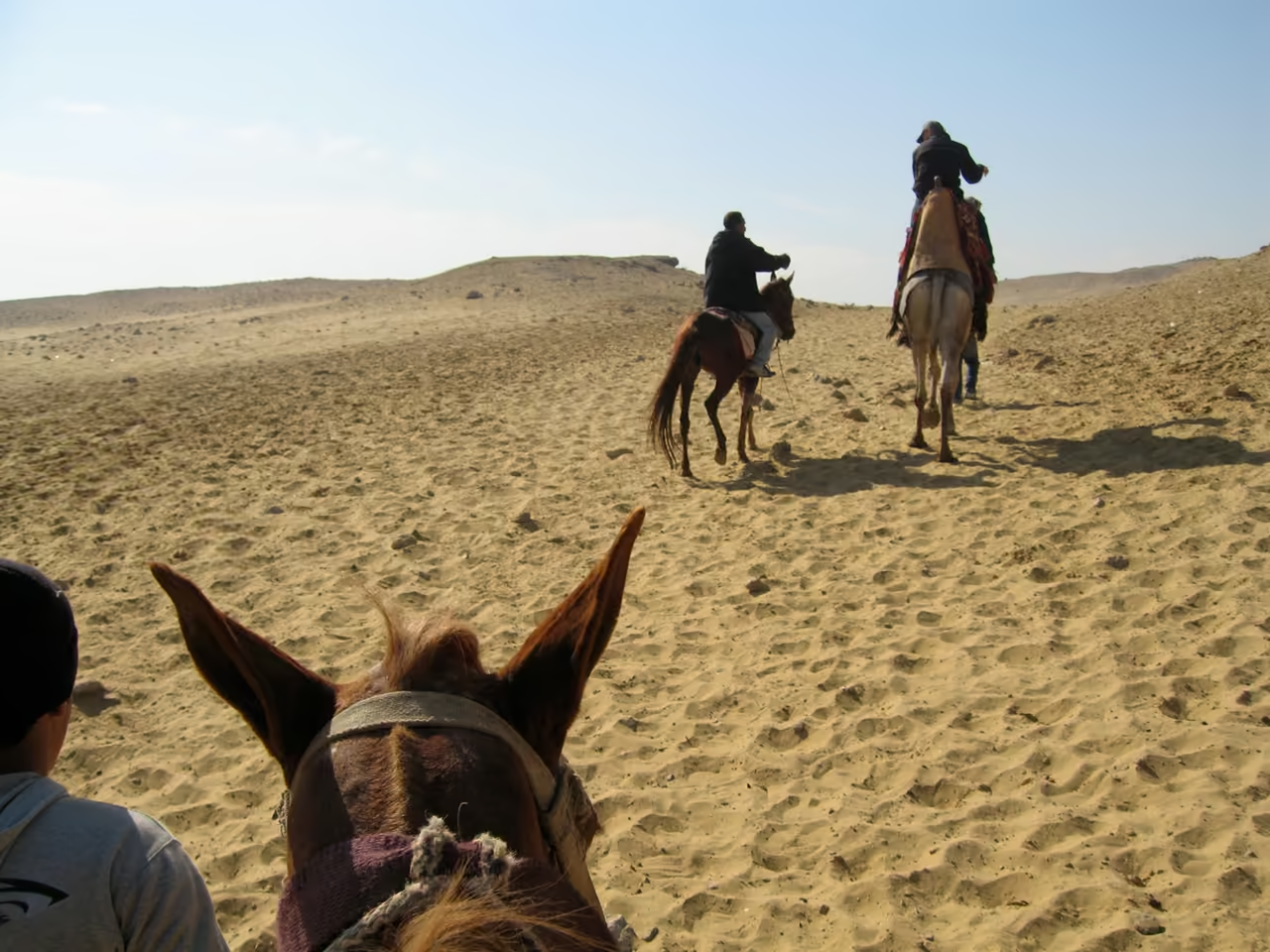
Desert Horseback Riding
ركوب الخيل في صحراء الجيزة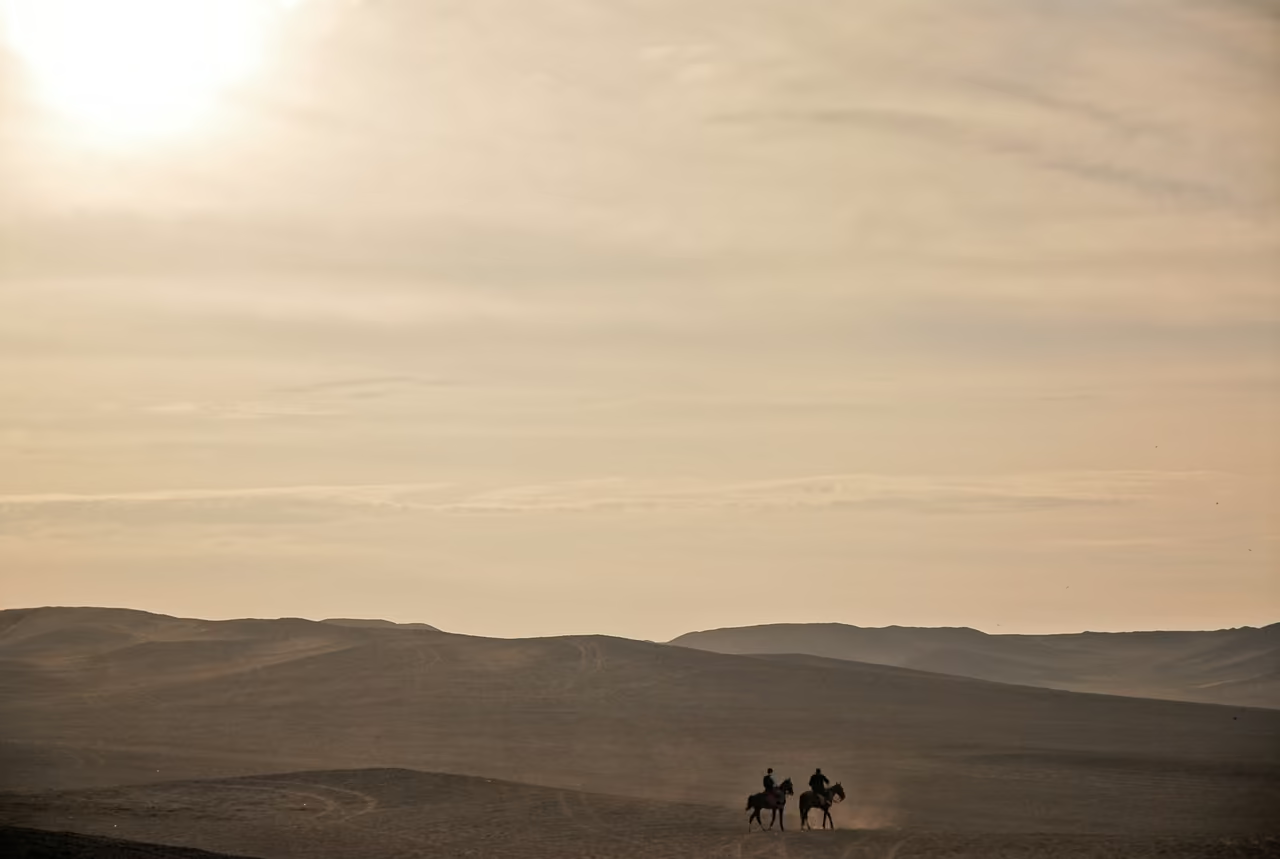
Hiking the Giza Desert Plateau
المشي على هضبة الجيزة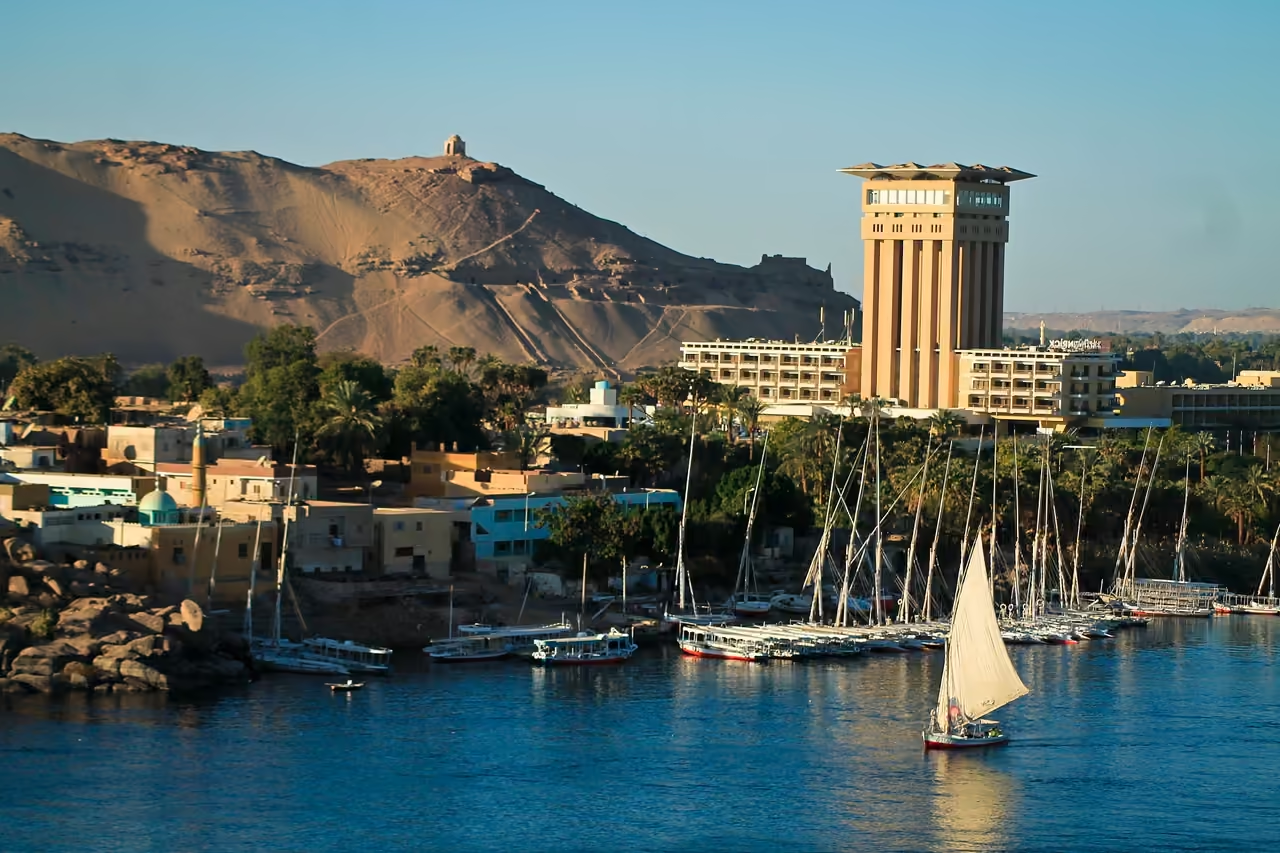
Nile Felucca and Boat Cruising
ركوب الفلوكة والمراكب في النيل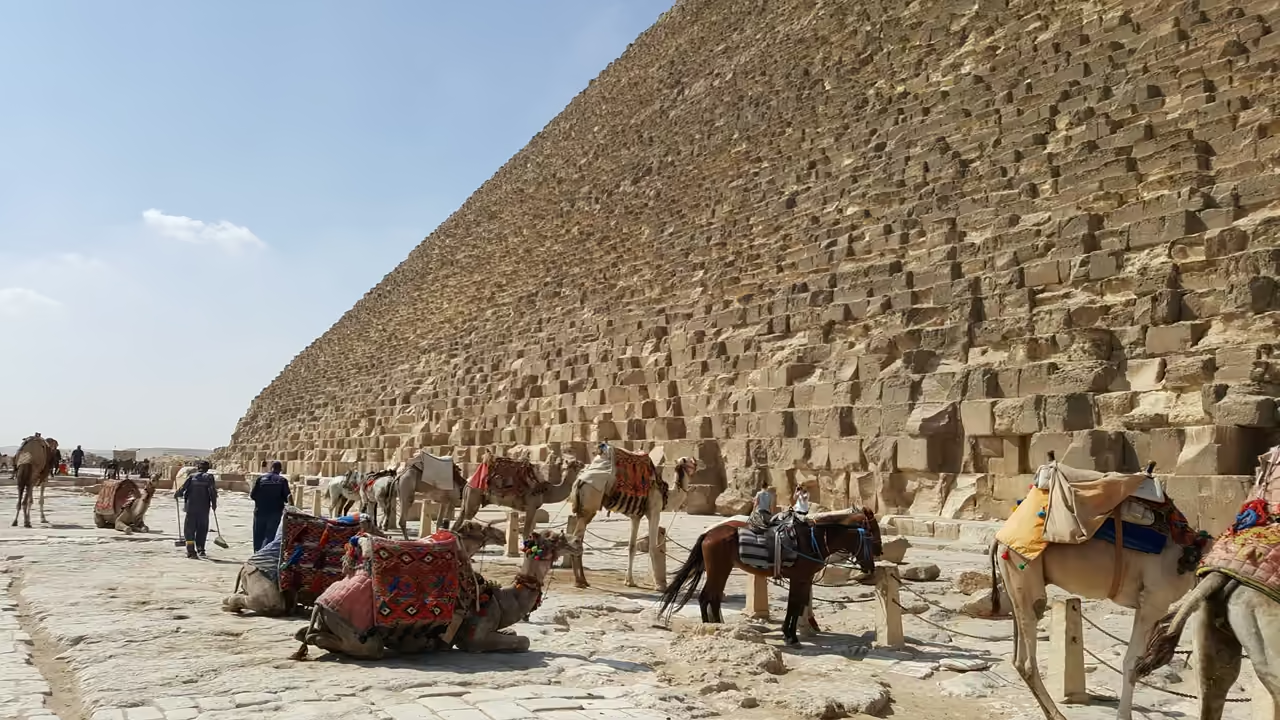
Camel Trekking on the Sahara Edge
ركوب الجمال في الجيزة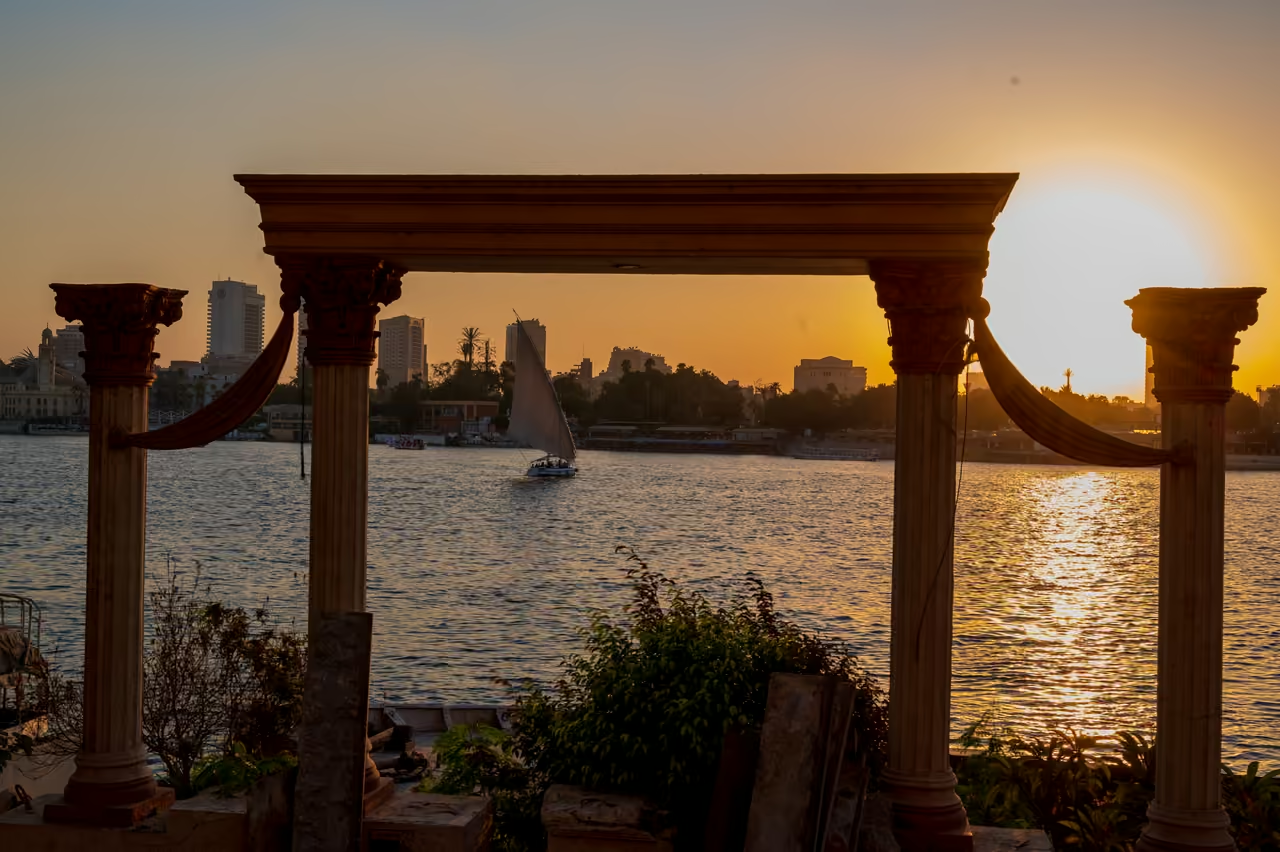
Early-Morning Road and Canal Cycling
ركوب الدراجات في الجيزة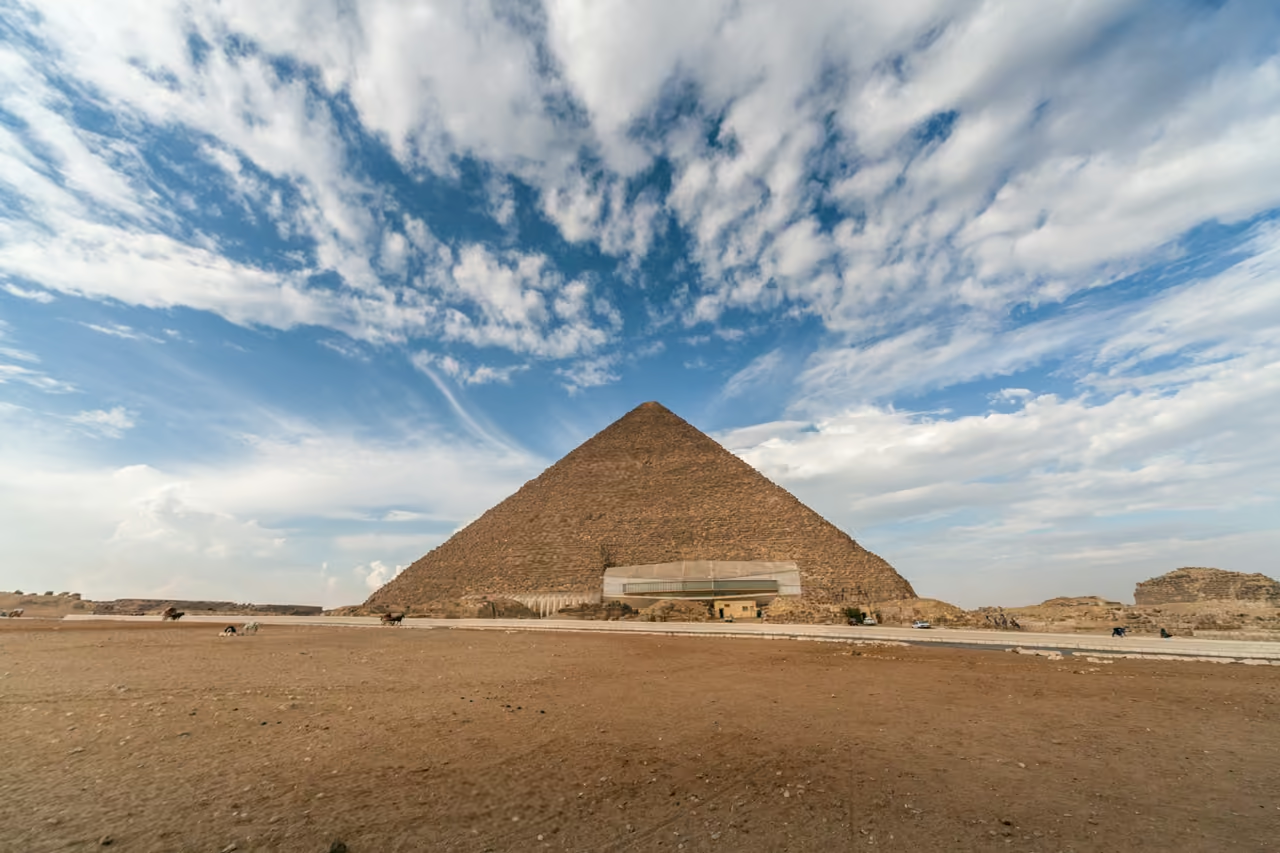
Golfing Beside the Great Pyramid
لعب الجولف بجانب الأهرامات
Cycling Routes
Agouza Nile Corniche to Cairo University Riverside Ride
Flat riverfront asphalt and broad tree-lined campus boulevards create an effortless morning pedal along Giza's historic cultural spine. Smooth tarmac hugs the Nile past moored riverboats, grand villa gates, and pink-granite civic sculpture before turning into Dokki's shaded green belt. Early Friday mornings clear commuter traffic away, leaving joggers and bakery delivery riders sharing the cool river wind.
Dokki Botanical Parks and Vintage Villas Loop
Shaded by old banyans and mango gardens, Dokki holds the greenest street network on the Nile's west bank. This gentle urban loop weaves past nineteenth-century palace gardens, historic museum pavilions, and leafy roundabouts bordered by diplomatic villas. Wide side avenues keep cycling unhurried while connecting three of Giza's richest cultural parks.
 HIGHLY RECOMMENDED
Mariouteya Canal to Harrania Craft Village Ride
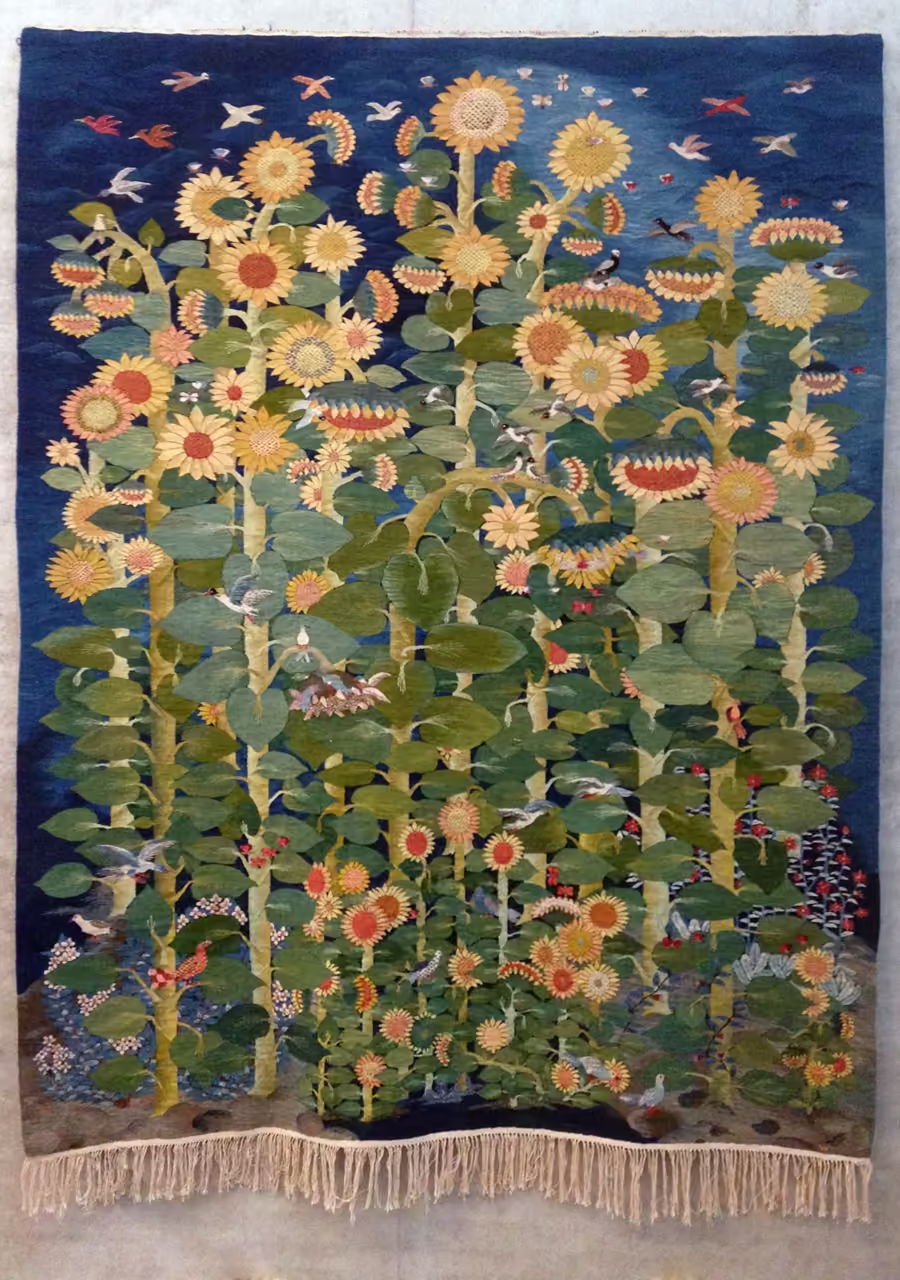
Trace the palm-shaded waterway running south from Al-Haram Avenue into Giza's fertile rural skirt, where concrete apartment blocks yield quickly to clover pastures, donkey carts, and fruit orchards. Paved canal embankments lead cyclists smoothly toward Harrania's vaulted mud-brick tapestry studios and roadside pottery kilns. Within minutes of turning southward, woodsmoke and fresh herbs replace highway fumes.
Self-Guided Tours
- HIGHLY RECOMMENDED
Fourth Dynasty Royal Necropolis Self-Guided Tour
Walk in the footsteps of Old Kingdom pharaohs across the wind-carved Giza Plateau on an unhurried route linking three royal pyramid precincts and the Great Sphinx. Tracing ancient quarry steps, polished granite valley temples, and limestone ceremonial causeways shows how Giza operated as one cohesive sacred complex rather than disconnected monuments. Allow three hours with sturdy shoes and extra drinking water.
Modern Egyptian Art and Literary Heritage Trail
Discover Egypt's twentieth-century intellectual and artistic awakening across four distinguished villas and landmarks in Dokki and Al-Haram. Pairing Impressionist paintings along the Nile with Taha Hussein's book-lined study and painter Mohamed Nagy's studio near the plateau highlights how modern Egyptian identity flowered in Giza. Calm garden courtyards offer quiet reflection miles apart in spirit from tourist crowds.
Giza Cinema, Living Crafts, and Cultural Heritage Route
Follow the creative spirit that placed Giza on UNESCO's Creative Cities list by linking historic film soundstages with rural canal-side craft workshops. Heading south from Al-Omraneyah to Harrania reveals how studio set builders, actors, and village tapestry weavers transformed Giza during the twentieth century. Canal boat rides and mud-brick weaving sheds illuminate Egyptian craftsmanship up close.
Annual Festivals & Events
 HIGHLY RECOMMENDED
Eid al-Fitr Celebrations in Giza
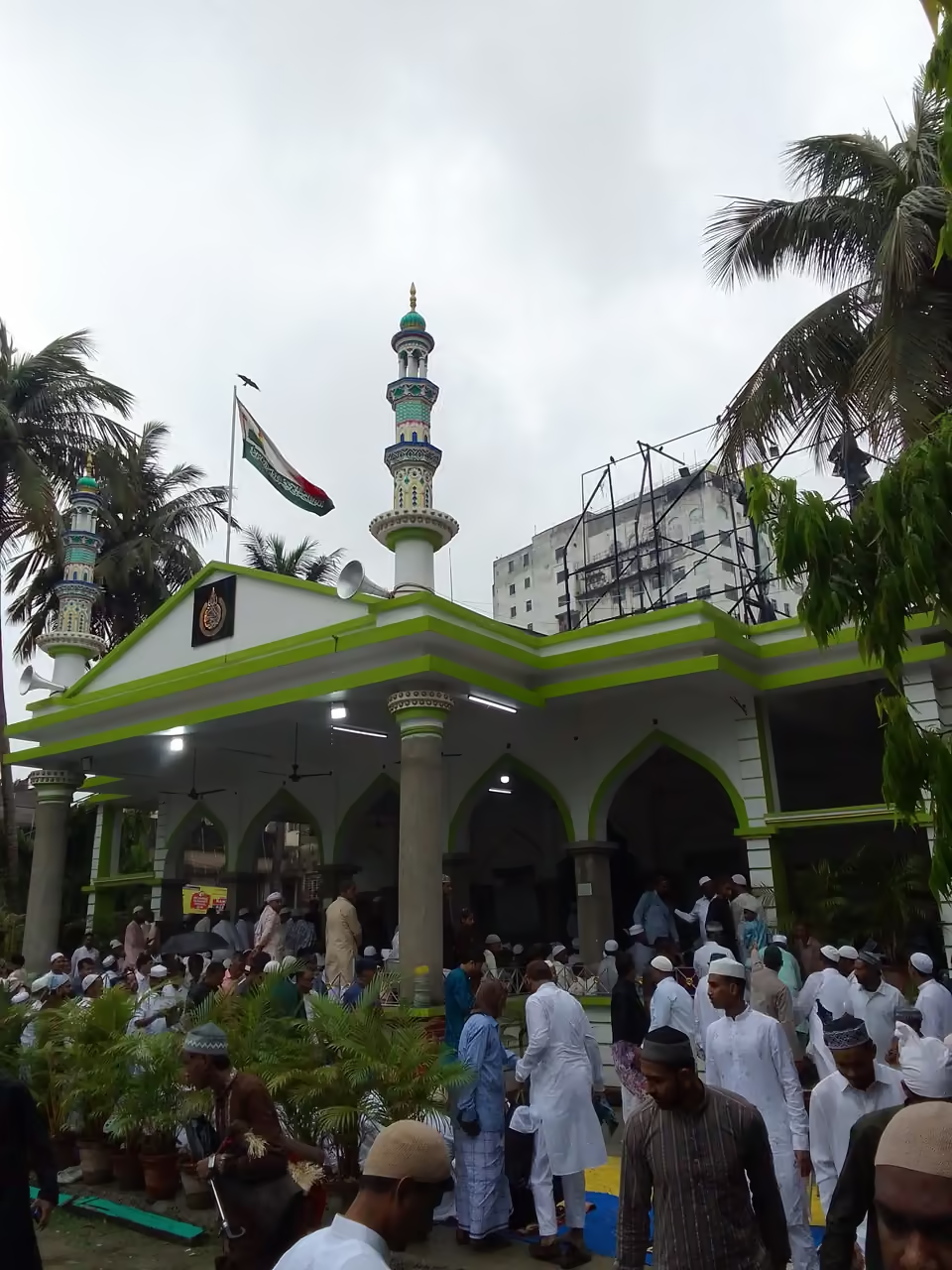
Dawn prayer mats cover Giza Square outside El-Istiqama Mosque and broad Mohandiseen boulevards as residents celebrate the end of Ramadan fasting. Children parade in crisp new clothes while families trade plates of powdered-sugar kahk biscuits stuffed with dates and spiced walnuts. By late morning, cheerful crowds pack Giza's riverboats, cinema lobbies, and plateau viewpoints for three consecutive days of festivities.
 HIGHLY RECOMMENDED
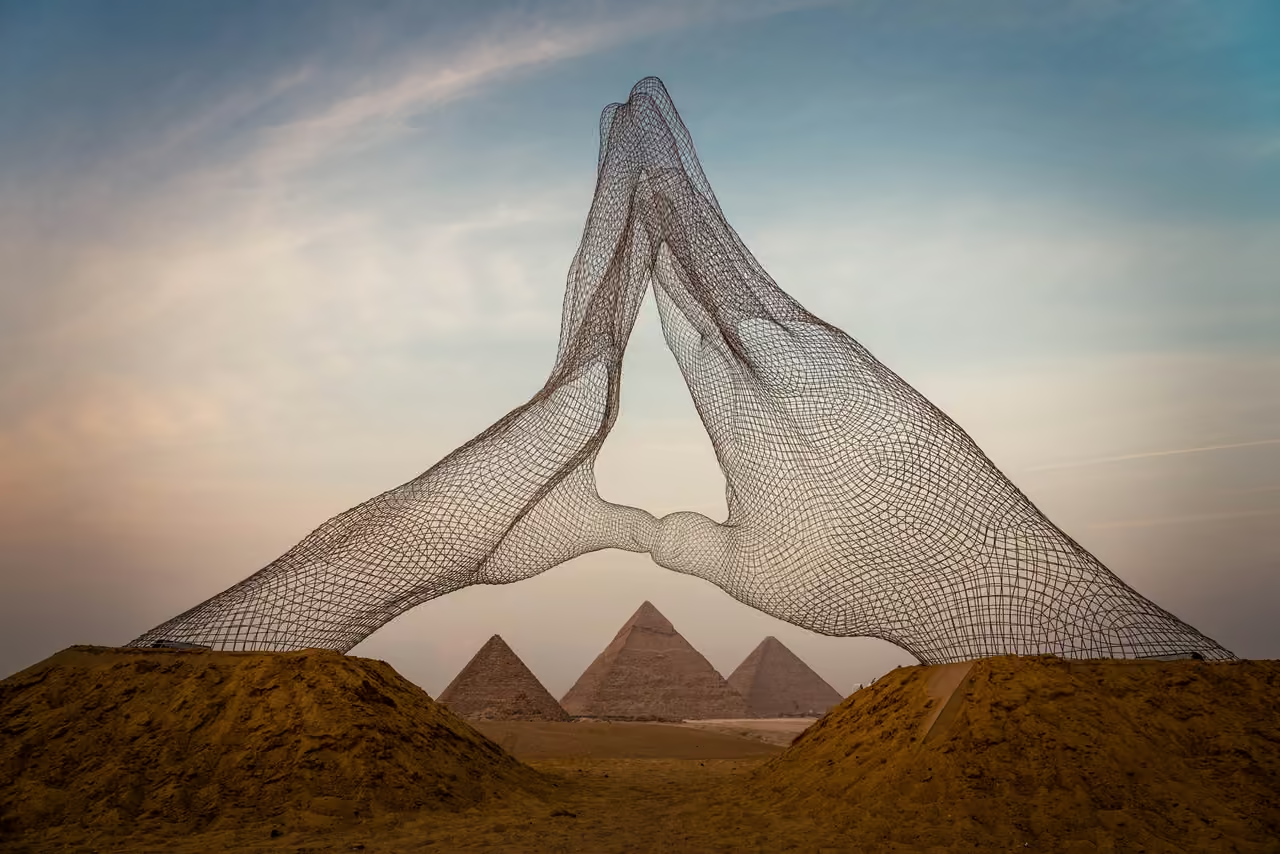
Forever Is Now Art Exhibition
Mounted each autumn directly across the sand beside the pyramids, this annual contemporary sculpture exhibition sets large-scale installations in dialogue with Fourth Dynasty stone. Egyptian and international artists position mirrored portals, woven monoliths, and kinetic steel frames across the desert floor to catch shifting sunlight from sunrise to late afternoon. General plateau admission grants access, allowing regular visitors to wander straight among works ordinarily limited to global biennales.
 HIGHLY RECOMMENDED
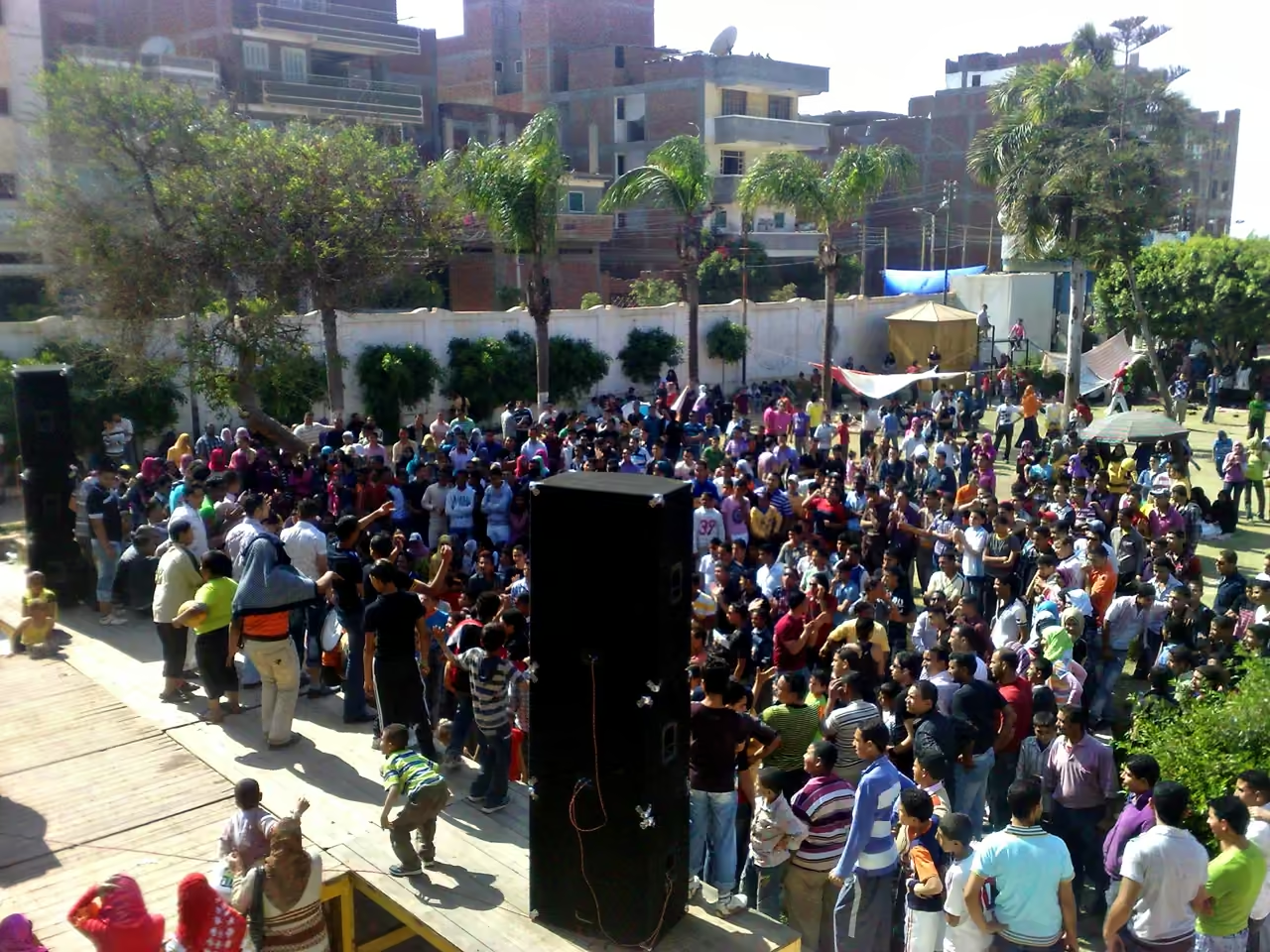
Sham El-Nessim Spring Festival
Celebrated on the Monday following Coptic Easter, this ancient Egyptian spring holiday brings families onto Giza's riverbanks and rural Nile islands from early morning. Groups unroll woven mats along Al-Bahr Al-Aazam Corniche or cross by ferry to Dahab Island carrying picnics of salted fesikh fish, crisp scallions, lupini beans, and dyed boiled eggs. Felucca boats crowd the Agouza channel until dusk with singing teenagers and picnic baskets.
Insider Tips
Reserve your Grand Egyptian Museum ticket exclusively on tickets.gem.eg before arriving, as timed morning slots sell out quickly and on-site ticket counters are restricted.
Avoid walking to the old Mena Gate at the end of Al-Haram Road, which closed to regular entry in 2025; direct your rideshare to either the new southern main gate or the eastern entrance near the Sphinx in Nazlet El-Semman.
Only show your pyramid ticket to uniformed staff posted at security metal detectors and tomb doorways; anyone roaming the sand asking to inspect your paper ticket is angling to start an unsolicited tour.
Take Cairo Metro Line 2 to Giza Station and switch to Uber or Careem for the final eight kilometres toward the plateau, avoiding both street cab meter arguments and metro-extension roadworks along Al-Haram.
Carry crisp 10, 20, and 50 EGP notes for Dahab Island ferries, public minibuses, and washroom tips, since small kiosks rarely break large 200 EGP bills.
Deliver a calm "la shukran" while walking steadily past touts rather than engaging in polite excuses, which street sellers interpret as an invitation to follow along.
Step two blocks off Sphinx Square into Nazlet El-Semman's residential alleys for freshly fried taameya, koshari, or local kofta priced for residents instead of tourist bus buffets.
Pack an original valid international student ID if enrolled in university, since Egyptian state museums and archaeological sites deduct fifty percent off foreign ticket rates.
Check any horse's ribs, hooves, and saddle girth straps before mounting a desert ride, or book ahead with trusted operators like FB Stables and Cairo Horse Riding School.
Decline free detours to a cousin's perfume workshop or papyrus gallery unless you genuinely enjoy bargaining, since quoted opening rates typically sit three times above real market prices.
Learn three everyday Egyptian Arabic words before heading out: ahlan (hello), mashi (okay), and kam? (how much?). Even a brief effort warms up exchanges with minibus conductors, stallholders, and boatmen.
Skip the Giza Plateau and Giza Zoo on Fridays if you dislike heavy crowds, since Egyptian families flock there for the weekend; save weekday mornings for the monuments and use peaceful Friday mornings (06:30 to 08:30) for riverside walks or cycling along empty Corniche lanes.
PERFECT FOR
Giza suits history buffs, museum explorers, street photographers, and curious travellers eager to step outside central Cairo's tourist loop. Anyone intrigued by ancient stone engineering, Impressionist and modern Egyptian art, lively midnight coffeehouses, or car-free agricultural Nile islands will find plenty here for an unhurried stay.
VIBE
Car horns along Gameat El-Dowal El-Arabiya Street fade within fifteen minutes into dry desert wind sweeping across Khufu's golden stone. Down on the Agouza Nile Corniche, roasted corn smoke drifts past neon-lit feluccas while students argue football scores over mint tea. Even past midnight, Giza stays warm-hearted, loud, and permanently caught between Pharaohs and rush hour.
Frequently Asked Questions about Giza
Giza is an independent city and the capital of Giza Governorate, sitting directly across the Nile on the west bank opposite central Cairo. Both cities form part of the Greater Cairo metropolis and are linked by road bridges, ride-hailing apps such as Uber and Careem, and Cairo Metro Lines 2 and 3, which connect downtown stations straight to Dokki, Giza Square, Cairo University, and Kit Kat.
Visitor entry was reconfigured in 2025 when the old Mena Gate at the western tip of Al-Haram Road closed to general arrivals. Today, travellers enter either through the large new southern main gate on the plateau road, where internal shuttle buses circulate between monuments, or via the eastern entrance near the Great Sphinx in Nazlet El-Semman.
Stepping inside Khufu's pyramid delivers an intense physical sensation, though anyone uneasy in tight spaces should skip it. You crouch up steep, warm, poorly ventilated timber walkways into the bare granite King's Chamber, which holds no hieroglyphs or wall paintings and prohibits cameras. Only a capped number of tickets are sold daily, while access inside the Khafre and Menkaure pyramids alternates yearly.
Allow at least four hours to climb the Grand Staircase, examine Khufu's reconstructed wooden solar boat, and walk comfortably through Tutankhamun's burial galleries. Timed admission tickets must be booked online at tickets.gem.eg prior to arrival, and late evening hours on Wednesdays and Saturdays offer a cooler pace.
Only uniformed guards posted at security scanners and monument doorways have authority to check your ticket, so never hand your pass to strangers roaming the sand. A steady stride paired with a calm "la shukran" ends pitches much faster than polite conversation. If you want to ride horses across the desert dunes, book directly with reputable stables such as FB Stables or Cairo Horse Riding School.
Giza holds Impressionist masterpieces at the Mohamed Mahmoud Khalil Museum on the Nile Corniche, Africa's oldest zoo and Orman Garden in Dokki, mud-brick tapestry workshops in Harrania, and car-free farming lanes on Dahab Island. Mohandiseen and Agouza also pack some of Greater Cairo's liveliest riverfront dinner boats and late-night coffeehouses.
No. Climbing any pyramid is strictly illegal, damages fragile limestone courses, and has proved fatal for people who attempted it. Monument guards and Tourist Police enforce the ban closely, and anyone offering to sneak you up for a tip should be ignored.
October through April brings the mildest sightseeing weather, with winter highs hovering between 19 and 21 degrees Celsius. Summer temperatures regularly reach 35 to 40 degrees Celsius across a desert plateau with almost no shade, making 07:00 arrivals essential, while March and April bring occasional Khamsin windstorms carrying Saharan dust.
We recommend spending about 3 days in Giza. Three days leave breathing room for a crisp morning across the Giza Pyramid Complex, half a day inside the Grand Egyptian Museum without gallery fatigue, and a third day linking Dokki's art palaces, Dahab Island farms, and Mohandiseen cafés. Because Al-Haram traffic moves slowly, splitting desert visits from riverside stops keeps the rhythm pleasant.
Giza has an average temperature of 20.6°C in spring, 27.4°C in summer, 22.8°C in autumn, and 14°C in winter. Choose the season that best matches your weather preference.
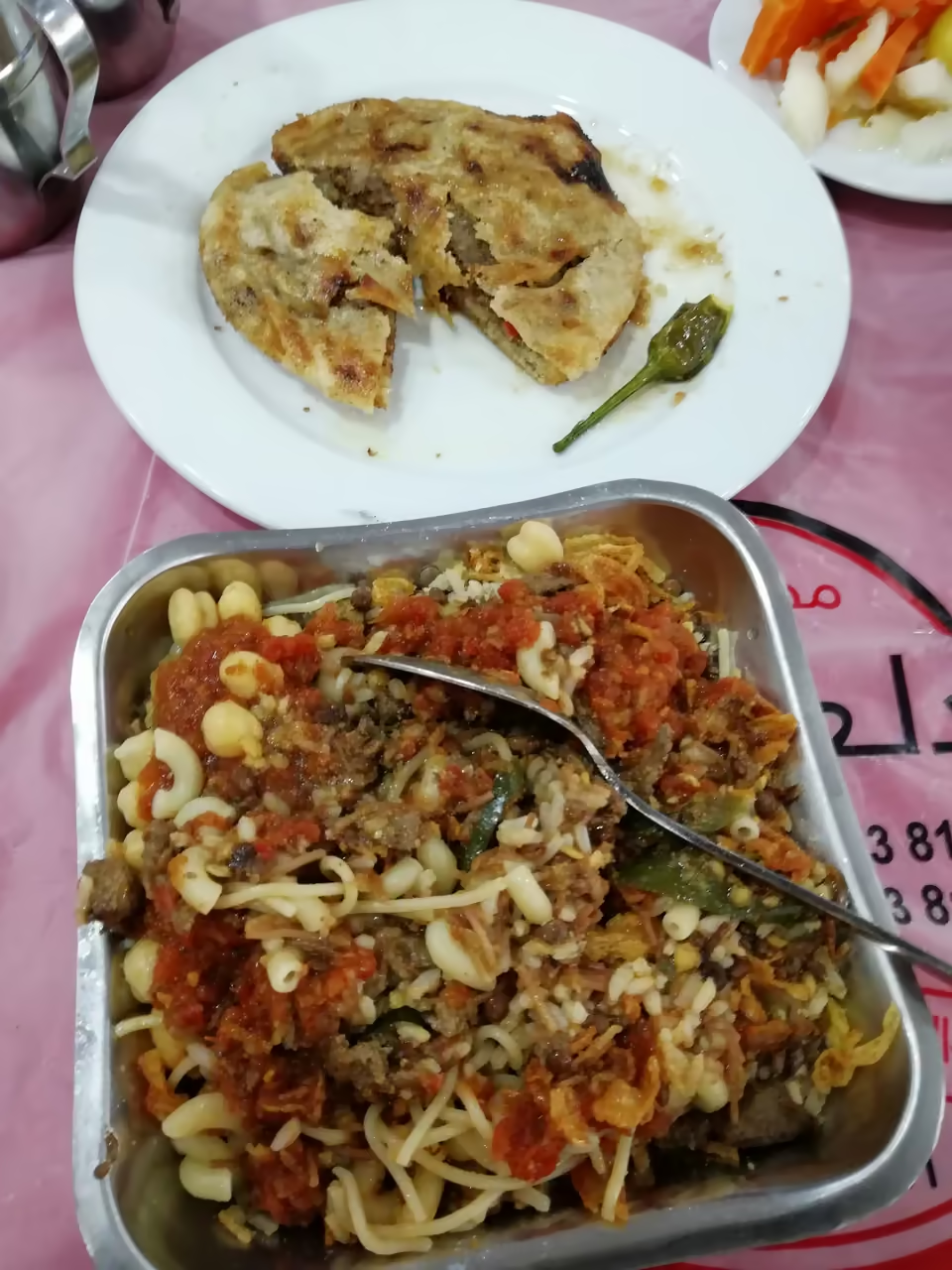
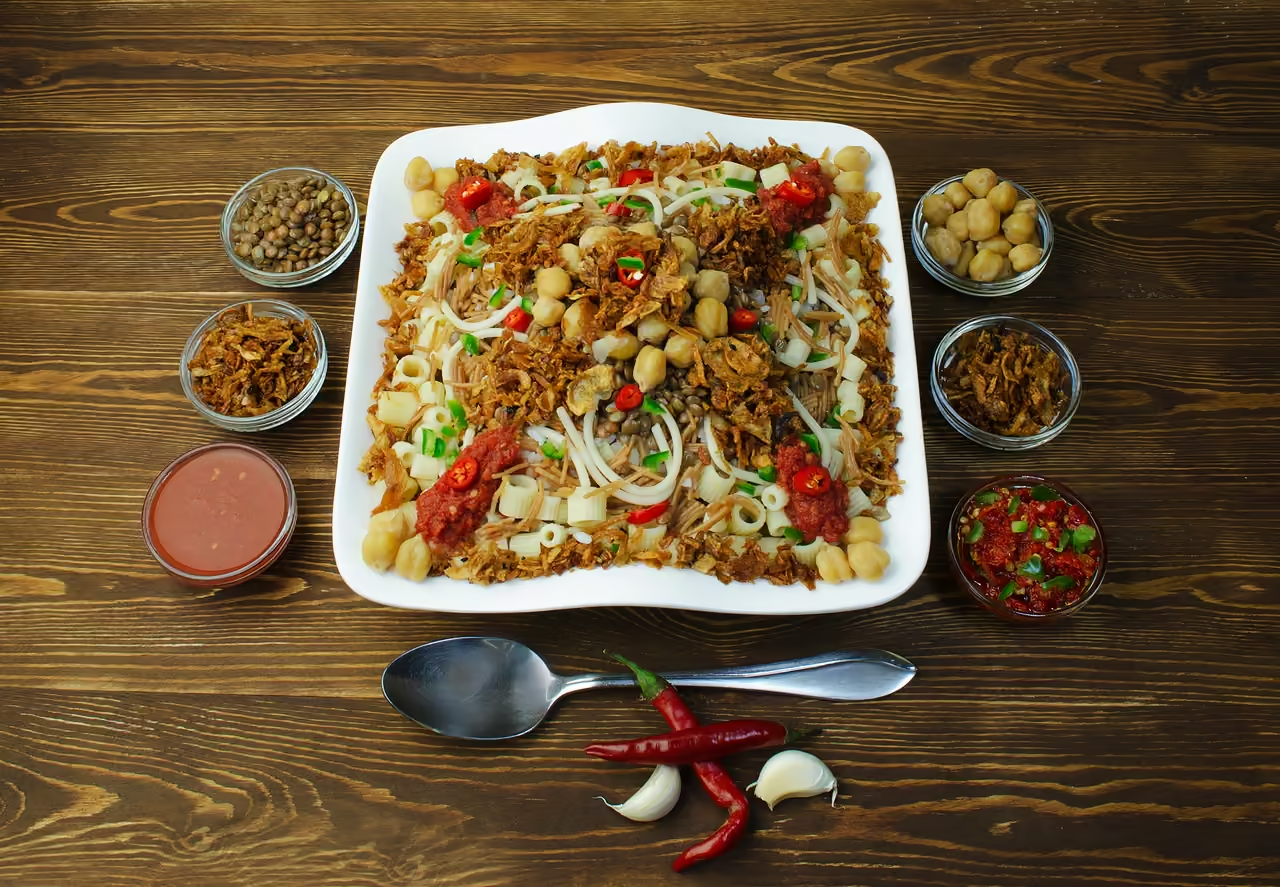
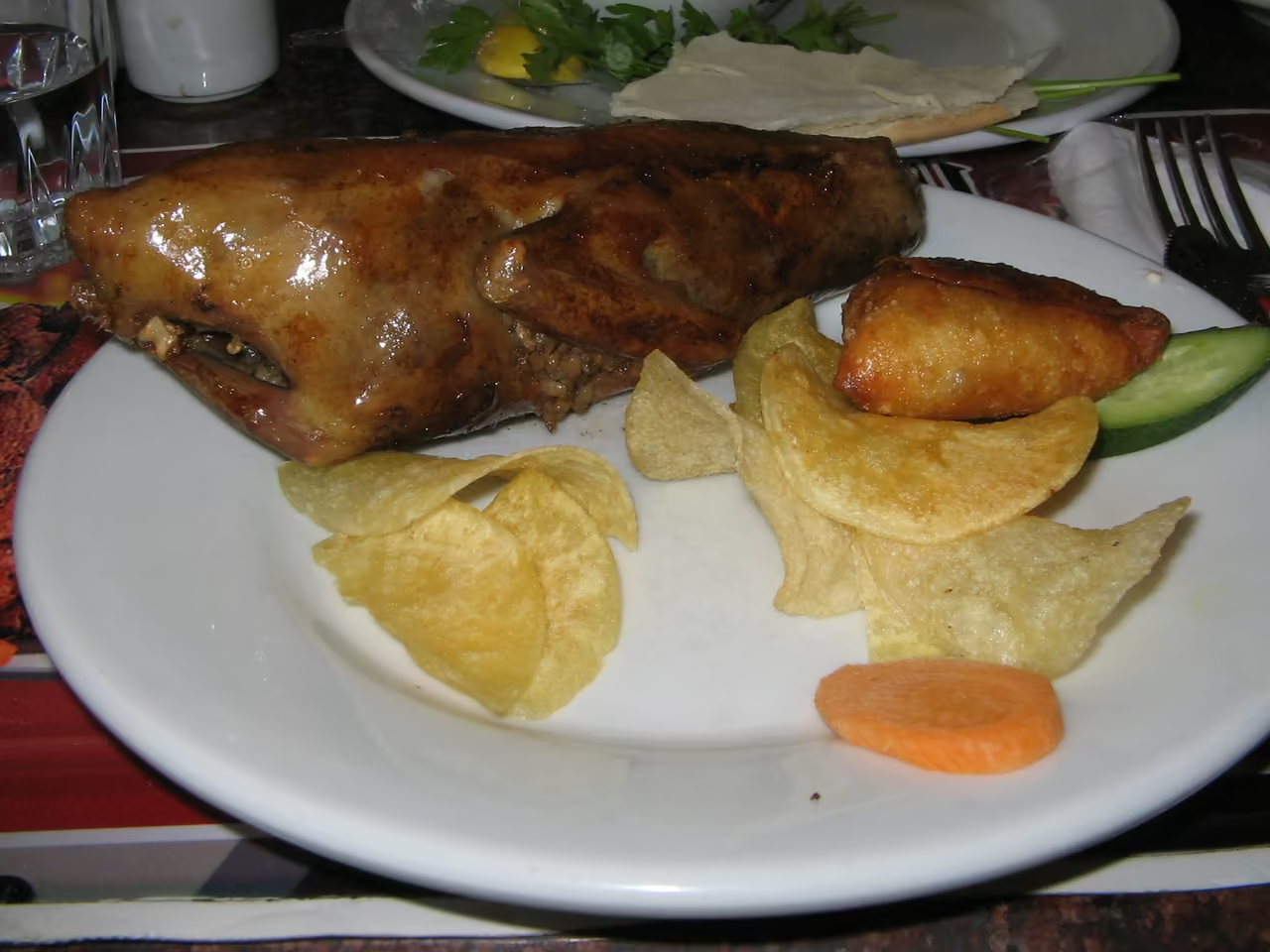
Some popular local food choices in Giza include Fresh Sugarcane Juice (Asab) and Hibiscus (Karkadeh), Giza-Style Hawawshi, Koshari, Charcoal-Grilled Stuffed Pigeon (Hamam Mahshi), Feteer Meshaltet, Molokhia and Om Ali.
Yes, Giza is home to a UNESCO World Heritage Site: Giza Pyramid Complex.
It has a population of 4,458,135 people.
It was founded in 642, making it 1384 years old.
While we strive to keep this information accurate and up to date, we recommend verifying any details independently before making decisions based on them.
Similar Destination in Egypt
Continue your journey. Explore this highly recommended city and uncover more of what Egypt has to offer.