Orman Garden
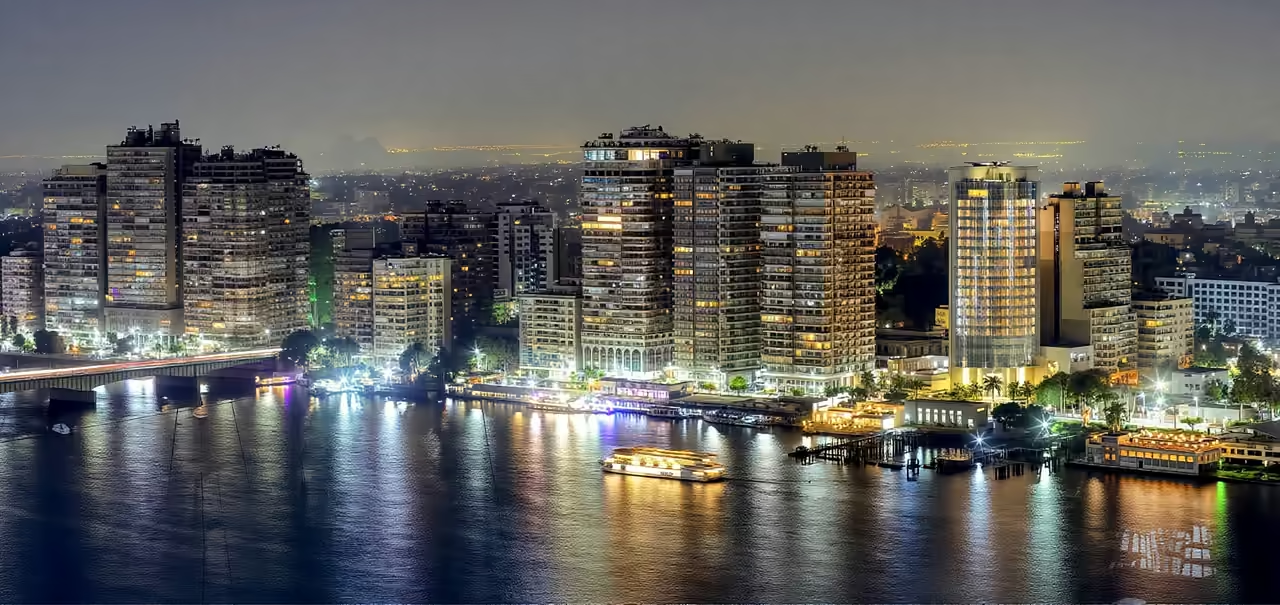
Cairo rarely whispers, yet Orman Garden manages it right across from Cairo University. Step through the tall iron gates off Nahda Square and Giza's horn blasts fade beneath giant ficus trees, feathery conifers, and curling bamboo thickets. Across 28 acres west of the River Nile, shaded gravel paths wind past terraced rockeries, clipped rose beds, and thorny cactus groves straight to the lotus pond. Still water and floating pink blooms rule this corner. Families linger with flasks of mint tea while art students sketch at the edge, though come March, expect elbow room to disappear when the annual Spring Flower Exhibition fills the lawns with plant nurseries, woven baskets, Aswanian honey, and clay pots carted from Old Cairo's Fustat Souq. Stick to the outer bends at opening time and only the hoopoes break the quiet.
Videos
History of Orman Garden
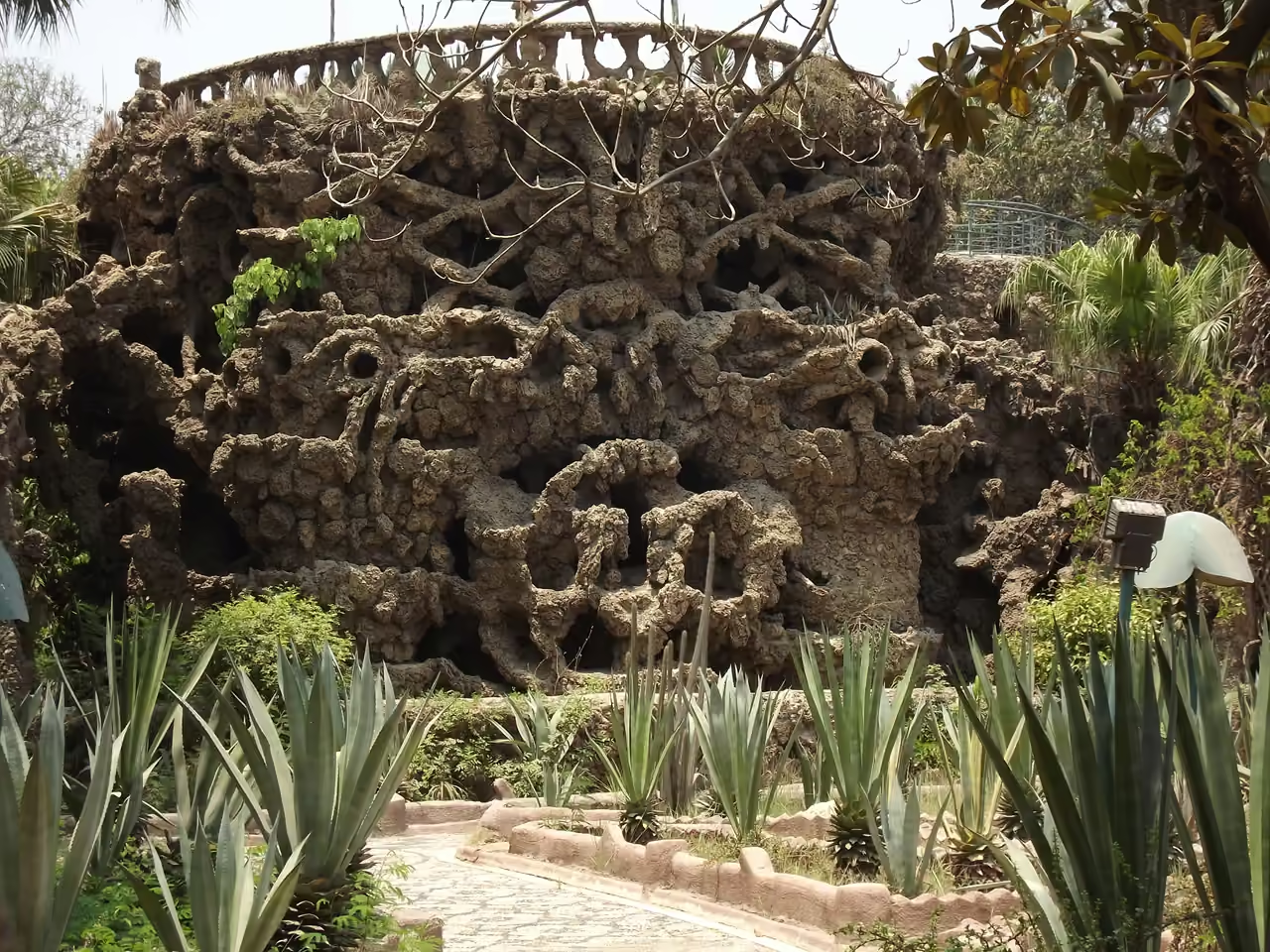
Khedive Isma'il Pasha wanted Giza to rival Paris. In the 1870s, Egypt's ambitious ruler refused to stop at wide boulevards and an opera house, turning to French landscape designer Jean-Pierre Barillet-Deschamps to wrap his Giza palace complex in sweeping greenery. By 1875, labourers had carved out curving paths, raised artificial rock mounds, and dug water basins across an enormous royal estate. Shipments arrived from abroad to transform river silt into thick woodland. Royalty did not keep the forest to itself for long. Financial strain across Egypt soon broke up Isma'il's sprawling palace holdings, slicing off major pieces for a growing capital. In 1891, the southern flank reopened separately as the Giza Zoological Gardens, leaving the two green estates facing one another as neighbours. Later transfers placed the remaining botanical grounds under agricultural stewardship from 1910, culminating in formal status as a public botanical garden under the Ministry of Agriculture in 1917. Street construction and the neighbouring Cairo University campus gradually trimmed the outer boundary down to its modern 28 acres. Once in public hands, the garden shifted from aristocratic retreat to national horticultural workshop. Agronomists organised plant beds by climate and habitat, balancing aquatic marshes against thorny arid plots while testing new ornamental varieties for Cairo's streets. In 1920, Ministry officials launched an annual floral exhibition across the lawns. That single decision turned a quiet scientific estate into a fixture of Cairo's calendar, keeping the grounds relevant in daily Egyptian life long after the 1952 revolution ended royal rule. Proximity to Cairo University eventually pulled the quiet park into modern headlines. During intense political unrest at neighbouring Nahda Square in August 2013, clashes spilled against the outer railings, damaging boundary walls, buildings, and mature trees. Horticulturists closed the gates for an intensive botanical rescue, nursing scarred trunks and replanting wrecked beds before welcoming residents back inside in 2014. Nearly a decade later, in July 2023, preservation authorities launched a joint restoration project linking Orman Garden and Giza Zoo once again, repairing nineteenth century structures, upgrading water channels, and safeguarding rare living specimens along the western Nile bank.
events spanning 148 years
Fun Facts
11- 01
Alongside ornamental palms, the specialised collections preserve living pieces of everyday and ancient Egyptian life, including Cyperus papyrus reeds once turned into scrolls, Hyphaene thebaica doum palms found in pharaonic tombs, and Luffa aegyptiaca vines whose dried gourds become bath sponges.
- 02
Although rooted on the Nile's western bank, the garden carries a Turkish name: 'orman' means 'the forest', a linguistic remnant from the Ottoman Turkish spoken inside Egypt's ruling dynasty when the woodland was planted.
- 03
Before shaping Cairo's royal gardens, French landscaper Jean-Pierre Barillet-Deschamps had helped transform Paris by laying out the Bois de Boulogne and Parc des Buttes-Chaumont, yet he never saw Orman Garden open because he fell ill in Egypt and died in Vichy in 1873, two years before the Giza grounds were completed.
- 04
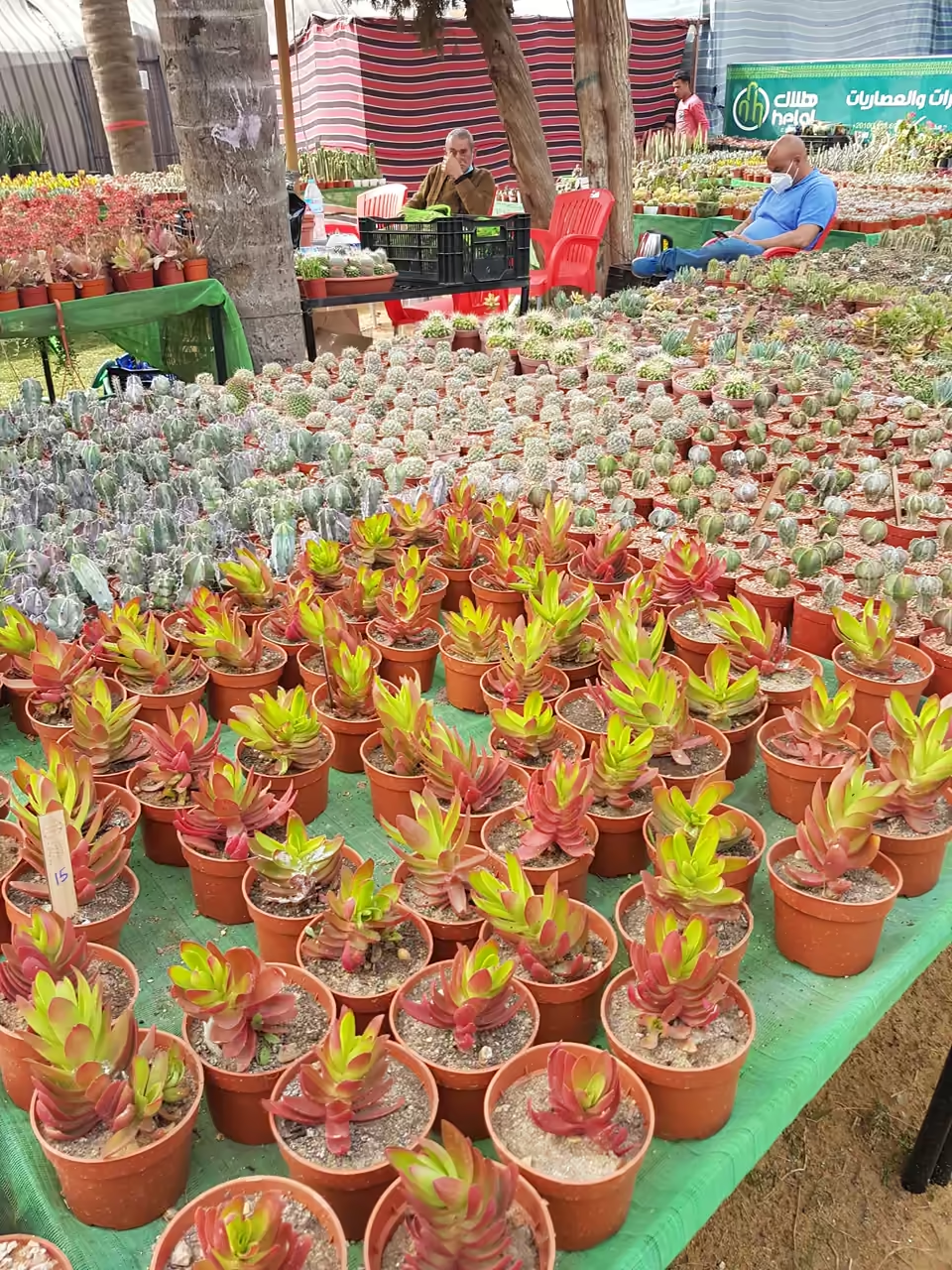
During the annual Spring Flower Exhibition, budget courtyard herbs and young succulents sell just aisles away from rare mature palms and collector plants valued at thousands of Egyptian pounds.
- 05
Horticulturists in the desert zones specialise in cactus grafting, skilfully joining brightly coloured rare cacti onto resilient rootstock to produce sculptural, multicoloured specimens favoured by local collectors.
- 06
Its heritage tree groves safeguard tough native flora of the Nile Valley and Sahara, notably Acacia nilotica, prized since antiquity for gum arabic and dense timber, and Balanites aegyptiaca, the desert date tree celebrated in traditional medicine.
- 07
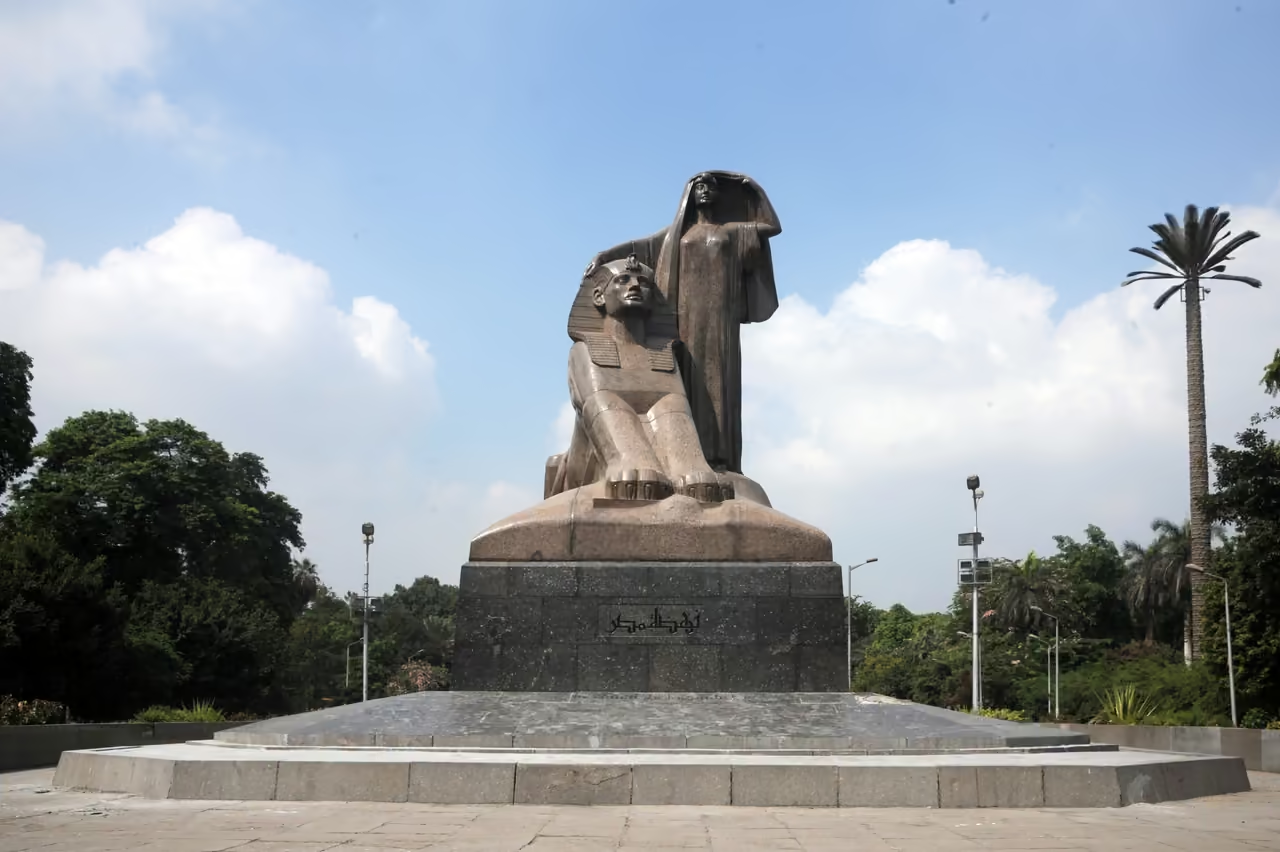
Just outside the garden's western edge stands Mahmoud Mokhtar's monumental Aswan granite sculpture Nahdet Misr, or Egypt's Awakening, which was moved here from central Cairo in 1955 to watch over the corridor between Orman and Cairo University.
- 08
Khedive Isma'il did not lay out the estate solely for evening promenades; he stocked the early royal plots with imported citrus and tropical fruit trees to supply fresh delicacies directly to his palace kitchens.
- 09
Listed with Botanic Gardens Conservation International, Orman Garden acts as a crucial refuge for wetland and aquatic plants that have vanished from much of Greater Cairo as the riverbanks urbanised.
- 10
Operating as an active research centre behind its shaded picnic lawns, Orman Garden maintains a national seed bank and publishes an Index Seminum, allowing Egyptian botanists to trade rare seeds with partner gardens worldwide.
- 11
Tucked inside one corner of the grounds, a modest botanical museum pairs an extraordinary odd couple of exhibits: nineteenth century pressed plant herbaria from the era of Khedive Isma'il alongside actual reception furniture once used by Egypt's last king, Farouk.
FULL PLACE DETAILS
Updated
FULL PLACE DETAILS
UpdatedOVERVIEW & STATS
- Elevation
- 21 m
Orman Garden Map & Neighborhood Explorer
This interactive map is centered on Orman Garden. Zoom in and move the map around to automatically discover Wikipedia photos and summaries of other nearby sights, monuments, and historical points of interest and stories in real-time!
Orman Garden FAQ
March and April bring mild Giza weather alongside the lively Spring Flower Exhibition, when the rose beds and floral displays reach full swing. Winter mornings from November to February also deliver crisp walking conditions without intense glare, while summer visitors do best arriving shortly after opening hours when the thick canopy of mature ficus trees keeps the gravel paths cool.
Both are wonderful escapes from Cairo traffic, yet they feel worlds apart. Perched atop a hill in historic Islamic Cairo, Al-Azhar Park centres on formal terraced fountains, Citadel views, and upscale restaurants, while Orman Garden sits across the Nile in Giza as a shaded nineteenth century botanical preserve focused on towering specimen trees, cactus collections, a quiet lotus pond, and grassroots plant markets.
Sitting right beside Nahda Square and Cairo University, the garden is a straightforward taxi or rideshare hop west across the River Nile via the University Bridge, known locally as Kobry El Gamaa. If you prefer Cairo Metro Line 2, ride to Cairo University station or Dokki station and finish the final stretch on foot or by quick local cab.
Running for roughly a month starting in March, the exhibition packs the lawns with major Egyptian commercial nurseries displaying flowering perennials, grafted cacti, seeds, fertilisers, and ornamental palms. Visitors also browse stalls selling tools, traditional woven handicrafts, and regional produce, turning a routine plant errand into a full day out for Cairo families.
They share the same origin story, having both grown out of Khedive Isma'il Pasha's vast nineteenth century Giza palace estate before Giza Zoo split off in 1891. Although a major city avenue separated their entrances at street level for decades, modern redevelopment plans have aimed to link the two historic parks together into a single walkable green corridor.
The closest place to visit near Orman Garden is Nahdet Misr Monument on Cairo University Square, around 346 m away. Other things to do near Orman Garden include Giza Zoo (496 m), University Bridge Nile Overlook (724 m) and Cairo University Grand Dome (772 m). All of these are within roughly 772 m of Orman Garden, close enough to walk.
While we strive to keep this information accurate and up to date, we recommend verifying any details independently before making decisions based on them.
Places near Orman Garden
Make the most of your trip. Check out these top-rated spots located nearby.
 346m
Nahdet Misr Monument on Cairo University Square
Carved from rosy Aswan granite by Egyptian sculptor Mahmoud Mokhtar in 1928, Egypt's Renaissance statue pairs a peasant woman lifting her veil beside a rising sphinx on the grassy approach to Cairo University Bridge. Shoot from the southwestern footpath just after sunrise so warm light illuminates the pink stone faces against towering royal palms.
photo spot view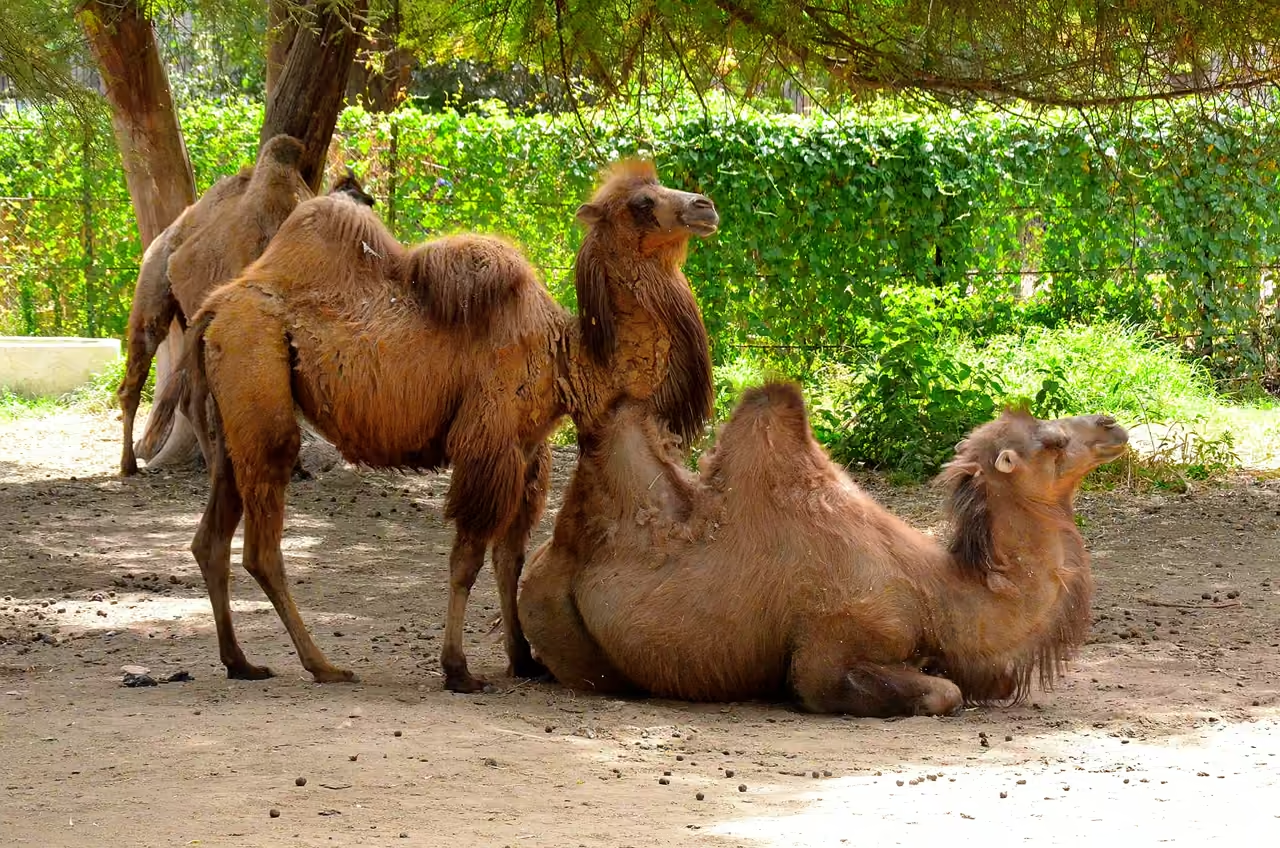 496m
Giza Zoo
Eighty acres of tropical shade rise straight out of Giza's dusty streets. Launched over a century ago on former royal estates, this sprawling park brings native Egyptian tortoises and Nile crocodiles under the same green roof as giraffes, lions, and southern white rhinos. At its calm centre sits Tea Island, where a marble pavilion floats in a quiet pond. For generations of local families, spreading a blanket beneath those high branches for weekend picnics has mattered just as much as animal spotting, even on crowded holidays when ticket queues spill along the pavement. The park closed in 2023 for a sweeping overhaul. Once international wildlife and heritage teams finish replacing cramped cages with open paddocks, visitors will stroll straight from shady royal gardens out toward sunlit grasslands.
attraction view- 724m
University Bridge Nile Overlook
Crossing the wide river channel linking Giza Zoo with Roda Island, the raised pedestrian walkway on Al-Gamaa (University) Bridge frames white felucca sails gliding past lush riverbank figs. Look south toward agricultural Nile islands or turn east to spot Cairo's distant Citadel minarets rising through afternoon haze. Free, breezy, and accessible all day, it makes an effortless stop while moving through Dokki.
viewpoint view  772m
Cairo University Grand Dome
Rising fifty metres above symmetrical lawns in Dokki, Cairo University's ceremonial main hall anchors the west bank's most monumental modern campus. Completed in the 1930s after the university moved to Giza, its sweeping copper-green dome blends European Beaux-Arts symmetry with carved Neo-Mamluk archways and mashrabiya stone screens. Tall rows of royal palms frame the grand front staircase facing University Bridge.
architecture view
Featured on These Itineraries and Routes
3 Days in Giza: Royal Stone, Artisans, and Nile Nights
Three balanced days let you uncover Giza well past its headline postcard. Dedicate your first morning to deep pyramid exploration and sunset frames, devote day two to the Grand Egyptian Museum, Sahara horseback trails, and Harrania tapestry studios, and spend day three savouring Dokki gardens, Impressionist art palaces, car-free Dahab Island farms, and Agouza riverfront nights.
view itinerary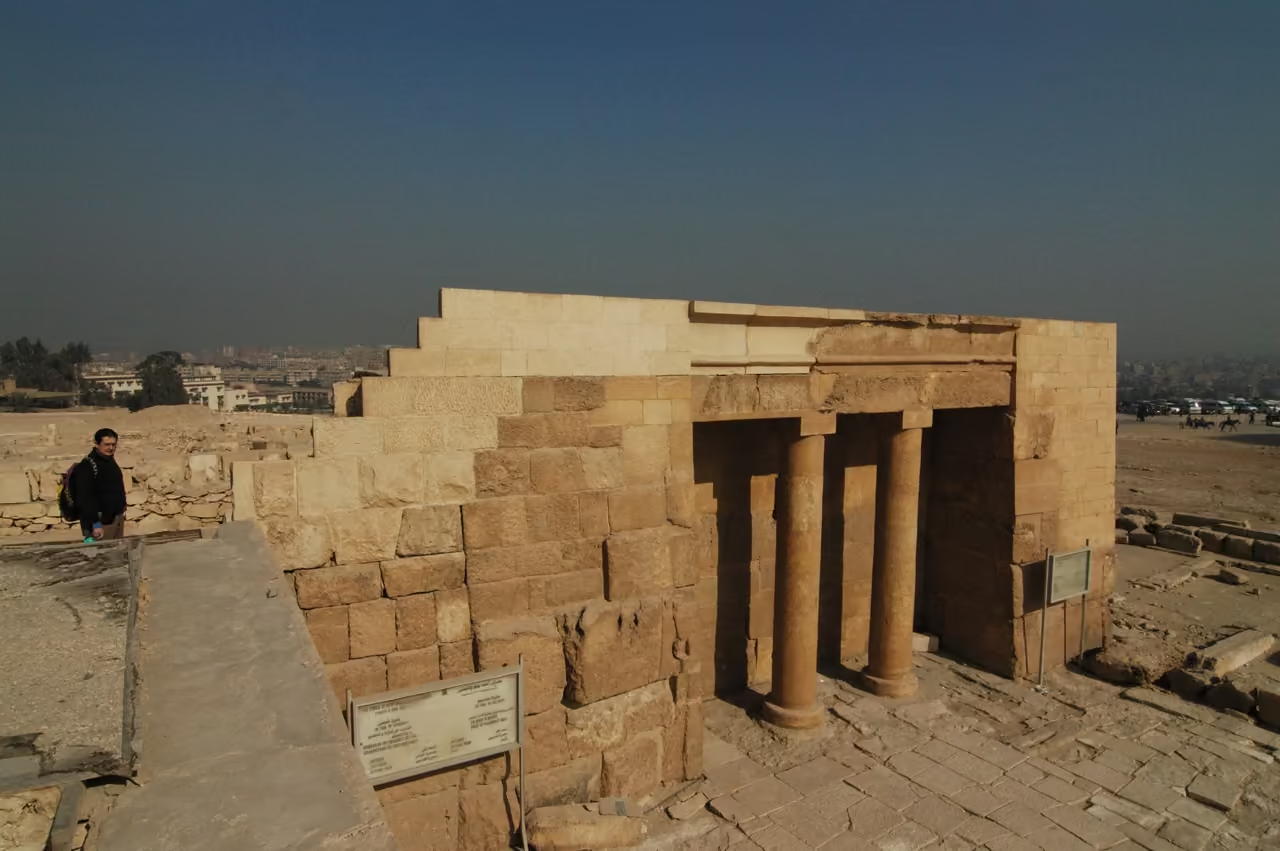
5 Days in Giza: Tombs, Cinema, Modern Art, and Local Life
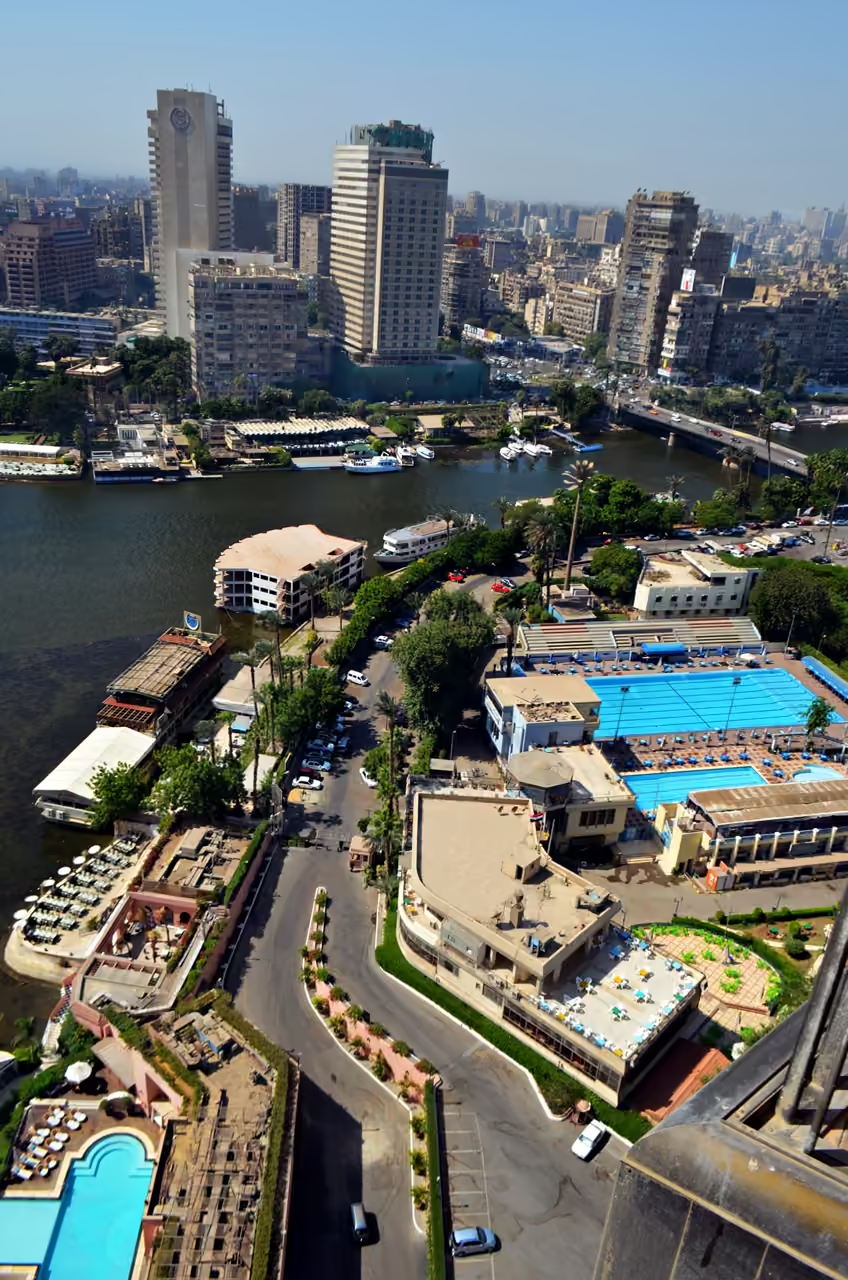
Designed for unhurried travellers who want every chapter of Giza's 4,500-year story, this five-day plan blends painted plateau rock tombs and Tutankhamun galleries with literary villa museums, golden-age cinema studios, morning produce markets, and late-night football neighbourhood cafés. Spacing desert excursions across mornings leaves afternoons cool inside gardens and galleries.
view itinerary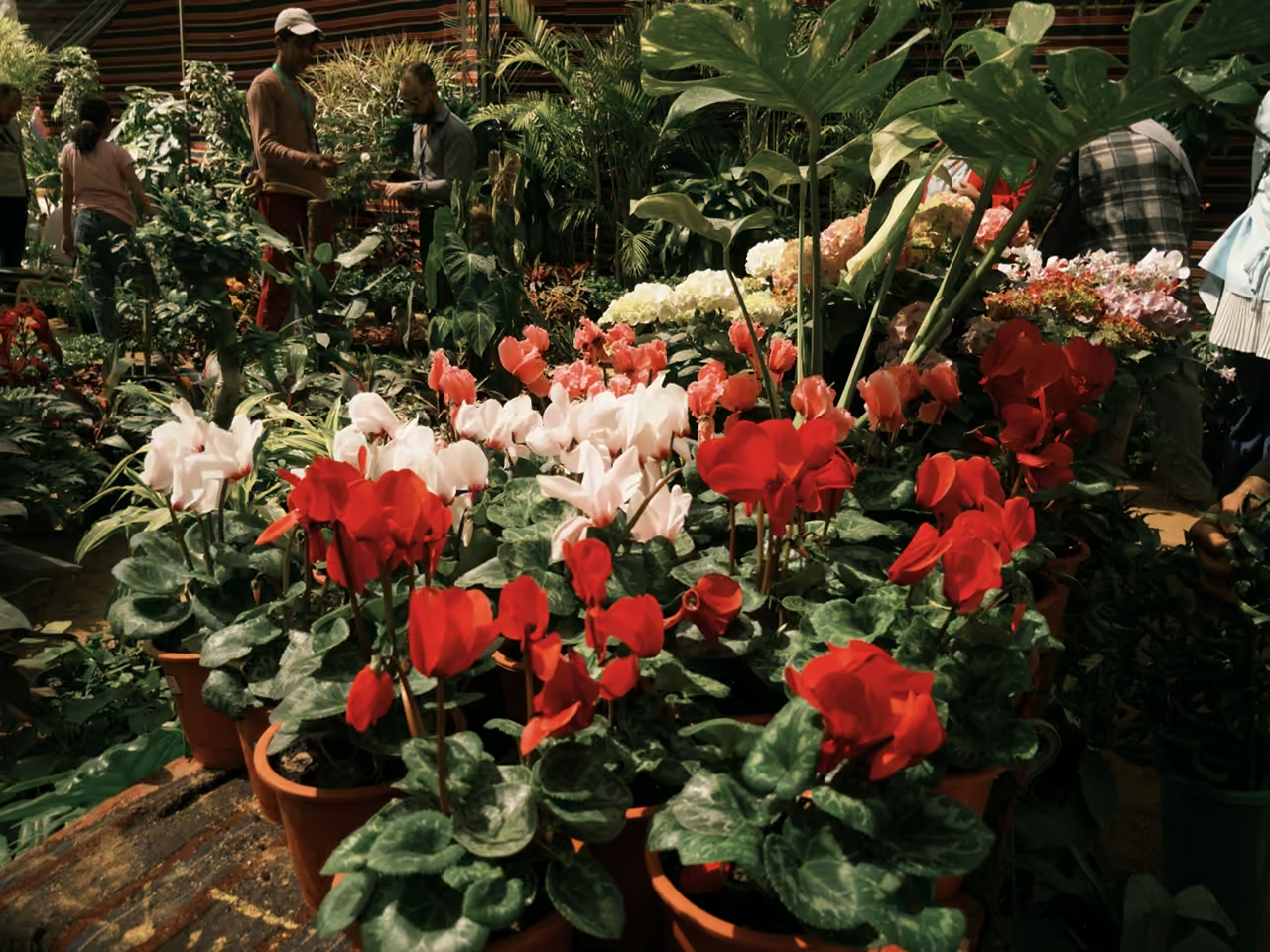
Dokki Botanical Parks and Vintage Villas Loop
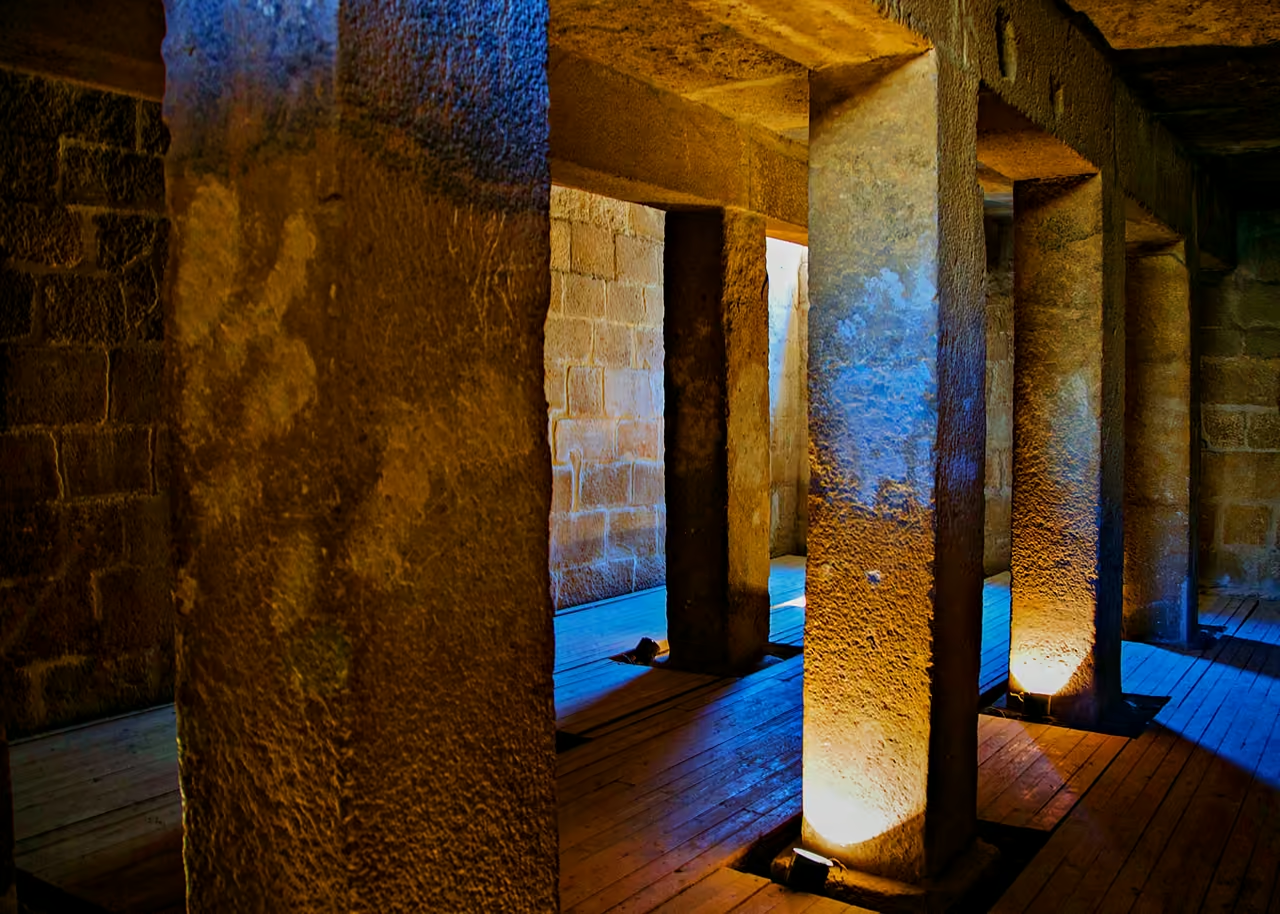
Shaded by old banyans and mango gardens, Dokki holds the greenest street network on the Nile's west bank. This gentle urban loop weaves past nineteenth-century palace gardens, historic museum pavilions, and leafy roundabouts bordered by diplomatic villas. Wide side avenues keep cycling unhurried while connecting three of Giza's richest cultural parks.
view cycling route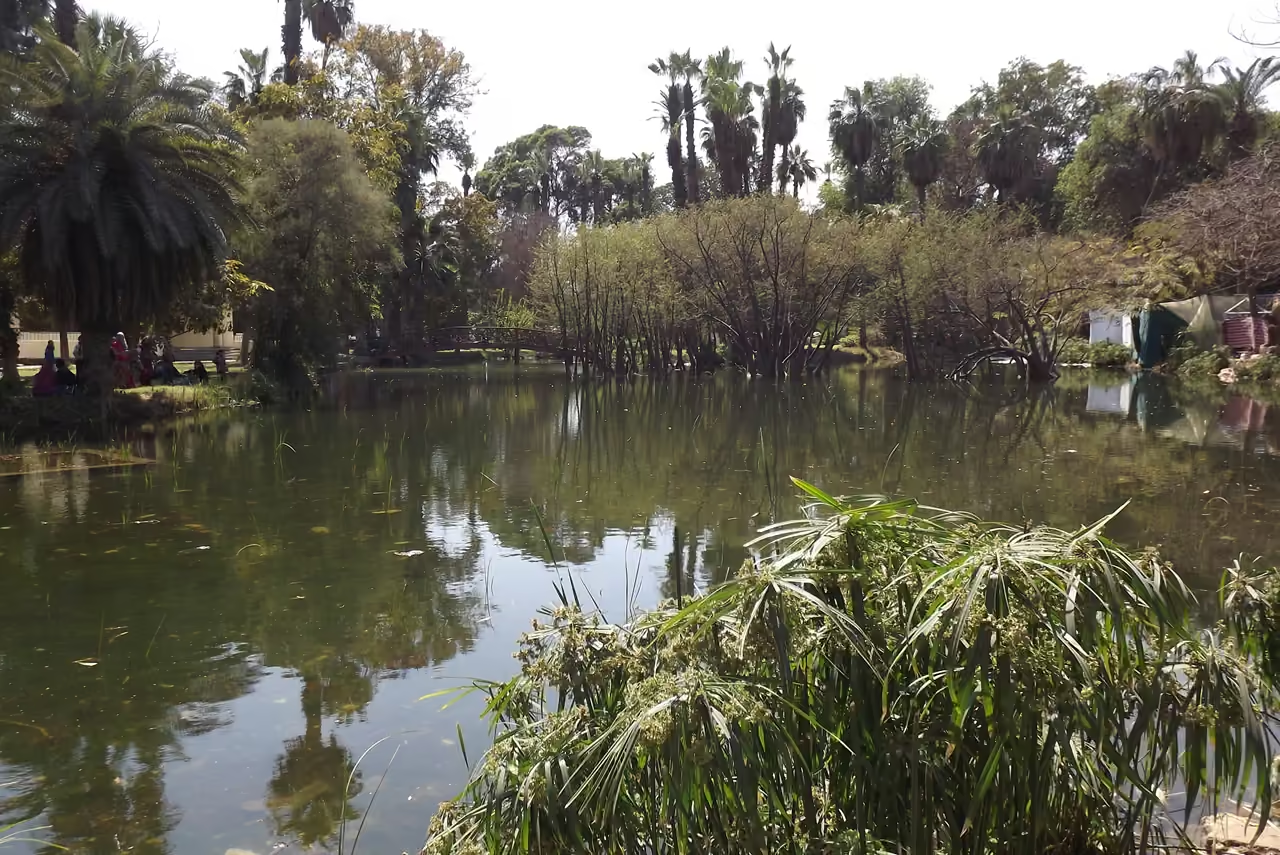
Shaded Botanical and University Stroll in Dokki
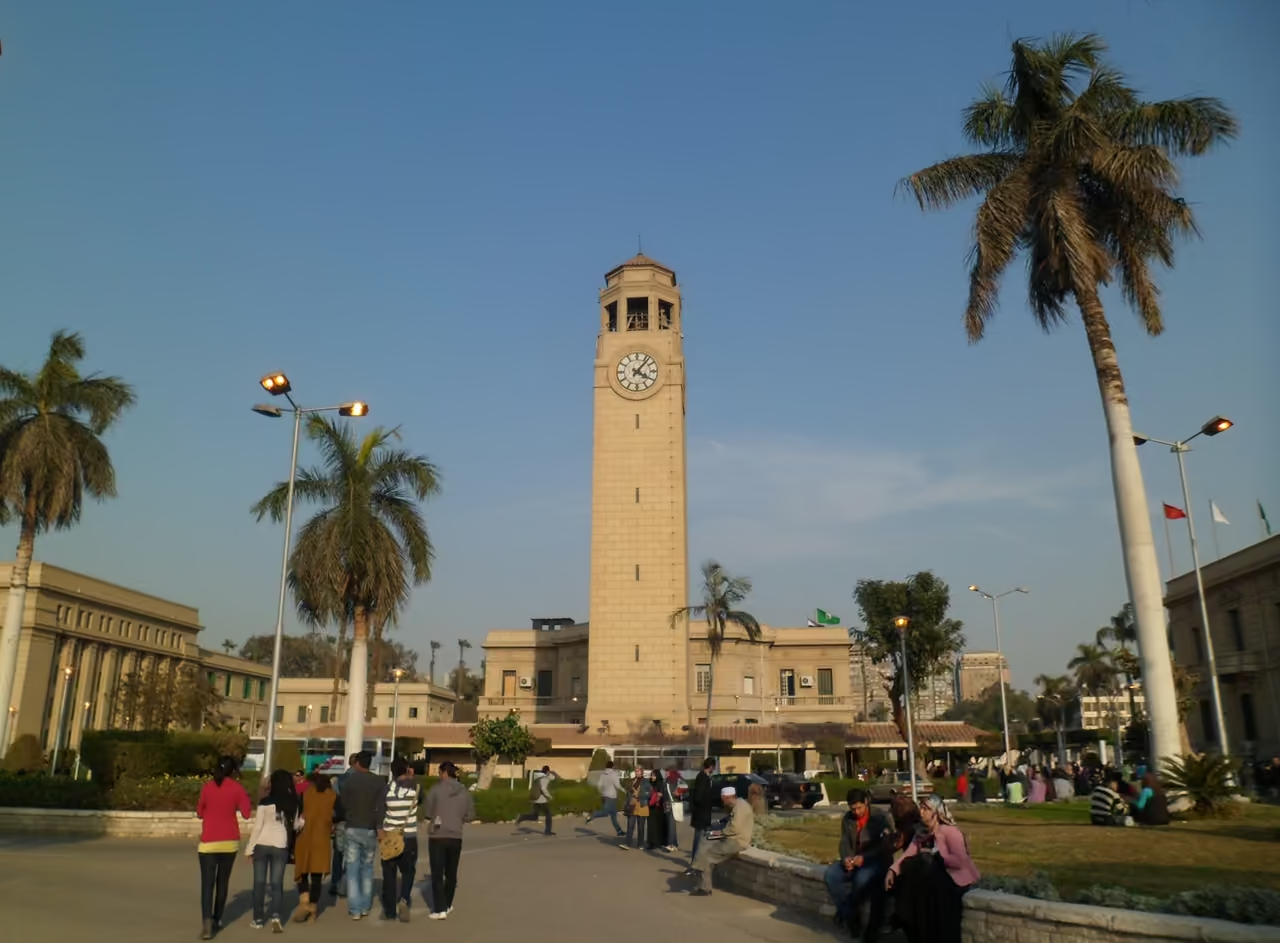
Broad pavements linking Orman Garden, Cairo University, and Giza Zoo protect one of Greater Cairo's calmest walking belts beneath century-old banyan canopies. Moving past pink-granite sculptures, ornate royal park fences, and lively campus book kiosks reveals Giza's scholarly civic soul. Towering dome architecture rises above green lawns while students gather on steps holding paper cups of spiced coffee.
view walking route