Giza Zoo
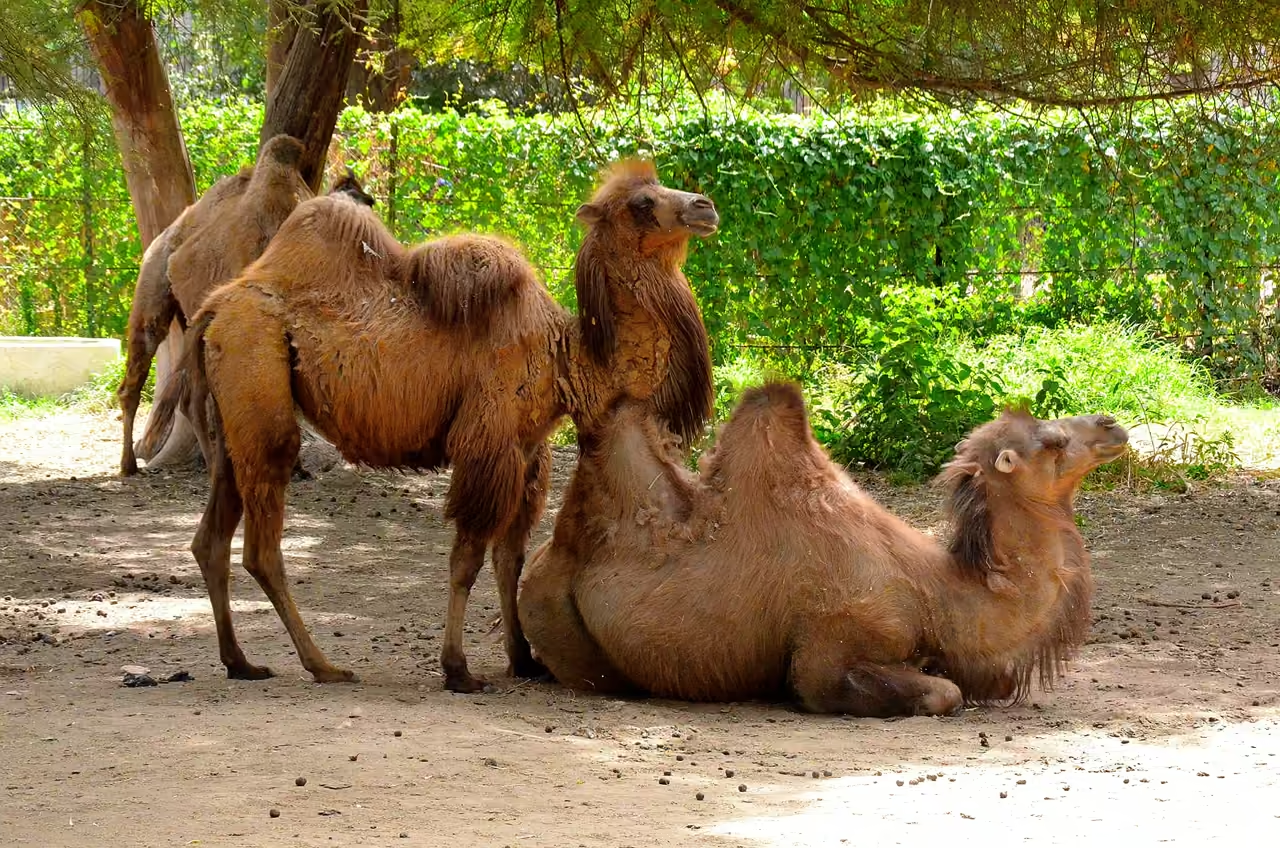
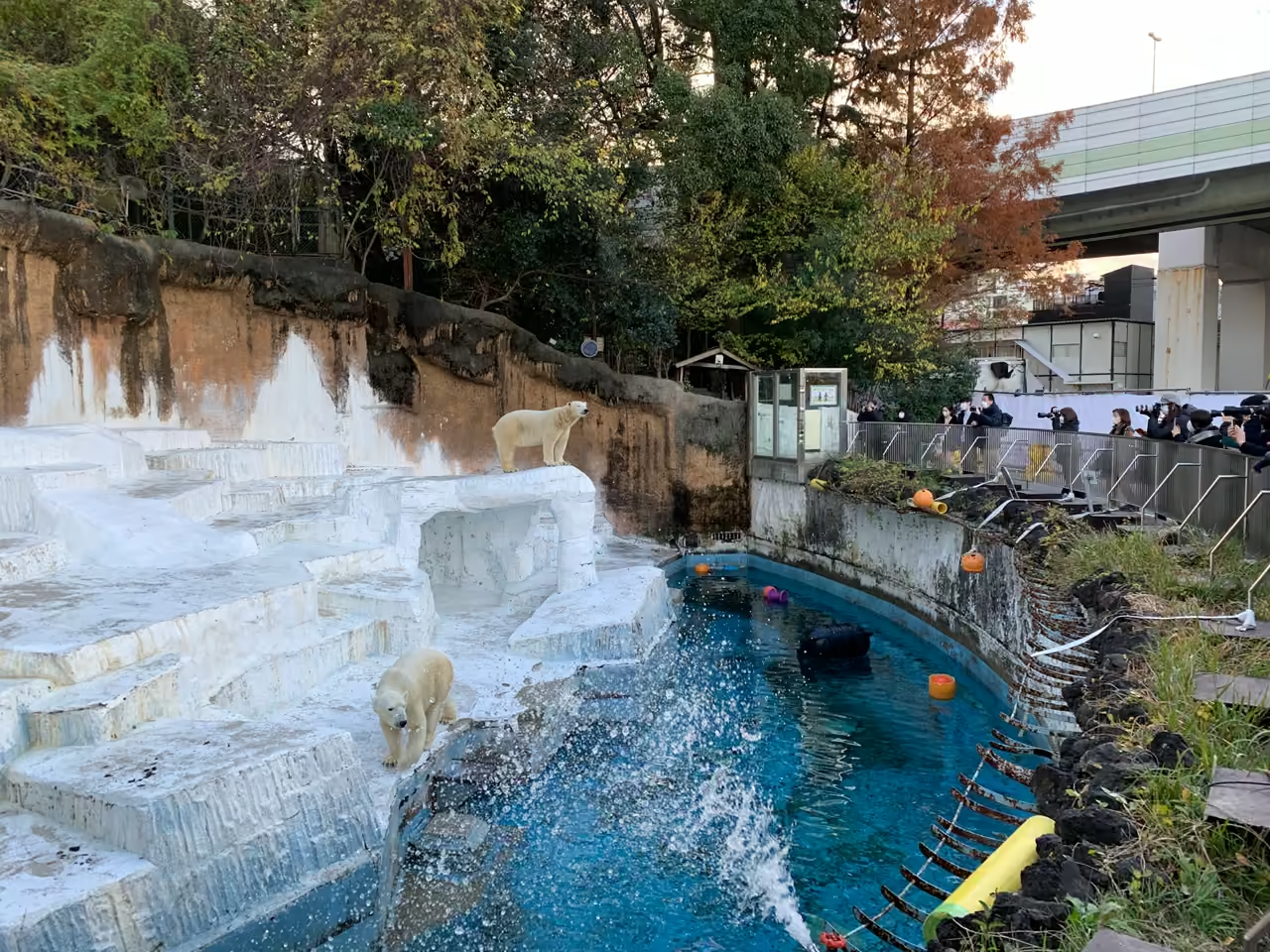
Eighty acres of tropical shade rise straight out of Giza's dusty streets. Launched over a century ago on former royal estates, this sprawling park brings native Egyptian tortoises and Nile crocodiles under the same green roof as giraffes, lions, and southern white rhinos. At its calm centre sits Tea Island, where a marble pavilion floats in a quiet pond. For generations of local families, spreading a blanket beneath those high branches for weekend picnics has mattered just as much as animal spotting, even on crowded holidays when ticket queues spill along the pavement. The park closed in 2023 for a sweeping overhaul. Once international wildlife and heritage teams finish replacing cramped cages with open paddocks, visitors will stroll straight from shady royal gardens out toward sunlit grasslands.
Videos
History of Giza Zoo
Few public parks owe their existence to a ruler's unpaid bills. During the late 1860s and 1870s, Egypt's Khedive Ismail poured enormous wealth into private harem gardens along the western bank of the Nile, filling roughly 50 feddans with exotic trees and a personal collection of wild animals. That lavish spending soon collided with national bankruptcy. By the late 1870s, state creditors seized royal estates as partial repayment, selling off the riverfront strip for grand private villas while sparing the core garden sanctuary. On 1 March 1891, government officials opened those sheltered grounds to everyday citizens, founding Giza Zoo with 180 birds and 78 other animals taken straight from Ismail's old menagerie. Within ten years, the repurposed estate earned global respect as a serious hub for wildlife science. Around 1900, British army officer Stanley Smyth Flower became director, guiding the park for more than two decades alongside ornithologist Michael John Nicoll and naturalist J. Lewis Bonhote. Flower pushed back against cramped cages, designing spacious naturalistic habitats that spotlighted Egyptian fauna. Annual attendance climbed steadily to 223,525 visitors by 1906. Even global conflict could not stall the momentum, and by the close of the Second World War the grounds held 4,700 exhibits, including 700 mammals and 500 reptiles. Later decades brought a trickier challenge than royal debt: Greater Cairo's explosive urban growth. As concrete towers replaced neighbouring fields across the second half of the twentieth century, millions of residents sought relief under the zoo's canopy while maintenance budgets and space lagged far behind. Conditions deteriorated until the park lost its accreditation with the World Association of Zoos and Aquariums. That prolonged slump reached a decisive turning point in December 2022, when Egyptian officials announced a comprehensive restoration through the Hadayieq partnership, keeping the grounds under state ownership via a usufruct agreement rather than selling them off. Workers shut the gates in 2023 so international conservation and heritage specialists could replace cramped concrete pens with modern habitats and scrub decades of grime off the park's ornate bridges and lakeside kiosks.
10 events spanning 152 years
Fun Facts
11- 01
Before functioning purely as an animal park, the old palace harem building opened in January 1890 as a natural history museum and displayed specimens for twelve years until a dedicated museum opened in Tahrir Square.
- 02
During a 2008 effort to improve summer animal welfare, staff outfitted bear habitats with industrial fans and water misters while proposing chilled water pipes beneath the enclosure floors.
- 03
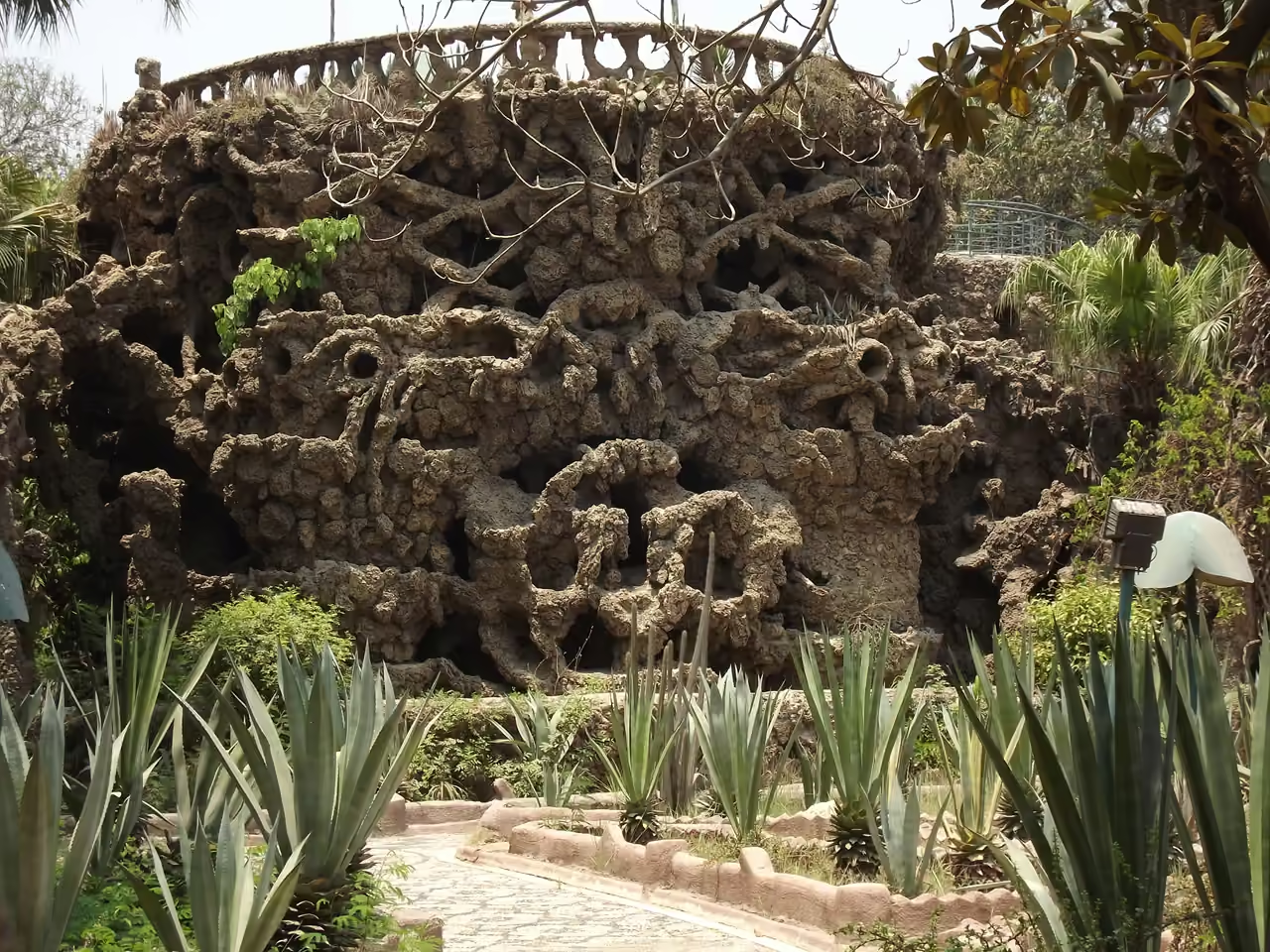
Early builders shipped dark stone flagstones across the Mediterranean from the Italian port of Trieste to pave main avenues, then inlaid pedestrian walkways with coloured pebbles arranged into mosaic patterns.
- 04
French engineer Gustave Eiffel, creator of the Paris tower bearing his name, designed a suspension bridge inside the grounds that allowed visitors to look down on animals from above in what may have been the world's first elevated zoo walkway.
- 05
Glass cases inside the park's own Zoological Museum preserve specimens of rare native wildlife, including a taxidermied leopard from the Sinai Peninsula.
- 06
In 2007 alone, nearly 3.4 million visitors poured through the turnstiles, making the shaded lawns one of Egypt's most visited public gathering places.
- 07
One massive banyan tree still anchoring the gardens was planted around 1871 from botanical stock shipped out of India, predating the zoo itself by twenty years.
- 08
Records from its historic peak claim up to 20,000 animals across 400 species occupied the grounds, a figure swollen by wild migratory birds stopping in the Nile flyway trees.
- 09
To reconnect Giza Zoo with the neighbouring Orman Botanical Garden as Khedive Ismail originally laid them out, the ongoing redevelopment includes carving a pedestrian tunnel beneath the dividing road.
- 10
When the park opened in 1891, it became the first public zoological garden anywhere in Africa or the Middle East.
- 11
Zoologists at the park scored a regional breeding milestone by successfully raising the first California sea lion ever born in the Middle East.
FULL PLACE DETAILS
Updated
FULL PLACE DETAILS
UpdatedOVERVIEW & STATS
- Established
- In 1891, making it 135 years old
WEB & AMENITIES
Giza Zoo Map & Neighborhood Explorer
This interactive map is centered on Giza Zoo. Zoom in and move the map around to automatically discover Wikipedia photos and summaries of other nearby sights, monuments, and historical points of interest and stories in real-time!
Giza Zoo FAQ
Giza Zoo closed its gates in 2023 alongside neighbouring Orman Botanical Garden for a major restoration led by the Hadayieq partnership. International animal welfare and heritage specialists are rebuilding habitats and preserving historic monuments, so travellers should verify the latest official reopening announcement before visiting.
Opened in 1891 on royal gardens originally laid out by Khedive Ismail, it is the oldest public zoological garden in both Africa and the Middle East. Scattered across the park sit rare architectural landmarks including a suspension bridge designed by Gustave Eiffel, Italian volcanic flagstones from Trieste, and handmade pebble mosaic footpaths.
Historically, the park has housed African elephants, giraffes, lions, tigers, southern white rhinos, hippos, and Bactrian camels alongside native Egyptian species such as Nile crocodiles, Egyptian cobras, and Egyptian tortoises. Tall garden trees also shelter flamingos, pelicans, macaws, and wild migratory birds passing along the Nile.
Both parks once formed part of the same late 1800s royal estate before modern city streets separated them. As part of the restoration, planners are carving a pedestrian tunnel beneath the road so visitors can walk directly between Giza Zoo's wildlife enclosures and the rare plant collections of Orman Botanical Garden.
The grounds sit in central Giza just west of the Nile and right beside Cairo University, roughly 12 kilometres northeast of the Pyramids plateau. Once reopened, its central location makes it easy to pair with nearby university district sights or a riverside evening in Cairo.
A typical visit takes about 3 hours. We recommend planning your schedule accordingly to make the most of your time there.
The closest place to visit near Giza Zoo is Nahdet Misr Monument on Cairo University Square, around 493 m away. Other things to do near Giza Zoo include Orman Garden (496 m), Cairo University Grand Dome (726 m) and University Bridge Nile Overlook (843 m). All of these are within roughly 843 m of Giza Zoo, close enough to walk.
It dates back to 1891, making it 135 years old.
While we strive to keep this information accurate and up to date, we recommend verifying any details independently before making decisions based on them.
Places near Giza Zoo
Make the most of your trip. Check out these top-rated spots located nearby.
 493m
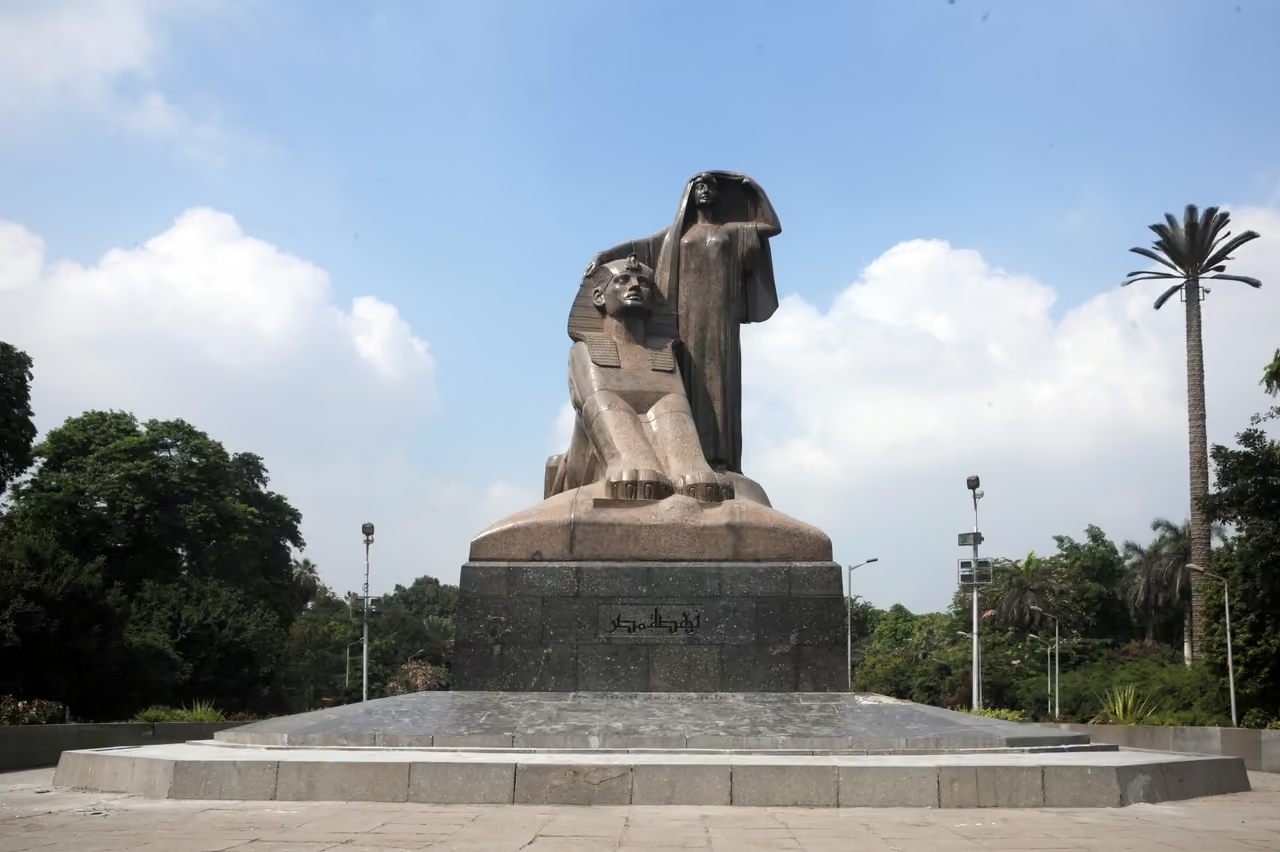
Nahdet Misr Monument on Cairo University Square
Carved from rosy Aswan granite by Egyptian sculptor Mahmoud Mokhtar in 1928, Egypt's Renaissance statue pairs a peasant woman lifting her veil beside a rising sphinx on the grassy approach to Cairo University Bridge. Shoot from the southwestern footpath just after sunrise so warm light illuminates the pink stone faces against towering royal palms.
photo spot view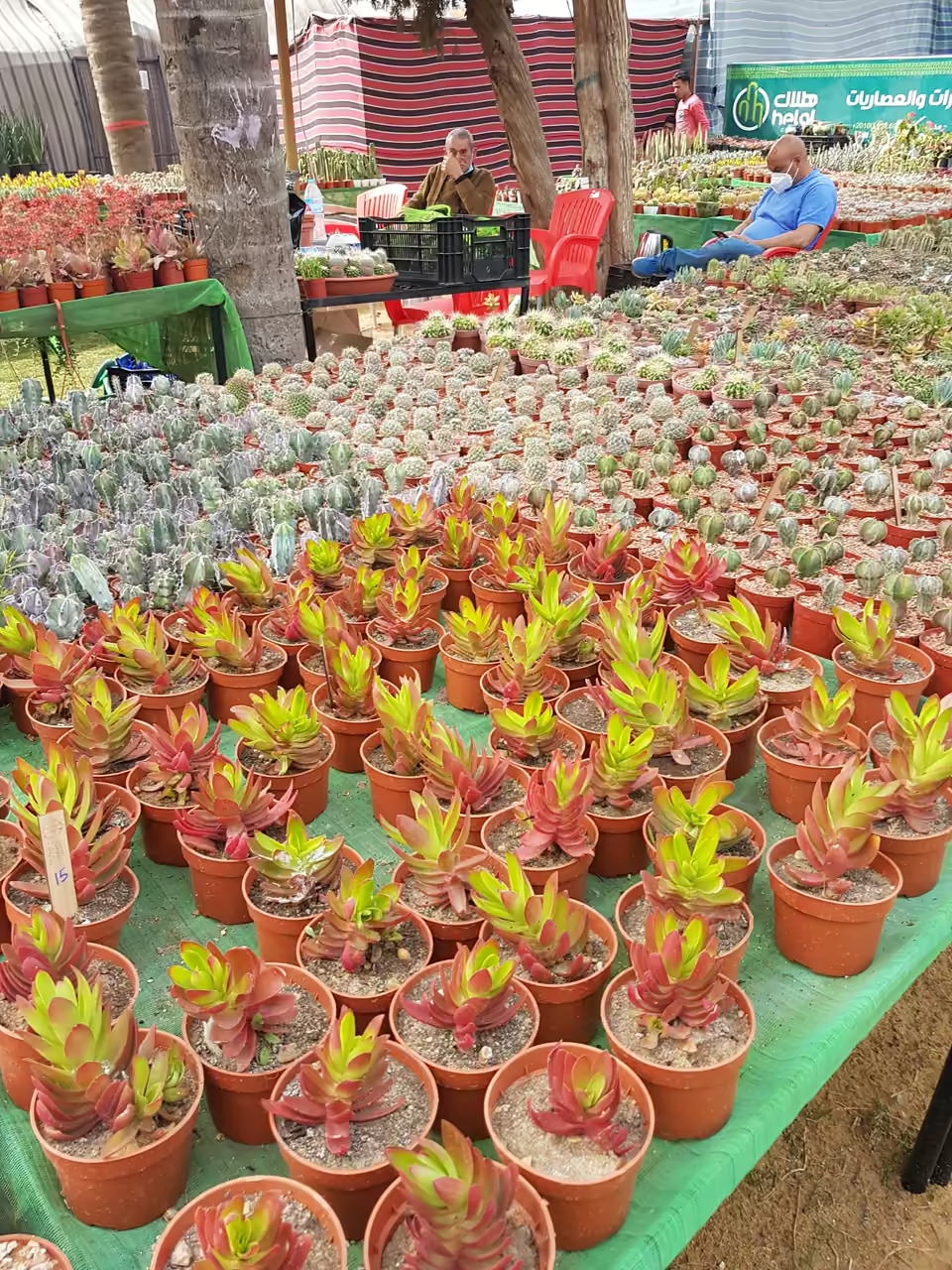 496m
Orman Garden
Cairo rarely whispers, yet Orman Garden manages it right across from Cairo University. Step through the tall iron gates off Nahda Square and Giza's horn blasts fade beneath giant ficus trees, feathery conifers, and curling bamboo thickets. Across 28 acres west of the River Nile, shaded gravel paths wind past terraced rockeries, clipped rose beds, and thorny cactus groves straight to the lotus pond. Still water and floating pink blooms rule this corner. Families linger with flasks of mint tea while art students sketch at the edge, though come March, expect elbow room to disappear when the annual Spring Flower Exhibition fills the lawns with plant nurseries, woven baskets, Aswanian honey, and clay pots carted from Old Cairo's Fustat Souq. Stick to the outer bends at opening time and only the hoopoes break the quiet.
park & nature view 726m
Cairo University Grand Dome
Rising fifty metres above symmetrical lawns in Dokki, Cairo University's ceremonial main hall anchors the west bank's most monumental modern campus. Completed in the 1930s after the university moved to Giza, its sweeping copper-green dome blends European Beaux-Arts symmetry with carved Neo-Mamluk archways and mashrabiya stone screens. Tall rows of royal palms frame the grand front staircase facing University Bridge.
architecture view- 843m
University Bridge Nile Overlook
Crossing the wide river channel linking Giza Zoo with Roda Island, the raised pedestrian walkway on Al-Gamaa (University) Bridge frames white felucca sails gliding past lush riverbank figs. Look south toward agricultural Nile islands or turn east to spot Cairo's distant Citadel minarets rising through afternoon haze. Free, breezy, and accessible all day, it makes an effortless stop while moving through Dokki.
viewpoint view
Explore Similar Places in This Collection

Featured on These Itineraries and Routes
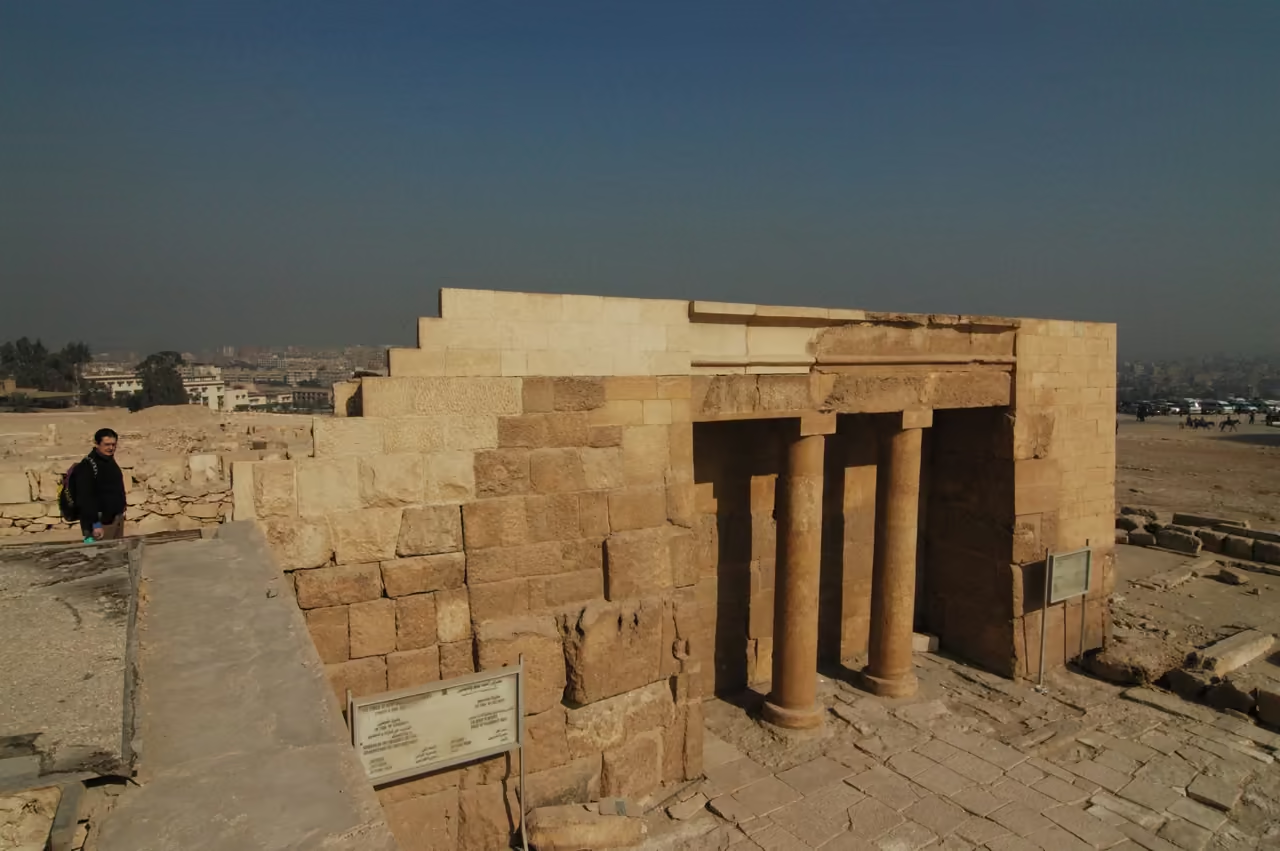
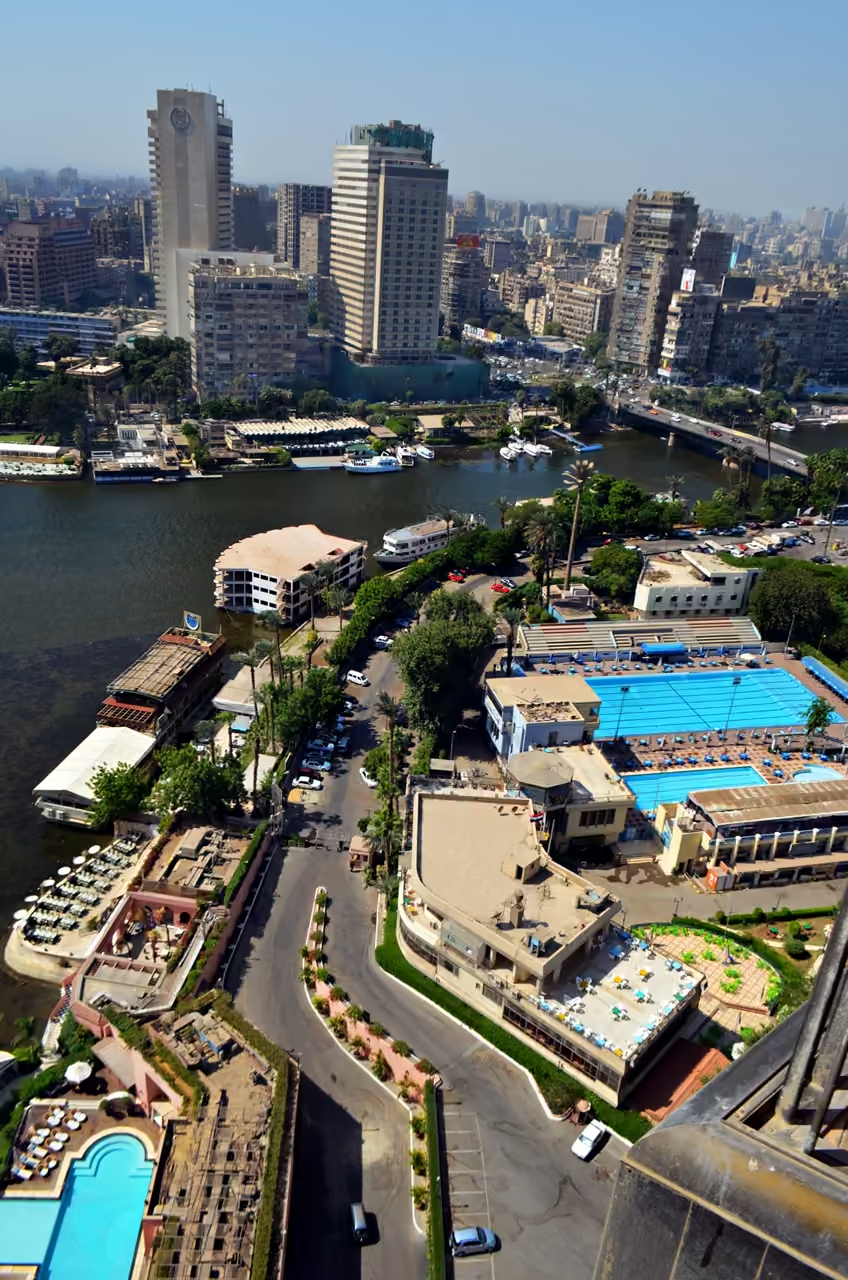
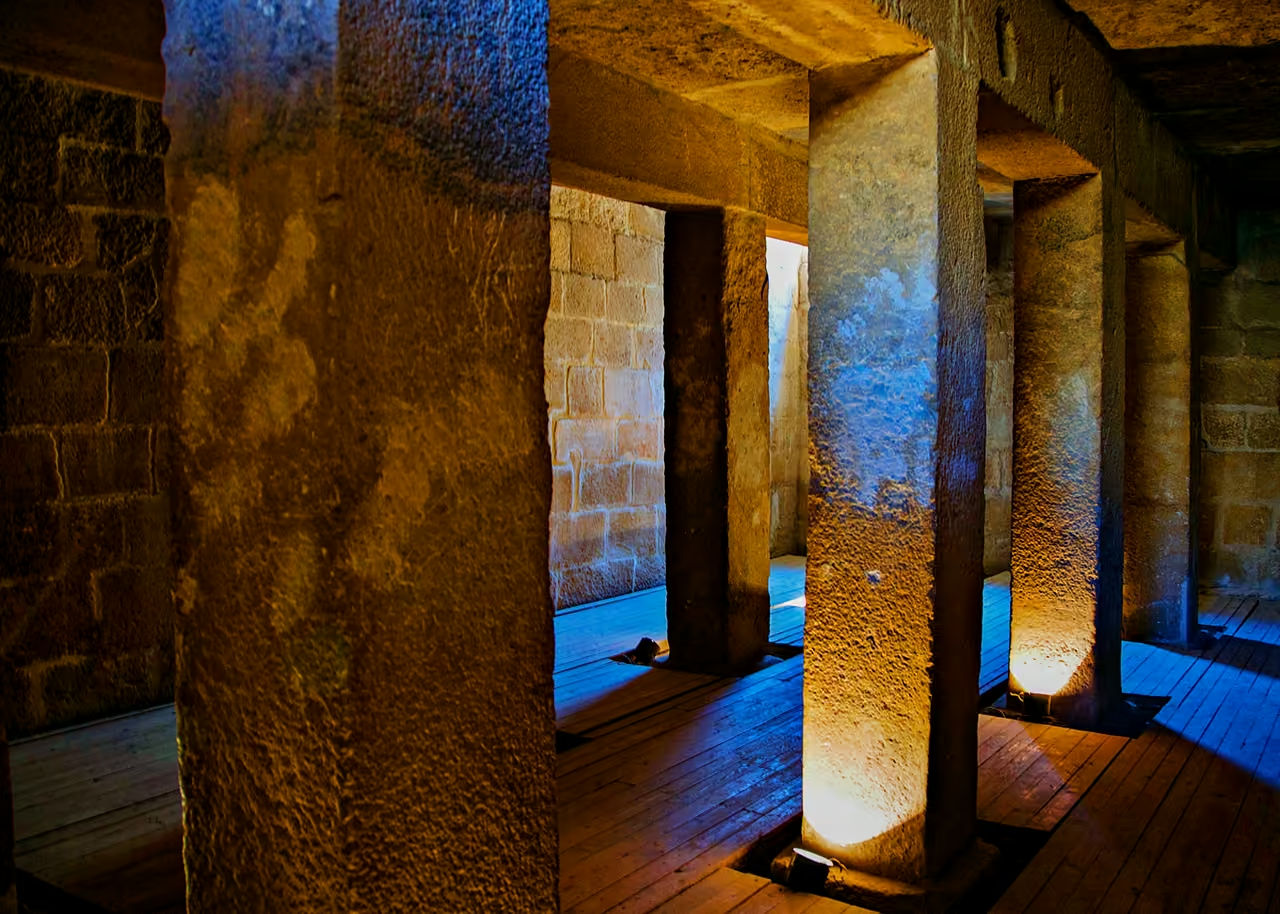
5 Days in Giza: Tombs, Cinema, Modern Art, and Local Life
Designed for unhurried travellers who want every chapter of Giza's 4,500-year story, this five-day plan blends painted plateau rock tombs and Tutankhamun galleries with literary villa museums, golden-age cinema studios, morning produce markets, and late-night football neighbourhood cafés. Spacing desert excursions across mornings leaves afternoons cool inside gardens and galleries.
view itinerary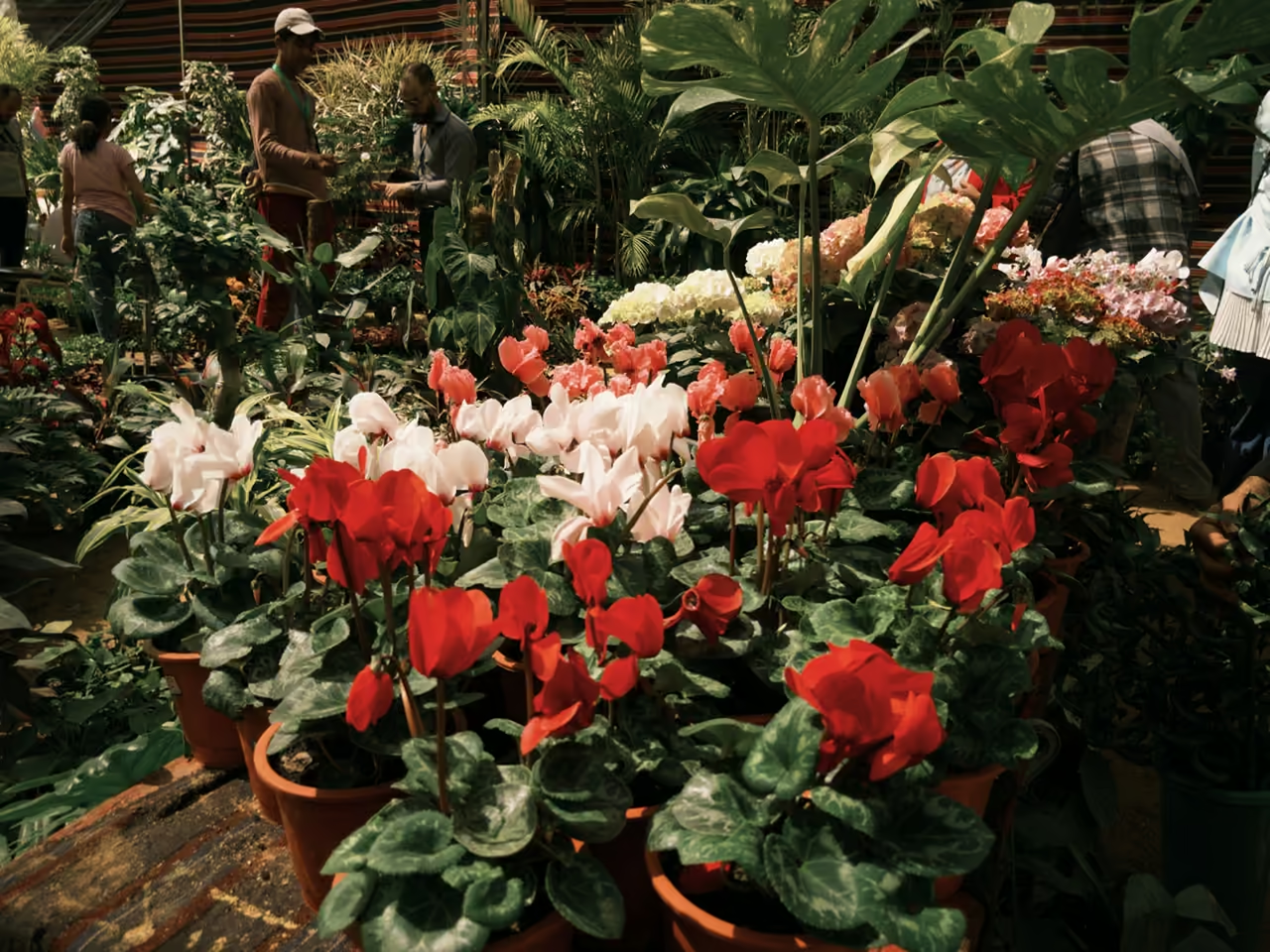
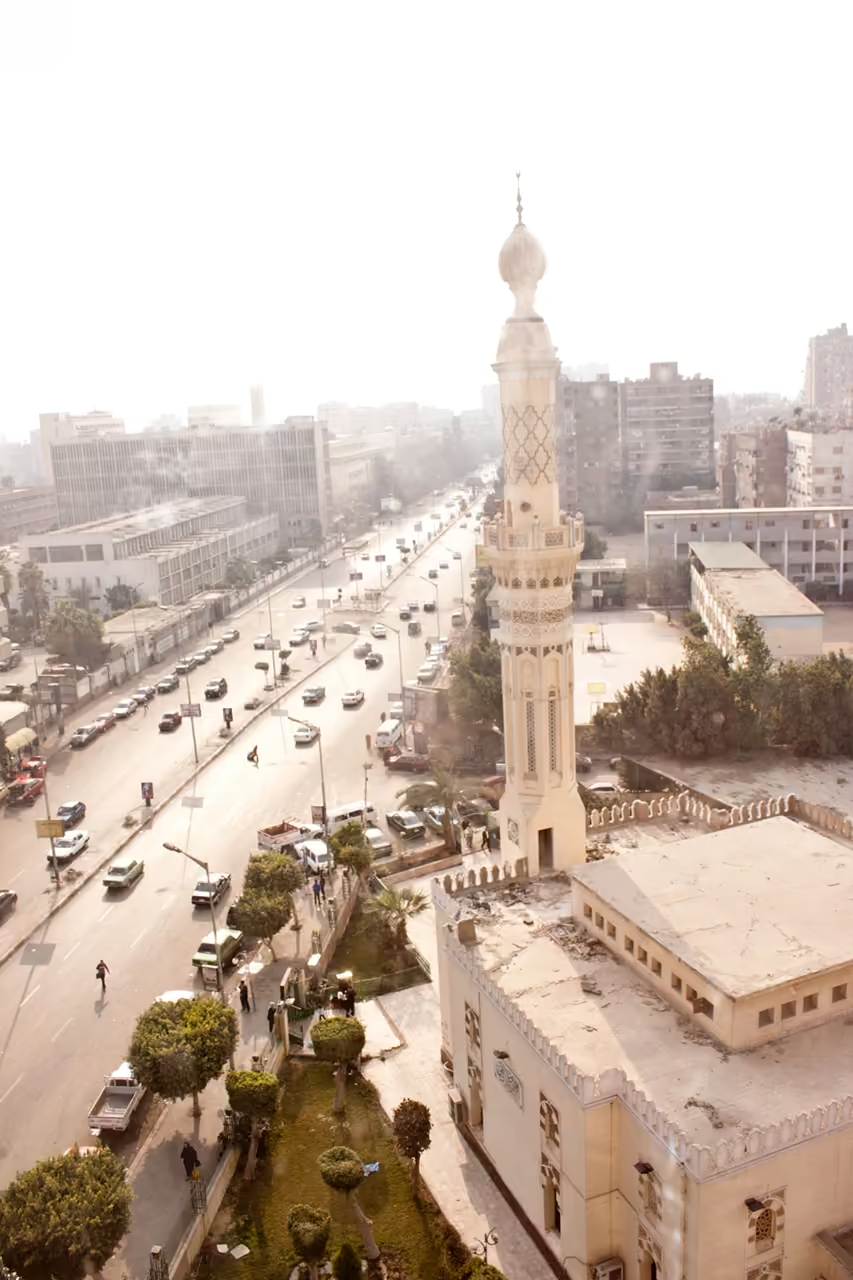
Dokki Botanical Parks and Vintage Villas Loop
Shaded by old banyans and mango gardens, Dokki holds the greenest street network on the Nile's west bank. This gentle urban loop weaves past nineteenth-century palace gardens, historic museum pavilions, and leafy roundabouts bordered by diplomatic villas. Wide side avenues keep cycling unhurried while connecting three of Giza's richest cultural parks.
view cycling route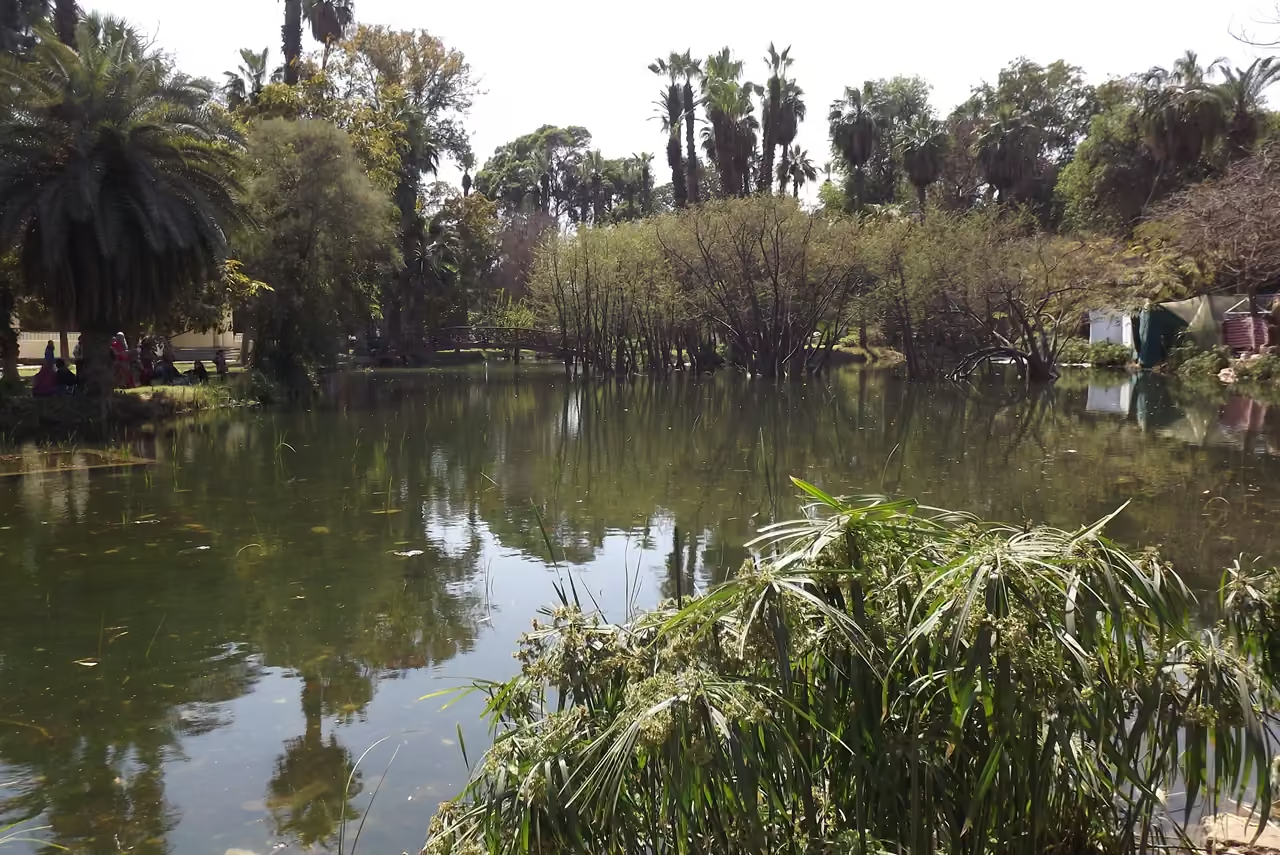
Shaded Botanical and University Stroll in Dokki
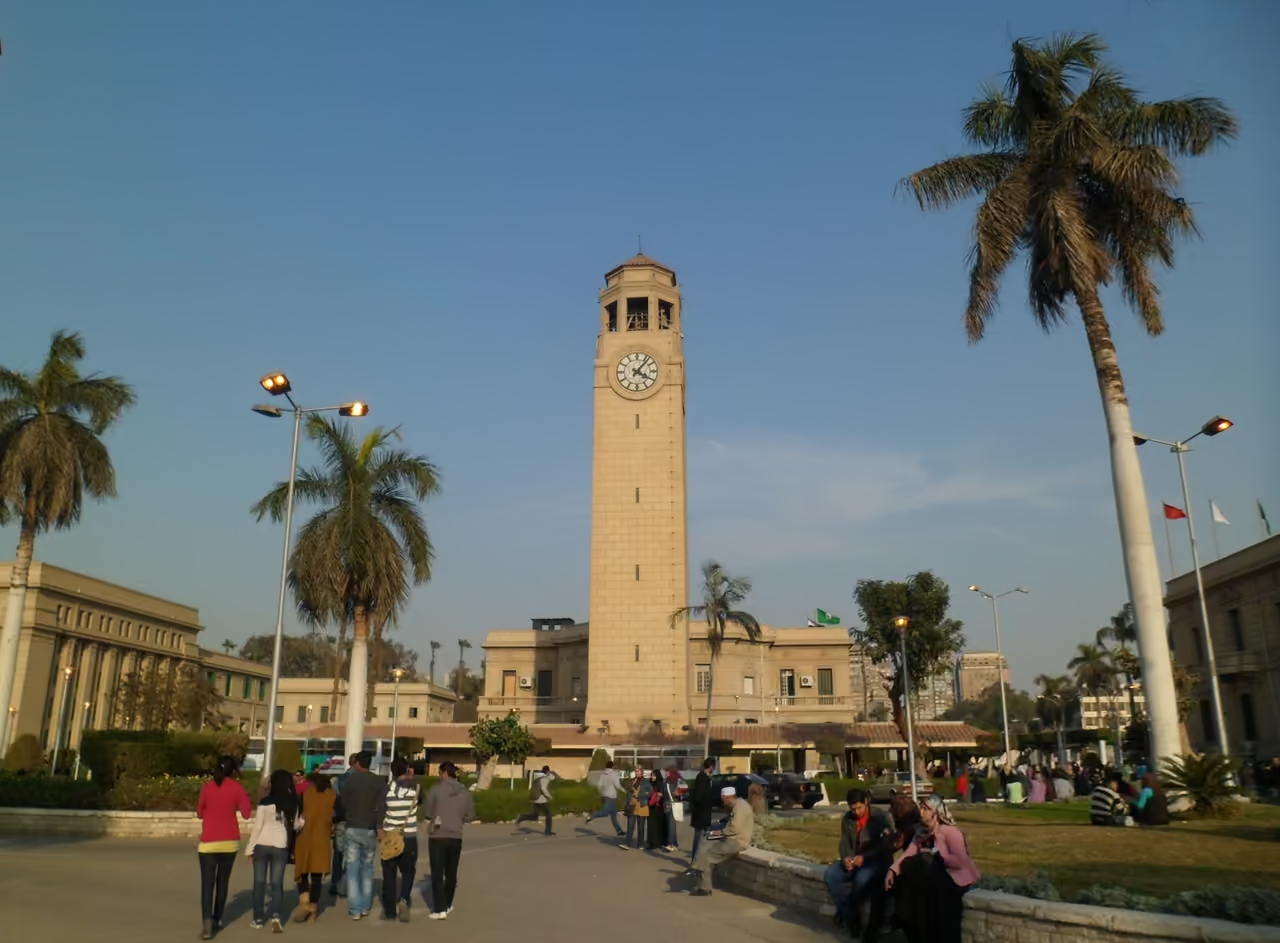
Broad pavements linking Orman Garden, Cairo University, and Giza Zoo protect one of Greater Cairo's calmest walking belts beneath century-old banyan canopies. Moving past pink-granite sculptures, ornate royal park fences, and lively campus book kiosks reveals Giza's scholarly civic soul. Towering dome architecture rises above green lawns while students gather on steps holding paper cups of spiced coffee.
view walking route
See all attractions in Giza
Including Grand Egyptian Museum, Great Pyramid of Giza, Great Sphinx of Giza, and more