Agricultural Museum
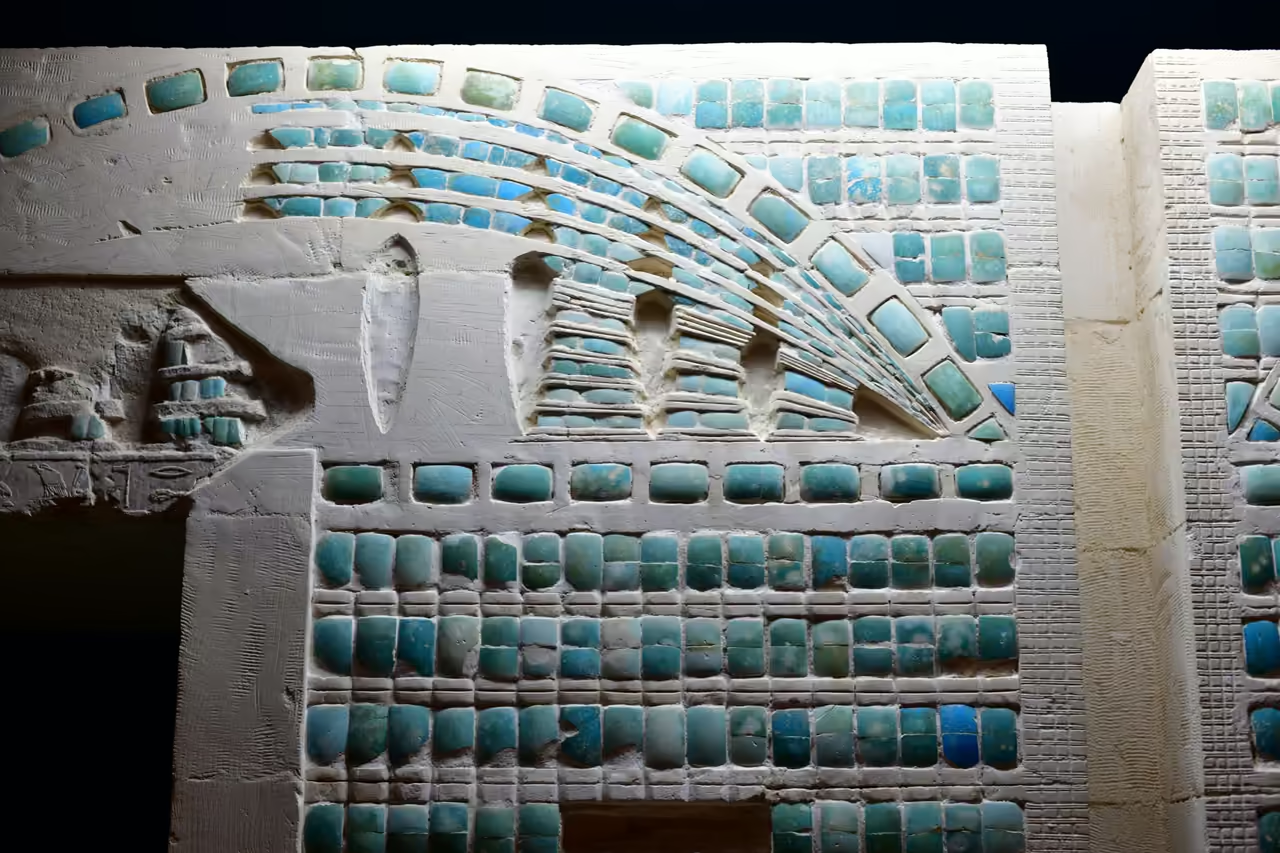
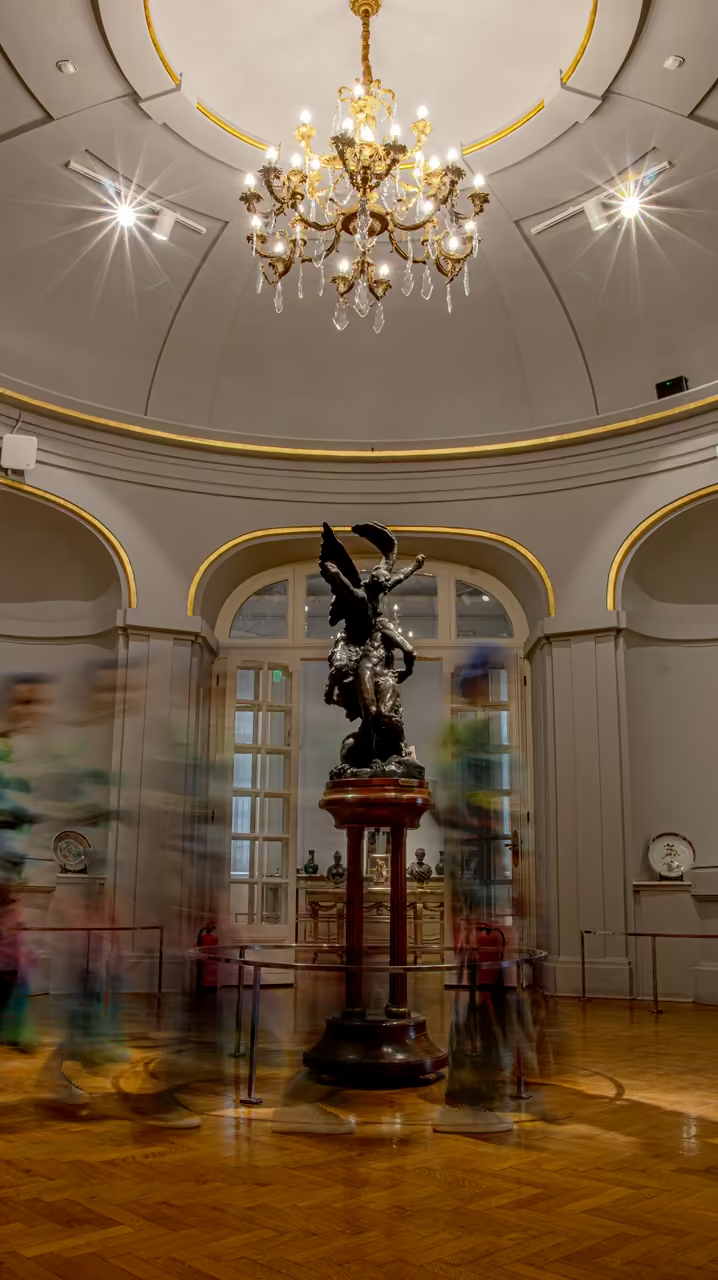
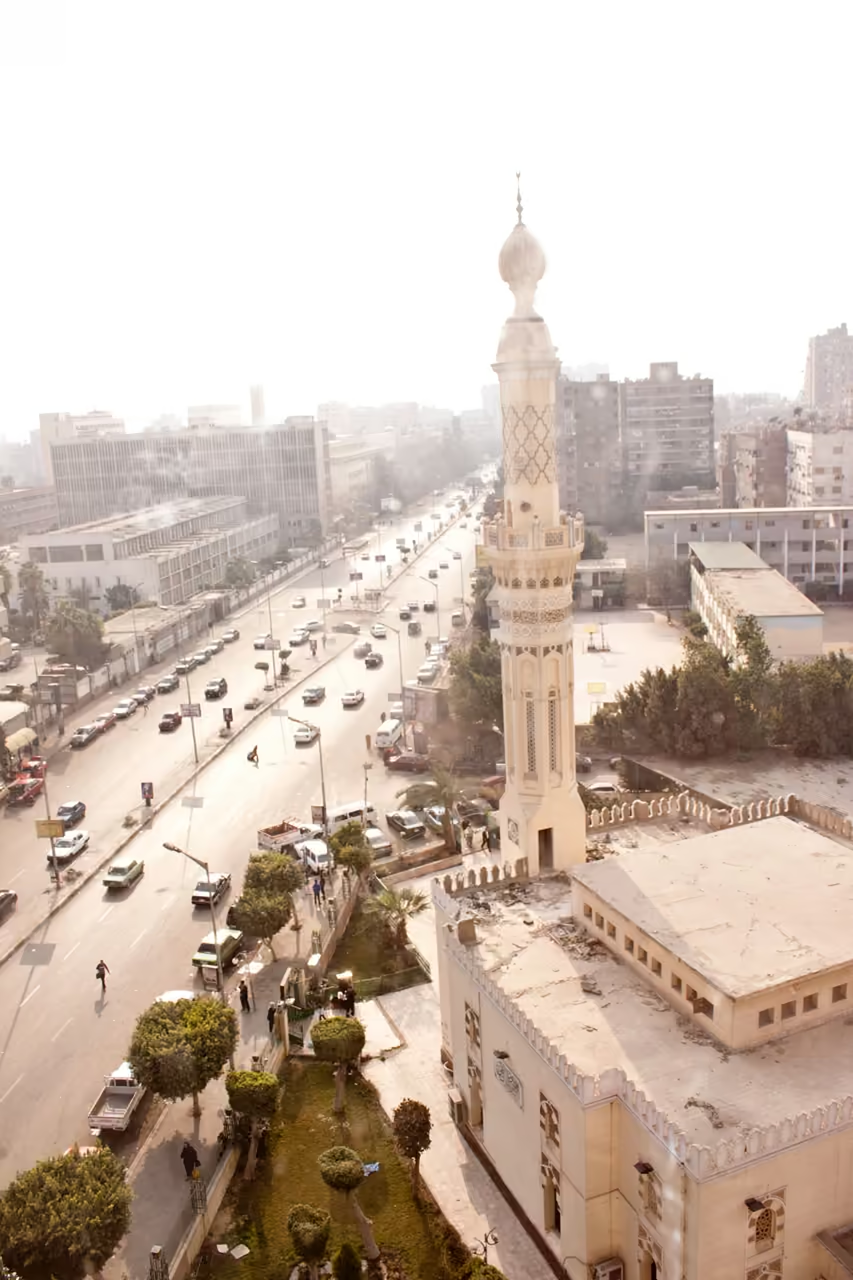
Step through the ornate iron gates off Ministry of Agriculture Street in Dokki and the horn blasts of Greater Cairo drop away behind thirty feddans of banyan shade. Few travellers cross the Nile from central Cairo to find it. Inside a cluster of 1930s pavilions and a historic royal palace, tall mahogany cases hold ancient flint sickles, delicate linen fragments, rare desert seeds, and giant stuffed Nile perch. Some glass panels carry a light layer of dust and an occasional gallery sits closed for restoration, yet wandering unhurriedly between the Museum of Plant Wealth and the Museum of Ancient Egyptian Agriculture without a single tour group at your heels feels wonderfully liberating. Botanical garden pathways and miniature timber river boats round out the trail. When your feet finally tire, step out onto the gravel beneath towering royal palms and inspect an old wooden waterwheel resting quietly in the grass.
Videos
History of Agricultural Museum
By the end of the 1920s, Egyptian agricultural planners faced an obvious irony. Farming sustained nearly every household along the Nile, yet Cairo lacked any public institution devoted to the country's soils, crops, and rural ingenuity. In November 1930, state officials moved to change that by selecting a leafy aristocratic estate in Dokki that had once served as the private palace of Princess Fatima Ismail, Khedive Ismail's daughter. Over the next several years, builders and curators adapted the royal mansion and its expansive grounds into an ambitious scientific campus. Designing a national farming museum from scratch proved difficult because almost nowhere else had tried it. Seeking proven expertise, Egypt forged an unlikely partnership with Hungary, whose royal capital already operated Europe's pioneering agricultural museum. Curators travelled south from Budapest to help lay out the new halls, organise systematic botanical collections, and blend European display methods with Egyptian heritage. King Farouk finally inaugurated the complex in 1938, unveiling neoclassical pavilions built alongside the older royal mansion. Over the following decades, the museum's footprint expanded alongside Egypt's shifting political ambitions. Additional pavilions rose across the gardens to trace how farming tools and irrigation evolved after antiquity, while specialist rooms charted the cash crops financing modern industry. During the late 1950s, changing regional alliances even reshaped the floor plan, bringing neighbouring Arab agricultural displays into a campus originally built solely for the Nile Valley. For much of the late twentieth century, the complex drifted out of the tourist mainstream as international visitors concentrated around Tahrir Square and the Giza plateau. That long spell of quiet inadvertently preserved an extraordinary historical snapshot, leaving vintage cabinetry and original display styles intact while newer institutions embraced stark minimalism. Over the past decade, renewed attention from Egyptian heritage officials has brought structured restoration and fresh civic programming back to the historic Dokki grounds.
events spanning 93 years
Fun Facts
12- 01
A dedicated Syria Museum occupies one section of the grounds as a physical relic of the United Arab Republic, the short union between Egypt and Syria from 1958 until 1961, showcasing Syrian crops, rural attire, and regional handicrafts.
- 02
A standalone Cotton Museum traces the prized long staple crop once nicknamed white gold, displaying early bale presses, ginning equipment, and fibre specimens from the boom era when Nile Delta harvests clothed European society.
- 03
Alongside ancient wooden ploughs and winnowing fans sits a remarkable menagerie of mummified animals once tied to temple rituals and Nile harvests, featuring sacred ibises, falcons, cats, hunting dogs, and crocodiles wrapped in linen.
- 04
Before her Dokki estate became a museum, Princess Fatima Ismail earned lasting renown across Egypt in 1913 when she donated vast agricultural holdings and her personal royal jewellery to rescue the financially struggling Egyptian University, now Cairo University, from collapse.
- 05
For decades, thousands of historical objects inside the complex fell under agricultural administration rather than heritage law, until June 2017 when Egypt's Ministry of Antiquities officially registered 1,451 artefacts on site for formal archaeological protection.
- 06
In October 2015, Neal Spencer, then Keeper of Ancient Egypt and Sudan at the British Museum in London, singled out the Dokki museum in The Guardian as a personal Cairo favourite for its undisturbed vintage displays and extraordinary botanical remains.
- 07
Inside the Museum of Scientific Models and rural heritage displays, meticulous plaster and clay dioramas freeze disappearing countryside scenes from early twentieth century Egypt, depicting oxen turning wooden saqiya waterwheels, outdoor village markets, traditional bread ovens, and rural wedding processions.
- 08
One dedicated pavilion, the Greek, Roman, Coptic, and Islamic Museum, traces nearly two millennia of rural transformation after the pharaonic period through agricultural implements, woven textiles, pottery storage vessels, and traditional irrigation crafts.
- 09
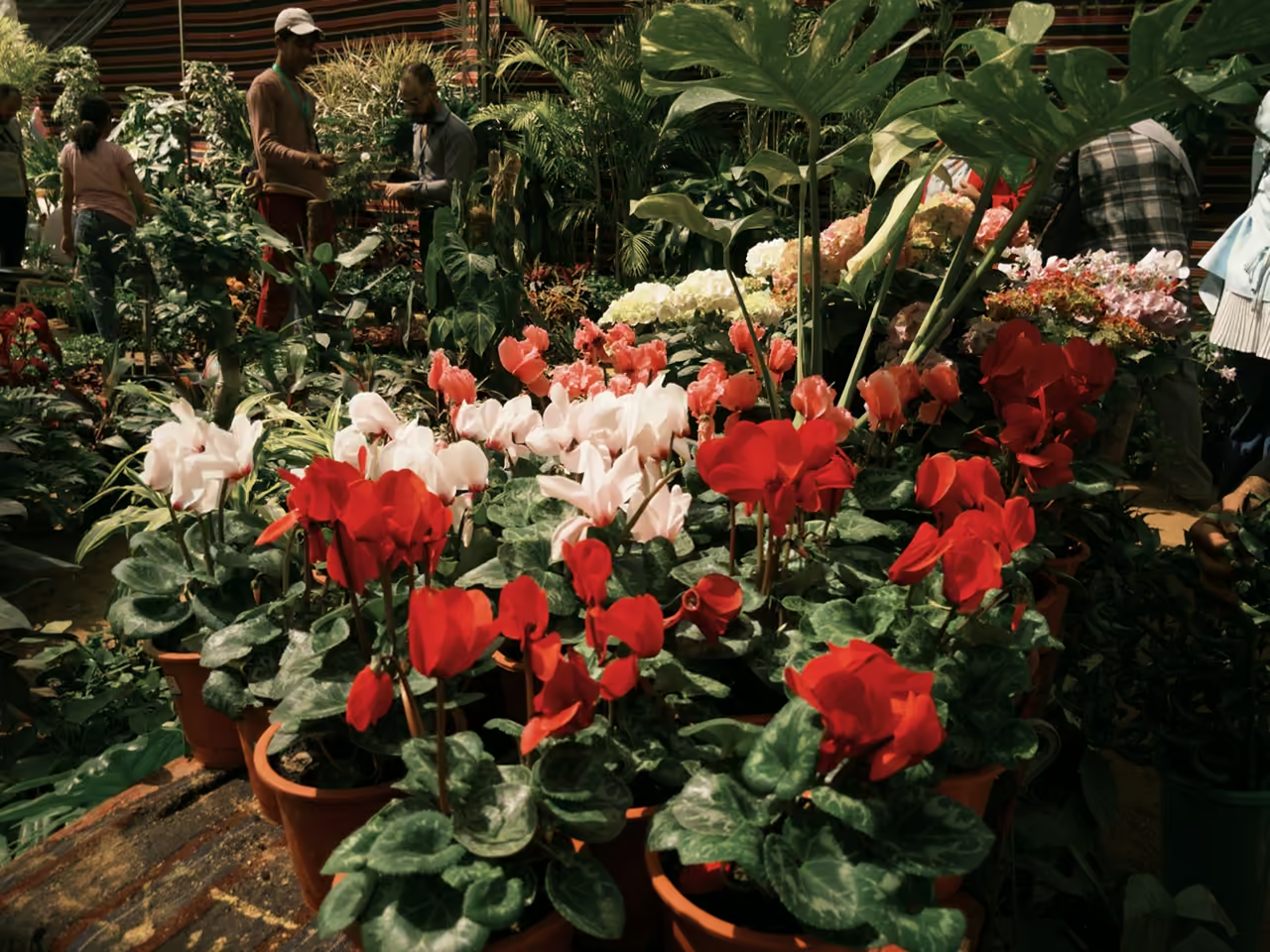
Spanning roughly thirty feddans of historic gardens, rare trees, and botanical greenhouses, the grounds took on a lively new civic role in 2023 and 2024 as the venue for Egypt's beloved annual Spring Flower Exhibition.
- 10
The complex stands as only the second national agricultural museum ever established in the world after Budapest's royal institution, having been planned in the early 1930s by Hungarian museum director Alajos Paikert and led at its opening by Hungarian national Ivan Nagy.
- 11
The zoological cases preserve specimens of wildlife that have since vanished from northern Egypt's riverbanks, among them Nile crocodiles now restricted south of Aswan and wild sacred ibises that disappeared from local marshes in the nineteenth century.
- 12
Unlike Egypt's stone monument museums, the Ancient Egyptian wing displays fragile organic offerings recovered from tombs up to four thousand years ago, including intact conical loaves of bread, dried sycamore figs, pomegranates, and funeral garlands woven with blue lotus petals.
FULL PLACE DETAILS
Updated
FULL PLACE DETAILS
UpdatedOVERVIEW & STATS
- Established
- In 1929, making it 97 years old
ARCHITECTURE & HERITAGE
- Architectural Styles
- Art DecoEclecticModern
- Founders
- Fuad I Of Egypt
WEB & AMENITIES
Agricultural Museum Map & Neighborhood Explorer
This interactive map is centered on Agricultural Museum. Zoom in and move the map around to automatically discover Wikipedia photos and summaries of other nearby sights, monuments, and historical points of interest and stories in real-time!
Agricultural Museum FAQ
The complex brings together several distinct museums across one leafy campus, rather than a single gallery building. Visitors can explore the Museum of Ancient Egyptian Agriculture for tomb harvests and mummified wildlife, the Museum of Scientific Models for full scale rural village dioramas, the Museum of Plant Wealth, the Cotton Museum, the Syria Museum, and a pavilion covering Greek, Roman, Coptic, and Islamic rural life, alongside shaded botanical gardens and greenhouses.
While Tahrir Square and Giza focus on monumental royal statues, gold, and stonework, the Agricultural Museum illuminates everyday survival and ecology along the Nile. Its collections highlight fragile organic remains such as ancient bread loaves, dried fruits, seeds, and floral garlands, paired with 1930s wooden cabinetry and quiet exhibition rooms free from heavy crowds.
The museum sits on Ministry of Agriculture Street in Dokki, part of Giza just across the Nile from Zamalek and downtown Cairo. You can reach the main gates quickly by taxi or rideshare across the 6th of October Bridge, or take Cairo Metro Line 2 to Dokki Station and walk roughly fifteen minutes north through the neighbourhood.
Because the campus spans multiple historic structures dating back to Princess Fatima Ismail's palace and the 1930s, individual pavilions periodically close in rotation for conservation and structural restoration. Staff at the entrance gate can point you straight toward whichever museum halls are welcoming visitors on the day, and the extensive garden grounds remain a pleasant walk between open buildings.
Yes, families and local residents favour the grounds for both learning and breathing room away from busy streets. Children tend to gravitate toward the lifelike village dioramas, vintage wooden farm tools, stuffed Nile fish and birds, and the shaded outdoor paths where rare trees and old irrigation wheels sit in open parkland.
A typical visit takes about 2 hours. We recommend planning your schedule accordingly to make the most of your time there.
The closest place to visit near Agricultural Museum is Gameat El-Dowal El-Arabiya Street, around 383 m away. Other things to do near Agricultural Museum include Agouza Nile Corniche (802 m), Nile Dinner Cruise from Agouza Corniche (936 m) and Coptic Christmas in Dokki and Imbaba (1.1 km). All of these are within roughly 1.1 km of Agricultural Museum.
It dates back to 1929, making it 97 years old.
Agricultural Museum was founded by Fuad I of Egypt. It was built in the Art Deco style.
While we strive to keep this information accurate and up to date, we recommend verifying any details independently before making decisions based on them.
Places near Agricultural Museum
Make the most of your trip. Check out these top-rated spots located nearby.
- 383m
Gameat El-Dowal El-Arabiya Street
Mohandiseen's widest commercial avenue refuses to dim its lights even long after midnight. Sidewalks crowd past 02:00 with glowing pastry cabinets, kebab charcoal grills, fresh juice stalls, and sprawling café terraces packed with families and university crowds. On Thursday nights, slow traffic creeps beneath tall median palms while waiters weave deftly between tables carrying silver trays of mint tea and apple shisha.
nightlife view 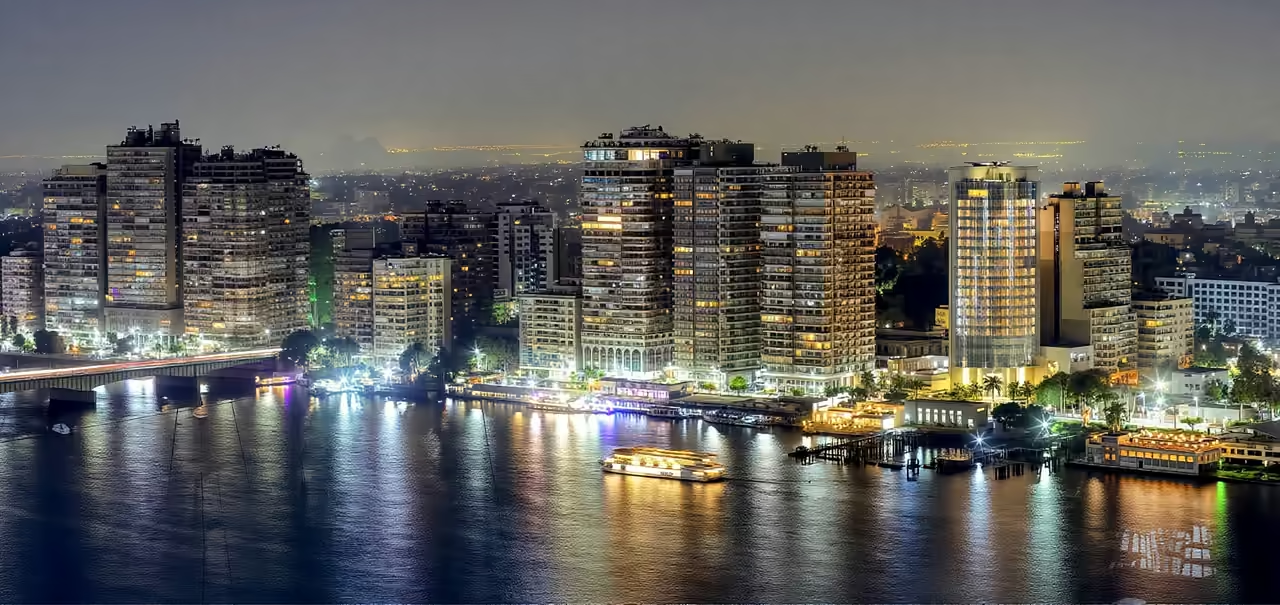 802m
Agouza Nile Corniche
Tracing El-Nile Street opposite Zamalek Island, Giza's northern riverbank becomes a sparkling stretch of moored dinner boats, neon-trimmed wooden feluccas, and hotel music lounges once dusk settles. Guests step aboard floating restaurants such as Nile Pharaoh for live oud ensembles and whirling tanoura dances, or lean against the stone parapet eating roasted chickpeas. Summer river breezes make Agouza Giza's coolest evening hangout.
nightlife view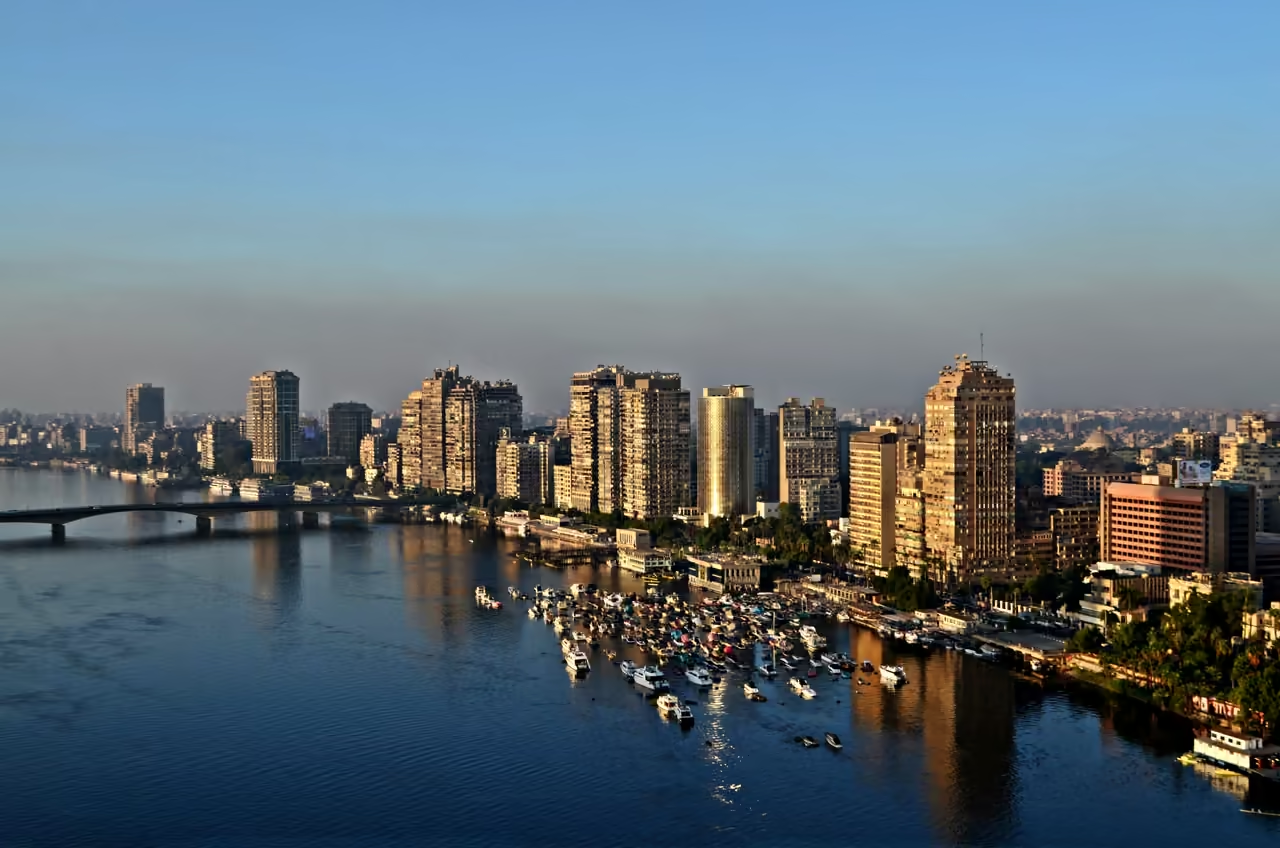 936m
Nile Dinner Cruise from Agouza Corniche
Climbing aboard illuminated riverboats moored along El-Nile Street in Agouza pairs multi-course Egyptian dinner buffets with live oud melodies, folkloric belly dance, and spinning tanoura whirling skirts. As the vessel glides smoothly past illuminated bridges and towering palm shores, open top decks cool quickly in evening river air. Book directly at the dock or via your hotel for transparent evening pricing.
highlight view- 1126m
Coptic Christmas in Dokki and Imbaba
Giza's Coptic parishes across Dokki, Agouza, and Imbaba ring with midnight hymns and frankincense on January 6 before Coptic Christmas morning. Following forty-three days of vegan fasting, households sit down late at night to steaming trays of fatteh layered with toasted flatbread, garlic vinegar broth, and roast beef. Local bakeries pile golden butter cookies onto display counters for neighbours celebrating across faiths.
festival view
Explore Similar Places in This Collection
Featured on These Itineraries and Routes
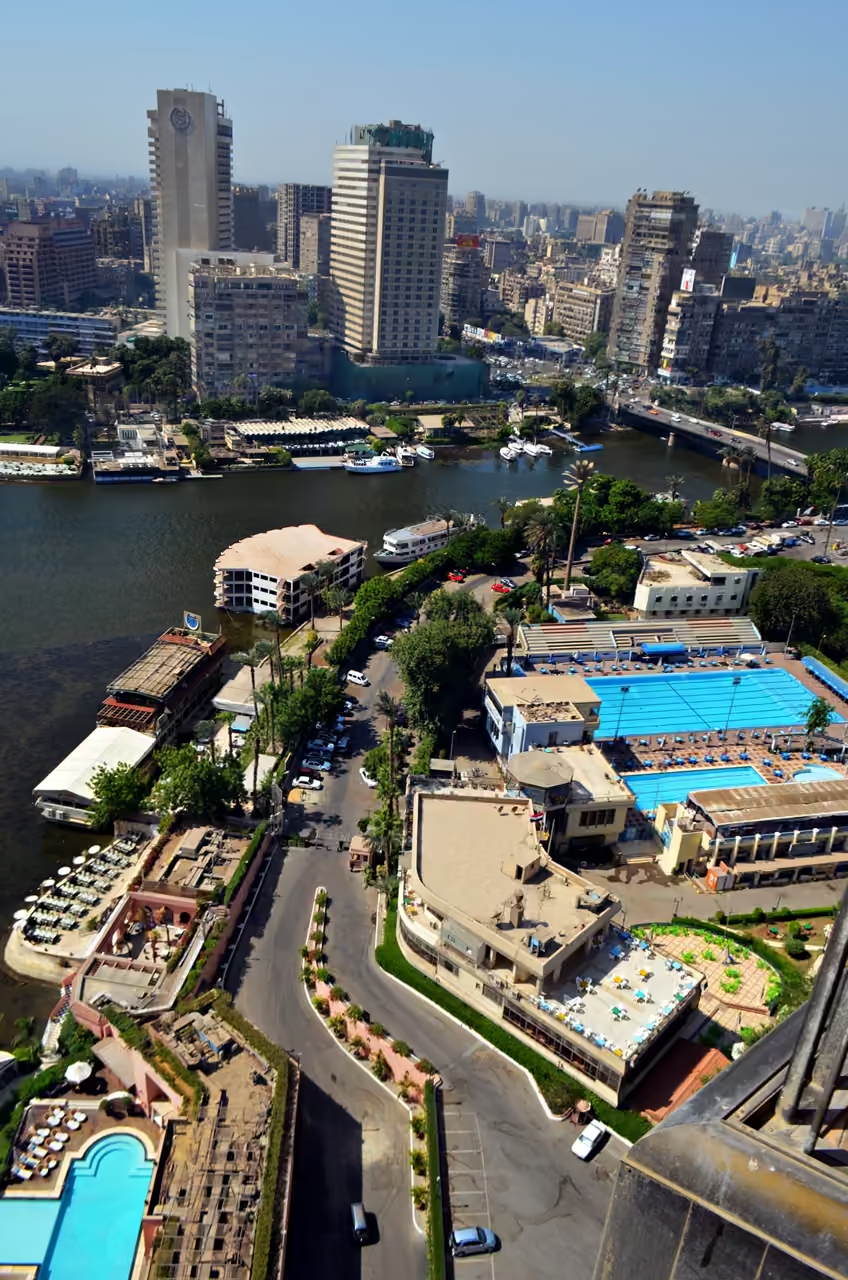
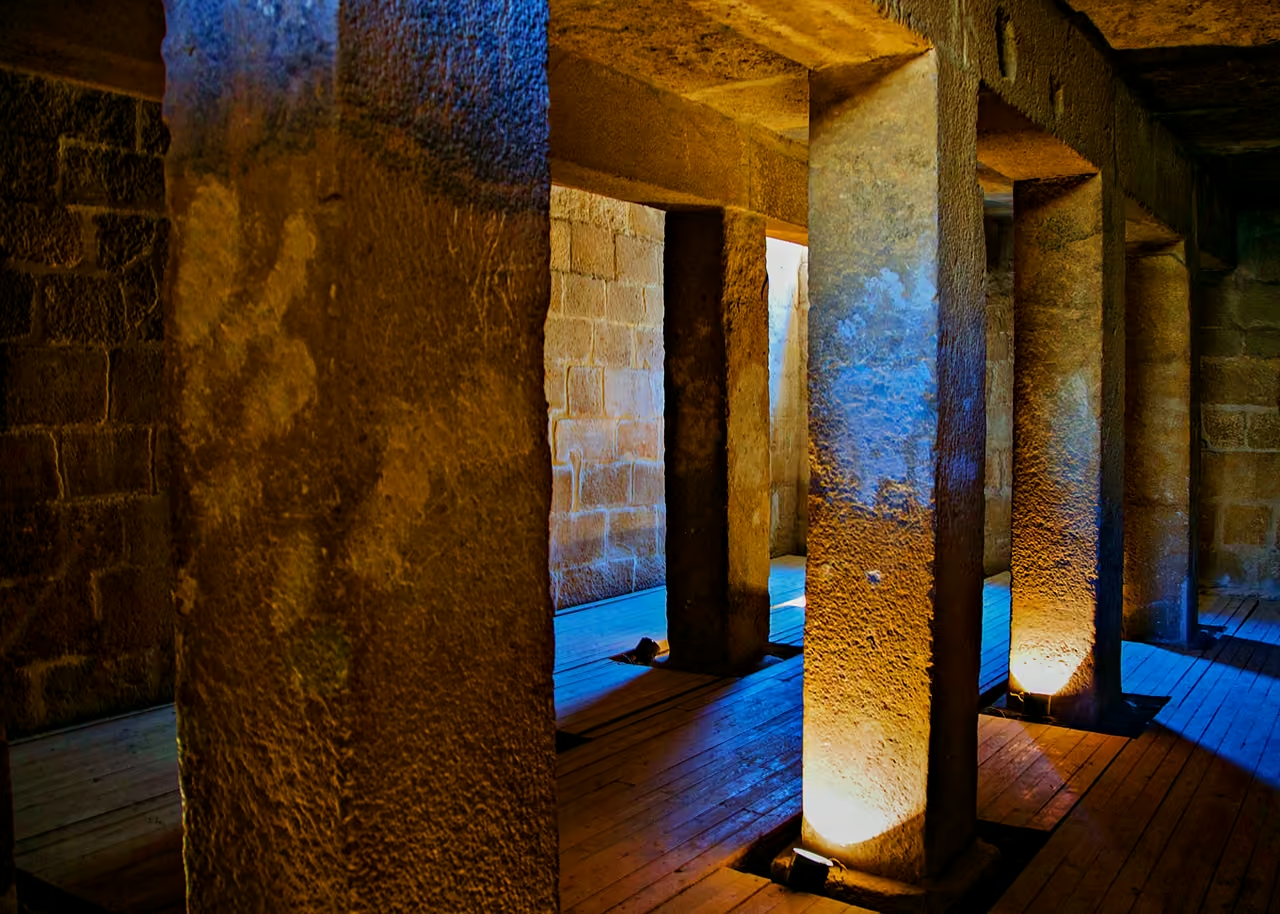
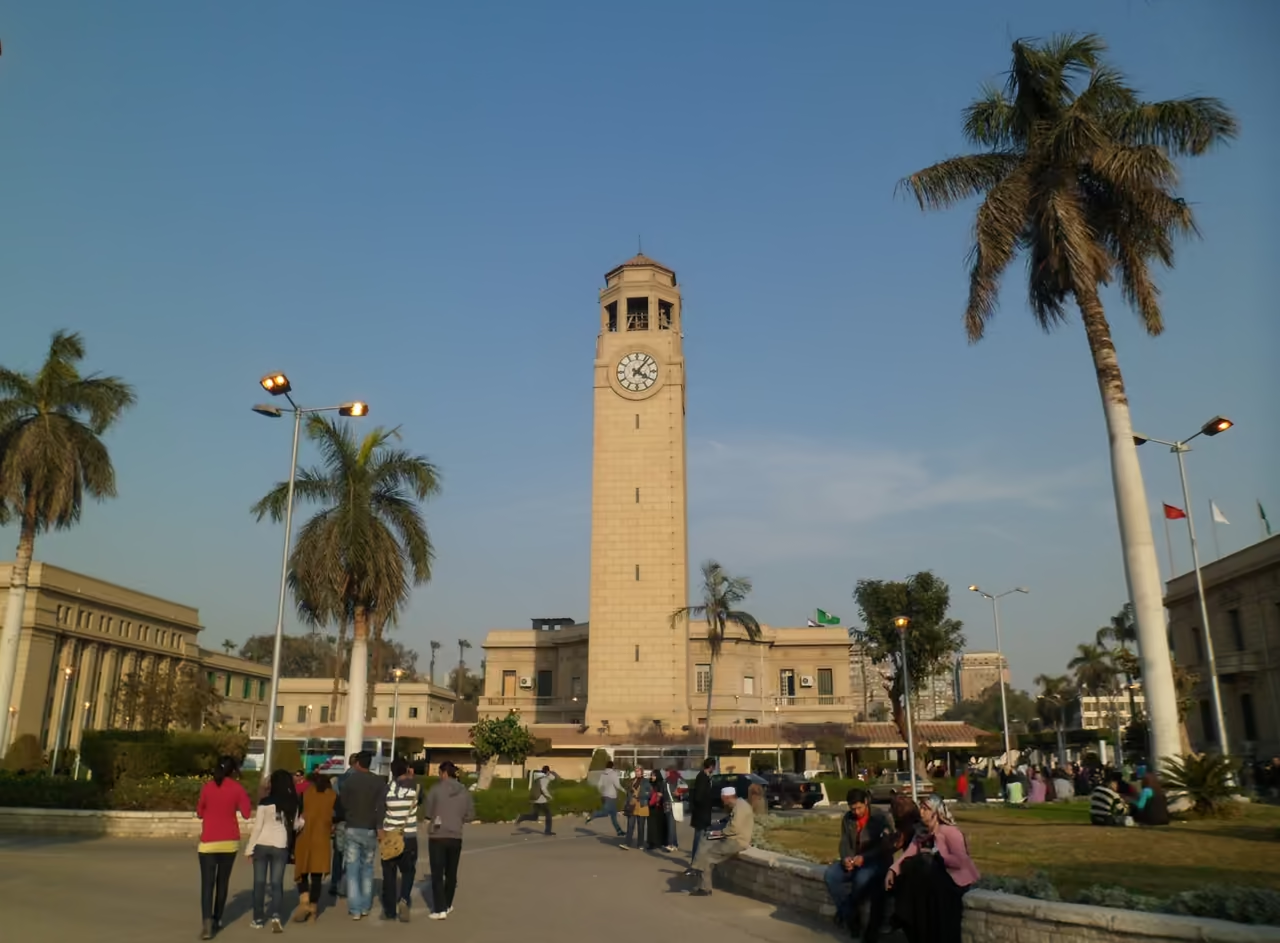
5 Days in Giza: Tombs, Cinema, Modern Art, and Local Life
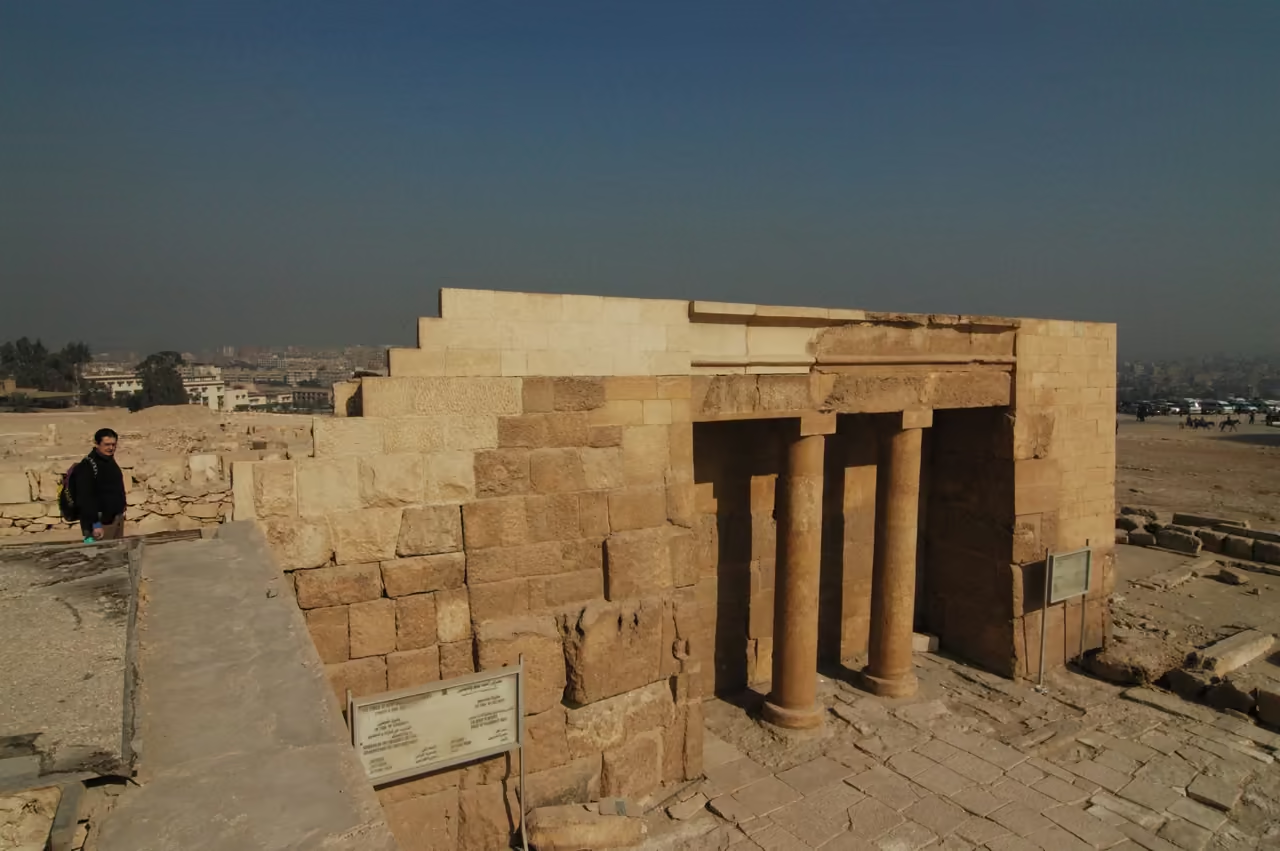
Designed for unhurried travellers who want every chapter of Giza's 4,500-year story, this five-day plan blends painted plateau rock tombs and Tutankhamun galleries with literary villa museums, golden-age cinema studios, morning produce markets, and late-night football neighbourhood cafés. Spacing desert excursions across mornings leaves afternoons cool inside gardens and galleries.
view itinerary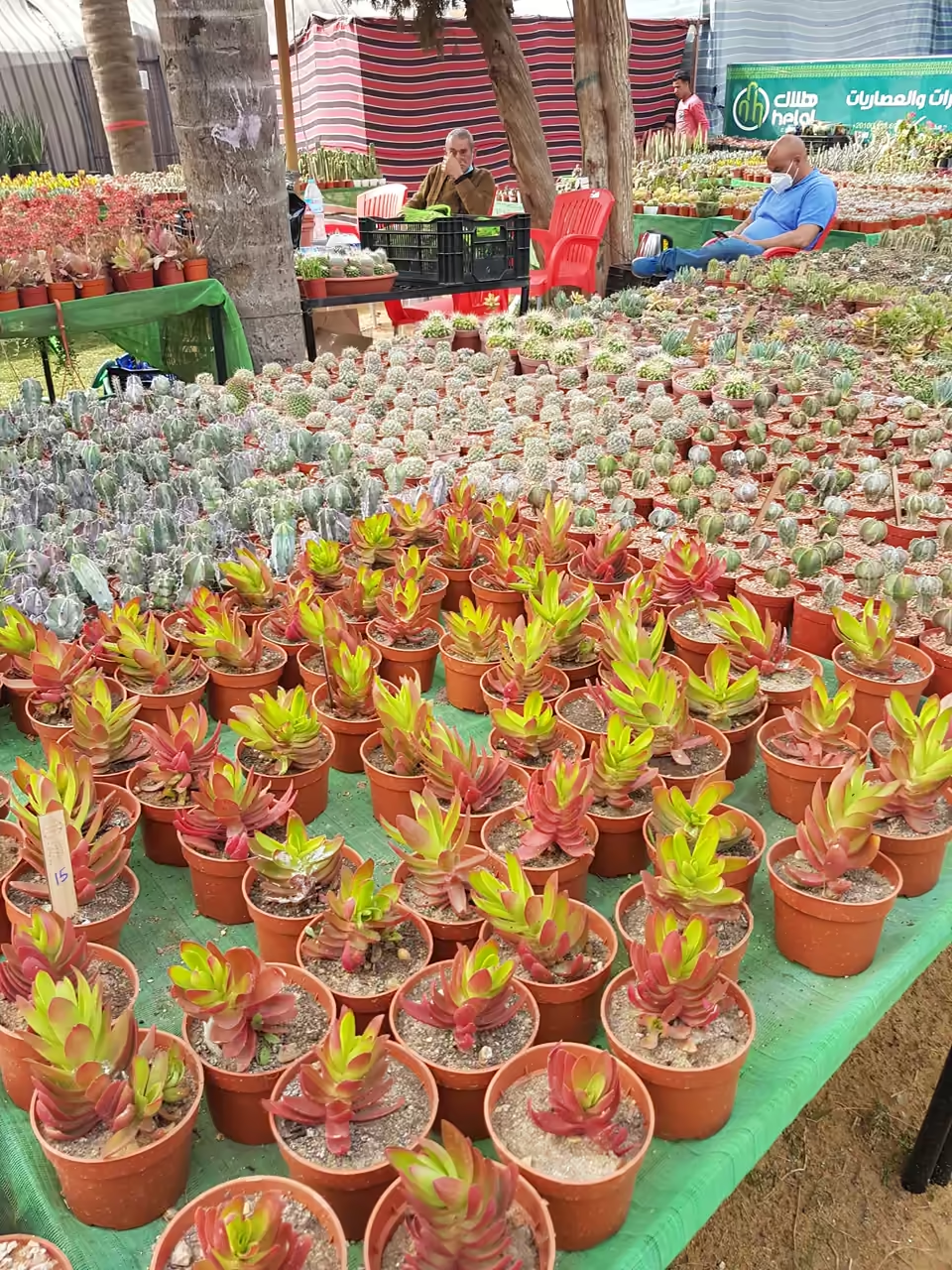
Dokki Botanical Parks and Vintage Villas Loop
Shaded by old banyans and mango gardens, Dokki holds the greenest street network on the Nile's west bank. This gentle urban loop weaves past nineteenth-century palace gardens, historic museum pavilions, and leafy roundabouts bordered by diplomatic villas. Wide side avenues keep cycling unhurried while connecting three of Giza's richest cultural parks.
view cycling route
See all attractions in Giza
Including Grand Egyptian Museum, Great Pyramid of Giza, Great Sphinx of Giza, and more