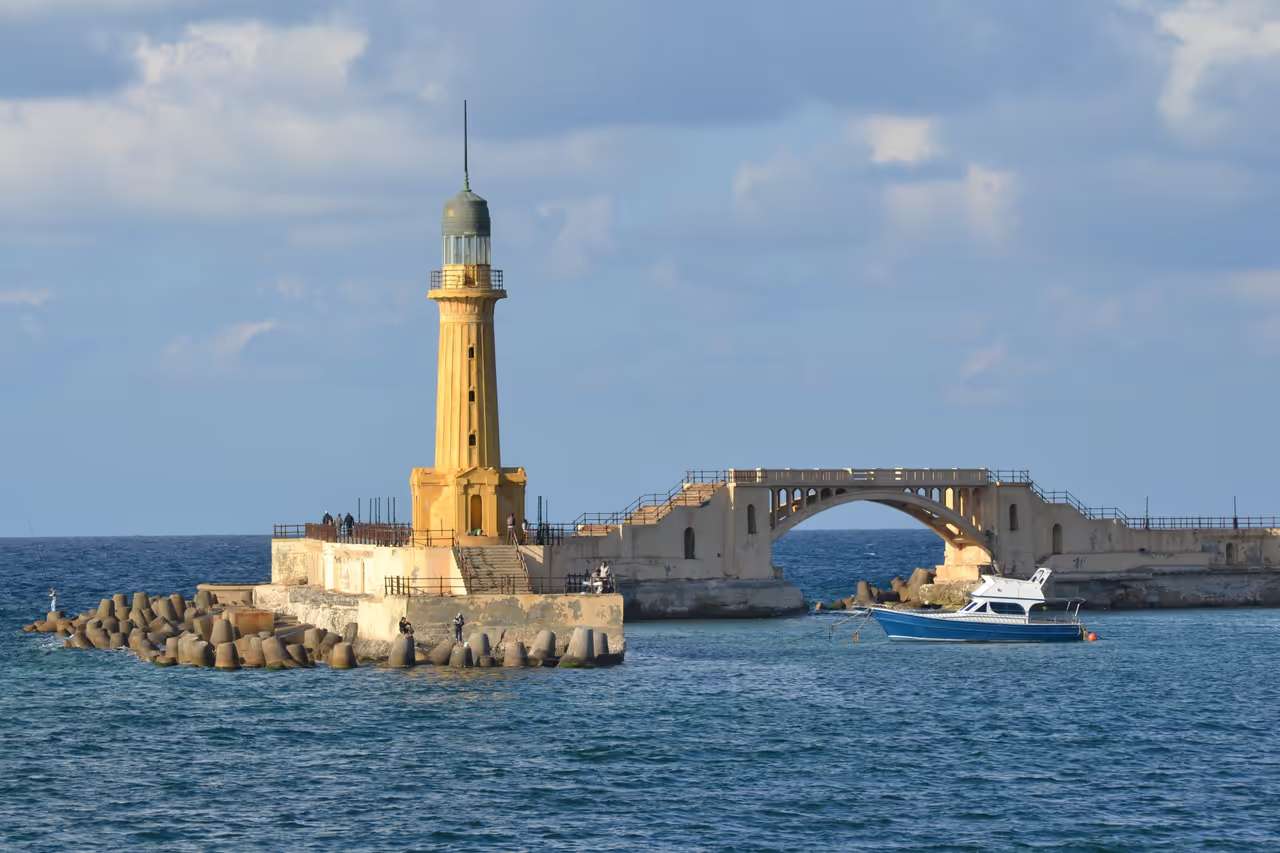
Alexandria
Full City Guide, Map & 111 Things To Do
5,362,517 people live here.
That's 4.9% of the entire population of Egypt.
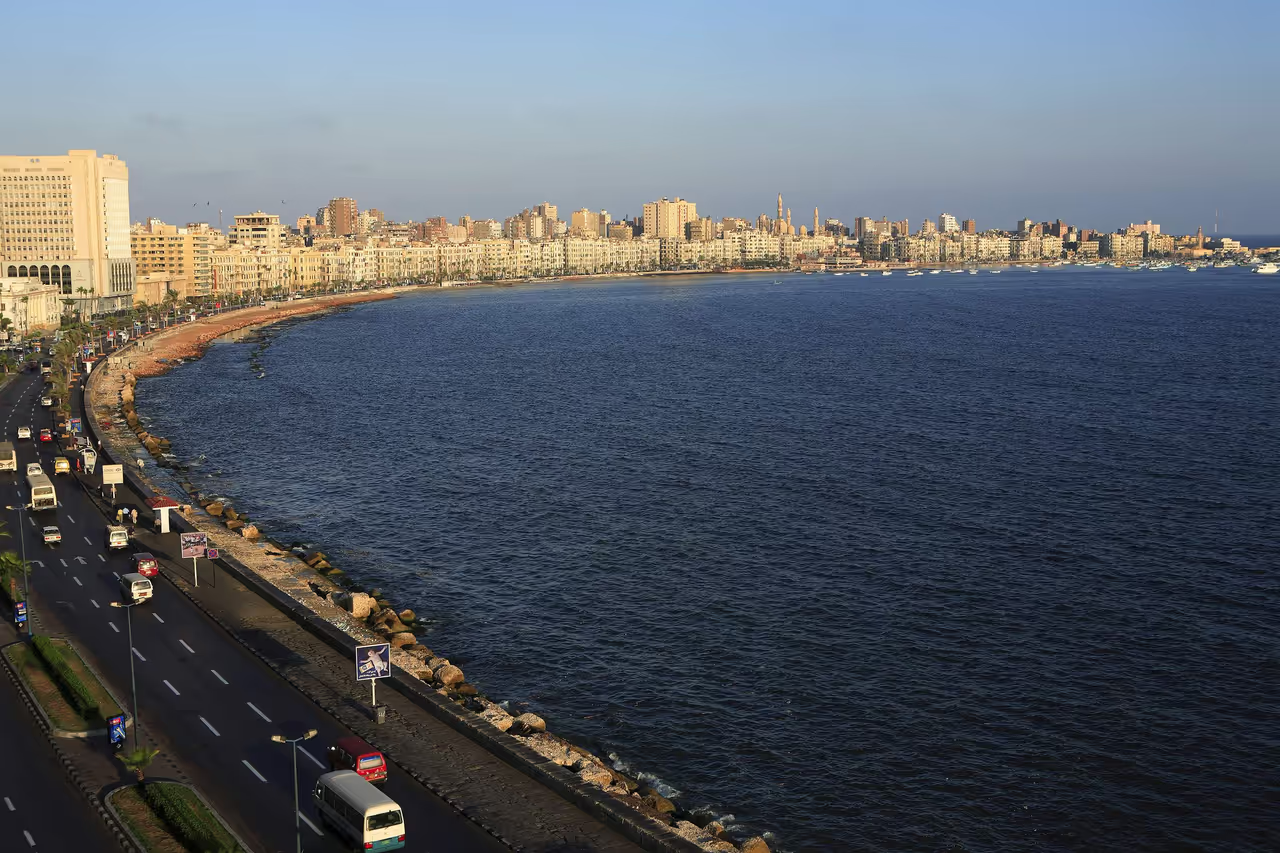
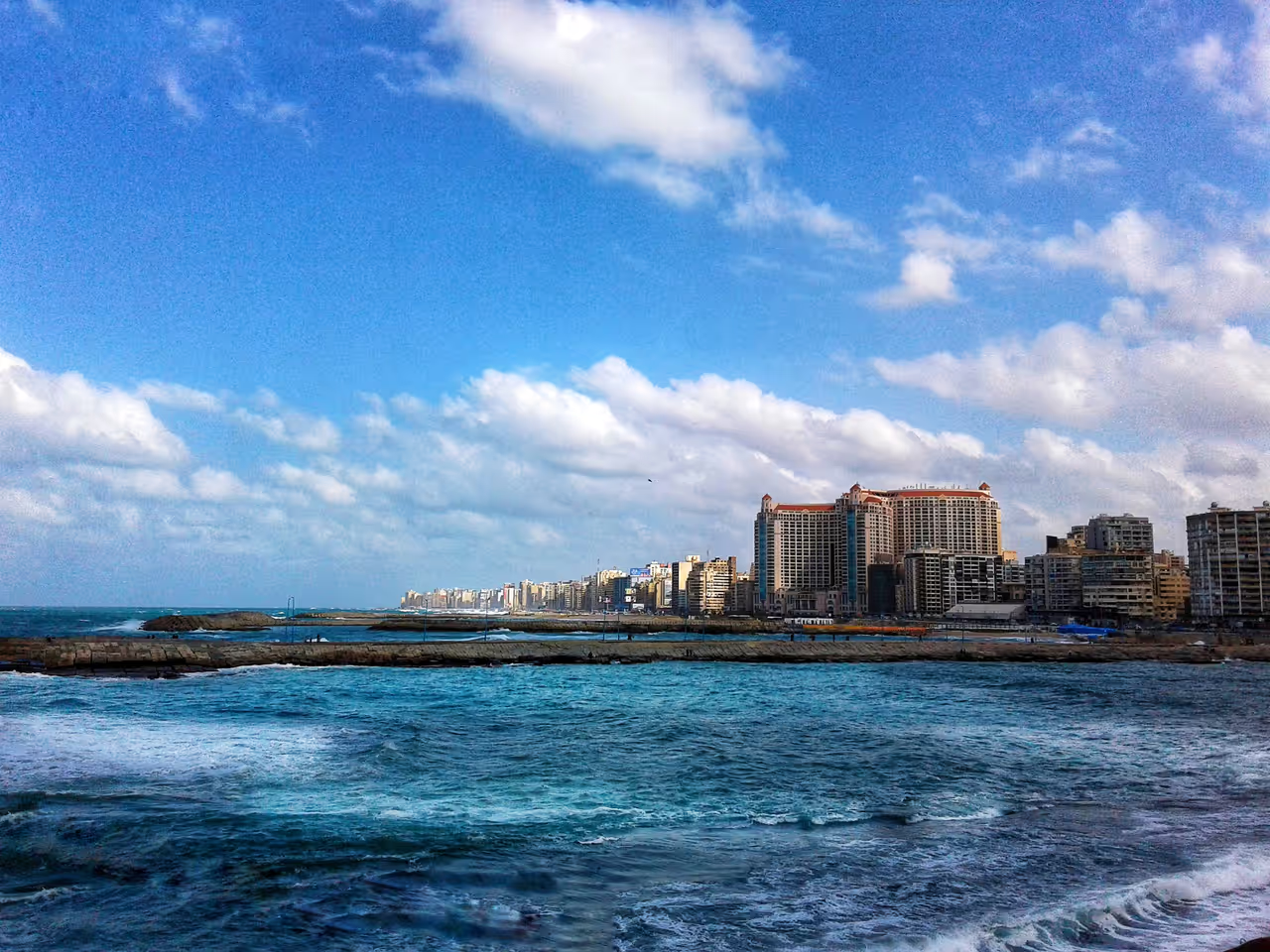
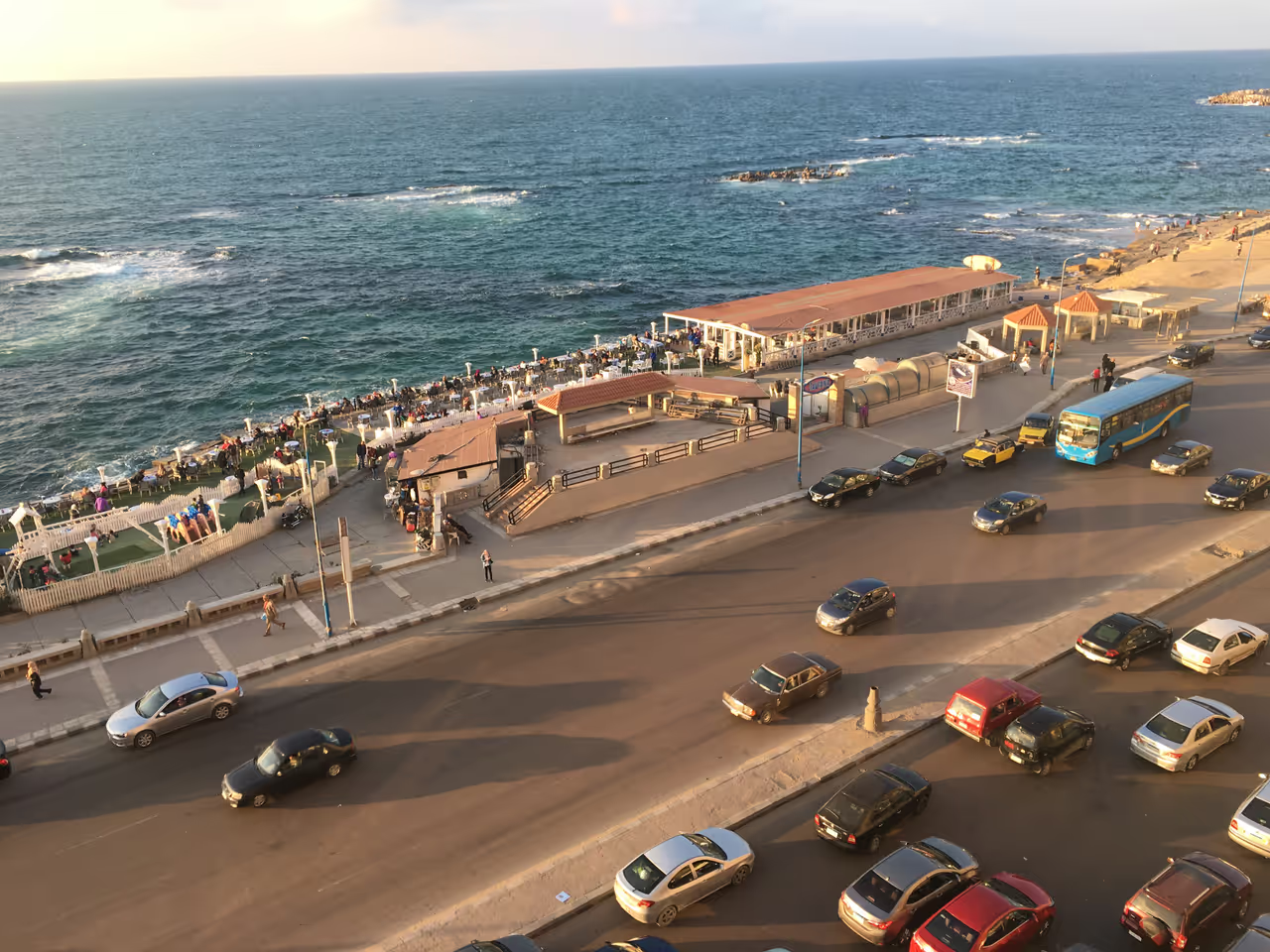
Alexandria is a captivating Mediterranean port city that seamlessly blends its legendary ancient past with vibrant modern Egyptian life. Founded by Alexander the Great, it was once the intellectual crown jewel of the Hellenistic world, home to the Great Library and the towering Pharos Lighthouse. Today, a striking modern library stands near the ancient site, symbolising the city's enduring commitment to knowledge and culture. The sweeping Corniche hugs the coastline, offering spectacular views of the sea, fishermen hauling their daily catch, and locals enjoying the sea breeze. Belle Époque architecture dots the historic centre, whispering tales of a diverse 19th-century cosmopolitan era. Visitors can delve into subterranean Roman catacombs, explore mediaeval forts, and feast on some of the freshest seafood in the region.
Alexandria DNA
History of Alexandria
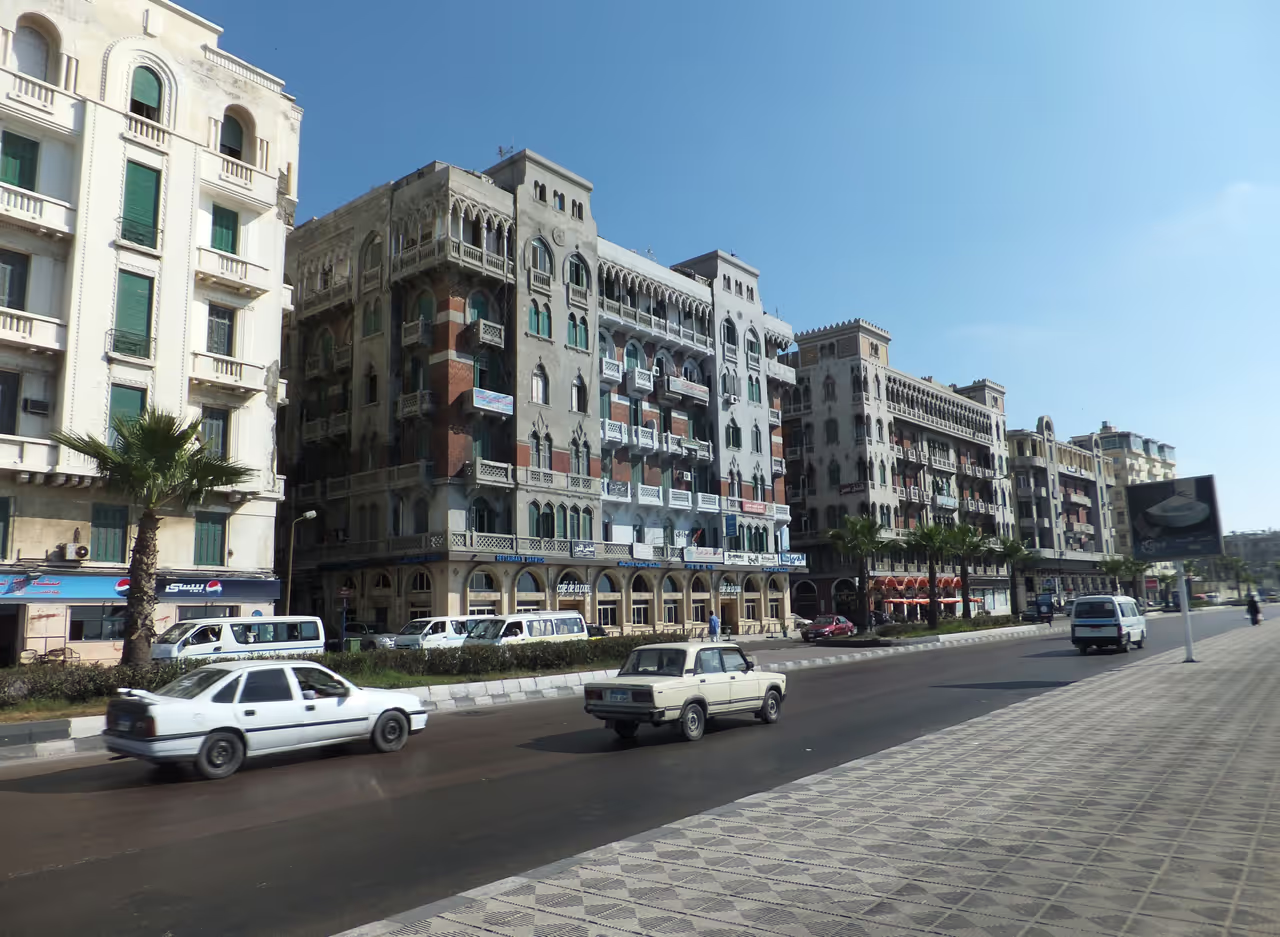
Alexander the Great stood on the Mediterranean coast in 331 BC and imagined a grid. He left almost immediately, but his architect Dinocrates mapped out a metropolis over the small Egyptian fishing village of Rhakotis. The resulting city quickly became the intellectual and commercial engine of the Hellenistic world. Workers hauled limestone blocks to the edge of Pharos Island to construct a lighthouse measuring 138 metres tall, illuminating the harbour with a massive furnace at its peak. The Heptastadion, a giant mole, physically connected the island to the mainland and split the waterfront into two distinct harbours. Deep underground in the Kom El Shoqafa catacombs, a carved Anubis wears the armour of a Roman legionary. This strange stone figure perfectly captures the city's chaotic, colliding identity during the early centuries of Roman rule. Julius Caesar endured a bitter siege in the palace quarters in 47 BC, a conflict that sparked the first fires in the Great Library. Three centuries later, the 365 AD tsunami permanently reshaped the coastline, dragging entire royal districts into the sea. Today, marine archaeologists routinely pull Ptolemaic statues and sphinxes from the shallow waters of the Eastern Harbour. A violent earthquake finally collapsed the great Pharos lighthouse in the fourteenth century. Mamluk Sultan Qaitbay did not simply clear the rubble. In 1477, he ordered his engineers to use the fallen limestone blocks to construct a massive defensive citadel on the exact same footprint. While the Mamluks fortified the coast, Alexandrian merchants orchestrated a highly lucrative trade, auctioning massive shipments of Indian pepper and cloves to Venetian and Genoese buyers. You can still hear the sharp haggling of vendors echoing near the Qaitbay Citadel today, though the negotiations now centre on roasted sweet potatoes rather than maritime cargo. Muhammad Ali triggered a massive civic revival in the nineteenth century, drawing Greek, Italian, and French expatriates who shaped a highly cosmopolitan era. Their influence lingers in the architecture lining Sharae Fouad, the city's oldest thoroughfare, which still traces the exact east to west alignment of the ancient Canopic way. Commuters pack into the rattling cars of the 1860 tram network at Mahatet El Raml station, occasionally delayed by a rogue yellow and black taxi blocking the tracks. At the eastern edge of the corniche, sunlight reflects off the tilted, granite covered roof of the modern Bibliotheca Alexandrina, built directly across the road from the churning Mediterranean surf.
13 Events spanning 2333 years
Map of Alexandria
Interactive Destination & Itinerary Map
This map blends our curated city guides—featuring best photo spots, scenic walks, viewpoints, hidden gems and much more—with a live Wikipedia explorer. Click on our numbered pins to plan your routes, or zoom in on the surrounding neighborhoods to discover verified local landmarks, museums, and stories with dynamic Wikipedia summaries and photos!
Fun Facts
- • The city's legendary founder, Alexander the Great, actually never saw the city completed, as he left Egypt shortly after ordering its construction and died before he could return.
- • The astonishing Catacombs of Kom El Shoqafa were completely forgotten for centuries until 1900, when a donkey accidentally fell through an access shaft and revealed the underground marvel.
- • The Septuagint, the very first Greek translation of the Hebrew Old Testament, was meticulously translated by scholars right here in Alexandria.
- • Alexandrians fiercely debate the merits of their local ice cream, which has a distinctly chewy, slightly stretchy texture unlike anything found elsewhere in the country.
- • The original Pharos Lighthouse stood for so long that it remained the second longest surviving ancient wonder of the world, outlasted only by the Great Pyramid of Giza.
- • Locals lovingly refer to their city as the 'Bride of the Mediterranean' due to its sweeping coastline and historical beauty.
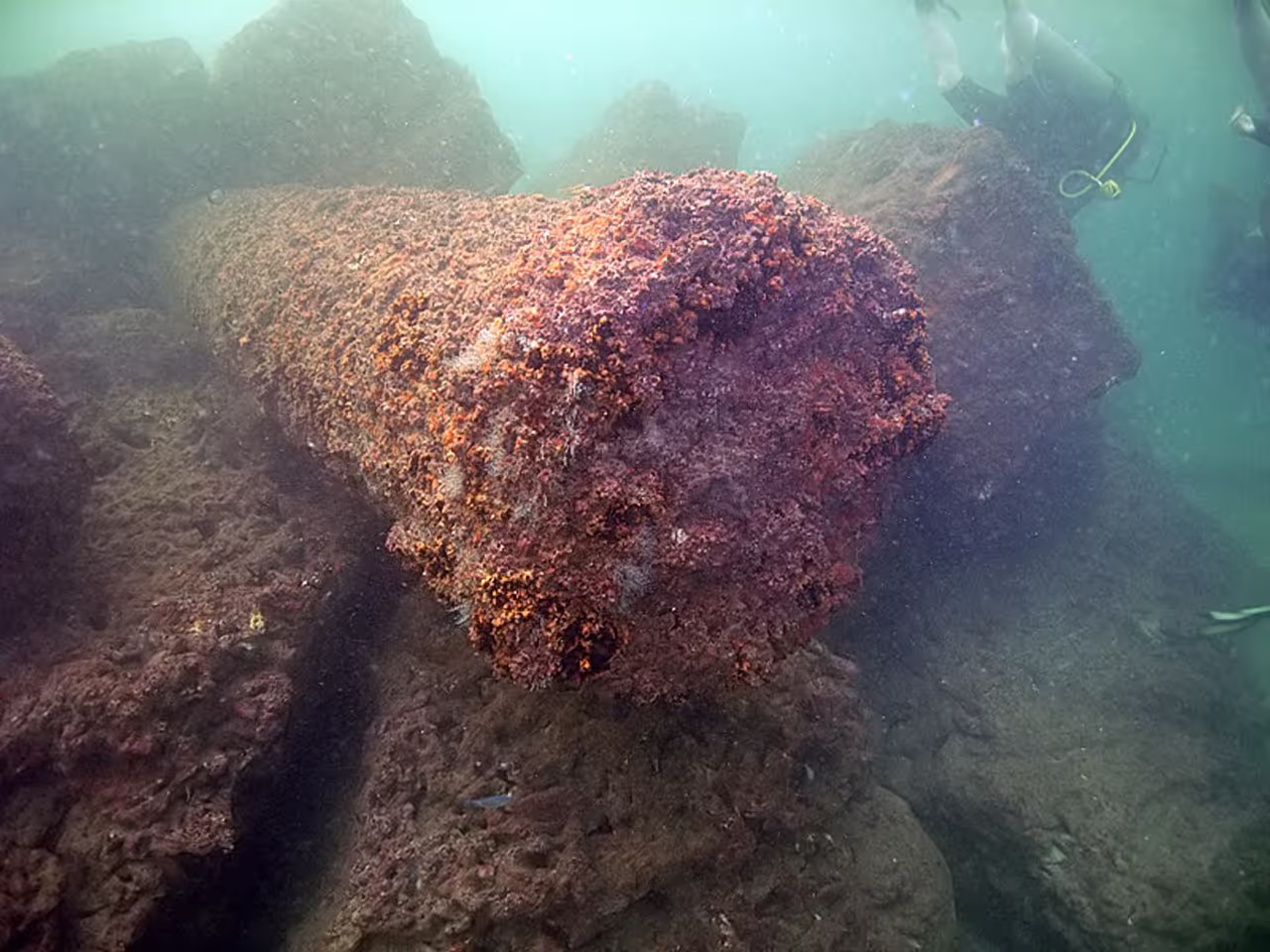
- • Much of Cleopatra's royal palace quarter isn't lost to time, but rather lies submerged in the shallow waters of the Eastern Harbour due to ancient earthquakes and land subsidence.
Did You Know?
- • During the Roman principate, Alexandria boasted a population of over 500,000 residents, making it the largest pre-industrial city in the world that wasn't an imperial capital.
- • The ancient Library of Alexandria was relentless in its pursuit of knowledge; authorities would search every arriving ship, confiscate any books to copy them, and return only the copies to the owners.
- • The city remains an absolute economic powerhouse for modern Egypt, handling approximately 40% of the nation's total industrial output and functioning as its principal seaport.
- • Alexandria is the birthplace of the Coptic Orthodox Church, founded by Mark the Evangelist in the first century, making it one of the earliest major centres of Christianity.
- • Due to its geographical position on the edge of the Nile Delta, environmental studies indicate Alexandria is among the global cities most severely threatened by rising sea levels.
- • Eratosthenes, a chief librarian at the Great Library of Alexandria, was the first person in history to calculate the circumference of the Earth with remarkable accuracy.
- • The modern Bibliotheca Alexandrina is an architectural marvel featuring a massive, tilted disc-shaped roof and walls carved with characters from 120 different human scripts.
RESOURCES
Official WebsiteVideos of Alexandria
Seasons
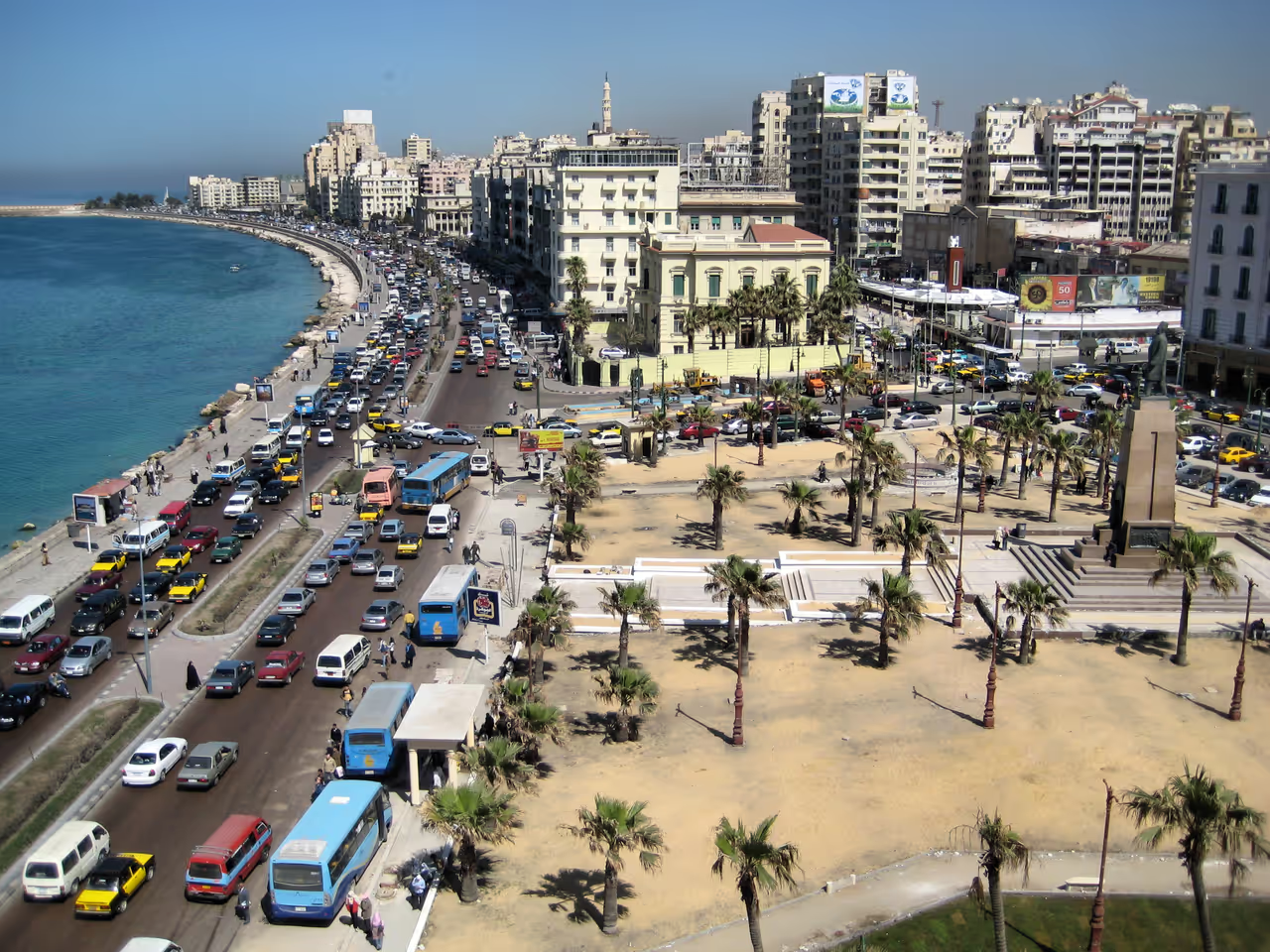
Spring
Spring is arguably the most pleasant time to explore the city. The harsh winter rains subside, leaving bright, clear skies and...
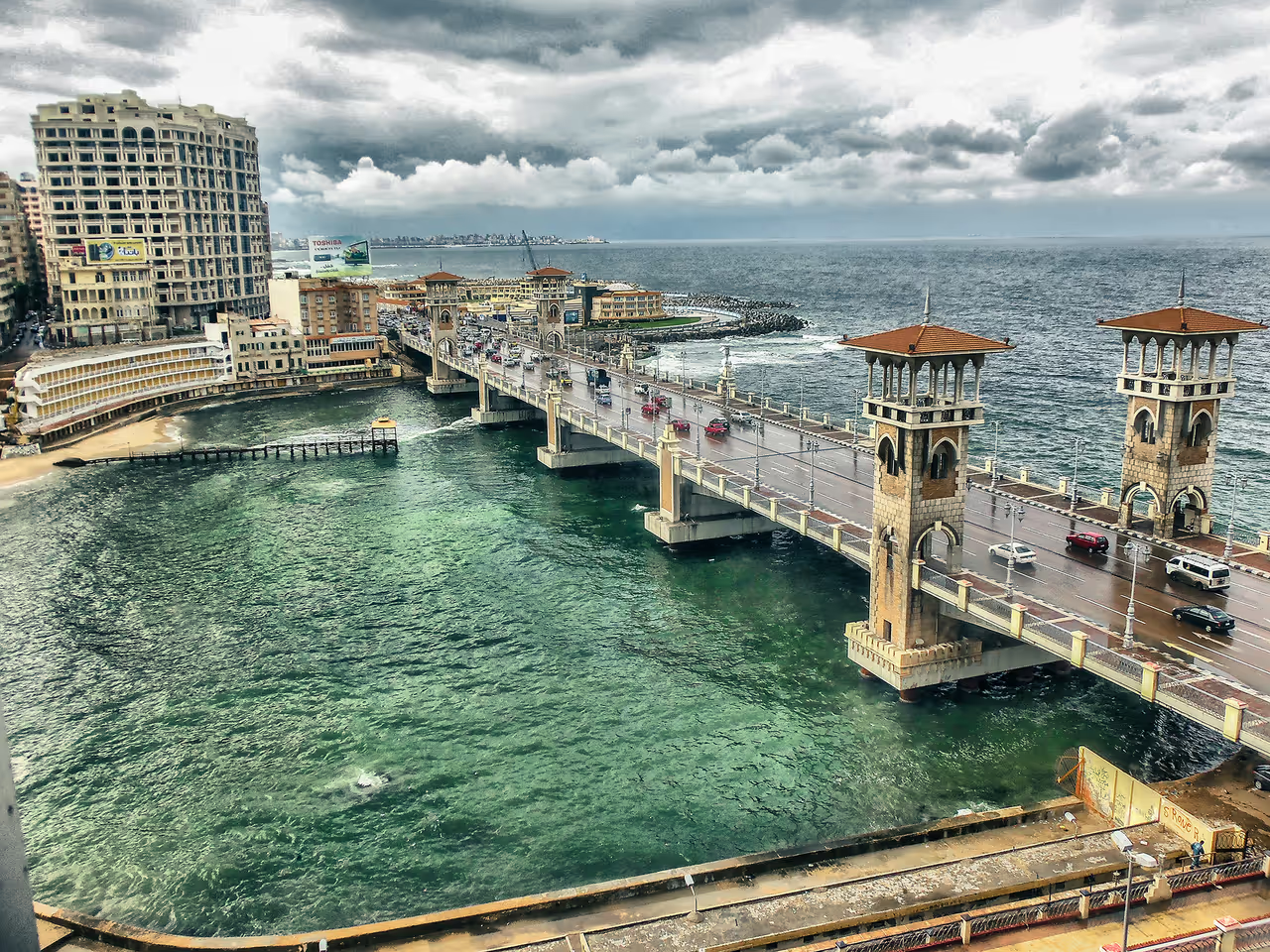
Summer
Summer transforms the city into a massively popular domestic tourist hub, as Cairenes flock to the coast to escape the intense...
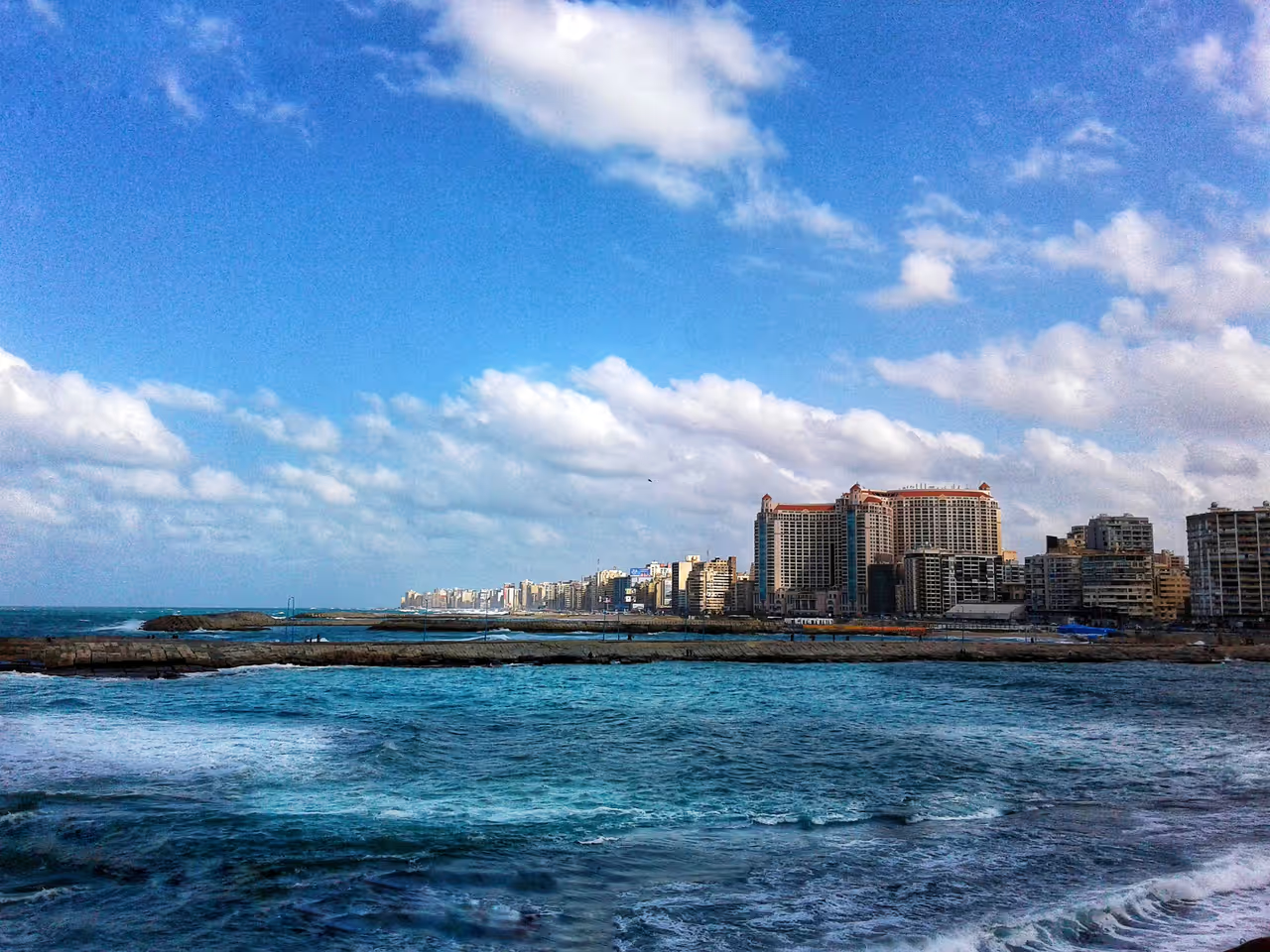
Autumn
As the massive summer crowds disperse, autumn returns a sense of calm to the Mediterranean shoreline. The sea remains warm...
Winter
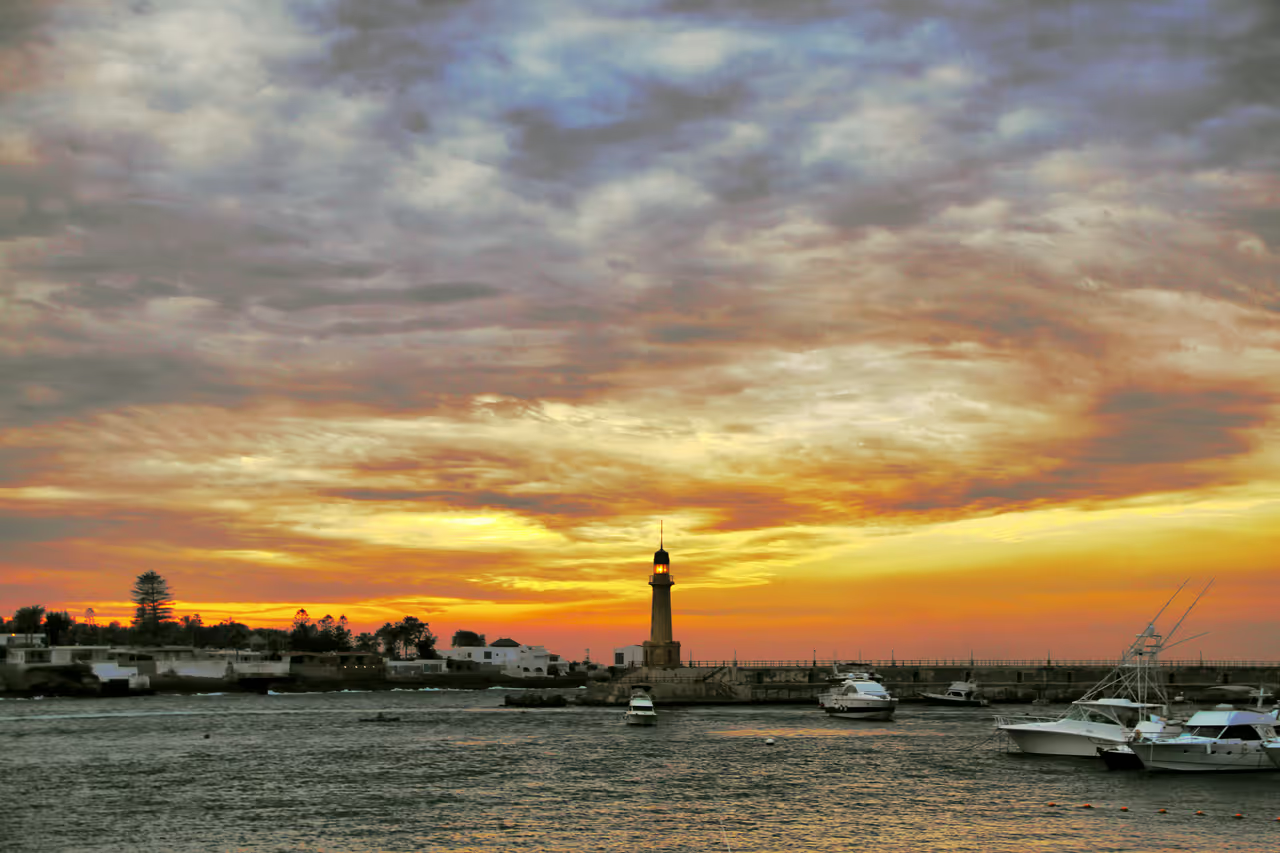
Winter brings a dramatically different mood, characterised by cooler temperatures, stiff sea winds, and occasional heavy...
Top Attractions in Alexandria
Bibliotheca Alexandrina
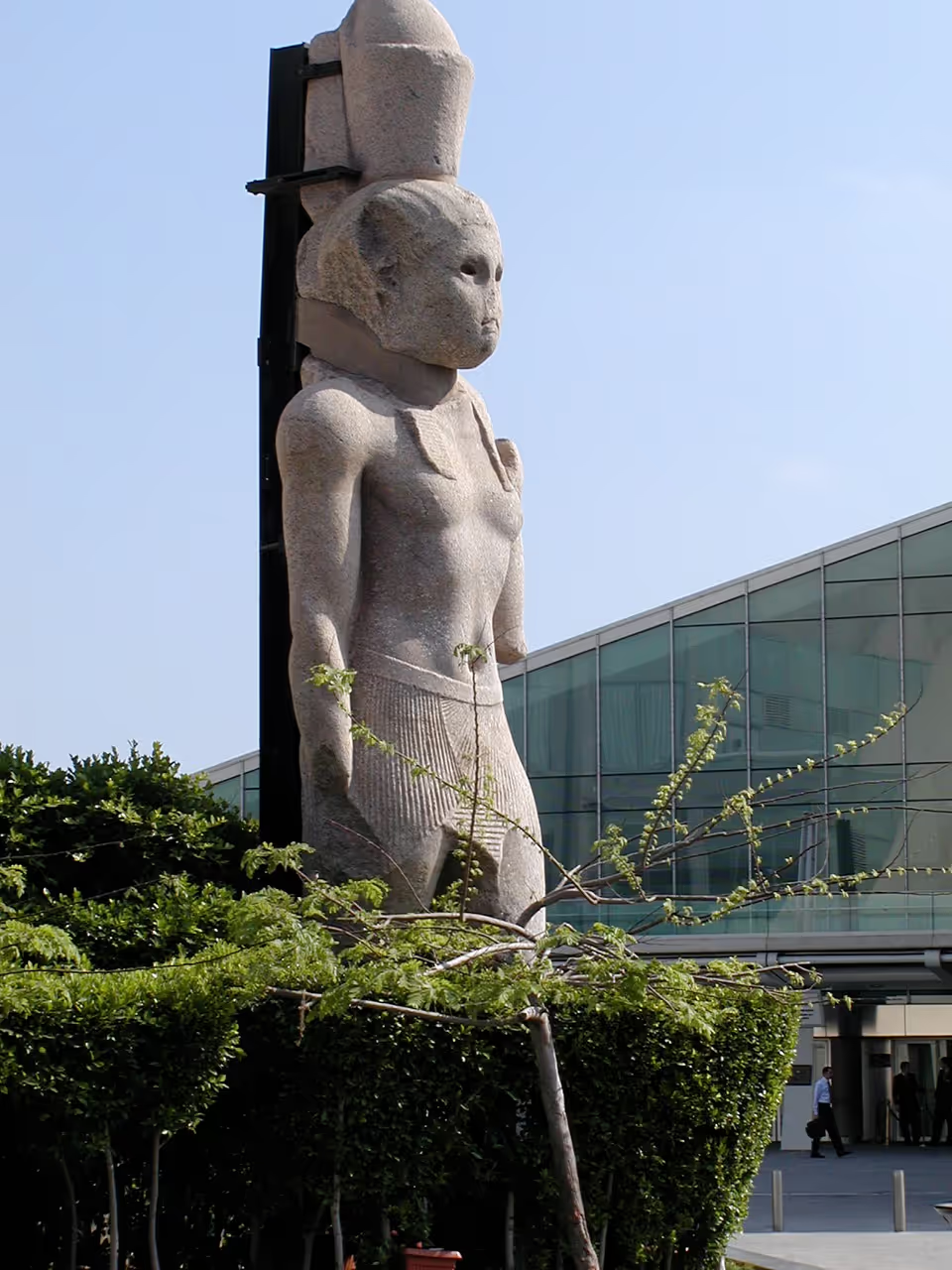
Standing as a modern beacon of knowledge on the Mediterranean shore, the Bibliotheca Alexandrina is far more than a mere...
view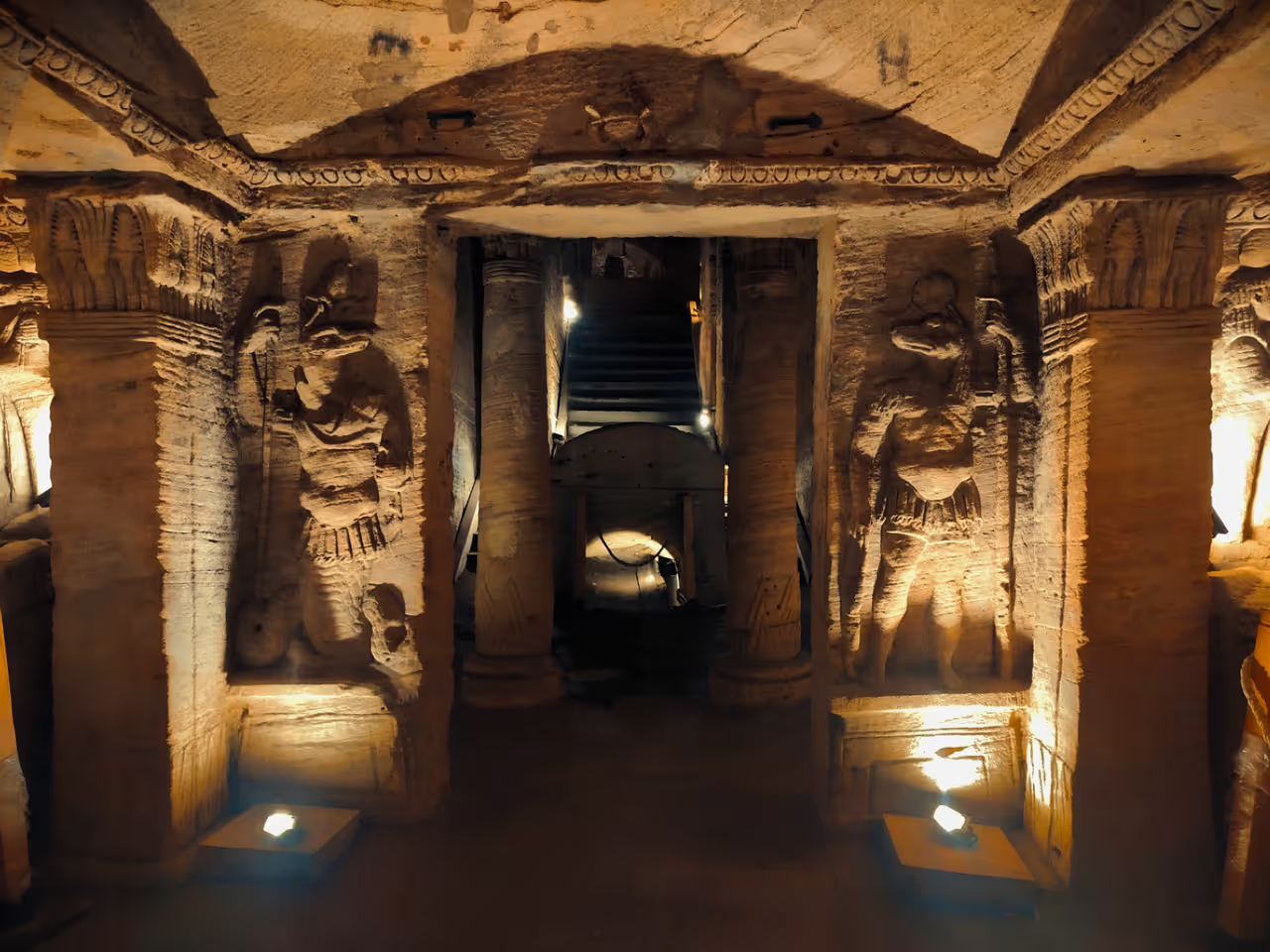
Catacombs of Kom El Shoqafa
Step into the depths of Alexandria and uncover a subterranean marvel that merges three distinct ancient civilisations into one...
view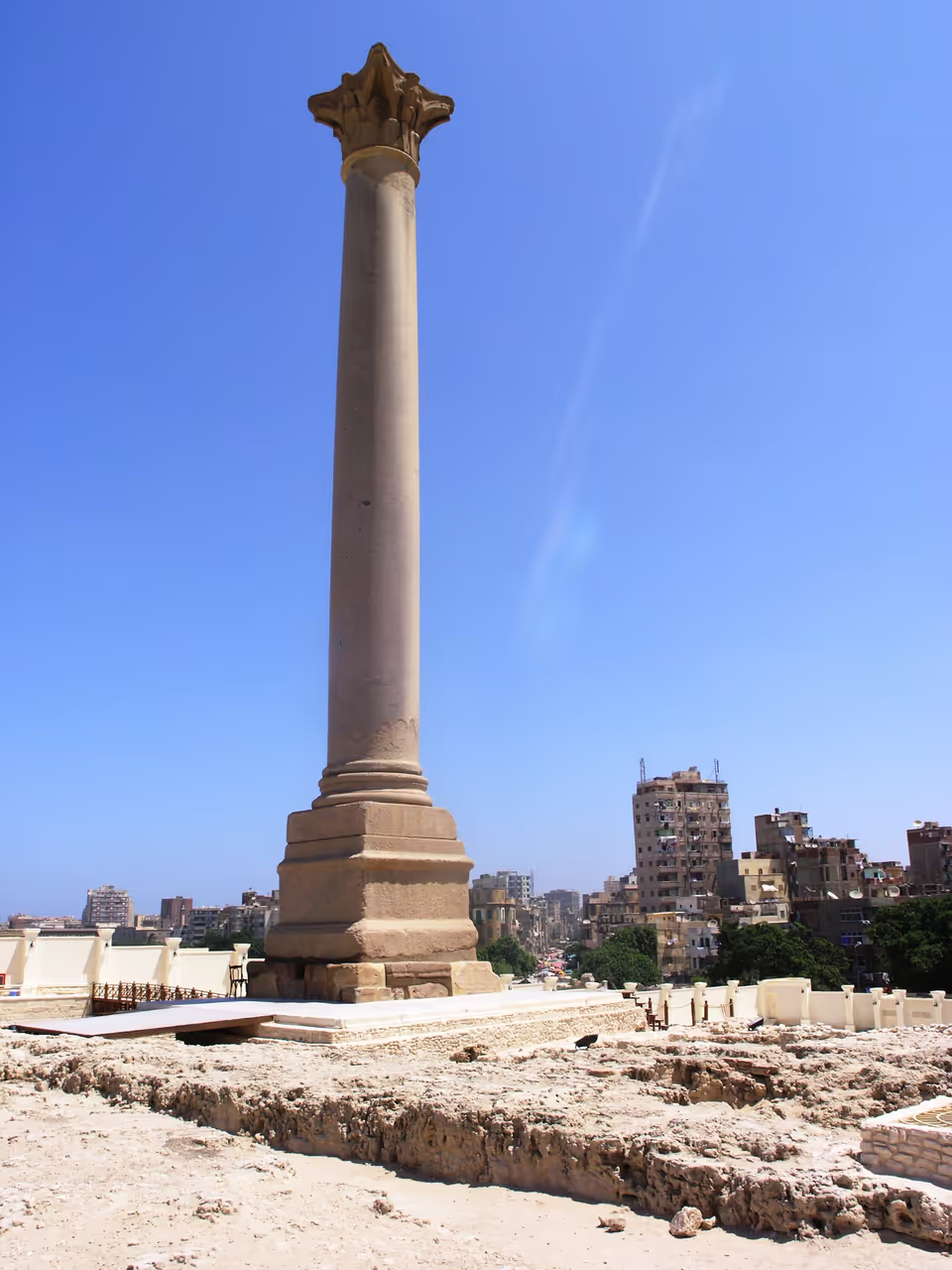
Colossal Pompey's Pillar
Standing tall as the only ancient monument in Alexandria still in its original location, Pompey's Pillar is a breathtaking sight...
view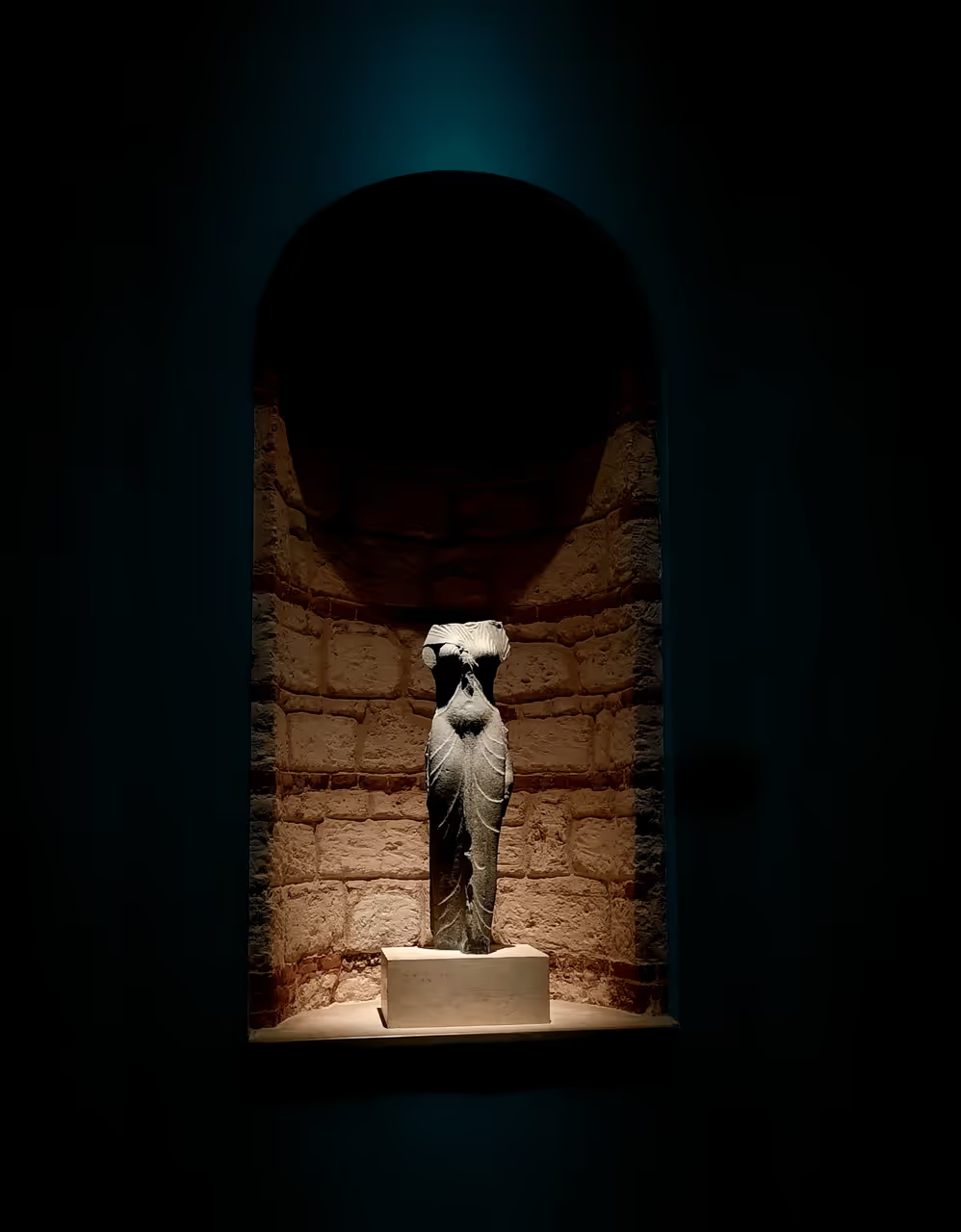
Graeco-Roman Museum
Step into a space where the Hellenistic world meets the ancient Egyptian realm. This museum serves as a bridge to Alexandria's...
view
Best Views
Alexandria Itineraries
TRIP PLANNER
3 Days Recommended
Three days offer the perfect pace to take in the city's highlights. You can dedicate one day to the ancient Roman and Ptolemaic ruins, another to the magnificent modern library and Qaitbay Citadel, and a final day to simply unwinding along the Corniche and enjoying the historic cafe culture.
1 Day in Alexandria: The Essential Coast Itinerary
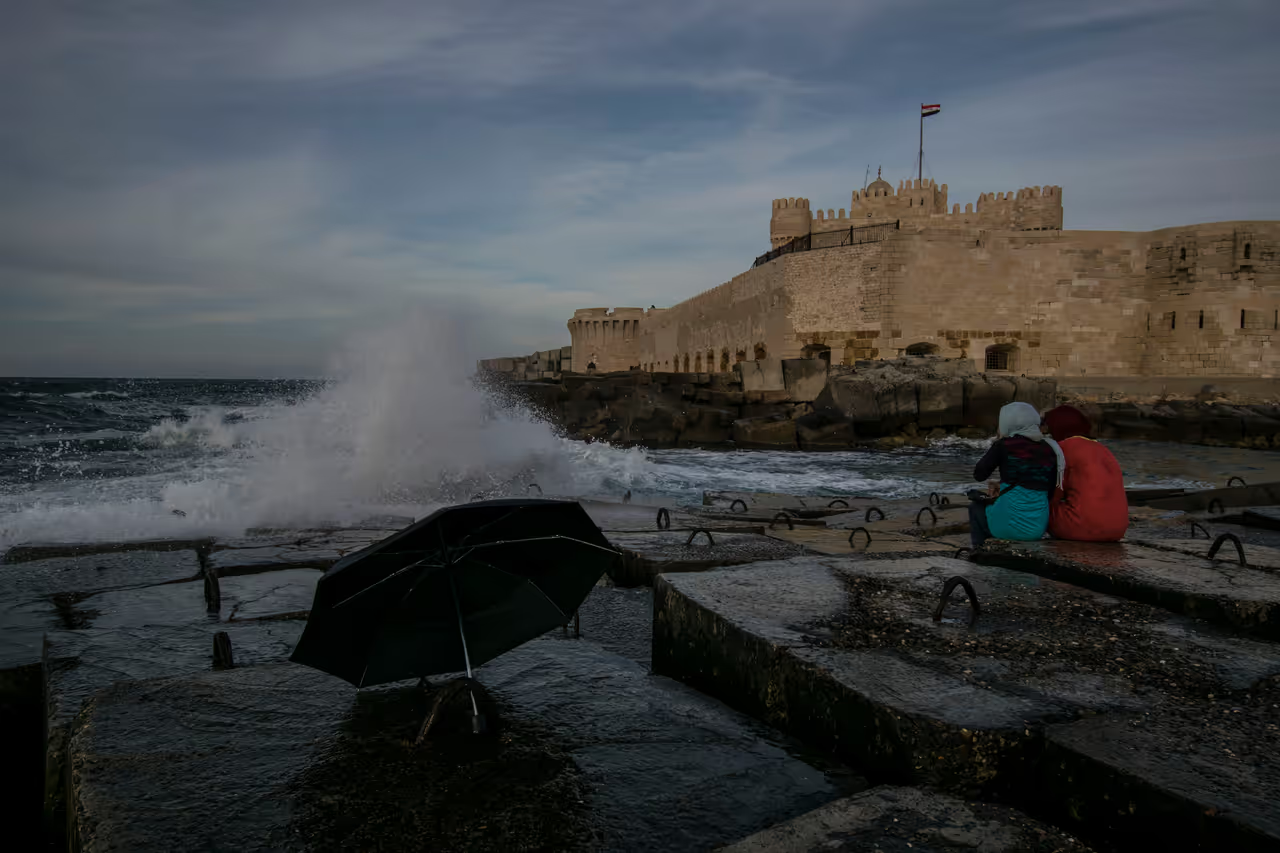
A whirlwind tour designed to capture the absolute best of the city's ancient and modern maritime identity. This packed itinerary moves from mediaeval coastal defences to the cutting-edge marvel of the new library, ensuring you see the most iconic landmarks. It provides a highly satisfying taste of the city for those on a tight schedule.
view itinerary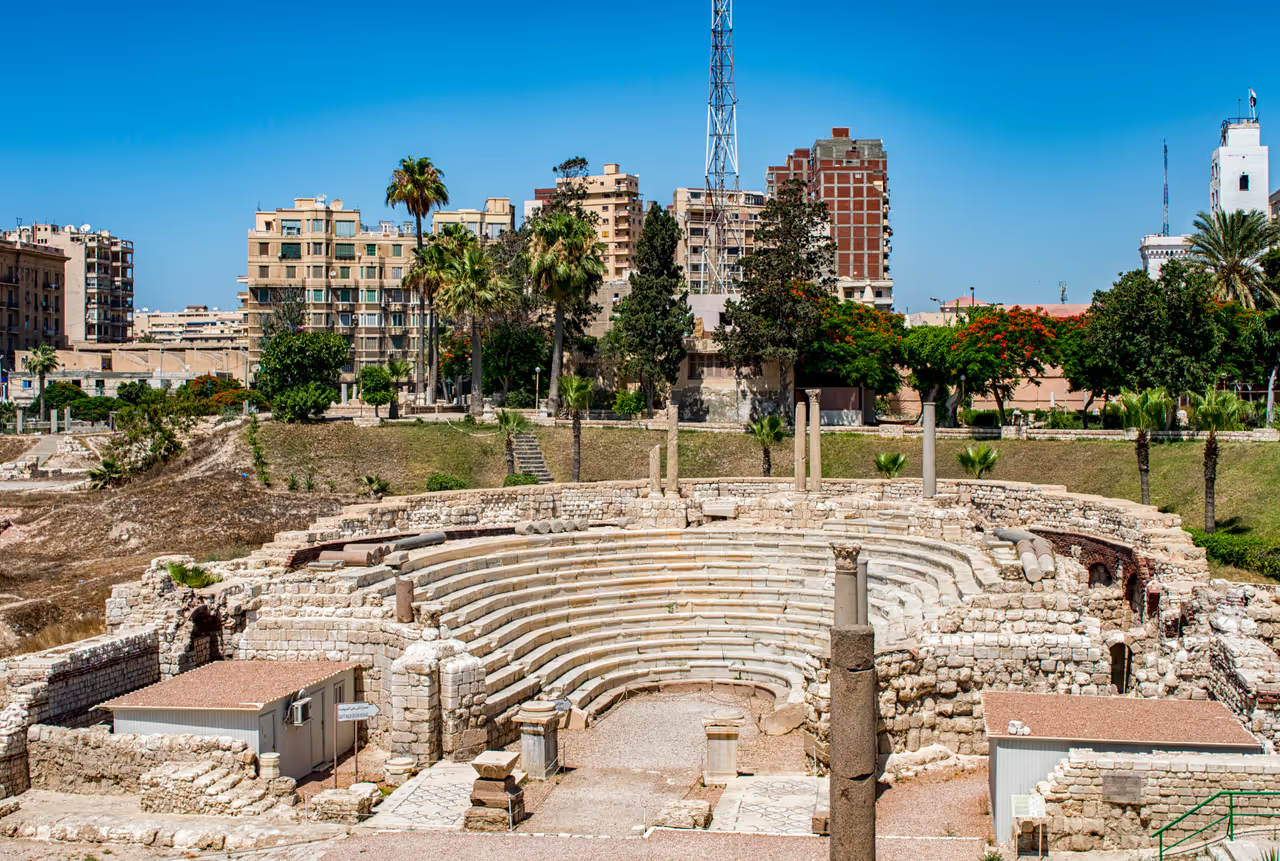
3 Days in Alexandria: Ancient Ruins & Cosmopolitan Elegance Itinerary
This balanced itinerary allows you to dive deep into the city's rich, layered history. You will spend time exploring the subterranean Roman tombs, marvelling at the modern library, and wandering through the grand Belle Époque commercial districts. It strikes the perfect pace between historical exploration and relaxing coastal strolls.
view itinerary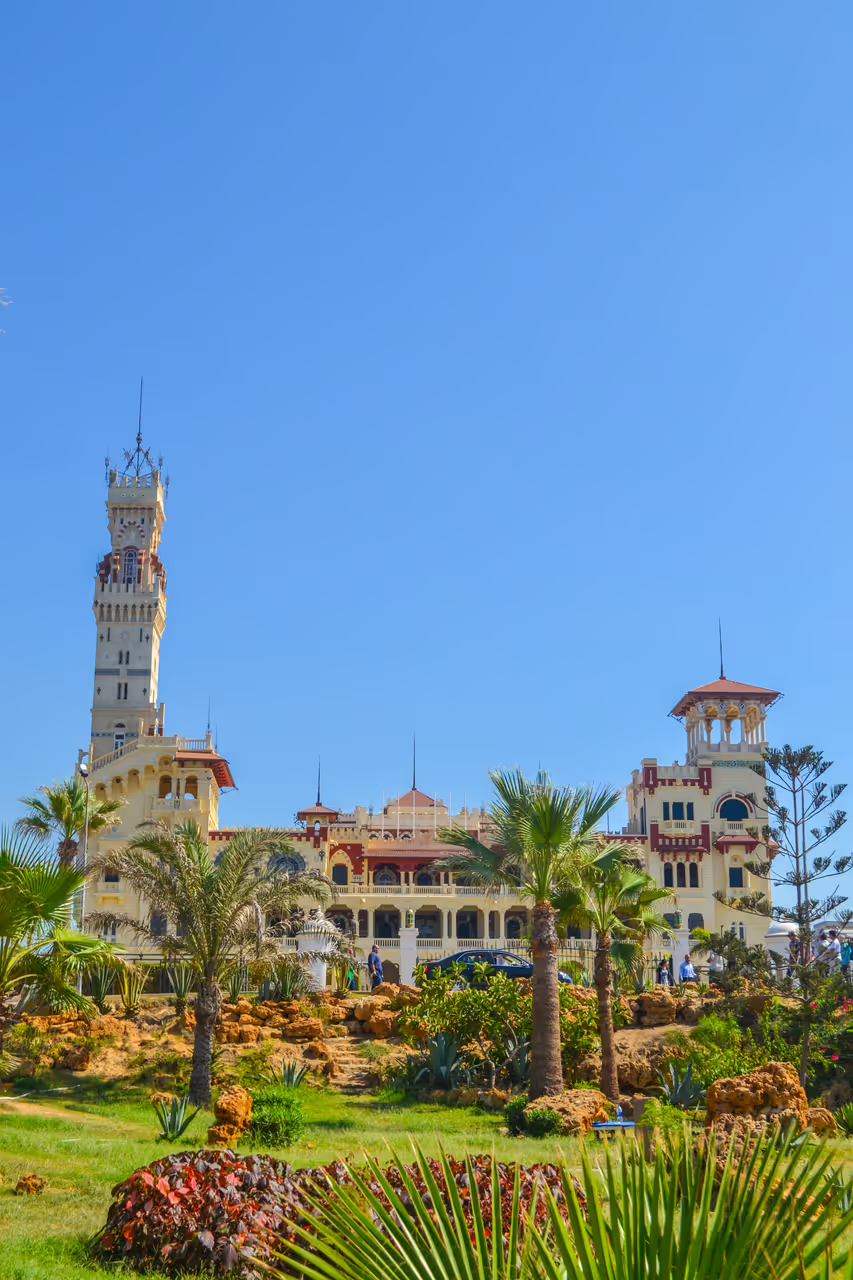
5 Days in Alexandria: Mediterranean Experience Itinerary
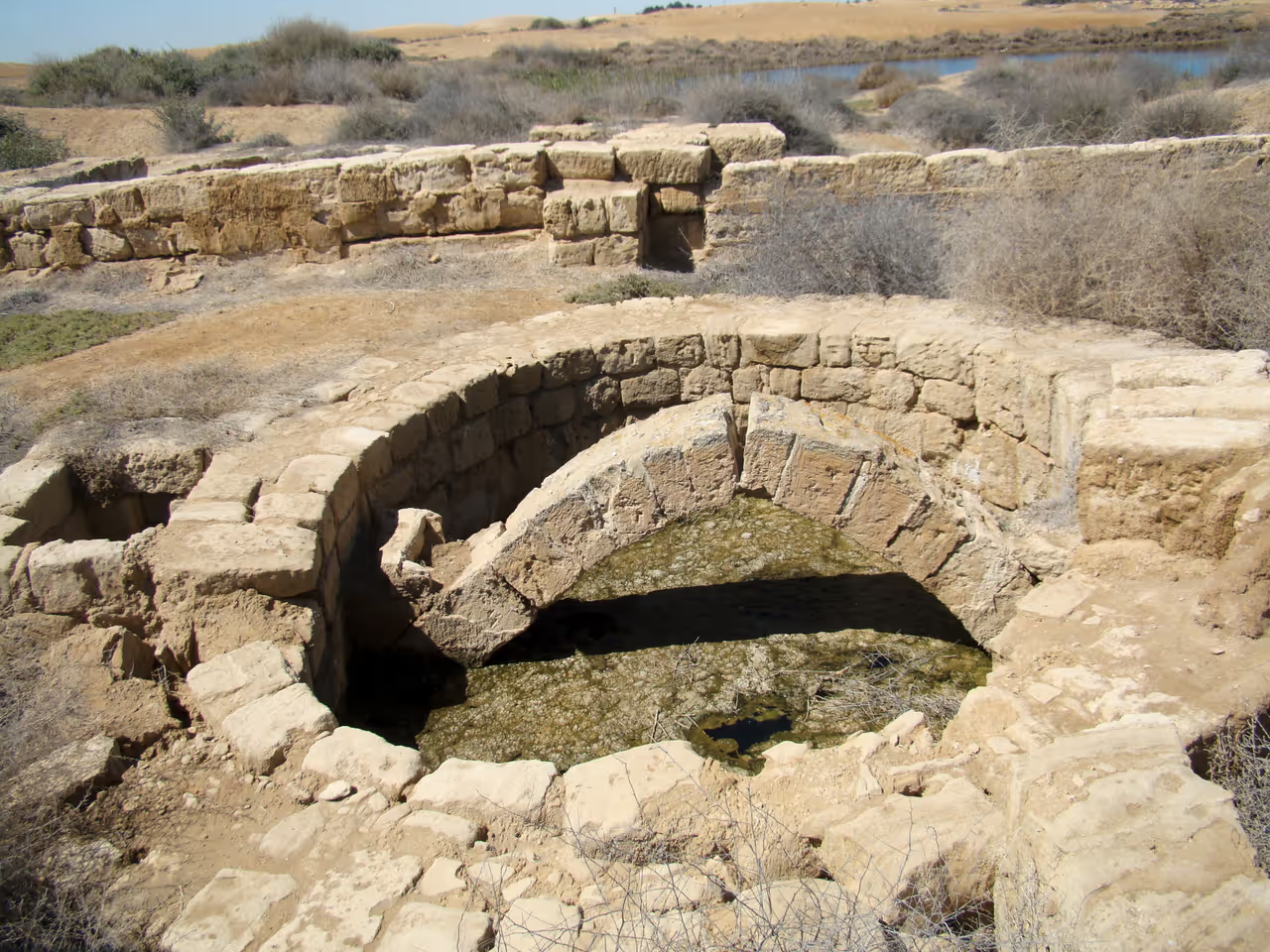
The ultimate deep dive into the region, perfect for history buffs and slow travellers. This itinerary covers all major city sights, adds extensive museum visits, and includes fascinating day trips to the desert fringes for unique archaeological and UNESCO heritage sites. It ensures you leave with a comprehensive understanding of the city's incredible historical weight.
view itinerary
Food in Alexandria

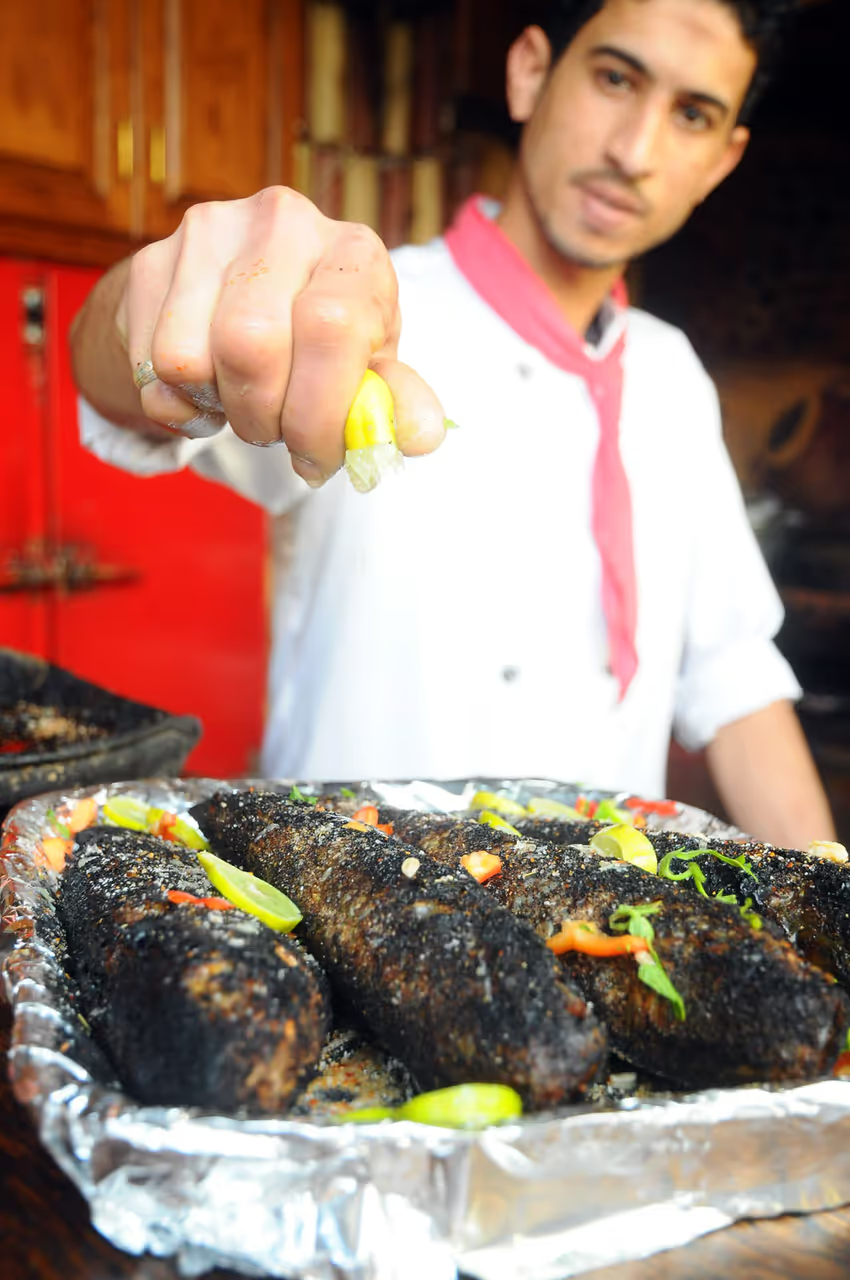
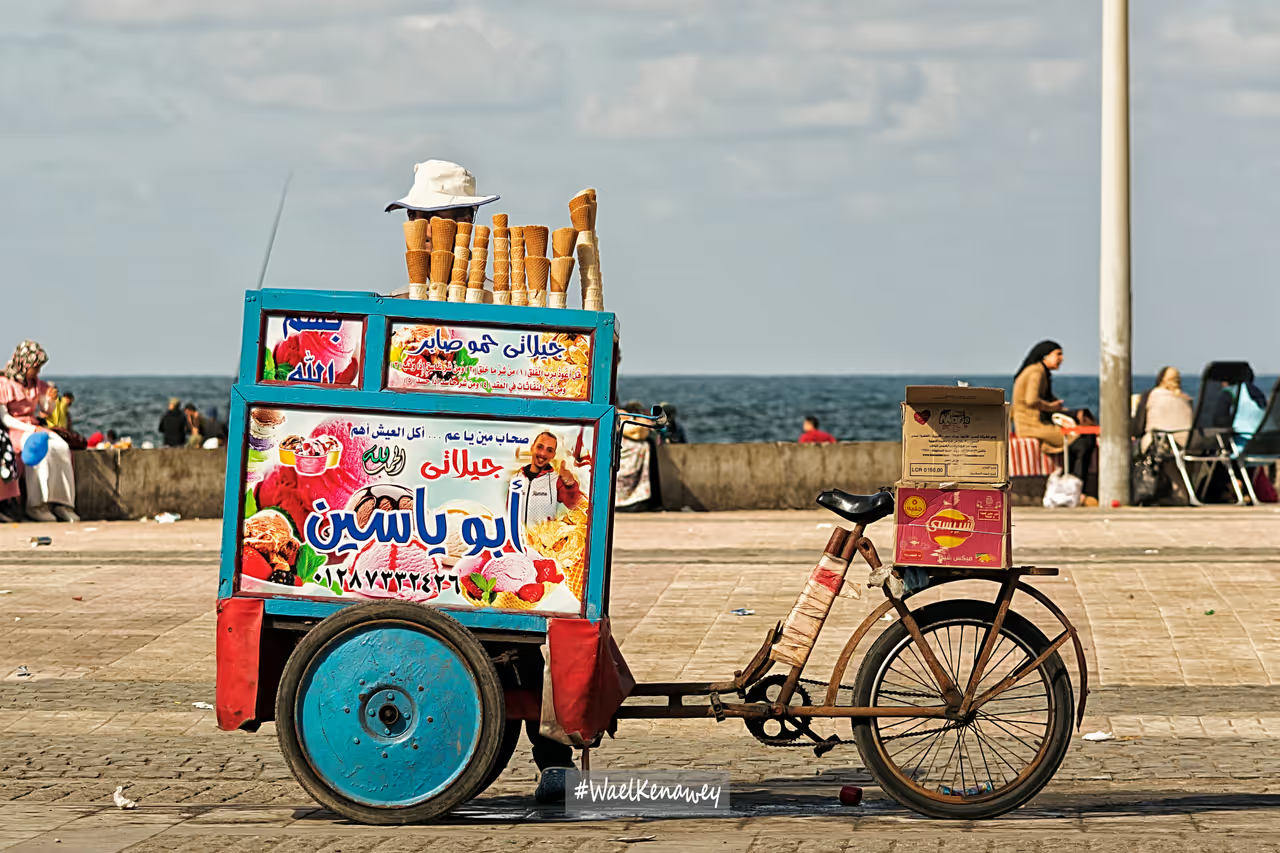

UNESCO World Heritage Sites
Free Things to do in Alexandria
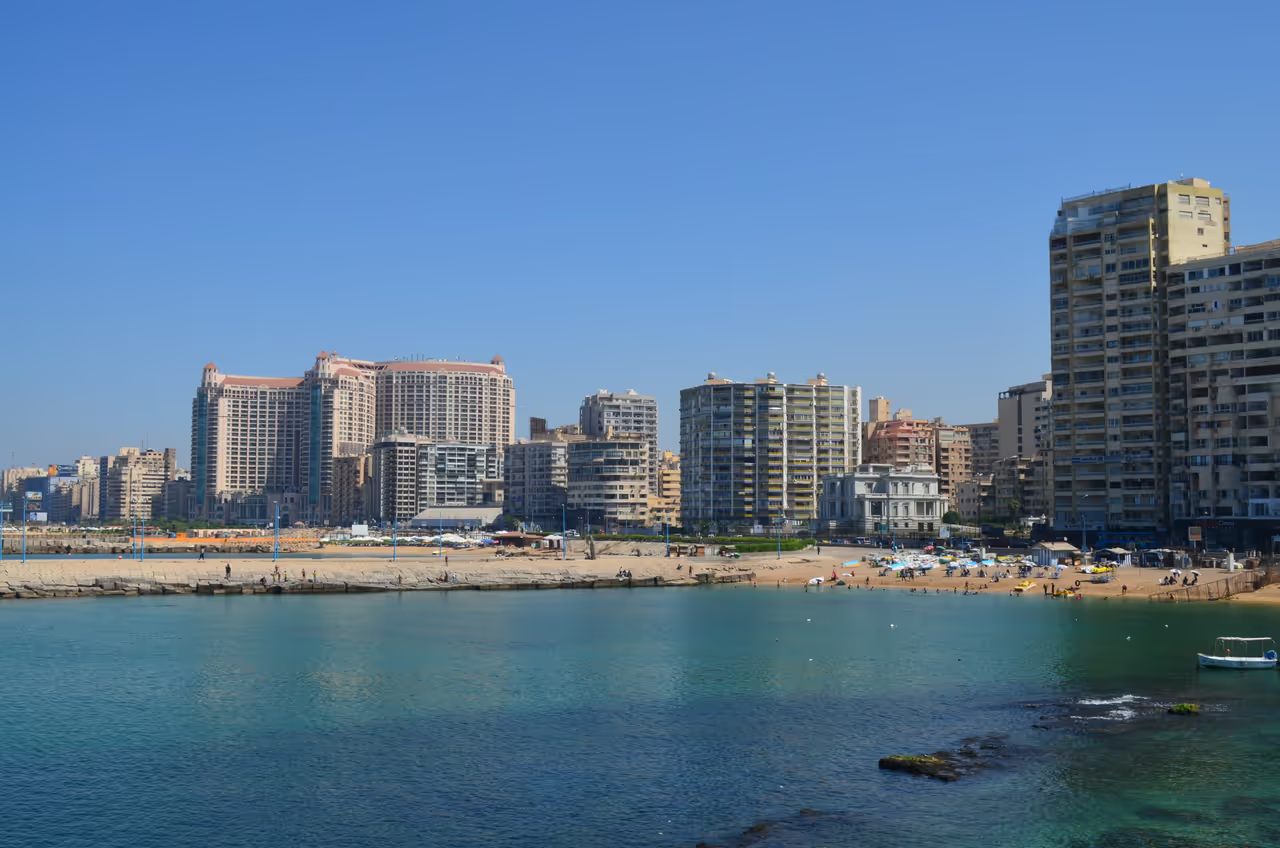
Parks & Nature
Antoniadis Palace
Nestled at the southern gateway of Alexandria, the Antoniadis Palace offers a serene escape into a world of architectural grace...
view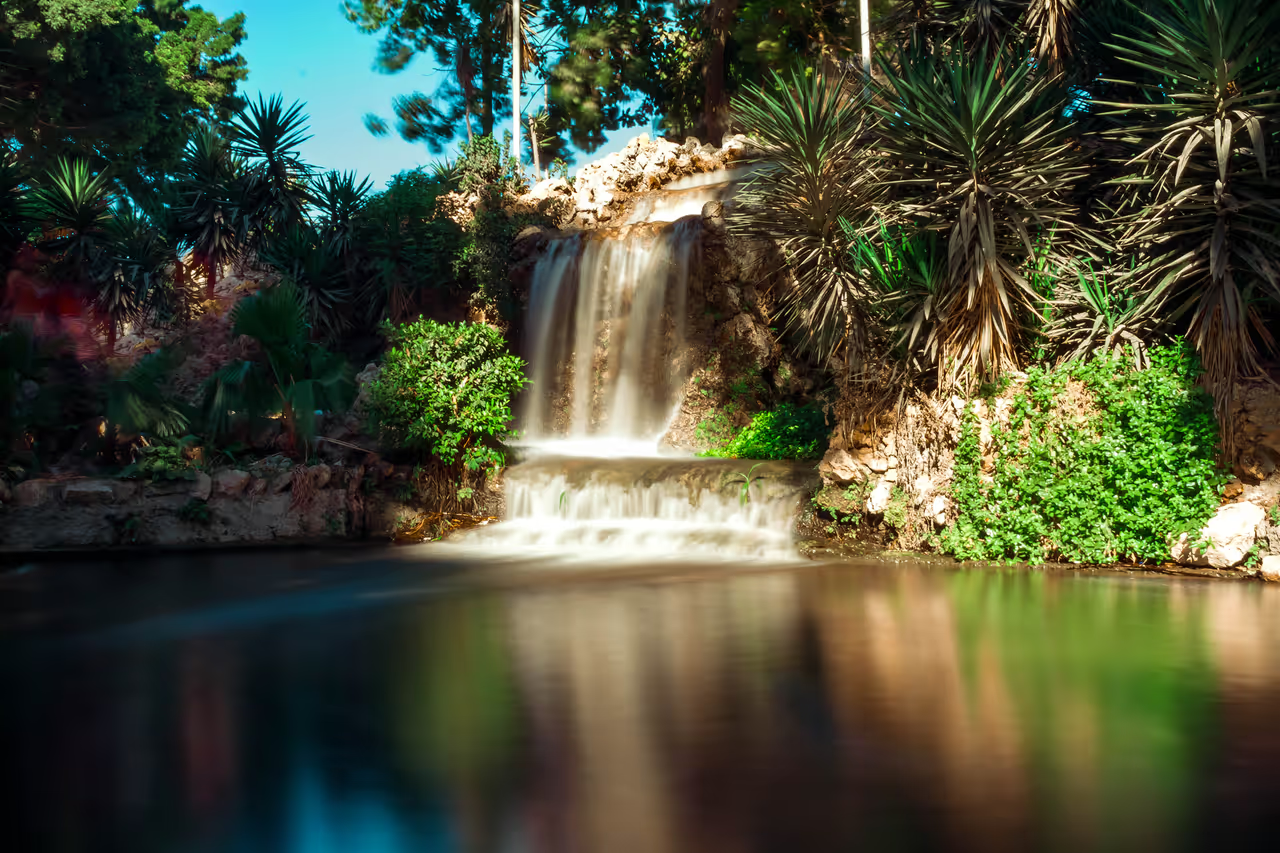
Shallalat Gardens
Shallalat Gardens offers a serene escape in the heart of Alexandria, where history meets nature in a truly unique setting. This...
view
Highlights & Must-Sees
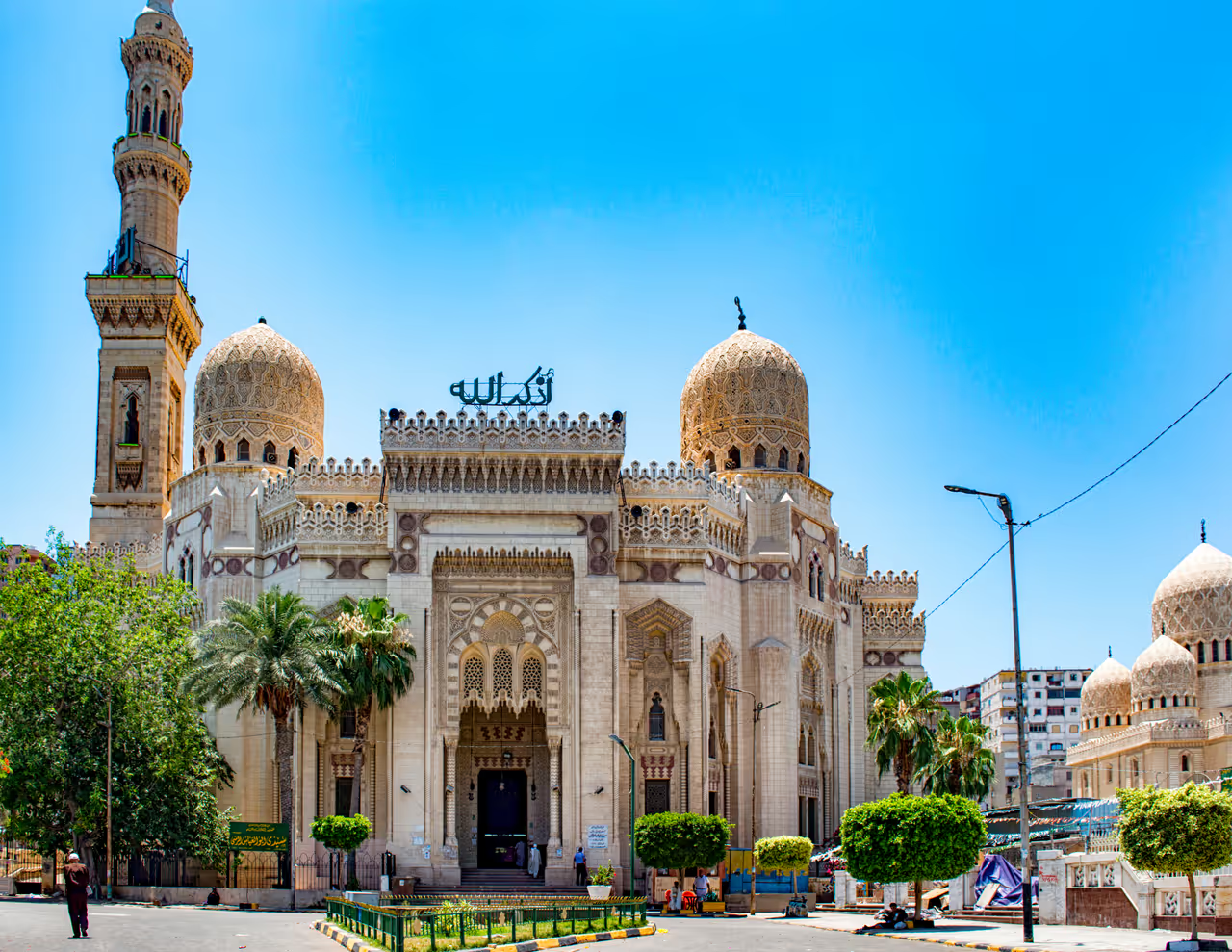
Abu al-Abbas al-Mursi Mosque
Standing proudly in the Anfushi district, this is the city's largest and most famous mosque. It was originally built over the...
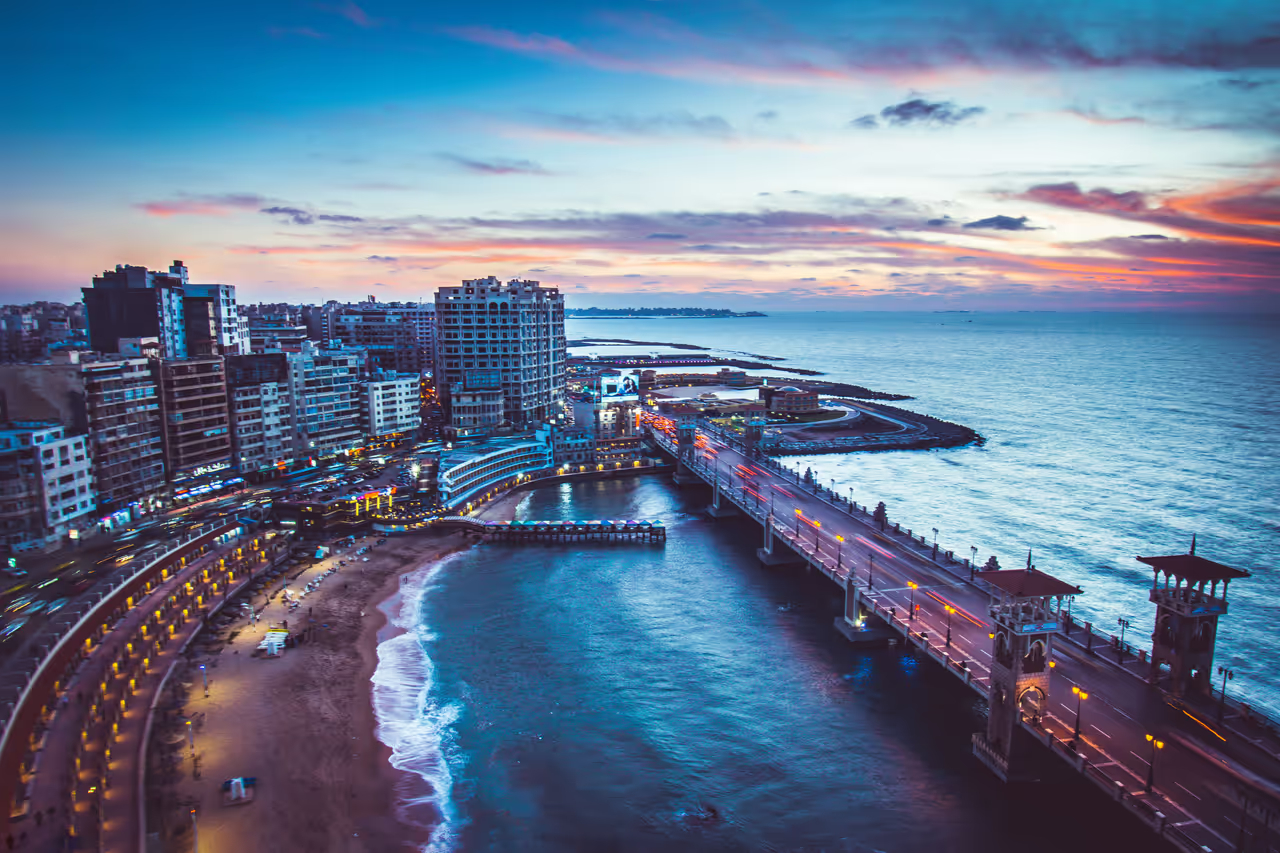
viewStanley Bridge
An architectural jewel spanning the Stanley Bay, this bridge is a beloved modern landmark of the city. Featuring grand...
view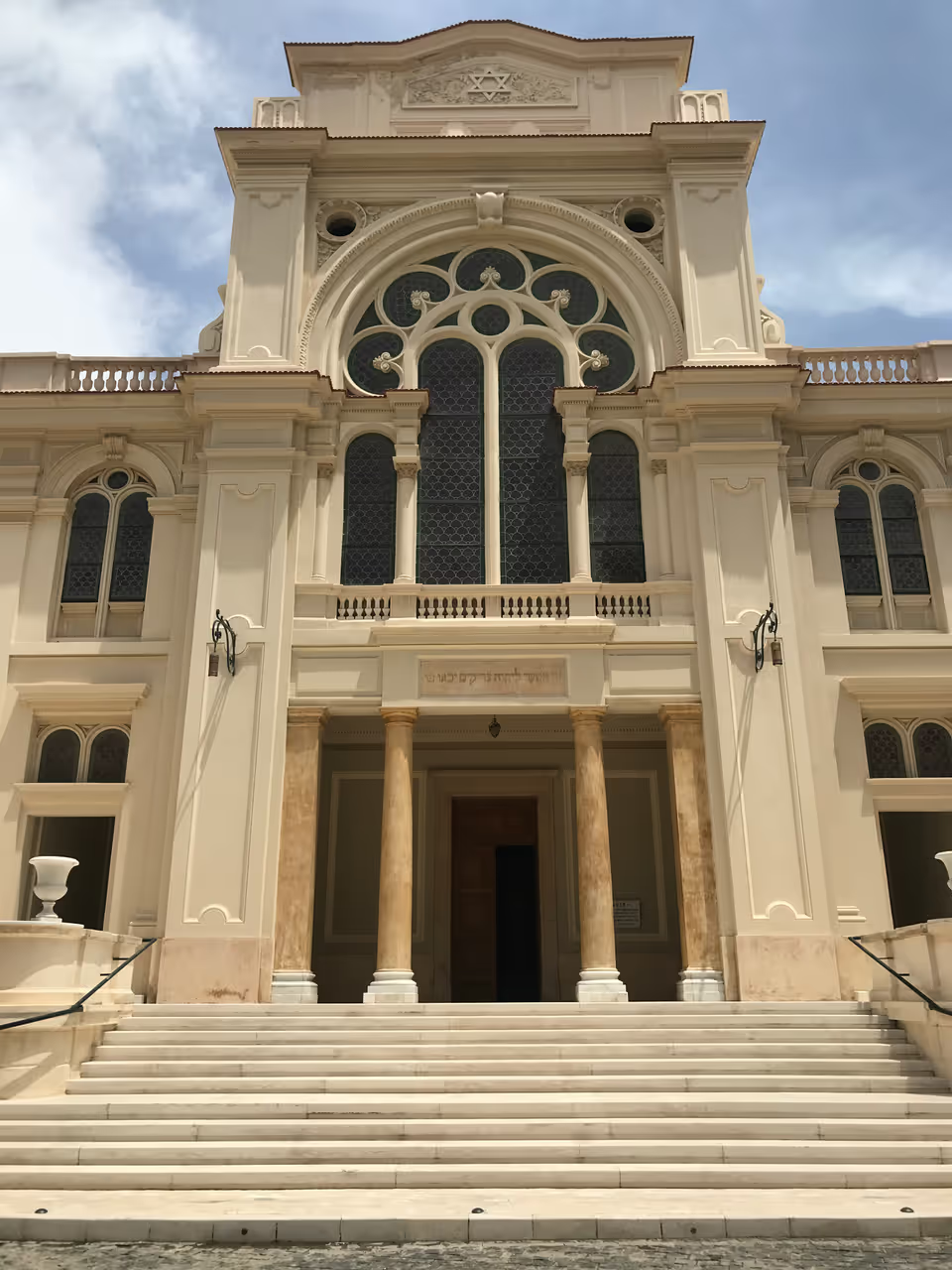
Eliyahu Hanavi Synagogue
A stunning testament to the city's historically massive and diverse Jewish community, which once numbered in the tens of...
viewFouad Street
Considered the oldest street in Alexandria, it follows the path of the ancient Canopic Way from the Ptolemaic era. Today, it is...
view
Best Walks in Alexandria
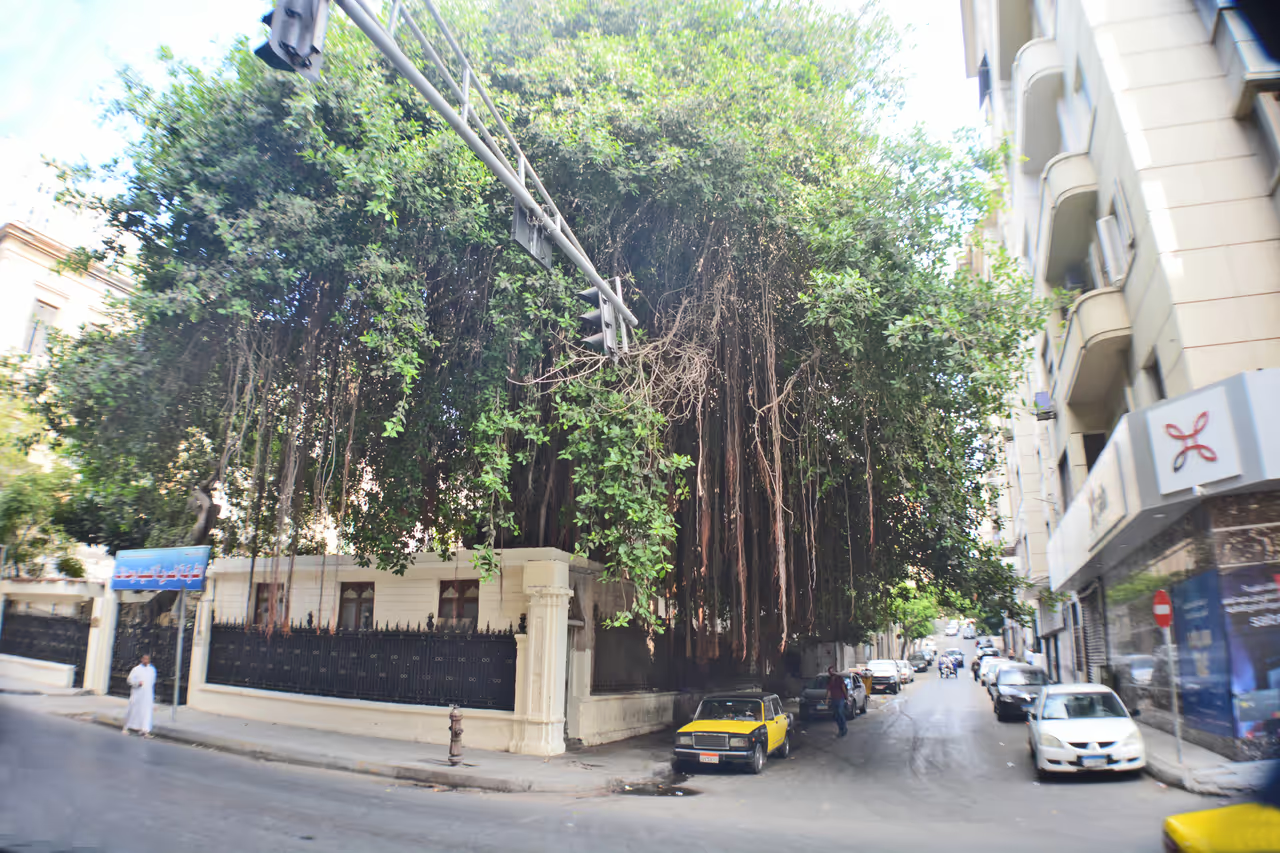
Belle Époque Architecture Route
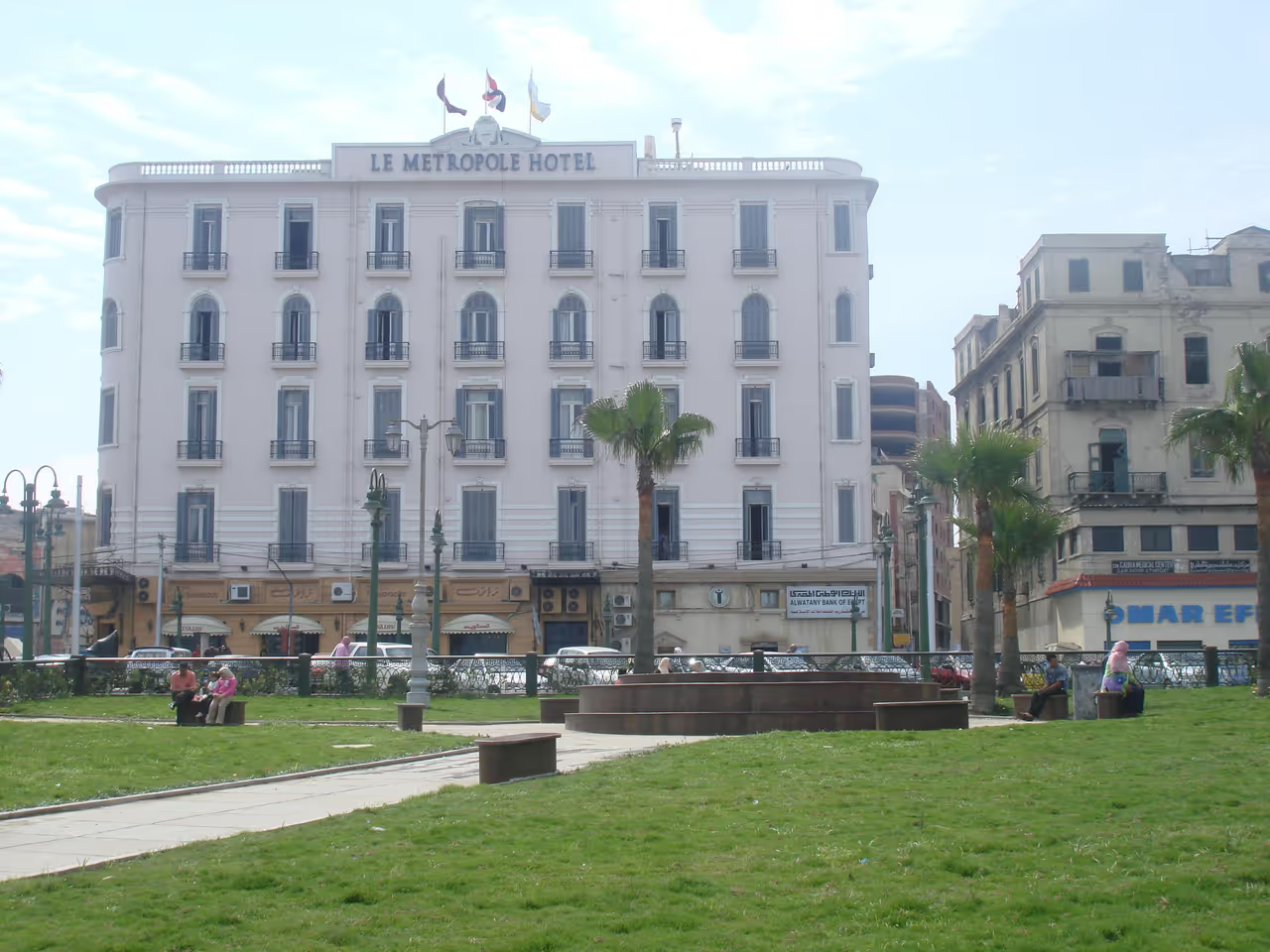
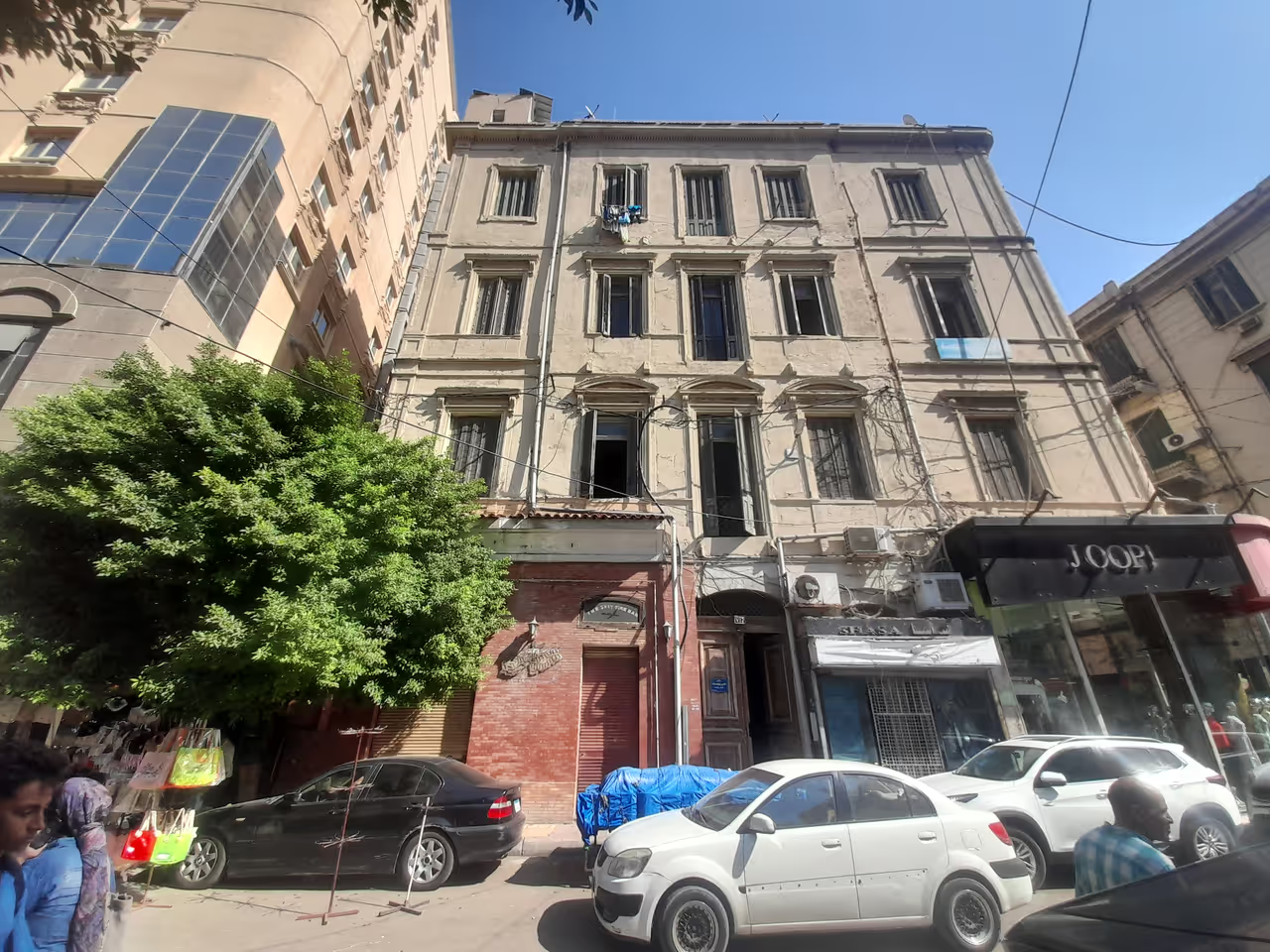
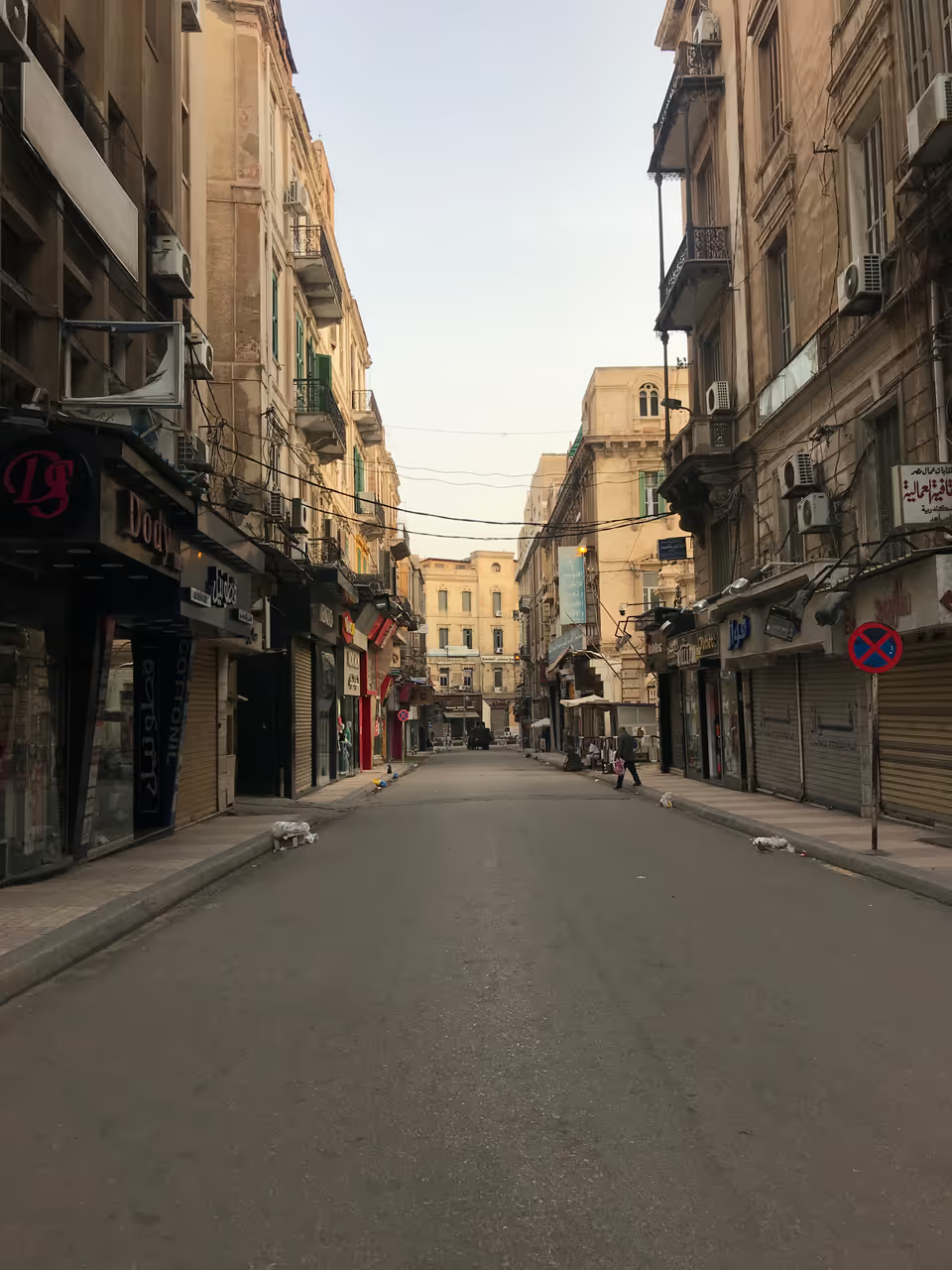
A journey inland away from the water, diving into the grand, faded European elegance of the 19th-century commercial centre. The streets are lined with ornate balconies, neoclassical facades, and historic cafes. It offers a nostalgic look at the city's prosperous cosmopolitan golden age.
Montaza Palace Grounds
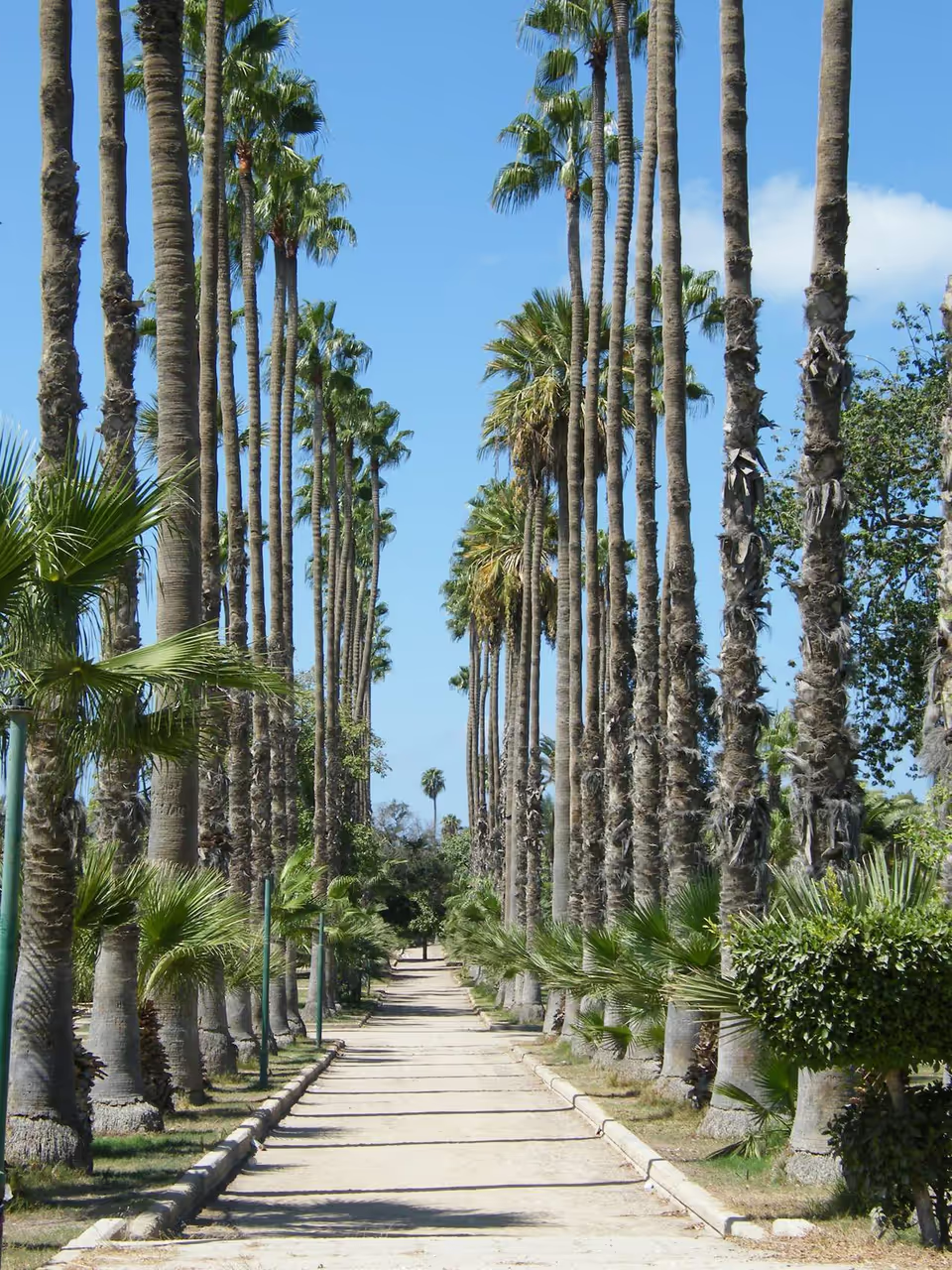
A peaceful retreat into the vast, meticulously landscaped gardens surrounding the former royal residence. The paths wind through dense palm groves, past manicured flower beds, and along private coves. It is a highly serene environment, far removed from the intense traffic of the city centre.
- HIGHLY RECOMMENDED
Eastern Harbour Walk
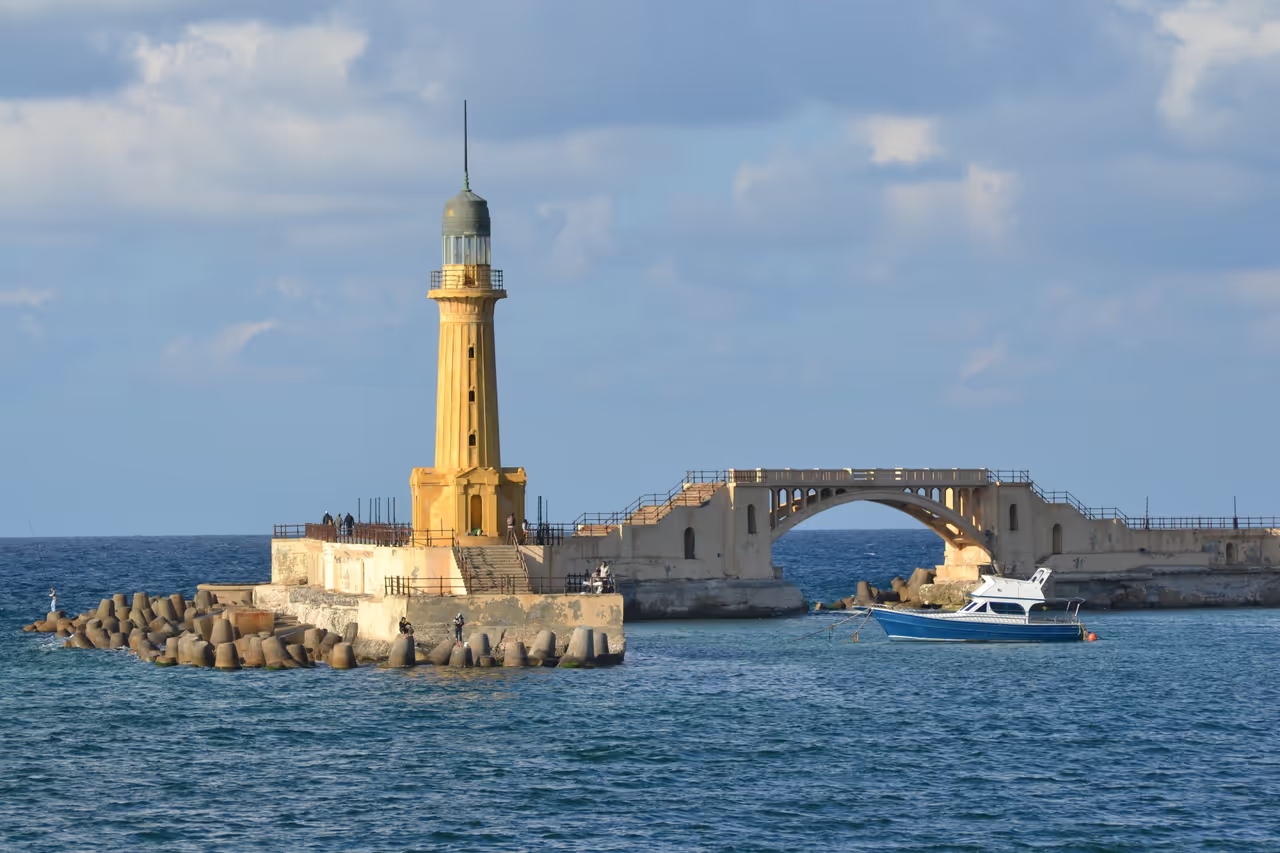
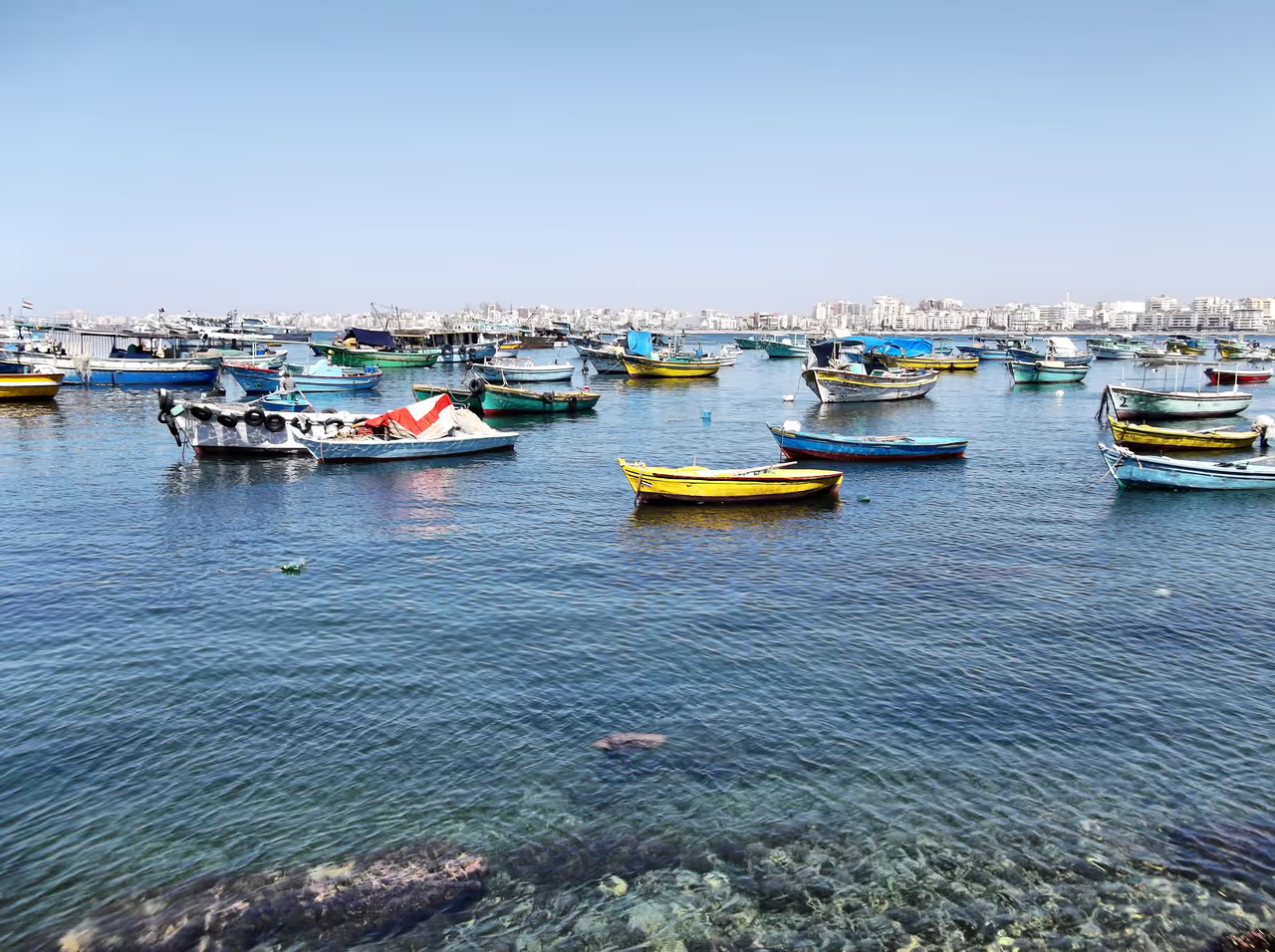
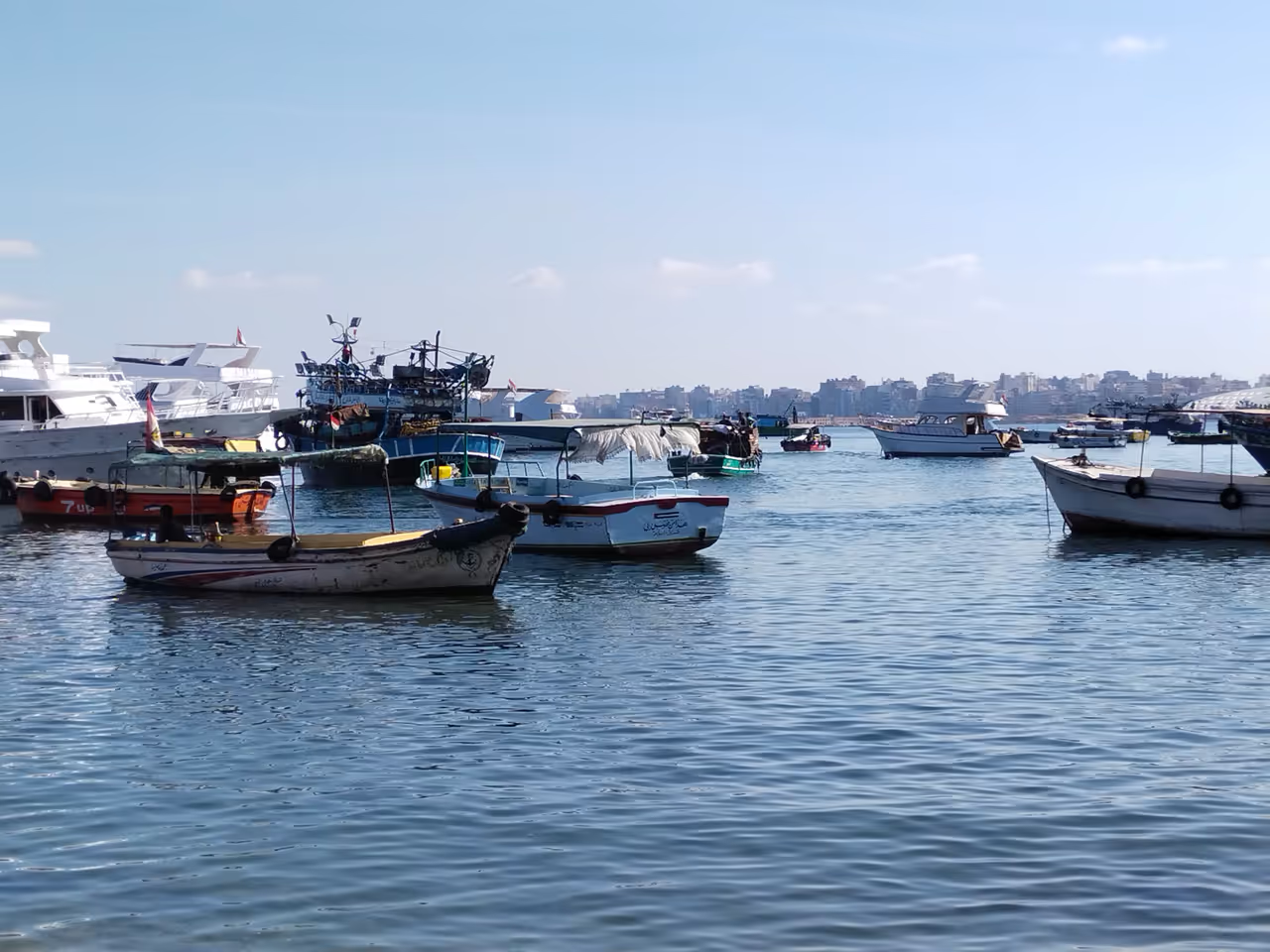
A quintessential Alexandrian stroll that wraps around the deeply historic bay, offering stunning views at every turn. The path curves gently, revealing layers of the city's past, from ancient underwater ruins to imposing Mamluk fortresses. It is deeply evocative, salty, and visually spectacular.
Architecture & Landmarks
Abu al-Abbas al-Mursi Mosque
A masterpiece of Islamic design, the current structure was crafted by the Italian architect Mario Rossi in the mid-20th century...
viewBibliotheca Alexandrina
Designed by the Norwegian architectural firm Snøhetta, this phenomenal structure is an undisputed marvel of modern design. The...
view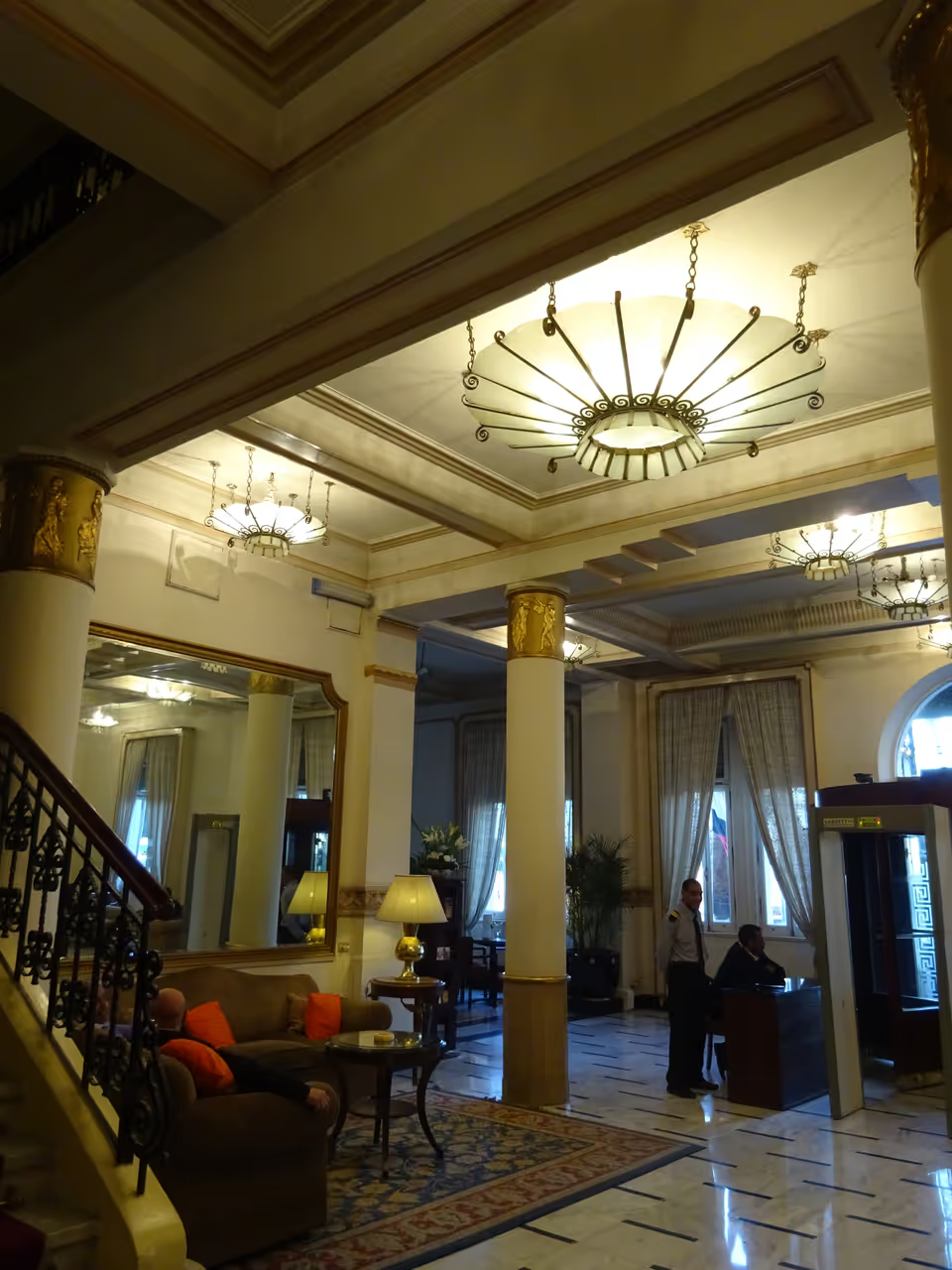
Cecil Hotel
Constructed in 1929 by the French-Egyptian Metzger family, this hotel is a deeply romantic relic of the city's golden age. The...
viewEliyahu Hanavi Synagogue
An awe-inspiring monument to the city's cosmopolitan history, this synagogue was originally built in 1348 but heavily...
view
Markets & Shopping
Alexandria Nightlife
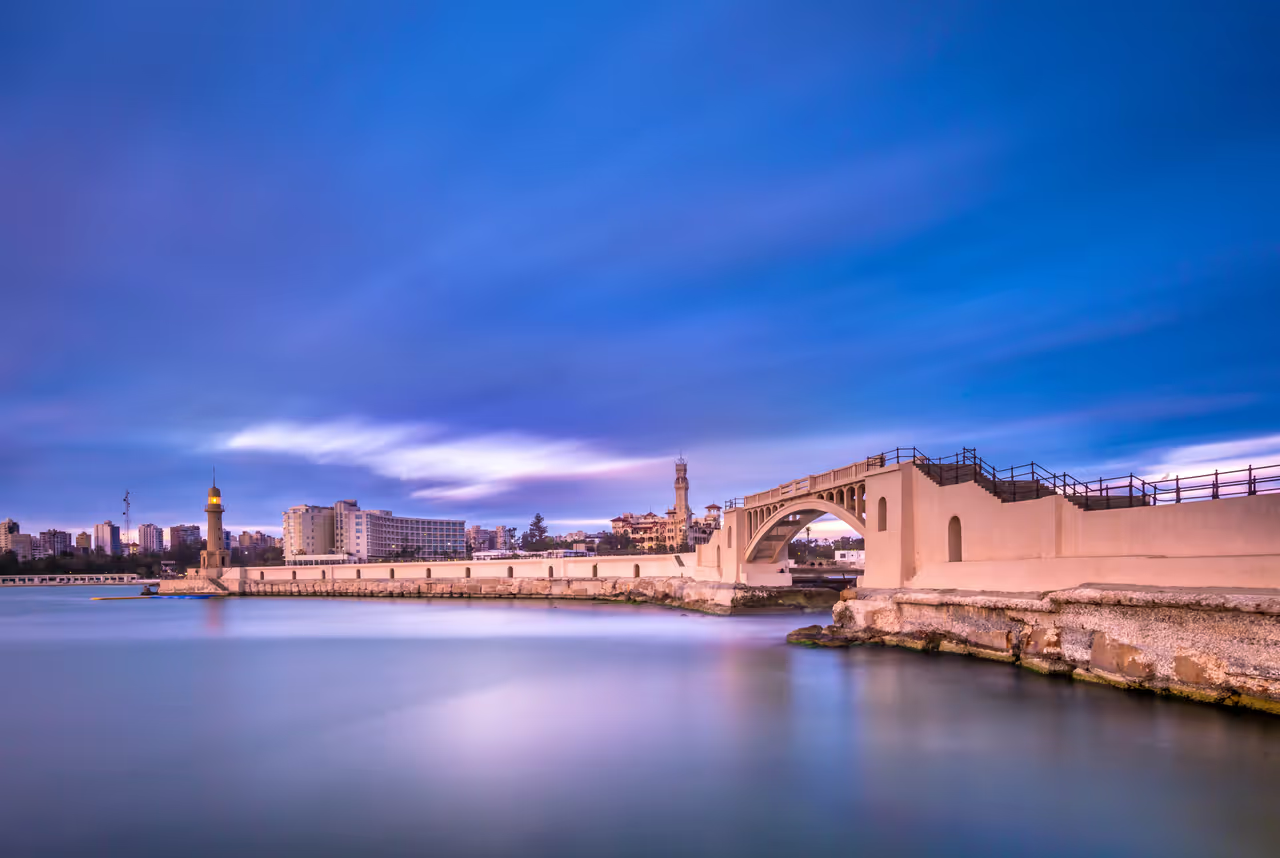
Photo Spots
Activities & Experiences
Cycling Routes
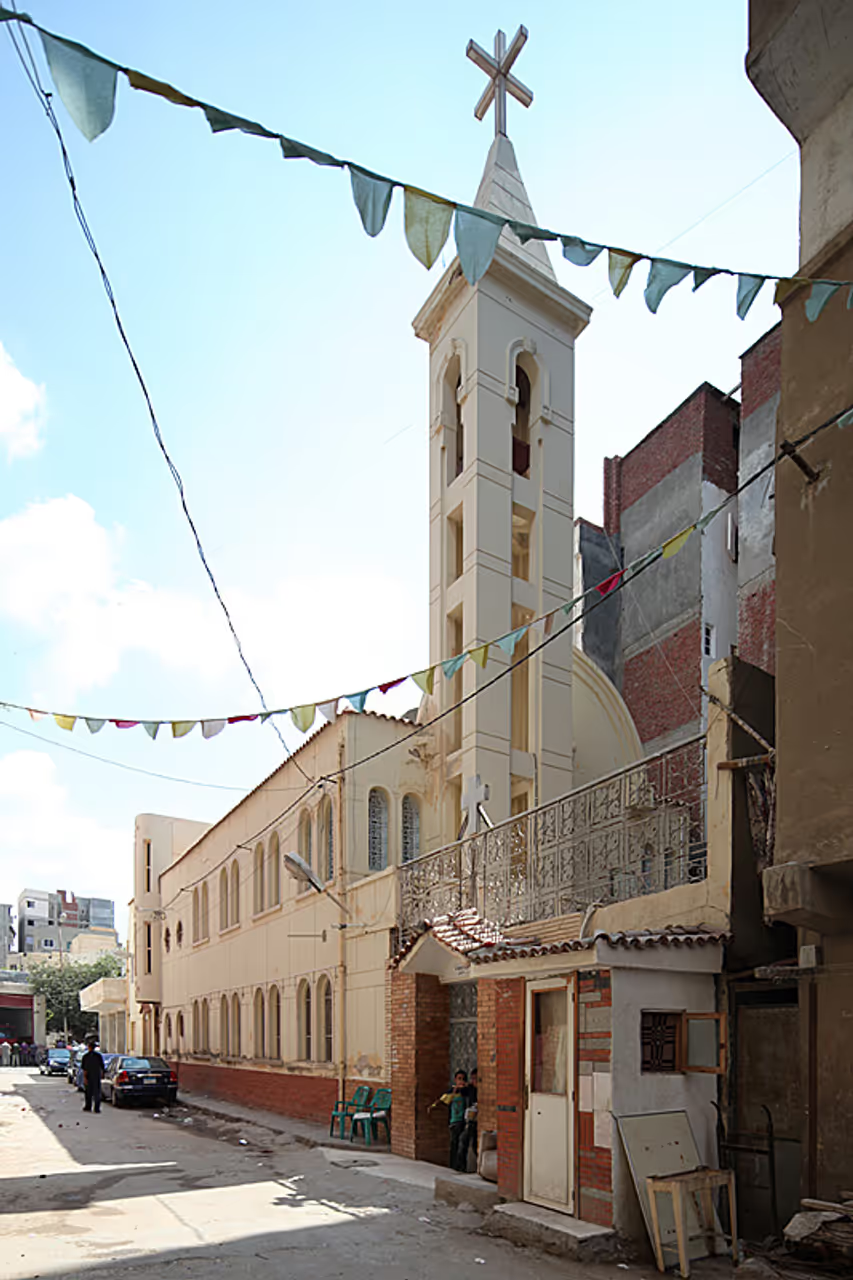
Abu Qir Bay Trail
An adventurous route pushing towards the far eastern edges of the city, moving away from the polished downtown areas. The scenery transitions from manicured gardens to rugged coastlines and bustling, authentic fishing communities. It offers a glimpse into the raw, working-class maritime soul of the region.
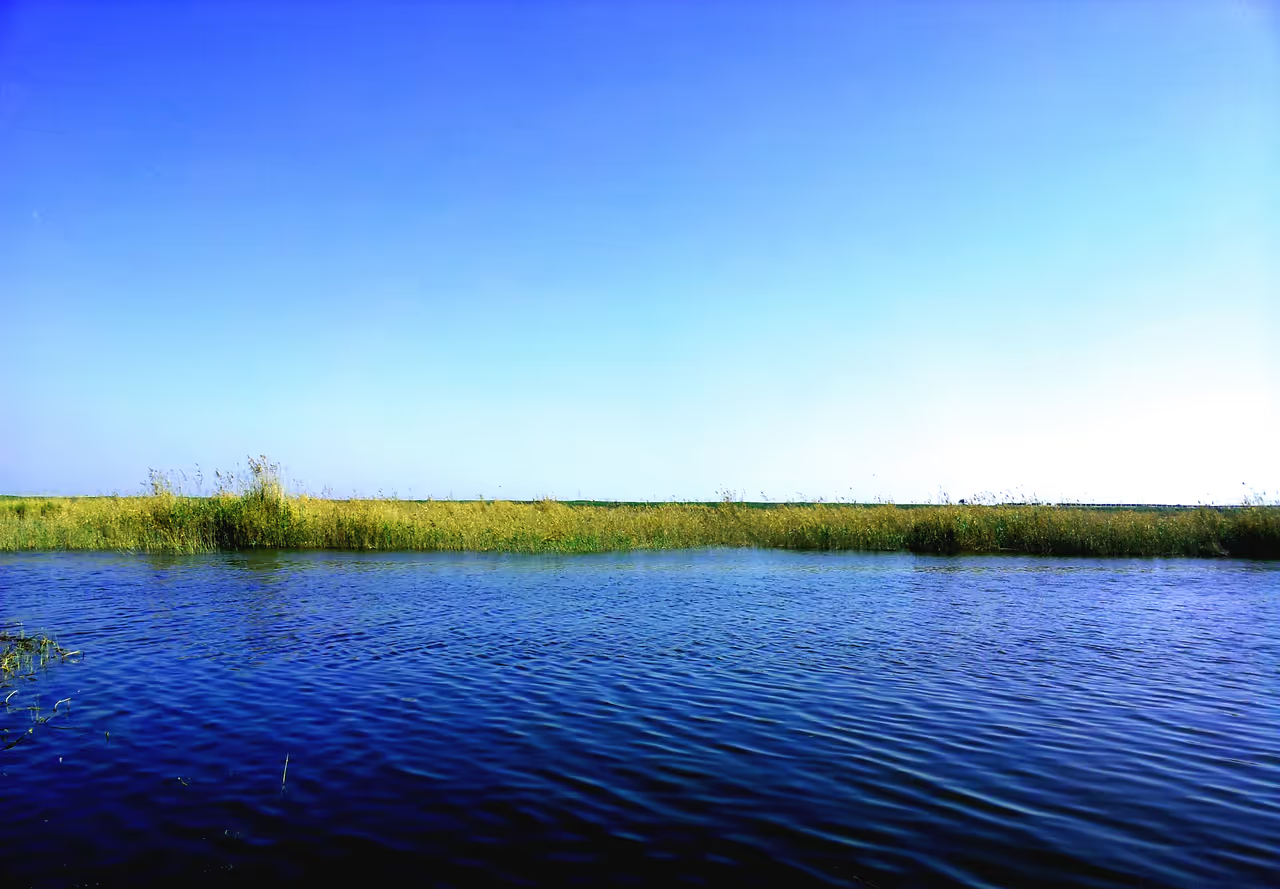
Lake Mariout Pathway
A journey inland revealing a completely different side of the city's geography, focusing on the vast, tranquil lagoon behind the urban sprawl. This area is vital for local aquaculture and offers a stark, peaceful contrast to the crashing waves of the Mediterranean. It is a fantastic route for birdwatching and enjoying serene, flat landscapes.
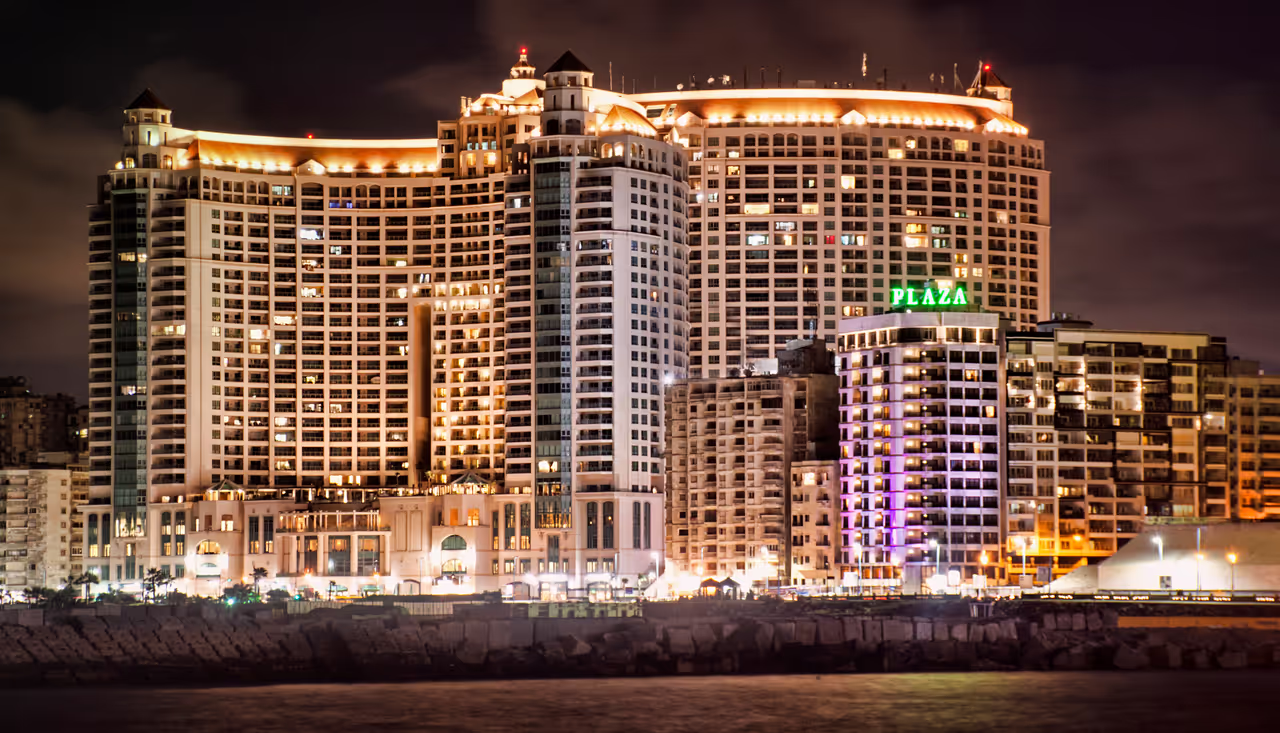 HIGHLY RECOMMENDED
Great Corniche Ride
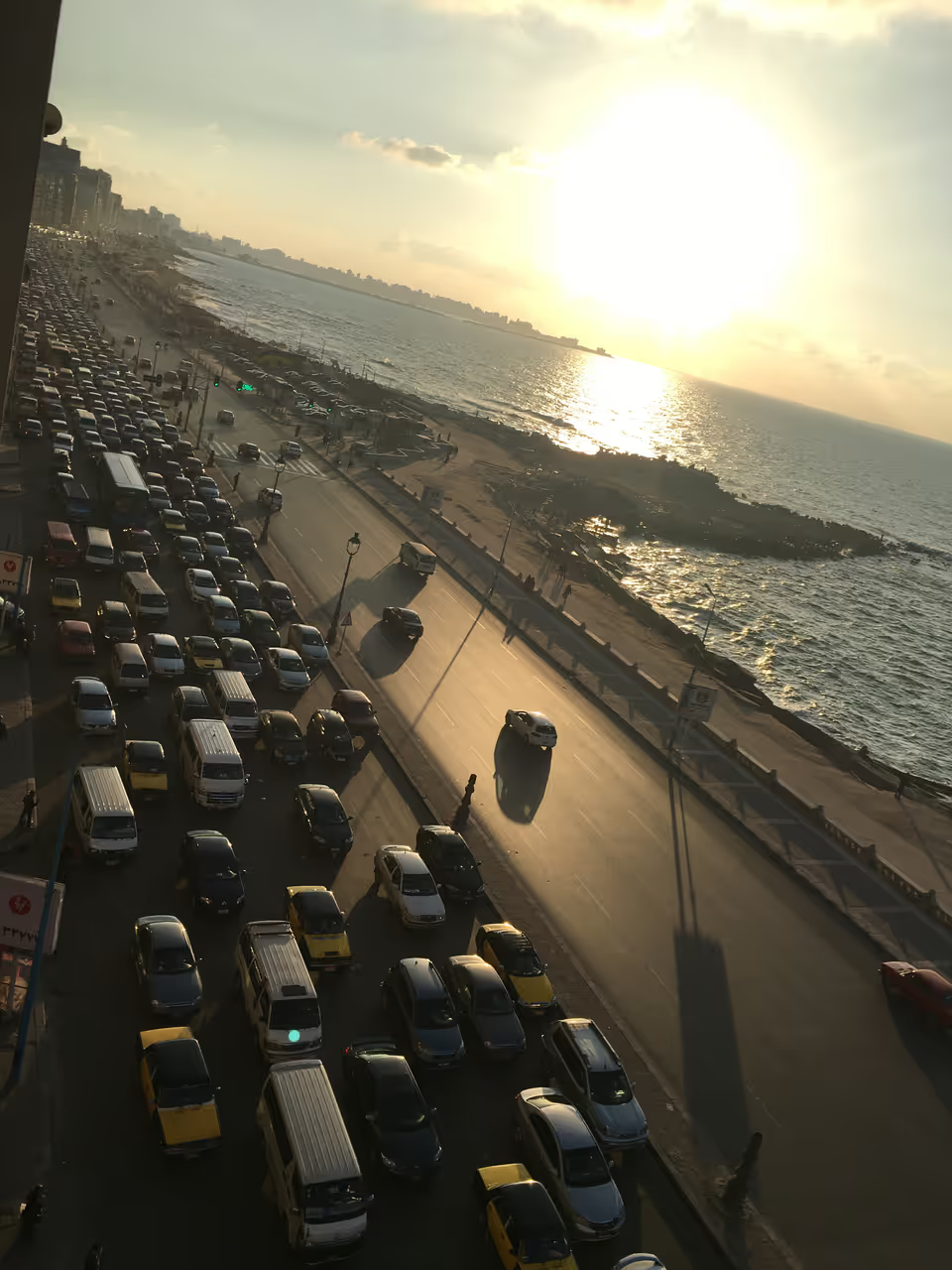
A stunning, straightforward ride hugging the coastline, allowing cyclists to take in the vastness of the Mediterranean Sea. The sea breeze keeps the journey cool, while the route showcases the striking contrast between historical monuments and modern high-rises. It provides an excellent, sweeping overview of the city's waterfront layout.
Self-Guided Tours
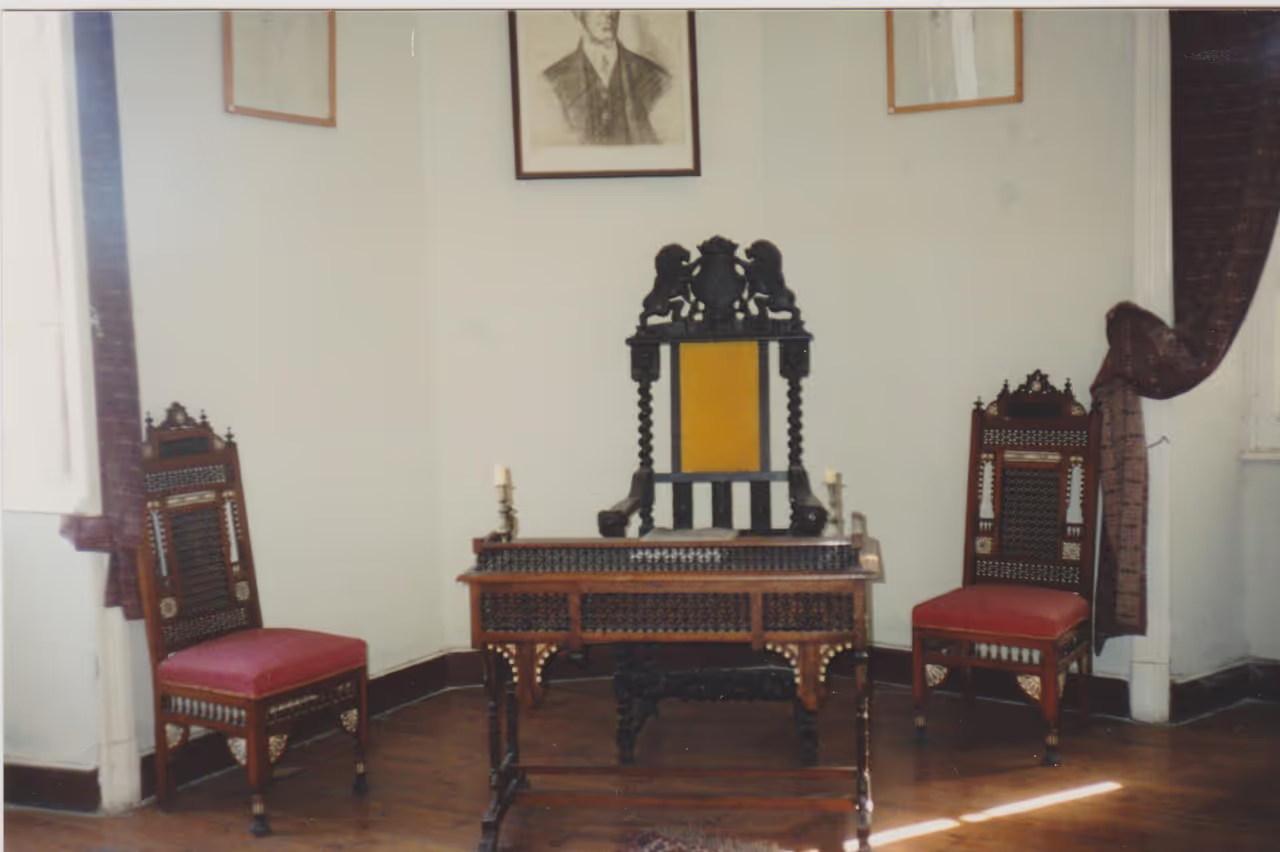
Literary Legends
Trace the footsteps of the great writers and poets who found their muse in this seaside city during the 19th and 20th centuries. The route connects historic hotels, quiet apartments, and grand cafes that served as intellectual meeting grounds. It reveals the romantic, slightly melancholic soul of the city that inspired world-renowned literature.
- HIGHLY RECOMMENDED
Ancient Wonders
Delve into the city's incredibly rich Graeco-Roman past by exploring the monumental ruins left behind by emperors and queens. The journey moves from towering triumphal columns to deep, labyrinthine subterranean burial chambers. It highlights the fascinating syncretism of Egyptian, Greek, and Roman artistic styles.
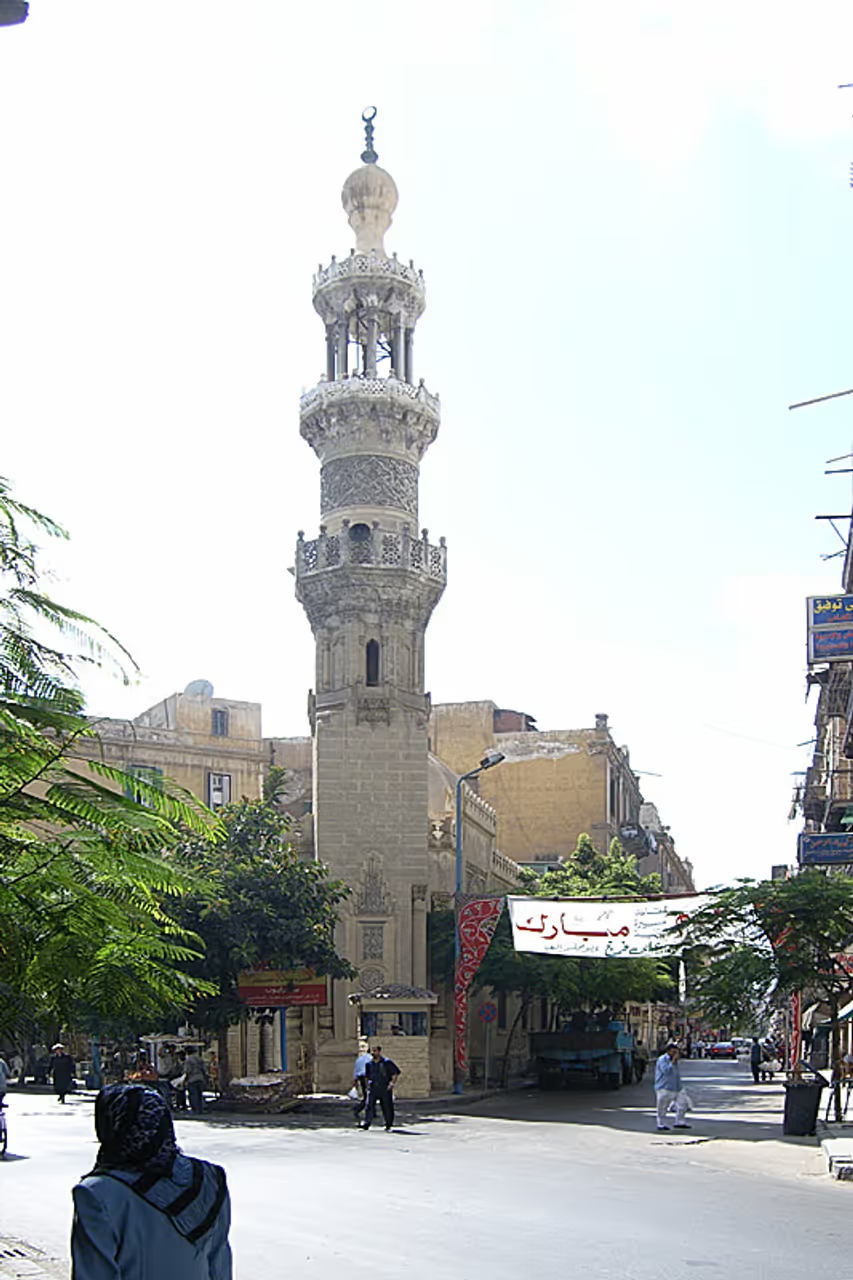
Islamic Heritage
Explore the profound architectural and spiritual legacy left by centuries of Islamic rule, from the Mamluks to the Ottomans. The route features awe-inspiring defensive citadels and soaring, intricately decorated mosques. It reveals how the city reinvented itself as a formidable Muslim stronghold and spiritual centre.
Annual Festivals & Events
Alexandria International Film Festival
An annual celebration of Mediterranean and international cinema held primarily at the Bibliotheca Alexandrina. The festival attracts filmmakers, actors, and critics from across the region, showcasing independent films, documentaries, and shorts. It brings a glamorous, artistic energy to the city, with screenings followed by lively panel discussions. The event highlights Alexandria's ongoing role as a cultural bridge between Europe, Africa, and the Middle East.
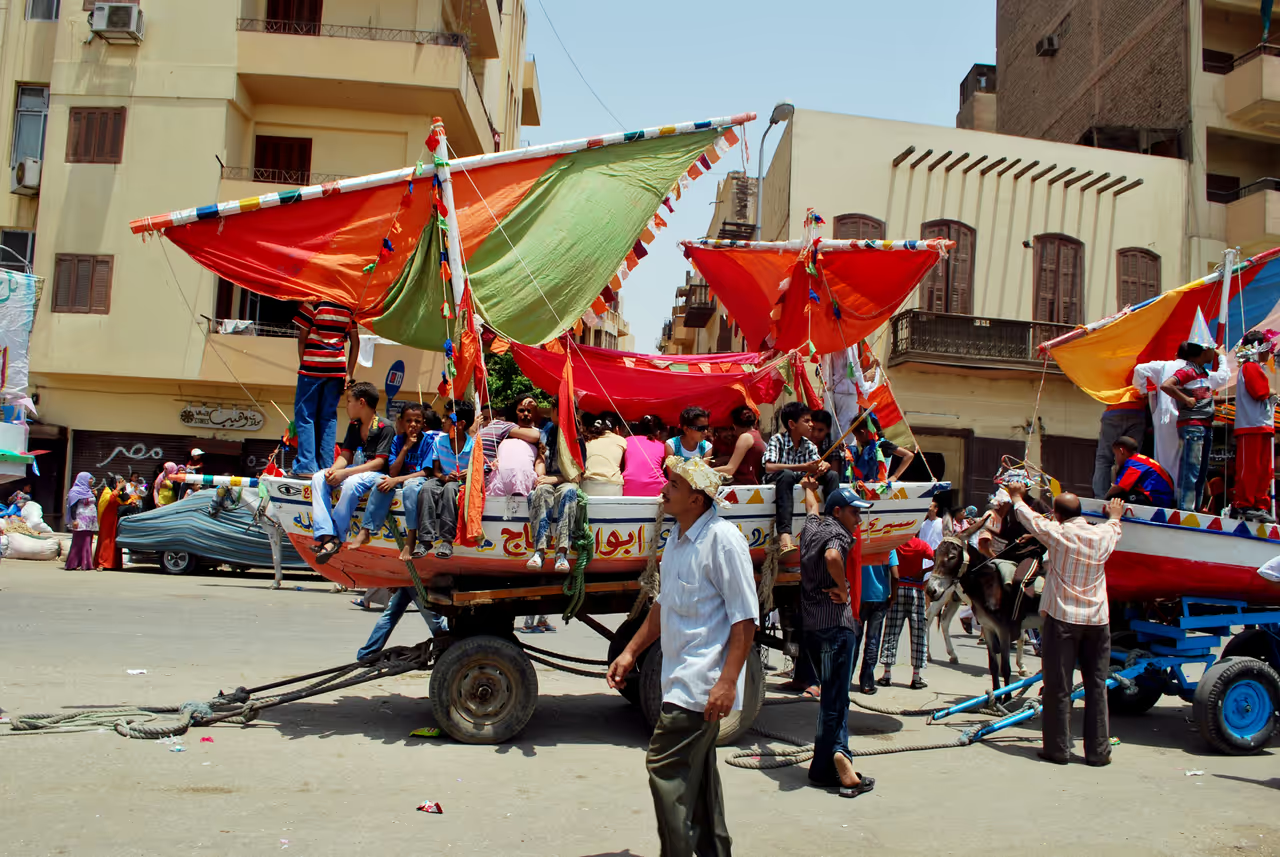
Prophet Muhammad's Birthday
The celebration of the Prophet Muhammad's birthday brings a festive, spiritual atmosphere to the city's streets. Market stalls pop up selling traditional sugar dolls (Arouset El-Moulid) and an array of sticky, nut-filled sweets. Mosques, particularly the grand Abu al-Abbas al-Mursi Mosque, are beautifully illuminated and host special prayers and Sufi chanting. It is a wonderful time to experience the city's deep-rooted Islamic traditions and sample seasonal treats.
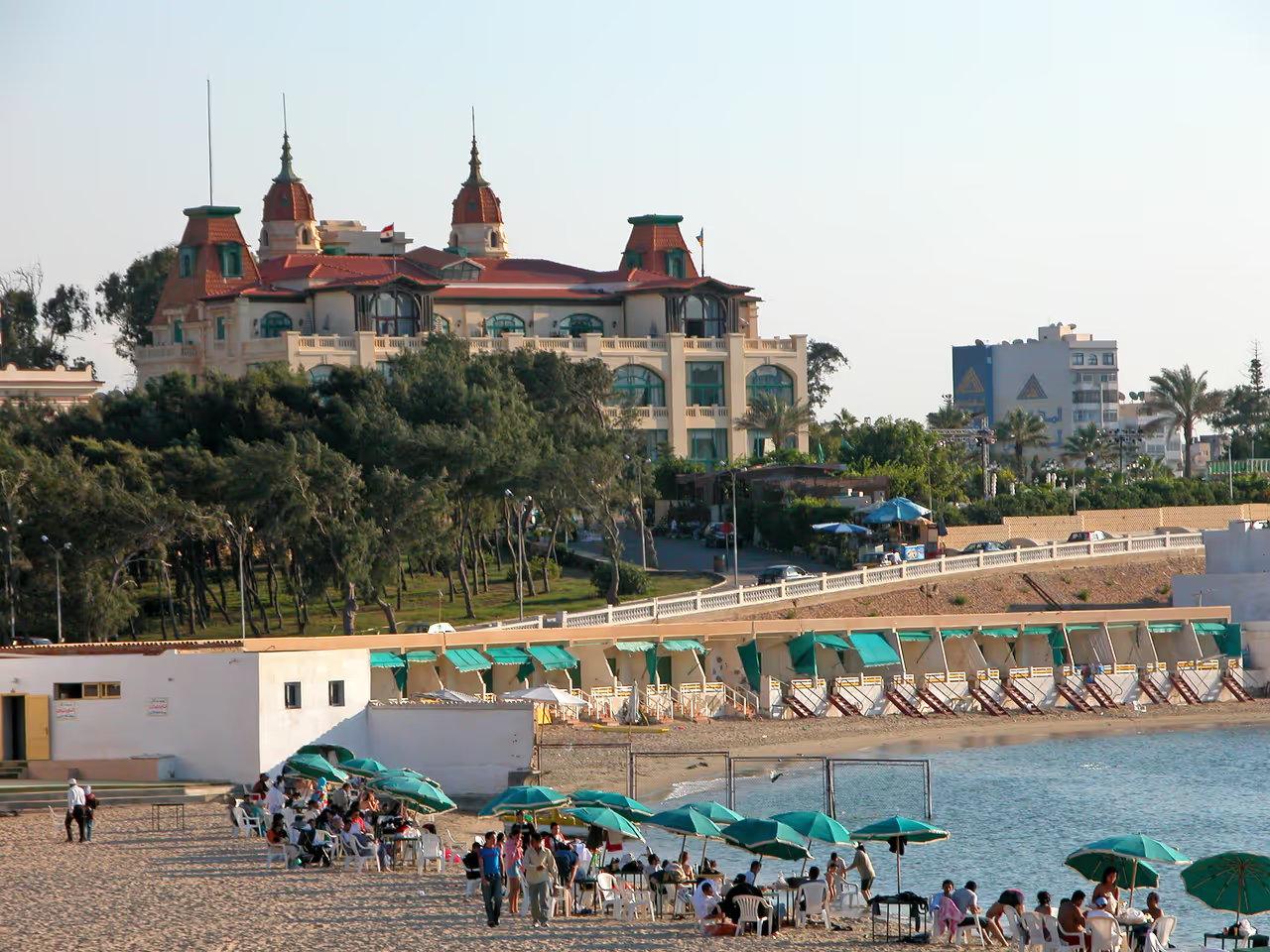
Sham El-Nessim
A national holiday with ancient Egyptian roots celebrating the arrival of spring. In Alexandria, the entire city seemingly moves outdoors, flocking to the beaches, the Corniche, and the Montaza Gardens for massive picnics. Families traditionally eat salted mullet fish (feseekh), green onions, and coloured eggs. The atmosphere is joyous, chaotic, and wonderfully communal as locals welcome the warmer weather.
Insider Tips
Taxis in Alexandria almost universally refuse to use the meter. Always agree on the fare firmly before getting into the vehicle, or use ride-hailing apps like Uber or Careem for a stress-free journey.
The historic tram system is split into two colours: the blue-and-cream trams serve the eastern suburbs and are slightly faster, while the bright yellow trams navigate the tighter western city routes.
When crossing the multi-lane Corniche on foot, walk steadily and confidently. Locals often cross by moving one lane at a time and making eye contact with drivers.
Despite being a beach destination for many Egyptians, the city is quite conservative. Dress modestly when walking around town, keeping shoulders and knees covered to avoid unwanted attention.
Skip the expensive hotel breakfasts and head to a local spot like Foul Mohamed Ahmed for incredibly cheap, authentic, and delicious fuul and falafel.
If you want to use the beaches, avoid the crowded and sometimes unclean public stretches. Pay the small entrance fee for a private beach club or hotel beach for a much better experience.
PERFECT FOR
This city is perfect for history enthusiasts eager to walk in the footsteps of ancient scholars, queens, and conquerors. It appeals strongly to literary travellers drawn by the ghosts of Cavafy and Forster, seeking out faded cafes and historic promenades. Those looking for a relaxing, culturally rich coastal experience with a love for magnificent seafood will find themselves entirely at home here.
VIBE
Alexandria exudes a nostalgic, sea-swept charm that feels distinctly different from the rest of Egypt. The crashing waves of the Mediterranean set the rhythm of daily life, while grand, slightly weathered European-style buildings whisper of a cosmopolitan past. It is a city where you can sip rich coffee in a century-old cafe, explore subterranean tombs, and watch fishermen mend their nets all in the same afternoon.
Frequently Asked Questions about Alexandria
While we strive to keep this information accurate and up to date, we recommend verifying any details independently before making decisions based on them.