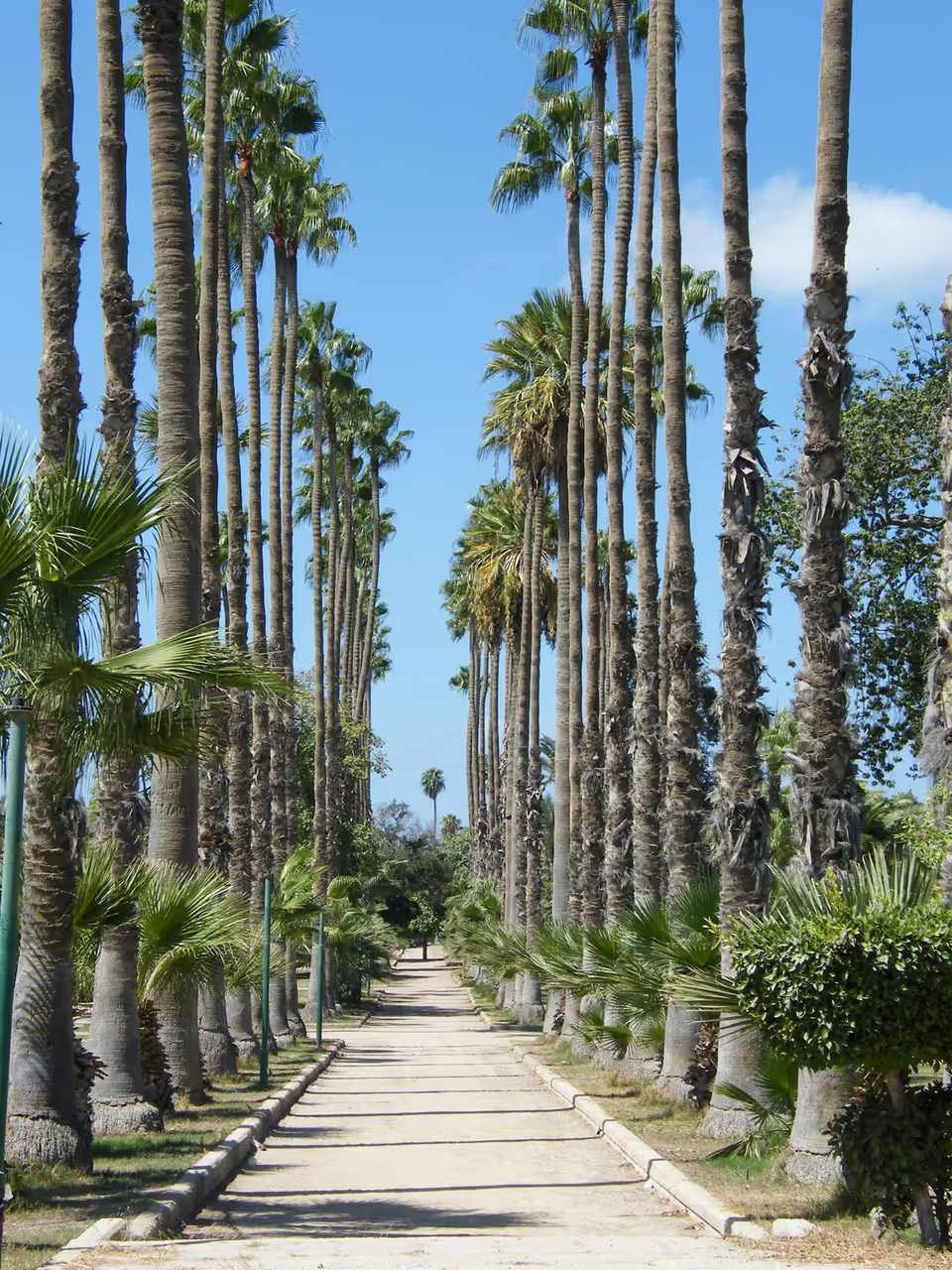
Antoniadis Palace
Nestled at the southern gateway of Alexandria, the Antoniadis Palace offers a serene escape into a world of architectural grace and botanical wonder. This 19th-century marvel invites visitors to wander through expansive, lush gardens that blend natural beauty with neoclassical elegance. You can spend hours exploring its winding pathways, ornate statues, and quiet corners that reflect the refined social life of a bygone era. Beyond its aesthetic appeal, the estate holds layers of profound history ranging from ancient Roman encounters to pivotal diplomatic agreements. It remains a peaceful sanctuary where the legacy of Alexandrian cosmopolitanism feels remarkably alive, promising a delightful day out for anyone seeking both beauty and heritage.
Videos
History of Antoniadis Palace
The land upon which the Antoniadis Palace stands is a repository of centuries of Mediterranean history. Long before the 19th-century villa graced the skyline, this location served as a silent witness to geopolitical shifts that reshaped the ancient world. It was here, at Eleusis, that the Roman envoy Gaius Popillius Laenas confronted the Seleucid king Antiochus IV Epiphanes. In a legendary display of Roman authority, Laenas demanded an immediate decision regarding the occupation of Egypt. By drawing a circle in the sand around the king, he forced a choice that effectively dictated the fate of empires, turning this humble spot into a stage for the dramas of antiquity. By the 19th century, the site had transitioned into the hands of Sir John Antoniadis, an affluent Greek merchant and Belgian consul. He envisioned a space that would mirror the refined opulence of Europe, constructing a grand villa and landscaping the surrounding grounds in the style of the Palace of Versailles. Under his ownership, the estate became the heartbeat of Alexandria, attracting the elite for opulent parties and cultural exchanges. The gardens were filled with statues of famous explorers, creating a park that felt like a bridge between the vibrant history of the East and the artistic traditions of the West. Following the generous donation of the estate by Antonis J. Antoniadis to the Alexandria Town Council in 1918, the palace transitioned into a site of international diplomacy. It hosted kings, foreign dignitaries, and became a silent participant in the birth of modern Egypt, notably serving as the venue for the signing of the 1936 Anglo-Egyptian Treaty. Even as the decades passed and the city expanded around it, the palace and its gardens retained a sense of dignity. Today, it stands as a testament to Alexandria’s cosmopolitan heritage, offering a green sanctuary that preserves the echoes of the scholars, diplomats, and socialites who once walked its paths.
Events spanning 2246 years
Fun Facts
- • During the early 20th century, the villa operated as an exclusive guest house that hosted international royals, including the Kings of Belgium, Greece, and Italy.
- • Following the 1952 revolution, portions of the garden were integrated into the municipal Nuzha and Zoological gardens, further securing the site as a public green space.
- • For decades, the site functioned as the epicentre of Alexandria's high society, filled with music, elaborate parties, and influential conversations.
- • Sir John Antoniadis was a wealthy Greek merchant and Belgian consul who received a knighthood from Queen Victoria for his distinguished service.
- • The architecture of the villa draws heavy inspiration from the French Palace of Versailles, attempting to replicate its grandeur and symmetry on Egyptian soil.
- • The estate contains a mysterious structure known as the Tomb of Adam and Eve, which dates back to the first century BC and features an Agathodaimon snake carving.
- • The gardens feature statues of great explorers such as Vasco da Gama and Christopher Columbus, reflecting a 19th-century fascination with global discovery.
- • The grounds encompass roughly 48 hectares and integrate the Antoniadis Garden with the Flower Garden and the Zoological and Botanical Gardens.
- • The mansion served as the site for the inaugural meeting of the Egyptian Olympic Committee, cementing the location as a hub for sports history.
- • The tomb on the property features a staircase of forty-four steps that leads down to a funerary chamber, which once hosted elite social gatherings.
Antoniadis Palace FAQ
While we strive to keep this information accurate and up to date, we recommend verifying any details independently before making decisions based on them.
Antoniadis Palace Map & Neighborhood Explorer
This interactive map is centered on Antoniadis Palace. Zoom in and move the map around to automatically discover Wikipedia photos and summaries of other nearby sights, monuments, and historical points of interest and stories in real-time!
Places near Antoniadis Palace
Make the most of your trip. Check out these top-rated spots located nearby.
 2550m
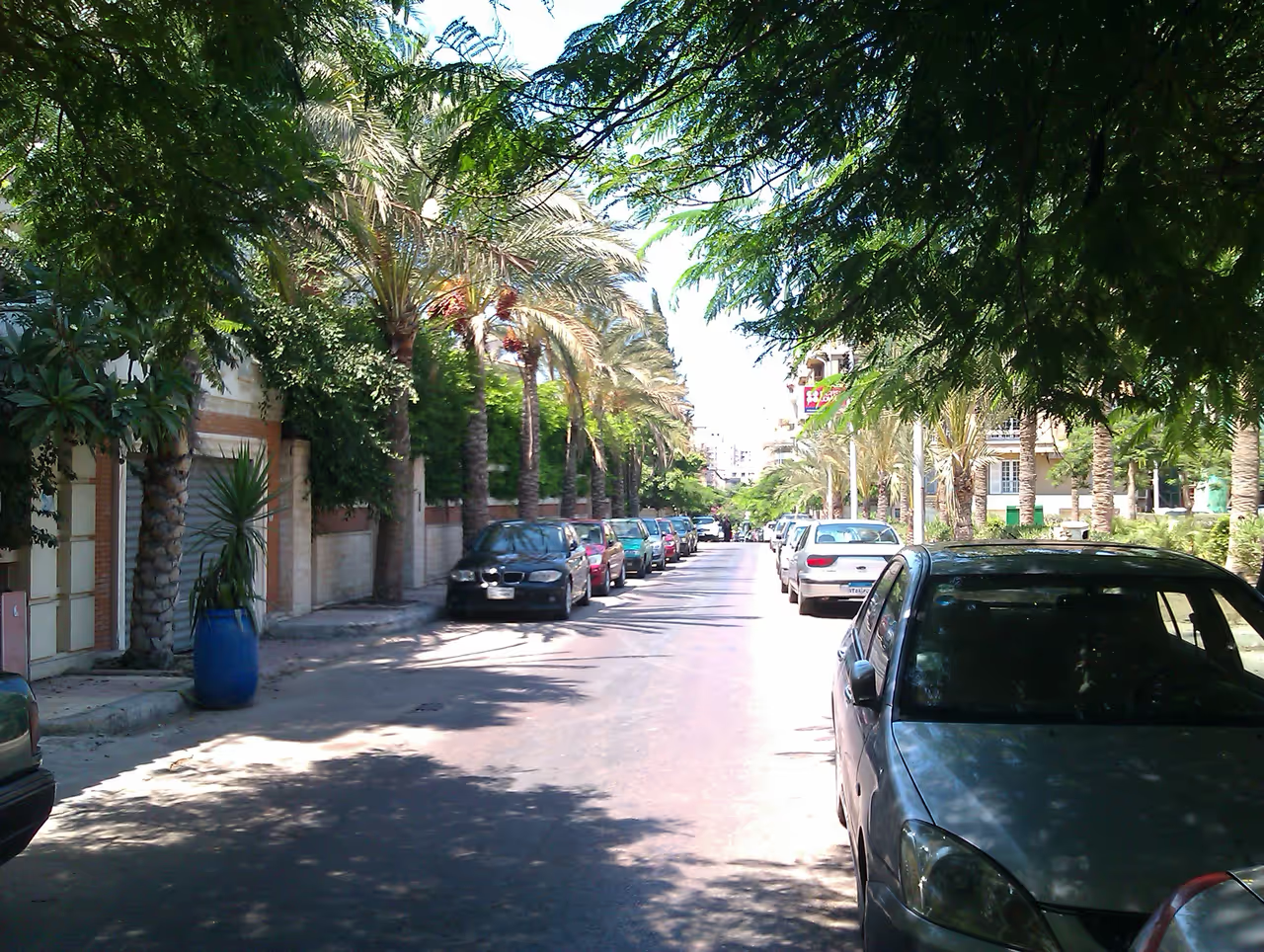
2550mKafr Abdou
A leafy, affluent neighbourhood that serves as a popular evening hangout for the city's youth and expats. The tree-lined streets are packed with trendy cafes, casual dining spots, and boutique restaurants. It is an excellent place to find international cuisine and modern coffee shops with reliable Wi-Fi. The crowd here is fashion-conscious and energetic.
nightlife view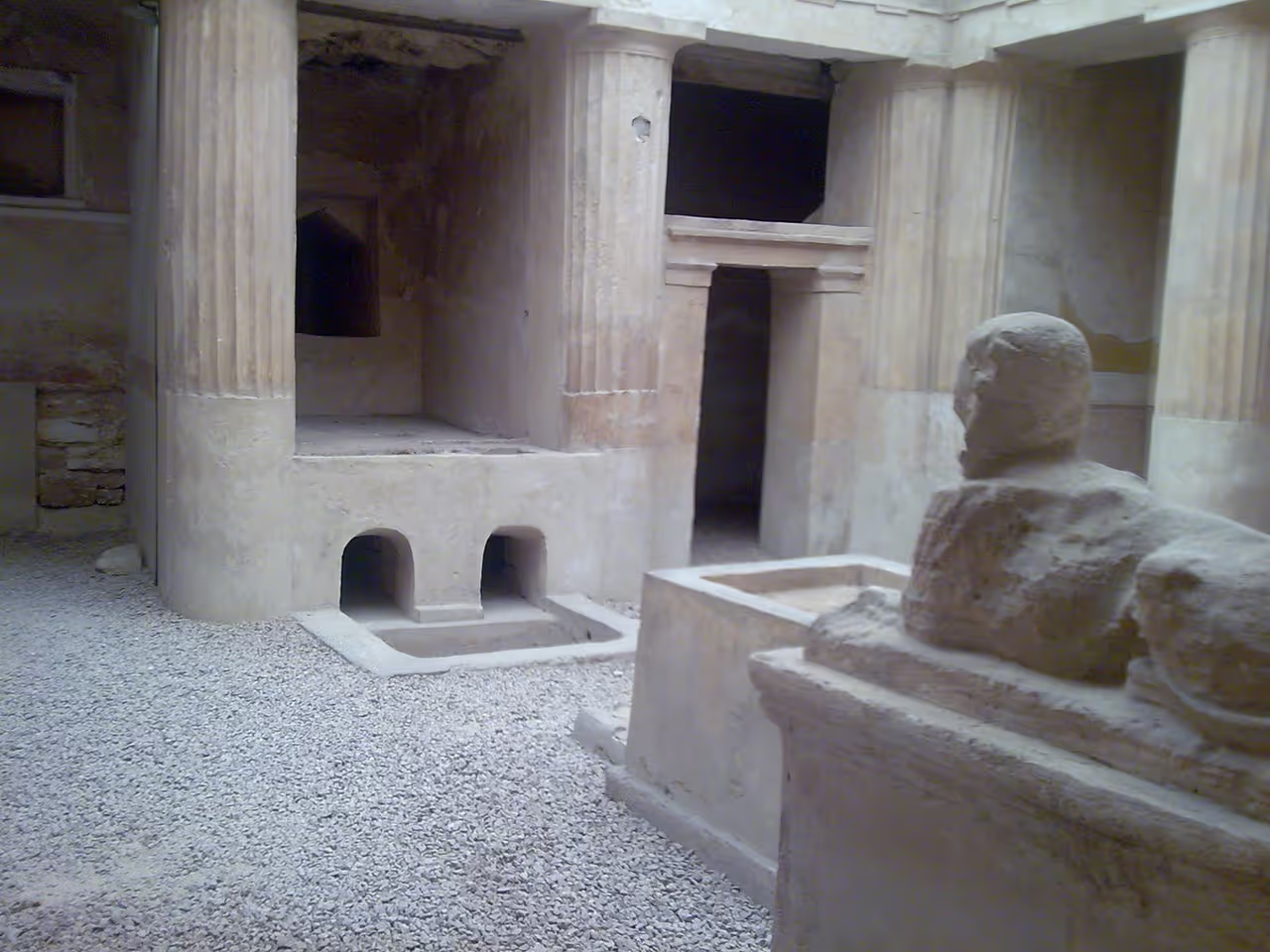 3199m
3199mMostafa Kamel Necropolis
A fascinating underground cemetery complex dating back to the 2nd century BC. It features four distinct tombs that are remarkably well-preserved, showcasing excellent examples of ancient funerary architecture. The vibrant, surviving decorations provide deep insights into Ptolemaic burial practices. It is a quieter, less crowded alternative to the main catacombs, offering a deeply atmospheric historical exploration.
highlight view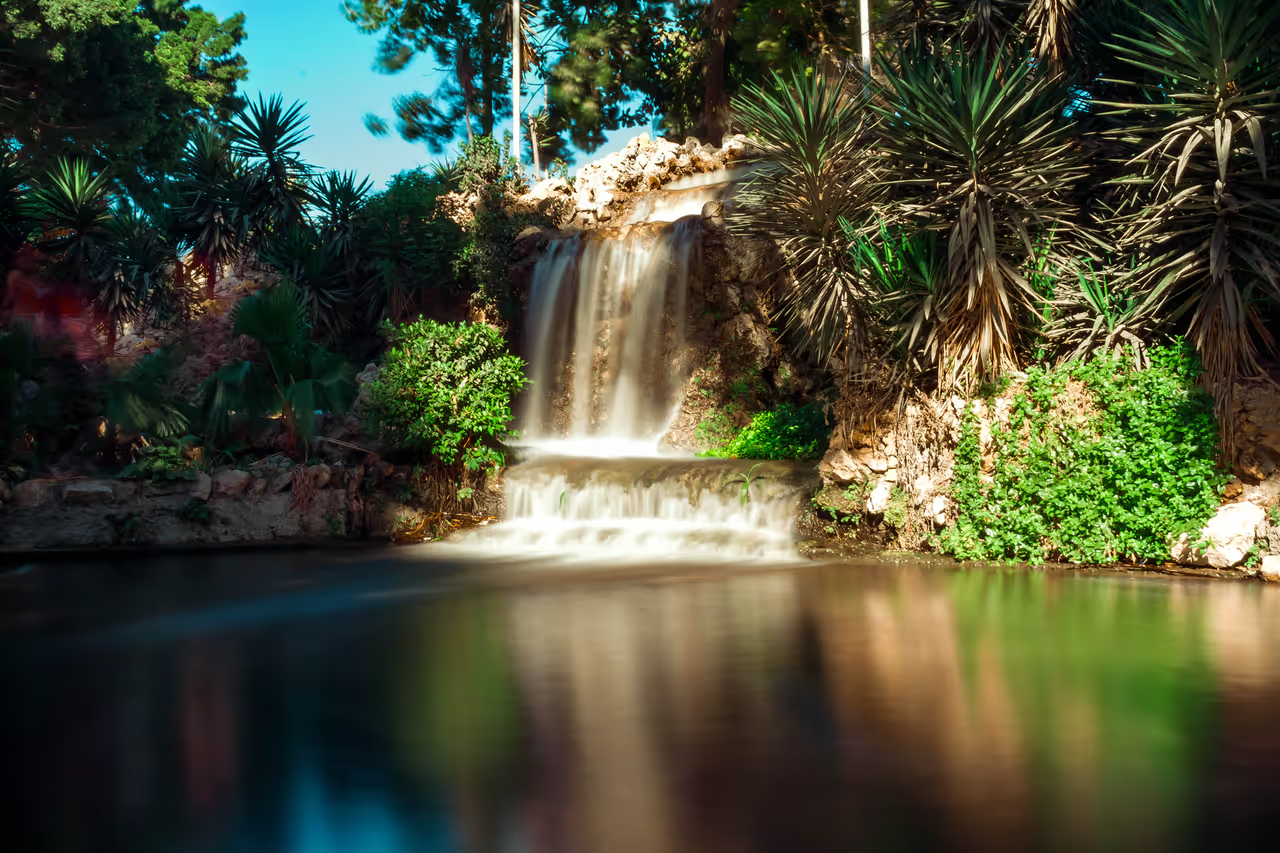 3501m
3501mShallalat Gardens
Shallalat Gardens offers a serene escape in the heart of Alexandria, where history meets nature in a truly unique setting. This tranquil oasis is built around the remnants of the ancient fortification walls that once protected this legendary city. Visitors can wander through lush green pathways, enjoying the sound of water features that give the gardens their name. It feels like stepping back in time, as the medieval stone structures stand as silent witnesses to centuries of change. Whether you are seeking a quiet moment of reflection or a leisurely stroll through local greenery, these gardens provide an unforgettable glimpse into Alexandria’s layered past. It remains a cherished spot for locals and curious travellers alike to connect with the city's deeper history.
park & nature view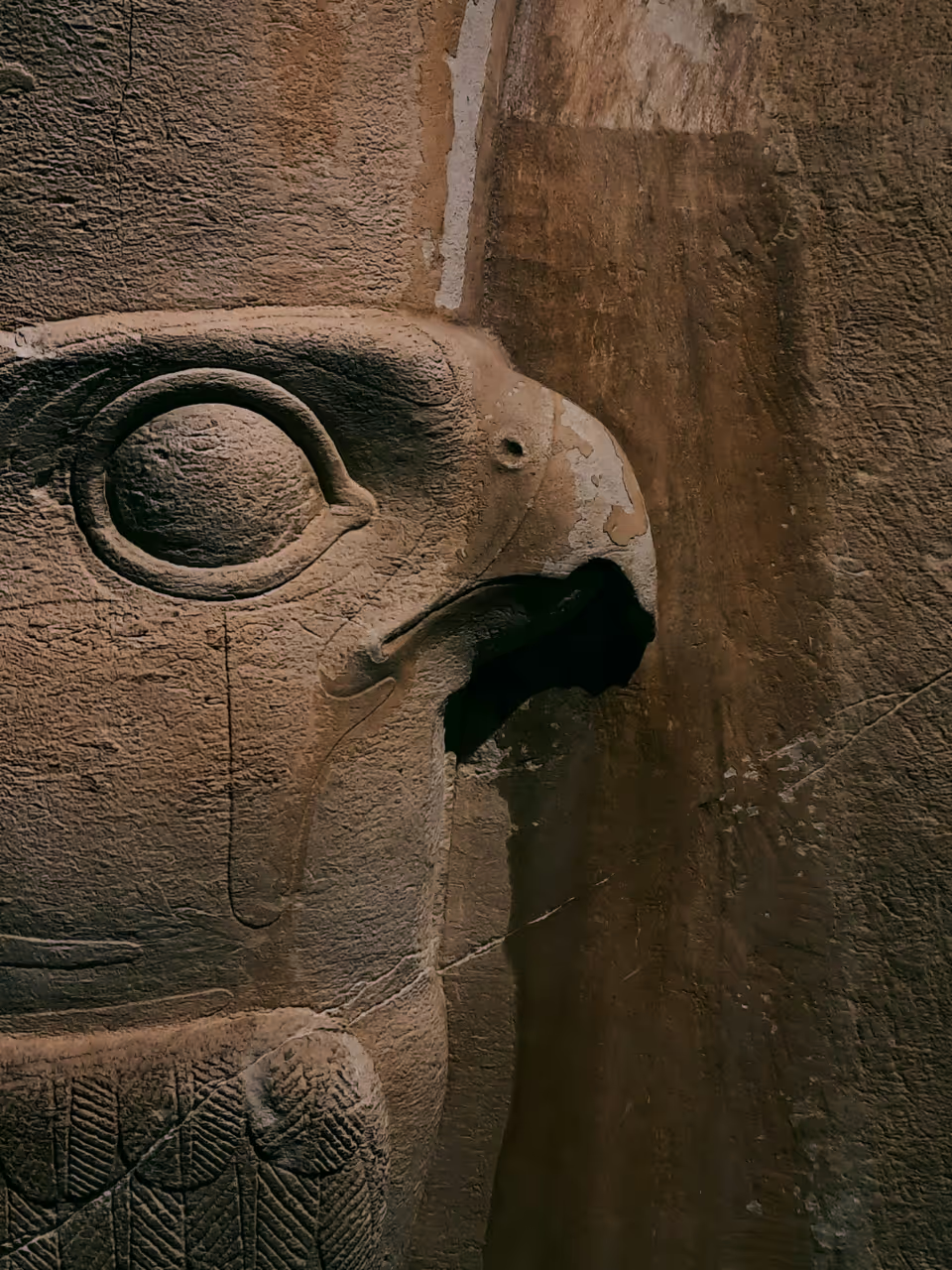 3539m
3539mAlexandria National Museum
Step inside the elegant halls of a former Italian style mansion and journey through the layers of time that define Alexandria. This is a refined setting where the history of Egypt unfolds across three distinct floors, moving from the ancient Pharaonic era to the modern age. You can admire intricate jewellery, rare coins, and stunning sculptures like the bust of Caracalla, all housed within the former United States consulate. The museum serves as a bridge between worlds, showcasing everything from funerary mummies to exquisite glassware. It is an ideal spot to gain a comprehensive understanding of the identity of the city and its enduring legacy as a Mediterranean jewel. Visiting here offers a tranquil escape that connects you deeply with the heritage of this legendary coastal city.
attraction view
Explore Similar Places in This Collection

See all nature & parks in Alexandria
Shallalat Gardens...