Abu Mena
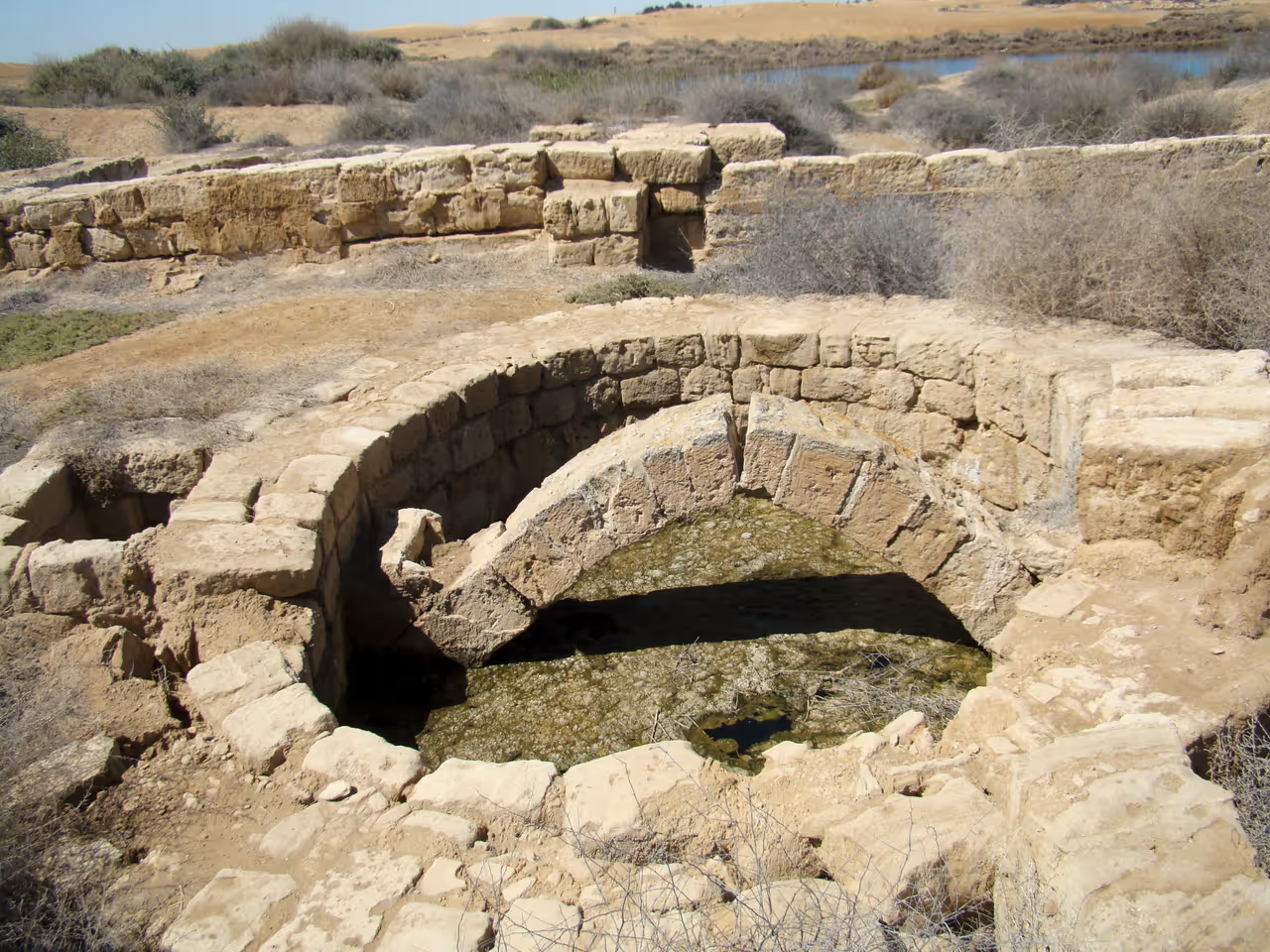
Step back into the late antique world at Abu Mena, a site that once served as one of the most significant Christian pilgrimage centres in Egypt. Located just southwest of Alexandria, these ancient foundations tell the story of a devoted community that gathered around the tomb of Saint Menas. Visitors can explore the remnants of a once grand basilica and other structures that reveal the deep spiritual legacy of the region. Despite the environmental challenges that have affected the ruins, the site remains a testament to the enduring human desire to find healing and connection. It offers a unique window into early Christian history and the architectural ambition of the era. Walking through these historic grounds allows you to connect with centuries of faith and tradition in a truly evocative setting.
Videos
History of Abu Mena
The story of Abu Mena begins with the martyrdom of Saint Menas in the third or early fourth century. Legends recount that the saint's body was transported from Alexandria on a camel, which refused to continue further into the desert beyond Lake Mareotis. This mysterious halt was interpreted as a divine sign, leading to his burial in that exact spot. The location remained obscure for a time until a shepherd witnessed a miraculous healing of a diseased sheep in a nearby spring, which subsequently revealed the tomb's location and sparked a wave of pilgrimages that would last for centuries. As word of the healing properties spread, the site transformed from a humble grave into a thriving religious metropolis. Emperors and pilgrims alike flocked to the area, leading to multiple expansions of the facilities, including the construction of a magnificent great basilica and various accommodations for travellers. During its height, this was an international destination, with terracotta Menas flasks found as far away as the Western Mediterranean, serving as physical evidence of the site's widespread fame and the pilgrims who journeyed there to seek hope and relief. The rise of the Islamic period eventually saw the decline of the site, which was largely abandoned in the seventh century. Despite the ravages of time and the environmental threats that have plagued the ruins in the modern era, Abu Mena stands as a UNESCO World Heritage Site. Recent efforts to safeguard the fragile structures from rising water tables highlight the ongoing struggle to preserve this connection to our shared past, ensuring that the legacy of this ancient pilgrimage centre remains a point of historical intrigue and scholarly study.
Events spanning 1725 years
Fun Facts
- • A smart membrane dome has been proposed as a sustainable conservation solution to manage airflow and humidity, preventing further collapse of the ruins.
- • Archaeologists discovered a massive xenodocheion at the site, which was a dedicated reception area or hostel for visiting pilgrims.
- • Excavations revealed separate dormitory wings, indicating a highly organised system for housing the diverse groups of people who travelled to the sanctuary.
- • Pilgrims commonly purchased terracotta Menas flasks, which are now found throughout the Mediterranean, as containers for holy water or oil.
- • The hard clay soil of the region becomes dangerously unstable when wet, which caused the ground to collapse and form cavities under the ancient structures.
- • The location of the saint's tomb was revealed when a shepherd noticed his diseased sheep were instantly healed after dipping into a nearby spring.
- • The modern Monastery of Saint Mina is situated just north of the archaeological site, maintaining the spiritual continuity of the location today.
- • The port of Philoxenite was constructed specifically to manage the logistics of thousands of pilgrims arriving by boat across Lake Mareotis.
- • The site features a sophisticated complex of wine presses that highlight the region's agricultural output during the 6th and 7th centuries.
RESOURCES
Heritage UNESCO SiteAbu Mena FAQ
While we strive to keep this information accurate and up to date, we recommend verifying any details independently before making decisions based on them.
Abu Mena Map & Neighborhood Explorer
This interactive map is centered on Abu Mena. Zoom in and move the map around to automatically discover Wikipedia photos and summaries of other nearby sights, monuments, and historical points of interest and stories in real-time!
Places near Abu Mena
Make the most of your trip. Check out these top-rated spots located nearby.
 18734m
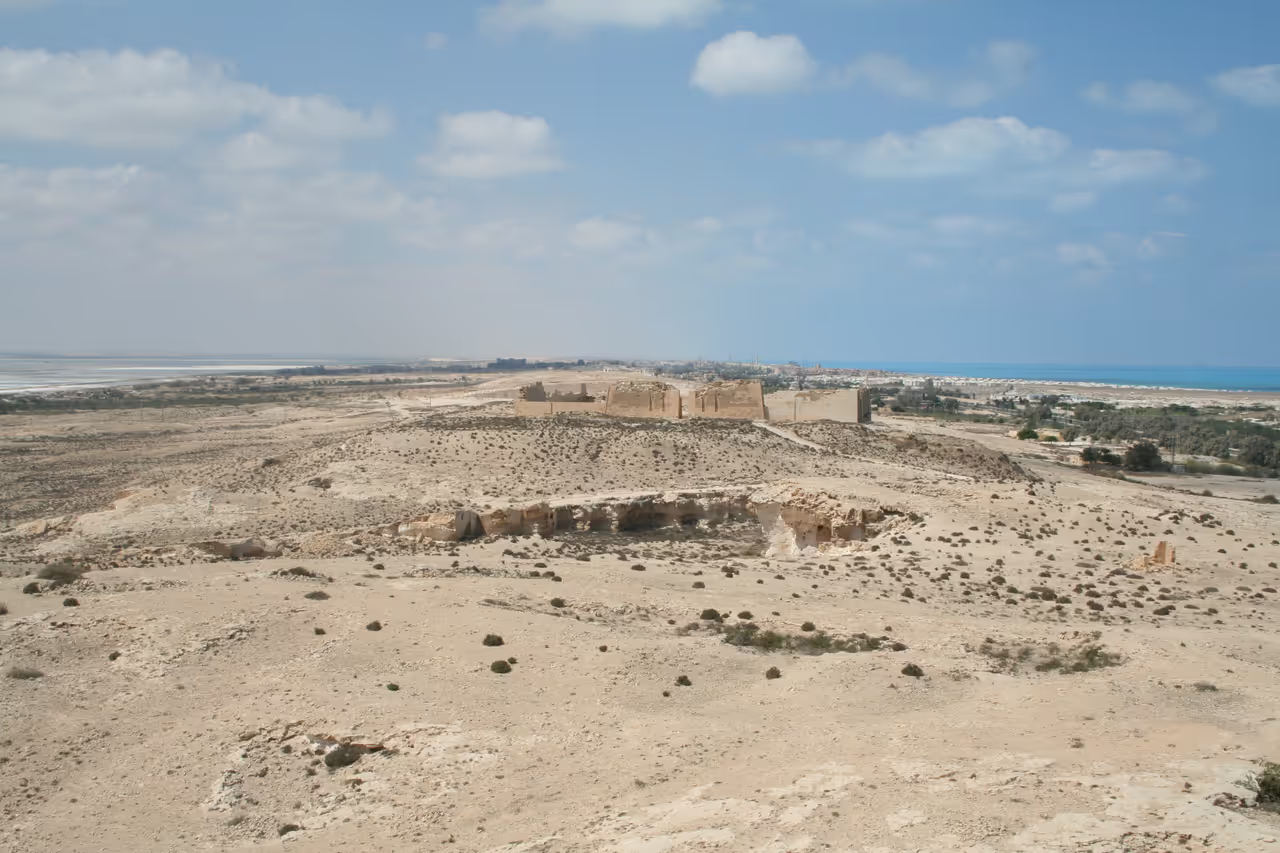
Taposiris Magna
Located far out in the western suburbs near Borg el Arab, this is an immense, incredibly atmospheric ruined city founded by Ptolemy II. It features the massive outer walls and pylons of an ancient temple dedicated to Osiris. A fascinating, scale-replica tower of the destroyed Pharos Lighthouse stands near the sea edge. It is a wildly evocative, uncrowded archaeological site where teams are still actively searching for the lost tomb of Cleopatra and Mark Antony.
hidden gem view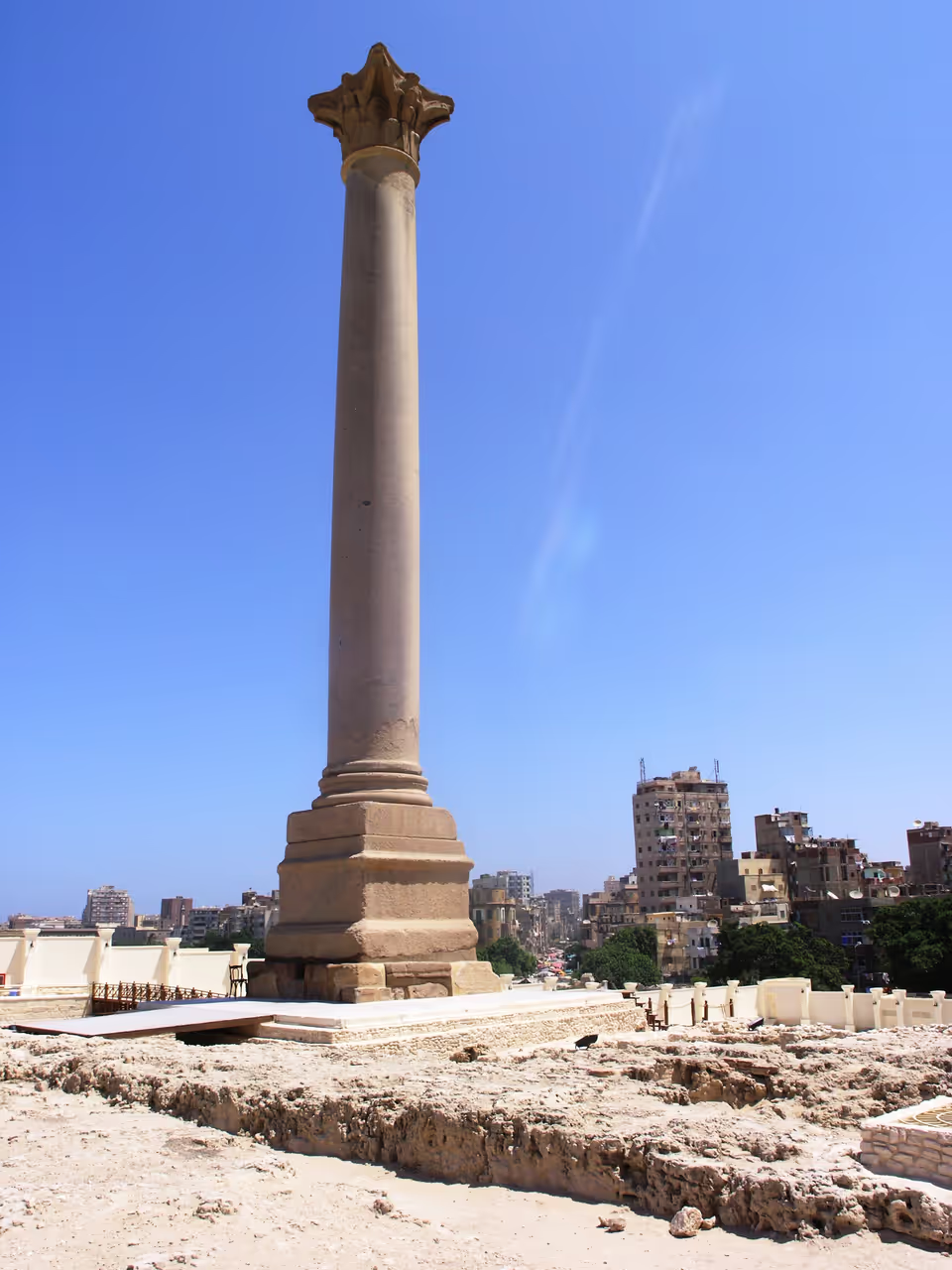 43989m
Colossal Pompey's Pillar
Standing tall as the only ancient monument in Alexandria still in its original location, Pompey's Pillar is a breathtaking sight that captures the city's Roman legacy. This massive red granite column reaches toward the sky from the ruins of the ancient Serapeum, offering a quiet space for reflection amidst the modern city. You will be amazed by the sheer scale of the monolith, which was carved from a single block of stone in Aswan and transported hundreds of miles. While its name suggests a link to the general Pompey, it actually honours Emperor Diocletian and was once topped by a towering statue in his likeness. Visiting here allows you to walk through the remnants of a sanctuary that was once considered one of the most magnificent in the world. It is an essential stop for anyone wanting to feel the true weight of Alexandria's long and layered history.
attraction view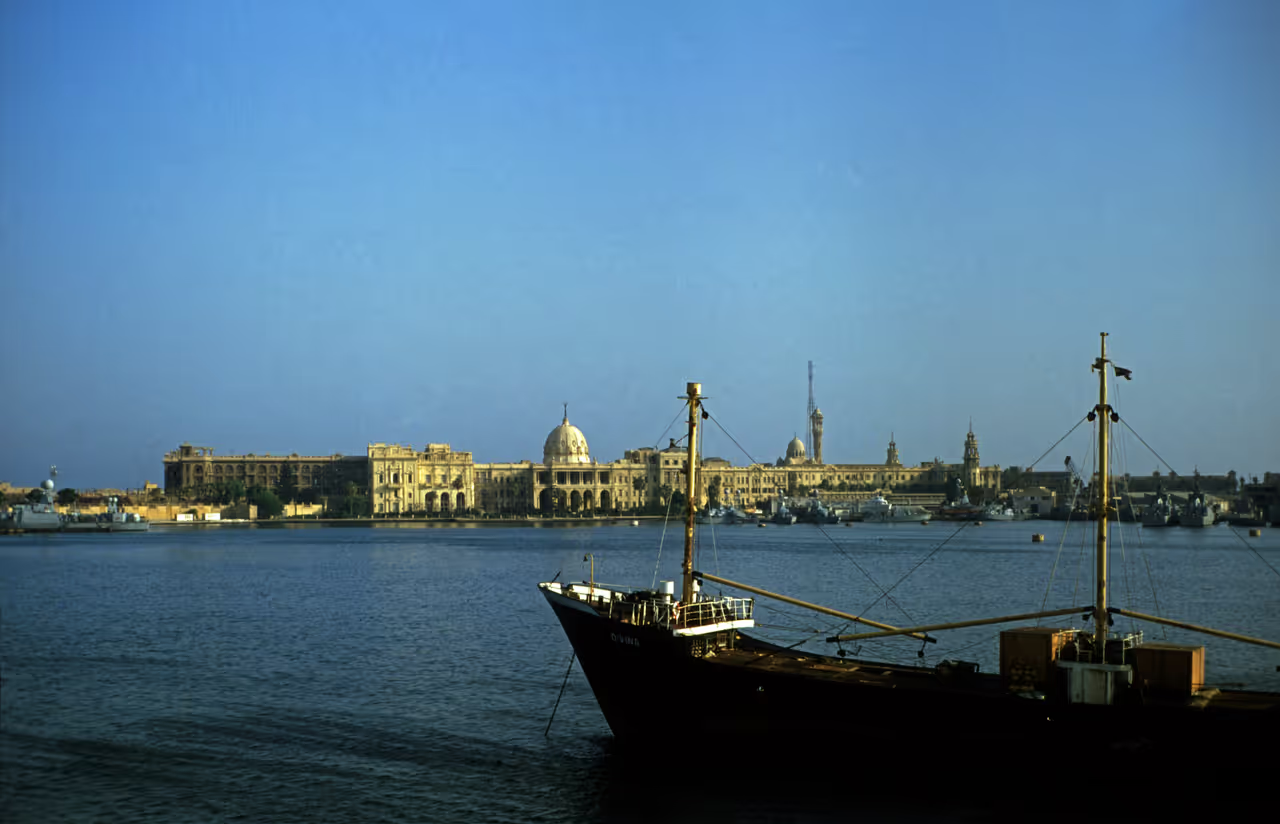 44483m
Ras El Tin Palace
Occupying a dramatic position on the western promontory, this is the oldest royal Egyptian palace still in use. It was originally built by Muhammad Ali Pasha in the early 19th century and has witnessed pivotal moments in history, including the departure of King Farouk into exile in 1952. While the lavish interior is closed to the public as it remains a presidential residence and naval base, the grand exterior and impressive gates are highly worthy of a photograph.
highlight view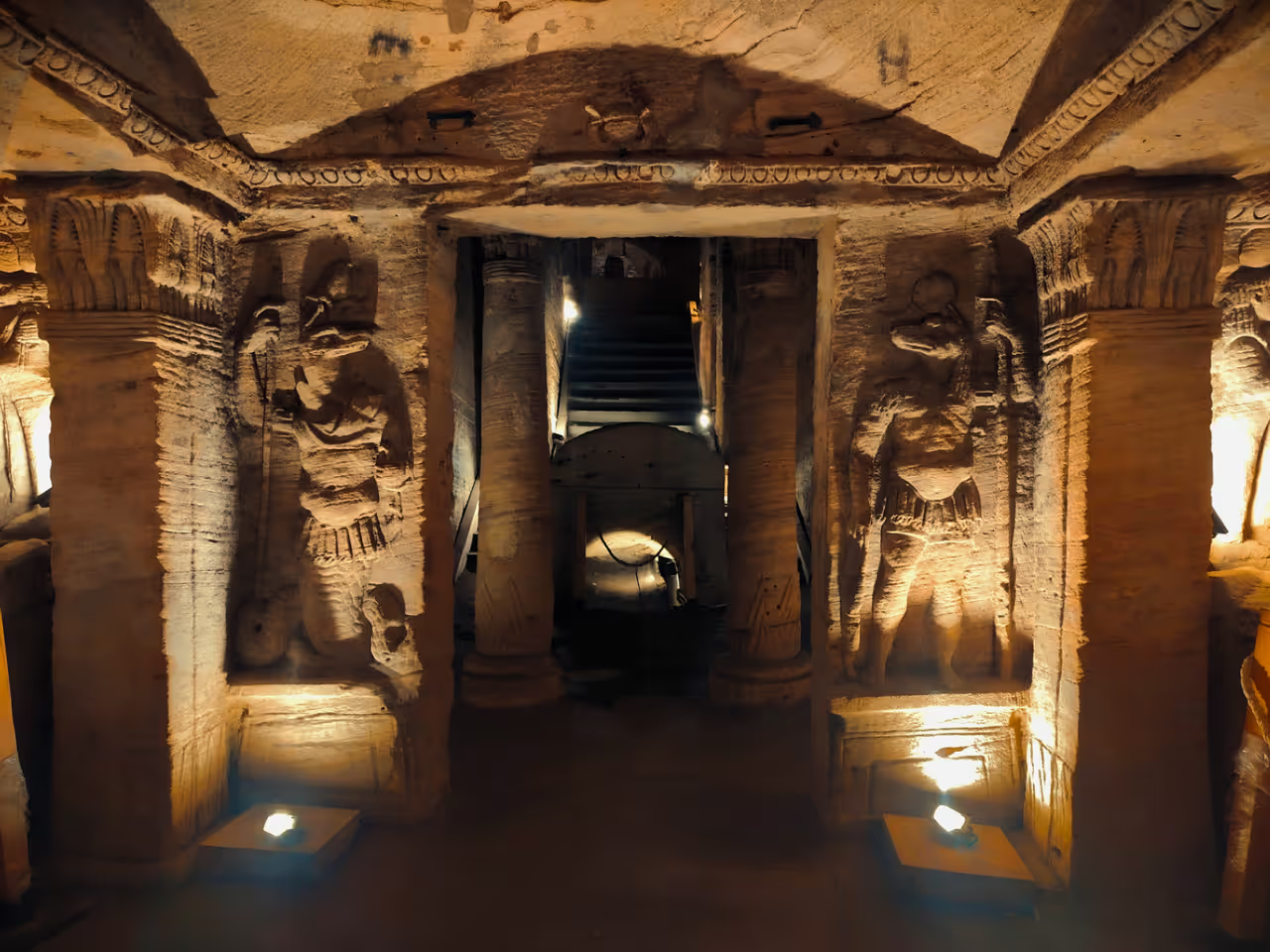 44807m
Catacombs of Kom El Shoqafa
Step into the depths of Alexandria and uncover a subterranean marvel that merges three distinct ancient civilisations into one breathtaking site. The Catacombs of Kom El Shoqafa offer a hauntingly beautiful window into the past, where Roman, Greek, and Egyptian influences collide in ornate stone carvings and mysterious burial chambers. Wander through the spiralling staircase and explore the triclinium, where ancient mourners once shared banquets in memory of their departed loved ones. This site represents a unique historical bridge that showcases the complex identity of the city. Every corner reveals intricate details, from snake guardians to the mummifying Anubis dressed in Roman armour, providing an experience unlike any other in Egypt. Its discovery by an accident involving a local donkey only adds to the intrigue surrounding this monumental underground world.
attraction view