Colossal Pompey's Pillar
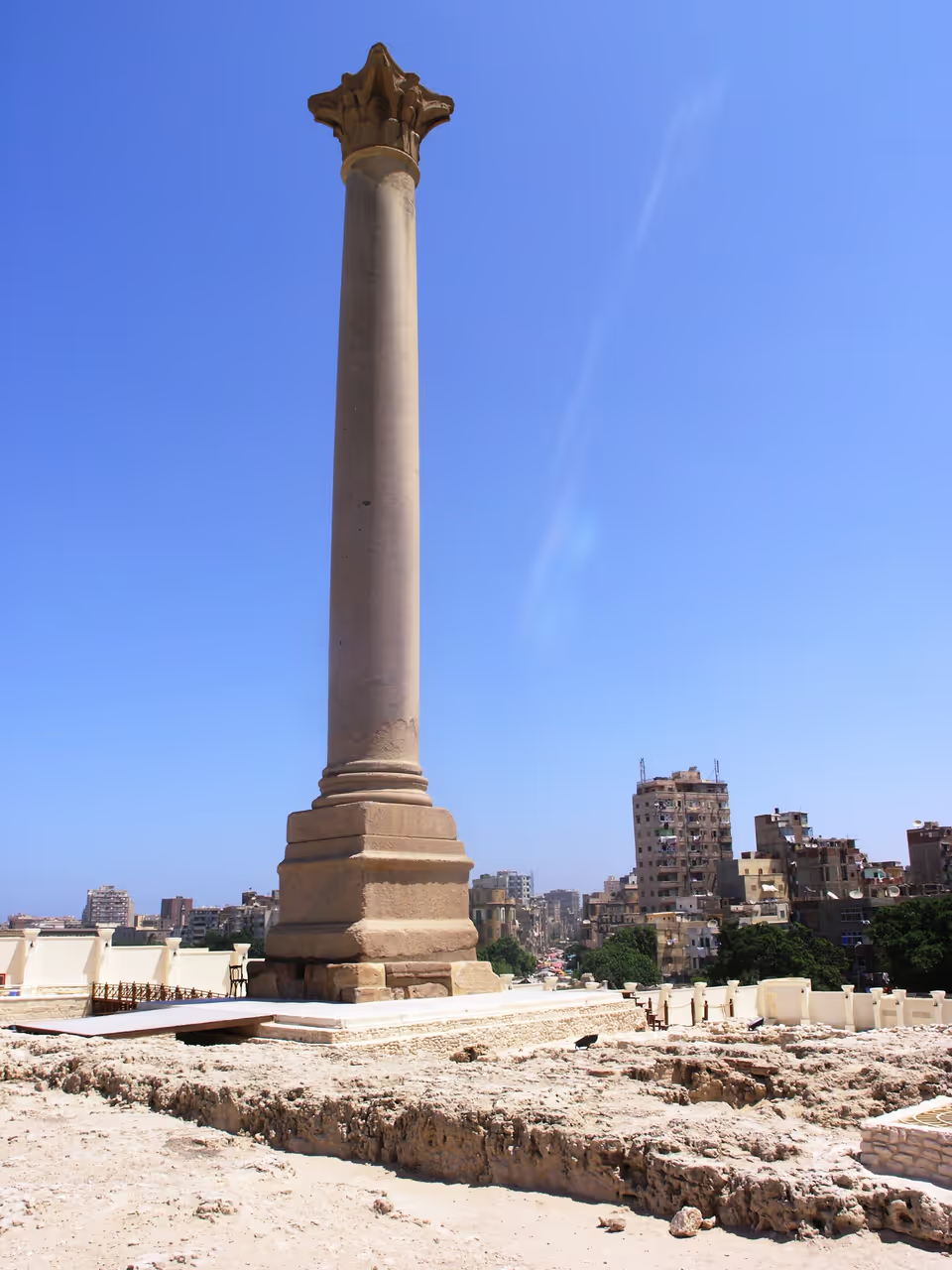
Standing tall as the only ancient monument in Alexandria still in its original location, Pompey's Pillar is a breathtaking sight that captures the city's Roman legacy. This massive red granite column reaches toward the sky from the ruins of the ancient Serapeum, offering a quiet space for reflection amidst the modern city. You will be amazed by the sheer scale of the monolith, which was carved from a single block of stone in Aswan and transported hundreds of miles. While its name suggests a link to the general Pompey, it actually honours Emperor Diocletian and was once topped by a towering statue in his likeness. Visiting here allows you to walk through the remnants of a sanctuary that was once considered one of the most magnificent in the world. It is an essential stop for anyone wanting to feel the true weight of Alexandria's long and layered history.
Videos
History of Colossal Pompey's Pillar
The origins of the pillar are rooted in a period of intense Roman political upheaval. In the late third century, Emperor Diocletian arrived in Alexandria to crush a significant revolt led by the usurper Domitius Domitianus. After a gruelling eight month siege, the city fell and the emperor restored Roman order. To mark this victory and his subsequent gift of grain to the starving population, this massive triumphal column was erected in the heart of the Serapeum, the city's most sacred temple complex. The pillar itself is a marvel of ancient engineering, standing as the largest monolithic column ever raised in Roman Egypt. Its shaft was carved from pink granite at the quarries of Aswan, then floated down the Nile before being hauled to its current position. In its prime, the monument was even more imposing as it supported a seven metre tall statue of Diocletian dressed in armour. Though the statue has long since vanished, the column remains an enduring testament to the sheer power and architectural ambition of the Roman Empire. Over the centuries, the monument's true purpose became clouded by myth and translation errors. European travellers mistakenly believed it marked the burial place of the Roman general Pompey, leading to the name used by most visitors today. Despite the surrounding Serapeum being destroyed in the late fourth century, the pillar survived largely untouched. Today, it stands as a solitary sentinel over the ruins, bridging the gap between the lost Hellenistic splendour of Alexandria and the vibrant city that continues to grow around its base.
Events spanning 1505 years
Fun Facts
- • Beneath the pillar and its surrounding ruins lie mysterious underground galleries where sacred rituals and ancient scholarship once took place.
- • British sailors once used a kite to fly a rope over the top, allowing them to climb the pillar and enjoy a dinner of steak and ale high above the ground.
- • It is the only ancient monument in Alexandria that remains standing exactly where it was placed nearly two thousand years ago, surviving wars and earthquakes.
- • It weighs roughly 285 tonnes, a staggering mass that ancient engineers managed to transport hundreds of miles down the Nile and hoist onto its pedestal.
- • Legend says this daring feat by sailors from HMS Pandour gave rise to the nickname Pompey for the English naval city of Portsmouth.
- • The Greek inscription on the base reveals the column was dedicated by Publius, the Prefect of Egypt, to honour the city guardian god of Alexandria.
- • The central shaft is a single, massive piece of red granite from Aswan, making it one of the largest monolithic columns ever successfully erected in the ancient world.
- • The column stood within the Serapeum, a temple so grand that ancient writers claimed only the Capitolium in Rome could rival its magnificence.
- • The name is a historical accident; European scholars misread a Greek inscription and thought it belonged to Pompey the Great rather than Emperor Diocletian.
- • The top of the column once held a colossal seven metre statue of Diocletian carved from rare purple porphyry stone, though only tiny fragments have survived.
Colossal Pompey's Pillar FAQ
While we strive to keep this information accurate and up to date, we recommend verifying any details independently before making decisions based on them.
Colossal Pompey's Pillar Map & Neighborhood Explorer
This interactive map is centered on Colossal Pompey's Pillar. Zoom in and move the map around to automatically discover Wikipedia photos and summaries of other nearby sights, monuments, and historical points of interest and stories in real-time!
Places near Colossal Pompey's Pillar
Make the most of your trip. Check out these top-rated spots located nearby.
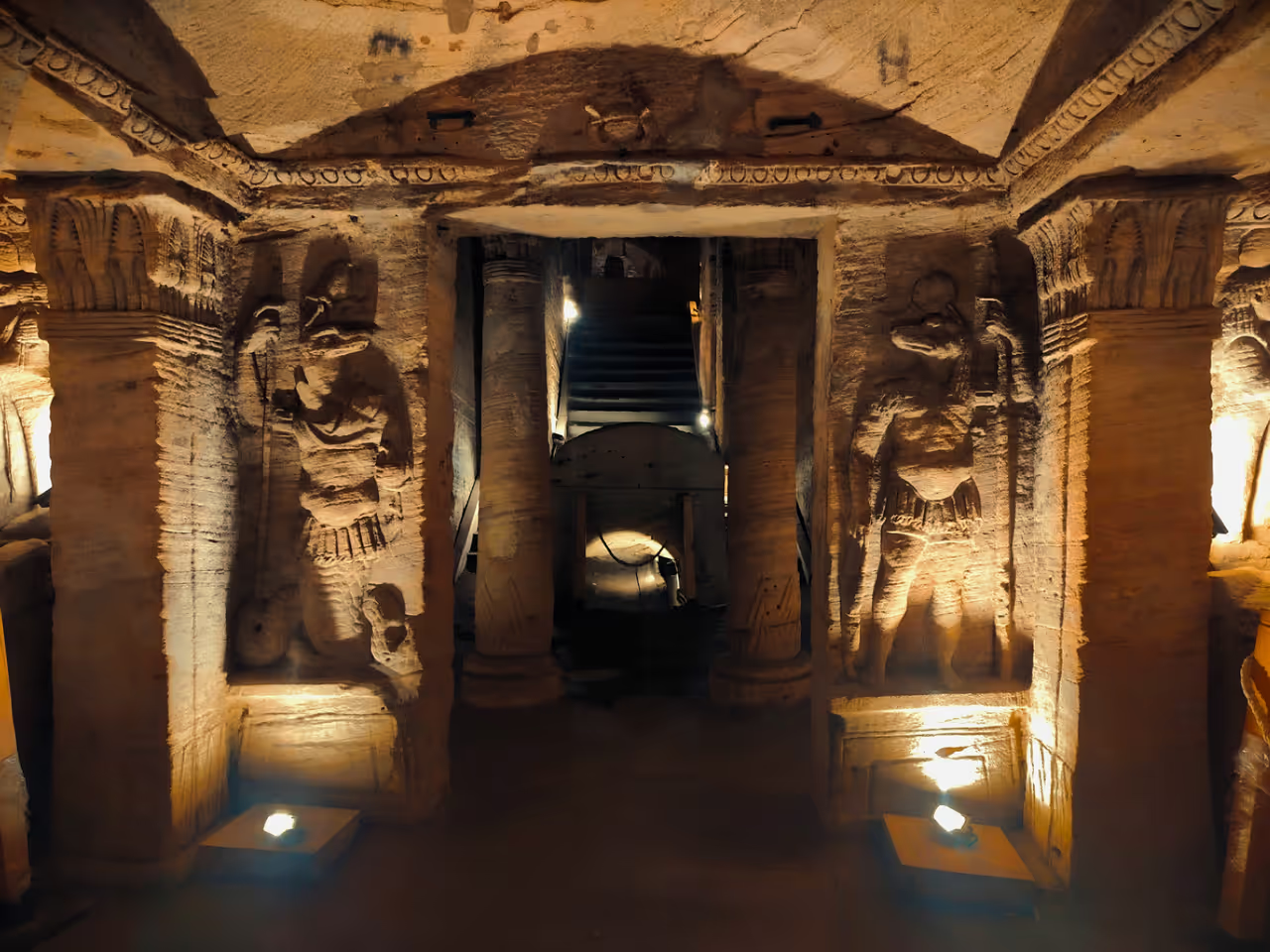 923m
923mCatacombs of Kom El Shoqafa
Step into the depths of Alexandria and uncover a subterranean marvel that merges three distinct ancient civilisations into one breathtaking site. The Catacombs of Kom El Shoqafa offer a hauntingly beautiful window into the past, where Roman, Greek, and Egyptian influences collide in ornate stone carvings and mysterious burial chambers. Wander through the spiralling staircase and explore the triclinium, where ancient mourners once shared banquets in memory of their departed loved ones. This site represents a unique historical bridge that showcases the complex identity of the city. Every corner reveals intricate details, from snake guardians to the mummifying Anubis dressed in Roman armour, providing an experience unlike any other in Egypt. Its discovery by an accident involving a local donkey only adds to the intrigue surrounding this monumental underground world.
attraction view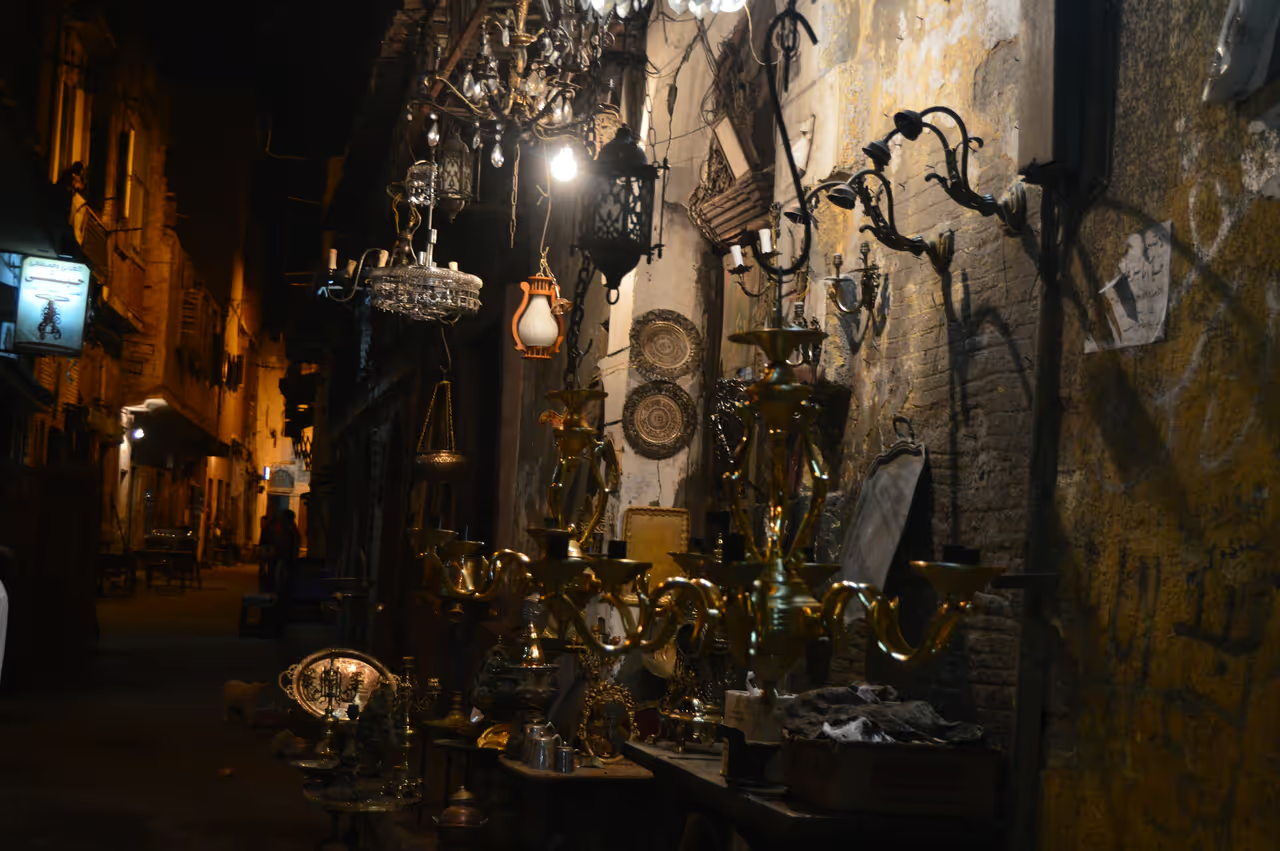 1378m
1378mEl-Attarine Antique Market
Once a traditional spice market, this winding maze of narrow alleyways has transformed into a fascinating hub for antiques and vintage goods. Shops overflow with European furniture left behind by departing expats in the 1950s, alongside old brassware, vinyl records, and intricate mirrors. It feels like stepping into the city's cosmopolitan past, where every dusty object has a story. It is the perfect place to search for a unique, historical souvenir.
market view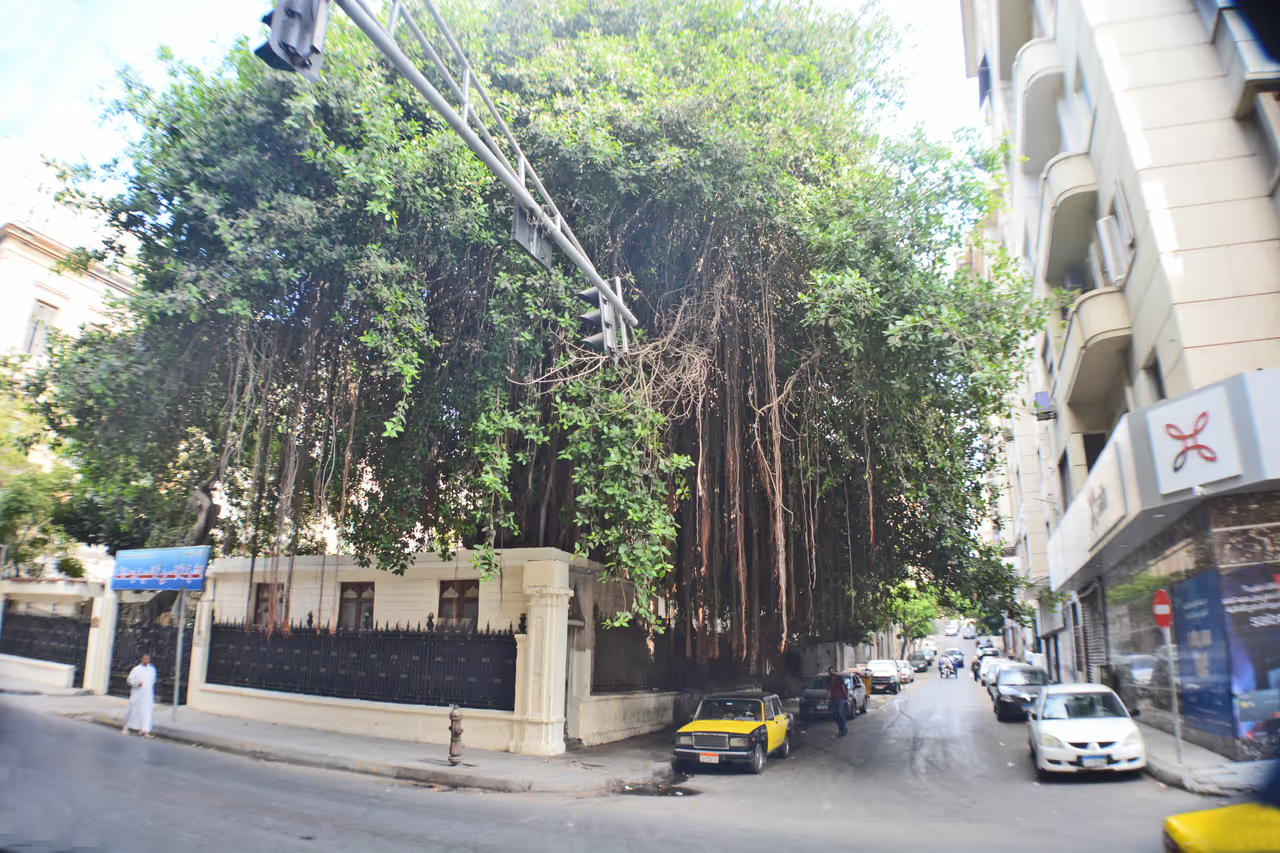 1481m
1481mFouad Street
Considered the oldest street in Alexandria, it follows the path of the ancient Canopic Way from the Ptolemaic era. Today, it is a magnificent showcase of 19th and 20th-century Belle Époque architecture, lined with grand Italianate and French-style buildings. The street remains a vibrant cultural artery, hosting historic cinemas, chic cafes, and boutique shops. Taking a walk here feels like stepping directly into the city's glamorous, cosmopolitan past.
highlight view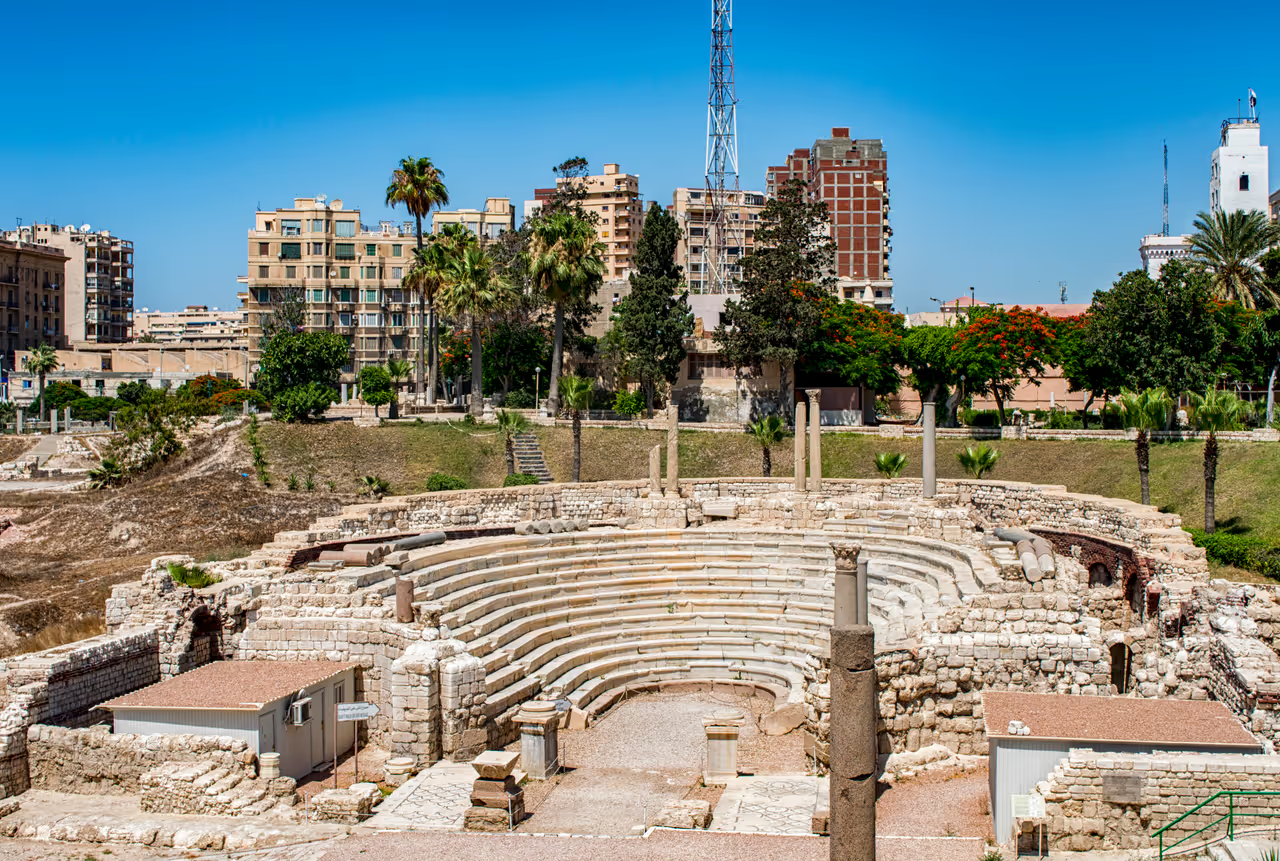 1529m
1529mKom El Deka
Step back in time within the heart of Alexandria at Kom El Deka, a site where history breathes through every stone. This archaeological treasure offers a rare glimpse into the Roman era, showcasing the only surviving ancient theatre in the city alongside a fascinating complex of lecture halls and imperial baths. Wander through the serene park to discover the Villa of the Birds, where remarkably preserved floor mosaics depict vibrant scenes from centuries past. It is a quiet oasis amidst the city life, inviting visitors to ponder the scholarly and social pursuits of ancient Alexandrians. Exploring this park connects you directly to the layers of civilisation that shaped this coastal jewel.
attraction view
Featured on These Itineraries and Routes
3 Days in Alexandria: Ancient Ruins & Cosmopolitan Elegance Itinerary
This balanced itinerary allows you to dive deep into the city's rich, layered history. You will spend time exploring the subterranean Roman tombs, marvelling at the modern library, and wandering through the grand Belle Époque commercial districts. It strikes the perfect pace between historical exploration and relaxing coastal strolls.
view itinerary

5 Days in Alexandria: Mediterranean Experience Itinerary
The ultimate deep dive into the region, perfect for history buffs and slow travellers. This itinerary covers all major city sights, adds extensive museum visits, and includes fascinating day trips to the desert fringes for unique archaeological and UNESCO heritage sites. It ensures you leave with a comprehensive understanding of the city's incredible historical weight.
view itinerary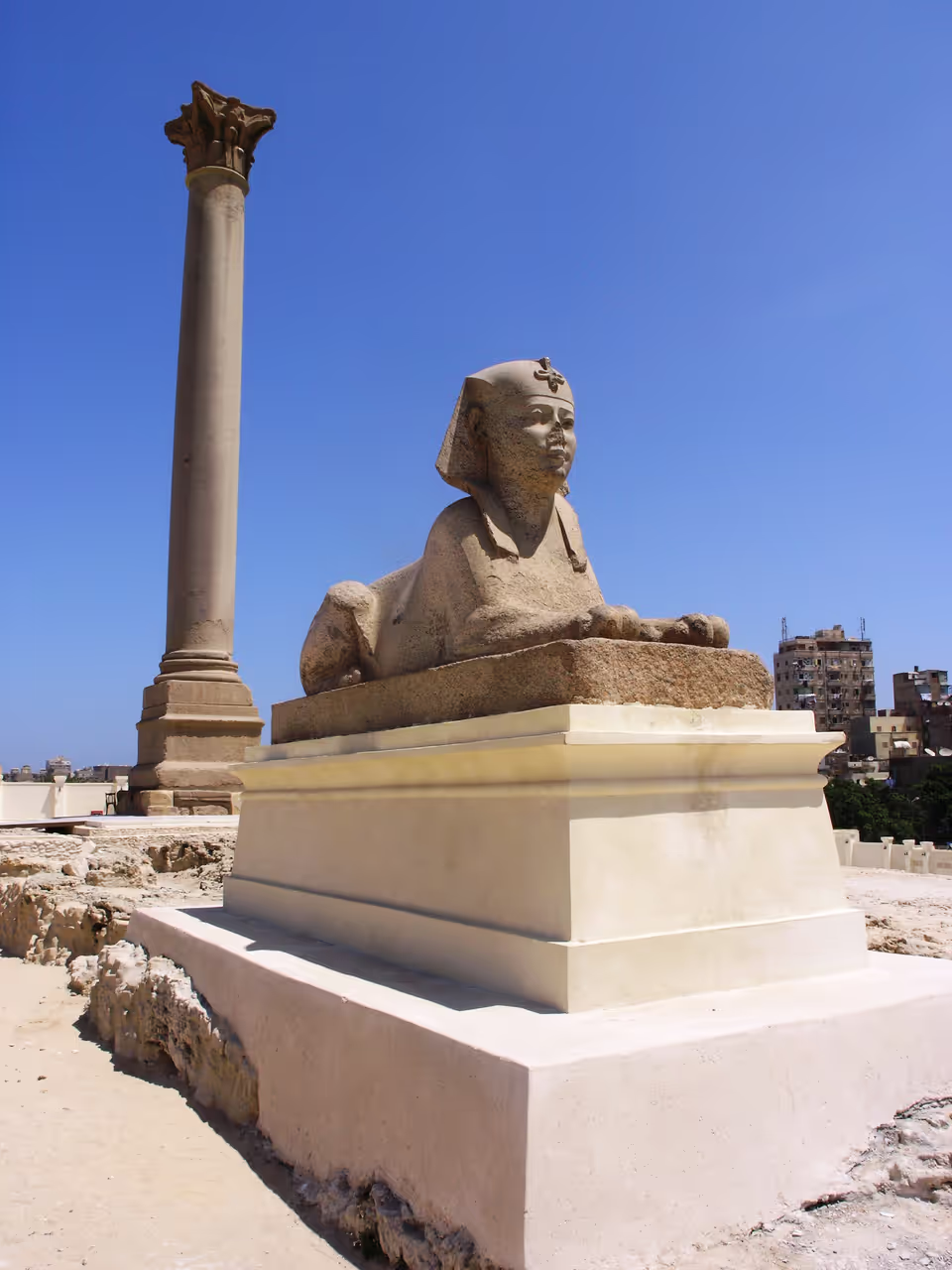
Ancient Wonders
Delve into the city's incredibly rich Graeco-Roman past by exploring the monumental ruins left behind by emperors and queens. The journey moves from towering triumphal columns to deep, labyrinthine subterranean burial chambers. It highlights the fascinating syncretism of Egyptian, Greek, and Roman artistic styles.
view self-guided tour
See all attractions in Alexandria
Bibliotheca Alexandrina, Catacombs of Kom El Shoqafa, Graeco-Roman Museum, Kom El Deka, Alexandria National Museum, Citadel of Qaitbay, Montaza Palace and Royal Gardens, Royal Jewelry Museum...