Kom El Deka
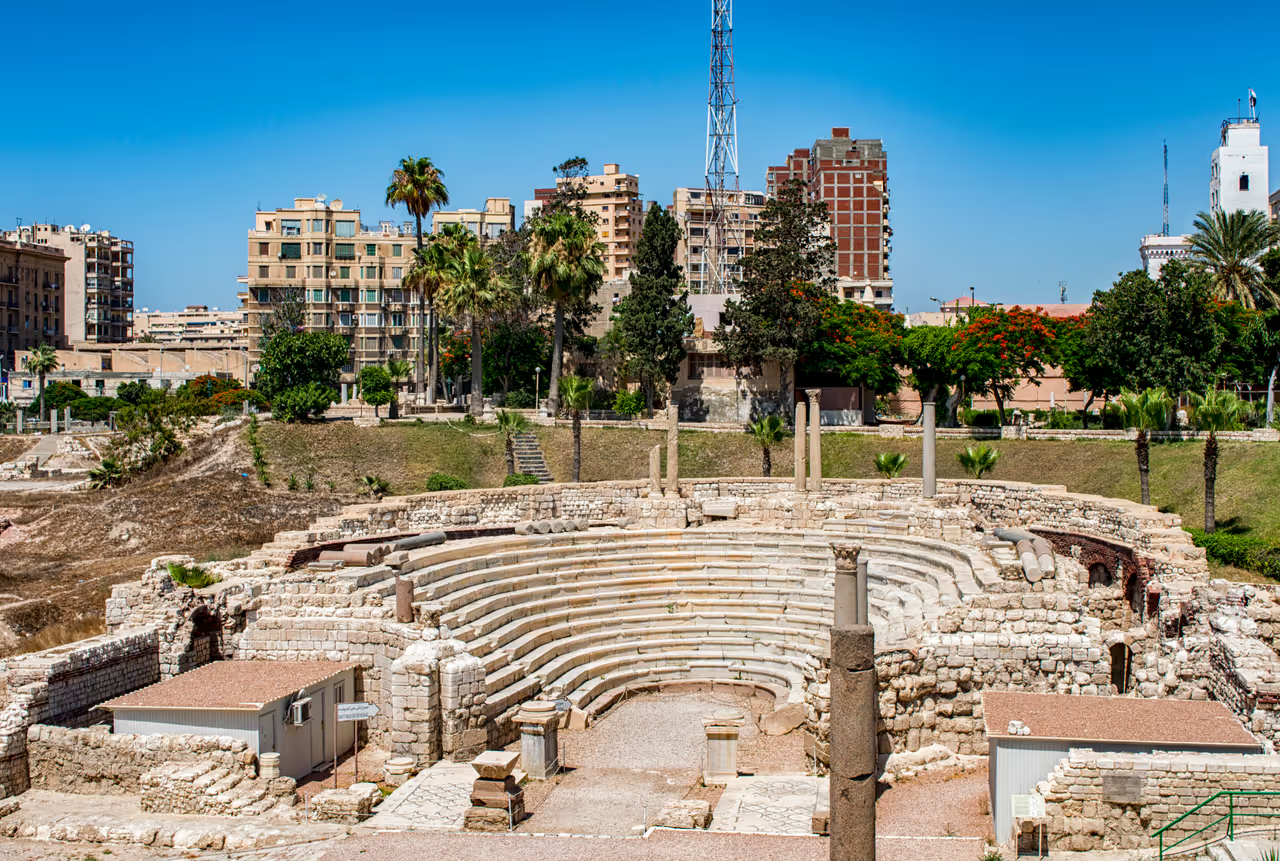
Step back in time within the heart of Alexandria at Kom El Deka, a site where history breathes through every stone. This archaeological treasure offers a rare glimpse into the Roman era, showcasing the only surviving ancient theatre in the city alongside a fascinating complex of lecture halls and imperial baths. Wander through the serene park to discover the Villa of the Birds, where remarkably preserved floor mosaics depict vibrant scenes from centuries past. It is a quiet oasis amidst the city life, inviting visitors to ponder the scholarly and social pursuits of ancient Alexandrians. Exploring this park connects you directly to the layers of civilisation that shaped this coastal jewel.
Videos
History of Kom El Deka
The story of Kom El Deka begins with elegance. In the early Roman period, it stood as a prestigious residential district, home to wealthy families who adorned their floors with intricate mosaics. Yet, this prosperity faced turbulent times during the late third century. Sieges and invasions left scars on the landscape, forcing the city to reinvent itself from the ashes of conflict. From the rubble emerged a new vision. During the fourth century, the area transformed into a vibrant civic heart. It became a centre for learning and leisure, featuring a Roman theatre that likely hosted everything from poetry recitals to lively public debates. Beside it, grand imperial baths and lecture halls rose, serving as the social glue for a populace eager for intellectual and physical nourishment. This was a time when Alexandria cemented its reputation as a beacon of knowledge. Today, the site serves as a bridge to that bygone era, thanks to decades of meticulous work by Polish and Egyptian archaeologists. Their dedication has rescued these structures from oblivion, allowing visitors to walk upon the same ground where ancient scholars once paced while debating philosophy. It stands as a testament to human resilience, proving that even after periods of decline, a place can be reborn to share its wisdom with future generations.
Events spanning 1917 years
Fun Facts
- • Archaeologists have uncovered at least twenty lecture halls, or auditoria, confirming the city status as a major academic hub for philosophy and rhetoric.
- • Graffiti carved into the theatre seats reveals that 6th century spectators were passionate fans of the Blue and Green chariot racing factions.
- • It is the largest and most complete above ground archaeological site in Alexandria.
- • The Polish Centre of Mediterranean Archaeology has been working here for decades, maintaining an enduring collaborative relationship between Polish and Egyptian researchers.
- • The Roman theatre served as a meeting place for the city council before transitioning into a venue for entertainment.
- • The Villa of the Birds is named after a specific mosaic featuring nine different species of birds in nine distinct squares.
- • The bath complex included an advanced water system fed by a massive cistern, serving as the only above ground reservoir in the ancient city.
- • The site showcases unique brick and block construction techniques used in the late Roman period to repair damage from earthquakes.
- • The site was once used for public oratory and academic debates after the theatre was repurposed.
- • The theatre features seats made from recycled marble taken from older, ruined structures.
Kom El Deka FAQ
While we strive to keep this information accurate and up to date, we recommend verifying any details independently before making decisions based on them.
Kom El Deka Map & Neighborhood Explorer
This interactive map is centered on Kom El Deka. Zoom in and move the map around to automatically discover Wikipedia photos and summaries of other nearby sights, monuments, and historical points of interest and stories in real-time!
Places near Kom El Deka
Make the most of your trip. Check out these top-rated spots located nearby.
 323m
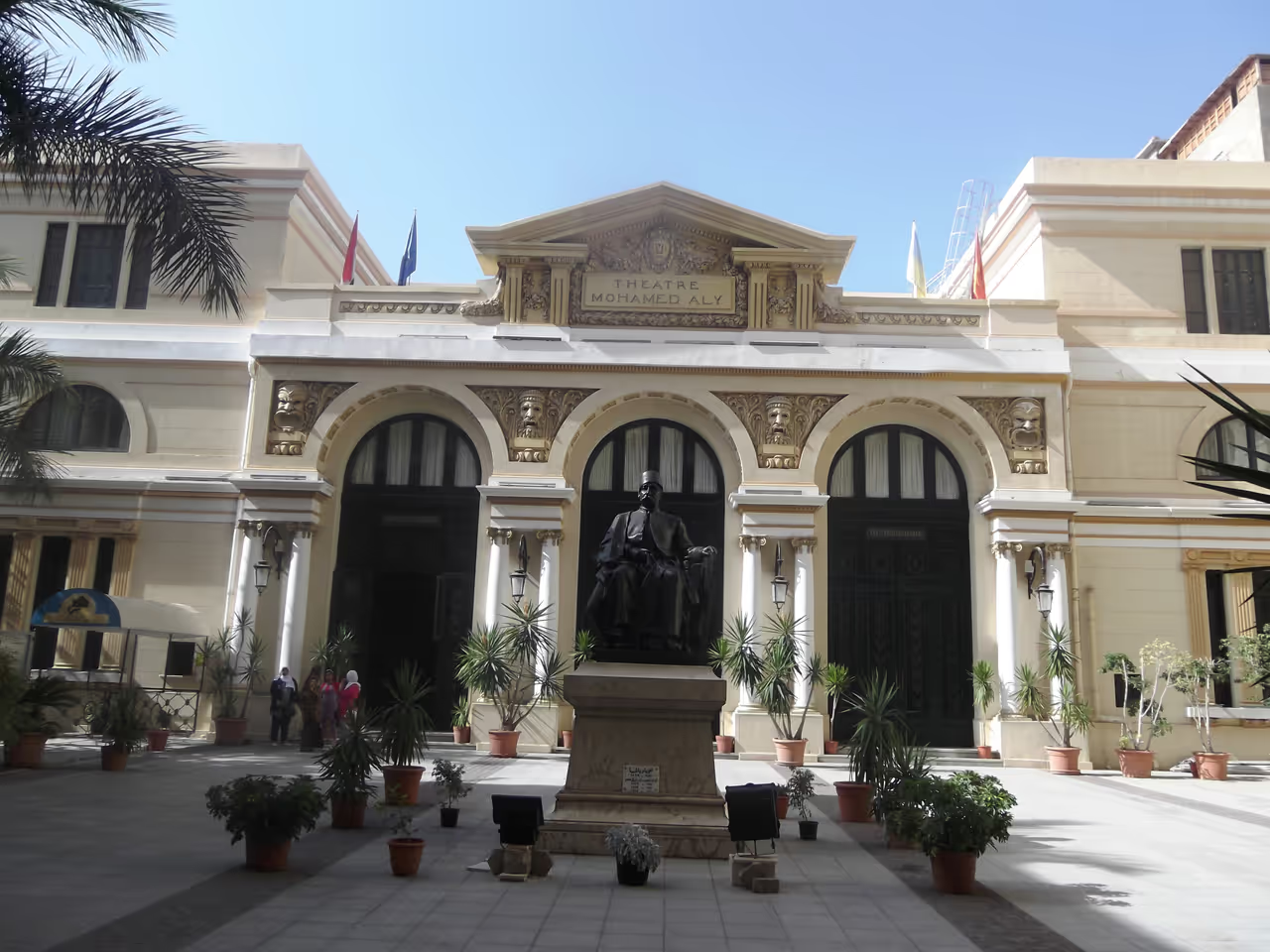
323mAlexandria Opera House
Originally known as the Teatro Mohamed Ali, this elegant venue was inaugurated in 1921. Designed by a French architect, the building is a stunning example of Renaissance Revival architecture. Inside, the lush, velvet-draped auditorium hosts classical music, ballet, and traditional Arabic performances. Attending a show here is a highly refined, culturally enriching experience that echoes the artistic highs of the early 20th century.
highlight view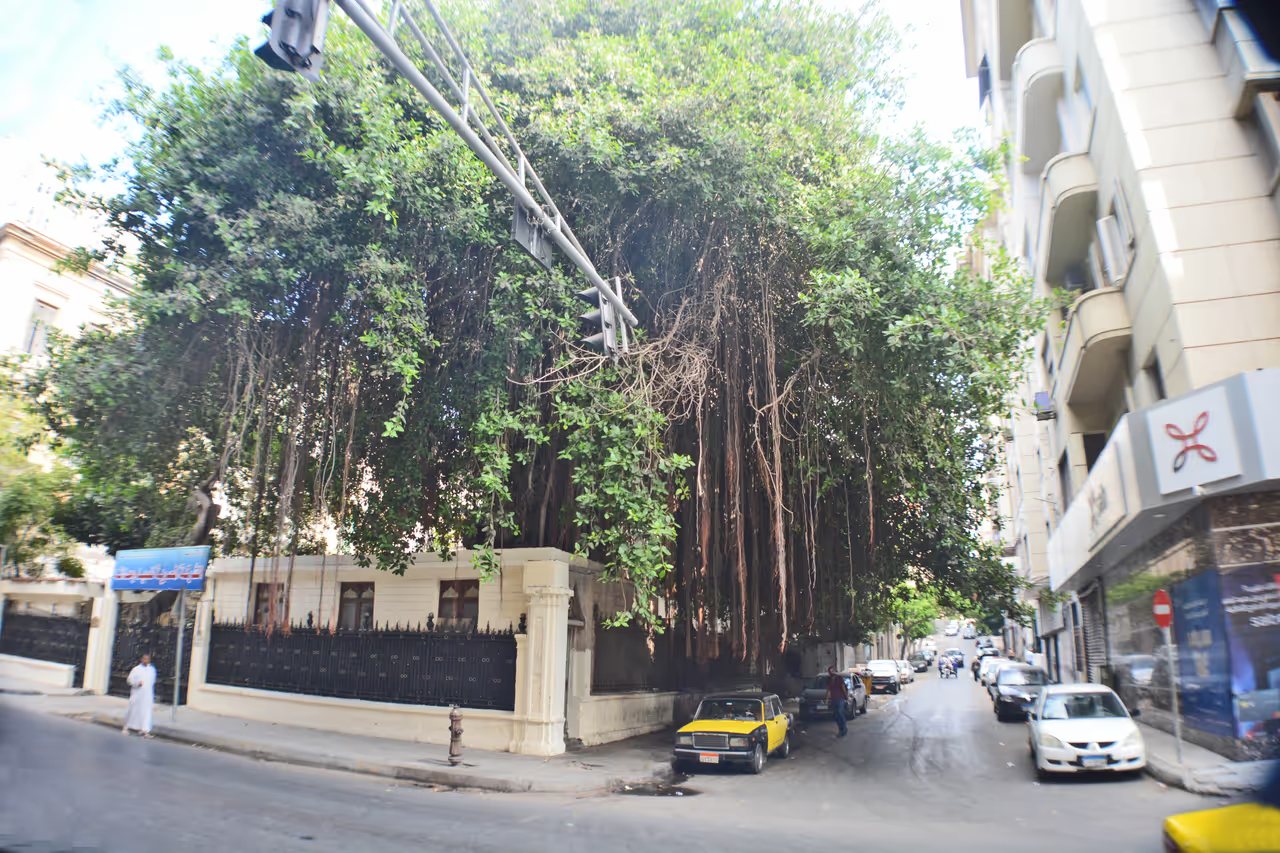 354m
354mFouad Street
Considered the oldest street in Alexandria, it follows the path of the ancient Canopic Way from the Ptolemaic era. Today, it is a magnificent showcase of 19th and 20th-century Belle Époque architecture, lined with grand Italianate and French-style buildings. The street remains a vibrant cultural artery, hosting historic cinemas, chic cafes, and boutique shops. Taking a walk here feels like stepping directly into the city's glamorous, cosmopolitan past.
highlight view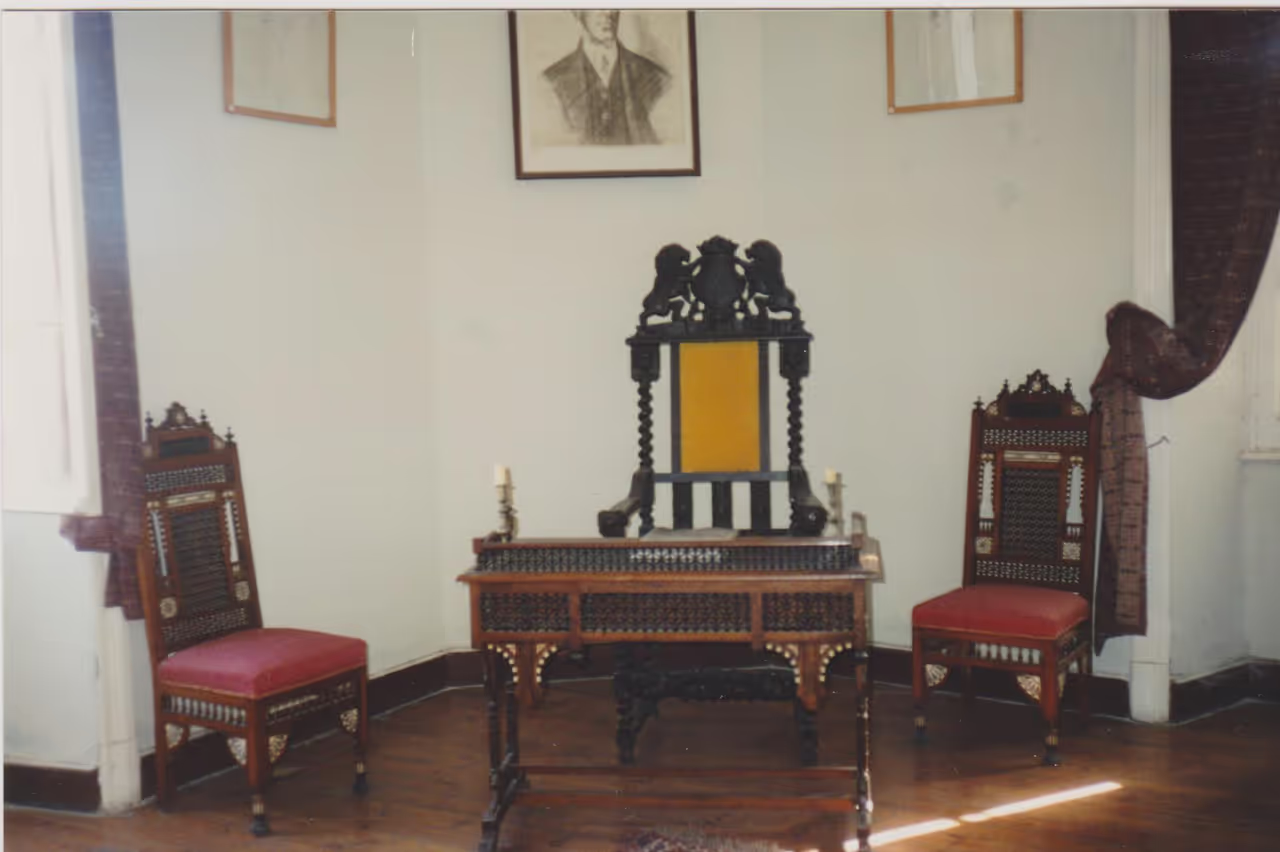 429m
429mCavafy Museum
Hidden within an unassuming apartment block lies the former home of Constantine P. Cavafy, one of the most important Greek poets of the 20th century. The museum preserves the exact space where he lived and wrote for the last 25 years of his life. The rooms are filled with period furniture, rare manuscripts, and his death mask, creating an incredibly intimate, slightly melancholy atmosphere. It offers a profound, quiet connection to the city's lost cosmopolitan literary soul.
hidden gem view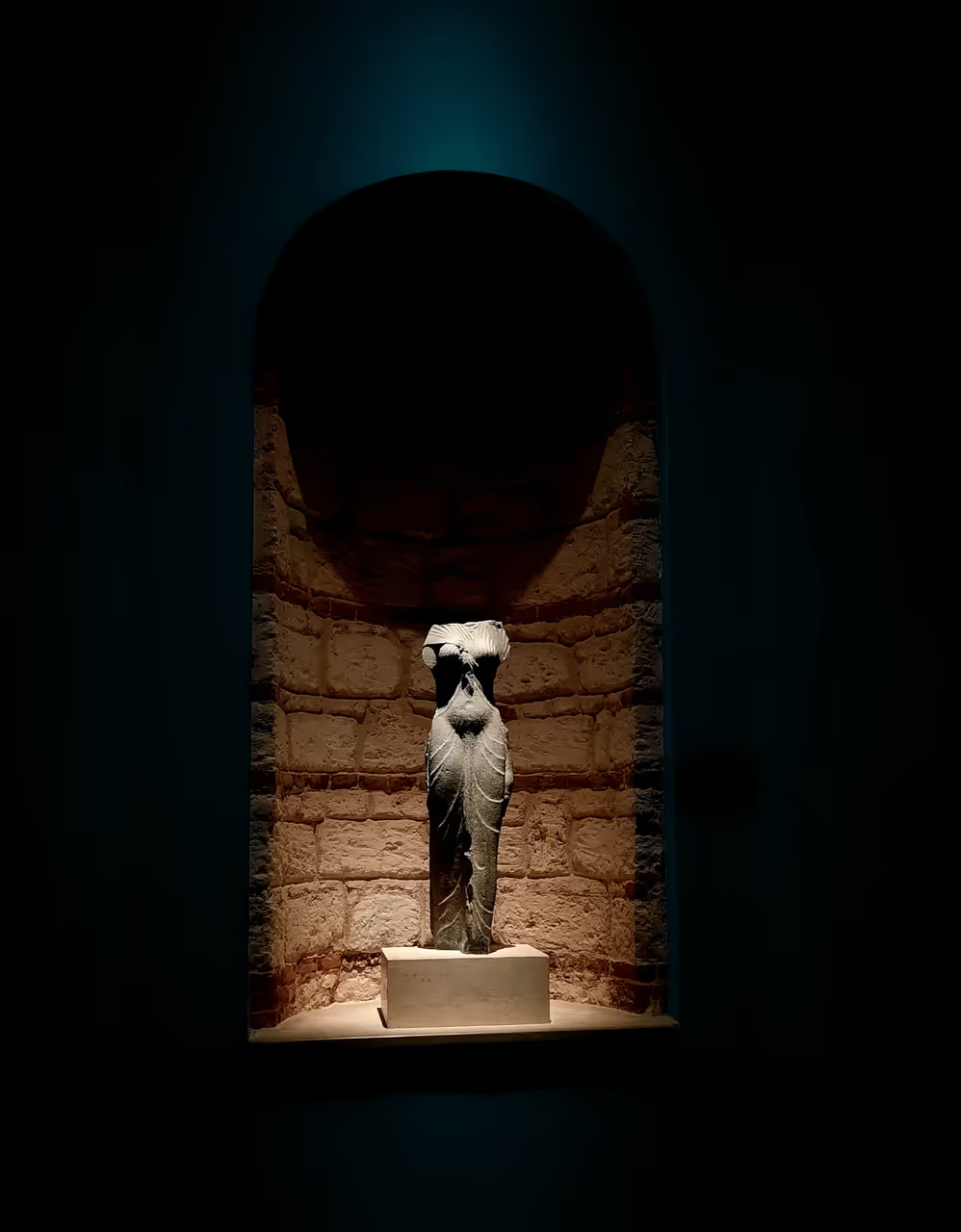 544m
544mGraeco-Roman Museum
Step into a space where the Hellenistic world meets the ancient Egyptian realm. This museum serves as a bridge to Alexandria's cosmopolitan past, housing over 40,000 artefacts that span centuries of history. It offers a unique window into a time when cultures merged, leaving behind intricate mosaics, black granite sculptures, and everyday items that tell the story of the city. Recently reopened after an extensive restoration, the building itself is a masterpiece of Neoclassical design that invites you to uncover the secrets of the Mediterranean. Whether you are a history enthusiast or simply curious, this site reveals why Alexandria has long been considered the intellectual heart of the ancient world.
attraction view
Featured on These Itineraries and Routes
3 Days in Alexandria: Ancient Ruins & Cosmopolitan Elegance Itinerary
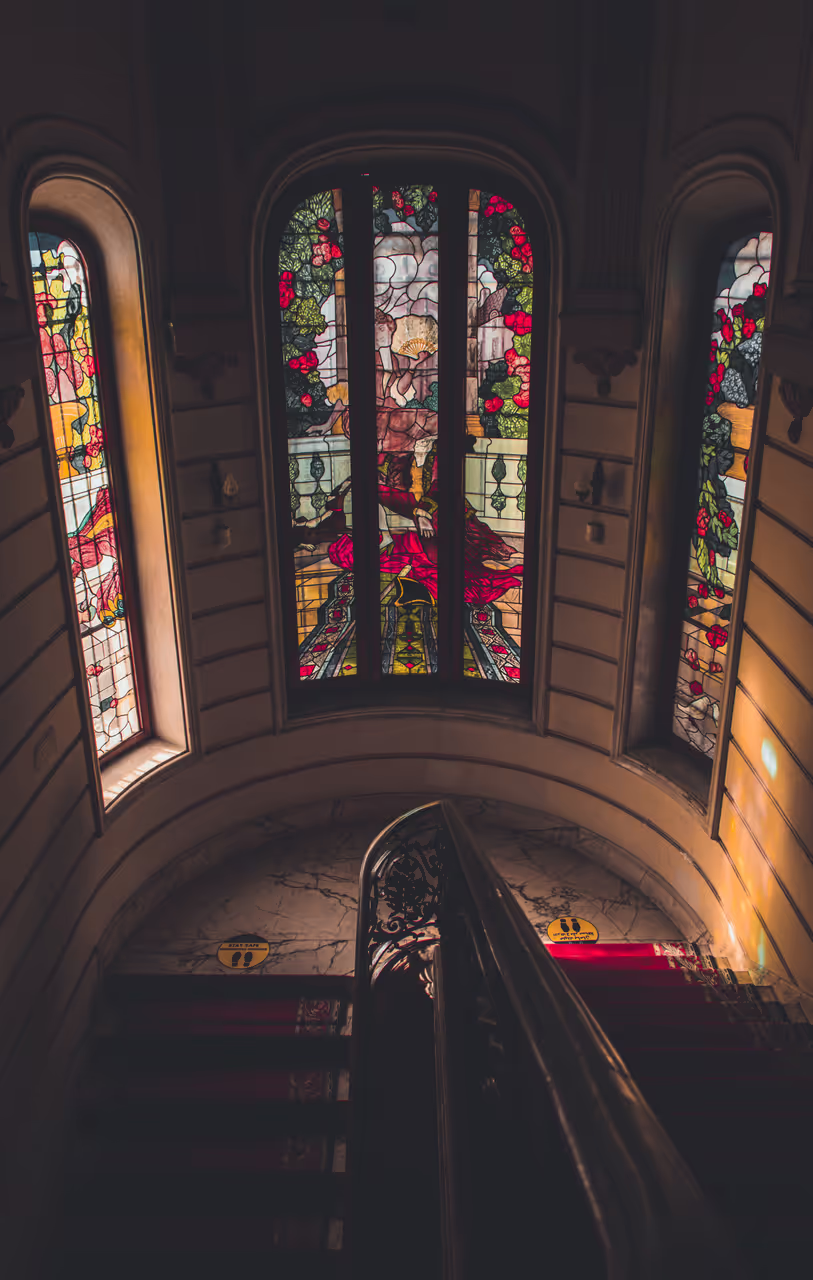
This balanced itinerary allows you to dive deep into the city's rich, layered history. You will spend time exploring the subterranean Roman tombs, marvelling at the modern library, and wandering through the grand Belle Époque commercial districts. It strikes the perfect pace between historical exploration and relaxing coastal strolls.
view itinerary
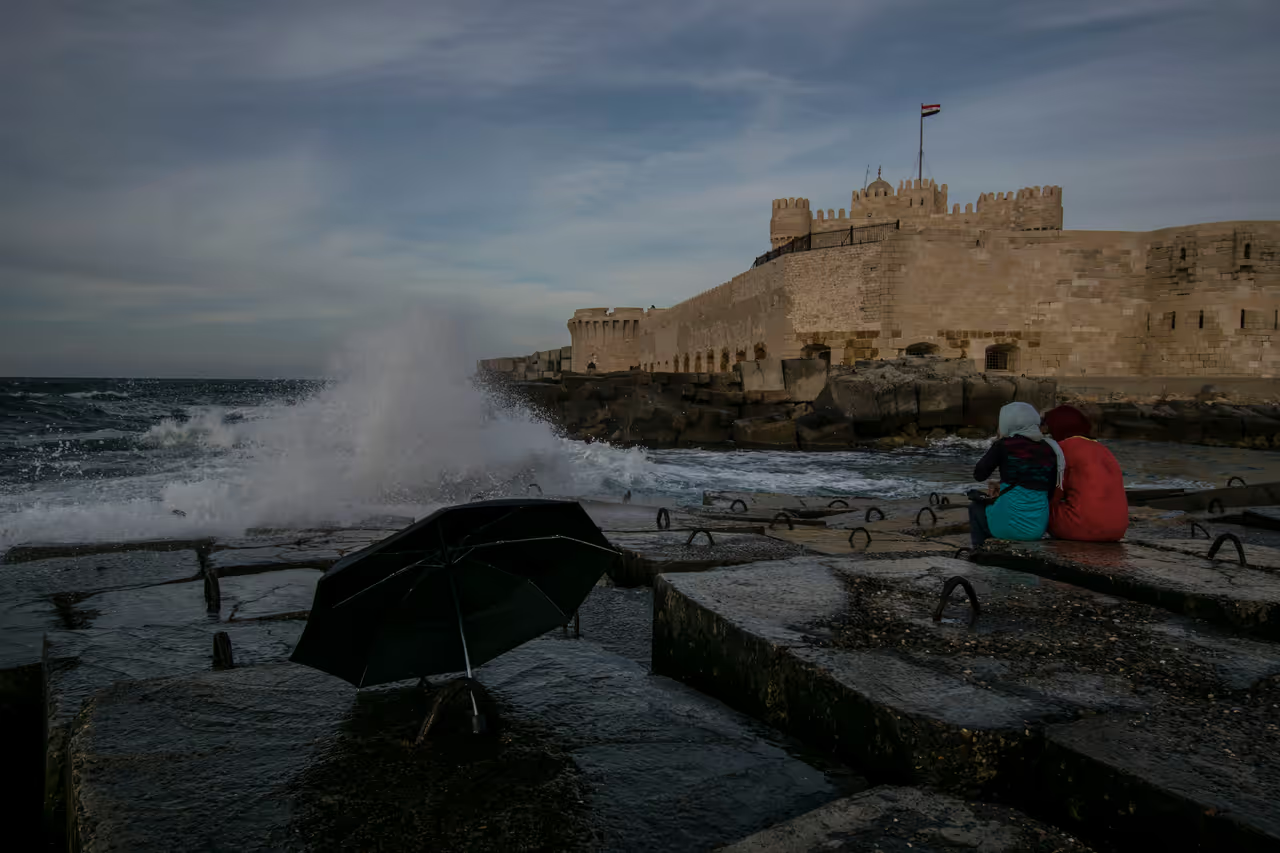
5 Days in Alexandria: Mediterranean Experience Itinerary
The ultimate deep dive into the region, perfect for history buffs and slow travellers. This itinerary covers all major city sights, adds extensive museum visits, and includes fascinating day trips to the desert fringes for unique archaeological and UNESCO heritage sites. It ensures you leave with a comprehensive understanding of the city's incredible historical weight.
view itinerary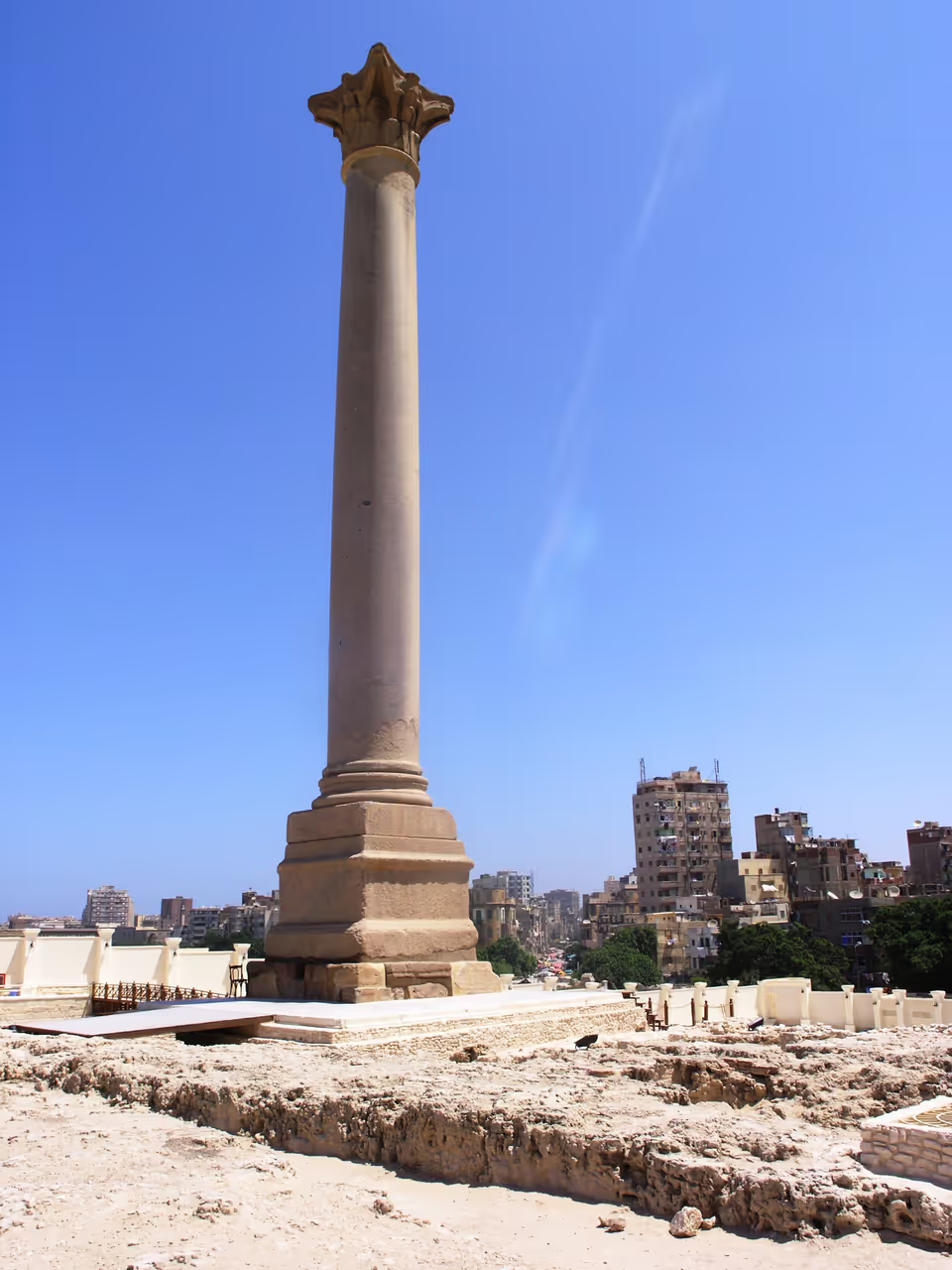
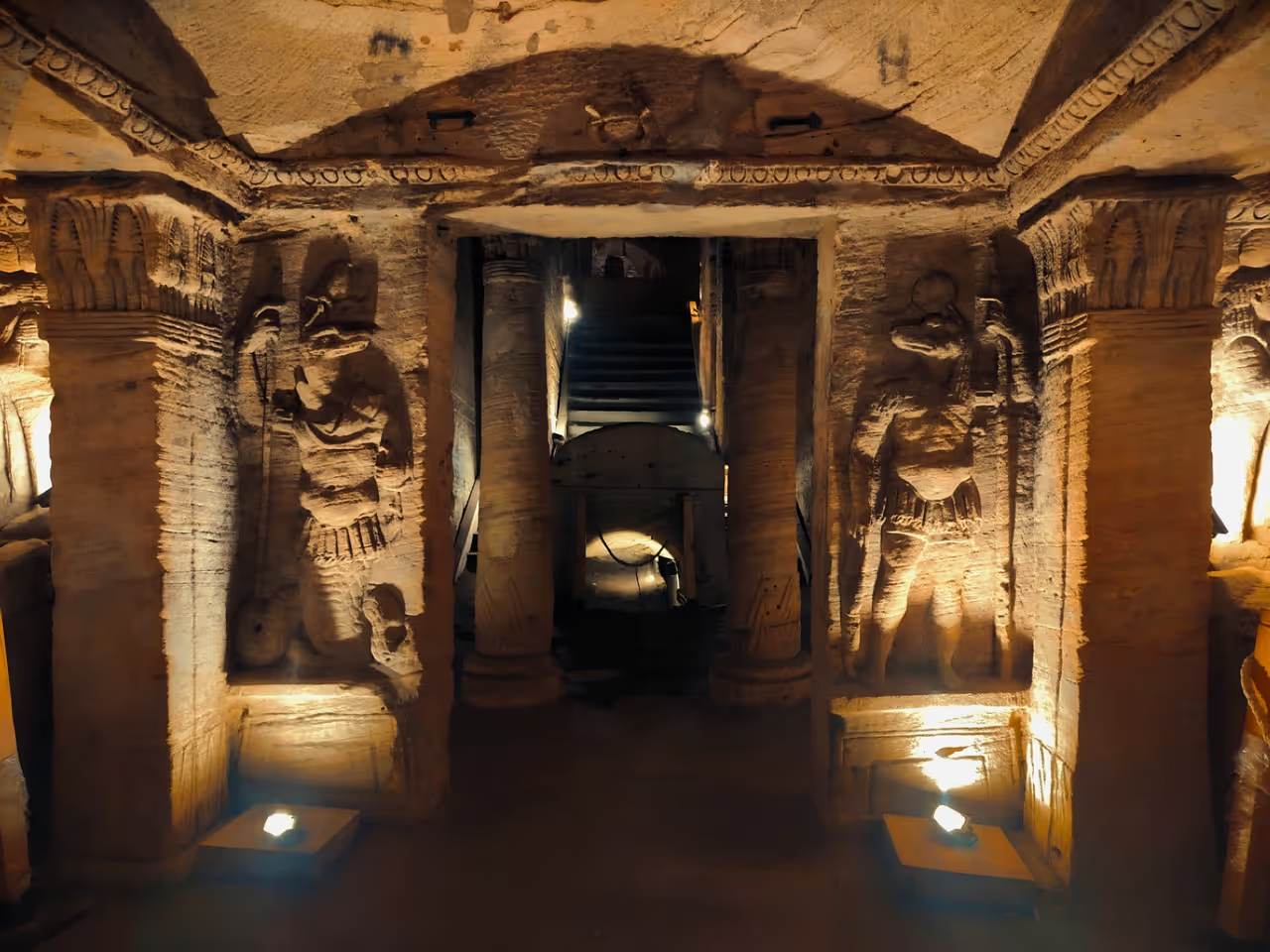
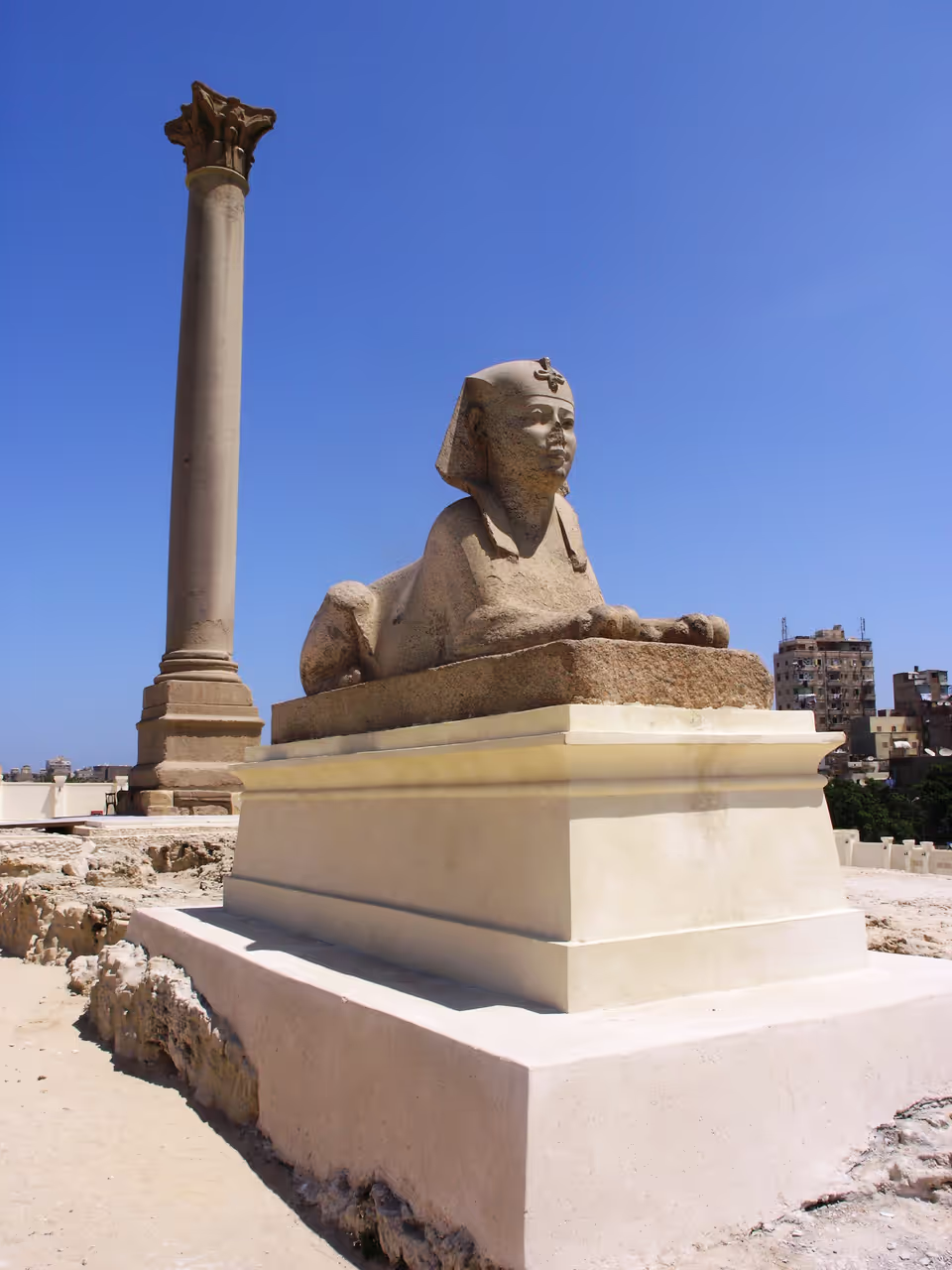
Ancient Wonders
Delve into the city's incredibly rich Graeco-Roman past by exploring the monumental ruins left behind by emperors and queens. The journey moves from towering triumphal columns to deep, labyrinthine subterranean burial chambers. It highlights the fascinating syncretism of Egyptian, Greek, and Roman artistic styles.
view self-guided tour
See all attractions in Alexandria
Bibliotheca Alexandrina, Catacombs of Kom El Shoqafa, Colossal Pompey's Pillar, Graeco-Roman Museum, Alexandria National Museum, Citadel of Qaitbay, Montaza Palace and Royal Gardens, Royal Jewelry Museum...