Graeco-Roman Museum
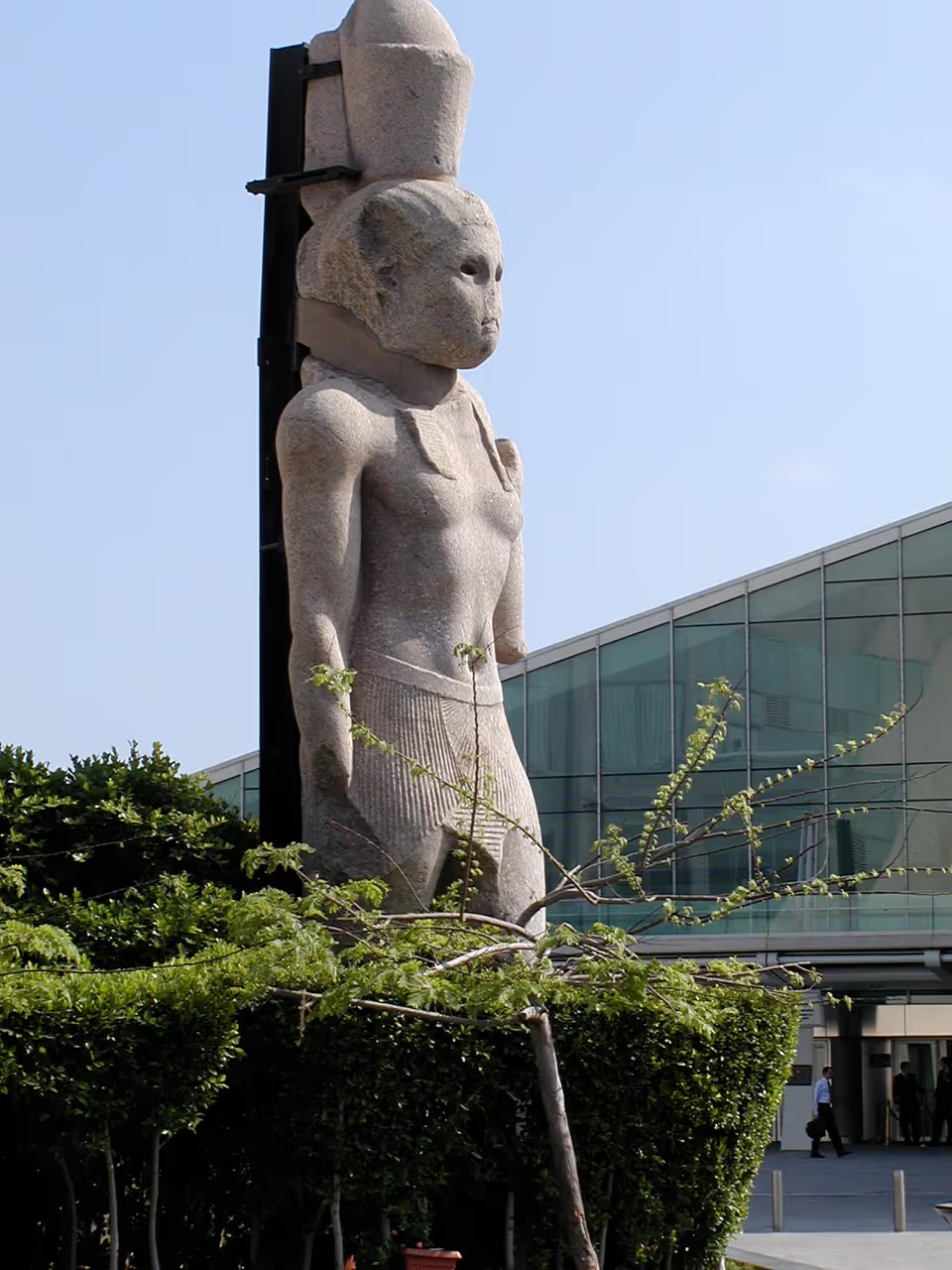
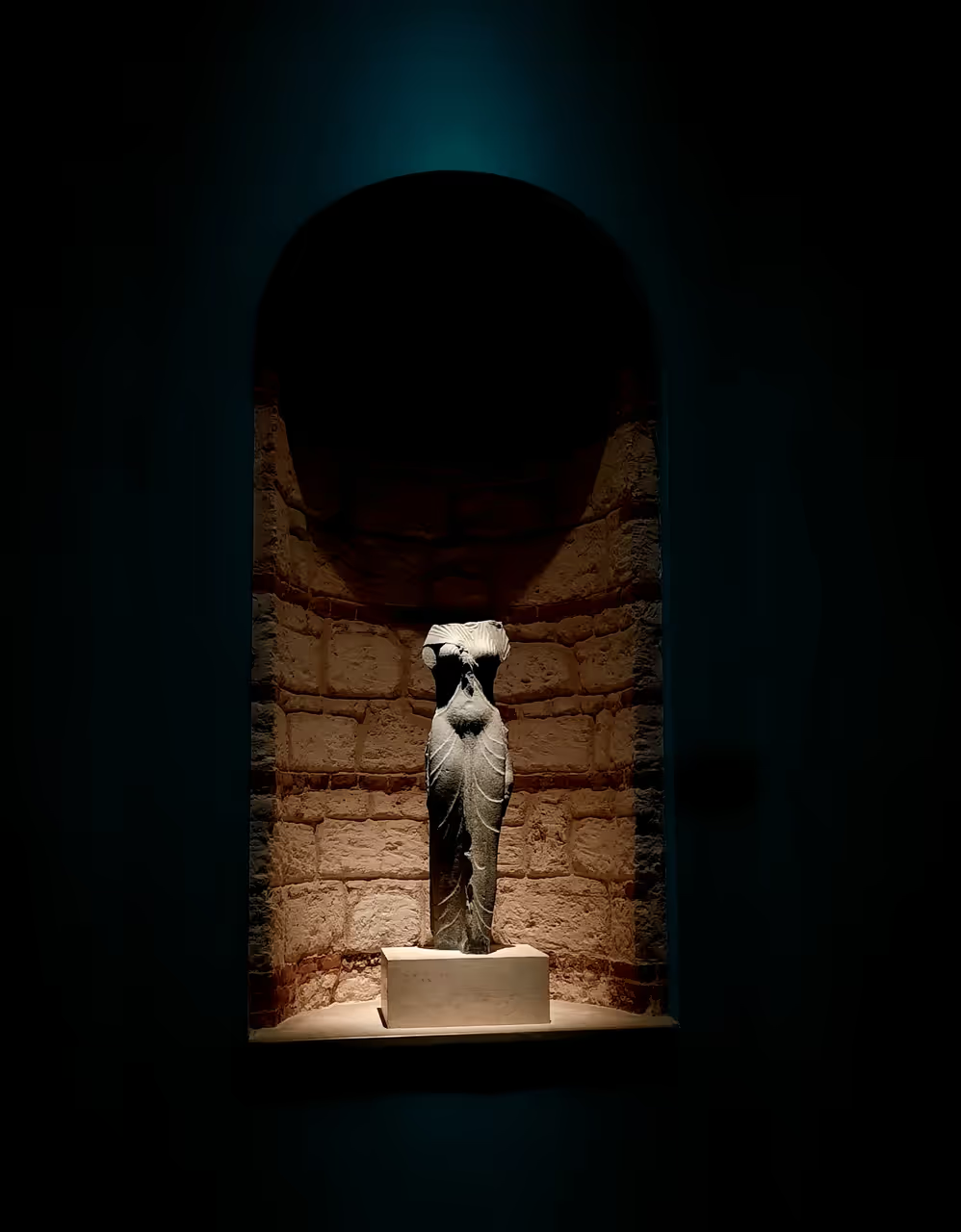
Step into a space where the Hellenistic world meets the ancient Egyptian realm. This museum serves as a bridge to Alexandria's cosmopolitan past, housing over 40,000 artefacts that span centuries of history. It offers a unique window into a time when cultures merged, leaving behind intricate mosaics, black granite sculptures, and everyday items that tell the story of the city. Recently reopened after an extensive restoration, the building itself is a masterpiece of Neoclassical design that invites you to uncover the secrets of the Mediterranean. Whether you are a history enthusiast or simply curious, this site reveals why Alexandria has long been considered the intellectual heart of the ancient world.
Videos
History of Graeco-Roman Museum
Alexandria has always been a city of encounters. When the Graeco Roman Museum first opened its doors in 1892, it was a modest affair, tucked away in a small apartment on Rosetta Street. It was born from a pressing need to safeguard the relics that were constantly being unearthed in the city's soil, many of which risked being lost to time or neglect. The early curators were explorers at heart, scouring the local landscape and the wider region for pieces that could piece together the complex identity of their home. As the collection grew, so did the ambition of the institution, eventually moving into the grand, columned building that stands today as a beacon of heritage. The museum survived wars, political shifts, and the quiet passage of time, acting as a steward for objects that range from everyday pottery to regal statues. The recent eighteen year closure was perhaps the most significant chapter in its modern history, a period of silence that masked intense activity behind the scenes. This restoration was a labour of love, aimed at ensuring that the tangible history of Alexandria could be experienced with clarity and respect. Today, the museum stands as a testament to the city's enduring spirit, inviting visitors to connect with the people who lived, worked, and thrived in the Mediterranean sun thousands of years ago. It is more than a house for relics, it is the city's memory keeper.
Events spanning 131 years
Fun Facts
- • Giuseppe Botti, the institution's first director, played a crucial role in gathering the initial collection from the local area.
- • Many of the artefacts were unearthed in the Fayoum and Benhasa regions, expanding the museum's scope beyond the immediate boundaries of Alexandria.
- • One of the most captivating pieces is the marble sculpture of Osiris Antinous, illustrating the blending of Roman imperial portraiture with Egyptian mythology.
- • The collection boasts the Sophilos Mosaic, a remarkable piece that highlights the artistic sophistication of the Hellenistic period.
- • The inscription above the entrance reads MOUSEION in Greek, meaning place of the Muses, which reflects the museum's role as a sanctuary for arts and learning.
- • The long closure allowed conservators to implement modern display techniques, ensuring that the artefacts are shown in the best possible light.
- • The museum building is a stunning example of Neoclassical architecture, featuring a grand facade with six iconic columns.
- • The museum has served as a centre for research since its inception, having published the Bulletin of the Alexandria Archaeological Society for many years.
- • The museum holds a vast array of coins, offering a tangible record of the economic history and trade routes that once connected Alexandria to the wider world.
- • Visitors can view a black granite sculpture of Apis, the sacred bull revered by ancient Egyptians, showcasing the fusion of indigenous and foreign religious practices.
Graeco-Roman Museum FAQ
While we strive to keep this information accurate and up to date, we recommend verifying any details independently before making decisions based on them.
Graeco-Roman Museum Map & Neighborhood Explorer
This interactive map is centered on Graeco-Roman Museum. Zoom in and move the map around to automatically discover Wikipedia photos and summaries of other nearby sights, monuments, and historical points of interest and stories in real-time!
Places near Graeco-Roman Museum
Make the most of your trip. Check out these top-rated spots located nearby.
 494m
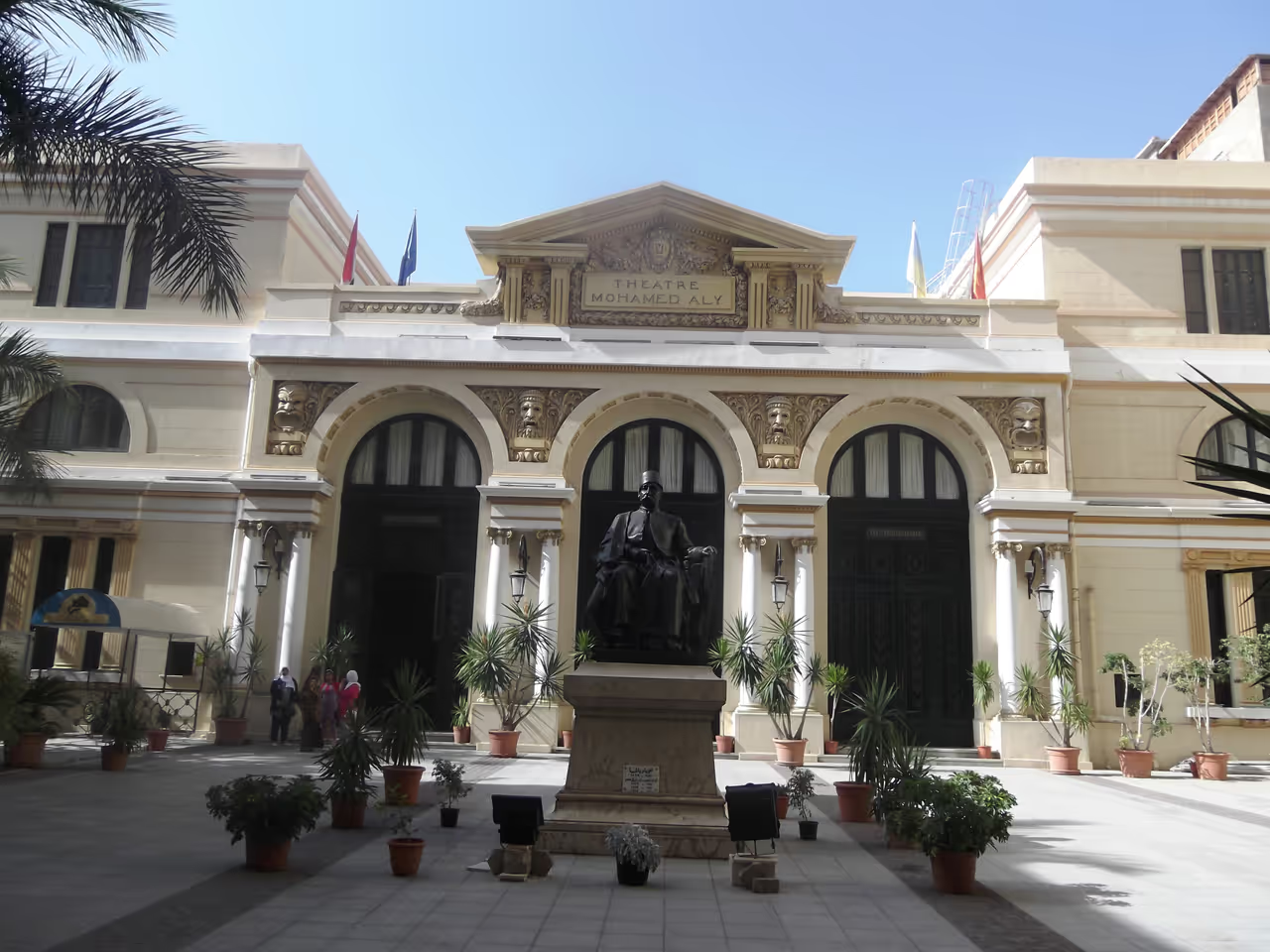
494mAlexandria Opera House
Originally known as the Teatro Mohamed Ali, this elegant venue was inaugurated in 1921. Designed by a French architect, the building is a stunning example of Renaissance Revival architecture. Inside, the lush, velvet-draped auditorium hosts classical music, ballet, and traditional Arabic performances. Attending a show here is a highly refined, culturally enriching experience that echoes the artistic highs of the early 20th century.
highlight view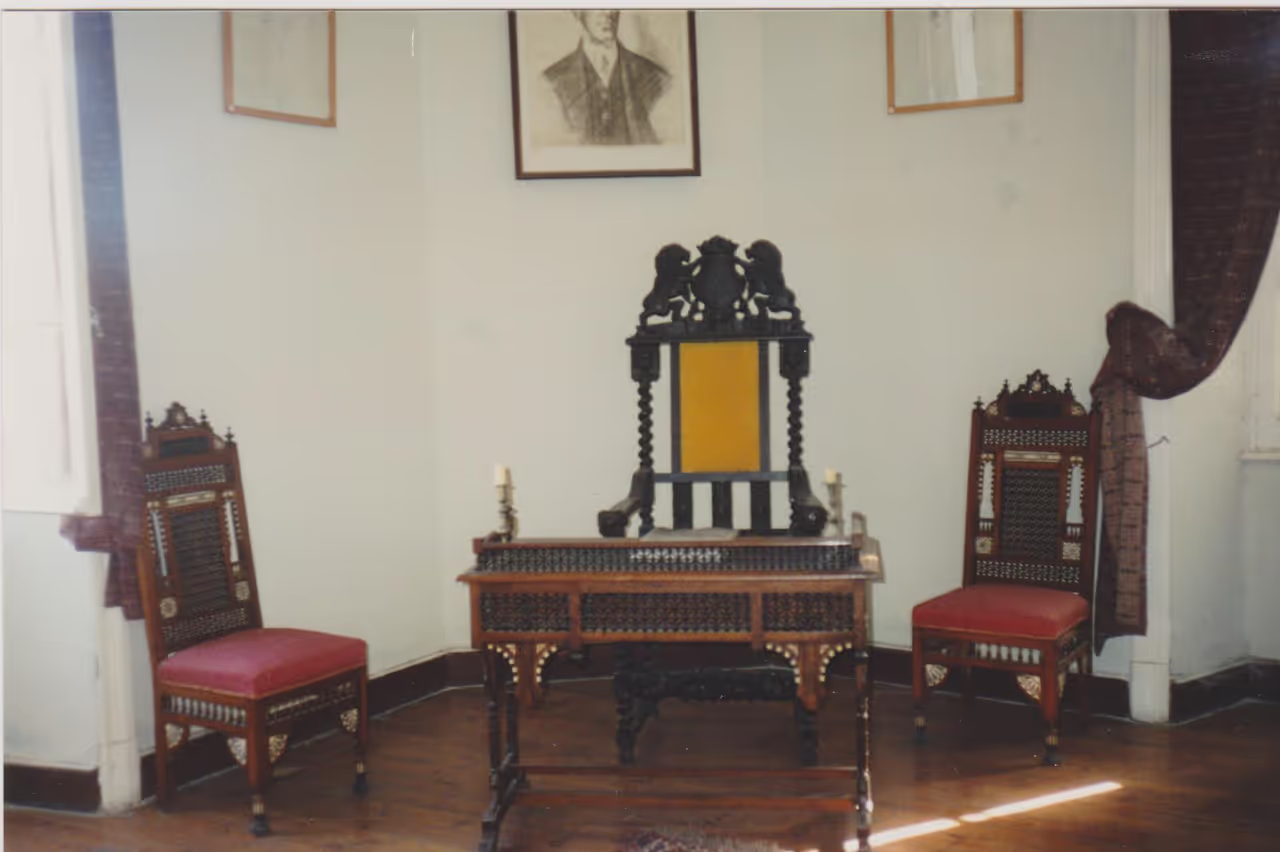 509m
509mCavafy Museum
Hidden within an unassuming apartment block lies the former home of Constantine P. Cavafy, one of the most important Greek poets of the 20th century. The museum preserves the exact space where he lived and wrote for the last 25 years of his life. The rooms are filled with period furniture, rare manuscripts, and his death mask, creating an incredibly intimate, slightly melancholy atmosphere. It offers a profound, quiet connection to the city's lost cosmopolitan literary soul.
hidden gem view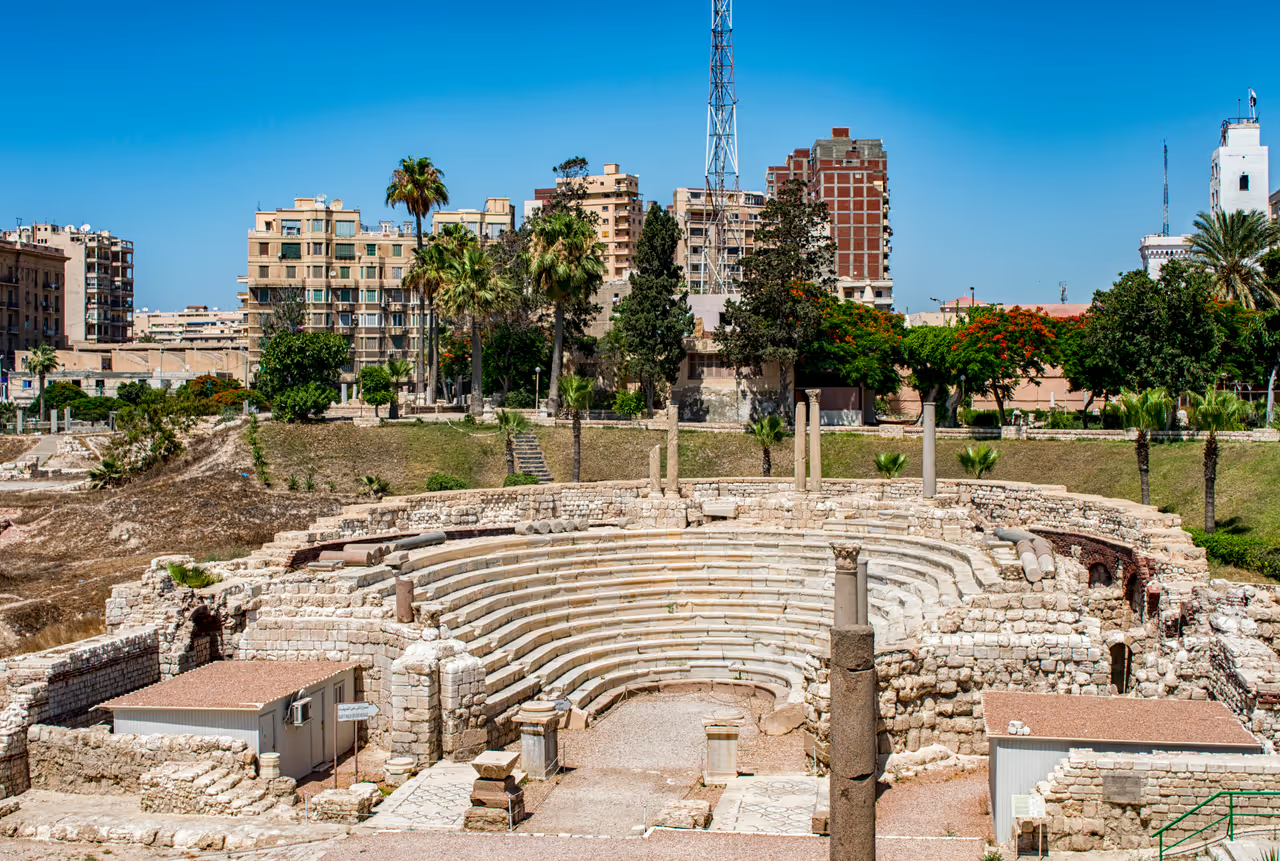 544m
544mKom El Deka
Step back in time within the heart of Alexandria at Kom El Deka, a site where history breathes through every stone. This archaeological treasure offers a rare glimpse into the Roman era, showcasing the only surviving ancient theatre in the city alongside a fascinating complex of lecture halls and imperial baths. Wander through the serene park to discover the Villa of the Birds, where remarkably preserved floor mosaics depict vibrant scenes from centuries past. It is a quiet oasis amidst the city life, inviting visitors to ponder the scholarly and social pursuits of ancient Alexandrians. Exploring this park connects you directly to the layers of civilisation that shaped this coastal jewel.
attraction view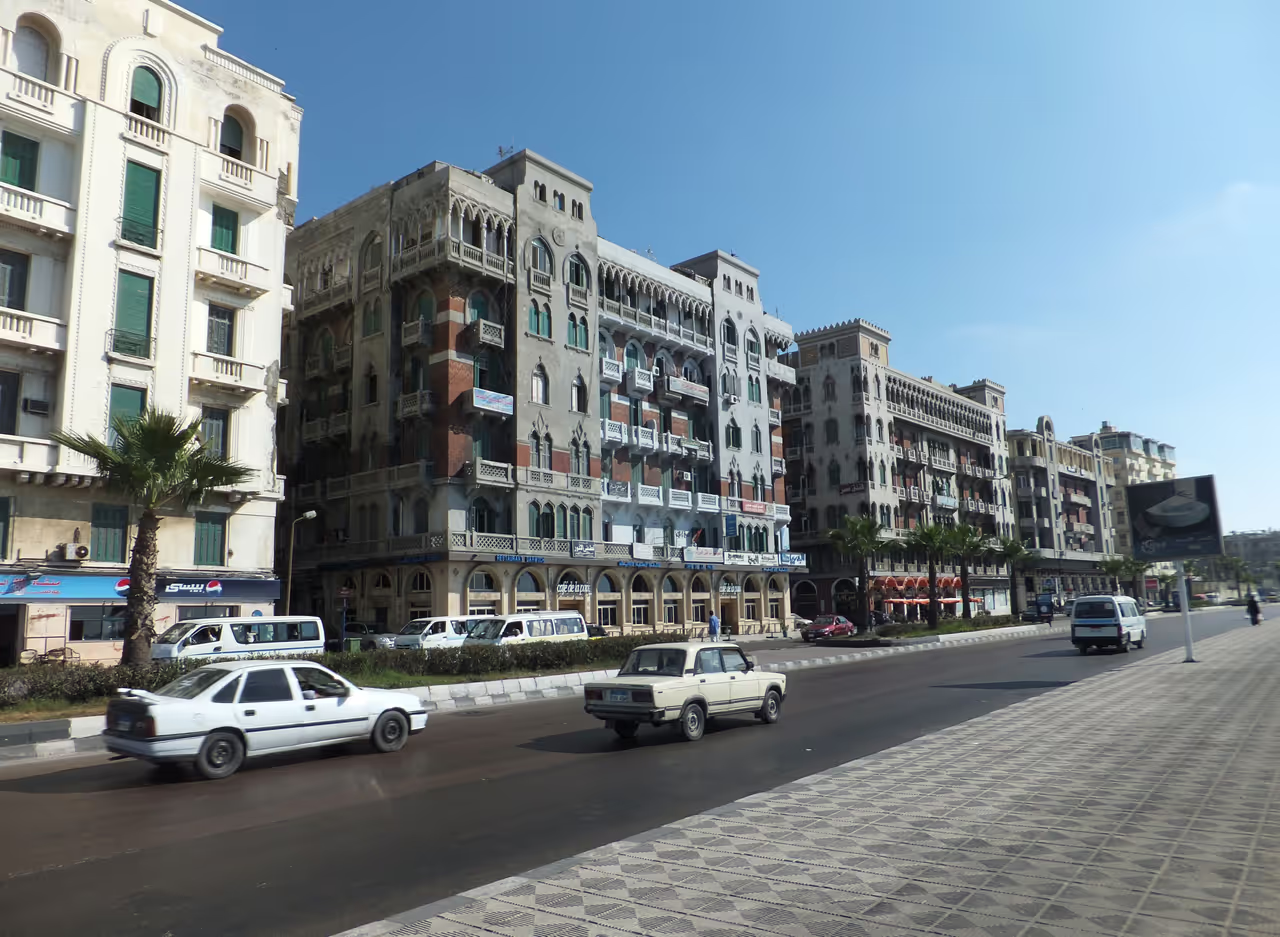 551m
551mExploring Raml Station Square
The historic transit hub of the city is an open-air museum of faded cosmopolitan grandeur. You can wander around the square admiring the striking 19th-century European architecture and the iconic yellow and blue trams rattling past. The area is dense with atmosphere and history, making it a fantastic place to simply observe the daily rhythm of urban Egyptian life. It is the perfect starting point for an architectural photography walk.
free thing to do view
Explore Similar Places in This Collection

Featured on This Itinerary
See all attractions in Alexandria
Bibliotheca Alexandrina, Catacombs of Kom El Shoqafa, Colossal Pompey's Pillar, Kom El Deka, Alexandria National Museum, Citadel of Qaitbay, Montaza Palace and Royal Gardens, Royal Jewelry Museum...