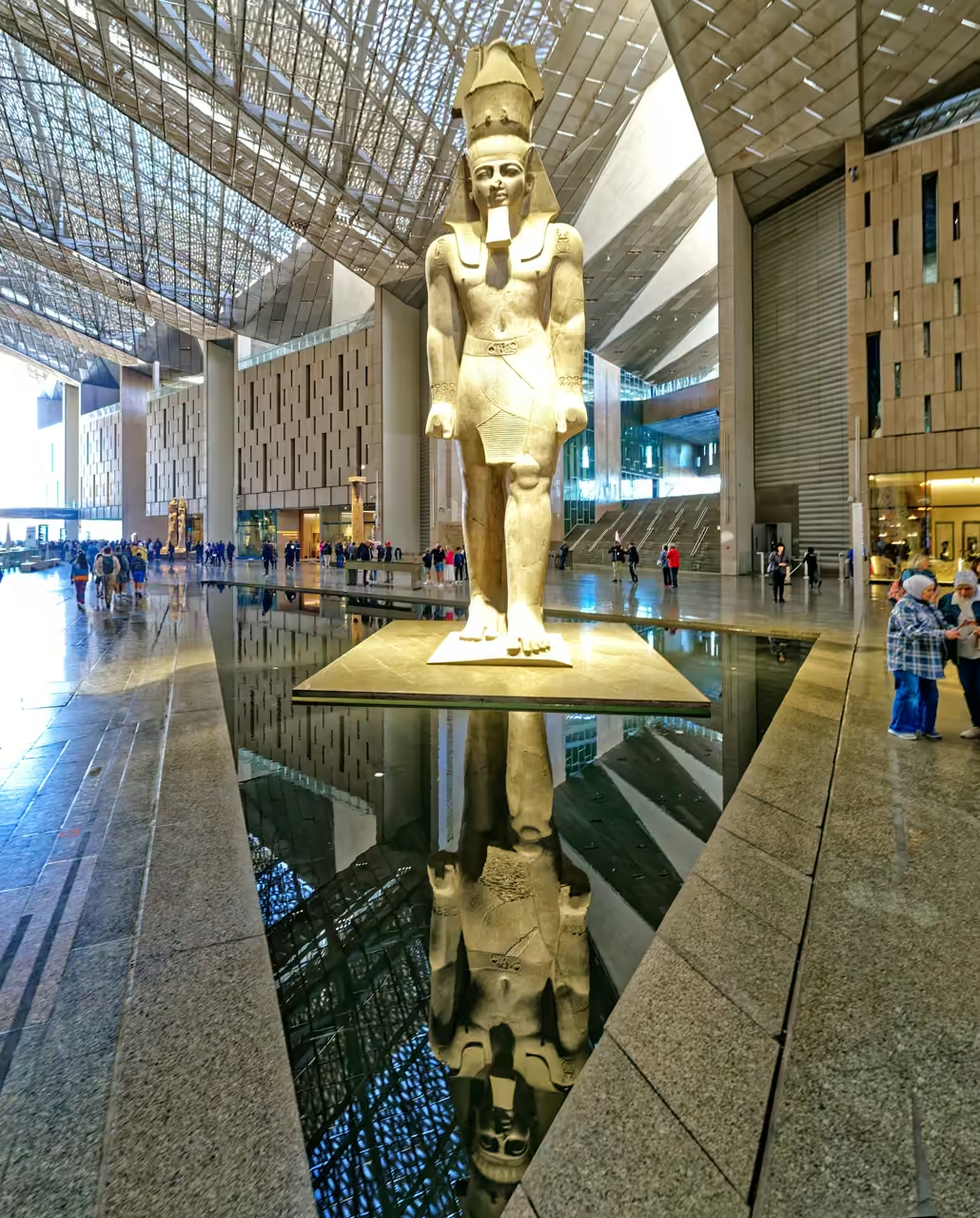
Grand Egyptian Museum
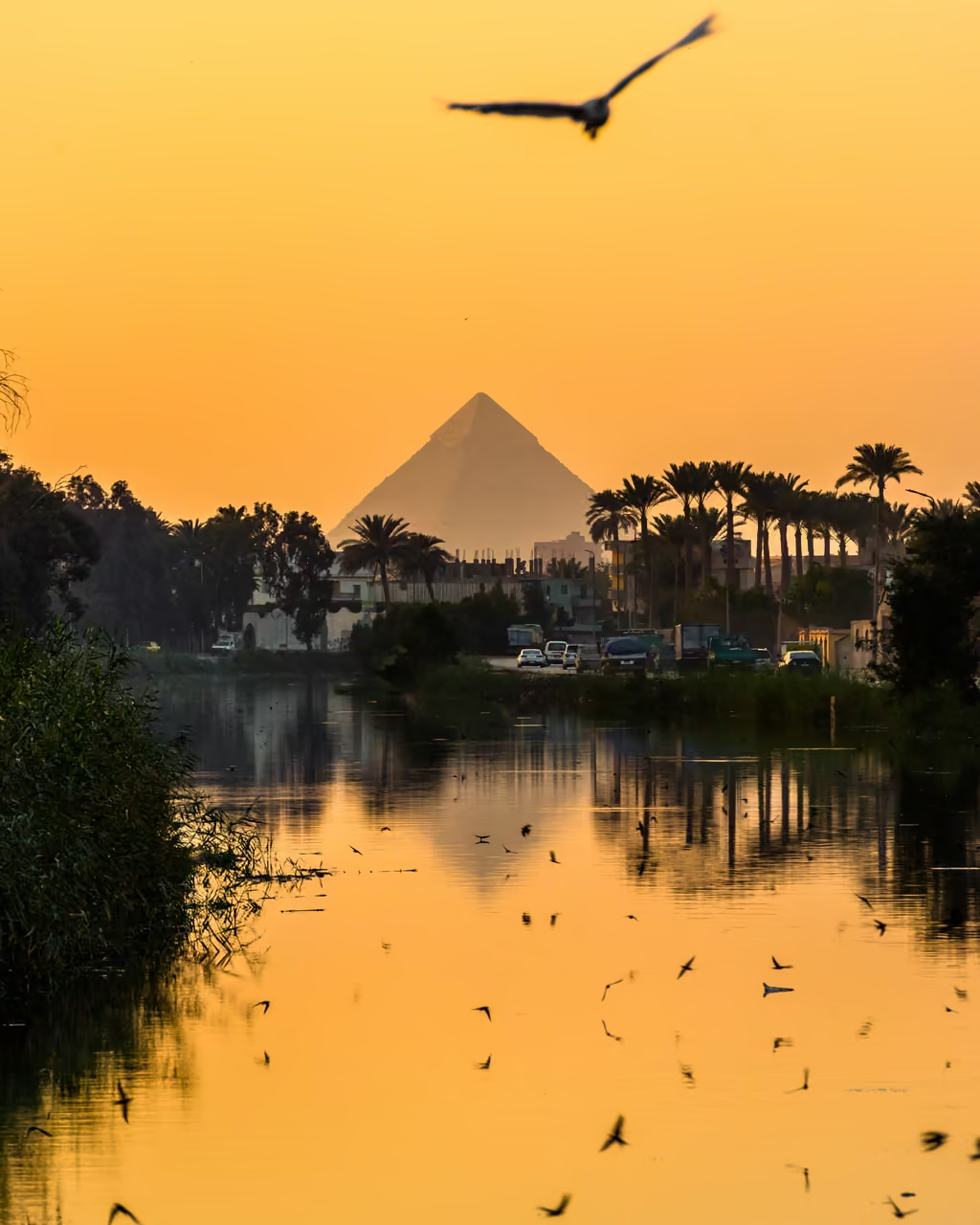
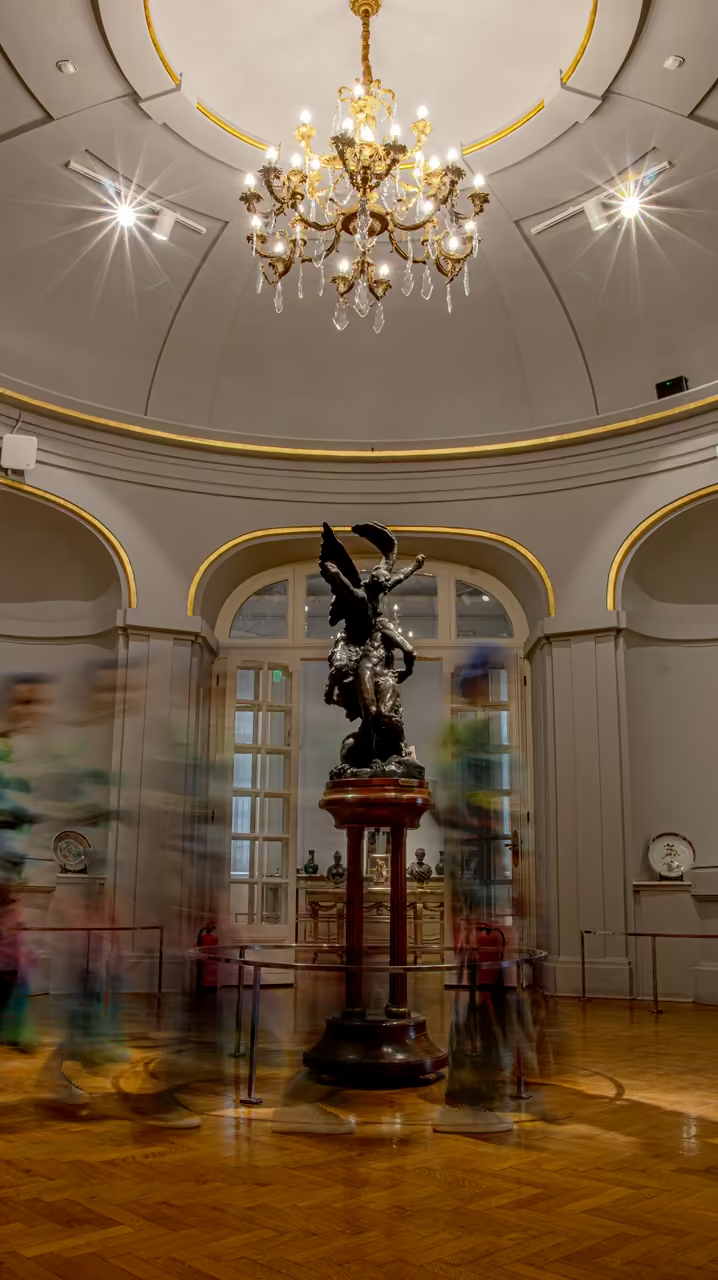
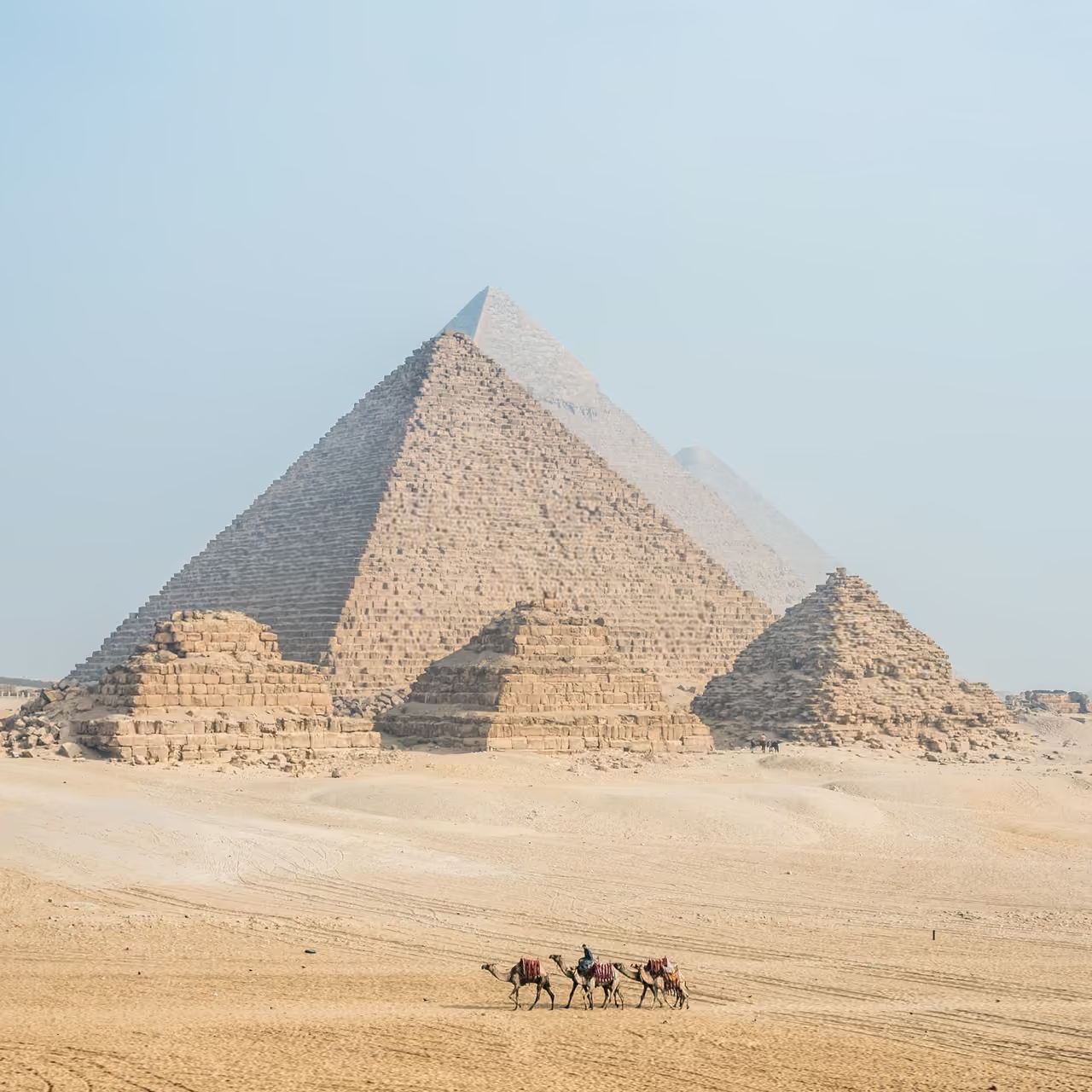
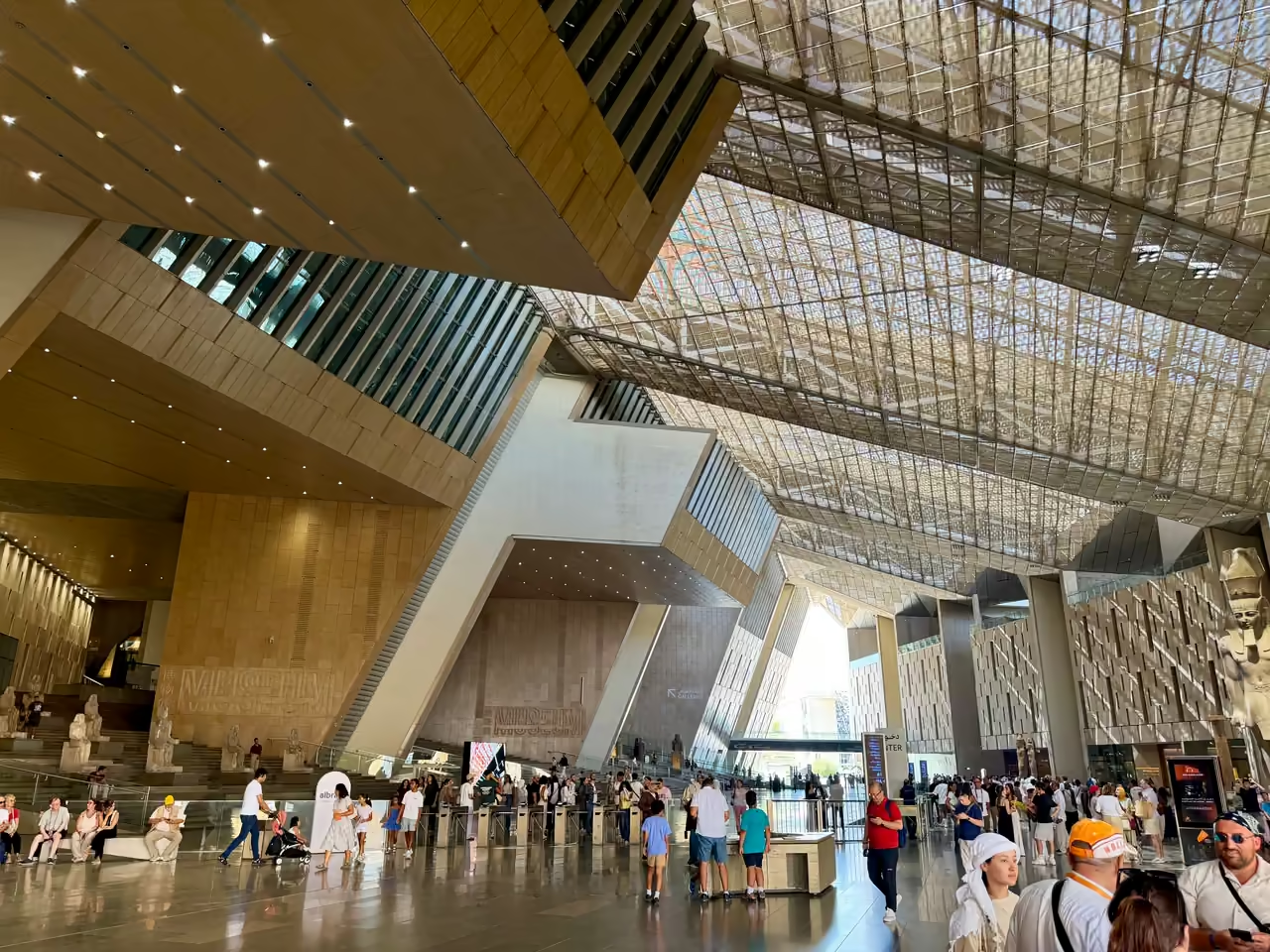
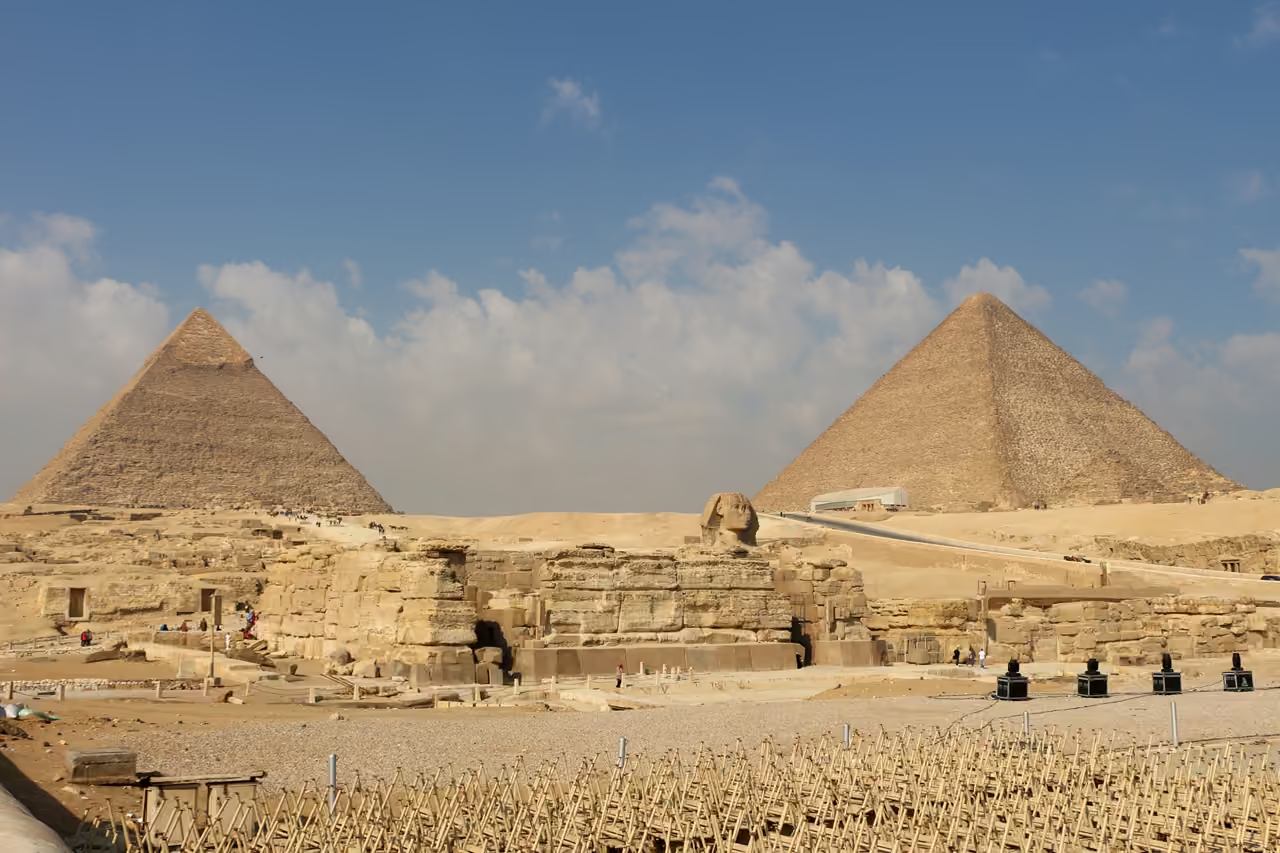
Step into the glass Atrium at the Grand Egyptian Museum and the Giza Pyramids fill the horizon just two kilometres away. Nothing here thinks small. Past a plaza of date palms and translucent alabaster walls etched with royal cartouches sits the largest museum on earth devoted to one civilisation. Inside, the Grand Staircase climbs fifty metres past monumental statues of Hatshepsut and Akhenaten into twelve galleries spanning prehistoric camps to Roman rule. Across two darkened wings, all 5,398 objects from Tutankhamun's burial finally stand together, down to his miniature ushabti servants. Until Cairo Metro Line 4 opens its Pyramids stop, arriving means weaving through Giza road traffic, and roughly 19,000 daily visitors keep the lobby brisk. Walk up to the upper terrace at the top of the staircase anyway, where the limestone peak of the Great Pyramid rises straight outside the glass.
Videos
History of Grand Egyptian Museum
In the early 1990s, the whole venture began with a migraine. Egypt's Minister of Culture Farouk Hosni grew so exasperated by the cramped halls and clumsy repairs at the old Egyptian Museum in Tahrir Square that he later admitted every visit left him depressed and nursing headaches. Determined to rescue neglected antiquities from dusty basements, Hosni pushed for a radical new home near Giza, and the government formally launched the project in 1992. Ten years later, officials kicked off an open architectural competition that drew 1,557 designs from 82 countries, making it the second largest contest of its type in history. Dublin practice Heneghan Peng took the $250,000 prize in 2003 with a chamfered triangle whose northern and southern walls align straight with the Great Pyramid of Khufu and the Pyramid of Menkaure. Construction began in 2005 through a joint venture between Egyptian firm Orascom Construction and Belgium's BESIX Group, eventually reaching a cost of $1.2 billion. Rather than starting with visitor galleries, planners put conservation science first. Opened in 2010 on the western edge of the site, the Conservation Centre became the largest antiquities restoration facility in the Middle East, housing nineteen specialist laboratories dedicated to mummies, fragile wood, stone, textiles, wall paintings, and metals. An underground tunnel stretching 200 metres linked those labs straight to the main complex, allowing specialists to stabilise tens of thousands of pieces relocated from regional warehouses in Luxor, Minya, Sohag, Assiut, Beni Suef, Faiyum, Alexandria, and the Nile Delta years before any tourist set foot inside. Turning the monumental building site into a functioning museum tested national patience across multiple setbacks. Originally scheduled to open in 2020, the project stalled during the global COVID-19 pandemic, then slipped repeatedly from 2021 through 2024 as engineers tackled delicate transport logistics and installation schedules. Momentum finally returned in October 2024, when the galleries welcomed four thousand guests a day for a trial run that recorded 1.5 million visits over ten months. Yet just weeks before the planned formal opening on 3 July 2025, Prime Minister Mostafa Madbouly announced another postponement, citing regional instability during the Twelve-Day War between Iran and Israel. After a closure lasting nineteen days for final preparations, the museum staged its official inauguration on 1 November 2025. Three days later, the public finally walked in. That 4 November opening carried quiet symbolism, falling on the exact 103rd anniversary of archaeologist Howard Carter discovering Tutankhamun's tomb in 1922. More than eighteen thousand visitors entered on that single day, filling halls that had stood behind construction barriers since 2005.
11 events spanning 33 years
Fun Facts
12- 01
A Children's Museum spanning 5,000 square metres swaps glass display cases for augmented reality, interactive screens, and tactile games designed specifically for visitors aged six to twelve.
- 02
Adjoining the main entrance sits a conference complex covering 40,000 square metres and styled after ancient temples, equipped with an auditorium seating 1,000 guests, three seminar halls, and a 3D cinema for 250 viewers.
- 03
Among the boy king's treasures sit three nested coffins, including an innermost casket cast from 110 kilograms of solid gold beside a gilded throne showing intimate scenes of Tutankhamun and his wife Ankhesenamun.
- 04
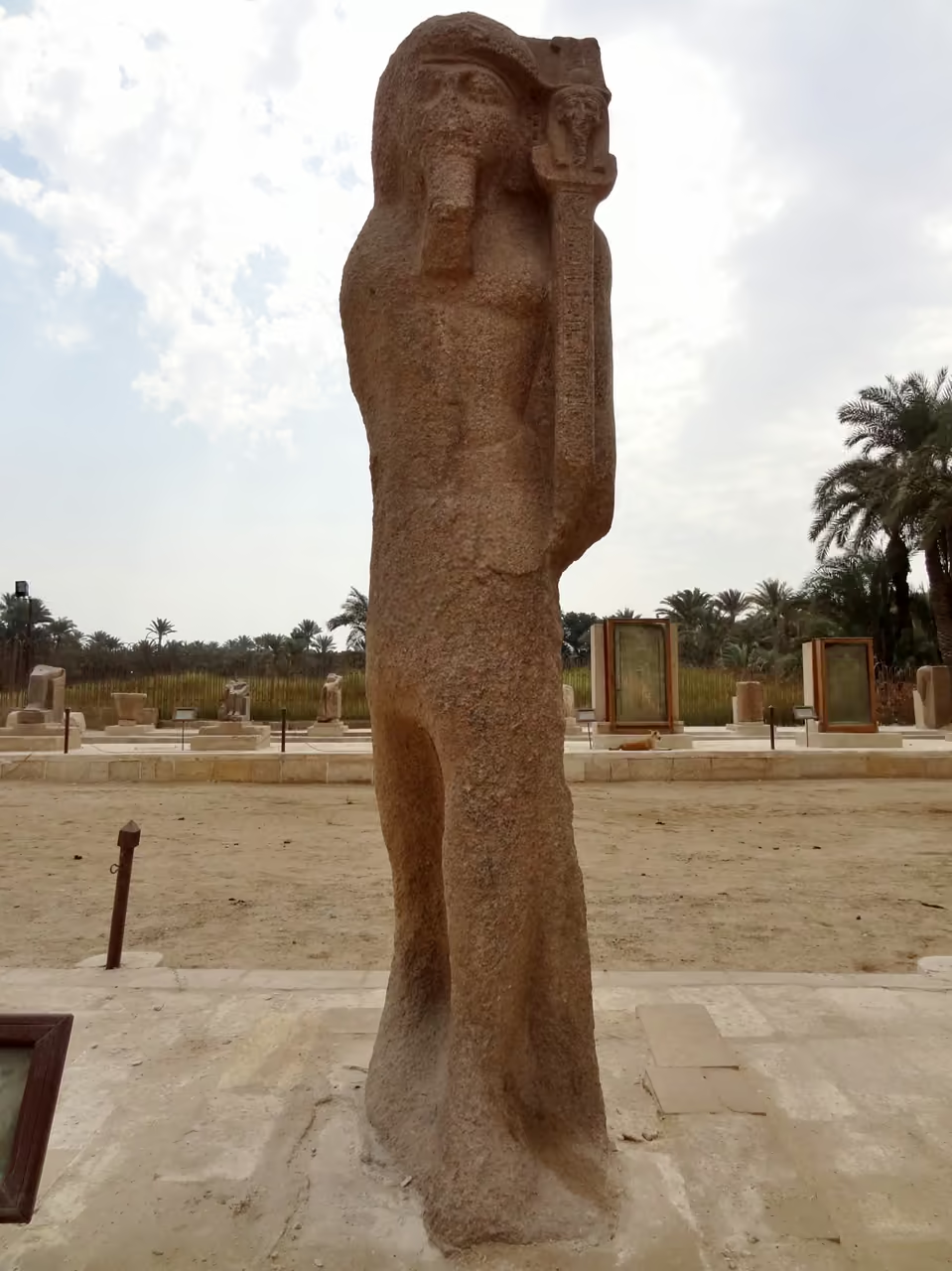
Carved originally at Mit Rahina and moved from Cairo's congested Ramses Square in 2006, a granite statue of Ramesses II standing eleven metres tall and weighing 83 tonnes was hoisted into the Atrium in 2018 while construction crews still worked around it.
- 05
Curators spent until May 2025 assembling the final Tutankhamun pieces, transporting 163 remaining artefacts across Cairo from the historic Egyptian Museum to complete the royal collection in Giza.
- 06
Even though two halls with strict climate controls recreate the atmosphere of Tutankhamun's burial chamber, the young pharaoh's physical mummy never left Luxor and still rests in his original Valley of the Kings tomb.
- 07
Four bracelets recovered from the Abydos tomb of First Dynasty ruler King Djer anchor the early galleries as the oldest surviving royal jewellery known from Ancient Egypt.
- 08
Inside the separate Khufu Ships Museum, two cedarwood solar barques built roughly 4,600 years ago stand together after the intact first vessel moved from beside the Great Pyramid in August 2021 to join its newly reassembled twin.
- 09
More than 20,000 objects inside had never been seen by the public before the museum opened, bringing out long stored treasures such as Queen Hetepheres' royal goods and the tomb furnishings of Queen Tiye's parents, Yuya and Thuya.
- 10
Nearly two years before tourists arrived, Egyptian soprano Fatma Said joined conductor Nader Abbassi and the United Philharmonic Orchestra and Choir in January 2023 to perform the building's very first musical concert.
- 11
Suspended on four stone pillars outside the main gate, the Hanging Obelisk of Ramesses II invites people to walk underneath its base and read royal cartouches hidden on its underside for millennia.
- 12
Unveiled in June 2018, the museum's geometric orange emblem by designer Tariq Atrissi formed part of a branding and exhibition contract worth 800,000 Egyptian pounds alongside German studio Atelier Brückner, sparking lively debate over modernising pharaonic graphics.
FULL PLACE DETAILS
Updated
FULL PLACE DETAILS
UpdatedOVERVIEW & STATS
- Established
- In 2025, making it 1 years old
- Wi-Fi
- Free
ARCHITECTURE & HERITAGE
- Architects
- Heneghan PengRoisin Heneghan
Grand Egyptian Museum Map & Neighborhood Explorer
This interactive map is centered on Grand Egyptian Museum. Zoom in and move the map around to automatically discover Wikipedia photos and summaries of other nearby sights, monuments, and historical points of interest and stories in real-time!
Grand Egyptian Museum FAQ
The museum sits roughly two kilometres northwest of the Giza Pyramid complex. From inside the glass roofed Atrium and from the upper terrace at the top of the Grand Staircase, you get direct views straight toward the Great Pyramid.
Yes. Two dedicated galleries covering more than 7,000 square metres display all 5,398 surviving objects from Tutankhamun's tomb together for the first time, including his golden mask, nested coffins, throne, and jewellery. Note that his mummy itself stays in Luxor's Valley of the Kings rather than Giza, so travellers keen to see his remains should still include Luxor in their itinerary.
Not completely. While major highlights such as the complete Tutankhamun collection and tens of thousands of previously stored pieces moved to Giza, the historic Egyptian Museum in downtown Cairo's Tahrir Square remains open with significant antiquities of its own.
Until Cairo Metro Line 4 finishes construction on its dedicated Pyramids Station, the easiest way to arrive is by taxi, rideshare, or organised tour via the Giza motorway interchange. Once Line 4 opens, the metro will connect visitors directly toward the museum site.
Yes. Alongside accessible lifts and rest areas throughout the main complex, a dedicated 5,000 square metre Children's Museum caters specifically to ages six to twelve using augmented reality, interactive screens, and tactile games rather than traditional display cases.
Alongside the chronological galleries, visitors can explore the separate Khufu Ships Museum housing two ancient cedarwood solar boats, rotating international shows in four Temporary Exhibition Halls, and special events in an adjoining conference complex featuring a 3D cinema.
A typical visit takes about 4 hours. We recommend planning your schedule accordingly to make the most of your time there.
The closest place to visit near Grand Egyptian Museum is El-Remayah Square Desert Highway Approach, around 1.1 km away. Other things to do near Grand Egyptian Museum include Marriott Mena House Historic Palace Wing (1.6 km), Tombs of the Pyramid Builders (1.8 km) and Khufu's Restaurant Plateau Terrace (1.9 km). All of these are within roughly 1.9 km of Grand Egyptian Museum.
Free Wi-Fi is available on site.
It dates back to 2025, making it 1 year old.
Grand Egyptian Museum was designed by Heneghan Peng and Roisin Heneghan.
Grand Egyptian Museum is wheelchair accessible with help.
While we strive to keep this information accurate and up to date, we recommend verifying any details independently before making decisions based on them.
Places near Grand Egyptian Museum
Make the most of your trip. Check out these top-rated spots located nearby.
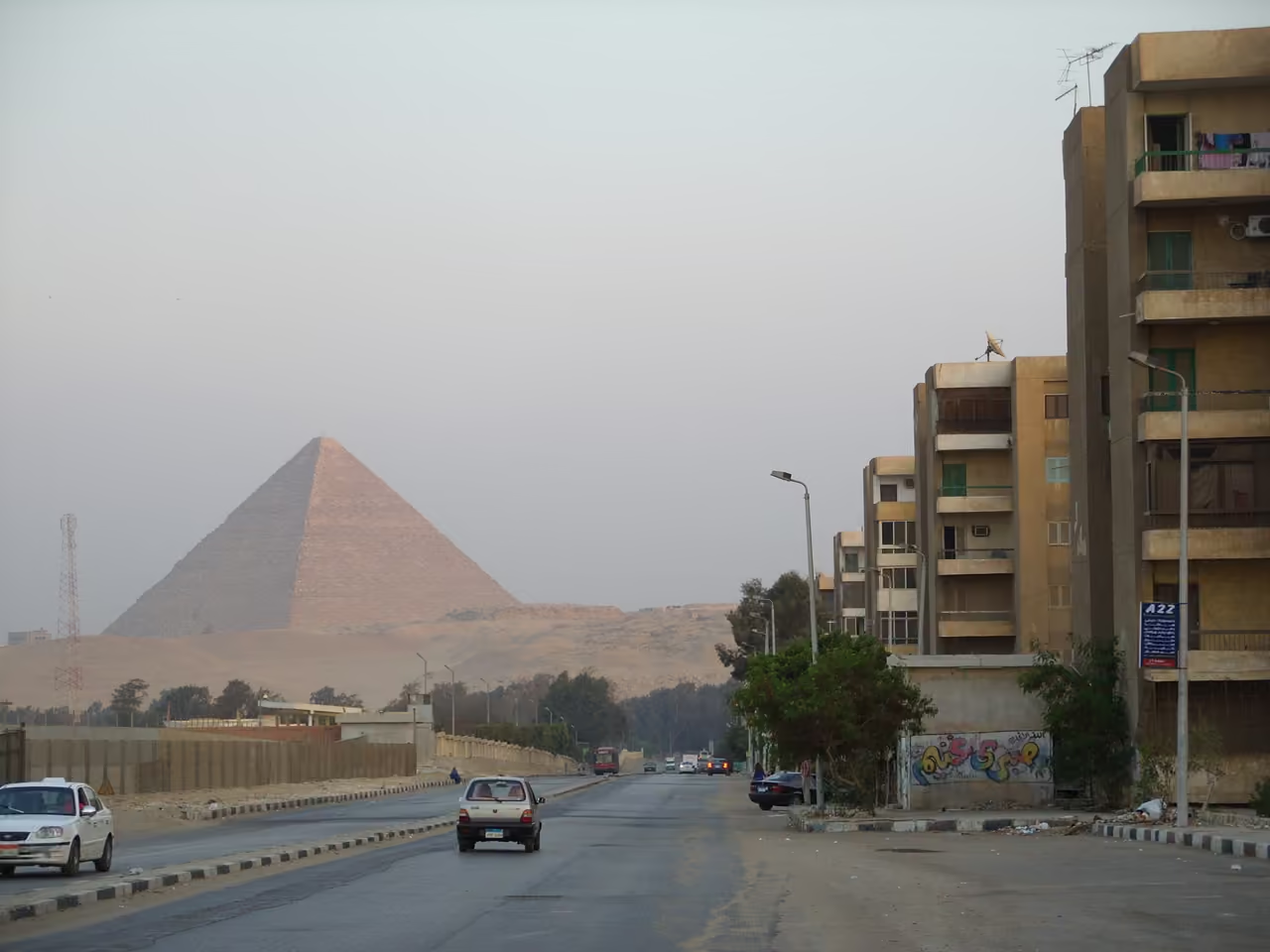 1107m
El-Remayah Square Desert Highway Approach
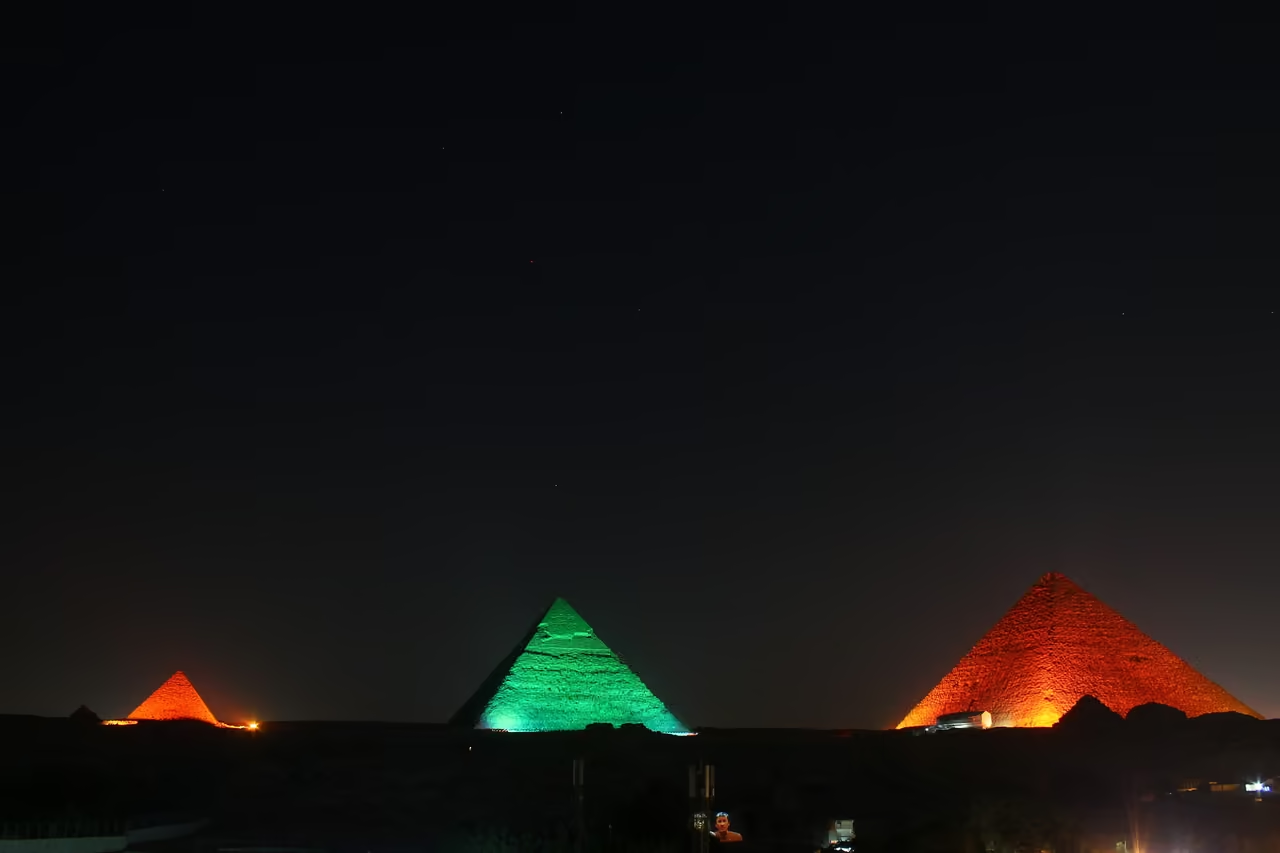
Sweeping ramps descending past El-Remayah Square offer wide-angle dusk frames where glowing evening traffic trails circle beneath three dark limestone triangles hovering above the western rim. Capture this classic contrast from pedestrian overpasses or high hotel corridors facing south just as twilight deepens to cobalt blue.
photo spot view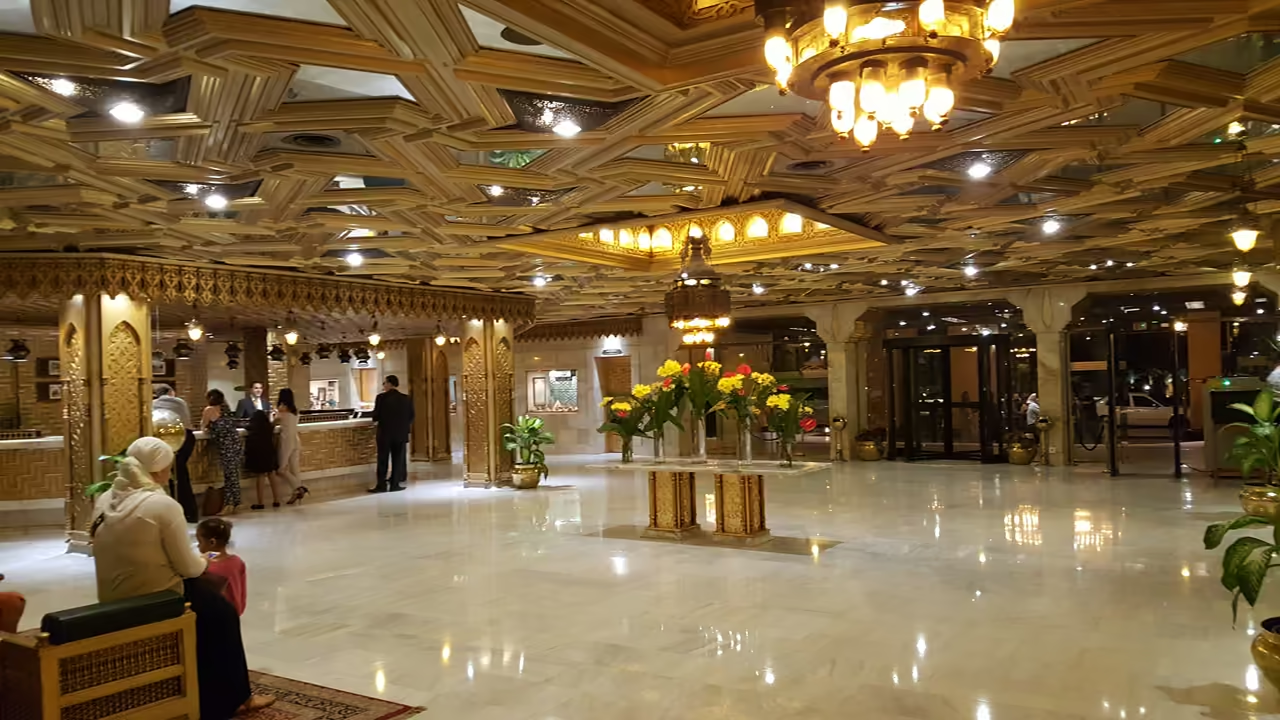 1635m
Marriott Mena House Historic Palace Wing
Constructed in 1869 as a royal hunting lodge for Khedive Ismail ahead of Suez Canal festivities, the original palace wing pairs hand-carved mashrabiya balconies with Arabesque stucco arches and inlaid marble courtyards. In November 1943, Winston Churchill, Franklin Roosevelt, and Chiang Kai-shek convened in its palm gardens for the wartime Cairo Conference within sight of Khufu's northern stone face. Even during periodic palace wing restorations, the colonnaded terraces showcase nineteenth-century Khedivial elegance.
architecture view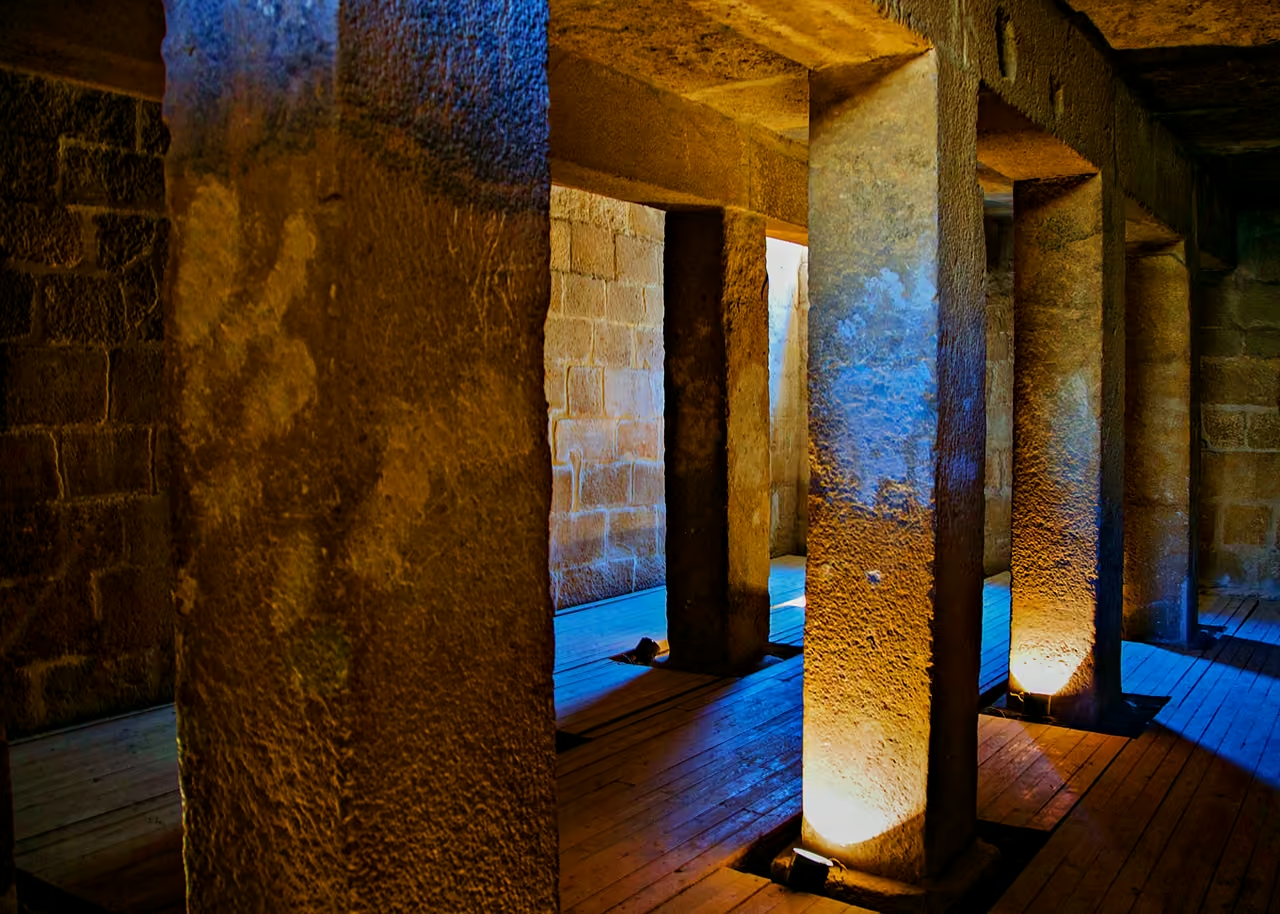 1807m
Tombs of the Pyramid Builders
Located on the rocky slope southeast of the Sphinx well off the main tour-bus circuit, these modest mud-brick and rubble graves mark where Fourth Dynasty overseers, quarrymen, and craftspeople were laid to rest beside their pharaohs. Small dome vaults and carved inscriptions sit quietly in warm desert wind, offering moving human proof of the skilled workforce that actually raised Khufu's stone.
hidden gem view- 1872m
Khufu's Restaurant Plateau Terrace
Built inside the Giza Plateau enclosure in crisp glass and warm desert stone, Khufu's elevated dining deck aligns white-tablecloth contemporary Egyptian plates directly with the western flank of the Great Pyramid. You watch camels cross distant sand tracks in air-conditioned comfort or open-terrace shade during plateau daytime hours. Advance lunch bookings guarantee front-row terrace seating facing ancient masonry.
viewpoint view
Explore Similar Places in This Collection
Featured on These Itineraries and Routes
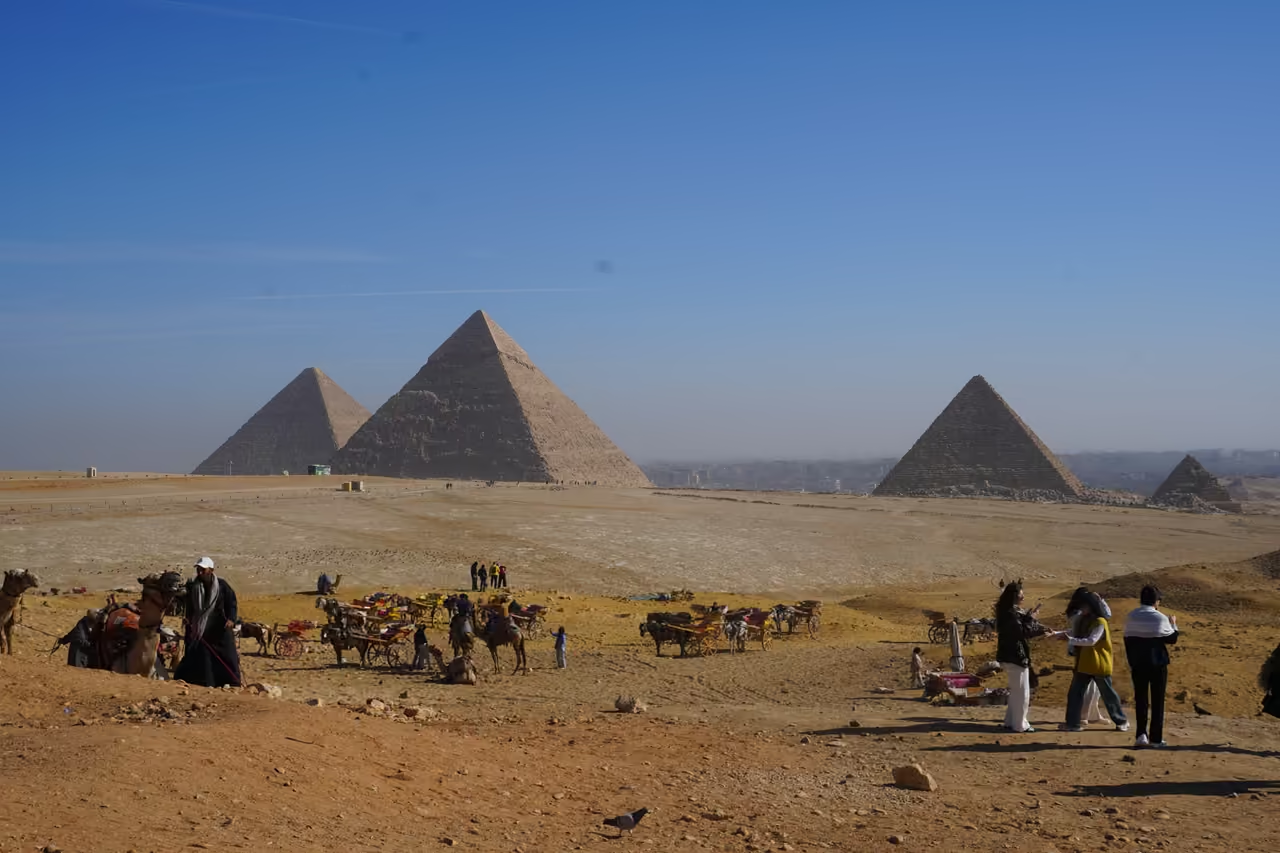
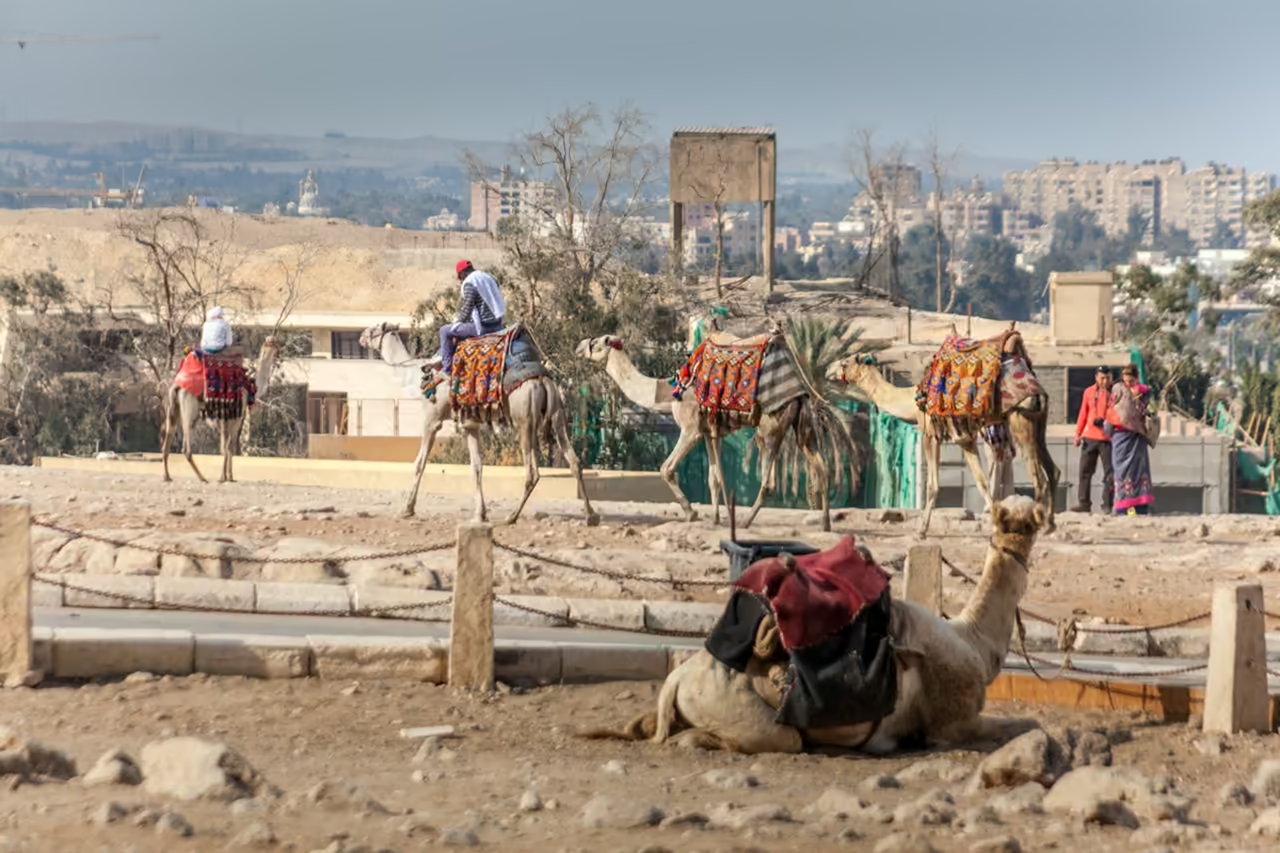
1 Day in Giza: Pyramids, Tutankhamun, and Sphinx Dusk
Short on time yet determined to capture Giza's greatest landmarks cleanly in a single day? Hit the Giza Pyramid Complex right as gates unlock at dawn, cross the plateau to the Western Panorama ridge before heat builds, spend your afternoon inside the air-conditioned Grand Egyptian Museum, and wrap up over mint tea above Nazlet El-Semman as night illuminates the Sphinx.
view itinerary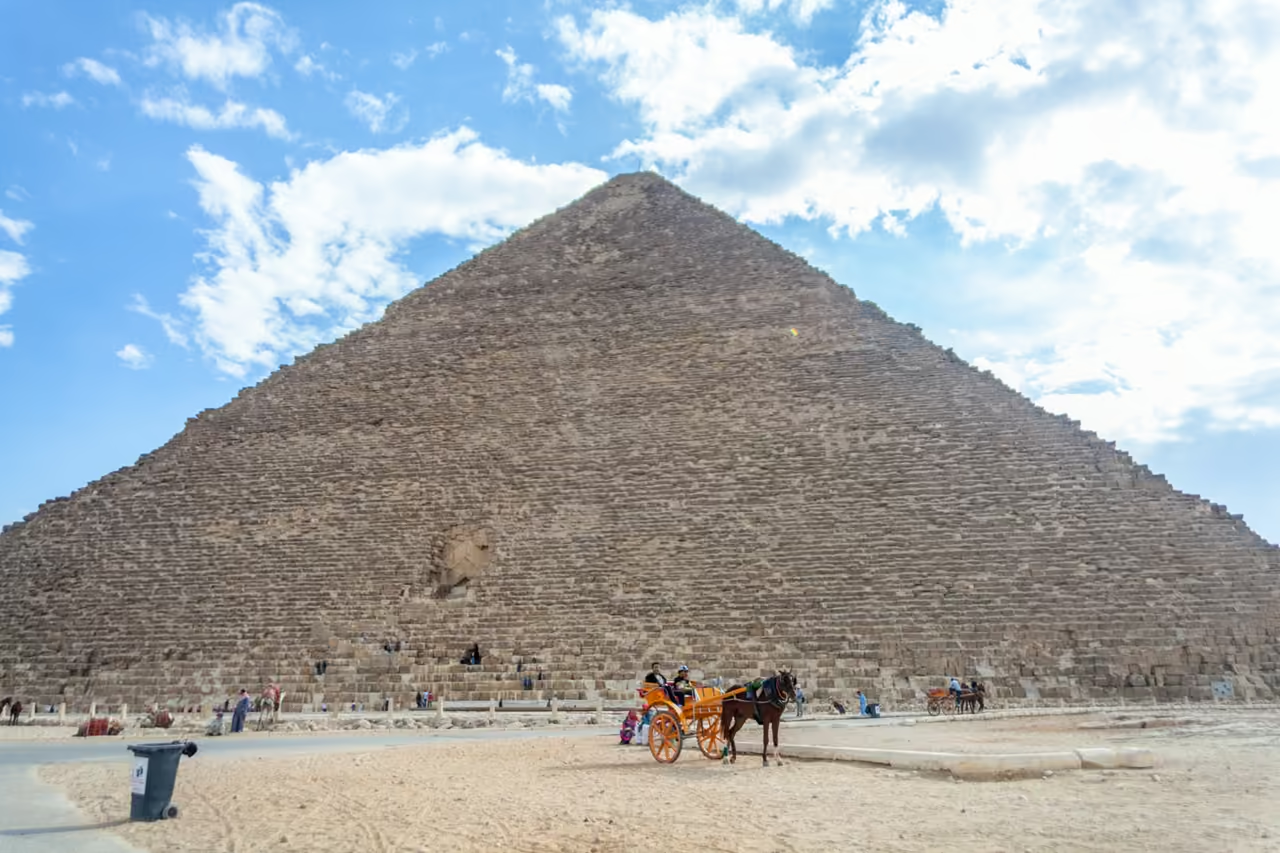
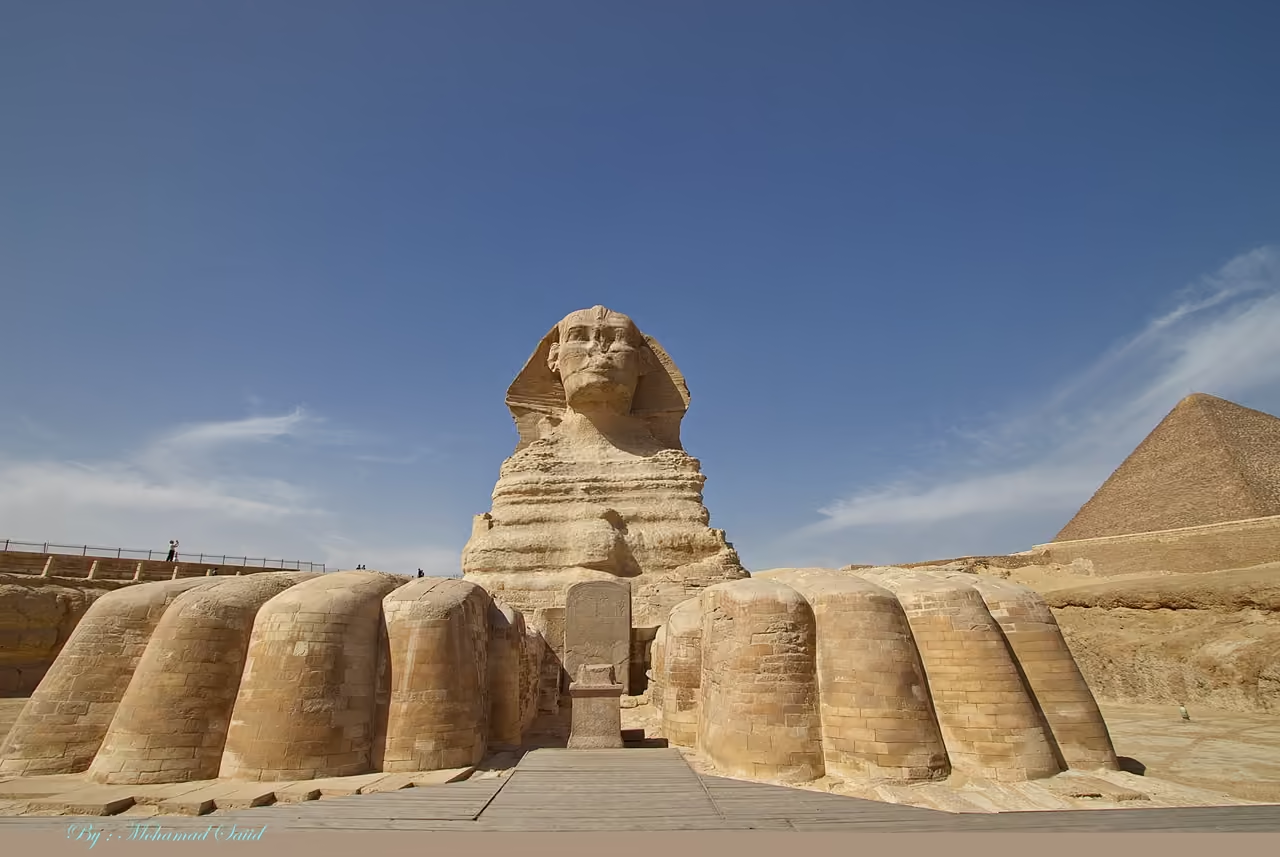
3 Days in Giza: Royal Stone, Artisans, and Nile Nights
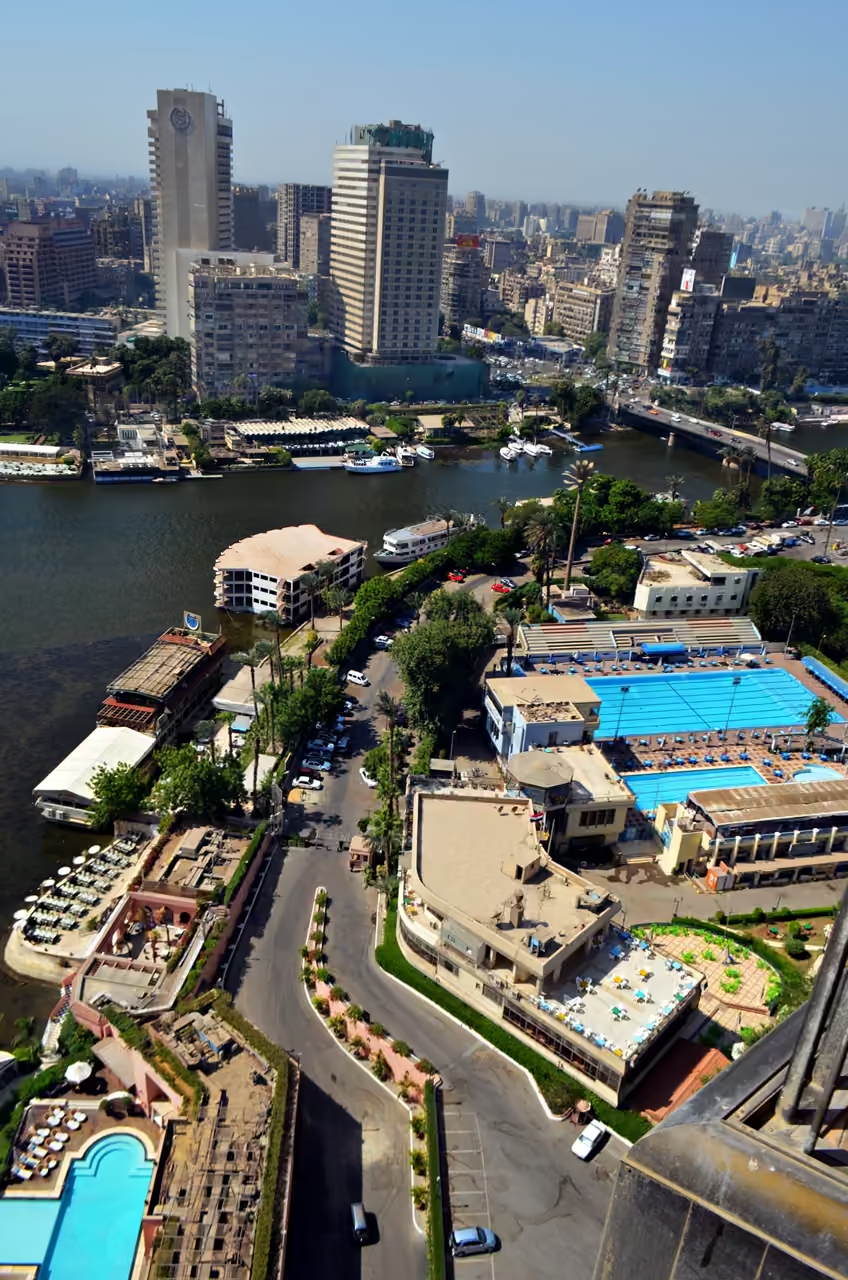
Three balanced days let you uncover Giza well past its headline postcard. Dedicate your first morning to deep pyramid exploration and sunset frames, devote day two to the Grand Egyptian Museum, Sahara horseback trails, and Harrania tapestry studios, and spend day three savouring Dokki gardens, Impressionist art palaces, car-free Dahab Island farms, and Agouza riverfront nights.
view itinerary
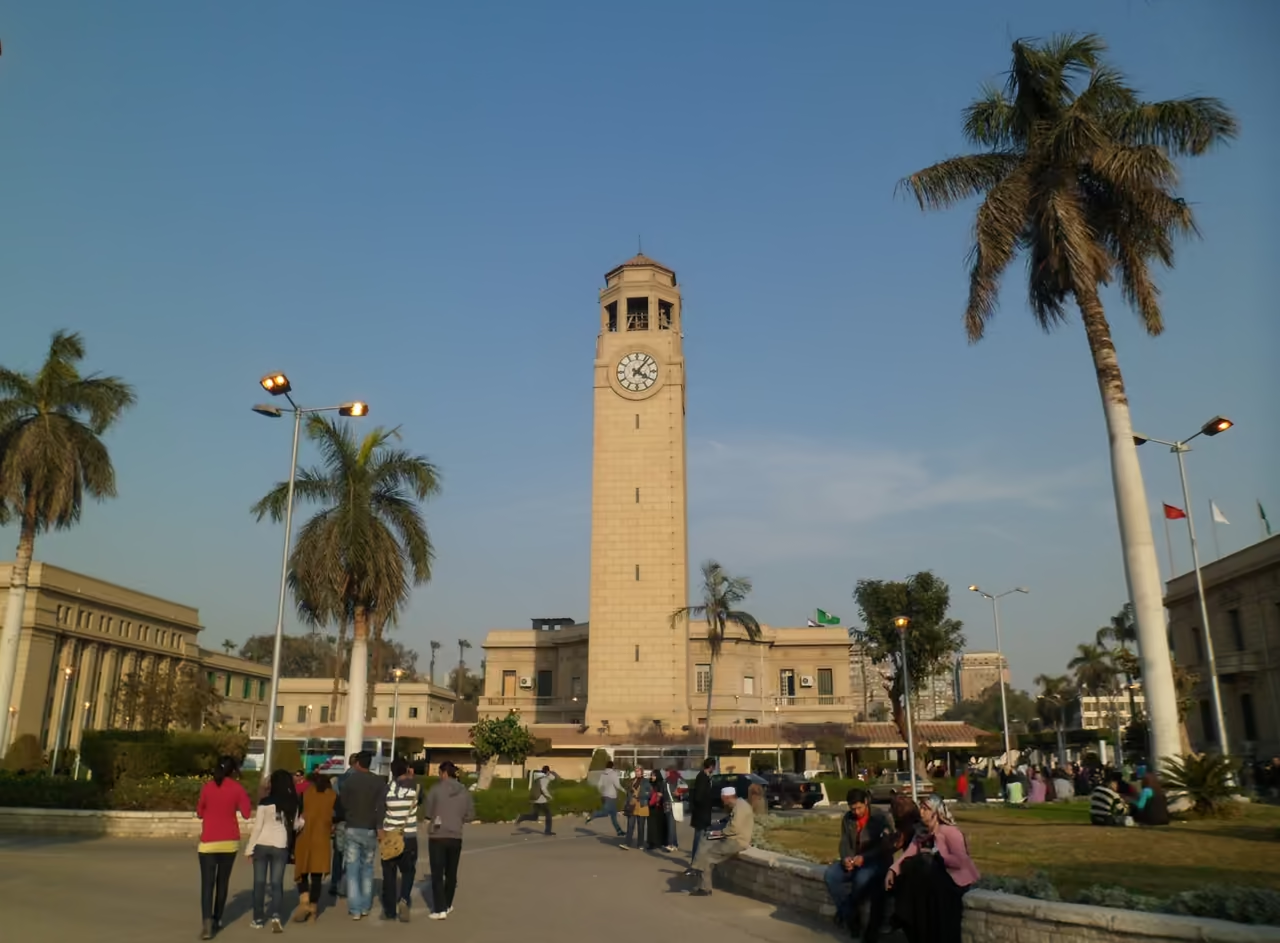
5 Days in Giza: Tombs, Cinema, Modern Art, and Local Life
Designed for unhurried travellers who want every chapter of Giza's 4,500-year story, this five-day plan blends painted plateau rock tombs and Tutankhamun galleries with literary villa museums, golden-age cinema studios, morning produce markets, and late-night football neighbourhood cafés. Spacing desert excursions across mornings leaves afternoons cool inside gardens and galleries.
view itinerary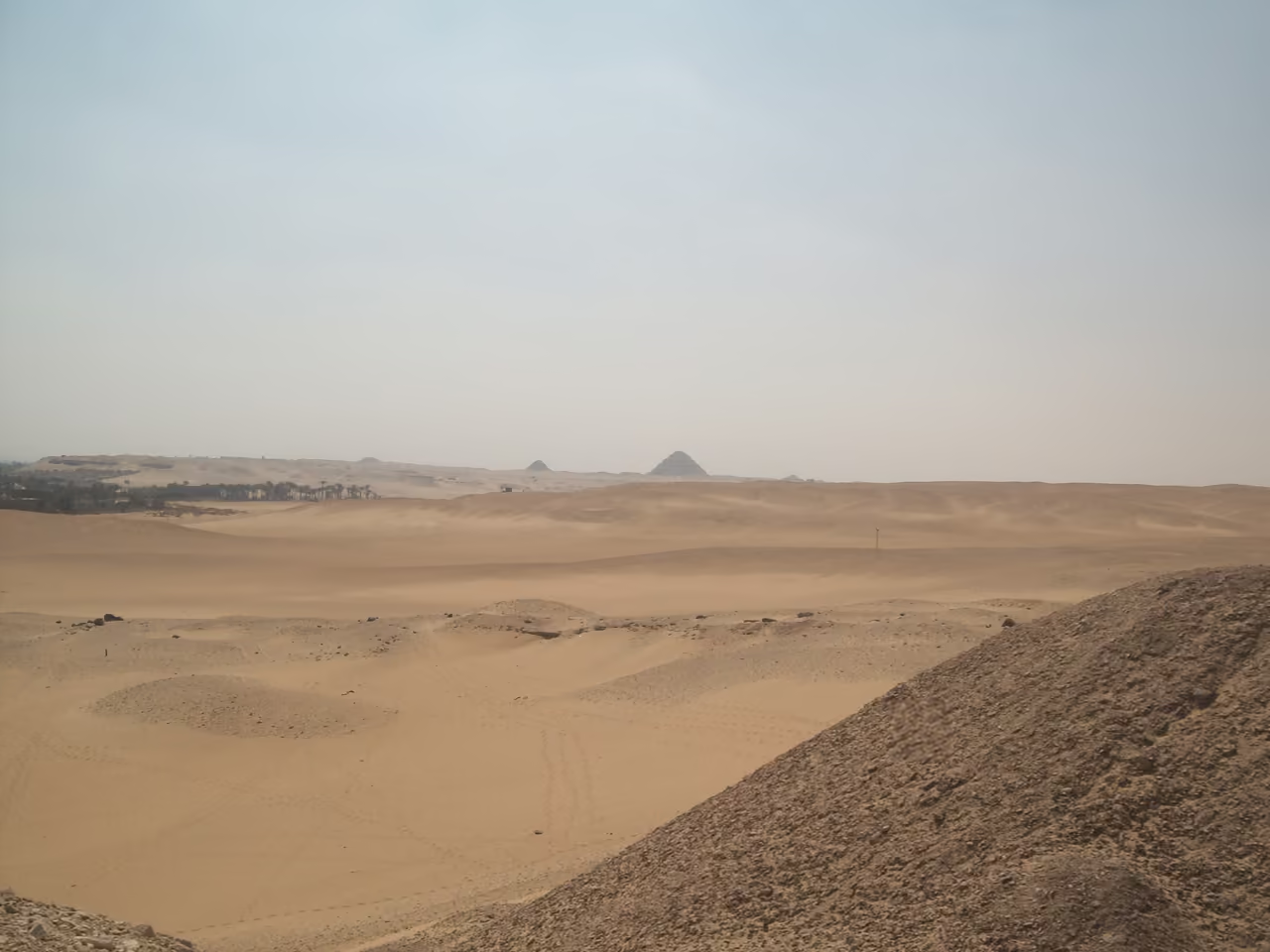
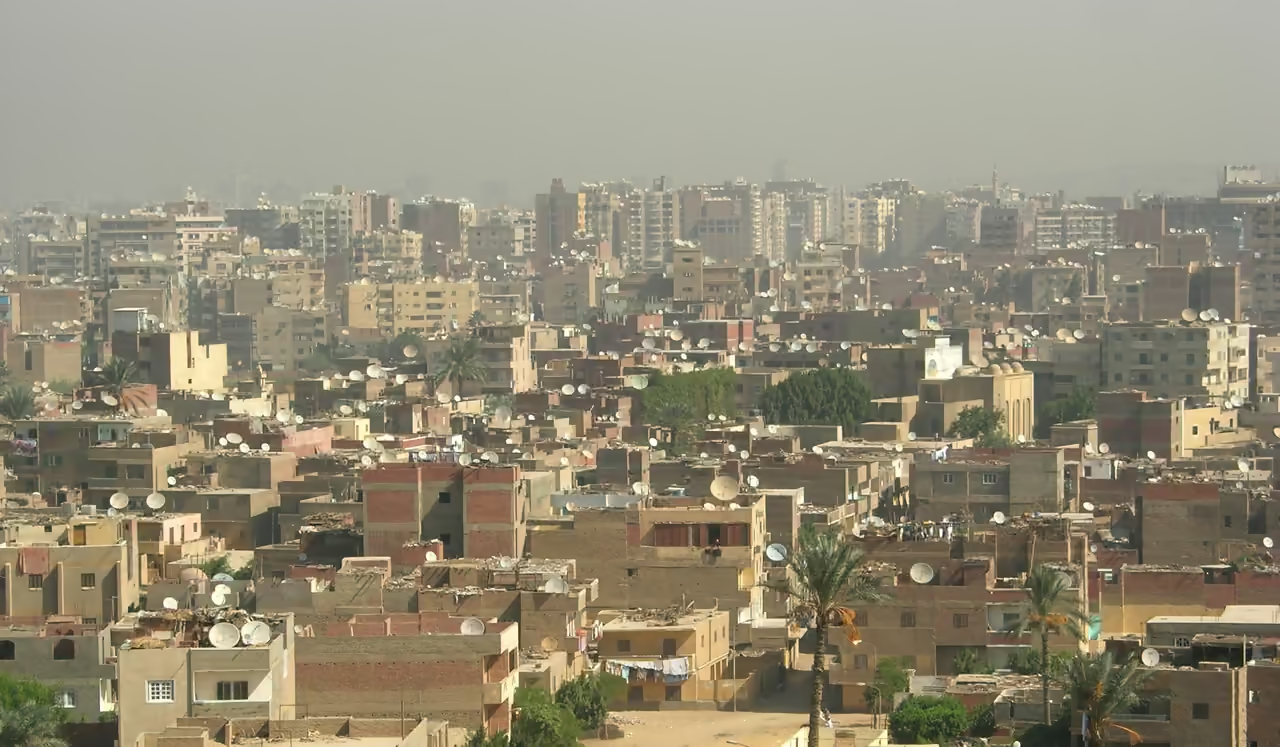
Giza Plateau Perimeter and Desert Edge Cycling Route
Looping the dramatic border where dense city avenues slam straight into Fourth Dynasty stone, this route links sweeping desert boulevards with sandy equestrian viewpoints. Riders pass the Grand Egyptian Museum's stone plaza, royal palace walls at Mena House, and bustling horse lanes in Nazlet El-Semman while Khufu's triangle dominates every bend. Wide gravel tyres help absorb occasional windblown sand drifts on outer tracks.
view cycling route
See all attractions in Giza
Including Great Pyramid of Giza, Great Sphinx of Giza, Agricultural Museum, and more