Trieste
Full City Guide, Map & 106 Things To Do
198,417 people live here.
That's 0.33% of the entire population of Italy.
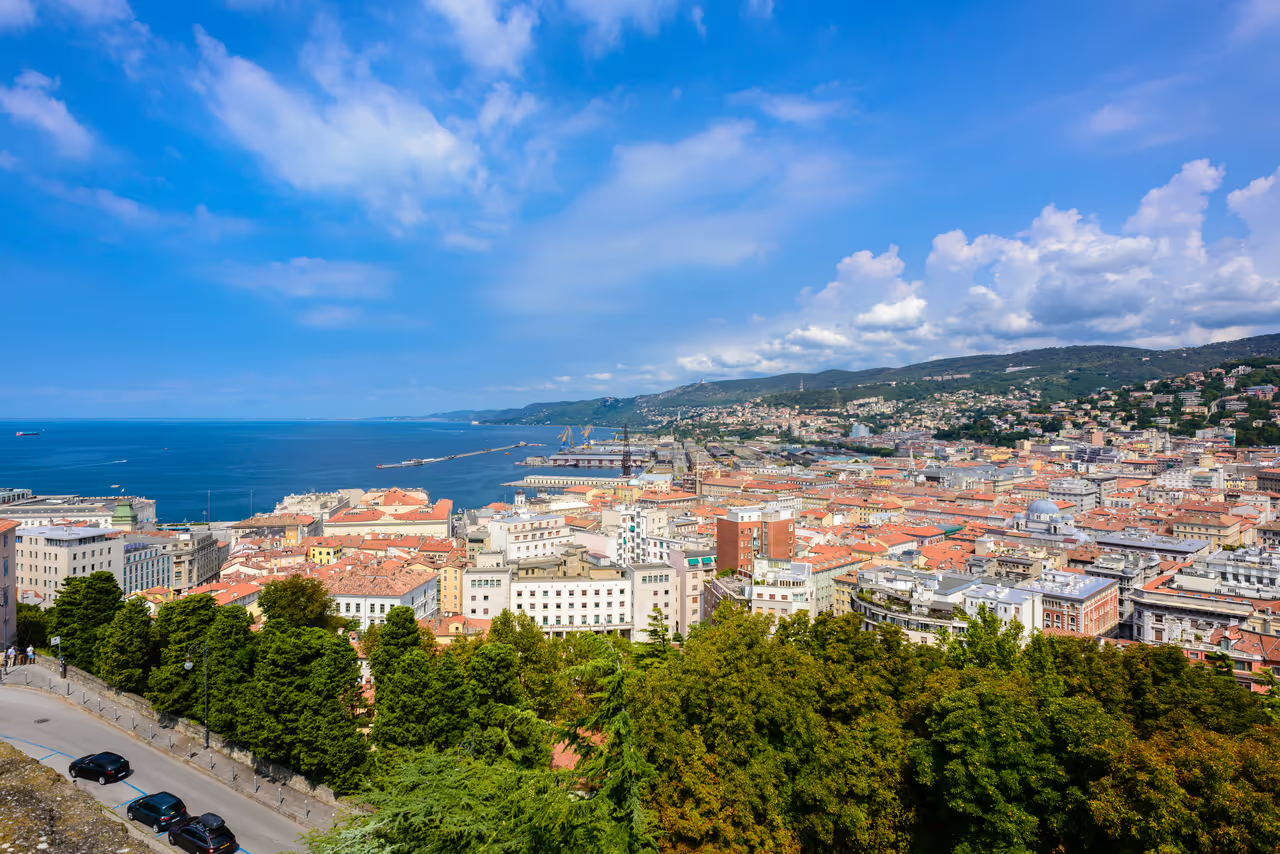
Trieste sits at the crossroads of Latin, Slavic and Germanic cultures, creating a uniquely cosmopolitan atmosphere. Once the crucial maritime port of the Austro Hungarian Empire, this city features magnificent neoclassical architecture alongside ancient Roman ruins. Visitors are greeted by the vast Piazza Unità d'Italia opening directly onto the Adriatic Sea, a sight unlike any other in Europe. The air carries the scent of roasting coffee, hinting at the deeply ingrained cafe culture that once inspired literary giants like James Joyce. Beyond the elegant centre, the rugged Karst plateau rises dramatically, offering spectacular coastal views. It is an elegant, melancholy and deeply captivating destination for those seeking a less conventional Italian experience.
Trieste DNA
History of Trieste
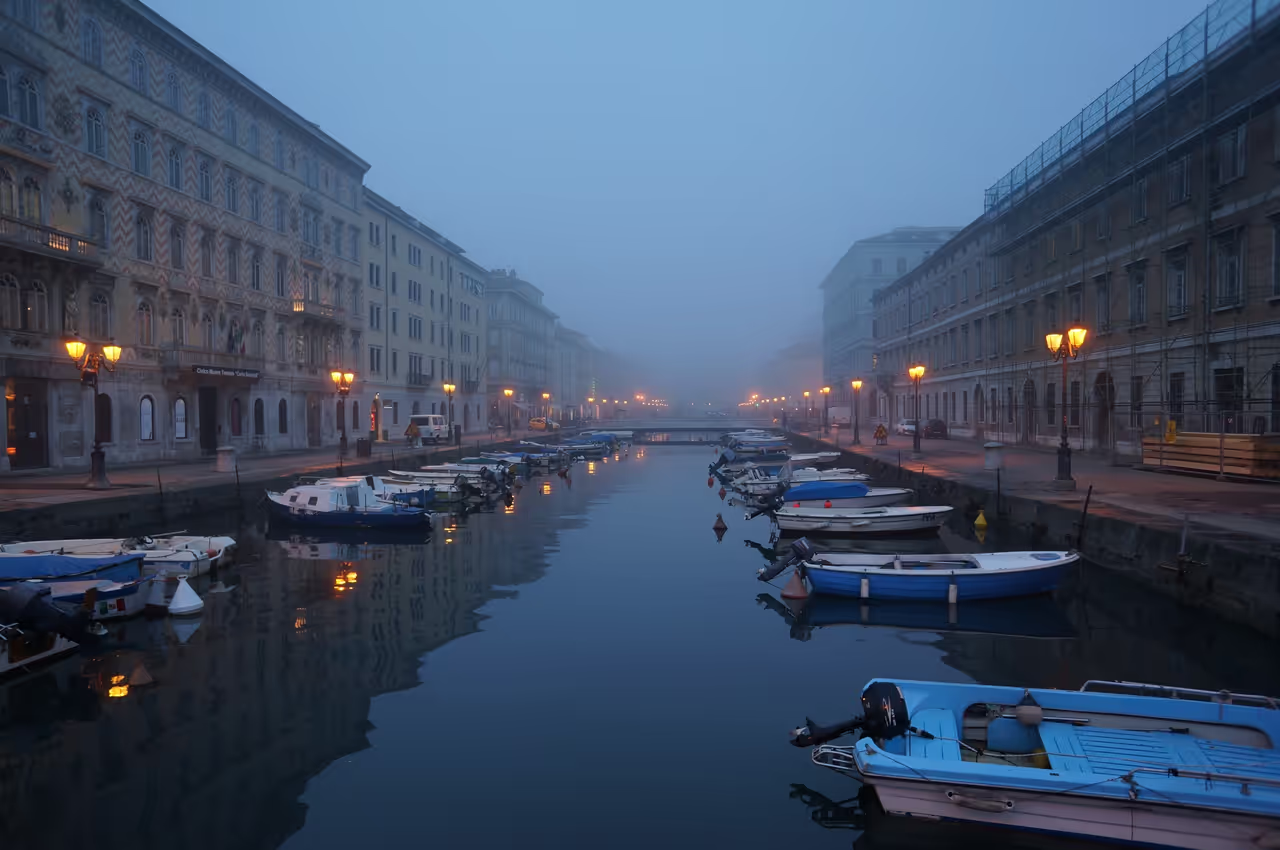
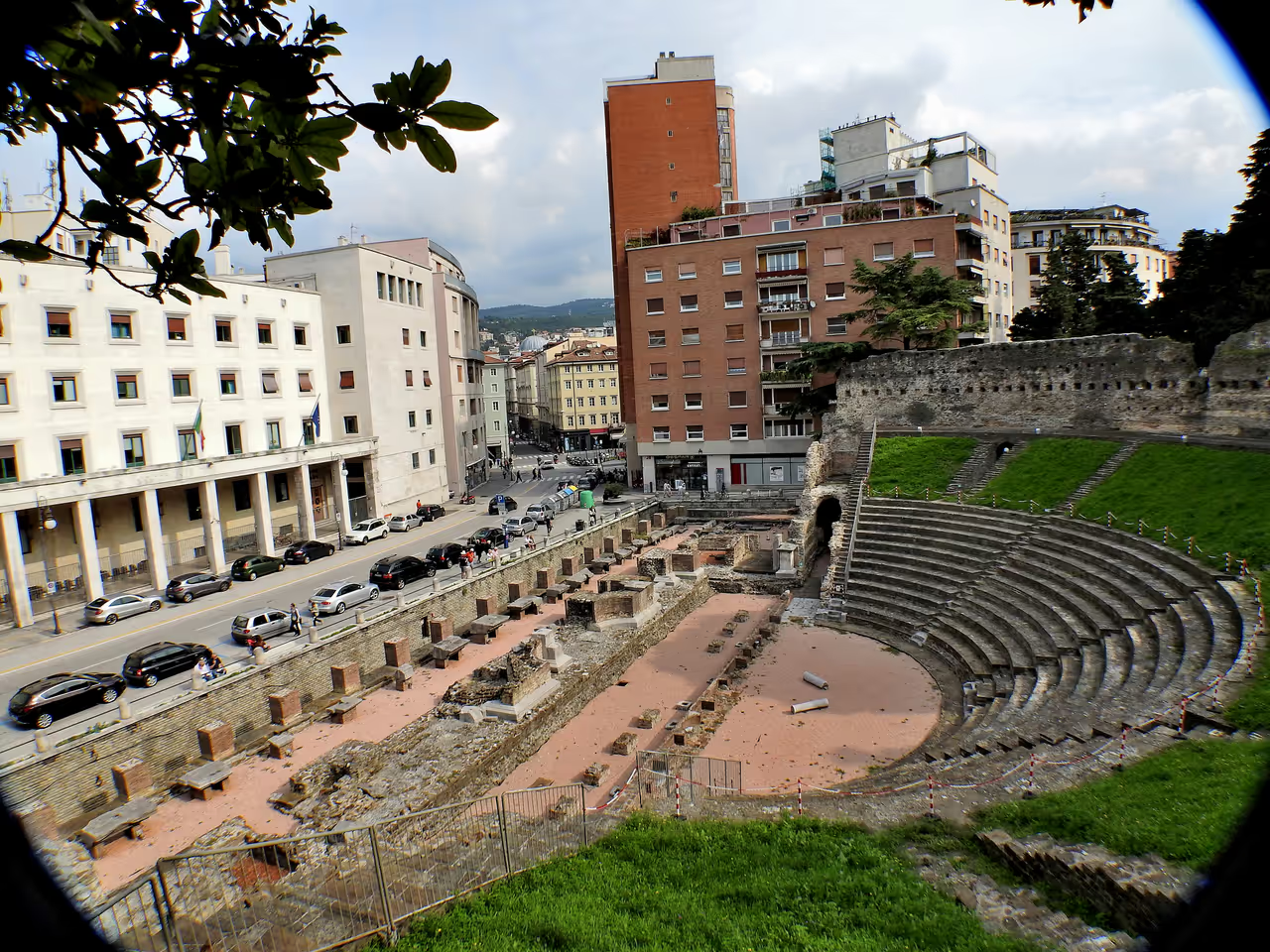
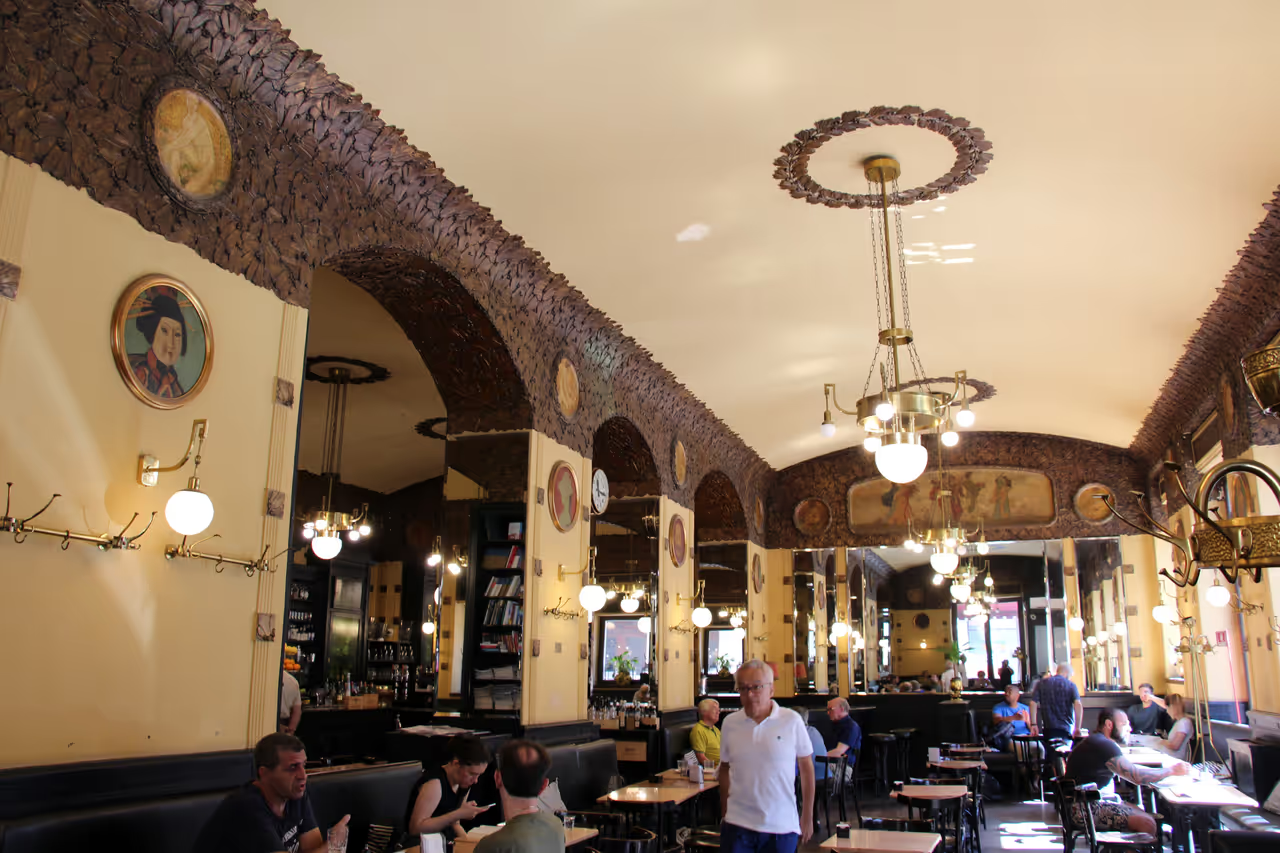
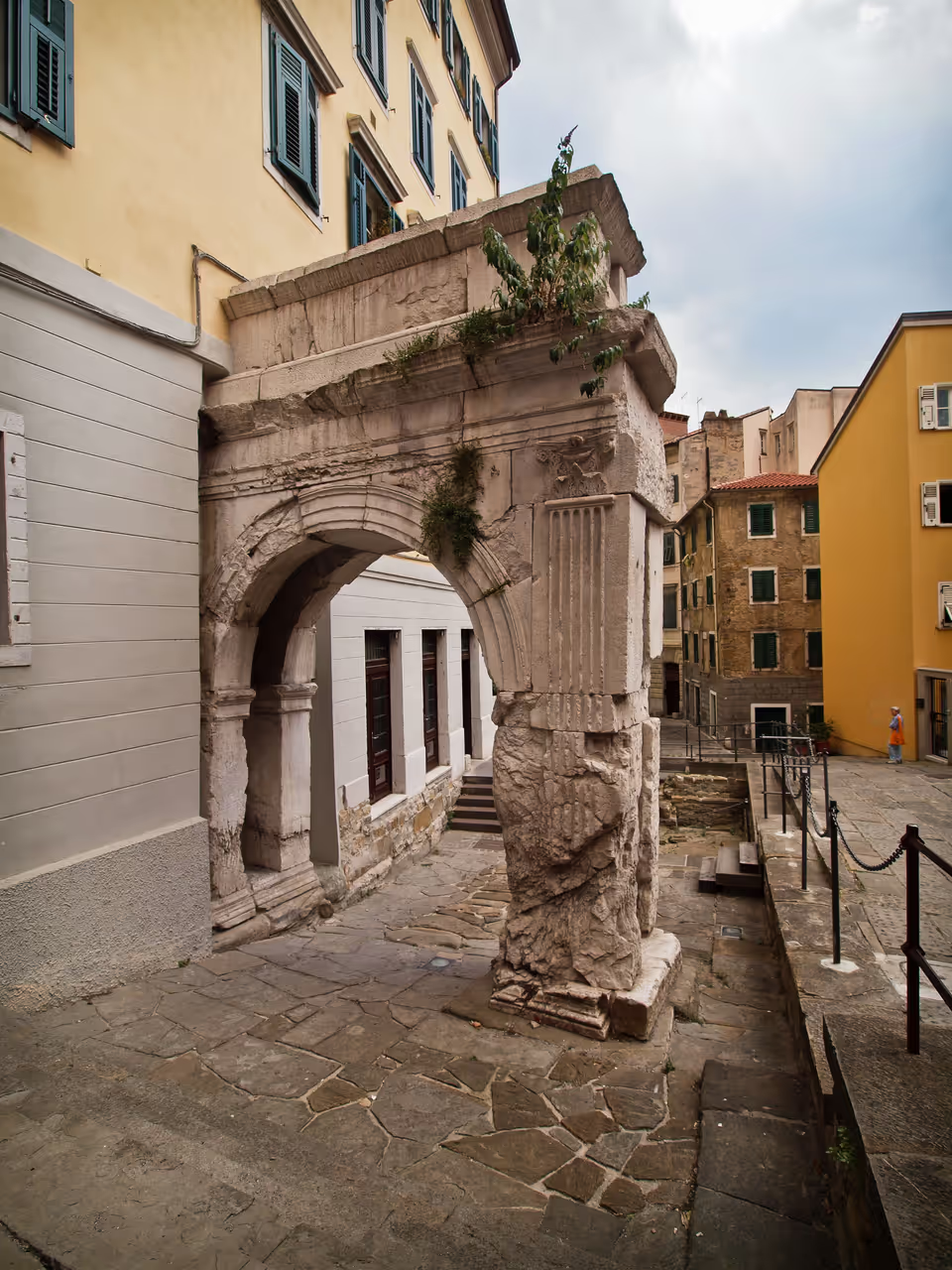
The name Tergeste derives from an ancient Illyrian word for market, a fitting title for a place that has spent two millennia obsessing over trade. The Romans moved in and built a military fortress on the San Giusto hill, securing their hold on the upper Adriatic. Octavian Augustus ordered the construction of high stone walls to protect the settlement, and you can still walk under the Arco di Riccardo, a surviving gate from 33 BC squeezed between modern apartments in the old town. Down near the water, the curved stone tiers of the Roman theatre once seated thousands of spectators facing the sea. By 1382, the city leaders were exhausted by endless naval harassment from the neighbouring Republic of Venice. In a highly pragmatic move, the local council travelled to Graz and willingly handed their sovereignty to Leopold III of the House of Habsburg. This paper agreement changed the trajectory of the port forever, securing the protection of a vast land empire rather than leaving the citizens vulnerable as an isolated maritime outpost. The surrounding limestone slopes were soon covered in vines trained on wooden trellises, producing a crisp white wine that took its name from the nearby village of Prosecco. The real economic transformation arrived in 1719 when Charles VI declared the docks a free port. His daughter, Empress Maria Theresa, financed a massive expansion that required filling in the coastal salt pans to build the grid pattern of the Borgo Teresiano. The wide Canal Grande was carved straight into this new district so merchant ships could sail directly into the urban centre to unload their cargo. A distinctly cosmopolitan atmosphere took hold as Greeks, Serbs, Austrians, and Dalmatians settled into elegant neoclassical buildings. The air in Piazza della Borsa grew thick with the smell of roasting coffee beans, a trade that still defines local life at spots like the century old Caffè San Marco. You might have to wait ten minutes for a waiter to notice you amid the clatter of cups and scattered newspapers, but the dark espresso is flawless. Underneath the prosperous cafe culture, political friction was brewing. As the twentieth century approached, the Italian speaking majority grew increasingly restless under Austrian rule, sparking a fierce irredentist movement. Following the First World War, Italian troops disembarked at the Molo San Carlo, an event commemorated today by the bronze compass rose at the end of the renamed Molo Audace. Yet the subsequent decades brought severe ideological and ethnic clashes. The forced Italianisation policies of the fascist regime banned the Slovenian language from schools and public offices, fracturing the diverse social fabric that had long sustained the port. The Second World War subjected the civilian population to intense hardship and a harsh German occupation. The Risiera di San Sabba, a former rice husking facility, was converted into a detention camp, casting a long shadow over the southern periphery. When the conflict ended in the spring of 1945, Yugoslav partisans and New Zealand troops arrived within a day of each other, kicking off a tense diplomatic standoff. For several years, the city existed in a strange geopolitical limbo as the independent Free Territory of Trieste, governed by an Allied military administration. The borders were finally settled in 1954, returning the municipality to Italy. Today, the commercial docks handle millions of tonnes of shipping containers, while the high altitude trams of the Trenovia di Opicina haul commuters up the steep 26 percent incline of the karst plateau. When the famous Bora wind sweeps down from the east at speeds that can top 160 kilometres per hour, pedestrians grab onto the metal chains strung along the pavements near the waterfront to stay upright. In the evening, the grand rectangular expanse of Piazza Unità d'Italia illuminates from three sides, leaving the fourth edge entirely dark where the paving stones meet the black water of the gulf.
13 Events spanning 4020 years
Map of Trieste
Interactive Destination & Itinerary Map
This map blends our curated city guides—featuring best photo spots, scenic walks, viewpoints, hidden gems and much more—with a live Wikipedia explorer. Click on our numbered pins to plan your routes, or zoom in on the surrounding neighborhoods to discover verified local landmarks, museums, and stories with dynamic Wikipedia summaries and photos!
Fun Facts
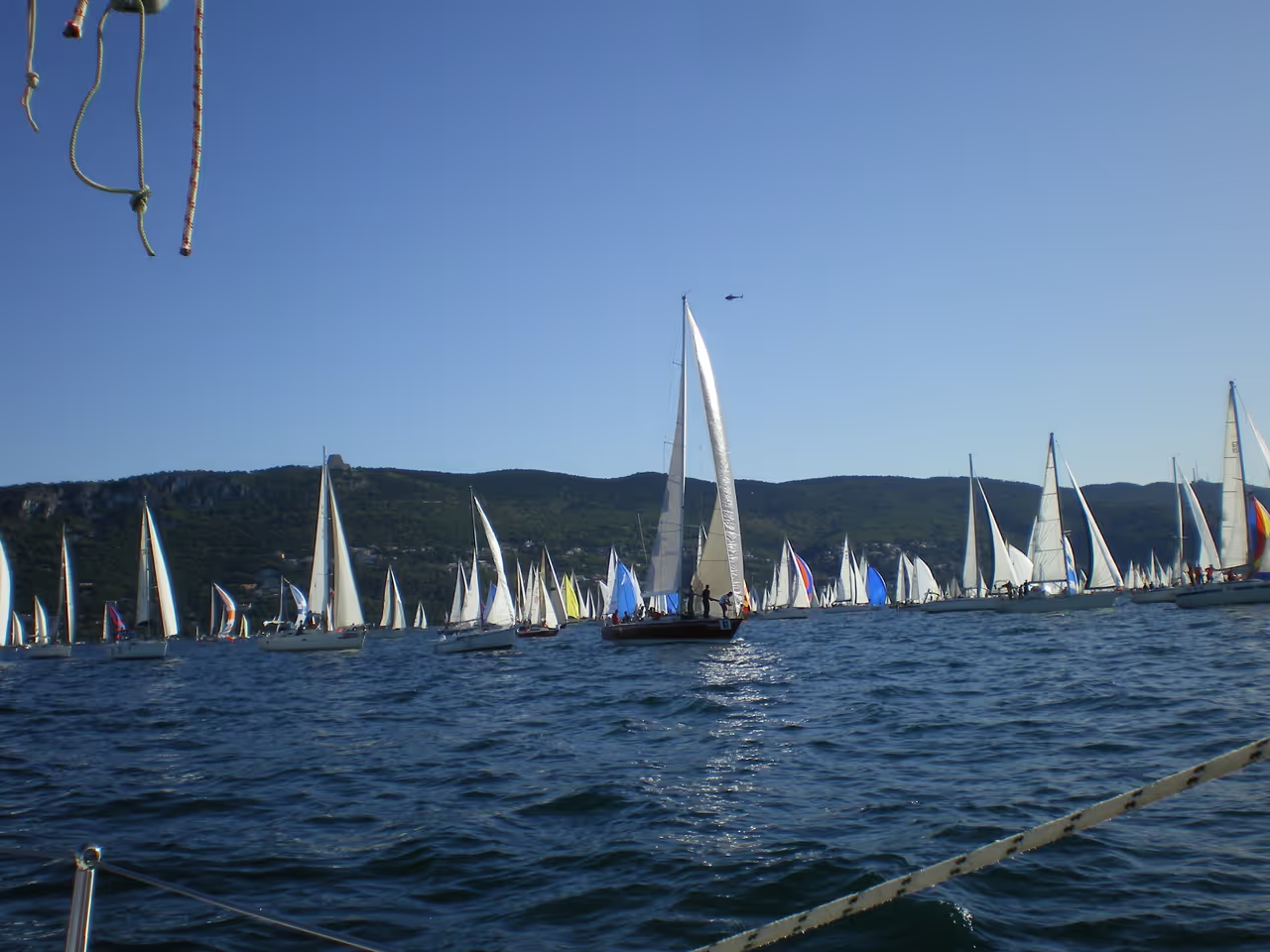
- • The city holds the Guinness World Record for the largest sailing regatta, with over two thousand boats participating in the Barcolana every October.
- • James Joyce spent over a decade living here, teaching English and drafting parts of his masterpiece Ulysses while soaking in the local cafe culture.
- • The massive Piazza Unità d'Italia is widely considered the largest seafront square in all of Europe.
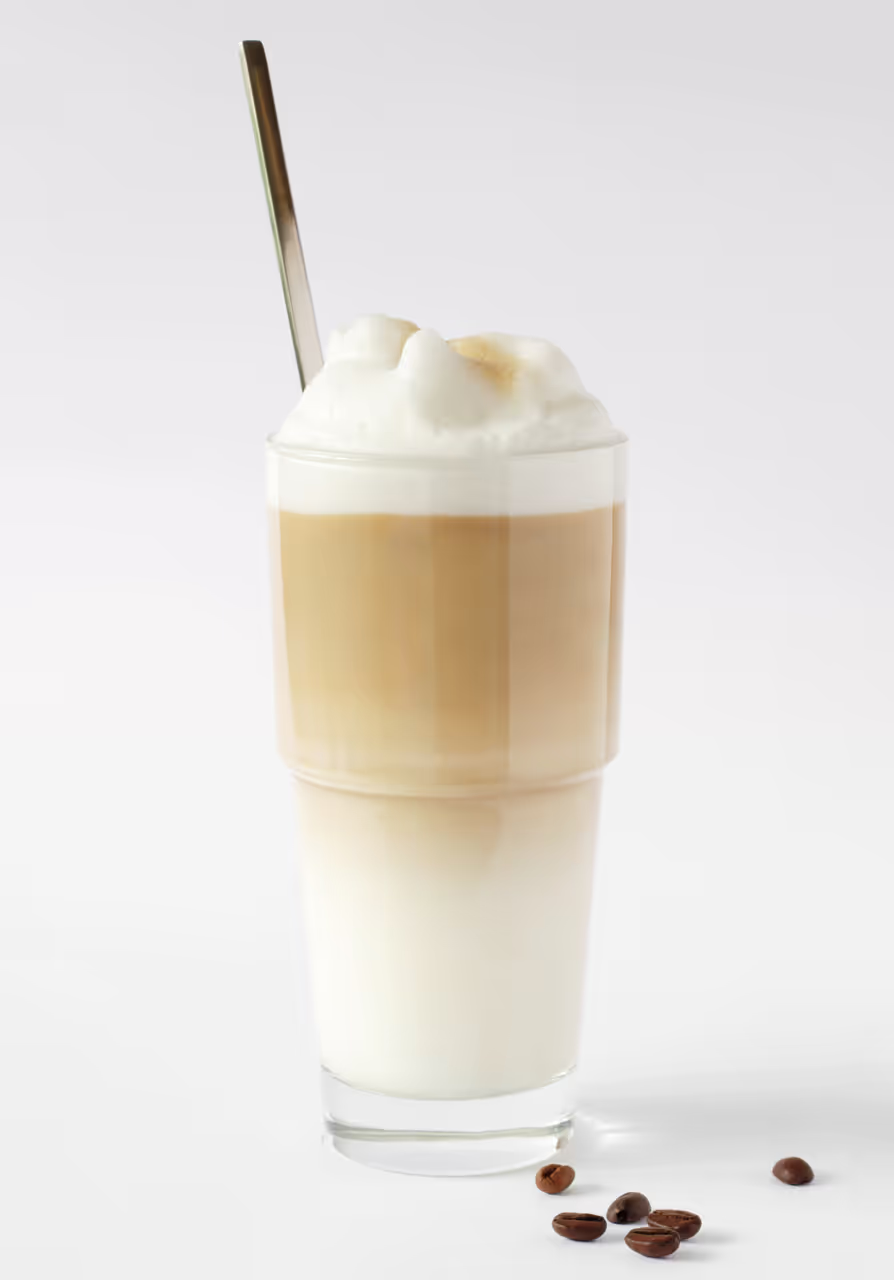
- • Residents have a completely unique vocabulary for ordering coffee, asking for a 'capo in b' when they want a small cappuccino served in a glass.
- • The fierce Bora wind can blow so strongly that the city previously installed ropes along the pavements to help pedestrians stay upright.
- • A famous historical tram line converts into a funicular railway to conquer the steep elevation of the nearby Karst plateau.
- • The city is home to the largest and most complete dinosaur fossil ever found in Italy, affectionately nicknamed Antonio.
Did You Know?
- • The port handles more goods than any other in Italy, serving as a vital maritime gateway for Central and Eastern Europe.
- • The local university and research institutes attract so many global scholars that the city boasts one of the highest concentrations of researchers per capita in Europe.
- • The Grotta Gigante located just outside the centre is so voluminous that Saint Peter's Basilica in Rome could comfortably fit inside its main chamber.
- • The city was officially quadrilingual during its imperial peak, with residents commonly speaking Italian, Slovene, German and Friulian in their daily lives.
- • A remarkably preserved Roman theatre was completely buried under medieval houses and only brought back to light in the twentieth century.
- • The local dialect is actually a form of the Venetian language, which replaced a now extinct regional tongue over the centuries due to intense maritime trade.
- • The city contains the only Nazi extermination camp ever built on Italian soil, which has since been transformed into a profound national monument.
Videos of Trieste
Seasons
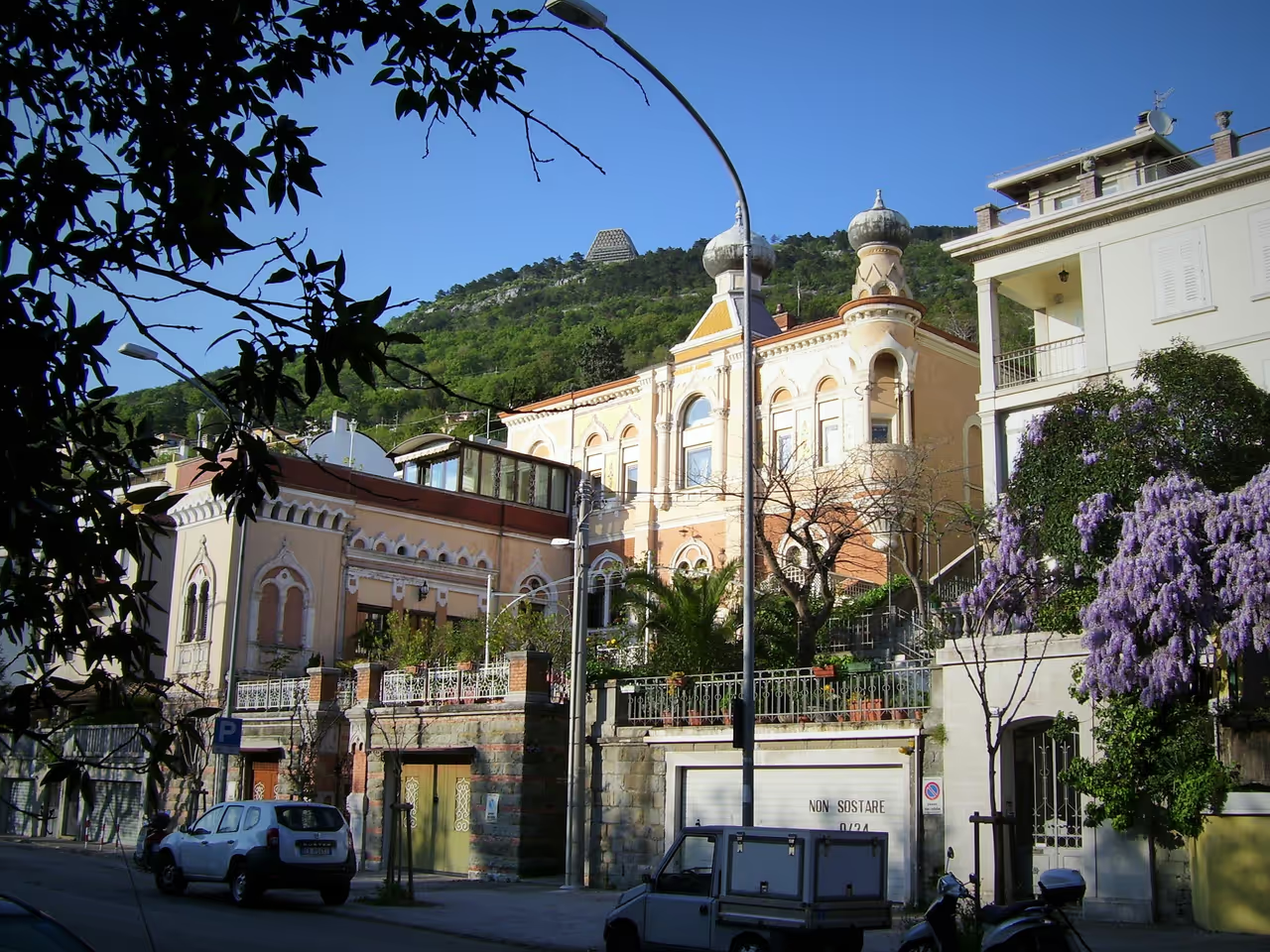
Spring
The weather warms up nicely, making it the perfect time to hike the trails on the Karst plateau. The famous pop up farm taverns...
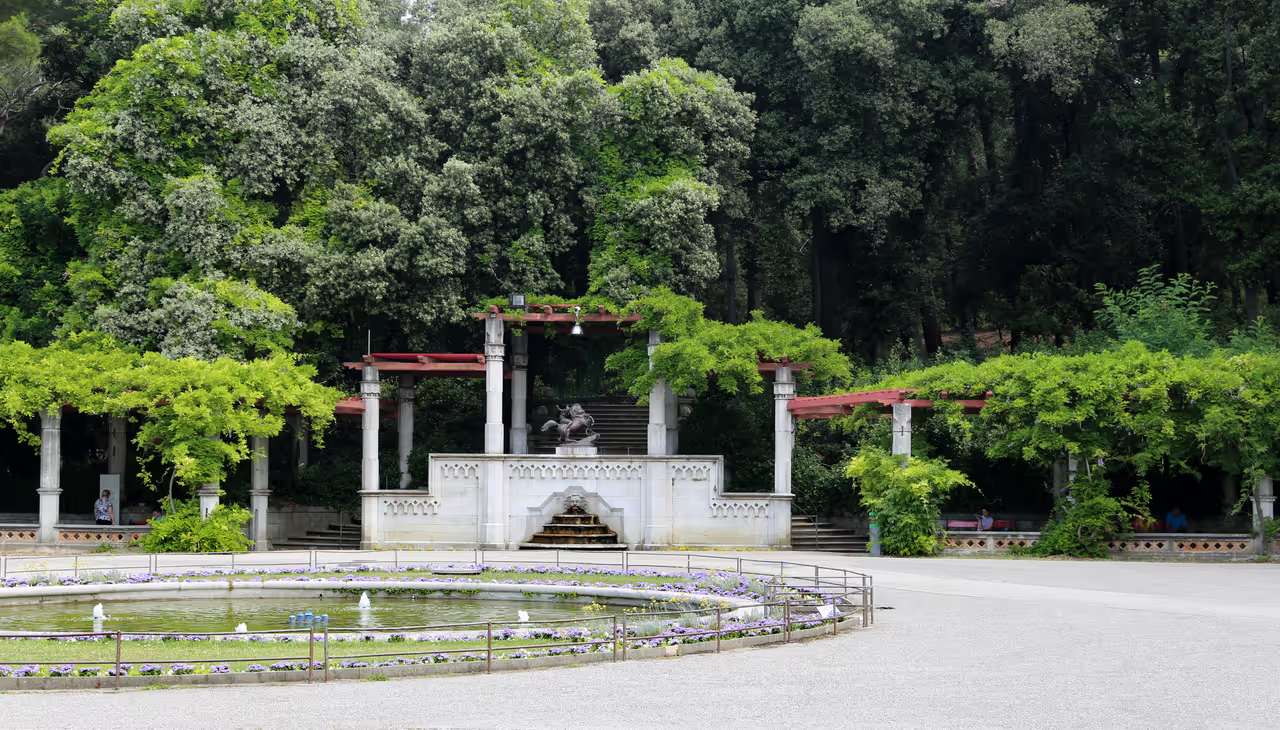
Summer
The city embraces a relaxed coastal lifestyle as locals flock to the concrete terraces of Barcola beach to sunbathe and swim...
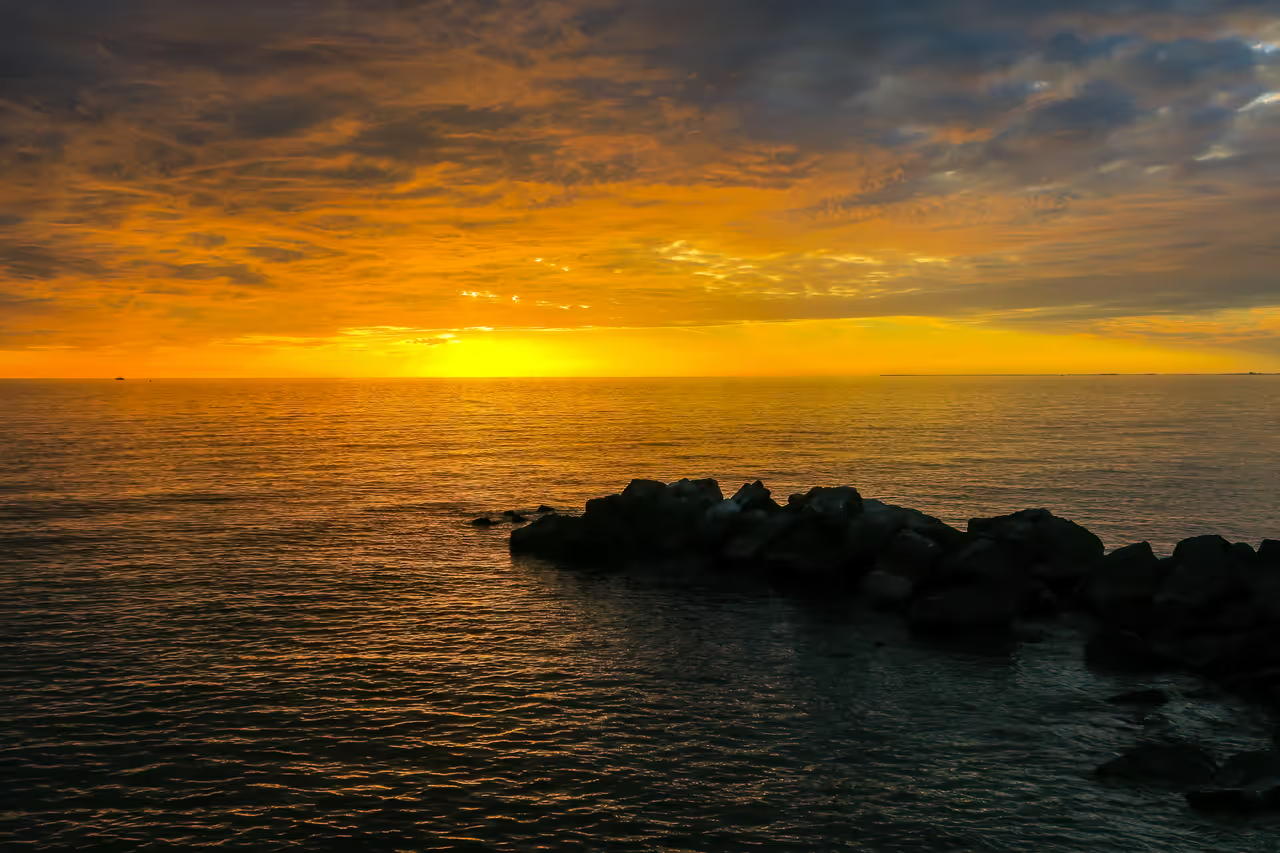
Autumn
The energy peaks in October as thousands of sailboats arrive for the spectacular Barcolana regatta, transforming the gulf into a...
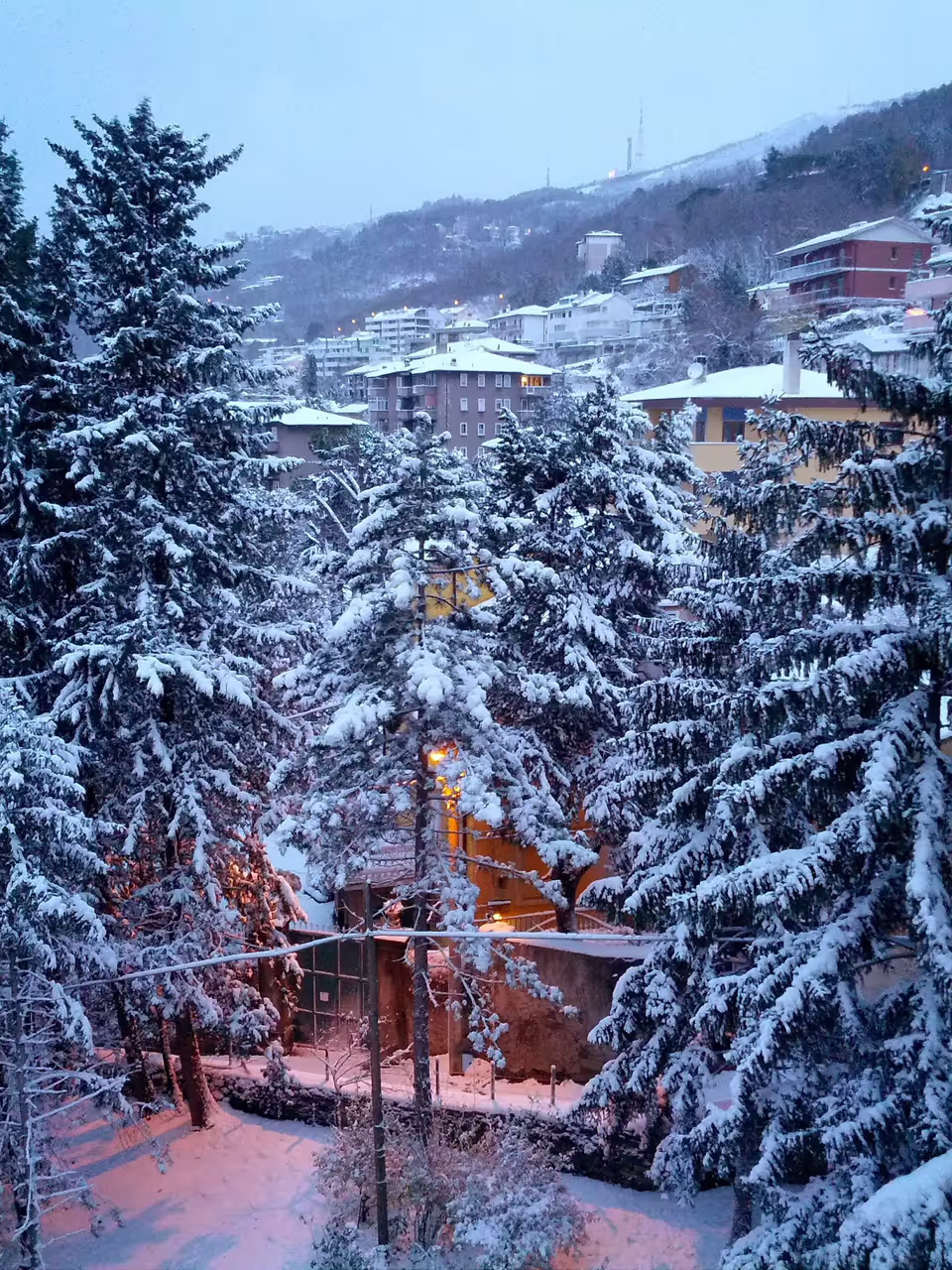
Winter
The legendary Bora wind occasionally roars through the streets, driving residents indoors to embrace the deeply ingrained cafe...
Top Attractions in Trieste
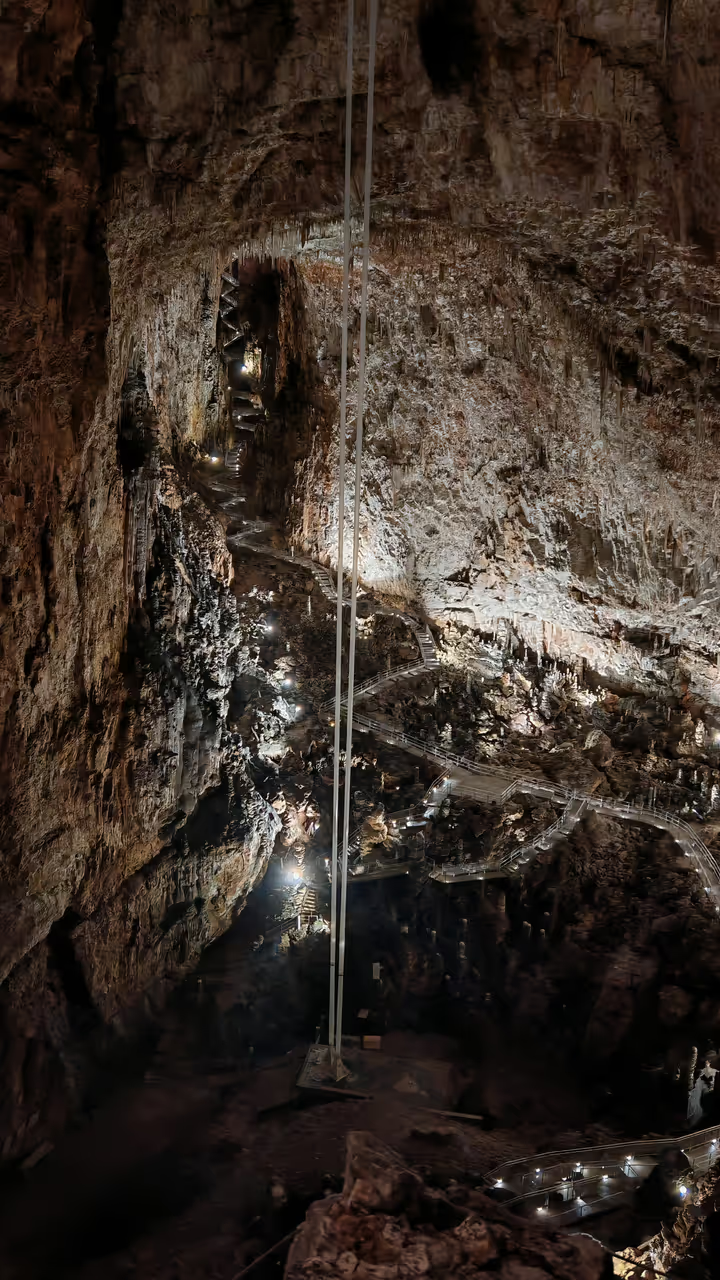
Grotta Gigante
Step into the heart of the Carso plateau to discover one of the most magnificent natural wonders in Italy. The Grotta Gigante is...
view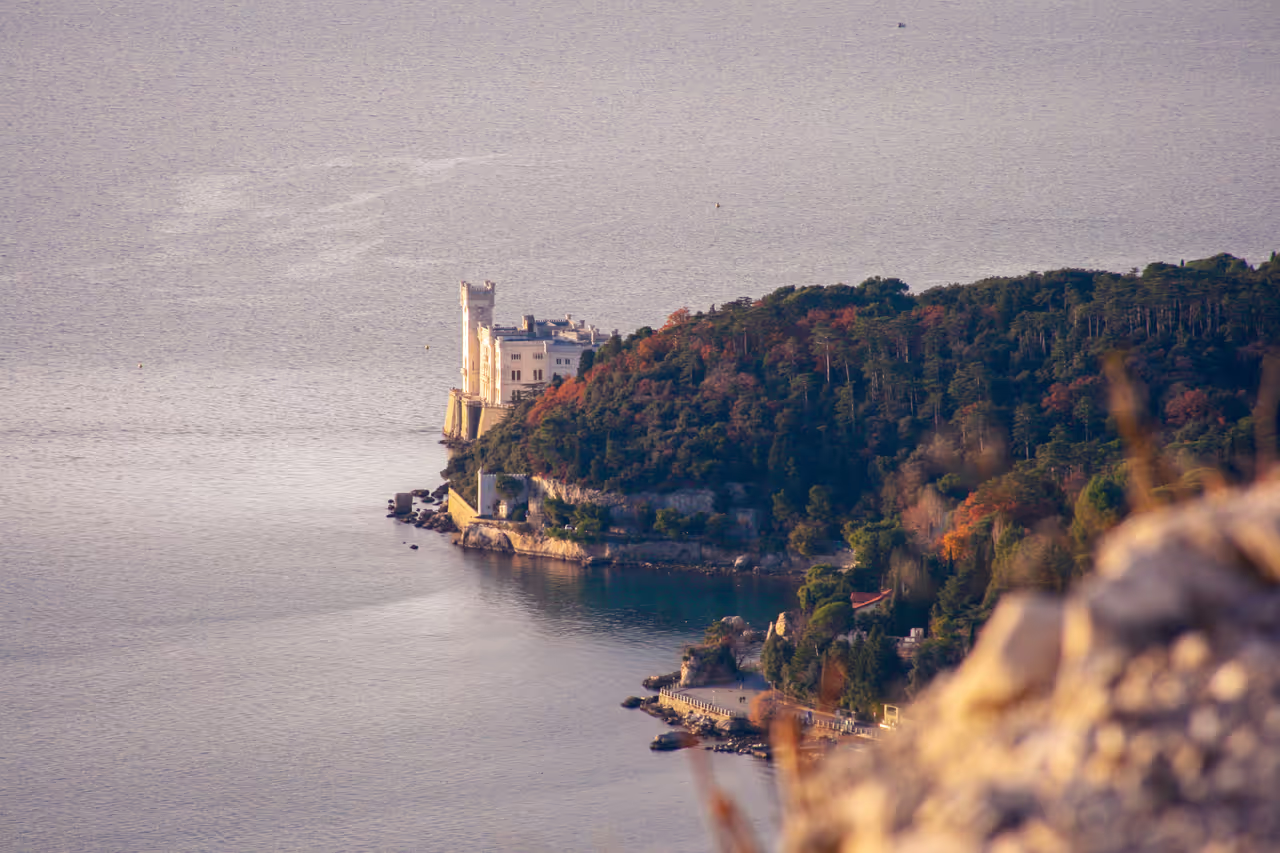
Miramare Castle
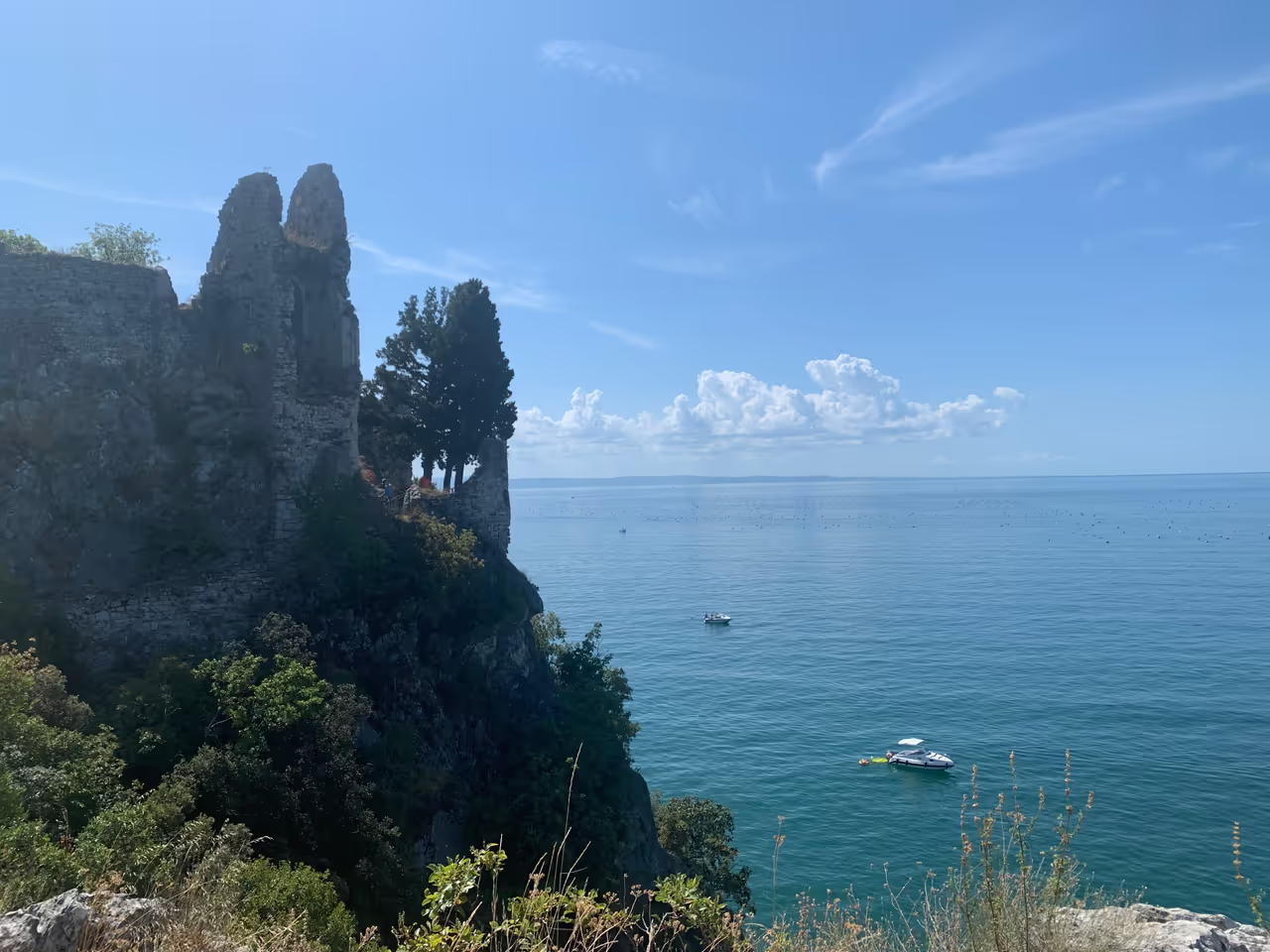
Perched dramatically on a rocky promontory overlooking the Adriatic Sea, Miramare Castle remains an enchanting testament to...
view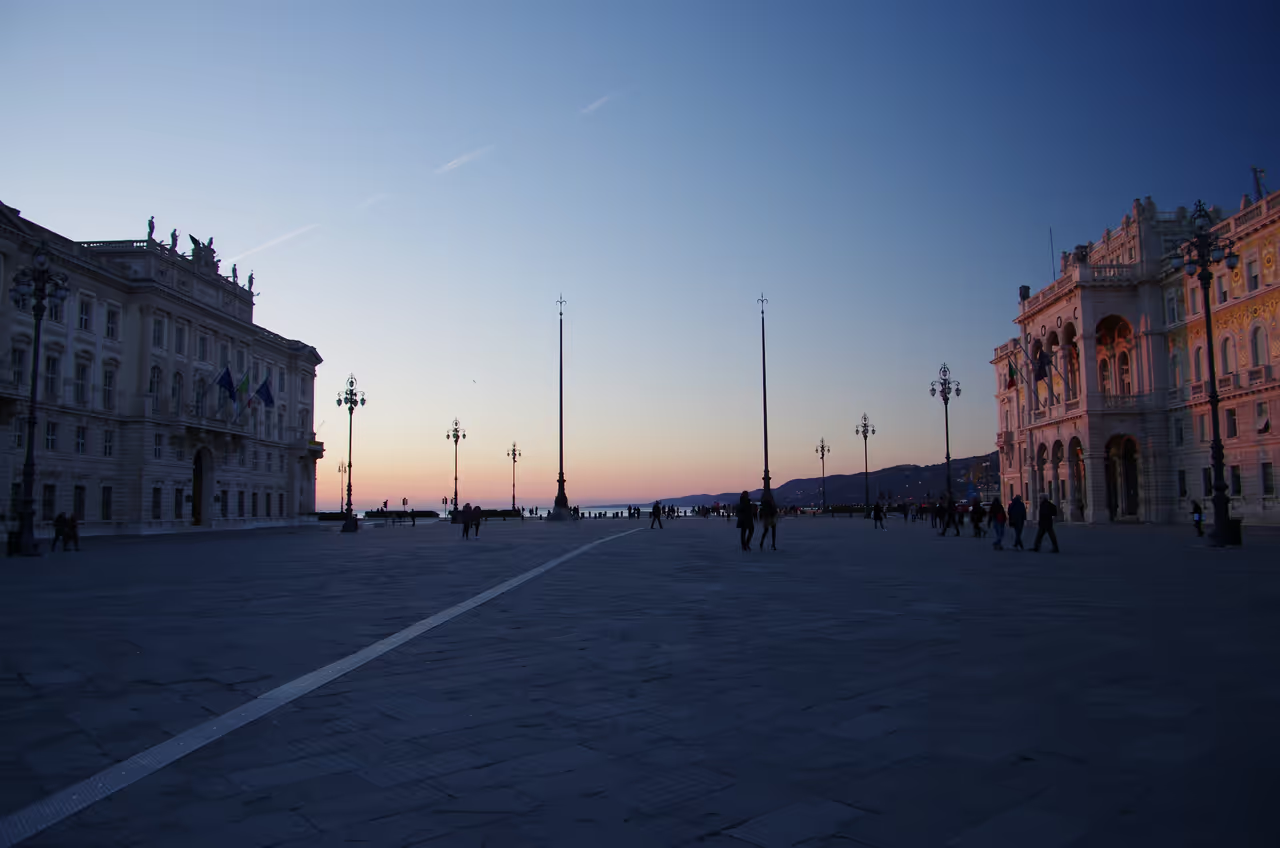
Piazza Unità d'Italia
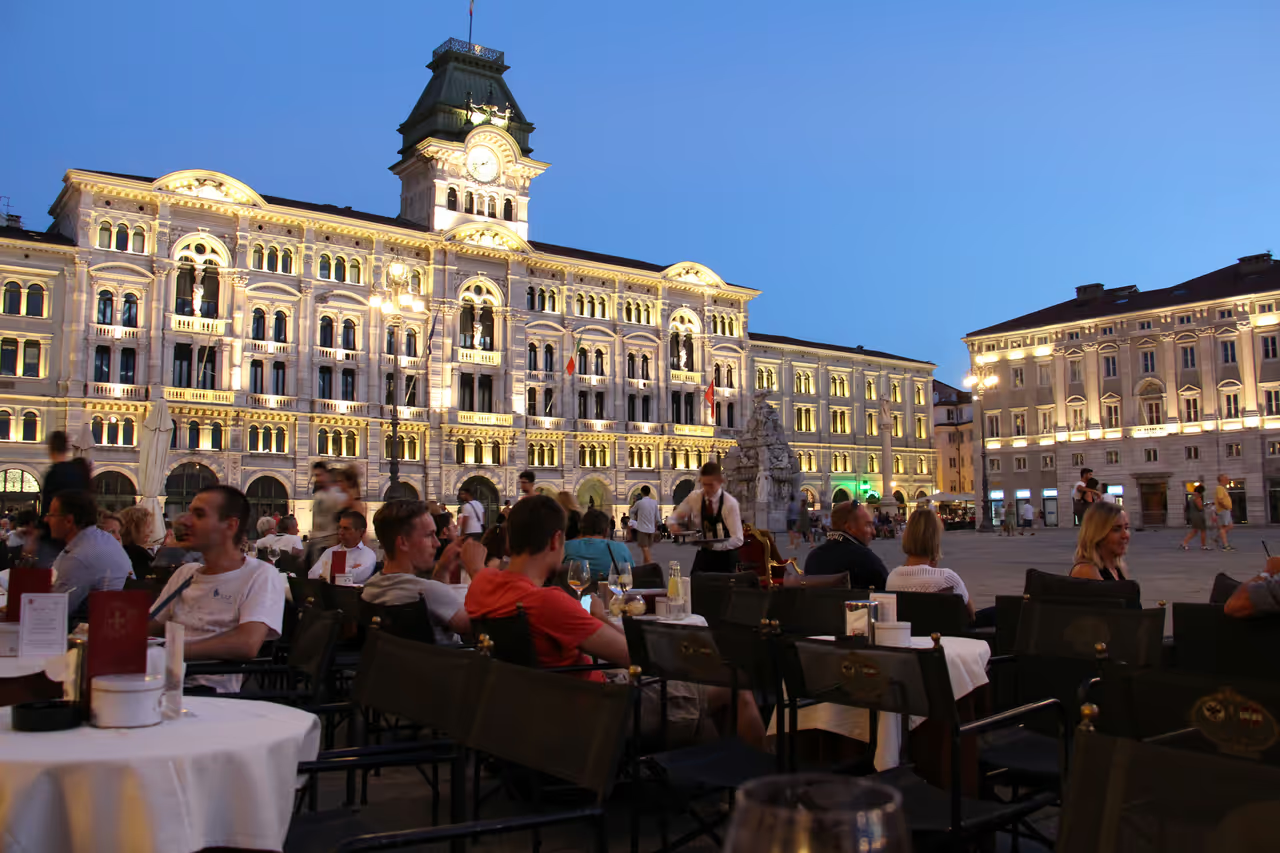
Piazza Unità d'Italia stands as the grand living room of Trieste, opening wide onto the glistening Adriatic Sea. Recognized as...
view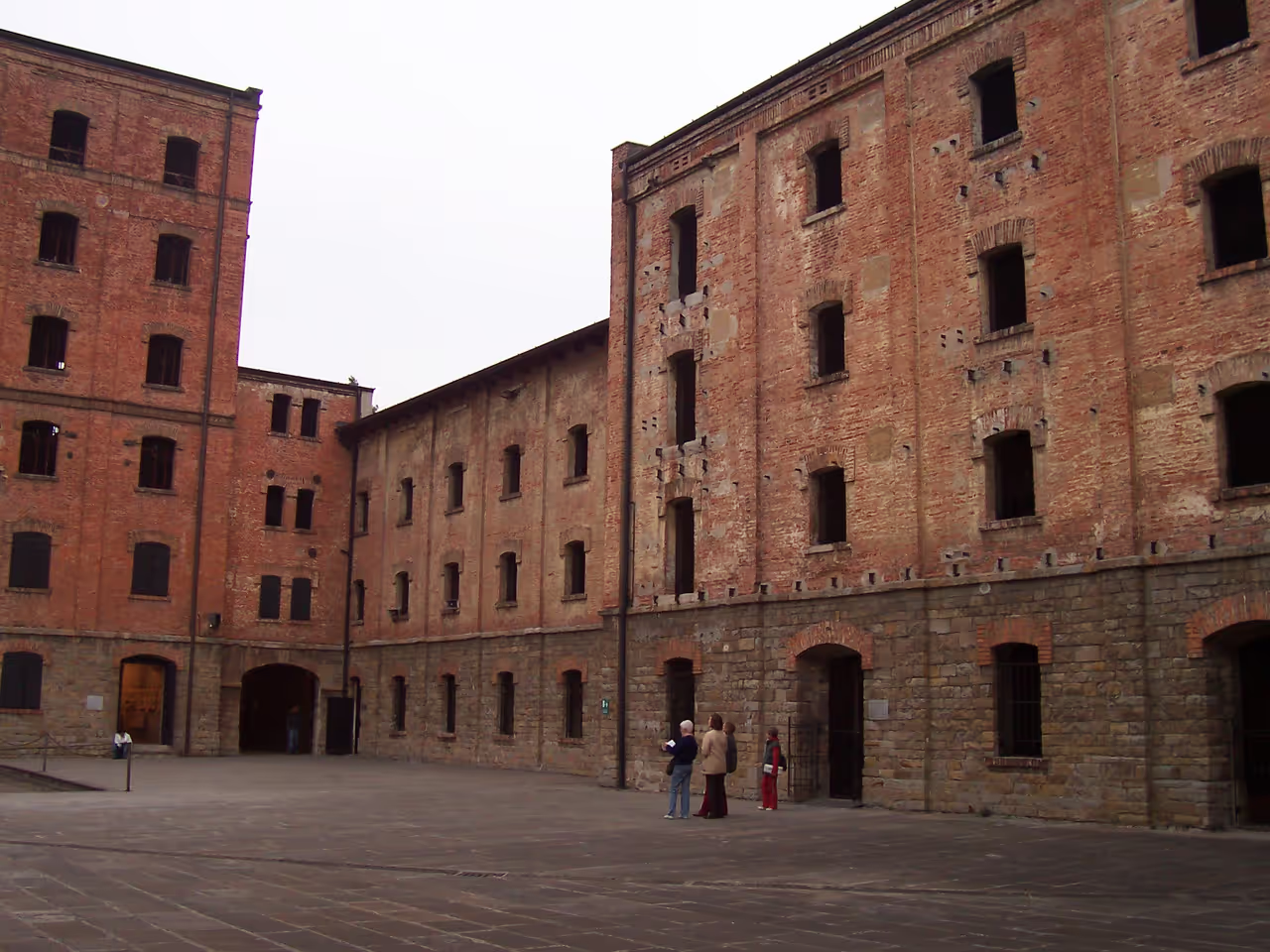
Risiera di San Sabba Concentration Camp Museum
Visiting the Risiera di San Sabba offers a profound and sobering encounter with history in the heart of Trieste. This former...
view
Best Views
Trieste Itineraries
TRIP PLANNER
3 Days Recommended
Three days allow enough time to absorb the unique cafe culture, explore the grand central squares and dedicate a half day to Miramare Castle. It also provides the opportunity to venture up to the Karst plateau without rushing. This pace perfectly matches the city's contemplative and relaxed atmosphere.
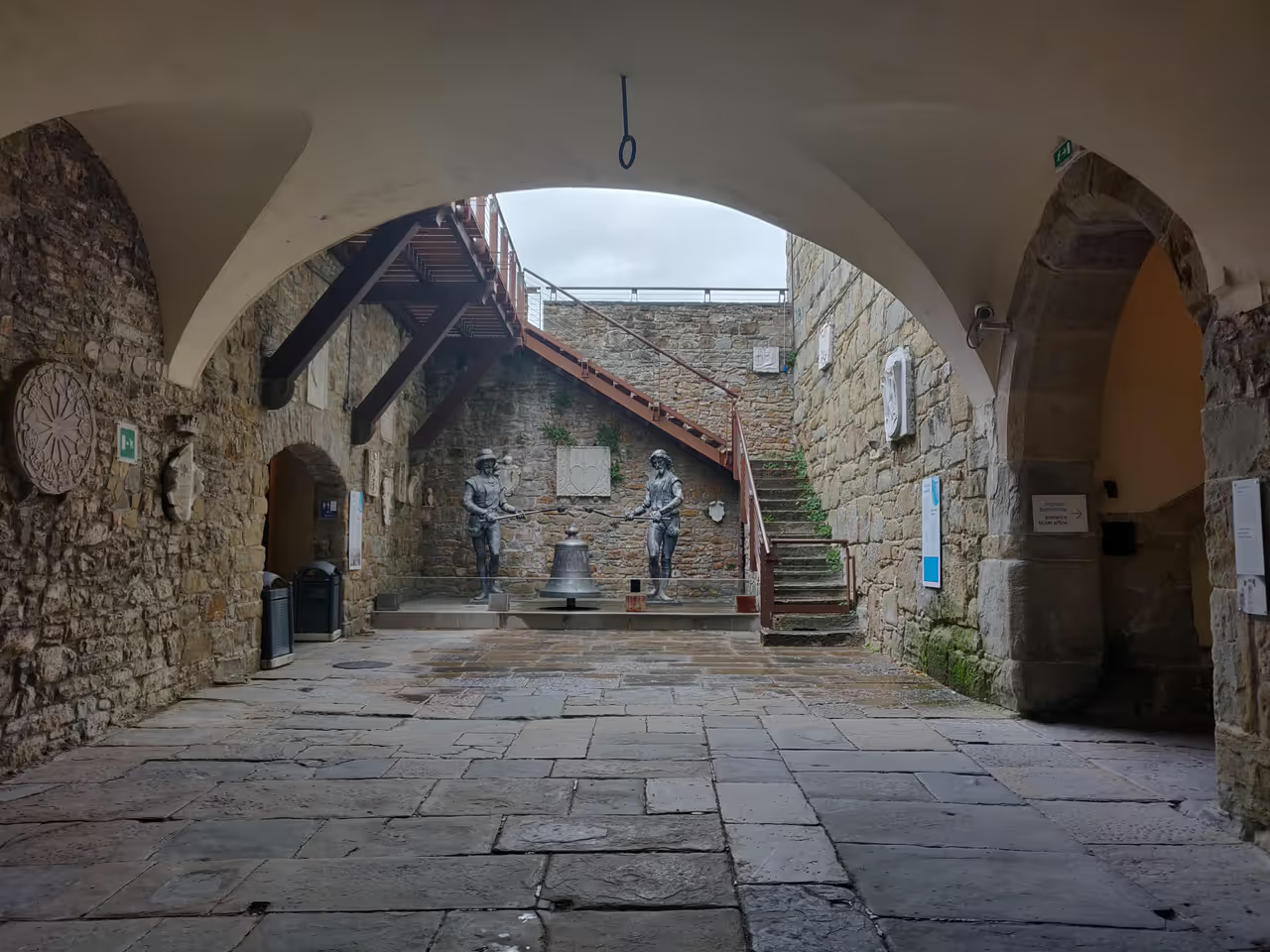
1 Day in Trieste Itinerary
This highly focused itinerary captures the absolute essence of the city's unique blend of imperial grandeur and ancient history. It is designed for those with limited time who want to experience the most iconic waterfront sights and the deep historical layers of the central hill. You will wander through magnificent squares, sip coffee in literary institutions and explore remarkably preserved Roman ruins. It perfectly balances elegant nineteenth century architecture with the rugged charm of the old town.
view itinerary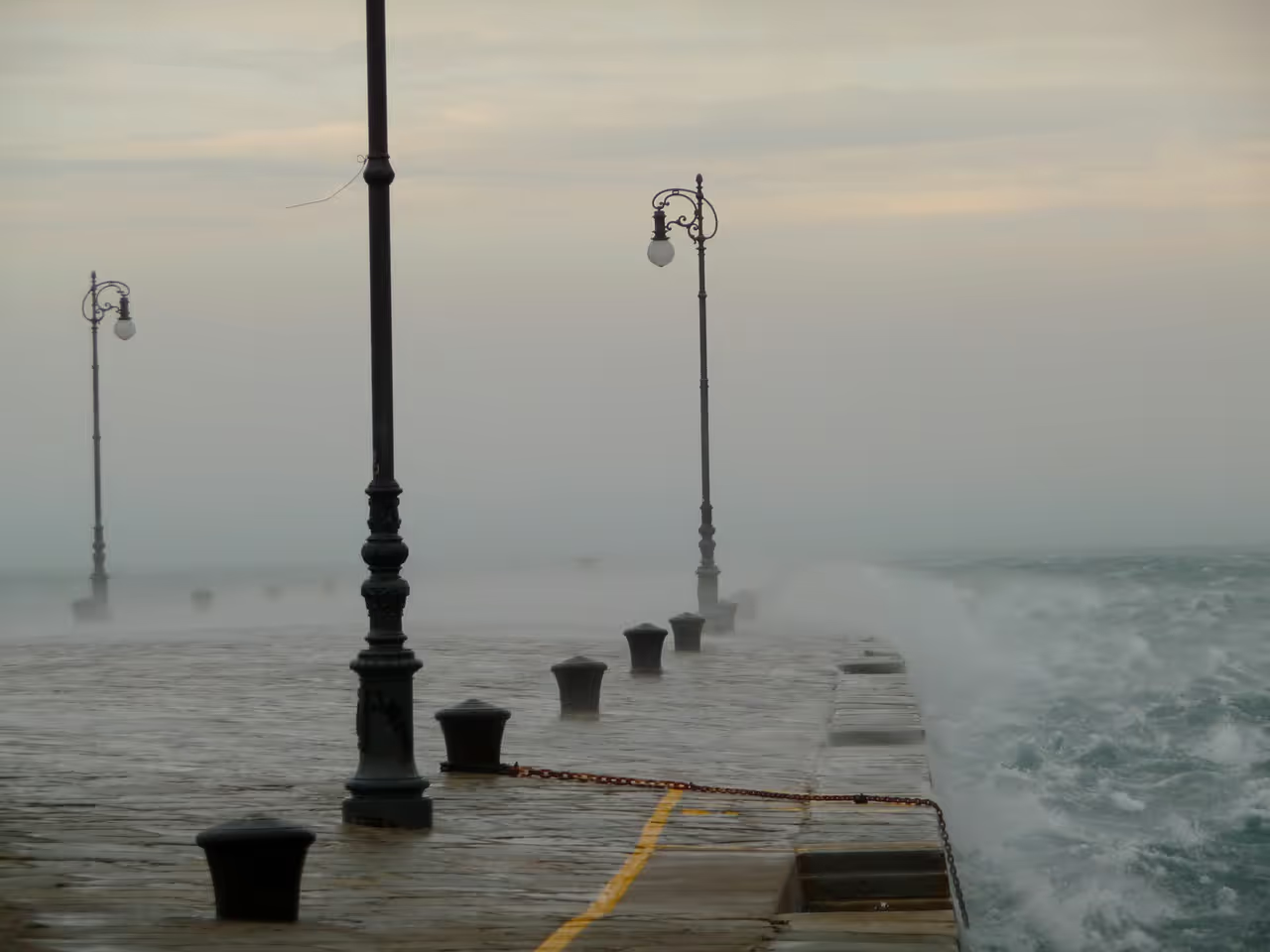
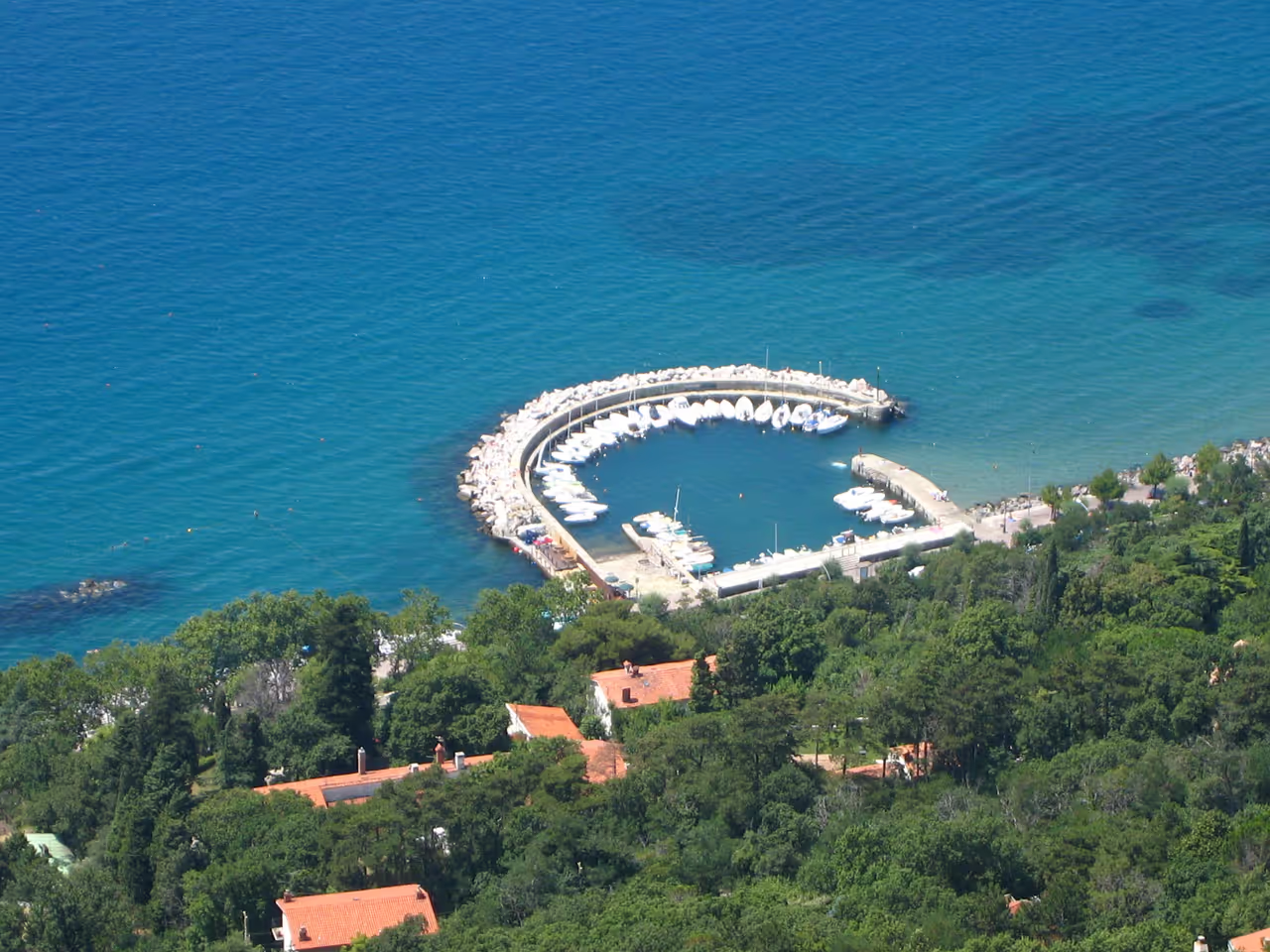
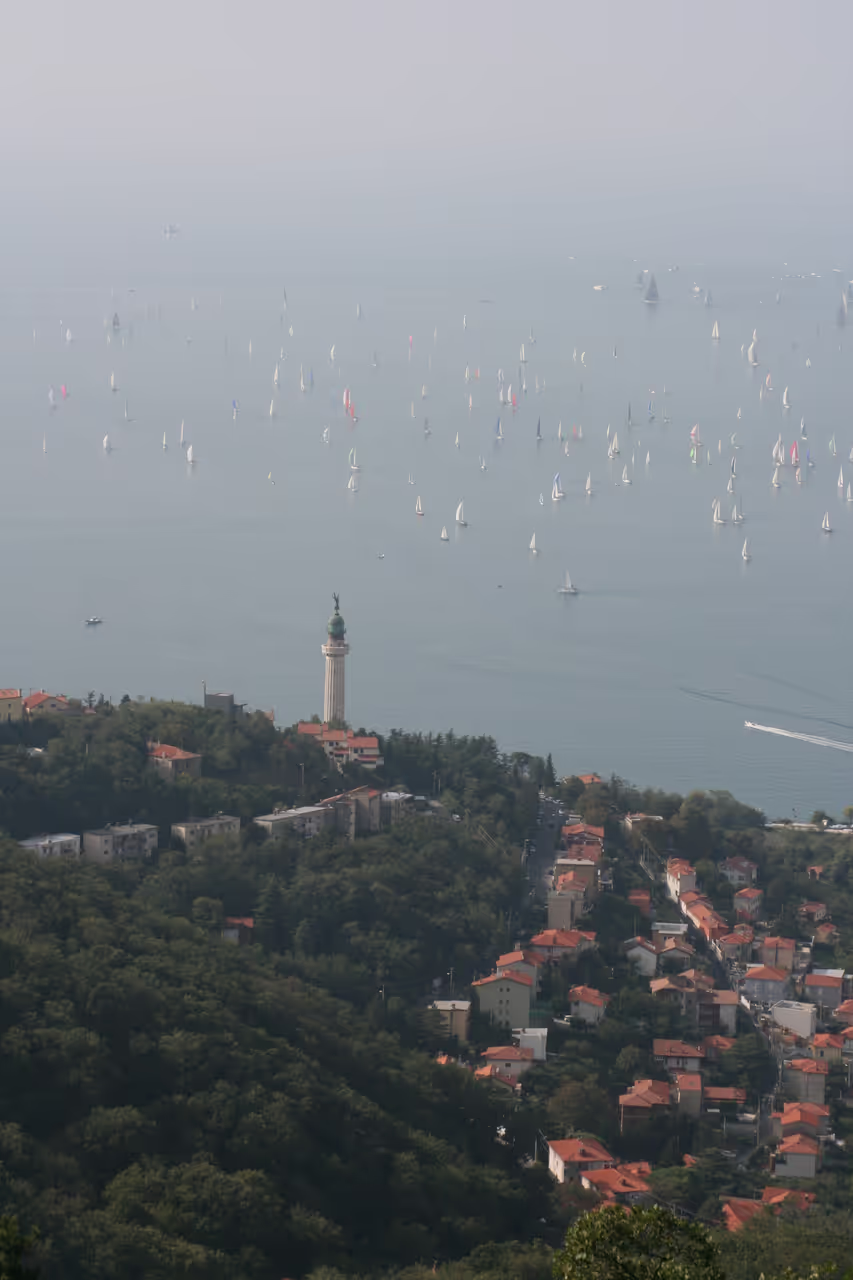
3 Days in Trieste: Imperial Echoes & Karst Landscapes Itinerary
This expanded journey allows you to fully appreciate the dramatic contrast between the elegant urban centre and the wild surrounding nature. After exploring the central highlights, you will venture along the coastline to marvel at a royal castle perched on a cliff. The final day takes you high up onto the rugged Karst plateau to discover colossal underground caves and sweeping panoramic trails. It provides a deeply comprehensive overview of the region's geographical and historical diversity.
view itinerary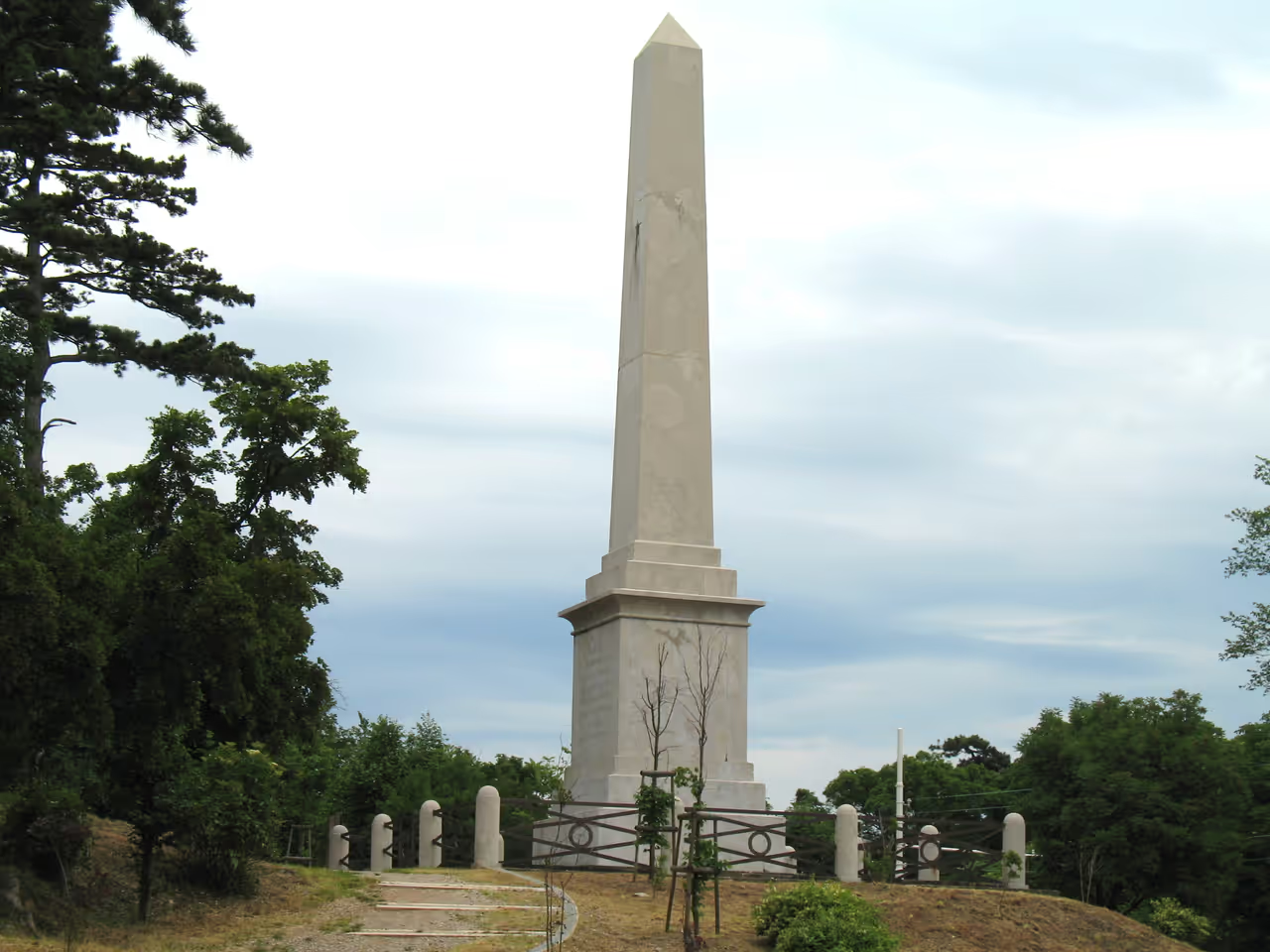
5 Days in Trieste: Complete Immersion Itinerary
This generous itinerary allows you to absorb the slow, contemplative pace of the city while uncovering its more complex layers. You will visit essential art galleries, explore the deeply moving historical sites of the twentieth century and wander the quiet, bohemian alleys of the old town. The extra time permits a deep dive into the local cafe culture and a thorough appreciation of the diverse religious architecture. It is the ultimate way to connect with the city's profound intellectual and multicultural heritage.
view itinerary
Food in Trieste
Free Things to do in Trieste
Parks & Nature
Civic Botanical Garden of Trieste
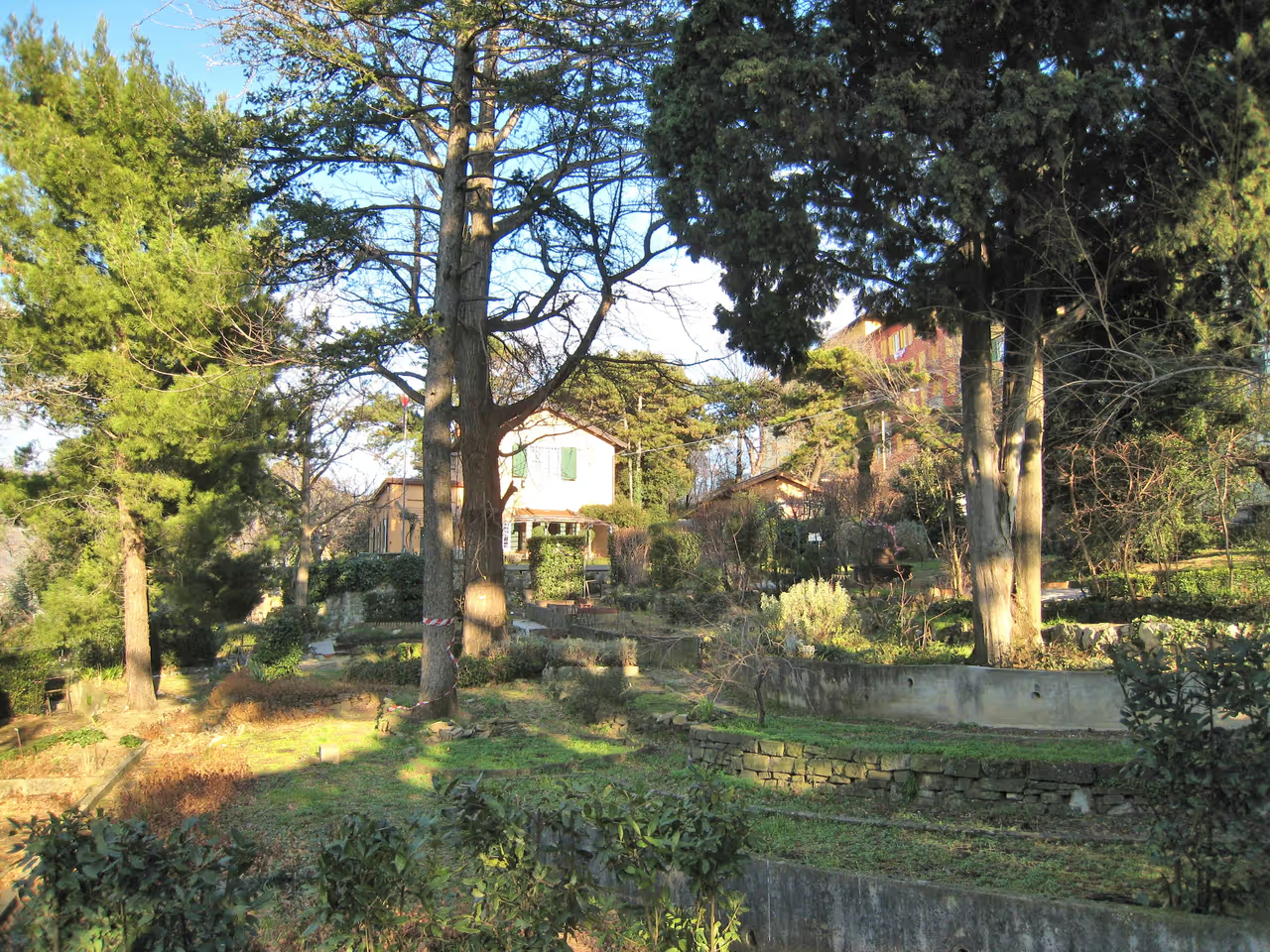
Nestled on the western slopes of the Chiadino hill, this botanical sanctuary offers a serene escape from the urban environment...
view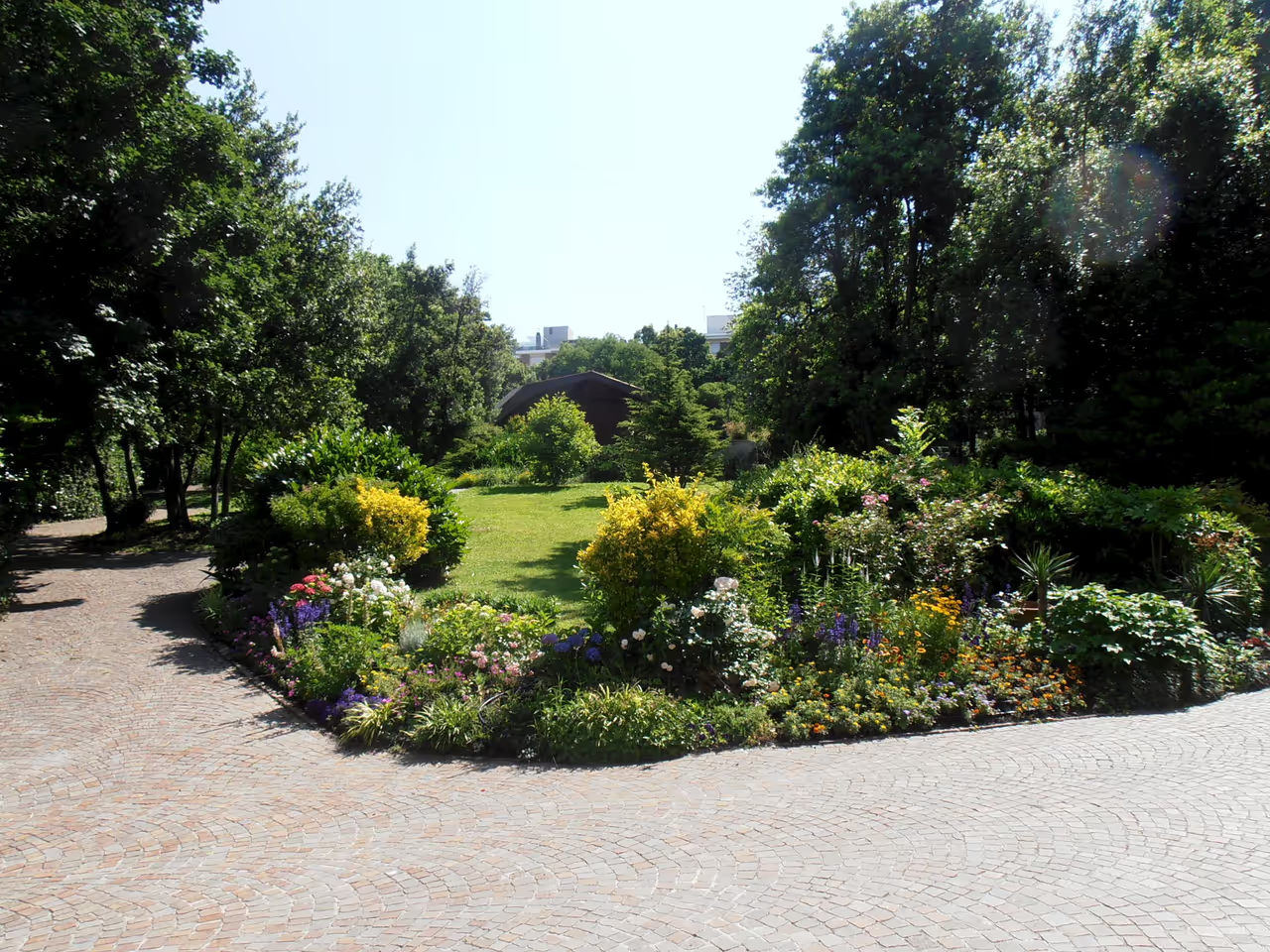
Villa Engelmann
Nestled in the heart of the city, Villa Engelmann offers a serene escape into the past. This beautiful nineteenth century estate...
view
Highlights & Must-Sees
Audace Pier
This long stone pier stretches over two hundred metres directly into the sparkling waters of the gulf. Originally built upon the...
viewCaffè San Marco
Opening its doors in 1914, this is arguably the most atmospheric and intellectually steeped coffee house in the entire region...
view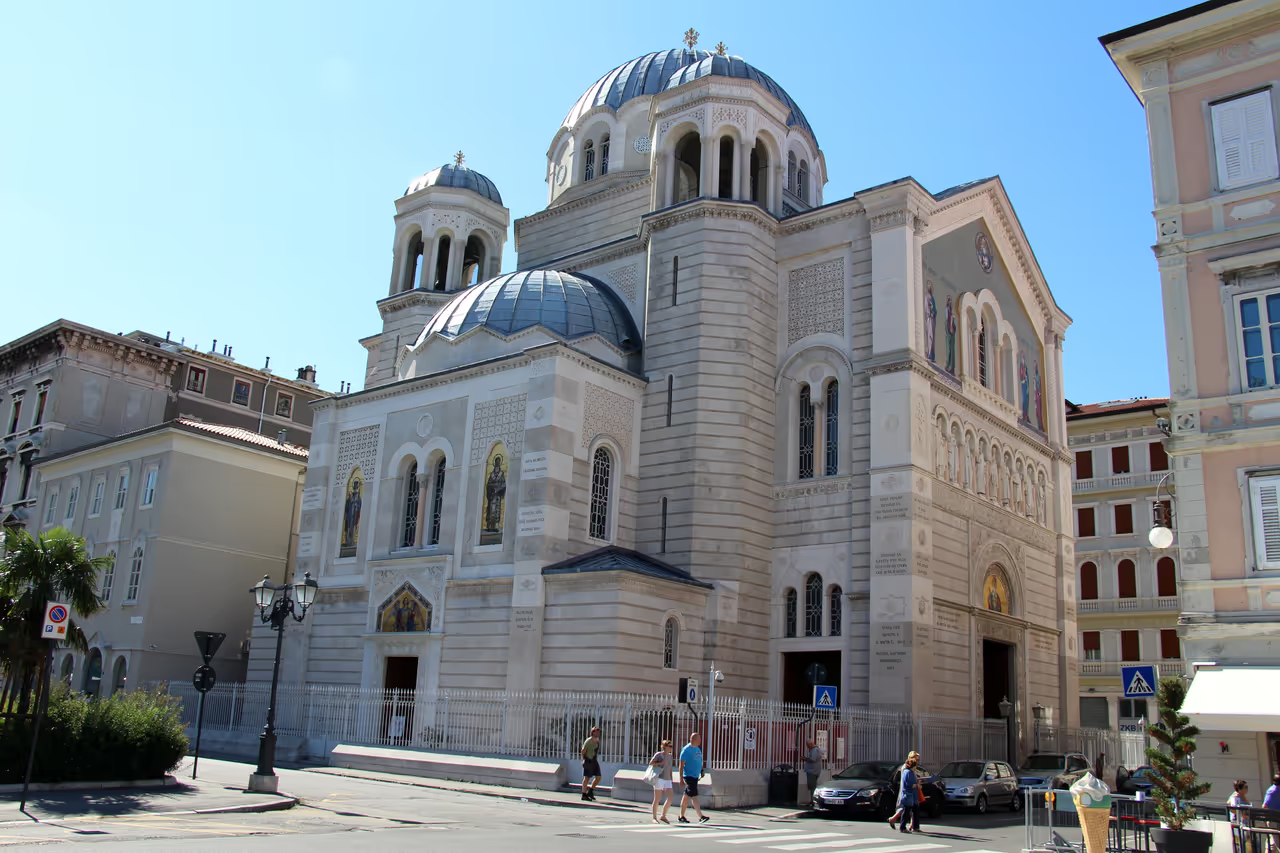
Church of Saint Spyridon
This stunning religious building is a brilliant testament to the wealthy Serbian merchant community that thrived here during the...
view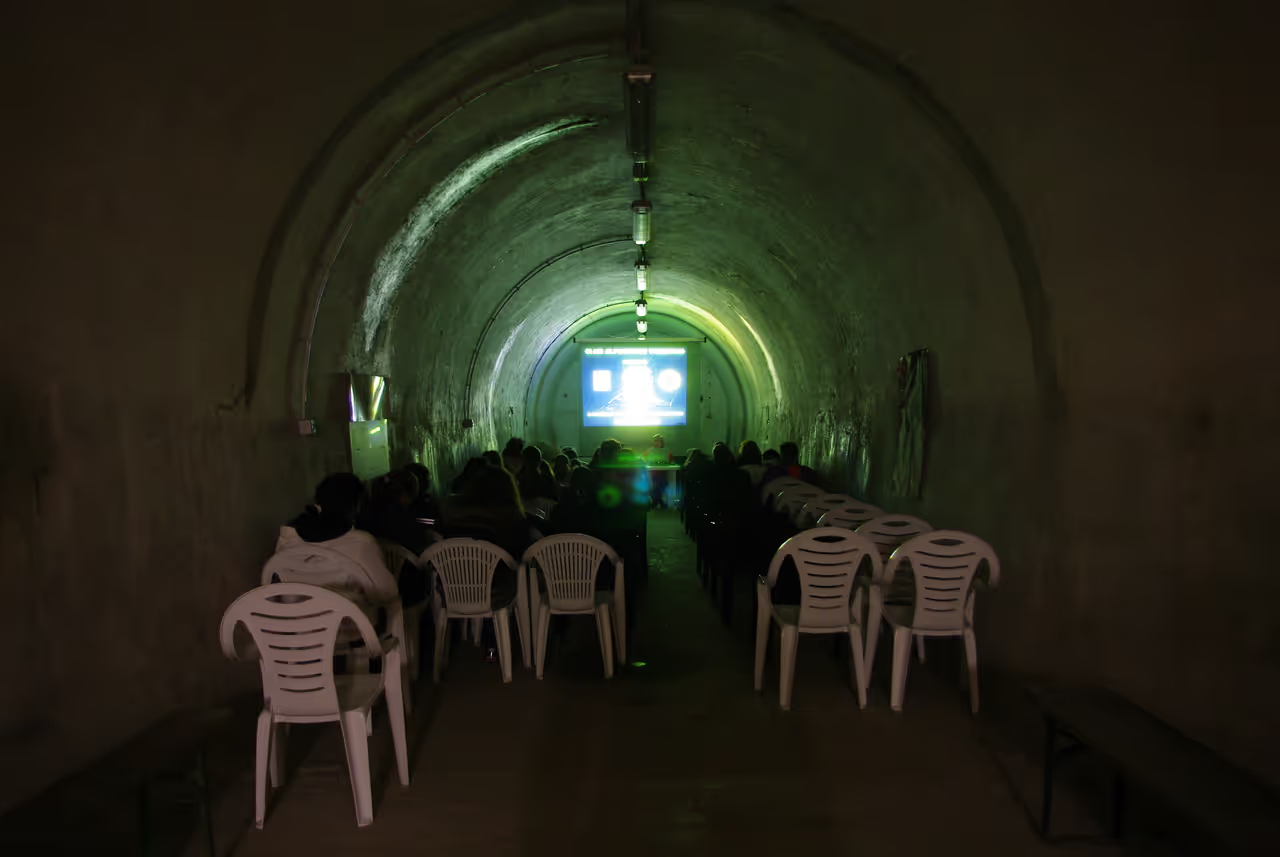
Kleine Berlin Underground
Hidden beneath the streets is a vast and eerie complex of air raid shelters constructed during the Second World War. The network...
view
Best Walks in Trieste
Barcola Promenade
This paved waterfront walkway is the social artery of the city during the warmer months. Strolling here allows you to immerse yourself in the local culture, passing by sunbathers, families and older residents engaged in lively card games. The rhythmic sound of the waves and the shade provided by the maritime pines create an idyllic coastal atmosphere. Walking towards the gleaming white castle in the distance provides a beautiful visual anchor for the journey.
Historic Centre Wander
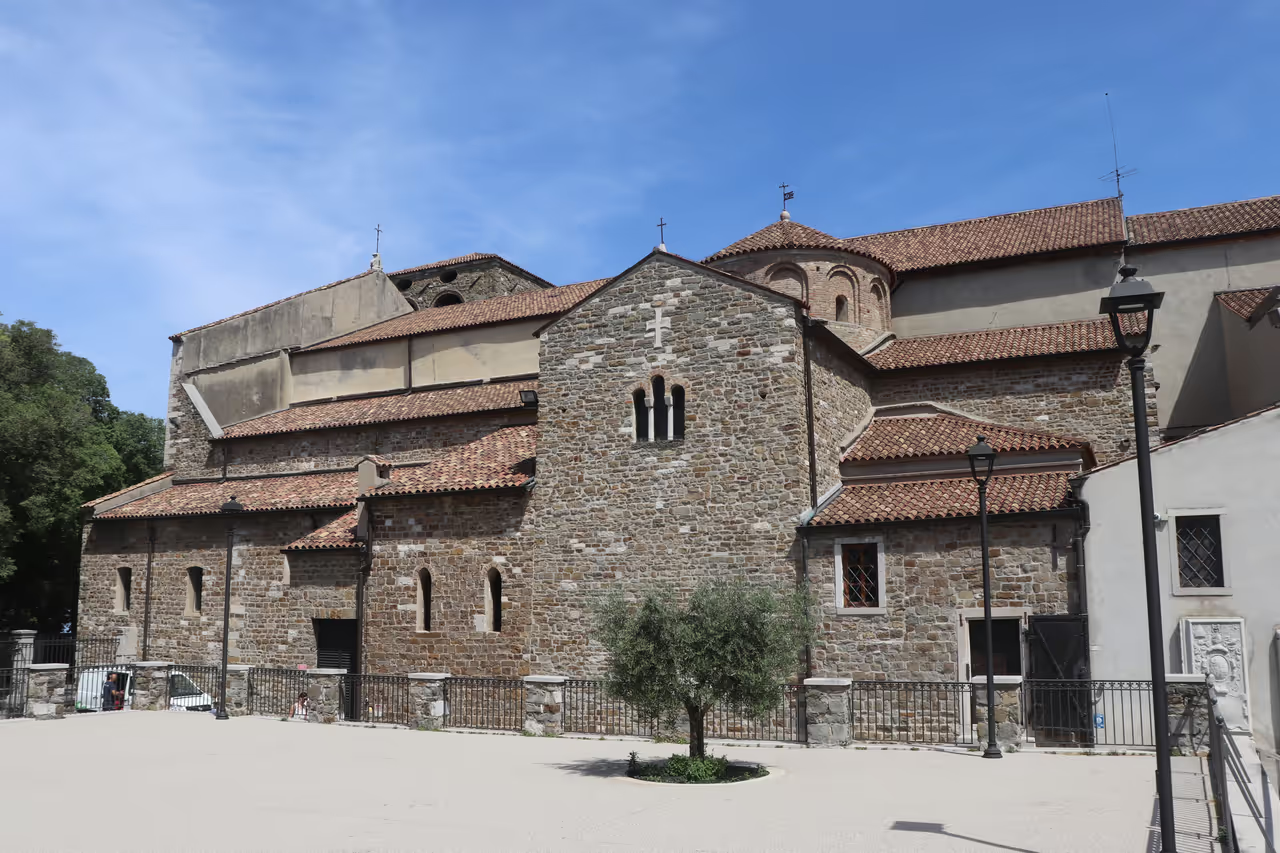
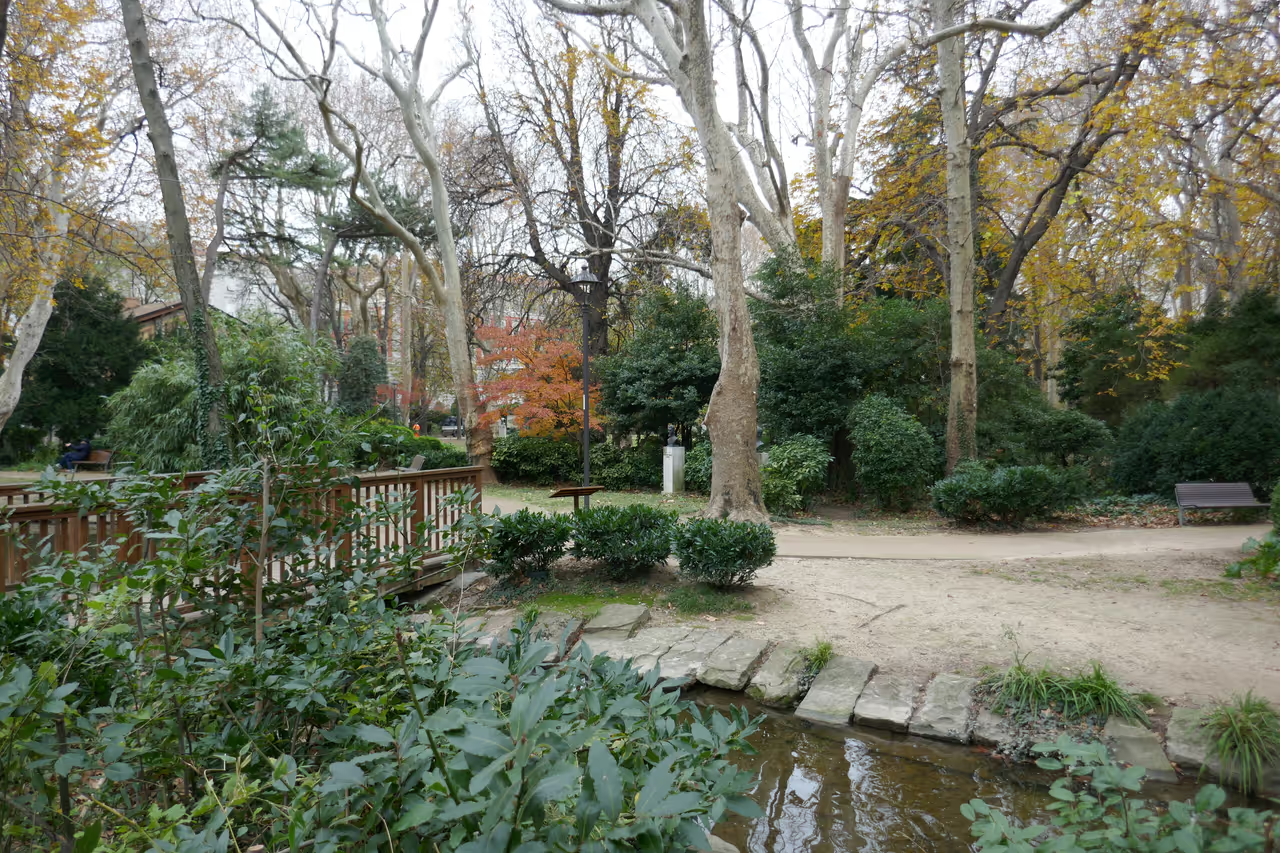
Navigating the labyrinthine alleys of the old town reveals the layers of history predating the grand Austrian avenues. The narrow, winding streets are wonderfully quiet and atmospheric, hiding ancient ruins and medieval churches among the residential buildings. This stroll requires ascending the central hill, rewarding the effort with intimate squares and unexpected historical discoveries. It feels like stepping back into a much older, more secretive version of the city.
 HIGHLY RECOMMENDED
Napoleonic Way
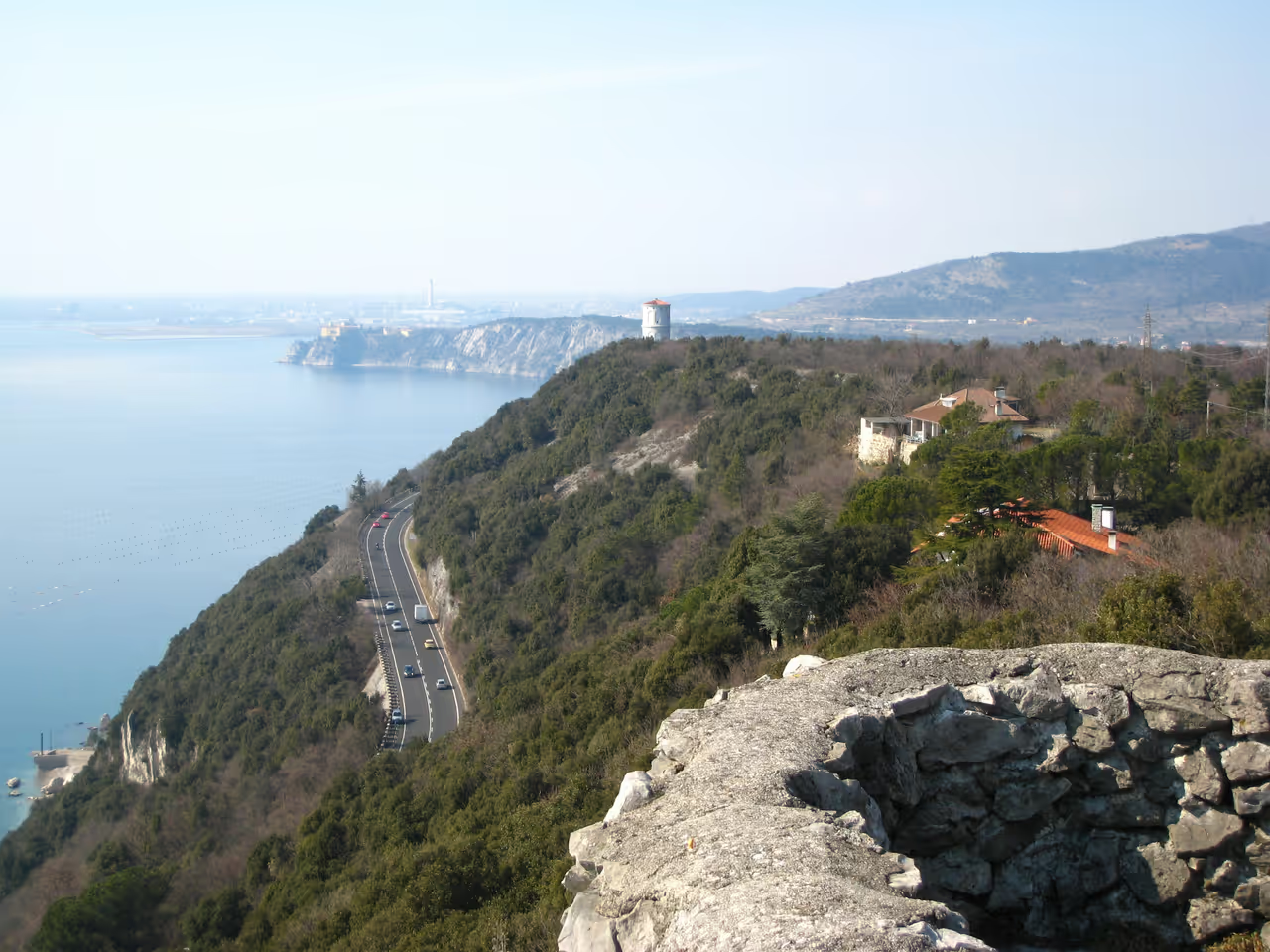
This wide, unpaved trail is undoubtedly the most beloved walking route for locals seeking fresh air and spectacular scenery. Carved high into the limestone cliffs, it maintains a comfortable, mostly flat trajectory while offering vertigo inducing views of the gulf. The path weaves through aromatic pine forests and exposes the stark, fascinating geology of the Karst region. It is a profoundly peaceful experience that perfectly marries physical activity with visual wonder.
Architecture & Landmarks
City Hall
Dominating the head of the main seafront square, this massive structure was completed in 1875 to anchor the city's new...
view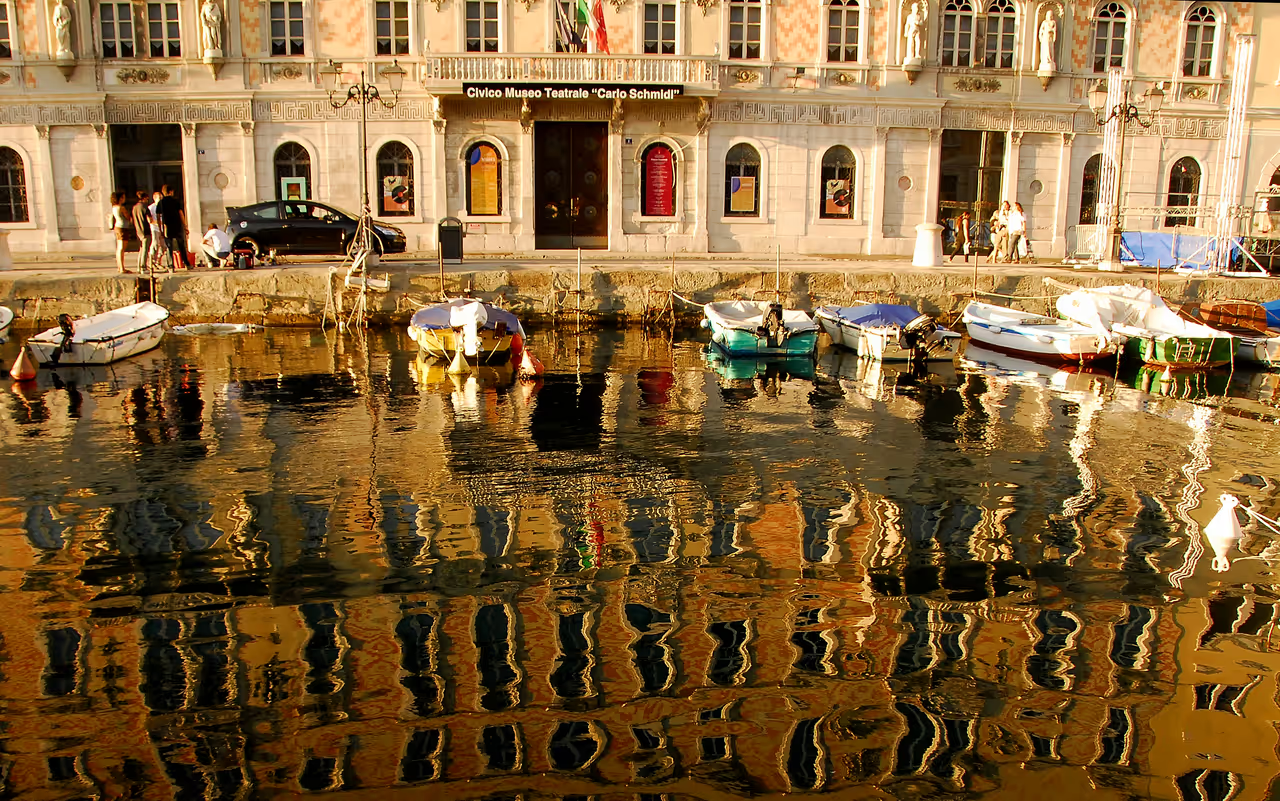
Gopcevich Palace
This striking building sitting on the edge of the Grand Canal was constructed for a wealthy Serbian shipowner in 1850. The...
view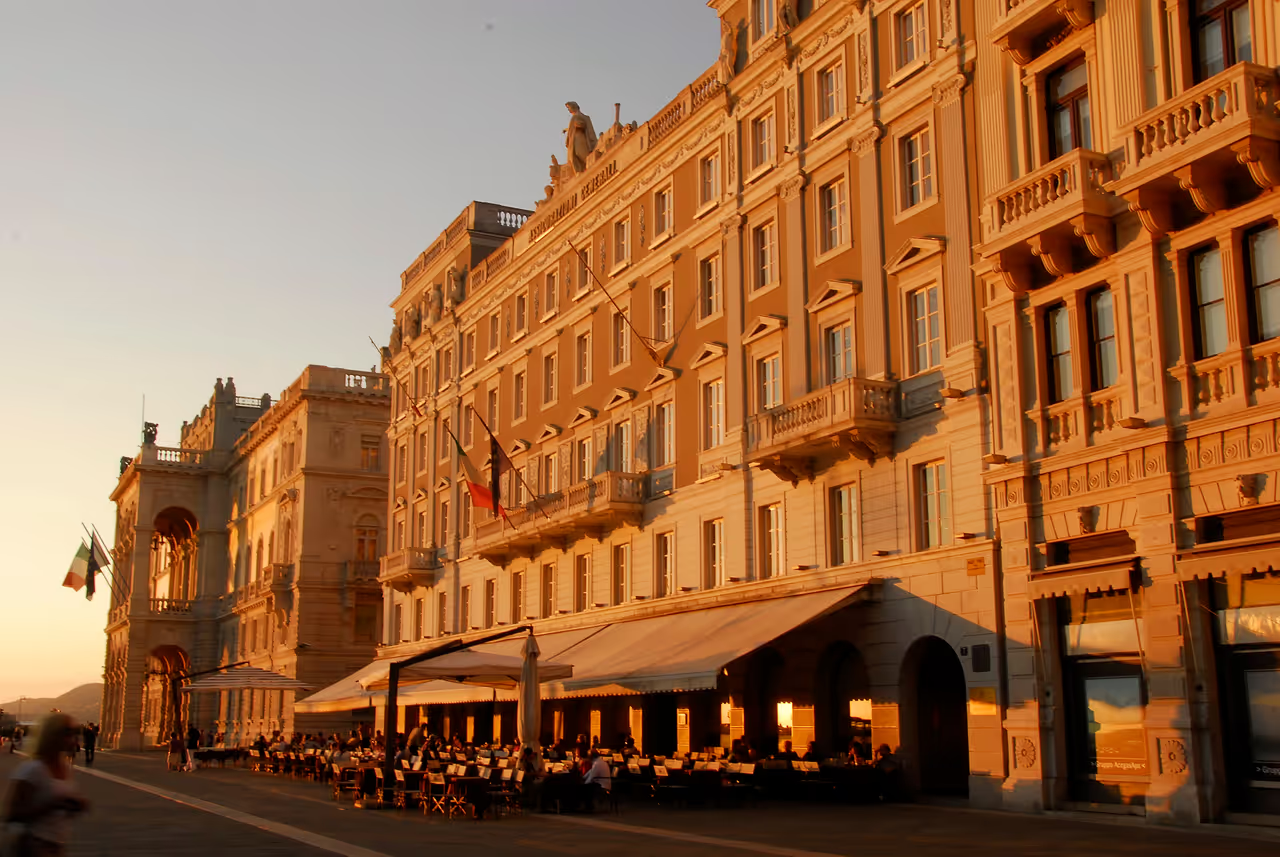
Palace of the Austrian Lieutenancy
Standing proudly on the main square, this magnificent building once served as the absolute seat of Habsburg authority in the...
view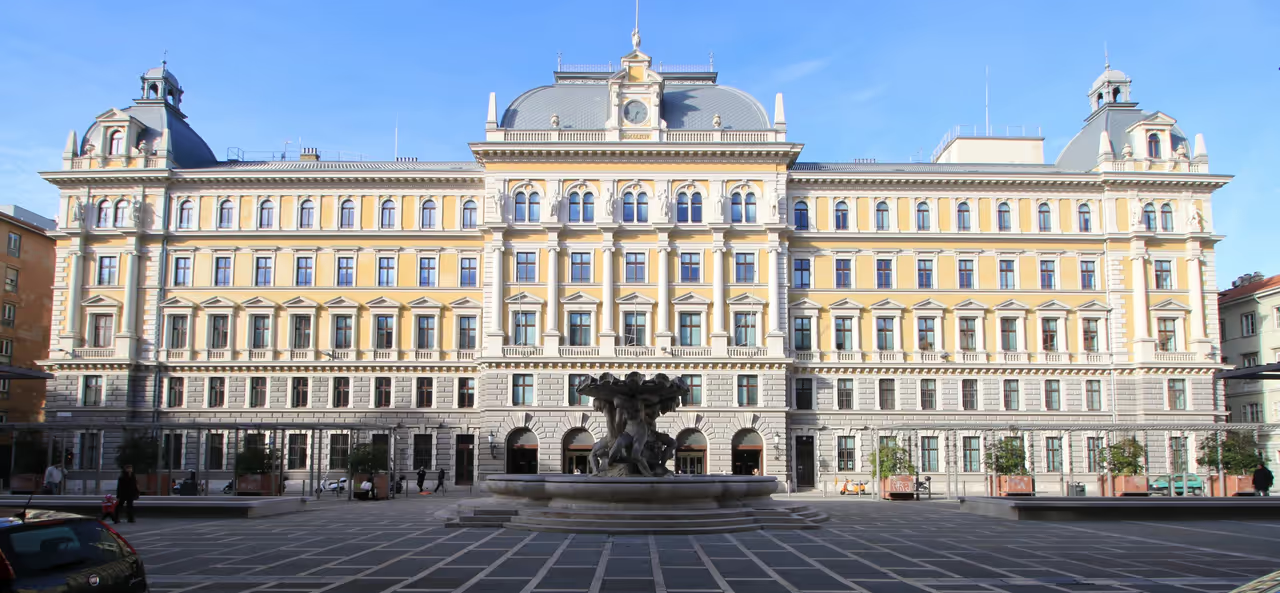
Post Office Palace
This enormous, palatial structure occupies an area of over seven thousand square metres, built over the site of former salt...
view
Markets & Shopping
Trieste Nightlife
Photo Spots
Activities & Experiences
Cycling Routes
- HIGHLY RECOMMENDED
Coastal Ride to Miramare
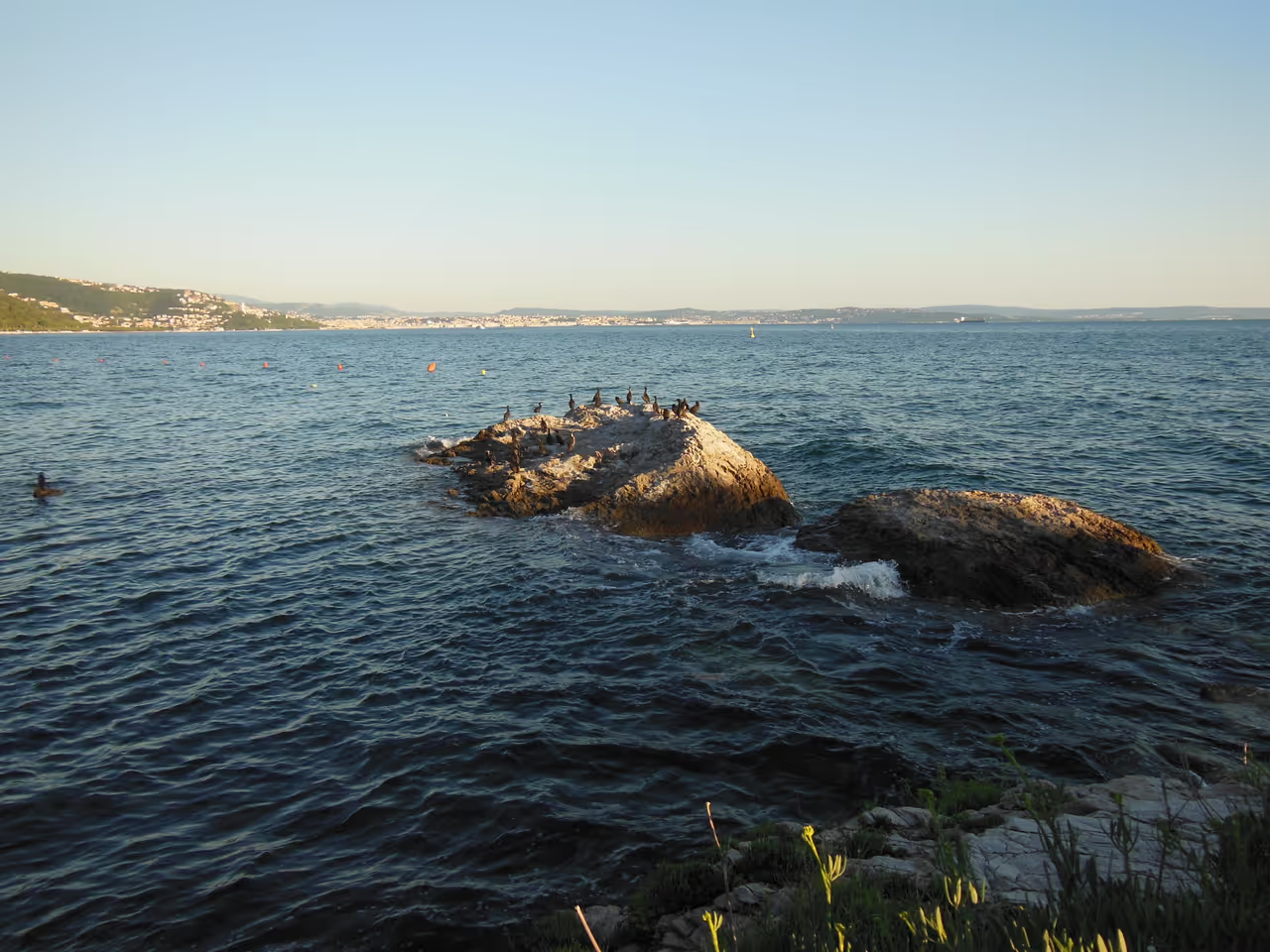
This stunning flat route follows the coastline, offering uninterrupted views of the sparkling Adriatic Sea on one side and pine trees on the other. It is incredibly popular with locals seeking a refreshing breeze and a touch of exercise along the shore. The pathway guides cyclists past historic swimming spots and impressive monuments standing proud against the horizon. Riding this route provides a wonderful sense of the city's deep maritime connections and relaxed coastal lifestyle.
Karst Plateau Trail
Escaping the urban centre, this route explores the rugged and fascinating limestone plateau that looms above the city. The air is notably cooler and fragrant with wild herbs, offering a completely different atmosphere to the coastline. Cyclists will encounter quaint villages where Slovene is widely spoken, highlighting the region's rich multicultural fabric. It is a superb way to connect with nature and discover the unique geological wonders hidden just a short distance from the grand squares.
City Waterfront Path
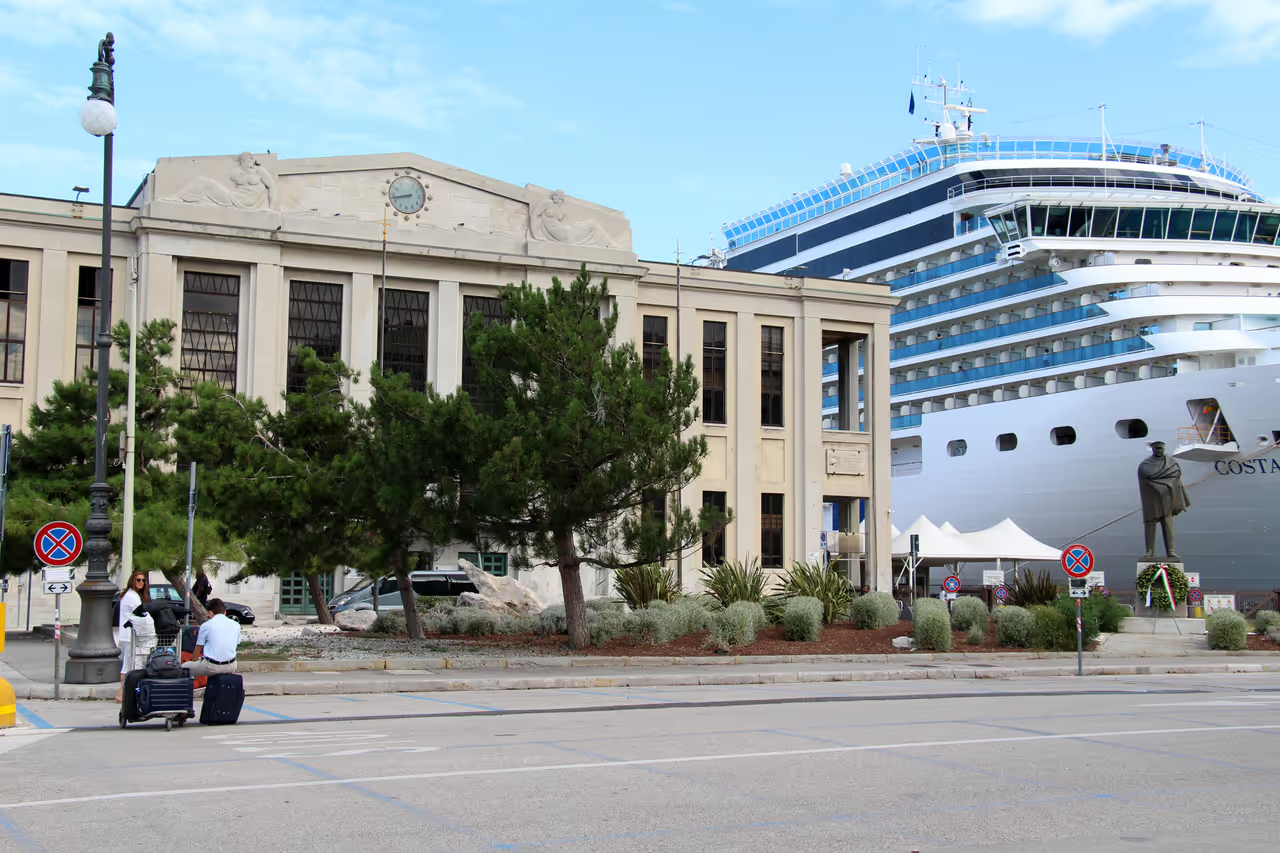
This leisurely urban ride glides past the most majestic and historically significant maritime facades the city has to offer. The route allows you to appreciate the grand scale of the imperial architecture that defines the main port area. Cycling alongside docked sailboats and massive cruise ships emphasizes the ongoing vitality of the maritime economy. It is an effortless and highly visual way to orient yourself within the historic centre.
Self-Guided Tours
Ancient Roman Remnants
Uncover the formidable ancient colony of Tergeste that lies hidden beneath the modern streets. This journey requires a bit of imagination to strip away the grand neoclassical facades and see the fortified hilltop and bustling ancient port below. The surviving structures are remarkably well preserved and integrated directly into the later medieval and modern developments. It highlights the incredible longevity and strategic importance of this specific geographical location.
James Joyce's Trieste
Follow the trail of the brilliant Irish author who found a second home in this cosmopolitan port. This route explores the cafes where he wrote, the schools where he taught English and the squares where he observed the diverse local life that influenced his masterpieces. It offers a fascinating lens through which to view the city, highlighting its intellectual ferment at the turn of the twentieth century. Literary enthusiasts will deeply appreciate the tangible connections to one of modernism's greatest figures.
- HIGHLY RECOMMENDED
Austro Hungarian Splendour
Immerse yourself in the grandeur of the imperial era when this was the most crucial port of the Habsburg monarchy. This architectural tour focuses on the massive, ornate palaces and meticulously planned grid streets of the Borgo Teresiano. The sheer scale and elegance of the buildings convey the immense wealth and administrative power that flowed through these streets. It feels remarkably like walking through a seaside version of Vienna.
Annual Festivals & Events
 HIGHLY RECOMMENDED
Barcolana Regatta
This spectacular maritime event completely transforms the gulf as thousands of sailing boats gather for the largest regatta in the world. Professionals and enthusiastic amateurs race alongside each other, creating a breathtaking visual display on the water. The entire waterfront turns into a massive festival village offering food, music and sailing gear. The electric atmosphere brings the whole community out to celebrate their profound connection to the sea. Securing a good viewpoint early in the morning is essential to fully appreciate the sheer scale of the fleet. It is an unforgettable celebration of maritime culture and sheer competitive joy.
Science Fiction Festival
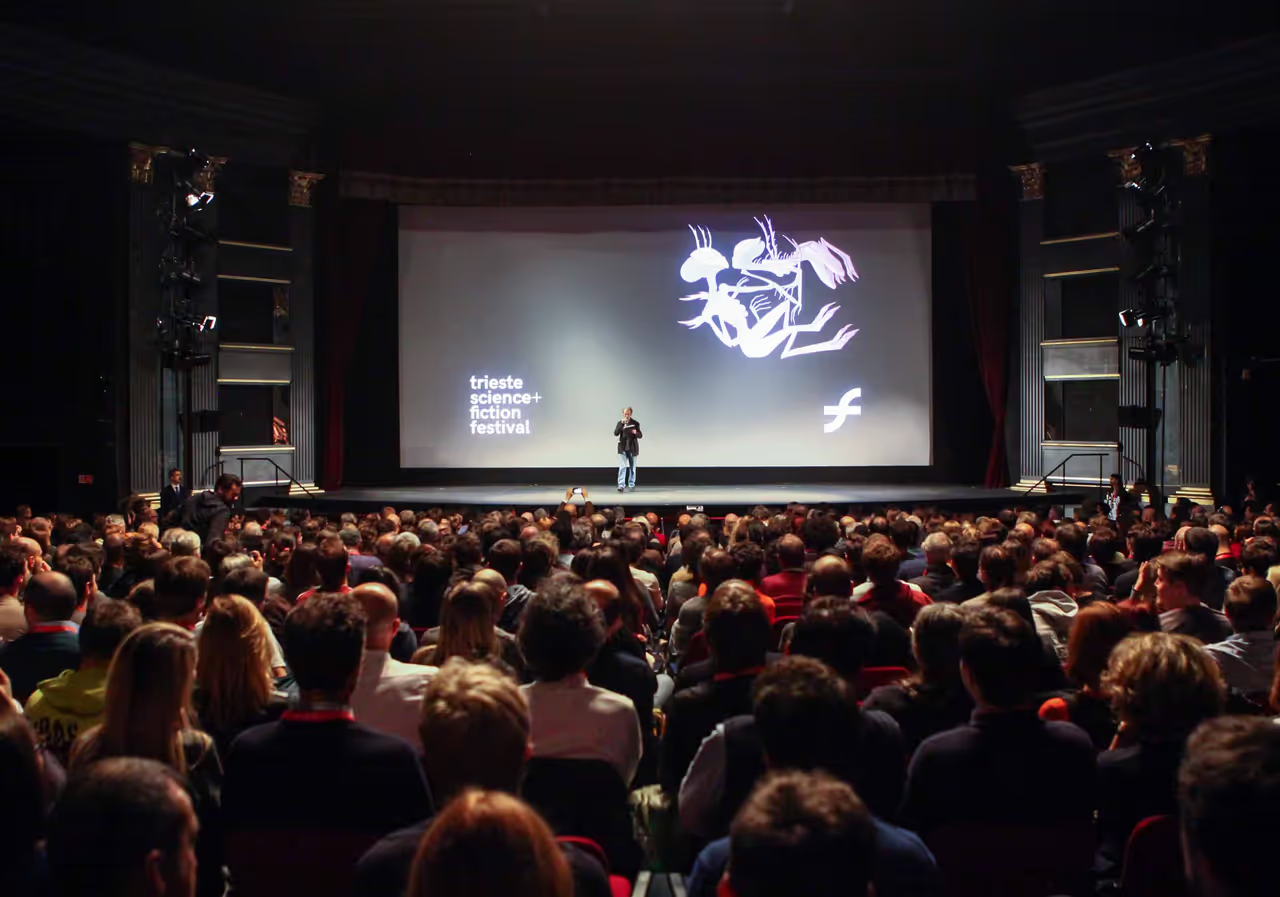
A thrilling celebration of speculative fiction that draws fans of sci fi, fantasy and horror from across the continent. The festival screens a mix of highly anticipated new releases and beloved genre classics. Beyond the films, it hosts fascinating masterclasses, literary events and encounters with renowned directors and actors. The event honours the city's long standing relationship with the genre, creating a wonderfully geeky and enthusiastic vibe. It is the perfect cultural escape for anyone fascinated by the weird, the futuristic and the supernatural.
Trieste Film Festival
This prestigious cinema event is Italy's leading festival dedicated to Central and Eastern European films. It showcases a highly curated selection of independent movies, documentaries and short films that often explore complex regional histories. The screenings take place in beloved local venues like Teatro Miela, drawing passionate cinephiles and industry professionals. Many films feature English subtitles, making it highly accessible to international visitors. It is a fantastic opportunity to discover brilliant cinema from neighbouring countries in an intimate and welcoming setting.
Insider Tips
Purchase the FVG Card at the tourist office, it offers tremendous value by including free access to almost all major local museums and attractions.
Memorise the local coffee vocabulary before you order; ask for a 'nero' for an espresso and a 'capo in b' for a macchiato in a small glass.
Keep an eye out for leafy branches hanging above doorways in the Karst villages, these mark an 'osmiza', a temporary local farm tavern serving homemade wine and cured meats.
Hold onto your belongings tightly if the Bora wind is blowing, it comes in sudden violent gusts that can easily snatch hats and loose items.
When taking the bus, remember to validate your paper ticket in the machine immediately upon boarding to avoid hefty fines from frequent inspectors.
Take the number six bus to Barcola if you want to swim like a local; there is no sand, just smooth concrete terraces perfect for sunbathing.
PERFECT FOR
This destination is perfect for literature lovers, architecture enthusiasts and travellers who appreciate a sophisticated coffee house culture. It strongly appeals to those who enjoy history layered with multicultural influences and prefer a more reflective, slow paced exploration. Visitors seeking a coastal retreat intertwined with Central European elegance will find it deeply rewarding.
VIBE
It feels like stepping into a melancholic yet magnificent novel where grand Viennese architecture meets the sparkling Mediterranean Sea. The air is invariably laced with the aroma of freshly roasted coffee and the salty breeze of the Adriatic. It is a deeply atmospheric place that invites slow contemplation and leisurely strolls rather than a rushed tourist checklist.
Frequently Asked Questions about Trieste
While we strive to keep this information accurate and up to date, we recommend verifying any details independently before making decisions based on them.
Similar Destinations in Italy
Continue your journey. Explore these highly recommended cities and uncover more of what Italy has to offer.